

Le 10 migliori alternative a Odoo per la gestione dell’inventario e i sistemi ERP nel 2026

Selezione delle alternative a Odoo


Una valida alternativa a Odoo offre funzionalità ERP flessibili, integrazioni affidabili e scalabilità per adattarsi alla crescita e alla complessità della tua attività. Se stai cercando alternative a Odoo, probabilmente stai valutando opzioni più adatte ai tuoi flussi di lavoro, ai requisiti del tuo settore o al tuo stack tecnologico.
Con così tante piattaforme ERP disponibili, è essenziale confrontare soluzioni che offrano il giusto equilibrio tra personalizzazione, facilità d'uso e assistenza. Questo elenco ti aiuterà a individuare rapidamente le migliori alternative a Odoo per il 2026, così potrai prendere una decisione informata per le tue attività di vendita al dettaglio o di commercio elettronico.
Che cos'è Odoo?
Odoo è una piattaforma ERP open source ed ERP cloud che riunisce software di contabilità, gestione dell'inventario, vendite, acquisti e altre applicazioni aziendali in un unico sistema. Le aziende utilizzano Odoo per centralizzare le operazioni, migliorare la facilità d'uso tra i team e gestire i dati tra i vari reparti.
La sua struttura modulare facilita l'aggiunta di funzionalità avanzate per startup, PMI, aziende di medie dimensioni e imprese del mercato medio, man mano che cambiano le esigenze. Odoo è inoltre disponibile in ambienti con hosting autonomo, una caratteristica apprezzata dai team che desiderano un maggiore controllo sulla configurazione, sugli aggiornamenti e sulla personalizzazione.
Tabella comparativa delle alternative a Odoo
Questa tabella comparativa riassume i dettagli dei prezzi delle mie migliori alternative a Odoo:
| Tool | Best For | Trial Info | Price | ||
|---|---|---|---|---|---|
| 1 | Ideale per opzioni di implementazione flessibili | Demo gratuita disponibile | Prezzo su richiesta | Website | |
| 2 | Ideale per la gestione finanziaria avanzata | Demo gratuita disponibile | Prezzi su richiesta | Website | |
| 3 | Ideale per la gestione globale multi-entità | Dimostrazione gratuita disponibile | Prezzi su richiesta | Website | |
| 4 | Ideale per operazioni complesse nella catena di approvvigionamento | Demo gratuita disponibile | Prezzi su richiesta | Website | |
| 5 | Ideale per l'integrazione con l'ecosistema Microsoft 365 | Prova gratuita di 30 giorni | Da $80/utente/mese (con fatturazione annuale) | Website | |
| 6 | Ideale per gli strumenti integrati di collaborazione del team | Piano gratuito + prova gratuita di 15 giorni + demo gratuita disponibile | A partire da $49/organizzazione/mese (fatturati annualmente) | Website | |
| 7 | Ideale per il monitoraggio dell'inventario in tempo reale | Piano gratuito + demo gratuita disponibile | A partire da $299/mese | Website | |
| 8 | Ideale per l'automazione dei progetti e della fatturazione | Prova gratuita di 14 giorni + demo gratuita disponibile | A partire da $19.90/utente/mese (con fatturazione annuale) | Website | |
| 9 | Ideale per esigenze di personalizzazione a codice aperto | Versione di prova gratuita disponibile | A partire da $5/mese (fatturati annualmente) | Website | |
| 10 | Ideale per flussi di lavoro contabili integrati | Prova gratuita di 30 giorni | A partire da $19/mese | Website |


Perché fidarsi dei nostri consigli sui software
Il nostro team testa e recensisce software dal 2012. In quanto leader del retail noi stessi, sappiamo quanto sia difficile — e importante — scegliere il software giusto.
Per questa guida, abbiamo valutato gli strumenti attraverso test pratici e ricerche indipendenti, assegnando un punteggio agli strumenti in base ai nostri criteri di selezione.
Le nostre recensioni riflettono il nostro giudizio indipendente, non un discorso di vendita.
Recensioni delle alternative a Odoo
Di seguito trovi i miei riepiloghi dettagliati delle alternative a Odoo che sono entrate nella mia selezione. Le mie recensioni offrono una panoramica dettagliata delle funzionalità, dei casi d’uso più adatti e delle integrazioni di ciascuna piattaforma ERP, per aiutarti a trovare quella migliore per la tua azienda.

Ideale per opzioni di implementazione flessibili
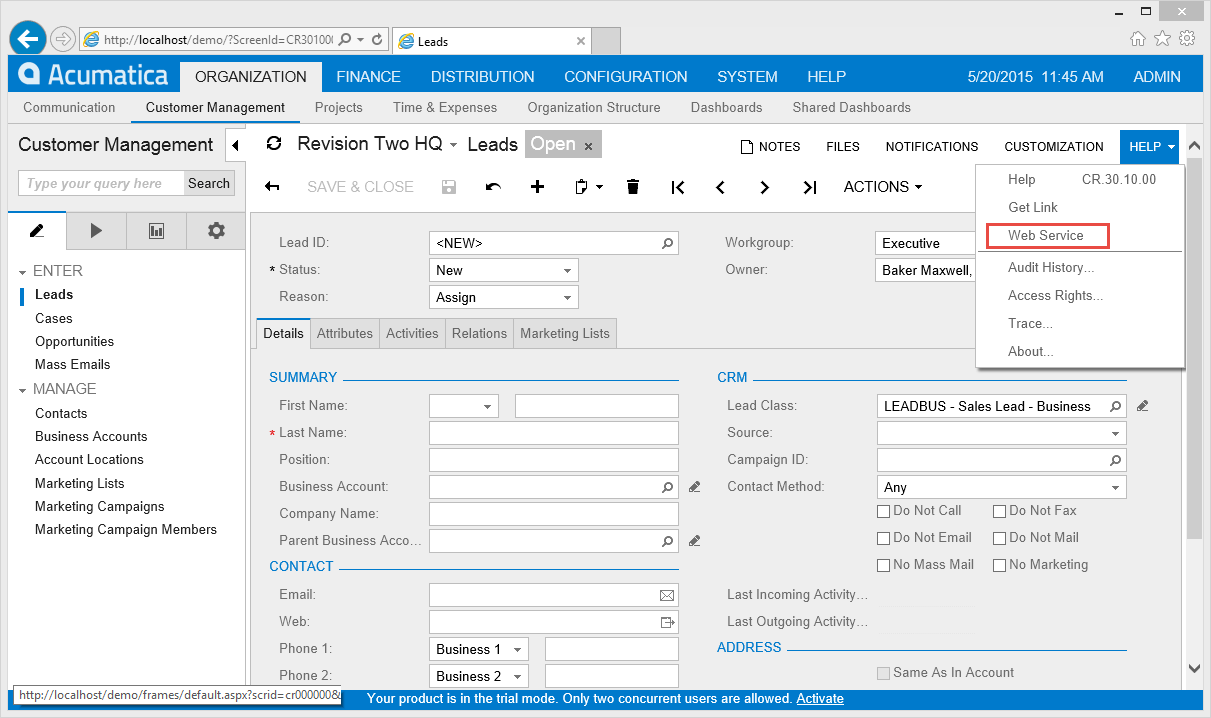
Se la tua azienda ha bisogno di un software ERP che si adatti alla propria infrastruttura, Acumatica merita un'attenta valutazione. Questa piattaforma interessa le aziende che desiderano scegliere tra un'implementazione nel cloud, in sede o ibrida, un'opzione che Odoo e molti altri ERP non offrono. Acumatica è particolarmente utile per le organizzazioni con requisiti IT rigorosi o che operano in settori in cui la localizzazione dei dati e la flessibilità di implementazione sono importanti.
Perché Acumatica è una buona alternativa a Odoo
A differenza di molte piattaforme ERP, Acumatica offre una vera flessibilità nelle modalità di implementazione del sistema. Ho scelto Acumatica per questo elenco perché può essere eseguito nel cloud, in sede o in un ambiente ibrido, una caratteristica rara tra le alternative a Odoo. Questa flessibilità è particolarmente preziosa per le aziende con requisiti rigorosi di localizzazione dei dati o politiche IT specifiche. Se la tua organizzazione deve controllare dove e come opera il proprio ERP, le opzioni di implementazione di Acumatica lo distinguono.
Funzionalità principali di Acumatica
Altre funzionalità di Acumatica che potrebbero essere utili per la tua azienda includono:
- Piattaforma ERP nel cloud: accedi ai dati finanziari, operativi e aziendali tramite un'interfaccia basata su browser con aggiornamenti in tempo reale
- Suite per la gestione finanziaria: gestisci contabilità generale, debiti, crediti e gestione della liquidità in un unico sistema
- Contabilità dei progetti: monitora budget, costi, ricavi e redditività dei progetti con una visibilità dettagliata durante l'intero ciclo di vita
- Gestione dell'inventario e del magazzino: monitora i livelli delle scorte, gestisci più magazzini e automatizza i processi di rifornimento
- Gestione delle relazioni con i clienti (CRM): gestisci lead, opportunità e interazioni con i clienti all'interno della stessa piattaforma
Integrazioni di Acumatica
Le integrazioni includono Microsoft Office 365, Salesforce, Shopify, HubSpot, QuickBooks, ADP, Avalara, PayPal e Stripe.
Pros and Cons
Pros:
- Le opzioni di implementazione flessibili supportano requisiti IT diversi
- La contabilità dei progetti è efficace per esigenze di fatturazione complesse
- I moduli CRM ed ERP integrati riducono la proliferazione degli strumenti
Cons:
- L'implementazione richiede spesso il supporto di un partner
- La reportistica avanzata potrebbe richiedere configurazione o formazione aggiuntiva

Ideale per la gestione finanziaria avanzata
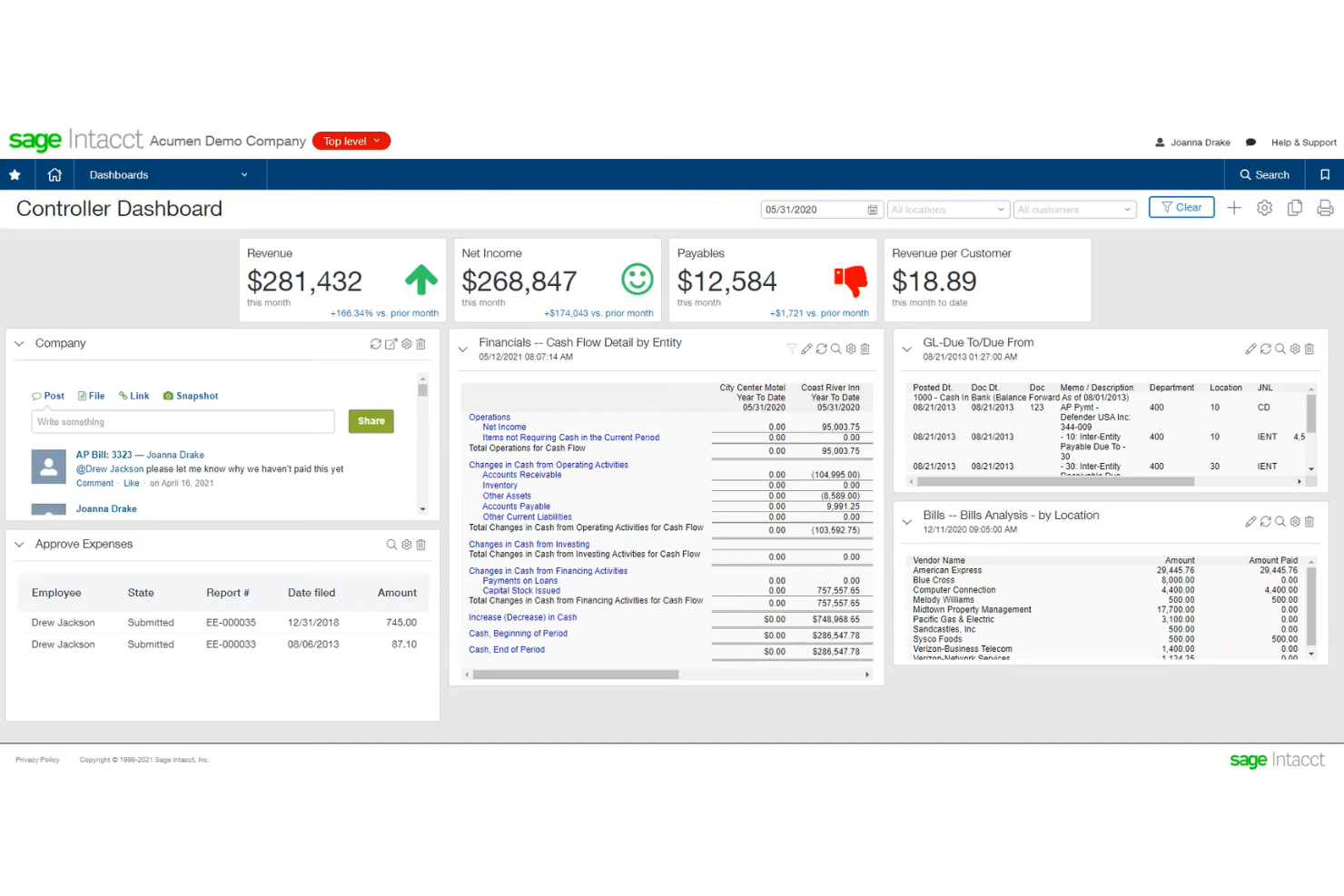
I team finanziari alla ricerca di un'automazione approfondita e di una visibilità in tempo reale sui propri numeri si rivolgono spesso a Sage Intacct. Questa piattaforma ERP è progettata per le organizzazioni che necessitano di una gestione finanziaria avanzata, inclusi report multidimensionali e flussi di lavoro complessi per le approvazioni. Se la tua azienda richiede un controllo granulare dei processi finanziari e registri pronti per gli audit, Sage Intacct offre strumenti specializzati che vanno oltre ciò che offre Odoo.
Perché Sage Intacct è una buona alternativa a Odoo
Quando hai bisogno di un software ERP specializzato nella gestione finanziaria avanzata, Sage Intacct si distingue per la sua profondità in questo ambito. Apprezzo il fatto che offra funzionalità di contabilità generale multidimensionale, consentendo di suddividere e analizzare i dati finanziari per reparto, sede o progetto.
La piattaforma supporta inoltre il riconoscimento automatico dei ricavi e flussi di lavoro complessi per le approvazioni, elementi essenziali per le organizzazioni con rigorosi requisiti di conformità. Se la tua azienda richiede controlli finanziari più sofisticati rispetto a quelli offerti da Odoo, Sage Intacct è progettato per gestire queste esigenze.
Funzionalità principali di Sage Intacct
Alcune altre funzionalità di Sage Intacct che potrebbero essere utili per la tua azienda includono:
- Automazione dei debiti verso fornitori: Semplifica l'elaborazione delle fatture e l'approvazione dei pagamenti con strumenti di automazione integrati.
- Gestione della liquidità: Monitora i conti bancari, gestisci le disponibilità liquide e riconcilia le transazioni in tempo reale.
- Gestione dell'inventario: Tieni traccia dei livelli di inventario, gestisci i movimenti delle scorte e integra i flussi di lavoro degli acquisti.
- Gestione di tempi e spese: Raccogli le ore lavorate e le spese dei dipendenti tramite inserimento da dispositivi mobili e instradamento automatico delle approvazioni.
Integrazioni di Sage Intacct
Le integrazioni includono Salesforce, ADP, Expensify, Bill.com, Avalara, Concur, HubSpot, Shopify, NetSuite e Microsoft Dynamics 365.
Pros and Cons
Pros:
- La contabilità generale multidimensionale supporta report finanziari dettagliati
- Il riconoscimento automatico dei ricavi rafforza i flussi di lavoro di conformità
- I registri di audit e le approvazioni migliorano il controllo finanziario
Cons:
- L'implementazione può essere lunga e dipendere dai consulenti
- Le funzionalità di inventario e produzione sono meno approfondite rispetto ad alcuni concorrenti ERP

Ideale per la gestione globale multi-entità
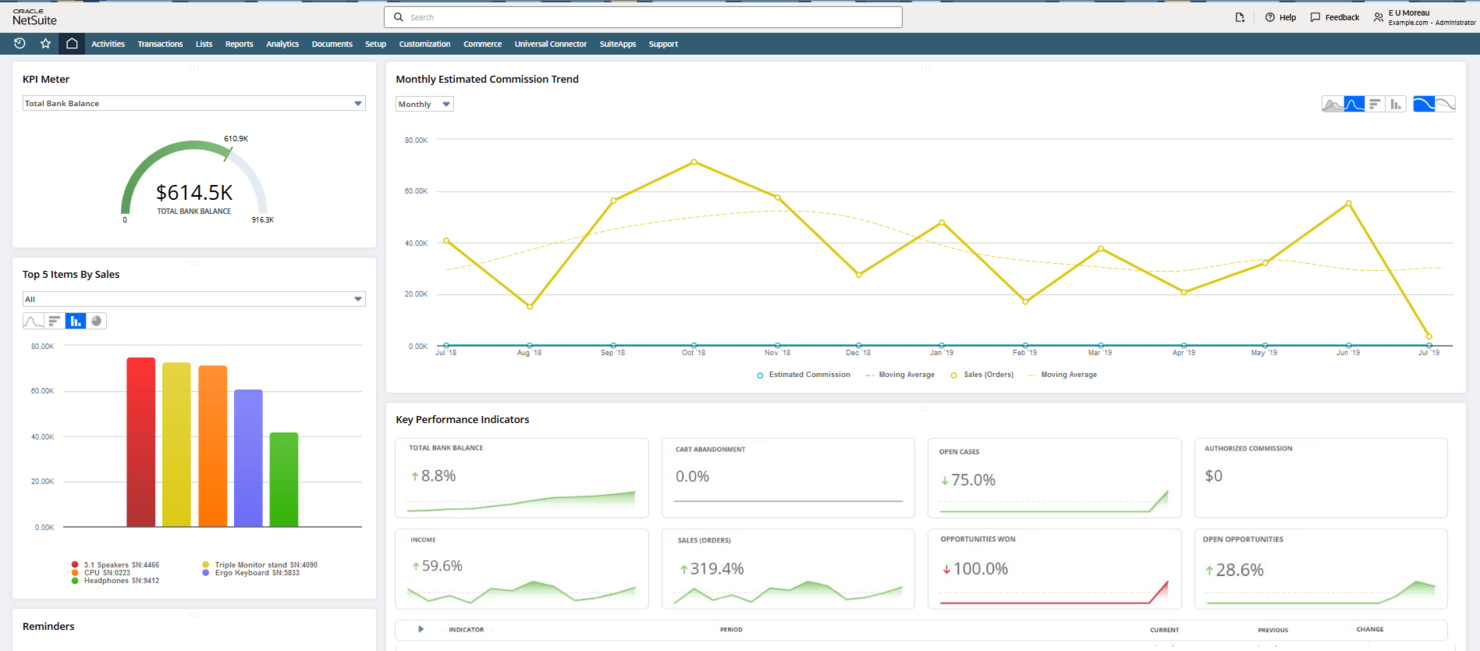
Oracle NetSuite è progettato per le organizzazioni che gestiscono più società controllate, valute e contesti normativi in tutto il mondo. È particolarmente utile per i responsabili finanziari, operativi e IT che necessitano di visibilità e controllo unificati su strutture complesse e multi-entità. Se cerchi un ERP in grado di gestire il consolidamento globale, le transazioni intersocietarie e la conformità già pronti all'uso, NetSuite offre funzionalità che vanno oltre quelle fornite da Odoo.
Perché Oracle NetSuite è una buona alternativa a Odoo
Per le aziende con operazioni globali complesse, Oracle NetSuite offre una gestione multi-entità difficile da eguagliare. Puoi gestire società controllate, valute e regole fiscali in un unico sistema unificato, una caratteristica che trovo particolarmente preziosa per le organizzazioni internazionali.
Le funzionalità integrate di consolidamento globale e di gestione delle transazioni intersocietarie di NetSuite ti aiutano a mantenere la conformità e garantire report accurati nelle diverse aree geografiche. Se hai bisogno di un ERP progettato specificamente per attività multi-entità e transfrontaliere, NetSuite offre funzionalità che vanno oltre l'offerta standard di Odoo.
Funzionalità principali di Oracle NetSuite
Alcune altre funzionalità di Oracle NetSuite che potrebbero essere utili per il tuo team includono:
- Gestione degli ordini: Automatizza i processi dall'ordine all'incasso e monitora gli ordini dall'inserimento all'evasione.
- Gestione degli approvvigionamenti: Gestisci i rapporti con i fornitori, gli ordini di acquisto e le approvazioni all'interno di un sistema centralizzato.
- Contabilità di progetto: Monitora i budget, le spese e la fatturazione dei progetti con strumenti finanziari integrati.
- Reportistica SuiteAnalytics: Crea cruscotti personalizzati ed esegui rapporti in tempo reale utilizzando gli strumenti di analisi integrati.
Integrazioni di Oracle NetSuite
Le integrazioni includono Salesforce, Shopify, Adobe Commerce, Amazon, PayPal, HubSpot, Zendesk, Microsoft Office 365, Google Workspace e Avalara.
Pros and Cons
Pros:
- Gestione nativa multi-entità e multi-valuta
- Solido consolidamento finanziario per la reportistica globale
- I cruscotti di analisi in tempo reale supportano operazioni complesse
Cons:
- L'implementazione può richiedere molto tempo e risorse
- Meno flessibile per le piccole aziende rispetto alle opzioni più modulari

Ideale per operazioni complesse nella catena di approvvigionamento
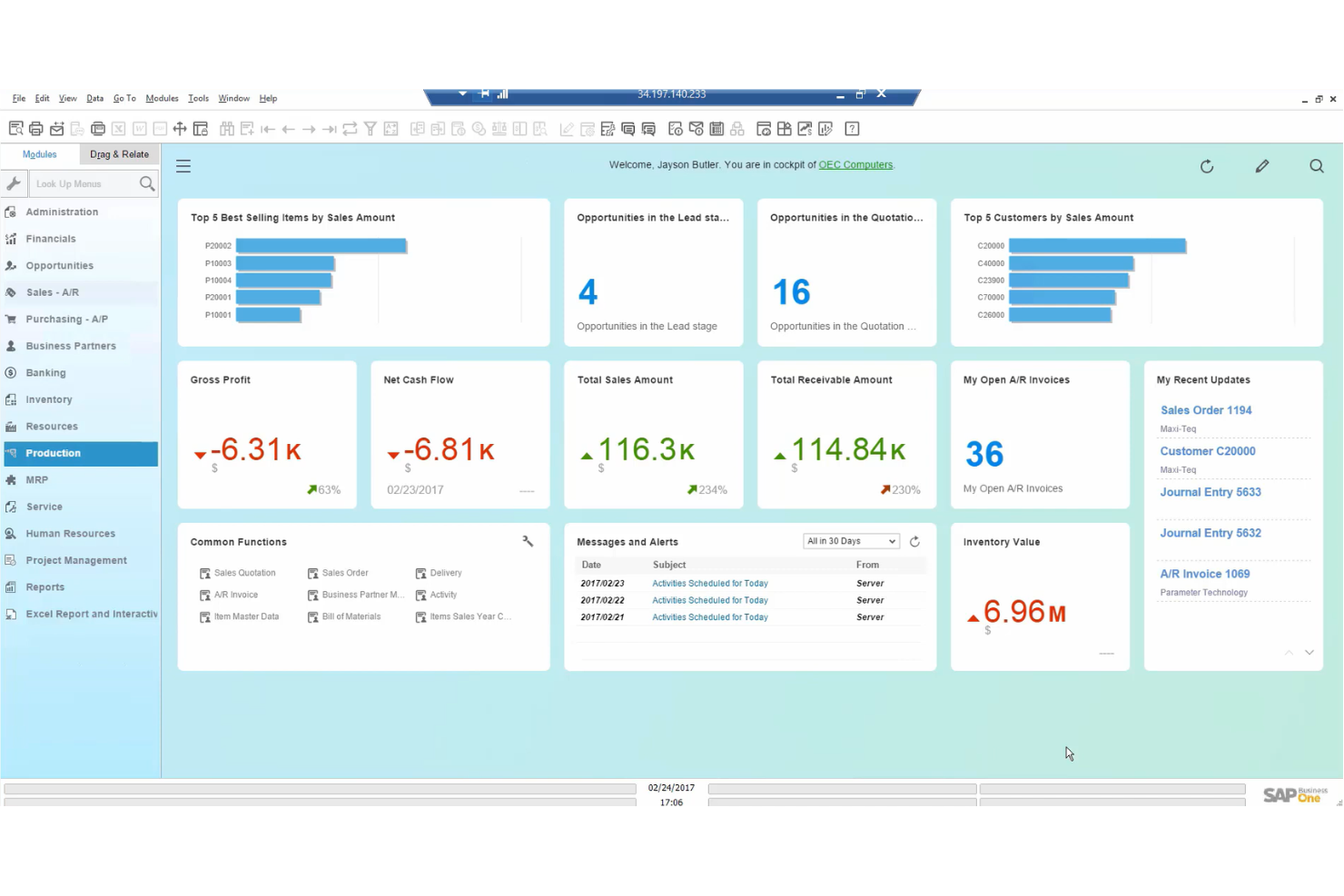
Per le aziende che gestiscono catene di approvvigionamento complesse, SAP Business One offre una soluzione ERP specializzata. È progettato per produttori, distributori e rivenditori che necessitano di controlli avanzati su inventario, approvvigionamento e logistica. A differenza di Odoo, SAP Business One si distingue per la profonda visibilità sulla catena di approvvigionamento e l'integrazione dei dati in tempo reale tra più sedi.
Perché SAP Business One è una buona alternativa a Odoo
Quando la tua azienda deve gestire operazioni complesse nella catena di approvvigionamento, SAP Business One offre funzionalità che vanno oltre ciò che Odoo fornisce immediatamente. L'ho scelto perché la gestione avanzata dell'inventario, il monitoraggio di più magazzini e gli strumenti integrati per gli approvvigionamenti aiutano a coordinare ogni fase della catena di approvvigionamento.
Le funzionalità della piattaforma per l'analisi in tempo reale e la previsione della domanda supportano decisioni migliori per produttori e distributori. Se le tue attività dipendono da uno stretto controllo della logistica e dell'inventario in più sedi, SAP Business One è progettato per gestire queste esigenze.
Funzionalità principali di SAP Business One
Tra le altre funzionalità che rendono SAP Business One una valida opzione ERP figurano:
- Gestione finanziaria integrata: Gestisci la contabilità, le operazioni bancarie e la reportistica finanziaria all'interno della stessa piattaforma.
- Gestione delle relazioni con i clienti (CRM): Monitora le opportunità di vendita, gestisci i dati dei clienti e automatizza le attività di marketing.
- Pianificazione della produzione: Pianifica i cicli di produzione, gestisci le distinte base e monitora le attività nell'area produttiva.
- Accesso mobile: Utilizza app mobili dedicate per gestire approvazioni, vendite e inventario ovunque ti trovi.
Integrazioni di SAP Business One
Le integrazioni includono Microsoft Office 365, SAP Concur, SAP Ariba, SAP SuccessFactors, SAP Analytics Cloud, SAP Customer Checkout, SAP HANA, SAP Business ByDesign, SAP S/4HANA e SAP Integrated Business Planning.
Pros and Cons
Pros:
- I controlli avanzati sull'inventario e sui magazzini supportano le operazioni su più sedi
- La pianificazione della produzione è adatta ai team di produzione e distribuzione
- Le analisi in tempo reale migliorano la visibilità sulla catena di approvvigionamento
Cons:
- L'implementazione richiede tempo e un notevole impegno da parte del reparto IT
- L'interfaccia appare datata rispetto alle piattaforme più recenti

Ideale per l'integrazione con l'ecosistema Microsoft 365
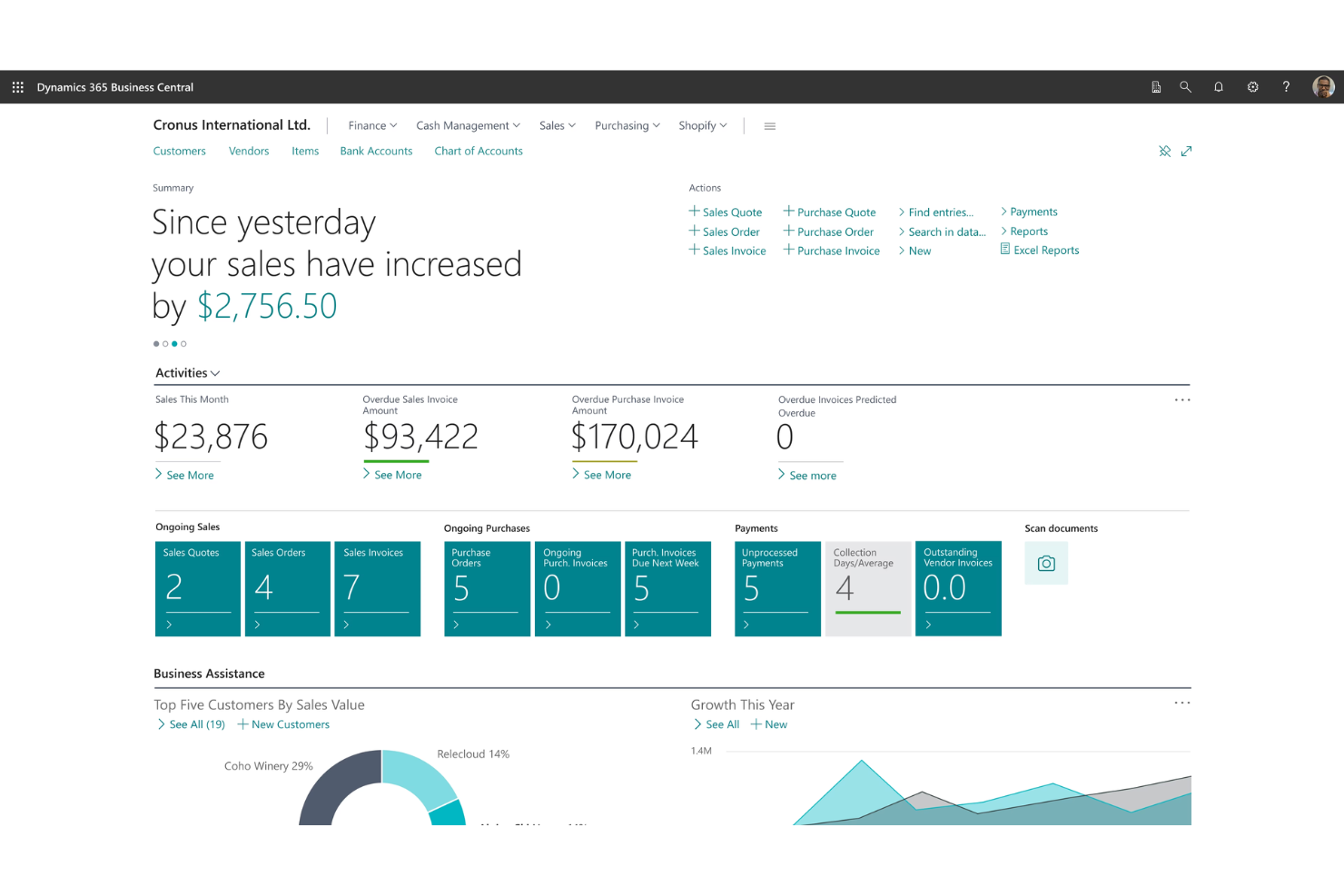
Se la tua azienda si affida già agli strumenti Microsoft 365, Microsoft Dynamics 365 Business Central offre un'esperienza ERP familiare e profondamente integrata. Questa piattaforma è particolarmente utile per i team del commercio al dettaglio e dell'e-commerce che desiderano collegare finanze, vendite e operazioni con Outlook, Excel e Teams. A differenza di Odoo, Business Central si distingue per il flusso continuo dei dati e l'automazione nell'intero ecosistema Microsoft.
Perché Microsoft Dynamics 365 Business Central è una valida alternativa a Odoo
Per le aziende che desiderano che il software ERP lavori in sinergia con Microsoft 365, Business Central è una scelta naturale. L'ho selezionato perché consente di gestire finanze, inventario e vendite direttamente all'interno di strumenti familiari come Outlook ed Excel.
I flussi di lavoro automatizzati collegano i dati tra Teams, SharePoint e Power BI, così il tuo team può collaborare e analizzare le informazioni senza cambiare piattaforma. Se hai già investito nell'ecosistema Microsoft, Business Central offre un livello di integrazione e automazione che Odoo non è in grado di eguagliare.
Caratteristiche principali di Microsoft Dynamics 365 Business Central
Altre funzionalità di Business Central che potrebbero interessare il tuo team includono:
- Pannelli di controllo basati sui ruoli: Personalizza i pannelli di controllo per i ruoli finanziari, commerciali e operativi, mettendo in evidenza dati e attività pertinenti.
- Creazione automatica degli ordini di acquisto: Genera automaticamente gli ordini di acquisto in base ai livelli di inventario e alle previsioni di vendita.
- Strumenti integrati di gestione dei progetti: Monitora budget, risorse e tempistiche dei progetti all'interno della piattaforma ERP.
- Gestione di più aziende: Gestisci finanze e operazioni di più entità aziendali da un singolo account.
Integrazioni di Microsoft Dynamics 365 Business Central
Le integrazioni includono Microsoft 365, Power BI, Power Automate, Microsoft Teams, Outlook, Excel, SharePoint, Azure Active Directory, LinkedIn Sales Navigator e Dynamics 365 Sales.
Pros and Cons
Pros:
- Ideale per i team che già utilizzano Microsoft 365
- I pannelli di controllo basati sui ruoli offrono una visibilità specifica per reparto
- La gestione di più aziende contribuisce a supportare le organizzazioni in crescita
Cons:
- La personalizzazione richiede spesso il supporto di un partner o di tecnici
- Le funzionalità di produzione sono meno approfondite rispetto alle opzioni ERP più specializzate


I team alla ricerca di un ERP che metta la collaborazione al centro spesso si rivolgono a Bitrix24. Questa piattaforma combina la gestione dei progetti, il CRM e la condivisione dei documenti con chat, videochiamate e gruppi di lavoro integrati. A differenza di Odoo, Bitrix24 si distingue per il suo approccio tutto-in-uno alla comunicazione del team e alla gestione dei processi aziendali in un unico spazio di lavoro.
Perché Bitrix24 è una buona alternativa a Odoo
Se il tuo team ha bisogno di un software ERP con collaborazione integrata, vale la pena prendere in seria considerazione Bitrix24. L'ho scelto perché combina chat in tempo reale, videoconferenze e spazi di lavoro condivisi direttamente all'interno della piattaforma, consentendo al tuo team di comunicare e gestire i progetti senza cambiare strumenti.
Il flusso delle attività e le funzionalità di gestione delle attività mantengono tutti allineati e responsabili in un unico luogo. Per le aziende che danno valore al lavoro di squadra e alla trasparenza, Bitrix24 offre un livello di collaborazione integrata che Odoo non garantisce di serie.
Funzionalità principali di Bitrix24
Oltre agli strumenti di collaborazione, Bitrix24 offre diverse altre funzionalità a supporto delle operazioni aziendali:
- CRM con automazione delle vendite: Monitora i potenziali clienti, gestisci il flusso di vendita e automatizza i ricontatti all'interno della stessa piattaforma.
- Sistema di gestione documentale: Archivia, organizza e condividi i file in modo sicuro con controllo delle versioni e autorizzazioni di accesso.
- Monitoraggio del tempo dei dipendenti: Monitora direttamente nel sistema le ore di lavoro, le pause e le presenze.
- Gestione dell'inventario: Gestisci i cataloghi dei prodotti, i livelli delle scorte e l'evasione degli ordini da un pannello di controllo centralizzato.
Integrazioni di Bitrix24
Le integrazioni includono Microsoft Office 365, Google Workspace, Mailchimp, Slack, Zoom, Dropbox, OneDrive, Facebook, Instagram e WhatsApp.
Pros and Cons
Pros:
- Chat, video e gruppi di lavoro integrati supportano la collaborazione
- Gli strumenti CRM e di gestione dei progetti sono inclusi nativamente
- La gestione documentale include il controllo delle versioni e delle autorizzazioni
Cons:
- Le funzionalità di contabilità e finanza sono meno avanzate
- L'automazione dei flussi di lavoro può risultare limitante per i processi complessi

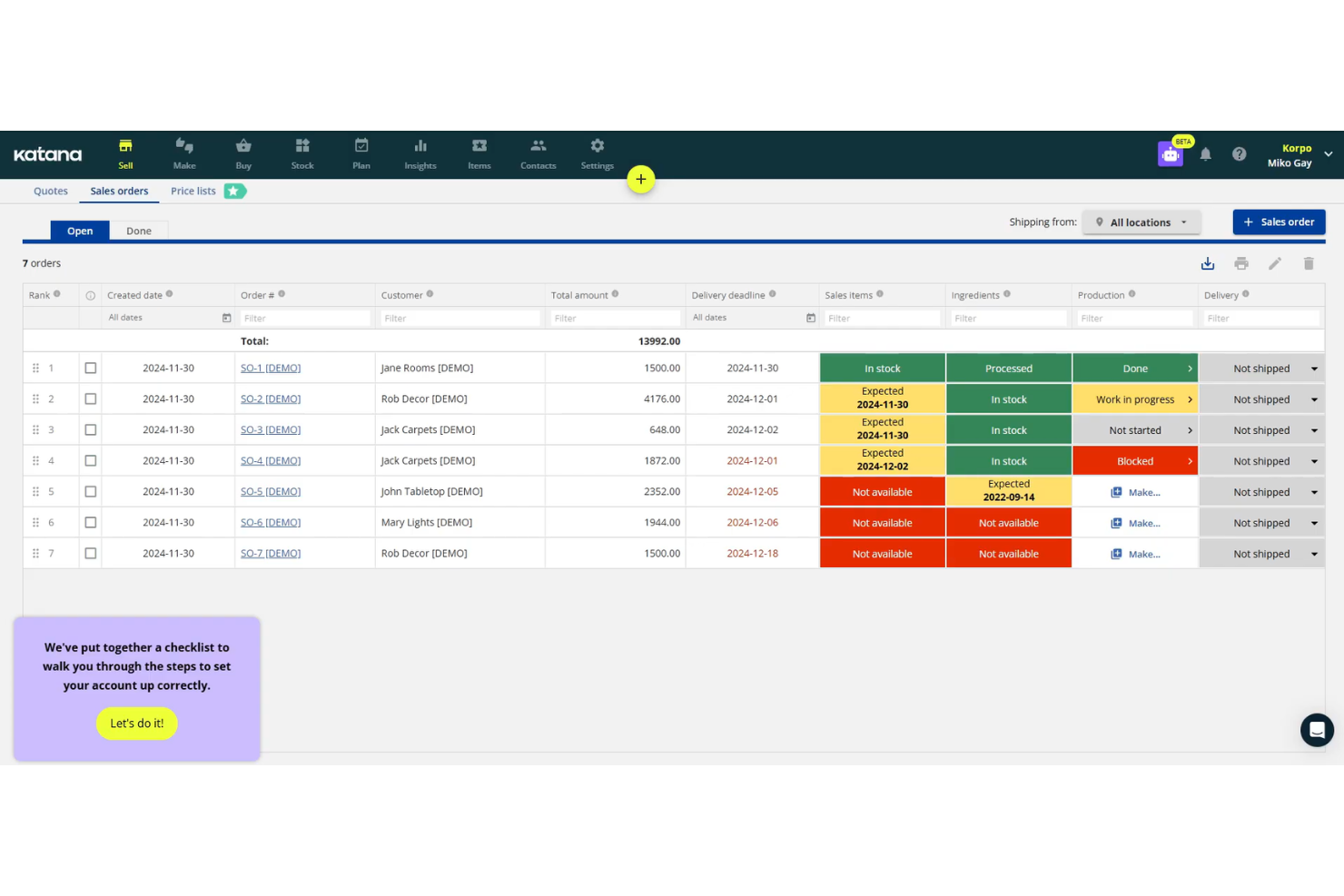
Se hai bisogno di dati di inventario precisi e aggiornati al minuto, Katana Cloud Inventory è ciò che fa per te. Questa piattaforma è particolarmente utile per produttori, marchi DTC e aziende di e-commerce che fanno affidamento sulla visibilità delle scorte in tempo reale tra canali di vendita e magazzini. A differenza di Odoo, Katana Cloud Inventory pone l'accento sul monitoraggio dell'inventario in tempo reale e sulla gestione della produzione per attività in rapida evoluzione.
Perché Katana Cloud Inventory è una valida alternativa a Odoo
Per le aziende che non possono permettersi di perdere di vista l'inventario nemmeno per un momento, Katana Cloud Inventory offre un monitoraggio in tempo reale che Odoo non garantisce immediatamente. Ho scelto Katana perché i suoi aggiornamenti dell'inventario in tempo reale consentono di vedere i livelli delle scorte, lo stato degli ordini e l'avanzamento della produzione mentre si verificano.
L'allocazione automatica dei materiali agli ordini e la scheda visiva per la pianificazione della produzione della piattaforma aiutano a evitare esaurimenti delle scorte e ritardi. Se le tue attività dipendono dalla precisione dell'inventario aggiornata al minuto, Katana Cloud Inventory è progettato appositamente per questa esigenza.
Funzionalità principali di Katana Cloud Inventory
Alcune altre funzionalità che distinguono Katana Cloud Inventory includono:
- Monitoraggio di lotti e date di scadenza: Monitora i prodotti deperibili e gestisci l'inventario per lotto o data di scadenza.
- App per il reparto produttivo: Fornisci ai team di produzione un'interfaccia dedicata per la gestione delle attività e gli aggiornamenti degli ordini.
- Gestione degli ordini di vendita: Sincronizza e gestisci gli ordini provenienti da più canali di e-commerce e vendita al dettaglio in un unico luogo.
- Gestione degli ordini di acquisto: Crea, invia e monitora gli ordini di acquisto direttamente all'interno della piattaforma.
Integrazioni di Katana Cloud Inventory
Le integrazioni includono QuickBooks Online, Xero, Shopify, WooCommerce, Amazon, Etsy, eBay, BigCommerce e altro ancora. Katana offre anche un'API aperta per integrazioni personalizzate.
Pros and Cons
Pros:
- La visibilità dell'inventario in tempo reale aiuta a prevenire problemi relativi alle scorte
- La pianificazione visiva della produzione supporta i flussi di lavoro su ordinazione
- L'app per il reparto produttivo offre ai team una visibilità in tempo reale sulle attività
Cons:
- Non include moduli CRM o HR integrati
- I report sono meno personalizzabili rispetto alle piattaforme ERP più complete


Scoro è progettato per i team che hanno bisogno di collegare la gestione dei progetti alla fatturazione e al controllo finanziario in un unico luogo. Agenzie, società di consulenza e aziende basate sui servizi possono utilizzare Scoro per automatizzare la preventivazione, la fatturazione e il monitoraggio dei progetti senza dover gestire più strumenti. A differenza di Odoo, Scoro riunisce tempistiche dei progetti, budget e fatturazione in un flusso di lavoro unificato.
Perché Scoro è una buona alternativa a Odoo
Se cerchi un software ERP che colleghi strettamente la gestione dei progetti all'automazione della fatturazione, vale la pena prendere in considerazione Scoro. Ho scelto Scoro perché consente di automatizzare le fatture ricorrenti, collegare direttamente le ore fatturabili ai progetti e monitorare la redditività dei progetti in tempo reale.
Il pannello di controllo unificato della piattaforma riunisce tempistiche dei progetti, budget e dati finanziari, permettendoti di gestire tutto da un unico luogo. Per i team che hanno bisogno di automatizzare sia i flussi di lavoro dei progetti sia la fatturazione, Scoro offre un'alternativa mirata all'approccio più ampio ma meno specializzato di Odoo.
Funzionalità principali di Scoro
Alcune altre funzionalità che distinguono Scoro includono:
- Pianificazione delle risorse: assegna e gestisci i carichi di lavoro del team con un calendario visivo.
- Gestione dei preventivi: crea, invia e monitora i preventivi di vendita direttamente dalla piattaforma.
- Pannelli di controllo personalizzabili: crea pannelli di controllo su misura per monitorare KPI e metriche aziendali.
- Monitoraggio del tempo: registra il tempo dedicato ad attività e progetti per una reportistica accurata.
Integrazioni di Scoro
Le integrazioni includono Google Calendar, Outlook Calendar, QuickBooks, Xero, Mailchimp, Stripe, PayPal, Dropbox, Google Drive e Microsoft Teams.
Pros and Cons
Pros:
- Forte connessione tra gestione dei progetti e fatturazione
- La gestione dei preventivi e la fatturazione supportano i flussi di lavoro dei servizi dall'inizio alla fine
- La pianificazione delle risorse e il monitoraggio del tempo aiutano a gestire i team di consegna
Cons:
- Le funzionalità di inventario e magazzino sono limitate
- Nessun modulo per la produzione o la catena di approvvigionamento

ERPNext è una piattaforma ERP a codice aperto progettata per le aziende che desiderano un'elevata personalizzazione e il controllo delle proprie operazioni. È particolarmente adatta a produttori, distributori e fornitori di servizi che devono adattare flussi di lavoro, moduli e report a esigenze specifiche. Se cerchi un'alternativa flessibile a Odoo con codice trasparente e sviluppo guidato dalla community, ERPNext si distingue.
Perché ERPNext è una buona alternativa a Odoo
Ciò che distingue ERPNext come alternativa a Odoo sono le sue funzionalità di personalizzazione a codice aperto. Puoi modificare il codice sorgente, creare moduli personalizzati e adattare i flussi di lavoro per soddisfare esattamente le esigenze della tua azienda. Apprezzo il fatto che la struttura software di ERPNext supporti estensioni specifiche per settore, così non sei vincolato dalle funzionalità disponibili di base. Questo lo rende una scelta eccellente per i team che desiderano il pieno controllo sulla progettazione e sull'evoluzione del proprio sistema ERP.
Funzionalità principali di ERPNext
Altre funzionalità di ERPNext che potrebbero interessarti includono:
- Gestione multi-azienda: Gestisci più entità aziendali, filiali o sedi da un'unica istanza di ERPNext.
- Risorse umane e paghe integrate: Gestisci i dati dei dipendenti, le presenze, l'elaborazione delle paghe e le ferie all'interno della piattaforma.
- Gestione delle relazioni con i clienti (CRM): Tieni traccia dei contatti potenziali, delle opportunità e delle interazioni con i clienti direttamente nel sistema ERP.
- Gestione dell'inventario e dei magazzini: Monitora i livelli delle scorte, automatizza i riordini e gestisci più magazzini con visibilità in tempo reale.
Integrazioni di ERPNext
Le integrazioni includono Shopify, WooCommerce, Amazon MWS, Slack, Google Workspace, Dropbox, PayPal, Stripe, Razorpay e Twilio.
Pros and Cons
Pros:
- Il codice a codice aperto supporta un'elevata personalizzazione
- Le applicazioni modulari consentono ai team di adattare il sistema ai propri flussi di lavoro
- Particolarmente adatto ad aziende manifatturiere, distributive e di servizi
Cons:
- La personalizzazione avanzata può richiedere conoscenze di Python o Frappe
- La documentazione può essere incoerente in alcune aree

Ideale per flussi di lavoro contabili integrati
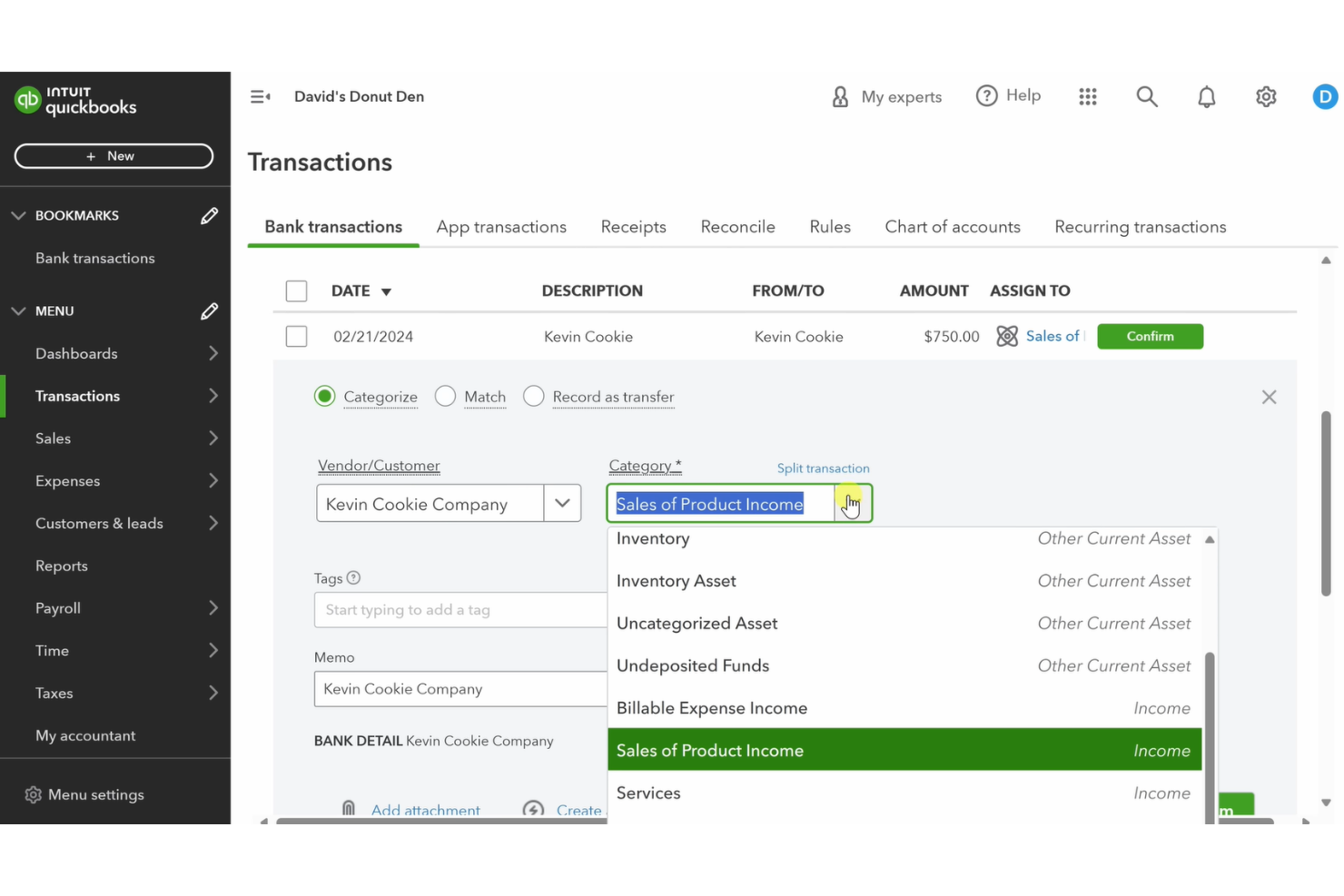
Per le aziende che desiderano che la contabilità sia al centro dei propri flussi di lavoro ERP, QuickBooks Online è un'opzione molto valida. Questa piattaforma è particolarmente interessante per i rivenditori e i team di e-commerce che necessitano di dati finanziari in tempo reale strettamente collegati a vendite, inventario e acquisti. A differenza di Odoo, QuickBooks Online mette la contabilità e la gestione contabile in primo piano, semplificando la gestione delle finanze insieme alle operazioni quotidiane.
Perché QuickBooks Online è una buona alternativa a Odoo
Se cerchi un ERP che metta la contabilità al centro della tua attività, QuickBooks Online è una scelta valida. L'ho scelto perché i suoi flussi di lavoro contabili sono profondamente integrati con inventario, vendite e acquisti, una caratteristica che Odoo non offre immediatamente.
Funzionalità come la riconciliazione bancaria automatizzata e la reportistica finanziaria in tempo reale ti aiutano a tenere sotto stretto controllo il flusso di cassa e la redditività. Per i team che desiderano che la contabilità guidi le decisioni operative, QuickBooks Online offre un approccio mirato e unificato.
Funzionalità principali di QuickBooks Online
Altre funzionalità di QuickBooks Online che potrebbero essere utili per la tua attività includono:
- Supporto per più valute: Tieni traccia e gestisci le transazioni in più valute per le attività globali.
- Calcolo automatico delle imposte sulle vendite: Calcola e applica automaticamente le aliquote dell'imposta sulle vendite in base alla località e al tipo di prodotto.
- Fatturazione ricorrente: Configura e gestisci fatture ricorrenti per abbonamenti o clienti abituali.
- Gestione delle autorizzazioni degli utenti: Assegna diversi livelli di accesso e autorizzazioni ai membri del team in base ai loro ruoli.
Integrazioni di QuickBooks Online
Le integrazioni includono Shopify, PayPal, Square, TSheets, BILL, HubSpot, Salesforce, Expensify, Gusto e Receipt Bank.
Pros and Cons
Pros:
- I feed bancari in tempo reale mantengono aggiornati i registri
- Gli strumenti automatizzati per le imposte sulle vendite supportano i flussi di lavoro contabili quotidiani
- L'app mobile supporta la fatturazione e la registrazione delle spese in mobilità
Cons:
- Gli strumenti di gestione dell'inventario sono limitati per i team con attività operative più complesse
- Nessuna funzionalità integrata per la produzione o la pianificazione dei fabbisogni dei materiali (MRP)
New Product Updates from QuickBooks Online

QuickBooks Online Adds Two-Way Shopify Inventory Sync
QuickBooks Online adds two-way inventory sync with Shopify to keep stock levels aligned automatically across both platforms. This reduces manual reconciliation and keeps QuickBooks as the source of truth. For more information, visit QuickBooks Online’s official site.
Altre alternative a Odoo
Ecco alcune ulteriori alternative a Odoo che non sono entrate nella mia selezione, ma che vale comunque la pena prendere in considerazione:
- Zoho One
Ideale per un ecosistema unificato di app aziendali
- Infor CloudSuite
Ideale per moduli cloud specifici del settore


Come valuto le alternative a Odoo
Guardo due aspetti: le operazioni di base al dettaglio che una piattaforma deve gestire—POS, inventario, acquisti—e i fattori distintivi che rendono un sistema davvero pensato per le vendite al dettaglio rispetto a un ERP generico e personalizzato.
Funzionalità di base (Requisiti minimi per questa lista)
Quando seleziono gli strumenti per la mia lista, li valuto su una scala da 0 (non offre la funzionalità) a 5 (eccelle in quest’area) per ogni funzionalità di base elencata qui sotto. Poi calcolo il punteggio totale dello strumento in percentuale. Ogni strumento deve raggiungere un punteggio totale minimo del 65% per essere preso in considerazione per l’inclusione.
- Funzionalità POS per il retail: Valuto se il sistema gestisce la cassa su più terminali, l’elaborazione dei pagamenti, i resi e la stampa delle ricevute—e anche se funziona offline durante un’interruzione della connessione in pieno turno.
- Gestione inventario e stock: Qui contano la tracciabilità delle scorte su più sedi, punti di riordino e flussi di trasferimento, soprattutto per i rivenditori che movimentano merci tra un magazzino e diversi punti vendita.
- Integrazione ecommerce/omnicanale: Controllo come sincronizzano scorte e ordini tra negozi fisici e canali online, visto che l’acquisto online con ritiro in negozio mette subito in luce eventuali lacune.
- Gestione acquisti e fornitori: La piattaforma dovrebbe supportare ordini d’acquisto, anagrafiche fornitori e ricezione merci—basi come la conversione di un avviso di scorte basse in un ordine per il fornitore.
- Contabilità e reportistica per il retail: Cerco moduli integrati o ben collegati che gestiscano tasse di vendita, costo del venduto e analisi dei margini suddivise per categoria di prodotto o negozio.
- CRM e fidelizzazione clienti: Profilazione dei clienti, storico acquisti e gestione di programmi fedeltà o promozionali devono essere integrati nello stesso sistema, senza richiedere strumenti esterni.
Dopo aver individuato gli strumenti che soddisfano questi criteri, valuto ciò che differenzia ogni piattaforma.
Fattori differenzianti (Cosa distingue i fornitori)
Ecco come confronto i diversi fornitori:
Funzionalità di spicco
Il supporto POS mobile è fondamentale—controllo se una piattaforma consente di fare vendite da tablet durante eventi temporanei oppure servire clienti direttamente in negozio senza tornare alla cassa fissa. Anche la previsione della domanda tramite intelligenza artificiale è un elemento distintivo, soprattutto per chi gestisce scorte stagionali e ha bisogno di suggerimenti automatici per il riordino. Cerco inoltre automazioni di marketing integrate ai dati di acquisto, come un’azione di riattivazione se un cliente fedele non acquista da 90 giorni.
Oltre le funzionalità
Il costo totale di proprietà è molto importante quando confronto le alternative a Odoo—valuto se canoni per moduli aggiuntivi, spese di hosting e livelli di supporto a pagamento fanno lievitare il prezzo reale rispetto a quanto dichiarato. Approfondisco anche il livello di integrazione, in particolare i connettori nativi per pagamenti e marketplace già usati dal rivenditore. Infine considero i tempi di implementazione, perché una catena di cinque negozi che migra a metà stagione ha bisogno di onboarding guidato e strumenti per migrazione dati che la rendano operativa in poche settimane, non mesi.
Perché cercare un'alternativa a Odoo?
Ecco alcune delle funzionalità principali di Odoo, per aiutarti a mettere a confronto ciò che offrono le soluzioni alternative:
- Software di contabilità integrato e gestione finanziaria
- Gestione dell'inventario e del magazzino
- Moduli per vendite e CRM
- Gestione degli acquisti e degli approvvigionamenti
- Pianificazione della produzione e della fabbricazione
- Gestione delle risorse umane e delle buste paga
- Strumenti per la gestione dei progetti
- Commercio elettronico e creazione di siti web con modifica tramite trascinamento
- Funzionalità di automazione del marketing
- Dashboard, report e notifiche personalizzabili
Funzionalità principali di Odoo
Ecco alcune delle funzionalità principali di Odoo, per aiutarti a mettere a confronto ciò che offrono le soluzioni alternative:
- Contabilità integrata e gestione finanziaria
- Gestione dell'inventario e del magazzino
- Moduli per le vendite e il CRM
- Gestione degli acquisti e dell'approvvigionamento
- Pianificazione della produzione e della fabbricazione
- Gestione delle risorse umane e delle buste paga
- Strumenti per la gestione dei progetti
- Commercio elettronico e creatore di siti web
- Funzionalità di automazione del marketing
- Dashboard e report personalizzabili