

Las 10 mejores alternativas a Squarespace para comercio electrónico en 2026

Las 10 mejores alternativas a Squarespace que deberías considerar


Si has pasado más tiempo lidiando con las plantillas de Squarespace que haciendo crecer tu tienda, no eres el único. Es limpio, bonito y muy popular, pero a veces simplemente no te da el margen necesario para crear lo que tu negocio realmente necesita.
Puede que sea la personalización limitada. Puede que sean las comisiones por transacción. O quizá simplemente quieras algo que no te haga sentir que estás diseñando dentro de una caja etiquetada como «suficientemente bueno».
Ahí es donde entra en juego una buena alternativa a Squarespace.
Hemos probado decenas de creadores de sitios web y plataformas de comercio electrónico, hemos analizado sus precios, explorado sus funciones y puesto sus plantillas a prueba, y hemos seleccionado las que realmente merece la pena considerar.
Tanto si necesitas algo más barato, sencillo, flexible o potente, esta guía te ayudará a separar el ruido y encontrar la herramienta adecuada para tu próxima etapa.
¿Qué es Squarespace?
Squarespace es como la marca Apple de los creadores de sitios web: diseño elegante, plantillas seleccionadas y una experiencia de usuario cuidada desde el primer momento.
Está diseñado para creativos, emprendedores con proyectos paralelos y pequeñas empresas que quieren un sitio de aspecto profesional sin tocar una sola línea de código.
Obtienes un editor de arrastrar y soltar, herramientas SEO integradas, funciones de comercio electrónico y un montón de integraciones que funcionan bien desde el primer momento.
Es una opción sólida para sitios sencillos y comercios electrónicos pequeños, pero si quieres crecer, personalizarlo a fondo o salir de su ecosistema limpio pero controlado, llegarás rápidamente a sus límites.
Por qué confiar en nuestras recomendaciones de software
Nuestro equipo lleva probando y evaluando software desde 2012. Como líderes del sector retail, sabemos lo difícil —y lo importante— que es elegir el software adecuado.
Para esta guía, evaluamos las herramientas mediante pruebas prácticas e investigación independiente, puntuando las herramientas según nuestros criterios de selección.
Nuestras reseñas reflejan nuestro criterio independiente, no un discurso de ventas.
Tabla comparativa de alternativas a Squarespace
Esta breve tabla comparativa te ofrece la información clave sobre precios y los casos de uso más destacados de cada alternativa a Squarespace:
| Tool | Best For | Trial Info | Price | ||
|---|---|---|---|---|---|
| 1 | Ideal para lienzo visual con control a nivel de píxel | Prueba gratuita + plan gratuito disponible | Desde $10/mes (facturado anualmente) | Website | |
| 2 | Ideal para diseños adaptables a móviles | Prueba gratuita de 14 días disponible | Desde $19/mes (facturado anualmente) | Website | |
| 3 | Ideal para un mercado de aplicaciones extenso | Prueba gratis de 3 días disponible | Desde $37/mes (facturado anualmente) | Website | |
| 4 | Mejor para una personalización extensa | Plan gratuito disponible | OpenCart es gratuito | Website | |
| 5 | Ideal para crear sitios web gratis | Plan gratuito disponible | Desde $13/mes (facturado anualmente) | Website | |
| 6 | Mejor para venta multicanal | Prueba gratuita de 7 días disponible | Desde $9.99/mes (facturado anualmente) | Website | |
| 7 | La mejor por facilidad de uso | Plan gratuito disponible | Desde $8/mes (facturación anual) | Website | |
| 8 | Mejor por sus precios asequibles | Plan gratuito disponible | Desde $41/mes | Website | |
| 9 | Mejor para herramientas de ecommerce integradas | Prueba gratuita de 14 días disponible | Desde $35/mes | Website | |
| 10 | Ideal para no pagar comisiones | Plan gratuito disponible | Desde $11/mes | Website |
Las 10 mejores alternativas a Squarespace, analizadas y clasificadas
He puesto a prueba cada una de estas plataformas para comprobar cómo es realmente utilizarlas, más allá del texto promocional. Estas reseñas desglosan lo bueno, lo malo y lo especialmente útil de cada una, para que puedas decidir qué herramienta merece realmente un lugar en tu conjunto tecnológico.

Framer
Ideal para lienzo visual con control a nivel de píxel

Framer es un creador de sitios web sin código que te permite crear sitios web profesionales sin necesidad de escribir código. Es especialmente popular entre los diseñadores por su sólido lienzo de diseño y sistemas de gestión de contenido personalizables.
Por qué Framer es una buena alternativa a Squarespace: Framer es una sólida alternativa a Squarespace que combina libertad de diseño avanzada con funciones orientadas al rendimiento. A diferencia de los creadores basados en plantillas, ofrece un verdadero lienzo visual con control a nivel de píxel y herramientas de animación integradas para crear sitios web interactivos y atractivos. Framer también incluye herramientas SEO integradas y asegura tiempos de carga rápidos, lo que lo convierte en una excelente opción para quienes buscan flexibilidad creativa sin sacrificar la velocidad del sitio o la visibilidad en buscadores.
Funciones e integraciones destacadas:
Funciones como la colaboración en tiempo real, que permite a ti y a tu equipo trabajar en un lienzo de diseño compartido, mejorando el trabajo en equipo y la productividad. El proceso de publicación con un solo botón de Framer hace que lanzar tu sitio a una audiencia global sea fácil. Además, la plataforma ofrece una variedad de plantillas y plugins para diferentes categorías, desde startups hasta portafolios, lo que la hace versátil para distintas necesidades.
Integraciones incluyen Google Sheets, Humblytics, Lummi, Renamer, Semflow, Dither, Notion, Phosphor, Airtable, ASCII, Framer Commerce y Search Console.
Pros and Cons
Pros:
- Versátil para proyectos de diseño web y móvil
- Actualizaciones regulares para mejorar la funcionalidad
- Ofrece libertad de diseño y opciones de personalización
Cons:
- Carece de algunas funciones avanzadas que se encuentran en otras herramientas de diseño
- Capacidades limitadas sin conexión

Duda
Ideal para diseños adaptables a móviles

Duda es un creador de sitios web y una plataforma de comercio electrónico diseñada para empresas y profesionales web. Te ayuda a crear sitios web adaptables a dispositivos móviles con un enfoque en el diseño y la experiencia del usuario.
Por qué Duda es una buena alternativa a Squarespace: Duda ofrece capacidades avanzadas de diseño móvil adaptable, lo que lo convierte en una excelente opción si tu público objetivo utiliza dispositivos móviles. Su editor intuitivo de arrastrar y soltar te permite diseñar sitios que se ven geniales en cualquier dispositivo. También puedes personalizar la apariencia de tu sitio con varias plantillas y elementos de diseño. Las herramientas de análisis y personalización integradas te brindan información para optimizar la interacción con tus usuarios.
Características e integraciones destacadas:
Las características incluyen un editor de arrastrar y soltar, herramientas de colaboración en equipo y opciones de personalización del sitio. Puedes crear sitios multilingües para llegar a una audiencia global. Duda también ofrece herramientas de gestión de clientes para agilizar tu flujo de trabajo.
Las integraciones incluyen PayPal, Stripe, Google Analytics, Facebook, Instagram, YouTube, Vimeo, Mailchimp, Zapier y HubSpot.
Pros and Cons
Pros:
- Editor intuitivo de arrastrar y soltar
- Opciones de personalización del sitio
- Soporte para sitios multilingües
- Herramientas para colaboración en equipo
Cons:
- Variedad de plantillas limitada
- Tiene cierta curva de aprendizaje
- Problemas técnicos ocasionales

Shopify
Ideal para un mercado de aplicaciones extenso
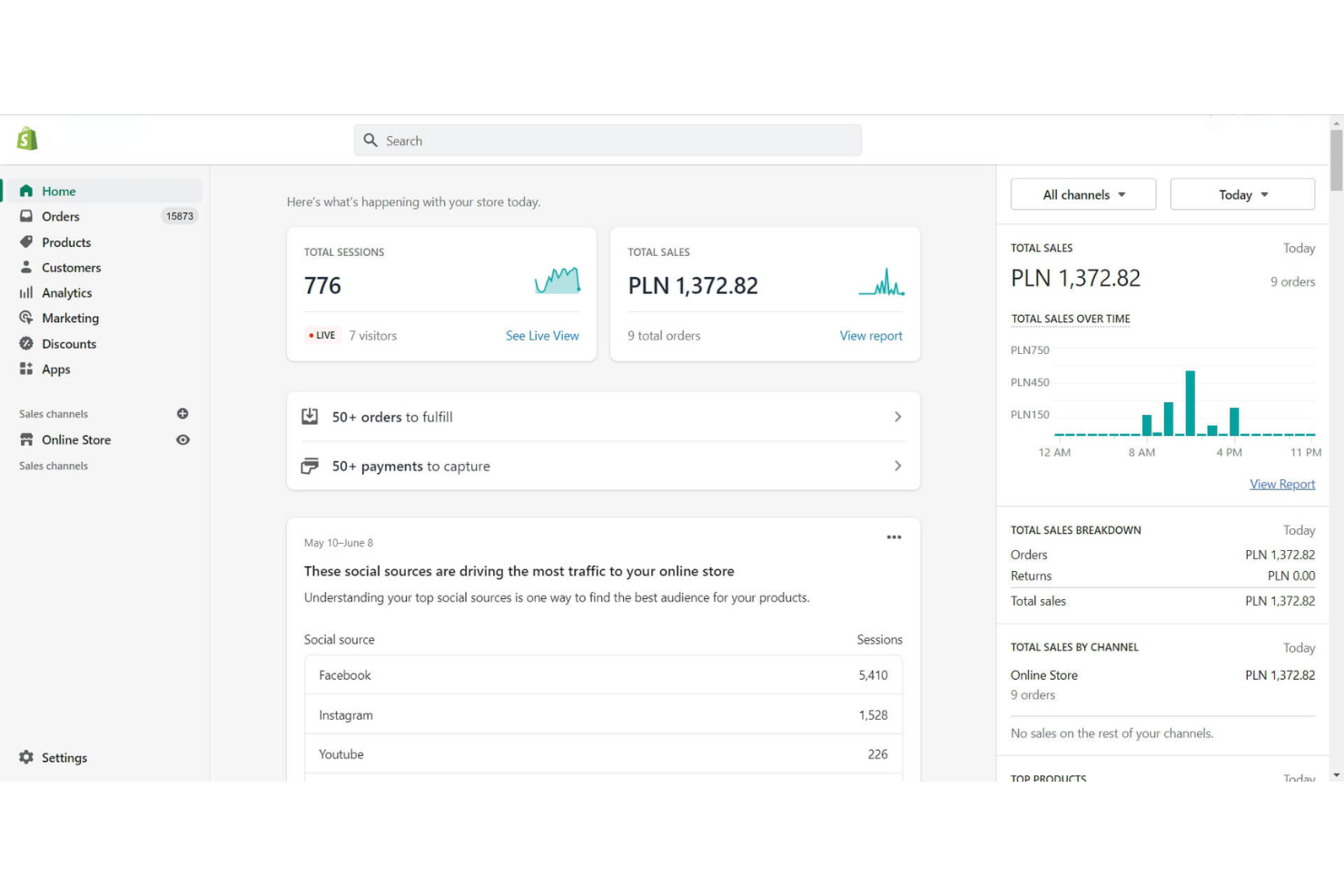
Shopify es una plataforma de comercio electrónico diseñada para que empresas de todos los tamaños creen y gestionen tiendas en línea. Ofrece herramientas para la gestión de productos, procesamiento de pedidos y la interacción con clientes.
Por qué Shopify es una buena alternativa a Squarespace: Shopify cuenta con un extenso mercado de aplicaciones, permitiéndote mejorar tu tienda con diversas funcionalidades que Squarespace podría no ofrecer. Sus temas personalizables te permiten adaptar la apariencia de tu tienda a tu marca. Con análisis integrados, puedes rastrear las ventas y el comportamiento de los clientes. Shopify también soporta múltiples canales de venta, ayudándote a llegar a los clientes dondequiera que estén.
Características y integraciones destacadas:
Características incluyen temas personalizables, recuperación de carritos abandonados y análisis completos. Puedes gestionar inventarios y procesar pagos de manera eficiente. Shopify también ofrece soporte multicurrency para atender a una audiencia global.
Integraciones incluyen PayPal, Stripe, QuickBooks, Mailchimp, Google Analytics, Facebook, Instagram, Amazon, eBay y Pinterest.
Pros and Cons
Pros:
- Extenso mercado de aplicaciones
- Temas personalizables
- Soporte multicurrency
- Recuperación de carritos abandonados
Cons:
- Curva de aprendizaje
- Comisiones por transacción en algunos planes
- Las funciones avanzadas necesitan mejoras

OpenCart
Mejor para una personalización extensa
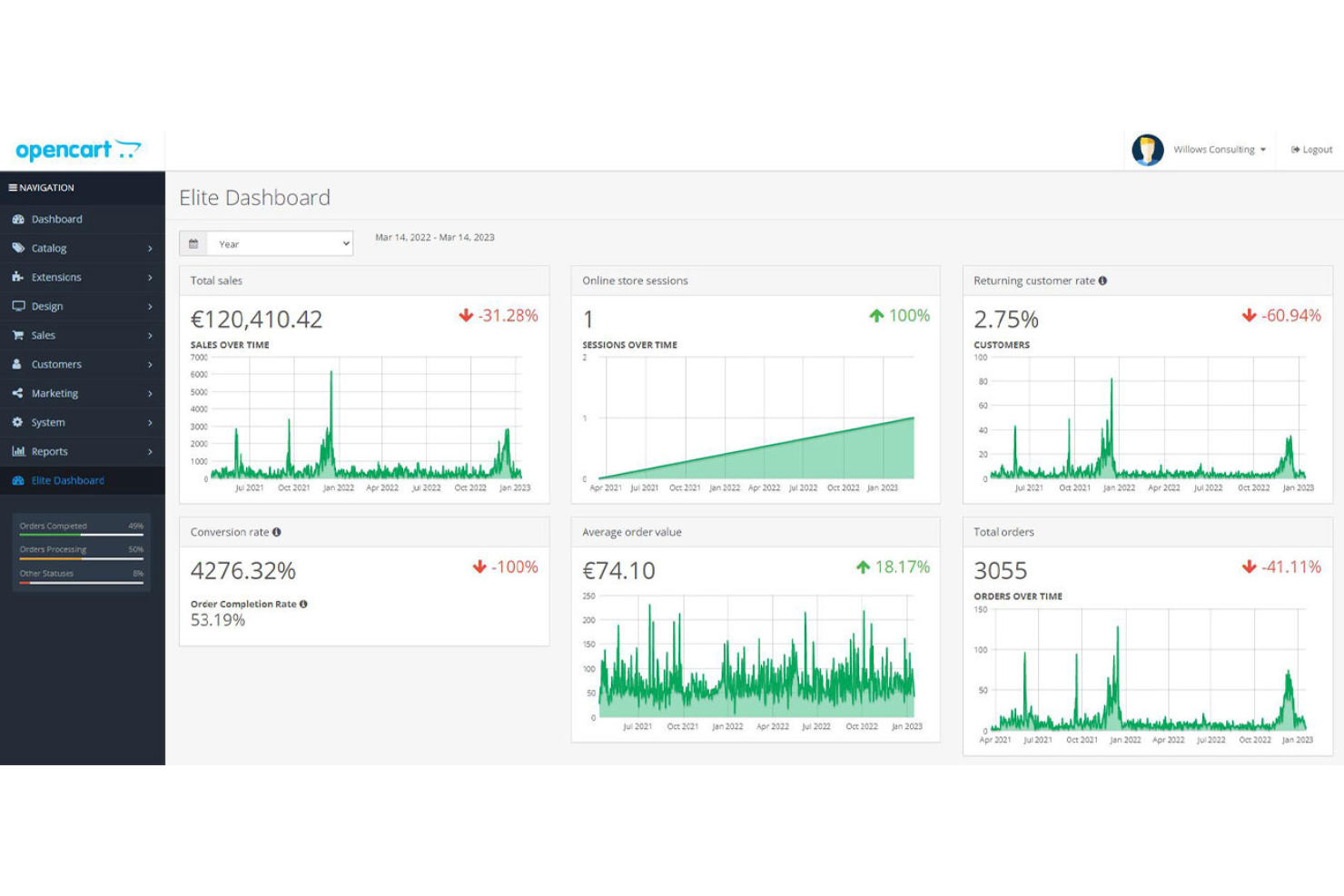
OpenCart es una plataforma de comercio electrónico de código abierto diseñada para pequeñas y medianas empresas. Te permite gestionar tu tienda en línea con funciones como la gestión de productos y el procesamiento de pedidos.
Por qué OpenCart es una buena alternativa a Squarespace: OpenCart ofrece amplias opciones de personalización, dándote más control sobre la apariencia y funcionalidad de tu tienda. Con su estructura modular puedes agregar o eliminar funciones según lo necesites. La plataforma permite administrar varias tiendas desde una sola interfaz, lo que es ideal si gestionas diversas marcas. A diferencia de Squarespace, la naturaleza de código abierto de OpenCart permite una personalización más profunda para adaptarse a las necesidades únicas de tu negocio.
Funcionalidades e integraciones destacadas:
Funciones incluyen un panel de administración intuitivo, gestión multitienda y soporte para múltiples monedas. También puedes beneficiarte de una amplia gama de extensiones para mejorar la funcionalidad de tu tienda. Las herramientas SEO integradas de OpenCart ayudan a mejorar la visibilidad de tu tienda en internet.
Integraciones incluyen PayPal, Stripe, Amazon Pay, Authorize.Net, eBay, QuickBooks, Mailchimp, Google Analytics, Facebook y Twitter.
Pros and Cons
Pros:
- Opciones de personalización extensas
- Flexibilidad de código abierto
- Permite múltiples tiendas
- Gran biblioteca de extensiones
Cons:
- Requiere conocimientos técnicos
- Soporte al cliente limitado
- Puede ser complejo de configurar

Weebly
Ideal para crear sitios web gratis

Weebly es un creador de sitios web orientado a personas y pequeñas empresas que buscan establecer una presencia en línea. Ofrece herramientas para el diseño de sitios web, alojamiento web y capacidades de comercio electrónico.
Por qué Weebly es una buena alternativa a Squarespace: El plan gratuito de Weebly lo hace accesible para quienes comienzan sin presupuesto, lo que lo distingue de Squarespace. El editor de arrastrar y soltar te permite crear sitios web sin conocimientos de programación. Con funciones de comercio electrónico integradas, puedes configurar rápidamente una tienda en línea. La plataforma también ofrece plantillas personalizables para adaptarse a diferentes necesidades empresariales.
Características destacadas e integraciones:
Las características incluyen un editor de arrastrar y soltar, herramientas de blog y análisis del sitio. Puedes añadir fácilmente formularios de contacto y galerías de imágenes a tu sitio. Weebly también proporciona temas adaptables a dispositivos móviles para asegurar que tu sitio se vea bien en cualquier dispositivo.
Las integraciones incluyen PayPal, Stripe, Square, Google Analytics, Mailchimp, Facebook, Instagram, YouTube, Vimeo y Eventbrite.
Pros and Cons
Pros:
- Editor fácil de usar
- Temas adaptables a dispositivos móviles
- Funciones de comercio electrónico integradas
- No se requiere programación
Cons:
- Herramientas SEO básicas
- Escalabilidad limitada
- Anuncios en el plan gratuito

GoDaddy
Mejor para venta multicanal
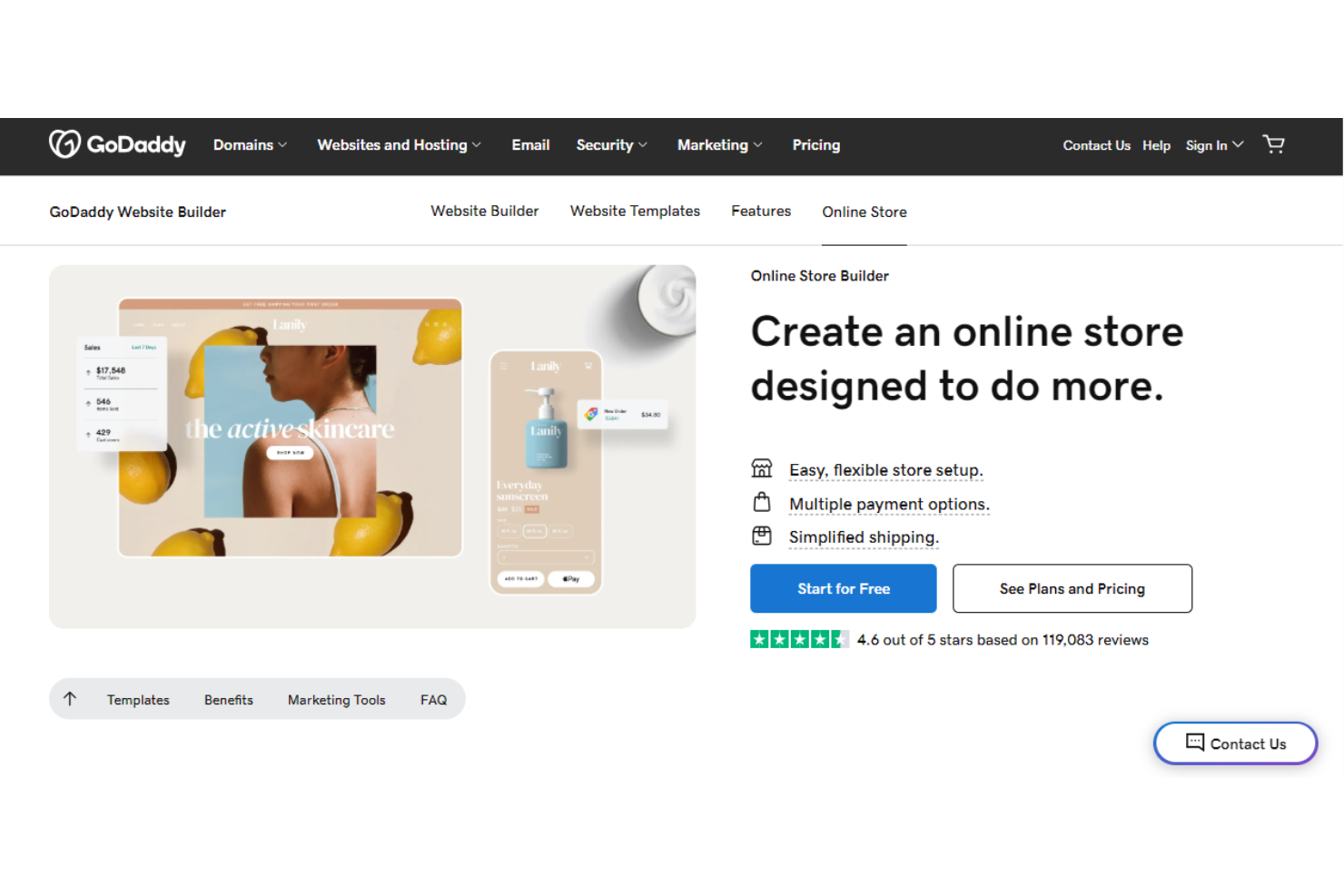
GoDaddy Website Builder es una herramienta de creación de sitios web dirigida a pequeñas empresas e individuos que buscan establecer una presencia en línea. Ofrece herramientas para construir sitios web, gestionar operaciones de comercio electrónico y conectar con los clientes.
Por qué GoDaddy Website Builder es una buena alternativa a Squarespace: GoDaddy Website Builder permite la venta multicanal, lo que te permite llegar a clientes a través de varias plataformas, a diferencia de Squarespace. Su editor fácil de usar te ayuda a crear sitios web de aspecto profesional sin conocimientos técnicos. También puedes beneficiarte de herramientas de marketing integradas para promocionar tu marca. Con sus análisis e informes, puedes seguir el rendimiento de tu sitio y tomar decisiones informadas.
Funciones y integraciones destacadas:
Las funciones incluyen un editor de arrastrar y soltar, plantillas personalizables y herramientas de SEO integradas. Puedes configurar rápidamente una tienda online gracias a sus capacidades de comercio electrónico. GoDaddy también ofrece una aplicación móvil para gestionar tu sitio web desde cualquier lugar.
Las integraciones incluyen PayPal, Square, Google Analytics, Instagram, Facebook, Twitter, YouTube, Vimeo, Pinterest y Yelp.
Pros and Cons
Pros:
- Venta multicanal
- Herramientas de marketing integradas
- Editor fácil de usar
- Plantillas personalizables
Cons:
- Algunas funciones necesitan mejorar
- Escalabilidad limitada para tiendas grandes
- Anuncios en planes básicos

La mejor por facilidad de uso
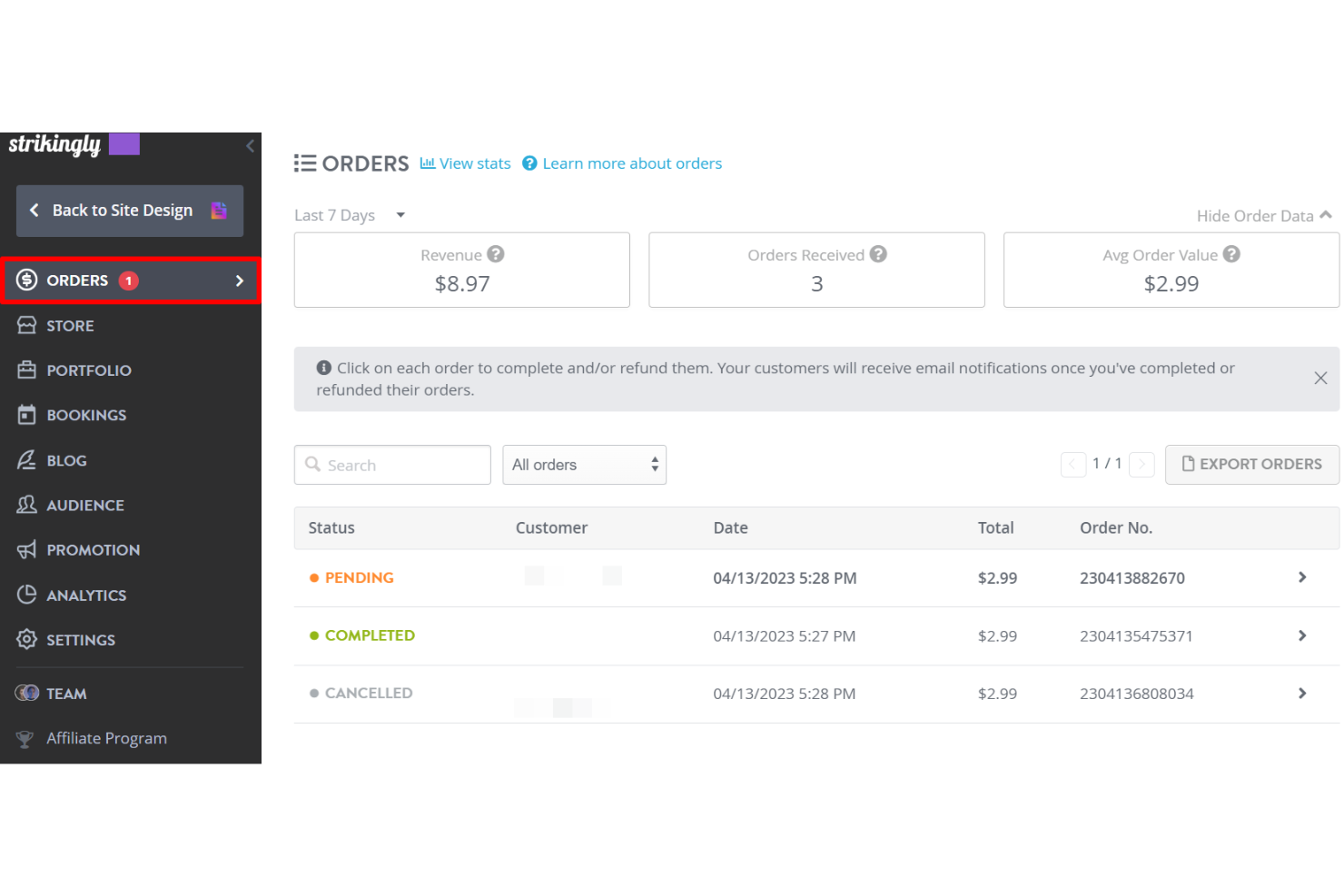
Strikingly es un creador de sitios web dirigido a individuos y pequeñas empresas que buscan crear sitios web simples de una sola página rápidamente. Ofrece herramientas para el diseño web y funcionalidades básicas de comercio electrónico.
Por qué Strikingly es una buena alternativa a Squarespace: Strikingly hace hincapié en la facilidad de uso, lo que lo hace ideal si quieres estar en línea sin complicaciones. Su editor intuitivo te permite crear y publicar sitios web sin necesidad de conocimientos técnicos. Puedes elegir entre varias plantillas que se adaptan a tu estilo y sector. Con su enfoque en la simplicidad, Strikingly te ayuda a establecer presencia en línea en muy poco tiempo.
Características y integraciones destacadas:
Características incluyen un editor de arrastrar y soltar, plantillas personalizables y herramientas de análisis. Puedes crear sitios de una sola página que sean adaptables a móviles. Strikingly también ofrece una plataforma de blogs para ayudarte a interactuar con tu audiencia.
Integraciones incluyen PayPal, Stripe, Google Analytics, Facebook, Instagram, Twitter, LinkedIn, Mailchimp, YouTube y Vimeo.
Pros and Cons
Pros:
- Fácil de usar
- Configuración rápida del sitio
- Diseños adaptables a móviles
- Incluye plataforma de blogs
Cons:
- No es ideal para sitios complejos
- Escalabilidad limitada
- Pocas herramientas avanzadas

Mejor por sus precios asequibles

Shift4Shop es una plataforma de comercio electrónico diseñada para empresas de todos los tamaños, que ofrece herramientas para crear y gestionar tiendas en línea. Proporciona funciones como gestión de productos, procesamiento de pedidos y compromiso con los clientes.
Por qué Shift4Shop es una buena alternativa a Squarespace: Shift4Shop ofrece precios competitivos, lo que la convierte en una opción atractiva para empresas conscientes de los costos. Su software de carrito de compras integrado y plantillas personalizables brindan flexibilidad sin gastar de más. La plataforma permite productos ilimitados, lo cual es una ventaja para negocios en crecimiento. Además, su enfoque en la seguridad con el cumplimiento PCI aporta tranquilidad tanto para ti como para tus clientes.
Funciones y integraciones destacadas:
Funciones incluyen una interfaz fácil de usar, herramientas avanzadas de SEO y un diseño preparado para dispositivos móviles. Puedes gestionar tu tienda de forma eficiente con las funciones de control de inventario y gestión de clientes. Shift4Shop también ofrece varias opciones de pago para adaptarse a las preferencias de diferentes clientes.
Integraciones incluyen PayPal, Stripe, QuickBooks, Mailchimp, Google Analytics, Facebook, Amazon, eBay, ShipStation y Square.
Pros and Cons
Pros:
- Precios competitivos
- Productos ilimitados
- Plantillas personalizables
- Funciones de seguridad integradas
Cons:
- Flexibilidad de diseño limitada
- Problemas técnicos ocasionales
- Tiempo de respuesta del soporte

Volusion
Mejor para herramientas de ecommerce integradas

Volusion es una plataforma de comercio electrónico todo en uno ideal para pequeñas y medianas empresas. Te permite crear y gestionar tiendas en línea con funciones como la gestión de inventario y el procesamiento de pagos.
Por qué Volusion es una buena alternativa a Squarespace: Volusion ofrece potentes herramientas de comercio electrónico integradas directamente en la plataforma, lo que la convierte en una fuerte competidora frente a Squarespace para quienes necesitan capacidades de comercio electrónico más especializadas. Sus funciones de gestión de inventario y procesamiento de pagos garantizan operaciones fluidas para tu tienda. Las vitrinas personalizables y los temas responsivos te permiten diseñar tiendas únicas sin programar. Las herramientas integradas de SEO ayudan a aumentar la visibilidad de tu negocio en línea.
Funciones y integraciones destacadas:
Funciones incluyen vitrinas personalizables, temas responsivos y una interfaz fácil de usar. Puedes gestionar inventario y procesar pagos sin complicaciones. Las herramientas SEO integradas mejoran la presencia en línea de tu tienda.
Integraciones incluyen PayPal, Stripe, Amazon, QuickBooks, Mailchimp, Google Analytics, Facebook y eBay.
Pros and Cons
Pros:
- Herramientas de ecommerce integradas
- Vitrinas personalizables
- Temas responsivos
- No requiere programación
Cons:
- Flexibilidad de diseño limitada
- Algunas funciones necesitan mejorar
- Tiempo de respuesta del soporte al cliente

Jimdo
Ideal para no pagar comisiones

Jimdo es un creador de sitios web y una plataforma de comercio electrónico dirigida a pequeñas empresas y emprendedores. Permite crear sitios web y tiendas online fácilmente, centrándose en la simplicidad y la facilidad de uso.
Por qué Jimdo es una buena alternativa a Squarespace: Jimdo ofrece la ventaja de no cobrar comisiones, lo que lo convierte en una opción rentable para los vendedores. Su creador de sitios web impulsado por IA te ayuda a crear un sitio personalizado rápidamente. Puedes personalizar tu tienda con varias opciones de diseño y plantillas. Gracias a su enfoque en la facilidad de uso, puedes gestionar tu tienda online sin necesidad de conocimientos técnicos.
Características destacadas e integraciones:
Las características incluyen un creador de sitios web con IA, plantillas personalizables y herramientas de SEO. Puedes configurar una tienda online con opciones de pago integradas. Jimdo también ofrece análisis para rastrear el rendimiento de tu sitio y la interacción de los clientes.
Las integraciones incluyen PayPal, Stripe, Google Analytics, Facebook, Instagram, Mailchimp, YouTube, Vimeo, Pinterest y Twitter.
Pros and Cons
Pros:
- Sin comisiones
- Creador de sitios con IA
- Opciones de personalización fáciles
- Opciones de pago integradas
Cons:
- Funciones de comercio electrónico básicas
- Cierta curva de aprendizaje para principiantes
- Escalabilidad limitada para tiendas grandes
Otras alternativas a Squarespace
Estas son algunas alternativas adicionales a Squarespace que no llegaron a mi lista final, pero que siguen mereciendo una revisión:
- Webnode
Ideal para crear sitios web con IA
- Big Cartel
Ideal para artistas y pequeños negocios
- BigCommerce
Mejor para empresas en línea a gran escala


Cómo evalúo las alternativas a Squarespace
Divido mi evaluación en dos niveles: requisitos básicos imprescindibles, como la gestión del catálogo, el proceso de pago integrado y la sincronización del inventario, y después los factores diferenciadores que determinan cuál es la opción más adecuada para los equipos de venta minorista.
Funcionalidad principal (requisitos básicos para esta lista)
Al seleccionar herramientas para mi lista, califico cada una en una escala de 0 (no ofrece la funcionalidad) a 5 (sobresale en esta área) para cada una de las funcionalidades principales que se indican a continuación. Después, calculo la puntuación total de la herramienta y la convierto en un porcentaje. Cada herramienta debe alcanzar una puntuación total mínima del 65% para ser considerada.
- Constructor de escaparates de comercio electrónico: Evalúo la variedad de plantillas, la flexibilidad del editor visual y la adaptación a dispositivos móviles; por ejemplo, si el propietario de una boutique puede crear una tienda atractiva sin tocar código.
- Gestión del catálogo de productos: Es importante gestionar cientos de SKU con variantes, imágenes y categorías. Compruebo si permite importar y exportar en bloque y hasta qué punto las colecciones organizan la mercancía de temporada.
- Procesamiento de pagos integrado: Las opciones de pasarelas, la compatibilidad con monederos digitales y el proceso de pago en varias divisas son factores relevantes, especialmente para los minoristas que venden en distintas regiones o en eventos temporales.
- Gestión del inventario y los pedidos: Analizo el seguimiento del inventario en tiempo real y los flujos de trabajo de preparación y envío; por ejemplo, si un minorista que gestiona dos almacenes puede asignar los pedidos y recibir alertas de existencias bajas automáticamente.
- Integración omnicanal y con sistemas POS: Aquí evalúo la conexión de la tienda en línea con el sistema POS de la tienda física, mercados como Amazon y canales sociales como Instagram Shopping.
- Herramientas de marketing para minoristas: Aquí entran en juego los motores de descuentos, la recuperación de carritos abandonados, los controles de SEO y las integraciones de correo electrónico; son herramientas que ayudan a atraer tráfico y convertir a los visitantes en compradores.
Una vez que tengo una lista de herramientas que cumplen estos criterios, analizo qué diferencia a cada plataforma.
Factores diferenciadores (qué distingue a los proveedores)
Así es como comparo y contrasto los distintos proveedores:
Características destacadas
Los programas integrados de fidelización y recompensas pueden convertir a los compradores ocasionales en clientes habituales, algo que considero especialmente valioso para las boutiques que están creando una clientela local. También analizo si una plataforma ofrece escaparates B2B o mayoristas además de la tienda DTC; los minoristas que venden tanto a consumidores como a distribuidores necesitan precios escalonados sin gestionar dos sistemas separados. Las herramientas de comercialización basadas en IA son otro factor diferenciador, especialmente para catálogos grandes en los que las recomendaciones automatizadas de productos y la búsqueda personalizada ayudan a mostrar los artículos adecuados.
Más allá de las características
El coste total de propiedad es muy importante al cambiar de plataforma. Evalúo las comisiones por transacción, los costes de las aplicaciones y el precio de los temas, no solo la suscripción, ya que estos gastos se acumulan rápidamente para los minoristas con un gran volumen de ventas. El soporte para la migración es otro factor clave; trasladar un catálogo completo de productos y los datos de clientes desde Squarespace es un proyecto considerable, y las plataformas que ofrecen herramientas de importación o agencias asociadas hacen que la transición sea mucho más sencilla. También tengo en cuenta la amplitud del ecosistema de aplicaciones de cada proveedor, especialmente las conexiones con empresas de transporte, herramientas de contabilidad y operadores logísticos 3PL de los que ya dependen los equipos de venta minorista.
¿Por qué buscar una alternativa a Squarespace?
Squarespace ofrece una experiencia elegante desde el primer momento: plantillas cuidadas, un editor de arrastrar y soltar y suficientes funciones para poner en marcha la mayoría de los sitios web sencillos. Pero cuando empiezas a crecer, o necesitas algo más allá de lo básico, puede que descubras que no evoluciona contigo.
Estas son algunas de las razones más habituales por las que los usuarios empiezan a buscar otras opciones:
- Necesitas más libertad de diseño. Las plantillas de Squarespace tienen un aspecto excelente, pero ¿un control más profundo del diseño o la posibilidad de editar HTML/CSS? No tanto. Plataformas como Webflow o WordPress te ofrecen esa flexibilidad granular con potentes herramientas de diseño adecuadas para el diseño web avanzado.
- El comercio electrónico es demasiado limitado. Si necesitas procesos de pago personalizados, membresías o automatización, las capacidades de comercio electrónico de Squarespace pueden parecer ruedines de aprendizaje, especialmente para empresas con necesidades específicas que van más allá de lo básico.
- El precio no está a la altura de la potencia. Los planes de pago incluyen una interfaz pulida, pero no siempre las funciones avanzadas, las herramientas de IA o las integraciones que esperarías por ese coste.
- Estás creciendo. Las empresas en expansión suelen superar las limitaciones de ancho de banda, las herramientas de marketing y las opciones de plugins de Squarespace, especialmente aquellas con necesidades específicas de escalabilidad y control.
- El SEO y el rendimiento necesitan más potencia. Las herramientas de SEO integradas están bien para principiantes, pero para una optimización seria y mejorar el posicionamiento en buscadores, otras plataformas con herramientas de diseño y capacidades técnicas más sólidas profundizan más.
- Quieres mejores integraciones. Si gestionas varios canales, como las redes sociales, el marketing por correo electrónico o los marketplaces, encontrarás obstáculos, especialmente cuando tu estrategia de diseño web depende de herramientas integradas sin interrupciones y de herramientas de IA para automatizar y personalizar las experiencias.
Si algo de esto te resulta familiar, estás en el lugar adecuado. He clasificado y analizado las mejores alternativas a Squarespace, que ofrecen funciones de comercio electrónico más completas, más opciones de personalización y herramientas que realmente crecen al ritmo de tu empresa. Para profundizar en uno de los principales candidatos, consulta nuestro análisis de Shopify frente a Squarespace.
Funciones clave que debes buscar en las alternativas a Squarespace
Si vas a dejar Squarespace, céntrate en herramientas que te proporcionen más potencia, flexibilidad y control, no solo plantillas diferentes. Estas son las funciones imprescindibles que merece la pena priorizar:
- Flexibilidad y personalización del diseño. La posibilidad de editar diseños, ajustar el CSS y controlar el aspecto de tu sitio es fundamental si quieres que realmente parezca tuyo. Squarespace puede resultar rígido; alternativas como Webflow o WordPress ofrecen un mayor control creativo.
- Funcionalidad de comercio electrónico sólida. Piensa más allá de «añadir al carrito». Busca herramientas compatibles con variantes de productos, procesos de pago personalizables, pagos recurrentes, membresías y descargas digitales. Son elementos fundamentales para hacer crecer cualquier tienda online seria.
- Optimización del SEO y del rendimiento. Las herramientas de SEO deberían ir más allá de lo básico. El control de las URL, la edición del texto alternativo, los tiempos de carga rápidos y la adaptación a dispositivos móviles influyen en el posicionamiento y la conversión de tu sitio.
- Integraciones de terceros y compatibilidad con plugins. Ya sea para sincronizar tu CRM, automatizar el marketing o insertar feeds de redes sociales, las integraciones ahorran tiempo y desbloquean funcionalidades importantes. Plataformas como Shopify y WooCommerce destacan en este aspecto.
- Experiencia de usuario y facilidad de uso. Una curva de aprendizaje pronunciada puede frenar el impulso. Busca editores intuitivos de arrastrar y soltar, procesos de configuración sencillos e interfaces limpias que ayuden a los principiantes a crear sitios con confianza sin sacrificar las opciones avanzadas.
- Escalabilidad y rendimiento a largo plazo. Tu plataforma debería crecer contigo: piensa en ancho de banda ilimitado, planes escalonados con mejoras significativas y un rendimiento que se mantenga incluso cuando aumenten el tráfico y los productos.
- Precios transparentes y valor real. No permitas que te cobren por cada pequeño extra. Presta atención a las comisiones por transacción ocultas, las funciones esenciales bloqueadas en los planes de niveles superiores o los límites de ancho de banda que ralenticen tu crecimiento. Un buen precio debería corresponderse con lo que realmente obtienes.
Tendencias que están definiendo las alternativas a Squarespace
Elegir una plataforma no consiste solo en saber qué funciona ahora, sino también en conocer qué está ganando terreno. Estas son las tendencias que estamos siguiendo y que podrían hacer triunfar o fracasar tu estrategia de sitio web durante el próximo año.
- El diseño impulsado por IA es cada vez más inteligente y específico. Herramientas como Webnode y Jimdo utilizan herramientas de IA para acelerar la creación de sitios web, pero el verdadero potencial reside en la personalización asistida por IA y las recomendaciones de contenido. No se trata de tecnología de relleno: está transformando la forma en que los sitios convierten.
- El código abierto está resurgiendo discretamente. Ante la creciente frustración por la dependencia de las plataformas y el aumento excesivo de los precios, las opciones de código abierto como OpenCart y WooCommerce están recuperando impulso entre equipos con conocimientos técnicos que quieren tener un control total y ninguna limitación opaca.
- Las experiencias de pago por fin están recibiendo la atención que merecen. Las tasas de abandono del carrito son desalentadoras y las plataformas están empezando a reaccionar. Se espera una mayor personalización, menos redirecciones y una lógica de ventas adicionales más inteligente, incluso fuera del ecosistema de aplicaciones de Shopify.
- Lo «simple» ya no vende. Los usuarios son cada vez más expertos y el nivel de exigencia es mayor. Un editor básico de arrastrar y soltar ya no es suficiente: los principiantes actuales quieren flexibilidad de diseño sin complejidad, y las mejores plataformas están descubriendo cómo ofrecer ambas cosas.
- Las herramientas de SEO se están dividiendo en dos grupos. Algunas plataformas están apostando por un SEO técnico serio: datos estructurados, optimización de imágenes e incluso marcado de esquema. Otras lo están simplificando en exceso. Si el tráfico es importante, elige en consecuencia.
- El comercio electrónico ya no se limita a los productos. Cada vez más creadores y empresas de servicios exigen herramientas de comercio electrónico para vender membresías, reservas, contenido restringido y productos digitales. Las alternativas a Squarespace que admiten estos casos de uso están avanzando rápidamente.
Coste y precios de las alternativas a Squarespace
La mayoría de los creadores de sitios web de comercio electrónico ofrecen precios escalonados según las funciones, el ancho de banda y la asistencia. Este es un resumen de cómo suelen ser los planes en general, para que puedas comparar qué es justo, qué está inflado y qué obtendrás realmente.
| Tipo de plan | Precio medio | Funciones habituales | Ideal para |
| Gratuito | $0/mes | Editor de arrastrar y soltar, plantillas limitadas, dominio con la marca de la plataforma, herramientas básicas de comercio electrónico | Principiantes y casos de uso de prueba |
| Básico | $8–15/mes | Dominio personalizado, sin anuncios de la plataforma, herramientas básicas de SEO, plantillas iniciales, asistencia por correo electrónico | Sitios personales o actividades secundarias |
| Estándar | $16–29/mes | Acceso completo a las plantillas, SEO mejorado, funciones básicas de comercio electrónico, integraciones sencillas | Pequeñas empresas y tiendas unipersonales |
| Empresarial | $30–79/mes | Herramientas avanzadas de comercio electrónico, sin comisiones por transacción, integraciones de marketing, análisis | Equipos en crecimiento o tiendas en línea consolidadas |
| Premium/Profesional | $80–200+/mes | Venta multicanal, proceso de pago personalizado, automatización, informes avanzados, asistencia prioritaria | Operaciones en expansión o estructuras con varias marcas |
Consideraciones sobre costes adicionales
- Comisiones por transacción. Algunas plataformas, especialmente en los planes de nivel inferior, siguen cobrando por cada venta, a menos que actualices el plan. Compruébalo siempre antes de comprometerte.
- Complementos y aplicaciones. Herramientas como Shopify y WordPress pueden requerir complementos de pago o aplicaciones de terceros para desbloquear funciones importantes.
- Límites de alojamiento y ancho de banda. Presta atención a los límites ocultos de ancho de banda o almacenamiento, especialmente en los planes «ilimitados».
- Dominios personalizados y SSL. Algunas plataformas los incluyen y otras cobran un suplemento, especialmente en los planes básicos.
- Niveles de asistencia. La asistencia 24/7 o el acceso a un gestor de cuenta suelen estar reservados para los niveles de precios más elevados.