

Boodschappenbezorgsoftware is een digitaal platform waarmee je bedrijf online bestellingen, bezorgingen en klantcommunicatie voor boodschappen kan beheren. Als je op zoek bent naar de beste boodschappenbezorgsoftware, heb je opties nodig die bestellingen accuraat houden, je kopzorgen besparen en je helpen concurreren met grotere supermarktketens. Nu de verwachtingen van klanten op het gebied van snelheid en gemak elk jaar toenemen, kan de juiste software je helpen voorop te blijven, of je nu routeoptimalisatie, een aangepaste webwinkel of realtime updates van bezorgers nodig hebt. Deze gids helpt je de beste opties voor 2026 snel te vergelijken, zodat je de software kunt kiezen die bij je team, winkels en doelstellingen past.
Waarom u onze softwareaanbevelingen kunt vertrouwen
6,700+
Reviews
20
Industry experts
16+
Evaluation factors
14
Years
Ons team test en beoordeelt software sinds 2012. Als retailleiders weten we zelf hoe moeilijk — en belangrijk — het is om de juiste software te kiezen.
Voor deze gids hebben we tools geëvalueerd met behulp van praktijktests en onafhankelijk onderzoek, waarbij we tools beoordeelden aan de hand van onze selectiecriteria.
Onze reviews weerspiegelen ons onafhankelijke oordeel — geen verkooppraatje.
Vergelijkingstabel: boodschappenbezorgsoftware
Deze vergelijkingstabel geeft een overzicht van de prijsgegevens van mijn belangrijkste keuzes voor boodschappenbezorgsoftware.
| Tool | Best For | Trial Info | Price | ||
|---|---|---|---|---|---|
| 1 | Best for loyalty and promotion tools | Free demo available | Pricing upon request | Website | |
| 2 | Best for full-service ecommerce management | Free demo available | Pricing upon request | Website | |
| 3 | Best for automated route optimization | Free plan + free trial available | From $150/month | Website | |
| 4 | Best for advanced delivery route planning | Free demo available | From $299/month | Website | |
| 5 | Best for real-time driver tracking and alerts | Free demo available | From $99/month | Website | |
| 6 | Best for rapid online store launches | Free demo available | Pricing upon request | Website | |
| 7 | Best for optimizing last-mile delivery operations | Free trial available | From $619/month | Website | |
| 8 | Best for custom omnichannel shopping experiences | Free demo available | Pricing upon request | Website | |
| 9 | Best for multicultural grocery retailers | Free demo available | Pricing upon request | Website | |
| 10 | Best for AI-driven shopping journeys | Free demo available | Pricing upon request | Website |


Beoordelingen van de beste boodschappenbezorgsoftware
Hieronder vind je mijn uitgebreide samenvattingen van de beste boodschappenbezorgsoftware die op mijn shortlist terechtkwam. In mijn beoordelingen bekijk ik de functies, integraties en prijzen van elk platform in detail, zodat je de beste optie voor jou kunt vinden.
 Best for loyalty and promotion tools
- Free demo available
- Pricing upon request
Visit WebsiteCustomer Rating:4.7/5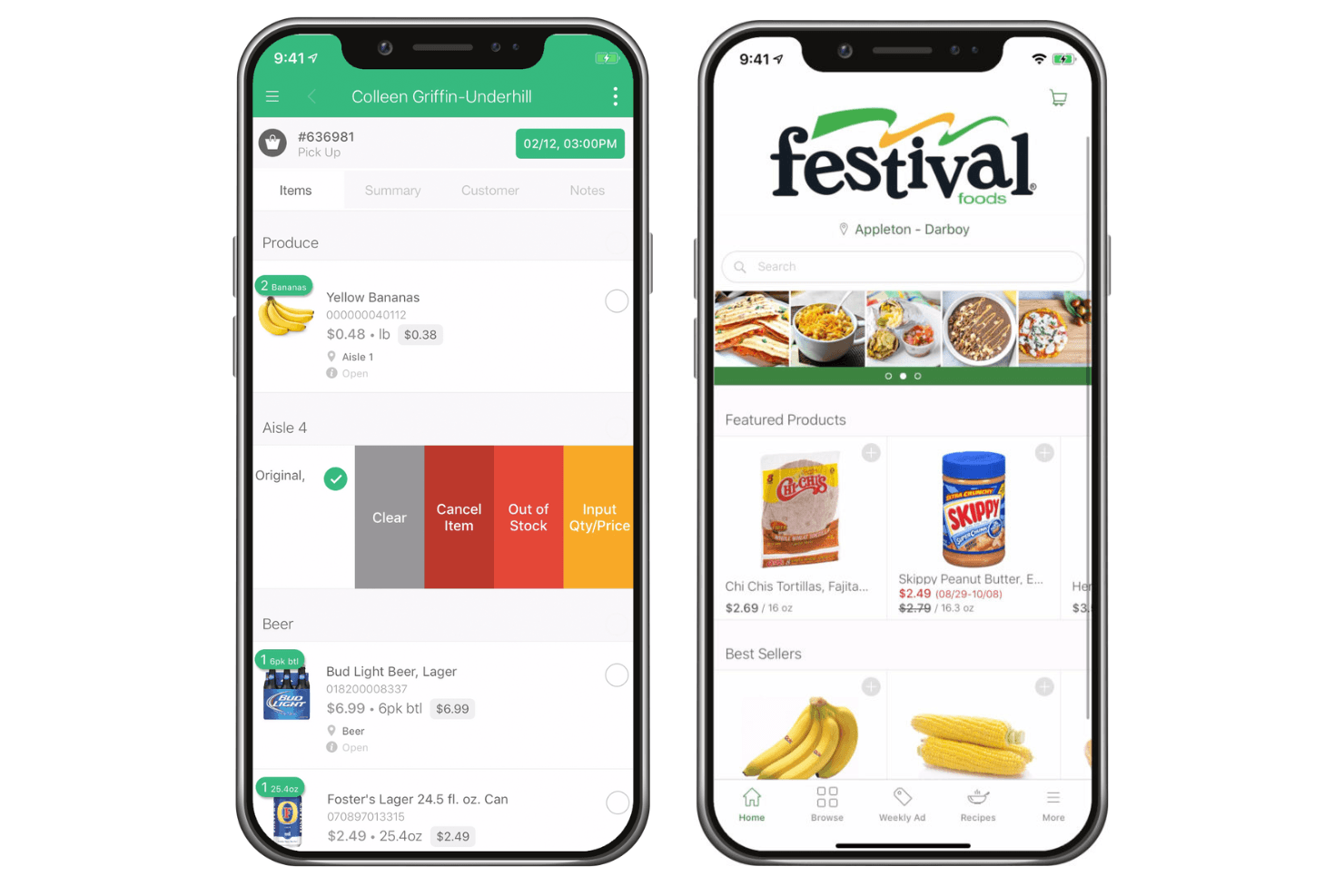
Freshop offers a dual-app interface featuring a shopper-facing grocery store app and a picker/fulfillment app with order management, item scanning, and substitution controls. Freshop (NCR Voyix) is a grocery delivery software solution built for independent grocers and supermarket chains, offering a branded online storefront, real-time inventory sync, in-store picking workflows, and integrated promotions management.
Who Is Freshop Best For?
Independent grocery retailers and regional supermarket chains seeking a grocery-focused eCommerce platform with built-in loyalty and promotion tools.
Why I Picked Freshop
I picked Freshop (NCR Voyix) as one of the best because I can set up branded digital circulars, apply targeted promotions, and integrate loyalty programs right into the online grocery storefront. This lets my team build customer engagement around in-store and online orders.
Freshop Key Features
- Branded web and mobile storefront: Launch a fully branded customer-facing site and mobile experience tailored for grocery.
- Real-time inventory sync: Connects to POS systems to update stock levels and item availability across channels.
- In-store picker app: Guides store staff through order picking with mobile scanning and substitution workflows.
- Time-slot order scheduling: Lets customers reserve delivery or pickup windows with store-managed capacity controls.
Freshop Integrations
Freshop offers an API for custom integrations.
Pros and Cons
Pros:
- Real-time inventory sync for grocery orders
- Customizable branded web and mobile storefront
- Strong digital circular and promotion management
Cons:
- Limited visibility into user satisfaction trends
- Lacks built-in last mile delivery routing
Learn more about Freshop (NCR Voyix): Best for full-service ecommerce management
- Free demo available
- Pricing upon request
Visit WebsiteCustomer Rating:4.4/5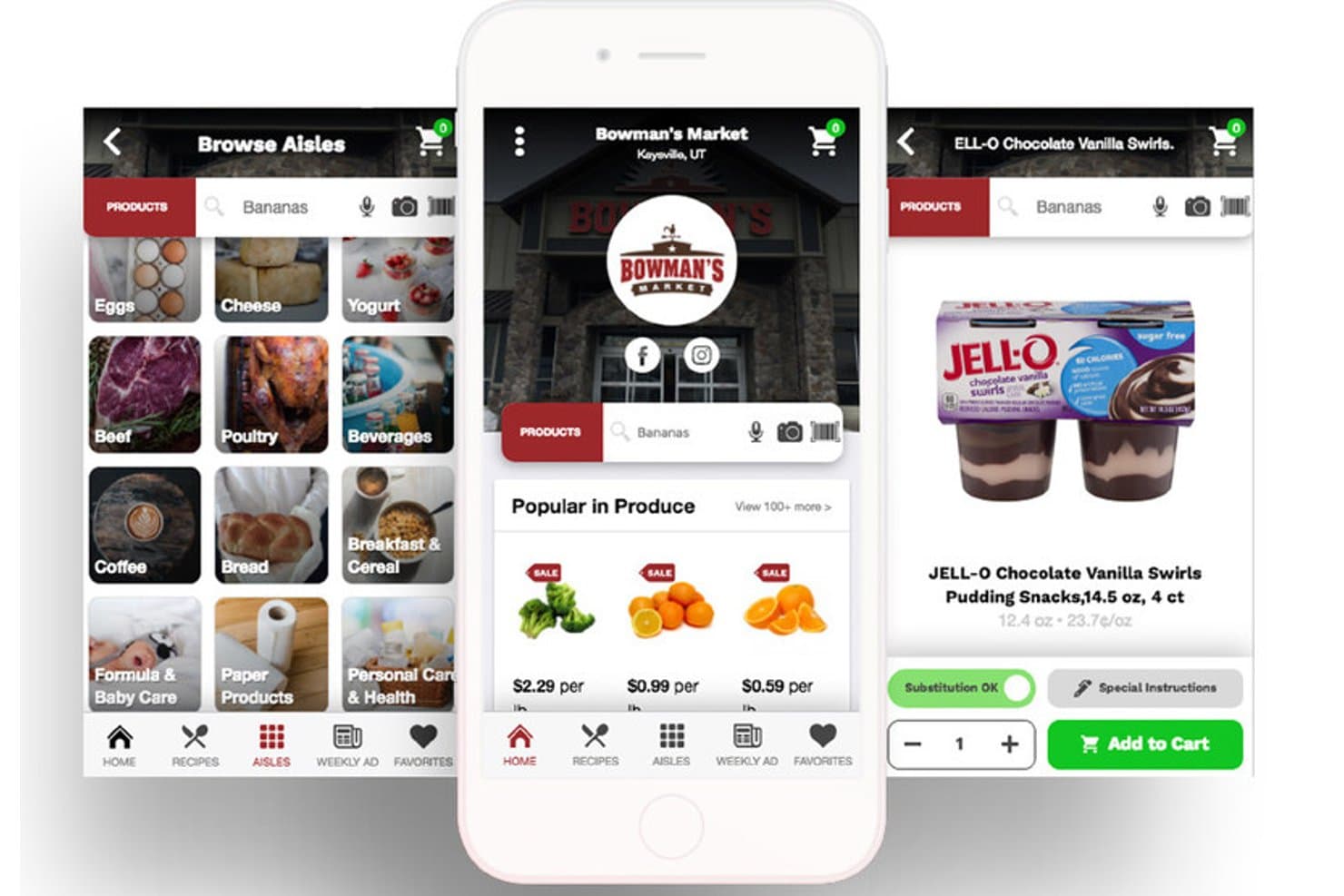
ShopHero offers a mobile grocery app with aisle browsing, store-specific product listings, sale pricing, and add-to-cart functionality. ShopHero is a grocery delivery software platform purpose-built for independent grocers and supermarkets, providing branded online storefronts, real-time inventory sync, delivery management, and mobile tools for in-store picking and customer order scheduling.
Who Is ShopHero Best For?
Independent grocers and supermarket chains that need an integrated platform for online ordering, inventory sync, in-store fulfillment, and delivery management.
Why I Picked ShopHero
I picked ShopHero as one of the best because my team gets a branded online storefront, real-time inventory sync with our POS, and specialized tools for in-store picking and delivery coordination. It truly stands out for full-service ecommerce management.
ShopHero Key Features
- Mobile picker app: Enables pickers to scan barcodes, process substitutions, and manage orders using a dedicated mobile workflow.
- Customer time-slot booking: Lets shoppers schedule delivery or pickup windows directly during checkout with store-controlled time slot management.
- Multi-channel catalog management: Supports unified product catalog management across web and mobile, tailored for groceries.
- Integrated payment processing: Offers multiple payment methods including digital wallets and SNAP/EBT support for eligible stores.
ShopHero Integrations
ShopHero offers an API for custom integrations.
Pros and Cons
Pros:
- Shopper mobile app for in-store picking
- Automated order communication with staff
- Branded customer ordering portal included
Cons:
- Initial setup requires ShopHero team assistance
- Delivery tracking features are basic
Learn more about ShopHero: Best for automated route optimization
- Free plan + free trial available
- From $150/month
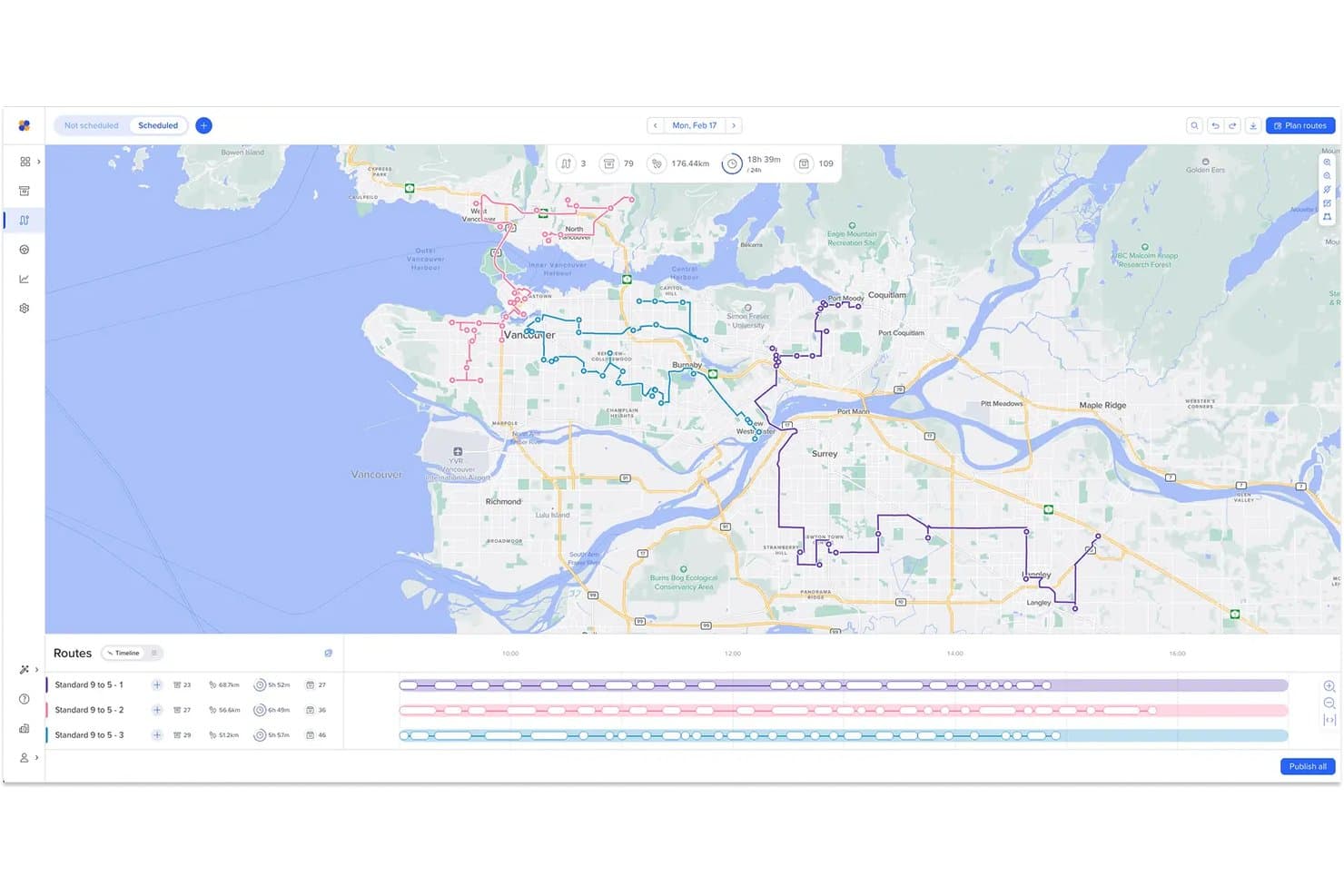
Routific offers a multi-route planning map view with timeline scheduling, showing 3 optimized delivery routes across the Vancouver metro area with stop counts, distances, and durations. Routific is a route optimization software designed for grocery delivery teams, offering tools for automated driver dispatch, delivery scheduling, and real-time route management tailored to perishable goods fulfillment.
Who Is Routific Best For?
Grocery retailers and delivery operators who need advanced route planning and automated driver scheduling for local or regional order fulfillment.
Why I Picked Routific
I picked Routific as one of the best because I rely on its automated route optimization to handle multi-stop grocery deliveries with challenging windows, letting my team assign routes, adjust schedules in real time, and track drivers from a single dashboard.
Routific Key Features
- Driver mobile app: Drivers can receive live route updates and mark deliveries complete from their mobile device.
- Proof of delivery capture: Collect photos and digital signatures directly within the driver app.
- Automated customer notifications: Send SMS or email alerts to customers with real-time ETAs and delivery confirmations.
- API access: Integrate Routific with ordering or dispatch systems to automate route creation and delivery management.
Routific Integrations
Native integrations are not clearly documented.
Pros and Cons
Pros:
- Offers a driver mobile app for live updates
- Handles dynamic delivery time windows
- Optimizes routes for perishable deliveries
Cons:
- Lacks native grocery POS integrations
- No built-in inventory or order management
Learn more about Routific: Best for advanced delivery route planning
- Free demo available
- From $299/month
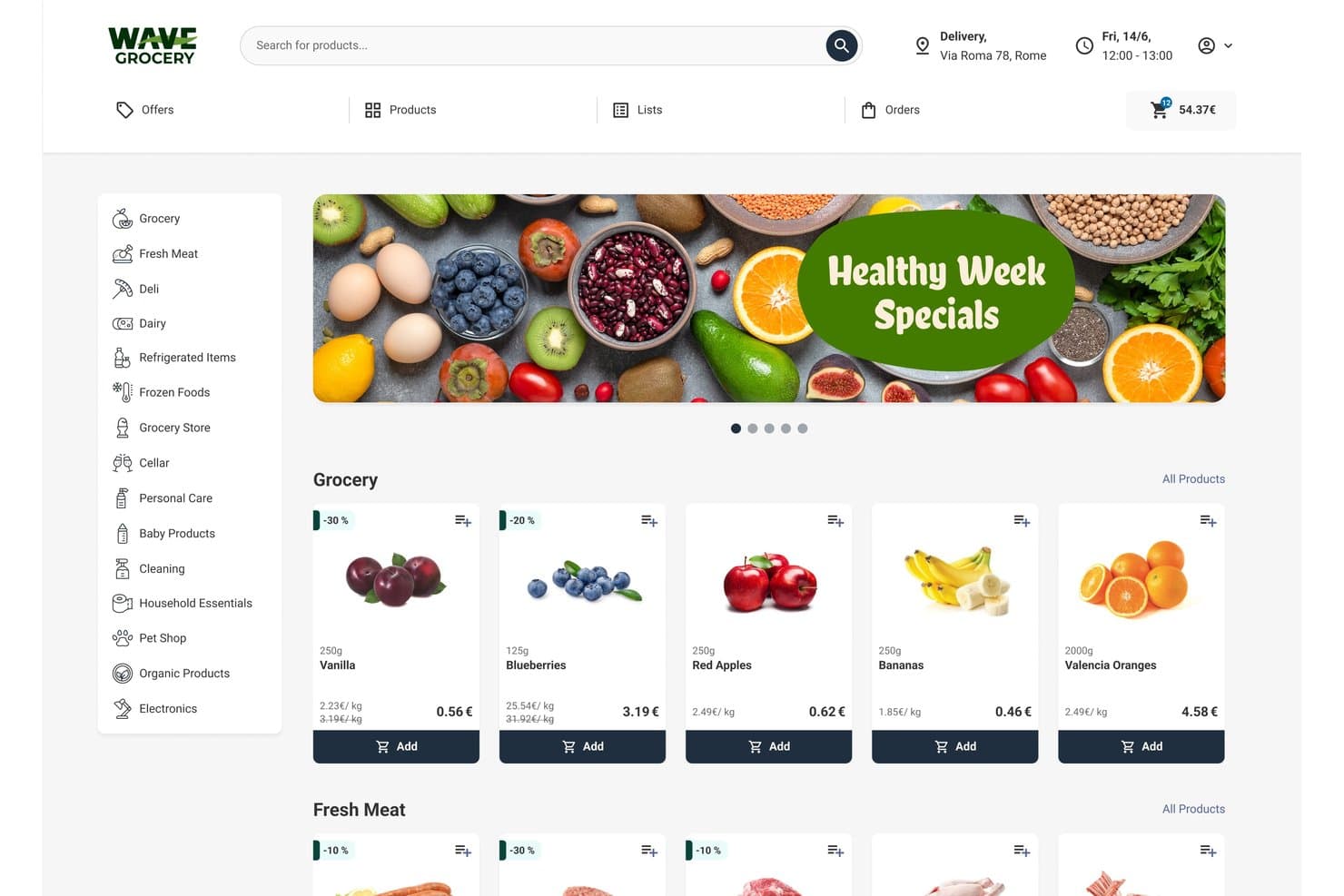
Wave Grocery offers a clean homepage interface with categorized grocery browsing, promotional banners, and product cards featuring discounts and add-to-cart functionality. Wave Grocery is a specialized grocery delivery software platform with modular tools for online storefronts, live inventory sync, in-store picking, and AI-driven driver and route management purpose-built for grocers and supermarket retailers.
Who Is Wave Grocery Best For?
Grocery retailers and supermarket chains that need specialized tools for coordinating multi-store delivery operations and managing time-sensitive order fulfillment.
Why I Picked Wave Grocery
I picked Wave Grocery as one of the best because I rely on its advanced delivery route planning. My team can optimize multi-stop, time-sensitive routes using its AI-powered scheduling tools and manage cold-chain delivery needs for perishables.
Wave Grocery Key Features
- Mobile picker app: Enables in-store pickers to scan items, handle substitutions, and manage batch orders.
- Real-time inventory sync: Integrates with grocery POS systems to update online product availability as stock changes in-store.
- Web and mobile storefronts: Offers customers a branded online shopping experience tailored for grocery catalogs and variable weights.
- Customer time-slot booking: Lets shoppers select delivery or pickup windows with built-in capacity and scheduling controls.
Wave Grocery Integrations
Wave Grocery offers native integrations with SAP, Microsoft Dynamics, Lightspeed, Nash, and Stripe. An API is available for custom integrations.
Pros and Cons
Pros:
- Supports perishable and variable-weight inventory
- Built-in picker app with substitution management
- Advanced driver and route optimization workflow
Cons:
- Fewer public enterprise customer reviews
- Limited US-specific payments functionality
Learn more about Wave Grocery:
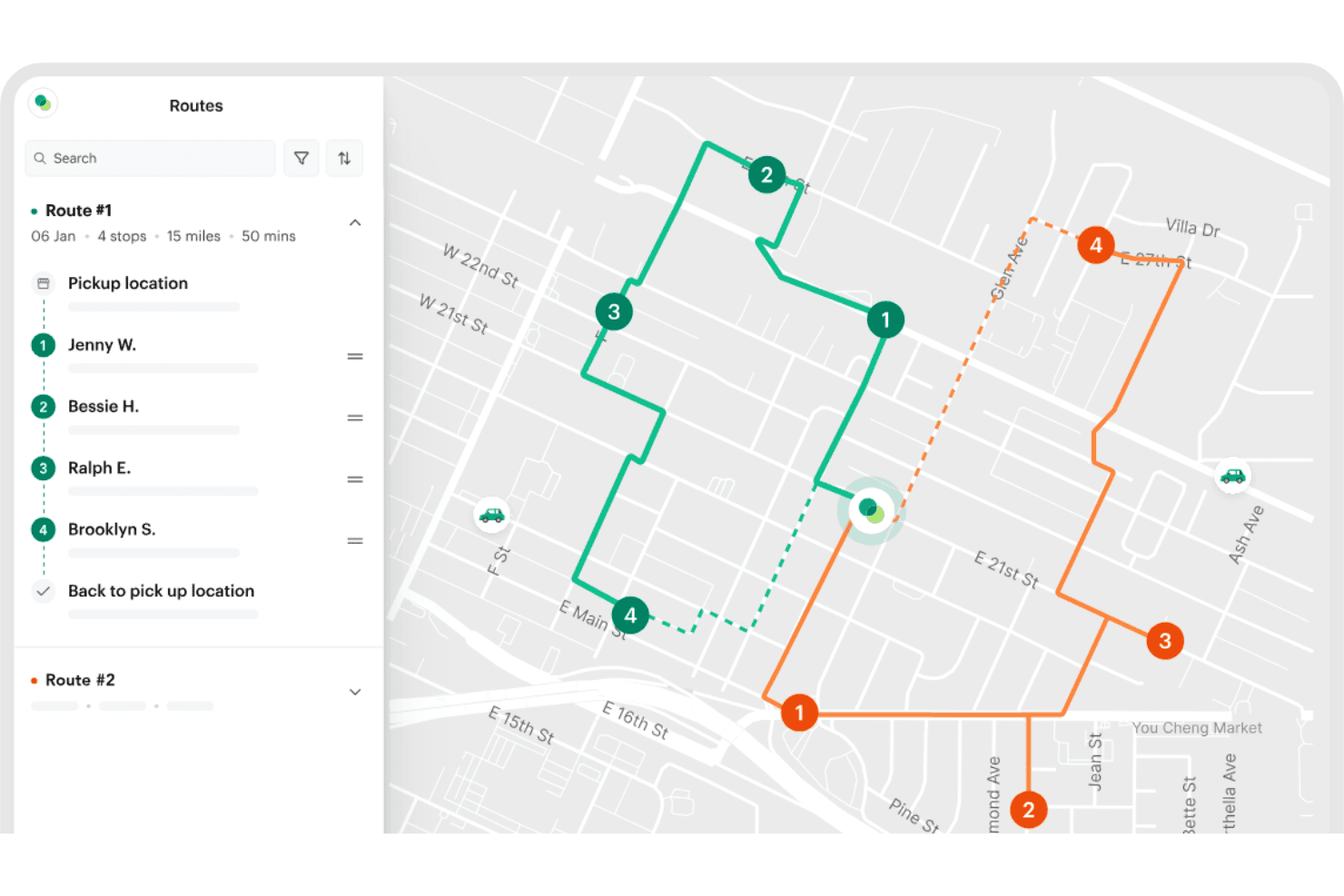
Shipday offers route optimization with multi-stop mapping and an AI-powered reviews dashboard to streamline grocery delivery operations. Shipday is a delivery management platform for grocery retailers that offers real-time driver tracking, automated dispatch, route optimization, and flexible integration with leading POS and online storefront systems.
Who Is Shipday Best For?
Small to mid-sized grocery businesses and retailers that need real-time delivery coordination with easy integration to online ordering or POS platforms.
Why I Picked Shipday
I picked Shipday as one of the best because I rely on its real-time driver tracking and live alerts to monitor every grocery delivery. My team uses the branded order tracking links and automated notifications to keep customers informed throughout the route.
Shipday Key Features
- Route optimization: Calculates the most efficient multi-stop delivery routes for grocery orders.
- Integrated order management: Consolidates orders from connected storefronts and POS systems in a single dashboard.
- Driver mobile app: Provides drivers with pickup details, navigation, and proof of delivery tools.
- Third-party delivery enablement: Lets you assign orders automatically to providers like DoorDash or Uber when needed.
Shipday Integrations
Shipday offers native integrations with Shopify, Square, Wix, Lightspeed, Toast, Grubhub, DoorDash, and Uber. An API is available for custom integrations.
Pros and Cons
Pros:
- Multi-stop route optimization for delivery teams
- Automated customer SMS notifications
- Real-time driver tracking for every order
Cons:
- Lacks native inventory or product management
- No built-in grocery picking workflows
Learn more about Shipday: Best for rapid online store launches
- Free demo available
- Pricing upon request
Visit WebsiteCustomer Rating:4/5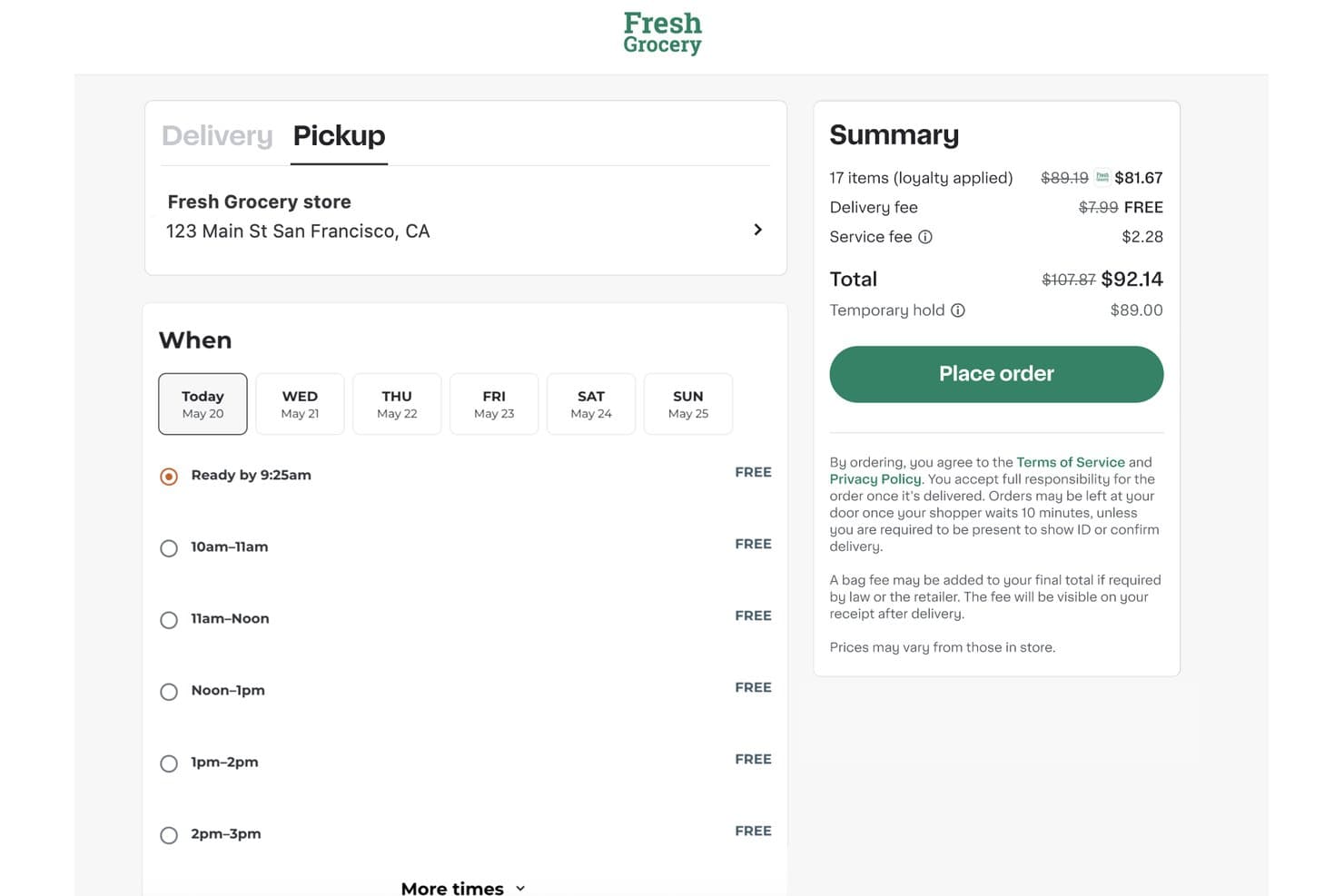
Instacart Storefront offers a pickup scheduling interface with order summary, loyalty pricing, and free delivery at checkout. Instacart Storefront is a grocery delivery software platform designed for retailers that need a branded customer ordering experience, real-time inventory sync, POS integrations, and tools for in-store picking and delivery management.
Who Is Instacart Storefront Best For?
Grocers and supermarket chains looking to launch or upgrade digital ordering and delivery with a unified, branded e-commerce platform.
Why I Picked Instacart Storefront
I picked Instacart Storefront as one of the best because I can launch a fully branded, enterprise-grade grocery storefront quickly, complete with real-time inventory sync and in-store picking using intuitive mobile tools.
Instacart Storefront Key Features
- Customizable product catalogs: Organize grocery SKUs by category, brand, and dietary preferences for precise shopper discovery.
- Integrated retail media platform: Manage sponsored product ads and promotions directly in the storefront.
- Scheduled delivery slot management: Allow customers to reserve specific pickup or delivery times based on real-time store capacity.
- POS and loyalty integrations: Connect with major grocery POS systems and digital loyalty platforms for unified transaction processing.
Instacart Storefront Integrations
Instacart Storefront offers native integrations with ECRS, RORC, Truno, Ibotta, AppCard, BRdata, NCR Loyalty Pro, Braze, Airship, Google Analytics, Epsilon, WordPress, Bazaarvoice, Salesforce, Gigya, Azure, and Okta.
Pros and Cons
Pros:
- Real-time item availability updates and substitutions
- Advanced retail media and personalization tools
- Branded storefronts for each grocery banner
Cons:
- Feature depth may exceed needs for small shops
- Limited review transparency on SaaS product
Learn more about Instacart Storefront: Best for optimizing last-mile delivery operations
- Free trial available
- From $619/month
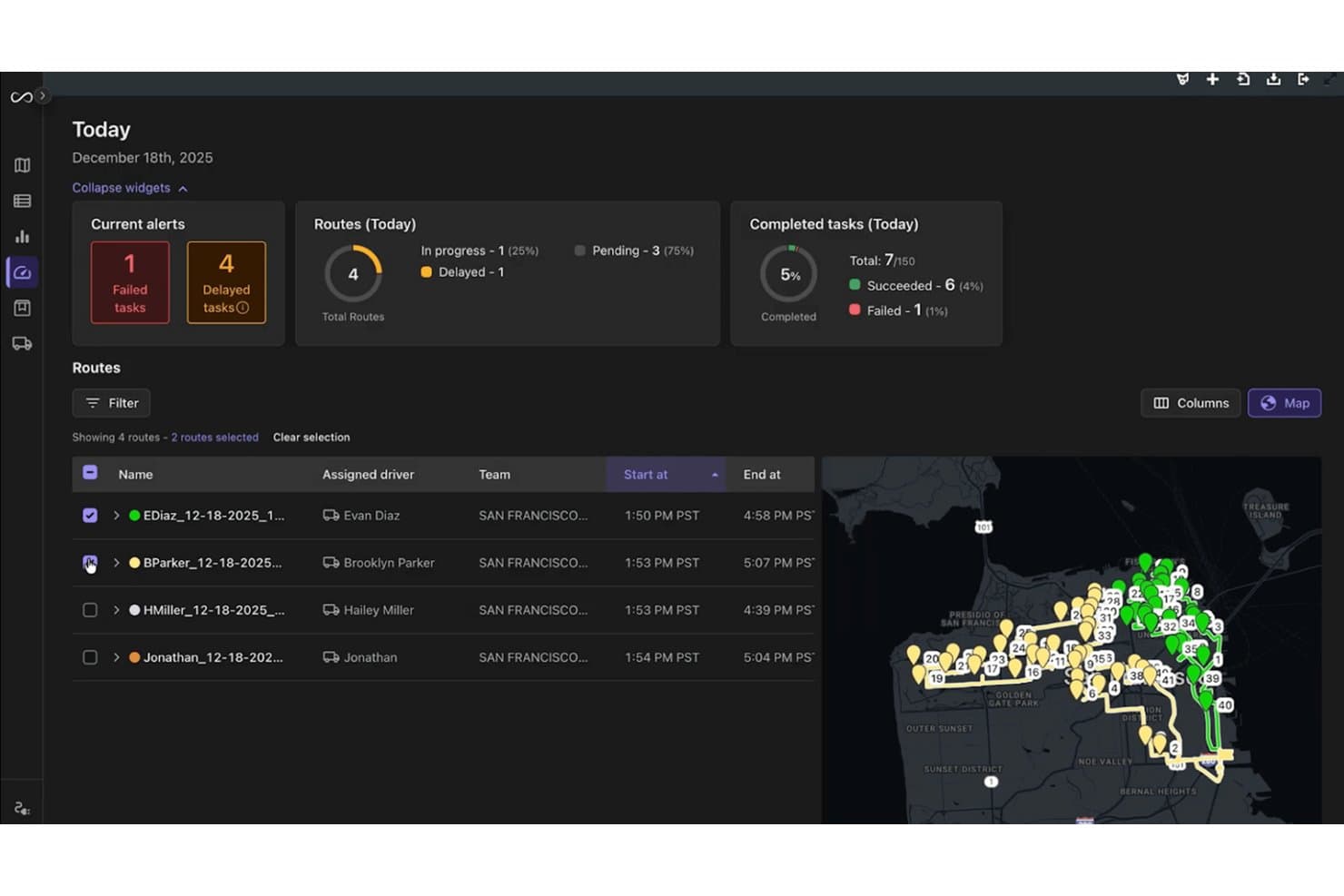
Onfleet offers a real-time command center dashboard displaying route statuses, driver assignments, task alerts, and a live map view for managing grocery deliveries. Onfleet is a last-mile delivery management software designed for grocery retailers who need advanced driver dispatch, real-time route optimization, customer notifications, and proof of delivery workflows.
Who Is Onfleet Best For?
Grocery delivery teams and operations managers at independent stores or multi-location retailers who need dedicated last-mile logistics software.
Why I Picked Onfleet
I’ve included Onfleet in my top picks because I rely on its AI-powered route optimization, real-time driver tracking, and customer notification tools to keep grocery deliveries on time and efficient in busy urban markets.
Onfleet Key Features
- Proof of delivery: Stores photos, signatures, and barcodes for every completed order.
- Age verification workflow: Enables drivers to verify customer age upon delivery for regulated items.
- Automatic driver assignment: Assigns drivers to tasks based on zones, capacity, and schedule settings.
- Analytics dashboard: Displays key metrics on delivery volume, service times, and on-time rates.
Onfleet Integrations
Onfleet offers native integrations with Shopify, Square, and Zapier. An API is available for custom integrations.
Pros and Cons
Pros:
- Supports customer delivery time windows
- Photo and signature proof of delivery
- Accurate real-time tracking
Cons:
- Lacks native grocery POS integration
- No inventory or order picking features
Learn more about Onfleet: Best for custom omnichannel shopping experiences
- Free demo available
- Pricing upon request
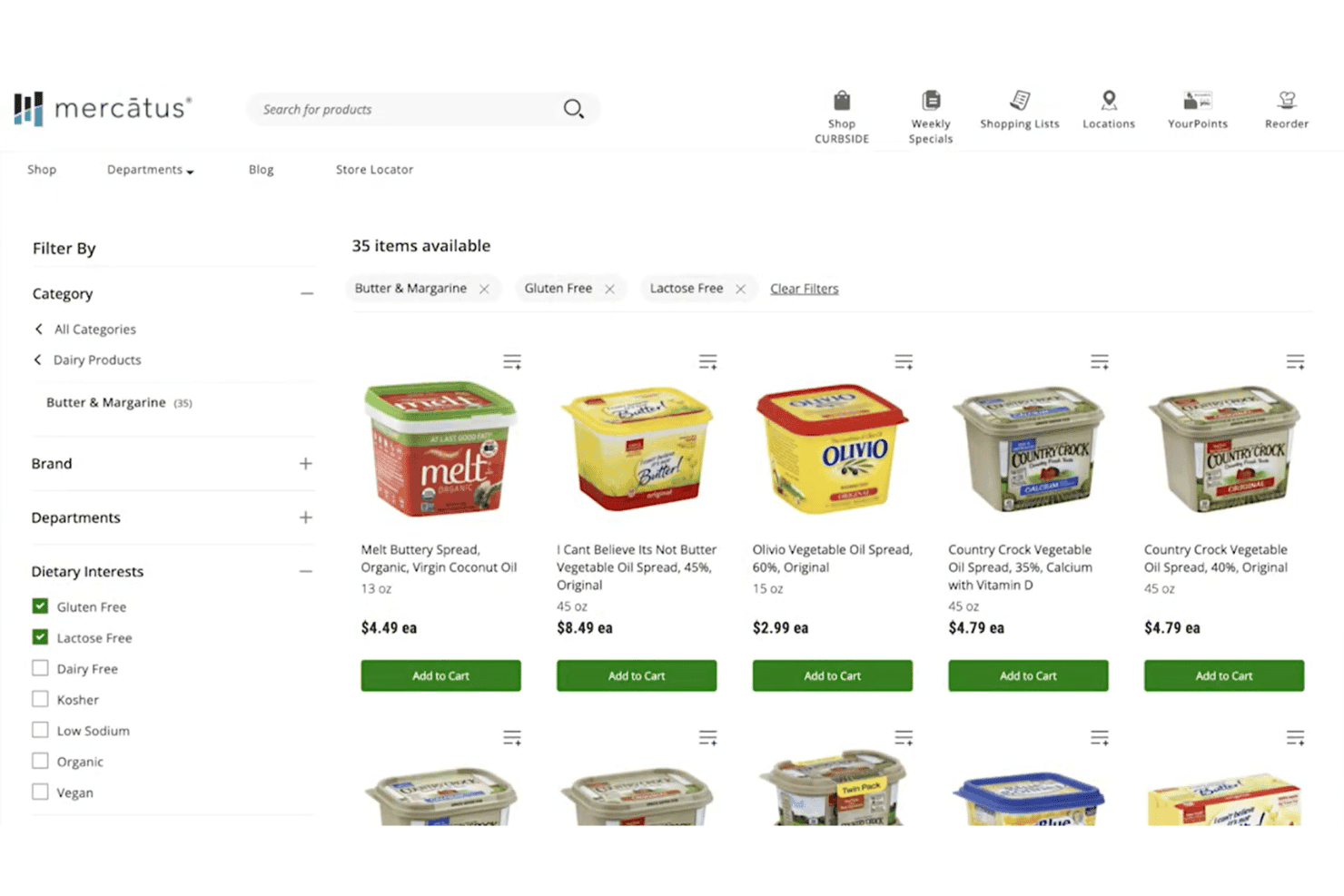
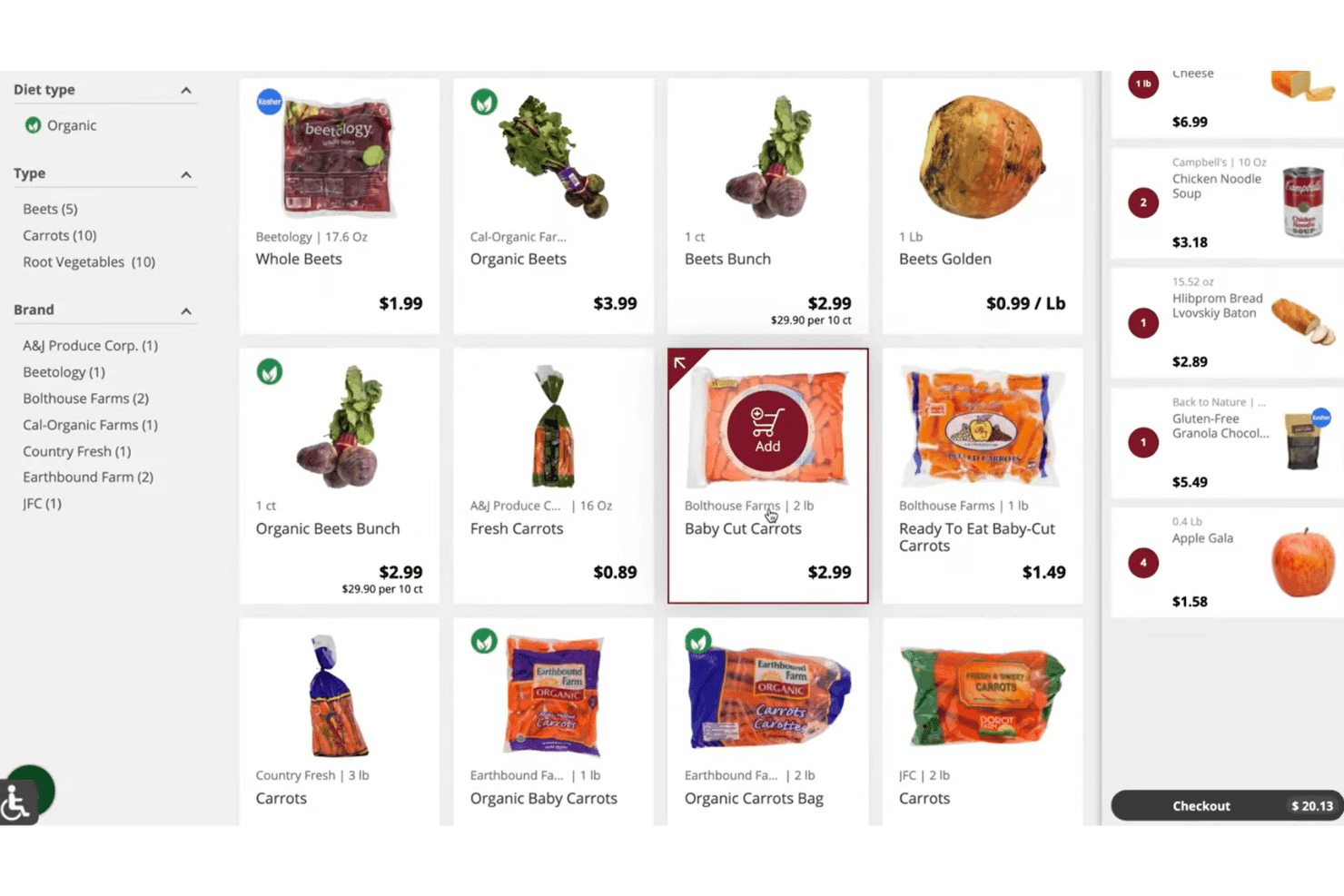
Mercatus offers a grocery e-commerce platform with dietary filters, product listings, and cart functionality for butter and margarine products. Mercatus is a grocery delivery software platform built for retailers who need a customizable online storefront, real-time inventory sync, in-store picking workflows, and integrations with POS, last-mile fulfillment, and payment systems.
Who Is Mercatus Best For?
Mercatus is a strong fit for mid-sized and enterprise grocery retailers seeking a customizable online and in-store shopping experience.
Why I Picked Mercatus
I picked Mercatus as one of the best because I can create customized web and mobile storefronts with grocery-specific merchandising, and my team can manage real-time inventory while supporting branded omnichannel shopping experiences.
Mercatus Key Features
- Mobile picking app: Supports barcode scanning, multi-order batch picking, and weighing for in-store fulfillment.
- Customer-approved substitutions: Lets customers review and approve replacement items in real time during picking.
- Time-slot scheduling: Offers capacity-managed pickup and delivery time-slot booking in the checkout flow.
- Third-party fulfillment integration: Connects with providers like Instacart and DoorDash for last-mile delivery coordination.
Mercatus Integrations
Mercatus offers native integrations with Instacart, DoorDash, and Salsify.
Pros and Cons
Pros:
- Built for complex grocery product catalogs
- Brandable web and mobile storefronts
- Advanced in-store picking with substitutions
Cons:
- Route optimization depends on third-party services
- Limited public user reviews available
Learn more about Mercatus: Best for multicultural grocery retailers
- Free demo available
- Pricing upon request
Visit WebsiteCustomer Rating:4.8/5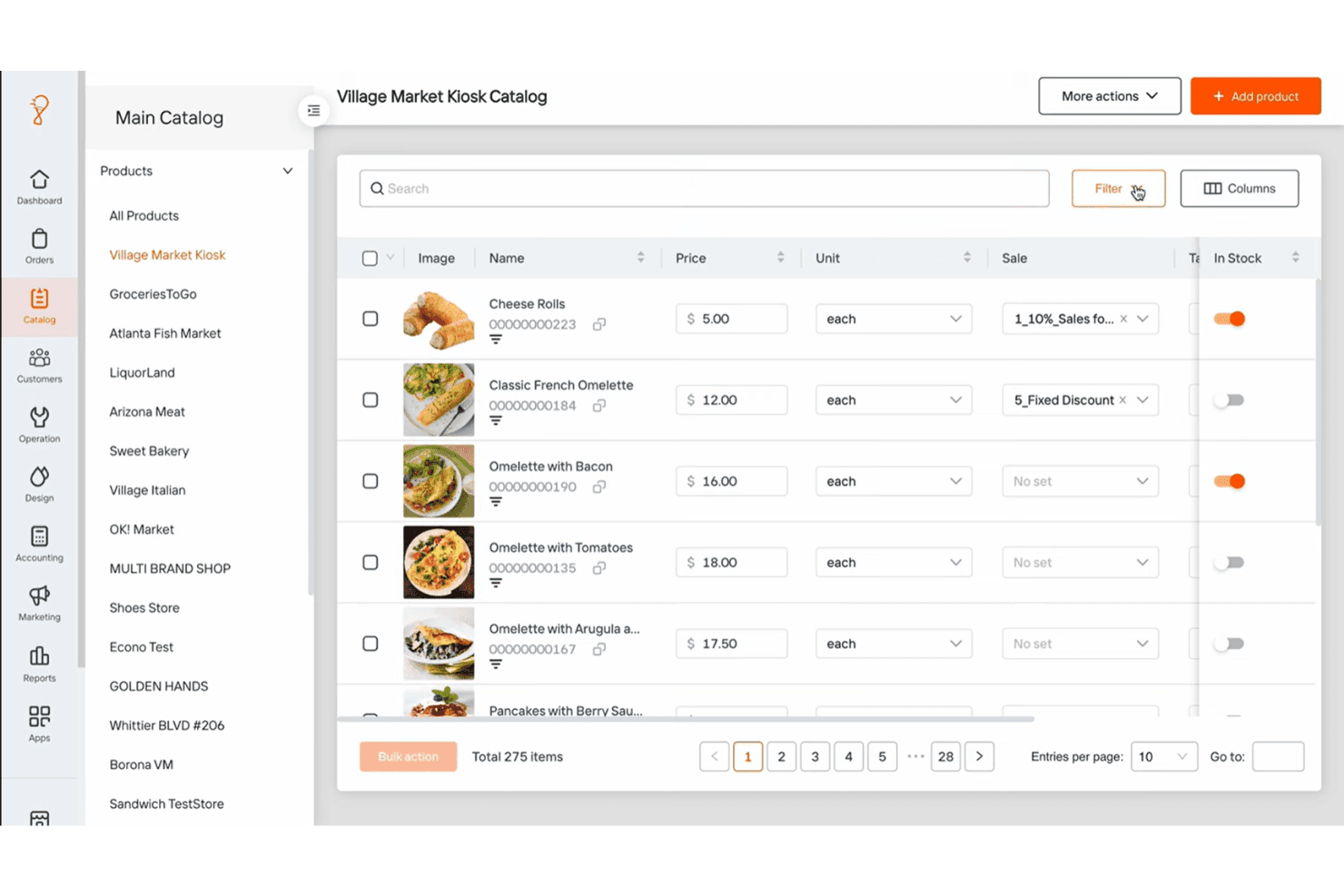
Local Express offers AI-powered inventory management that estimates stock levels and triggers replenishment alerts alongside a multi-vendor grocery catalog interface. Local Express is a grocery delivery software platform tailored for independent and multicultural grocers, offering branded online storefronts, real-time inventory sync, integrated POS and payment options, time-slot scheduling, and in-store picking tools.
Who Is Local Express Best For?
Local Express is a strong fit for independent grocery stores and ethnic supermarkets looking to offer online ordering and local delivery.
Why I Picked Local Express
I picked Local Express as one of the best because I can launch grocery storefronts that handle international foods and languages. I use its supermarket-style search, ethnic SKU support, and multilingual setup for diverse customer bases.
Local Express Key Features
- Real-time inventory synchronization: Keep online and in-store stock levels updated through direct POS integration.
- Integrated delivery route planner: Assign delivery drivers and optimize routes with the built-in dispatcher dashboard.
- Mobile picker app: Store employees use a dedicated app for picking, scanning, and packing grocery orders.
- Customizable time-slot scheduling: Let customers choose available delivery or pickup windows controlled by in-store capacity settings.
Local Express Integrations
Local Express offers native integrations with Stripe, Worldpay, Square, PayPal, Microsoft Dynamics, Google Analytics, LEPay, First Data, Postmates, and Uber Direct. An API is available for custom integrations.
Pros and Cons
Pros:
- In-store picking app for order assembly
- Specialty catalog tools for international groceries
- Multilingual online storefront and admin dashboard
Cons:
- Marketplace advertising options are minimal
- Limited smart routing for large fleets
Learn more about Local Express:
stor.ai offers a shopping cart interface with product listings, unit prices, coupon input, and promotional offers for grocery delivery orders. stor.ai is a grocery delivery software platform that provides an end-to-end online storefront, real-time inventory integration, optimized order picking, delivery routing, and in-store POS connectivity tailored for supermarkets and independent grocers.
Who Is stor.ai Best For?
Independent grocers and supermarket chains looking for an AI-powered grocery delivery and e-commerce platform.
Why I Picked stor.ai
I picked stor.ai as one of the best because I can build custom-branded online grocery experiences and use AI-powered merchandising for dynamic, personalized shopping journeys. I also get advanced inventory syncing and automated substitution support.
stor.ai Key Features
- Mobile picking app: Assigns orders to store staff and guides them through item picking with scanning and verification.
- Time slot scheduling: Lets customers book delivery or pickup windows based on real-time store capacity.
- Route optimization: Plans and assigns efficient delivery routes for drivers handling perishable grocery orders.
- POS integration: Connects directly with leading grocery POS systems to sync orders and inventory across channels.
stor.ai Integrations
stor.ai provides an API for custom integrations.
Pros and Cons
Pros:
- Omnichannel order fulfillment workflow options
- Built-in multi-language support for shoppers
- AI-driven product substitution suggestions
Cons:
- White-label setup process may require onboarding
- Limited public customer feedback available
Learn more about stor.ai:
Andere boodschappenbezorgsoftware
Hier zijn enkele aanvullende opties voor boodschappenbezorgsoftware die mijn shortlist niet hebben gehaald, maar die toch de moeite waard zijn om te bekijken:
- 11My Cloud GrocerBest for turnkey grocery website solutions
- 12TookanBest for multi-business delivery management
- 13BlinkBest for branded mobile ordering apps
- 14GrowcerBest for fully customizable online store platforms
- 15NavoriBest for integrated inventory and order workflows
- 16RosieBest for independent grocery retailer integrations
- 17eGrowceryBest for shopper loyalty program management
- 18HyperzodBest for white-label delivery dispatch solutions
- 19LocusBest for enterprise-grade logistics automation
How I Evaluate Grocery Delivery Software
I split my evaluation into two layers: the baseline functionality a tool needs to qualify and the differentiators that matter for grocery-specific operations like picking workflows and route planning.
Core Functionality (Table Stakes For This List)
When I'm selecting tools for my list, I rank each one on a scale from 0 (does not offer the functionality) to 5 (excels in this area) for each core functionality listed below. Then, I calculate the tool's total score into a percentage. Each tool needs to achieve a minimum total score of 65% to be considered for inclusion.
- Online grocery storefront: I look for a customer-facing web or mobile ordering interface built around grocery-specific needs like weight-based pricing, category browsing, and product search across thousands of SKUs.
- Real-time inventory sync: Stock accuracy matters when you're selling perishables. I evaluate how each platform syncs inventory between physical shelves, POS systems, and the online catalog to prevent overselling.
- Delivery route optimization: I check whether a tool offers route planning that accounts for multi-stop deliveries, time-sensitive windows, and driver dispatch—especially for orders that include frozen or refrigerated items.
- Time-slot and order scheduling: Customers expect to pick their delivery or pickup window. I look at how each platform handles slot availability, capacity limits per store, and scheduling flexibility.
- In-store picking and substitution: A good picker workflow saves time and reduces errors. I evaluate mobile picking apps, barcode scanning support, and how each tool handles customer-approved substitutions for out-of-stock items.
- POS and payment integration: I check for connections to grocery POS systems and support for relevant payment methods, including digital wallets and program-based payments like SNAP/EBT where applicable.
Once I have a list of tools that meet the criteria, I consider what sets each platform apart.
Differentiating Factors (What Sets Vendors Apart)
Here's how I compare and contrast different vendors:
Standout Features
Real-time driver tracking is a big differentiator. I look for GPS-based visibility that lets customers and dispatchers monitor ETAs and route deviations as they happen. Cold chain monitoring also separates strong platforms from basic ones—temperature logging during picking and delivery helps you stay compliant when handling perishables. Substitution management is worth evaluating closely too. Out-of-stock items are a fact of life in grocery. Tools that let pickers suggest alternatives while customers approve swaps in real time cut down on order issues.
Beyond Features
Business model fit matters a lot here. I evaluate whether a platform supports your specific setup—a single independent store, a multi-location chain, or a dark store fulfillment model. Integration depth is another key factor. Your grocery tech stack likely includes a POS, ERP, and possibly third-party delivery partners like DoorDash Drive or Uber Direct, so I check for native connectors rather than workarounds. Pricing structure also deserves attention, since hidden costs around per-order fees, SMS alerts, and additional store licenses add up fast.
Zo kies je boodschappenbezorgsoftware
Het is gemakkelijk om te verdwalen in lange lijsten met functies en ingewikkelde prijsstructuren wanneer je een boodschappenbezorgbedrijf wilt starten. Om je te helpen gefocust te blijven tijdens je unieke softwareselectieproces, vind je hier een checklist met factoren om rekening mee te houden:
| Factor | Waar je op moet letten |
| Schaalbaarheid | Kan het platform meer locaties, gebruikers of bestellingen verwerken naarmate je bedrijf groeit? |
| Integraties | Kan de tool eenvoudig en zonder veel problemen verbinding maken met je bestaande kassasysteem, ERP of bezorgpartners? |
| Aanpasbaarheid | Kun je workflows, huisstijl en klantcontactmomenten aanpassen aan de behoeften en identiteit van je bedrijf? |
| Gebruiksgemak | Zullen winkelmedewerkers, orderverzamelaars en klanten het systeem daadwerkelijk gebruiken? Test het met echte workflows van je team. |
| Implementatie en ingebruikname | Hoeveel ondersteuning en training zijn er nodig? Vraag naar trainingsmateriaal en gebruikelijke implementatietermijnen. |
| Kosten | Let op installatiekosten, maandelijkse abonnementskosten, kosten per bestelling en verborgen kosten—zorg dat je je totale eigendomskosten kent. |
| Beveiligingsmaatregelen | Worden betaalgegevens, persoonlijk identificeerbare informatie van klanten en bestelgegevens beschermd door actuele nalevingsnormen? |
| Beschikbaarheid van ondersteuning | Kun je gemakkelijk contact opnemen met de ondersteuning wanneer een probleem gevolgen heeft voor lopende bestellingen of bezorgingen? Controleer de gegarandeerde responstijden. |
Wat is boodschappenbezorgsoftware?
Boodschappenbezorgsoftware is een digitaal platform dat online bestellingen, realtime synchronisatie van voorraden en bezorglogistiek voor detailhandelaren in boodschappen beheert. Deze systemen vereenvoudigen processen van het instellen van een webwinkel tot routeplanning en het inplannen van bezorgingen, waardoor je team bestellingen eenvoudiger kan verwerken en bezorgingen nauwkeurig kan volgen. De juiste tool verbindt je bedrijfsactiviteiten rond boodschappen, of je nu één winkel, een keten of een speciale dark store beheert.
Functies van boodschappenbezorgsoftware
Let bij het selecteren van software voor boodschappenbezorging op de volgende belangrijke functies:
- Online winkel: Hiermee kunnen klanten boodschappen bekijken, zoeken en bestellen via een herkenbare webwinkel of mobiele bezorgapp die is afgestemd op boodschappen.
- Realtime synchronisatie van voorraad: Werkt de beschikbaarheid van voorraad automatisch bij via winkel- en onlinekanalen om oververkoop en frustratie door niet-beschikbare producten te voorkomen.
- Planning van bezorgroutes: Optimaliseert routes voor bezorgers, houdt rekening met bezorgtijdvakken en beheert meerdere bestellingen voor efficiënte bezorging.
- Planning van tijdvakken: Hiermee kunnen klanten gewenste tijdvakken voor bezorging of afhalen selecteren, met capaciteitsbeheer om de orderverwerking tijdens drukke perioden te beheren.
- App voor orderverzameling in de winkel: Voorziet orderverzamelaars van mobiele hulpmiddelen voor het scannen van barcodes, realtime orderupdates en het beheren van vervangende producten om de orderverwerking te vereenvoudigen.
- Integratie met kassasystemen en betalingen: Ondersteunt belangrijke kassasystemen voor supermarkten en biedt flexibele betaalopties, waaronder creditcards, digitale portemonnees en overheidsvoorzieningen waar toegestaan.
- Volgen van klantbestellingen: Biedt realtime updates, zodat klanten de bestelstatus kunnen volgen, nauwkeurige verwachte aankomsttijden kunnen zien en weten wanneer bestellingen onderweg zijn.
- Werkstromen voor vervangende producten: Geeft medewerkers en klanten flexibele controle over vervangingen van niet-beschikbare producten, waarbij goedkeuringen of voorkeuren digitaal kunnen worden beheerd.
- Aanpassing zonder merkvermelding van de softwareleverancier: Hiermee kun je huisstijl, berichten en app-ontwerp aanpassen, zodat klanten een consistente en herkenbare winkelervaring hebben.
- Controles voor naleving en beveiliging: Zorgt ervoor dat normen voor betalingsverwerking, gegevensprivacy en toegankelijkheid worden nageleefd en beschermt zo je bedrijf en de gegevens van je klanten.
Veelvoorkomende AI-functies van software voor boodschappenbezorging
Naast de hierboven genoemde standaardfuncties van software voor boodschappenbezorging integreren veel van deze oplossingen AI met functies zoals:
- Dynamische vraagvoorspelling: Gebruikt AI om verkooppatronen, het weer en lokale evenementen te analyseren, toekomstige vraag te voorspellen en voorraadniveaus per winkel te optimaliseren.
- Geautomatiseerde routeoptimalisatie: Herberekent bezorgroutes voortdurend in realtime op basis van verkeer, urgentie van bestellingen en beschikbaarheid van bezorgers om bezorgtijden en brandstofkosten te beperken.
- Gepersonaliseerde productaanbevelingen: Gebruikt AI om klanten tijdens het boodschappen doen en afrekenen relevante producten aan te raden, waardoor de winkelmandomvang en klanttevredenheid toenemen.
- Slimme suggesties voor vervangende producten: Analyseert klantvoorkeuren en aankoopgeschiedenis om de meest geschikte vervangingen voor niet-beschikbare producten aan te bevelen.
- Fraudedetectie en -preventie: Gebruikt machinaal leren om ongebruikelijke bestelpatronen of betaalgedrag te herkennen, waardoor terugboekingen worden beperkt en verliezen worden voorkomen.
Voordelen van software voor boodschappenbezorging
Het implementeren van software voor boodschappenbezorging biedt verschillende voordelen voor je team en je bedrijf. Dit zijn enkele voordelen waar je naar kunt uitkijken:
- Betere orderverwerking: Geautomatiseerde werkstromen voor orderverzameling, synchronisatie van voorraad en door klanten goedgekeurde vervangingen helpen je team om bestellingen sneller en nauwkeuriger te verwerken.
- Verbeterde klanttevredenheid: Realtime ordertracking, planning van tijdvakken en gepersonaliseerde aanbevelingen zorgen voor een handige en aantrekkelijke winkelervaring.
- Minder operationele fouten: Functies zoals het scannen van barcodes, AI-gestuurde routeoptimalisatie en fraudedetectie helpen fouten en problemen met bestellingen tot een minimum te beperken.
- Beter voorraadbeheer: Realtime synchronisatie en AI-gestuurde vraagvoorspelling beperken oververkoop, bederf en situaties waarin producten niet beschikbaar zijn.
- Meer merkloyaliteit: Winkels zonder merkvermelding van de softwareleverancier en apps met je eigen huisstijl houden de klantervaring consistent, waardoor vertrouwen en herkenning toenemen terwijl je bedrijf groeit.
- Schaalbare bedrijfsgroei: Integraties en flexibele werkstromen maken het mogelijk om uit te breiden van één winkel of regio naar meerdere, zonder dat je een nieuwe technische infrastructuur nodig hebt.
- Vereenvoudigde naleving en beveiliging: Ingebouwde controles voor betalingen, gegevensprivacy en toegankelijkheid zorgen ervoor dat je team voldoet aan actuele regelgeving en normen.
Kosten en prijzen van software voor boodschappenbezorging
Bij het selecteren van software voor boodschappenbezorging is inzicht in de verschillende beschikbare prijsmodellen en abonnementen nodig. De kosten variëren op basis van functies, teamgrootte, uitbreidingen en meer. De onderstaande tabel vat veelvoorkomende abonnementen, hun gemiddelde prijzen en de gebruikelijke functies van oplossingen voor boodschappenbezorging samen:
Vergelijkingstabel van abonnementen voor software voor boodschappenbezorging
| Plantype | Gemiddelde prijs | Veelvoorkomende functies |
|---|---|---|
| PlantypeGratis abonnement | Gemiddelde prijs$0 | Veelvoorkomende functiesBasisinrichting van de webwinkel, beperkte SKU's, ondersteuning voor één locatie, eenvoudige ordertracking en ondersteuning per e-mail. |
| PlantypePersoonlijk abonnement | Gemiddelde prijs$20-$60/maand | Veelvoorkomende functiesToegang vanaf meerdere apparaten, uitgebreidere SKU's, synchronisatie van voorraad, planning van tijdsloten, webwinkel in eigen huisstijl en chatondersteuning. |
| PlantypeZakelijk abonnement | Gemiddelde prijs$100-$350/maand | Veelvoorkomende functiesMeerdere locaties, realtime bezorgtracking, routeoptimalisatie, betalingsintegraties, branding onder eigen merknaam en API's. |
| PlantypeBedrijfsabonnement | Gemiddelde prijs$500-$2,000/maand | Veelvoorkomende functiesGeavanceerde integraties, aangepaste workflows, prioriteitsondersteuning, compliancebeheer, monitoring van de koelketen en SLA's. |
Veelgestelde vragen over software voor boodschappenbezorging
Hier vindt u antwoorden op veelgestelde vragen over software voor boodschappenbezorging:
Kan software voor boodschappenbezorging worden geïntegreerd met mijn bestaande POS- en voorraadbeheersystemen?
Ja, de meeste platforms bieden integraties met populaire POS- en voorraadbeheersystemen. Het is belangrijk om te controleren op native connectors en ondersteunde gegevensindelingen om handmatige omwegen en verouderde voorraadgegevens te voorkomen.
Hoe lang duurt het om software voor boodschappenbezorging te implementeren?
De implementatieduur verschilt per leverancier en de complexiteit van de configuratie, maar de meeste implementaties zijn binnen 4–12 weken gereed. Vraag leveranciers naar ondersteuning bij de onboarding, opties voor het importeren van catalogi en trainingsmateriaal voor medewerkers.
Is software voor boodschappenbezorging veilig en voldoet deze aan betalingsstandaarden?
Ja, gerenommeerde oplossingen voldoen aan PCI-DSS voor betalingsbeveiliging en bieden SOC 2 Type II-certificering, samen met hulpmiddelen voor gegevensprivacy volgens de AVG of CCPA en voor toegankelijkheidsvereisten.
Welke soorten bedrijven kunnen software voor boodschappenbezorging gebruiken?
Platforms voor boodschappenbezorging zijn geschikt voor zelfstandige supermarkten, ketens met meerdere locaties, micro-fulfilmentcentra en zelfs regionale marktplaatsen, met flexibele workflows voor zowel B2C- als B2B-bezorgmodellen.
Hoe werken workflows voor vervangende producten in software voor boodschappenbezorging?
Met de meeste software kunnen orderverzamelaars alternatieven voorstellen voor niet-beschikbare artikelen en klanten in realtime op de hoogte brengen, zodat zij deze kunnen goedkeuren of afwijzen. Zo blijven bestellingen accuraat en blijven klanten goed geïnformeerd.
Op welke verborgen kosten moet ik letten?
Let op extra kosten voor sms-meldingen, transactiekosten per bestelling, aanvullende winkellocaties, premiumintegraties en uitgebreide API-toegang. Vraag altijd om een volledig overzicht voordat u een contract ondertekent.
Ondersteunt software voor boodschappenbezorging lokale wetten en voorschriften?
Ja, toonaangevende platforms ondersteunen leeftijdsverificatie, lokale belastingconfiguraties en verschillende wetgevingen voor gegevensprivacy om naleving te waarborgen van regels voor alcohol, tabak en klantgegevens.