

Il software di riconciliazione dei pagamenti per l’e-commerce abbina automaticamente le transazioni di Shopify, Stripe e della banca, così non dovrai più rovistare tra i fogli di calcolo alla ricerca dei pagamenti mancanti.
Allinea in tempo reale più canali di vendita, valute e gateway, segnala eventuali discrepanze e ti fa risparmiare ore di stress da “Il pagamento è stato davvero contabilizzato?”.
Ho lavorato sul campo, gestendo attività di vendita al dettaglio, magazzini e spedizioni internazionali, quindi so che non si tratta solo di lavoro amministrativo: è un rischio.
In questa guida ti illustrerò le migliori piattaforme per automatizzare i flussi di lavoro, ottenere report accurati e chiudere il mese senza fatica. Prendi il caffè: sistemiamo il tuo flusso di cassa.
Perché fidarsi dei nostri consigli sui software
6,700+
Reviews
20
Industry experts
16+
Evaluation factors
14
Years
Il nostro team testa e recensisce software dal 2012. In quanto leader del retail noi stessi, sappiamo quanto sia difficile — e importante — scegliere il software giusto.
Per questa guida, abbiamo valutato gli strumenti attraverso test pratici e ricerche indipendenti, assegnando un punteggio agli strumenti in base ai nostri criteri di selezione.
Le nostre recensioni riflettono il nostro giudizio indipendente, non un discorso di vendita.
Tabella comparativa dei software di riconciliazione dei pagamenti per l’e-commerce
La tabella seguente confronta i prezzi e i casi d’uso ideali delle mie migliori selezioni di software di riconciliazione dei pagamenti per l’e-commerce.
| Tool | Best For | Trial Info | Price | ||
|---|---|---|---|---|---|
| 1 | Ideale per le integrazioni contabili | Prova gratuita di 15 giorni | A partire da $52/mese (con fatturazione annuale) | Website | |
| 2 | Ideale per i team finanziari | Demo gratuita disponibile | Prezzi su richiesta | Website | |
| 3 | Ideale per i pagamenti globali | Demo gratuita disponibile | A partire da $99/mese | Website | |
| 4 | Ideale per soluzioni di commercio al dettaglio | Dimostrazione gratuita disponibile | Da $100/mese | Website | |
| 5 | Ideale per opzioni convenienti | Demo gratuita disponibile | A partire da ₹36,000/360 giorni | Website | |
| 6 | Ideale per l'accuratezza dei dati | Prova gratuita di 14 giorni | A partire da $19/mese | Website | |
| 7 | Ideale per le funzionalità di automazione | Demo gratuita disponibile | Prezzo su richiesta | Website | |
| 8 | Ideale per il monitoraggio della conformità | Prova gratuita di 7 giorni | Prezzo su richiesta | Website | |
| 9 | Ideale per la scalabilità | Prova gratuita disponibile | Prezzi su richiesta | Website | |
| 10 | Ideale per piccole imprese | Non disponibile | Prezzi su richiesta | Website |


I 10 migliori software di riconciliazione dei pagamenti per l’e-commerce, recensiti
Hai già una visione generale: ora entriamo nei dettagli. Queste recensioni approfondite spiegano in cosa eccelle davvero ciascuna piattaforma di riconciliazione, quali sono i suoi limiti e per quale tipo di attività di e-commerce è più adatta.
Che tu stia crescendo rapidamente o sia semplicemente stanco di tenere traccia dei rimborsi a mano, qui troverai sicuramente qualcosa che ti farà lavorare con più serenità.
 Ideale per le integrazioni contabili
- Prova gratuita di 15 giorni
- A partire da $52/mese (con fatturazione annuale)
Visit WebsiteCustomer Rating:4.7/5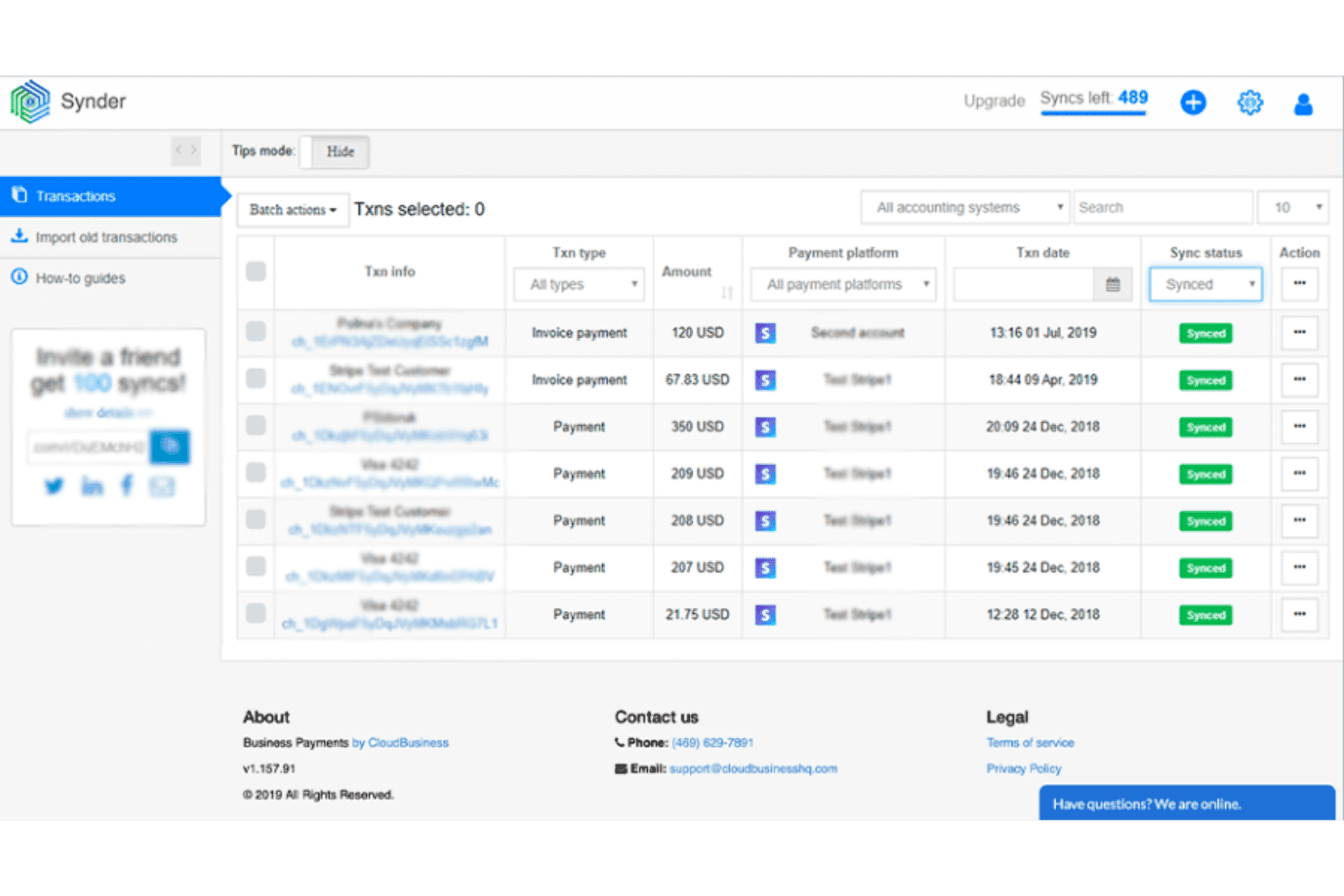
Synder visualizza le transazioni di pagamento sincronizzate con lo stato e i dettagli della piattaforma. Synder è uno strumento di riconciliazione dei pagamenti per l'e-commerce che sincronizza le transazioni tra oltre 30 gateway di pagamento, marketplace e canali di vendita, abbinando automaticamente pagamenti, commissioni, rimborsi e storni al tuo sistema contabile o ERP.
Per chi è più adatto Synder?
Synder è una soluzione ideale per le aziende di e-commerce e i team contabili che devono sincronizzare i dati delle transazioni provenienti da più canali di vendita con QuickBooks, Xero o un ERP come NetSuite o Sage Intacct.
Perché ho scelto Synder
Synder è entrato nella mia lista dei preferiti perché nessun altro strumento di questa categoria offre lo stesso livello di connettività con sistemi contabili ed ERP. Apprezzo il fatto che copra l'intero spettro, da QuickBooks Online e Xero per le attività più piccole a Sage Intacct, Oracle NetSuite e Intuit Enterprise Suite per i team aziendali, il tutto con registrazioni contabili automatiche e conti di compensazione per ciascun canale. La modalità di sincronizzazione riepilogativa raggruppa i dati dei pagamenti in registrazioni contabili ordinate che vengono registrate direttamente nei tuoi libri contabili; ho riscontrato che questo rende la chiusura di fine mese notevolmente più rapida nelle configurazioni multicanale.
Funzionalità principali di Synder
- Motore di regole intelligenti: regole di automazione configurabili basate su condizioni se-allora che classificano le transazioni in base a importo, fornitore, descrizione o ubicazione, senza bisogno di programmazione.
- Riconciliazione multivaluta: sincronizza le transazioni utilizzando i tassi di cambio effettivi applicati dal gestore dei pagamenti al momento di ogni transazione, con registrazioni contabili automatiche per la conversione valutaria.
- Modalità per transazione e sincronizzazione riepilogativa: consente di scegliere tra registrazioni dettagliate a livello di ordine o registrazioni contabili raggruppate dei pagamenti, in base alle proprie esigenze di reportistica.
- Modulo di riconoscimento dei ricavi ASC 606: una funzionalità RevRec dedicata al riconoscimento dei ricavi conforme ai GAAP, che supporta aggiornamenti, cancellazioni e ripartizioni proporzionali degli abbonamenti negli ERP collegati.
Integrazioni di Synder
Synder offre oltre 30 integrazioni native, tra cui Stripe, PayPal, Square, Shopify, Amazon, eBay, QuickBooks Online, Xero, Sage Intacct e NetSuite. I piani Pro Max e Premium supportano la connettività con ERP personalizzati, con importazione ed esportazione tramite Excel per i flussi di lavoro manuali.
Pros and Cons
Pros:
- Gestisce la riconciliazione multivaluta utilizzando i tassi di cambio effettivi
- Il modulo di riconoscimento dei ricavi supporta la conformità ai GAAP
- Offre opzioni di sincronizzazione dettagliata e riepilogativa
Cons:
- La gestione delle eccezioni non include assegnazioni e commenti
- Le funzionalità premium richiedono piani di livello superiore e più costosi
Learn more about Synder: Ideale per i team finanziari
- Demo gratuita disponibile
- Prezzi su richiesta
Visit WebsiteCustomer Rating:4.6/5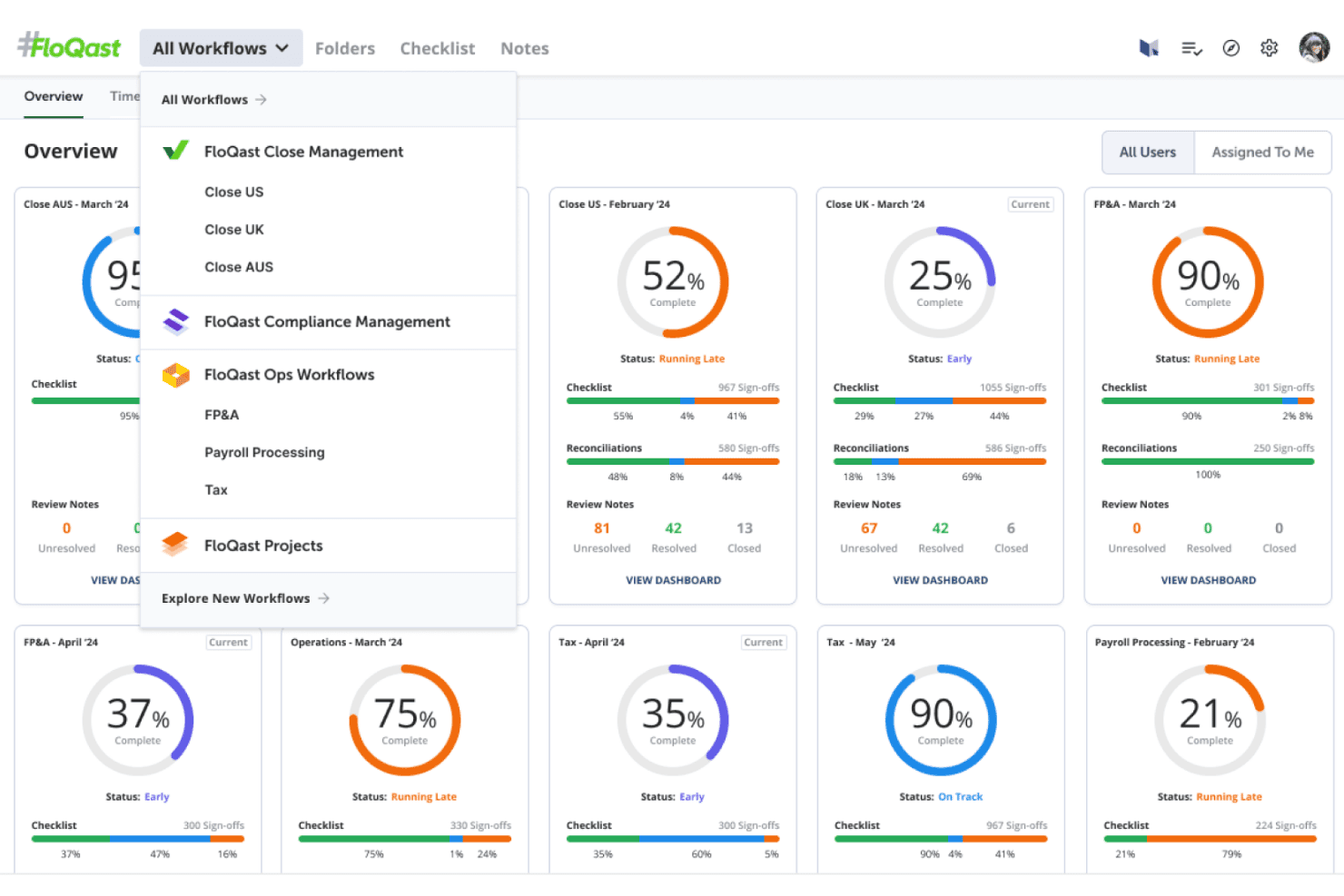
FloQast centralizza l'avanzamento dei flussi di lavoro nei cicli di chiusura, fiscali e FP&A. FloQast è una piattaforma per la chiusura finanziaria e la riconciliazione che automatizza l'abbinamento delle transazioni, la gestione delle eccezioni, la riconciliazione dei conti e i flussi di lavoro delle registrazioni contabili tra sistemi ERP e bancari connessi.
Per chi è più indicato FloQast?
FloQast è adatto ai team finanziari di aziende del mercato medio e di grandi imprese che devono accelerare la chiusura di fine mese e automatizzare le riconciliazioni di conti ad alto volume in ambienti ERP complessi.
Perché ho scelto FloQast
Ho scelto FloQast come uno dei migliori perché è lo strumento di cui mi fiderei di più quando un team finanziario deve ridurre i tempi della chiusura di fine mese senza sacrificare la precisione. Il suo abbinamento AutoRec basato sull'intelligenza artificiale raggiunge tassi di abbinamento automatico dell'80–85% nelle riconciliazioni bancarie e il flusso di lavoro delle eccezioni segnala automaticamente le transazioni non abbinate e le assegna alla persona giusta per la risoluzione. Le connessioni ERP native a NetSuite, SAP, Workday e Sage Intacct fanno sì che i dati riconciliati vengano registrati direttamente nei libri contabili.
Funzionalità principali di FloQast
- Connettore bancario: sincronizza automaticamente ogni giorno le transazioni di centinaia di banche globali con FloQast, eliminando il caricamento manuale degli estratti conto.
- Regole di approvazione automatica: contrassegna i conti per l'approvazione automatica quando i saldi rientrano nelle soglie preimpostate, concentrando le attività di revisione sugli elementi a rischio più elevato.
- Automazione delle registrazioni contabili: prepara e invia continuamente le registrazioni contabili agli ERP connessi, con l'approvazione umana obbligatoria prima della registrazione.
- Registrazione del percorso di audit: acquisisce un registro completo ed esportabile di tutte le attività di abbinamento e delle decisioni dell'intelligenza artificiale per supportare i requisiti di conformità e governance.
Integrazioni di FloQast
FloQast elenca nove integrazioni ERP native, tra cui NetSuite, SAP, Workday, Microsoft Dynamics, Sage Intacct, Xero, Oracle, Yardi e QuickBooks, oltre a un connettore bancario basato su Trovata per centinaia di banche. Non dispone di integrazioni native per ecommerce o marketplace; Stripe è indicato come in arrivo, mentre SFTP e l'accesso a un'API aperta consentono connessioni personalizzate.
Pros and Cons
Pros:
- L'abbinamento basato sull'intelligenza artificiale automatizza le riconciliazioni ad alto volume
- Il flusso di lavoro delle eccezioni con percorso di audit è incluso
- La sincronizzazione ERP semplifica le attività di chiusura mensile
Cons:
- Non è progettato specificamente per la riconciliazione dell'ecommerce
- I dettagli a livello di transazione non sono completamente accessibili
Learn more about FloQast: Ideale per i pagamenti globali
- Demo gratuita disponibile
- A partire da $99/mese
Visit WebsiteCustomer Rating:4.5/5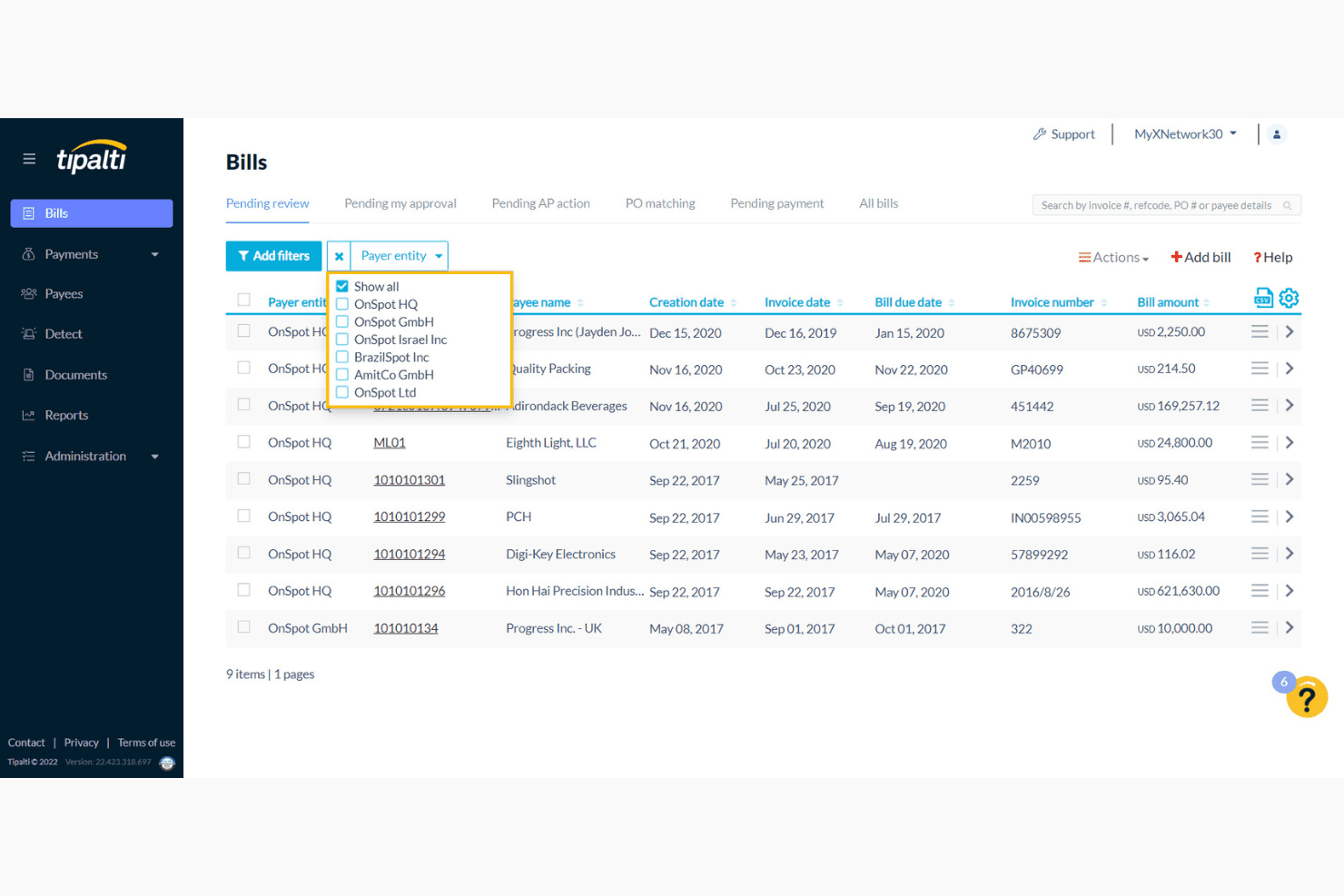
Tipalti consente agli utenti di filtrare e rivedere le fatture per entità pagatrice in un'unica schermata. Tipalti è una piattaforma di automazione AP che gestisce i pagamenti ai fornitori, il confronto delle fatture e la riconciliazione multivaluta in oltre 200 paesi e con oltre 50 metodi di pagamento.
Per chi è più adatto Tipalti?
Tipalti è particolarmente adatto ai team finanziari di aziende e-commerce in crescita che gestiscono elevati volumi di pagamenti transfrontalieri ai fornitori e necessitano di una riconciliazione AP automatizzata tra più entità e valute.
Perché ho scelto Tipalti
Ho scelto Tipalti come una delle migliori soluzioni perché nessun altro strumento di automazione AP è paragonabile alla sua portata globale nei pagamenti: copre oltre 200 paesi, oltre 120 valute e oltre 50 metodi di pagamento in un'unica piattaforma. Per le aziende e-commerce che gestiscono pagamenti transfrontalieri ai fornitori, questa ampiezza è importante: Tipalti gestisce la riconciliazione multivaluta con il monitoraggio integrato dei tassi di cambio, così ogni pagamento internazionale viene associato e contabilizzato senza attività manuali di conversione. Il suo modulo Pagamenti di massa automatizza inoltre le erogazioni in blocco alle reti di affiliati e creatori, con monitoraggio dello stato dei pagamenti in tempo reale.
Funzionalità principali di Tipalti
- Confronto a 2 e 3 vie degli ordini di acquisto: Confronta automaticamente ordini di acquisto, ricevute e fatture all'interno di un unico flusso di lavoro AP.
- Gestione delle eccezioni assistita dall'IA: Segnala le transazioni non associate o parzialmente associate e le indirizza per la revisione manuale con tracce di audit complete.
- Consolidamento dei pagamenti tra più entità: Consolida i debiti verso i fornitori tra filiali, valute e aree geografiche in un'unica cruscotto di reportistica in tempo reale.
- Sincronizzazione automatica con l'ERP: Invia i dati di pagamento riconciliati, le scritture contabili e i campi personalizzati a oltre 15 piattaforme contabili, tra cui NetSuite, Xero e QuickBooks.
Integrazioni di Tipalti
Tipalti offre oltre 15 integrazioni ERP e contabili documentate, tra cui NetSuite, QuickBooks, Xero, Sage, Microsoft Dynamics, SAP, Acumatica, Workday, Oracle Fusion e Odoo. Non dispone di connettori nativi documentati per Shopify, Amazon o i pagamenti dei marketplace, ma mette a disposizione un'API REST per le integrazioni personalizzate.
Pros and Cons
Pros:
- Riconciliazione globale multivaluta per i flussi di lavoro dei debiti verso i fornitori
- Automatizza le eccezioni AP con tracce di audit
- Modulo per pagamenti di massa a fornitori e creatori
Cons:
- Non riconcilia i pagamenti in entrata dei marketplace e-commerce
- Mancano connettori nativi per Shopify o per i marketplace Amazon
Learn more about Tipalti: Ideale per soluzioni di commercio al dettaglio
- Dimostrazione gratuita disponibile
- Da $100/mese
Visit WebsiteCustomer Rating:4.3/5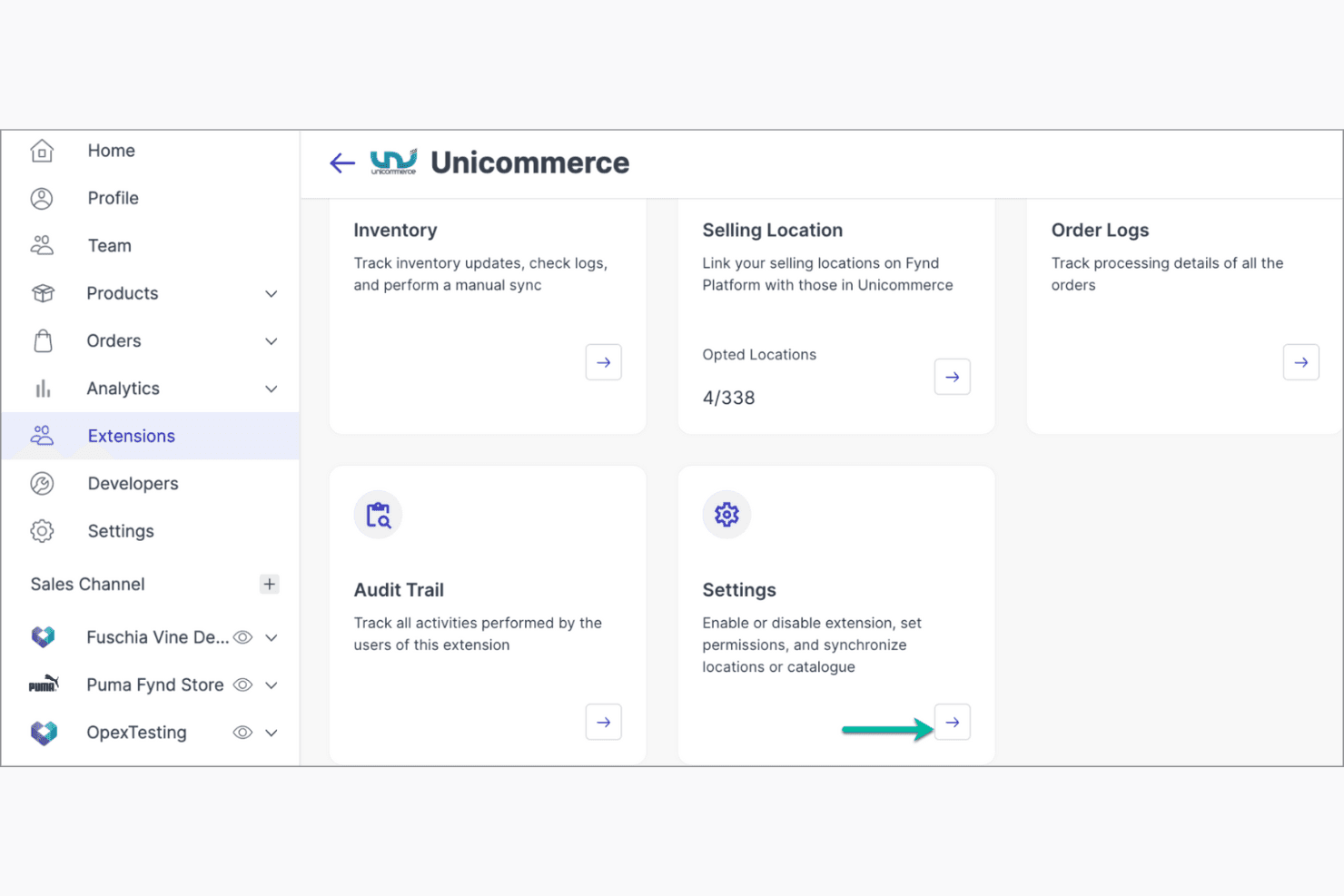
Unicommerce centralizza inventario, sedi e monitoraggio degli ordini in un unico pannello di controllo. Unicommerce è una piattaforma di riconciliazione dei pagamenti focalizzata sui marketplace che automatizza il confronto dei pagamenti, rileva le perdite operative, monitora i resi e gestisce la riconciliazione delle commissioni a livello di SKU su più canali di vendita.
Per chi è più adatto Unicommerce?
Unicommerce è particolarmente adatto ai venditori indiani sui marketplace Amazon India, Flipkart, Myntra o Meesho che necessitano di una riconciliazione automatizzata delle commissioni e dei resi su larga scala.
Perché ho scelto Unicommerce
Unicommerce si è guadagnato un posto nella mia selezione ristretta grazie alla sua progettazione specifica per i venditori del commercio al dettaglio che operano sui marketplace indiani. Apprezzo in particolare il sistema della scheda delle tariffe dei canali, che riconcilia commissioni, costi di spedizione, preparazione e imballaggio degli ordini e commissioni sui rimborsi a livello di SKU su Amazon India, Flipkart, Myntra e Meesho. Il rilevamento delle perdite operative individua anche addebiti eccessivi per la spedizione e danni causati dai corrieri non rimborsati, aspetti che la maggior parte dei venditori non nota finché i margini non si riducono.
Funzionalità principali di Unicommerce
- Tracciamento di audit a livello UTR: Monitora un riferimento univoco della transazione per ogni ordine, fornendo un registro transazione per transazione pronto per gli audit finanziari.
- Avvisi sul flusso di cassa negativo: Invia avvisi proattivi quando il sistema rileva una posizione di cassa negativa nei pagamenti dei marketplace.
- Categorizzazione dello stato della riconciliazione: Assegna a ogni transazione una delle otto categorie di stato, tra cui Pagamento parziale, Pagamento scaduto e Riconciliato tramite delta, consentendoti di gestire rapidamente i problemi.
- Monitoraggio della riconciliazione dei resi: Confronta l'inventario fisicamente restituito con i registri del sistema per segnalare discrepanze dovute a frodi, furti o errori di elaborazione.
Integrazioni di Unicommerce
UniReco dispone di integrazioni documentate con i marketplace Amazon India, Flipkart, Myntra e Meesho. La piattaforma Unicommerce nel suo complesso supporta oltre 290 integrazioni, tra cui Shopify, WooCommerce, SAP, Oracle, TallyPrime e Xero nei piani aziendali.
Pros and Cons
Pros:
- Monitora le perdite operative a livello di SKU
- Monitoraggio delle transazioni UTR pronto per gli audit per ogni ordine
- Riconcilia i resi con controlli dell'inventario fisico
Cons:
- Nessun supporto per i gateway di pagamento globali
- La sincronizzazione contabile è disponibile solo nel piano aziendale
Learn more about Unicommerce: Ideale per opzioni convenienti
- Demo gratuita disponibile
- A partire da ₹36,000/360 giorni
Visit WebsiteCustomer Rating:1/5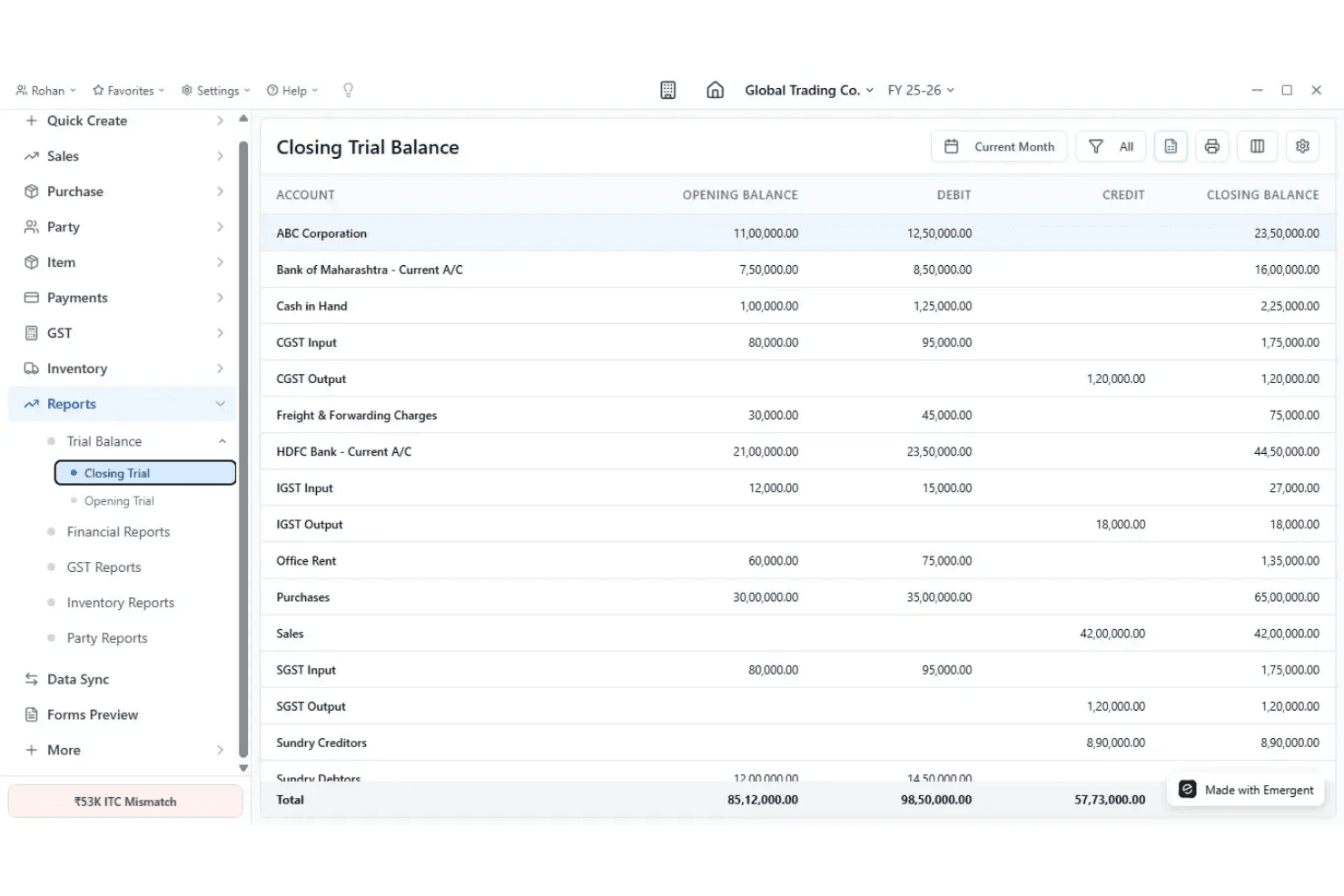
BUSY Accounting Software mostra un rapporto dettagliato del bilancio di verifica di chiusura. BUSY Accounting Software è una piattaforma di contabilità e riconciliazione per il commercio elettronico che combina il monitoraggio dei regolamenti delle piattaforme di vendita online, la corrispondenza automatica delle transazioni, la riconciliazione di commissioni e rimborsi e strumenti per la conformità GST per i venditori su Amazon, Flipkart e Shopify.
Per chi è più adatto BUSY Accounting Software?
BUSY Accounting Software è una soluzione particolarmente adatta ai venditori indiani di piccole e medie dimensioni presenti sulle piattaforme Amazon, Flipkart o Shopify, che necessitano di una riconciliazione conveniente e conforme alla GST integrata nel proprio flusso di lavoro contabile.
Perché ho scelto BUSY Accounting Software
BUSY Accounting Software è entrato nella mia selezione perché rappresenta il percorso più conveniente verso una riconciliazione strutturata delle piattaforme di vendita online per i venditori indiani su Amazon, Flipkart o Shopify. Mi piace il fatto che il suo componente aggiuntivo BUSY Recom scarichi automaticamente i dati dei regolamenti e li registri direttamente nel libro mastro contabile con un solo clic, eliminando il lavoro manuale in Excel che rallenta i piccoli team. Tiene inoltre traccia di commissioni, spese di corriere e note di credito conformi alla GST a livello di ordine e SKU, permettendo di vedere esattamente dove il margine si riduce per i singoli prodotti.
Funzionalità principali di BUSY Accounting Software
- Rapporto di redditività per SKU: Calcola l'utile netto per SKU dopo aver dedotto il costo delle merci vendute (COGS), la GST, le commissioni e le tariffe della piattaforma di vendita online.
- Monitoraggio dei regolamenti in sospeso: Mantiene un rapporto dedicato che mostra quali ordini hanno pagamenti trattenuti da Amazon o Flipkart.
- Generazione di note di credito conformi alla GST: Crea automaticamente note di credito per gli ordini restituiti in conformità con i requisiti indiani in materia di GST.
- Gestione di più account: Gestisce più account venditore su Amazon e Flipkart all'interno di un singolo file aziendale BUSY.
Integrazioni di BUSY Accounting Software
BUSY Accounting Software dispone di 3 integrazioni native documentate con le piattaforme di vendita online: Amazon, Flipkart e Shopify. Non dispone di integrazioni native con gateway di pagamento o piattaforme contabili esterne come Stripe, PayPal, QuickBooks o Xero; i dati riconciliati vengono registrati nel libro mastro di BUSY.
Pros and Cons
Pros:
- Riconciliazione con 1 clic per i venditori su Amazon e Flipkart
- Tiene traccia dei resi e delle note di credito conformi alla GST
- Calcola automaticamente la redditività per SKU
Cons:
- Nessun supporto per piattaforme di vendita online o processori di pagamento internazionali
- Non può sincronizzare i dati con altri sistemi contabili
Learn more about Busy Accounting Software: Ideale per l'accuratezza dei dati
- Prova gratuita di 14 giorni
- A partire da $19/mese
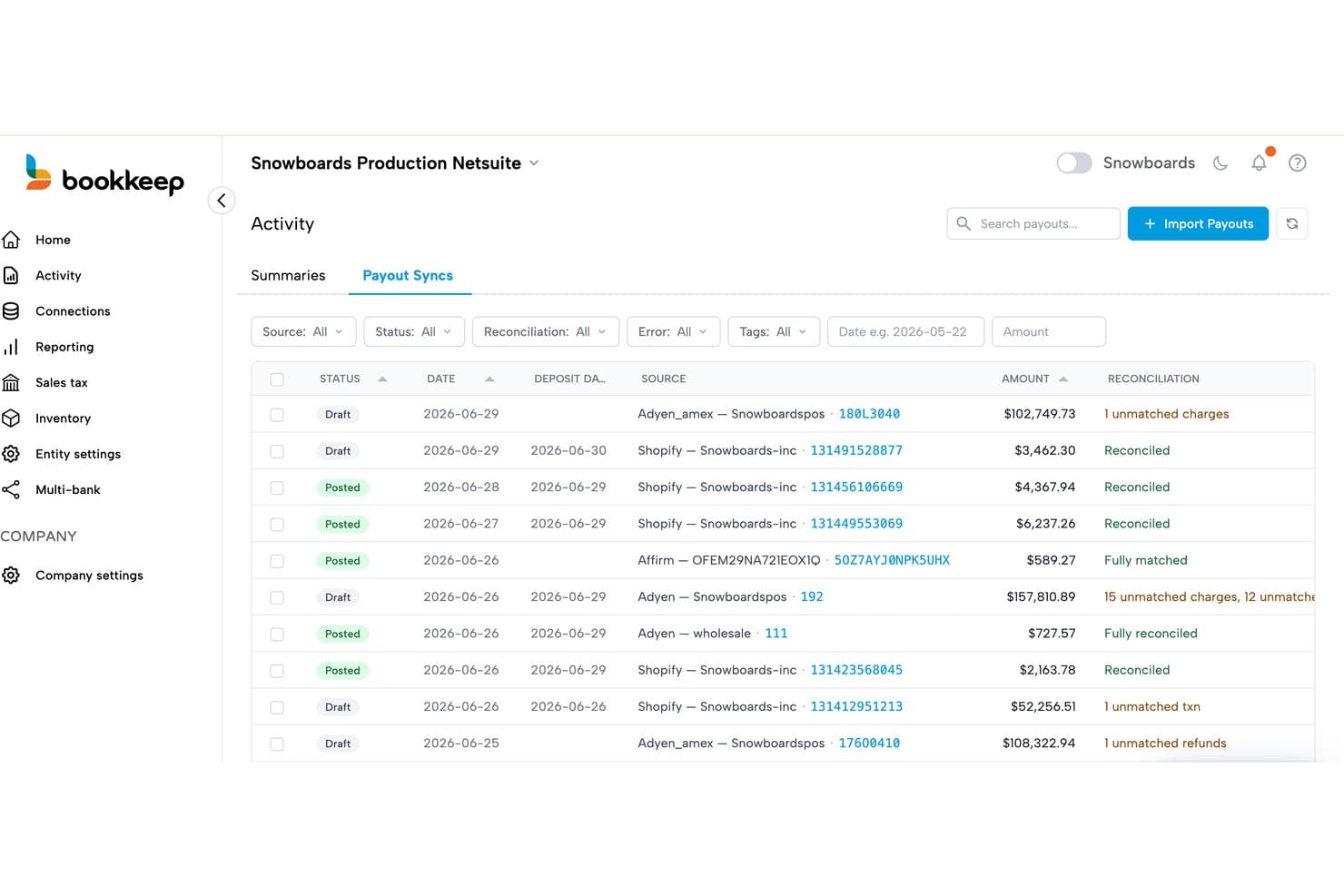
Bookkeep monitora lo stato della riconciliazione della sincronizzazione dei pagamenti ricevuti da più fonti di pagamento. Bookkeep è uno strumento di automazione della contabilità per il commercio elettronico che gestisce la riconciliazione dei pagamenti, la registrazione delle scritture contabili, il monitoraggio di commissioni e storni e l'abbinamento dei pagamenti ricevuti da più canali su oltre 20 canali di vendita e sei sistemi contabili.
Per chi è più adatto Bookkeep?
Bookkeep è particolarmente adatto ai marchi di commercio elettronico basati su Shopify e ai rivenditori multicanale i cui team contabili necessitano di registri contabili accurati secondo il principio della competenza, senza dover inserire manualmente le scritture contabili.
Perché ho scelto Bookkeep
Bookkeep è entrato nella mia rosa di strumenti preferiti perché la sua metodologia di riconciliazione in tre fasi (vendite, compensazione e successivo abbinamento dei depositi bancari) è l'approccio metodologicamente più rigoroso che abbia visto per gestire la complessità dei pagamenti ricevuti dal commercio elettronico. Apprezzo in particolare il modo in cui riconosce i ricavi in base allo stato di evasione dell'ordine anziché alla data del pagamento, mantenendo accurata la contabilità per competenza senza rettifiche manuali. Inoltre, separa automaticamente gli storni, i rimborsi dei prestiti e le ritenute fiscali delle piattaforme di commercio elettronico come voci distinte, così la riconciliazione riflette ciò che è realmente accaduto a livello di pagamento ricevuto.
Funzionalità principali di Bookkeep
- Suddivisione dei pagamenti ricevuti da più canali: Distribuisce automaticamente i pagamenti ricevuti da Shopify su più conti bancari in base al negozio, alla sede o all'affiliato.
- Riconoscimento dei ricavi basato sull'evasione: Registra i ricavi quando un ordine viene evaso, non quando il pagamento viene riscosso, mantenendo accurata la contabilità per competenza.
- Monitoraggio del costo del venduto con costo medio ponderato (WAC): Calcola il costo del venduto utilizzando la metodologia del costo medio ponderato per l'intero inventario Shopify.
- Servizio di gestione della dichiarazione dell'imposta sulle vendite: Un team fiscale dedicato gestisce le registrazioni, i calcoli e le dichiarazioni in più stati per tutti i canali di vendita collegati.
Integrazioni di Bookkeep
Bookkeep offre oltre 20 integrazioni native, tra cui Shopify, Amazon, eBay, Walmart, Stripe, PayPal, QuickBooks Online, NetSuite, Sage Intacct e Xero. Un'API aperta supporta le integrazioni personalizzate.
Pros and Cons
Pros:
- La riconciliazione in tre fasi garantisce pagamenti ricevuti accurati
- Il riconoscimento dei ricavi basato sull'evasione migliora l'accuratezza della contabilità per competenza
- La suddivisione dei pagamenti ricevuti su più banche soddisfa le esigenze degli affiliati
Cons:
- Nessun pannello di controllo dedicato alla gestione delle eccezioni
- Le funzionalità più avanzate sono concentrate sui commercianti Shopify
Learn more about Bookkeep: Ideale per le funzionalità di automazione
- Demo gratuita disponibile
- Prezzo su richiesta
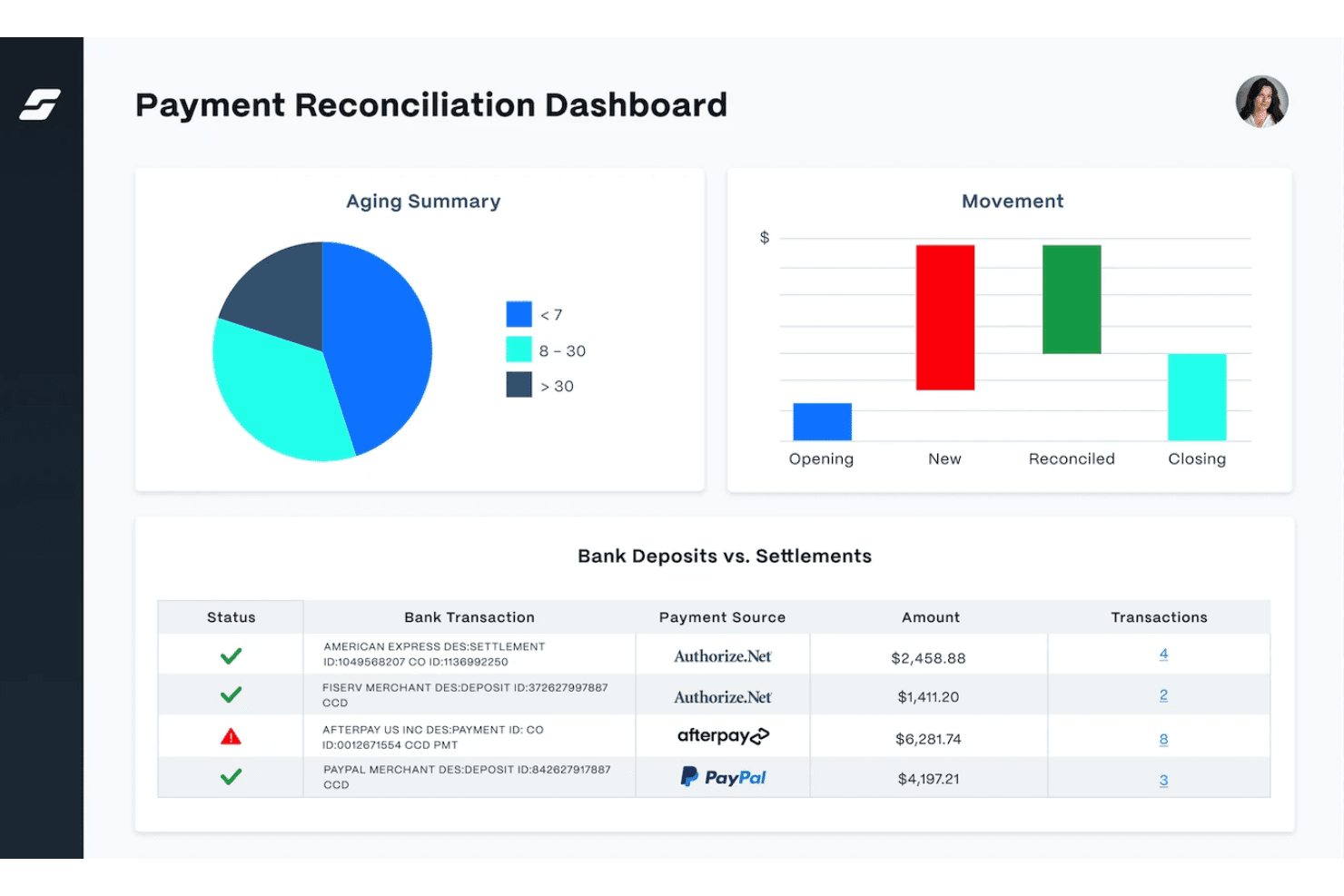
SolveXia automatizza la riconciliazione dei pagamenti con il monitoraggio di accrediti e regolamenti. SolveXia è una piattaforma di automazione della riconciliazione senza codice che gestisce l'abbinamento dei pagamenti con più PSP, la gestione delle eccezioni e la sincronizzazione con i sistemi ERP per volumi elevati di transazioni.
Per chi è più indicato SolveXia?
SolveXia è particolarmente adatto ai team finanziari delle grandi aziende e dei rivenditori su larga scala che gestiscono volumi elevati di transazioni attraverso numerosi PSP.
Perché ho scelto SolveXia
SolveXia si è guadagnato un posto nella mia lista ristretta perché il suo motore di abbinamento basato sull'IA è davvero ai vertici del settore per la riconciliazione dei pagamenti ad alto volume. Apprezzo molto il modo in cui gestisce automaticamente gli scenari di abbinamento uno-a-molti e molti-a-molti, la deduzione delle commissioni, gli storni e i rimborsi su oltre 30 PSP, come dimostra il caso di studio di Emma Sleep con 100.000 transazioni al giorno. La gestione delle eccezioni elimina automaticamente le differenze minori in base a soglie di tolleranza configurabili, evidenziando per la revisione solo le discrepanze effettive.
Funzionalità principali di SolveXia
- Abbinamento dei pagamenti a più livelli: Riconcilia le transazioni lorde con i lotti di regolamento dei PSP e poi con gli accrediti bancari netti in un unico flusso di lavoro automatizzato.
- Soglie di tolleranza configurabili: Consente ai team finanziari di impostare limiti per le variazioni, in modo che le differenze minori vengano eliminate automaticamente senza revisione manuale.
- Generatore di flussi di lavoro senza codice: Un progettista visivo con funzionalità di trascinamento consente ai team finanziari di creare e distribuire processi di riconciliazione senza il supporto informatico.
- Sincronizzazione con ERP e sistemi contabili: Invia i dati riconciliati a SAP, Oracle, NetSuite, QuickBooks e Xero tramite connettori nativi, API REST o strumenti di automazione come Zapier.
Integrazioni di SolveXia
I connettori nativi sono documentati per SAP e Oracle; le altre integrazioni includono NetSuite, QuickBooks, Xero, Stripe, PayPal, Adyen, Klarna e Square. SolveXia supporta inoltre API REST, ODBC, FTP, Zapier e Workato.
Pros and Cons
Pros:
- Gestisce la riconciliazione ad alto volume con più PSP
- La gestione delle eccezioni riduce le verifiche manuali
- Il generatore di flussi di lavoro senza codice offre autonomia ai team finanziari
Cons:
- Non dispone di connettori predefiniti per i mercati online di e-commerce
- È necessaria una configurazione personalizzata per i dati a livello di canale
Learn more about SolveXia: Ideale per il monitoraggio della conformità
- Prova gratuita di 7 giorni
- Prezzo su richiesta
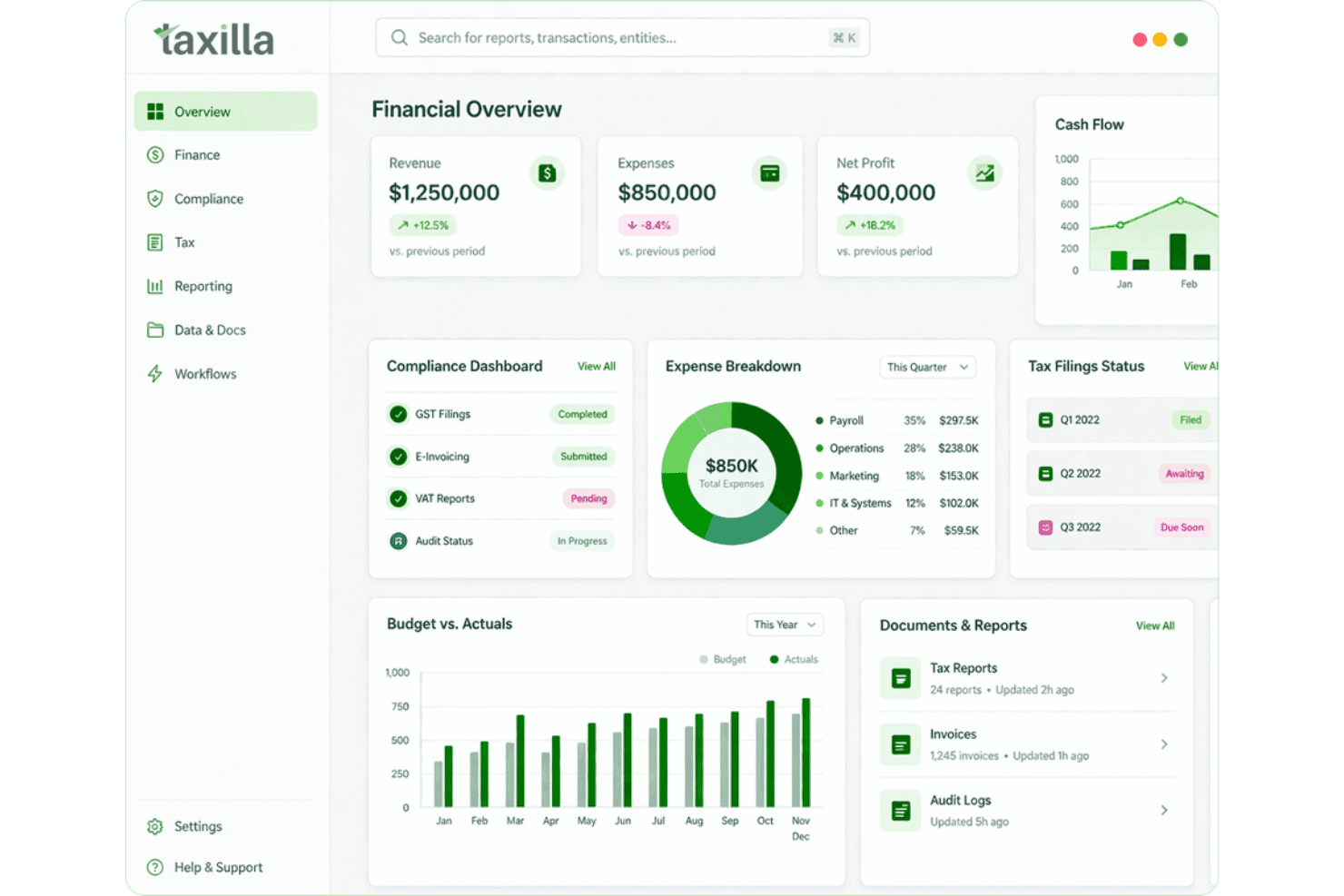
Taxilla centralizza i dati finanziari, di conformità e fiscali in un'unica dashboard. Taxilla è una piattaforma di riconciliazione per l'e-commerce aziendale che automatizza l'abbinamento dal ricevimento dell'ordine all'incasso tra mercati online, rapporti di liquidazione e depositi bancari, con monitoraggio integrato della conformità, convalida dei listini tariffari e registrazione diretta nel libro mastro dell'ERP.
Per chi è più adatta Taxilla?
Taxilla è particolarmente adatta ai team finanziari aziendali che vendono su più mercati online e necessitano di documentazione sulla conformità pronta per le verifiche, oltre alla riconciliazione automatizzata.
Perché ho scelto Taxilla
Ho scelto Taxilla come una delle migliori perché la profondità del suo monitoraggio della conformità è davvero difficile da replicare: ogni azione di riconciliazione viene registrata in una traccia di audit immutabile, producendo rapporti in grado di superare l'esame delle autorità fiscali e dei revisori finanziari senza alcuna compilazione manuale. Apprezzo inoltre la sua funzionalità di convalida dei listini tariffari, che confronta le commissioni effettivamente addebitate dai mercati online con le tariffe contrattuali per individuare automaticamente gli addebiti eccessivi. Questa caratteristica, unita all'abbinamento completo dal ricevimento dell'ordine all'incasso tra liquidazioni, resi e depositi bancari, la rende una scelta credibile per i team finanziari aziendali con obblighi reali di conformità.
Funzionalità principali di Taxilla
- Abbinamento delle transazioni basato sull'AI: Un motore automatizzato abbina ordini, fatture, liquidazioni e depositi bancari tra i vari canali, con un tasso di precisione dichiarato superiore al 95%.
- Riconciliazione multivaluta: Tiene traccia dei pagamenti transfrontalieri e dei tassi di cambio tra i mercati online internazionali all'interno di un unico flusso di lavoro di riconciliazione.
- Riconciliazione delle spedizioni: Confronta i dati di spedizione con gli ordini in tempo reale e segnala automaticamente le discrepanze nelle spese logistiche.
- Cruscotto a livello di CFO: Cruscotti configurabili mostrano in tempo reale lo stato dei pagamenti, la suddivisione delle commissioni e la visibilità finanziaria a livello di canale per i responsabili finanziari.
Integrazioni di Taxilla
Taxilla elenca sei integrazioni con i mercati online: Amazon (FBA e FBM), Flipkart, Shopify, Myntra, Meesho e Jiomart. Supporta inoltre connettori API, SFTP e caricamenti di file per connessioni dati personalizzate.
Pros and Cons
Pros:
- Le funzionalità di conformità superano quelle della maggior parte delle alternative
- L'abbinamento basato sull'AI gestisce enormi volumi di transazioni
- I rapporti pronti per le verifiche semplificano la preparazione fiscale
Cons:
- I mercati online e i sistemi di pagamento occidentali sono supportati in misura minore
- Non sono disponibili recensioni degli utenti sulle principali piattaforme
Learn more about Taxilla:
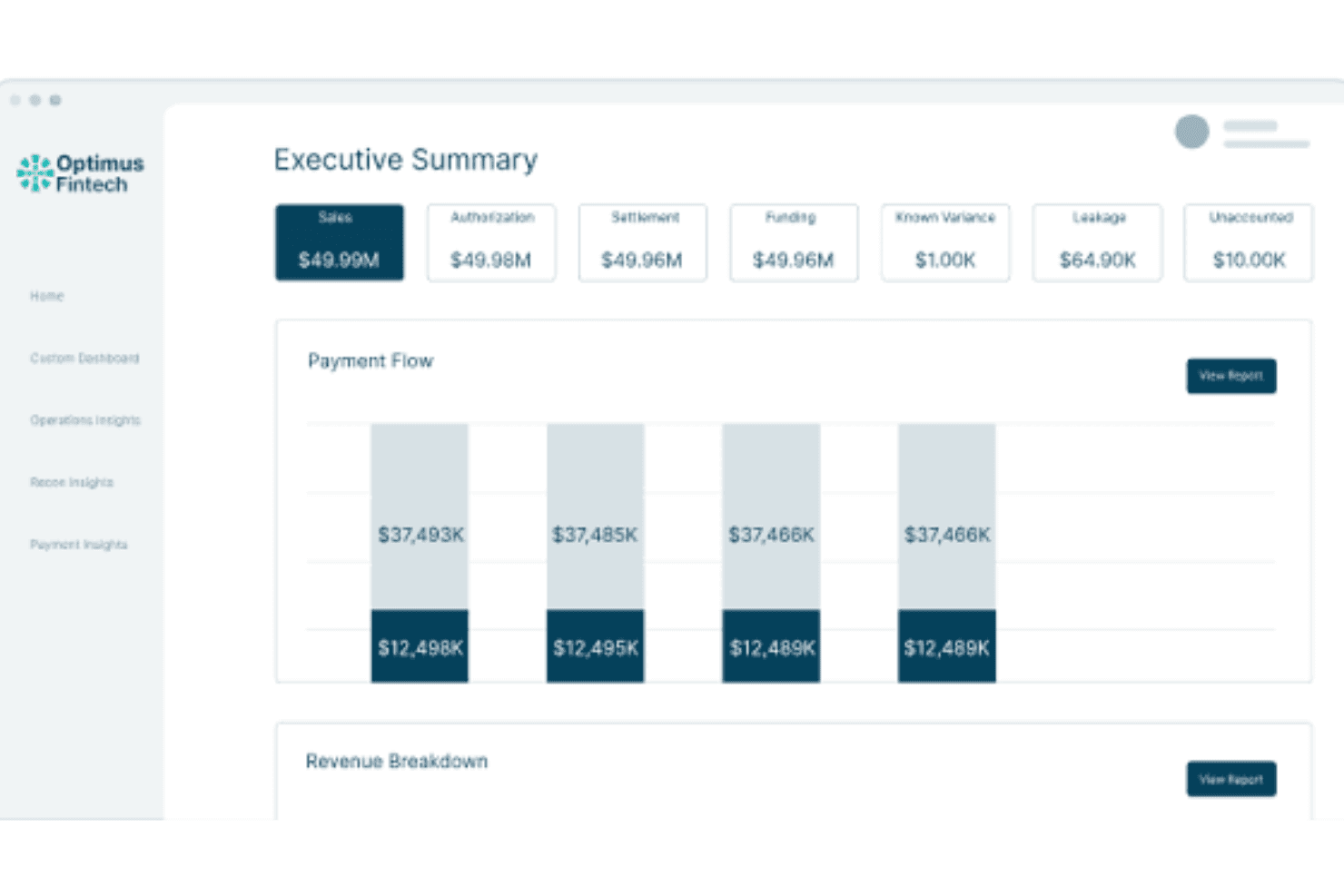
Optimus Fintech centralizza il flusso dei pagamenti e i dati sui ricavi in un unico pannello di controllo per i dirigenti. Optimus Fintech è una piattaforma di riconciliazione dei pagamenti basata sull'intelligenza artificiale che automatizza l'abbinamento delle transazioni, la gestione delle eccezioni, la convalida delle commissioni, il monitoraggio dei riaddebiti e la chiusura finanziaria tra gateway di pagamento, sistemi ERP e sistemi contabili.
Per chi è più indicato Optimus Fintech?
Optimus Fintech è particolarmente adatto ai team finanziari aziendali che gestiscono elevati volumi di transazioni su più elaboratori di pagamento e sistemi ERP.
Perché ho scelto Optimus Fintech
Optimus Fintech si è guadagnato un posto nella mia selezione perché nessun altro strumento che ho valutato gestisce volumi di transazioni di questa entità senza rallentamenti. Parliamo di 576 milioni di transazioni al giorno con un tasso di abbinamento automatico del 99.98%, un dato importante quando si gestisce il commercio elettronico ad alto volume su più elaboratori di pagamento. La corrispondenza approssimata su N elementi gestisce scenari uno-a-molti e molti-a-molti che sommergerebbero un team manuale, mentre il validatore delle commissioni NLP individua gli addebiti eccessivi applicati dagli elaboratori a livello di transazione prima che si accumulino.
Funzionalità principali di Optimus Fintech
- Copilota IA: Un'interfaccia in linguaggio naturale che consente ai team finanziari di interrogare i dati sui pagamenti, lo stato dei regolamenti e il dettaglio delle commissioni senza dover creare manualmente report.
- Validatore delle commissioni NLP: Confronta automaticamente le commissioni degli elaboratori con le tariffe contrattuali a livello di transazione e segnala gli addebiti eccessivi per la revisione.
- Generatore di flussi di lavoro senza codice: Un'area di lavoro con funzionalità di trascinamento per creare flussi personalizzati di acquisizione, normalizzazione e riconciliazione dei dati senza coinvolgere il reparto IT.
- Modulo di chiusura finanziaria: Tiene traccia della preparazione alla chiusura, dei saldi non riconciliati e della certificazione dei conti, con una tracciabilità completa dalla transazione al libro mastro per la documentazione di revisione contabile.
Integrazioni di Optimus Fintech
Optimus Fintech offre oltre 150 connettori preconfigurati, tra cui Stripe, Adyen, PayPal, Braintree, NetSuite, SAP, Oracle, QuickBooks e Xero. Supporta inoltre API REST, SFTP, caricamenti sicuri di file e origini personalizzate tramite la sua area di lavoro senza codice per la preparazione dei dati.
Pros and Cons
Pros:
- Elabora fino a 576 milioni di transazioni al giorno
- La gestione delle eccezioni evidenzia solo i problemi ad alta priorità
- Generatore di flussi di lavoro senza codice per l'automazione personalizzata
Cons:
- Nessun connettore nativo confermato per le piattaforme di mercato
- La profondità delle funzionalità è più adatta ai team su scala aziendale
Learn more about Optimus Fintech:
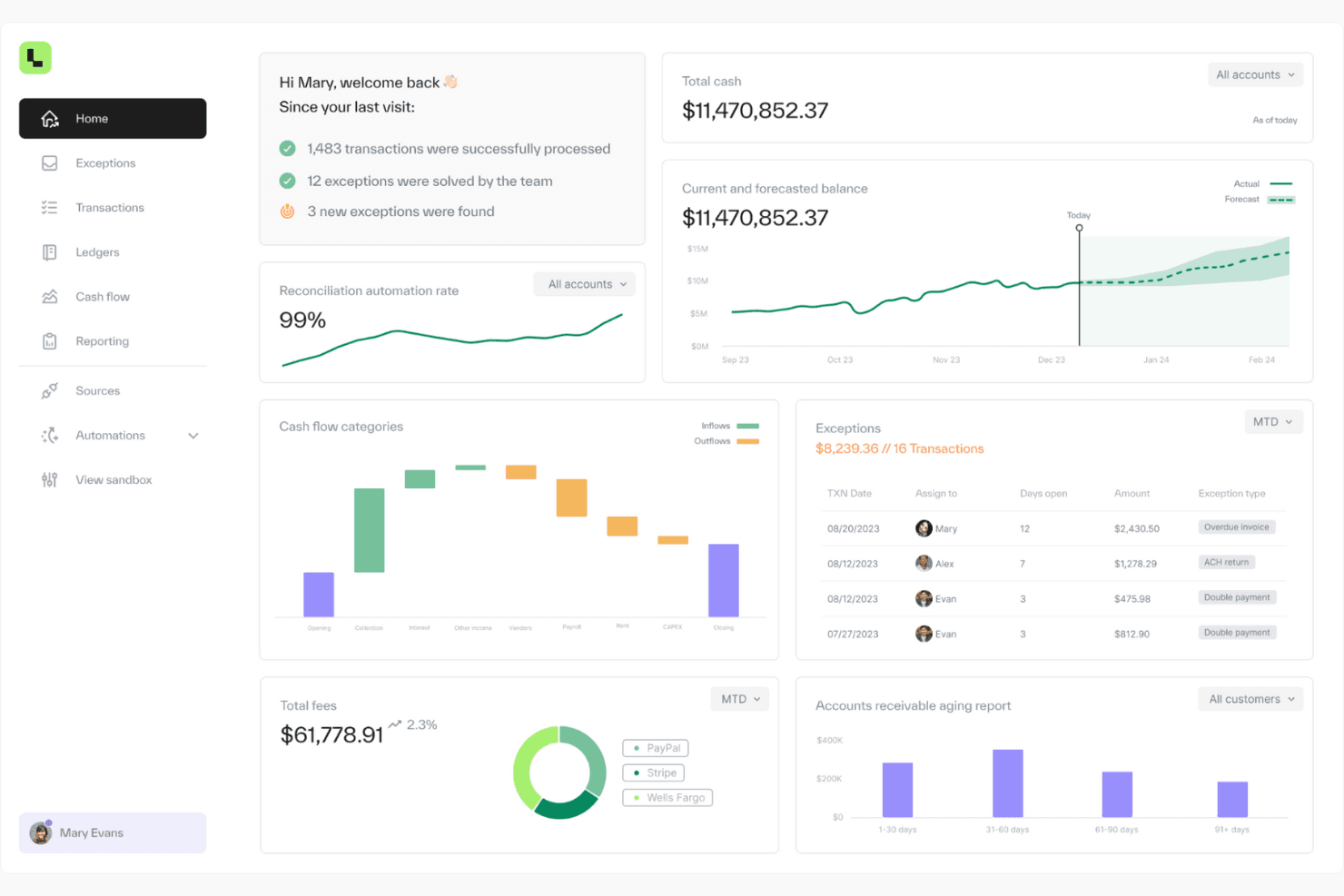
Ledge centralizza il flusso di cassa, le eccezioni e la riconciliazione in un'unica dashboard. Ledge è una piattaforma di riconciliazione dei pagamenti per il commercio elettronico, nativa dell'IA, che automatizza l'abbinamento delle transazioni, la gestione delle eccezioni, il monitoraggio di commissioni e storni e la preparazione delle scritture contabili tra gestori dei pagamenti, banche e sistemi ERP.
Per chi è più adatto Ledge?
Ledge è adatto ai team finanziari di marchi di commercio elettronico in crescita che utilizzano Shopify e NetSuite e necessitano di una riconciliazione basata sull'IA senza dipendere dal reparto IT.
Perché ho scelto Ledge
Ho scelto Ledge come una delle soluzioni migliori perché il suo motore di riconciliazione basato sull'IA gestisce il tipo di complessità negli abbinamenti che mette in difficoltà i team finanziari più piccoli: relazioni uno-a-molti, molti-a-molti, pagamenti parziali, storni e regolamenti in più valute, tutti risolti automaticamente. Apprezzo in particolare il modo in cui la sua integrazione con Shopify acquisisce i dati dei pagamenti a livello di ordine e li associa direttamente ai conti del libro mastro, così un piccolo team finanziario non deve separare manualmente le vendite lorde dai rimborsi e dalle commissioni di elaborazione a ogni chiusura mensile.
Funzionalità principali di Ledge
- Riconciliazione in più valute: Tiene automaticamente conto delle differenze nei tassi di cambio, delle commissioni dei gestori e dei tempi di regolamento tra le valute, così il team deve esaminare solo le vere eccezioni.
- Scritture contabili redatte dall'IA: Gli agenti IA preparano le scritture contabili e le sottopongono all'approvazione umana prima di registrarle nell'ERP connesso.
- Dashboard di visibilità sulla chiusura in tempo reale: Una dashboard aggiornata in tempo reale monitora l'avanzamento della riconciliazione per conto, entità e responsabile, evidenziando le transazioni a rischio prima della chiusura.
- Registro di audit immutabile: Ogni transazione viene registrata e conservata in un documento a prova di manomissione, a supporto della conformità SOC 1 e SOC 2 in tutti i piani.
Integrazioni di Ledge
Ledge offre oltre 150 integrazioni native, tra cui Shopify, Stripe, Adyen, PayPal, NetSuite e oltre 11.000 banche. Supporta inoltre connessioni API, caricamenti CSV, Excel, Google Sheets, SFTP, Snowflake, Google Cloud e AWS.
Pros and Cons
Pros:
- La riconciliazione basata sull'IA consente di risparmiare molto tempo ogni mese
- Il dettaglio a livello di transazione registra ogni commissione e rimborso
- I registri di audit immutabili supportano una conformità rigorosa
Cons:
- Nessuna prova gratuita o registrazione immediata
- Supporto limitato ai marketplace al di fuori di Shopify
Learn more about Ledge:
Altri software di riconciliazione dei pagamenti per l’e-commerce
Ecco alcune altre opzioni di software di riconciliazione dei pagamenti per l’e-commerce che non sono entrate nella mia selezione, ma che vale comunque la pena prendere in considerazione:
- 11ReconcifyIdeale per il direct-to-consumer
- 12WebgilityIdeale per la gestione dell'inventario
- 13StripeIdeale per la fatturazione degli abbonamenti
- 14EasyEcom Ideale per i venditori multicanale
- 15QuickBooksIdeale per piccole attività di vendita al dettaglio
- 16FinaloopIdeale per la contabilità in tempo reale
- 17Link My BooksIdeale per venditori Amazon
- 18VinculumIdeale per il commercio al dettaglio omnicanale
- 19MyWorksIdeale per gli utenti WooCommerce
- 20eShopboxIdeale per la riconciliazione dell'inventario
- 21eVanikIdeale per i marketplace indiani
- 22SpringbordIdeale per i servizi di gestione dei dati
Come Valuto i Software di Riconciliazione dei Pagamenti Ecommerce
Valuto questi strumenti su due livelli: i requisiti fondamentali—come l'ingestione dei pagamenti da più canali, l'abbinamento automatico e la sincronizzazione con il libro mastro (GL)—e i fattori che differenziano una buona scelta da una meno adatta.
Funzionalità Principali (Requisiti di Base per Questa Lista)
Quando seleziono gli strumenti per la mia lista, valuto ciascuno su una scala da 0 (non offre la funzionalità) a 5 (eccelle in quest'area) per ciascuna funzionalità fondamentale elencata di seguito. Poi calcolo il punteggio totale dello strumento in percentuale. Ogni strumento deve raggiungere un punteggio totale minimo del 65% per essere preso in considerazione.
- Ingestione Transazioni Multi-Canale: Verifico a quanti sistemi ecommerce, processori e marketplace ciascuno strumento si collega nativamente—come Shopify, Amazon, Stripe e PayPal per importare automaticamente i dati.
- Abbinamento Automatico dei Pagamenti: L'abbinamento dei pagamenti aggregati di Stripe o Adyen con gli ordini individuali è ciò che rende questi strumenti preziosi, quindi valuto la logica di abbinamento e la gestione delle eccezioni.
- Rilevamento Commissioni e Discrepanze: Cerco la capacità dello strumento di segnalare commissioni dei processori, addebiti FX e carenze di liquidazione—soprattutto le discrepanze tra gli importi del deposito atteso e reale.
- Riconciliazione di Rimborsi e Chargeback: Ogni reso e contestazione deve risalire all’ordine originale, quindi esamino come lo strumento collega rimborsi e chargeback alle transazioni di origine.
- Integrazione con Sistemi Contabili: Valuto le integrazioni native con sistemi come QuickBooks, Xero, NetSuite e Sage, e se i dati riconciliati fluiscono nel GL senza registrazioni manuali.
- Reportistica e Audit Trail: Report di riconciliazione chiari e una traccia di controllo a livello di transazione sono fondamentali a fine mese e durante le revisioni, quindi valuto opzioni di esportazione e capacità di analisi approfondita.
Una volta che ho una lista di strumenti che soddisfano questi criteri, considero cosa distingue ogni piattaforma dalle altre.
Fattori di Differenziazione (Cosa Distingue i Fornitori)
Ecco come confronto e metto a confronto i diversi fornitori:
Caratteristiche Distintive
L’auditing delle commissioni di marketplace è molto importante—cerco strumenti che convalidano le detrazioni per commissioni e referral da Amazon, eBay e Walmart rispetto alle tariffe contrattuali, poiché gli addebiti in eccesso sono più frequenti di quanto la maggior parte dei venditori si aspetti. Anche le regole di riconciliazione personalizzate sono essenziali quando il tuo ecommerce DTC e i canali marketplace hanno strutture di pagamento e logiche di commissioni completamente diverse. Valuto se una piattaforma offre AI per il rilevamento di anomalie che identificano ritardi nelle liquidazioni o picchi di commissioni insoliti prima che diventino sorprese a fine mese.
Oltre alle Caratteristiche
La scalabilità del volume di transazioni è qualcosa che valuto attentamente—se il tuo brand gestisce vendite lampo o picchi nei periodi festivi, hai bisogno di una piattaforma che non si blocchi su milioni di ordini nei periodi di punta. Controllo anche come scala il pricing, poiché i livelli basati sul volume hanno più senso per ecommerce ad alta crescita rispetto ai modelli per utente. L’implementazione e il tempo per ottenere valore sono importanti; cerco onboarding guidato che includa il recupero dei dati storici, così il tuo team non dovrà riconciliare manualmente mesi di arretrati. Le certificazioni di conformità come SOC 2 Tipo II e PCI DSS completano il quadro per la protezione dei dati di pagamento sensibili.
Come scegliere un software di riconciliazione dei pagamenti per l’e-commerce
Scegliere un software di riconciliazione per l’e-commerce significa capire quale soluzione si adatta ai tuoi flussi di lavoro, non semplicemente compilare una lista dei desideri. Che tu debba riconciliare i dati di due gateway di pagamento o di venti, questi sono i fattori che fanno la differenza tra un aiuto concreto e un vero grattacapo.
| Fattore | Cosa considerare |
|---|---|
| FattoreScalabilità | Cosa considerareÈ in grado di gestire il volume delle transazioni durante l’alta stagione, non solo in un martedì di luglio? Cerca piani flessibili e un’infrastruttura che non ceda sotto il peso della crescita su più canali. |
| FattoreIntegrazioni | Cosa considerareSi integra con il tuo ecosistema e-commerce, Shopify, Amazon, il tuo ERP e il tuo sistema contabile? Punti bonus se supporta mercati online di nicchia senza richiedere sviluppo personalizzato. |
| FattorePersonalizzazione | Cosa considerarePuoi adattare report, pannelli di controllo e flussi di lavoro? Avrai bisogno di flessibilità senza dover chiamare un consulente ogni volta che cambia la tua politica sui rimborsi. |
| FattoreSemplicità d’uso | Cosa considerareIl tuo team lo utilizzerà davvero? Dai priorità a interfacce pulite, impostazioni predefinite intelligenti e strumenti che non nascondano le funzioni di base a cinque clic di distanza. |
| FattoreImplementazione e avviamento | Cosa considerareQuanto tempo serve per essere operativi? Cerca modelli predefiniti, una configurazione guidata e un team di supporto che non sparisca dopo il pagamento della fattura. |
| FattoreCosto | Cosa considerareQual è il costo totale di proprietà, comprese integrazioni, fasce di utilizzo e “componenti aggiuntivi” a sorpresa? Assicurati che i prezzi siano compatibili con i tuoi margini reali. |
| FattoreMisure di sicurezza | Cosa considerareRispetta gli standard del settore, come crittografia, registri di controllo e controlli degli accessi? Stai riconciliando denaro, non gestendo una conversazione di gruppo. |
| FattoreDisponibilità dell’assistenza | Cosa considerareQuando qualcosa si rompe, e succederà, chi puoi chiamare? Verifica la disponibilità di chat dal vivo, tempi rapidi di risposta via e-mail e una documentazione valida che non sembri scritta da un ufficio legale. |
Che cos'è il software di riconciliazione dei pagamenti per l'e-commerce?
Il software di riconciliazione dei pagamenti per l'e-commerce è uno strumento che allinea automaticamente ogni vendita, rimborso, commissione e addebito valutario delle tue piattaforme con i depositi bancari.
Raccoglie i dati da Shopify, Stripe, PayPal e altri gateway in un'unica dashboard, così puoi individuare pagamenti suddivisi, commissioni impreviste delle piattaforme e differenze valutarie prima che rallentino la chiusura contabile.
Progettato per chi gestisce più marketplace e valute, segnala le discrepanze in tempo reale, consolida le commissioni per ottenere conti economici più chiari e fornisce una traccia pronta per gli audit senza dover aggiungere un'altra catena di email.
Consideralo come la tua squadra finanziaria dietro le quinte: scansiona i problemi così tu puoi concentrarti sulla crescita.
Funzionalità del software di riconciliazione dei pagamenti per l'e-commerce
Vai oltre le parole alla moda. Le migliori piattaforme di riconciliazione risolvono problemi reali del commercio al dettaglio: discrepanze, ritardi e attività manuali ripetitive. Ecco le funzionalità che contano quando cerchi di abbinare un volume elevato di transazioni senza perdere la testa (o i margini):
- Abbinamento automatico delle transazioni. Abbina pagamenti, ordini e commissioni tra canali di vendita ed elaboratori di pagamento senza interventi manuali. Addio limbo dei fogli di calcolo.
- Dashboard in tempo reale. Visualizza le prestazioni finanziarie, il flusso di cassa e le discrepanze nel momento in cui si verificano, non tre giorni dopo.
- Supporto per più valute e canali. Gestisce i pagamenti in valute diverse provenienti da piattaforme come Amazon, eBay e Shopify, tutto in un'unica visualizzazione.
- Tracce di audit e rendiconti finanziari. Tiene traccia di ogni modifica ai fini della conformità e genera rendiconti pronti per l'esportazione che resistono a qualsiasi verifica.
- Sincronizzazione di inventario e ordini. Si integra con la tua piattaforma di e-commerce o il tuo ERP per prevenire le vendite eccessive e monitorare resi, rimborsi e stato degli ordini.
- Flussi di lavoro personalizzabili. Adatta le regole di riconciliazione ai tuoi effettivi processi contabili, non il contrario.
- Dettaglio delle imposte sulle vendite e delle commissioni. Automatizza i calcoli per la conformità fiscale e offre una visibilità chiara su storni, addebiti eccessivi e commissioni di elaborazione.
- Integrazioni con conti bancari e gateway di pagamento. Importa i dati delle transazioni direttamente da elaboratori come Stripe, PayPal e dal tuo software di contabilità (QuickBooks, Xero, ecc.).
- Rilevamento di anomalie ed errori. Segnala discrepanze, pagamenti mancanti e altre anomalie finanziarie prima che diventino richieste di assistenza.
- Architettura scalabile. È progettato per tenere il passo con la crescita aziendale e con l'aumento del numero di SKU, rimborsi e fonti di pagamento.
Vantaggi del software di riconciliazione dei pagamenti per l'e-commerce
La maggior parte degli strumenti di contabilità non è stata progettata per il caos dell'e-commerce moderno: più piattaforme, elaboratori di pagamento, valute e tipi di rimborso. Il software di riconciliazione interviene dove il tuo ERP o sistema contabile non riesce più a gestire la situazione. Ecco cosa ottieni quando tutto funziona correttamente:
- Meno errori, registrazioni migliori. La riconciliazione automatizzata elimina i pagamenti mancanti, i rimborsi categorizzati erroneamente e gli errori di inserimento dei dati.
- Tempo risparmiato su tutti i fronti. Riduce le ore di lavoro manuale della tua squadra finanziaria, soprattutto durante la chiusura di fine mese o dell'alta stagione.
- Visibilità finanziaria in tempo reale. Dashboard e informazioni sul flusso di cassa che ti consentono di vedere problemi (e opportunità) prima che incidano sul tuo conto economico.
- Conformità più rigorosa. Automatizza i calcoli fiscali e le tracce di audit, rendendo la rendicontazione finanziaria chiara, coerente e pronta per le verifiche.
- Maggiore chiarezza su inventario e ordini. Si sincronizza con la tua piattaforma di e-commerce e il tuo ERP, così i dati finanziari corrispondono alle vendite, ai resi e ai movimenti di magazzino effettivi.
- Migliore processo decisionale. Dati puliti significano che non devi indovinare dove si disperdono i ricavi o dove si nascondono i margini.
- Minore attrito con il tuo ecosistema contabile. Si integra con QuickBooks, Xero e altri strumenti fondamentali per semplificare la riconciliazione e la rendicontazione.
- Scalabilità per la crescita. Che tu aggiunga canali di vendita, gateway di pagamento o SKU, il tuo processo di riconciliazione non crollerà sotto il peso dell'espansione.
Costi e prezzi del software di riconciliazione dei pagamenti per l'e-commerce
I prezzi dei software di riconciliazione variano enormemente: alcuni applicano un costo per utente, altri in base al volume delle transazioni e alcuni ti costringono a parlare con il reparto vendite solo per ottenere un prezzo.
Ecco cosa aspettarti da ogni fascia di prezzo e cosa è generalmente incluso.
Ricorda: alcune piattaforme aggiungono anche costi per integrazioni, onboarding o fonti di pagamento aggiuntive. Se hai più negozi o canali, chiedi informazioni sui prezzi per singola entità prima di firmare.
| Tipo di piano | Prezzo medio | Funzionalità comuni | Ideale per |
|---|---|---|---|
| Tipo di pianoPiano gratuito | Prezzo medio$0 | Funzionalità comuniCorrispondenza di base delle transazioni, reportistica di livello base, integrazioni limitate | Ideale perPiccoli negozi con volumi ridotti |
| Tipo di pianoPiano personale | Prezzo medio$5–$25/utente/mese | Funzionalità comuniRiconciliazione automatizzata, reportistica in tempo reale, supporto parziale per più valute | Ideale perProfessionisti individuali e team nelle fasi iniziali |
| Tipo di pianoPiano aziendale | Prezzo medio$30–$75/utente/mese | Funzionalità comuniAnalisi avanzate, integrazioni più approfondite, flussi di lavoro personalizzati, supporto multicanale | Ideale perAttività di commercio elettronico in crescita |
| Tipo di pianoPiano aziendale avanzato | Prezzo medio$100+/utente/mese | Funzionalità comuniFunzionalità complete per la conformità, supporto per più entità, onboarding e assistenza dedicati | Ideale perOperazioni ad alto volume e in più regioni |
Nota: Alcune piattaforme applicano una tariffa per sede o per canale. Se gestisci più vetrine o marketplace, tienine conto nelle proiezioni dei costi.
Domande frequenti sul software di riconciliazione dei pagamenti per il commercio elettronico
Ecco alcune risposte alle domande comuni sul software di riconciliazione dei pagamenti per il commercio elettronico:
Può sostituire il mio software di contabilità, come QuickBooks o Xero?
No, e non dovrebbe farlo. Il software di riconciliazione funziona insieme al tuo sistema contabile, non al suo posto. Inserisce nei tuoi registri dati sulle transazioni puliti e abbinati, così il tuo commercialista non deve chiedersi perché quell’accredito di Stripe sia risultato inferiore di $58.
Come gestiscono questi strumenti le vendite sui marketplace come Amazon o eBay?
Quelli più efficaci importano direttamente dai marketplace i dati relativi a ordini, commissioni e accrediti e li abbinano agli estratti conto bancari. Cerca piattaforme con integrazioni native, non soluzioni alternative: vuoi meno file CSV e più tranquillità.
Cosa succede se vendo in più valute?
Il supporto per più valute è essenziale per i venditori globali. Questi strumenti possono uniformare gli accrediti in valute diverse e ricollegarli ai dati di vendita originali, così non dovrai ricostruire a ritroso i tassi di cambio alla fine del mese.
È eccessivo se vendo solo su Shopify e Stripe?
Se gestisci un volume elevato di transazioni, rimborsi o storni, anche su una sola piattaforma, ne vale la pena. La riconciliazione manuale non è scalabile e quelle differenze di $2 si accumulano rapidamente.
Posso monitorare separatamente commissioni, imposte e storni?
Sì, e dovresti farlo. La maggior parte degli strumenti suddivide le commissioni del gateway di pagamento, l’imposta sulle vendite riscossa e gli storni, così non dovrai raggruppare tutto in un’unica voce di “rettifica” disordinata.
Con quale frequenza vengono aggiornati i dati? Posso vedere le transazioni in tempo reale?
La maggior parte delle piattaforme offre la sincronizzazione in tempo reale o quasi con le piattaforme di vendita e di pagamento. Se il tuo pannello del flusso di cassa funziona ancora con esportazioni giornaliere, è il momento di aggiornarlo.