
I 10 migliori software per il tracciamento dei lotti, classificati per il 2026

I 10 migliori software per il monitoraggio dei lotti che dovresti usare


Monitoraggio dei lotti: roba entusiasmante, vero? Beh, forse no, ma se ti è mai capitato di gestire un richiamo di prodotti o di correre per soddisfare i requisiti di conformità, sai quanto sia davvero fondamentale.
Che tu gestisca prodotti deperibili, farmaci o componenti chimici, la tracciabilità non è facoltativa.
È la differenza tra un'operatività fluida e un incubo logistico totale. E, diciamoci la verità, gestire tutto manualmente in un foglio di calcolo del 2011 è una strada diretta verso il burnout.
È qui che entra in gioco il software per il monitoraggio dei lotti.
Questi strumenti ti offrono la visibilità, il supporto alla conformità e i dati in tempo reale necessari per mantenere la tua attività efficiente e pronta per gli audit.
Questi strumenti ti offrono la visibilità, il supporto alla conformità e i dati in tempo reale necessari per mantenere la tua attività efficiente e pronta per gli audit, soprattutto quando gestisci date di scadenza, prodotti finiti e rigorosi standard di sicurezza alimentare.
Ho analizzato e confrontato i migliori sistemi per il monitoraggio dei lotti sul mercato, così puoi evitare di perderti tra i vari fornitori e concentrarti su ciò che funziona davvero.
Perché fidarsi dei nostri consigli sui software
Il nostro team testa e recensisce software dal 2012. In quanto leader del retail noi stessi, sappiamo quanto sia difficile — e importante — scegliere il software giusto.
Per questa guida, abbiamo valutato gli strumenti attraverso test pratici e ricerche indipendenti, assegnando un punteggio agli strumenti in base ai nostri criteri di selezione.
Le nostre recensioni riflettono il nostro giudizio indipendente, non un discorso di vendita.
Confronto diretto tra i migliori software per il monitoraggio dei lotti
Non tutti gli strumenti per il monitoraggio dei lotti sono uguali, e nemmeno i loro prezzi. Questa tabella offre una panoramica dei migliori software presenti nella mia lista, inclusi costi e casi d’uso, sia che tu stia cercando sistemi tutto-in-uno, moduli specifici per il monitoraggio dell’inventario o strumenti con solide funzionalità di gestione degli ordini.
| Tool | Best For | Trial Info | Price | ||
|---|---|---|---|---|---|
| 1 | Ideale per la tracciabilità completa | Prova gratuita di 30 giorni disponibile | Da $49/utente/mese | Website | |
| 2 | Ideale per i produttori | Demo gratuita disponibile | Da $359/mese (fatturazione annuale) | Website | |
| 3 | Ideale per una configurazione rapida | Demo gratuita disponibile | Da $499/mese | Website | |
| 4 | Ideale per la scalabilità | Demo gratuita disponibile | Prezzo su richiesta | Website | |
| 5 | Ideale per la conformità globale | Demo gratuita disponibile | Prezzo su richiesta | Website | |
| 6 | Ideale per grossisti | Demo gratuita disponibile | Prezzo su richiesta | Website | |
| 7 | Ideale per la visibilità dell'inventario in tempo reale | Demo gratuita disponibile | Prezzo su richiesta | Website | |
| 8 | Ideale per piccole imprese | Prova gratuita di 30 giorni | Da $64.95/mese | Website | |
| 9 | Ideale per la produzione a lotti | Demo gratuita disponibile | Prezzo su richiesta | Website | |
| 10 | Ideale per il deployment su cloud | Demo gratuita disponibile | Prezzi disponibili su richiesta | Website |
I 10 migliori software per il monitoraggio dei lotti, recensiti
Qui entriamo nel vivo. Di seguito troverai recensioni dettagliate di ogni piattaforma che ha superato la selezione. Analizzo funzionalità, casi d’uso ideali, integrazioni e tutto ciò che devi sapere, senza inutili frasi di marketing.

MRPeasy
Ideale per la tracciabilità completa
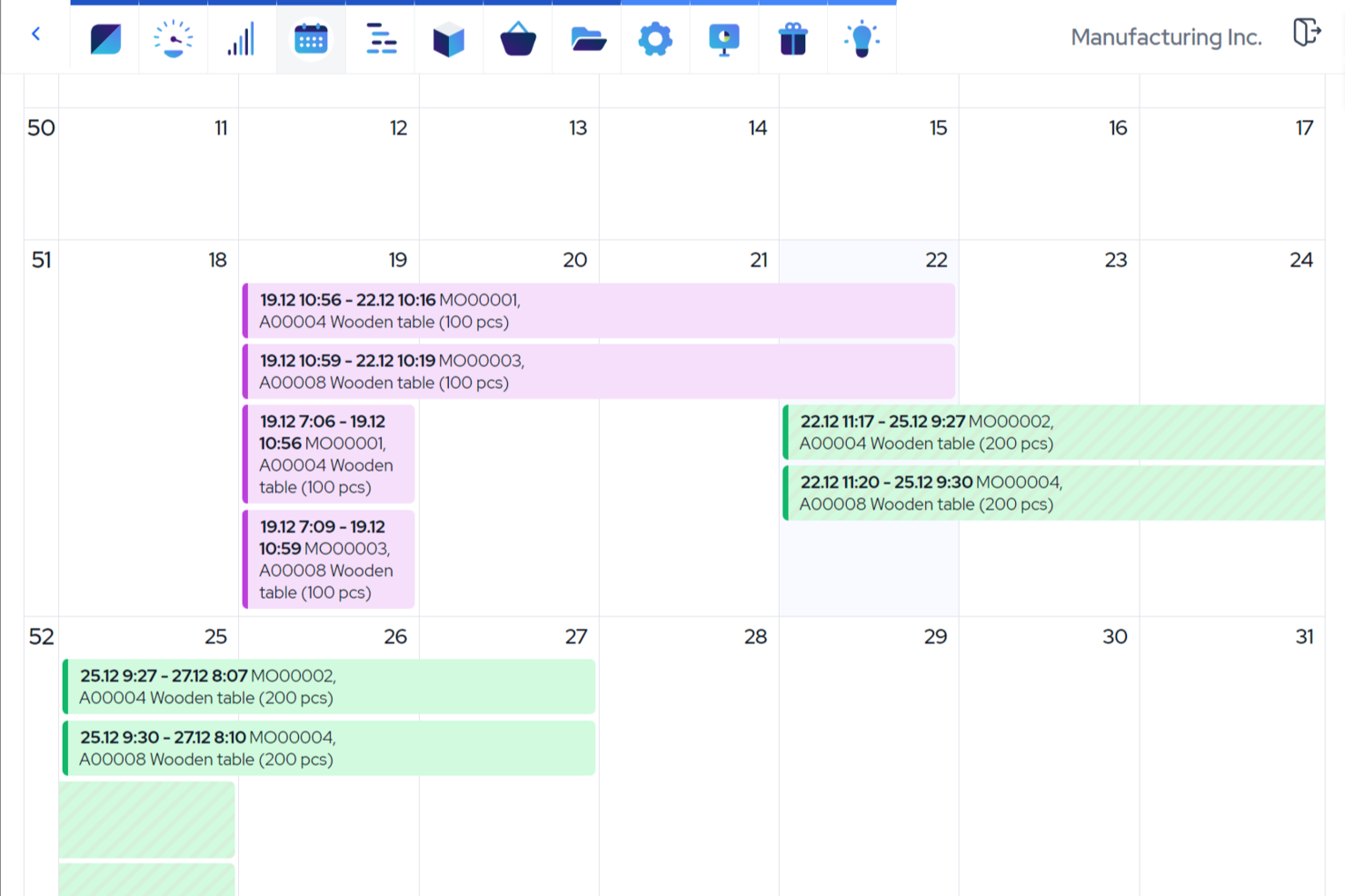
Per le aziende che cercano una soluzione affidabile per la tracciabilità dei lotti, MRPeasy si distingue come uno strumento prezioso progettato specificamente per le piccole e medie imprese del settore manifatturiero. È pensato per chi ha bisogno di garantire la conformità, gestire i richiami di prodotto e mantenere il controllo qualità lungo tutta la catena di fornitura. Con funzionalità che facilitano la tracciabilità dalle materie prime ai prodotti finiti, MRPeasy affronta le sfide della rintracciabilità e della gestione dell'inventario, rendendolo una scelta ideale per i produttori che desiderano incrementare l'efficienza operativa.
Perché ho scelto MRPeasy
Ho scelto MRPeasy per la sua eccezionale capacità di offrire una tracciabilità completa grazie al monitoraggio dei lotti di magazzino e dei numeri di serie. Questa funzione è fondamentale per le aziende che devono rispettare le normative di settore e gestire efficientemente i richiami di prodotto. Un'altra caratteristica di spicco è la gestione automatizzata dell'inventario del software, che monitora i livelli di stock e genera ordini di acquisto quando le scorte sono basse, aiutando a prevenire esaurimenti o eccessi di magazzino. Grazie alle sue capacità di pianificazione della produzione, MRPeasy consente di creare piani dettagliati che allineano materiali e capacità alla domanda, garantendo un processo produttivo senza intoppi.
Funzionalità principali di MRPeasy
Oltre alle sue solide funzionalità di tracciabilità dei lotti, MRPeasy offre diverse altre caratteristiche che ne migliorano l'utilità per i produttori:
- Gestione delle vendite: Calcola rapidamente i costi degli ordini e i tempi di consegna, gestisce le fatture e semplifica spedizioni e resi.
- Gestione della forza lavoro: Tiene traccia delle esigenze in termini di manodopera e presenta un'interfaccia intuitiva per gli operatori di produzione.
- Gestione degli acquisti e finanziaria: Prevede le necessità di approvvigionamento, gestisce le relazioni con i fornitori e tiene traccia delle transazioni finanziarie per decisioni più informate.
- Capacità di integrazione: Si collega a diverse applicazioni di contabilità, e-commerce e CRM per ottimizzare le operazioni aziendali.
Integrazioni MRPeasy
Le integrazioni includono QuickBooks Online, Xero, Shopify, WooCommerce, Amazon, Zapier, BigCommerce e altre.
Pros and Cons
Pros:
- Avvisi di riordino automatici collegati ai numeri di lotto
- Tracciabilità dettagliata dei lotti e report di richiamo
- Traccia le date di scadenza per l'inventario deperibile
Cons:
- Funzionalità limitate dell'app mobile per le attività di magazzino
- Le funzionalità di reportistica avanzata richiedono piani di livello superiore
New Product Updates from MRPeasy
MRPeasy Expands REST API v2 With New Data Endpoints
MRPeasy expands REST API v2 with new endpoints for reports, dashboard data, production resources, stock, and settings. This gives users broader programmatic access to operational data. For more information, visit MRPeasy’s official site.
 .
.
Ideale per i produttori
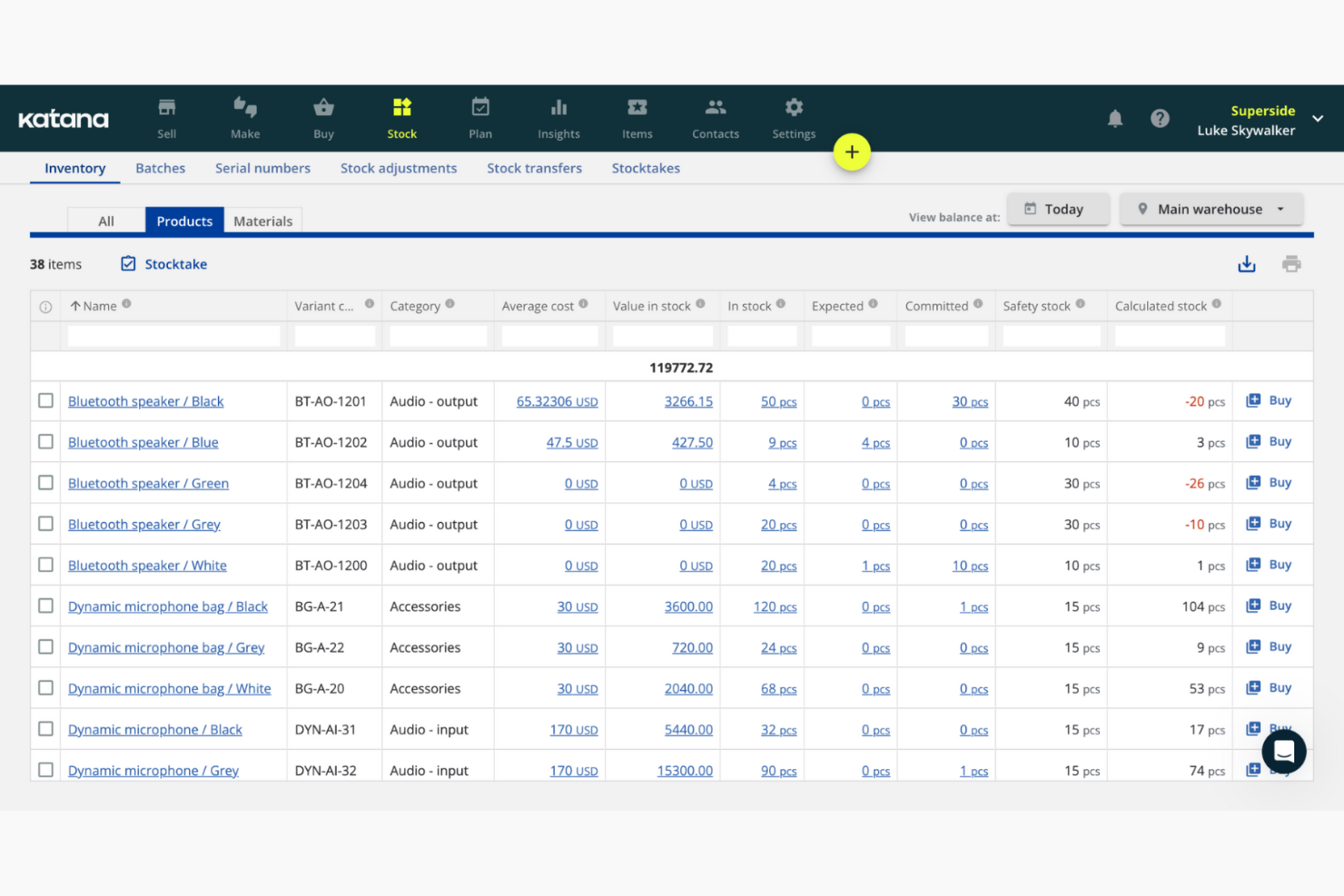
Katana MRP è un software di pianificazione delle risorse produttive progettato per aziende manifatturiere di piccole e medie dimensioni. Ti aiuta a gestire in modo efficiente la produzione, l'inventario e gli ordini di vendita.
Perché ho scelto Katana MRP: È ideale per i produttori che necessitano di una visibilità in tempo reale sui loro processi produttivi. Il software offre una pianificazione visiva della produzione per ottimizzare il flusso di lavoro. Grazie alla gestione dell'inventario in tempo reale, puoi assicurarti di avere sempre i materiali corretti a disposizione. Katana MRP offre anche il controllo del reparto produttivo, permettendoti di monitorare l'avanzamento della produzione in tempo reale.
Caratteristiche distintive & integrazioni:
Le funzionalità includono la pianificazione visiva della produzione per ottimizzare i flussi di lavoro, la gestione dell'inventario in tempo reale per mantenere i materiali sempre disponibili e il controllo del reparto produttivo per il monitoraggio istantaneo della produzione.
Le integrazioni includono Shopify, WooCommerce, Xero, QuickBooks Online, Amazon, BigCommerce, eBay, Etsy, Zapier e Salesforce.
Pros and Cons
Pros:
- Monitoraggio della produzione in tempo reale
- Pianificazione visiva della produzione
- Supporta la gestione dell'inventario in tempo reale
- Funzionalità di controllo del reparto produttivo
Cons:
- Scalabilità limitata per grandi aziende
- Funzionalità di reportistica di base
- Potrebbe richiedere formazione aggiuntiva per gli utenti

Ideale per una configurazione rapida
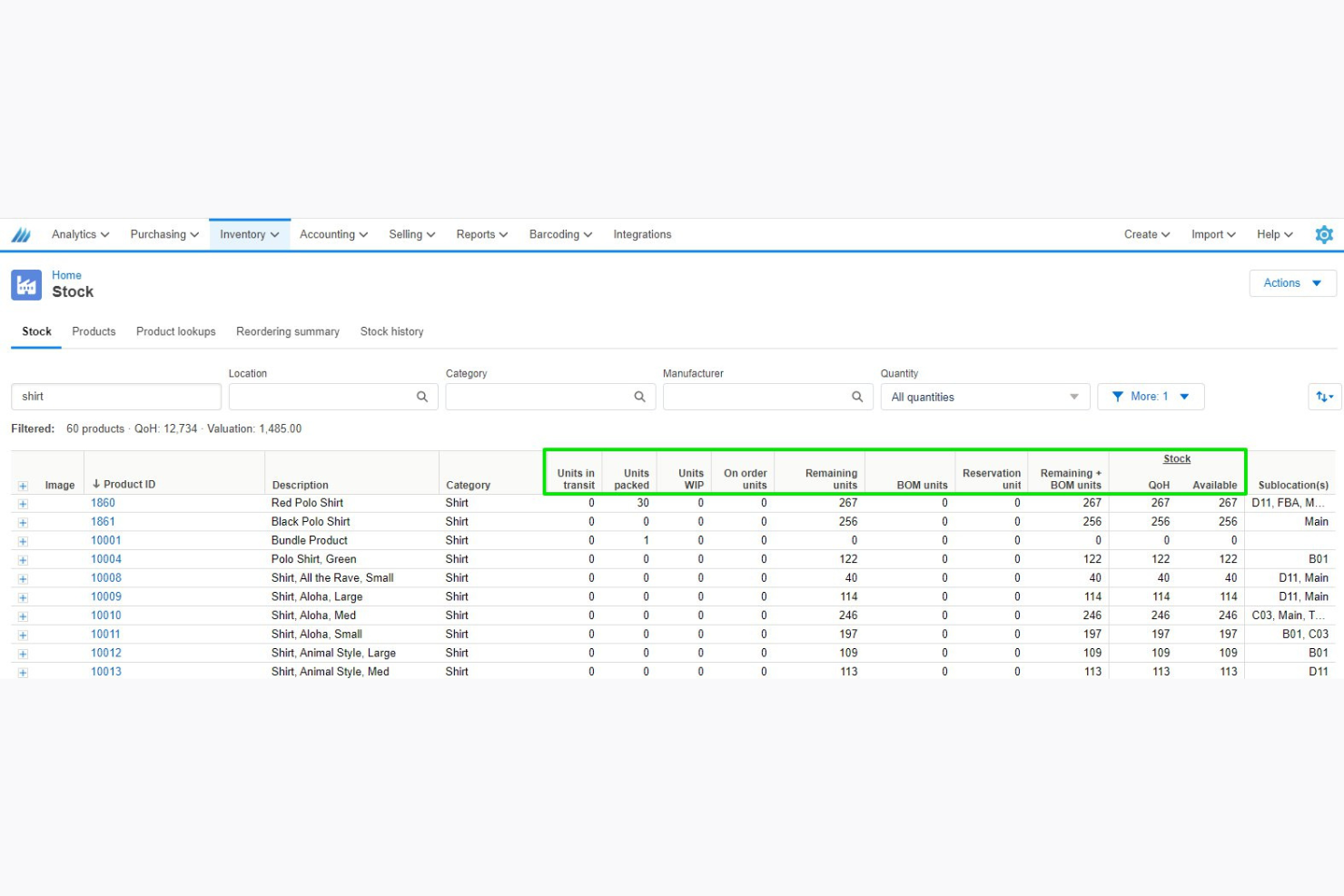
Finale Inventory è un software cloud per la tracciabilità dei lotti progettato per le aziende che necessitano di una configurazione rapida e di una gestione efficiente dell'inventario. Si rivolge a piccole e medie imprese, aiutandoti a gestire i livelli di stock, gli ordini e le spedizioni.
Perché ho scelto Finale Inventory: È l'ideale per i team che devono iniziare rapidamente senza un lungo processo di onboarding. Il software offre la scansione dei codici a barre per velocizzare i conteggi dell'inventario e l'elaborazione degli ordini. Con gli aggiornamenti in tempo reale dello stock, puoi evitare situazioni di sovrapposizione o di esaurimento dei prodotti. Finale Inventory fornisce anche avvisi di scorta insufficiente per tenere sotto controllo il tuo inventario.
Funzionalità e integrazioni principali:
Funzionalità includono la scansione dei codici a barre per conteggi dell'inventario più rapidi, aggiornamenti in tempo reale delle scorte per evitare sovrapposizioni e avvisi di scorta minima per gestire in modo efficiente i livelli di inventario.
Integrazioni includono Shopify, QuickBooks, ShipStation, Amazon, WooCommerce, eBay, Etsy, Xero, BigCommerce e Magento.
Pros and Cons
Pros:
- Processo di configurazione rapido
- Aggiornamenti dell'inventario in tempo reale
- Supporto alla scansione dei codici a barre
- Avvisi di scorta minima
Cons:
- Funzionalità avanzate limitate
- Interfaccia utente basilare
- Richiede una connessione internet

SYSPRO
Ideale per la scalabilità
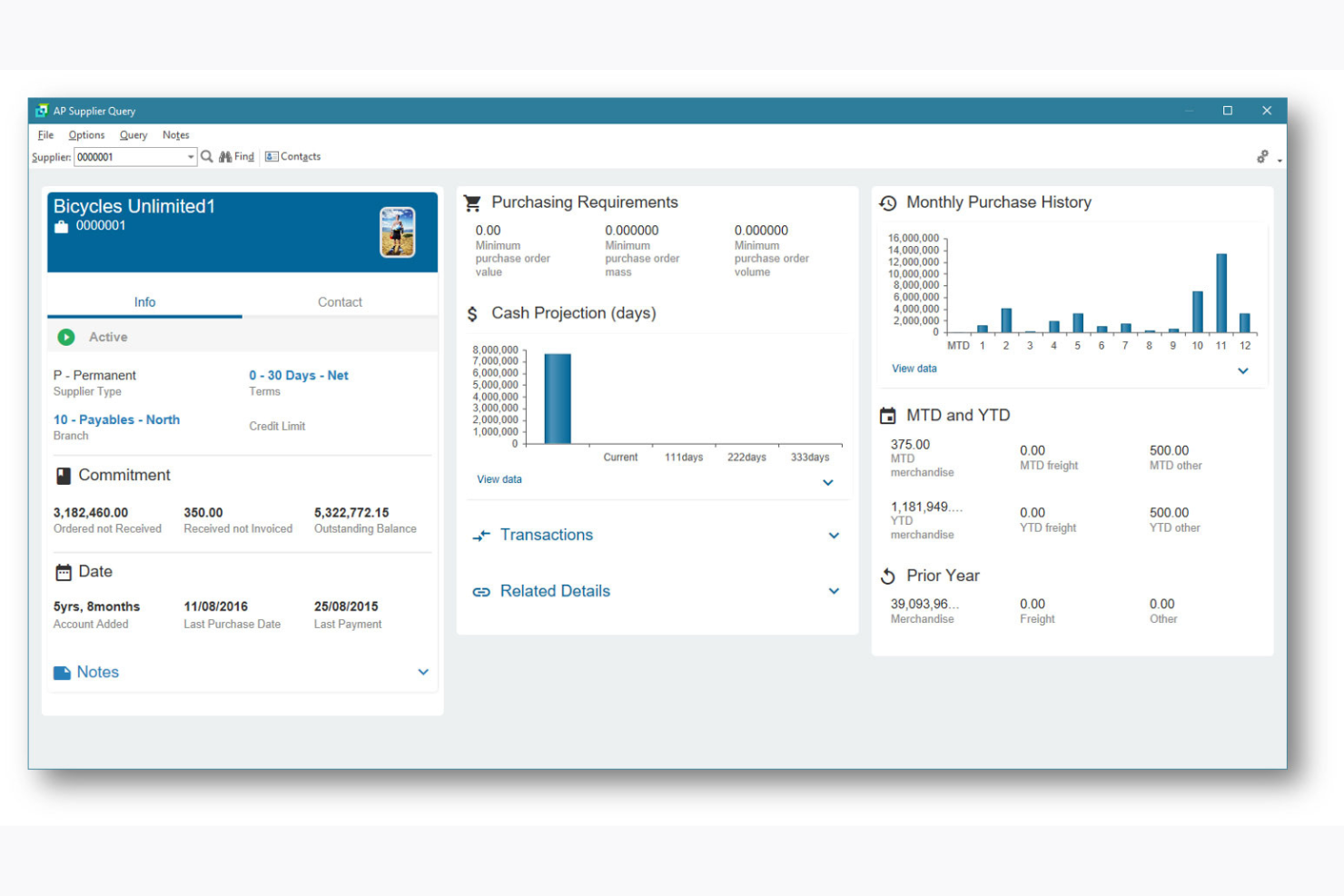
SYSPRO è un software ERP progettato per produttori e distributori che necessitano di soluzioni scalabili per le loro operazioni. Aiuta a gestire in modo efficiente inventario, ordini e processi produttivi.
Perché ho scelto SYSPRO: È ideale per le aziende che prevedono una crescita e necessitano di una soluzione scalabile. SYSPRO offre opzioni di implementazione flessibili, tra cui cloud e installazione locale, per adattarsi alle esigenze del tuo business. Il software fornisce una tracciabilità dettagliata dei lotti, fondamentale per la conformità e il controllo della qualità. Inoltre, i suoi dashboard personalizzabili ti offrono una visione chiara delle tue operazioni.
Funzionalità e integrazioni principali:
Funzionalità includono opzioni di implementazione flessibili per adattarsi al tuo modello aziendale, tracciabilità dettagliata dei lotti per la conformità e dashboard personalizzabili per monitorare le operazioni in modo efficiente.
Integrazioni includono Microsoft Dynamics, Salesforce, SAP, QuickBooks, Oracle, Xero, Shopify, WooCommerce, Amazon ed eBay.
Pros and Cons
Pros:
- Scalabile per aziende in crescita
- Opzioni di implementazione flessibili
- Funzionalità di tracciabilità dettagliata
- Dashboard personalizzabili
Cons:
- Configurazione del sistema complessa
- Richiede formazione approfondita
- Accesso mobile limitato

Ideale per la conformità globale
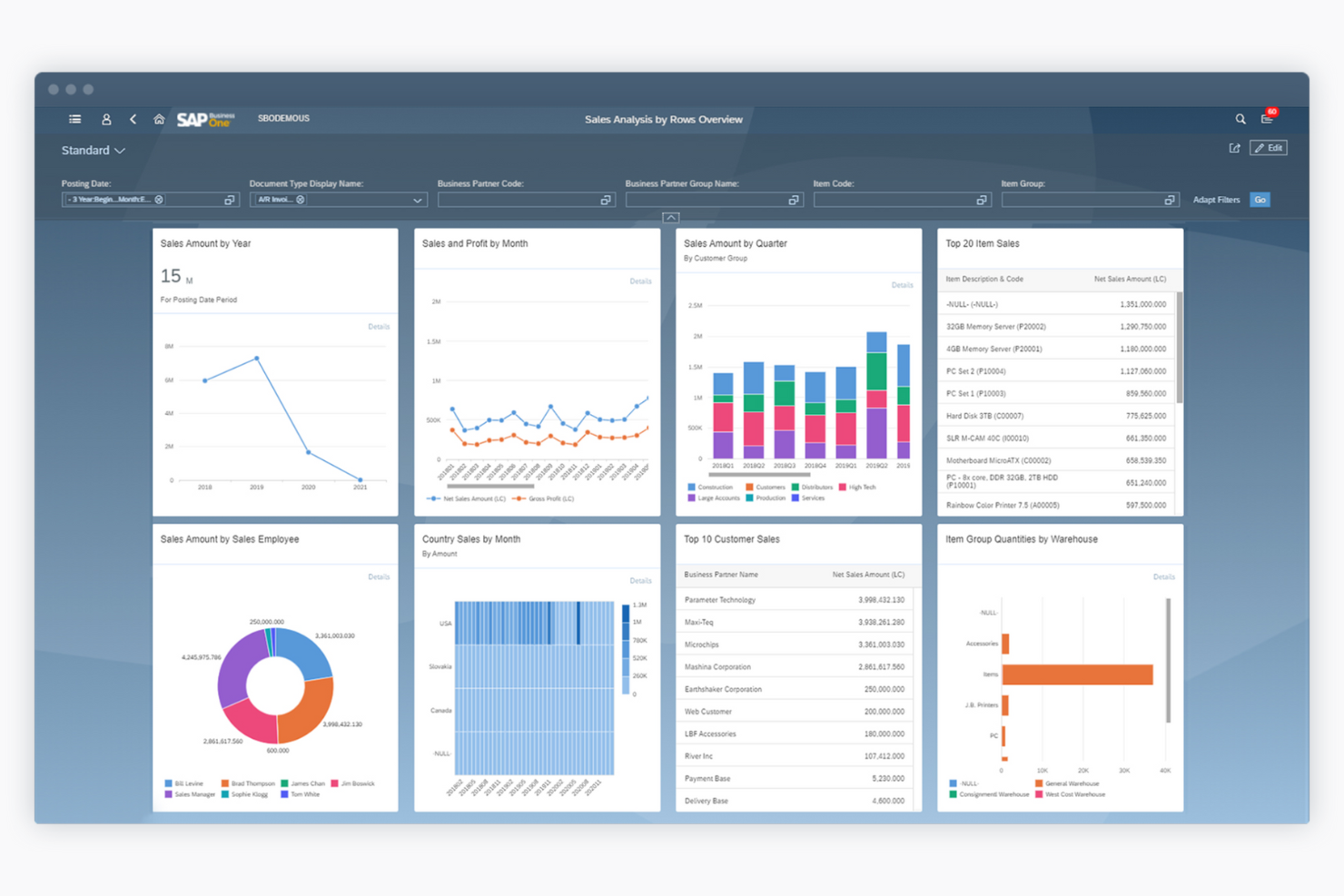
SAP Business One è una soluzione ERP pensata per le piccole e medie imprese, concentrata sulla gestione di finanze, vendite e operazioni. Serve aziende in diversi settori, offrendo strumenti per ottimizzare i processi e migliorare il processo decisionale.
Perché ho scelto SAP Business One: È progettato per aziende che operano a livello globale, assicurando la conformità agli standard internazionali. Il software offre soluzioni localizzate per diversi mercati, fattore critico per le operazioni multinazionali. Le sue analisi in tempo reale aiutano a prendere decisioni aziendali informate. Inoltre, SAP Business One offre un'intelligenza aziendale integrata per analizzare efficacemente i dati.
Caratteristiche e integrazioni principali:
Caratteristiche includono analisi in tempo reale a supporto delle decisioni, intelligenza aziendale integrata per l'analisi dei dati ed anche soluzioni localizzate per le operazioni globali.
Integrazioni includono Microsoft Excel, Microsoft Outlook, Shopify, Salesforce, Magento, QuickBooks, HubSpot, Mailchimp, PayPal ed eBay.
Pros and Cons
Pros:
- Supporta le esigenze di conformità globale
- Soluzioni localizzate per diversi mercati
- Intelligenza aziendale integrata
- Scalabile per aziende in crescita
Cons:
- Processo di configurazione complesso
- Richiede competenze tecniche
- Opzioni di personalizzazione limitate

Ideale per grossisti
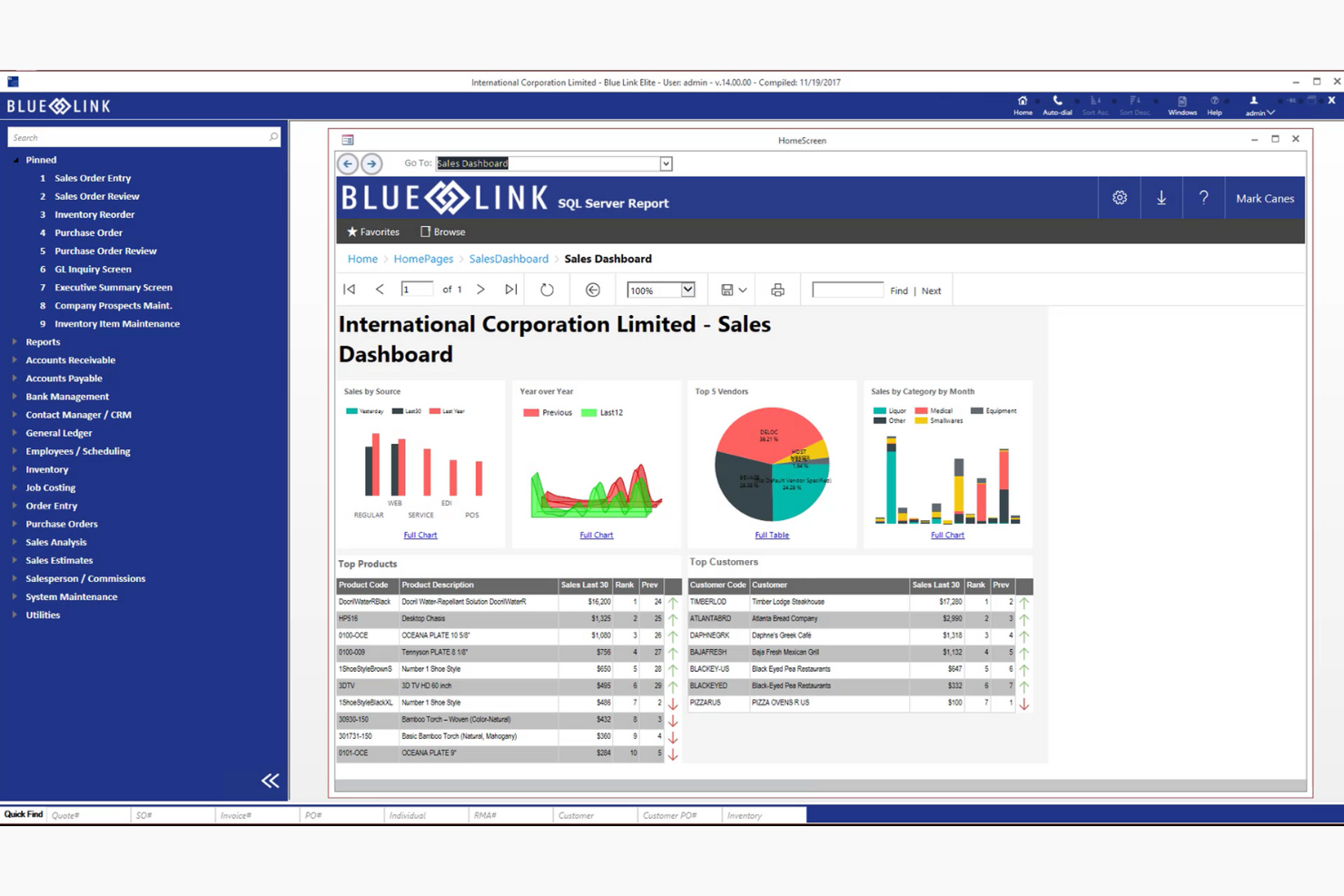
Blue Link ERP è una soluzione software integrata progettata per grossisti e distributori per gestire inventario, contabilità ed elaborazione degli ordini. Offre strumenti completi per aiutarti a snellire le operazioni e migliorare l'efficienza.
Perché ho scelto Blue Link ERP: È pensato per i grossisti che necessitano di una gestione dettagliata dell'inventario e dell'elaborazione degli ordini. Il software offre funzionalità avanzate di reportistica che permettono di ottenere approfondimenti sulle prestazioni aziendali. Con le funzionalità di tracciabilità dei lotti e rintracciabilità, puoi gestire facilmente i richiami di prodotto. Blue Link ERP include anche funzionalità di contabilità, rendendolo una soluzione completa per la tua azienda.
Caratteristiche e integrazioni principali:
Caratteristiche includono funzionalità avanzate di reportistica per analisi aziendali, tracciabilità dei lotti per la gestione dei richiami di prodotto e funzionalità di contabilità integrate per una soluzione aziendale completa.
Integrazioni includono QuickBooks, Shopify, Amazon, eBay, Magento, WooCommerce, Salesforce, Microsoft Dynamics, Xero e SAP.
Pros and Cons
Pros:
- Strumenti avanzati di reportistica
- Supporta la rintracciabilità dei prodotti
- Include funzionalità contabili
- Elaborazione ordini efficiente
Cons:
- Processo di implementazione complesso
- Richiede formazione per un utilizzo efficace
- Opzioni di personalizzazione limitate

Fulfil
Ideale per la visibilità dell'inventario in tempo reale

Fulfil.io è un ERP nativo per l'IA progettato per le aziende eCommerce e all'ingrosso che necessitano di un controllo preciso su inventario, ordini e magazzini. Ti offre completa tracciabilità dalla produzione all'evasione, aiutandoti a gestire lotti e batch con precisione su più sedi e canali di vendita.
Perché ho scelto Fulfil.io: Ho scelto Fulfil.io perché riunisce la tracciabilità dei lotti e dei batch in un unico sistema in tempo reale che cresce con la tua azienda. Puoi tracciare ogni batch di prodotto dalla produzione all'evasione, il che è particolarmente utile per prevenire le vendite eccessive o gestire i richiami. Apprezzo anche che Fulfil automatizzi i flussi di lavoro degli ordini e le previsioni, così puoi concentrarti meno sui fogli di calcolo e più sulla crescita della tua attività. I suoi strumenti per il magazzino rendono semplice individuare e gestire lotti specifici, anche su più centri di evasione.
Funzionalità e integrazioni di spicco:
Funzionalità includono la tracciabilità di batch e lotti per una completa rintracciabilità dei prodotti, strumenti di ottimizzazione del magazzino per una gestione efficiente degli spazi e analisi basate su IA che aiutano a prevedere la domanda e le prestazioni dei fornitori.
Integrazioni includono Amazon Shipping, Australia Post, Canada Post, DHL, FedEx, UPS, AfterPay, PayPal, Stripe, Klarna, Authorize.net, e Avalara.
Pros and Cons
Pros:
- Solido tracciamento di lotti e batch
- Funzionalità di automazione avanzate
- Visibilità dell'inventario in tempo reale
Cons:
- Prezzi non pubblicati
- L'implementazione può essere complessa

Ideale per piccole imprese
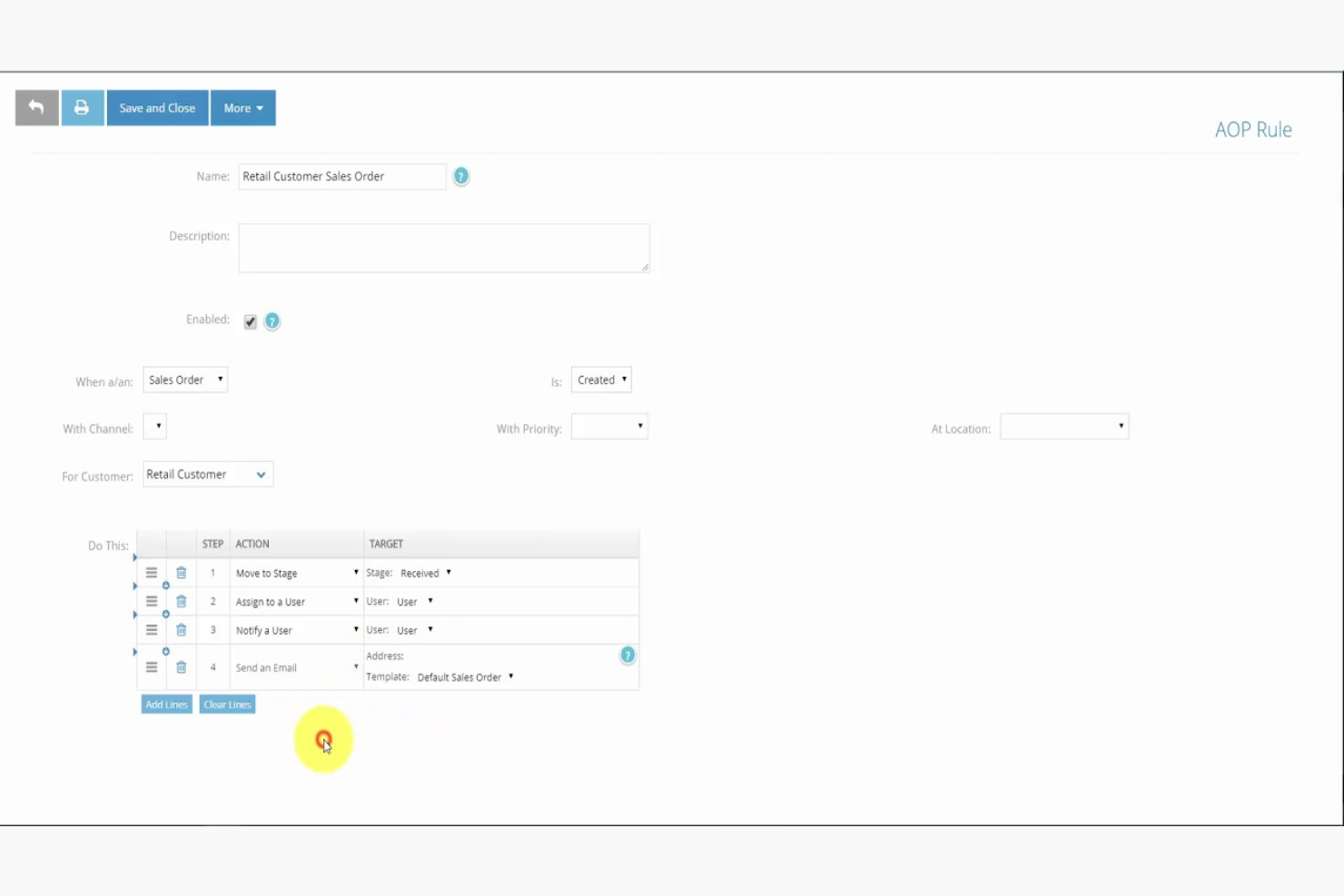
SOS Inventory è un software di tracciabilità dei lotti progettato per le piccole imprese che cercano una tracciabilità dettagliata dei prodotti. Serve settori come quello alimentare e farmaceutico, aiutando a gestire l'inventario e la conformità normativa.
Perché ho scelto SOS Inventory: È pensato per le piccole imprese che hanno bisogno di una soluzione semplice. Il software consente di assegnare numeri di lotto e generare report automatici. La sua interfaccia intuitiva e l'integrazione con QuickBooks lo rendono accessibile anche a team senza ampie competenze tecniche. SOS Inventory offre anche il tracciamento dei numeri di serie, fondamentale per la gestione delle attrezzature.
Funzionalità e integrazioni distintive:
Le funzionalità includono reportistica automatizzata per una facile conformità, assegnazione dei numeri di lotto per tracciare in modo efficiente i prodotti e tracciamento dei numeri di serie per la gestione delle attrezzature.
Le integrazioni includono QuickBooks, Shopify, WooCommerce, Amazon, eBay, Square, Etsy, ShipStation, Xero e Salesforce.
Pros and Cons
Pros:
- Integrazione semplice con QuickBooks
- Interfaccia intuitiva
- Supporto alla scansione di codici a barre
- Tracciabilità dettagliata dei numeri di serie
Cons:
- Nessun accesso offline
- Orari di assistenza clienti limitati
- Richiede una connessione internet
Ideale per la produzione a lotti
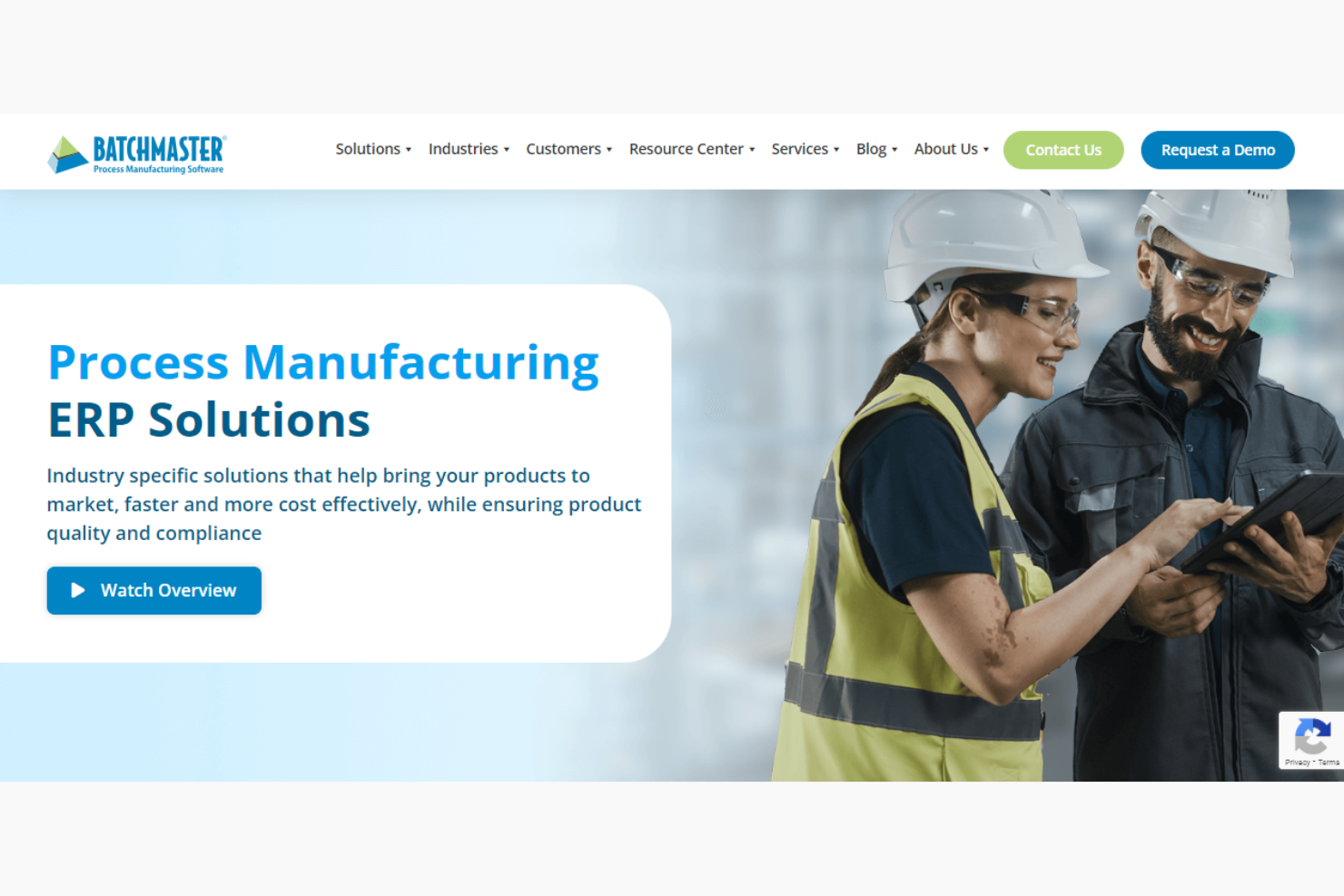
BatchMaster è un software ERP studiato per le industrie di produzione di processo, come alimentare, bevande, chimica e life sciences. Aiuta le aziende a gestire efficacemente la produzione a lotti, la conformità e il controllo qualità.
Perché ho scelto BatchMaster: È progettato per gestire la produzione a lotti, fondamentale per settori come quello alimentare e chimico. Il software offre funzionalità per la produzione a lotti e la gestione della qualità. Il supporto alla conformità garantisce il rispetto delle normative di settore, mentre la gestione magazzino tramite dispositivi mobili migliora l'efficienza dell'inventario. BatchMaster offre anche l'hosting cloud per rispondere a diverse esigenze operative.
Funzionalità e integrazioni principali:
Funzionalità includono produzione a lotti per gestire i processi produttivi, gestione della qualità per mantenere elevati standard e magazzino mobile per migliorare la gestione dell'inventario in mobilità.
Integrazioni con SAP, QuickBooks, Microsoft Dynamics, Sage, Shopify, WooCommerce, Amazon, eBay, Salesforce e Xero.
Pros and Cons
Pros:
- Ideato per la produzione di processo
- Supporta la produzione a lotti
- Strumenti per la gestione della qualità
- Supporto alla conformità
Cons:
- Configurazione complessa
- Richiede formazione per i nuovi utenti
- Può essere troppo complesso per piccole imprese

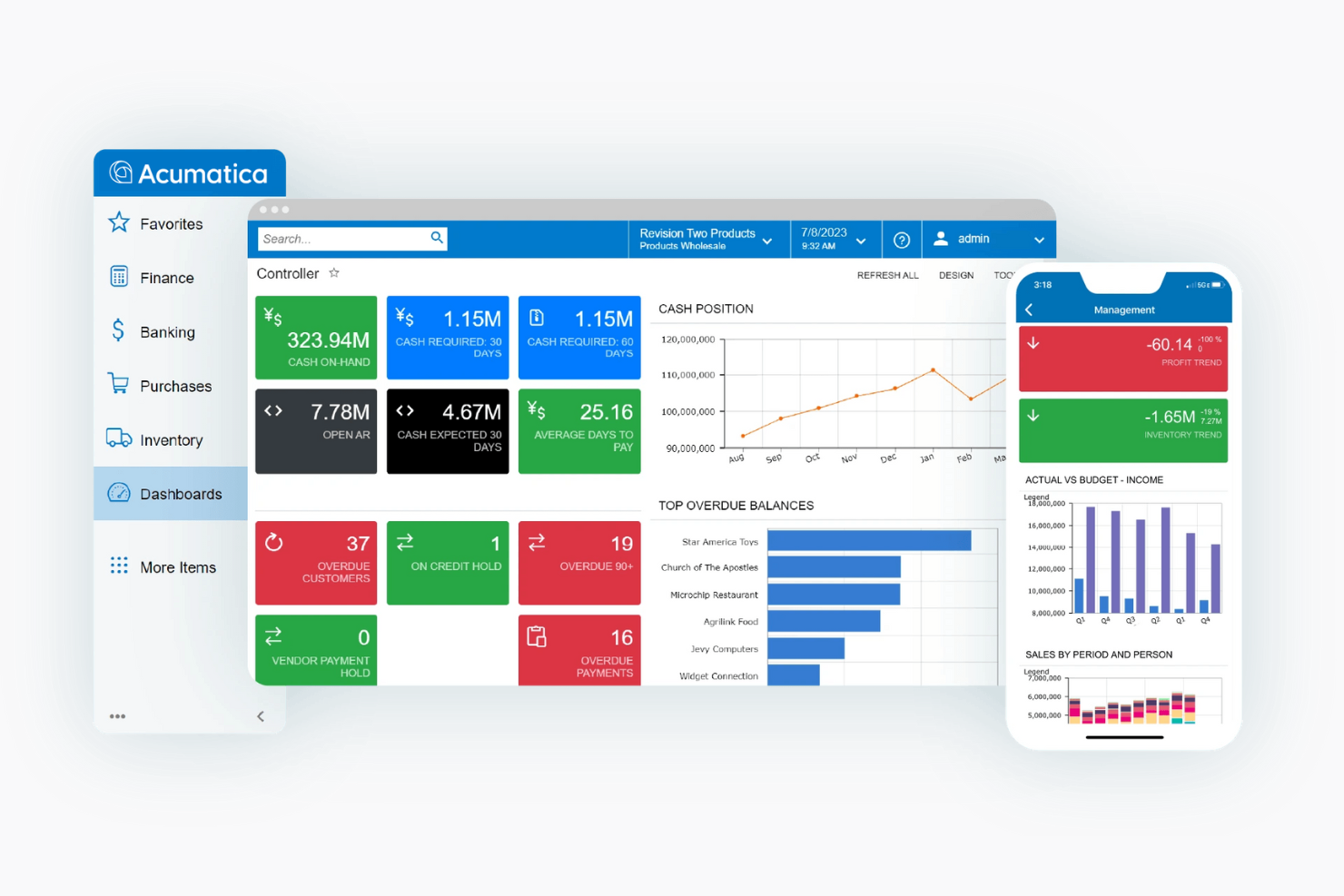
Acumatica ERP è un software di pianificazione delle risorse aziendali basato su cloud, progettato per piccole e medie imprese in diversi settori. Aiuta a gestire la contabilità, la distribuzione e i progetti in modo efficiente.
Perché ho scelto Acumatica ERP: È perfetto per le aziende che cercano una soluzione cloud flessibile. Acumatica offre accesso illimitato agli utenti, una caratteristica unica per i team in crescita. Il software garantisce visibilità in tempo reale sulle operazioni, migliorando il processo decisionale. La sua architettura modulare consente di aggiungere funzionalità man mano che le esigenze aziendali si evolvono.
Funzionalità e integrazioni principali:
Funzionalità includono accesso illimitato agli utenti per team in espansione, visibilità in tempo reale sulle operazioni per prendere decisioni informate e architettura modulare per espandere le funzionalità secondo necessità.
Integrazioni comprendono Salesforce, HubSpot, Avalara, Magento, Shopify, BigCommerce, Smartsheet, DocuSign, Box e Adobe Sign.
Pros and Cons
Pros:
- Accesso illimitato agli utenti
- Deployment cloud flessibile
- Architettura modulare
- Visibilità operativa in tempo reale
Cons:
- Processo di configurazione complesso
- Richiede competenze tecniche
- Capacità offline limitate
Altri software per il monitoraggio dei lotti
Ecco alcune opzioni aggiuntive per il monitoraggio dei lotti che non sono entrate nella mia selezione, ma che vale comunque la pena prendere in considerazione:
- Wasp InventoryCloud
Ideale per un'integrazione semplice
- Craftybase
Ideale per venditori artigianali
- Datacor ERP
Ideale per l'industria chimica
- Shipfusion
Ideale per l'ecommerce


Come Valuto il Software di Tracciabilità dei Lotti
Divido la mia valutazione in due livelli: le funzionalità di tracciabilità dei lotti e di gestione dei richiami che uno strumento deve avere per qualificarsi, e i fattori differenzianti come i report di conformità e la sincronizzazione con i fornitori che distinguono i migliori.
Funzionalità Principali (Requisiti Minimi per Questa Lista)
Quando seleziono gli strumenti per la mia lista, valuto ciascuno su una scala da 0 (non offre la funzionalità) a 5 (eccelle in quest'area) per ognuna delle funzionalità principali elencate di seguito. Poi, calcolo il punteggio totale dello strumento in percentuale. Ogni strumento deve raggiungere un punteggio totale minimo del 65% per essere considerato.
- Assegnazione Numero Lotto/Batch: Verifico se uno strumento supporta sia l'inserimento manuale sia la generazione automatica di ID lotto, soprattutto per i rivenditori che ricevono merci da più fornitori con formati di numerazione differenti.
- Tracciabilità Lotto End-to-End: La tracciabilità completa in avanti e indietro è fondamentale—valuto se uno strumento è in grado di seguire un lotto dalla ricezione dal fornitore, attraverso il trasferimento in magazzino, fino allo scaffale del negozio specifico o all'ordine del cliente.
- Monitoraggio Date di Scadenza: Per prodotti deperibili come alimenti o cosmetici, cerco avvisi configurabili sulle date e logica di prelievo FEFO che aiuti a evitare che gli stock scaduti arrivino ai clienti.
- Gestione dei Richiami: Un buon workflow di richiamo consente di isolare i lotti coinvolti in ogni sede in pochi minuti, quindi valuto quanto rapidamente uno strumento possa generare un report di tracciabilità e segnalare gli stock coinvolti.
- Scansione Barcode/Seriale: La scansione tramite dispositivi mobili o palmari dovrebbe acquisire i dati del lotto al ricevimento, al trasferimento e al punto vendita—non solo a livello di SKU. Cerco supporto per formati multipli inclusi QR e RFID.
- Visibilità Lotti su Più Sedi: Le attività di vendita al dettaglio con più negozi o magazzini hanno bisogno di una visione consolidata e in tempo reale di dove si trovano esattamente certi lotti e di come si spostano tra le sedi.
Una volta che ho una lista di strumenti che soddisfano questi criteri, considero ciò che distingue ogni piattaforma.
Fattori Differenzianti (Cosa Distingue i Fornitori)
Ecco come confronto e metto a confronto i diversi fornitori:
Funzionalità Distintive
Le simulazioni di richiamo sono un grande elemento distintivo—cerco strumenti che permettano al team di effettuare esercitazioni temporizzate per misurare la velocità di tracciamento prima di affrontare un vero richiamo. La ricerca per lotto cliente è altrettanto importante, specialmente per i rivenditori che devono notificare acquirenti specifici quando un prodotto viene ritirato. Valuto anche i workflow per blocco qualità e quarantena che bloccano automaticamente dalla vendita i lotti segnalati in tutte le sedi appena viene identificato un problema.
Oltre le Funzionalità
L'integrazione con la tech stack retail è uno dei primi aspetti che verifico—i dati di lotto perdono valore se rimangono isolati dal POS, ERP o dalla piattaforma ecommerce. Valuto anche l'aderenza normativa, in particolare se un fornitore offre modelli di conformità precompilati per standard come FDA FSMA 204 o GS1, in quanto costruire questi report da zero fa perdere tempo durante gli audit. Anche la trasparenza dei prezzi è importante, perché alcuni fornitori includono la tracciabilità dei lotti nei pacchetti principali, mentre altri la offrono come modulo aggiuntivo.
Che cos'è il software per il monitoraggio dei lotti?
Il software per il monitoraggio dei lotti impedisce che il tuo inventario si trasformi in un incubo di conformità.
Monitora i lotti di prodotti lungo l'intera catena di approvvigionamento, dalle materie prime ai prodotti finiti, offrendoti un software per la tracciabilità che funziona davvero.
Questo software è essenziale per i settori in cui la tracciabilità non è solo un valore aggiunto, ma un obbligo di legge. Pensa al settore alimentare, farmaceutico, chimico o a qualsiasi ambito in cui potrebbe essere necessario richiamare i prodotti, effettuare audit o verificare nuovamente la qualità.
Le migliori piattaforme odierne per il monitoraggio dei lotti vanno oltre i semplici numeri di lotto.
Utilizzano analisi in tempo reale, scansione dei codici a barre, previsioni basate sull'intelligenza artificiale e persino blockchain per rendere la gestione dell'inventario più intelligente, rapida e molto meno rischiosa.
Che tu stia gestendo date di scadenza o rispettando le normative della FDA, il software per il monitoraggio dei lotti ti offre gli strumenti per mantenere la conformità, migliorare la qualità ed evitare che la tua catena di approvvigionamento vada fuori controllo.
Come scegliere il software giusto per il monitoraggio dei lotti
Scegliere il software giusto per il monitoraggio dei lotti non dovrebbe sembrare come decifrare un foglio di calcolo dell'inventario di magazzino del 2003. Ecco una lista di controllo chiara per aiutarti a rimanere concentrato e trovare uno strumento che non ti deluderà quando le cose si faranno serie.
| Fattore | Cosa cercare |
|---|---|
| Scalabilità | Il software è in grado di gestire più prodotti, utenti e complessità man mano che la tua azienda cresce? Non pensare solo a oggi: pensa a tra 12 mesi. |
| Integrazioni | Funzionerà bene con il tuo ERP, software di contabilità, CRM o strumenti di spedizione esistenti? Se non riesce a connettersi, creerà solo altro lavoro. |
| Personalizzazione | Puoi adattare dashboard, report e flussi di lavoro al tuo processo effettivo, anziché a quello che il fornitore pensa dovrebbe essere il tuo processo? |
| Facilità d'uso | L'interfaccia è pulita, moderna e non sepolta sotto un decennio di debito tecnico? Il tuo team dovrebbe poterla utilizzare senza un manuale di 40 pagine. |
| Budget | Qual è il costo totale: configurazione, licenze, assistenza, formazione, extra? Non farti cogliere di sorpresa da componenti aggiuntivi e tariffe per utente. |
| Misure di sicurezza | I tuoi dati e i registri di controllo sono protetti da crittografia, backup e controlli degli accessi? La conformità serve a poco se il tuo sistema rappresenta un rischio per la sicurezza. |
| Funzionalità per la conformità | Ti aiuta davvero a rispettare le normative? Avvisi automatici, registri di controllo e documentazione sono imprescindibili nei settori regolamentati. |
| Servizi di assistenza | Puoi ricevere aiuto quando ne hai bisogno? La chat dal vivo, un buon centro assistenza e persone reali dall'altra parte sono fondamentali per i problemi urgenti. |
Funzionalità del software per la tracciabilità dei lotti
Non tutte le funzionalità sono uguali. Queste sono quelle che distinguono un sistema discreto da uno che semplifica davvero la tua vita.
- Analisi in tempo reale. Fornisce informazioni aggiornate al minuto, così puoi prendere rapidamente decisioni più intelligenti sulle scorte.
- Tecnologia blockchain. Garantisce l'autenticità dei prodotti grazie a un registro immutabile che indica dove si è trovato ogni lotto e quando.
- Informazioni basate sull'IA. Utilizza dati storici e in tempo reale per prevedere la domanda, individuare anomalie e ottimizzare i livelli delle scorte.
- Monitoraggio della conformità. Registra automaticamente le attività, genera report di controllo e segnala gli articoli non conformi prima che diventino un problema.
- Scansione dei codici a barre. Accelera i conteggi e gli aggiornamenti dell'inventario, riducendo al contempo gli errori di inserimento manuale.
- Avvisi personalizzabili. Informa il tuo team sulle scorte ridotte, sui lotti in scadenza o su qualsiasi segnale d'allarme che preferiresti conoscere prima che la situazione precipiti.
- Tracciabilità dei lotti. Tiene traccia dell'intero percorso di ogni lotto di prodotti, ideale per controlli, richiami o reclami dei clienti.
- Accesso da dispositivi mobili. Consente al tuo team di gestire l'inventario sul pavimento del magazzino, non solo dietro una scrivania.
- Funzionalità per la sostenibilità. Aiuta a monitorare e segnalare indicatori ambientali come l'impronta di carbonio o la riduzione dei rifiuti.
- Funzionalità di integrazione. Si collega al tuo ERP, ai sistemi di contabilità o alle piattaforme di commercio elettronico per semplificare le operazioni, particolarmente utile per gestire gli ordini di acquisto e sincronizzare l'intero sistema di inventario.
Vantaggi del software per la tracciabilità dei lotti
Il software per la tracciabilità dei lotti è la spina dorsale operativa delle aziende che non possono permettersi errori. Ecco cosa fa davvero per te il sistema giusto:
- Migliora la tracciabilità. Sai esattamente da dove proviene ogni lotto e dove è finito: niente supposizioni e niente caos quando qualcosa va storto.
- Migliora la conformità. Automatizza la documentazione e il monitoraggio necessari per rispettare le normative del settore e dormire sonni tranquilli.
- Ottimizza la gestione dell'inventario. I dati in tempo reale e le informazioni sull'inventario basate sull'IA ti aiutano a evitare scorte eccessive, scorte insufficienti e il temuto “pensavamo di averne di più.”
- Aumenta la trasparenza. La blockchain e i registri dettagliati forniscono a clienti e parti interessate la prova che il tuo processo è corretto, conforme e pronto per un controllo.
- Fa risparmiare molto tempo. La scansione dei codici a barre, gli strumenti mobili e gli avvisi significano meno fogli di calcolo, meno riunioni e meno tempo a chiedersi: “dove è finito?”
- Riduce i costi. Un inventario gestito in modo più intelligente significa meno sprechi, meno richiami e nessuna svalutazione imprevista perché qualcosa è scaduto in un angolo remoto.
- Supporta la sostenibilità. Monitora dati su rifiuti, emissioni e utilizzo per aiutarti a raggiungere i tuoi obiettivi ambientali e magari impressionare anche qualche investitore.
Costi e prezzi del software per la tracciabilità dei lotti
I prezzi del software per la tracciabilità dei lotti variano moltissimo. Alcuni strumenti mantengono la semplicità con prezzi basati sugli utenti. Altri vogliono che tu “prenoti una demo” solo per scoprire se rientrano nel tuo budget.
Ecco una panoramica di ciò che puoi generalmente aspettarti, oltre ad alcuni aspetti a cui prestare attenzione.
| Tipo di piano | Prezzo medio | Funzionalità comuni | Ideale per |
|---|---|---|---|
| Piano gratuito | $0 | Monitoraggio di base, assistenza limitata e reportistica minima | Professionisti singoli o startup nelle fasi iniziali |
| Piano personale | $10–$30/user/month | Monitoraggio standard, analisi di base, assistenza esclusivamente via e-mail | Piccole imprese con esigenze di base |
| Piano aziendale | $50–$100/user/month | Monitoraggio avanzato, analisi in tempo reale, accesso mobile e assistenza prioritaria | Team in crescita che necessitano di funzionalità complete |
| Piano per grandi imprese | $150–$300/user/month | Flussi di lavoro personalizzati, strumenti avanzati per la conformità, assistenza dedicata, integrazioni complete | Grandi aziende o imprese soggette a regolamentazione |
Note aggiuntive sui prezzi
- Costi di configurazione e avviamento. Alcuni fornitori applicano costi aggiuntivi per l'implementazione iniziale, la formazione o le integrazioni personalizzate. Chiedi informazioni in anticipo.
- Costi per sede o per lotto. Presta attenzione a questi costi se gestisci più magazzini o SKU ad alto volume.
- Limitazioni delle funzionalità. Non tutte le “funzionalità enterprise” sono incluse nei piani inferiori: assicurati che il piano scelto offra ciò di cui hai realmente bisogno.
Domande frequenti sul software di tracciamento dei lotti
Ecco alcune risposte alle domande più comuni sul software di tracciamento dei lotti:
Il tracciamento dei lotti non è entusiasmante, ma farlo bene sì
Ammettiamolo: il software di tracciamento dei lotti non vincerà premi di design né farà ballare di gioia il tuo team operativo (a meno che non sia proprio ciò che gli piace).
Ma ti salverà da richiami costosi, grattacapi normativi e dall'incubo di rintracciare manualmente l'inventario tra fogli di calcolo ed e-mail.
Con il sistema giusto, ottieni una visibilità chiara, una conformità impeccabile e meno emergenze notturne da gestire quando qualcosa va storto. Ora che hai visto i migliori strumenti disponibili, non ti resta che scegliere quello che non ti farà pentire della decisione tra sei mesi.
Il commercio al dettaglio non si ferma mai, e nemmeno tu dovresti farlo. Iscriviti alla nostra newsletter per ricevere gli ultimi approfondimenti, strategie e risorse professionali dai migliori leader del commercio al dettaglio che stanno plasmando il settore.