

I 10 migliori software gratuiti per l’elaborazione dei pagamenti nel 2026

I 10 migliori software gratuiti per l'elaborazione dei pagamenti per iniziare


Gestire un'attività di vendita al dettaglio significa amministrare le commissioni sulle transazioni, gli storni e i metodi di pagamento, che raramente collaborano.
Conosciamo bene i grattacapi: assicurarsi che i pagamenti vadano a buon fine, che i clienti non restino in attesa e che il personale non debba affrontare flussi di lavoro macchinosi.
Il software gratuito per l'elaborazione dei pagamenti non riguarda le scorciatoie. Riguarda la riduzione dei costi mantenendo al contempo le operazioni fluide. La scelta giusta gestirà pagamenti con carta, fatture, vendite di persona e pagamenti online senza compromettere il flusso di cassa.
Ho raccolto le migliori opzioni gratuite che offrono davvero risultati. Niente riempitivi. Solo indicazioni pratiche per aiutarti a scegliere ciò che si adatta alla tua attività.
Perché fidarsi dei nostri consigli sui software
Il nostro team testa e recensisce software dal 2012. In quanto leader del retail noi stessi, sappiamo quanto sia difficile — e importante — scegliere il software giusto.
Per questa guida, abbiamo valutato gli strumenti attraverso test pratici e ricerche indipendenti, assegnando un punteggio agli strumenti in base ai nostri criteri di selezione.
Le nostre recensioni riflettono il nostro giudizio indipendente, non un discorso di vendita.
Tabella comparativa dei software gratuiti per l'elaborazione dei pagamenti
Questa tabella comparativa riassume i dettagli dei prezzi delle mie migliori selezioni di software gratuiti per l’elaborazione dei pagamenti:
| Tool | Best For | Trial Info | Price | ||
|---|---|---|---|---|---|
| 1 | Ideale per flussi di pagamento online personalizzati | Non disponibile | Da 2,9% + 30¢/transazione | Website | |
| 2 | Ideale per freelance che necessitano di preventivi e fatture | Piano gratuito disponibile | A partire da $14/mese | Website | |
| 3 | Ideale per trasferimenti di denaro online gratuiti | Piano gratuito + demo gratuita disponibile | Da $0.30/transazione | Website | |
| 4 | Ideale per aziende SaaS con clienti globali | Demo gratuita disponibile | 5% + $0.5 per transazione | Website | |
| 5 | Ideale per sviluppatori che necessitano di accesso API | Non disponibile | Da $0,13 commissione di elaborazione + commissione per metodo di pagamento | Website | |
| 6 | Ideale per ricevere pagamenti da clienti internazionali | Non disponibile | Da 1% (commissione minima di 1,00 USD o equivalente) | Website | |
| 7 | Ideale per i creatori che vendono file digitali | Piano gratuito disponibile | Da $10/mese | Website | |
| 8 | Ideale per la crescita senza costi di configurazione | Demo gratuita disponibile | Da 5,4% + 0,30 USD per transazione | Website | |
| 9 | Ideale per le vendite in presenza con lettore gratuito | Piano gratuito disponibile | Da $35/mese | Website | |
| 10 | Ideale per la vendita internazionale di beni digitali | Demo gratuita disponibile | Da 3.5% + $0.35/transazione | Website |
I 10 migliori software gratuiti per l'elaborazione dei pagamenti, recensiti
Ecco la nostra analisi approfondita dei migliori software gratuiti per l’elaborazione dei pagamenti presenti nell’elenco. Esamineremo funzionalità, vantaggi e svantaggi, integrazioni e ciò che si ottiene effettivamente gratuitamente, così potrai capire esattamente quale soluzione si adatta ai tuoi flussi di lavoro e al tuo budget.

Stripe
Ideale per flussi di pagamento online personalizzati
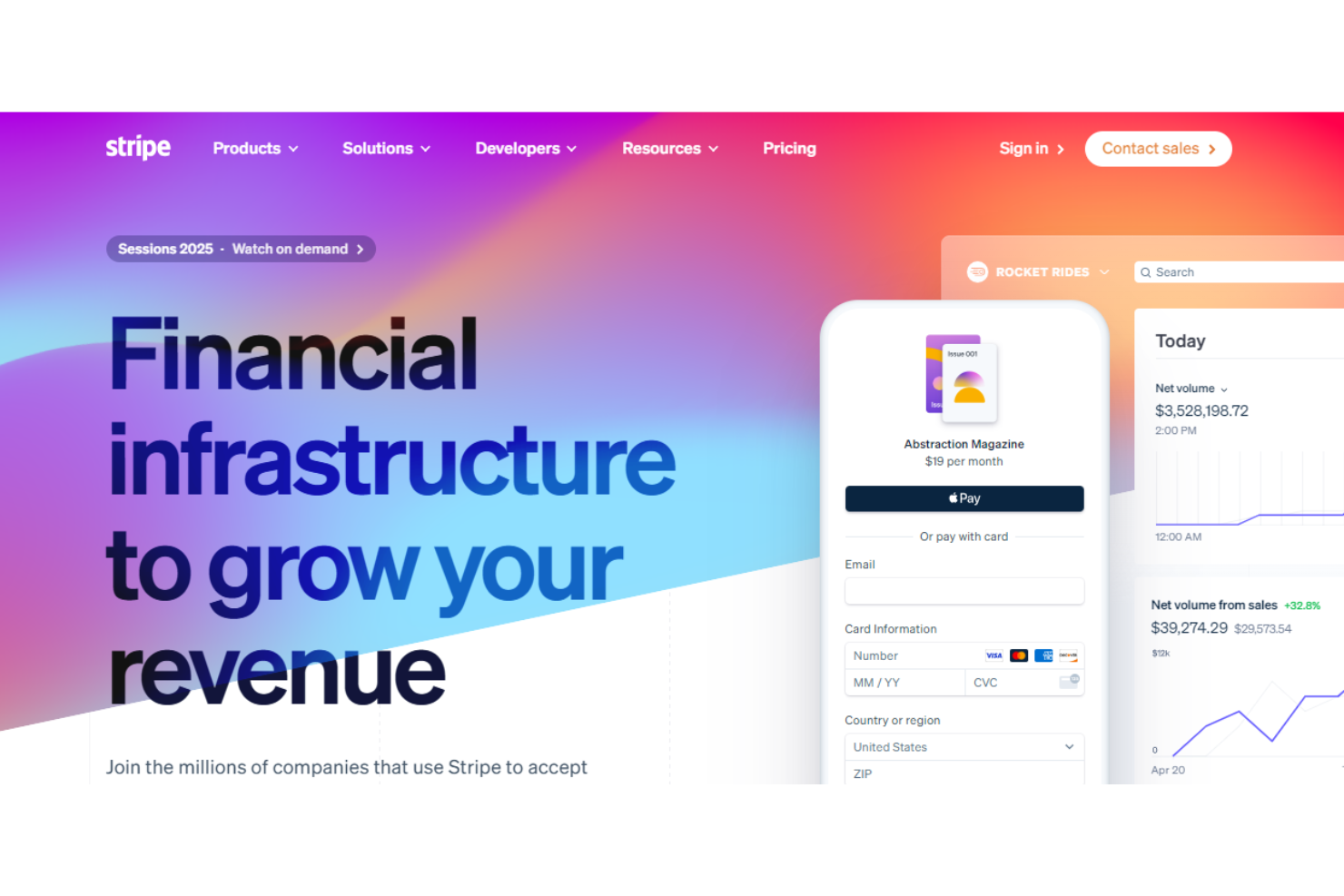
Stripe è una piattaforma di elaborazione pagamenti versatile progettata per aziende di tutte le dimensioni, offrendo un'ampia gamma di metodi di pagamento e valute. Si rivolge a rivenditori online, servizi in abbonamento e marketplace, fornendo strumenti per gestire i pagamenti in modo efficiente.
Perché ho scelto Stripe: L'offerta gratuita di Stripe include il supporto per vari metodi di pagamento, rendendo facile al tuo team accettare pagamenti a livello globale. Offre prezzi trasparenti senza costi di installazione o spese mensili, il che è vantaggioso per le aziende che desiderano gestire i costi. Le potenti funzionalità di sicurezza della piattaforma proteggono i dati sensibili, garantendo transazioni sicure. Inoltre, la sua interfaccia intuitiva semplifica il processo di pagamento sia per i commercianti che per i clienti.
Caratteristiche principali & integrazioni:
Caratteristiche includono il supporto per molteplici metodi di pagamento, come carte di credito e portafogli digitali. Stripe offre la fatturazione ricorrente automatizzata, ideale per i servizi in abbonamento. La piattaforma mette a disposizione una documentazione esaustiva per aiutarti a utilizzare facilmente tutte le sue funzionalità.
Le integrazioni includono Shopify, WooCommerce, BigCommerce, Magento, Salesforce, Xero, QuickBooks, NetSuite, HubSpot e Zendesk.
Cosa è gratuito? Stripe offre un piano gratuito per sempre senza costi di installazione o spese mensili, anche se vengono applicate commissioni di transazione per ogni pagamento elaborato.
Pros and Cons
Pros:
- Configurazione rapida e semplice
- Interfaccia intuitiva
- Solide funzionalità di sicurezza
- Prezzi trasparenti
Cons:
- Rischio di sospensione dell'account
- Assistenza clienti lenta
- Richiede competenze tecniche per la personalizzazione

Ideale per freelance che necessitano di preventivi e fatture
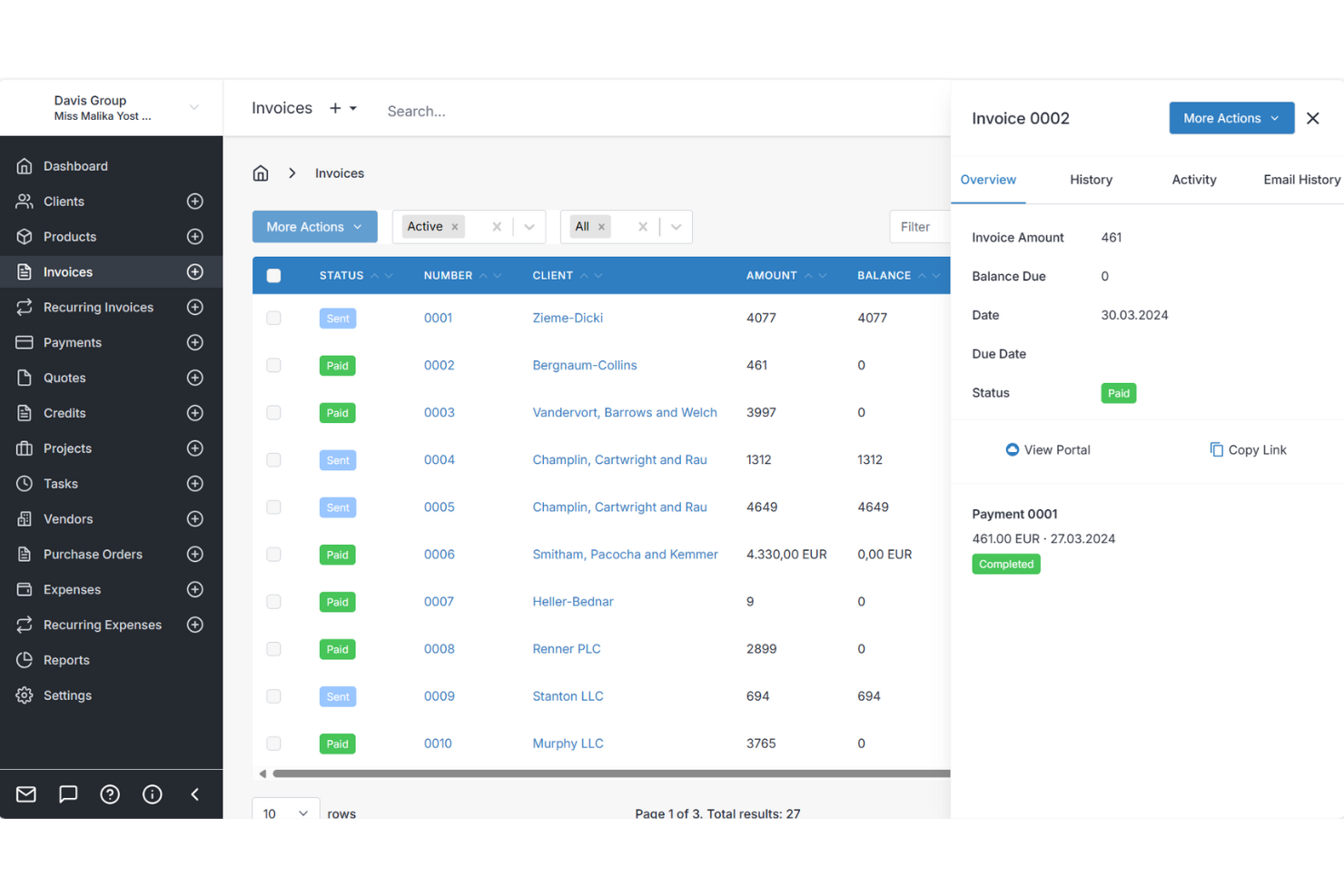
Invoice Ninja è una piattaforma web progettata per aiutare piccole imprese e professionisti indipendenti a gestire fatturazione, pagamenti e monitoraggio del tempo. Si rivolge a freelance e fornitori di servizi che necessitano di gestire la fatturazione dei clienti e attività contabili di base.
Perché ho scelto Invoice Ninja: Puoi utilizzare il piano gratuito per sempre di Invoice Ninja per inviare fatture e preventivi illimitati a un massimo di 20 clienti. Permette anche di monitorare il tempo, gestire le attività e accettare pagamenti online senza dover effettuare l’upgrade. Il portale clienti integrato consente ai tuoi clienti di visualizzare e pagare facilmente le fatture. Se fai il freelance o gestisci una microimpresa, è uno strumento pratico che copre le basi.
Caratteristiche principali e integrazioni:
Caratteristiche includono la gestione di attività e progetti, fatture ricorrenti e promemoria automatici di pagamento. Puoi personalizzare i modelli di fattura e impostare tasse, sconti e pagamenti parziali. Supporta inoltre diverse valute e lingue per collaborare con clienti internazionali.
Le integrazioni includono Zapier, Stripe, PayPal, Square, Slack, Trello, Google Drive, Dropbox, Microsoft OneDrive e Xero.
Cosa è gratuito? Piano gratuito disponibile fino a 20 clienti con la maggior parte delle funzionalità principali incluse.
Pros and Cons
Pros:
- Invio illimitato di fatture gratuito
- Include preventivi e proposte
- Dispone di strumenti integrati per il monitoraggio del tempo
- Offre accesso al portale clienti
Cons:
- Il piano gratuito è limitato a 20 clienti
- L’interfaccia sembra datata in alcune aree
- Alcune funzionalità sono nascoste nei menu

PayPal
Ideale per trasferimenti di denaro online gratuiti

PayPal è una piattaforma di pagamento online utilizzata da privati e aziende per inviare, ricevere e gestire pagamenti a livello internazionale. È ampiamente usata per trasferimenti personali, pagamenti e-commerce e transazioni di piccole imprese.
Perché ho scelto PayPal: PayPal permette di inviare denaro ad amici e familiari negli Stati Uniti gratuitamente usando il saldo PayPal o un conto bancario collegato. Non ci sono costi mensili né costi di attivazione per questa funzione. È facile da usare sia tramite app che dal web, e i trasferimenti sono generalmente istantanei. Se ti serve un modo semplice per spostare denaro online senza spese, copre le esigenze di base.
Funzionalità e integrazioni principali:
Le funzionalità includono protezione acquisti, metodi di pagamento salvati e pagamenti ricorrenti. È anche possibile creare pulsanti per donazioni e pagare con codici QR di persona. La piattaforma supporta più valute e offre il tracciamento della cronologia delle transazioni.
Le integrazioni includono Shopify, WooCommerce, Wix, BigCommerce, Magento, Xero, QuickBooks, Salesforce, Adobe Commerce e Squarespace.
Cosa è gratuito? Piano gratuito disponibile per l'invio di denaro all'interno degli Stati Uniti utilizzando un conto bancario o il saldo PayPal.
Pros and Cons
Pros:
- Nessuna commissione per trasferimenti personali negli Stati Uniti
- Funziona sul web e su mobile
- Invio e richiesta di denaro semplificati
- Nessuna configurazione richiesta per iniziare
Cons:
- Le funzionalità business hanno costi aggiuntivi
- Per i nuovi account possono essere applicate limitazioni
- Non ideale per flussi di lavoro con grandi team

Paddle
Ideale per aziende SaaS con clienti globali
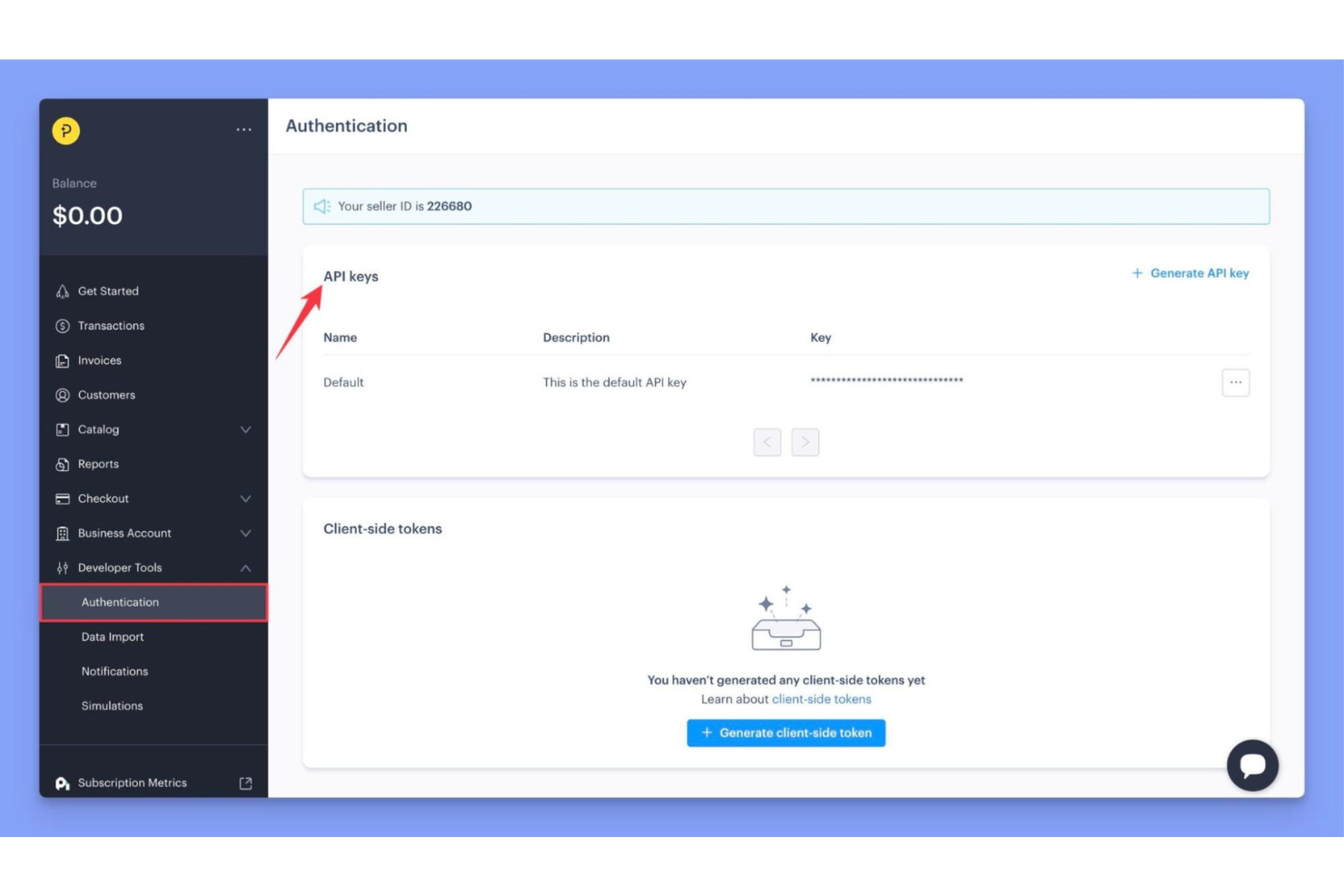
Paddle è una piattaforma di elaborazione pagamenti pensata per prodotti SaaS e digitali, che offre soluzioni come gestione degli abbonamenti, conformità fiscale e analisi dei ricavi. Serve principalmente le aziende SaaS, aiutandole a gestire in modo efficiente pagamenti e abbonamenti.
Perché ho scelto Paddle: L'offerta gratuita di Paddle include funzionalità essenziali per la gestione di abbonamenti e pagamenti senza la necessità di più fornitori. Si differenzia agendo come merchant of record, semplificando la gestione fiscale e della conformità. La piattaforma mette a disposizione strumenti per l'analisi degli abbonamenti e la riduzione automatica del churn, migliorando la fidelizzazione dei clienti. Queste caratteristiche sono allineate alla sua USP, focalizzata sulle imprese SaaS.
Caratteristiche e integrazioni principali:
Le funzionalità includono analisi in tempo reale degli abbonamenti, permettendo di monitorare la performance dei ricavi. La riduzione automatica del churn aiuta a migliorare la fidelizzazione dei clienti senza intervento manuale. La piattaforma offre inoltre una protezione antifrode completa che garantisce transazioni sicure.
Le integrazioni includono Salesforce, QuickBooks, Xero, HubSpot, Zapier, Slack, Microsoft Teams, Google Analytics, Mailchimp e Stripe.
Cosa è gratuito? Paddle offre un piano gratuito per sempre con commissioni sulle transazioni, che consente l'accesso alla gestione degli abbonamenti e alle analisi di base.
Pros and Cons
Pros:
- Conformità fiscale completa
- Servizio merchant of record
- Riduzione automatica del churn
- Adatto alle aziende SaaS
Cons:
- Opzioni di personalizzazione limitate
- Complessità per i principianti
- Richiede configurazione tecnica
Adyen
Ideale per sviluppatori che necessitano di accesso API

Adyen è una piattaforma globale di tecnologia finanziaria che aiuta le aziende ad accettare pagamenti su canali online, mobile e in negozio. È pensata per team esperti di tecnologia e imprese che necessitano di un controllo flessibile sulla configurazione dei pagamenti.
Perché ho scelto Adyen: Puoi utilizzare l'API di Adyen in un ambiente di test gratuito per sviluppare e provare i flussi di pagamento. È particolarmente utile se il tuo team desidera avere il pieno controllo sul processo di integrazione. Gli strumenti gratuiti permettono di esplorare funzionalità come la personalizzazione del checkout, le regole anti-frode e i metodi di pagamento locali. È una buona scelta se il tuo team preferisce creare configurazioni di pagamento personalizzate da zero.
Caratteristiche e integrazioni principali:
Le funzionalità includono strumenti di rilevamento delle frodi, impostazioni di gestione del rischio e dashboard di analisi dei clienti. Puoi anche gestire metodi di pagamento locali e conversione valutaria tutto in un unico posto. La piattaforma supporta pagamenti in presenza e ricorrenti da un unico backend.
Le integrazioni includono Magento, Salesforce Commerce Cloud, BigCommerce, WooCommerce, Wix, Adobe Commerce, Oracle, SAP, commercetools e VTEX.
Cosa è gratuito? Sono disponibili account di prova gratuiti con accesso completo alle API sandbox e alla documentazione, ma l'elaborazione reale richiede approvazione e accordo.
Pros and Cons
Pros:
- Accesso completo alla sandbox senza configurazione
- Permette agli sviluppatori di simulare condizioni reali
- Supporta molti tipi di pagamenti globali
- Offre potenti strumenti di test antifrode
Cons:
- Non ideale per piccoli team
- Serve approvazione per l'accesso live
- Guida limitata in modalità di test

Payoneer
Ideale per ricevere pagamenti da clienti internazionali
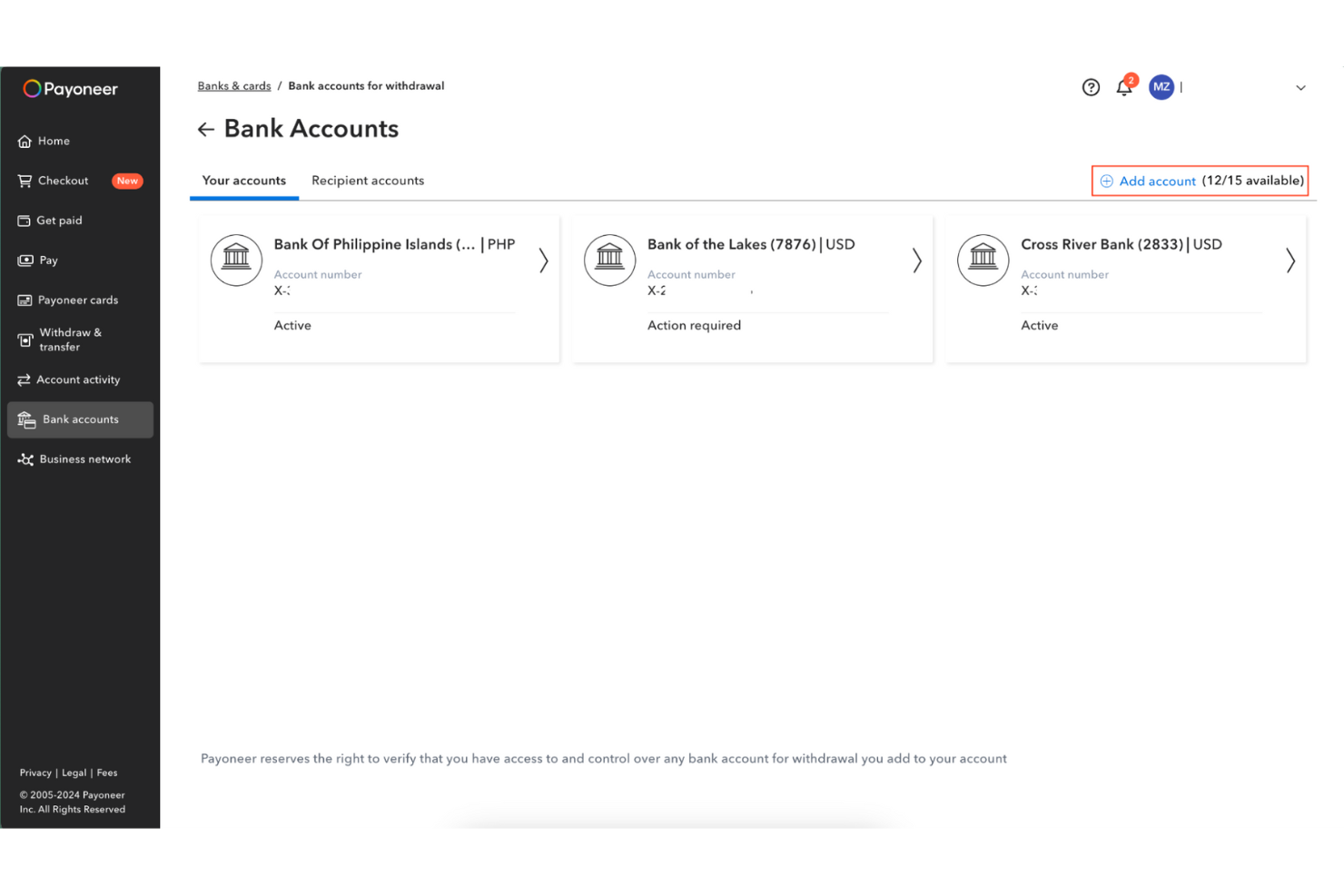
Payoneer è una piattaforma di elaborazione pagamenti progettata per freelance e aziende che gestiscono transazioni internazionali. Facilita i pagamenti globali, consentendo agli utenti di ricevere fondi da clienti e marketplace e di effettuare pagamenti a fornitori e collaboratori.
Perché ho scelto Payoneer: Il piano gratuito di Payoneer offre una gestione efficiente dei pagamenti transfrontalieri senza costi nascosti. È possibile ricevere pagamenti da altri utenti Payoneer gratuitamente, una caratteristica distintiva. La piattaforma supporta i prelievi su conti bancari locali, offrendo flessibilità per le transazioni globali. La possibilità di gestire più valute la rende ideale per aziende che lavorano con clienti internazionali.
Funzionalità e integrazioni principali:
Funzionalità includono la possibilità di ricevere pagamenti da clienti e marketplace, gestire più valute e prelevare fondi su conti bancari locali. Payoneer permette di effettuare pagamenti a fornitori e collaboratori, offrendo un modo semplificato di gestire le spese internazionali. La piattaforma fornisce anche una carta business per transazioni globali, aggiungendo praticità alle spese aziendali.
Integrazioni supportate: Amazon, Upwork, Airbnb, Fiverr, Shopify, eBay, Wish, Lazada, Rakuten e Walmart.
Cosa è gratuito? Payoneer offre un piano gratuito senza costi nascosti, permettendo agli utenti di gestire i pagamenti internazionali in modo efficiente. Possono essere applicate alcune commissioni di transazione a seconda del metodo di pagamento.
Pros and Cons
Pros:
- Supporta più valute
- Pagamenti gratuiti da utenti Payoneer
- Opzioni di prelievo flessibili
- Ideale per ogni tipo di lavoro
Cons:
- Assistenza clienti limitata
- Commissioni di conversione valuta
- Struttura tariffaria complessa

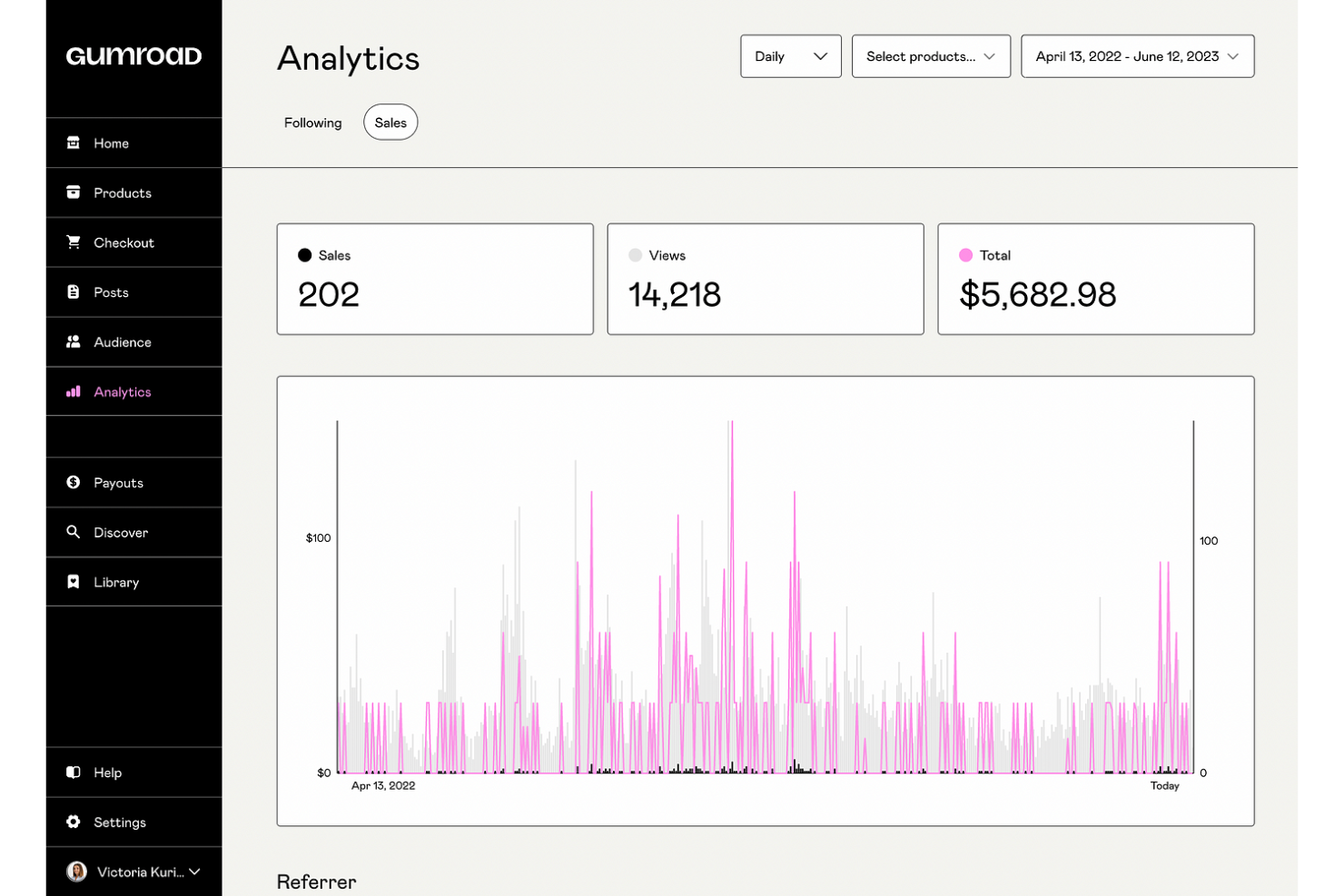
Gumroad è una piattaforma online che consente a creatori, artisti e imprenditori di vendere prodotti e servizi digitali. Supporta una vasta gamma di prodotti, dalle video lezioni agli abbonamenti, e offre strumenti per monetizzare le proprie competenze e far crescere le proprie attività.
Perché ho scelto Gumroad: L'offerta gratuita di Gumroad permette di vendere prodotti digitali senza costi mensili, rendendola accessibile ai creatori alle prime armi. Si distingue per gli store personalizzabili e le opzioni di pagamento flessibili come il 'paga quanto vuoi'. Puoi creare il tuo pubblico tramite post e newsletter, migliorando il coinvolgimento. La semplicità della piattaforma e l'attenzione alle vendite digitali sono in linea con il suo punto di forza.
Funzionalità e integrazioni eccezionali:
Le funzionalità includono store personalizzabili che ti permettono di creare un'esperienza di acquisto unica. La piattaforma supporta opzioni di pagamento flessibili, inclusi abbonamenti e prezzi 'paga quanto vuoi'. Puoi coinvolgere il tuo pubblico con post e flussi di lavoro automatizzati per tenerli informati e connessi.
Le integrazioni includono Zapier, Mailchimp, ConvertKit, Drip, Slack, WordPress, Squarespace, Google Analytics, Facebook Pixel e Twitter.
Cosa è gratuito? Gumroad offre un piano gratuito per sempre che ti permette di vendere prodotti digitali senza commissioni mensili, anche se vengono applicate commissioni sulle transazioni.
Pros and Cons
Pros:
- Prezzi 'paga quanto vuoi'
- Storefront personalizzabili
- Supporta diversi tipi di prodotti digitali
- Coinvolgimento del pubblico facilitato
Cons:
- Personalizzazione del design limitata
- Solo prodotti digitali
- Assistenza clienti limitata

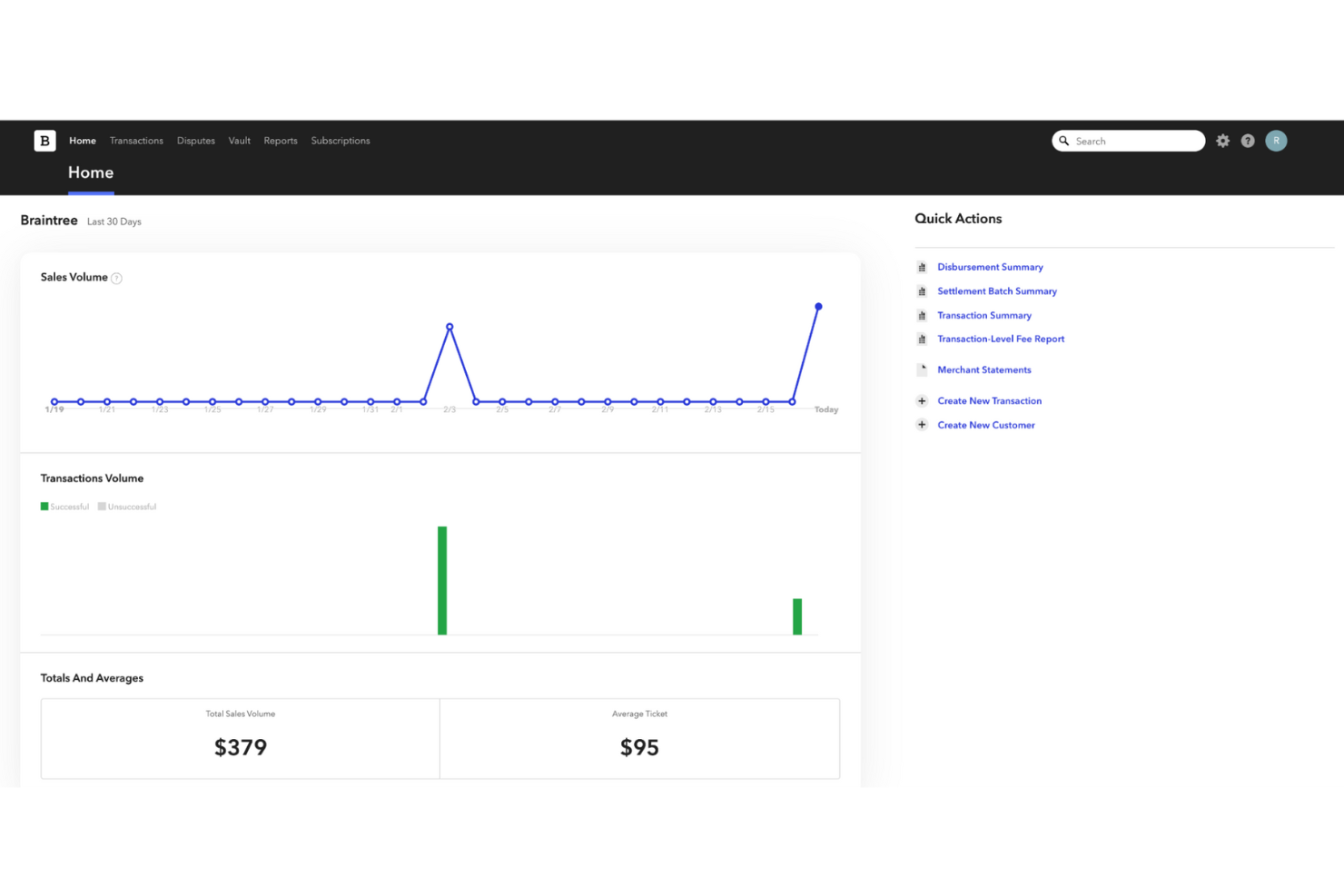
PayPal Enterprise, precedentemente noto come Braintree, è una soluzione globale per l'elaborazione dei pagamenti ideale per le aziende che vogliono gestire le transazioni online. Supporta una varietà di metodi di pagamento, tra cui carte di credito, portafogli digitali e opzioni locali, rendendolo adatto alle aziende che operano nei mercati internazionali.
Perché ho scelto PayPal Enterprise: L'offerta gratuita della piattaforma mette a disposizione una suite completa di sistemi di pagamento, consentendo alle aziende di soddisfare un vasto pubblico senza costi iniziali. Il supporto per i pagamenti a tocco singolo e gli SDK mobile migliora l'esperienza utente. L'accento posto sulla sicurezza attraverso la conformità PCI e la gestione delle frodi rappresenta un grande vantaggio. Inoltre, la possibilità di elaborare transazioni in oltre 200 mercati lo rende perfetto per il commercio globale.
Funzionalità e integrazioni principali:
Le funzionalità includono il supporto per molteplici metodi di pagamento, come carte di credito e portafogli digitali come Apple Pay e Google Pay. La piattaforma è conforme agli standard PCI di Livello 1, garantendo transazioni sicure. È disponibile un ambiente sandbox per i test, consentendo alle aziende di esplorare le funzionalità senza impegno.
Le integrazioni includono Shopify, WooCommerce, BigCommerce, Magento, Salesforce, Xero, QuickBooks, NetSuite, HubSpot e Zendesk.
Cosa offre gratuitamente? PayPal Enterprise propone una soluzione di pagamento solida senza costi iniziali, ma si applicano commissioni sulle transazioni in base ai metodi di pagamento utilizzati.
Pros and Cons
Pros:
- Sicurezza e gestione delle frodi avanzate
- Ampie risorse per sviluppatori
- Disponibile in oltre 200 mercati
- Integrazione semplice con altri servizi
Cons:
- Possibili difficoltà per piccole imprese
- Richiede configurazione tecnica
- Opzioni di personalizzazione limitate

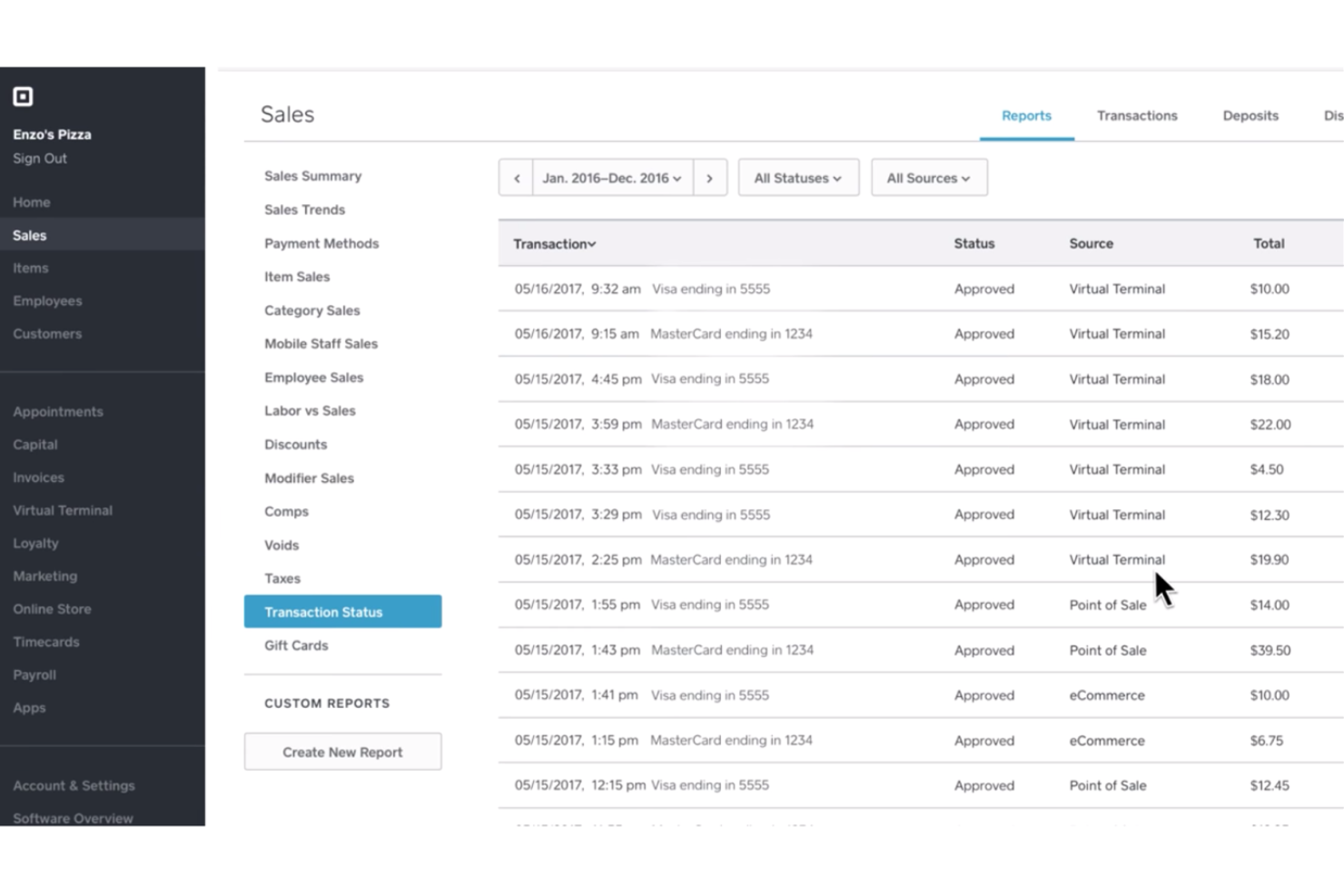
Square è una piattaforma di elaborazione pagamenti pensata per una varietà di tipologie di attività, tra cui negozi al dettaglio, ristoranti e fornitori di servizi. Offre funzioni essenziali come l'elaborazione dei pagamenti, la gestione dell'inventario e strumenti per coinvolgere i clienti.
Perché ho scelto Square: Il piano gratuito di Square consente l'accesso alle principali funzionalità senza costi di attivazione o canoni mensili, rendendolo conveniente per le piccole imprese. La piattaforma supporta diversi metodi di pagamento, tra cui carte di credito, Apple Pay e Google Pay, garantendo flessibilità al tuo team. Grazie a strumenti come i sistemi di punto vendita e i negozi online, puoi gestire le vendite sia in presenza sia online. La versatilità e la semplicità d'uso di Square lo rendono una scelta preziosa per esigenze aziendali diversificate.
Caratteristiche principali e integrazioni:
Le caratteristiche includono la gestione dell'inventario per monitorare i livelli di stock e le prestazioni delle vendite. Square offre anche funzionalità di fatturazione, che permettono di inviare e gestire con facilità le fatture. La piattaforma mette a disposizione strumenti di marketing per aiutarti a coinvolgere i clienti e far crescere la tua attività.
Le integrazioni includono Shopify, WooCommerce, BigCommerce, Magento, QuickBooks, Xero, NetSuite, Mailchimp, Zendesk e Salesforce.
Cosa è gratis? Square offre un piano gratuito per sempre senza costi di attivazione o canoni mensili, ma si applicano costi di transazione per ogni pagamento elaborato.
Pros and Cons
Pros:
- Supporta vari metodi di pagamento
- Versatile per differenti tipologie di attività
- Ampia gamma di opzioni hardware
- Facile da gestire sia le vendite online che offline
Cons:
- Funzionalità avanzate limitate nel piano gratuito
- Potrebbe essere necessario acquistare hardware
- L'assistenza clienti può essere lenta

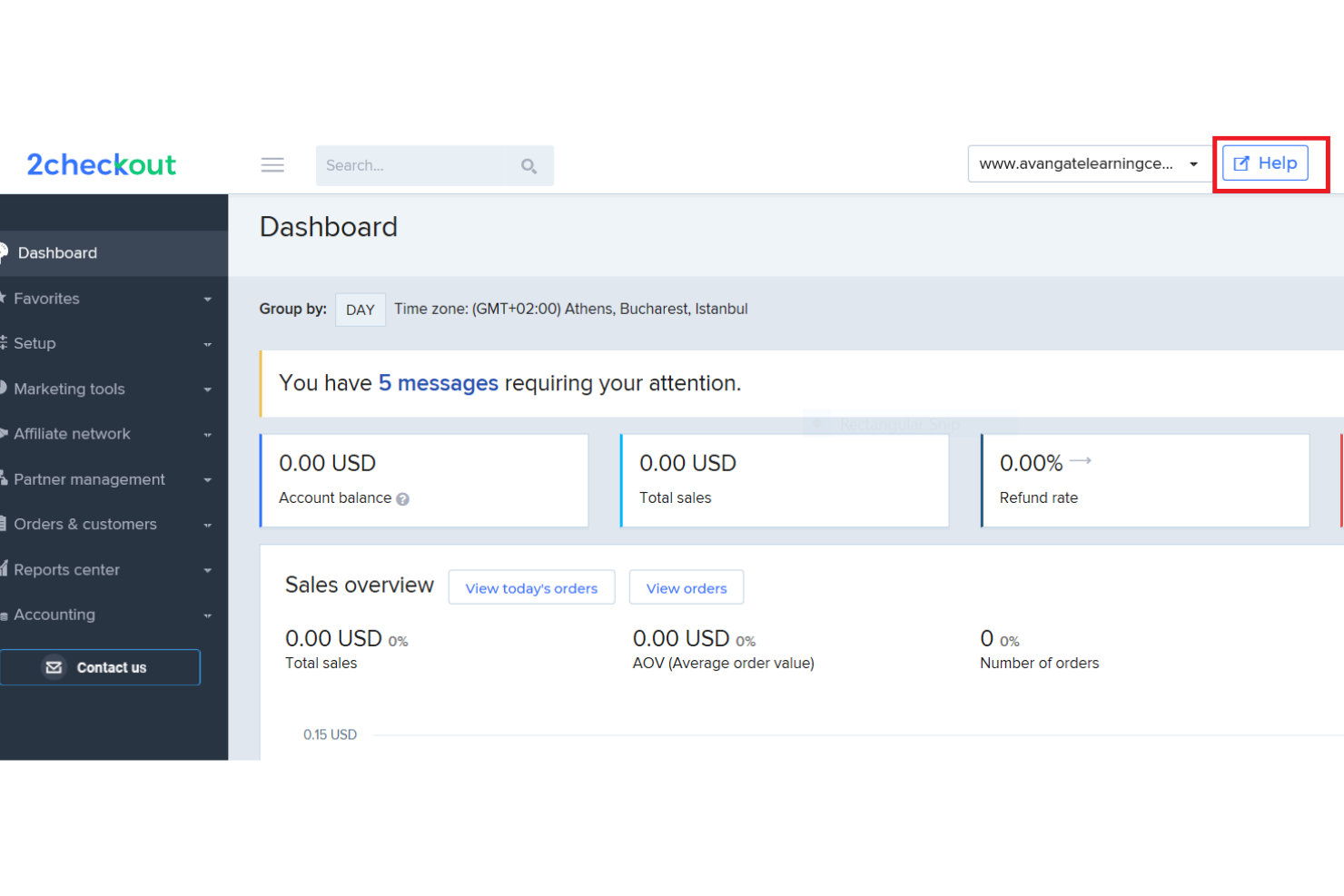
2Checkout è una piattaforma di commercio digitale che aiuta le aziende a vendere prodotti e abbonamenti a livello globale. È utilizzata da aziende che offrono beni digitali, software e servizi online che necessitano di strumenti di fatturazione flessibili e di localizzazione.
Perché ho scelto 2Checkout: L’account di prova gratuito ti permette di simulare acquisti, configurare i flussi di pagamento e visualizzare l’esperienza di checkout in oltre 15 lingue. È particolarmente utile se vendi contenuti digitali o software a livello internazionale. Puoi testare funzionalità come la gestione delle tasse e della conformità, la localizzazione e la fatturazione ricorrente. È un’ottima opzione se il tuo team deve testare transazioni globali prima del lancio.
Funzionalità e integrazioni principali:
Le funzionalità includono checkout localizzato, fatturazione degli abbonamenti e gestione delle imposte sulle vendite. Puoi creare cataloghi di prodotti e avviare campagne di prezzi promozionali. C’è anche il supporto integrato per la concessione di licenze e la consegna di prodotti digitali.
Le integrazioni includono Shopify, WooCommerce, BigCommerce, Magento, Wix, PrestaShop, OpenCart, Ecwid, Drupal e Zoho.
Cosa è gratuito? Account di test gratuito disponibile con accesso a tutte le funzionalità sandbox per il checkout e i test di integrazione.
Pros and Cons
Pros:
- Strumenti di fatturazione ricorrente nella sandbox
- Simula vendite globali reali
- Anteprima integrata per tasse e conformità
- Funziona con diversi formati digitali
Cons:
- Richiede approvazione per la pubblicazione
- L’interfaccia può essere difficile da navigare
- Nessuna chat dal vivo nella versione gratuita
Altri software gratuiti per l'elaborazione dei pagamenti
Ecco alcune opzioni aggiuntive di software per l’elaborazione dei pagamenti che offrono anch’esse piani o prove gratuite. Sebbene questi strumenti non siano entrati nella mia selezione, vale comunque la pena esaminarli:
- Wave Payments
Ideale per inviare fatture senza commissioni
- Slash
Il migliore per flessibilità nei pagamenti globali e premi
- PayAnywhere
Ideale per app POS mobile gratuita


Come Valuto il Software Gratuito per l'Elaborazione dei Pagamenti
Che tu sia un venditore occasionale che applica tariffe per transazione o un rivenditore con più sedi che sincronizza i pagamenti con l'inventario, suddivido la mia valutazione in requisiti di base e in ciò che distingue davvero gli strumenti.
Funzionalità Chiave (Requisiti Minimi per Questa Lista)
Quando seleziono gli strumenti per la mia lista, assegno a ciascuno un punteggio da 0 (non offre la funzionalità) a 5 (eccelle in quest'area) per ognuna delle funzionalità chiave elencate di seguito. Successivamente, calcolo il punteggio totale dello strumento in percentuale. Ogni strumento deve raggiungere un punteggio totale minimo del 65% per essere preso in considerazione.
- Piano Veramente Gratuito: Verifico che lo strumento offra un livello gratuito permanente senza costi di abbonamento mensili, non solo un periodo di prova o un piano freemium che limita le funzioni di pagamento essenziali dietro un paywall.
- Accettazione di Pagamenti Multicanale: Uno strumento dovrebbe permetterti di ricevere pagamenti di persona al banco, online tramite il tuo negozio e tramite fatture o link di pagamento—quindi valuto la gamma di canali di vendita coperti da ogni fornitore.
- Supporto dei Principali Metodi di Pagamento: Cerco l'accettazione di tutte le principali reti di carte oltre a portafogli digitali come Apple Pay e Google Pay, poiché sempre più clienti pagano con il contactless alla cassa.
- Conformità PCI e Sicurezza: Ogni piattaforma dovrebbe gestire la conformità PCI-DSS, la crittografia e la tokenizzazione internamente, così il piccolo rivenditore non deve occuparsi da solo delle infrastrutture di sicurezza.
- Integrazione POS per il Retail: Valuto se lo strumento si collega o include funzionalità di punto vendita come scontrini, gestione dei rimborsi e tracciamento dell'inventario—elementi che un negoziante usa ogni giorno.
- Gestione dei Report e dei Pagamenti: Programmi di deposito trasparenti e report di vendita facilmente accessibili sono fondamentali per le riconciliazioni giornaliere, quindi osservo come ogni strumento fornisce dati sulle transazioni e gestisce i trasferimenti al tuo conto bancario.
Una volta ottenuta una lista di strumenti che soddisfano questi criteri, considero ciò che rende ogni piattaforma unica.
Fattori di Differenziazione (Cosa Distingue i Fornitori)
Ecco come confronto e metto in risalto i diversi fornitori:
Caratteristiche Distintive
La modalità offline è molto importante se vendi in mercati o eventi itineranti dove il Wi-Fi può venire meno durante una transazione. Valuto anche se una piattaforma fornisce gratuitamente un lettore di carte, dato che elimina un vero costo iniziale per chi avvia un'attività. La gestione dell'inventario integrata è un altro elemento che considero—quando il tuo strumento di pagamento traccia lo stock e sincronizza le quantità al punto vendita, eviti di dover gestire un sistema di retail separato.
Oltre le Funzionalità
La trasparenza nei costi di transazione è la prima cosa che guardo—commissioni nascoste per chargeback o per la conformità PCI possono erodere silenziosamente i margini di un piccolo negozio. Considero anche la rapidità con cui è possibile passare dalla registrazione all'accettazione del primo pagamento, dato che alcune piattaforme approvano immediatamente gli account mentre altre richiedono un processo di verifica che può ritardare l'attivazione di alcuni giorni. Le integrazioni con altri strumenti tecnologici per il retail completano la mia valutazione. Collegarsi al software di contabilità o a una piattaforma ecommerce mantiene i dati sulle vendite sincronizzati senza esportazioni manuali.
Che cos'è il software gratuito per l'elaborazione dei pagamenti?
Il software gratuito per l'elaborazione dei pagamenti è un software che consente alle aziende di gestire le transazioni elettronicamente senza pagare costi iniziali o mensili.
Questi strumenti aiutano le piccole imprese, i liberi professionisti e i negozi ad accettare pagamenti con carta, trasferimenti ACH o pagamenti online mantenendo bassi i costi.
I piani gratuiti coprono solitamente gli aspetti essenziali, come transazioni sicure, fatturazione e diversi metodi di pagamento, con commissioni standard per ogni transazione. Sono progettati per aiutarti a mantenere attivo il flusso di cassa senza aggiungere un'altra spesa mensile.
Come scegliere un software gratuito per l'elaborazione dei pagamenti
Scegliere un software gratuito per l'elaborazione dei pagamenti non significa prendere qualunque soluzione sembri economica. Significa assicurarsi che funzioni davvero per il tuo team, i tuoi flussi di lavoro e i tuoi clienti, senza che commissioni impreviste divorino il tuo margine. Ecco cosa valutare prima di decidere.
| Fattore | Cosa valutare |
|---|---|
| Portata dell'offerta gratuita | Verifica cosa è realmente gratuito. Cerca limiti alle transazioni, commissioni standard ed eventuali costi nascosti. |
| Scalabilità | Assicurati che possa crescere insieme alla tua attività. Controlla se supporta più vendite, metodi di pagamento e funzionalità. |
| Integrazioni | Verifica che si colleghi ai tuoi sistemi di contabilità, commercio elettronico e punto vendita, per evitare l'inserimento manuale dei dati. |
| Semplicità d'uso | Prova l'interfaccia. Il tuo team non dovrebbe aver bisogno di formazione solo per gestire pagamenti con carta o fatture. |
| Sicurezza | Verifica la conformità PCI e la protezione dalle frodi. Mantieni i dati di pagamento dei clienti adeguatamente protetti. |
| Assistenza clienti | Cerca vere opzioni di assistenza, come chat o telefono, non solo infinite domande frequenti. |
| Compatibilità mobile | Assicurati che esista una solida app mobile per le vendite di persona e l'elaborazione dei pagamenti in mobilità. |
| Personalizzazione | Controlla se puoi personalizzare con il tuo marchio le fatture e le pagine di pagamento, per mantenere un'esperienza cliente professionale. |
Caratteristiche del software gratuito per l'elaborazione dei pagamenti
Chiariamo subito: gratuito non significa “completo di tutte le funzionalità”. Ecco cosa ci si può aspettare solitamente senza costi e cosa i fornitori riservano ai clienti paganti.
Funzionalità generalmente gratuite del software per l'elaborazione dei pagamenti
- Elaborazione di base delle transazioni. Gestisce carte di credito, carte di debito e pagamenti ACH con commissioni standard sulle transazioni.
- Transazioni sicure. Soddisfa i requisiti di conformità PCI per proteggere i dati di pagamento dei clienti.
- Supporto multivaluta. Accetta pagamenti in valute diverse per l'e-commerce e le vendite internazionali.
- Fatturazione online. Consente di inviare e gestire le fatture senza software aggiuntivi.
- Reportistica di base. Fornisce semplici riepiloghi delle vendite e delle transazioni per tenere sotto controllo il flusso di cassa.
- Integrazioni con la contabilità. Si collega a QuickBooks e ad altri sistemi per semplificare la riconciliazione.
- Accesso all'app mobile. Consente di accettare pagamenti di persona su dispositivi mobili con un lettore di carte (Android o iPhone).
Funzionalità generalmente a pagamento del software per l'elaborazione dei pagamenti
- Analisi avanzate. Analizza in dettaglio i dati sulle vendite, i metodi di pagamento e le tendenze dei clienti.
- Pagine di pagamento personalizzabili. Consente di personalizzare il marchio dell'esperienza di pagamento in modo che corrisponda al proprio negozio.
- Gestione della fatturazione ricorrente. Automatizza gli abbonamenti e i pagamenti ricorrenti con meno complicazioni.
- Strumenti di protezione dalle frodi. Aggiunge il rilevamento delle frodi in tempo reale per ridurre gli storni di addebito e le transazioni sospette.
- Assistenza clienti prioritaria. Offre risposte più rapide, chat dal vivo o assistenza telefonica quando si verifica un problema.
- Terminale virtuale. Consente di inserire manualmente i pagamenti con carta, una soluzione utile per gli ordini telefonici o le vendite effettuate dal back office.
- Accesso API. Supporta integrazioni avanzate con i flussi di lavoro e i sistemi di e-commerce esistenti.
Vantaggi del software gratuito per l'elaborazione dei pagamenti
Il software gratuito per l'elaborazione dei pagamenti non significa fare meno, ma fare abbastanza senza aggiungere un'altra spesa mensile. Ecco cosa si ottiene realmente scegliendo l'opzione giusta.
- Risparmio sui costi. Elimina le commissioni di configurazione e i costi mensili, consentendo di investire di più in inventario, personale o marketing.
- Accessibilità. Offre a piccole imprese e startup un modo per accettare pagamenti con carta, pagamenti ACH e pagamenti online senza impegni gravosi.
- Flessibilità. Supporta diversi metodi di pagamento, inclusi POS di persona, e-commerce e vendite tramite app mobile.
- Sicurezza. Fornisce conformità PCI e funzionalità di protezione dalle frodi per mantenere al sicuro le transazioni con carta e i dati dei clienti.
- Efficienza. Semplifica i flussi di lavoro con fatturazione online, link di pagamento e reportistica di base per mantenere attivo il flusso di cassa.
- Scalabilità. Permette di iniziare gratuitamente e passare a un piano superiore quando servono funzionalità avanzate come la fatturazione ricorrente o un terminale virtuale.
- Facilità d'uso. Offre dashboard intuitive e integrazioni con software di contabilità per ridurre le complicazioni per il team.
Costi e prezzi del software gratuito per l'elaborazione dei pagamenti
I piani gratuiti sono ottimi, ma prevedono comunque un costo per ogni transazione. La maggior parte delle piattaforme di pagamento applica commissioni fisse sull'account o componenti aggiuntivi alle tariffe per carte e pagamenti ACH. Ecco come si delineano solitamente i costi reali quando servono più delle funzionalità di base.
| Tipo di piano | Prezzi tipici | Funzionalità comuni | Ideale per |
|---|---|---|---|
| Base/gratuito | $0 mensili + 2.9% + 30¢ per transazione con carta | Elaborazione di base delle transazioni, pagamento sicuro, conformità PCI | Nuovi negozi che vogliono testare il mercato |
| Pacchetti aggiuntivi | $15–$50 mensili per componente aggiuntivo del prodotto (tariffa fissa) | Gestione degli abbonamenti, controlli avanzati contro le frodi, report dettagliati | Commercianti che necessitano di una o due funzionalità professionali |
| Fascia intermedia | Tariffa fissa dell'account di $25–$60 mensili + commissioni standard per transazione | Funzionalità raggruppate (fatturazione, frodi, report), supporto via email, branding personalizzato | Team in crescita che desiderano una soluzione completa |
| Aziendale | A partire da circa $150 mensili o negoziabile; le tariffe per transazione diminuiscono | Account manager dedicato, sconti sui volumi, garanzie SLA, integrazioni personalizzate | Commercianti ad alto volume che richiedono flessibilità |
Fattori aggiuntivi
- Gli sconti sui volumi riducono le tariffe. Con l'aumentare dell'elaborazione mensile, puoi negoziare commissioni percentuali più basse o tariffe a scaglioni.
- Per transazione rispetto a per postazione. Quasi mai pagherai "per utente": si tratta di tariffe fisse o di prezzi basati sull'utilizzo, non di fatturazione per postazione.
- La geografia e il tipo di pagamento sono importanti. Le carte internazionali, AMEX e ACH spesso comportano commissioni più elevate o sovrapprezzi separati.
- Il lavoro personalizzato ha un costo aggiuntivo. Le integrazioni API, le soluzioni white-label o la reportistica su misura sono generalmente soggette a commissioni per servizi professionali o incluse in piani di fascia superiore.
- Il livello di supporto varia. Il supporto via email può essere gratuito, ma il supporto telefonico 24 ore su 24, 7 giorni su 7 o gli SLA sono generalmente disponibili nei piani superiori o negli accordi aziendali.
Domande frequenti sul software gratuito per l'elaborazione dei pagamenti
Ecco alcune risposte alle domande comuni sul software gratuito per l’elaborazione dei pagamenti:
Come posso evitare i costi nascosti con il software gratuito per l'elaborazione dei pagamenti?
Il software gratuito per l’elaborazione dei pagamenti non è davvero gratuito se non si presta attenzione alle commissioni sulle transazioni e alle commissioni di elaborazione. Controlla sempre la tariffa per le transazioni con carta di credito, i pagamenti ACH e le carte internazionali.
Cerca commissioni mensili fisse sul conto che scattano con un utilizzo maggiore o con funzionalità aggiuntive. Modella il tuo volume di vendite effettivo per conoscere il costo mensile reale prima di impegnarti.
I piani gratuiti funzionano sia per le vendite di persona sia per quelle online?
Molte soluzioni gratuite per l’elaborazione dei pagamenti supportano sia i pagamenti tramite e-commerce sia le transazioni POS di persona. Cerca la compatibilità con le app mobili, il supporto per i lettori di carte e le integrazioni con i sistemi di pagamento o fatturazione già in uso.
Assicurati che gestisca pagamenti con carta, trasferimenti ACH e pagamenti senza contatto senza costringerti a effettuare riconciliazioni o inserimenti di dati manuali.
Qual è la differenza nell'assistenza tra i piani gratuiti e quelli a pagamento?
I piani gratuiti offrono in genere solo assistenza via email o risorse nel centro assistenza. I livelli a pagamento di solito consentono di accedere alla chat dal vivo o all’assistenza telefonica 24 ore su 24, 7 giorni su 7.
Se il tuo flusso di cassa dipende dalla rapida risoluzione dei problemi, ad esempio per gestire gli storni o risolvere un’interruzione del sistema di pagamento, vale la pena valutare il valore di un’assistenza più rapida e dedicata.
Come posso sapere se un fornitore è sicuro e conforme?
Verifica che il fornitore offra la conformità PCI, strumenti di protezione dalle frodi e politiche sicure per la gestione dei dati. Anche il software gratuito per l’elaborazione dei pagamenti dovrebbe crittografare i dati di pagamento e offrire un’esperienza di pagamento sicura.
Non compromettere la protezione dei pagamenti con carta o dei dati dei clienti solo per risparmiare qualche soldo inizialmente.
Quanto è difficile cambiare elaboratore dei pagamenti in seguito?
Cambiare fornitore è generalmente semplice, ma richiede pianificazione. Dovrai ricollegare il conto bancario, configurare i link di pagamento e integrare il nuovo servizio con i sistemi e-commerce o POS.
Prevedi un po’ di tempo per i test, così da assicurarti che i pagamenti con carta e i trasferimenti ACH funzionino senza problemi. È consigliabile pianificare un breve periodo di sovrapposizione per non interrompere i pagamenti o la fatturazione.
Quando dovrei valutare il passaggio a un piano a pagamento?
Se hai bisogno di funzionalità avanzate come la fatturazione ricorrente, il rilevamento delle frodi o integrazioni personalizzate con la tua piattaforma e-commerce o il software di contabilità, è il momento di valutare il passaggio a un piano superiore.
Con l’aumento del volume delle transazioni, i piani a pagamento possono offrire tariffe per transazione più basse o sconti sul volume che riducono effettivamente i costi complessivi, fornendo al contempo un’assistenza e una flessibilità migliori.