

I 10 migliori costruttori gratuiti di siti web per e-commerce nel 2026

I 10 migliori strumenti gratuiti per creare siti web di e-commerce per iniziare


Siamo realistici: avviare un negozio online senza budget è come cercare di aprire una panetteria senza farina. Hai la passione, il prodotto e la determinazione… ma dove trovi i soldi per un sito web elegante?
Spoiler: non serve avere un portafoglio gonfio per lanciare un ottimo sito di e-commerce.
La buona notizia? Esistono strumenti gratuiti per creare siti web di e-commerce. La cattiva notizia? Alcuni sembrano realizzati nei primi anni 2000 (e non in modo piacevolmente rétro).
Ti serve una piattaforma dall’aspetto professionale, che funzioni senza problemi e che, soprattutto, non ti addebiti costi nascosti quando inizierai a vendere.
Abbiamo trascorso ore a testare i migliori strumenti gratuiti per creare siti di e-commerce, analizzando ciò che offrono davvero (oltre alle esagerazioni del marketing). Questa guida fa chiarezza e ti propone le migliori opzioni gratuite per avviare il tuo negozio, senza sacrificare la qualità.
Perché fidarsi dei nostri consigli sui software
Il nostro team testa e recensisce software dal 2012. In quanto leader del retail noi stessi, sappiamo quanto sia difficile — e importante — scegliere il software giusto.
Per questa guida, abbiamo valutato gli strumenti attraverso test pratici e ricerche indipendenti, assegnando un punteggio agli strumenti in base ai nostri criteri di selezione.
Le nostre recensioni riflettono il nostro giudizio indipendente, non un discorso di vendita.
Confronto diretto tra i migliori strumenti gratuiti per creare siti web di e-commerce
Sebbene tutti gli strumenti per creare siti web di e-commerce presenti nella mia lista offrano piani gratuiti, dispongono anche di piani a pagamento nel caso in cui desiderassi effettuare un upgrade. Qui troverai il prezzo base dei piani a pagamento di ciascuno, i dettagli delle prove gratuite e i casi d’uso ideali, così potrai prendere la tua decisione con estrema facilità.
| Tool | Best For | Trial Info | Price | ||
|---|---|---|---|---|---|
| 1 | Ideale per la vendita multicanale | Account gratuito disponibile | Da $5/mese (fatturato annualmente) | Website | |
| 2 | Ideale per una configurazione rapida | Piano gratuito disponibile | A partire da $12.80/mese | Website | |
| 3 | Ideale per utenti WordPress | Piano gratuito disponibile | Da $0 di commissione sulla piattaforma; estensioni da $29/anno | Website | |
| 4 | Ideale per principianti | Piano gratuito disponibile | Da $13/mese (fatturato annualmente) | Website | |
| 5 | Ideale per la flessibilità di design | Piano gratuito disponibile | Da $17/mese | Website | |
| 6 | Ideale per negozi a pagina unica | Piano gratuito disponibile | Da $8/mese (fatturazione annuale) | Website | |
| 7 | Ideale per prodotti digitali | Prova gratuita di 14 giorni | Da $29/mese (fatturato annualmente) | Website | |
| 8 | Ideale per prodotti illimitati | Piano gratuito disponibile | A partire da $41/mese | Website | |
| 9 | Ideale per banda illimitata | Piano gratuito disponibile | Da $15/mese | Website | |
| 10 | Ideale per l'integrazione di applicazioni aziendali | Prova gratuita + piano gratuito disponibile | Da $31.10/utente/mese (fatturazione annuale) | Website |
I 10 migliori strumenti gratuiti per creare siti web di e-commerce, recensiti
Bene, passiamo alle recensioni fresche (appena sfornate). Per ciascuno analizzeremo le caratteristiche principali, i pro & i contro, le integrazioni e i casi d’uso ideali, per aiutarti a trovare lo strumento più adatto a te.
Sebbene alcuni di questi strumenti offrano una versione completamente gratuita, altri propongono un periodo di prova gratuito. In ogni recensione ho aggiunto una nota su ciò che è gratuito.

Ecwid
Ideale per la vendita multicanale

Ecwid by Lightspeed è un creatore di siti e-commerce progettato per piccole imprese e imprenditori. Aiuta gli utenti a creare e gestire negozi online senza necessità di programmazione, permettendo la vendita online su varie piattaforme come social media e marketplace.
Perché ho scelto Ecwid by Lightspeed: Il piano gratuito di Ecwid consente di vendere su più piattaforme, in linea con il suo punto di forza della vendita multicanale. Puoi utilizzare modelli personalizzabili e un'interfaccia drag-and-drop per creare un negozio dall'aspetto professionale. La piattaforma supporta la vendita su Facebook, Instagram e Amazon, rendendola versatile per diversi canali di vendita. È accessibile sia da desktop che da mobile, assicurando la gestione del negozio anche in movimento.
Funzionalità e integrazioni principali:
Le funzionalità includono modelli personalizzabili, interfaccia drag-and-drop e strumenti di analisi per il monitoraggio delle prestazioni. Puoi integrare il tuo negozio con siti web esistenti, facilitando l'espansione della presenza online. La piattaforma supporta anche vetrine multilingue, ideale per una clientela diversificata.
Le integrazioni includono Facebook, Instagram, Amazon, eBay, Google Shopping, Square, Stripe, PayPal, Mailchimp e QuickBooks.
Cosa è gratis?
Ecwid by Lightspeed offre un piano gratuito per sempre con funzionalità di base e capacità di vendita multicanale, ma presenta limitazioni sul numero di prodotti che puoi inserire.
Pros and Cons
Pros:
- Vendita multicanale facile
- Modelli personalizzabili
- Interfaccia intuitiva
- Procedura di configurazione rapida
Cons:
- Alcune funzioni avanzate bloccate
- Analisi di base nel piano gratuito
- Nessun supporto telefonico nel piano gratuito

SITE123
Ideale per una configurazione rapida

SITE123 è un costruttore di siti web pensato per privati e piccole aziende di ecommerce che hanno bisogno di creare un sito velocemente e con facilità. Offre un'interfaccia semplice che permette agli utenti di impostare un negozio online funzionante senza competenze tecniche.
Perché ho scelto SITE123: Il piano gratuito di SITE123 consente una configurazione rapida, che è il suo principale punto di forza. Puoi creare un sito ecommerce semplice utilizzando il loro editor intuitivo, che non richiede alcuna conoscenza di programmazione. La piattaforma offre strumenti ecommerce di base, come la gestione del catalogo prodotti e l'elaborazione degli ordini. Questo lo rende adatto a chi ha bisogno di un modo veloce e senza complicazioni per essere online.
Caratteristiche principali & integrazioni:
Le caratteristiche includono un design mobile-responsive, che assicura che il tuo sito abbia un bell'aspetto su tutti i dispositivi. Puoi sfruttare gli strumenti SEO integrati per aumentare la visibilità del sito. La piattaforma offre anche il supporto multilingue, consentendoti di raggiungere un pubblico globale.
Le integrazioni includono Google Analytics, PayPal, Stripe, Facebook, Twitter, Mailchimp, Instagram, YouTube, Vimeo e Google Maps.
Cosa è gratuito?
SITE123 offre un piano gratuito permanente, ma include il marchio SITE123 e una capacità di archiviazione limitata.
Pros and Cons
Pros:
- Processo di configurazione rapido
- Supporto multilingue incluso
- Strumenti SEO integrati
- Non è richiesta alcuna programmazione
Cons:
- Marchio SITE123 sui siti gratuiti
- Solo funzionalità ecommerce di base
- Opzioni di personalizzazione del design limitate

Ideale per utenti WordPress
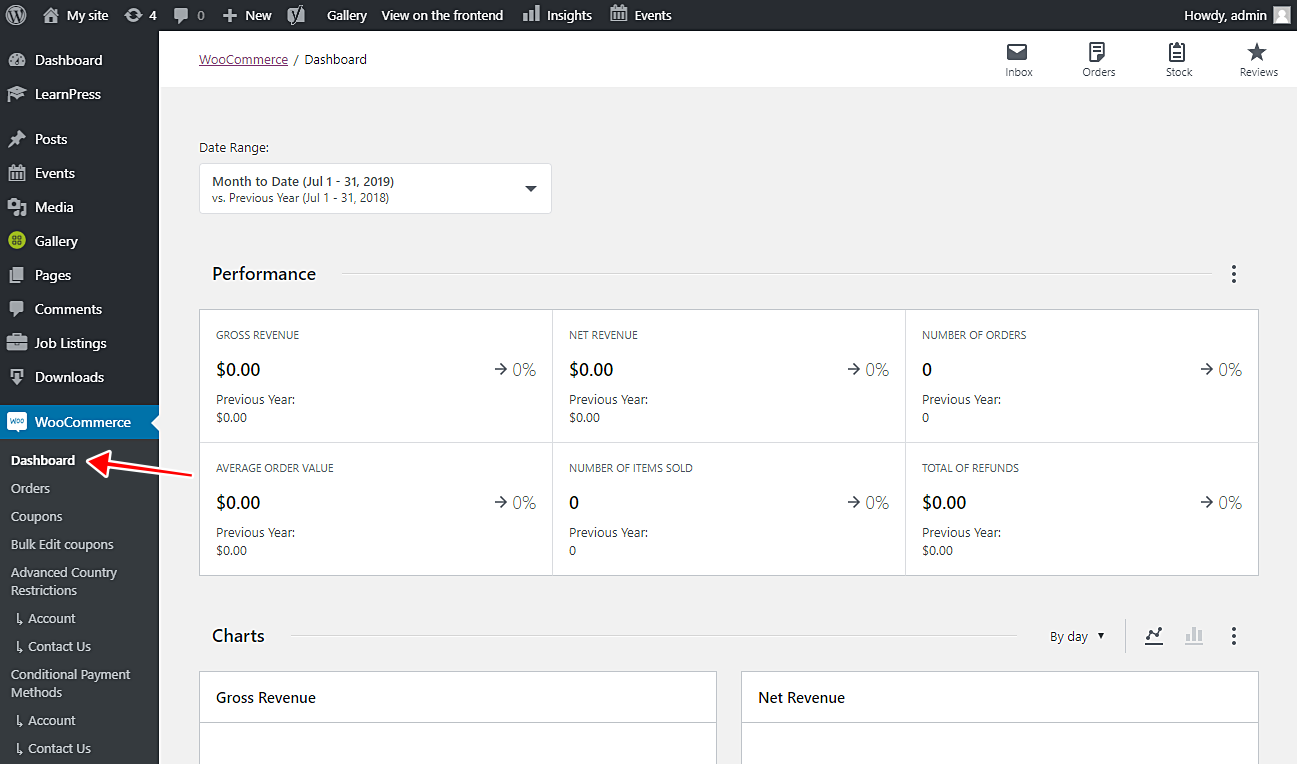
WooCommerce è una piattaforma ecommerce flessibile progettata per gli utenti WordPress che desiderano integrare un negozio online nei propri siti esistenti. Offre una vasta gamma di opzioni personalizzabili che aiutano gli utenti a gestire e far crescere la propria presenza ecommerce direttamente da WordPress.
Perché ho scelto WooCommerce: WooCommerce è un plugin gratuito che ti permette di aggiungere funzionalità ecommerce al tuo sito WordPress, pensato appositamente per gli utenti WordPress. Offre funzioni chiave come la gestione dei prodotti, dell'inventario e il tracciamento degli ordini senza alcun costo. Puoi personalizzare il tuo negozio con diversi temi ed estensioni, rendendolo adattabile al tuo marchio. L’integrazione perfetta con WordPress lo rende una delle scelte principali per chi già conosce la piattaforma.
Caratteristiche e integrazioni principali:
Le funzionalità includono strumenti di reportistica dettagliati che ti aiutano ad analizzare le vendite e il comportamento dei clienti. Puoi gestire la SEO del tuo negozio direttamente dalla piattaforma, garantendo una migliore visibilità online. La piattaforma supporta anche una vasta gamma di gateway di pagamento, migliorando l’esperienza di checkout per i tuoi clienti.
Le integrazioni includono PayPal, Stripe, Mailchimp, Facebook, Google Analytics, Amazon, eBay, Square, HubSpot e ShipStation.
Cosa è gratuito?
WooCommerce offre un piano gratuito per sempre come plugin per WordPress, permettendo la piena funzionalità ecommerce senza costi aggiuntivi, anche se alcune estensioni potrebbero essere a pagamento.
Pros and Cons
Pros:
- Integrazione completa con WordPress
- Opzioni di personalizzazione estese
- Ampia gamma di estensioni
- Forte supporto della community
Cons:
- È richiesta una conoscenza di WordPress
- Possibilità di costi elevati per i plugin
- Curva di apprendimento più ripida

Weebly
Ideale per principianti
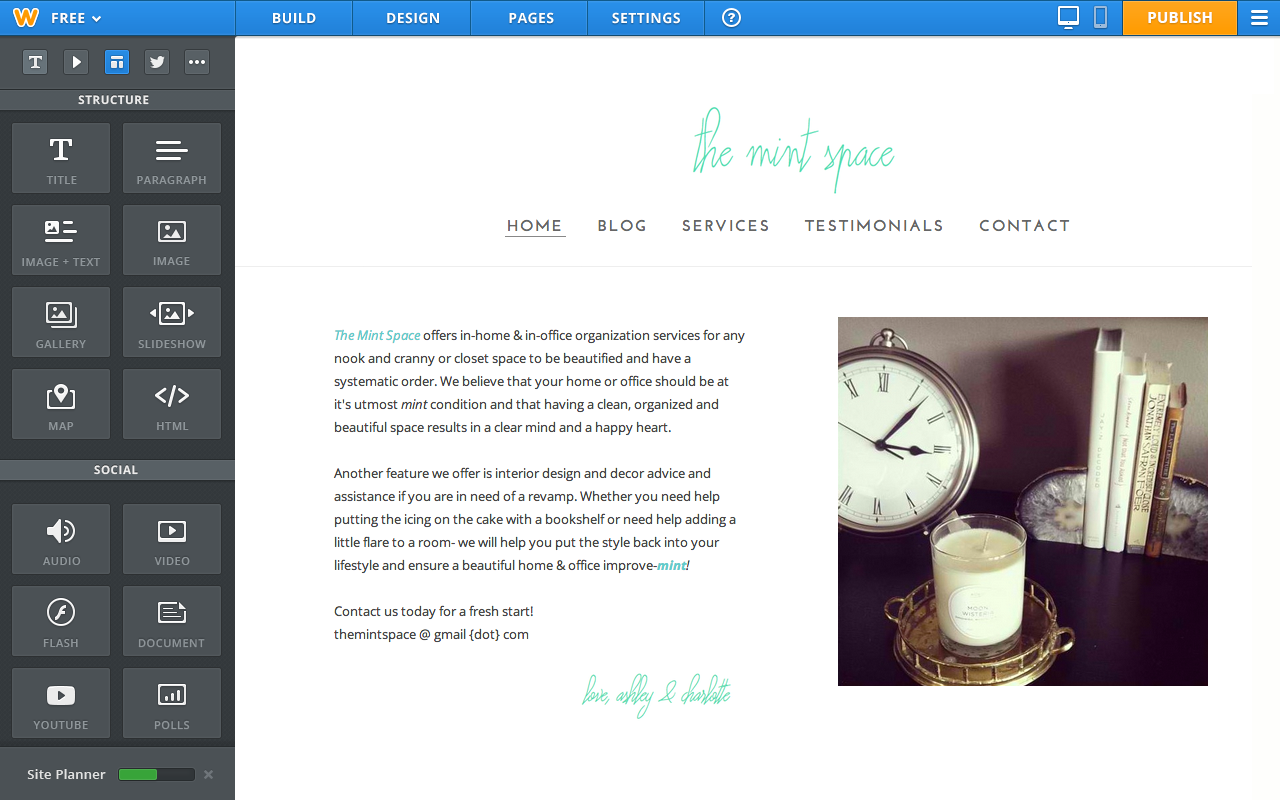
Weebly è un costruttore di siti ecommerce facile da usare, progettato per privati e piccole imprese. Offre strumenti intuitivi per creare negozi online, rendendolo ideale per utenti con poca o nessuna esperienza tecnica.
Perché ho scelto Weebly: Il piano gratuito di Weebly è perfetto per i principianti che vogliono iniziare a vendere online senza una curva di apprendimento ripida. Offre un editor drag-and-drop, temi personalizzabili e una piattaforma ecommerce di base per avviare il tuo negozio. La piattaforma include funzionalità essenziali come la gestione dell'inventario e strumenti SEO di base, accessibili senza costi. Puoi anche vendere un numero illimitato di articoli, rendendolo una scelta ottima per venditori su piccola scala.
Caratteristiche e integrazioni principali:
Le funzionalità includono un editor drag-and-drop intuitivo, che rende la progettazione semplice per chiunque. Puoi scegliere tra una varietà di temi personalizzabili per adattare l'aspetto al tuo marchio. La piattaforma offre inoltre strumenti SEO di base per aiutare il tuo negozio a essere trovato online.
Le integrazioni includono Square, PayPal, Stripe, Google Analytics, Facebook, Mailchimp, Shippo, TaxJar, QuickBooks e Zendesk.
Cosa è gratuito?
Weebly offre un piano gratuito per sempre con funzionalità ecommerce di base, ma include il branding Weebly sul tuo sito.
Pros and Cons
Pros:
- Facile da usare per chi inizia
- Funzionalità drag-and-drop
- Inserimenti illimitati di articoli
- Strumenti SEO di base inclusi
Cons:
- Branding Weebly sui siti gratuiti
- Funzionalità ecommerce di base
- Nessun supporto telefonico nel piano gratuito

Wix
Ideale per la flessibilità di design
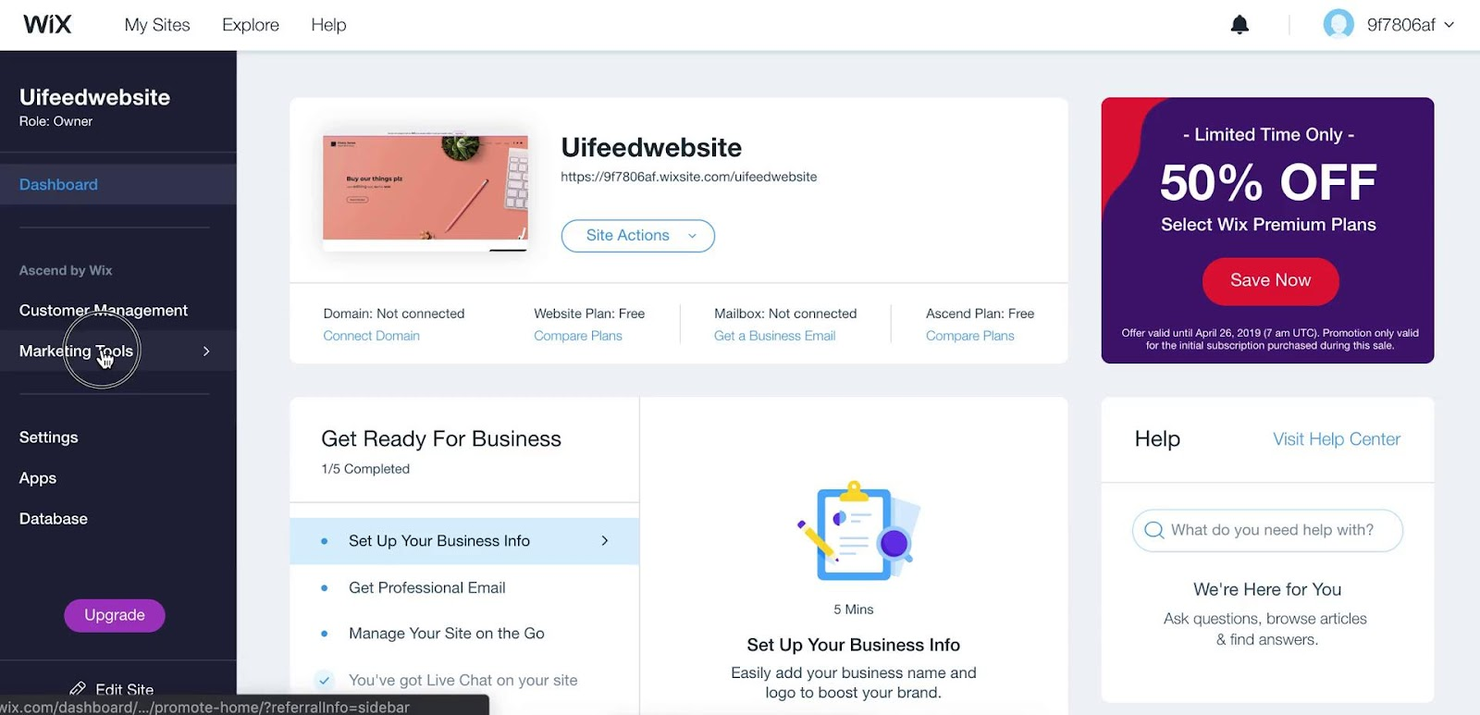
Wix è un creatore di siti web versatile pensato per privati e piccole imprese che desiderano realizzare siti visivamente attraenti. Offre un'ampia gamma di strumenti di design e modelli per aiutare gli utenti a creare negozi online e siti web unici senza necessità di competenze tecniche.
Perché ho scelto Wix: il piano gratuito di Wix offre grande flessibilità di design, ideale per chi vuole avere controllo creativo. Puoi scegliere tra un'ampia selezione di modelli e personalizzarli per adattarli all'identità del tuo marchio. L'editor drag-and-drop rende la progettazione intuitiva, anche per i principianti. Con le funzionalità ecommerce di base disponibili, è un ottimo punto di partenza per chiunque voglia sperimentare con la propria presenza online.
Caratteristiche distintive e integrazioni:
Le funzionalità includono un design ottimizzato per dispositivi mobili, assicurando che il tuo sito abbia un bell'aspetto su qualsiasi dispositivo. Puoi utilizzare il Wix App Market per aggiungere ulteriori funzionalità al tuo sito in base alle esigenze. La piattaforma offre anche strumenti SEO per migliorare la visibilità del sito nei motori di ricerca.
Le integrazioni includono Google Analytics, Facebook, Instagram, PayPal, Stripe, Mailchimp, QuickBooks, ShipStation, Etsy ed Eventbrite.
Cosa è gratuito?
Wix offre un piano gratuito per sempre con accesso a una vasta gamma di strumenti di design, ma con il brand Wix visibile sul sito.
Pros and Cons
Pros:
- Ampia selezione di template
- Editor intuitivo con trascinamento
- Opzioni di design ottimizzate per dispositivi mobili
- Strumenti SEO inclusi
Cons:
- Brand Wix visibile sui siti gratuiti
- Solo funzionalità ecommerce di base
- Alcune funzionalità di design sono limitate

Ideale per negozi a pagina unica

Strikingly è un costruttore di siti web pensato per individui e piccole imprese che desiderano creare siti web semplici e a pagina unica. È ideale per chi vuole stabilire rapidamente una presenza online senza affrontare processi di design complessi.
Perché ho scelto Strikingly: Il piano gratuito di Strikingly è perfetto per creare negozi a pagina unica, in linea con la sua proposta distintiva. Puoi utilizzare il loro intuitivo editor drag-and-drop per progettare il tuo sito con facilità. La versione gratuita permette di collegare un dominio personalizzato ed include funzionalità di ecommerce di base. È una scelta ottima se stai iniziando con qualcosa di piccolo e vuoi testare la vendita online.
Funzionalità e integrazioni principali:
Le funzionalità includono un design mobile-responsive che garantisce al tuo sito un aspetto ottimale su qualsiasi dispositivo. Puoi accedere ad analisi di base per monitorare il comportamento dei visitatori e le prestazioni del sito. La piattaforma offre anche una selezione di template personalizzabili per adattarsi al tuo brand.
Le integrazioni includono PayPal, Stripe, Google Analytics, Facebook Pixel, Mailchimp, Twitter, LinkedIn, Instagram, SoundCloud e YouTube.
Cosa è gratuito?
Strikingly offre un piano gratuito per sempre che consente di creare siti web a pagina unica e include funzionalità ecommerce di base, ma con il marchio Strikingly.
Pros and Cons
Pros:
- Ideale per siti a pagina singola
- Editor drag-and-drop facile da usare
- Design mobile-responsive
- Analisi di base incluse
Cons:
- Limitato a siti a pagina unica
- Marchio Strikingly sui siti gratuiti
- Solo funzionalità ecommerce di base

Sellfy
Ideale per prodotti digitali
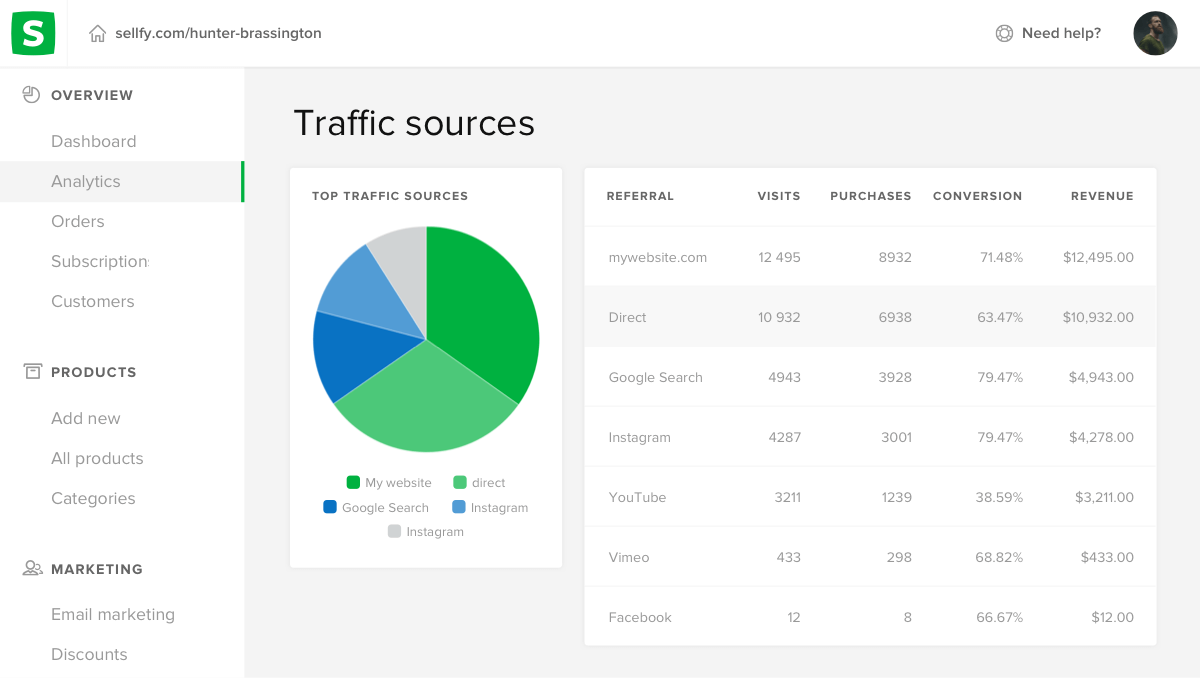
Sellfy è una piattaforma ecommerce pensata per creatori e imprenditori che desiderano vendere prodotti digitali, abbonamenti e beni fisici. È progettata per semplificare il processo di creazione di un negozio online, rendendolo accessibile anche a chi non ha competenze tecniche.
Perché ho scelto Sellfy: Il piano gratuito di Sellfy è particolarmente adatto alla vendita di prodotti digitali, in linea con il suo punto di forza distintivo. Puoi inserire un numero limitato di prodotti senza costi, il che la rende perfetta per i creatori che partono in piccolo. La piattaforma offre funzionalità essenziali come l'hosting dei prodotti e la consegna sicura dei file digitali. Sono disponibili anche opzioni di personalizzazione di base per aiutare il tuo negozio a riflettere il tuo brand.
Funzionalità principali & integrazioni:
Funzionalità includono uno strumento integrato di email marketing per aiutarti a raggiungere il tuo pubblico direttamente dalla piattaforma. Puoi anche utilizzare codici sconto per incentivare le vendite ed aumentare le entrate. La piattaforma fornisce analisi per monitorare le vendite e il comportamento dei clienti, offrendo informazioni utili per far crescere il tuo business.
Integrazioni includono PayPal, Stripe, Facebook, Twitter, Google Analytics, Zapier, Patreon, YouTube, Vimeo e SoundCloud.
Cosa è gratis?
Sellfy offre un piano gratuito per sempre che consente di inserire fino a 10 prodotti, ideale per venditori di prodotti digitali su piccola scala.
Pros and Cons
Pros:
- Ideale per la vendita di prodotti digitali
- Hosting dei prodotti semplice
- Consegna digitale sicura
- Email marketing integrato
Cons:
- Limite di 10 prodotti
- Opzioni di personalizzazione basilari
- Flessibilità di design limitata

Ideale per prodotti illimitati
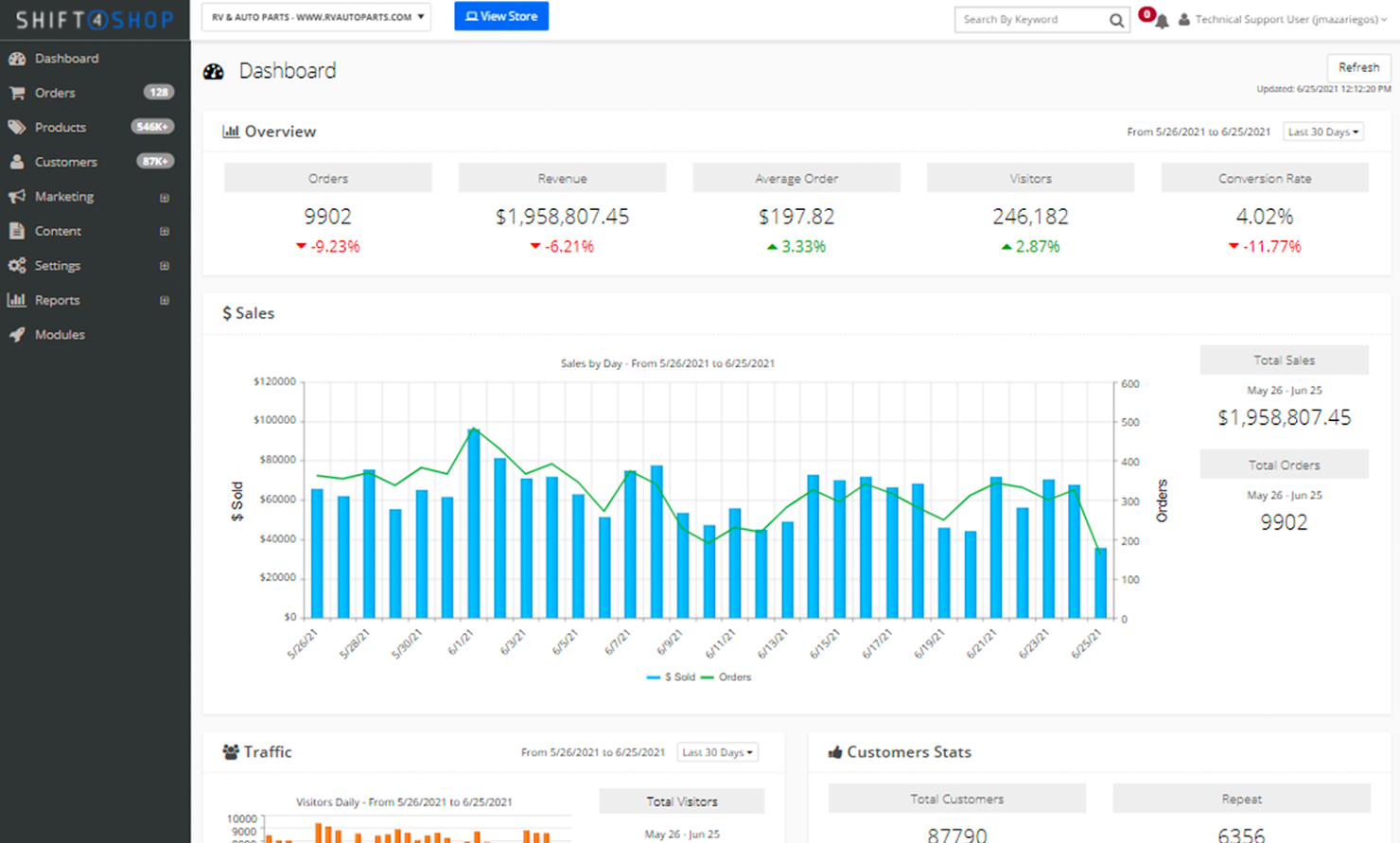
Shift4Shop è una piattaforma di ecommerce rivolta alle piccole e medie imprese che desiderano creare una presenza online. Offre un set completo di strumenti per aiutarti a creare, gestire e far crescere il tuo negozio online in modo efficiente.
Perché ho scelto Shift4Shop: Shift4Shop offre un piano gratuito unico che consente di caricare prodotti illimitati, distinguendosi così nel settore dell’ecommerce. Questo piano include funzionalità come una vetrina personalizzabile, strumenti SEO e capacità di marketing sui social media. Puoi gestire il tuo inventario e gli ordini senza alcun costo, rendendolo una scelta ideale per le aziende che intendono espandersi. L’offerta gratuita è particolarmente vantaggiosa per chi vuole ampliare il proprio assortimento di prodotti senza vincoli finanziari.
Caratteristiche principali e integrazioni:
Le funzionalità includono un blog integrato per aiutarti a generare traffico verso il tuo negozio. Puoi anche sfruttare gli strumenti di email marketing della piattaforma per coinvolgere i clienti. La piattaforma offre un carrello online sicuro, garantendo un processo di transazione protetto per i tuoi clienti.
Le integrazioni includono Facebook, Instagram, Google Shopping, QuickBooks, Mailchimp, ShipStation, PayPal, Stripe, Amazon ed eBay.
Cosa è gratis?
Shift4Shop offre un piano gratuito per sempre con catalogo prodotti illimitato, ma richiede l’utilizzo del loro servizio di elaborazione dei pagamenti.
Pros and Cons
Pros:
- Prodotti illimitati
- Vetrina personalizzabile
- Strumenti SEO integrati
- Carrello sicuro
Cons:
- Richiede l’uso del loro servizio di pagamento
- Template di design di base
- Procedura di configurazione potenzialmente complessa

Ideale per banda illimitata
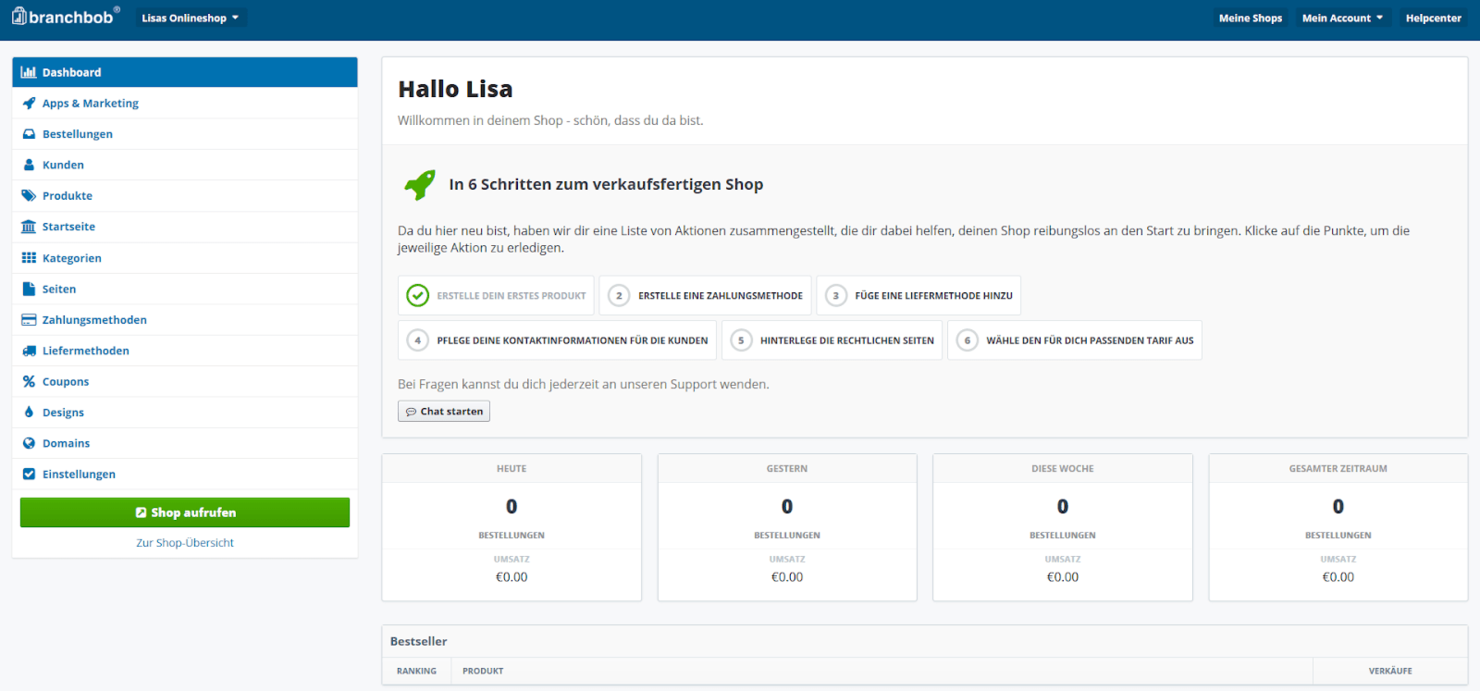
branchbob è una piattaforma di ecommerce pensata per piccole e medie imprese che desiderano creare e gestire negozi online in modo efficiente. Offre un'interfaccia semplice che permette agli utenti di configurare e personalizzare il proprio negozio senza bisogno di competenze tecniche.
Perché ho scelto branchbob: Il piano gratuito di branchbob offre banda illimitata, rendendolo ideale per i negozi che prevedono un elevato traffico senza costi aggiuntivi. È possibile configurare il negozio online con template personalizzabili e gestire facilmente i prodotti. La piattaforma supporta più valute e lingue, adattandosi a un pubblico globale. È una buona scelta se cerchi una soluzione economica per gestire un crescente numero di visitatori.
Funzionalità e integrazioni evidenziate:
Funzionalità includono template personalizzabili che consentono di creare un design unico per il negozio. Puoi gestire l'inventario e monitorare le vendite con gli strumenti di analisi integrati. La piattaforma supporta anche vari metodi di pagamento, offrendo flessibilità ai tuoi clienti.
Integrazioni includono PayPal, Stripe, Klarna, Amazon, eBay, Google Analytics, Facebook, Instagram, Mailchimp e Zapier.
Cosa è gratuito?
branchbob offre un piano gratuito per sempre con banda illimitata, ma gli utenti potrebbero riscontrare limitazioni sulle funzionalità avanzate.
Pros and Cons
Pros:
- Banda illimitata
- Supporto di più valute
- Opzioni di pagamento flessibili
- Template del negozio personalizzabili
Cons:
- Funzionalità avanzate limitate
- Solo analisi di base
- Flessibilità di design limitata

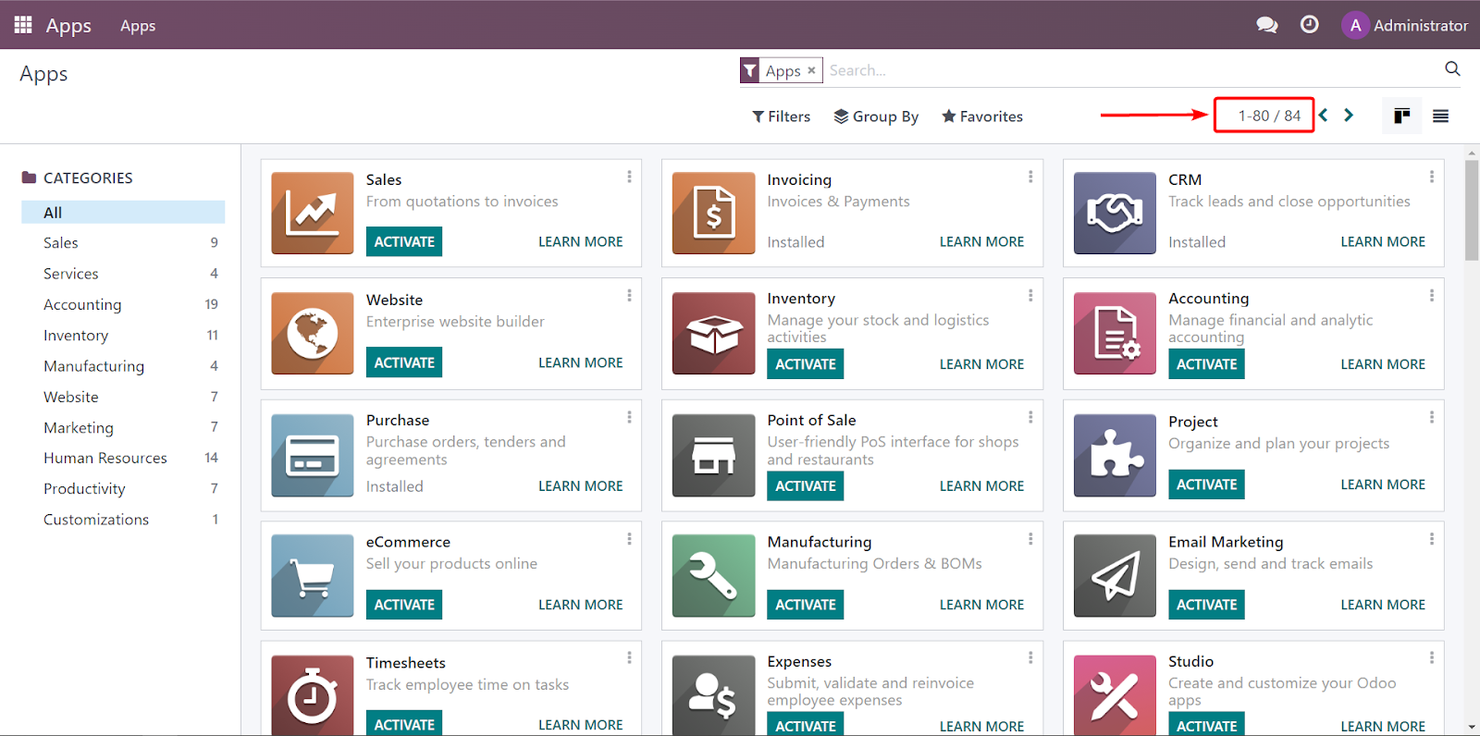
Odoo è un software gestionale tutto-in-uno che include una piattaforma ecommerce, ideale per le aziende che desiderano integrare diverse operazioni. È adatto a imprese di qualsiasi dimensione e offre strumenti per la creazione di siti web, la gestione dell'inventario e altri processi aziendali.
Perché ho scelto Odoo: Odoo offre un piano gratuito che supporta l'integrazione con la sua suite di applicazioni aziendali, che rappresenta il suo punto di forza unico. Puoi creare un negozio online di base e usufruire di funzionalità come la gestione del catalogo prodotti e l'elaborazione degli ordini. Il design modulare della piattaforma ti permette di aggiungere app aziendali secondo necessità, ampliando le funzionalità. È un'ottima opzione se hai bisogno di collegare il tuo sito ecommerce ad altri processi aziendali in modo integrato.
Funzionalità principali & integrazioni:
Le funzionalità includono un costruttore di siti web intuitivo che ti consente di creare siti dall'aspetto professionale senza bisogno di scrivere codice. Puoi accedere a vari temi e personalizzarli in base al tuo brand. La piattaforma offre anche strumenti di ottimizzazione SEO per migliorare la visibilità del tuo sito sui motori di ricerca.
Le integrazioni comprendono Google Analytics, PayPal, Stripe, QuickBooks, eBay, Amazon, Shopify, DHL, UPS e FedEx.
Cosa è gratuito?
Odoo propone un piano gratuito per sempre per una sola app, permettendoti di iniziare con il modulo ecommerce, ma potresti incontrare dei limiti se necessiti di più applicazioni.
Pros and Cons
Pros:
- Design modulare per l'integrazione delle app
- Potenti strumenti di ottimizzazione SEO
- Temi personalizzabili disponibili
- Website builder professionale
Cons:
- Limitato a una sola app gratuita
- Può diventare costoso con più app
- Richiede conoscenze tecniche per la configurazione
Altri strumenti per creare siti web di e-commerce
Ecco alcune ulteriori opzioni di strumenti per creare siti web di e-commerce che offrono anch’essi piani o prove gratuite. Sebbene questi strumenti non siano entrati nella mia selezione, vale comunque la pena dare loro un’occhiata:
- Big Cartel
Ideale per artisti e artigiani
- Drupal Commerce
Ideale per soluzioni personalizzate
- Zen Cart
Ideale per il supporto della comunità


Come Valuto i Costruttori di Siti Ecommerce Gratuiti
Valuto due livelli: la base necessaria affinché una piattaforma possa pubblicare un vero negozio online e accettare pagamenti, e i fattori differenzianti—come la sincronizzazione POS o i reali costi dei piani gratuiti—che aiutano a trovare la soluzione più adatta.
Funzionalità Principali (Requisiti Base per Questa Lista)
Quando seleziono gli strumenti per la mia lista, ne valuto ciascuno su una scala da 0 (non offre la funzionalità) a 5 (eccelle in quest'area) per ogni funzionalità principale elencata qui sotto. Poi, trasformo il punteggio totale dello strumento in percentuale. Ogni strumento deve raggiungere un punteggio minimo totale del 65% per essere incluso.
- Disponibilità del Piano Gratuito: Verifico se la piattaforma offre un piano gratuito realmente permanente che permette di pubblicare un negozio online live, non solo una prova a tempo che scade prima della prima vendita.
- Costruttore di Vetrine: L'editor dovrebbe permettere di creare una vetrina retail personalizzata e ottimizzata per dispositivi mobili, utilizzando template o strumenti drag-and-drop, come fanno Square Online o Ecwid.
- Gestione del Catalogo Prodotti: Valuto come ogni piattaforma gestisce varianti di prodotto, categorie, immagini e livelli di inventario—ad esempio, la gestione di taglie e colori su una linea di abbigliamento stagionale.
- Carrello e Checkout: Qui è importante un flusso completo dal carrello al checkout, includendo opzioni di acquisto come ospite, selezione spedizione e calcolo tasse, in modo che i clienti possano effettivamente completare un acquisto.
- Integrazione con i Sistemi di Pagamento: Ogni strumento dovrebbe collegarsi ad almeno un importante gateway di pagamento come Stripe o PayPal, così puoi accettare transazioni con carte di credito e wallet digitali nel tuo negozio.
- Gestione Ordini e Inventario: Osservo quanto bene la piattaforma traccia gli ordini in ingresso, aggiorna lo stato di evasione e regola i livelli di stock—soprattutto quando si vendono gli stessi prodotti online e in negozio fisico.
Una volta ottenuta una lista di strumenti che soddisfano questi criteri, considero ciò che distingue ciascuna piattaforma.
Fattori Differenzianti (Cosa Distingue i Fornitori)
Ecco come confronto e metto in risalto i diversi fornitori:
Caratteristiche Distintive
La vendita multicanale è un elemento importante—controllo se una piattaforma permette di elencare i prodotti su Instagram, Facebook o marketplace come Amazon assieme al tuo sito. L'integrazione POS conta altrettanto se gestisci un negozio fisico, poiché la sincronizzazione tra inventario online e negozio previene le vendite in eccesso. Valuto anche gli strumenti di marketing integrati come codici sconto, impostazioni SEO e recupero carrelli abbandonati, utili per evitare di dover aggiungere app esterne solo per incentivare nuovi acquisti.
Oltre le Caratteristiche
Pongo molta attenzione al vero costo della "gratuità"—alcune piattaforme applicano commissioni per transazione o limitano i prodotti in catalogo, il che riduce rapidamente i margini man mano che crescono gli ordini. La scalabilità è collegata a questo: verifico se l'upgrade permette di aggiungere articoli, gestire più traffico e sbloccare funzionalità senza bisogno di migrare su un'altra piattaforma. L'integrazione è fondamentale, soprattutto per connessioni con strumenti contabili come QuickBooks o Xero e con i corrieri di spedizione, poiché sono sistemi essenziali per la crescita di ogni attività commerciale.
Che cos’è uno strumento gratuito per creare siti web di e-commerce?
Uno strumento gratuito per creare siti web di e-commerce ti consente di creare un negozio online senza sostenere costi iniziali. Offre le funzionalità di base necessarie per presentare i prodotti, gestire gli ordini e accettare pagamenti, il tutto senza dover assumere uno sviluppatore o sapere come programmare.
Ma siamo realistici: “gratuito” non significa sempre illimitato.
La maggior parte dei piani gratuiti presenta delle limitazioni, come limiti al numero di prodotti, commissioni sulle transazioni o sull’elaborazione dei pagamenti oppure il marchio della piattaforma sul tuo negozio. La chiave è trovare uno strumento che offra funzionalità sufficienti per iniziare a vendere senza costringerti a effettuare l’upgrade non appena inizi a ottenere risultati.
I migliori strumenti gratuiti per creare siti web di e-commerce offrono:
- Modelli di negozio personalizzabili, così non dovrai progettare tutto da zero.
- Strumenti per il carrello e il pagamento per gestire le transazioni.
- Funzionalità SEO di base per aiutare i clienti a trovarti online.
- Design ottimizzati per i dispositivi mobili, così il tuo negozio avrà un ottimo aspetto su qualsiasi dispositivo.
- Opzioni di scalabilità per consentirti di espanderti quando sarai pronto.
In breve, un creatore gratuito di siti web per l'e-commerce è un modo conveniente per lanciare il tuo negozio online, a condizione di sceglierne uno che non ti ostacoli.
Come scegliere un creatore gratuito di siti web per l'e-commerce
Scegliere un creatore gratuito di siti web per l'e-commerce non significa semplicemente prendere qualunque soluzione che non costi denaro. Alcune piattaforme sono sorprendentemente potenti, mentre altre ti attirano con la promessa della gratuità per poi imporsi con limitazioni che le rendono inutilizzabili.
Per orientarti tra le varie opzioni, concentrati su questi fattori chiave:
| Fattore | Elementi da considerare |
|---|---|
| Limitazioni del piano gratuito | Verifica cosa è effettivamente gratuito. Alcuni creatori limitano il numero di prodotti, restringono le opzioni di pagamento o inseriscono annunci sul tuo sito. Assicurati che il piano “gratuito” non sia semplicemente una prova con un altro nome. |
| Scalabilità | La piattaforma crescerà insieme alla tua attività? Cerca possibilità di upgrade che non ti costringano a una migrazione complessa quando la tua azienda inizierà a decollare. |
| Integrazioni | Assicurati che funzioni bene con gli strumenti che già utilizzi, come i gateway di pagamento, i fornitori di servizi di spedizione e le piattaforme di marketing via e-mail. |
| Facilità d'uso | Un creatore gratuito non è un vero affare se ci vogliono settimane per imparare a usarlo. Scegline uno con un'interfaccia intuitiva che non ti costringa a passare ore tra i tutorial. |
| Personalizzazione | Puoi renderlo davvero tuo? Cerca modelli di design flessibili e opzioni di personalizzazione del marchio, in modo che il tuo negozio non sembri un modello preconfezionato. |
| Assistenza | Gratuito non deve significare “devi cavartela da solo”. Cerca piattaforme che offrano tutorial validi, forum della community o persino assistenza in tempo reale. |
| Strumenti SEO | Se il tuo negozio non può essere trovato, è quasi come se non esistesse. Verifica che il creatore includa gli elementi SEO di base, come meta tag, sitemap e personalizzazione degli URL. |
| Adattabilità ai dispositivi mobili | Gli acquirenti usano lo smartphone: il tuo negozio deve avere un aspetto eccellente sui dispositivi mobili. Assicurati che la piattaforma ottimizzi automaticamente il sito per tutte le dimensioni dello schermo. |
Funzionalità principali dei creatori gratuiti di siti web per l'e-commerce
Non tutti i creatori gratuiti di siti web per l'e-commerce sono uguali. Alcuni offrono quanto basta per iniziare, mentre altri nascondono le funzionalità essenziali dietro un pagamento. Ecco cosa puoi aspettarti in genere dai piani gratuiti rispetto a quelli a pagamento.
Le funzionalità tipiche dei creatori gratuiti di siti web per l'e-commerce includono:
- Gestione del catalogo prodotti. Organizza e mostra i tuoi prodotti in modo strutturato, così i clienti possono esplorarli senza difficoltà.
- Funzionalità del carrello. Consenti ai clienti di aggiungere articoli al carrello e completare il pagamento senza intoppi, eliminando ogni ostacolo inutile.
- Strumenti SEO di base. Ottimizza il tuo negozio per i motori di ricerca con meta tag, sitemap e URL ordinati, così i clienti potranno trovarti.
- Modelli personalizzabili. Scegli tra layout predefiniti e modificali per adattarli al tuo marchio, entro certi limiti.
- Integrazione per l'elaborazione dei pagamenti. Collega il tuo negozio ai principali gateway di pagamento, come PayPal o Stripe, per gestire le transazioni in modo sicuro.
- Gestione degli ordini. Tieni traccia degli ordini, gestisci gli acquisti dei clienti ed elabora i resi senza trasformare tutto in un incubo di fogli di calcolo.
- Adattabilità ai dispositivi mobili. Assicurati che il tuo negozio abbia un aspetto eccellente e funzioni correttamente su qualsiasi dispositivo, dai computer agli smartphone.
Le funzionalità tipiche dei creatori a pagamento di siti web per l'e-commerce includono:
- Analisi avanzate. Ottieni informazioni approfondite sul comportamento dei clienti, sulle tendenze delle vendite e sui tassi di conversione per perfezionare la tua strategia.
- Supporto multilingue. Offri il tuo negozio di e-commerce in più lingue per raggiungere un pubblico globale, o semplicemente i clienti che preferiscono fare acquisti in spagnolo anziché in inglese.
- Supporto per domini personalizzati. Utilizza un dominio associato al tuo marchio invece di un URL generico della piattaforma, dando al tuo negozio un aspetto più professionale.
- Personalizzazione avanzata del design. Ottieni il controllo completo su caratteri, layout e colori per creare un negozio davvero originale.
- Integrazioni con applicazioni di terze parti. Collega il tuo negozio a sistemi CRM, software di contabilità e strumenti di marketing per semplificare le operazioni.
- Strumenti di marketing via e-mail. Automatizza le campagne e-mail per coltivare i potenziali clienti, recuperare i carrelli abbandonati e incentivare gli acquisti ripetuti.
- Regole di prezzo dinamiche. Configura sconti, promozioni e strategie di prezzo a livelli per incentivare un maggior numero di vendite.
Vantaggi dell'utilizzo di creatori gratuiti di siti web per l'e-commerce
Un creatore gratuito di siti web per e-commerce non serve solo a risparmiare: serve ad abbassare le barriere, così puoi iniziare a vendere più velocemente. Ecco cosa puoi ottenere:
- Configurazione a costo zero. Avvia il tuo negozio senza spendere un centesimo, così puoi testare le tue idee prima di impegnarti con un piano a pagamento.
- Personalizzazione semplice. Usa modelli predefiniti e strumenti di trascinamento per creare un negozio che rispecchi davvero il tuo marchio, senza bisogno di programmare.
- Strumenti essenziali senza costi. Ottieni funzionalità e-commerce fondamentali come la gestione dei prodotti, la procedura di pagamento e l'elaborazione dei pagamenti senza dover tirare fuori la carta di credito.
- Scalabilità quando ne hai bisogno. Inizia in modo semplice e passa a un piano superiore quando sei pronto: molti creatori gratuiti ti permettono di aggiungere altre funzionalità man mano che la tua attività online cresce.
- Lancio rapido e senza complicazioni. Non servono sviluppatori. La maggior parte dei creatori gratuiti di siti web è pensata per i principianti, quindi puoi essere operativo in un giorno.
- Esperienza pratica nel settore e-commerce. Impara tutti gli aspetti della gestione di un negozio online senza rischi finanziari: è perfetto per chi vende per la prima volta.
- Raggiungi un pubblico globale. Gli strumenti SEO integrati e i design ottimizzati per i dispositivi mobili ti aiutano ad attirare clienti anche oltre il tuo mercato locale.
Costi e prezzi dei creatori di siti web per e-commerce (non solo gratuiti)
Sì, sei qui per scoprire i migliori creatori gratuiti di siti web per e-commerce, ma guardiamo in faccia la realtà. I piani gratuiti sono ottimi per iniziare, ma prima o poi la maggior parte delle aziende dovrà passare a un piano superiore per ottenere maggiore flessibilità e scalabilità.
La tabella seguente illustra i livelli di prezzo più comuni, cosa offre ciascun livello e per quali tipi di marchi sono più adatti.
Tabella comparativa dei piani per i creatori di siti web per e-commerce
| Tipo di piano | Prezzo medio | Funzionalità comuni | Ideale per |
|---|---|---|---|
| Piano gratuito | $0 | Liste di prodotti di base, funzionalità del carrello, personalizzazione limitata e assistenza standard. | Hobbisti, persone con un'attività secondaria o chiunque voglia testare il terreno prima di impegnarsi. Sono previsti il marchio della piattaforma e limitazioni delle funzionalità. |
| Piano personale | $5-$25/mese | Supporto per un dominio personalizzato, opzioni di design avanzate, spazio di archiviazione aggiuntivo e analisi di base. | Lavoratori autonomi e piccoli marchi che desiderano un negozio più curato e riconoscibile senza spendere troppo. |
| Piano aziendale | $30-$75/mese | Strumenti SEO avanzati, funzionalità di marketing integrate, diversi gateway di pagamento e assistenza prioritaria. | Aziende in crescita che cercano maggiore visibilità, automazione del marketing e più flessibilità nei pagamenti. |
| Piano per grandi aziende | $100+/mese | Integrazioni personalizzate, gestione dedicata dell'account, analisi complete e funzionalità di sicurezza avanzate. | Marchi di grandi dimensioni, venditori con volumi elevati e aziende che necessitano di strumenti specializzati, sicurezza e assistenza personalizzata. |
Altri costi da considerare:
- Commissioni sulle transazioni. Alcune piattaforme applicano un costo aggiuntivo per ogni vendita, a meno che tu non utilizzi il loro gestore dei pagamenti preferito. Controlla le clausole in dettaglio.
- Costi di personalizzazione. I modelli gratuiti sono utili, ma i temi premium o la programmazione personalizzata spesso hanno un costo.
- Componenti aggiuntivi e integrazioni. Ti servono l'e-mail marketing, il recupero dei carrelli abbandonati o analisi premium? Molte di queste funzionalità sono disponibili solo a pagamento.
- Sconti annuali. Se prevedi di impegnarti a lungo termine, molte piattaforme offrono prezzi più bassi quando paghi annualmente invece che mensilmente.
Domande frequenti sul creatore gratuito di siti web per l'e-commerce
Hai ancora domande? Ecco gli aspetti principali da conoscere sui creatori gratuiti di siti web per l’e-commerce
È davvero possibile creare un negozio online gratuitamente?
Sì, ma con alcune limitazioni. I creatori gratuiti di siti web per l’e-commerce offrono le funzionalità di base: schede prodotto, carrello e pagamento, ma spesso limitano aspetti come la personalizzazione, lo spazio di archiviazione e le opzioni di pagamento.
È un modo efficace per testare l’idea del tuo negozio prima di sottoscrivere un piano a pagamento.
Qual è lo svantaggio dei creatori gratuiti di siti web per l'e-commerce?
I principali compromessi riguardano l’identità del marchio della piattaforma, la personalizzazione limitata e un numero inferiore di funzionalità per l’e-commerce, come gli strumenti di marketing avanzati o il recupero dei carrelli abbandonati.
Alcune piattaforme limitano anche i sistemi di pagamento, applicano commissioni sulle transazioni o impongono un limite al numero di prodotti pubblicabili.
Chi dovrebbe usare un creatore gratuito di siti web per l'e-commerce?
Un piano gratuito è adatto a chi gestisce un progetto per passione, un’attività secondaria o un piccolo marchio che vuole fare una prima prova. Se vuoi davvero crescere, probabilmente dovrai passare a un piano superiore per eliminare le restrizioni e ottenere funzionalità migliori.
Posso accettare pagamenti su un sito di e-commerce gratuito?
Sì, la maggior parte dei piani gratuiti supporta i principali sistemi di pagamento, come PayPal e Stripe, ma fai attenzione alle commissioni sulle transazioni: alcune piattaforme trattengono una percentuale se non utilizzi il loro processore interno.
Qual è il creatore gratuito di siti web per l'e-commerce più facile da usare?
Se vuoi una configurazione semplice, basata sul trascinamento e senza complicazioni, piattaforme come Shopify (prova gratuita), Wix e Square Online rendono tutto più facile.
Se te la cavi con un po’ di fai da te, WooCommerce (basato su WordPress) offre maggiore flessibilità, ma richiede un servizio di hosting.
Quando dovrei passare da un piano gratuito a uno a pagamento?
Passa a un piano superiore quando le tue vendite superano i limiti: se hai bisogno di un dominio personalizzato, di pubblicare più prodotti, di analisi migliori o di un’assistenza di livello superiore, un piano a pagamento renderà molto più semplice la gestione del tuo negozio.
Gratis oggi, cresci domani
Un creatore gratuito di siti web per l'e-commerce è un modo privo di rischi per iniziare a vendere online, ma diciamolo chiaramente: la maggior parte dei piani gratuiti comporta dei compromessi.
Se stai semplicemente facendo una prima prova o gestisci un'attività secondaria di piccole dimensioni, un piano gratuito potrebbe essere tutto ciò di cui hai bisogno. Ma se vuoi davvero crescere, prima o poi incontrerai un ostacolo, che si tratti delle commissioni sulle transazioni, dell'identità del marchio della piattaforma o delle funzionalità limitate che frenano il tuo sviluppo.
La buona notizia? Ora sai cosa aspettarti, cosa cercare e quando passare a un piano superiore. Che tu scelga di rimanere con un piano gratuito o di investire in un piano a pagamento, il giusto creatore di siti web per l'e-commerce ti aiuterà a lanciare, vendere e crescere senza complicazioni inutili.
Quindi, scegli una piattaforma, crea il tuo negozio e inizia a vendere. Internet ti aspetta.
Il commercio al dettaglio non si ferma mai e nemmeno tu dovresti farlo. Iscriviti alla nostra newsletter per ricevere gli ultimi approfondimenti, le strategie e le risorse professionali dai principali leader del commercio al dettaglio che stanno plasmando il settore.