

10 migliori alternative a Squarespace per l’e-commerce nel 2026

Le 10 migliori alternative a Squarespace da prendere in considerazione


Se hai passato più tempo a destreggiarti tra i modelli di Squarespace che a far crescere effettivamente il tuo negozio, non sei il solo. È ordinato, è bello e gode di un'enorme popolarità, ma a volte semplicemente non ti offre lo spazio necessario per costruire ciò di cui la tua attività ha davvero bisogno.
Forse il problema è la personalizzazione limitata. Forse sono le commissioni sulle transazioni. Oppure vuoi semplicemente qualcosa che non ti faccia sentire come se stessi progettando all'interno di una scatola con l'etichetta “abbastanza buono”.
È qui che entra in gioco una valida alternativa a Squarespace.
Abbiamo testato decine di strumenti per creare siti web e piattaforme di e-commerce, analizzandone i prezzi, esplorandone le funzionalità e sottoponendo i modelli a prove intensive, per individuare quelli che vale davvero la pena prendere in considerazione.
Che tu abbia bisogno di qualcosa di più economico, semplice, flessibile o potente, questa guida ti aiuterà a fare chiarezza e a trovare lo strumento giusto per il tuo prossimo capitolo.
Che cos'è Squarespace?
Squarespace è come l'Apple degli strumenti per creare siti web: design elegante, modelli selezionati con cura e un'esperienza utente che appare raffinata fin dal primo momento.
È pensato per creativi, persone con attività secondarie e piccole imprese che desiderano un sito dall'aspetto professionale senza toccare una sola riga di codice.
Hai a disposizione un editor con funzionalità di trascinamento, strumenti SEO integrati, funzionalità di e-commerce e numerose integrazioni che funzionano bene fin da subito.
È una soluzione solida per siti semplici e per un e-commerce di base, ma se vuoi crescere, personalizzare in modo approfondito o uscire dal suo ecosistema ordinato ma controllato, raggiungerai rapidamente i suoi limiti.
Perché fidarsi dei nostri consigli sui software
Il nostro team testa e recensisce software dal 2012. In quanto leader del retail noi stessi, sappiamo quanto sia difficile — e importante — scegliere il software giusto.
Per questa guida, abbiamo valutato gli strumenti attraverso test pratici e ricerche indipendenti, assegnando un punteggio agli strumenti in base ai nostri criteri di selezione.
Le nostre recensioni riflettono il nostro giudizio indipendente, non un discorso di vendita.
Tabella di confronto delle alternative a Squarespace
Questa rapida tabella di confronto offre le informazioni chiave sui prezzi e i principali casi d’uso per ciascuna alternativa a Squarespace:
| Tool | Best For | Trial Info | Price | ||
|---|---|---|---|---|---|
| 1 | Ideale per area di lavoro visiva con controllo a livello di pixel | Prova gratuita + piano gratuito disponibile | A partire da $10/mese (fatturato annualmente) | Website | |
| 2 | Ideale per design reattivi su dispositivi mobili | Prova gratuita di 14 giorni disponibile | Da $19/mese (fatturazione annuale) | Website | |
| 3 | Ideale per marketplace di app esteso | Prova gratuita di 3 giorni disponibile | A partire da $37/mese (fatturazione annuale) | Website | |
| 4 | Ideale per una personalizzazione avanzata | Piano gratuito disponibile | OpenCart è gratuito da usare | Website | |
| 5 | Ideale per la creazione gratuita di siti web | Piano gratuito disponibile | Da $13/mese (fatturazione annuale) | Website | |
| 6 | Ideale per vendite multicanale | Prova gratuita di 7 giorni disponibile | A partire da $9.99/mese (fatturato annualmente) | Website | |
| 7 | Ideale per la facilità d'uso | Piano gratuito disponibile | Da $8/mese (fatturato annualmente) | Website | |
| 8 | Ideale per prezzi accessibili | Piano gratuito disponibile | Da $41/mese | Website | |
| 9 | Ideale per strumenti e-commerce integrati | Prova gratuita di 14 giorni disponibile | Da $35/mese | Website | |
| 10 | Ideale per assenza di commissioni | Piano gratuito disponibile | Da $11/mese | Website |
Le 10 migliori alternative a Squarespace, recensite e classificate
Ho sottoposto ciascuna di queste piattaforme a prove approfondite per capire come sono realmente da utilizzare, al di là dei messaggi di marketing. Queste recensioni analizzano gli aspetti positivi, quelli negativi e le funzionalità particolarmente utili, così puoi decidere quale strumento merita davvero un posto nel tuo insieme di tecnologie.

Framer
Ideale per area di lavoro visiva con controllo a livello di pixel

Framer è un costruttore di siti web senza codice che ti permette di creare siti web professionali senza bisogno di scrivere codice. È particolarmente apprezzato dai designer per la sua potente area di lavoro grafica e per i sistemi di gestione dei contenuti personalizzabili.
Perché Framer è una valida alternativa a Squarespace: Framer è una solida alternativa a Squarespace che combina un'avanzata libertà di progettazione con funzionalità orientate alle prestazioni. A differenza dei costruttori basati su template, offre una vera area di lavoro visiva con un controllo a livello di pixel e strumenti di animazione integrati per creare siti web interattivi e coinvolgenti. Framer include anche strumenti SEO integrati e garantisce tempi di caricamento rapidi, rendendolo un'ottima scelta per chi desidera flessibilità creativa senza compromettere la velocità del sito o la visibilità nei motori di ricerca.
Caratteristiche e integrazioni principali:
Le funzionalità includono la collaborazione in tempo reale, che permette a te e al tuo team di lavorare su una tela condivisa contemporaneamente, migliorando il lavoro di squadra e la produttività. Il processo di pubblicazione con un solo pulsante di Framer rende facile il lancio del tuo sito a un pubblico globale. Inoltre, la piattaforma offre una varietà di modelli e plugin per soddisfare diverse categorie, dalle startup ai portfolio, rendendola versatile per molteplici esigenze.
Le integrazioni includono Google Sheets, Humblytics, Lummi, Renamer, Semflow, Dither, Notion, Phosphor, Airtable, ASCII, Framer Commerce e Search Console.
Pros and Cons
Pros:
- Versatile per progetti di design web e mobile
- Aggiornamenti regolari per migliorare le funzionalità
- Offre libertà progettuale e opzioni di personalizzazione
Cons:
- Manca di alcune funzionalità avanzate presenti in altri strumenti di design
- Capacità offline limitate

Duda
Ideale per design reattivi su dispositivi mobili

Duda è un creatore di siti web e una piattaforma di ecommerce progettati per aziende e professionisti del web. Ti aiuta a creare siti web reattivi per dispositivi mobili con un'attenzione particolare al design e all'esperienza utente.
Perché Duda è una buona alternativa a Squarespace: Duda offre avanzate capacità di design responsive per dispositivi mobili, rendendolo una scelta solida se il tuo target sono gli utenti da mobile. Il suo intuitivo editor drag-and-drop ti permette di progettare siti che si adattano perfettamente a qualsiasi dispositivo. Puoi anche personalizzare l'aspetto del sito con vari template ed elementi di design. Strumenti di analisi integrati e opzioni di personalizzazione ti danno i dati necessari per ottimizzare il coinvolgimento degli utenti.
Caratteristiche e integrazioni principali:
Le funzionalità includono un editor drag-and-drop, strumenti di collaborazione per il team e opzioni di personalizzazione del sito. Puoi creare siti multilingue per raggiungere un pubblico globale. Duda offre anche strumenti di gestione clienti per semplificare il tuo flusso di lavoro.
Le integrazioni includono PayPal, Stripe, Google Analytics, Facebook, Instagram, YouTube, Vimeo, Mailchimp, Zapier e HubSpot.
Pros and Cons
Pros:
- Editor drag-and-drop intuitivo
- Opzioni di personalizzazione del sito
- Supporto per siti multilingue
- Strumenti di collaborazione per il team
Cons:
- Varietà di template limitata
- Richiede un po' di apprendimento
- Occasionali problemi tecnici

Shopify
Ideale per marketplace di app esteso

Shopify è una piattaforma di ecommerce progettata per aziende di tutte le dimensioni per creare e gestire negozi online. Offre strumenti per la gestione dei prodotti, l'elaborazione degli ordini e il coinvolgimento dei clienti.
Perché Shopify è una buona alternativa a Squarespace: Shopify mette a disposizione un vasto marketplace di app, permettendoti di migliorare il tuo negozio con varie funzionalità che Squarespace potrebbe non offrire. I suoi temi personalizzabili ti consentono di adattare l'aspetto del negozio alla tua marca. Grazie alle analisi integrate, puoi monitorare le vendite e il comportamento dei clienti. Shopify supporta anche diversi canali di vendita, aiutandoti a raggiungere i clienti ovunque si trovino.
Caratteristiche e integrazioni principali:
Le caratteristiche includono temi personalizzabili, il recupero del carrello abbandonato e analisi complete. Puoi gestire l'inventario ed elaborare i pagamenti in modo efficiente. Shopify offre anche il supporto multivaluta per raggiungere un pubblico globale.
Le integrazioni includono PayPal, Stripe, QuickBooks, Mailchimp, Google Analytics, Facebook, Instagram, Amazon, eBay e Pinterest.
Pros and Cons
Pros:
- Marketplace di app esteso
- Temi personalizzabili
- Supporto multivaluta
- Recupero carrello abbandonato
Cons:
- Richiede un po' di apprendimento
- Commissioni di transazione su alcuni piani
- Le funzionalità avanzate necessitano miglioramenti

OpenCart
Ideale per una personalizzazione avanzata

OpenCart è una piattaforma ecommerce open-source pensata per piccole e medie imprese. Ti permette di gestire il tuo negozio online con funzionalità come la gestione dei prodotti e l'elaborazione degli ordini.
Perché OpenCart è una valida alternativa a Squarespace: OpenCart offre ampie opzioni di personalizzazione, dandoti un controllo maggiore sull'aspetto e sulle funzionalità del tuo negozio. Grazie alla sua struttura modulare, puoi aggiungere o rimuovere funzionalità secondo le tue esigenze. La piattaforma supporta la gestione di più negozi da un'unica interfaccia, ideale se gestisci diversi marchi. A differenza di Squarespace, la natura open-source di OpenCart permette una personalizzazione più approfondita per adattarsi alle esigenze specifiche della tua azienda.
Caratteristiche distintive e integrazioni:
Le caratteristiche includono un pannello di amministrazione intuitivo, gestione multi-negozio e supporto per più valute. Puoi anche beneficiare di un'ampia gamma di estensioni per migliorare la funzionalità del tuo negozio. Gli strumenti SEO integrati di OpenCart aiutano a migliorare la visibilità online del tuo store.
Le integrazioni includono PayPal, Stripe, Amazon Pay, Authorize.Net, eBay, QuickBooks, Mailchimp, Google Analytics, Facebook e Twitter.
Pros and Cons
Pros:
- Ampie opzioni di personalizzazione
- Flessibilità open-source
- Supporta più negozi
- Ampia libreria di estensioni
Cons:
- Richiede conoscenze tecniche
- Assistenza clienti limitata
- Può essere complesso da configurare

Weebly
Ideale per la creazione gratuita di siti web

Weebly è un creatore di siti web che si rivolge a privati e piccole imprese che desiderano creare una presenza online. Offre strumenti per il design del sito, l'hosting web e funzionalità di ecommerce.
Perché Weebly è una buona alternativa a Squarespace: Il piano gratuito di Weebly lo rende accessibile a chi parte senza budget, distinguendolo da Squarespace. L'editor drag-and-drop consente di creare siti senza alcuna conoscenza di codice. Con funzionalità ecommerce integrate, puoi allestire rapidamente un negozio online. La piattaforma offre anche modelli personalizzabili per adattarsi a diverse esigenze aziendali.
Caratteristiche distintive e integrazioni:
Caratteristiche includono un editor drag-and-drop, strumenti per blog e analisi del sito. Puoi facilmente aggiungere moduli di contatto e gallerie di immagini al tuo sito. Weebly offre anche temi reattivi per dispositivi mobili per assicurarti che il tuo sito abbia sempre un bell'aspetto, su qualsiasi dispositivo.
Integrazioni includono PayPal, Stripe, Square, Google Analytics, Mailchimp, Facebook, Instagram, YouTube, Vimeo ed Eventbrite.
Pros and Cons
Pros:
- Editor facile da usare
- Temi reattivi per dispositivi mobili
- Funzionalità ecommerce integrate
- Nessuna conoscenza di codice richiesta
Cons:
- Strumenti SEO di base
- Scalabilità limitata
- Pubblicità sul piano gratuito

GoDaddy
Ideale per vendite multicanale
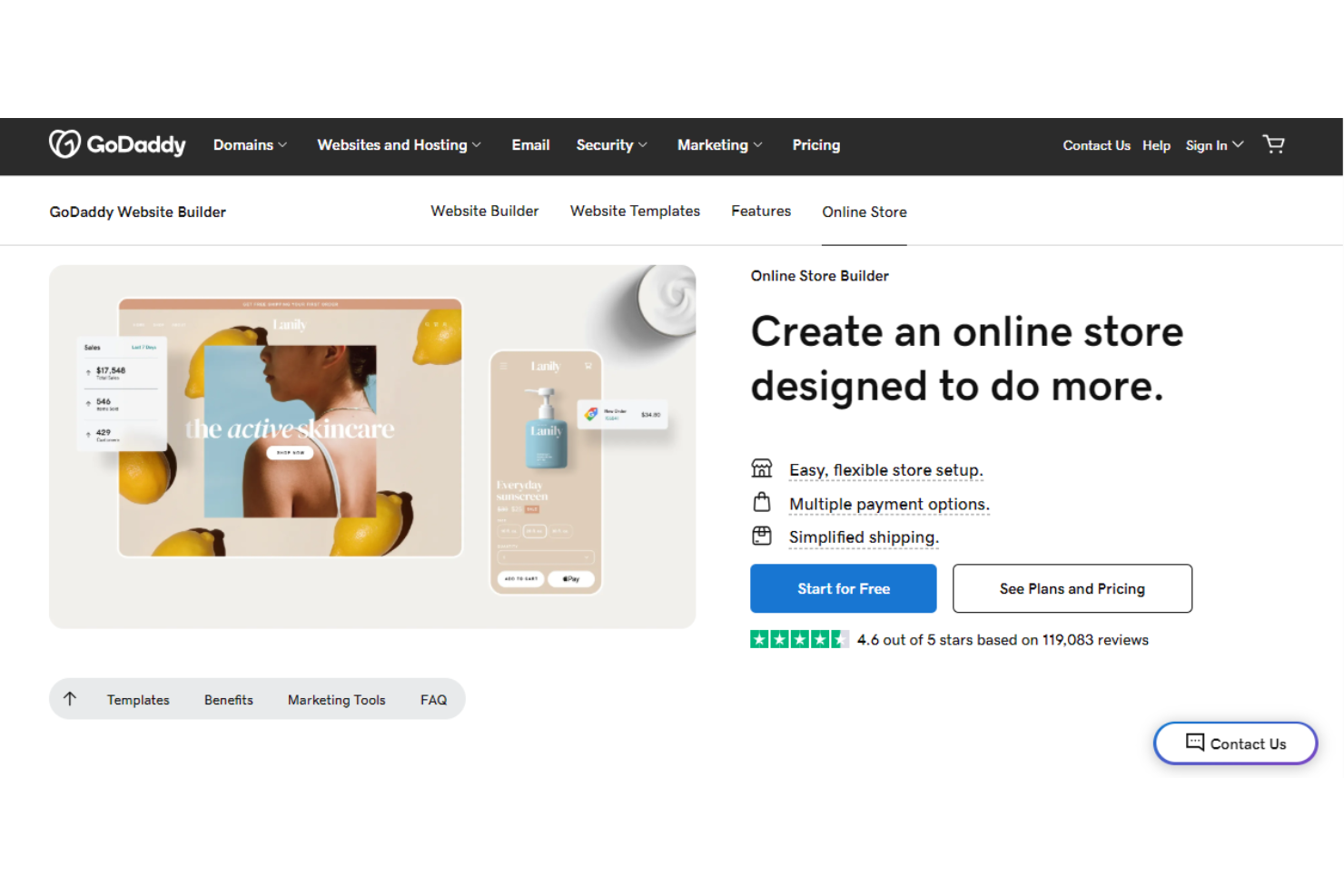
GoDaddy Website Builder è uno strumento di creazione siti pensato per piccole imprese e privati che vogliono costruire una presenza online. Offre strumenti per la realizzazione di siti web, la gestione dell'ecommerce e l'interazione con i clienti.
Perché GoDaddy Website Builder è una valida alternativa a Squarespace: GoDaddy Website Builder supporta la vendita multicanale, permettendoti di raggiungere i clienti su diverse piattaforme, a differenza di Squarespace. Il suo editor intuitivo consente di creare siti dall'aspetto professionale senza competenze tecniche. Puoi inoltre usufruire di strumenti di marketing integrati per promuovere il tuo marchio. Con analisi e report, puoi monitorare le prestazioni del sito e prendere decisioni informate.
Caratteristiche e integrazioni principali:
Funzionalità includono un editor drag-and-drop, modelli personalizzabili e strumenti SEO integrati. Puoi avviare rapidamente un negozio online grazie alle funzionalità ecommerce. GoDaddy offre anche un'app mobile per gestire il sito ovunque tu sia.
Integrazioni includono PayPal, Square, Google Analytics, Instagram, Facebook, Twitter, YouTube, Vimeo, Pinterest e Yelp.
Pros and Cons
Pros:
- Vendita multicanale
- Strumenti di marketing integrati
- Editor intuitivo
- Modelli personalizzabili
Cons:
- Alcune funzionalità da migliorare
- Scalabilità limitata per grandi negozi
- Pubblicità nei piani base

Ideale per la facilità d'uso
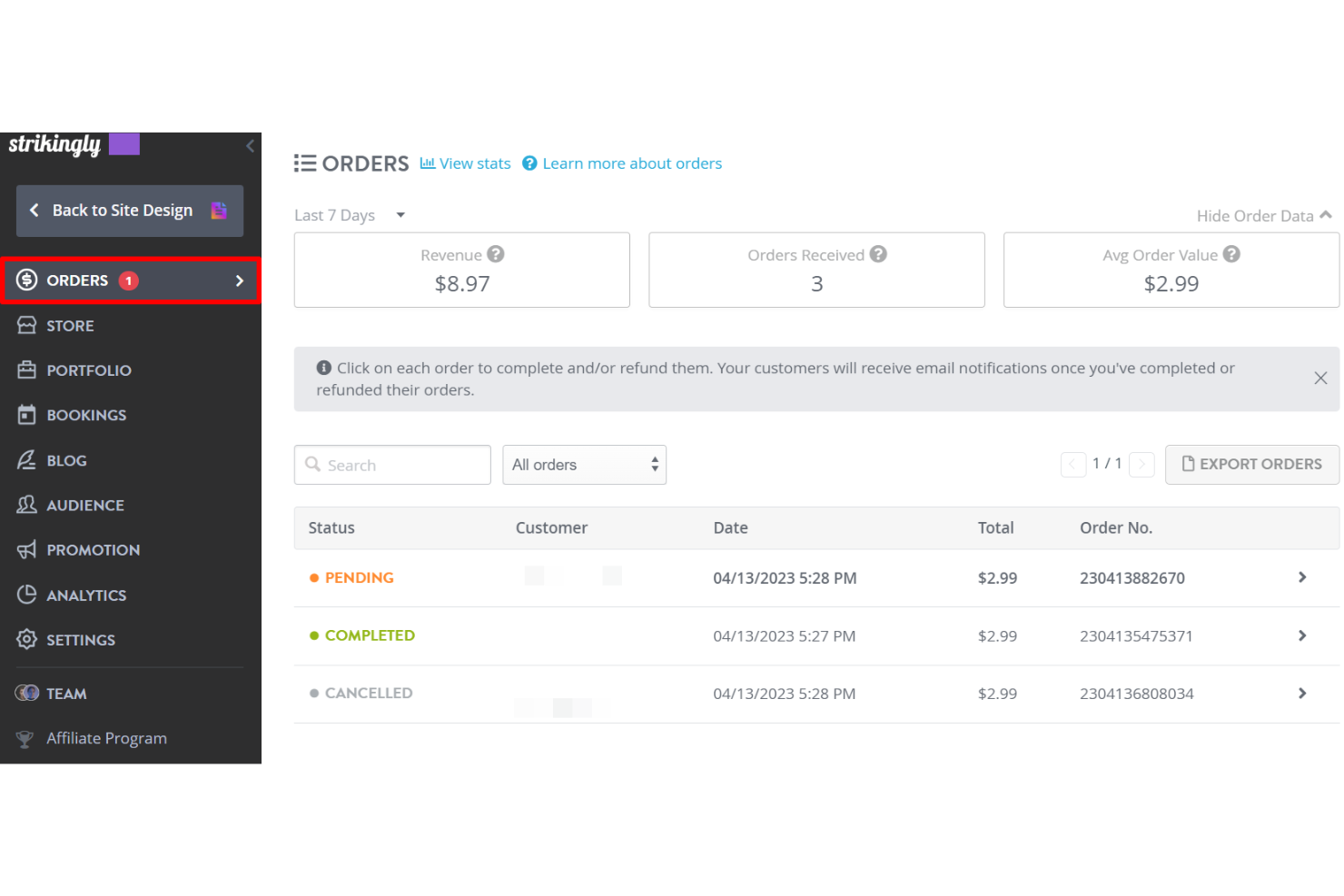
Strikingly è un creatore di siti web pensato per persone e piccole imprese che desiderano realizzare rapidamente siti web semplici e su una singola pagina. Offre strumenti per il design del sito e funzionalità di ecommerce di base.
Perché Strikingly è una buona alternativa a Squarespace: Strikingly punta tutto sulla facilità d'uso, rendendolo ideale se vuoi essere online senza complicazioni. Il suo editor intuitivo ti consente di creare e pubblicare siti senza necessità di competenze tecniche. Puoi scegliere tra diversi modelli in base al tuo stile e settore. Grazie all'attenzione per la semplicità, Strikingly ti aiuta a creare una presenza online in pochissimo tempo.
Funzionalità e integrazioni distintive:
Le funzionalità includono un editor drag-and-drop, modelli personalizzabili e strumenti di analisi. Puoi creare siti one-page che sono ottimizzati per dispositivi mobili. Strikingly offre anche una piattaforma blog per aiutarti a coinvolgere il tuo pubblico.
Le integrazioni includono PayPal, Stripe, Google Analytics, Facebook, Instagram, Twitter, LinkedIn, Mailchimp, YouTube e Vimeo.
Pros and Cons
Pros:
- Semplice da usare
- Configurazione rapida del sito
- Design ottimizzati per dispositivi mobili
- Piattaforma blog inclusa
Cons:
- Non ideale per siti complessi
- Scalabilità limitata
- Poche funzionalità avanzate

Ideale per prezzi accessibili

Shift4Shop è una piattaforma di e-commerce progettata per aziende di tutte le dimensioni, offrendo strumenti per creare e gestire negozi online. Fornisce funzionalità come la gestione dei prodotti, l'elaborazione degli ordini e il coinvolgimento dei clienti.
Perché Shift4Shop è una valida alternativa a Squarespace: Shift4Shop offre prezzi competitivi, rendendola una scelta interessante per le aziende attente ai costi. Il software di carrello integrato e i template personalizzabili offrono flessibilità senza sforare il budget. La piattaforma supporta prodotti illimitati, un vantaggio per le aziende in crescita. Inoltre, l'attenzione alla sicurezza con la conformità PCI offre tranquillità a te e ai tuoi clienti.
Funzionalità e integrazioni distintive:
Funzionalità includono un'interfaccia intuitiva, strumenti SEO avanzati e un design ottimizzato per dispositivi mobili. Puoi gestire il tuo negozio in modo efficiente grazie al controllo dell'inventario e alle funzionalità di gestione dei clienti. Shift4Shop offre inoltre diverse opzioni di pagamento per soddisfare le preferenze dei clienti.
Integrazioni includono PayPal, Stripe, QuickBooks, Mailchimp, Google Analytics, Facebook, Amazon, eBay, ShipStation e Square.
Pros and Cons
Pros:
- Prezzi competitivi
- Prodotti illimitati
- Template personalizzabili
- Funzionalità di sicurezza integrate
Cons:
- Flessibilità di design limitata
- Occasionali problemi tecnici
- Tempi di risposta dell'assistenza

Volusion
Ideale per strumenti e-commerce integrati

Volusion è una piattaforma di e-commerce tutto-in-uno ideale per le piccole e medie imprese. Ti consente di creare e gestire negozi online con funzionalità come gestione dell'inventario ed elaborazione dei pagamenti.
Perché Volusion è una valida alternativa a Squarespace: Volusion offre potenti strumenti e-commerce integrati direttamente nella piattaforma, rendendola un forte concorrente rispetto a Squarespace per chi necessita di funzionalità e-commerce più specializzate. Le sue funzioni di gestione dell'inventario ed elaborazione dei pagamenti garantiscono operazioni fluide per il tuo negozio. Vetrine personalizzabili e temi reattivi ti permettono di progettare negozi unici senza codifica. Gli strumenti SEO integrati aiutano ad aumentare la visibilità online della tua attività.
Funzionalità principali e integrazioni:
Funzionalità include vetrine personalizzabili, temi reattivi e un'interfaccia intuitiva. Puoi gestire l'inventario ed elaborare i pagamenti senza interruzioni. Gli strumenti SEO integrati migliorano la presenza online del tuo negozio.
Integrazioni includono PayPal, Stripe, Amazon, QuickBooks, Mailchimp, Google Analytics, Facebook ed eBay.
Pros and Cons
Pros:
- Strumenti e-commerce integrati
- Vetrine personalizzabili
- Temi reattivi
- Non sono richieste competenze di programmazione
Cons:
- Flessibilità di design limitata
- Alcune funzionalità devono essere migliorate
- Tempi di risposta dell'assistenza clienti

Jimdo
Ideale per assenza di commissioni

Jimdo è un costruttore di siti web e una piattaforma di ecommerce pensata per piccole imprese e imprenditori. Permette di creare siti web e negozi online con facilità, puntando sulla semplicità e sulla facilità d'uso.
Perché Jimdo è una buona alternativa a Squarespace: Jimdo offre il vantaggio di non applicare commissioni, rendendolo un'opzione conveniente per i venditori. Il suo costruttore di siti web basato su intelligenza artificiale aiuta a creare rapidamente un sito personalizzato. Puoi personalizzare il tuo negozio con diverse opzioni di design e modelli. Con il suo focus sulla facilità d'uso, puoi gestire il tuo negozio online senza bisogno di competenze tecniche.
Funzionalità e integrazioni principali:
Funzionalità includono un costruttore di siti web basato su intelligenza artificiale, template personalizzabili e strumenti SEO. Puoi configurare un negozio online con opzioni di pagamento integrate. Jimdo offre anche analisi per monitorare le prestazioni del sito e il coinvolgimento dei clienti.
Integrazioni includono PayPal, Stripe, Google Analytics, Facebook, Instagram, Mailchimp, YouTube, Vimeo, Pinterest e Twitter.
Pros and Cons
Pros:
- Nessuna commissione
- Costruttore di siti basato su IA
- Facile da personalizzare
- Opzioni di pagamento integrate
Cons:
- Funzionalità ecommerce di base
- Richiede un po' di apprendimento per principianti
- Scalabilità limitata per negozi grandi
Altre alternative a Squarespace
Ecco alcune alternative aggiuntive a Squarespace che non sono entrate nella mia selezione, ma che vale comunque la pena prendere in considerazione:
- Webnode
Ideale per la creazione di siti web con AI
- Big Cartel
Ideale per artisti e piccole imprese
- BigCommerce
Ideale per grandi aziende online


Come valuto le alternative a Squarespace
Divido la mia valutazione in due livelli: i requisiti di base, come la gestione del catalogo, la procedura di pagamento integrata e la sincronizzazione dell'inventario, e poi gli elementi distintivi che determinano la soluzione più adatta ai team del settore della vendita al dettaglio.
Funzionalità fondamentali (requisiti di base per questo elenco)
Quando seleziono gli strumenti per il mio elenco, assegno a ciascuno un punteggio su una scala da 0 (non offre la funzionalità) a 5 (eccelle in quest'area) per ogni funzionalità fondamentale elencata di seguito. Poi converto il punteggio totale dello strumento in una percentuale. Ogni strumento deve raggiungere un punteggio totale minimo del 65% per essere preso in considerazione.
- Creazione del negozio online: Valuto la varietà dei modelli, la flessibilità dell'editor visuale e la responsività sui dispositivi mobili, ad esempio se il proprietario di una boutique può creare un negozio curato senza toccare il codice.
- Gestione del catalogo prodotti: La gestione di centinaia di SKU con varianti, immagini e categorie è importante. Verifico la disponibilità di funzioni di importazione/esportazione in blocco e quanto bene le raccolte organizzano la merce stagionale.
- Elaborazione integrata dei pagamenti: Tra i fattori considerati rientrano le opzioni dei gateway di pagamento, il supporto ai portafogli digitali e la procedura di pagamento in più valute, soprattutto per i rivenditori che vendono in diverse aree geografiche o durante eventi temporanei.
- Gestione dell'inventario e degli ordini: Esamino il monitoraggio delle scorte in tempo reale e i flussi di evasione, ad esempio se un rivenditore che gestisce due magazzini può instradare gli ordini e ricevere automaticamente avvisi sulle scorte ridotte.
- Integrazione omnicanale e POS: In questo caso valuto la connessione del negozio online con il POS fisico, i marketplace come Amazon e i canali social come Instagram Shopping.
- Strumenti di marketing per il settore della vendita al dettaglio: Entrano in gioco i motori per gli sconti, il recupero dei carrelli abbandonati, i controlli SEO e le integrazioni per il marketing via email: strumenti che aiutano ad aumentare il traffico e a trasformare i visitatori in acquirenti.
Una volta ottenuto un elenco di strumenti che soddisfano questi criteri, valuto ciò che distingue ogni piattaforma.
Elementi distintivi (ciò che differenzia i fornitori)
Ecco come confronto i diversi fornitori:
Funzionalità di rilievo
I programmi integrati di fidelizzazione e ricompense possono trasformare gli acquirenti occasionali in clienti abituali, un aspetto che trovo particolarmente prezioso per le boutique che stanno costruendo una clientela locale. Valuto anche se una piattaforma offre negozi B2B o all'ingrosso oltre al negozio DTC: i rivenditori che vendono sia ai consumatori sia ai rivenditori hanno bisogno di prezzi a più livelli senza dover gestire due sistemi separati. Gli strumenti di presentazione dei prodotti basati sull'IA sono un altro elemento distintivo, in particolare per i cataloghi più ampi, in cui i consigli automatici sui prodotti e la ricerca personalizzata aiutano a far emergere gli articoli giusti.
Oltre le funzionalità
Il costo totale di proprietà è molto importante quando si cambia piattaforma. Valuto le commissioni sulle transazioni, i costi delle app e i prezzi dei temi, non solo l'abbonamento, poiché questi costi aumentano rapidamente per i rivenditori ad alto volume. Anche il supporto alla migrazione è un fattore fondamentale: trasferire un catalogo completo di prodotti e i dati dei clienti da Squarespace è un progetto concreto, e le piattaforme che offrono strumenti di importazione o agenzie partner rendono la transizione molto più semplice. Considero inoltre l'ampiezza dell'ecosistema di app di ciascun fornitore, soprattutto i connettori per i corrieri, gli strumenti di contabilità e i fornitori di logistica di terze parti (3PL) su cui i team del settore della vendita al dettaglio fanno già affidamento.
Perché cercare un'alternativa a Squarespace?
Squarespace offre un'esperienza elegante fin da subito: modelli raffinati, un editor con funzionalità di trascinamento e funzionalità sufficienti per avviare la maggior parte dei siti web semplici. Tuttavia, quando inizi a crescere o hai bisogno di qualcosa che vada oltre le basi, potresti scoprire che non riesce a tenere il passo con te.
Ecco alcuni dei motivi più comuni per cui gli utenti iniziano a guardarsi intorno:
- Hai bisogno di maggiore libertà nella progettazione. I modelli di Squarespace hanno un ottimo aspetto, ma per un controllo più approfondito del layout o per la modifica di HTML/CSS? Non proprio. Piattaforme come Webflow o WordPress offrono questa flessibilità granulare grazie a potenti strumenti di progettazione adatti al web design avanzato.
- Le funzionalità di e-commerce sono troppo limitate. Se hai bisogno di flussi di pagamento personalizzati, abbonamenti o automazioni, le funzionalità di e-commerce di Squarespace possono sembrare delle rotelle di supporto, soprattutto per le aziende con esigenze specifiche che vanno oltre le funzioni di base.
- Il prezzo non è proporzionato alle funzionalità. I piani a pagamento offrono un'interfaccia utente curata, ma non sempre includono le funzionalità avanzate, gli strumenti di IA o le integrazioni che ti aspetteresti considerando il costo.
- La tua attività sta crescendo. Le aziende in espansione spesso superano i limiti di larghezza di banda, gli strumenti di marketing e le opzioni per i plugin di Squarespace, soprattutto quando hanno esigenze specifiche in termini di scalabilità e controllo.
- La SEO e le prestazioni richiedono più potenza. Gli strumenti SEO integrati vanno bene per i principianti, ma per un'ottimizzazione seria e per migliorare il posizionamento nei motori di ricerca, altre piattaforme con strumenti di progettazione e funzionalità tecniche più solide vanno più a fondo.
- Vuoi integrazioni migliori. Se gestisci più canali, come social media, email marketing o marketplace, incontrerai degli ostacoli, soprattutto quando la tua strategia di web design dipende da strumenti integrati senza soluzione di continuità e da strumenti di IA per automatizzare e personalizzare le esperienze.
Se qualcosa di tutto questo ti è familiare, sei nel posto giusto. Ho classificato e recensito le migliori alternative a Squarespace, che offrono funzionalità di e-commerce più solide, maggiori opzioni di personalizzazione e strumenti in grado di crescere davvero insieme alla tua attività. Per un'analisi approfondita di uno dei principali concorrenti, dai un'occhiata alla nostra analisi di Shopify rispetto a Squarespace.
Caratteristiche principali da cercare nelle alternative a Squarespace
Se stai abbandonando Squarespace, concentrati sugli strumenti che ti offrono più potenza, flessibilità e controllo, non solo modelli diversi. Ecco le funzionalità essenziali a cui vale la pena dare priorità:
- Flessibilità e personalizzazione del design. La possibilità di modificare i layout, intervenire sul CSS e controllare l'aspetto del sito è fondamentale se vuoi che il tuo sito sia davvero tuo. Squarespace può sembrare rigido; alternative come Webflow o WordPress offrono un maggiore controllo creativo.
- Funzionalità di e-commerce solide. Vai oltre il semplice «aggiungi al carrello». Cerca strumenti che supportino varianti dei prodotti, procedure di pagamento personalizzabili, pagamenti ricorrenti, abbonamenti e download digitali. Sono elementi fondamentali per far crescere qualsiasi negozio online serio.
- Ottimizzazione SEO e delle prestazioni. Gli strumenti SEO dovrebbero andare oltre le funzioni di base. Il controllo degli URL, la modifica del testo alternativo, tempi di caricamento rapidi e la compatibilità con i dispositivi mobili influenzano il posizionamento e il tasso di conversione del sito.
- Integrazioni di terze parti e supporto per i plugin. Che si tratti di sincronizzare il tuo CRM, automatizzare il marketing o incorporare feed dei social media, le integrazioni fanno risparmiare tempo e sbloccano funzionalità importanti. Piattaforme come Shopify e WooCommerce sono all'avanguardia in questo ambito.
- Esperienza utente e facilità d'uso. Una curva di apprendimento ripida può frenare la crescita. Cerca editor intuitivi con funzionalità di trascinamento, procedure di configurazione semplici e interfacce essenziali che aiutino i principianti a creare siti con sicurezza senza rinunciare alle opzioni avanzate.
- Scalabilità e prestazioni a lungo termine. La tua piattaforma dovrebbe crescere insieme a te: pensa a una larghezza di banda illimitata, piani a livelli con aggiornamenti significativi e prestazioni che rimangano solide anche quando aumentano il traffico e il numero di prodotti.
- Prezzi trasparenti e valore reale. Evita di pagare continuamente piccoli costi aggiuntivi. Fai attenzione alle commissioni di transazione nascoste, alle funzionalità essenziali bloccate nei piani di livello superiore o ai limiti di larghezza di banda che rallentano il lavoro. Un buon prezzo dovrebbe corrispondere a ciò che ottieni realmente.
Le tendenze che stanno definendo le alternative a Squarespace
Scegliere una piattaforma non significa solo valutare ciò che funziona oggi: significa anche considerare ciò che sta guadagnando terreno. Queste sono le tendenze che stiamo osservando e che potrebbero determinare il successo o il fallimento della tua strategia per il sito web nel prossimo anno.
- Il design basato sull’IA sta diventando più intelligente e specifico. Strumenti come Webnode e Jimdo utilizzano strumenti di IA per velocizzare la creazione dei siti, ma il vero potere risiede nella personalizzazione assistita dall’IA e nei suggerimenti sui contenuti. Non si tratta solo di tecnologia di riempimento: sta trasformando il modo in cui i siti convertono.
- L’open source sta tornando discretamente in auge. Con la crescente frustrazione causata dal vincolo a una piattaforma e dall’aumento sproporzionato dei prezzi, le opzioni open source come OpenCart e WooCommerce stanno riguadagnando slancio tra i team esperti di sviluppo che desiderano il pieno controllo e nessuna limitazione da scatola nera.
- Le esperienze di pagamento stanno finalmente ricevendo l’attenzione che meritano. I tassi di abbandono del carrello sono spaventosi e le piattaforme stanno iniziando a prenderne atto. Aspettati più personalizzazione, meno reindirizzamenti e logiche di vendita aggiuntiva più intelligenti, anche al di fuori dell’ecosistema di app di Shopify.
- La “semplicità” non vende più. Gli utenti sono sempre più esperti e il livello delle aspettative è più alto. Un editor di base con trascinamento non è sufficiente: i principianti di oggi vogliono flessibilità nel design senza complessità, e le piattaforme migliori stanno capendo come offrire entrambe.
- Gli strumenti SEO si stanno dividendo in due schieramenti. Alcune piattaforme puntano decisamente sulla SEO tecnica avanzata: dati strutturati, ottimizzazione delle immagini e persino markup schema. Altre la stanno semplificando eccessivamente. Se il traffico è importante, scegli di conseguenza.
- L’e-commerce non riguarda più soltanto i prodotti. Sempre più creator e aziende di servizi richiedono strumenti di e-commerce per vendere abbonamenti, prenotazioni, contenuti ad accesso limitato e prodotti digitali. Le alternative a Squarespace che supportano questi casi d’uso stanno rapidamente prendendo il sopravvento.
Costi e prezzi delle alternative a Squarespace
La maggior parte dei creatori di siti web per e-commerce offre prezzi a più livelli basati su funzionalità, larghezza di banda e supporto. Ecco una panoramica dell’aspetto dei piani tipici nel complesso, così puoi valutare cosa è equo, cosa è gonfiato e cosa otterrai effettivamente.
| Tipo di piano | Prezzo medio | Funzionalità comuni | Ideale per |
| Gratuito | $0/mese | Editor con trascinamento, modelli limitati, dominio con marchio, strumenti di e-commerce di base | Principianti e casi d’uso di prova |
| Base | $8–15/mese | Dominio personalizzato, nessuna pubblicità della piattaforma, strumenti SEO di base, modelli per iniziare, supporto via e-mail | Siti personali o attività secondarie |
| Standard | $16–29/mese | Accesso completo ai modelli, SEO avanzata, funzionalità di e-commerce di base, integrazioni semplici | Piccole aziende e negozi gestiti da singoli |
| Business | $30–79/mese | Strumenti avanzati per l’e-commerce, nessuna commissione sulle transazioni, integrazioni di marketing, analisi | Team in crescita o negozi online strutturati |
| Premium/Pro | $80–200+/mese | Vendita multicanale, pagamento personalizzato, automazione, report avanzati, supporto prioritario | Attività in espansione o configurazioni con più marchi |
Considerazioni sui costi aggiuntivi
- Commissioni sulle transazioni. Alcune piattaforme, soprattutto nei piani di livello inferiore, applicano ancora una commissione per ogni vendita, a meno che tu non effettui un upgrade. Verificalo sempre prima di impegnarti.
- Plugin e app. Strumenti come Shopify e WordPress possono richiedere componenti aggiuntivi a pagamento o app di terze parti per sbloccare funzionalità essenziali.
- Limiti di hosting e larghezza di banda. Fai attenzione ai limiti nascosti relativi alla larghezza di banda o allo spazio di archiviazione, soprattutto nei piani “illimitati”.
- Domini personalizzati e SSL. Alcune piattaforme li includono, mentre altre applicano un costo aggiuntivo, soprattutto nei piani di ingresso.
- Livelli di supporto. Il supporto 24 ore su 24, 7 giorni su 7, o l’accesso a un account manager è solitamente riservato ai piani più costosi.