
Con tantas soluciones de software de dropshipping diferentes disponibles, es difícil determinar cuál es la adecuada para ti. Sabes que quieres vender productos en línea sin mantener inventario, automatizando la conexión entre tu sitio comercial y los proveedores de productos, pero ahora necesitas descubrir qué herramienta es la mejor.
¡Yo me encargo! En esta publicación, te ayudaré a tomar una decisión sencilla compartiendo mis experiencias personales al utilizar docenas de herramientas de dropshipping diferentes con tiendas en línea de todos los tamaños , junto con mis selecciones del mejor software de dropshipping en general.
Por qué confiar en nuestras recomendaciones de software
6,700+
Reviews
20
Industry experts
16+
Evaluation factors
14
Years
Nuestro equipo lleva probando y evaluando software desde 2012. Como líderes del sector retail, sabemos lo difícil —y lo importante— que es elegir el software adecuado.
Para esta guía, evaluamos las herramientas mediante pruebas prácticas e investigación independiente, puntuando las herramientas según nuestros criterios de selección.
Nuestras reseñas reflejan nuestro criterio independiente, no un discurso de ventas.
Resumen del mejor software de dropshipping
| Tool | Best For | Trial Info | Price | ||
|---|---|---|---|---|---|
| 1 | La mejor opción para automatizar las órdenes de compra a proveedores en dropshipping | Prueba gratuita de 90 días + demostración gratuita disponible | Desde $100/mes | Website | |
| 2 | Ideal para impresión bajo demanda | Plan gratuito + Prueba gratuita de 14 días disponible | Desde $24.99/mes | Website | |
| 3 | Mejor red de proveedores para dropshipping | Prueba gratuita de 14 días | Desde $24/mes | Website | |
| 4 | Mejor opción para proveedores con sede en EE. UU. | Plan gratuito disponible | Desde $30/mes para hasta 250 productos | Website | |
| 5 | La mejor herramienta todo en uno para dropshipping | Plan gratuito disponible | Desde $99/mes | Website | |
| 6 | Ideal para la obtención de productos | Prueba gratuita de 14 días | Desde $47/mes | Website | |
| 7 | Ideal para tiendas online pequeñas | Plan gratuito disponible | Desde $29.90/mes | Website | |
| 8 | Mejor opción para proveedores previamente verificados | Desde $22.50/mes | Website | ||
| 9 | Ideal para dropshipping en AliExpress | Prueba gratuita de 14 días + hay planes gratuitos disponibles | Desde $1.99/mes | Website | |
| 10 | Ideal para tendencias de productos | Prueba gratuita de 30 días | Desde $20.07/mes | Website |


Reseñas de los 10 mejores programas de dropshipping
A continuación encontrarás mi evaluación de los mejores programas de dropshipping, incluidos sus principales argumentos de venta.
 La mejor opción para automatizar las órdenes de compra a proveedores en dropshipping
- Prueba gratuita de 90 días + demostración gratuita disponible
- Desde $100/mes
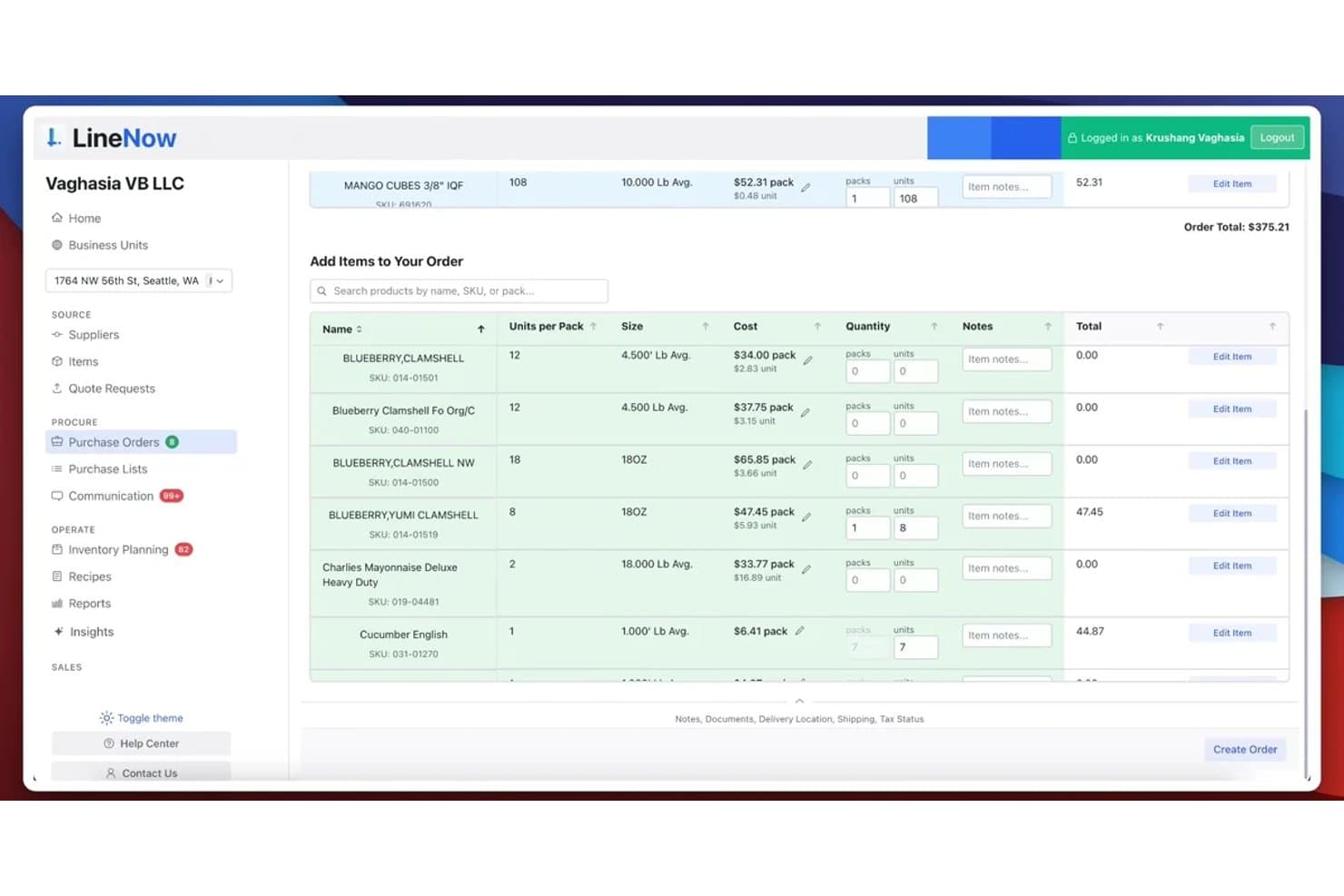
LineNow permite a los usuarios crear y personalizar pedidos de productos con cantidades y costes. LineNow es una plataforma de automatización de adquisiciones y órdenes de compra que gestiona la creación de órdenes de compra a proveedores, el enrutamiento de pedidos a múltiples proveedores y los flujos de comunicación con proveedores para operaciones de dropshipping.
¿Para quién es más adecuado LineNow?
LineNow es una opción excelente para operaciones de dropshipping consolidadas que ya cuentan con relaciones con proveedores y necesitan automatizar a gran escala la creación de órdenes de compra, el enrutamiento a múltiples proveedores y la comunicación con proveedores.
Por qué elegí LineNow
Elegí LineNow como una de las mejores opciones porque resuelve un problema que la mayoría de las herramientas de dropshipping ignoran: qué sucede después de que llega el pedido del cliente. Una vez que se activa un pedido de Shopify, LineNow genera y envía automáticamente las órdenes de compra al proveedor adecuado según la ubicación, la marca o las reglas del producto. Su AI analiza los correos electrónicos de respuesta de los proveedores, extrae los números de seguimiento, las fechas estimadas de entrega y los cambios de precio sin trabajo manual, y luego señala cualquier aumento de costes antes de que los aceptes.
Características principales de LineNow
- Seguimiento del ciclo de vida completo de las órdenes de compra: LineNow mantiene una orden de compra activa que se actualiza a medida que llegan las respuestas de los proveedores, registrando sustituciones, envíos parciales, revisiones de precios y fechas estimadas de entrega en un solo registro.
- Conciliación de facturas: Las facturas de los proveedores se comparan automáticamente con las órdenes de compra y se marcan las discrepancias; después, se envían a QuickBooks o Xero con la asignación de cuentas configurada.
- Panel para múltiples unidades de negocio: Una sola cuenta gestiona varias unidades de inventario propio, dropshipping y órdenes de trabajo desde una vista consolidada.
- Portal de recepción de pedidos para proveedores: Los proveedores reciben y responden a los pedidos a través de un portal específico sin necesidad de adoptar un nuevo software ni cambiar su forma de comunicarse.
Integraciones de LineNow
LineNow ofrece integraciones documentadas con Shopify, Amazon, Faire, QuickBooks Online, Xero, Square, Lightspeed, Toast, Clover y WhatsApp.
Pros and Cons
Pros:
- Automatiza la creación de órdenes de compra a proveedores después de recibir los pedidos
- Analiza con AI las respuestas de los proveedores para obtener actualizaciones
- Gestiona el complejo enrutamiento de pedidos a múltiples proveedores
Cons:
- No permite encontrar ni importar productos nuevos
- No ofrece un mercado de proveedores ni un catálogo de productos
Learn more about LineNow: Ideal para impresión bajo demanda
- Plan gratuito + Prueba gratuita de 14 días disponible
- Desde $24.99/mes
Visit WebsiteCustomer Rating:4.4/5
Crea productos de impresión bajo demanda con arte original o diseños de texto ya hechos. Printful es una plataforma de impresión bajo demanda que proporciona todo lo que los negocios de dropshipping necesitan para vender artículos y accesorios personalizados. Ofrece un generador de maquetas que coloca diseños en todo, desde ropa hasta fundas para teléfonos y utensilios de cocina.
Por qué elegí Printful: Creo que Printful encaja perfectamente con el tema de este artículo porque puede imprimir diseños bajo demanda y enviar el producto directamente a tus clientes. Todo lo que necesitas hacer es cargar los diseños y empezar a publicar sus detalles en tu sitio web. Printful también ofrece lecciones sencillas que te ayudarán a empezar en todo el proceso de impresión bajo demanda.
Características destacadas e integraciones de Printful
Características incluyen pedidos de muestra que Printful puede enviarte para que realmente puedas comprobar si la calidad de sus productos es la adecuada para tu tienda. Printful también dispone de un gran catálogo de 334 productos desde su propia planta de impresión en vez de recurrir a la subcontratación con terceros.
Integraciones incluyen conexiones con algunas de las plataformas y marketplaces de comercio electrónico más grandes, como Adobe Commerce, Big Cartel, BigCommerce, Etsy, Prestashop, Shopify, Squarespace, Webflow, Wix, WooCommerce y otras opciones de software. Printful también ofrece una API que puedes utilizar para hacer conexiones personalizadas con tus sistemas.
Pros and Cons
Pros:
- Productos de buena calidad
- Rápido de configurar
- Gran variedad de productos
Cons:
- Pueden ocurrir desconexiones de la tienda
- Solo está disponible el soporte por correo electrónico
 Mejor red de proveedores para dropshipping
- Prueba gratuita de 14 días
- Desde $24/mes
Visit WebsiteCustomer Rating:3.6/5
Compara miles de proveedores para encontrar los mejores productos para vender. Spocket es una solución de dropshipping que ayuda a las empresas de comercio electrónico a encontrar proveedores a través de su red. Los comerciantes pueden utilizar Spocket para encontrar productos rentables buscando entre miles de proveedores de todo el mundo.
Por qué elegí Spocket: Contar con una red de proveedores es crucial al hacer dropshipping, pero donde creo que Spocket se diferencia del resto es en su capacidad para conectarte con proveedores tanto en EE. UU. como en Europa. Spocket presume de una red de más de 60.000 proveedores que ofrece millones de productos. Dado que estos proveedores se encuentran principalmente en EE. UU. o Europa, puedes satisfacer a tus clientes ofreciendo envíos rápidos.
Funciones y integraciones destacadas de Spocket
Funciones incluyen la posibilidad de pedir muestras de productos para probar tanto los artículos como los proveedores, permitiéndote crear un negocio de dropshipping confiable. Spocket permite a los comerciantes crear facturas personalizadas con su marca para ayudarles a diferenciar su negocio.
Integraciones incluyen conexiones con algunos de los principales sistemas de comercio electrónico para ayudarte a comenzar con el dropshipping. Estas conexiones incluyen Alibaba, AliExpress, BigCommerce, Ecwid, Felex, Shopify, Square, Squarespace, Wix y WooCommerce.
Pros and Cons
Pros:
- Atención al cliente rápida
- Fácil de encontrar productos
- Tiempos de envío rápidos
Cons:
- Los usuarios no pueden ver los inventarios de los proveedores
- No ofrece plan gratuito permanente
Learn more about Spocket: Mejor opción para proveedores con sede en EE. UU.
- Plan gratuito disponible
- Desde $30/mes para hasta 250 productos
Visit WebsiteCustomer Rating:4.7/5
Explora proveedores ecológicos, vendedores de AliExpress, marcas de marca privada y marcas de diseñador para encontrar nuevos productos. Modalyst ayuda a los negocios de comercio electrónico a encontrar productos de calidad y a reducir los tiempos de envío al proporcionar acceso a miles de proveedores verificados en Estados Unidos.
Por qué elegí Modalyst: Añadí Modalyst a este artículo porque es la opción perfecta para comerciantes que buscan proveedores de productos en Estados Unidos. Estos proveedores estadounidenses ofrecen productos de más de 3,000 categorías, como moda femenina y masculina, belleza y salud, informática y oficina, hogar y jardín, y otras categorías populares. También puedes encontrar múltiples subcategorías dentro de cada categoría, lo que hace que Modalyst destaque frente a la competencia.
Características y opciones de integración destacadas de Modalyst
Características incluyen sincronización instantánea de productos que te permite cambiar rápidamente tu línea de productos y agregar tantos productos como desees a tus listas de inventario. Modalyst también proporciona un espacio de comunicación que puedes usar para reducir el tiempo de búsqueda de nuevos productos hablando directamente con los proveedores desde el panel de control.
Integraciones incluyen conexiones con plataformas de terceros que te permiten simplificar tus operaciones de comercio electrónico cuando usas Modalyst. Estas incluyen Alibaba, BigCommerce, Shopify y Wix.
Pros and Cons
Pros:
- Excelente atención al cliente
- Gestiona devoluciones de clientes
- Importa productos fácilmente
Cons:
- No se pueden separar las variaciones
- El sitio puede ser lento
Learn more about Modalyst: La mejor herramienta todo en uno para dropshipping
- Plan gratuito disponible
- Desde $99/mes
Visit WebsiteCustomer Rating:3.4/5
Automatiza todos los procesos de dropshipping, como la actualización del inventario y la sincronización de productos con los proveedores. Inventory Source ofrece una solución integral para ayudar a los dropshippers a automatizar el proceso de dropshipping.
Por qué elegí Inventory Source: La plataforma es una opción popular para negocios de dropshipping que necesitan una solución para gestionar toda su cadena de suministro. Inventory Source puede manejar todos los elementos esenciales necesarios para construir un negocio de dropshipping completamente automatizado. Esto incluye desde la importación de productos con un clic, hasta la actualización de inventario y el procesamiento de pedidos.
Características destacadas e integraciones de Inventory Source
Características incluyen opciones avanzadas de búsqueda de productos que te permiten elegir los mejores productos para tu tienda online. Inventory Source también hace honor a su nombre al proporcionarte acceso a más de 4,000 proveedores y mayoristas que ofrecen productos de todas las categorías.
Integraciones incluyen plataformas de tiendas en línea, marketplaces y soluciones de gestión que simplifican el proceso de dropshipping, como Amazon, BigCommerce, Ecwid, Magento, PrestaShop, Sellbrite, Shift4Shop, Shopify, Walmart, WooCommerce y otras opciones de software. Inventory Source también ofrece una API que te permite crear integraciones personalizadas.
Pros and Cons
Pros:
- Automatiza muchos procesos
- Permite escalar rápidamente
- Excelente sincronización de datos
Cons:
- Frecuentes caídas del sitio
- El servicio de atención al cliente necesita mejorar
Learn more about Inventory Source: Ideal para la obtención de productos
- Prueba gratuita de 14 días
- Desde $47/mes
Visit WebsiteCustomer Rating:4.3/5
Encuentra productos de fuentes como AliExpress, eBay, Alibaba y otros sitios. Dropified ayuda a las tiendas en línea a obtener productos de diversos mercados y automatizar los procesos de pedido y cumplimiento.
Por qué elegí Dropified: Un tema recurrente que encontrarás a lo largo de este artículo es la obtención de productos, y Dropified no es la excepción. Presume millones de productos en su catálogo que puedes agregar a tu tienda en línea en pocos clics. Pero donde Dropified se destaca del resto es en su capacidad de obtener productos de más de 75 mercados y plataformas.
Funciones destacadas e integraciones de Dropified
Funciones incluyen un informe interno que te ayudará a mantenerte al tanto de las últimas tendencias de productos que el equipo de Dropified obtiene a partir de datos de IA compilados y en profundidad. La plataforma también proporciona un editor de imágenes integrado que te permite editar imágenes de productos, descripciones y títulos antes de añadirlos a tu tienda en línea.
Integraciones incluyen conexiones con las principales plataformas de comercio electrónico para que puedas importar productos y otra información. Estas integraciones incluyen Alibaba, AliExpress, CommerceHQ, eBay, GrooveKart, Shopify y WooCommerce.
Pros and Cons
Pros:
- Excelente soporte al cliente
- Agrega productos rápidamente a las tiendas
- Fácil de instalar
Cons:
- Los planes son costosos
- La interfaz de usuario necesita mejoras
Learn more about Dropified:

Importa productos directamente desde AliExpress y actualiza los detalles del producto para que se ajusten a tu marca. Oberlo está diseñado para pequeñas empresas de comercio electrónico que buscan importar productos desde AliExpress. Ayuda a los dropshippers a importar y gestionar pedidos, cumplir con los envíos y realizar el seguimiento de los paquetes.
Por qué elegí Oberlo: Quise empezar esta lista con Oberlo porque es una excelente opción para pequeños negocios de comercio electrónico que son nuevos en el dropshipping y que buscan importar productos desde AliExpress. Oberlo puede agregar automáticamente los productos que selecciones, incluyendo toda la información y descripciones del producto. Es importante tener en cuenta que solo obtiene productos de AliExpress, pero esto no debería ser un inconveniente significativo porque el marketplace ofrece productos de cualquier categoría imaginable, como moda, belleza, electrónica, jardinería y muchas otras categorías populares.
Características y compatibilidades destacadas de Oberlo
Características incluyen actualizaciones automáticas de inventario que aseguran que no vendas productos agotados ni pierdas tiempo revisando informes de inventario diarios. La función de mapeo de variantes de Oberlo te ayuda a separar listados con diferentes variaciones de un mismo artículo y notifica cuando una variación está agotada; esto te permite combinar varias variantes de distintos proveedores de AliExpress en un mismo listado.
Integraciones incluyen algunas conexiones estándar que te ayudarán a gestionar tu negocio de dropshipping. Estas integraciones incluyen Ali Reviews, Checkout X, Shift y Shopify.
Pros and Cons
Pros:
- Automatiza tareas tediosas
- Fácil de monitorizar el progreso de los pedidos
- Interfaz intuitiva y fácil de usar
Cons:
- Solo funciona en Shopify
- Soporte lento
Learn more about Oberlo:

Descubre y compara ideas de productos para identificar tendencias de gran demanda y productos populares. Salehoo es una plataforma de dropshipping que puede conectar a negocios de comercio electrónico con proveedores confiables y previamente verificados. La solución cuenta con más de 8,000 proveedores en su red, y más de 2.5 millones de productos que los dropshippers pueden añadir a su tienda.
Por qué elegí Salehoo: Quise añadir Salehoo a este artículo porque puede ayudarte a encontrar proveedores confiables para tu negocio. Gracias a su red de proveedores, puedes encontrar fácilmente los mejores productos para agregar a tu tienda en línea. Salehoo ofrece un directorio que te ahorra el tiempo de investigación de mercado, y no existen pedidos mínimos, por lo que puedes empezar poco a poco e ir creciendo a tu ritmo.
Características destacadas e integraciones de Salehoo
Características incluyen una herramienta de control de precios que te permite establecer un margen de beneficio en los precios de todos tus productos, así, si los proveedores cambian de repente los precios, puedes seguir obteniendo ganancias. Salehoo también proporciona un panel todo en uno que te da detalles clave de todos los productos, incluyendo costos, volumen de ventas, calificación del proveedor e información de envío.
Integraciones incluyen sistemas de terceros, como creadores de sitios web de comercio electrónico, empresas de envíos y marketplaces de dropshipping. Los sistemas que puedes conectar con Salehoo incluyen AliExpress, BQool Repricing Central, ClickBank, FedEx Ship Manager y Shopify.
Pros and Cons
Pros:
- Atención al cliente receptiva
- Gran cantidad de proveedores disponibles
- Facilidad para filtrar listas de proveedores
Cons:
- No es fácil de navegar
- Algunas informaciones de productos no están actualizadas
Learn more about SaleHoo: Ideal para dropshipping en AliExpress
- Prueba gratuita de 14 días + hay planes gratuitos disponibles
- Desde $1.99/mes

Explora una amplia variedad de productos disponibles en AliExpress. Dsers es la plataforma oficial de dropshipping para AliExpress que permite a los comerciantes encontrar proveedores confiables y realizar pedidos en cuestión de minutos.
Por qué elegí Dsers: Puedes usar la plataforma para importar rápidamente productos ganadores de AliExpress desde el panel de Dsers. La plataforma enviará actualizaciones de rastreo que puedes compartir con tus clientes, para que sepan cuándo recibirán su pedido. Dsers puede procesar tus pedidos de dropshipping muy rápido y también puedes realizar múltiples pedidos al mismo tiempo.
Características e integraciones destacadas de Dsers
Características incluyen un optimizador de proveedores integrado que permite a los comerciantes comparar proveedores y tomar rápidamente la mejor decisión posible para sus necesidades, aumentando la calidad de sus productos y su margen de beneficio. A medida que tu negocio crece, puedes utilizar la capacidad de Dsers para gestionar varias tiendas y así administrar varias tiendas online de comercio electrónico en un solo lugar.
Integraciones incluyen la posibilidad de realizar cientos de pedidos y administrar tu tienda a través de varias conexiones con otros sistemas de terceros. Estas integraciones incluyen plataformas como AliExpress, PayPal, Shopify, Wix y WooCommerce.
Pros and Cons
Pros:
- Fácil de usar
- Múltiples opciones de envío
- Procesa rápidamente cientos de pedidos
Cons:
- Integraciones limitadas
- No permite edición masiva de productos
Learn more about Dsers:

Todos los datos de ventas y análisis están disponibles en el panel inmediatamente después de que los usuarios inician sesión. Doba ayuda a los dropshippers de comercio electrónico a mantenerse al día con las últimas tendencias de productos y a acceder a miles de productos de múltiples verticales.
Por qué elegí Doba: Debido a que hay tantos productos que puedes añadir a tu tienda de dropshipping, necesitas ayuda para encontrar los mejores que se adapten a tu marca y que los clientes quieran comprar. Es posible hacerlo por tu cuenta, pero incluí a Doba en esta lista por su capacidad para facilitarte este proceso. Doba te proporcionará una lista de productos populares y con alto margen que puedes añadir a tu tienda y empezar a vender inmediatamente.
Características destacadas e integraciones de Doba
Características incluye un informe de proveedores que te brinda datos detallados de su desempeño para asegurarte de no quedarte con un mal proveedor, incluyendo tasas de cumplimiento, tiempos de procesamiento, políticas de devoluciones y opciones de transportistas. Doba también proporciona alertas de inventario que se envían cuando los niveles de existencias son demasiado bajos, permitiéndote eliminar artículos de tu tienda y evitar sobreventas.
Integraciones incluye conexiones con plataformas y mercados de terceros, como Amazon, BigCommerce, eBay, NewEgg, Shift4Shop, Shopify, Square, Walmart, Wix y WooCommerce. Doba también proporciona una API que te permitirá crear integraciones personalizadas.
Pros and Cons
Pros:
- Fácil de navegar
- Simplifica el proceso de dropshipping
- Catálogo de productos extenso
Cons:
- Productos con precios elevados
- Opción costosa
Learn more about Doba:
Otras opciones
Estas son otras opciones de software de dropshipping que recomiendo tener en cuenta.
- 11Wholesale2BMejor para la automatización de dropshipping
- 12SynceeIdeal para gestionar todas las operaciones de dropshipping
- 13ShipStationIdeal para integración con muchos canales
- 14EcomdashIdeal para el control de inventarios
Cómo evalúo el software de dropshipping
Analizo las herramientas de dropshipping en dos niveles: requisitos básicos que toda plataforma debe cumplir—como la automatización del enrutamiento de pedidos y la sincronización de inventario—y los elementos diferenciadores que importan según tu modelo.
Funcionalidad esencial (indispensables para esta lista)
Cuando selecciono herramientas para mi lista, califico cada una en una escala del 0 (no ofrece la funcionalidad) al 5 (sobresale en esta área) para cada función esencial que se indica a continuación. Luego, calculo el puntaje total de la herramienta como un porcentaje. Cada herramienta debe alcanzar una puntuación mínima total del 65% para ser considerada en la selección.
- Abastecimiento e importación de productos: Verifico si la herramienta ofrece un catálogo de proveedores con búsqueda y la importación con un solo clic, para que no tengas que copiar manualmente los títulos e imágenes uno por uno.
- Automatización del cumplimiento de pedidos: Cuando un cliente realiza un pedido, la plataforma debe enviarlo al proveedor de forma automática—sin copiar y pegar direcciones en otro portal.
- Sincronización de inventario y precios: La sincronización en tiempo real es importante aquí. Evalúo qué tan bien cada herramienta actualiza los niveles de stock y los costes, para que no vendas artículos que el proveedor ya agotó durante la noche.
- Integración con plataformas de comercio electrónico: Reviso las conexiones nativas con plataformas como Shopify, WooCommerce, BigCommerce y mercados como eBay y Amazon para vendedores multicanal.
- Gestión de red de proveedores: Una buena herramienta te da acceso a proveedores verificados y te permite comparar opciones—tiempos de envío, calidad de producto, calificaciones—antes de comprometerte.
- Seguimiento de envíos y notificaciones: Busco la sincronización automatizada del seguimiento del proveedor a la tienda, para que tus clientes reciban actualizaciones del estado de sus pedidos sin que tú tengas que buscar manualmente los números.
Una vez que tengo una lista de herramientas que cumplen con este criterio, considero lo que diferencia a cada plataforma.
Factores diferenciadores (qué distingue a los proveedores)
Así es como comparo y contrasto los diferentes proveedores:
Características destacadas
Las herramientas de investigación de productos son un gran factor diferencial. Busco plataformas que muestren productos en tendencia con datos reales de ventas, no solo listas seleccionadas que encuentras en una búsqueda básica. Las opciones de envío más rápidas son igual de importantes—el acceso a almacenes regionales puede reducir la entrega de semanas a días, lo que afecta directamente la tasa de compras repetidas. También evalúo los análisis de ganancias y márgenes integrados, ya que rastrear el costo de bienes vendidos, el gasto publicitario y la ganancia neta por producto en un solo panel te evita tener que analizar hojas de cálculo para descubrir qué productos realmente te generan ingresos.
Más allá de las características
La transparencia en los precios es fundamental en este sector. Reviso si las plataformas limitan la importación de productos o el volumen de pedidos por nivel de suscripción, ya que alcanzar esos límites durante el crecimiento puede obligarte a comprar una actualización costosa. La escalabilidad es otro factor—si gestionas varias tiendas o administras marcas para clientes, verifico si la plataforma permite administrar múltiples tiendas y permisos de equipo con una sola cuenta. También evalúo las integraciones con otras tecnologías, sobre todo conexiones con plataformas de publicidad y herramientas de contabilidad como QuickBooks o Xero, ya que conciliar pagos a proveedores manualmente se vuelve tedioso rápidamente.
¿Qué es el software de dropshipping?
El software de dropshipping es una herramienta optimizada diseñada para mejorar la eficiencia del comercio electrónico. Conecta a los vendedores en línea con los proveedores y automatiza el proceso de publicar productos, procesar pedidos y gestionar el inventario, sin necesidad de disponer de existencias físicas.
Su objetivo es ayudar a los emprendedores a centrarse en las ventas y la interacción con los clientes, mientras el software se encarga de la logística administrativa, facilitando la gestión de una tienda en línea con unos gastos generales mínimos.
Preguntas que también se hacen
Al buscar un nuevo software de dropshipping, es posible que tengas algunas preguntas adicionales que te ayuden a reducir tus opciones. Por eso, he añadido algunas de las preguntas más comunes que se hacen las personas al buscar herramientas de dropshipping y he proporcionado algunas respuestas para ayudarte.
Otras reseñas de software de comercio electrónico
El dropshipping es solo un tipo de venta en línea. Como probablemente sabrás, existen distintos tipos de productos y catálogos que puedes vender, así que aquí tienes software adicional que se adapta a otros nichos especializados del comercio electrónico.
- Plataformas de comercio electrónico B2B
- Plataformas de comercio electrónico por suscripción
- Plataformas de mercados de comercio electrónico
- Software de gestión de relaciones con proveedores
- Software de CRM para comercio electrónico
Qué sigue:
Si estás investigando software de dropshipping, ponte en contacto con un asesor de SoftwareSelect para recibir recomendaciones gratuitas.
Rellenarás un formulario y tendrás una breve conversación en la que analizarán los detalles específicos de tus necesidades. Después, recibirás una lista de software preseleccionado para revisar. Incluso te ayudarán durante todo el proceso de compra, incluidas las negociaciones de precios.