
10 beste gratis kassasoftware beoordeeld in 2026

Beste gratis POS-software op een rij


Een winkelbedrijf runnen is geen eenvoudige opgave. Je houdt je bezig met voorraadbeheer, stuurt personeel aan en zorgt voor een hoge klanttevredenheid, terwijl je tegelijkertijd de winstgevendheid in de gaten houdt. Gratis POS-software kan de werklast verlichten door essentiële hulpmiddelen te bieden zonder financiële verplichtingen.
De juiste kassasoftware vinden kan overweldigend zijn. Daarom heb ik meerdere gratis POS-oplossingen beoordeeld en getest om je de beste keuzes te bieden. Deze tools kunnen je team helpen transacties af te handelen, de voorraad te beheren en je bedrijf soepel te laten draaien.
In dit artikel deel ik mijn onbevooroordeelde beoordelingen van de beste gratis POS-software en leg ik uit waarin elke optie uitblinkt, zodat je de juiste oplossing voor je bedrijfsbehoeften kunt vinden.
Waarom u onze softwareaanbevelingen kunt vertrouwen
Ons team test en beoordeelt software sinds 2012. Als retailleiders weten we zelf hoe moeilijk — en belangrijk — het is om de juiste software te kiezen.
Voor deze gids hebben we tools geëvalueerd met behulp van praktijktests en onafhankelijk onderzoek, waarbij we tools beoordeelden aan de hand van onze selectiecriteria.
Onze reviews weerspiegelen ons onafhankelijke oordeel — geen verkooppraatje.
Samenvatting van de beste gratis POS-software
Alle POS-software in mijn lijst heeft een gratis aanbod, maar biedt ook betaalde abonnementen als je wilt upgraden. Hier zijn de basiskosten van elk hulpmiddel dat mijn overzicht heeft gehaald:
| Tool | Best For | Trial Info | Price | ||
|---|---|---|---|---|---|
| 1 | Best for simple billing | Not available | Free to use | Website | |
| 2 | Best for online integration | Free plan available | Pricing upon request | Website | |
| 3 | Best for multiplatform support | Free plan + free demo available | From $10/month (billed annually) | Website | |
| 4 | Best for small businesses | Free plan available | From $35/month | Website | |
| 5 | Best for inventory tracking | 14-day free trial | From $5/month | Website | |
| 6 | Best for customization | Free demo available | Free to use | Website | |
| 7 | Best for ease of use | 30-day free trial | From $45/month | Website | |
| 8 | Best for mobile compatibility | 30-day free trial | From $4/user/month | Website | |
| 9 | Best for offline functionality | Not available | Free to use | Website | |
| 10 | Best for local store use | Free plan available | From $12/month | Website |
Beoordelingen van de beste gratis POS-software
Hieronder vind je mijn uitgebreide samenvattingen van de beste gratis POS-software die mijn overzicht heeft gehaald. Mijn beoordelingen geven een gedetailleerd beeld van de belangrijkste functies, voor- en nadelen, integraties en ideale gebruikssituaties van elke tool, zodat je de beste optie voor jou kunt vinden. Sommige van deze tools bieden een volledig gratis versie, terwijl andere een gratis proefperiode aanbieden. In elke beoordeling heb ik vermeld wat gratis is.

Moon POS
Best for simple billing
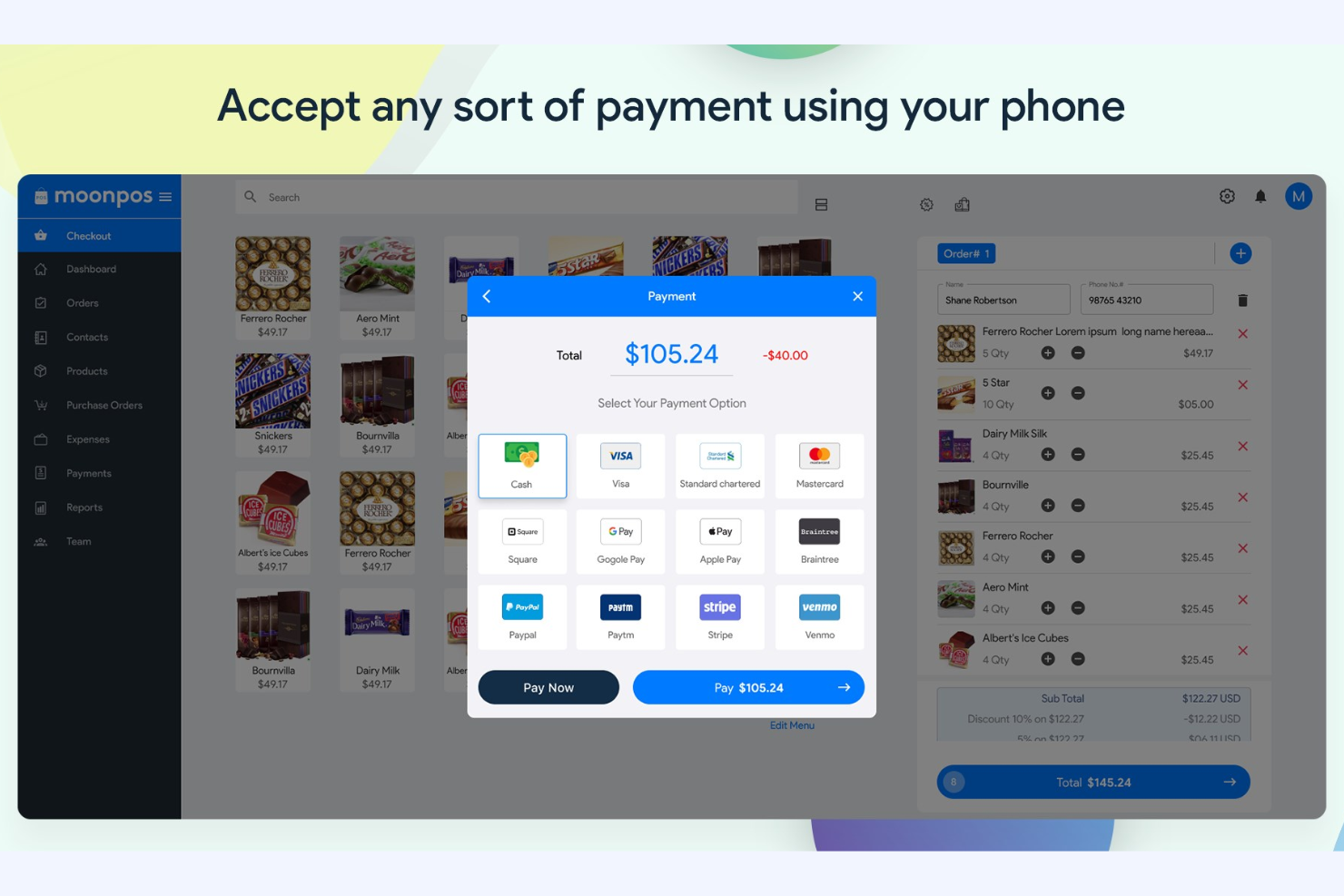
Moon POS is a no-frills POS solution aimed at small retail businesses. It focuses on basic billing, sales tracking, and inventory management to support daily operations.
Why I picked Moon POS: Moon POS's free version offers straightforward features for managing sales transactions, handling basic inventory management, and tracking sales at no cost. The simple interface allows your team to learn to use it quickly, which is ideal for businesses prioritizing ease of use.
Standout Features and Integrations:
Features include a built-in customer loyalty program to encourage repeat business, customizable receipts, and sales analytics to monitor your business's performance. You can also set up discounts and promotions to boost sales.
Integrations include PayPal, Stripe, Venmo, Apple Pay, CashApp, Zapier, Public API, WooCommerce, Gmail, Basecamp, and more.
What's free? Moon POS offers a free-forever plan with basic POS functionality, but it may restrict advanced features and support.
Pros and Cons
Pros:
- Easy discount setup
- Secure, cloud-based data
- Support for payments and integrations
Cons:
- Requires additional hardware for a full POS setup
- Basic loyalty features

Best for online integration
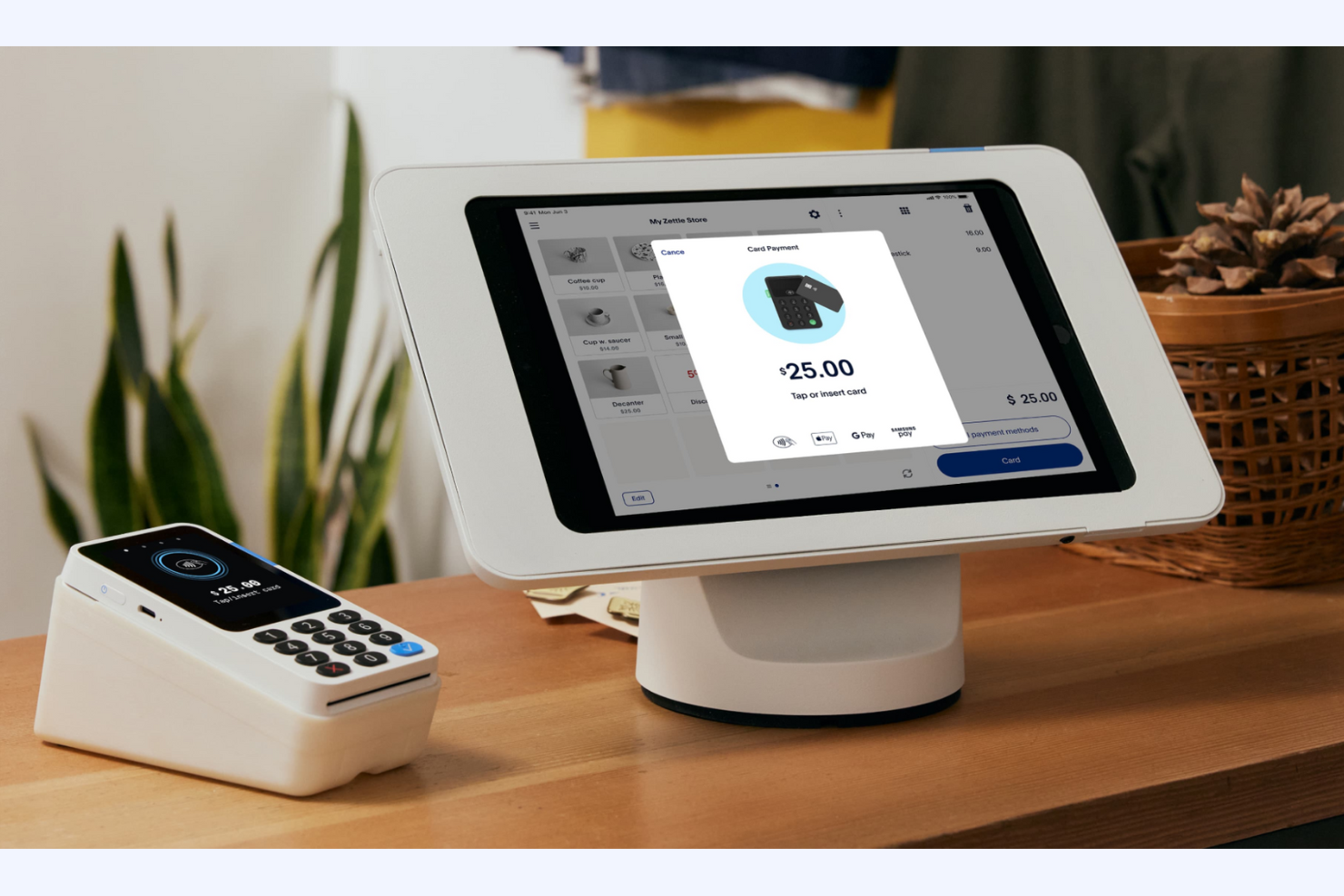
PayPal POS is a digital point-of-sale solution designed for businesses looking to integrate online and in-person sales. It caters to small and medium-sized businesses, providing tools for managing payments, sales, and customer interactions.
Why I picked PayPal POS: PayPal POS offers a free plan that integrates online payments, letting you manage both digital and in-person transactions from one platform. You can track sales, manage inventory, and access customer data with ease. The software is particularly useful for businesses that want to simplify their online and offline sales processes. PayPal POS's ability to handle multiple sales channels makes it appealing for businesses with an online presence.
Standout Features and Integrations:
Features include real-time transaction tracking, customizable sales reports, and inventory management tools. You can also set up recurring payments and subscriptions for your regular customers.
Integrations include QuickBooks, WooCommerce, Shopify, BigCommerce, Xero, NearSt, and more.
What's free? PayPal POS offers a free-forever plan with basic POS functionalities, though transaction fees apply, and there may be limitations on advanced features.
Pros and Cons
Pros:
- No monthly software fees
- Recurring payments
- Online and offline sales integration
Cons:
- Scaling limitations
- Transaction fees can add up quickly

eHopper
Best for multiplatform support
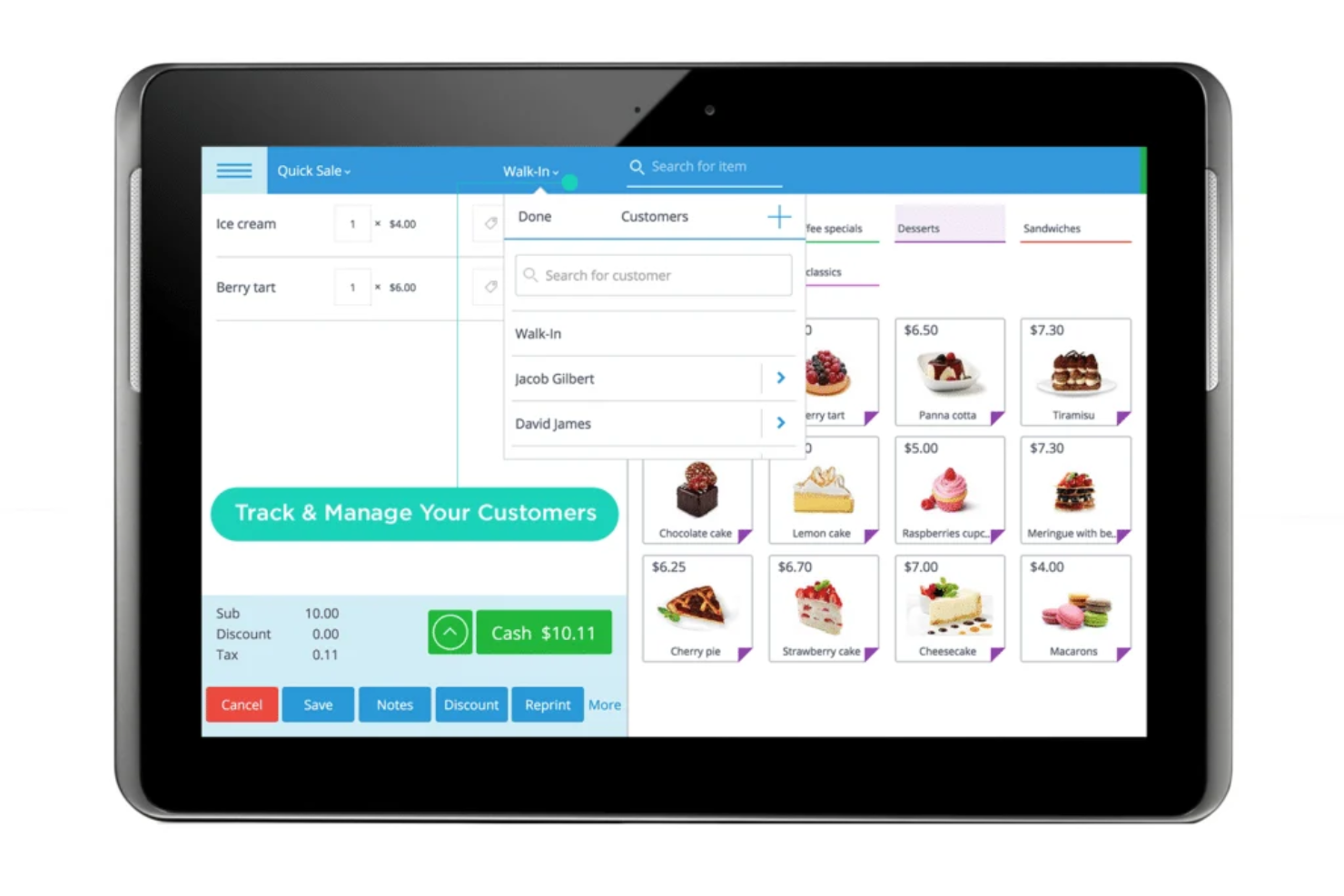
eHopper is a versatile POS software designed for retail and hospitality businesses. It offers sales processing, inventory management, and customer service functionalities and supports multiple platforms such as Windows, Android, and iOS.
Why I picked eHopper: eHopper's free plan lets you use the software across different devices, which is perfect if your team uses different platforms. The free plan includes basic inventory management, sales tracking, and CRM features. You can also process payments and manage orders at no extra cost. This flexibility makes it a great choice for businesses with unique hardware requirements.
Standout Features and Integrations:
Features include order management, employee performance tools, and a built-in time clock. The software also offers a customer loyalty program to encourage repeat business and supports multiple languages.
Integrations include QuickBooks, Xero, Mailchimp, WooCommerce, BigCommerce, PrestaShop, Shopify, and more.
What's free? eHopper offers a free forever plan with basic POS features, limited to one cash register and one user.
Pros and Cons
Pros:
- Multiple languages supported
- Time clock included
- Multiplatform compatibility
Cons:
- Transaction and product caps
- No iOS support for POS

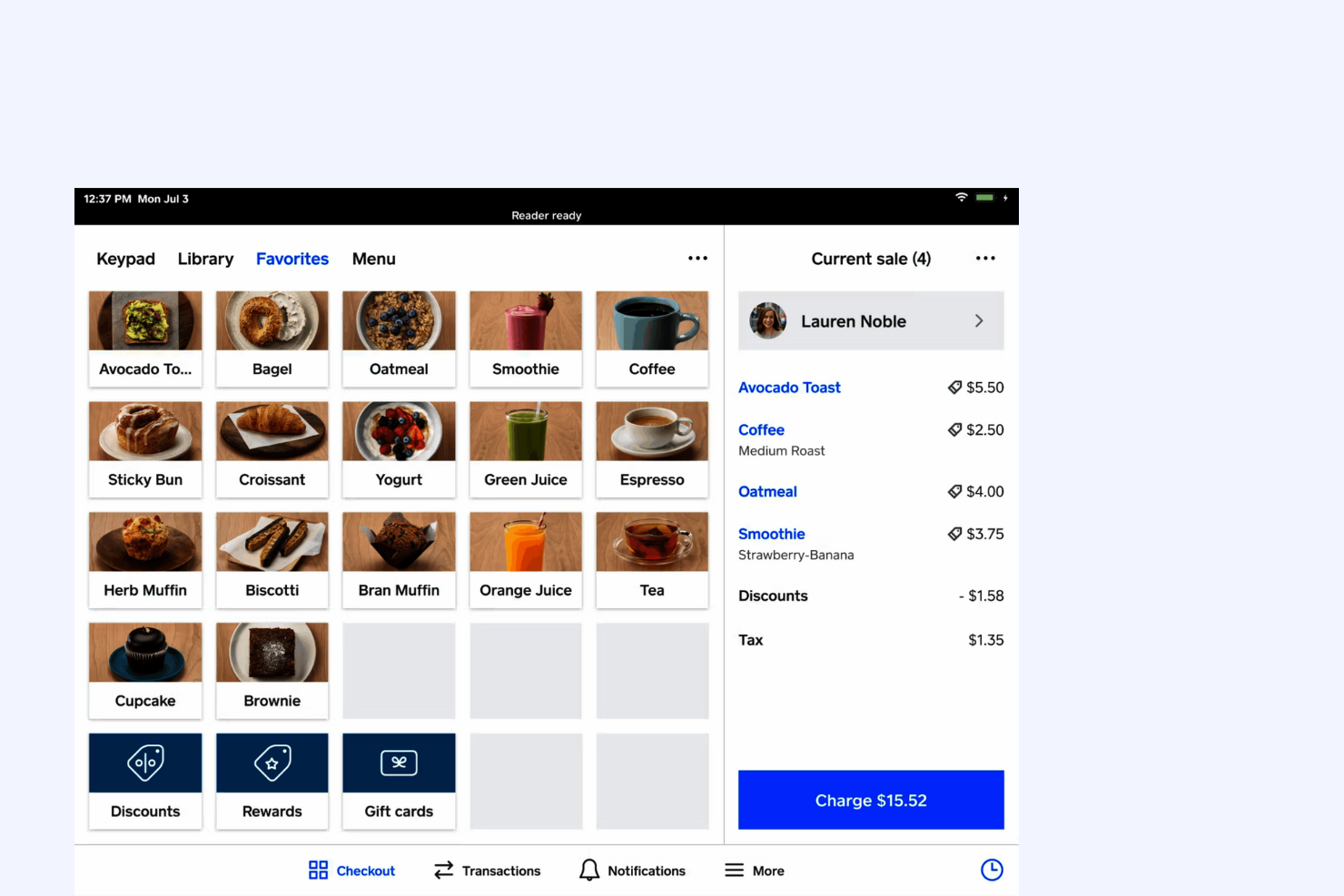
Square is a POS software tailored for small businesses, offering tools for payment processing, sales tracking, and basic inventory management. It serves retailers, cafes, and other local shops that need reliable, straightforward point-of-sale capabilities.
Why I picked Square: Square's free plan provides essential POS features that cater to small businesses. You can accept payments, track sales, and manage basic inventory at no extra cost, and its user-friendly interface lets you quickly set up and start selling. With no monthly fees for the basic plan, it's an ideal choice for startups and boutiques looking to minimize expenses.
Standout Features and Integrations:
Features include customizable digital receipts, a dashboard for real-time sales analytics, and business management tools to track hours and sales. You can also access customer feedback directly through the platform, which can help you improve service quality.
Integrations include QuickBooks, Xero, WooCommerce, BigCommerce, Wix, PrestaShop, and more.
What's free? Square offers a free-forever plan with basic POS features, but it charges a per-transaction fee and has limited advanced features.
Pros and Cons
Pros:
- Customizable receipts
- No upfront fees
- Online ordering system
Cons:
- Windows incompatibility
- Unexpected fund holds

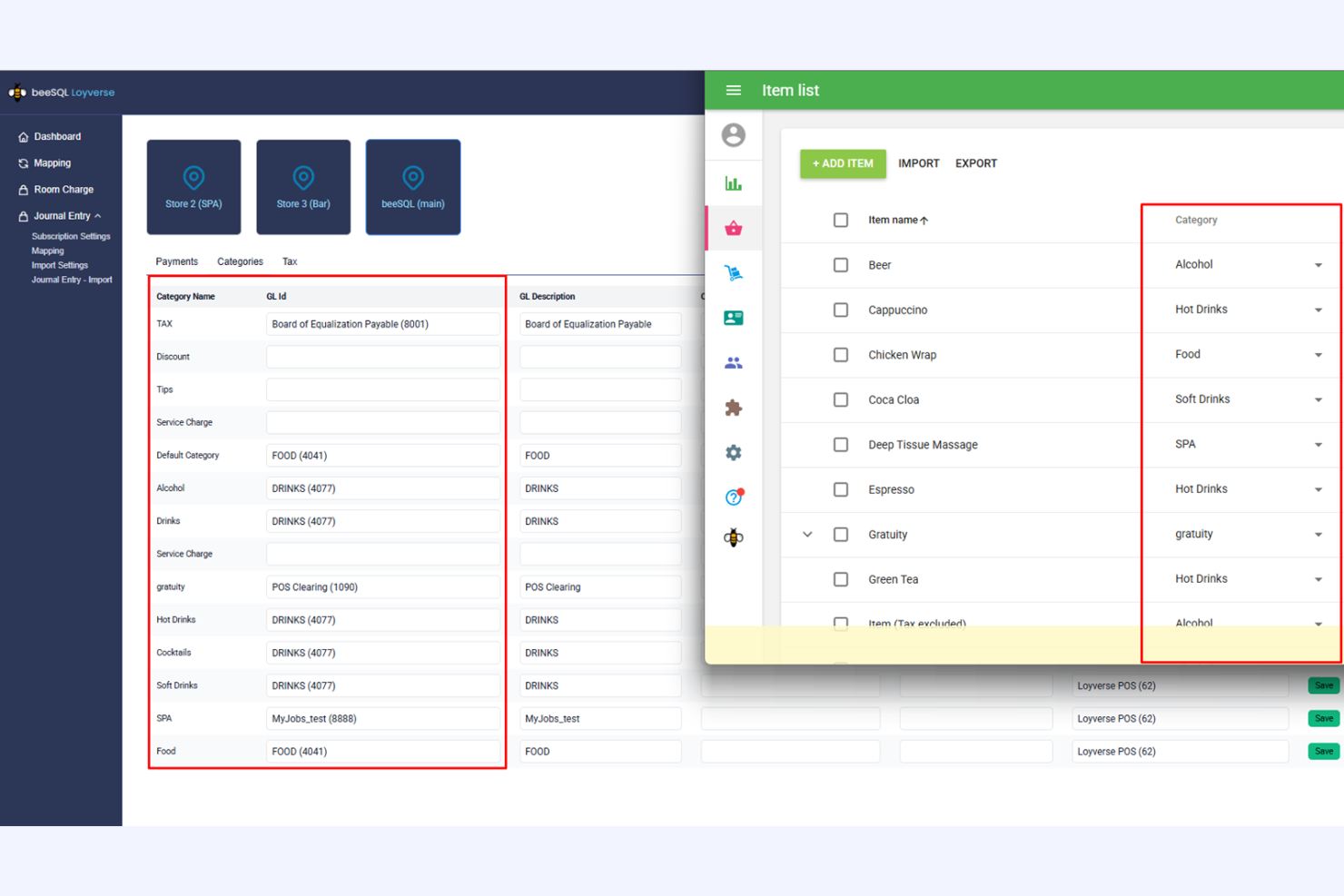
Loyverse is a free POS software designed for small retail businesses and cafes. It focuses on inventory management, sales tracking, and customer loyalty programs to support your daily operations.
Why I picked Loyverse: Loyverse's free plan includes essential inventory-tracking features, making it ideal for small businesses looking to boost efficiency. You can manage supplies, receive low-stock alerts, and conduct stock takes all through the POS system. The free version also lets you create and manage customer profiles to improve customer loyalty.
Standout Features and Integrations:
Features include a detailed sales analytics dashboard, employee performance-tracking tools, and a built-in loyalty program to encourage repeat business. You can customize receipts and access sales data in real time, providing valuable insights into your operations.
Integrations include QuickBooks, Xero, SumUp, PayPal, Worldpay, Tyro, Stripe, and more.
What's free? Loyverse offers a free-forever plan with no user limit, but some advanced features, such as integrations, may require a paid add-on.
Pros and Cons
Pros:
- Built-in customer loyalty program
- Real-time sales insights
- Intuitive inventory management
Cons:
- Syncing and connectivity glitches
- Add-ons required for integrations

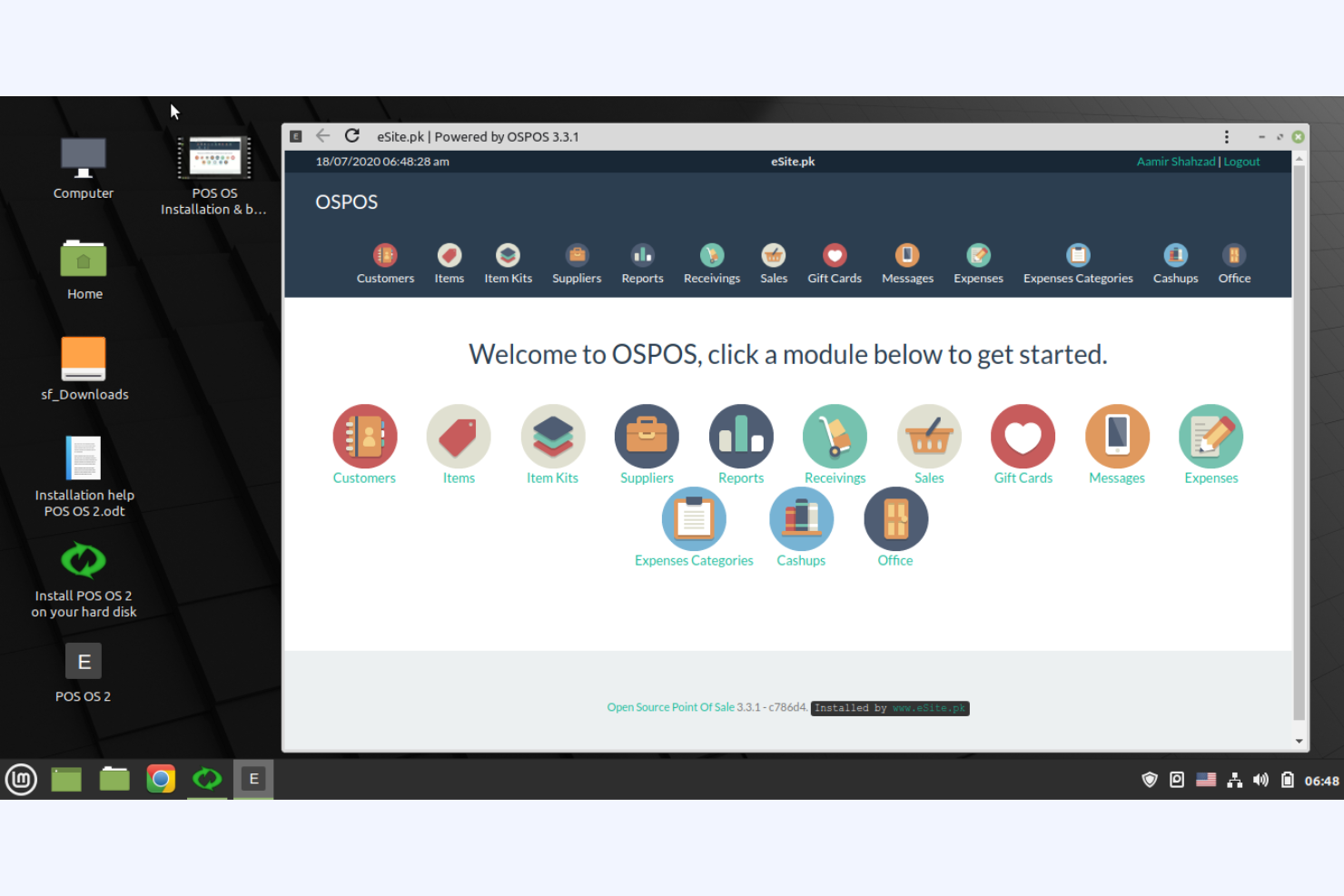
Open Source Point of Sale is a customizable POS system designed for small to medium-sized retailers that want flexibility in managing their sales and inventory. It provides essential tools for transaction processing, inventory management, and customer management.
Why I picked Open Source Point of Sale: It offers a free, open-source solution that lets you customize the software to fit your business needs. The free version includes basic sales and inventory management tools, but you can modify the code to add features or adjust functionality, making it perfect for businesses that want granular control over their POS system. This level of customization is ideal if you're tech-savvy and need a tailored solution.
Standout Features and Integrations:
Features include detailed sales and inventory reports to help you track business performance. You can even manage multiple stores from a single account, which is useful if you're expanding. The system also supports multiple languages, making it a versatile option for diverse teams.
Integrations include Mailchimp and more.
What's free? Open Source Point of Sale offers a free-forever plan with full access to its open-source code, allowing for unlimited customization.
Pros and Cons
Pros:
- Free access to source code
- Web-based and flexible deployment
- No license fees
Cons:
- No official support
- Requires technical knowledge

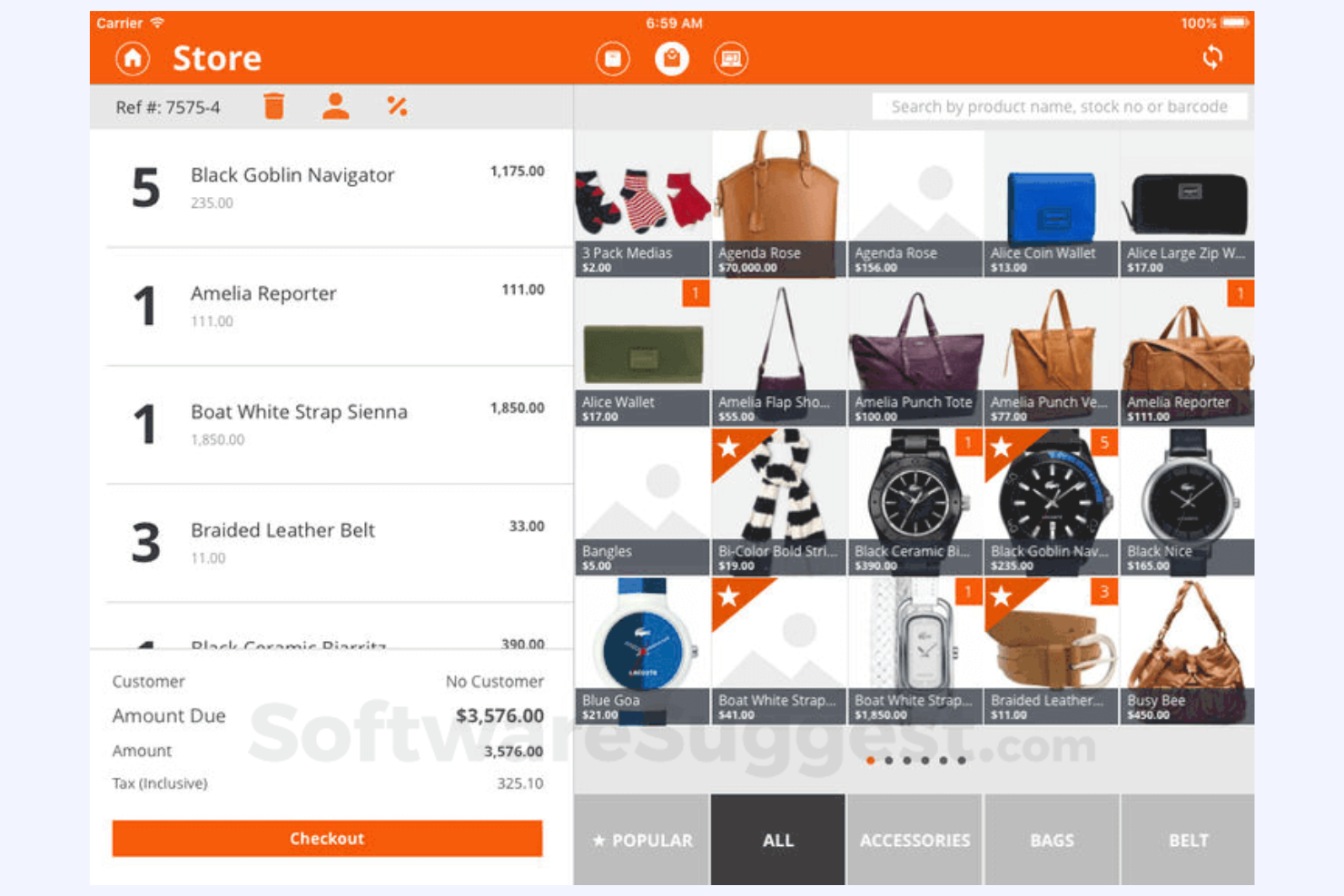
Imonggo is a user-friendly POS software designed for small to medium-sized retailers. It offers sales tracking, inventory management, and customer relationship features that cater to no-nonsense businesses.
Why I picked Imonggo: Imonggo's free offering provides a simple interface that makes it easy for you to manage sales and inventory. Its free plan allows for unlimited products and transactions, which is great if you have a large inventory. Thanks to the software's intuitive design, you won't need extensive training to get started. This focus on ease of use makes it a practical choice for business owners new to retail POS systems.
Standout Features and Integrations:
Features include real-time sales tracking, a built-in customer loyalty program, and detailed sales reports. You can also set up promotions and discounts to drive customer engagement.
Integrations include Shopify, QuickBooks, Cyclr, and more.
What's free? Imonggo offers a free-forever plan with a limited number of users and restrictions for advanced features.
Pros and Cons
Pros:
- Easy promotion setup
- Cost-effective
- Unlimited product catalog
Cons:
- Lack of e-commerce sync
- No offline mode for free users

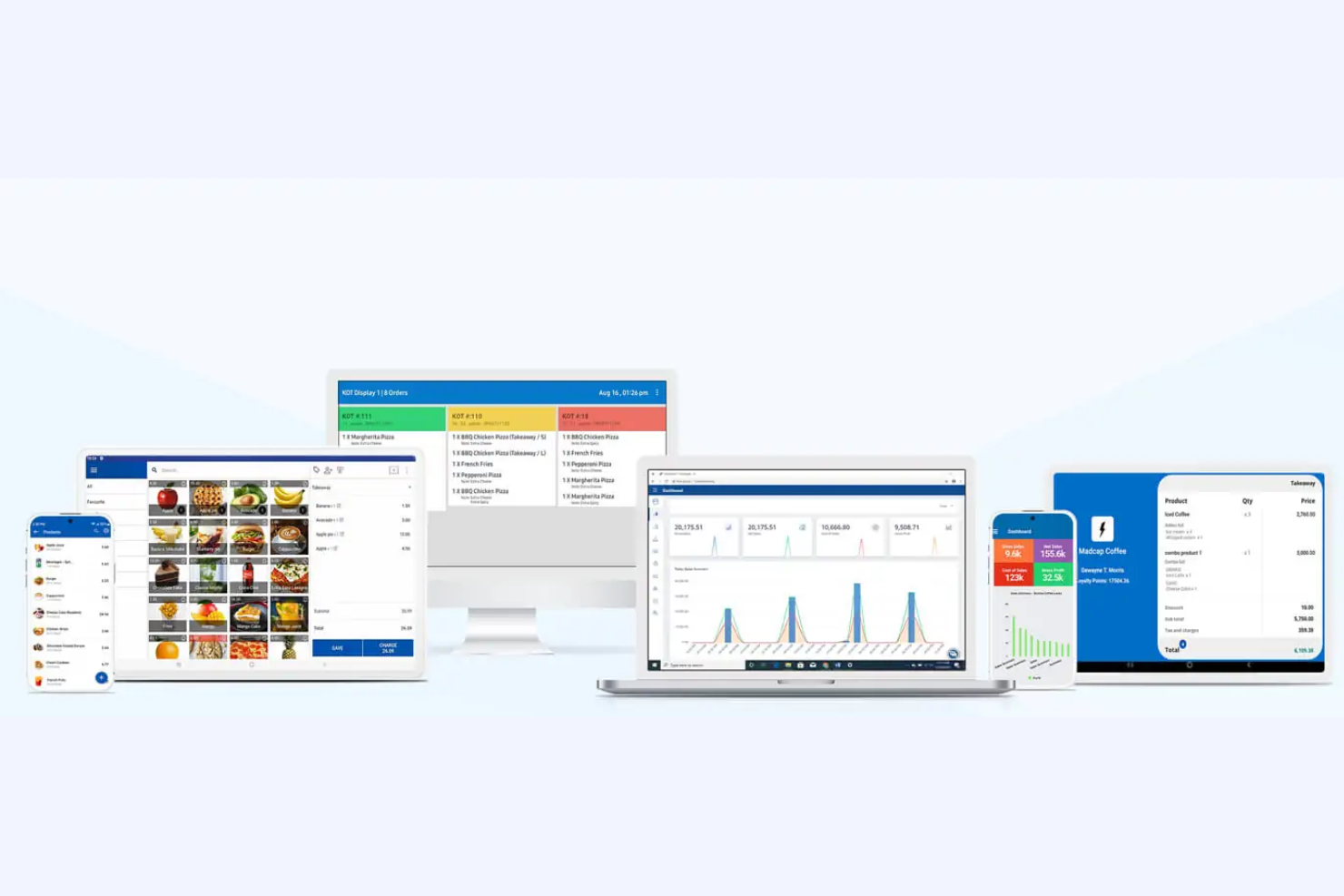
SalesPlay is a mobile-friendly POS solution ideal for small to medium-sized retail and hospitality businesses. It focuses on sales processing, inventory management, and CRM, all accessible via mobile devices.
Why I picked SalesPlay: SalesPlay's free version supports mobile devices, making it highly accessible for teams on the go. You can process sales, manage inventory, and track customer data directly from your phone or tablet. The mobile POS app is user-friendly and easy to learn, making it a flexible solution ideal for businesses that require mobility.
Standout Features and Integrations:
Features include a customer loyalty program, detailed sales and inventory reports, and the ability to manage multiple stores from one account. You can also set up promotions and discounts to help boost sales.
Integrations include QuickBooks, Xero, WooCommerce, Shopify, Mailchimp, Salesforce, and more.
What's free? SalesPlay offers a free-forever plan with basic POS features, but it may limit the number of users and restrict advanced features.
Pros and Cons
Pros:
- Loyalty programs offered
- Multiple stores supported
- Convenient mobile access
Cons:
- Basic inventory features
- Limited user accounts

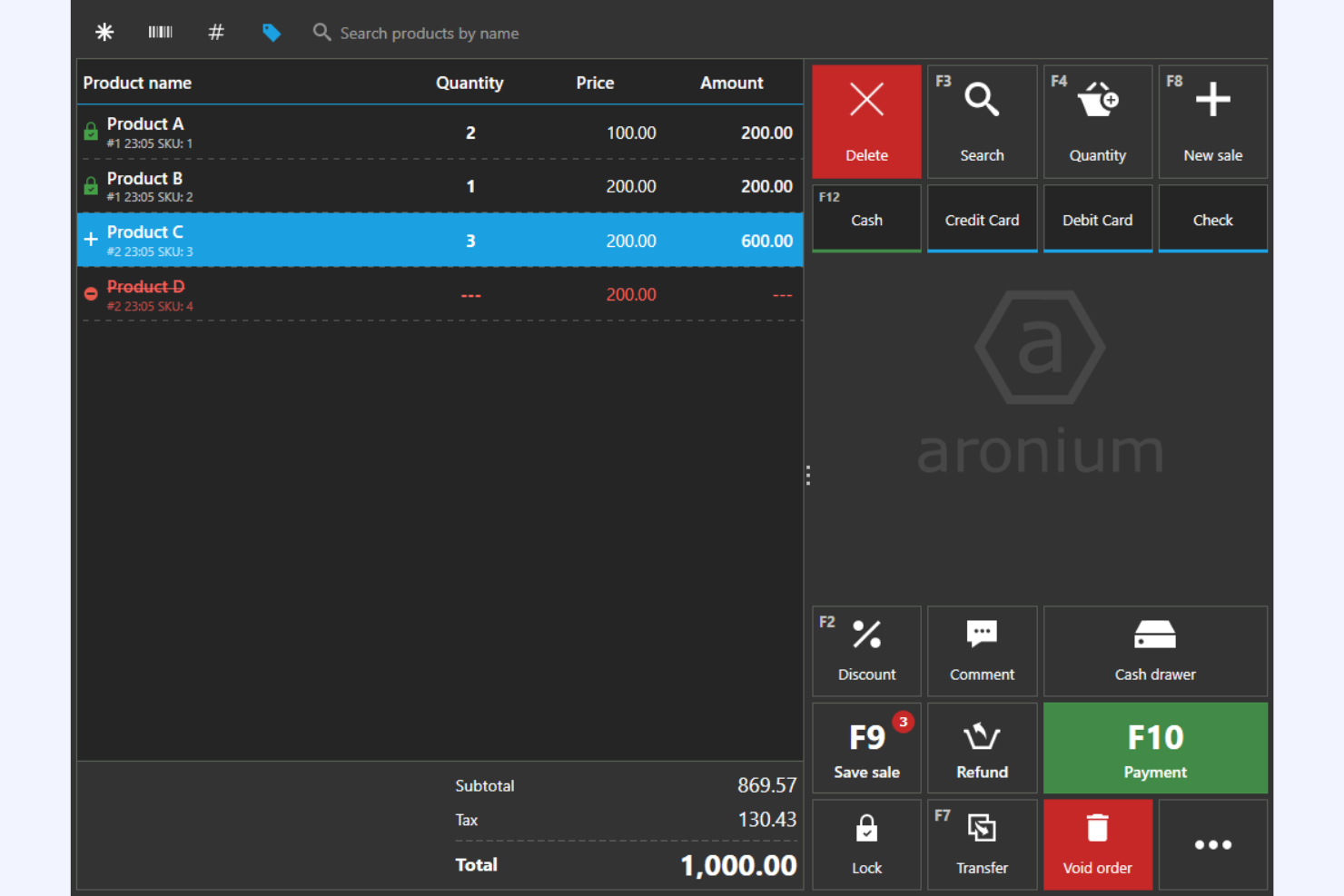
Aronium is a POS software geared toward small to medium-sized retail businesses. It lets you manage sales, inventory, and customer relationships all offline.
Why I picked Aronium: Aronium's free version offers offline functionality, which is a lifesaver if your internet connection is unreliable. The software also supports multiple languages and currencies, making it versatile for global markets. This allows your operations to run smoothly even when the internet goes out.
Standout Features and Integrations:
Features include advanced reporting tools that let you monitor sales and inventory. You can also create detailed customer profiles to upgrade your marketing efforts. The software's clean and intuitive user interface makes it easy for your team to learn and use.
Integrations include WooCommerce, Shopify, Xero, QuickBooks, Mailchimp, PrestaShop, BigCommerce, and more.
What's free? Aronium offers a free-forever plan with full offline functionality, but it may have limitations on advanced features and support.
Pros and Cons
Pros:
- Multiple currencies accepted
- Detailed sales reports
- Full offline capabilities
Cons:
- No mobile app
- Reporting features may not be as customizable as competitors
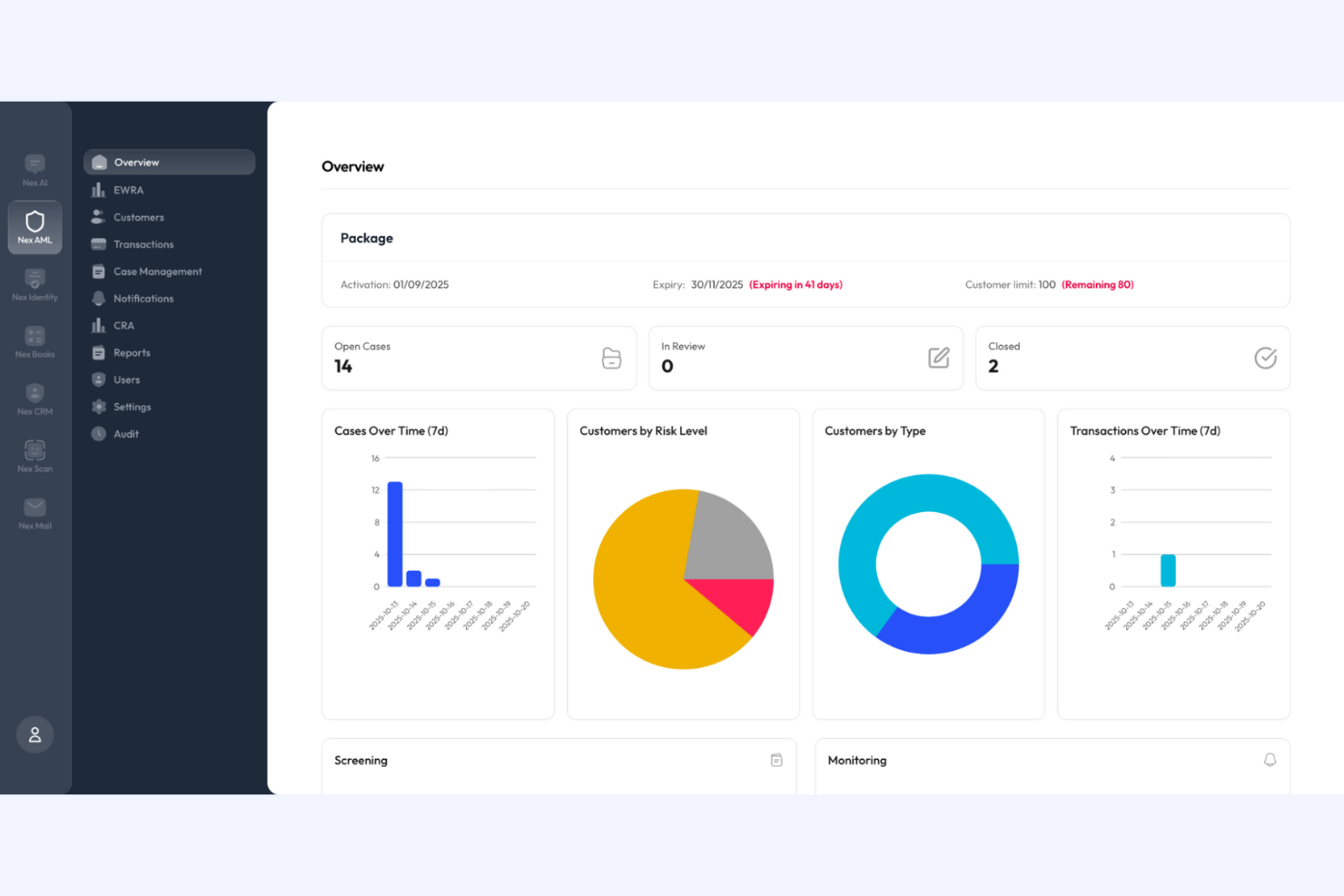
Nexchar is a POS software tailored for small local retail businesses, focusing on sales processing, inventory management, and customer management. It provides essential tools to help you run your store operations efficiently.
Why I picked Nexchar: Nexchar's free version is ideal for local stores with straightforward operational needs. You can manage inventory, track sales, and handle customer data for free. The software's user-friendly design lets you get started with minimal training. This makes it an excellent choice for small shops looking to improve their daily operations without a steep learning curve.
Standout Features and Integrations:
Features include inventory management tools, including stock-level monitors and low-stock alerts, and sales reports to gain insights into your business's performance. The software also includes a barcode scanner to speed up the checkout process.
Integrations include QuickBooks, Xero, WooCommerce, Shopify, PrestaShop, BigCommerce, Mailchimp, Salesforce, and more.
What's free? Nexchar offers a free-forever plan with basic POS features, but it may limit the number of users and restrict advanced functionalities.
Pros and Cons
Pros:
- Ideal for small stores
- Low-stock alerts
- Barcode scanning
Cons:
- Manual updates required
- Not ideal for large or complex setups


How I Evaluate Free POS Software
I look at free POS tools in two layers: the core functionality a shop floor or pop-up needs to process sales, and the differentiators that make one a better long-term fit.
Core Functionality (Table Stakes For This List)
When I'm selecting tools for my list, I rank each one on a scale from 0 (does not offer the functionality) to 5 (excels in this area) for each core functionality listed below. Then, I calculate the tool's total score into a percentage. Each tool needs to achieve a minimum total score of 65% to be considered for inclusion.
- Sales Transaction Processing: I evaluate how checkout works in practice—things like applying mix-and-match discounts, handling returns, and processing split payments across registers.
- Genuinely Free Plan: Each tool needs to offer a truly free tier beyond a trial, so I check for ongoing access to core POS features without a subscription.
- Inventory Tracking: Real-time stock updates matter when you're selling across a busy floor, so I look at SKU handling, variant support, and low-stock alerts.
- Payment Processing Integration: I consider which processors each platform supports and whether it accepts card, contactless, and mobile wallet payments at checkout.
- Sales Reporting & Analytics: Good reporting means more than a transaction log. I look for product-level breakdowns, date-range filtering, and exportable revenue reports.
- Receipt & Customer Management: I check whether the tool stores customer profiles alongside purchase history and supports both printed and digital receipts.
Once I have a list of tools that meet this criteria, I consider what sets each platform apart.
Differentiating Factors (What Sets Vendors Apart)
Here's how I compare and contrast different vendors:
Standout Features
Offline mode is a big deal—if your internet drops during a Saturday rush, you need to keep ringing up sales. I also look at whether a platform offers a mobile POS app, since pop-up shops and market vendors often rely on a tablet as their only register. Ecommerce sync matters for retailers who sell both in-store and online, because managing two separate inventories leads to overselling fast. Built-in loyalty features are another differentiator worth evaluating, especially for boutiques building a repeat customer base.
Beyond Features
Payment processor flexibility is something I always evaluate—some platforms lock you into a single processor, while others let you shop around for better transaction rates. I also consider how each tool scales from free to paid tiers, because a solo shop owner today might open a second location next year and shouldn't have to migrate their data. Hardware compatibility matters too; I check whether a platform works with standard receipt printers and scanners you can buy anywhere.
Hoe kies je gratis POS-software?
Uitgebreide functielijsten en prijsstructuren kunnen het lastig maken om te bepalen wat je precies krijgt met gratis POS-software. Om je te helpen gefocust te blijven tijdens het kiezen van software, zijn hier enkele factoren om rekening mee te houden:
| Factor | Waar je op moet letten |
|---|---|
| Omvang van het gratis aanbod | Controleer welke functies in het gratis abonnement zijn inbegrepen en of er beperkingen gelden, zoals voor het aantal gebruikers of transacties. |
| Schaalbaarheid | Controleer of de software met je bedrijf kan meegroeien en upgrades en extra functies biedt naarmate je behoeften veranderen. |
| Integraties | Zoek naar compatibiliteit met tools die je al gebruikt, zoals boekhoudsoftware of e-commerceplatforms, zodat je soepel kunt werken. |
| Gebruiksgemak | Beoordeel of de interface intuïtief is en je team weinig training nodig heeft om snel aan de slag te kunnen. |
| Klantenondersteuning | Houd rekening met de beschikbaarheid van ondersteuningskanalen, zoals livechat of telefonische ondersteuning, vooral als je team tijdens de installatie hulp nodig kan hebben. |
| Mobiele toegang | Bepaal of de software mobiele apparaten ondersteunt. Dit kan belangrijk zijn voor bedrijven die flexibel hun verkoop onderweg willen beheren. |
| Beveiliging | Controleer op functies zoals gegevensversleuteling en toegangsbeheer voor gebruikers om gevoelige bedrijfs- en klantinformatie te beschermen. |
| Aanpasbaarheid | Beoordeel of je de software kunt aanpassen aan je bedrijfsprocessen, bijvoorbeeld door kassabonnen aan te passen of loyaliteitsprogramma's op te zetten. |
Wat is gratis POS-software?
POS-software is een hulpmiddel waarmee bedrijven verkooptransacties, voorraad en klantgegevens beheren. Gratis aanbiedingen omvatten doorgaans basisfuncties met beperkingen voor het aantal gebruikers of transacties, of het kunnen tijdelijke proefversies zijn. Detailhandelaren, eigenaren van kleine bedrijven en professionals in de horeca gebruiken deze hulpmiddelen vaak om soepele bedrijfsvoering mogelijk te maken en de efficiëntie te verbeteren. Functies voor voorraadbeheer, verkooptracking en klantrelatiebeheer helpen bedrijven bij het beheren van dagelijkse taken, het uitbreiden van hun activiteiten en het verbeteren van klantervaringen.
Functies
Laten we de functies bekijken die vaak in POS-software voorkomen en zien welke daarvan doorgaans in gratis versus betaalde abonnementen zijn opgenomen.
Functies van doorgaans gratis POS-software
- Verwerking van verkopen: Beheer transacties efficiënt, zodat je betalingen en kassabonnen kunt verwerken.
- Voorraadbeheer: Houd voorraadniveaus bij om ervoor te zorgen dat je de juiste producten beschikbaar hebt voor verkoop.
- Opslag van klantgegevens: Bewaar basisinformatie over klanten om marketing te verbeteren en loyaliteit op te bouwen.
- Basisrapportage: Genereer eenvoudige rapporten om inzicht te krijgen in verkoopprestaties en trends.
- Toegang vanaf meerdere apparaten: Gebruik de software op verschillende apparaten, zoals iPads en computers, voor flexibiliteit.
Functies van doorgaans betaalde POS-software
- Geavanceerde analyses: Bied diepere inzichten in bedrijfsprestaties om strategische besluitvorming te ondersteunen.
- Aanpasbare rapporten: Stem rapporten af op specifieke behoeften en bied gedetailleerde overzichten van verschillende bedrijfsgegevens.
- Loyaliteitsprogramma's: Implementeer klantgerichte loyaliteitsprogramma's om herhaalaankopen aan te moedigen en de omzet te verhogen.
- Integratie met boekhoudsoftware: Synchroniseer met boekhoudprogramma's zoals QuickBooks om het financiële beheer te verbeteren.
- Medewerkersbeheer: Houd de prestaties van medewerkers bij en beheer werkschema's om de productiviteit te verhogen.
Voordelen
Het implementeren van gratis POS-software biedt verschillende voordelen voor je team en je bedrijf. Hier zijn enkele voordelen waar je naar kunt uitkijken:
- Besparingen: Bespaar geld door toegang te krijgen tot essentiële POS-functies zonder maandelijkse kosten, wat ideaal is voor kleine bedrijven met een beperkt budget.
- Eenvoudige installatie: Ga snel aan de slag met intuïtieve interfaces waarvoor minimale training nodig is, zodat je team zich op de verkoop kan richten.
- Flexibiliteit: Gebruik de software op verschillende apparaten, zodat je overal verkopen kunt beheren.
- Basisvoorraadbeheer: Houd voorraadniveaus efficiënt bij, zodat je altijd weet wat er op voorraad is en wanneer het tijd is om opnieuw te bestellen.
- Inzichten in klanten: Krijg toegang tot basisgegevens over klanten om de service te verbeteren en gepersonaliseerde ervaringen te creëren die herhaalaankopen aanmoedigen.
- Schaalbaarheid: Begin met een gratis abonnement en stap over naar een uitgebreider abonnement wanneer je bedrijf groeit, zodat de software zich aan je behoeften kan aanpassen.
- Proefversie van geavanceerde functies: Probeer enkele geavanceerde functies uit tijdens een beperkte proefperiode, zodat je kunt bepalen of een betaald abonnement de moeite waard is.
Kosten en prijzen
Ik begrijp dat je naar dit artikel bent gekomen op zoek naar de beste POS-softwareopties die gratis beschikbaar zijn. Omdat gratis abonnementen echter slechts beperkte functies bieden, is de kans groot dat je je abonnement in de toekomst moet uitbreiden.
De onderstaande tabel vat veelvoorkomende abonnementen, hun gemiddelde prijzen en de gebruikelijke functies van POS-softwareoplossingen samen:
Vergelijkingstabel van abonnementen voor POS-software
| Type abonnement | Gemiddelde prijs | Veelvoorkomende functies |
|---|---|---|
| Gratis abonnement | $0 | Basisverwerking van verkopen, voorraadbeheer, opslag van klantgegevens, basisrapportage en toegang vanaf meerdere apparaten. |
| Persoonlijk abonnement | $20-$60/maand | Geavanceerde rapportage, klantenloyaliteitsprogramma's, basisintegraties, medewerkersbeheer en beperkte aanpassingsmogelijkheden. |
| Zakelijk abonnement | $60-$150/maand | Aanpasbare rapporten, geavanceerd voorraadbeheer, uitgebreide integraties en betere klantenondersteuning. |
| Ondernemingsabonnement | $150-400+/maand | Toegewijd accountbeheer, volledige aanpassing, geavanceerde analyses, voorrangsondersteuning en beheer van meerdere locaties. |
Veelgestelde vragen over gratis POS-software
Hier zijn enkele antwoorden op veelgestelde vragen over gratis POS-software:
Wat zijn de beperkingen van gratis POS-systemen?
Gratis POS-systemen worden vaak geleverd met beperkte functies, beperkte klantenondersteuning en mogelijke verborgen kosten. Het kan zijn dat geavanceerde functionaliteiten, zoals uitgebreide rapportages of integraties, alleen beschikbaar zijn in betaalde versies. Controleer altijd wat inbegrepen is voordat je je aan een gratis abonnement verbindt.
Is een gratis POS-systeem echt gratis?
Hoewel de software zelf gratis kan zijn, kunnen er nog steeds kosten zijn, zoals transactiekosten. Sommige aanbieders kunnen ook eisen dat je langdurige contracten ondertekent, waarbij mogelijk boetes gelden voor vroegtijdige beëindiging. Lees de voorwaarden zorgvuldig door om de werkelijke kosten te begrijpen.
Hoe verdienen gratis POS-systemen geld?
Gratis POS-systemen verdienen doorgaans geld via transactiekosten. Als de aanbieder ook je betalingsverwerker is, kan deze een deel van elke transactie inhouden. Daarom is het belangrijk om de kostenstructuur in overweging te nemen bij het kiezen van een gratis POS-oplossing.
Wat is het meest voorkomende probleem bij POS-systemen?
Veelvoorkomende problemen bij POS-systemen zijn hardwarestoringen, zoals defecte kaartlezers, en softwareproblemen, zoals trage prestaties of integratieproblemen. Betrouwbare hardware en actuele software kunnen deze problemen helpen beperken.
Kunnen gratis POS-systemen meerdere locaties ondersteunen?
Sommige gratis POS-systemen kunnen meerdere locaties ondersteunen, maar dit hangt vaak af van de aanbieder. Mogelijk moet je upgraden naar een betaald abonnement om toegang te krijgen tot beheer van meerdere locaties. Als je op meerdere locaties actief bent, controleer dan altijd of het gratis abonnement aan je behoeften kan voldoen.
Zijn gratis POS-systemen veilig?
De beveiliging kan per aanbieder verschillen. Daarom is het belangrijk om te controleren of het gratis POS-systeem functies biedt zoals gegevensversleuteling en toegangsbeheer voor gebruikers. Het beschermen van klantgegevens moet een topprioriteit zijn, ook als je een gratis oplossing gebruikt.
Wat nu:
Als je bezig bent met onderzoek naar gratis POS-software, neem dan contact op met een SoftwareSelect-adviseur voor gratis aanbevelingen.
Je vult een formulier in en hebt een kort gesprek waarin ze dieper ingaan op je specifieke behoeften. Vervolgens ontvang je een shortlist van software om te bekijken. Ze ondersteunen je zelfs tijdens het volledige aankoopproces, inclusief prijsonderhandelingen.