
Key Takeaways
Email Time vs Reading Time: While marketers spend weeks on emails, they receive just 10 seconds of attention. The challenge is creating engaging emails that stand out and encourage interactions, making email marketing fruitful.
The Battle for Email Engagement: Most ecommerce brands struggle with low open and click rates, hindering email marketing's potential as a profitable tool. Ensuring emails are opened is a crucial step to drive revenue.
Real-World Success Stories: Explore diverse success stories, from Vietnamese coffee to US bidets, demonstrating effective email marketing strategies that generate substantial revenue for ecommerce businesses globally.
Expert Insights on Email Mastery: Gain wisdom from a leading email marketing expert at Hunter.io, offering valuable advice and insider tips to elevate your email campaigns and boost performance.
Email—Your Owned Digital Territory: Unlike social media, where algorithms dictate reach, email offers unrestricted space to connect with customers. Leveraging this owned channel can significantly enhance ecommerce business success.
While 62% of email marketers spend two weeks or more on a single email, the average person spends just 10 seconds reading it.
10 seconds. For something that takes you weeks to create.
And that's if they even open it in the first place.
Most ecommerce brands struggle to get their emails opened, let alone clicked—which means that they fail to transform email marketing into a revenue-generating machine.
So, we're ditching the theory and diving headfirst into real-world results. From coffee in Vietnam to sex toys in India to bidets in the US—think of this post as a fireside chat with ecommerce online store owners who are making bank with email.
(Plus, a secret section with advice from a top-tier email marketing expert at Hunter.io.)
Do Email Marketing Campaigns Even Work For Ecommerce?
Social media platforms are dominated by algorithms, and your reach can be limited, but email is an owned channel.
You control the content, the timing, and the audience.
This means a direct line to your customers to build relationships, nurture leads, and drive sales—all on your own terms.
No middlemen. No algorithm overlords.
Still need convincing? Feast your eyes on these numbers:
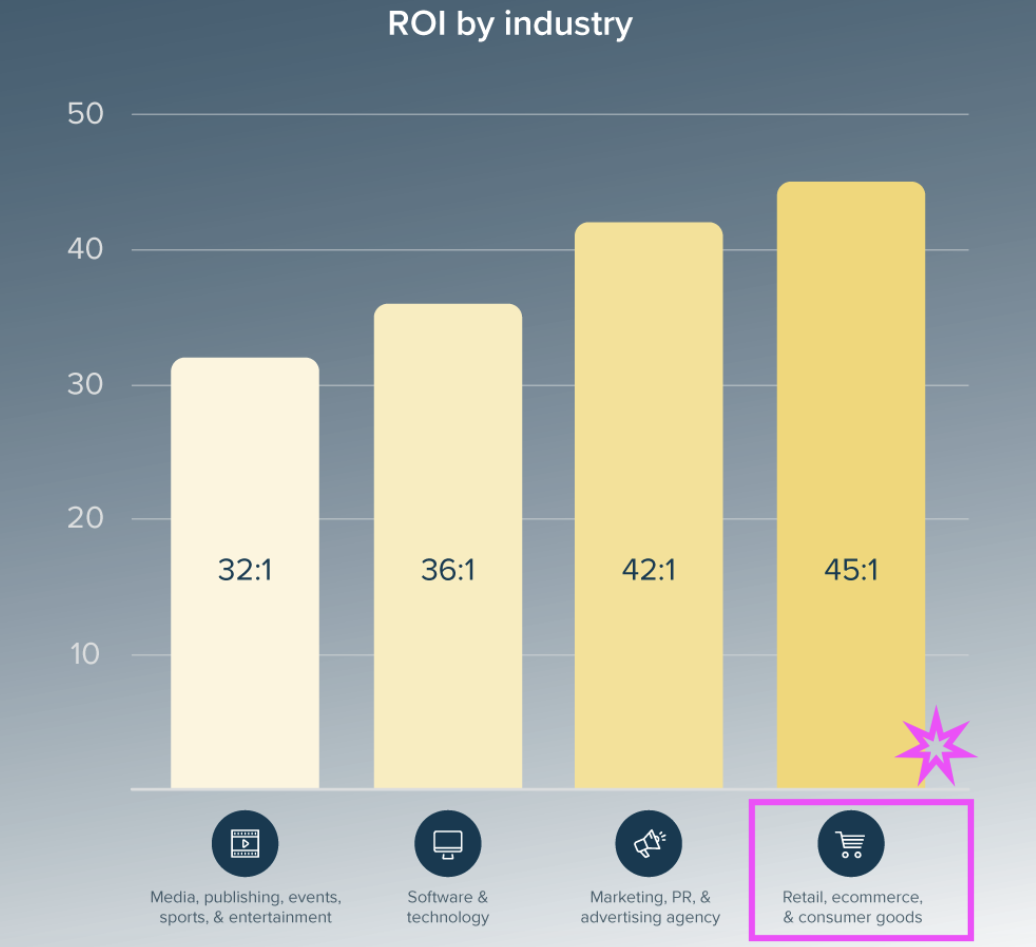
- ROI king. Litmus found that the ROI on email marketing in the ecommerce industry is a staggering $45 for every $1 spent. Need we say more? Cha-ching!
- Increased spending. According to Entrepreneur, consumers spend 128% more when shopping from emails compared to other digital marketing channels.
- Customer favorite. Nearly half of global internet users with mobile devices actually prefer to receive business communications via email. They like it! They want it! They expect it!
Three Brands, Three Niches, One Powerful Tool
We're sitting down with ecommerce entrepreneurs who are absolutely killing it with email: Ritesh D. Ritelin of Manzuri, John Grant of Premier Bidets, and Mimi Nguyen of Cafely.
Email marketing ecommerce case study #1: How Manzuri became a $500,000-dollar brand
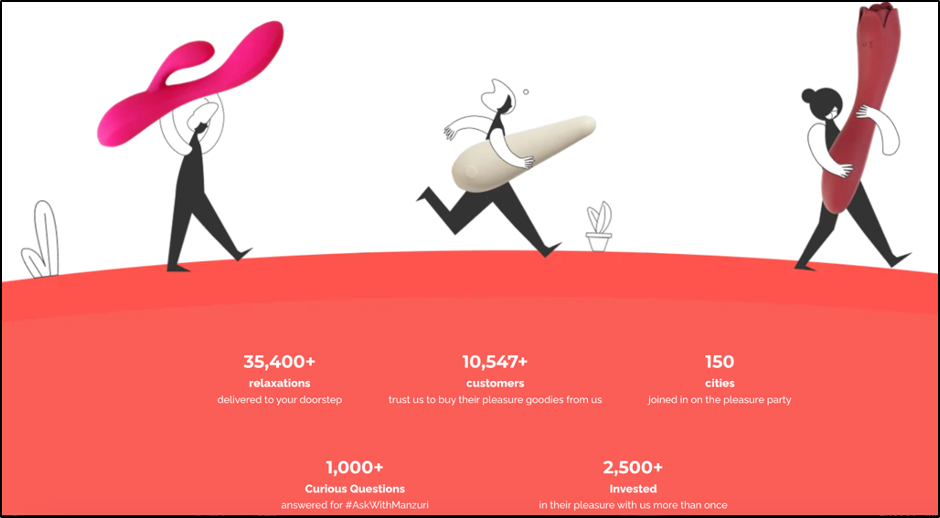
Manzuri, an Indian “pleasure tech” company, is generating serious revenue—approximately $83,000-$90,000 of their $460,000-$473,000 total—by using email to build a thriving community and drive sales.
That means 18%-19% of their revenue comes from email marketing!
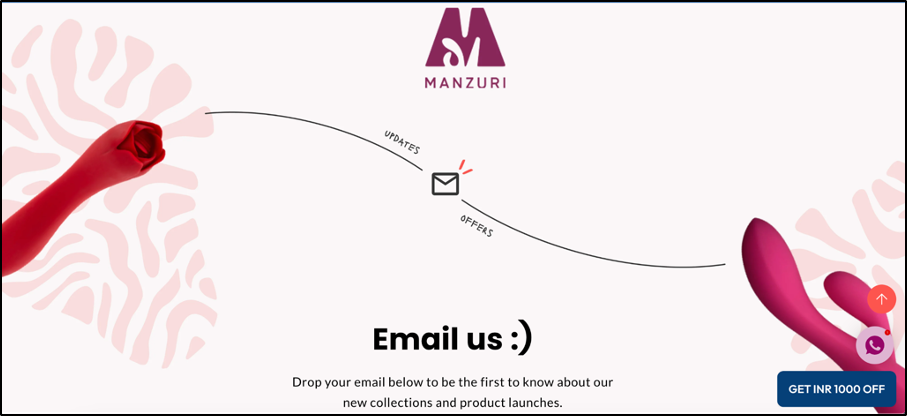
I sat down with Ritesh D. Ritelin, the co-founder of the startup, and we talked for an hour about Manzuri’s success as an ecommerce store driven by strategic email marketing efforts.
The challenge: Saying no to paid marketing
For the first six to eight months, Ritesh says that they just did social media:
The solution: Email first, everything else second
Manzuri slowly beefed up its email list and hunkered down with exceptionally good email content.
They focused on building a strong online presence through SEO and engaging content on platforms like Reddit. Instead of bombarding their email subscribers with constant sales pitches and promotions, they focused on providing value first.
This unexpected success led to a key learning:
In categories where lots of education has yet to be created, email works very well.
👉🏼Manzuri’s email marketing playbook:
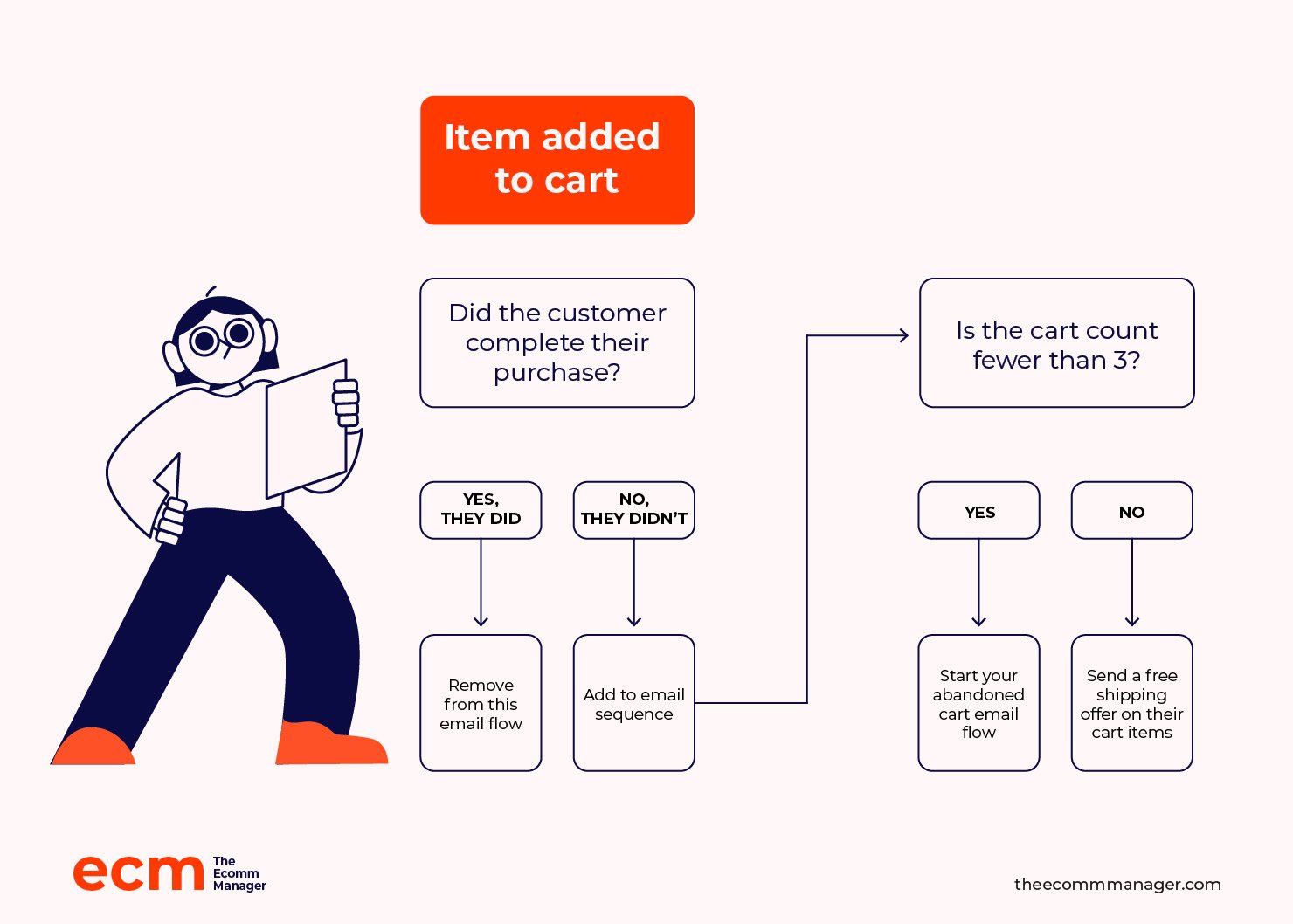
The other thing Ritesh highlights is constantly experimenting: A/B testing, monitoring customer data to improve click-through rates, and investing in the right marketing tools.
Have an account? Log In
The results
Manzuri's email-first strategy has translated into tangible business growth. Here's the breakdown:
- Serious revenue. Manzuri makes a lot of money from email marketing—roughly 20% of their yearly total.
- Lower acquisition costs. Optimizing email flows to nurture and convert subscribers has successfully reduced Manzuri's customer acquisition costs. They're getting new customers cheaper, which is key to growing steadily.
The marketing automation tools Manzuri swears by
What's the tech—email automation and email marketing platform—behind Manzuri's success?
This is what Ritesh and I talked about:

Email marketing ecommerce case study #2: Premier Bidets clean up with email
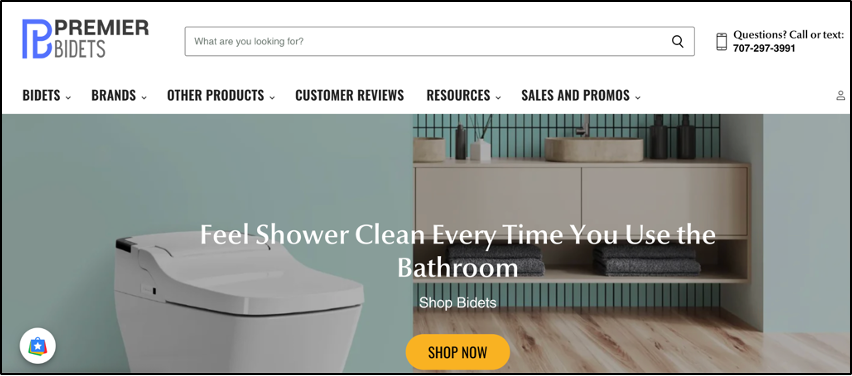
Premier Bidets, a US-based ecommerce company specializing in, well, bidets, demonstrates how targeted email campaigns can be a powerful driver of revenue and customer loyalty.
The challenge: Turning browsers into buyers
Premier Bidets knew their brand was well known, but they needed a better system for turning interest into purchases.
Their goal was to find a strategy to connect with their audience, grow their leads, and convert them into customers.
The solution: Personalized emails that make a splash
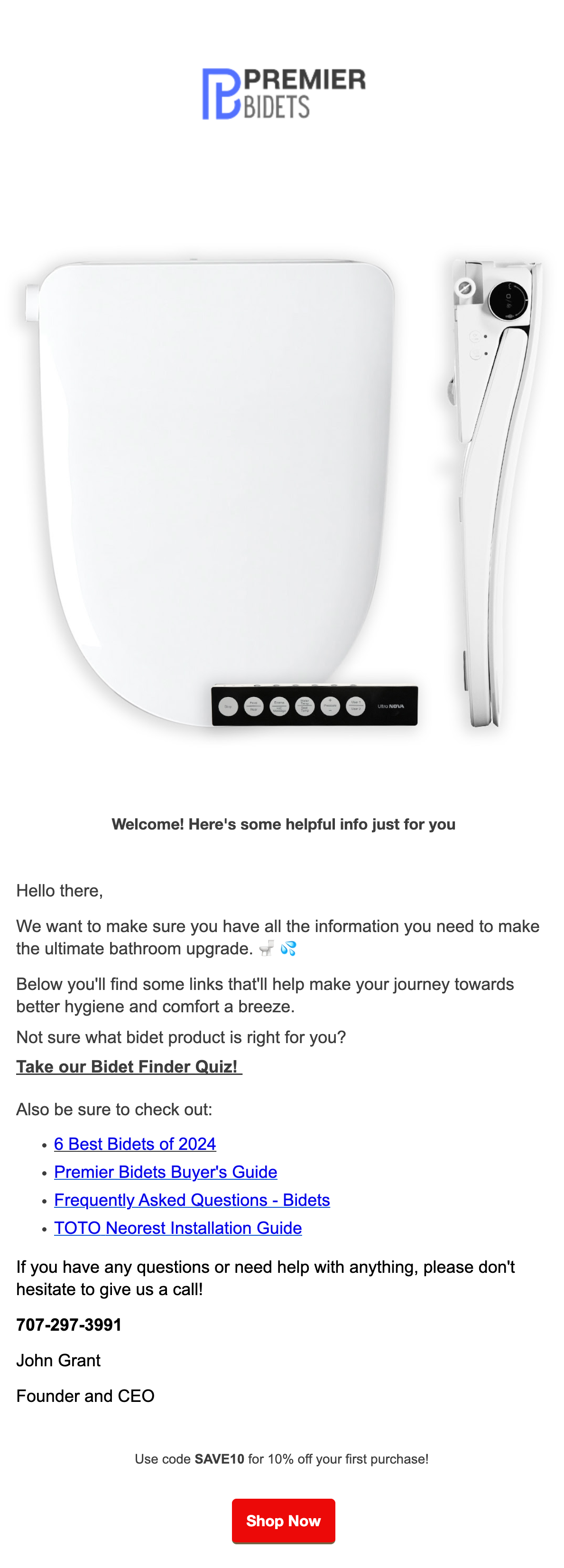
"At Premier Bidets, we’ve seen just how powerful email marketing can be when it’s personalized and relevant," says John Grant, CEO of Premier Bidets, who I spoke with over email.
By segmenting our audience based on things like past purchases, browsing habits, and how they interact with us, we’re able to send content and special offers that really speak to each customer’s needs.
The results
While Premier Bidets prefers to keep its exact revenue figures confidential, John acknowledges the significant role email marketing plays in their overall success.
"Email marketing has become one of the most effective channels for Premier Bidets, significantly driving sales," Grant confirms.
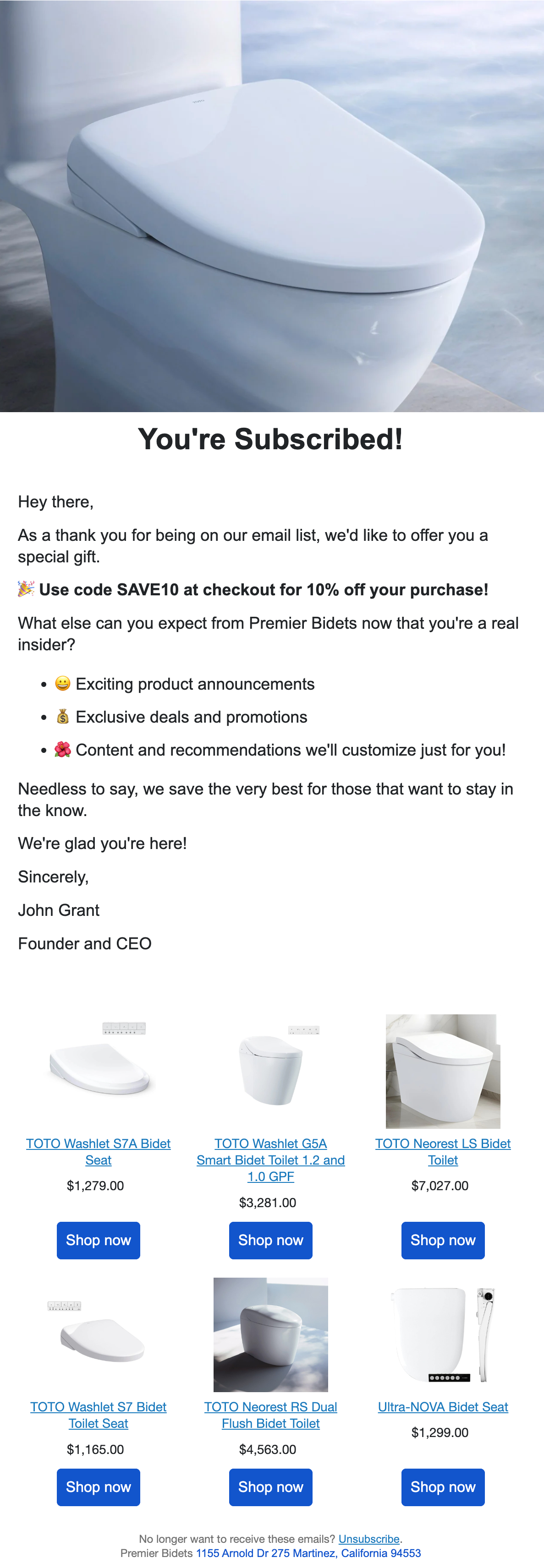
Through smart automation—such as welcome emails, abandoned cart reminders, and post-purchase follow-ups—and personalized content, we’ve been able to keep generating sales from past customers.
Plus, the trust and loyalty built through these emails have encouraged repeat purchases, adding steady growth to our revenue over time.
Email marketing ecommerce case study #3: How Cafely brewed a 20%+ revenue increase with email
I connected with Mimi Nguyen, Cafely's founder, over email, and she shared how they've used email to build a thriving business, boost their revenue by over 20%, and share their love for Vietnamese coffee culture with the world.

The challenge: Standing out in a hyper-competitive market
Cafely's goal wasn't just coffee sales—it was sharing Vietnam's coffee culture globally.
In a competitive market saturated with established brands, Cafely needed a way to differentiate themselves and connect with their audience on a deeper level.
The solution: Visual storytelling and targeted content
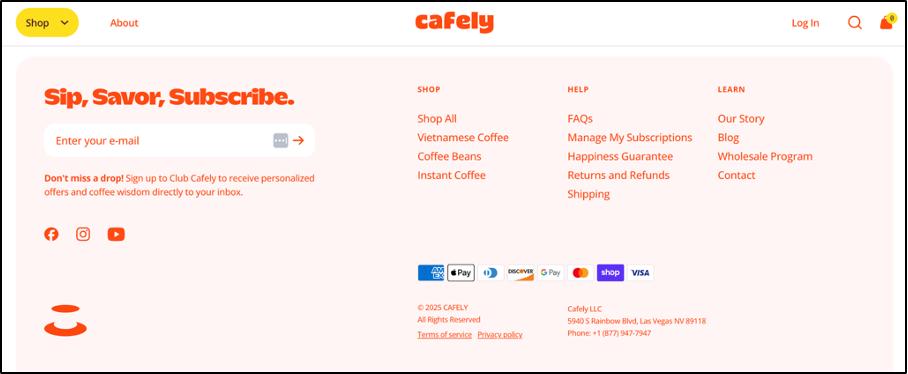
👉🏼Cafely’s email marketing playbook:
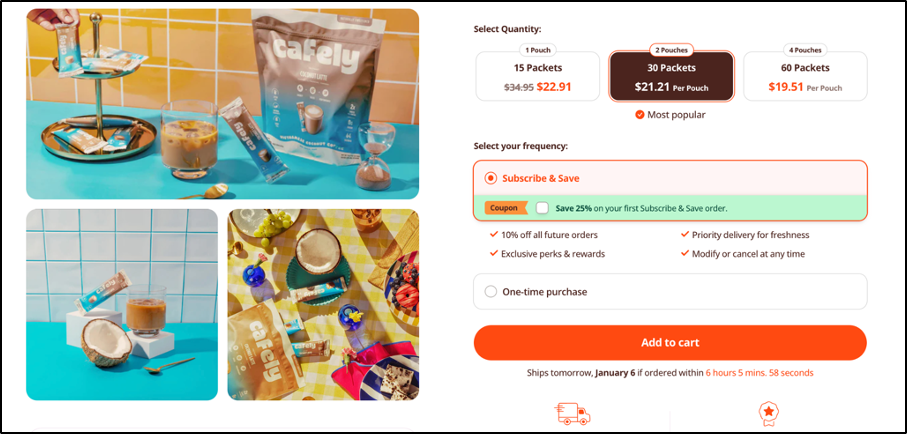
And it shows. The product photography on their website, which is then often repurposed for email, is stunning:
The results
Cafely's email marketing strategy has yielded impressive results:
- Significant revenue contribution. "Email marketing accounts for a significant portion of our revenue—definitely over 20%," Nguyen says.
- Increased conversions. By incorporating brewing guides and visually appealing content, Cafely has successfully driven a significant number of first-time purchases through email.
- Repeat business. Email has proven to be an effective tool for fostering repeat business and building customer loyalty.
5 Actionable Strategies You Should Take Away From These Brands
Rather than generic advice about "providing value," here are specific strategies these companies used that buck conventional wisdom.
And to help us understand exactly how they do it, we've also got Ziemek Bucko, senior content manager at Hunter.io, who’s helped 20+ ecommerce brands find their email marketing sea legs.
1. Educate, entertain, and sell without selling
Manzuri, Premier Bidets, and Cafely all understand a fundamental truth: nobody likes being bombarded with constant sales pitches. Instead, they focus on providing value to their subscribers.
Think educational newsletters, curated content, and engaging storytelling.
"The trend that's emerging in email marketing is that you use email to add value to a customer… Keep giving value to them. They will buy on their own," Ritesh explains.

💡 Ziemek agrees:
If you want to be more than just a place where you buy something, you need to advise people around how to use it, how to leverage it to the fullest extent.
2. Experiment with visual storytelling
Cafely knows a picture is worth a thousand words (and maybe even a thousand sales).
They invest in high-quality photography and create visually engaging emails to capture their audience's attention.
"We believe aesthetics play a very significant role in email marketing," says Mimi Nguyen, founder of Cafely.
💡 Ziemek adds:
Visual heavy is great for new product launches… what you would expect and what will get you the most clicks, I think, is a visually-rich email.
And if you want a touch of dynamic email design, GIFs are some of the most visually playful elements to keep your subscribers scrolling.

More Articles
3. Find the best times to send your marketing emails
Timing is everything, and the best email send times depend on your unique email list.
Premier Bidets and Cafely both emphasize the importance of timing your email campaigns strategically.
"We’ve learned to tap into micro-trends and key moments in our customers’ purchasing behavior," explains John Grant, CEO of Premier Bidets.
💡 Ziemek expands:
If you have people that never open your emails, maybe it’s not a great idea to send them a weekly newsletter… segment your use your customers based on the use case.
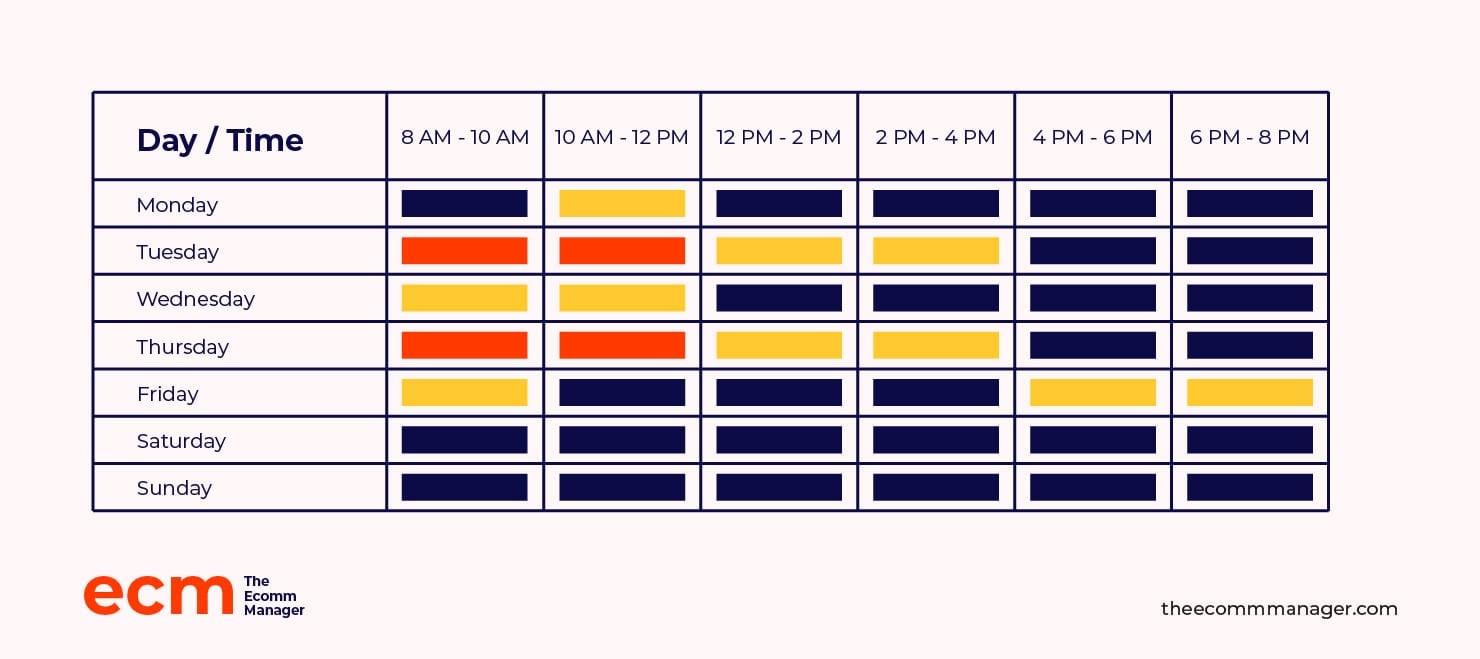
BTW, I surveyed 60+ ecommerce store owners to find the best times for sending ecommerce emails:
4. Make full use of email automation tools
Manzuri, Premier Bidets, and Cafely all leverage automation to streamline their email workflows.
"It's just a one-time effort, and it'll give you ROI for the rest of your life," Ritesh says about setting up automated email flows.
💡 Ziemek adds:
There are so many tools for email optimization and analysis like Mailchimp, ActiveCampaign, and even Hunter.io. You want to focus more on refining your strategy than on spending time sending these emails.
Your search for the perfect ecommerce email marketing platform ends here—with our list of the top 10 hottest software on the market:
5. Jump years ahead in your competitor research
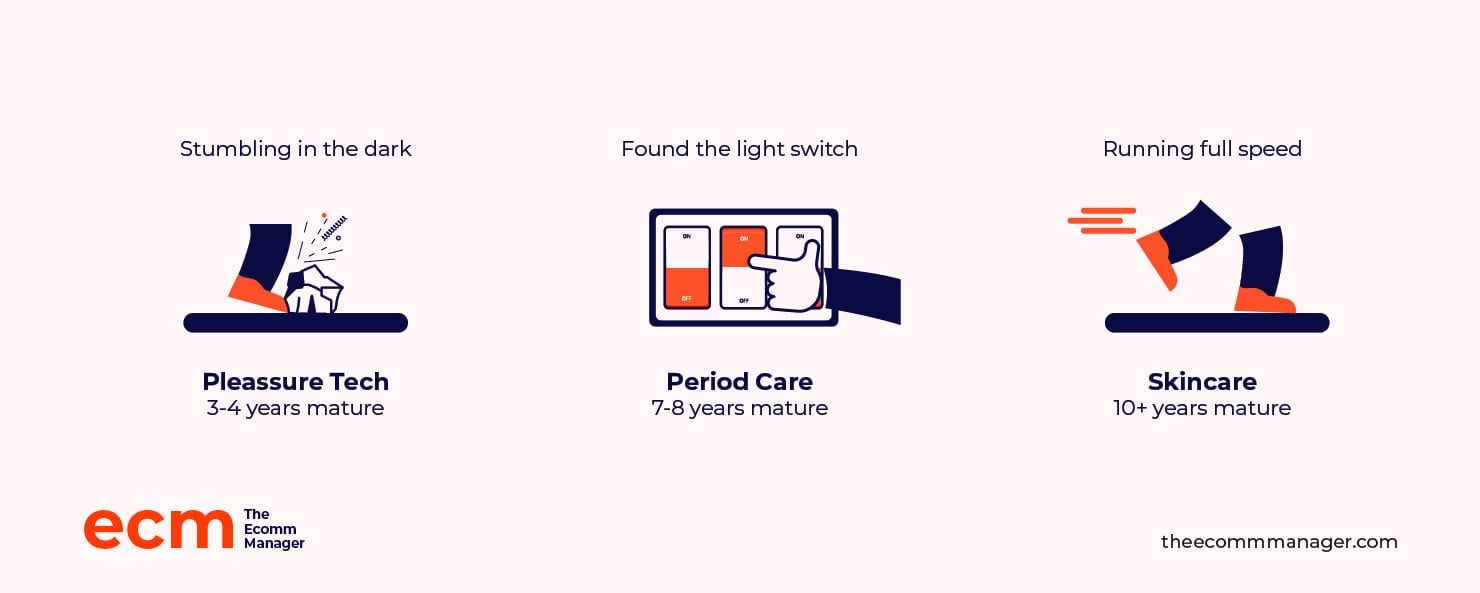
The literal million-dollar insight from Manzuri—look at brands at least half a decade ahead of your industry.
For example:
- Pleasure tech (3-4 years mature) is finding its feet in the dark.
- Period care (7-8 years mature) has already found the light switch.
- Skincare (10+ years mature) is running full speed ahead.
Why make the same mistakes your competitors are making right now when you can steal proven strategies from brands that have already figured it out?
Ecommerce Email Marketing is a Gold Mine (If You Know Where to Dig)
We've just peeked behind the curtain of three brands crushing it with email. Not theory. Not “best practices.” Real companies making real money by sliding into their customers' inboxes.
The playbook's right here:
- Ditch the “buy now” spam. Send stories that make people forget they're being sold to.
- Let automation handle the grunt work: build solid email flows that convert.
- Turn everyday products into must-read content (if bidets can do it, so can you).
- Stop copying competitors. Look at brands four to five years ahead of your industry instead.
- Make those first 14 days count—that's when 70% of purchases happen.
No paid ads. No algorithm dancing. Just pure, automated profit, churning out $45 for every dollar spent.
Retail never stands still—and neither should you. Subscribe to our newsletter for the latest insights, strategies, and career resources from top retail leaders shaping the industry.