

«In questo mondo nulla può dirsi certo, tranne la morte e le tasse». Così disse Benjamin Franklin, almeno. Per i commercianti di ecommerce, è soprattutto la parte relativa alle tasse a doverci preoccupare davvero (per la prima ci occuperemo un altro giorno). In questo caso, parliamo dell'imposta sulle vendite.
Ogni transazione elaborata dal tuo negozio deve tenere conto delle aliquote variabili dell'imposta sulle vendite in base al luogo in cui vivono i tuoi clienti.
Negli Stati Uniti, si tratta di una complessità articolata su tre livelli: aliquote statali, di contea e comunali. Se poi aggiungiamo le diverse aliquote per categorie di prodotti differenti, come prodotti di consumo generici, abbigliamento o cibi e bevande, la situazione può diventare rapidamente complicata.
Ecco perché ti serve un software che non si limiti a fare calcoli, ma automatizzi il lavoro più impegnativo: calcolare, riscuotere e versare le imposte sulle vendite senza intoppi.
Sei qui perché sai di aver bisogno dello strumento giusto per il lavoro, e sei in buone mani. Grazie alla nostra esperienza nel settore dell'ecommerce, abbiamo selezionato le migliori opzioni di software per l'imposta sulle vendite, adatte a diverse esigenze aziendali.
Ora, scorri per continuare.
Perché fidarsi dei nostri consigli sui software
6,700+
Reviews
20
Industry experts
16+
Evaluation factors
14
Years
Il nostro team testa e recensisce software dal 2012. In quanto leader del retail noi stessi, sappiamo quanto sia difficile — e importante — scegliere il software giusto.
Per questa guida, abbiamo valutato gli strumenti attraverso test pratici e ricerche indipendenti, assegnando un punteggio agli strumenti in base ai nostri criteri di selezione.
Le nostre recensioni riflettono il nostro giudizio indipendente, non un discorso di vendita.
Confronto tra i migliori software per l'imposta sulle vendite per negozi di ecommerce
Quando si tratta di tasse, accontentarsi non basta. Qui puoi confrontare ogni strumento per l’imposta sulle vendite in base al prezzo base. Puoi poi confrontare altre funzionalità facendo clic su Confronta software sotto la tabella.
| Tool | Best For | Trial Info | Price | ||
|---|---|---|---|---|---|
| 1 | Ideale per prodotti SaaS e altri beni digitali | Prova gratuita di 30 giorni disponibile | A partire da $39/mese | Website | |
| 2 | La migliore soluzione fiscale per grandi aziende | Demo gratuita | Prezzi su richiesta | Website | |
| 3 | Ideale per una vasta gamma di integrazioni | Demo gratuita disponibile | Prezzi su richiesta | Website | |
| 4 | Ideale per la presentazione delle dichiarazioni certificata SST negli stati membri | Prova gratuita di 30 giorni | Da $19/mese | Website | |
| 5 | Ideale per una personalizzazione fiscale a livello aziendale | Non disponibile | Prezzi su richiesta | Website | |
| 6 | Ideale per l'automazione dei certificati di esenzione | Demo gratuita disponibile | Prezzi su richiesta | Website | |
| 7 | Ideale per il calcolo fiscale ERP ad alto volume | Demo gratuita disponibile | Prezzi su richiesta | Website | |
| 8 | Ideale per i marchi SaaS che si stanno espandendo nella fiscalità dell'e-commerce | Demo gratuita disponibile | A partire da $100/mese | Website | |
| 9 | Ideale per la gestione completa delle dichiarazioni e la copertura degli errori | Piano gratuito disponibile | Prezzi su richiesta | Website | |
| 10 | Ideale per il monitoraggio del collegamento fiscale nel commercio elettronico multicanale | Piano gratuito disponibile | A partire da 75 $/mese | Website |


I 10 migliori software per l'imposta sulle vendite nell'ecommerce per semplificare la conformità
Passiamo ora alle recensioni. Per ogni soluzione software per l’imposta sulle vendite, spiegheremo cosa fa, perché l’abbiamo scelta, quali sono le sue principali funzionalità e integrazioni, oltre ai vantaggi e agli svantaggi che puoi aspettarti.
 Ideale per prodotti SaaS e altri beni digitali
- Prova gratuita di 30 giorni disponibile
- A partire da $39/mese
Visit WebsiteCustomer Rating:4.6/5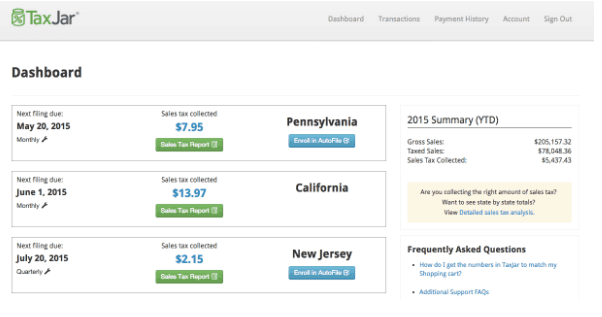
TaxJar semplifica la riscossione dell'importo corretto dell'imposta sulle vendite in diverse giurisdizioni. TaxJar è una piattaforma di automazione dell'imposta sulle vendite che gestisce i calcoli in tempo reale al momento del pagamento, la presentazione delle dichiarazioni in più stati, il monitoraggio del nexus e la riconciliazione degli operatori dei marketplace sulle principali piattaforme di commercio elettronico.
Per chi è più adatto TaxJar?
TaxJar è particolarmente adatto alle aziende SaaS e ai venditori di prodotti digitali che hanno bisogno di codici fiscali accurati e aggiornati per gli stati degli Stati Uniti, dove le norme sulla tassabilità dei software variano notevolmente.
Perché ho scelto TaxJar
Ho scelto TaxJar come uno dei migliori perché è uno dei pochi strumenti per l'imposta sulle vendite che considera SaaS e beni digitali un caso d'uso concreto, anziché un aspetto secondario. Mantiene codici fiscali dedicati per i prodotti digitali e si avvale di ricercatori che monitorano attivamente i cambiamenti nella tassabilità dei prodotti SaaS stato per stato, un aspetto importante quando un singolo abbonamento software può essere imponibile in Texas ma esente in California. Apprezzo anche la sua garanzia sull'accuratezza dell'API: se un risultato calcolato erroneamente dà luogo a un audit, TaxJar copre l'imposta non riscossa, le sanzioni e gli interessi.
Caratteristiche principali di TaxJar
- Presentazione delle dichiarazioni con AutoFile: Prepara e presenta automaticamente le dichiarazioni dell'imposta sulle vendite in 45 stati degli Stati Uniti, con una garanzia di presentazione che copre sanzioni e interessi se TaxJar non rispetta una scadenza.
- Calcolo dell'imposta a livello di indirizzo: Calcola l'imposta al momento del pagamento fino al livello dell'indirizzo stradale, includendo le aliquote statali, della contea, comunali e dei distretti speciali in oltre 11.000 giurisdizioni degli Stati Uniti.
- Pannello di controllo sugli indicatori del nexus economico: Monitora le vendite rispetto alle soglie del nexus economico statale e invia avvisi quando ci si avvicina a tali soglie.
- Riconciliazione degli operatori dei marketplace: Identifica le imposte già riscosse e versate da piattaforme come Amazon, Etsy, eBay e Walmart, così da evitare di versarle due volte tramite AutoFile.
Integrazioni di TaxJar
TaxJar offre integrazioni documentate con Shopify, BigCommerce, WooCommerce, Magento 2, Amazon, eBay, Etsy, Walmart, QuickBooks Online e Xero. La sua API REST e il supporto per l'importazione di file CSV consentono di collegare vetrine personalizzate o non supportate.
Pros and Cons
Pros:
- Codici fiscali dedicati per prodotti SaaS e beni digitali
- I calcoli a livello di indirizzo migliorano l'accuratezza del pagamento
- La riconciliazione dei marketplace previene il doppio versamento dell'imposta
Cons:
- Nessun supporto per IVA o GST internazionali
- I certificati di esenzione non dispongono di convalida né di avvisi di scadenza
Learn more about TaxJar: La migliore soluzione fiscale per grandi aziende
- Demo gratuita
- Prezzi su richiesta
Visit WebsiteCustomer Rating:4.4/5
Vertex offre il calcolo in tempo reale delle imposte sulle vendite grazie alla sua potente tecnologia fiscale. Vertex è un fornitore leader di soluzioni software fiscali per le aziende, incluse la determinazione delle imposte sulle vendite e l'uso, la gestione delle dichiarazioni e dei certificati di esenzione. Il software è progettato per automatizzare il processo di calcolo delle imposte sulle vendite e fornisce in tempo reale aliquote e normative fiscali per tutti gli stati degli USA e le province canadesi.
Perché ho scelto Vertex: Vertex si integra con diversi sistemi di pianificazione delle risorse aziendali (ERP), consentendo alle imprese di gestire la conformità fiscale su più giurisdizioni da un'unica piattaforma. Il software offre anche supporto per la difesa durante le verifiche fiscali, ricerca fiscale e soluzioni fiscali globali. Vertex è noto per l'accuratezza, la scalabilità e la copertura esaustiva delle normative fiscali complesse, il che lo rende una scelta privilegiata per grandi aziende e multinazionali.
Caratteristiche e integrazioni distintive di Vertex
Le caratteristiche distintive di Vertex semplificano la conformità fiscale grazie al servizio integrato di dichiarazione e invio automatizzato. Questa funzionalità consente alle imprese di semplificare la generazione e la presentazione delle dichiarazioni fiscali direttamente dalla piattaforma. Supportando l'invio elettronico e collegandosi con diverse autorità fiscali, elimina le operazioni manuali, risparmiando notevolmente tempo e fatica alle attività ecommerce più impegnate.
Le integrazioni includono Accumatica, Adobe Commerce, BigCommerce, ChargeBee, commercetools, Elastic Path, IBM Cognos, Intuit, Kibo Commerce, Microsoft Dynamics 365, NetSuite e molte altre nei settori ERP, ecommerce, procurement e point-of-sale.
Pros and Cons
Pros:
- Soluzione contabile all-in-one per imprese
- Ampio contenuto fiscale globale ed esperienza
- Automazione completa delle imposte sulle vendite
Cons:
- Prezzi non adatti alle piccole imprese
- Implementazione iniziale complessa
Learn more about Vertex: Ideale per una vasta gamma di integrazioni
- Demo gratuita disponibile
- Prezzi su richiesta
Visit WebsiteCustomer Rating:4/5
L'interfaccia semplice e pulita di Avalara facilita il lavoro con i suoi molteplici strumenti. Avalara è un software cloud per la gestione delle imposte sulle vendite progettato per aiutare aziende di ogni dimensione ad automatizzare la conformità fiscale. Il software offre aliquote e regole fiscali in tempo reale per tutti gli stati e territori degli Stati Uniti, oltre all’IVA e all’IGV per le giurisdizioni internazionali.
Perché ho scelto Avalara: Avatax di Avalara elimina il principale grattacapo della contabilità, offrendo calcoli e regole sulle imposte di vendita basate sulla geolocalizzazione e sulla classificazione dei prodotti. Propone oltre 700 integrazioni. Utilizzalo per gestire i tuoi dati attraverso varie app collegate alla tua piattaforma di ecommerce. Inoltre, esclude le imposte sulle vendite esenti e organizza abilmente la documentazione delle esenzioni.
Funzionalità e integrazioni principali di Avalara
Le funzionalità di spicco di Avalara risaltano nella sua funzione Cross-Border, che semplifica la complessità dell’imposizione fiscale internazionale e del commercio elettronico transfrontaliero. Questa funzione è indispensabile per le aziende coinvolte nel commercio globale, offrendo accesso a un database completo di regole, aliquote e normative fiscali internazionali in più di 200 paesi. Che tu debba gestire IVA, IGV o altri obblighi fiscali globali, AvaTax Cross-Border garantisce la conformità con semplicità.
Le integrazioni includono WooCommerce, Shopify, Quickbooks, Stripe, Magento, NetSuite, Sage, Infor, Amazon, BigCommerce, eBay, SAP, Amazon e altri sistemi e strumenti.
Pros and Cons
Pros:
- Automatizza il processo di calcolo delle imposte sulle vendite
- Soluzioni scalabili per aziende di ogni dimensione
- Integrazione senza soluzione di continuità con numerosi sistemi
Cons:
- I costi variano in base al volume delle transazioni
- Il supporto clienti a volte risponde lentamente
Learn more about Avalara: Ideale per la presentazione delle dichiarazioni certificata SST negli stati membri
- Prova gratuita di 30 giorni
- Da $19/mese
Visit WebsiteCustomer Rating:3.6/5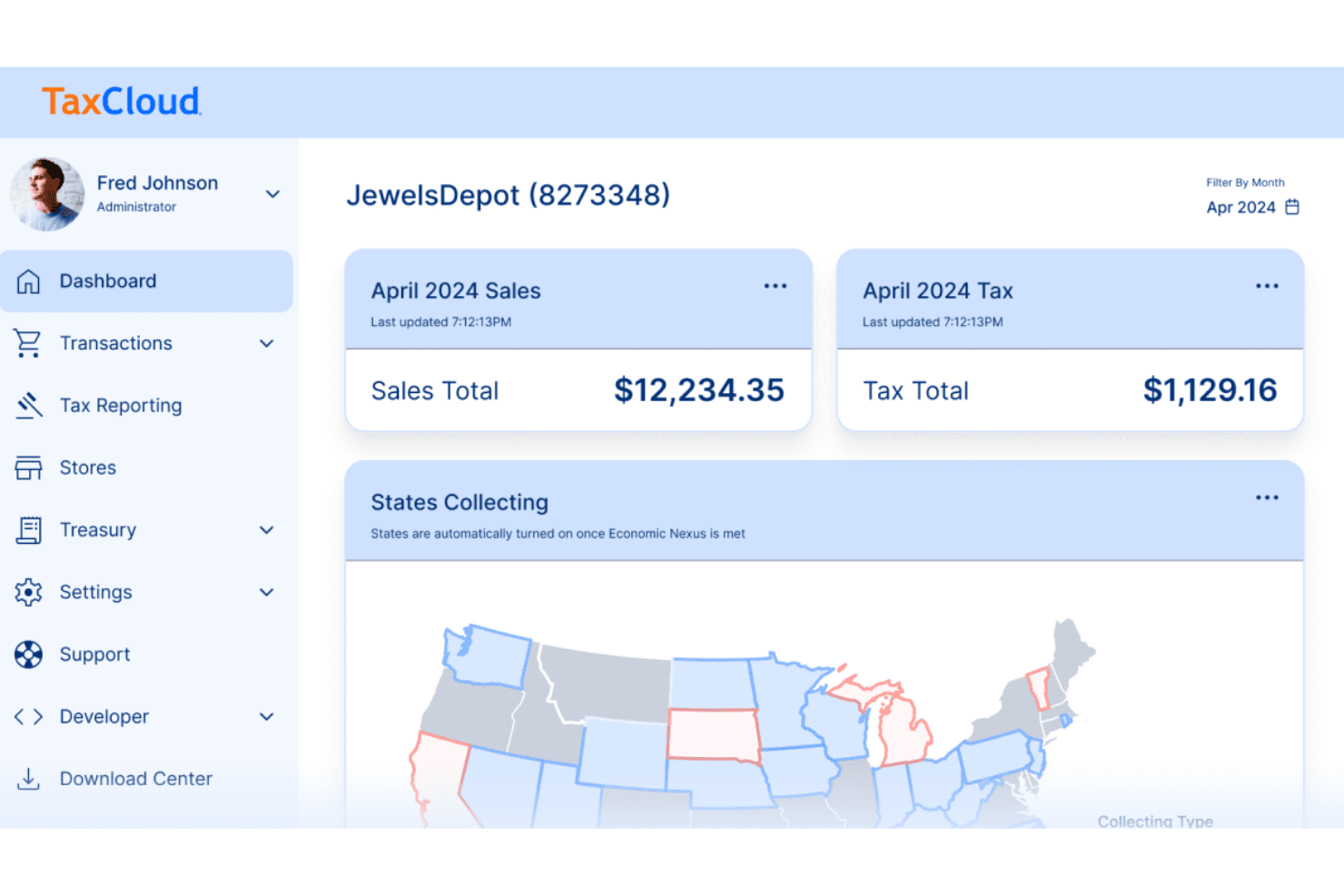
La dashboard di TaxCloud offre numerose funzionalità in grado di gestire tutte le esigenze di conformità fiscale. TaxCloud è una piattaforma di conformità all'imposta sulle vendite per Stati Uniti e Canada che gestisce il calcolo delle imposte in tempo reale in oltre 13.000 giurisdizioni, il monitoraggio del nexus economico, la presentazione delle dichiarazioni, il versamento delle imposte e la gestione dei certificati di esenzione per le aziende di commercio elettronico.
Per chi è più adatto TaxCloud?
TaxCloud è particolarmente adatto alle aziende di commercio elettronico con sede negli Stati Uniti che vendono in più stati e vogliono ridurre i costi di presentazione delle dichiarazioni grazie alla conformità certificata SST.
Perché ho scelto TaxCloud
TaxCloud è entrato nella mia lista ristretta grazie al suo status di fornitore di servizi certificato SST in tutti i 24 stati membri, il che significa che in questi stati la registrazione, la presentazione delle dichiarazioni, il versamento delle imposte e il supporto per le verifiche sono completamente gratuiti. Mi piace il fatto che non si tratti semplicemente di uno sconto, ma di un vantaggio strutturale sui costi che aumenta man mano che si vende in un numero maggiore di stati SST. Un cliente che ho visto citare ha ridotto del 60% il numero di dichiarazioni a pagamento affidandosi esclusivamente a SST: un risparmio difficile da replicare con altri strumenti.
Funzionalità principali di TaxCloud
- Monitoraggio del nexus economico: monitora quotidianamente tutti i 50 stati e invia avvisi quando le vendite si avvicinano o superano le soglie, incluso nei piani Starter e Premium.
- Calcolo delle imposte sulle vendite in Canada: calcola in tempo reale GST, HST, PST, RST e QST e presenta le dichiarazioni all'Agenzia delle entrate canadese e alle agenzie provinciali.
- Gestione degli operatori dei marketplace: importa le vendite dai marketplace per conteggiarle ai fini del nexus, escludendole al contempo dalle dichiarazioni, con il supporto di oltre 30 marketplace tramite l'integrazione con Shopify.
- Supporto per le verifiche: fornisce report pronti per le verifiche e un team per gli affari governativi, con la difesa a pagamento durante le verifiche a partire da $99/mese e supporto gratuito per le verifiche in tutti i 24 stati membri SST.
Integrazioni di TaxCloud
TaxCloud offre integrazioni documentate con Shopify, BigCommerce, WooCommerce, Magento Open Source, Adobe Commerce, Stripe, QuickBooks Online, Chargebee, Miva e Odoo. Supporta inoltre oltre 30 integrazioni con marketplace tramite Shopify e la connettività REST API per integrazioni personalizzate.
Pros and Cons
Pros:
- Presentazione gratuita delle dichiarazioni SST in tutti i 24 stati membri
- Monitora le soglie del nexus in tutti i 50 stati
- Supporto reattivo durante l'attivazione per dichiarazioni complesse
Cons:
- I certificati di esenzione non dispongono di convalida e monitoraggio della scadenza
- La copertura internazionale si ferma oltre il Canada
Learn more about TaxCloud: Ideale per una personalizzazione fiscale a livello aziendale
- Non disponibile
- Prezzi su richiesta
Thomson Reuters ONESOURCE aiuta a organizzare e gestire le imposte sulle vendite e sull'uso in modo ottimizzato. Thomson Reuters ONESOURCE è un software per la conformità fiscale che offre una vasta gamma di soluzioni fiscali, tra cui imposte sul reddito, imposte indirette, imposte patrimoniali, prezzi di trasferimento e rendicontazione delle informazioni fiscali. ONESOURCE offre anche un database per la ricerca fiscale che fornisce agli utenti leggi fiscali, regolamenti e sentenze aggiornati provenienti da tutto il mondo.
Perché ho scelto ONESOURCE: Anche se può sembrare una vecchia agenzia di stampa, Thomas Reuters ha un peso enorme nel mondo dei software fiscali per il commercio elettronico. Utilizza le regole e le aliquote più recenti per determinare l'imposta sulle vendite, l'imposta sull'uso, l'IVA e la GST. Semplifica la gestione delle imposte sulle vendite e sull'uso, gestendo la conformità GST e IVA in modo ottimizzato attraverso un unico sistema. Il team fornisce inoltre indicazioni e risposte dettagliate, passo dopo passo, sulle imposte sulle vendite, tutto in un unico posto.
Caratteristiche distintive e integrazioni di ONESOURCE
Le caratteristiche distintive di ONESOURCE sono la sua flessibilità e precisione. Questa piattaforma è altamente personalizzabile, il che la rende perfetta per aziende di tutte le dimensioni, che si tratti di una startup intraprendente o di una grande multinazionale. Adattando i suoi strumenti alle tue specifiche esigenze di conformità fiscale, ONESOURCE contribuisce a ridurre il rischio di errori fiscali, ti mantiene al passo con le leggi fiscali in continua evoluzione e migliora l'efficienza complessiva della conformità. È come avere un esperto fiscale sempre disponibile, 24 ore su 24, 7 giorni su 7.
Le integrazioni includono Acumatica, BigCommerce, Braintree, Cavallo, Coupa, Epicor P21 e le soluzioni EFI.
Pros and Cons
Pros:
- Piattaforma tecnologica fiscale completa
- Si integra con diversi sistemi finanziari ed ERP
- Strumenti avanzati per reportistica e analisi
Cons:
- Può essere complesso da implementare e utilizzare
- Non adatto alle aziende più piccole
Learn more about ONESOURCE: Ideale per l'automazione dei certificati di esenzione
- Demo gratuita disponibile
- Prezzi su richiesta
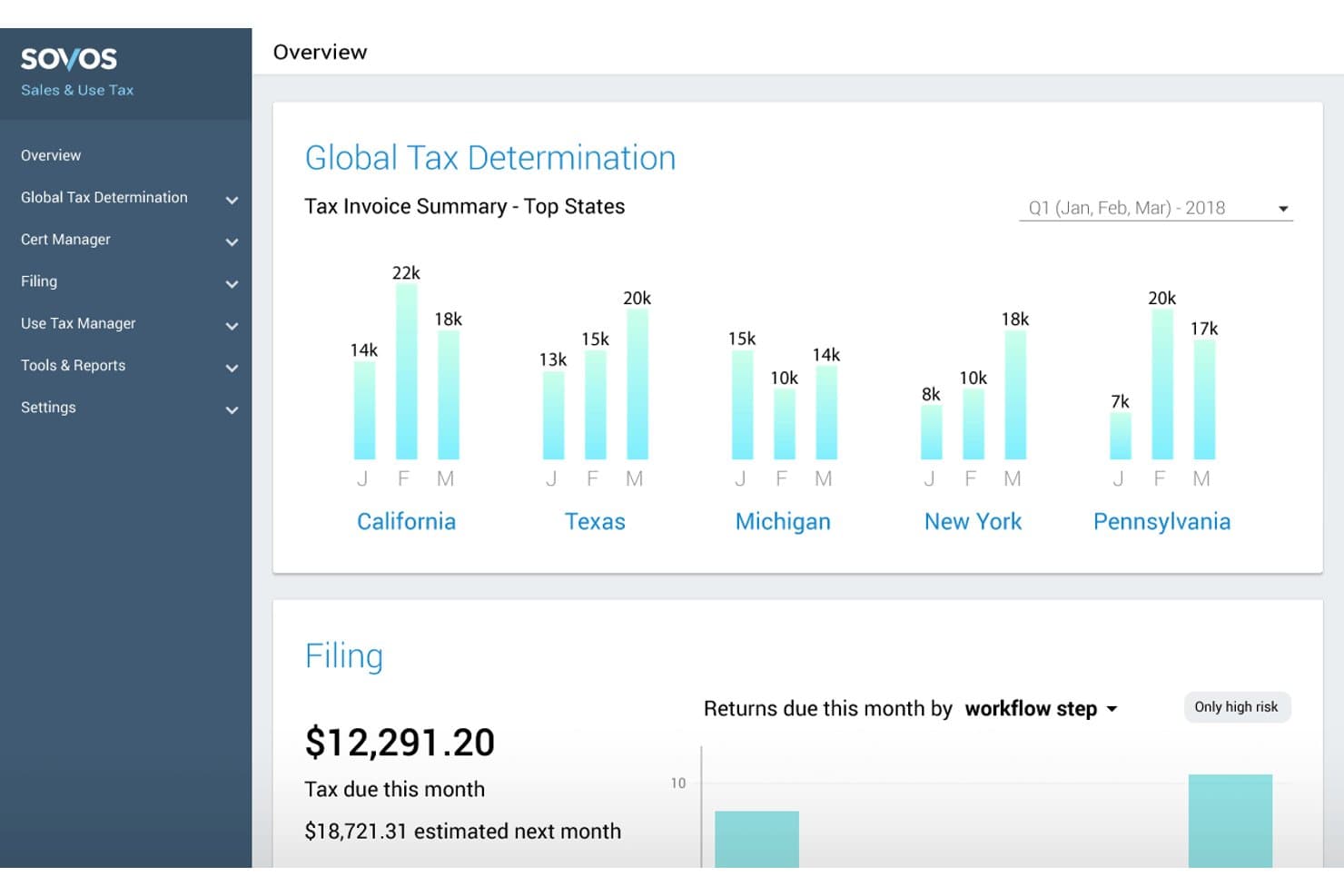
Sovos monitora le fatture fiscali nei principali stati con grafici trimestrali. Sovos è una piattaforma software aziendale per le imposte sulle vendite che copre il calcolo fiscale in tempo reale, la presentazione delle dichiarazioni in più giurisdizioni, la gestione dei certificati di esenzione e la conformità IVA/GST negli Stati Uniti e nei mercati globali.
Per chi è più adatto Sovos?
Sovos è particolarmente adatto ai team finanziari e fiscali aziendali che gestiscono obblighi complessi in più giurisdizioni attraverso sistemi ERP come SAP, Oracle o NetSuite.
Perché ho scelto Sovos
Ho incluso Sovos tra le mie scelte principali perché il suo modulo CertManager gestisce l'automazione dei certificati di esenzione meglio di qualsiasi altra soluzione che abbia visto su larga scala. Gestisce l'intero ciclo di vita dei certificati: raccolta automatizzata, convalida in tempo reale e monitoraggio delle scadenze, oltre a un portale autonomo in cui i clienti B2B possono inviare autonomamente i propri certificati. Apprezzo anche il fatto che ogni certificato archiviato sia progettato per essere pronto per una verifica, così, quando arriva una notifica, non è necessario cercare freneticamente tra le conversazioni via e-mail per dimostrare lo stato di esenzione.
Caratteristiche principali di Sovos
- Calcolo fiscale in tempo reale: Un motore di calcolo che gestisce l'imponibilità dei prodotti, le spese di spedizione, i limiti massimi e le agevolazioni fiscali temporanee in oltre 12.000 giurisdizioni statunitensi e circa 200 giurisdizioni globali.
- Presentazione delle dichiarazioni su più livelli: È possibile scegliere tra un software per la presentazione autonoma, un servizio di presentazione completamente esternalizzato e gestito con un preparatore fiscale dedicato oppure SST Model 1 per i venditori a distanza idonei.
- Mappatura dei codici fiscali dei prodotti tramite AI: L'agente Sovi per la mappatura tramite AI suggerisce in blocco i codici fiscali dei prodotti, classificandoli in base al punteggio di affidabilità; gli elementi con elevata affidabilità vengono elaborati automaticamente.
- Strumenti per la conformità IVA nell'UE: Un servizio gestito che copre la registrazione OSS e IOSS, la presentazione delle dichiarazioni e un pannello di controllo per la reportistica relativa al commercio elettronico transfrontaliero nell'UE.
Integrazioni di Sovos
Sovos offre integrazioni con SAP, Oracle, NetSuite, Microsoft Dynamics, Adobe Commerce (Magento), SAP Commerce Cloud, Salesforce Commerce Cloud e BigCommerce. Le API REST e un kit di strumenti per sviluppatori supportano connessioni personalizzate.
Pros and Cons
Pros:
- Gestisce oltre 12.000 giurisdizioni fiscali statunitensi
- Automatizza la raccolta e il rinnovo dei certificati di esenzione
- Offre la presentazione esternalizzata delle dichiarazioni con supporto per le verifiche
Cons:
- Il monitoraggio del nexus non dispone di avvisi sulle soglie
- L'implementazione aziendale richiede personale fiscale dedicato
Learn more about Sovos: Ideale per il calcolo fiscale ERP ad alto volume
- Demo gratuita disponibile
- Prezzi su richiesta
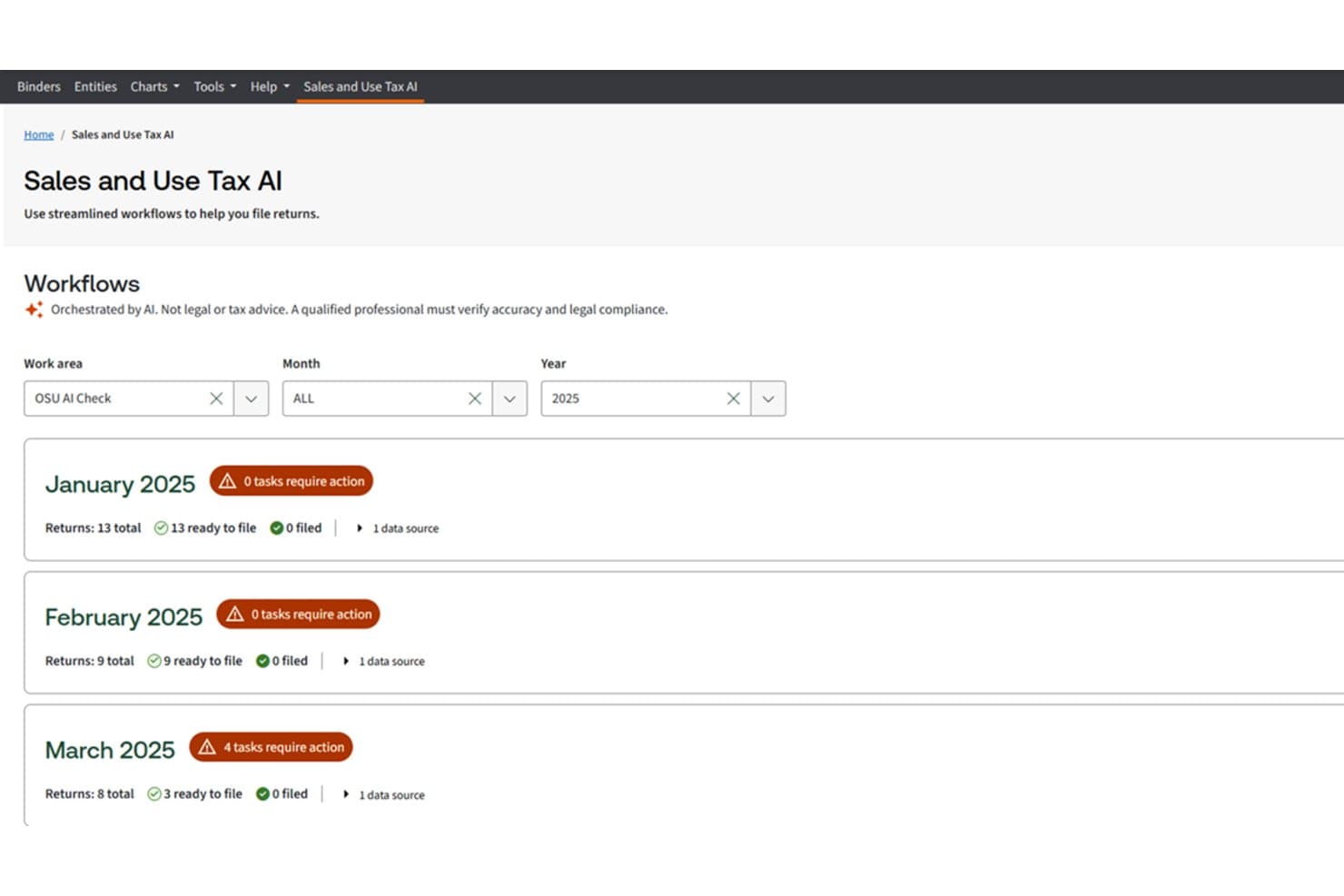
Thomson Reuters ONESOURCE monitora lo stato delle dichiarazioni sull'imposta sulle vendite per mese. Thomson Reuters ONESOURCE è un motore fiscale aziendale che gestisce il calcolo in tempo reale delle imposte indirette, la gestione dei certificati di esenzione e la presentazione delle dichiarazioni in migliaia di giurisdizioni in tutto il mondo.
Per chi è più adatto Thomson Reuters ONESOURCE?
ONESOURCE è progettato per grandi aziende con elevati volumi di transazioni che utilizzano SAP, Oracle o Microsoft Dynamics e necessitano di un motore di calcolo fiscale che si integri direttamente con il loro ERP.
Perché ho scelto Thomson Reuters ONESOURCE
Ho scelto Thomson Reuters ONESOURCE come una delle soluzioni migliori perché il suo motore Determination è progettato per gestire volumi di transazioni tali da mettere in difficoltà altri strumenti. Elabora fino a 10 milioni di transazioni all'ora, con circa 40 ms per chiamata, il che significa che il calcolo delle imposte tiene il passo con il processo di pagamento anche nei momenti di massima richiesta. Apprezzo anche il fatto che i suoi oltre 460.000 codici fiscali a livello di prodotto applichino le regole di imponibilità a livello di singola voce, non solo a livello dell'ordine, un aspetto importante quando si utilizzano SAP o Oracle e serve una precisione in grado di resistere a una revisione.
Funzionalità principali di Thomson Reuters ONESOURCE
- Gestione dei certificati di esenzione: Convalida i certificati in base alle normative statali, monitora le date di scadenza, invia promemoria e trasferisce direttamente le esenzioni nel motore di calcolo fiscale al momento della transazione.
- Preparazione delle dichiarazioni con assistenza dell'IA: Recupera i dati delle transazioni, compila oltre 1.200 dichiarazioni statunitensi e gestisce le eccezioni, coprendo la presentazione elettronica in 33 stati e in Canada.
- Conformità globale a IVA e GST: Gestisce la presentazione delle dichiarazioni relative alle imposte indirette in più Paesi, inclusi i report SAF-T e SII tramite ONESOURCE Indirect Compliance.
- Report pronti per le revisioni: Genera report a livello di transazione e pacchetti di revisione che supportano la documentazione per le revisioni in tutte le giurisdizioni.
Integrazioni di Thomson Reuters ONESOURCE
Thomson Reuters ONESOURCE offre oltre 60 integrazioni preconfigurate, tra cui SAP, Oracle, Microsoft Dynamics, NetSuite e Adobe Commerce. Le sue API REST e oltre 200 connessioni di sistema supportano le integrazioni personalizzate.
Pros and Cons
Pros:
- Gestisce in modo affidabile i calcoli fiscali ad alto volume
- Mantiene aggiornate le regole di imponibilità dei prodotti
- Collega direttamente i certificati ai calcoli
Cons:
- L'implementazione complessa richiede una formazione approfondita
- Alcuni utenti segnalano tempi di risposta lenti da parte dell'assistenza
Learn more about Thomson Reuters ONESOURCE: Ideale per i marchi SaaS che si stanno espandendo nella fiscalità dell'e-commerce
- Demo gratuita disponibile
- A partire da $100/mese
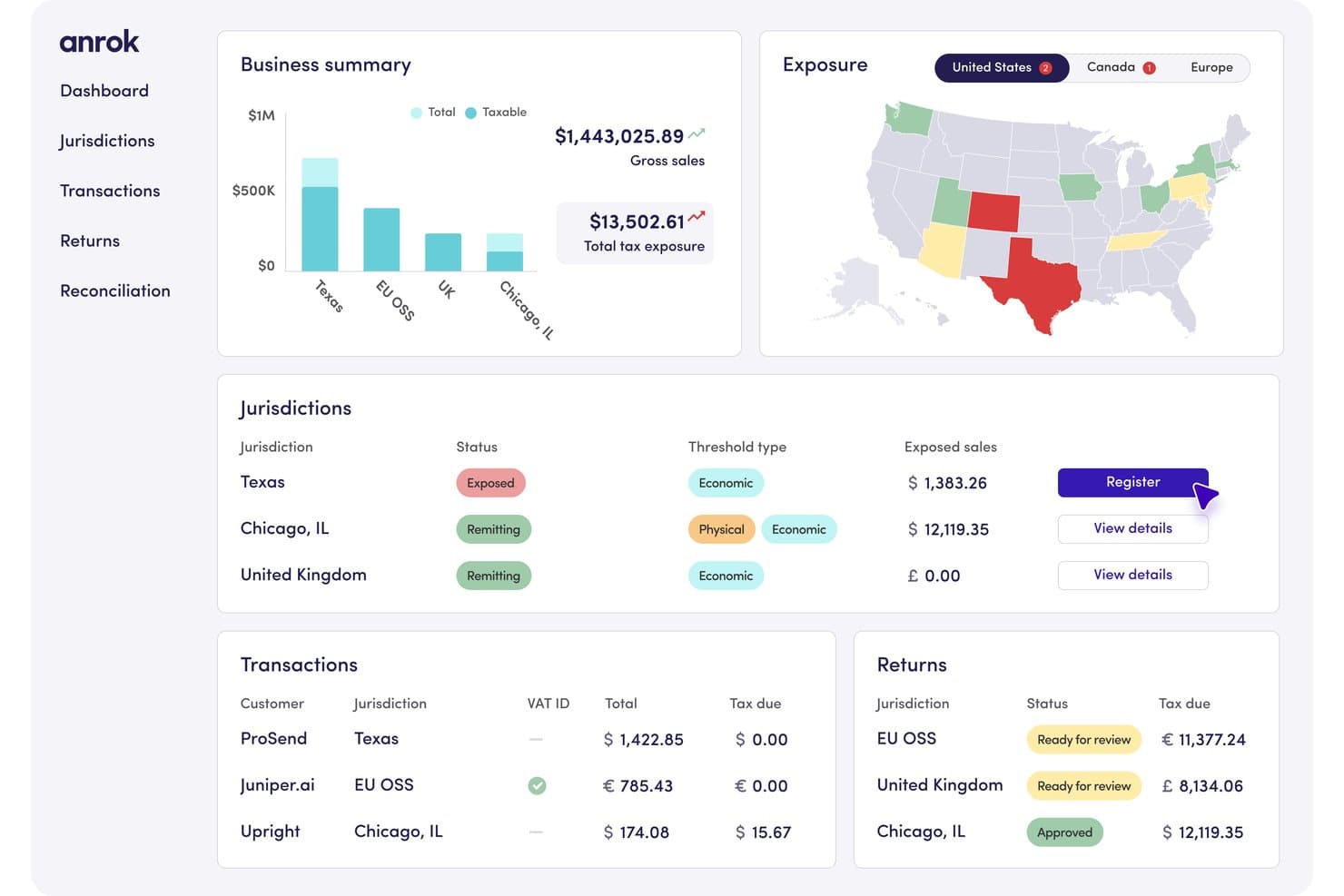
Anrok monitora l'esposizione all'imposta sulle vendite e le giurisdizioni nelle diverse regioni. Anrok è una piattaforma per la conformità all'imposta sulle vendite che gestisce il monitoraggio del nexus, il calcolo delle imposte in tempo reale, la presentazione delle dichiarazioni, la gestione dei certificati di esenzione e la copertura multigiurisdizionale negli Stati Uniti e a livello internazionale.
Per chi è più adatto Anrok?
Anrok è particolarmente adatto ai team finanziari e fiscali di aziende SaaS o software che si stanno espandendo nell'e-commerce e hanno bisogno di un'unica piattaforma per gestire l'intero ciclo di conformità fiscale.
Perché ho scelto Anrok
Ho incluso Anrok tra le mie scelte principali perché copre l'intero ciclo di conformità fiscale in un'unica piattaforma, esattamente ciò di cui ha bisogno un'azienda SaaS in espansione nell'e-commerce quando i suoi obblighi fiscali iniziano improvvisamente a comprendere beni fisici, prodotti digitali e più giurisdizioni contemporaneamente. Apprezzo in particolare il monitoraggio del nexus fisico tramite integrazioni HR come Rippling e Workday, che segnalano automaticamente quando una nuova assunzione da remoto crea un nuovo obbligo fiscale. Il suo strumento di riconciliazione traccia inoltre ogni transazione dal checkout alla dichiarazione presentata, rendendo la preparazione agli audit molto meno onerosa rispetto alla ricostruzione manuale dei registri.
Funzionalità principali di Anrok
- Gestione dei certificati di esenzione: Anrok convalida i certificati per giurisdizione, monitora le date di scadenza e rielabora automaticamente le transazioni passate per rimborsare l'imposta una volta approvato un certificato.
- Assistente IA Anrok Atlas: uno strumento di IA che risponde alle domande sui dati fiscali, segnala le transazioni non elaborate e le discrepanze, presentandole in ordine di priorità.
- Presentazione e versamento multigiurisdizionali: Anrok prepara, presenta e paga le dichiarazioni statunitensi con cadenza mensile, trimestrale o annuale, utilizzando partner locali per le dichiarazioni internazionali.
- Integrazioni con i sistemi HR per il nexus fisico: i collegamenti a piattaforme HR come Rippling, Workday e Gusto rilevano automaticamente quando le assunzioni da remoto creano nuovi obblighi fiscali.
Integrazioni di Anrok
Anrok dichiara oltre 40 integrazioni native, tra cui Shopify, WooCommerce, QuickBooks, Xero, NetSuite e Sage Intacct. Supporta Amazon, Etsy e Walmart tramite la riconciliazione dei marketplace, oltre a offrire un'API pubblica per connessioni personalizzate.
Pros and Cons
Pros:
- Monitora proattivamente il nexus economico e fisico
- Riconcilia le transazioni fino alle dichiarazioni presentate
- Automatizza la convalida dei certificati di esenzione e i rimborsi
Cons:
- Il calcolo dell'imposta al checkout non è nativo
- La riconciliazione dei marketplace rimane limitata per i venditori
Learn more about Anrok: 9Ideale per la gestione completa delle dichiarazioni e la copertura degli errori
Zamp
- Piano gratuito disponibile
- Prezzi su richiesta
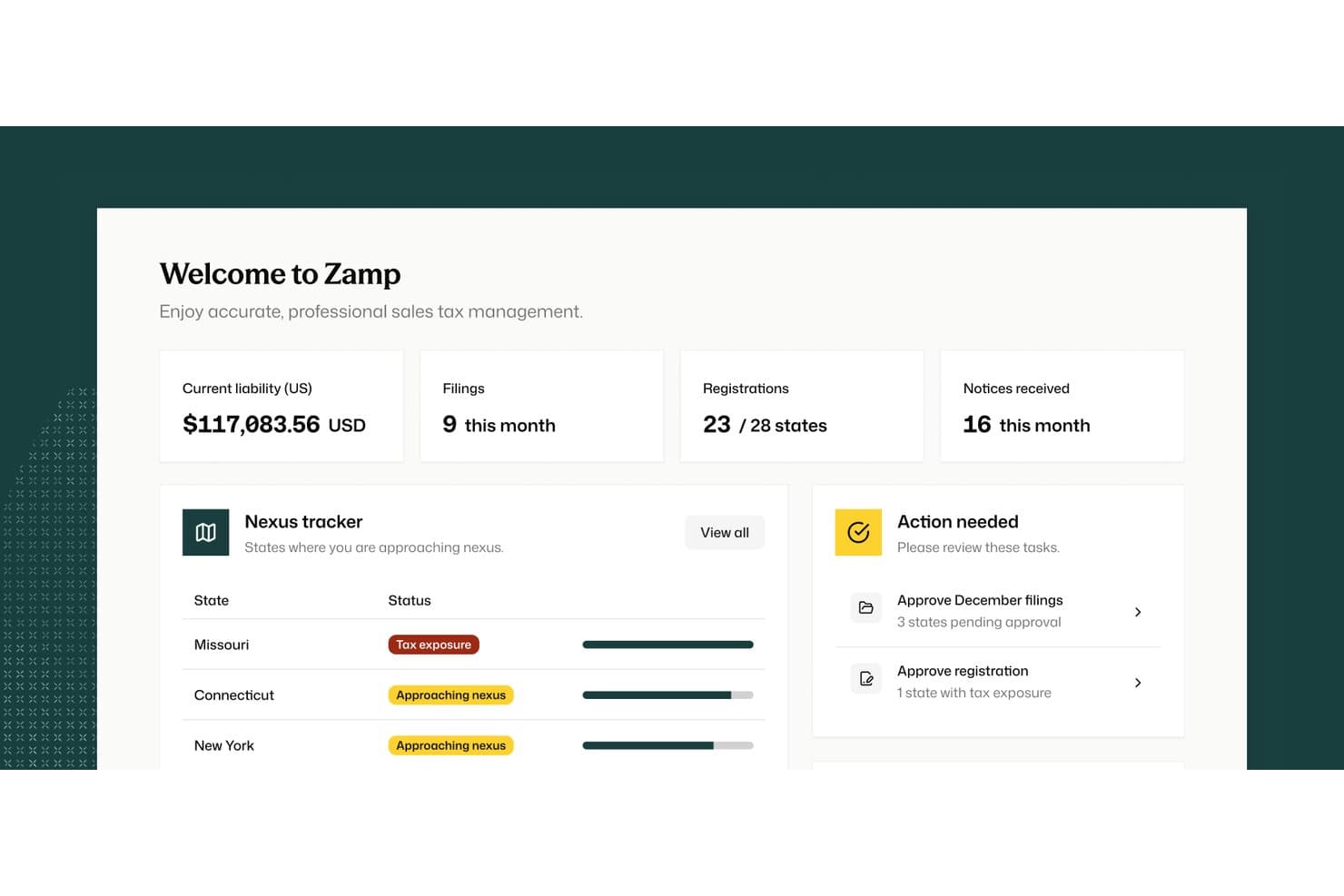
Zamp centralizza in un unico cruscotto la responsabilità per le imposte sulle vendite, le dichiarazioni e il monitoraggio della presenza fiscale. Zamp è una piattaforma per la conformità alle imposte sulle vendite che combina il calcolo automatizzato in tempo reale, il monitoraggio della presenza fiscale, la presentazione delle dichiarazioni e un modello di servizio completamente gestito, in cui gli esperti fiscali di Zamp si occupano per tuo conto delle registrazioni, delle dichiarazioni e delle notifiche.
Per chi è più adatto Zamp?
Zamp è una soluzione particolarmente adatta ai team finanziari e contabili del commercio elettronico che desiderano che un esperto fiscale, e non soltanto un software, gestisca per loro dichiarazioni, registrazioni e notifiche.
Perché ho scelto Zamp
Ho incluso Zamp tra le mie migliori scelte perché è l'unica opzione di questo elenco che considera la conformità fiscale come un servizio, non soltanto come un software. Quando viene superata una soglia di presenza fiscale, il team di Zamp gestisce la registrazione presso lo stato, configura l'account e avvia automaticamente la presentazione delle dichiarazioni. Apprezzo molto anche la garanzia scritta di copertura degli errori: se un calcolo errato dell'API causa un controllo fiscale, Zamp copre le imposte non riscosse, le sanzioni e gli interessi fino a un importo pari alle commissioni pagate nei 12 mesi precedenti.
Caratteristiche principali di Zamp
- Calcolo delle imposte a livello dell'edificio: Zamp calcola le aliquote utilizzando l'indirizzo esatto dell'edificio dell'acquirente tramite dati geospaziali, non i codici postali.
- Monitoraggio della presenza fiscale su più canali: monitora le soglie attraverso il sito web, Amazon, i canali all'ingrosso e i social, inviando avvisi quando viene raggiunto l'80% del limite di ciascuno stato.
- Gestione delle notifiche: Zamp controlla quotidianamente i portali statali, classifica le notifiche con l'IA e prepara le risposte supportate da tracce di controllo a livello di transazione.
- Gestione dei certificati di esenzione: verifica la completezza dei moduli per 38 tipi di certificati e invia avvisi di scadenza a 60, 30 e 7 giorni dalla scadenza.
Integrazioni di Zamp
Zamp elenca 37 integrazioni, tra cui Shopify, BigCommerce, WooCommerce, Amazon, eBay, Etsy, Walmart, QuickBooks Online, Xero e NetSuite. Offre inoltre un'API per configurazioni di commercio elettronico personalizzate o prive di interfaccia.
Pros and Cons
Pros:
- Registrazioni, dichiarazioni e notifiche completamente gestite
- Copertura scritta per gli errori di calcolo
- Monitora la presenza fiscale su più canali di vendita
Cons:
- Le approvazioni delle dichiarazioni non possono essere automatizzate
- La copertura internazionale oltre il Canada rimane poco chiara
Learn more about Zamp: 10Ideale per il monitoraggio del collegamento fiscale nel commercio elettronico multicanale
Numeral
- Piano gratuito disponibile
- A partire da 75 $/mese
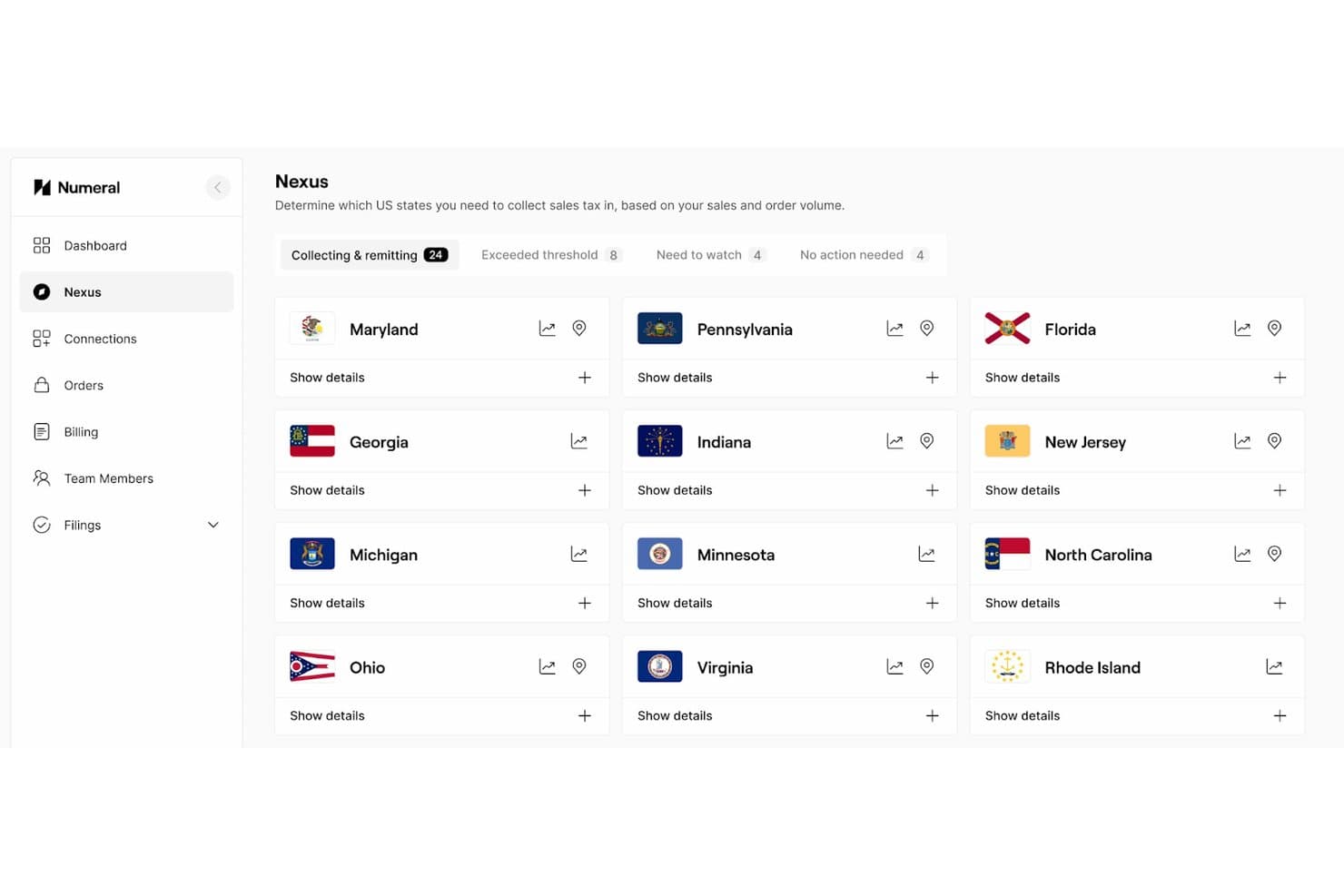
Numeral monitora gli obblighi relativi al collegamento fiscale sulle vendite in 24 stati USA. Numeral è una piattaforma di conformità all'imposta sulle vendite assistita dall'IA che gestisce il monitoraggio del collegamento fiscale, le registrazioni automatizzate, il calcolo delle imposte, la presentazione delle dichiarazioni e il versamento, nonché la gestione dei certificati di esenzione in tutte le giurisdizioni statunitensi e in oltre 90 Paesi.
Per chi è più adatto Numeral?
Numeral è particolarmente adatto ai marchi di commercio elettronico multicanale che vendono tramite DTC, Amazon, eBay e Walmart e hanno bisogno di una visione unificata del collegamento fiscale senza dover combinare più strumenti.
Perché ho scelto Numeral
Ho scelto Numeral come una delle soluzioni migliori perché il suo monitoraggio del collegamento fiscale riunisce le vendite DTC, Amazon, eBay e Walmart in un unico pannello di controllo, così non è mai necessario riconciliare manualmente i ricavi dei marketplace con le soglie statali. Mi piace il modo in cui segnala separatamente le vendite agevolate dai marketplace, consentendo di dichiararle come esenti o a fini informativi senza toccare i dati fondamentali delle proprie passività. Il piano gratuito di monitoraggio include uno studio completo del collegamento fiscale, permettendo di vedere la propria esposizione effettiva prima di spendere un solo dollaro.
Caratteristiche principali di Numeral
- Classificazione dei prodotti tramite IA: assegna automaticamente categorie fiscali agli SKU usando l'IA, inclusa nel piano professionale.
- Registrazione automatica: presenta automaticamente le richieste per i permessi statali quando si supera una soglia di collegamento fiscale, con revisione facoltativa nel pannello di controllo prima dell'invio.
- Gestione dei certificati di esenzione: convalida oltre 500 tipologie di certificati statunitensi usando l'IA, con campagne di rinnovo automatizzate e applicazione in tempo reale tramite i sistemi POS o ERP collegati.
- Casella postale fiscale virtuale: analizza la posta fiscale statale in arrivo e monitora quotidianamente i portali statali per individuare comunicazioni, modifiche alla frequenza di presentazione e scadenze di conformità.
Integrazioni di Numeral
Numeral offre oltre 40 integrazioni, tra cui Shopify, BigCommerce, WooCommerce, Adobe Commerce, Amazon, eBay, Walmart, QuickBooks, NetSuite e Xero. Fornisce inoltre un'API REST con SDK per Java, Python e Ruby per integrazioni personalizzate.
Pros and Cons
Pros:
- Visione unificata del collegamento fiscale su tutti i canali di vendita
- Vendite sui marketplace separate dalle passività
- L'assistenza personalizzata gestisce gli arretrati nelle dichiarazioni
Cons:
- La copertura internazionale è inferiore a quella dei fornitori più grandi
- I casi complessi possono richiedere ulteriori verifiche
Learn more about Numeral:
Altre opzioni di software per l'imposta sulle vendite nell'ecommerce
Ecco alcune altre soluzioni che non sono entrate nella lista principale.
- 11KintsugiIdeale per la classificazione fiscale degli SKU guidata dall'IA
- 12CommendaIdeale per le imposte statunitensi e globali in un'unica piattaforma gestita
- 13ShopifyIdeale per il calcolo delle imposte nativo di Shopify e gli avvisi sul nexus fiscale
- 14LovatIdeale per i venditori internazionali
- 15QuadernoIdeale per una clientela globale
- 16TaxValetIdeale per la presentazione gestita senza penalità e la copertura degli audit
- 17GalvixIdeale per i venditori di e-commerce che stanno superando la gestione autonoma delle dichiarazioni
- 18
Come valuto i software per l'imposta sulle vendite nel commercio elettronico
Divido la mia valutazione in tre parti, attribuendo il peso maggiore alle funzionalità principali: calcolare l'imposta al momento del pagamento e monitorare le soglie di presenza fiscale. In seguito, cerco la classificazione SKU tramite IA, come la codifica in blocco del catalogo. Infine, considero onboarding, assistenza, integrazioni e rapporto qualità-prezzo.
Funzionalità principali (requisiti fondamentali per questo elenco)
Quando seleziono gli strumenti da inserire nel mio elenco, assegno a ciascuno un punteggio su una scala da 0 (non offre la funzionalità) a 5 (eccelle in questo ambito) per ogni funzionalità principale elencata di seguito. Successivamente, converto il totale in una percentuale per contribuire a valutare l'idoneità complessiva di ciascuno strumento, attribuendo un peso aggiuntivo a tutte le funzionalità che ho ritenuto essenziali.
- Calcolo dell'imposta (essenziale): Verifico l'accuratezza dell'imposta al momento del pagamento in base al tipo di prodotto, alla posizione dell'acquirente, alle spese di spedizione e alle norme specifiche delle varie giurisdizioni.
- Monitoraggio della presenza fiscale (essenziale): Cerco il monitoraggio delle transazioni, gli avvisi relativi alle soglie e le indicazioni per la registrazione nelle regioni in cui opera il venditore.
- Copertura delle giurisdizioni: Valuto le aliquote aggiornate e le norme sull'imponibilità a livello locale, nazionale e internazionale nelle giurisdizioni rilevanti per il commercio elettronico.
- Presentazione delle dichiarazioni: Valuto la preparazione e la presentazione delle dichiarazioni, il versamento, il monitoraggio delle scadenze e il supporto per gli obblighi ricorrenti nelle varie giurisdizioni.
- Integrazioni con le piattaforme: Verifico i collegamenti con piattaforme di commercio elettronico, mercati online, carrelli e sistemi contabili per garantire un flusso affidabile dei dati delle transazioni.
- Certificati di esenzione: Cerco la raccolta e la convalida dei certificati, il monitoraggio delle scadenze e la conservazione pronta per gli audit per i clienti esenti dall'imposta.
Una volta stilato un elenco di strumenti che soddisfano i criteri, considero ciò che distingue ciascuna piattaforma.
Fattori distintivi (ciò che differenzia i fornitori)
Ecco come confronto i diversi fornitori e ne evidenzio le differenze:
Funzionalità di spicco
Cerco una classificazione SKU tramite IA in grado di assegnare in blocco i codici di imponibilità a un catalogo di grandi dimensioni: è essenziale quando si elencano migliaia di prodotti con trattamenti fiscali diversi. La riconciliazione degli adempimenti dei facilitatori dei mercati online è altrettanto importante, poiché piattaforme come Amazon riscuotono già l'imposta per conto dell'utente e versare due volte riduce rapidamente i margini. Valuto inoltre il supporto nella difesa durante gli audit, verificando se un fornitore mette a disposizione pacchetti di documentazione e assistenza dedicata qualora una giurisdizione contesti le dichiarazioni presentate.
Oltre le funzionalità
Valuto quanto bene ciascuna piattaforma riesca a scalare man mano che cresce l'ambito della presenza fiscale: passare da poche regioni a decine di esse non dovrebbe imporre una migrazione complessa. Il supporto durante l'onboarding è altrettanto importante, soprattutto quando si collegano per la prima volta più vetrine online e un ERP come NetSuite o QuickBooks. Verifico inoltre se un fornitore sostiene i propri calcoli con una copertura di responsabilità, poiché un singolo errore nella presentazione durante il periodo festivo di punta può causare sanzioni che superano di gran lunga il costo del software.
Che cos'è il software per l'imposta sulle vendite nell'ecommerce?
Il software per l'imposta sulle vendite nell'ecommerce è come un copilota esperto di tasse, che si occupa di calcolare, riscuotere e versare l'imposta sulle vendite online.
Si sincronizza automaticamente con la tua piattaforma di ecommerce, individuando le aliquote corrette in base al luogo in cui si trovano i tuoi clienti e a ciò che acquistano, senza bisogno di calcoli manuali.
Perché è importante?
Perché la conformità all'imposta sulle vendite è un obiettivo in continuo movimento. Aliquote e normative cambiano costantemente tra stati, contee e persino città. Un buon software per l'imposta sulle vendite tiene il passo con questi cambiamenti normativi, aiutandoti a rispettare la legge e a ridurre gli errori costosi.
In sintesi: questo software riduce notevolmente il carico amministrativo e ti evita i grattacapi del periodo delle tasse.
Come scegliere il miglior software per l'imposta sulle vendite nell'ecommerce
Scegliere un software per l'imposta sulle vendite non è una decisione valida per tutti. Ecco come individuare una soluzione che si adatti perfettamente alla tua attività:
- Verifica la disponibilità di integrazioni fluide. Assicurati che il software funzioni bene con la tua piattaforma ecommerce, che si tratti di Shopify, WooCommerce, BigCommerce o altro. Ti serve uno strumento che si integri direttamente e inizi a funzionare senza una configurazione lunga.
- Dai priorità agli aggiornamenti automatici. Le leggi fiscali sono come le tendenze della moda: cambiano continuamente. Il software dovrebbe rimanere aggiornato automaticamente con le normative fiscali più recenti, così non ti troverai mai impreparato di fronte a nuove aliquote o regolamenti.
- Cerca un livello di precisione affidabile. L’imposta sulle vendite è una questione seria. Scegli uno strumento con una reputazione solida in termini di precisione. In questo modo non dovrai preoccuparti dei calcoli o gestire stime soggette a errori che potrebbero causarti problemi in seguito.
- Considera la scalabilità. Se hai intenzione di crescere, scegli un software che cresca insieme a te. Cerca prezzi flessibili e funzionalità che si ampliano con la tua attività, così non dovrai continuare ad aggiornare o cambiare soluzione all’aumentare del volume delle vendite.
- Cerca possibilità di personalizzazione dove servono. Alcuni strumenti consentono di adattare le regole fiscali in base al tipo di prodotto, alla regione o al canale. Altri offrono flussi di lavoro specifici per settore o permettono di creare processi di approvazione in linea con le proprie operazioni. Questa flessibilità può fare la differenza per le aziende di nicchia o con cataloghi complessi.
- Valuta l’assistenza e le risorse per la formazione. Anche gli strumenti migliori richiedono un periodo di apprendimento. Assicurati che la soluzione scelta disponga di un’assistenza clienti affidabile, oltre a materiali formativi utili o webinar, così non ti troverai a cercare freneticamente risposte quando ne avrai bisogno.
In sintesi: scegli un software per l’imposta sulle vendite facile da configurare, preciso e scalabile, con un’assistenza eccellente che ti aiuti a rimanere sulla strada giusta.
Tendenze dei software per l’imposta sulle vendite nell’ecommerce
Con la crescita dell’ecommerce a livello globale, il panorama fiscale sta diventando più complesso e richiede soluzioni software solide per stare al passo. Ecco cosa aspettarsi nel 2026:
- Conformità e previsioni basate sull’intelligenza artificiale. L’intelligenza artificiale (AI) sta andando oltre la semplice automazione, arrivando all’analisi predittiva e consentendo al software di prevedere i potenziali obblighi fiscali in base ai dati sulle vendite e alle tendenze legislative. Questo approccio proattivo aiuterà i marchi ecommerce a rimanere conformi in un contesto di normative fiscali in evoluzione, senza dover correre ai ripari dopo i cambiamenti.
- Obblighi fiscali incentrati sui marketplace. Le leggi sui gestori dei marketplace continuano a diffondersi, rendendo piattaforme come Amazon, Etsy ed eBay sempre più responsabili della riscossione dell’imposta sulle vendite. Tuttavia, poiché le definizioni si evolvono, i venditori avranno comunque bisogno di strumenti che chiariscano le proprie responsabilità fiscali all’interno di ciascun marketplace. Cerca un software che si adatti rapidamente ai nuovi requisiti dei marketplace.
- Tassazione di beni e servizi digitali. Poiché i beni e i servizi digitali, come il SaaS, rappresentano una quota sempre maggiore dell’ecommerce, un numero crescente di Stati sta introducendo o ampliando le imposte sulle vendite relative a questi articoli. È prevedibile che i software offrano funzionalità avanzate per identificare e tassare correttamente le transazioni digitali, gestendo nuovi requisiti per elementi come i contenuti scaricabili o la pubblicità digitale.
- Conformità multistatale e globale semplificata. La tendenza verso l’armonizzazione e la semplificazione dell’imposta sulle vendite continua, con alcuni Stati che stanno snellendo i propri requisiti fiscali. Inoltre, con la globalizzazione dell’ecommerce, la conformità all’IVA nelle diverse giurisdizioni è una priorità. Ci si aspetta che le soluzioni fiscali basate sul cloud offrano funzionalità transfrontaliere ancora migliori, riducendo la complessità degli obblighi internazionali e multistatali.
- Blockchain per trasparenza e sicurezza. La tecnologia blockchain sta guadagnando terreno per il suo potenziale nel garantire registri accurati e a prova di manomissione, particolarmente utili durante le verifiche fiscali. Creando un registro trasparente delle transazioni fiscali, la blockchain può aiutare le aziende a gestire vendite transfrontaliere complesse e a costruire la fiducia dei clienti.
Queste innovazioni fanno del software per l’imposta sulle vendite un partner fondamentale per l’ecommerce, aiutando le aziende a gestire un ambiente fiscale complesso con maggiore facilità e precisione.
Funzionalità principali dei software per la gestione dell’imposta sulle vendite
Un ottimo software per l’imposta sulle vendite fa molto più che applicare semplicemente un’aliquota. È uno strumento versatile progettato per gestire ogni ostacolo fiscale che si presenta.
Ecco le funzionalità principali a cui prestare attenzione:
- Calcoli fiscali automatizzati. Calcola l’aliquota corretta per ogni vendita in base alla posizione del cliente e al tipo di prodotto, facendoti risparmiare il tempo e il rischio legati al calcolo manuale.
- Aggiornamenti in tempo reale delle aliquote fiscali. Tiene automaticamente conto delle modifiche più recenti alle imposte statali e locali, così sei sempre aggiornato senza dover muovere un dito.
- Presentazione e versamento con un clic. Presenta le dichiarazioni e invia i pagamenti alle autorità fiscali senza che tu debba preoccuparti delle scadenze e delle pratiche burocratiche.
- Report estremamente chiari. Genera report di facile lettura sulle imposte riscosse, dichiarate e dovute, così verifiche e revisioni di fine anno non sono soltanto fattibili, ma diventano (quasi) una passeggiata.
- Gestione dei certificati di esenzione. Archivia e convalida automaticamente i certificati di esenzione, segnala quelli scaduti e semplifica la rendicontazione delle vendite esenti, rendendo la preparazione per una verifica molto meno complicata.
- Monitoraggio e avvisi relativi al nexus fiscale. Tiene traccia dei luoghi in cui hai obblighi fiscali e ti avvisa quando vengono raggiunte nuove soglie, mantenendo sempre sotto controllo la tua conformità.
- Gestione delle esenzioni. Tiene traccia delle transazioni esenti da imposte e dei certificati di esenzione, gestendo con facilità le vendite B2B e altre eccezioni.
- Supporto multicanale. Gestisce la riscossione delle imposte su tutti i tuoi canali di vendita, da Shopify e WooCommerce fino ad Amazon, senza costringerti a gestire diversi strumenti.
- Conformità internazionale integrata. Semplifica l’IVA, la GST e altri requisiti fiscali internazionali, consentendoti di entrare in nuovi mercati senza complicazioni.
- Configurazioni e flussi di lavoro personalizzati. Molti strumenti consentono di modificare le regole fiscali in base alla regione, al tipo di prodotto o al canale di vendita. Alcuni utilizzano persino il feedback dei clienti per introdurre funzionalità specifiche per settore, realmente adatte al tuo modo di operare.
Queste funzionalità trasformano il software per le imposte sulle vendite da uno strumento “utile da avere” a uno di cui “non si può più fare a meno”. In breve, è la soluzione tutto-in-uno per rendere la conformità fiscale il più semplice possibile.
Vantaggi del software per le imposte sulle vendite per i rivenditori online
Le imposte sulle vendite non sono divertenti, ma il software giusto le rende il più possibile indolori. Ecco come il software per le imposte sulle vendite può diventare il supereroe della conformità fiscale della tua azienda:
- Riduce le attività che fanno perdere tempo. È come avere un membro del team in più dedicato alle imposte. Dal calcolo delle aliquote alla presentazione delle dichiarazioni, il software automatizza l’intero processo, così puoi tornare a occuparti delle parti della tua attività che apprezzi davvero.
- Ti mantiene sulla strada giusta. Calcolare manualmente le imposte in più stati (o persino Paesi) lascia fin troppo spazio agli errori. Il software per le imposte sulle vendite riduce il rischio di sbagli che potrebbero causare quelle temute sanzioni o, peggio ancora, verifiche fiscali.
- Domina il caos dei diversi stati. Ogni stato sembra avere una propria idea delle leggi fiscali: divertente! Il software per le imposte sulle vendite tiene traccia delle peculiarità e degli aggiornamenti di ogni giurisdizione, così non devi farlo tu.
- Cresce insieme a te. Ti stai espandendo in nuovi stati o marketplace online? Nessun problema. Il software per le imposte sulle vendite si adatta senza difficoltà, seguendo la tua crescita senza perdere un colpo.
- Trasforma le verifiche fiscali in un evento irrilevante. È difficile preoccuparsi di una verifica quando hai un software che conserva registri ordinati e privi di errori, pronti all’uso. I verificatori possono chiedere tutto ciò che vogliono: tu sei preparato.
- Rafforza la fiducia dei clienti. Niente più sorprese al momento del pagamento! Il software per le imposte sulle vendite garantisce che i clienti vedano fin dall’inizio l’importo corretto delle imposte, dando loro la certezza che il tuo negozio sia sempre in ordine.
- Apre le porte ai mercati internazionali. IVA, GST: qualunque sia il tipo di imposta, il software la semplifica, così puoi vendere in tutto il mondo senza lasciarti sopraffare dalle complessità fiscali internazionali.
In poche parole, il software per le imposte sulle vendite è come avere un assistente esperto di fisco, sempre sul pezzo, che ti lascia libero di concentrarti sulla crescita della tua attività (senza doverti più preoccupare della conformità fiscale).
Costi e prezzi del software per le imposte sulle vendite
Il prezzo del software per le imposte sulle vendite può variare a seconda della profondità e della complessità del software. Ecco una panoramica di ciò che puoi aspettarti da ogni fascia:
| Tipo di piano | Prezzo medio | Funzionalità comuni | Ideale per |
|---|---|---|---|
| Tipo di pianoGratuito | Prezzo medioGratuito (uso limitato) | Funzionalità comuniCalcolo fiscale di base, dichiarazione in un singolo Stato, assistenza limitata | Ideale perPiccole imprese o aziende con bassi volumi di attività che vogliono muovere i primi passi nel mondo del software |
| Tipo di pianoBase | Prezzo medio$20 - $100/mese | Funzionalità comuniCalcoli fondamentali, aggiornamenti in tempo reale delle aliquote fiscali, reportistica limitata | Ideale perStartup, venditori che operano in un singolo Stato e piccole imprese con esigenze fiscali semplici |
| Tipo di pianoProfessionale | Prezzo medio$100 - $300/mese | Funzionalità comuniDichiarazione in più Stati, dichiarazione automatica, reportistica avanzata, integrazione con sistemi contabili | Ideale perImprese in crescita che si espandono in più Stati |
| Tipo di pianoAziendale | Prezzo medio$300+/mese | Funzionalità comuniOpzioni personalizzabili, accesso completo all'API, monitoraggio avanzato del nexus fiscale, assistenza dedicata, conformità internazionale | Ideale perGrandi imprese con obblighi fiscali complessi o vendite a livello globale |
Considerazioni principali
- I piani gratuiti sono un ottimo modo per fare una prova con il calcolo di base e la copertura di un singolo Stato. Sono ideali per le imprese molto piccole o con vendite di basso volume che hanno semplicemente bisogno di uno strumento di base da cui iniziare.
- I piani base sono convenienti per le piccole imprese che necessitano di funzionalità fondamentali affidabili, come i calcoli in tempo reale e gli aggiornamenti di base sulla conformità. Perfetti per le attività che operano in un singolo Stato o che hanno configurazioni semplici.
- I piani professionali aggiungono maggiore automazione, come la dichiarazione in più Stati, l'integrazione con i sistemi esistenti e report aggiuntivi, rappresentando il punto ideale per le imprese in crescita.
- I piani aziendali sono pensati per le imprese che affrontano una notevole complessità fiscale, con funzionalità personalizzate, conformità internazionale e team di assistenza dedicati in grado di gestire volumi elevati e requisiti fiscali specifici.
Costi aggiuntivi da considerare
- Costi di implementazione e integrazione. L'integrazione fluida del software nei sistemi esistenti potrebbe comportare costi di configurazione.
- Assistenza premium. Sebbene di solito sia incluso un certo livello di assistenza, i responsabili di account dedicati o le opzioni di risposta prioritaria possono comportare costi aggiuntivi.
- Personalizzazione e formazione. Le configurazioni personalizzate e le sessioni di formazione del team possono aumentare ulteriormente il prezzo finale, soprattutto per i team più numerosi o in presenza di requisiti specifici.
Bilanciare le funzionalità con le esigenze attuali e future ti aiuterà a trovare una soluzione che cresca insieme alla tua attività, senza gravare eccessivamente sul budget iniziale.
Domande frequenti sul software per l'imposta sulle vendite nell'e-commerce
Ho voluto lasciare un po’ di spazio per discutere alcune delle domande più frequenti relative al software per l’imposta sulle vendite nell’e-commerce.
Come funziona l'imposta sulle vendite nell'e-commerce e quando devo riscuoterla?
L’imposta sulle vendite nell’e-commerce si basa sul luogo in cui la tua azienda ha un “nexus”, ovvero un collegamento significativo, come un ufficio, un magazzino o anche solo il raggiungimento della soglia di vendita di uno Stato.
Quando hai un nexus in uno Stato, generalmente sei tenuto ad applicare lì l’imposta sulle vendite. Grazie alle leggi recenti, un numero maggiore di Stati può richiedere la riscossione dell’imposta sulle vendite anche in assenza di una presenza fisica, quindi è opportuno rimanere aggiornati!
Che cos'è il nexus ai fini dell'imposta sulle vendite e come faccio a sapere se ce l'ho in uno Stato?
Nexus è un termine tecnico per indicare una presenza sufficientemente significativa in uno Stato da dovervi pagare l’imposta sulle vendite. Hai un nexus se disponi di una presenza fisica, come un ufficio, di dipendenti o di scorte, oppure se le tue vendite superano la soglia minima dello Stato, il cosiddetto nexus economico. Il software per l’imposta sulle vendite può monitorare il nexus per te e avvisarti quando lo raggiungi.
Come gestisco l'imposta sulle vendite per gli ordini fuori dallo Stato e internazionali?
Per gli ordini fuori dallo Stato, la maggior parte degli Stati applica l’imposta in base alla destinazione, quindi addebiti l’imposta in base al luogo in cui si trova l’acquirente. Per le vendite internazionali, potresti dover gestire l’IVA o altre imposte in base al Paese. Alcuni software per l’imposta sulle vendite includono funzionalità per la conformità all’IVA, quindi cerca questa opzione se vendi a livello internazionale.
Cosa succede se non riscuoto l'imposta sulle vendite in uno Stato in cui è obbligatorio farlo?
La mancata riscossione dell’imposta sulle vendite può causare diversi problemi, come sanzioni, interessi e persino verifiche da parte delle autorità statali. L’utilizzo di un software ti aiuta a evitarli automatizzando l’intero processo, mantenendoti conforme e senza preoccupazioni.
Come si integra il software per l'imposta sulle vendite con la mia piattaforma di e-commerce ed è facile da configurare?
La maggior parte dei software per l’imposta sulle vendite si integra direttamente con piattaforme come Shopify, WooCommerce o Amazon tramite API o plugin. La configurazione è generalmente semplice: installi l’app, configuri le impostazioni e il software inizia a gestire automaticamente i calcoli delle imposte.
Quali funzionalità dovrei considerare prioritarie in un software per l'imposta sulle vendite ai fini della conformità in più Stati?
Per la conformità in più Stati, concentrati sugli aggiornamenti automatici delle aliquote fiscali, sul monitoraggio del nexus e sul supporto alla presentazione delle dichiarazioni in più Stati. Queste funzionalità ti consentono di rimanere conforme mentre espandi l’attività e assicurano la copertura nelle diverse giurisdizioni fiscali con un lavoro manuale minimo.
Come gestisco le esenzioni fiscali e i certificati con il software per l'imposta sulle vendite nell'e-commerce?
La maggior parte degli strumenti per l’imposta sulle vendite supporta la gestione delle esenzioni consentendo di raccogliere, archiviare e convalidare digitalmente i certificati di esenzione. Alcuni segnalano persino i certificati scaduti o non validi e aiutano a preparare la documentazione per le verifiche. In questo modo, le tue transazioni B2B o con organizzazioni non profit rimangono conformi senza doverle monitorare manualmente.
Altri tipi di software per l'e-commerce
Se stai cercando un software per l'imposta sulle vendite nell'e-commerce, presumo che tu stia ampliando il tuo strumentario per l'elaborazione dei pagamenti online. Ecco alcune risorse aggiuntive che dovresti consultare:
- Software per l'elaborazione dei pagamenti
- Piattaforme Compra ora, paga dopo (BNPL)
- Software per gli abbonamenti nell'e-commerce
- Soluzioni per il carrello degli acquisti
E adesso?
Se stai cercando un software per l'imposta sulle vendite nell'e-commerce, contatta gratuitamente un consulente SoftwareSelect per ricevere consigli personalizzati.
Compili un modulo e fai una breve conversazione durante la quale il consulente approfondisce le tue esigenze specifiche. In seguito riceverai una selezione ristretta di software da valutare. Ti assisterà persino durante l'intero processo di acquisto, comprese le trattative sul prezzo.