

Recensione di Local Express: vantaggi, svantaggi e panoramica delle funzionalità
Scopri come Local Express reinventa l'e-commerce alimentare, combinando flessibilità e funzionalità avanzate: ti mostrerò perché si distingue per i negozi di alimentari indipendenti nel 2026 e quali aspetti tenere d'occhio.

Recensiamo gli strumenti in modo indipendente, e le commissioni aiutano a finanziare i nostri test. Consulta la nostra politica sulla trasparenza, la nostra metodologia o suggerisci uno strumento.
For grocers, launching an online storefront is only half the battle. The bigger challenge is finding a platform that can connect ordering, fulfillment, and in-store operations without adding unnecessary complexity.
Local Express is an AI-native grocery ecommerce platform that lets grocers run their own online storefront instead of renting shelf space on someone else’s marketplace. It started out serving single store independents and now runs chains with hundreds or even thousands of locations, tying ordering, fulfillment, and point of sale data together in one place.
In this review, I’ll break down Local Express’s key features, ideal use cases, pros and cons, and what to expect on pricing, so you can decide if it fits your grocery ecommerce goals.
Local Express Evaluation Summary
4.8/5
- Pricing upon request
- Free demo available
Perché fidarsi dei nostri consigli sui software
6,700+
Reviews
20
Industry experts
16+
Evaluation factors
14
Years
Il nostro team testa e recensisce software dal 2012. In quanto leader del retail noi stessi, sappiamo quanto sia difficile — e importante — scegliere il software giusto.
Per questa guida, abbiamo valutato gli strumenti attraverso test pratici e ricerche indipendenti, assegnando un punteggio agli strumenti in base ai nostri criteri di selezione.
Le nostre recensioni riflettono il nostro giudizio indipendente, non un discorso di vendita.
Local Express Overview
I think Local Express stands out for grocers who want to keep their customer relationships, order data, and margins in house rather than hand them to a marketplace. Compared with Instacart Storefront Pro, Freshop, and Mercatus, its AI tooling runs deeper and onboarding is done for you, though the breadth of the suite takes time to work through. Pricing is quote based, and the clean interface makes in-store staff adoption easier. If you’re choosing a system for multiple locations or specialty groceries, I’d suggest Local Express is an especially strong contender.
Pros
- Keeps customer relationships, revenue, and margin in-house
- Bundles AI upselling, price checks, and product imagery
- Syncs with any POS and unifies in-store with online data
Cons
- Feature breadth can overwhelm teams at first
- Full value needs a staged rollout, not one switch-on
- Product data cleanup has to happen before launch
Is Local Express Right For Your Needs?
Who Would be a Good Fit for Local Express?
Local Express is built for grocers who want to run their own digital channel, from single store independents up to regional chains operating hundreds or thousands of locations. Teams that handle online ordering, delivery, and POS in-house will find the integrations and support speed up launch and daily operations. The platform helps non-technical teams manage digital grocery with accessible tools and clear workflows.
- Independent GrocersEasy onboarding, hands-on support, and grocery-specific integrations make it ideal for local stores moving online.
- Specialty Food ShopsNiche product catalogs, complex pricing, and custom fulfillment options are supported out of the box.
- Regional Grocery ChainsMulti-store management and branded customer experiences scale to operators running hundreds or even a couple thousand locations.
- Small eCommerce TeamsAccessible setup and guided onboarding help small, resource-limited teams launch fast.
- In-House Delivery TeamsBuilt-in delivery integrations and outsourcing only the final leg simplify running delivery operations at a lower cost per order.
- Community MarketplacesMultiple vendors and inventory sources can be unified for local delivery or pickup.
Who Would be a Bad Fit for Local Express?
Local Express is a poor match for retailers content to let a marketplace own the customer and the margin, since the platform is built on the opposite bet. It also isn’t the right tool for pure B2B wholesale, developer-first teams that want to build a storefront from scratch, or non-grocery retailers, who would get little from features designed around fresh food.
- Marketplace-Reliant RetailersGrocers happy to let Instacart or a similar marketplace own the shopper and the margin have little reason to switch.
- Pure B2B WholesalersLocal Express isn’t designed for B2B-only workflows or complex purchase order management.
- Tech-Heavy TeamsDeveloper-first organizations that want to fully custom build storefronts may need a more open or headless system.
- Non-Grocery RetailGeneral retailers such as apparel or electronics won’t find industry-specific features for their needs.
- Online-Only StartupsThe platform is built to bridge in-store and online operations, so a business with no physical shelves leaves much of it unused.
- Restaurant ChainsDeli and prepared food tools are here, but the platform isn’t built for menu-driven ordering at restaurant scale.
La Nostra Metodologia di Recensione
Come Testiamo e Valutiamo gli Strumenti
Abbiamo trascorso anni a costruire, perfezionare e migliorare il nostro sistema di test e valutazione dei software. Il nostro schema di valutazione è progettato per cogliere le sfumature della selezione dei software e per comprendere cosa rende uno strumento efficace, concentrandosi su aspetti critici del processo decisionale. Qui sotto puoi vedere esattamente come funzionano i nostri test e valutazioni attraverso sette criteri. Questo ci permette di fornire una valutazione imparziale del software basata su funzionalità principali, caratteristiche distintive, facilità d’uso, onboarding, supporto clienti, integrazioni, recensioni dei clienti e rapporto qualità-prezzo.
Funzionalità di base (25% della valutazione finale)
Il punto di partenza della nostra valutazione è sempre la funzionalità principale dello strumento. Ha le funzioni e le caratteristiche di base che un utente si aspetterebbe? Alcune di queste funzionalità sono bloccate a piani tariffari di livello superiore? Alla base, ci aspettiamo che uno strumento regga il confronto con le capacità minime dei suoi concorrenti.
Caratteristiche distintive (25% della valutazione finale)
Successivamente valutiamo caratteristiche distintive e non comuni che vadano oltre la normale funzionalità presente in strumenti simili. Un punteggio alto riflette funzionalità specializzate o uniche che rendono il prodotto più veloce, efficiente o che offrano valore aggiunto all’utente. Valutiamo anche quanto sia facile integrare il software con altri strumenti della consueta infrastruttura tecnologica per espanderne la funzionalità e l’utilità. Gli strumenti che offrono molte integrazioni native, connessioni di terze parti e accesso API per costruire integrazioni personalizzate ottengono il punteggio più alto.
Facilità d’uso (10% della valutazione finale)
Consideriamo quanto sia rapido e semplice eseguire le attività definite nelle funzionalità di base utilizzando lo strumento. I software che ottengono un punteggio alto sono ben progettati, intuitivi, offrono app mobili, modelli pronti e rendono compiti complessi relativamente semplici.
Onboarding (10% della valutazione finale)
Sappiamo quanto sia importante una rapida adozione da parte del team per una nuova piattaforma, quindi valutiamo quanto sia facile imparare a usare uno strumento con una formazione minima. Esaminiamo quanto tempo impiega un membro del team a configurarsi e iniziare a utilizzare lo strumento senza esperienza. Le soluzioni con punteggi elevati richiedono poco o nessun supporto.
Supporto clienti (10% della valutazione finale)
Valutiamo quanto sia rapido e facile ricevere assistenza e trovare aiuto tramite telefono, live chat o base di conoscenza. Gli strumenti e le aziende che forniscono un supporto in tempo reale ottengono i punteggi migliori, mentre i chatbot hanno i punteggi più bassi.
Recensioni dei clienti (10% della valutazione finale)
Oltre ai nostri test e valutazioni, consideriamo il net promoter score dei clienti attuali e passati. Esaminiamo la loro propensione, data la possibilità, a scegliere nuovamente lo strumento per le sue funzionalità di base. Un punteggio elevato riflette un alto net promoter score da clienti attuali o passati.
Rapporto qualità-prezzo (10% della valutazione finale)
Infine, considerando tutti gli altri criteri, valutiamo il prezzo medio dei piani base rispetto alle funzionalità fondamentali e teniamo in considerazione il valore degli altri criteri di valutazione. Il software che offre di più, a meno, ottiene punteggi più alti.
Core Features
Online Storefront Builder
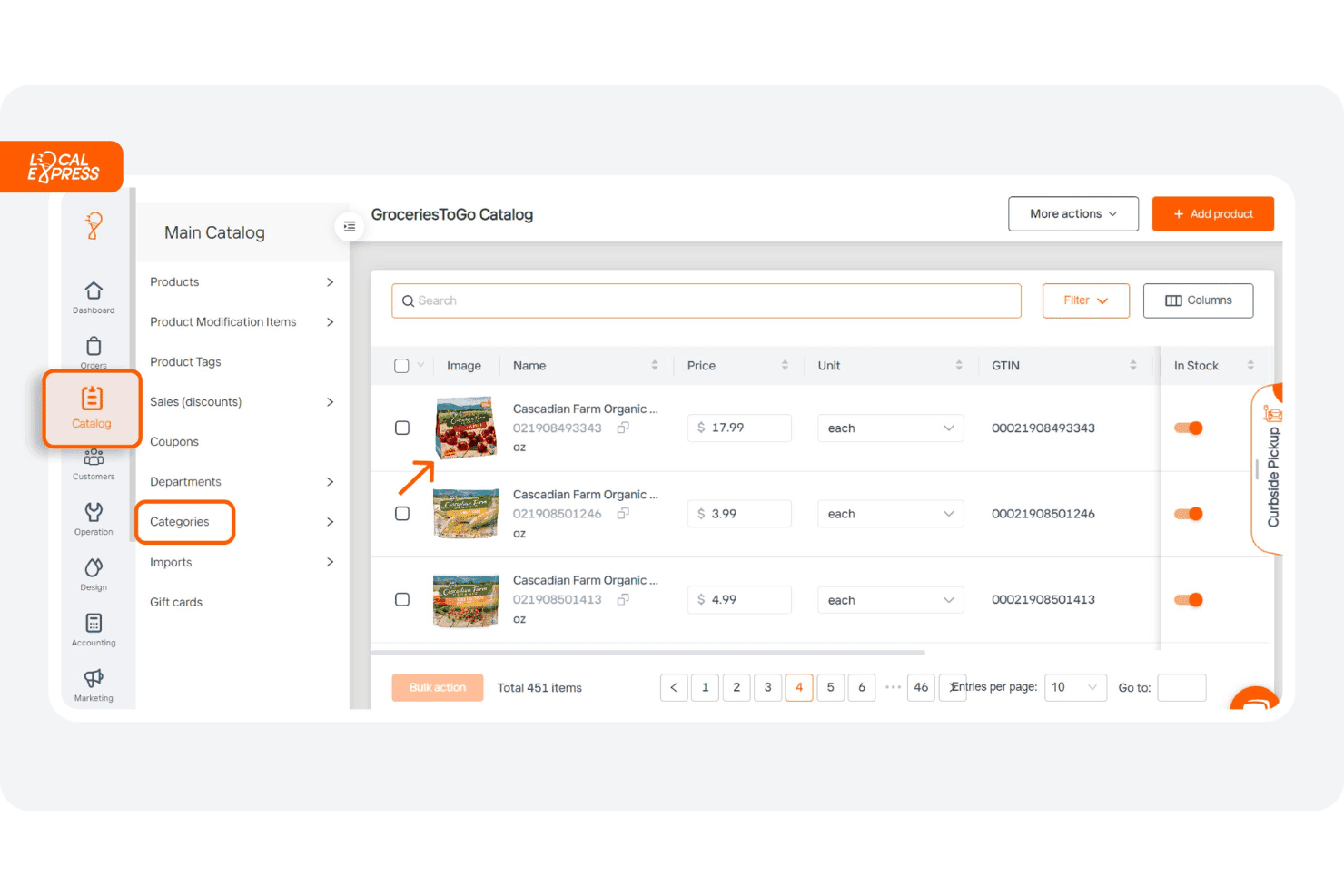
Create a branded online grocery store with full catalog control. Drag-and-drop tools let you quickly update products, prices, and promotions.
Click and Collect
Let customers order online and pick up in-store or at curbside. Staff manage picking, packing, and handoff from one dashboard, and keeping that work in house holds costs down.
Delivery Management
Offer scheduled or on-demand local delivery to reach more shoppers. Orders, routes, and drivers are tracked in real time, and outsourcing only the last mile keeps fulfillment cost nearer 5% than the 30% plus marketplaces take.
White-Label Mobile App
Provide your shoppers with a branded app experience for iOS and Android. Customers can browse, reorder, and manage accounts on the go.
Multilingual and Multi-Currency Support
Serve customers in multiple languages and currencies for wider reach. Switch store language or currency to match your neighborhood’s demographics.
Digital Circulars and Promotions
Upload weekly flyers, run targeted digital deals, and highlight sales. Shoppers see real-time discounts and promos in their online cart.
POS Sync and Data Harmonization
Connect any point of sale system and keep one product record across the aisle and the website. Harmonization reconciles the two so stock, pricing, and sales agree.
AI Shopping Assistant
A chatbot guides shoppers through the catalog and suggests add-ons while they decide, giving grocers a way to upsell online that echoes a good clerk on the floor.
Ease of Use
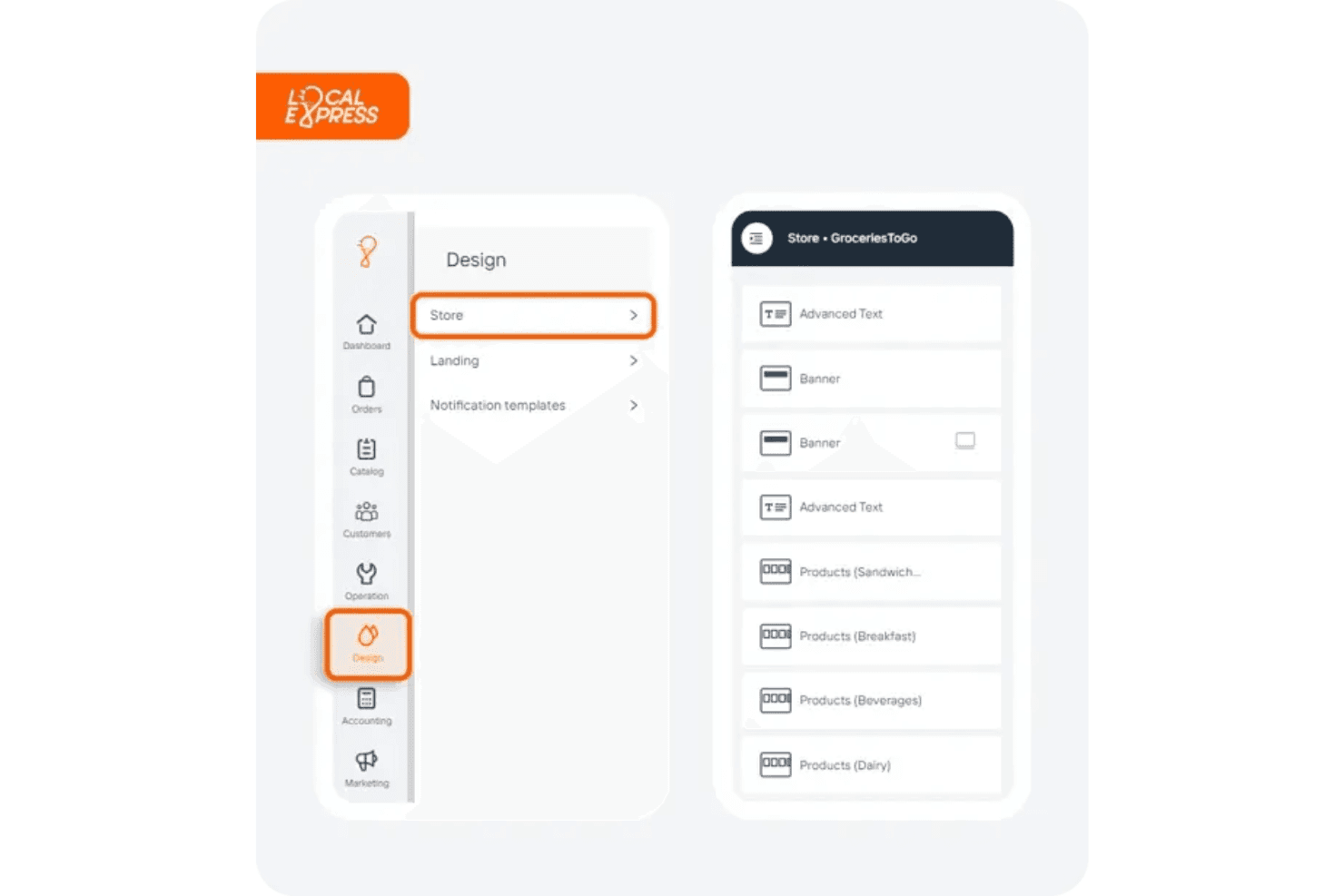
I think Local Express is easier for store staff and shoppers than many ecommerce platforms. Users consistently mention the intuitive admin dashboard, simple order management tools, and quick catalog edits. The catch is breadth: teams who try to turn on every module at once tend to stall. Local Express steers new customers through a sequence instead, clean data and a working storefront first, AI and couponing later, which I think is the right call.
Integrations
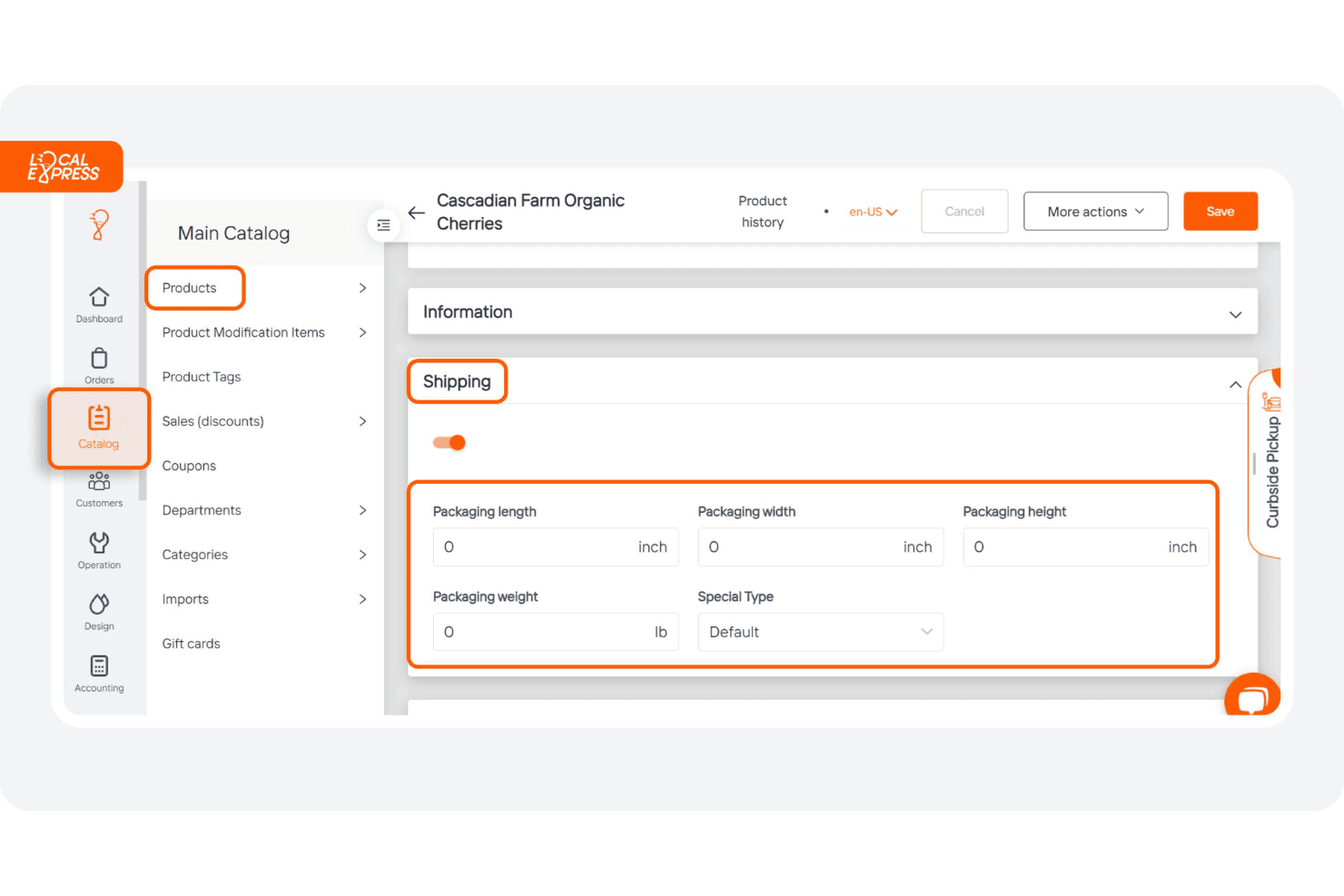
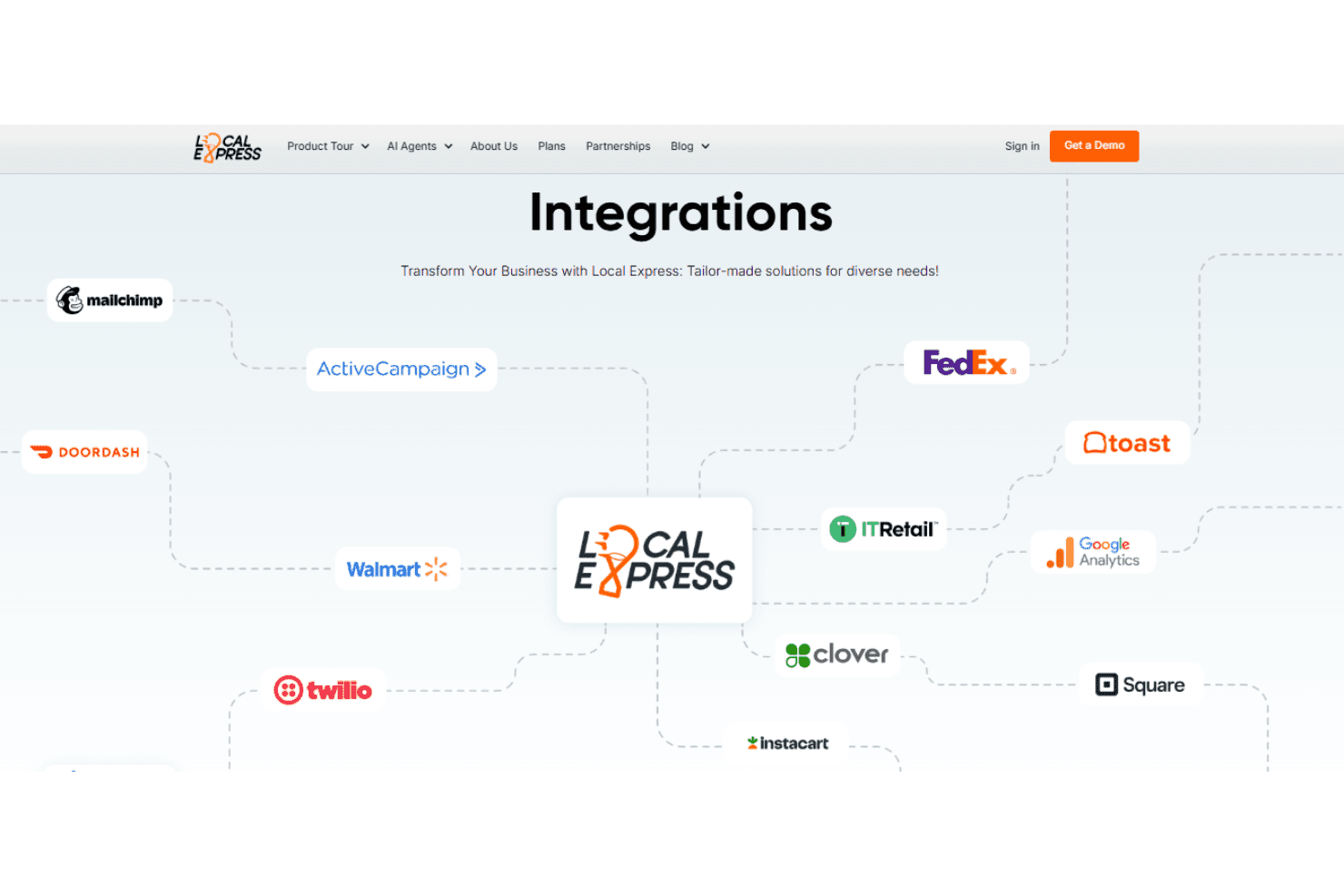
Local Express integrates with Square, Clover, Stripe, PayPal, DoorDash, UPS, Google Analytics, Facebook Pixel, EBT/SNAP, and IT Retail, among others.
Local Express also provides an API and connects with a wide range of third-party solutions for payments, POS, analytics, and delivery.
Local Express Specs
- 2-Factor Authentication: Yes
- A/B Testing: Yes
- Analytics: Yes
- API: Yes
- BitCoin: Yes
- Conversion Tracking: Yes
- Dashboard: Yes
- Data Export: Yes
- Data Import: Yes
- Data Visualization: Yes
- Design Templates: Yes
- External Integrations: Yes
- Inventory Tracking: Yes
- Keyword Tracking: Yes
- Marketing Automation: Yes
- Multi-User: Yes
- Notifications: Yes
- Order Management: Yes
- Payment Gateway Integration: Yes
- Payment Processor: Yes
- PayPal: Yes
- Product Catalog: Yes
- Review Monitoring: Yes
- SAP Integration: Yes
- Scheduling: Yes
- Stripe: Yes
- Third-Party Plugins/Add-Ons: Yes


