
Gestire un'attività di commercio al dettaglio significa destreggiarsi tra elementi in costante cambiamento: mantenere sotto controllo i livelli delle scorte, anticipare ciò che i clienti vorranno acquistare e migliorare il modo in cui interagiscono con il tuo negozio. Gli strumenti di IA per il commercio al dettaglio ti aiutano a gestire queste pressioni fornendoti previsioni più chiare, analisi più precise e modalità più rapide per rispondere alle esigenze quotidiane.
Grazie alla mia esperienza nel testare e recensire software, so come le funzionalità di IA possano trasformare la gestione della tua attività commerciale. In questo articolo a elenco troverai la mia recensione imparziale e accuratamente documentata delle migliori soluzioni di IA per il commercio al dettaglio.
Ti guiderò attraverso le loro caratteristiche, funzioni e vantaggi, così potrai prendere una decisione informata per il tuo team.
Perché fidarsi dei nostri consigli sui software
6,700+
Reviews
20
Industry experts
16+
Evaluation factors
14
Years
Il nostro team testa e recensisce software dal 2012. In quanto leader del retail noi stessi, sappiamo quanto sia difficile — e importante — scegliere il software giusto.
Per questa guida, abbiamo valutato gli strumenti attraverso test pratici e ricerche indipendenti, assegnando un punteggio agli strumenti in base ai nostri criteri di selezione.
Le nostre recensioni riflettono il nostro giudizio indipendente, non un discorso di vendita.
Tabella comparativa delle soluzioni di IA per il commercio al dettaglio
Questa tabella comparativa riassume i dettagli dei prezzi delle mie migliori selezioni di soluzioni di IA per il commercio al dettaglio:
| Tool | Best For | Trial Info | Price | ||
|---|---|---|---|---|---|
| 1 | Ideale per l'approvvigionamento dei PO basato sull'IA | Prova gratuita di 90 giorni | A partire da $100/mese | Website | |
| 2 | Il migliore con agente AI addestrato sulla tua base di conoscenza | Prova gratuita di 7 giorni + piano gratuito disponibile | Da $24.17/mese (fatturazione annuale) | Website | |
| 3 | Ideale per soluzioni aziendali integrate | Demo gratuita disponibile | Prezzo su richiesta | Website | |
| 4 | Ideale per servizi AI basati su cloud | Piano gratuito disponibile + prova gratuita di 30 giorni | Prezzi su richiesta | Website | |
| 5 | La migliore per la gestione delle relazioni con i clienti | Prova gratuita di 30 giorni + piano gratuito disponibile | Da $25/utente/mese (fatturazione annuale) | Website | |
| 6 | Ideale per una configurazione ERP assistita dall'IA | Dimostrazione gratuita disponibile | Prezzi su richiesta | Website | |
| 7 | Ideale per la distribuzione su larga scala di soluzioni di intelligenza artificiale | Versione di prova gratuita disponibile | Contattare AWS per i prezzi | Website | |
| 8 | Ideale per la governance dell’IA e la modernizzazione del cloud ibrido | Demo gratuita disponibile | Prezzo su richiesta | Website | |
| 9 | Ideale per il monitoraggio in negozio e l'analisi video | Demo gratuita disponibile | Prezzo su richiesta | Website | |
| 10 | Ideale per la pianificazione delle risorse aziendali | Prova gratuita + demo gratuita disponibile | Prezzo su richiesta | Website |


Recensioni delle migliori soluzioni di IA per il commercio al dettaglio
Di seguito trovi le mie sintesi dettagliate delle migliori soluzioni di IA per il commercio al dettaglio incluse nel mio elenco. Le mie recensioni offrono un’analisi approfondita delle caratteristiche principali, dei pro e dei contro, delle integrazioni e dei casi d’uso ideali di ogni strumento, per aiutarti a trovare quello più adatto a te.
 Ideale per l'approvvigionamento dei PO basato sull'IA
- Prova gratuita di 90 giorni
- A partire da $100/mese
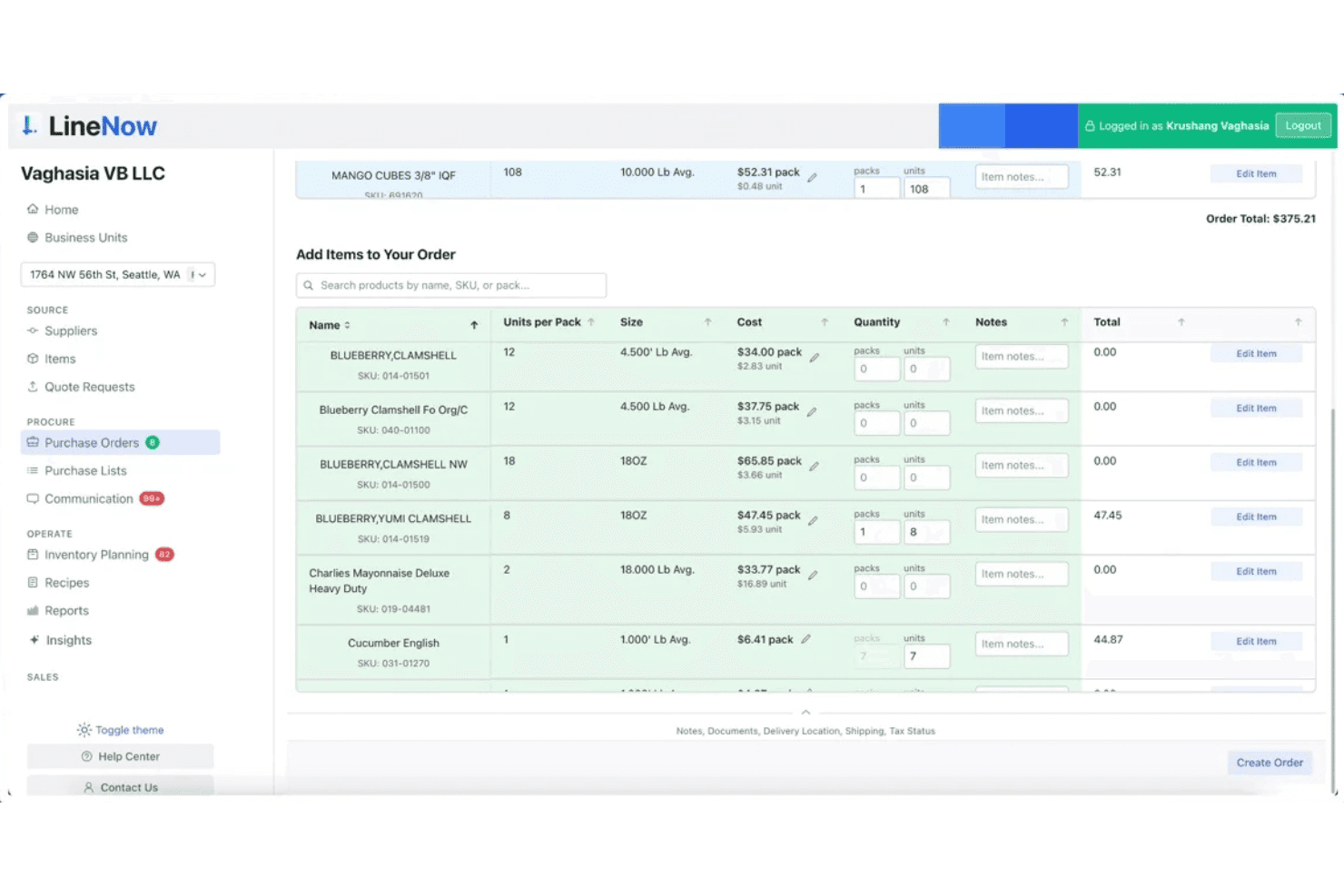
LineNow consente agli utenti di creare e gestire gli ordini di acquisto per articolo. LineNow è uno strumento per la gestione degli ordini di acquisto e dell'inventario che automatizza i flussi di approvvigionamento per i rivenditori di piccole e medie dimensioni, occupandosi della creazione dei PO, della comunicazione con i fornitori, del monitoraggio dell'inventario e della sincronizzazione contabile.
Per chi è più adatto LineNow?
LineNow è adatto ai rivenditori di piccole e medie dimensioni che gestiscono manualmente gli approvvigionamenti, soprattutto a quelli che operano in più sedi o su più canali di vendita e hanno bisogno di automatizzare la creazione dei PO e la comunicazione con i fornitori.
Perché ho scelto LineNow
Ho scelto LineNow come uno dei migliori strumenti perché la sua IA gestisce la parte più dispendiosa in termini di tempo degli approvvigionamenti: la creazione e la gestione dei PO senza inserimento manuale. Quando le scorte scendono al di sotto di una soglia di riordino, LineNow prepara automaticamente una bozza del PO. Quando un fornitore risponde comunicando un ordine arretrato o una sostituzione, l'IA legge l'e-mail e aggiorna automaticamente il registro dell'ordine. Ritengo che questa combinazione, ovvero l'ordinazione attivata automaticamente e la comunicazione con i fornitori interpretata dall'IA, sia davvero difficile da replicare in altri strumenti di approvvigionamento per piccole imprese.
Funzionalità principali di LineNow
- Classificazione in base alla velocità di vendita: Ordina l'inventario in base alla rapidità con cui gli articoli vengono venduti, così puoi dare priorità al riordino degli SKU con la maggiore velocità di vendita.
- Visibilità dell'inventario in più sedi: Monitora i livelli delle scorte in negozi, magazzini e canali di vendita in un'unica visualizzazione.
- Rilevamento delle variazioni dei prezzi dei fornitori: Segnala quando un fornitore aggiorna i propri prezzi, consentendoti di esaminare l'impatto sui costi prima di confermare gli ordini.
- Sincronizzazione contabile: Invia i dati dei PO completati e della ricezione direttamente a QuickBooks o Xero, completando il ciclo dall'approvvigionamento al pagamento.
Integrazioni di LineNow
Le integrazioni includono Square, Toast, Clover, Lightspeed, Shopify, Amazon, Faire, QuickBooks e Xero.
Pros and Cons
Pros:
- Crea automaticamente le bozze dei PO quando le scorte diminuiscono
- Interpreta le risposte dei fornitori e aggiorna gli ordini
- Inserimento pratico e ottimo supporto agli utenti
Cons:
- Non offre funzionalità di previsione della domanda basate sull'IA
- Non è incluso nei principali rapporti sull'IA per il settore della vendita al dettaglio
Learn more about LineNow: Il migliore con agente AI addestrato sulla tua base di conoscenza
- Prova gratuita di 7 giorni + piano gratuito disponibile
- Da $24.17/mese (fatturazione annuale)
Visit WebsiteCustomer Rating:4.7/5
Vista inbox di Tidio che mostra conversazioni live chat, gestione ticket e pannello dettagli cliente in una dashboard di supporto unificata. Tidio porta chat e automazione potenziate dall’IA ai team retail ed ecommerce che desiderano migliorare l’engagement e il supporto clienti. La piattaforma combina chat dal vivo, chatbot e messaggistica multicanale in un unico luogo, aiutando le aziende a gestire conversazioni e automatizzare attività ripetitive. Se vuoi unificare le interazioni con i clienti e aumentare l’efficienza nei tuoi storefront digitali, Tidio offre un set di strumenti focalizzati sulle esigenze del retail.
Per chi è pensato Tidio?
Tidio è una scelta forte per aziende ecommerce e retail che vogliono automatizzare il supporto clienti e gestire conversazioni multicanale da un’unica piattaforma.
Perché ho scelto Tidio
Ciò che distingue Tidio tra le soluzioni di IA per il retail è il suo agente AI che puoi addestrare usando la tua base di conoscenza. Ho scelto Tidio perché consente di caricare FAQ, guide e informazioni sui prodotti, in modo che l’agente AI possa fornire risposte accurate e specifiche del brand alle domande dei clienti. Questa funzionalità aiuta i team retail a offrire supporto istantaneo e coerente su argomenti come stato degli ordini, resi e dettagli sui prodotti. Sfruttando la conoscenza unica della tua azienda, l’agente AI di Tidio riduce le richieste ripetitive e libera il tuo team per attività più complesse.
Funzionalità principali di Tidio
Altre funzionalità di Tidio che supportano i team retail includono:
- Widget di chat dal vivo: Connettiti in tempo reale con i visitatori del sito e rispondi direttamente alle loro domande.
- Posta in arrivo multicanale: Gestisci le conversazioni provenienti da email, Messenger, Instagram e WhatsApp in una sola dashboard.
- Bot FAQ potenziato dall’IA: Risponde automaticamente alle domande frequenti dei clienti utilizzando la base di conoscenza della tua azienda.
- Integrazioni con Shopify e WooCommerce: Sincronizza i dati dei clienti e automatizza i flussi di lavoro con le principali piattaforme ecommerce.
Integrazioni di Tidio
Le integrazioni includono Shopify, WooCommerce, Zendesk, Salesforce, HubSpot, Messenger, Instagram, WhatsApp, WordPress e Adobe Commerce.
Pros and Cons
Pros:
- Costruttore di automazioni senza codice per i percorsi cliente
- Monitoraggio in tempo reale dei visitatori per un coinvolgimento proattivo
- Template predefiniti per flussi di lavoro specifici per il retail
Cons:
- Alcune integrazioni richiedono piani di livello superiore
- Le opzioni di personalizzazione del chatbot possono sembrare limitanti
Learn more about Tidio: Ideale per soluzioni aziendali integrate
- Demo gratuita disponibile
- Prezzo su richiesta
Visit WebsiteCustomer Rating:4.6/5
Oracle migliora i workflow cloud con l'IA che automatizza le attività e affina il processo decisionale Oracle offre una suite di applicazioni cloud e servizi di piattaforma progettati per aziende di ogni dimensione, focalizzandosi su soluzioni aziendali integrate. Le sue capacità di intelligenza artificiale migliorano il processo decisionale, automatizzano le attività e forniscono preziose informazioni agli utenti.
Perché ho scelto Oracle: Oracle fornisce soluzioni aziendali integrate grazie alla sua piattaforma cloud. Le funzionalità di intelligenza artificiale comprendono machine learning e automazione delle decisioni, che aiutano il tuo team a migliorare i processi di ecommerce e in negozio. L'attenzione di Oracle all'integrazione consente il flusso dei dati tra le varie funzioni aziendali. Questo approccio integrato lo rende ideale per le imprese che cercano soluzioni complete end-to-end.
Caratteristiche e integrazioni principali:
Caratteristiche includono analisi avanzate dei dati, automazione delle decisioni e funzioni di machine learning. Queste ti aiutano a ottenere insight e prendere decisioni informate rapidamente. La scalabilità della piattaforma supporta le aziende nella loro crescita e adattamento.
Integrazioni includono Salesforce, Microsoft Azure, AWS, Google Cloud, SAP, IBM, Workday, NetSuite, Slack e Tableau.
Pros and Cons
Pros:
- Suite retail unificata
- IA integrata per le previsioni
- Solido supporto omnicanale
Cons:
- Costo elevato rispetto alla concorrenza
- Configurazione e avvio complessi
Learn more about Oracle: Ideale per servizi AI basati su cloud
- Piano gratuito disponibile + prova gratuita di 30 giorni
- Prezzi su richiesta
Visit WebsiteCustomer Rating:4.3/5
Microsoft Azure supporta la creazione e la distribuzione di applicazioni intelligenti con servizi AI Microsoft Azure è una piattaforma di cloud computing che offre una vasta gamma di servizi, inclusi strumenti di intelligenza artificiale e machine learning, per aziende di tutte le dimensioni. Le sue capacità di AI aiutano gli utenti a creare, distribuire e gestire applicazioni intelligenti in molti settori.
Perché ho scelto Microsoft Azure: Microsoft Azure offre servizi di intelligenza artificiale basati sul cloud che sono scalabili e versatili. I suoi strumenti di AI comprendono modelli di machine learning e servizi cognitivi, che supportano la capacità del tuo team di sviluppare applicazioni intelligenti. La flessibilità della piattaforma consente di personalizzare le soluzioni in base alle esigenze specifiche della tua azienda. L'attenzione di Azure nel fornire servizi cloud lo distingue da altre soluzioni.
Caratteristiche principali & integrazioni:
Caratteristiche includono assistenti per gli acquisti basati su AI, orchestrazione delle campagne, ottimizzazione dell'assortimento e ottimizzazione dell'inventario. Queste funzionalità possono trasformare l'esperienza d'acquisto e migliorare l'agilità della catena di approvvigionamento. La rete globale di Azure garantisce un'erogazione dei servizi affidabile e veloce.
Integrazioni includono Microsoft 365, Copilot, OneLake e Power BI.
Pros and Cons
Pros:
- Ampia gamma di strumenti di intelligenza artificiale
- Offerta di servizi flessibile
- Infrastruttura cloud scalabile
Cons:
- Struttura dei prezzi complessa
- Richiede competenze tecniche per la configurazione
Learn more about Microsoft Azure: La migliore per la gestione delle relazioni con i clienti
- Prova gratuita di 30 giorni + piano gratuito disponibile
- Da $25/utente/mese (fatturazione annuale)
Visit WebsiteCustomer Rating:4.4/5
Salesforce offre flussi di lavoro CRM con IA che personalizzano le interazioni e automatizzano le vendite Salesforce è una piattaforma di gestione delle relazioni con i clienti (CRM) basata su cloud, progettata per aziende di tutte le dimensioni per gestire le interazioni e i dati dei clienti. Le sue capacità di intelligenza artificiale assistono gli utenti nella personalizzazione delle interazioni e nell'automazione dei processi di vendita.
Perché ho scelto Salesforce: Salesforce è rinomata per i suoi strumenti di gestione delle relazioni con i clienti, supportati da funzionalità di intelligenza artificiale generativa come Einstein Analytics. Questi strumenti aiutano il tuo team a personalizzare le esperienze dei clienti e a prevedere le tendenze di vendita. Le capacità di automazione della piattaforma semplificano le attività di routine, liberando tempo prezioso. Questa specializzazione nel CRM rende Salesforce una scelta preferita per la gestione delle relazioni con i clienti.
Caratteristiche principali e integrazioni:
Funzionalità includono dashboard personalizzabili, flussi di lavoro automatizzati e strumenti di reportistica dettagliata. Queste caratteristiche offrono al tuo team la flessibilità di adattare la piattaforma alle esigenze specifiche. L'accesso ai dati in tempo reale garantisce decisioni rapide e informate.
Integrazioni includono Slack, Mailchimp, HubSpot, Google Workspace, QuickBooks, Dropbox, DocuSign, LinkedIn e Jira.
Pros and Cons
Pros:
- Piattaforma CRM altamente personalizzabile
- Potenti analisi basate su IA
- Automazione efficace dei processi di vendita
Cons:
- Può risultare complesso per i nuovi utenti
- Richiede manutenzione e aggiornamenti continui
Learn more about Salesforce : Ideale per una configurazione ERP assistita dall'IA
- Dimostrazione gratuita disponibile
- Prezzi su richiesta
Visit WebsiteCustomer Rating:4.1/5
Fulfil offre un sistema completo di gestione dell'inventario. Fulfil è una piattaforma ERP creata per i brand direct to consumer che necessitano di un controllo più stretto su inventario, evasione ordini e operazioni finanziarie. Collega canali di vendita, magazzini e contabilità in un unico sistema, aiutando i team retail a gestire la crescita senza dover dipendere da strumenti scollegati. Come soluzione retail basata sull'IA, Fulfil utilizza configurazione e automazione assistite dall'intelligenza artificiale per ridurre la configurazione manuale e supportare flussi di lavoro operativi più precisi.
Perché ho scelto Fulfil
Ho scelto Fulfil perché combina funzionalità ERP specifiche per il retail con una configurazione assistita dall'IA che può ridurre la complessità dell'implementazione. Se gestisci un brand su Shopify o un marchio DTC, puoi centralizzare inventario, gestione ordini e contabilità in un unico sistema invece di integrare più piattaforme tra loro. Mi hanno particolarmente colpito le connessioni predefinite a centinaia di fornitori di servizi logistici terzi, che possono aiutarti a coordinare l’evasione degli ordini in modo più efficiente man mano che cresci. Per i brand retail in crescita che necessitano di visibilità operativa su vari canali, Fulfil offre un controllo strutturato senza sacrificare la flessibilità.
Caratteristiche principali di Fulfil
Oltre alle sue avanzate capacità di IA, Fulfil offre diverse funzionalità pensate per le aziende retail:
- Codici a barre/Tracciamento seriale: Questa funzione consente di mantenere registri accurati dell'inventario tracciando i prodotti tramite codici a barre e numeri di serie.
- Gestione ordini: Semplifica l'elaborazione degli ordini con strumenti che gestiscono richieste da più canali in un unico posto.
- Dati in tempo reale: Accedi a informazioni aggiornate sui livelli di inventario e sulle vendite per prendere decisioni informate in modo rapido.
- Gestione delle relazioni con i clienti: Migliora le interazioni con la clientela grazie a strumenti progettati per tracciare e gestire i dati dei clienti.
Integrazioni di Fulfil
Fulfil si integra con oltre 400 fornitori di servizi logistici terzi, Shopify e altre piattaforme essenziali per il retail, garantendo una connessione senza soluzione di continuità tra i vari aspetti delle operazioni aziendali. Inoltre, è disponibile un'API aperta per integrazioni personalizzate, offrendo ulteriore possibilità di personalizzazione per soddisfare esigenze specifiche del business.
Pros and Cons
Pros:
- Configurazione dei flussi di lavoro assistita dall'IA
- Visibilità dell'inventario in tempo reale
- Ampio network di integrazioni 3PL
Cons:
- Prezzi non divulgati pubblicamente
- La personalizzazione tramite API richiede competenze tecniche
Learn more about Fulfil: Ideale per la distribuzione su larga scala di soluzioni di intelligenza artificiale
- Versione di prova gratuita disponibile
- Contattare AWS per i prezzi

AWS supporta lo sviluppo, la distribuzione e la scalabilità di modelli di machine learning con strumenti di IA AWS è una piattaforma di cloud computing che offre una vasta gamma di servizi, tra cui potenza di calcolo, storage e strumenti di intelligenza artificiale, per aziende di tutte le dimensioni. Nel settore retail, offre un portafoglio cloud, tecnologie di analisi e intelligenza artificiale, decenni di conoscenza del settore e il più grande ecosistema di partner.
Perché ho scelto AWS: I leader del settore retail e dei beni di consumo utilizzano l’expertise di AWS per offrire esperienze migliori ai clienti. AWS e Amazon forniscono una gamma di funzionalità cloud, di analisi e intelligenza artificiale che consentono agli operatori del settore di sfruttare al massimo il potenziale del cloud. Inoltre, AWS offre sicurezza e affidabilità leader nel settore retail e dei beni di consumo.
Funzionalità e integrazioni principali:
Funzionalità includono raccomandazioni di prodotto personalizzate, campagne pubblicitarie e di marketing ottimizzate ed email personalizzate tramite GenAI.
Integrazioni non sono attualmente elencate pubblicamente.
Pros and Cons
Pros:
- Infrastruttura scalabile per aziende in crescita
- Rete globale affidabile
- Ampia gamma di servizi cloud
Cons:
- Struttura dei prezzi complessa
- Richiede competenze tecniche per la configurazione
Learn more about Amazon AWS: 8Ideale per la governance dell’IA e la modernizzazione del cloud ibrido
IBM
- Demo gratuita disponibile
- Prezzo su richiesta

IBM innova le operazioni aziendali con l’IA per analisi, automazione e decisioni più intelligenti IBM offre una suite di strumenti aziendali supportati dall’intelligenza artificiale, progettati per le aziende del commercio al dettaglio che desiderano migliorare le vendite sia online che in negozio. Le sue capacità di IA comprendono apprendimento automatico, elaborazione del linguaggio naturale e analisi dei dati.
Perché ho scelto IBM: IBM offre una suite di strumenti aziendali guidati dall’intelligenza artificiale che individuano opportunità di automazione, aiutano ad aumentare la redditività omnicanale e a migliorare le vendite. I suoi modelli di apprendimento automatico aiutano il tuo team ad analizzare i modelli dei dati e a prevedere i risultati. L'elaborazione del linguaggio naturale consente di migliorare le interazioni con i clienti. Queste caratteristiche rendono IBM un valido candidato per le aziende che cercano soluzioni tecnologiche basate sull’intelligenza artificiale.
Funzionalità principali e integrazioni:
Funzionalità includono analisi avanzate dei dati, modelli di apprendimento automatico ed elaborazione del linguaggio naturale. Questi strumenti vengono utilizzati per prevedere il comportamento dei clienti, valutare la gestione del rischio e ottimizzare le prestazioni finanziarie durante i processi di pianificazione e di record-to-report.
Le integrazioni sono consentite tramite API su HTTPS per le chiamate in uscita e tramite IBM MQ e API RESTful per le chiamate in entrata.
Pros and Cons
Pros:
- Orchestrazione di ordini e fulfillment a livello enterprise
- Forte integrazione con ERP e partner commerciali
- IA avanzata per personalizzazione e previsioni
Cons:
- Costo di implementazione elevato e complessità
- Curva di apprendimento più ripida per IA e strumenti assistenti
Learn more about IBM: Ideale per il monitoraggio in negozio e l'analisi video
- Demo gratuita disponibile
- Prezzo su richiesta

Nvidia accelera l'IA nel retail con il calcolo ad alte prestazioni che alimenta analisi in negozio, monitoraggio in tempo reale e insight video intelligenti Nvidia fornisce l'infrastruttura GPU e i framework di intelligenza artificiale che i rivenditori utilizzano per analizzare il traffico nei negozi, rilevare schemi ricorrenti e migliorare sia l'esperienza del cliente che l'efficienza operativa. Le sue piattaforme supportano un'ampia gamma di casi d'uso nel commercio al dettaglio, dalla visione artificiale al checkout al monitoraggio dell'inventario, prevenzione delle perdite e analisi della forza lavoro.
Perché ho scelto Nvidia: Nvidia si distingue perché la sua tecnologia alimenta le forme più avanzate di intelligenza nel commercio al dettaglio. I suoi framework di AI abilitano l'analisi video in grado di identificare i flussi di traffico dei clienti, monitorare la disponibilità degli scaffali, rilevare comportamenti sospetti e persino misurare il coinvolgimento degli acquirenti con i display. I rivenditori possono utilizzare Nvidia per elaborare i flussi delle telecamere in tempo reale, ottenendo così informazioni immediate sulla lunghezza delle code, la congestione nel punto vendita o problemi di inventario.
Funzionalità e integrazioni principali:
Funzionalità includono capacità per negozi intelligenti come sistemi di checkout automatizzati, controlli di conformità al planogramma e heatmap in negozio che aiutano i responsabili della merceologia a capire come i clienti si muovono all'interno degli spazi commerciali. Unita alle sue prestazioni potenziate dalle GPU per l'addestramento e inferenza dei modelli, Nvidia consente ai rivenditori di implementare applicazioni di AI più rapide e precise che migliorano le operazioni e arricchiscono l'esperienza del cliente.
Integrazioni includono Microsoft Azure, AWS, Google Cloud, IBM Cloud, SAP, Oracle, MATLAB, TensorFlow, PyTorch e Kubernetes.
Pros and Cons
Pros:
- Potenza di elaborazione eccezionale per attività di IA
- Supporta una vasta gamma di applicazioni basate su IA
- Rendering grafico di alta qualità
Cons:
- Richiede hardware specializzato
- Può avere una curva di apprendimento ripida
Learn more about NVIDIA: 10Ideale per la pianificazione delle risorse aziendali
SAP
- Prova gratuita + demo gratuita disponibile
- Prezzo su richiesta

SAP supporta le operazioni aziendali con automazione guidata dall'IA e approfondimenti predittivi SAP offre software di pianificazione delle risorse aziendali (ERP) che aiuta le grandi organizzazioni a gestire le operazioni aziendali e le relazioni con i clienti. Le sue funzionalità di intelligenza artificiale forniscono approfondimenti predittivi e supportano le strategie di prezzo.
Perché ho scelto SAP: SAP offre pianificazione delle risorse aziendali con la sua suite di strumenti guidati dall'IA. I suoi algoritmi di apprendimento automatico aiutano il tuo team ad automatizzare le attività ripetitive e a migliorare il processo decisionale. Le analisi predittive forniscono preziose informazioni sulle tendenze aziendali. Questo focus sull'integrazione di ERP e IA distingue SAP da altre soluzioni di intelligenza artificiale rivolte al settore retail.
Funzionalità e integrazioni principali:
Funzionalità includono analisi predittive, automazione dei processi e reportistica in tempo reale. Può aiutare ad automatizzare la gestione dell'inventario e la sincronizzazione dei dati con i fornitori, garantire prezzi e promozioni coerenti su tutti i canali e monitorare le performance dei negozi tramite dashboard e approfondimenti in tempo reale.
Integrazioni includono Microsoft Azure, AWS, Google Cloud, Salesforce, Oracle, IBM, Workday, Adobe, Slack e Tableau.
Pros and Cons
Pros:
- Funzionalità ERP avanzate
- Offerta di analisi predittive di alto livello
- Scalabile per grandi imprese
Cons:
- Processo di implementazione complesso
- Richiede competenze tecniche per l'installazione
Learn more about SAP:
Altre soluzioni di IA per il commercio al dettaglio
Ecco alcune ulteriori opzioni di soluzioni di IA per il commercio al dettaglio che non sono state incluse nel mio elenco, ma che vale comunque la pena consultare:
- 11C3 AIIdeale per analisi predittiva
- 12EDITEDIdeale per approfondimenti nel retail moda
- 13KimonixIdeale per la personalizzazione del merchandising
- 14ForecastSmartIdeale per la previsione della domanda nel settore retail
Come valuto le soluzioni di IA per il retail
Cerco piattaforme in cui l'IA offra un miglioramento misurabile—rotazioni di magazzino più rapide, riduzione intelligente dei prezzi, personalizzazione in tempo reale—non solo una chatbot integrata su una dashboard. Suddivido la mia valutazione in funzionalità fondamentali che uno strumento deve possedere per essere incluso in questa lista e i fattori differenzianti che distinguono un fornitore dall'altro.
Funzionalità di base (requisiti minimi per questa lista)
Quando seleziono gli strumenti per la mia lista, assegno a ciascuno un punteggio da 0 (non offre la funzionalità) a 5 (eccelle in questo ambito) per ogni funzionalità di base elencata di seguito. Successivamente, calcolo il punteggio totale dello strumento in percentuale. Ogni strumento deve ottenere un punteggio minimo totale del 65% per essere preso in considerazione.
- Previsione della domanda tramite IA: Valuto se i modelli di ML prevedono a livello di SKU e di punto vendita, tenendo conto di segnali quali promozioni, stagionalità ed eventi locali e non solo delle medie storiche.
- Motore di personalizzazione: Le raccomandazioni di prodotto in tempo reale e le offerte personalizzate devono adattarsi su web, app e touchpoint in-store in base al comportamento reale del cliente e alla cronologia degli acquisti.
- Prezzi dinamici & promozioni: Cerco una determinazione algoritmica dei prezzi che consideri obiettivi di marginalità, posizione dei competitor ed elasticità—soprattutto per la pianificazione di riduzioni e promozioni di fine stagione.
- Computer vision per il retail: La conformità agli scaffali, il rilevamento delle rotture di stock e la prevenzione delle perdite sono usi comuni; verifico quindi se la CV operi in modo autonomo o dipenda ancora da una revisione manuale intensiva.
- Unificazione dati retail: La piattaforma dovrebbe aggregare dati POS, e-commerce, CRM e della supply chain in un modello dati retail condiviso che alimenti effettivamente il layer IA, non solo rimanga in una dashboard separata.
- Analytics prescrittive per il retail: Voglio vedere raccomandazioni orientate all’azione—come segnalare una categoria sottoperformante con un suggerimento di cambio assortimentale—invece che solo grafici e andamenti.
Una volta che ho un elenco di strumenti che soddisfano i criteri, considero cosa distingue ogni piattaforma.
Fattori differenzianti (cosa distingue i fornitori)
Ecco come confronto i diversi fornitori:
Funzionalità distintive
La simulazione di scenari è per me un grande elemento distintivo—voglio vedere come una piattaforma modelli l'impatto sul margine di un’azione di markdown o di una interruzione di fornitura prima che le decisioni vengano rese definitive. Anche il riapprovvigionamento autonomo si distingue, quando l’IA va oltre la previsione per generare ordini d'acquisto e trasferimenti tra negozi in autonomia. Controllo anche le capacità di intelligence competitiva, dato che la visibilità in tempo reale sui prezzi e sui vuoti di assortimento dei rivali offre alle squadre di merchandising un vantaggio concreto nelle fasi di pianificazione dei picchi.
Oltre le funzionalità
La profondità dell’integrazione è molto rilevante. Verifico se una piattaforma dispone di connettori preconfigurati con i principali sistemi POS, e-commerce ed ERP, poiché uno strumento di IA retail che non riesce ad acquisire dati transazionali in tempo reale dai sistemi esistenti ritarda ogni insight che promette. Il tempo al valore è un altro fattore chiave—le piattaforme con modelli IA retail preaddestrati consentono ai team di ottenere risultati concreti in settimane, non in trimestri. Valuto anche l'approccio alla privacy dei dati, in particolare la conformità PCI DSS e la trasparenza nell'esplicabilità dei modelli, elementi cruciali una volta che i motori di personalizzazione iniziano a processare dati a livello cliente su larga scala.
Come scegliere le soluzioni di IA per il commercio al dettaglio
È facile perdersi in lunghi elenchi di funzionalità e strutture di prezzo complesse. Per aiutarti a rimanere concentrato mentre affronti il tuo processo di selezione del software, ecco una lista di controllo dei fattori da tenere presenti:
| Fattore | Cosa considerare |
|---|---|
| FattoreScalabilità | Cosa considerareLa soluzione può crescere insieme alla tua attività? Considera le esigenze future e verifica se lo strumento può gestire un aumento dei dati o degli utenti senza problemi di prestazioni. |
| FattoreIntegrazioni | Cosa considerareFunziona con gli strumenti che già utilizzi? Verifica la compatibilità con i sistemi attuali per evitare interruzioni dei flussi di lavoro. |
| FattorePersonalizzazione | Cosa considerarePuoi adattare la soluzione alle tue esigenze? Cerca opzioni per personalizzare dashboard, report e flussi di lavoro, in modo che si adattino ai processi della tua attività. |
| FattoreFacilità d'uso | Cosa considerareL'interfaccia è intuitiva? Assicurati che il tuo team possa utilizzare facilmente lo strumento senza una formazione approfondita. Un'esperienza utente semplice può aumentare i tassi di adozione |
| FattoreImplementazione e avvio | Cosa considerareQuanto tempo richiederà la configurazione? Considera il tempo e le risorse necessari per iniziare a utilizzare la soluzione. Cerca soluzioni con processi di avvio e assistenza chiari. |
| FattoreCosto | Cosa considerareRientra nel tuo budget? Confronta i piani tariffari e verifica la presenza di costi nascosti. Assicurati che la soluzione offra un buon rapporto qualità-prezzo per le funzionalità di cui hai bisogno. |
| FattoreMisure di sicurezza | Cosa considerareIn che modo protegge i tuoi dati? Cerca la crittografia, la conformità agli standard di protezione dei dati e aggiornamenti di sicurezza regolari per mantenere al sicuro le tue informazioni. |
| FattoreDisponibilità dell'assistenza | Cosa considerareQuando puoi ricevere aiuto? Considera la disponibilità dell'assistenza clienti e verifica se viene offerta nel tuo fuso orario. Un accesso rapido all'assistenza può risolvere i problemi più velocemente. |
Cosa sono le soluzioni di IA per il commercio al dettaglio?
Le soluzioni di IA per il commercio al dettaglio sono strumenti software che utilizzano l'intelligenza artificiale per aiutare i rivenditori a ottimizzare le operazioni, migliorare le esperienze dei clienti e prendere decisioni basate sui dati.
Funzionalità come l'analisi predittiva, l'ottimizzazione dell'inventario e gli approfondimenti sul comportamento dei clienti aiutano a prendere decisioni e a migliorare l'efficienza operativa. Nel complesso, questi strumenti offrono ai rivenditori la possibilità di adattarsi rapidamente ai cambiamenti del mercato e alle esigenze dei clienti.
Funzionalità
Quando selezioni soluzioni di IA per il commercio al dettaglio, presta attenzione alle seguenti funzionalità principali:
- Analisi predittiva: utilizza i dati storici per prevedere le tendenze future, aiutando i rivenditori a prendere decisioni informate.
- Ottimizzazione dell'inventario: garantisce che i livelli delle scorte siano equilibrati per soddisfare la domanda senza eccedenze o carenze.
- Approfondimenti sul comportamento dei clienti: analizza i dati dei clienti per fornire informazioni sui modelli di acquisto e sulle preferenze.
- Attività di marketing automatizzate: semplifica le campagne di marketing rivolgendosi ai clienti con offerte personalizzate.
- Elaborazione dei dati in tempo reale: fornisce informazioni aggiornate all'ultimo minuto, consentendo di apportare rapidamente modifiche alle strategie.
- Elaborazione del linguaggio naturale: migliora le interazioni con i clienti comprendendo e rispondendo alle loro richieste.
- Analisi avanzata dei dati: offre approfondimenti dettagliati sulle metriche di vendita e sulle prestazioni per la pianificazione strategica.
- Modelli di apprendimento automatico: migliorano continuamente le previsioni e i suggerimenti sulla base dei nuovi dati.
- Pannelli di controllo personalizzabili: consentono agli utenti di adattare la visualizzazione dei dati alle proprie esigenze aziendali specifiche.
- Capacità di integrazione: garantiscono che la soluzione funzioni senza problemi con i sistemi e gli strumenti esistenti.
Vantaggi
L'implementazione di soluzioni di IA per il commercio al dettaglio offre diversi vantaggi al tuo team e alla tua azienda. Ecco alcuni dei vantaggi che puoi aspettarti:
- Migliore processo decisionale: l'analisi predittiva e gli approfondimenti sui dati aiutano il tuo team a prendere decisioni informate sull'inventario e sul marketing.
- Esperienze dei clienti migliorate: gli approfondimenti sul comportamento dei clienti consentono interazioni personalizzate e un servizio migliore.
- Maggiore efficienza: il marketing automatizzato e la gestione dell'inventario fanno risparmiare tempo e riducono le attività manuali.
- Migliori previsioni della domanda: i modelli di IA prevedono le tendenze future, aiutandoti a prepararti ai cambiamenti nella domanda dei clienti.
- Risparmio sui costi: l'ottimizzazione dei livelli dell'inventario riduce gli sprechi e minimizza i costi delle scorte in eccesso.
- Scalabilità: le soluzioni di IA crescono insieme alla tua azienda, adattandosi all'aumento dei dati e delle esigenze degli utenti.
- Tempi di risposta più rapidi: l'elaborazione dei dati in tempo reale garantisce un rapido adattamento ai cambiamenti del mercato.
Costi e prezzi
La selezione di soluzioni di IA per il commercio al dettaglio richiede la comprensione dei vari modelli e piani tariffari disponibili. I costi variano in base alle funzionalità, alle dimensioni del team, ai componenti aggiuntivi e ad altri fattori. La tabella seguente riassume i piani più comuni, i relativi prezzi medi e le funzionalità tipicamente incluse nelle soluzioni di IA per il commercio al dettaglio:
Tabella comparativa dei piani per le soluzioni di IA per il commercio al dettaglio
| Tipo di piano | Prezzo medio | Funzionalità comuni |
|---|---|---|
| Tipo di pianoPiano gratuito | Prezzo medio$0 | Funzionalità comuniAnalisi di base, elaborazione limitata dei dati e approfondimenti di base sui clienti. |
| Tipo di pianoPiano personale | Prezzo medio$10-$30/utente/mese | Funzionalità comuniAnalisi avanzata, pannelli di controllo personalizzati e strumenti di automazione di base. |
| Tipo di pianoPiano aziendale | Prezzo medio$50-$100/utente/mese | Funzionalità comuniSuite completa di analisi, ottimizzazione dell'inventario e approfondimenti avanzati sui clienti. |
| Tipo di pianoPiano aziendale avanzato | Prezzo medio$150-$300/utente/mese | Funzionalità comuniModelli di IA personalizzati, elaborazione illimitata dei dati e servizi di assistenza premium. |
Domande frequenti sulle soluzioni di IA per il commercio al dettaglio
Ecco alcune risposte alle domande comuni sulle soluzioni di IA per il commercio al dettaglio: