

I 10 migliori software per la prevenzione delle frodi nell’e-commerce nel 2026

10 Elenco dei migliori software per la prevenzione delle frodi nell'e-commerce


Con così tante soluzioni software diverse per la prevenzione delle frodi nell'e-commerce disponibili, capire quale sia quella giusta per te è difficile. Sai di voler utilizzare algoritmi avanzati e l'analisi dei dati per rilevare e prevenire transazioni non autorizzate, furti d'identità e altri tipi di frode online, ma ora devi capire quale strumento sia il migliore. Ci penso io! In questo articolo ti aiuterò a rendere semplice la tua scelta, condividendo la mia esperienza personale nell'utilizzo di decine di diversi strumenti di prevenzione delle frodi con negozi online di tutte le dimensioni, con la mia selezione dei migliori software per la prevenzione delle frodi nell'e-commerce in assoluto.
Che cos'è il software per la prevenzione delle frodi nell'e-commerce?
Il software per la prevenzione delle frodi nell'e-commerce è uno strumento specializzato progettato per proteggere le attività online dalle attività fraudolente. Utilizza algoritmi avanzati e tecniche di analisi dei dati per rilevare e prevenire in tempo reale transazioni non autorizzate, furti d'identità e altri tipi di frode. Il suo scopo è esaminare ogni transazione, segnalare le attività sospette e aiutare le aziende a evitare perdite finanziarie e danni alla reputazione.
Perché fidarsi dei nostri consigli sui software
Il nostro team testa e recensisce software dal 2012. In quanto leader del retail noi stessi, sappiamo quanto sia difficile — e importante — scegliere il software giusto.
Per questa guida, abbiamo valutato gli strumenti attraverso test pratici e ricerche indipendenti, assegnando un punteggio agli strumenti in base ai nostri criteri di selezione.
Le nostre recensioni riflettono il nostro giudizio indipendente, non un discorso di vendita.
Riepilogo dei migliori software per la prevenzione delle frodi nell'e-commerce
| Tool | Best For | Trial Info | Price | ||
|---|---|---|---|---|---|
| 1 | Ideale per prevenire il friendly fraud | Prezzo su richiesta | Website | ||
| 2 | Ideale per la protezione della fiducia dell'identità basata su IA | Demo gratuita | Prezzi disponibili su richiesta | Website | |
| 3 | Ideale per la raccolta di dati sugli eventi di frode | Prezzo su richiesta | Website | ||
| 4 | Ideale per risposte istantanee sì o no | Demo gratuita | Prezzo su richiesta | Website | |
| 5 | Ideale per la protezione degli account | Demo gratuita | Prezzo su richiesta | Website | |
| 6 | Ideale per scoprire schemi di frode | Prova gratuita e demo disponibili | Da $699/mese | Website | |
| 7 | Ideale per la mitigazione degli attacchi bot | Demo gratuita | Prezzo su richiesta | Website | |
| 8 | Ideale per la gestione dei bot tramite machine learning | Prova gratuita di 30 giorni | Da $4.190/mese | Website | |
| 9 | Ideale per la prevenzione delle frodi al checkout | Piano gratuito disponibile | Da $18/mese (fatturati annualmente) | Website | |
| 10 | Ideale per la gestione delle attività sospette | Not available | Prezzo su richiesta | Website |
Panoramica dei 20 migliori software per la prevenzione delle frodi nell'e-commerce
Ecco una breve descrizione di ciascun software per la protezione dalle frodi nell’e-commerce, per illustrarne il caso d’uso migliore, alcune funzionalità degne di nota, schermate e informazioni sui prezzi.

Ideale per prevenire il friendly fraud
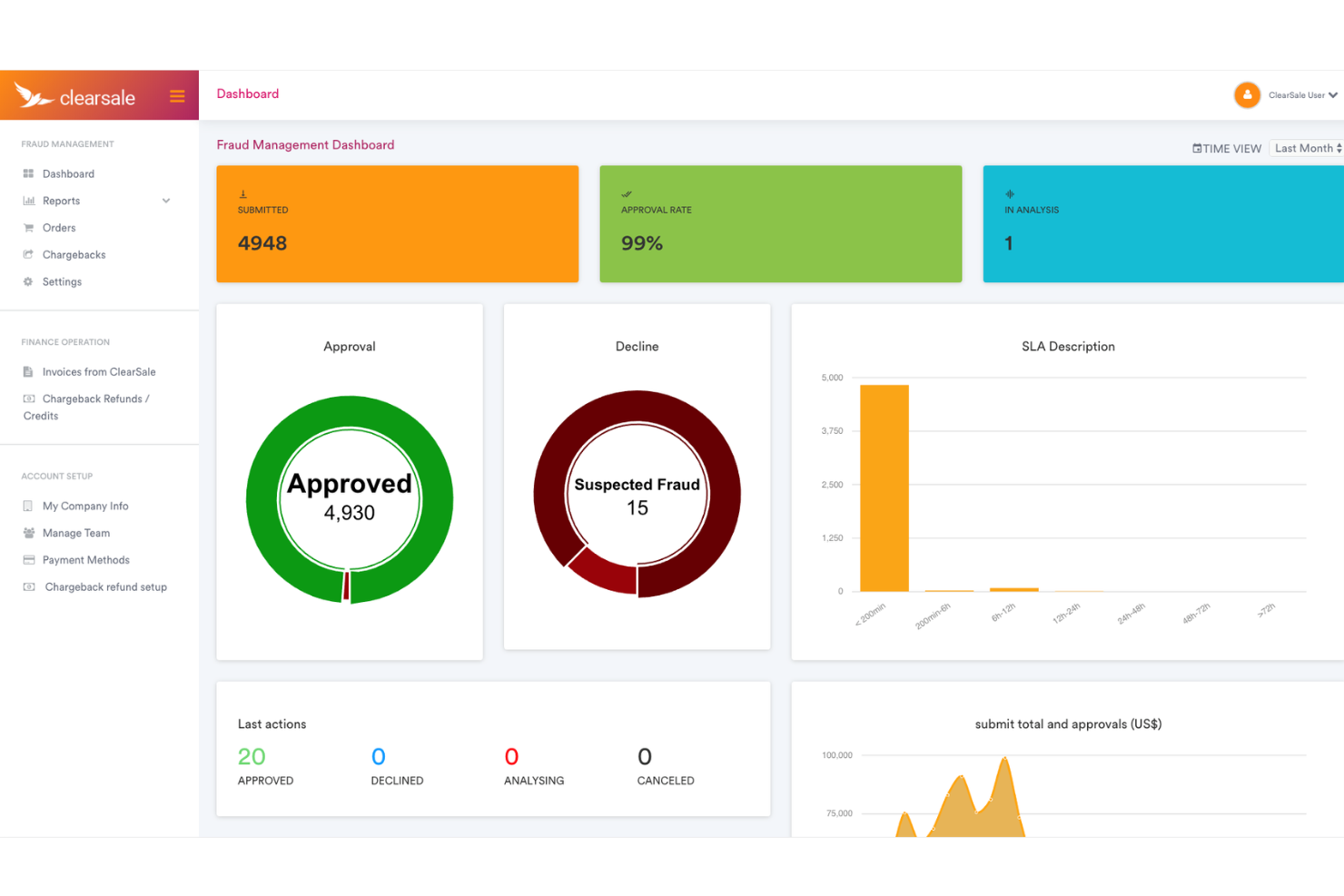
ClearSale è una piattaforma di prevenzione delle frodi per l'e-commerce che combina la valutazione degli ordini basata su intelligenza artificiale con un team di analisti specializzati per rilevare le frodi nelle transazioni senza la presenza della carta, gestire i chargeback e ridurre i falsi rifiuti.
Per chi è più indicata ClearSale?
ClearSale è particolarmente adatta a rivenditori e-commerce di medie e grandi dimensioni che vendono prodotti di alto valore o ad alto volume e necessitano di una soluzione antifrode che equilibri i tassi di approvazione degli ordini e la protezione dai chargeback.
Perché ho scelto ClearSale
ClearSale affronta specificamente il cosiddetto friendly fraud—quando i clienti contestano addebiti legittimi dopo aver ricevuto i loro ordini. Il suo team di revisione manuale, composto da oltre 1.500 analisti specializzati, indaga sugli ordini sospetti invece di rifiutarli automaticamente, riducendo il rischio di classificare erroneamente clienti abituali come truffatori. In combinazione con una garanzia di chargeback che copre il 100% delle perdite su transazioni approvate che successivamente risultano fraudolente, ClearSale offre una soluzione concreta per i rivenditori colpiti da abusi di prima parte.
Caratteristiche chiave di ClearSale
- Valutazione ordini tramite IA: L’algoritmo proprietario di ClearSale analizza ogni ordine in tempo reale e assegna un punteggio di rischio frode prima che sia approvato o segnalato per la revisione.
- Riconoscimento dispositivi: Identifica dispositivi sospetti utilizzando segnali come la geolocalizzazione, l’analisi dei proxy e il tracking BIN per individuare schemi di frode a livello di sessione.
- Soglie antifrode personalizzabili: Imposta regole di tolleranza al rischio per il tuo negozio affinché il punteggio di ClearSale sia in linea con il tuo catalogo prodotti e la tua clientela specifica.
- Dashboard di analisi frodi: Monitora le decisioni sugli ordini, i tassi di approvazione e i dati relativi ai chargeback tramite un’interfaccia centralizzata di reportistica.
Pros and Cons
Pros:
- Facile da imparare.
- Integrazione con le principali piattaforme e-commerce.
- Rilevamento automatico delle frodi.
Cons:
- Nessuna indicazione chiara dei prezzi.
- Richiede tempo per approvare le transazioni.
Kount
Ideale per la protezione della fiducia dell'identità basata su IA
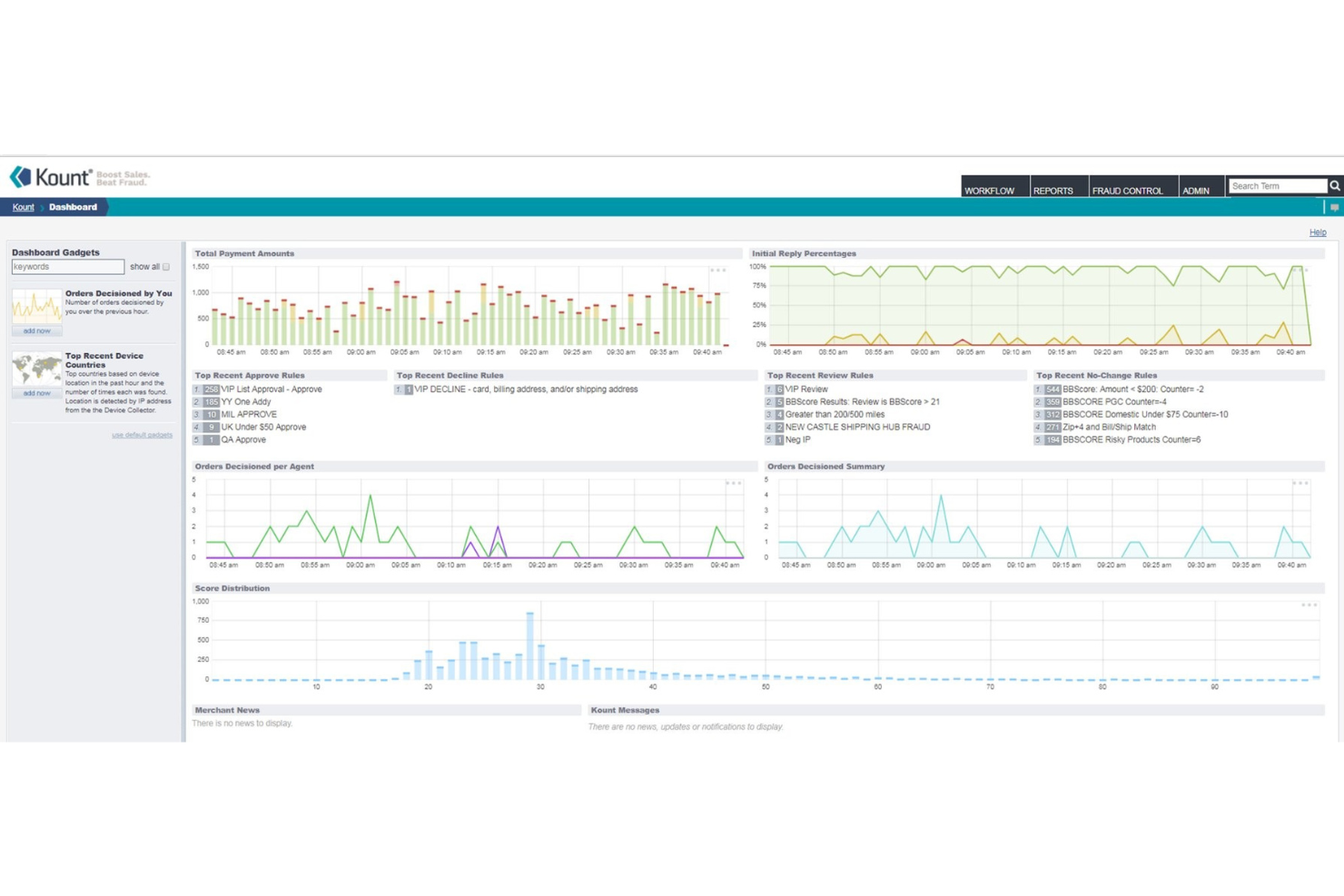
Kount è una piattaforma di prevenzione delle frodi basata sull'intelligenza artificiale che copre il rilevamento delle frodi nei pagamenti, la protezione contro la presa di controllo degli account, la verifica dell'identità e la gestione dei chargeback su transazioni ecommerce e card-not-present.
Per chi è più indicato Kount?
Kount è particolarmente adatto a commercianti ecommerce di medie e grandi dimensioni e a imprese digitali che gestiscono volumi elevati di transazioni card-not-present e necessitano di decisioni antifrode in tempo reale.
Perché ho scelto Kount
Ho scelto Kount tra i migliori perché il suo modello di fiducia dell'identità basato sull'IA fa qualcosa che la maggior parte degli strumenti antifrode non fa: valuta l'affidabilità di un'identità lungo l'intero percorso del cliente, non solo al momento del pagamento. La piattaforma Kount 360 utilizza il machine learning per generare un punteggio di rischio Omniscore su ogni transazione, unendo segnali dal dispositivo, dati comportamentali e attributi dell'identità per individuare i rischi in tempo reale. Apprezzo anche che il motore di regole personalizzabili di Kount consenta al team antifrode di scrivere policy su misura per i tuoi specifici modelli di minaccia, invece di affidarsi completamente a un modello 'black box'.
Caratteristiche principali di Kount
- Device fingerprinting: Identifica e traccia i dispositivi tra le sessioni utilizzando attributi hardware, software e di rete, per segnalare attività sospette prima che la transazione venga approvata.
- Gestione dei chargeback: Monitora le soglie di contestazione, automatizza le risposte e identifica quali chargeback vale la pena contestare per recuperare i ricavi e tutelare la posizione del commerciante.
- Protezione contro la frode nei pagamenti autorizzati: Rileva tentativi di takeover degli account e frodi su nuovi account al login e durante il checkout analizzando segnali di identità in tempo reale.
- Controlli di velocità: Tiene traccia della frequenza delle transazioni su ID account, indirizzi email, numeri di telefono e token di pagamento per intercettare in tempo reale attacchi fraudolenti coordinati.
Pros and Cons
Pros:
- Informazioni dettagliate sulle transazioni.
- Team di onboarding efficace.
- Visione storica del cliente.
Cons:
- Nessuna personalizzazione della dashboard.
- Scaricare i report è lento.

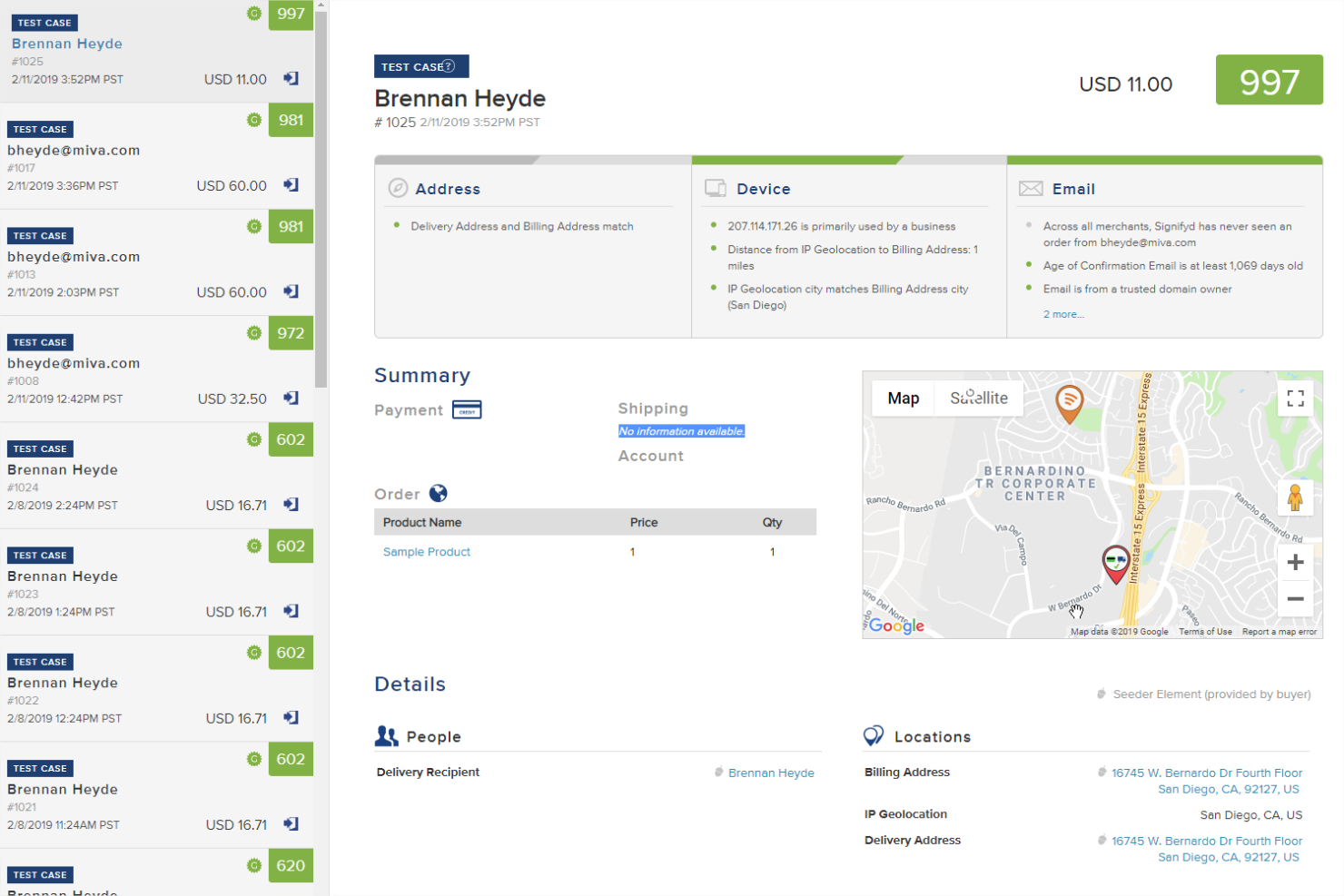
Signifyd è una piattaforma di prevenzione delle frodi per l'ecommerce alimentata dall'intelligenza artificiale che combina apprendimento automatico, una vasta rete commerciale e decisioni automatizzate sugli ordini per proteggere i commercianti da frodi, chargeback e attacchi di appropriazione di account.
Per chi è Signifyd?
Signifyd è particolarmente indicata per dettaglianti ecommerce di fascia media ed enterprise che gestiscono grandi volumi di ordini e necessitano di decisioni antifrode automatizzate su larga scala.
Perché ho scelto Signifyd
Ho scelto Signifyd tra i migliori per la quantità di segnali grezzi che raccoglie per ogni ordine. La sua Commerce Network raccoglie dati comportamentali, cronologia degli acquisti, rilevamento di proxy, ID dei dispositivi, velocità delle transazioni e dati delle banche emittenti in migliaia di rivenditori globali—costruendo un profilo acquirente in costante evoluzione che la maggior parte delle soluzioni puntuali non può replicare. L’Agent Console poi mostra quali variabili specifiche hanno guidato ogni decisione, consentendo al tuo team antifrode di individuare nuovi schemi fraudolenti invece di affidarsi a un punteggio non trasparente. Questa trasparenza a livello di evento, legata ai dati transazionali di tutta la rete, rende Signifyd una scelta solida per la raccolta di dati sugli eventi di frode.
Caratteristiche principali di Signifyd
- Protezione antifrode garantita: Signifyd si assume il 100% della responsabilità finanziaria per i chargeback dovuti a frode sugli ordini che approva, trasferendo tale rischio dalla tua azienda.
- Protezione contro l’appropriazione di account: Monitora i tentativi di accesso e l’attività dell’account prima dell’acquisto per individuare attacchi di credential stuffing, attacchi brute force e comportamenti sospetti durante la sessione.
- Recupero dei chargeback: Compila e invia automaticamente risposte di rappresentanza per gli ordini contestati, includendo le prove transazionali necessarie per contrastare chargeback illegittimi.
- Rilevamento abusi delle policy: Identifica schemi coerenti con frodi sui resi e abusi di promozioni, segnalando i clienti che sfruttano ripetutamente le politiche di rimborso o sconto.
Pros and Cons
Pros:
- Copertura dei costi dei chargeback.
- Nessuna revisione manuale delle transazioni.
- Individua con precisione gli ordini fraudolenti.
Cons:
- Alcuni rifiuti di transazione sono poco chiari.
- Nessun dato in tempo reale.

Forter è una piattaforma di prevenzione delle frodi alimentata dall'IA per l'ecommerce che copre la gestione delle frodi, la prevenzione degli abusi, la risoluzione delle contestazioni e l'ottimizzazione dei pagamenti lungo l'intero percorso del cliente.
Per Chi È Ideale Forter?
Forter è particolarmente indicato per merchant ecommerce di medie e grandi dimensioni e aziende che elaborano elevati volumi di transazioni e necessitano di decisioni antifrode automatiche e in tempo reale su vasta scala.
Perché Ho Scelto Forter
Forter guadagna un posto nella mia shortlist grazie al modo in cui gestisce le decisioni antifrode: in modo istantaneo e senza code di revisione manuale che rallentano il processo. Il Motore di Decisione Forter, basato su una rete cross-merchant con oltre 1,2 miliardi di identità, fornisce decisioni di approvazione o rifiuto in meno di un secondo per ogni transazione. Apprezzo anche il fatto che tali decisioni coprano tutti i principali metodi di pagamento, dalle carte di credito e debito ai sistemi BNPL e ai portafogli digitali. Forter supporta i suoi tempi di risposta con SLA garantiti, cosa rara in questo settore.
Caratteristiche Principali di Forter
- Protezione contro il furto d'identità: Individua e blocca tentativi di accesso non autorizzato agli account utilizzando segnali comportamentali e verifica dell'identità al login.
- Garanzia contro i chargeback: Forter si assume la responsabilità delle transazioni approvate che generano chargeback dovuti a frode, spostando il rischio finanziario dalla tua azienda.
- Prevenzione degli abusi di policy: Segnala e blocca frodi nei resi, abusi nelle promozioni e attività da rivenditore sul tuo store digitale.
- Gestione delle dispute: Automatizza la rappresentazione dei chargeback con raccomandazioni predefinite per la disputa, aiutando a recuperare i ricavi da richieste non legittime.
Pros and Cons
Pros:
- Valutazione automatica degli acquisti.
- Dashboard intuitiva.
- Facile da usare.
Cons:
- Non funziona sui browser iOS.
- Configurazione complessa.
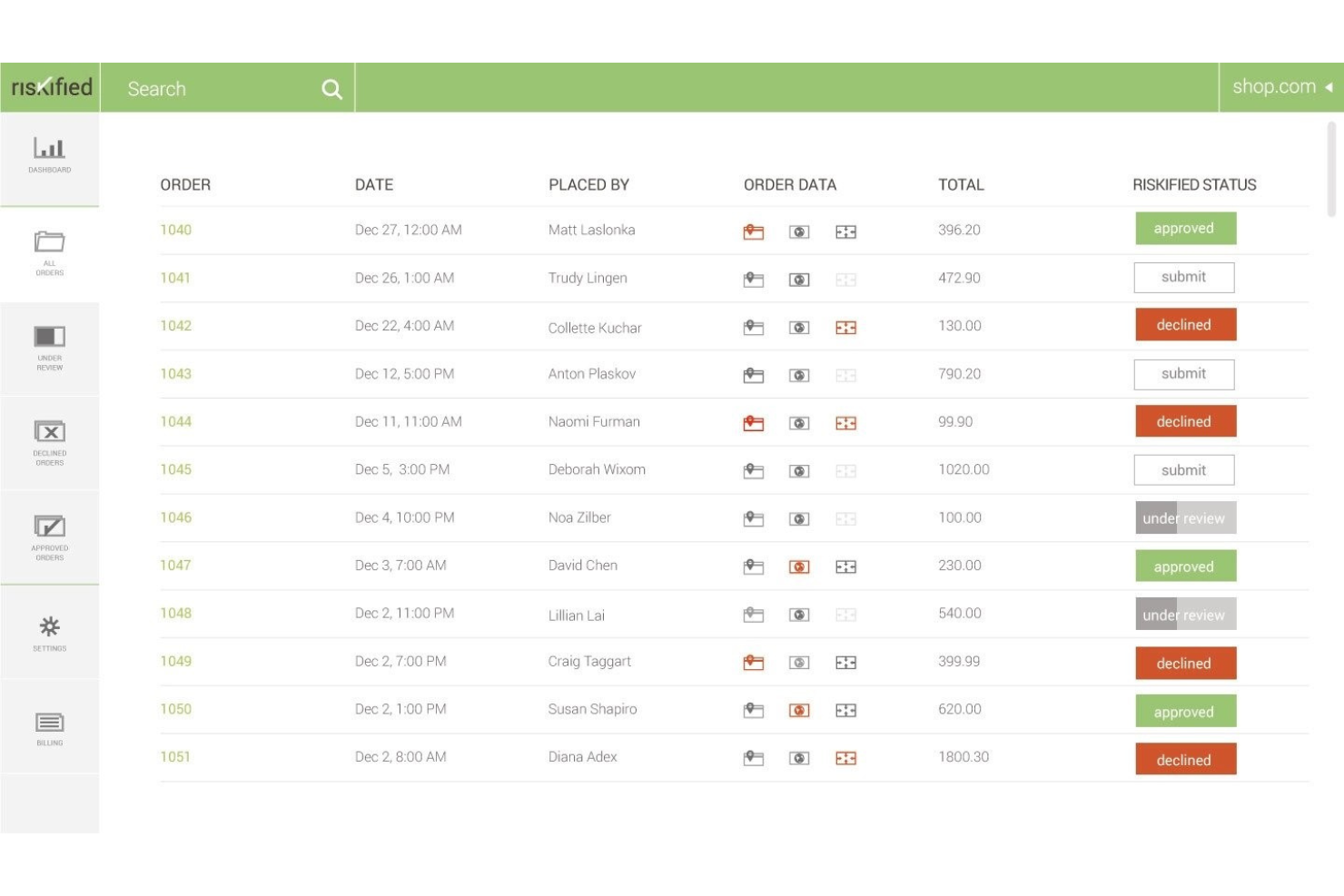
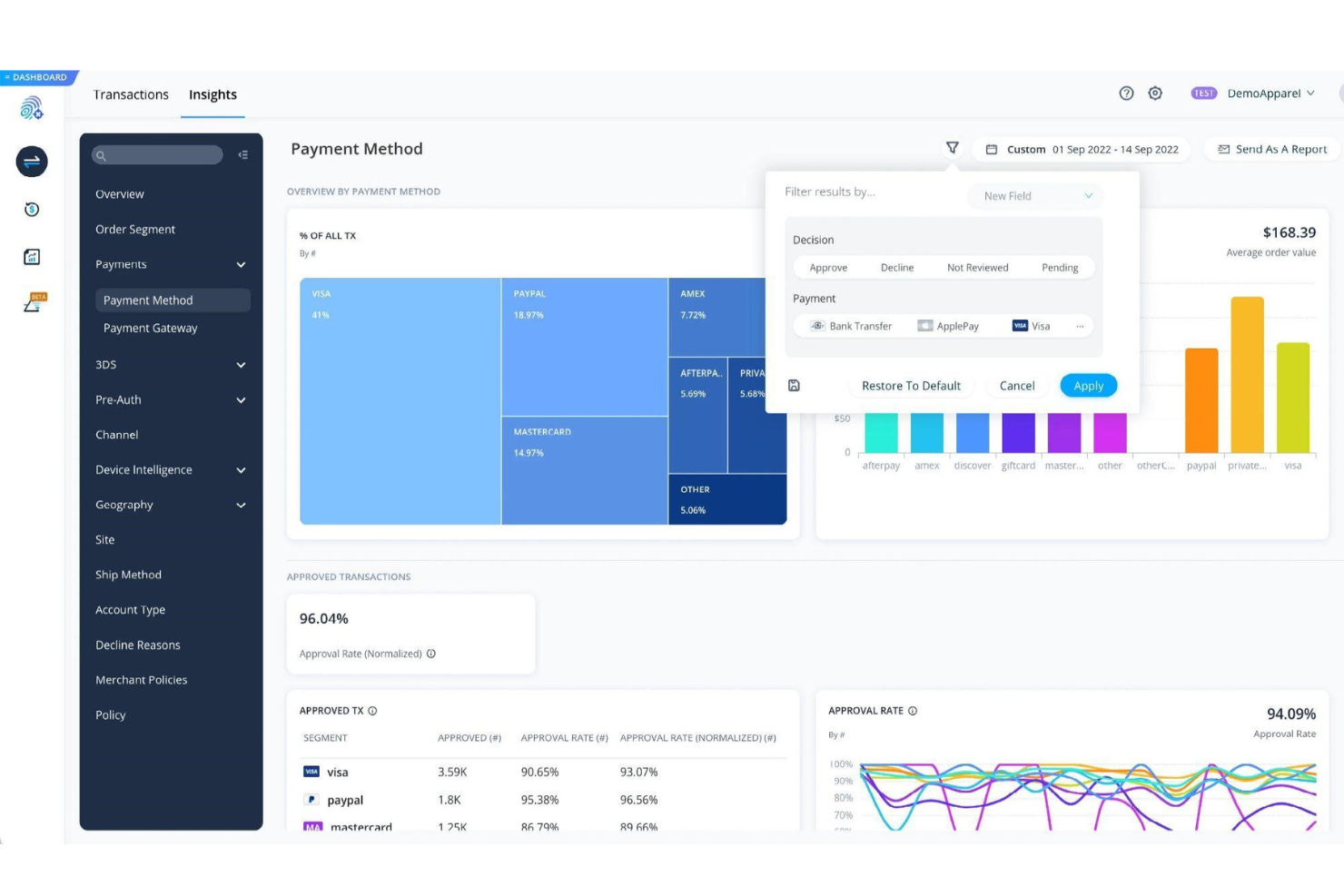
Riskified è una piattaforma di prevenzione delle frodi per l'e-commerce basata sull'intelligenza artificiale che copre l'intero percorso del cliente, con strumenti per la decisione sulle transazioni, il trasferimento di responsabilità sui chargeback, la protezione contro il furto di account, il rilevamento di abusi delle policy e la gestione delle dispute.
Per chi è ideale Riskified?
Riskified è particolarmente adatto per retailer e-commerce di fascia media e enterprise che gestiscono volumi elevati di transazioni e necessitano di una valutazione antifrode automatizzata su larga scala.
Perché ho scelto Riskified
Riskified merita un posto nella mia shortlist perché il suo prodotto Account Secure affronta le frodi sugli account attraverso tre vettori di attacco distinti: tentativi attivi di Account Takeover (ATO), creazione di account falsi in fase di registrazione e recupero dell'account dopo un attacco. Account Secure attinge dall’intera cronologia delle transazioni dell’utente su tutta la rete di merchant Riskified per valutare se un tentativo di accesso sia legittimo, evitando decisioni prive di contesto. L’automazione completa delle decisioni di accesso (concedi / notifica / sfida) elimina la necessità di impostare regole manuali, operazione che spesso rallenta i team antifrode.
Caratteristiche principali di Riskified
- Garanzia sui chargeback: Riskified si assume la piena responsabilità finanziaria per i chargeback sugli ordini che approva, trasferendo il rischio lontano dalla tua azienda.
- Policy Protect: Rileva e segnala abusi su rimborsi, resi e promozioni individuando schemi sospetti attraverso la rete globale di merchant Riskified.
- Dispute Resolve: Automatizza la raccolta e l’invio delle prove per la gestione dei chargeback, aiutando il tuo team a gestire le dispute senza lavoro manuale.
- Adaptive Checkout: Applica frizioni dinamiche, come verifiche 3DS o OTP, selettivamente in base al profilo di rischio della singola transazione.
Pros and Cons
Pros:
- Tempi di risposta eccellenti.
- Spiega perché rifiuta gli ordini.
- Mostra tutte le informazioni rilevanti.
Cons:
- Ampia curva di apprendimento.
- Documentazione API complessa.


SEON è una piattaforma di prevenzione delle frodi basata sull'intelligenza artificiale che combina analisi delle impronte digitali, intelligenza dei dispositivi, biometria comportamentale e monitoraggio delle transazioni in tempo reale per rilevare e bloccare le frodi nel commercio elettronico lungo l'intero ciclo di vita del cliente.
Per chi è migliore SEON?
SEON è particolarmente indicato per team ecommerce e fintech di medio-grandi dimensioni che necessitano di un controllo dettagliato sulle regole antifrode e sul punteggio di rischio.
Perché ho scelto SEON
SEON si guadagna il suo posto tra i migliori nella mia shortlist perché individua schemi di frode che altri strumenti non riescono a vedere. Mi piace il fatto che la sua analisi di rete mappa visivamente le connessioni tra dispositivi condivisi, indirizzi IP e domini e-mail, facilitando l'individuazione di organizzazioni fraudolente invece di limitarsi a segnalare singole transazioni. I suoi oltre 900 segnali dati offrono al mio team una visione dettagliata del comportamento di ciascun utente, rendendo visibili schemi come il card testing o l'abuso di promozioni.
Funzionalità principali di SEON
- Motore di regole personalizzate: Costruisci e modifica le regole antifrode tramite un'interfaccia drag-and-drop senza bisogno di scrivere codice.
- Device fingerprinting: Identifica e traccia i dispositivi sospetti tra più sessioni durante il checkout o la creazione dell'account.
- Automazione del chargeback: Raccoglie automaticamente le prove delle transazioni e invia le risposte alle dispute ai circuiti delle carte.
- Biometria comportamentale: Rileva attività di bot e attacchi guidati da IA analizzando i movimenti del mouse, i modelli di digitazione e il comportamento d'interazione.
Pros and Cons
Pros:
- Funzionalità in costante miglioramento.
- Risparmia tempo nelle indagini antifrode.
- Molto facile da usare.
Cons:
- Tempi di caricamento lenti.
- Difficile per i nuovi utenti.

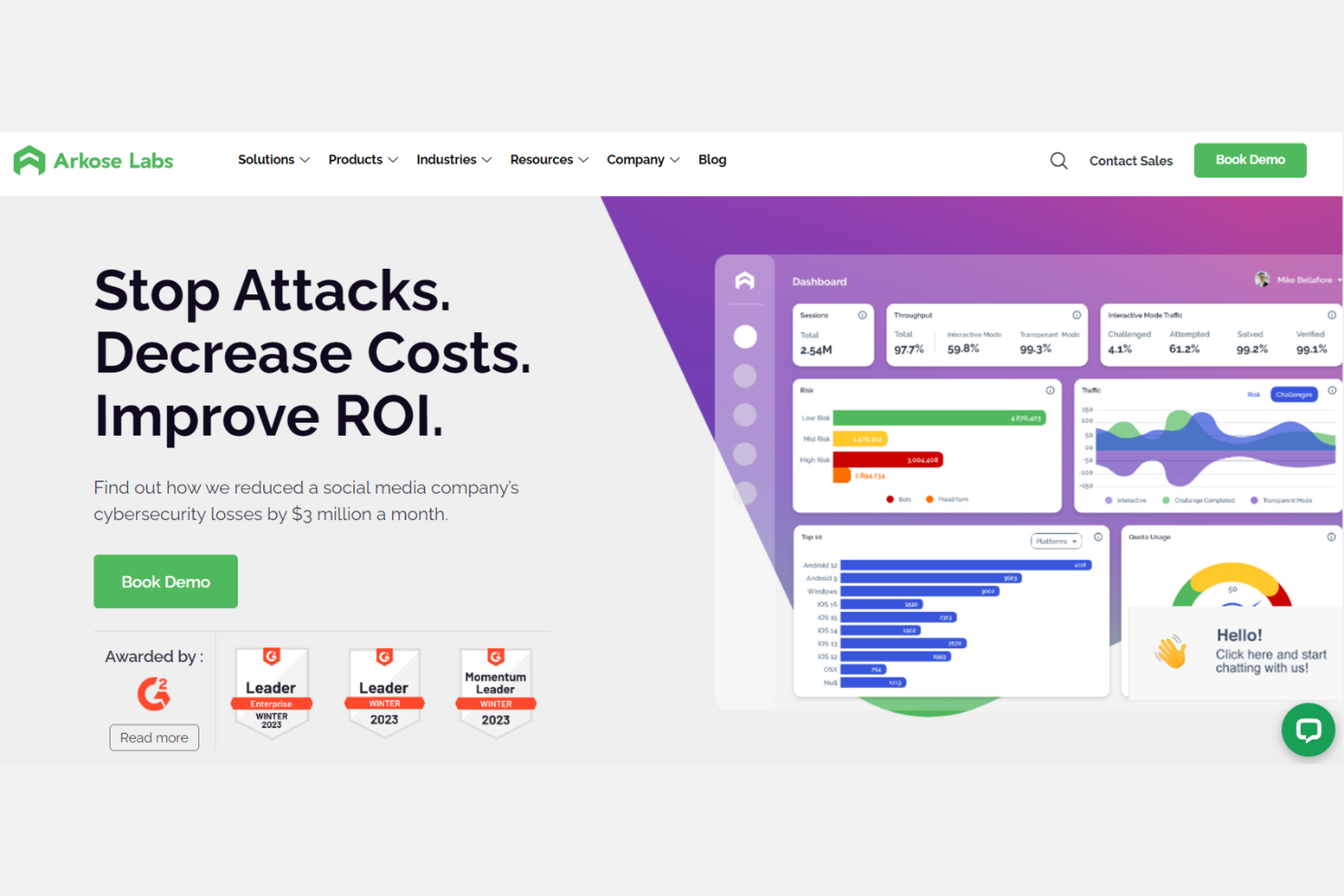
Arkose Labs è una piattaforma di prevenzione delle frodi basata sul prodotto Arkose Titan, che combina rilevamento dei bot, identificazione dei dispositivi, protezione contro il takeover degli account e difesa dallo scraping per garantire la sicurezza durante l'intero percorso dell'utente, dalla registrazione, accesso e attività in piattaforma.
Per chi è più indicato Arkose Labs?
Arkose Labs è particolarmente adatto a team e-commerce di medie e grandi aziende che affrontano grandi volumi di traffico automatizzato da bot, stuffing di credenziali e frodi nei pagamenti.
Perché ho scelto Arkose Labs
Ho incluso Arkose Labs nella mia selezione perché la sua mitigazione dei bot va oltre il semplice rilevamento. Arkose Bot Manager utilizza oltre 225 segnali di rischio e l'Arkose Global Intelligence Network per individuare bot evasivi che superano le difese tradizionali. L'Agentic AI Manager prende di mira automazioni basate su intelligenza artificiale rendendo gli attacchi economicamente insostenibili su larga scala. Per i team e-commerce che devono affrontare card testing o accaparramento di inventario, questa combinazione di profondità del segnale e sfide adattive è difficile da replicare.
Caratteristiche principali di Arkose Labs
- Arkose Device ID: Fingerprinting dei dispositivi potenziato con IA, persistente anche tramite VPN, reset del browser e spoofing per identificare dispositivi di ritorno a rischio.
- Protezione dallo scraping: Rileva e blocca furti di contenuti, raccolta di prezzi e raccolta non autorizzata di dati da parte di bot e agenti IA.
- Arkose Edge: Un livello di sicurezza API lato server che valuta il rischio in tempo reale su endpoint non browser e dispositivi connessi.
- Difesa in piattaforma: Copre abuso di promozioni, stuffing di carte di credito e abusi account durante tutto il ciclo di vita dell'utente dopo il login.
Pros and Cons
Pros:
- Migliora l'esperienza utente.
- Team di analisti dedicato.
- Le analisi forniscono informazioni potenziali sul rischio.
Cons:
- Dashboard e report da migliorare.
- Latenza con eventi sincroni.

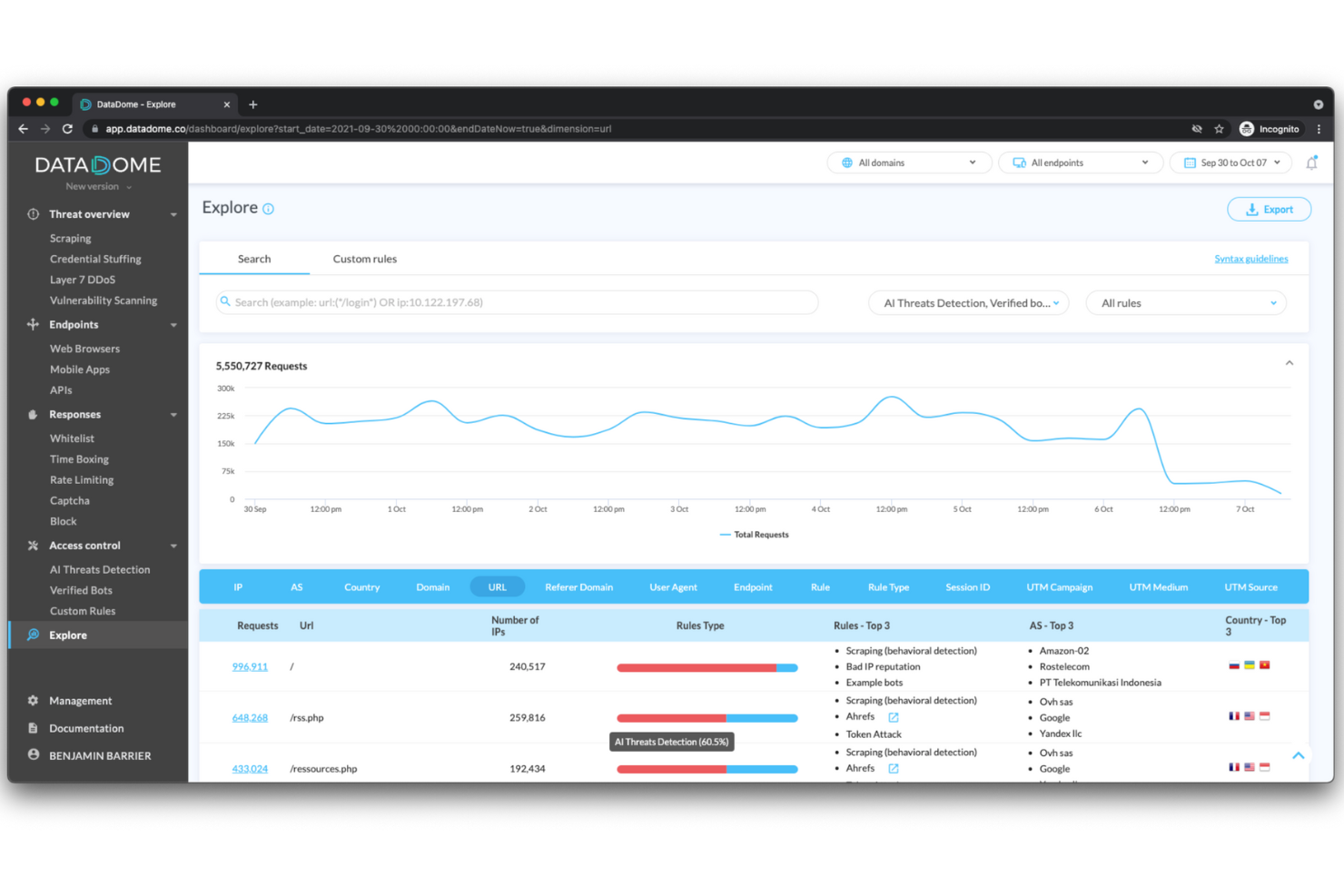
DataDome è una piattaforma di protezione antifrode informatica basata sull'intelligenza artificiale che rileva e blocca bot, tentativi di takeover degli account, frodi tramite carte di credito, abusi nei pagamenti e frodi pubblicitarie su web, mobile e API in tempo reale.
Per chi è ideale DataDome?
DataDome è particolarmente indicata per i team ecommerce di medie e grandi aziende che affrontano un alto volume di traffico da bot, credential stuffing o frodi di pagamento su larga scala.
Perché ho scelto DataDome
DataDome merita un posto nella mia shortlist perché il suo motore ML utilizza oltre 1.000 modelli di intelligenza artificiale che analizzano più di 5 trilioni di segnali al giorno per distinguere gli acquirenti reali dai bot in meno di 2 ms. Apprezzo particolarmente il fatto che Bot Protect identifichi le intenzioni malevoli tramite analisi comportamentale e fingerprinting dei dispositivi invece di limitarsi al blocco degli IP, riducendo i falsi positivi a meno dello 0,01%. Questo è particolarmente importante quando si gestiscono vendite lampo e non si possono permettere blocchi di acquirenti legittimi.
Caratteristiche principali di DataDome
- Account Protect: Rileva e blocca in tempo reale credential stuffing, tentativi di accesso brute-force e creazione di account falsi.
- Priority Protect: Previene l'accaparramento di scorte e i bot scalper che esauriscono le disponibilità durante eventi ad alta richiesta e vendite lampo.
- Ad Protect: Identifica e filtra il traffico bot non valido dalle campagne pubblicitarie a pagamento per ridurre click fraudolenti e spreco di budget.
- Protezione DDoS Layer 7: Blocca gli attacchi DDoS a livello applicativo diretti a vetrine online, API e flussi di check-out.
Pros and Cons
Pros:
- Assistenza clienti eccellente.
- Utilizzo immediato.
- Facile da gestire.
Cons:
- La dashboard è difficile da navigare.
- La panoramica delle minacce manca di contesto.

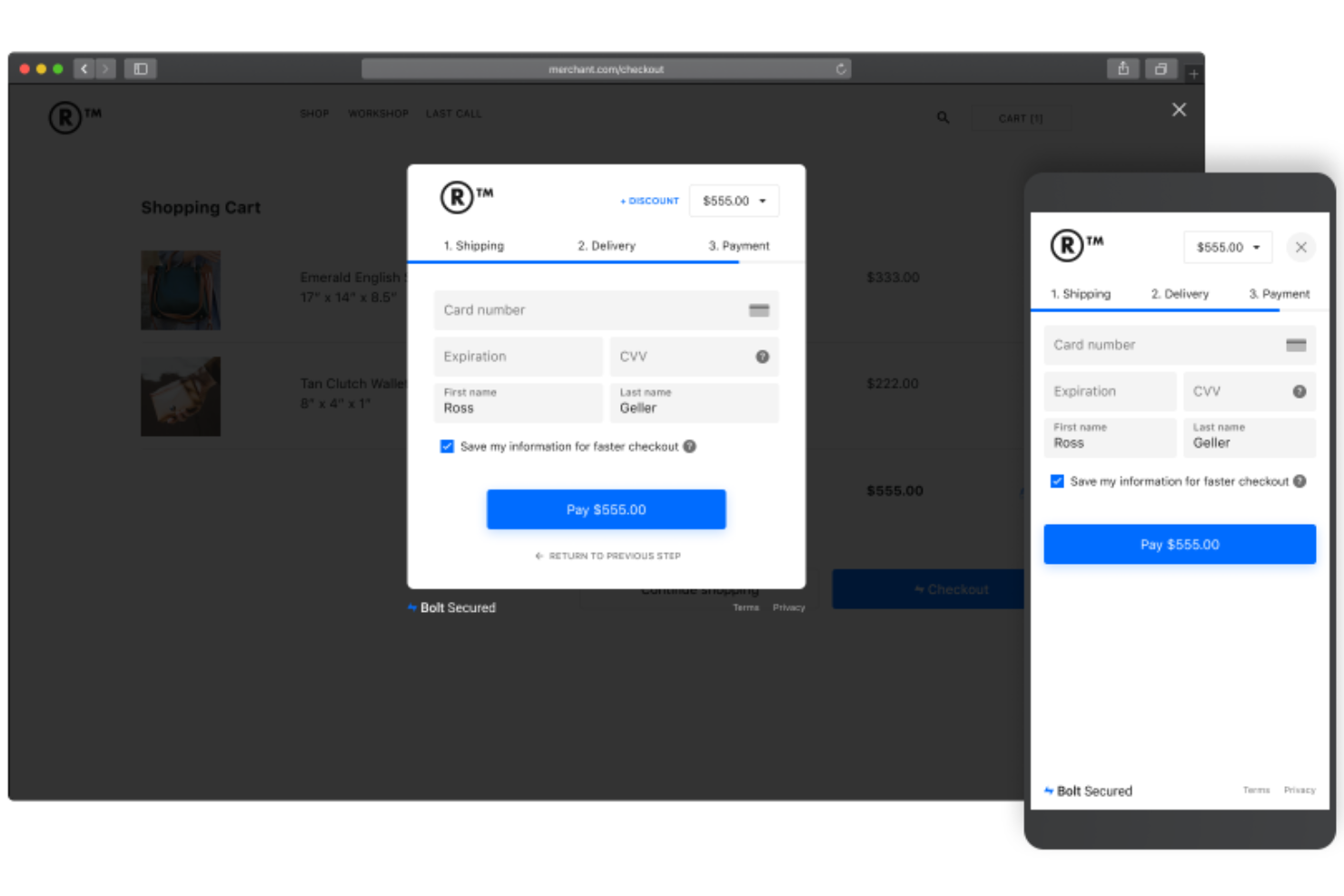
Bolt è una piattaforma per checkout, pagamenti e prevenzione delle frodi che combina il checkout in un clic con il rilevamento delle frodi basato sull'apprendimento automatico, la protezione dai chargeback e la verifica dell'identità per mettere in sicurezza le transazioni ecommerce al momento dell'acquisto.
Per chi è più indicato Bolt?
Bolt è adatto a rivenditori ecommerce di fascia media e enterprise che gestiscono elevati volumi di transazioni e necessitano della protezione contro le frodi integrata direttamente nell'esperienza di checkout.
Perché ho scelto Bolt
Bolt si guadagna un posto nella mia shortlist perché la prevenzione delle frodi è integrata direttamente nel flusso di checkout, non aggiunta dopo come un ripensamento. Ciò che trovo più interessante è il suo modello di rilevamento ibrido: l'algoritmo per le frodi valuta ogni ordine utilizzando 200 punti dati, e il 3% degli ordini più rischiosi passa a un analista umano per una revisione qualitativa. Questa combinazione lo distingue dagli strumenti puramente algoritmici, che spesso finiscono per bloccare transazioni legittime. Bolt offre una copertura totale contro le frodi, coprendo tutti i costi legati ai chargeback per frode imposti dalle società di carte di credito.
Caratteristiche principali di Bolt
- Riconoscimento della rete di acquirenti: Bolt identifica gli acquirenti di ritorno sulla sua rete di commercianti, utilizzando segnali di identità condivisi per segnalare comportamenti di checkout sconosciuti o sospetti.
- Rilevamento dispositivo e browser: Bolt raccoglie segnali a livello di dispositivo durante il checkout per rilevare collaudi di carte, attività di bot e tentativi di furto d'account.
- Gestione delle block e allow list: Crea regole personalizzate per bloccare automaticamente identificatori ad alto rischio o approvare acquirenti affidabili senza avviare una revisione manuale.
- Revisione degli ordini rifiutati: Invia gli ordini rifiutati per una seconda analisi da parte di un esperto, dando alle transazioni legittime una seconda possibilità prima che vengano definitivamente respinte.
Pros and Cons
Pros:
- Tempi di checkout rapidi.
- Risposta rapida del responsabile account.
- Quasi il 100% di uptime.
Cons:
- Il processo di onboarding è lento.
- Alcuni rimborsi non vengono elaborati.
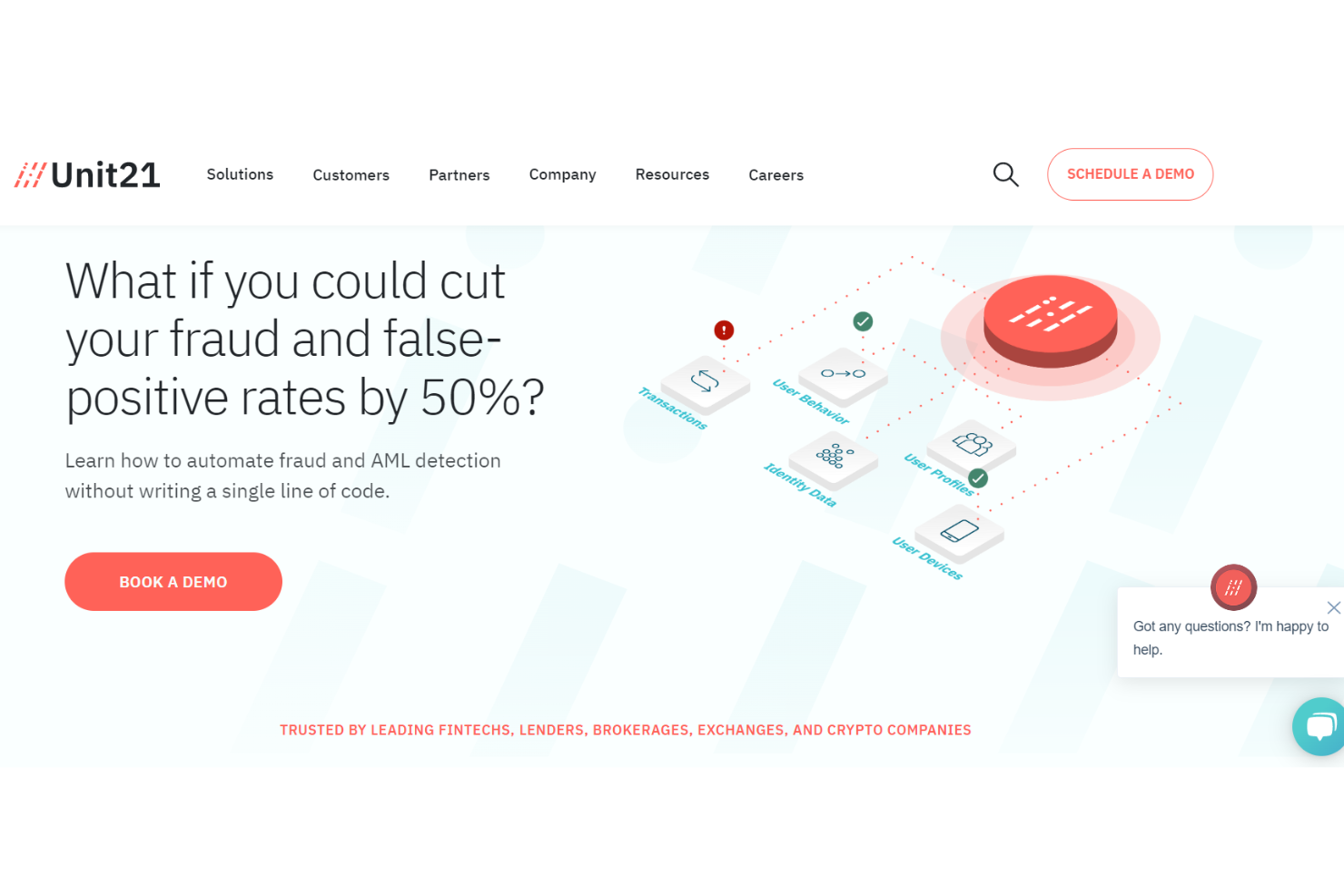
Unit21 è una piattaforma di rilevamento frodi e antiriciclaggio (AML) basata sull'intelligenza artificiale, pensata per fintech e istituzioni finanziarie, che combina monitoraggio in tempo reale delle transazioni, intelligenza sui dispositivi, gestione dei casi e automatizzazione della reportistica regolamentare in un unico sistema.
Per Chi È Più Indicata Unit21?
Unit21 è particolarmente adatta a fintech, piattaforme crypto e banche digitali che hanno bisogno di gestire indagini contro le frodi e la conformità normativa in un'unica soluzione.
Perché Ho Scelto Unit21
Ho inserito Unit21 tra le mie migliori scelte perché la sua gestione delle attività sospette va oltre il semplice segnalare allerte. L'Agente Investigativo AI raccoglie automaticamente prove, mette in evidenza entità collegate attraverso le reti di transazioni e stende le narrazioni dei casi prima che un analista intervenga. L'automazione completa della reportistica regolamentare si distingue: una volta che il caso è pronto, Unit21 compila automaticamente SAR, CTR e STR arricchendoli di una traccia di audit completa, passando dalla segnalazione all'invio conforme senza cambiare sistema.
Funzionalità Principali di Unit21
- Monitoraggio delle transazioni in tempo reale: Analizza le transazioni attraverso ACH, carte, RTP, FedNow e crypto con una latenza inferiore a 250ms per identificare le attività sospette appena si verificano.
- Punteggio di rischio dispositivo: Aggrega oltre 40 segnali dal dispositivo, inclusi uso di VPN, emulatori e browser manomessi, in un unico punteggio per ogni sessione utente.
- Analisi dei grafi: Visualizza le connessioni tra entità, dispositivi, IP e wallet per rivelare reti di frode coordinate tra diversi account.
- Modalità di test delle regole: Permette di eseguire nuove regole di rilevamento su dati storici e in tempo reale prima di attivarle, riducendo i falsi positivi.
Pros and Cons
Pros:
- Accoglie regolarmente nuove idee dei clienti.
- Offre ottime funzionalità per la creazione di regole.
- Monitora facilmente tutte le transazioni.
Cons:
- Procedura di implementazione lunga.
- Difficile da usare.
Altre opzioni
Ecco alcune altre opzioni che non sono entrate nell’elenco dei migliori software per la protezione dalle frodi nell’e-commerce:


Come Valuto il Software di Protezione dalle Frodi
Divido la mia valutazione in due livelli: la base che uno strumento deve soddisfare—screening in tempo reale, scoring del rischio, strumenti per i chargeback—e i fattori di differenziazione che contano per i team di prevenzione delle perdite e antifrode.
Funzionalità Principali (Requisiti Fondamentali per Questa Lista)
Quando seleziono gli strumenti per la mia lista, valuto ciascuno su una scala da 0 (non offre la funzionalità) a 5 (eccelle in quest'area) per ciascuna funzionalità principale elencata di seguito. Calcolo poi il punteggio totale dello strumento in percentuale. Ogni strumento deve raggiungere un punteggio totale minimo del 65% per essere considerato ai fini dell'inclusione.
- Screening delle Transazioni in Tempo Reale: Verifico se uno strumento è in grado di valutare e prendere decisioni sugli ordini alla velocità del checkout sia online che in negozio, e non solo in lotti differiti.
- Motore di Scoring del Rischio: Ogni strumento dovrebbe generare punteggi di rischio dinamici utilizzando segnali come la cronologia degli acquisti, geolocalizzazione e dati comportamentali—non solo corrispondenze di regole statiche.
- Rilevamento Tramite Apprendimento Automatico: Valuto se i modelli di ML si adattano a schemi di frode in evoluzione nel retail, come picchi stagionali di frode su gift card o nuovi schemi di test di account.
- Gestione dei Chargeback: Gli strumenti ottengono punteggi più alti quando vanno oltre il semplice tracciamento e offrono workflow automatizzati per le contestazioni, raccolta delle prove e supporto alla rappresentanza.
- Verifica Dispositivo & Identità: Controllo la presenza di fingerprinting dei dispositivi, analisi degli IP e verifiche d'identità che possano intercettare fraudolenti recidivi anche quando cambiano email o metodi di pagamento.
- Regole Personalizzate & Gestione dei Casi: Gli analisti antifrode devono poter costruire regole per scenari unici legati alla propria attività—come segnalare ordini in blocco di articoli ad alto valore di rivendita—e gestire i casi segnalati in una coda strutturata.
Una volta che ho una lista di strumenti che soddisfano questi criteri, considero cosa distingue ogni piattaforma.
Fattori Differenzianti (Cosa Rende i Vendor Unici)
Ecco come confronto e metto a paragone i diversi vendor:
Caratteristiche Distintive
Una garanzia chargeback trasferisce la responsabilità finanziaria dalla tua azienda al vendor per le transazioni approvate—verifico se la copertura comprende tutti i tipi di ordini o solo segmenti specifici. Le reti consortili di dati sono un altro elemento differenziante da valutare, poiché l'intelligence antifrode condivisa tra merchant aiuta a individuare schemi fraudolenti che i dati di un singolo merchant non rileverebbero. Esamino anche se uno strumento rileva abusi di policy come resi seriali o accumulo di coupon, che rientrano al di fuori delle classiche frodi di pagamento ma causano perdite reali di margine per i retailer.
Oltre le Funzionalità
Le integrazioni con gli stack tecnologici retail sono fondamentali in questo ambito. Valuto se un vendor offre connettori nativi per piattaforme come Shopify, Magento o BigCommerce, oltre ai processori di pagamento come Stripe e Adyen. Uno strumento che richiede una pesante personalizzazione API solo per connettersi al tuo flusso di checkout aggiunge attrito e ritardi. Anche il modello di pricing è cruciale—valuto se il vendor addebita per transazione, per decisione o in base ai ricavi analizzati, e se il modello scala equamente con l'aumentare del volume degli ordini durante i periodi di picco. Le certificazioni di conformità come PCI-DSS e SOC 2 completano la mia valutazione.
Come ho selezionato il miglior software per la prevenzione delle frodi nell'e-commerce
Forse ti stai chiedendo come ho selezionato il miglior software per la protezione dalle frodi nell'e-commerce per questo elenco? Per creare questa classifica dei 10 migliori, ho valutato e confrontato un'ampia gamma di software per la protezione dalle frodi nell'e-commerce con valutazioni positive da parte degli utenti.
Dopo aver individuato la mia lunga lista delle scelte migliori, l'ho ulteriormente perfezionata utilizzando i criteri di selezione riportati di seguito, per vedere come ogni piattaforma si confrontasse con la successiva. Mi sono anche basato sui miei anni di esperienza nell'e-commerce per individuare le funzionalità che offrono molto valore.
Usabilità:
Una parte significativa dell'utilizzo di questi strumenti consiste nella configurazione, nella manutenzione e negli aggiornamenti regolari del sistema. È essenziale considerare quanto tempo o denaro richiederà l'implementazione di un sistema di protezione dalle frodi. Per questo cerco sistemi facili da configurare, che possano essere implementati rapidamente e che non richiedano molte risorse per essere impostati.
Pannelli di controllo per i resoconti:
I sistemi di protezione dalle frodi dovrebbero fornire pannelli di controllo con resoconti che ti informino quando impediscono il verificarsi di frodi nel tuo negozio. Dovrebbero inoltre offrire analisi approfondite sul comportamento dei tuoi clienti, ad esempio sui punti in cui toccano lo schermo del loro dispositivo mobile, sui clic effettuati sui loro computer, sui luoghi da cui accedono al tuo negozio e sui loro indirizzi IP. Queste informazioni possono aiutarti a identificare i tuoi clienti e a confermare se siano acquirenti autentici o truffatori.
Gestione dei falsi positivi:
Molti negozi di e-commerce non si rendono conto di perdere un numero significativo di conversioni a causa di indicatori di frode falsi positivi. Ciò significa che rifiutano clienti affidabili e impediscono loro di acquistare dal tuo negozio. Molte aziende di e-commerce non si rendono conto che possono perdere più ricavi a causa dei falsi positivi che a causa del costo delle frodi.
Cerco sistemi che consentano agli utenti di approvare il maggior numero possibile di transazioni legittime. Questi sistemi dovrebbero utilizzare diversi indicatori per determinare se una transazione è autentica. Ciò aiuta la tua azienda a recuperare i ricavi che perderebbe a causa dei falsi positivi nel rilevamento delle frodi, continuando al contempo a filtrare le transazioni fraudolente.
Integrazioni software:
È fondamentale utilizzare uno strumento che si integri bene con gli altri sistemi e che colleghi sistemi diversi. Pertanto, cerco software che garantiscano alla gestione delle frodi le funzionalità necessarie. Dovrebbe inoltre offrire prestazioni conformi ai tuoi standard e rimanere valido quando avrai bisogno di aggiungere nuovi sistemi al tuo arsenale.
Prezzi:
La soluzione più conveniente per la tua azienda dipenderà dalle tue esigenze e da ciò che desideri dal software. I software per la protezione dalle frodi nell'e-commerce utilizzano diversi modelli di prezzo basati su abbonamenti, volume e transazioni. Altri sistemi utilizzano modelli di prezzo più complessi, che prevedono prezzi flessibili in base alle dimensioni del settore, alle dimensioni dell'azienda e ad altri aspetti variabili.
Altre recensioni di software per i pagamenti nell'e-commerce
Se stai cercando un software per la prevenzione delle frodi nell'e-commerce, potresti essere interessato anche a queste recensioni di software correlate. Si concentrano tutte sulla gestione delle finanze, dei pagamenti o delle imposte nell'e-commerce.
- Software di contabilità per l'e-commerce
- Piattaforme Compra ora, paga dopo
- Software per le imposte sulle vendite nell'e-commerce
- Software per l'elaborazione dei pagamenti
- Soluzioni per il carrello degli acquisti
Scegliere il software giusto per la prevenzione delle frodi nell'e-commerce
nLa gestione delle frodi non è entusiasmante quando si gestisce un'attività di e-commerce. Si tratta di una battaglia continua e stare al passo con le truffe e gli schemi fraudolenti più recenti è difficile. Tuttavia, l'utilizzo di un software di protezione dalle frodi per l'e-commerce può proteggere la tua attività dalle violazioni dei dati e dalle perdite finanziarie. Nessun software di prevenzione delle frodi risolverà tutti i tuoi problemi allo stesso modo. Il sistema migliore per la tua azienda dipenderà dalle tue esigenze e dalla tua situazione. Ma, per fortuna, ora hai questo elenco per iniziare.
Se stai cercando altri modi per proteggere, gestire o promuovere la tua attività e aumentare i ricavi, prova a iscriverti alla nostra newsletter. Qui troverai gli ultimi consigli, le tendenze, gli strumenti e gli approfondimenti dei professionisti dell'e-commerce che possono aiutarti a migliorare il tuo negozio online.