
I 10 migliori software per la gestione dell’inventario a codice sorgente aperto nel 2026

I 10 migliori software open source per la gestione dell'inventario da prendere in considerazione


Se vuoi un software per la gestione dell'inventario che puoi davvero controllare e personalizzare per la tua attività senza spendere una fortuna, i sistemi open source per la gestione dell'inventario sono la risposta.
Ho gestito magazzini, curato l'inventario per un importante rivenditore e gestito spedizioni internazionali per oltre un decennio. So esattamente quanto tempo si può perdere combattendo con fogli di calcolo e conteggi delle scorte soggetti a errori.
Questa guida elimina le inutili promesse del marketing e si concentra su ciò che conta davvero: automazione, funzionalità, inventario in tempo reale e prezzi che non ti riserveranno sorprese in seguito. Ogni strumento di questo elenco è stato verificato per casi d'uso reali, dalle piccole imprese alla gestione completa dei magazzini.
Troverai vantaggi, svantaggi e funzionalità principali, così potrai trovare lo strumento per la gestione dell'inventario adatto ai tuoi flussi di lavoro, in grado di crescere insieme alla tua attività e che non ti vincoli alla roadmap di qualcun altro.
Perché fidarsi dei nostri consigli sui software
Il nostro team testa e recensisce software dal 2012. In quanto leader del retail noi stessi, sappiamo quanto sia difficile — e importante — scegliere il software giusto.
Per questa guida, abbiamo valutato gli strumenti attraverso test pratici e ricerche indipendenti, assegnando un punteggio agli strumenti in base ai nostri criteri di selezione.
Le nostre recensioni riflettono il nostro giudizio indipendente, non un discorso di vendita.
Tabella comparativa dei software open source per la gestione dell'inventario
Di seguito troverai un confronto affiancato dei principali sistemi open source per la gestione dell’inventario.
| Tool | Best For | Trial Info | Price | ||
|---|---|---|---|---|---|
| 1 | Ideale per la tecnologia ibrida | Piano gratuito disponibile | Prezzi su richiesta | Website | |
| 2 | Ideale per piccole e medie imprese | Prova gratuita disponibile | Da $5/mese | Website | |
| 3 | Ideale per soluzioni personalizzabili | Demo gratuita disponibile | Gratuito | Website | |
| 4 | Ideale per soluzioni tutto-in-uno | Demo gratuita disponibile | Da $19/utente/mese | Website | |
| 5 | Ideale per chi cerca un focus sulla contabilità | Demo gratuita disponibile | Prezzi su richiesta | Website | |
| 6 | Ideale per l'architettura modulare | Demo gratuita disponibile | Gratuito | Website | |
| 7 | Ideale per l'inventario elettronico | Demo gratuita disponibile | Prezzo su richiesta | Website | |
| 8 | Ideale per esigenze aziendali complesse | Demo gratuita disponibile | Gratuito | Website | |
| 9 | Ideale per la logistica sanitaria | Demo gratuita disponibile | Prezzo su richiesta | Website | |
| 10 | Ideale per la semplicità web-based | Prova gratuita illimitata | Utilizzo gratuito | Website |
I 10 migliori software open source per la gestione dell'inventario, recensiti
Scopri le mie recensioni dettagliate di ogni strumento open source per la gestione dell’inventario presente nella selezione. Analizzo funzionalità principali, vantaggi e svantaggi, integrazioni e casi d’uso reali, così potrai scegliere la soluzione giusta per la gestione dell’inventario senza procedere per tentativi.
Axelor
Ideale per la tecnologia ibrida
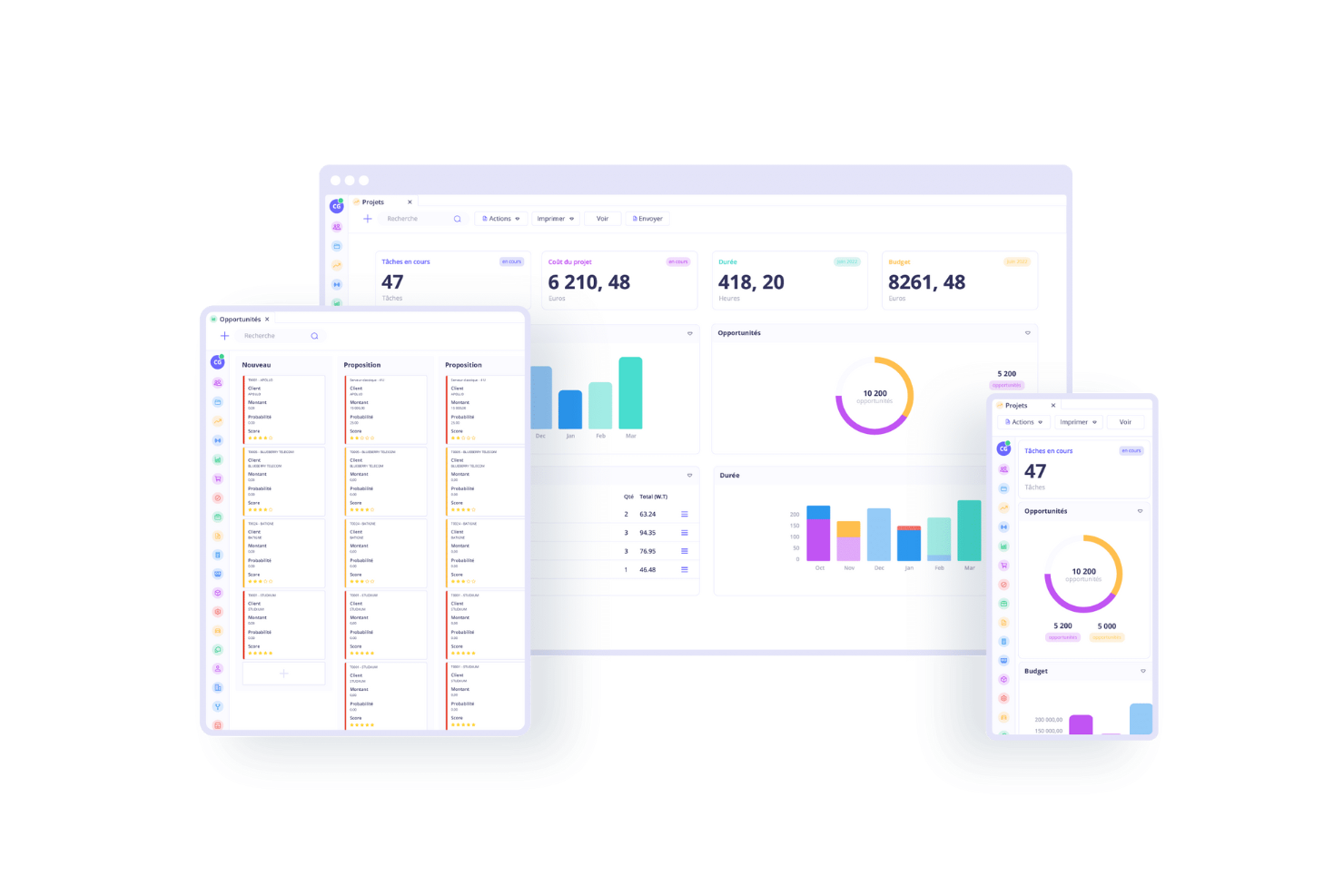
Axelor è una piattaforma ERP open source progettata per le aziende che cercano una soluzione ibrida tra web e mobile. Serve una vasta gamma di settori, offrendo funzioni aziendali chiave come CRM, gestione dell'inventario e pianificazione della produzione.
Perché ho scelto Axelor: Combina tecnologie web e mobile, offrendo flessibilità nel modo in cui puoi accedere e gestire le tue operazioni aziendali. Puoi sfruttare il suo framework modulare per adattare la piattaforma alle tue esigenze, che tu ti concentri su vendite, risorse umane o inventario. L'adattabilità del software supporta sia operazioni online che offline, garantendo continuità. Nella mia esperienza, questo approccio ibrido è perfetto per le aziende che necessitano di opzioni di accesso versatili.
Funzionalità e integrazioni principali:
Funzionalità includono un modulo CRM intuitivo che ti aiuta a gestire efficacemente le relazioni con i clienti. La piattaforma offre anche uno strumento di gestione progetti per mantenere il tuo team organizzato e sulla buona strada. Inoltre, Axelor fornisce analisi avanzate per aiutarti a prendere decisioni aziendali consapevoli.
Integrazioni includono Google Maps, Apache Camel, PostgreSQL, MySQL, Microsoft SQL Server, Oracle, OpenStreetMap, LDAP, JasperReports ed ElasticSearch.
Pros and Cons
Pros:
- Accesso ibrido web e mobile
- Supporta operazioni online e offline
- Forte attenzione al CRM
Cons:
- Può risultare complesso per i nuovi utenti
- Supporto della community limitato

ERPNext
Ideale per piccole e medie imprese
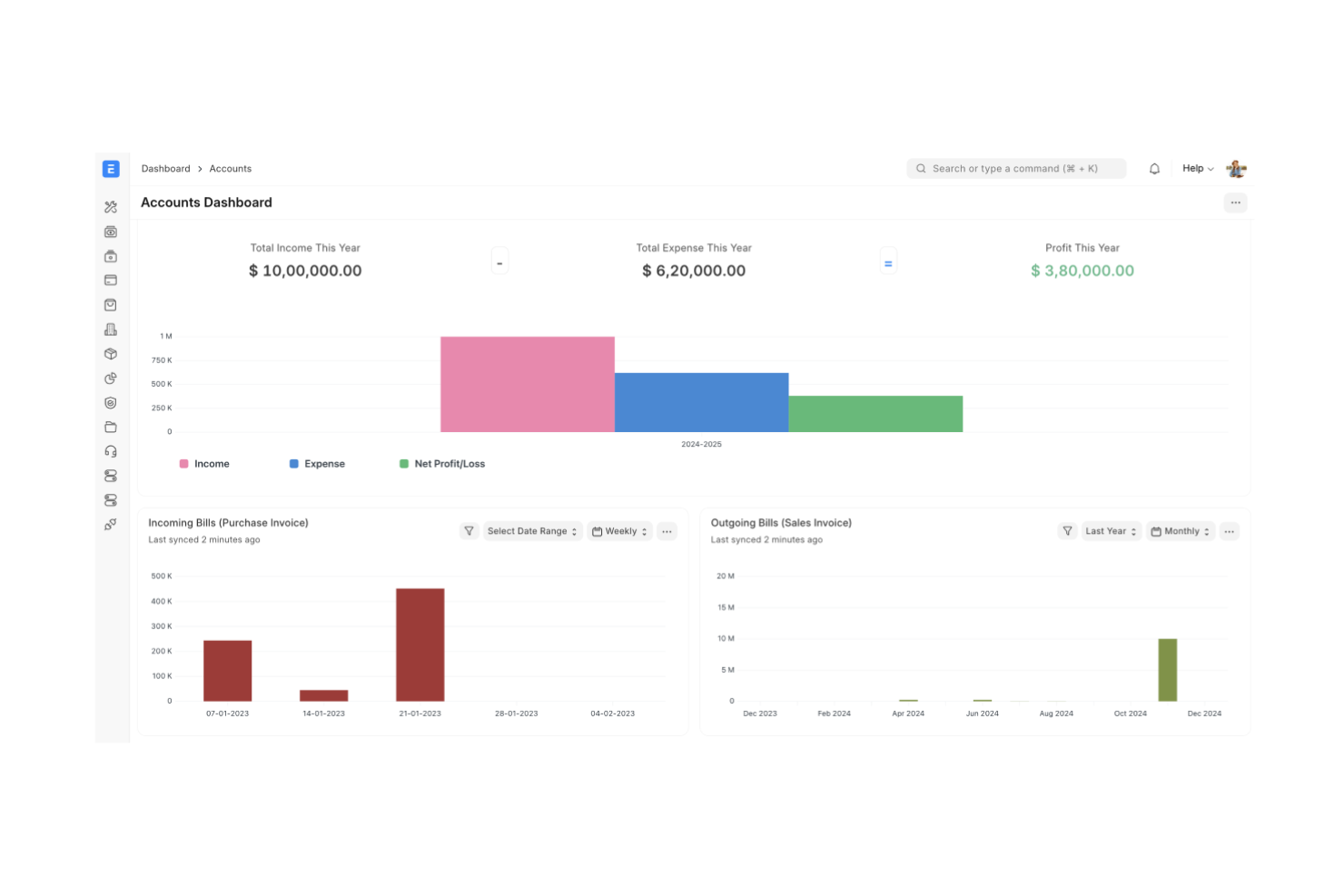
ERPNext è un software ERP open source progettato per piccole e medie imprese. Gestisce funzioni aziendali chiave come contabilità, gestione dell'inventario e gestione dei progetti, servendo settori come il commercio al dettaglio, la produzione e la sanità.
Perché ho scelto ERPNext: Offre una soluzione conveniente per piccole e medie imprese grazie alla sua ampia gamma di funzionalità. Puoi gestire operazioni multi-società e multi-valuta, rendendolo ideale per aziende in crescita. ERPNext è personalizzabile tramite un builder low-code e no-code, permettendoti di adattarlo alle tue esigenze specifiche. La sua suite completa include moduli per contabilità, approvvigionamento, vendite e CRM.
Funzionalità principali & Integrazioni:
Funzionalità includono contabilità multi-valuta, gestione dei progetti e monitoraggio dell'inventario. Puoi anche sfruttare le sue capacità CRM, che comprendono la gestione di lead e opportunità. Il software supporta processi di controllo qualità, garantendo che le tue operazioni rispettino gli standard.
Integrazioni includono Shopify, WooCommerce, Amazon, PayPal, Stripe, Slack, Google Calendar, QuickBooks, Microsoft Outlook e Dropbox.
Pros and Cons
Pros:
- Personalizzabile con strumenti low-code
- Supporta operazioni multi-valuta
- Solida community di supporto
Cons:
- Processo di implementazione complesso
- Richiede conoscenze tecniche

Ideale per soluzioni personalizzabili
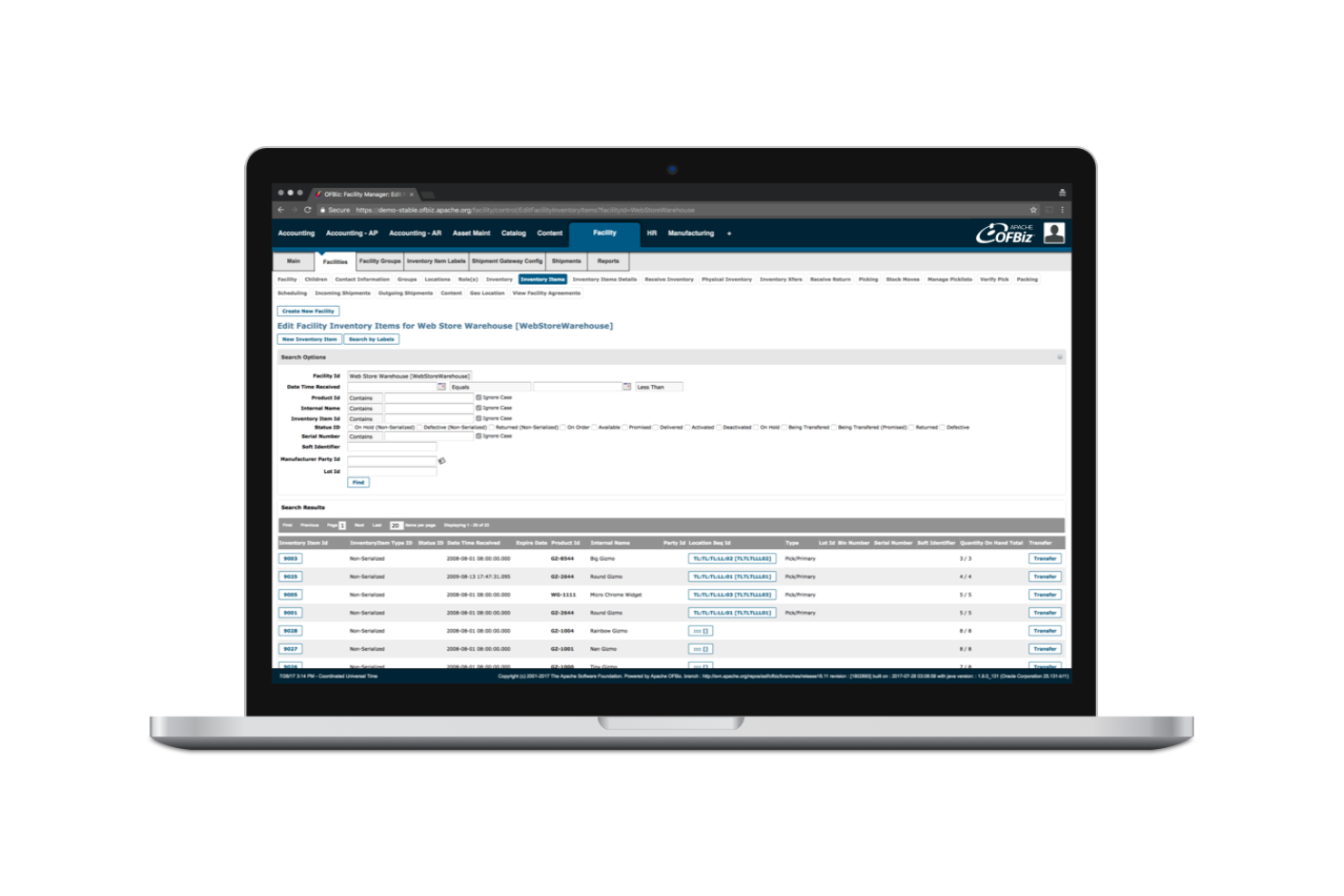
Apache OFBiz è una suite ERP open-source progettata per aziende che cercano soluzioni personalizzabili. Supporta una vasta gamma di funzioni aziendali, tra cui la gestione dell'inventario, l'ecommerce e la gestione delle relazioni con i clienti (CRM).
Perché ho scelto Apache OFBiz: La sua natura altamente personalizzabile consente di adattare il sistema alle esigenze specifiche della propria azienda. È possibile modificare ed estendere le funzionalità per supportare flussi di lavoro unici, rendendolo un'opzione versatile. L'architettura modulare della piattaforma permette di implementare solo i componenti necessari. Questa flessibilità è ideale per le aziende che desiderano una soluzione ERP su misura senza funzionalità superflue.
Funzionalità principali & Integrazioni:
Funzionalità comprendono un modulo ecommerce completo che permette la gestione efficace delle vendite online. Il sistema supporta un solido modulo di contabilità per gestire le esigenze finanziarie. Inoltre, offre un modulo di gestione della produzione che aiuta a ottimizzare i processi produttivi.
Le integrazioni includono Apache Tomcat, PostgreSQL, MySQL, Oracle Database, MongoDB, Apache Solr, Apache Kafka, Apache ActiveMQ, Apache Camel e Apache Hadoop.
Pros and Cons
Pros:
- Architettura altamente personalizzabile
- Ottimo supporto per l'ecommerce
- Comunità di sviluppatori attiva
Cons:
- Richiede competenze tecniche
- Funzionalità predefinite limitate

Flectra
Ideale per soluzioni tutto-in-uno
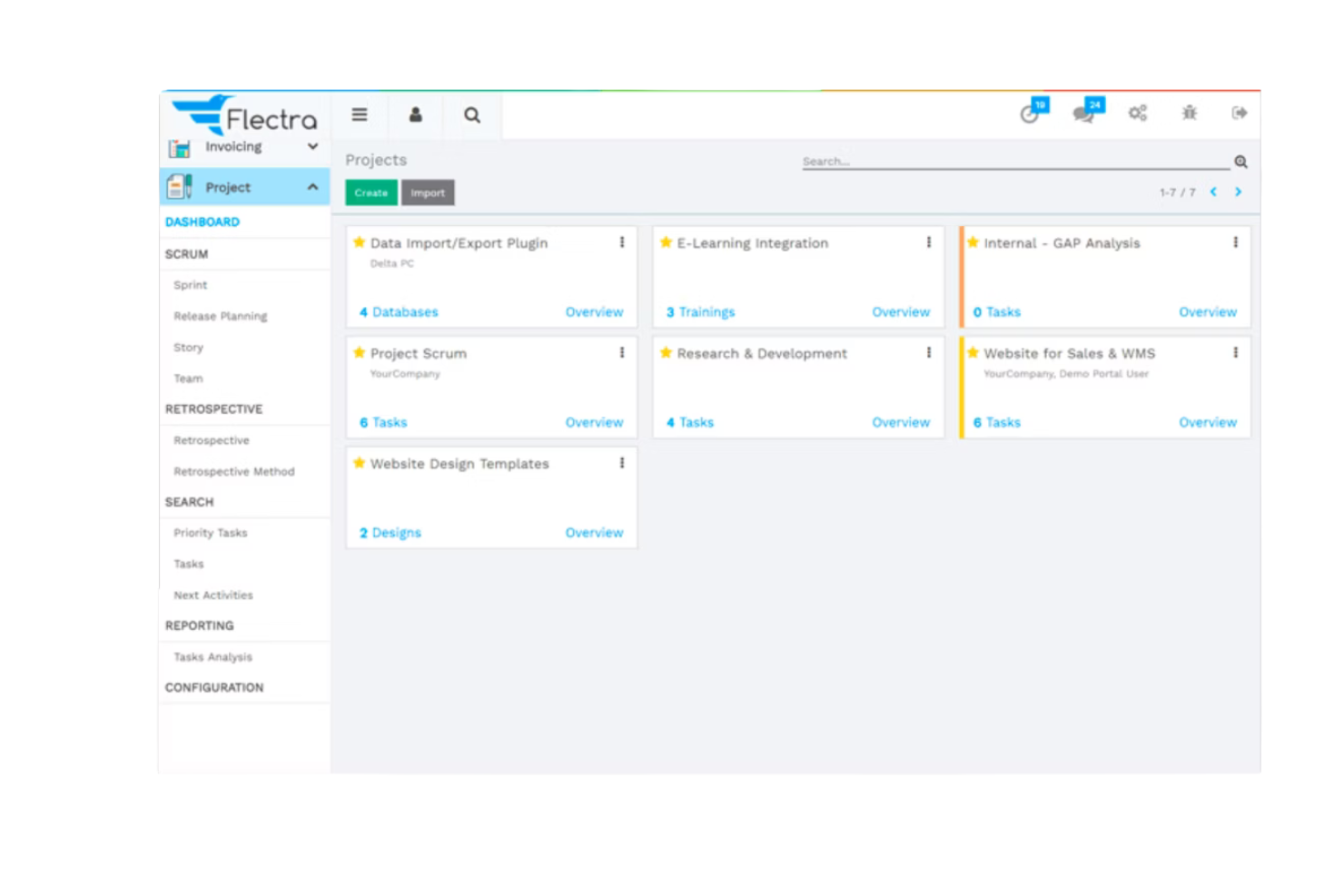
Flectra è una piattaforma ERP e CRM open-source integrata, progettata per le aziende che cercano una soluzione completa. Si rivolge a diversi settori, offrendo funzioni chiave come la gestione delle vendite, il controllo dell'inventario e la gestione delle relazioni con i clienti.
Perché ho scelto Flectra: Combina molteplici funzioni aziendali in un'unica piattaforma, semplificando le tue operazioni. Puoi gestire tutto, dalle vendite all'inventario, senza dover cambiare sistema. Il design modulare del software permette di personalizzare le funzionalità in base alle esigenze della tua azienda. Secondo la mia esperienza, questo approccio all-in-one aiuta a rendere più efficienti i processi e migliora l'efficienza complessiva.
Caratteristiche e integrazioni distintive:
Caratteristiche includono una dashboard intuitiva che offre una panoramica delle operazioni aziendali. Il sistema mette a disposizione avanzati strumenti di reportistica per analizzare le prestazioni e prendere decisioni informate. Inoltre, Flectra supporta transazioni in più valute, vantaggioso per le aziende che operano a livello internazionale.
Integrazioni includono WooCommerce, Magento, PayPal, Stripe, Authorize.Net, QuickBooks, Xero, Mailchimp, Slack e Google Calendar.
Pros and Cons
Pros:
- Supporta transazioni multi-valuta
- Strumenti di reportistica avanzata
- Dashboard intuitiva
Cons:
- Richiede configurazione tecnica
- Poche funzionalità specifiche per settore

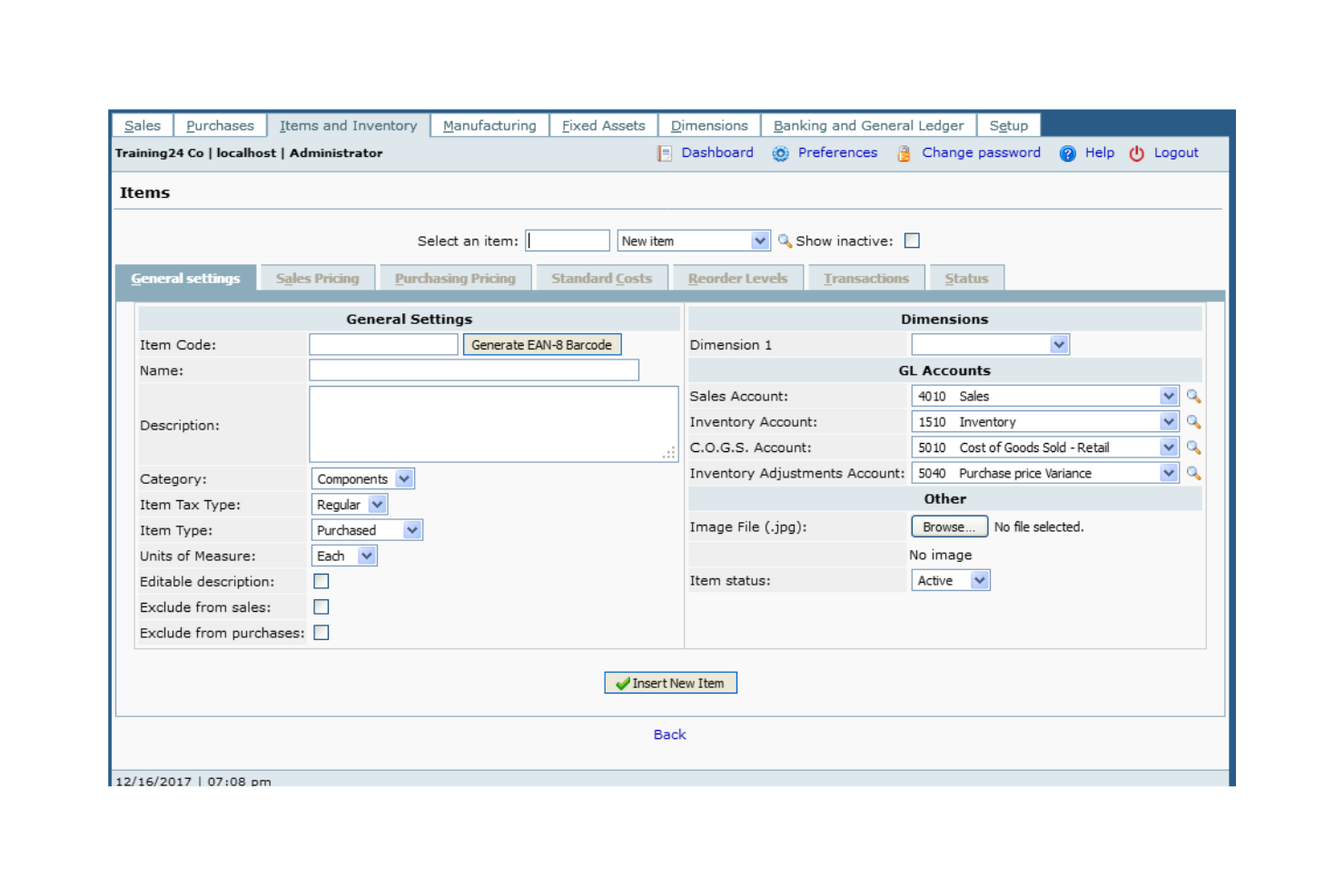
FrontAccounting è un software di contabilità open source pensato per le piccole e medie imprese. Gestisce le funzioni aziendali principali come la gestione finanziaria, la contabilità e il controllo di base dell'inventario.
Perché ho scelto FrontAccounting: offre un focus dedicato sulla contabilità, rendendolo ideale per le aziende che necessitano di una gestione finanziaria affidabile. Puoi gestire facilmente il libro mastro, i conti da pagare e i conti da ricevere. Il software mette a disposizione strumenti di reportistica finanziaria che aiutano a monitorare la salute finanziaria della tua azienda. Secondo la mia esperienza, il suo approccio diretto alla contabilità lo rende uno strumento prezioso per le attività con risorse limitate nel campo contabile.
Funzionalità e integrazioni principali:
Funzionalità comprende la gestione multi-valuta, utile per le aziende che operano con transazioni internazionali. Il software offre anche un modulo di budget che aiuta a pianificare e controllare efficacemente le finanze. Inoltre, include un sistema di gestione degli ordini di acquisto, che aiuta a mantenere il controllo sui processi di approvvigionamento.
Integrazioni includono PayPal, WooCommerce e Shopify.
Pros and Cons
Pros:
- Supporta transazioni in più valute
- Offre strumenti per la creazione di budget
- Gestione ordini di acquisto
Cons:
- Funzionalità limitate per l'inventario
- Poche opzioni di personalizzazione

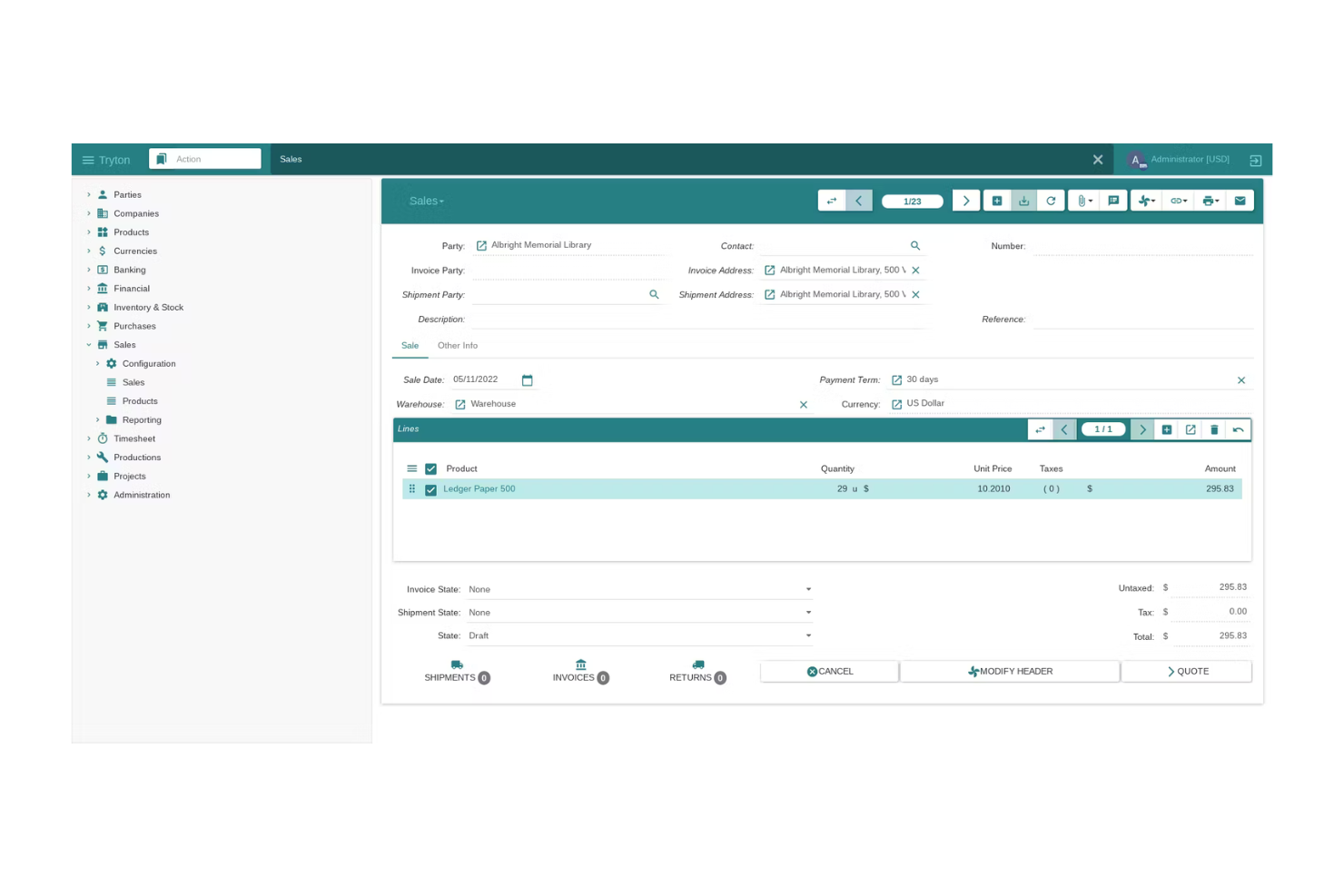
Tryton è un software gestionale open source che serve alle aziende alla ricerca di una soluzione ERP modulare e flessibile. Si rivolge a un'ampia varietà di settori, offrendo funzioni aziendali essenziali come la gestione dell'inventario, la contabilità e le vendite.
Perché ho scelto Tryton: La sua architettura modulare consente di scegliere solo i componenti necessari, rendendolo altamente adattabile. È possibile espandere facilmente le funzionalità aggiungendo moduli per la contabilità, le vendite o l'inventario. Questa flessibilità è ideale per le aziende che cercano soluzioni su misura senza funzionalità superflue. Il design della piattaforma supporta la scalabilità, soddisfacendo le esigenze di crescita.
Caratteristiche principali e integrazioni:
Caratteristiche includono un'interfaccia intuitiva che ne semplifica la navigazione e l'utilizzo. Il software supporta la gestione multi-azienda, risultando adatto a strutture organizzative complesse. Inoltre, offre funzionalità di reportistica completa per aiutarti a monitorare metriche fondamentali.
Integrazioni includono PostgreSQL, LDAP e WebDAV.
Pros and Cons
Pros:
- Supporta la gestione multi-azienda
- Ampie opzioni di personalizzazione
- Solido supporto della community
Cons:
- Complesso per le piccole imprese
- Poche funzionalità già pronte all'uso


InvenTree è uno strumento open-source per la gestione dell'inventario progettato per la gestione di componenti e parti elettroniche. Si rivolge a produttori, hobbisti e ingegneri che necessitano di un controllo preciso sul proprio inventario elettronico.
Perché ho scelto InvenTree: Il suo focus sull'inventario elettronico lo rende ideale per chi si occupa di parti e componenti complessi. Puoi monitorare i livelli di scorte, gestire i fornitori e organizzare i componenti in modo efficiente. Il software offre un monitoraggio dettagliato delle parti, assicurando che tu sappia sempre quali componenti sono disponibili. Secondo la mia esperienza, le sue funzionalità specializzate per l'elettronica aiutano a semplificare la gestione dell'inventario per progetti tecnologici.
Caratteristiche principali e integrazioni:
Caratteristiche includono un'interfaccia intuitiva che semplifica il monitoraggio dell'inventario. Il sistema supporta la scansione di codici a barre per migliorare precisione ed efficienza. Inoltre, InvenTree offre parametri personalizzabili per i componenti, permettendoti di adattare il sistema alle tue esigenze specifiche.
Integrazioni includono OctoPrint, KiCad e Slack.
Pros and Cons
Pros:
- Specializzato nell'inventario elettronico
- Supporta la scansione di codici a barre
- Tracciamento dettagliato delle parti
Cons:
- Limitato al settore dell'elettronica
- Potrebbe non essere adatto per grandi aziende


ERP5 è una soluzione ERP open-source progettata per ambienti aziendali complessi. È pensata per settori che richiedono una gestione completa dei processi aziendali, tra cui produzione, logistica e finanza.
Perché ho scelto ERP5: Offre un approccio unico alla gestione delle esigenze aziendali complesse grazie al suo modello di business unificato. Puoi gestire tutto, dalla contabilità e CRM fino alla produzione su un’unica piattaforma. La flessibilità di ERP5 consente di adattare i processi man mano che l’azienda evolve. Il suo design rigoroso supporta operazioni su larga scala, rendendolo adatto ad aziende con necessità articolate.
Caratteristiche principali & Integrazioni:
Funzionalità comprendono un modulo di contabilità integrato che gestisce in modo efficiente la gestione finanziaria. Il software offre un sistema CRM completo per tracciare le interazioni con i clienti. Inoltre, supporta una gestione avanzata della produzione, aiutando a ottimizzare i flussi di lavoro produttivi.
Integrazioni includono PostgreSQL, MySQL, MariaDB, Zope, Nginx, Apache, SlapOS, WebDAV, CalDAV e LDAP.
Pros and Cons
Pros:
- Supporta operazioni su larga scala
- Adattabile a esigenze in evoluzione
- Sistema CRM completo
Cons:
- Richiede notevole competenza tecnica
- Poche funzionalità pronte all'uso
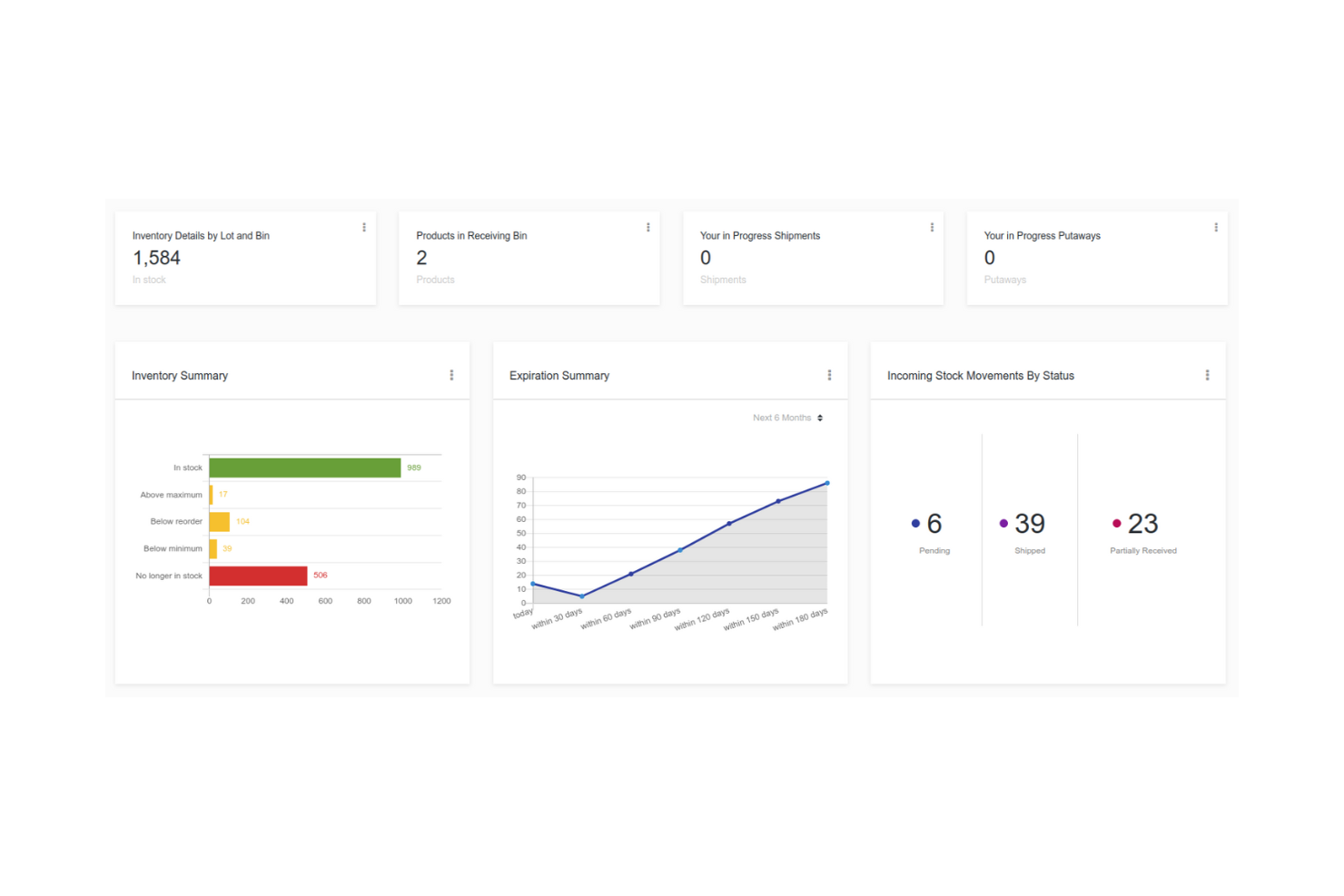
OpenBoxes è uno strumento open-source per la gestione dell'inventario pensato per le catene di fornitura sanitarie. Fornisce una visibilità in tempo reale dell'inventario, garantendo una gestione efficiente dei livelli di scorte e riducendo al minimo le perdite per scadenza.
Perché ho scelto OpenBoxes: È progettato specificamente per la logistica sanitaria, offrendo funzionalità che rispondono alle esigenze particolari di questo settore. Permette di tracciare l'inventario attraverso più strutture, garantendo storici accurati delle scorte e riducendo le rotture di stock. La piattaforma offre un alto livello di personalizzazione, integrandosi facilmente in vari flussi di lavoro. Essendo open-source, è particolarmente accessibile per le organizzazioni nelle regioni in via di sviluppo.
Funzionalità principali e integrazioni:
Funzionalità includono flussi di lavoro efficienti per ridurre rotture di stock e perdite, tracciamento esaustivo della cronologia delle scorte e supporto per più sedi. La piattaforma può essere personalizzata per adattarsi a esigenze specifiche, aumentando la sua adattabilità. Il sistema offre anche solide opzioni di supporto, inclusa la migrazione dei dati e la formazione.
Integrazioni includono HelpScout, che migliora il supporto self-service e l'accesso alla knowledge base.
Pros and Cons
Pros:
- Forte supporto della community
- Progettato per la logistica sanitaria
- Supporta più strutture
Cons:
- Limitato al settore sanitario
- Richiede configurazione tecnica


webERP è un sistema ERP open source sviluppato per piccole e medie imprese che cercano una soluzione semplice e basata sul web. Gestisce le funzioni aziendali essenziali come contabilità, gestione dell'inventario ed elaborazione degli ordini.
Perché ho scelto webERP: Offre un'interfaccia web semplice che consente al tuo team di accedere ai dati da qualsiasi luogo. È possibile gestire varie funzioni aziendali senza la necessità di installazioni complesse. La semplicità del sistema garantisce che tu possa concentrarti sulle attività principali della tua azienda senza essere appesantito dai dettagli tecnici. Secondo la mia esperienza, la facilità d'uso di webERP è un vantaggio rilevante per le aziende prive di risorse IT estese.
Caratteristiche principali & Integrazioni:
Funzionalità includono il supporto multilingue, utile se il tuo team opera in diverse regioni. Il sistema offre anche la gestione multivaluta, rendendolo adatto alle transazioni internazionali. Inoltre, webERP fornisce funzionalità di reportistica approfondita, che permette di monitorare e analizzare efficacemente le prestazioni aziendali.
Integrazioni includono PayPal, Authorize.Net, Google Charts e TCPDF.
Pros and Cons
Pros:
- Accesso semplice tramite web
- Supporto multilingue
- Gestisce più valute
Cons:
- Funzionalità avanzate limitate
- Interfaccia utente basilare
Altri software open source per la gestione dell'inventario
Ecco alcune ulteriori opzioni di software open source per la gestione dell’inventario che non sono entrate nella mia selezione, ma che vale comunque la pena esaminare:
- Dolibarr
Ideale per un’integrazione semplice
- Open Source Point of Sale (OSPOS)
Ideale per ambienti retail
- opentaps
Ideale per ERP e CRM integrati


Come valuto il software open source per la gestione dell'inventario
Divido ogni valutazione in criteri di base—come il monitoraggio in tempo reale delle scorte, il supporto ai codici a barre e la flessibilità di self-hosting—e in fattori distintivi che separano uno strumento davvero utile per la vendita al dettaglio da uno che si qualifica solo tecnicamente.
Funzionalità di base (requisiti minimi per questa lista)
Quando seleziono gli strumenti per la mia lista, ne valuto ciascuno su una scala da 0 (non offre la funzionalità) a 5 (eccelle in quest'area) per ogni funzionalità di base elencata di seguito. Poi, calcolo il punteggio totale dello strumento in una percentuale. Ogni strumento deve raggiungere un punteggio totale minimo del 65% per essere preso in considerazione per l'inclusione.
- Licenza Open Source: Verifico che il progetto sia rilasciato sotto una licenza approvata dall'OSI e che abbia un repository pubblico accessibile—così un team retail può fare fork, modificare e ospitare autonomamente senza zone d'ombra legali.
- Monitoraggio delle scorte: Il monitoraggio in tempo reale degli SKU e delle quantità è fondamentale, ma valuto anche se uno strumento supporta il monitoraggio per lotto, partita o numero di serie per i dettaglianti che gestiscono prodotti deperibili o serializzati.
- Gestione multi-sede: Per i rivenditori con più punti vendita, guardo come la piattaforma gestisce i trasferimenti inter-sede, la visibilità delle scorte per sede e la reportistica consolidata su magazzini e negozi.
- Gestione acquisti e fornitori: Valuto se uno strumento può generare ordini di acquisto legati ai fornitori e attivare riordini quando le scorte raggiungono soglie definite—basi come impostare un punto di riordino per uno SKU a rotazione veloce.
- Supporto per barcode e SKU: La scansione e la generazione di codici a barre sono importanti per ogni flusso di lavoro in negozio, quindi verifico se lo strumento supporta i formati comuni, la stampa di etichette e l'input tramite scanner mobile o portatile.
- POS e capacità di integrazione: Considero come ogni piattaforma si collega all'ecosistema retail più ampio—se offre una REST API, webhook o connettori nativi per sistemi POS popolari, piattaforme ecommerce e strumenti di contabilità.
Una volta che ho una lista di strumenti che soddisfano questi criteri, considero cosa distingue ciascuna piattaforma.
Fattori distintivi (cosa distingue i fornitori)
Ecco come confronto e metto in contrasto i diversi fornitori:
Caratteristiche distintive
Un marketplace di plugin o moduli è importante perché permette di estendere la piattaforma—aggiungendo connettori di contabilità o strumenti CRM—senza dover fare fork del codice. La previsione della domanda è un'altra caratteristica che valuto; gli strumenti che analizzano i dati di vendita storici per suggerire quantità di riordino riducono l'incertezza durante i picchi stagionali. L'accesso mobile è altrettanto importante per i team retail che effettuano conteggi ciclici sul piano o ricevono spedizioni nel magazzino con uno scanner da smartphone.
Oltre le caratteristiche
La flessibilità di deployment è un importante fattore di differenziazione—verifico se una piattaforma offre immagini Docker o installatori one-click, poiché un amministratore IT retail che vuole creare un ambiente di test non dovrebbe impiegare una settimana solo per iniziare. La vitalità della community è altrettanto importante; un repository GitHub attivo con commit regolari e thread di issue reattivi indica se il progetto sarà ancora mantenuto tra un anno. Valuto anche il costo totale di proprietà, osservando quanto ogni fornitore sia trasparente su ciò che è gratuito rispetto a ciò che richiede un livello a pagamento o un hosting di terze parti.
Che cos'è il software open source per la gestione dell'inventario?
Se non conosci ancora questa categoria, ecco cosa devi sapere: niente ambiguità da marketing, solo fatti.
Il software open source per la gestione dell'inventario è un software per il controllo dell'inventario che ti offre pieno accesso al codice sottostante, permettendoti di personalizzarlo, ospitarlo autonomamente ed evitare costi ricorrenti di licenza.
Piccole imprese, rivenditori, operatori di magazzino e produttori utilizzano questi sistemi per automatizzare il monitoraggio delle scorte, ottimizzare la gestione degli ordini e mantenere accurati i livelli di inventario in più sedi.
A differenza dei sistemi chiusi e proprietari, gli strumenti open source per la gestione dell'inventario ti consentono di modificare le funzionalità, collegarti alle API e creare flussi di lavoro adatti alle tue esigenze reali, senza dover aspettare il prossimo aggiornamento del fornitore.
Con opzioni per la scansione dei codici a barre, aggiornamenti dell'inventario in tempo reale, integrazioni con sistemi di commercio elettronico ed ERP e report dettagliati, ottieni sia controllo sia trasparenza.
Il risultato? Meno esaurimenti di scorte, rifornimenti più rapidi e un sistema di cui puoi davvero fidarti.
Come scegliere un software open source per la gestione dell'inventario
Non mancano certo i sistemi per la gestione dell'inventario, ma scegliere quello giusto significa trovare la soluzione adatta alle esigenze reali, non limitarsi a confrontare gli elenchi di funzionalità.
Utilizza questa tabella per passare all'azione concreta, evitare il rimorso dell'acquirente e preparare la tua azienda al successo.
| Passaggio | Cosa fare | Consiglio o considerazione utile |
|---|---|---|
| Elenca gli elementi indispensabili | Individua le funzionalità necessarie: codice a barre, gestione di più magazzini, API, integrazioni, ecc. | Non dimenticare la conformità normativa, l'accesso da dispositivi mobili o specifiche esigenze di reportistica. |
| Stabilisci un budget realistico | Includi i costi di hosting, supporto, sviluppo e futuri aggiornamenti. | L'open source non prevede costi di licenza, ma dovrai comunque investire tempo e competenze. |
| Verifica le opzioni di integrazione | Conferma la compatibilità con le tue piattaforme di contabilità, ERP o commercio elettronico. | Evita gli strumenti che richiedono connettori personalizzati per i flussi di lavoro di base. |
| Testa l'usabilità nel mondo reale | Esegui una demo dal vivo o una prova in ambiente sandbox con il tuo team, utilizzando flussi di lavoro reali. | La migliore interfaccia utente è quella che il tuo personale può utilizzare con una formazione minima. |
| Valuta la community e il supporto | Esamina la community di utenti, la documentazione disponibile e i canali di supporto. | Una community solida e una documentazione aggiornata sono una protezione contro i tempi di inattività. |
| Esamina le esigenze di personalizzazione | Valuta quanto dovrai modificare o ampliare il sistema per la tua azienda. | Se hai bisogno di modifiche profonde, scegli uno strumento con un buon supporto per moduli e plugin. |
| Pianifica la crescita e il cambiamento | Considera in anticipo nuove sedi, utenti o linee di prodotti. | Non accontentarti di un sistema che andrà in crisi con la crescita della tua azienda. |
| Decidi la modalità di distribuzione | Scegli tra hosting on-premise, cloud o Docker in base alla tua realtà IT. | Il cloud è più semplice per la maggior parte degli utenti, ma l'hosting autonomo offre il massimo controllo. |
Funzionalità dei software open source per la gestione dell'inventario
Non tutti i sistemi open source per la gestione dell'inventario sono uguali. Ecco cosa dovresti cercare se vuoi davvero ottimizzare le operazioni, collegare i tuoi strumenti e mantenere la precisione su larga scala.
- Monitoraggio dell'inventario in tempo reale, per sapere sempre quali sono i livelli esatti delle scorte in tutte le sedi.
- Scansione di codici a barre e codici QR, che riduce gli errori di inserimento manuale e accelera la ricezione e il prelievo.
- Supporto per più magazzini e sedi, che semplifica il trasferimento delle scorte, il monitoraggio dei movimenti e la gestione delle operazioni distribuite.
- Gestione degli ordini e degli acquisti, che consente di creare e monitorare ordini di vendita e di acquisto con notifiche automatiche.
- Flussi di lavoro e moduli personalizzabili, per adattare il sistema alla tua azienda, invece di costringere la tua azienda ad adattarsi al sistema.
- Integrazioni solide e accesso alle API, che consentono connessioni fluide con software di contabilità, commercio elettronico, ERP, CRM e altri strumenti essenziali.
- Accesso basato sui ruoli e controlli di sicurezza, per garantire che le persone giuste possano apportare modifiche e che i tuoi dati rimangano protetti.
- Reportistica e analisi avanzate, che offrono informazioni utili per agire, con valutazione dell'inventario, tendenze di utilizzo e dashboard personalizzabili.
- Supporto per più unità di misura, valute e lingue, indispensabile se operi in mercati o regioni diversi.
- Opzioni di distribuzione flessibili, per ospitare autonomamente il sistema, eseguirlo in Docker o utilizzare il cloud in base alle tue esigenze di sicurezza e IT.
Vantaggi dei software open source per la gestione dell'inventario
Ecco cosa offre l'open source, oltre al semplice risparmio sui costi di licenza.
- Controllo completo del tuo stack tecnologico, così non sarai mai alla mercé della roadmap o del servizio di supporto di un fornitore.
- Nessun costo di licenza o per utente, per concentrare il budget sulla crescita invece che su interminabili fatture software.
- Personalizzazione senza limiti, perché puoi modificare le funzionalità, aggiungere moduli e creare ciò che ti serve quando ti serve.
- Community attive di utenti e sviluppatori, che offrono supporto, correzioni rapide e consigli basati sull'esperienza reale, oltre a un eventuale supporto a pagamento se desideri un servizio di assistenza aggiuntivo.
- Integrazioni semplici con i tuoi sistemi, che ti permettono di automatizzare i processi tra strumenti di commercio elettronico, contabilità, ERP e gestione della catena di approvvigionamento.
- Codice aperto e sicurezza trasparente, per individuare e correggere rapidamente le vulnerabilità e verificare personalmente il sistema.
- Cresce insieme alla tua azienda, consentendoti di iniziare in modo semplice e passare, quando necessario, a funzionalità avanzate per l'inventario, la gestione delle risorse o le previsioni.
- Progettato per la tua azienda, in linea con i tuoi flussi di lavoro, i requisiti del settore e le reali esigenze operative, invece di costringerti ad adattare un elemento quadrato a un foro rotondo.
Costi e prezzi dei software open source per la gestione dell'inventario
Il prezzo dei software open source per la gestione dell'inventario non è sempre una questione di «gratuito o a pagamento». Sebbene tu possa evitare i costi di licenza, i costi effettivi possono derivare dalla configurazione, dall'hosting, dal supporto e dalle funzionalità aggiuntive.
Ecco una panoramica dei tipi di piano più comuni e di ciò che si ottiene effettivamente con ciascuno.
| Tipo di piano | Prezzo medio | Funzionalità comuni | Ideale per |
|---|---|---|---|
| Piano gratuito | $0 | Monitoraggio di base dell'inventario, reportistica limitata, assistenza della community. | Startup, progetti secondari, prime fasi di test. |
| Piano personale | $5–$25/utente/mese | Monitoraggio dell'inventario, gestione degli ordini, reportistica di base, assistenza via e-mail. | Piccole imprese e team che hanno bisogno di più delle funzionalità di base. |
| Piano aziendale | $25–$50/utente/mese | Reportistica avanzata, più magazzini, integrazioni, assistenza prioritaria. | Aziende in crescita e operatori con più sedi. |
| Piano per grandi aziende | $50–$100/utente/mese | Dashboard personalizzate, analisi, più valute, gestione dedicata dell'account. | Organizzazioni più grandi o con esigenze complesse. |
Altri aspetti da considerare per i costi
È importante considerare più del semplice prezzo indicato. Ecco a cosa prestare attenzione:
- Costi di implementazione e avvio. Configurazioni complesse o migrazioni dei dati potrebbero richiedere competenze a pagamento o tempo aggiuntivo da parte del team.
- Costi dell'assistenza. L'assistenza gratuita è spesso gestita dalla community, ma l'assistenza a pagamento o gli SLA personalizzati aumenteranno la spesa.
- Personalizzazioni e componenti aggiuntivi. Moduli avanzati, plugin di terze parti o attività personalizzate sulle API possono comportare costi aggiuntivi, anche per il software open source.
- Hosting e infrastruttura. L'hosting cloud, i server on-premise o le distribuzioni Docker gestite possono avere prezzi variabili, quindi è necessario valutare i costi continuativi rispetto alle risorse IT disponibili.
- Manutenzione e aggiornamenti continuativi. L'hosting autonomo significa che il team dovrà occuparsi di patch, backup e sicurezza: è quindi necessario prevedere le ore necessarie o affidare il lavoro a un fornitore esterno.
Domande frequenti sul software open source per la gestione dell'inventario
Ecco alcune risposte alle domande più comuni sul software open source per la gestione dell’inventario:
Quanto è difficile migrare dai fogli di calcolo al software open source per la gestione dell'inventario?
Se hai vissuto l’inferno dei fogli di calcolo, il sistema open source giusto per la gestione dell’inventario renderà la migrazione piuttosto semplice.
La maggior parte degli strumenti supporta le importazioni CSV per i dati in blocco. Il vero lavoro consiste nel ripulire i vecchi dati: fallo una volta e otterrai finalmente un monitoraggio dell’inventario accurato e in tempo reale, senza confusione tra versioni o eliminazioni accidentali.
Il software open source per la gestione dell'inventario può funzionare con gli scanner di codici a barre o codici QR che già possiedo?
Assolutamente. La maggior parte delle principali soluzioni open source per la gestione dell’inventario supporta direttamente l’hardware standard per la scansione di codici a barre e codici QR.
Collega il tuo scanner USB o Bluetooth, associa i campi e sarai pronto a lavorare: non è necessario acquistare dispositivi proprietari o pagare licenze aggiuntive.
Come gestiscono i sistemi open source per la gestione dell'inventario più utenti e autorizzazioni?
Hai il pieno controllo su chi può accedere, modificare o eliminare i dati. Il controllo degli accessi basato sui ruoli è standard nei migliori strumenti open source per la gestione dell’inventario, quindi puoi configurare le autorizzazioni per team, magazzino o persino funzione lavorativa. Basta con il caos del “sono tutti amministratori”.
Cosa succede se una funzionalità di cui ho bisogno non esiste ancora?
È questo il bello dell’open source: puoi svilupparla, assumere uno sviluppatore o chiedere aiuto alla comunità. Molti sistemi open source per la gestione dell’inventario dispongono di strutture per componenti aggiuntivi o archivi GitHub attivi, quindi aggiungere un nuovo flusso di lavoro o modulo richiede soltanto una richiesta di integrazione.
Non devi aspettare il piano di sviluppo di un fornitore né pagare per uno sviluppo personalizzato, a meno che tu non lo voglia.
Il software open source per la gestione dell'inventario è abbastanza affidabile per le operazioni critiche per l'attività?
Se scegli una piattaforma matura e ben supportata, come ERPNext, Dolibarr o InvenTree, utilizzerai un software che gestisce attività che vanno dalle catene di approvvigionamento medicali alla vendita al dettaglio in più sedi.
Aggiornamenti frequenti, monitoraggio trasparente dei bug e utenti reali mantengono alta l’affidabilità: assicurati solo di utilizzare versioni aggiornate e backup adeguati.
Posso collegare il software open source per la gestione dell'inventario alla mia piattaforma di commercio elettronico o al mio sistema ERP?
Sì, ed è uno dei motivi principali per cui le persone effettuano il passaggio. I principali sistemi open source per la gestione dell’inventario includono integrazioni predefinite e API aperte per piattaforme come Shopify, WooCommerce, Magento e Odoo.
Salta il livello intermedio e collega direttamente i tuoi strumenti ai flussi di lavoro della catena di approvvigionamento e della gestione degli ordini.