

10 alternative a HubSpot Marketing per l’automazione nel 2026

Le migliori alternative a HubSpot Marketing: selezione


Una valida alternativa a HubSpot Marketing offre automazione avanzata, gestione flessibile delle campagne e integrazioni affidabili, senza vincolarti all’ecosistema di HubSpot. Se stai cercando alternative a HubSpot Marketing, probabilmente desideri un maggiore controllo sulle funzionalità, sui prezzi o sulla proprietà dei dati. Passare all’alternativa giusta ti permette di adattare il tuo stack di marketing alle esigenze della tua azienda, evitare funzionalità superflue e mantenere il tuo team agile mentre cambiano i tuoi obiettivi di crescita.
In questa guida troverai una panoramica chiara delle opzioni più interessanti per il 2026, degli aspetti che rendono unico ciascuno strumento e dei contesti in cui potrebbero essere più o meno adatti alla tua organizzazione.
Che cos’è HubSpot Marketing?
HubSpot Marketing è una piattaforma di automazione del marketing per gestire e ottimizzare le campagne, monitorare i lead e analizzare i dati sulle prestazioni. Grazie agli strumenti per l’email marketing, i social media, le landing page e l’analisi, centralizza le attività di marketing digitale. I team di marketing la utilizzano per automatizzare le comunicazioni, personalizzare le attività di contatto e misurare il coinvolgimento sui diversi canali. HubSpot Marketing è popolare tra le aziende che hanno bisogno di un sistema tutto-in-uno per coordinare e monitorare le proprie campagne di marketing da un unico luogo.
Tabella di confronto delle alternative a HubSpot Marketing
Questa tabella di confronto riassume i dettagli sui prezzi delle principali alternative a HubSpot Marketing che ho selezionato.
| Tool | Best For | Trial Info | Price | ||
|---|---|---|---|---|---|
| 1 | Ideale per insight sulla pipeline di vendita guidata dall'AI | Piano gratuito disponibile | Da $9/utente/mese (fatturazione annuale) | Website | |
| 2 | Ideale per combinare strumenti di marketing e vendita | Piano gratuito + demo gratuita disponibile | Da $11.04/utente/mese (fatturazione biennale) | Website | |
| 3 | Ideale per opzioni semplici di marketing per eventi | Prova gratuita di 14 giorni + demo gratuita disponibile | Da $12/mese | Website | |
| 4 | Ideale per workflow di automazione flessibili | Demo gratuita disponibile | A partire da $900/mese | Website | |
| 5 | Ideale per la gestione dei lead su larga scala | Demo gratuita disponibile | Prezzo su richiesta | Website | |
| 6 | Ideale per la coordinazione globale di SMS ed email | Demo gratuita disponibile | Prezzo su richiesta | Website | |
| 7 | Ideale per campagne di viaggio basate sull’IA | Demo gratuita disponibile | Prezzo su richiesta | Website | |
| 8 | Ideale per la personalizzazione dinamica dei contenuti | Prova gratuita di 30 giorni | Da $14/mese | Website | |
| 9 | Ideale per la progettazione creativa di modelli email | Prova gratuita di 30 giorni + piano gratuito + demo gratuita disponibile | A partire da $13/mese | Website | |
| 10 | Ideale per l'automazione di campagne multicanale | Piano gratuito + demo gratuita disponibile | Da $16/mese (fatturazione annuale) | Website |

Perché fidarsi dei nostri consigli sui software
Il nostro team testa e recensisce software dal 2012. In quanto leader del retail noi stessi, sappiamo quanto sia difficile — e importante — scegliere il software giusto.
Per questa guida, abbiamo valutato gli strumenti attraverso test pratici e ricerche indipendenti, assegnando un punteggio agli strumenti in base ai nostri criteri di selezione.
Le nostre recensioni riflettono il nostro giudizio indipendente, non un discorso di vendita.
Recensioni delle migliori alternative a HubSpot Marketing
Di seguito trovi i miei riepiloghi dettagliati delle principali alternative a HubSpot CRM che sono entrate nella mia selezione.

Ideale per insight sulla pipeline di vendita guidata dall'AI
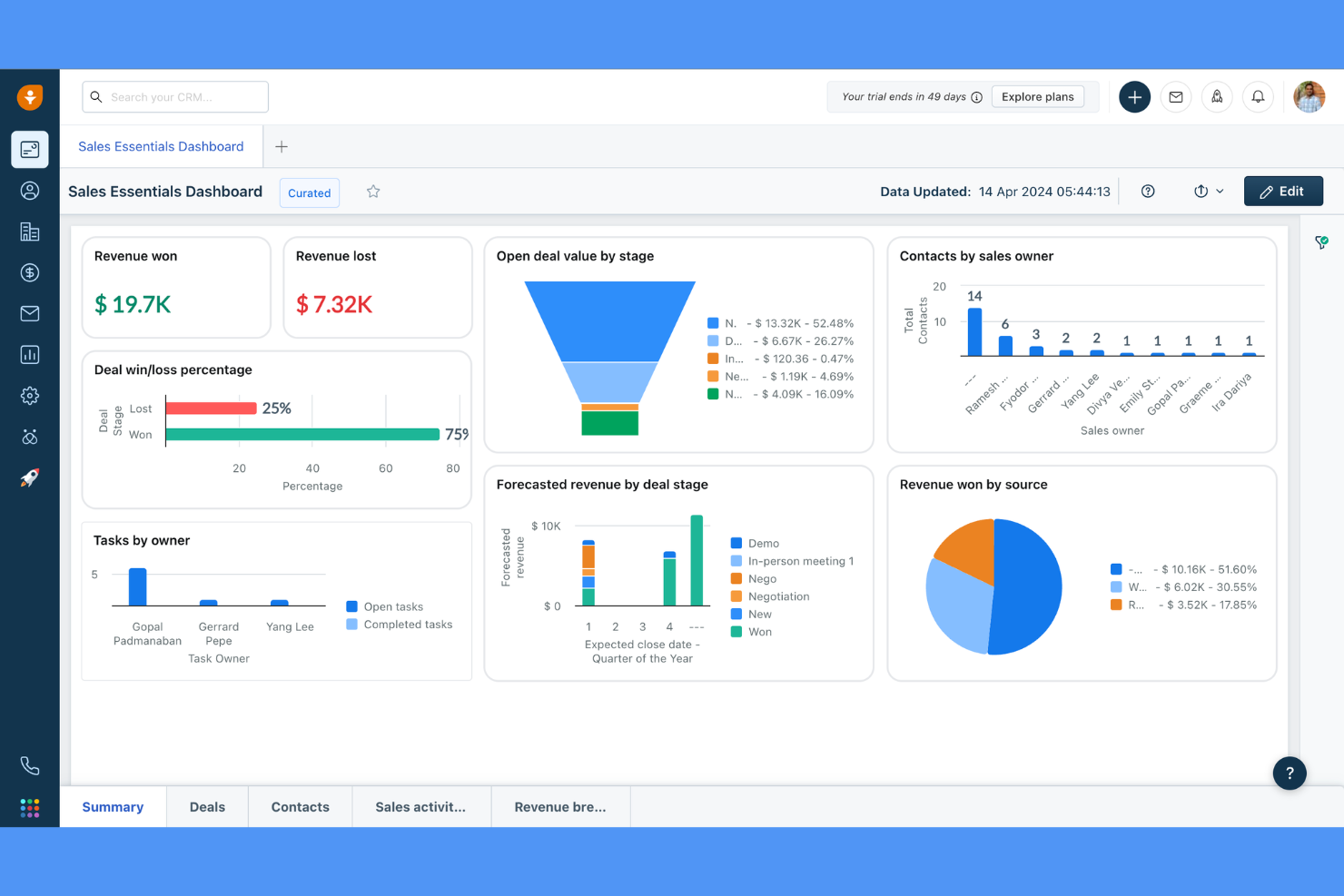
Freshsales è un CRM progettato per i team di vendita che desiderano una gestione intelligente della pipeline senza la complessità dei tradizionali sistemi enterprise. Ritengo che sia ideale per le aziende che cercano flussi di lavoro semplificati, gestione automatica dei lead e insight azionabili per accelerare la crescita delle vendite.
Per chi è più adatto Freshsales?
Freshsales è perfetto per i responsabili delle vendite di aziende B2B in crescita che vogliono automazione delle vendite e della pipeline guidata dall’AI.
Perché Freshsales è una valida alternativa a HubSpot Marketing
Ho scelto Freshsales perché il suo assistente AI integrato, Freddy AI, offre insight sulle trattative e punteggi dei contatti direttamente nella vista pipeline, così il mio team può dare priorità ai lead giusti senza dover cercare tra i report. Mi piace il fatto che Freddy AI segnali le trattative che rischiano di raffreddarsi e suggerisca la prossima azione migliore, permettendo così ai venditori di concentrarsi su ciò che davvero genera ricavi. In pratica, il mio team utilizza il costruttore visivo della pipeline per monitorare ogni fase delle trattative in tempo reale, con sequenze di follow-up automatizzate attivate dal comportamento dei contatti. Per i team che desiderano una vendita guidata dall'AI senza la complessità di una suite marketing completa, Freshsales rappresenta un equilibrio ideale nella pratica.
- Regole di assegnazione automatica: instrada automaticamente i lead in arrivo al venditore giusto in base al territorio o a criteri basati su regole
- Costruttore di percorsi marketing: crea customer journey multistep utilizzando trigger, ritardi e sequenze email automatizzate
- Previsioni di vendita: imposta impegni sulle trattative e stime ottimistiche per creare previsioni sulla pipeline
- Report di attribuzione: monitora ogni punto di contatto e identifica quali fonti contribuiscono di più alle conversioni
Integrazioni di Freshsales
Freshsales offre integrazioni native con Google Workspace, Microsoft 365, Mailchimp, Zapier, QuickBooks, Xero, DocuSign, Slack e WhatsApp. È disponibile un’API per integrazioni personalizzate.
Pros and Cons
Pros:
- Lead scoring e scoring trattative alimentati dall’AI
- Pipeline di vendita visivo con aggiornamenti drag-and-drop
- Sequenze di follow-up automatiche basate sul comportamento dei contatti
Cons:
- Le funzioni di reportistica avanzata sono disponibili solo nei piani superiori
- Automazione marketing nativa limitata rispetto a HubSpot

Ideale per combinare strumenti di marketing e vendita
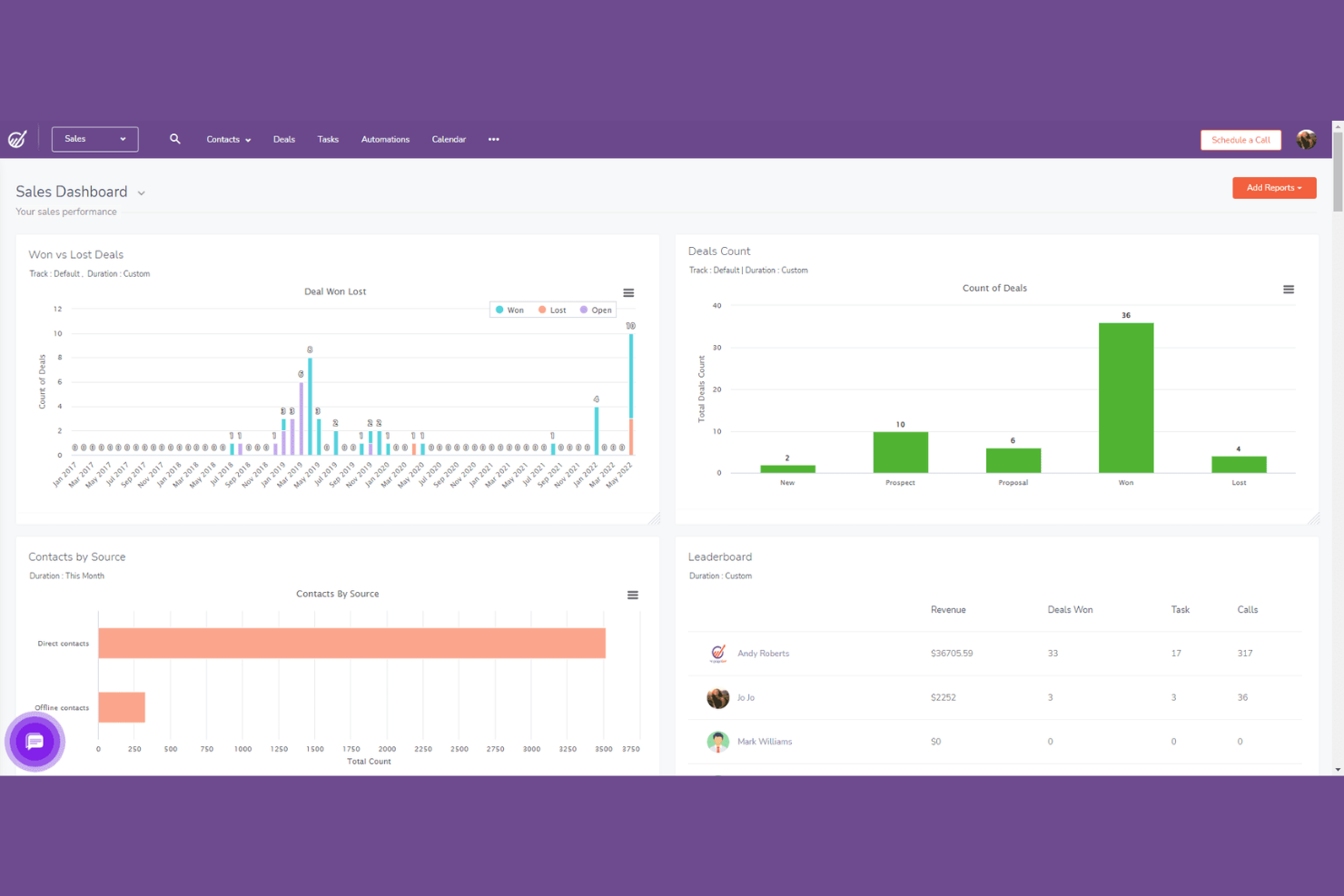
EngageBay offre alle piccole e medie imprese una piattaforma all-in-one per gestire marketing, vendite e assistenza clienti senza la necessità di sistemi separati. Se desideri una gestione centralizzata dei contatti, automazione delle campagne e tracciamento dei clienti in un unico posto, questo strumento fa al caso tuo.
Per chi è ideale EngageBay?
EngageBay è adatto a piccoli team di aziende in rapida crescita che vogliono una piattaforma unificata per automatizzare marketing e vendite.
Perché EngageBay è una valida alternativa a HubSpot Marketing
Ho scelto EngageBay perché mantiene marketing e vendite in un unico sistema senza costringerti a usare strumenti separati. Mi piace che le timeline dei contatti mostrino ogni interazione—apertura delle email, cambiamenti nella fase della trattativa e ticket di supporto—così il mio team non deve passare tra diverse piattaforme per ricostruire la cronologia di un cliente. Utilizzo anche la pipeline condivisa delle trattative di EngageBay insieme alle sequenze di email, il che significa che le attività marketing e vendite restano sincronizzate dal primo contatto fino alla chiusura. Per i team più piccoli che desiderano questo livello di allineamento senza una struttura complessa, EngageBay lo offre nativamente.
- Lead scoring: Assegna punteggi ai contatti in base al comportamento e al coinvolgimento per aiutare il tuo team di vendita a dare priorità ai contatti.
- Campagne drip: Crea sequenze email automatizzate multi-step che si attivano in base alle azioni dei contatti o dopo un determinato periodo.
- Analisi web: Monitora il comportamento dei visitatori sul tuo sito e collega direttamente quell’attività alle schede dei contatti nel tuo CRM.
- Invio SMS: Invia messaggi SMS una tantum o programmati a elenchi di contatti segmentati direttamente dalla piattaforma.
Integrazioni EngageBay
EngageBay offre integrazioni native con Gmail, Office 365, Stripe, Zapier, Xero, QuickBooks, Mandrill, SendGrid, Mailgun e Twilio. È disponibile anche un'API per integrazioni personalizzate.
Pros and Cons
Pros:
- Dashboard di marketing e vendita sincronizzate in tempo reale
- Strumenti integrati per la programmazione degli appuntamenti e il calendario
- Costruttore visuale di automazioni per campagne multi-step
Cons:
- Le funzionalità di gestione dei social media sono basilari
- Le opzioni di reportistica avanzata sono limitate

Ideale per opzioni semplici di marketing per eventi
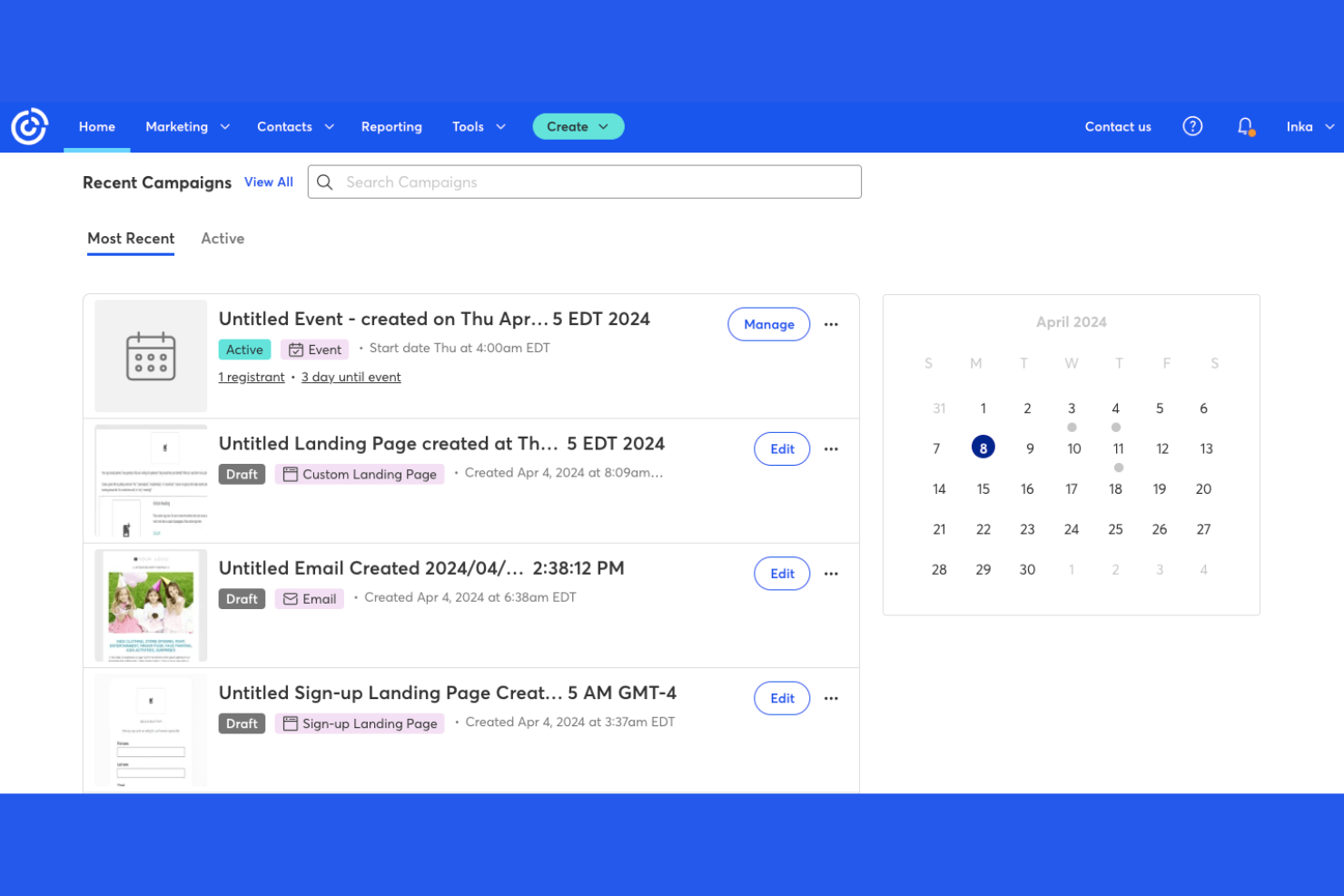
Constant Contact è una piattaforma di email marketing e coinvolgimento digitale pensata per le aziende che desiderano gestire rapidamente le comunicazioni e condurre campagne. Se hai bisogno di strumenti semplici per inviare campagne email, far crescere una lista di contatti o promuovere eventi, questa piattaforma è fatta su misura per te.
A chi è più adatto Constant Contact?
Constant Contact si rivolge a piccole imprese e organizzazioni no profit che cercano strumenti rapidi e senza complicazioni per gestire email marketing e promozione di eventi.
Ho scelto Constant Contact perché mi permette di gestire promozione e registrazione agli eventi in un unico luogo senza dover ricorrere a strumenti aggiuntivi. Quando organizzo un evento, posso creare una pagina di registrazione, inviare inviti email mirati e monitorare le risposte, tutto dallo stesso cruscotto. Apprezzo anche che Constant Contact permetta di segmentare i contatti e inviare automaticamente email di follow-up ai partecipanti dopo l’evento. Per i team che organizzano eventi regolari e desiderano collegare marketing via email e logistica degli eventi in modo integrato, è una scelta pratica.
- Editor di email drag-and-drop: Crea e personalizza email visivamente senza scrivere codice
- Test A/B: Prova oggetto e varianti di contenuto per vedere quale versione ottiene migliori tassi di apertura
- Segmentazione della lista contatti: Raggruppa i contatti in base ad attività, interessi o altre caratteristiche per inviare messaggi mirati
- SMS marketing: Invia campagne di messaggi di testo alla tua lista di contatti insieme alle email
Integrazioni di Constant Contact
Constant Contact offre integrazioni native con Shopify, WooCommerce, Eventbrite, Salesforce, Mindbody, QuickBooks Online, SurveyMonkey, Vimeo, WordPress e Zapier. È disponibile una API per integrazioni personalizzate.
Pros and Cons
Pros:
- Strumenti di registrazione eventi integrati
- Funzionalità automatizzate per la crescita della lista contatti
- Semplice builder con drag-and-drop per le campagne
Cons:
- Automazione limitata per campagne multicanale
- Poche opzioni avanzate di segmentazione o scoring

Act-On
Ideale per workflow di automazione flessibili
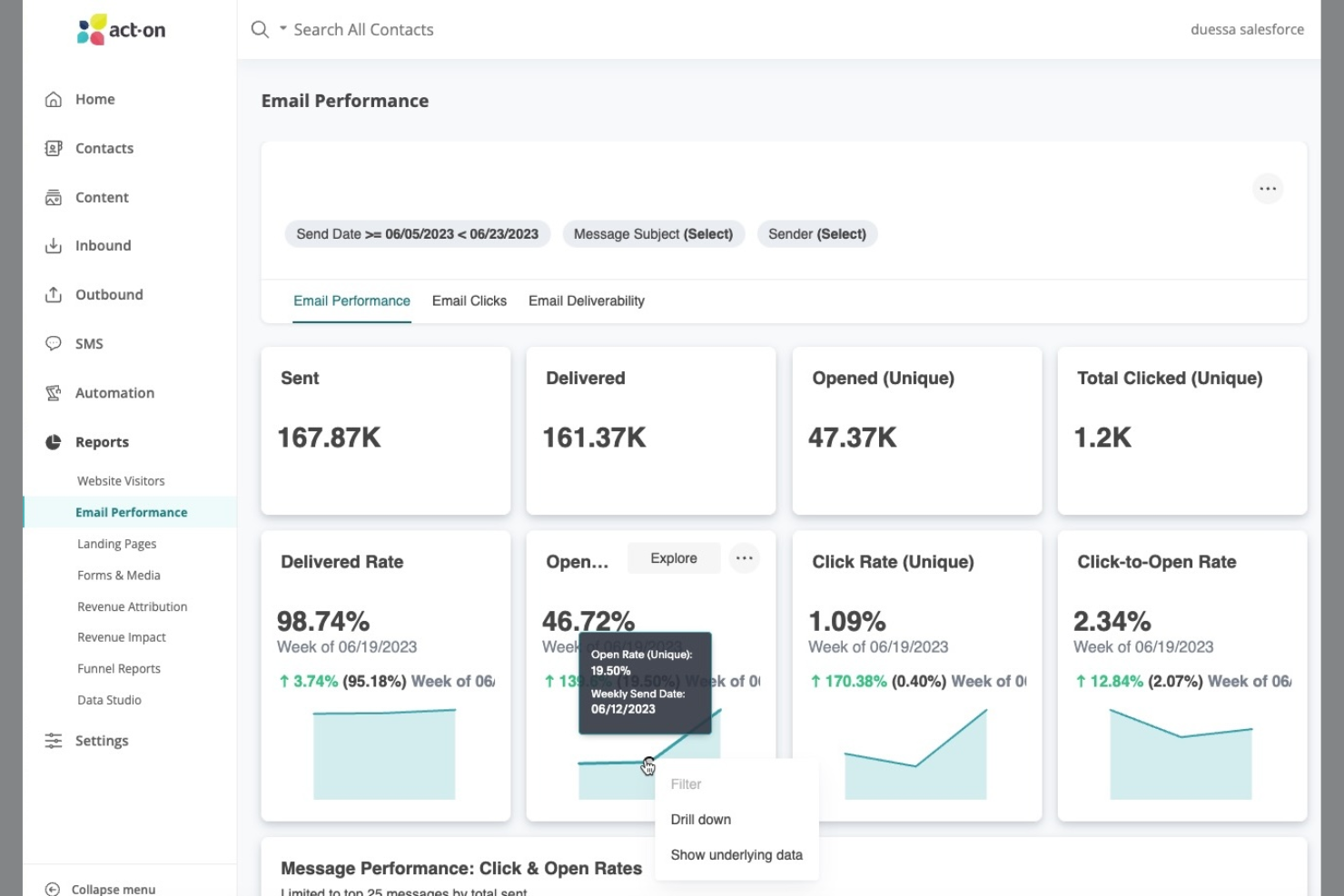
Act-On è una piattaforma di automazione del marketing pensata per le aziende che desiderano maggiore controllo sui flussi di lavoro delle campagne e la gestione dei lead. Ritengo sia una soluzione ideale se il tuo team dà valore alla personalizzazione, a una segmentazione dettagliata del pubblico e alla possibilità di eseguire campagne multicanale senza grande sforzo tecnico.
Per chi è ideale Act-On?
Act-On è una scelta ideale per le aziende di medie dimensioni che necessitano di automazioni complesse e personalizzabili su email, web e campagne social.
Perché Act-On è una valida alternativa a HubSpot Marketing
Ho scelto Act-On perché il suo costruttore di percorsi automatizzati offre al mio team reale flessibilità nel creare flussi di lavoro ramificati basati su comportamenti, punteggio dei lead e dati di coinvolgimento—senza essere bloccati in una struttura di template rigida. Mi piace che includa l'Adaptive Sending, che adatta i tempi di invio delle email in base a quando i singoli contatti sono più propensi a interagire. In pratica, significa che il mio team può gestire programmi di nurturing altamente mirati che rispondono in modo dinamico al comportamento reale dei lead. Per i team che gestiscono lunghe campagne B2B multi-touch, questo livello di controllo è difficile da replicare in HubSpot senza passare a livelli di abbonamento molto più elevati.
Funzionalità principali di Act-On
- Costruttore di landing page: Progetta e pubblica landing page orientate alla conversione direttamente dalla piattaforma senza bisogno di uno strumento separato
- Tracciamento dei visitatori del sito: Identifica e registra quali aziende visitano il tuo sito e quali pagine consultano
- Lead scoring: Assegna punteggi ai contatti in base ai dati demografici e all'attività comportamentale
- Strumenti di account-based marketing: Prendi di mira e coinvolgi account specifici con campagne su misura su più canali
Integrazioni Act-On
Act-On offre integrazioni native con Salesforce, Microsoft Dynamics 365, SugarCRM, Zendesk, Eventbrite e Webex, e mette a disposizione un'API per integrazioni personalizzate.
Pros and Cons
Pros:
- Workflow di automazione multi-step altamente personalizzabili
- Funzionalità avanzate di lead scoring e segmentazione
- Ottimi strumenti di marketing per eventi e webinar
Cons:
- Le dashboard di reporting possono sembrare datate
- Integrazioni native limitate con piattaforme e-commerce

Ideale per la gestione dei lead su larga scala

Adobe Marketo Engage è una piattaforma di automazione del marketing progettata per grandi team di marketing che necessitano di un'orchestrazione avanzata delle campagne e della gestione dei percorsi dei clienti. Ritengo che i marketer B2B aziendali e le organizzazioni con pipeline di lead complesse troveranno che questa soluzione affronta in modo efficace le sfide legate al coinvolgimento multicanale e all'analisi degli acquirenti.
Per chi è ideale Adobe Marketo Engage?
Adobe Marketo Engage è una scelta solida per i team di marketing aziendali che gestiscono una generazione e una coltivazione di lead ad alto volume su campagne complesse e multicanale.
Perché Adobe Marketo Engage è una valida alternativa a HubSpot Marketing
Ho scelto Adobe Marketo Engage perché le sue capacità di gestione dei lead sono progettate per scalare in modo che HubSpot semplicemente non può eguagliare per le grandi organizzazioni B2B. Il sistema di lead scoring è abbastanza sofisticato da valutare contemporaneamente sia i segnali di idoneità che di coinvolgimento, così il mio team può dare priorità ai prospetti migliori per le vendite senza necessità di una selezione manuale. Apprezzo anche la funzione di partizionamento dei pubblici, che consente a diversi team di marketing di lavorare all'interno dello stesso ambiente mantenendo separati dati e campagne dei loro lead. Quando si gestisce la generazione della domanda su più linee di prodotto o regioni, questo tipo di governance è difficile da replicare in HubSpot.
- Clonazione delle campagne: Duplica campagne e asset di successo per replicarne le prestazioni in nuovi programmi.
- Attribuzione multi-touch: Traccia il contributo di ogni touchpoint di marketing alla pipeline e ai ricavi attraverso dashboard di reportistica integrati.
- Contenuti generati dall'IA: Genera testi per email, oggetti e immagini direttamente nella piattaforma utilizzando Adobe Firefly.
- Dynamic Chat: Coinvolgi i visitatori del sito web con uno strumento conversazionale generativo basato su IA, addestrato sui dati del tuo marchio e dei tuoi prodotti.
Integrazioni di Adobe Marketo Engage
Adobe Marketo Engage offre integrazioni native con Salesforce, Microsoft Dynamics 365, LinkedIn, Google Ads, Zoom, ON24, Eventbrite, GoToWebinar, Webinar.net e Tableau. È disponibile anche un'API per integrazioni personalizzate.
Pros and Cons
Pros:
- Lead scoring e nurturing su scala enterprise
- Funzioni granulari di partizionamento di campagne e pubblici
- Strumenti di automazione del marketing multicanale estesi
Cons:
- Opzioni limitate per la progettazione di template email
- Curva di apprendimento ripida per i nuovi utenti
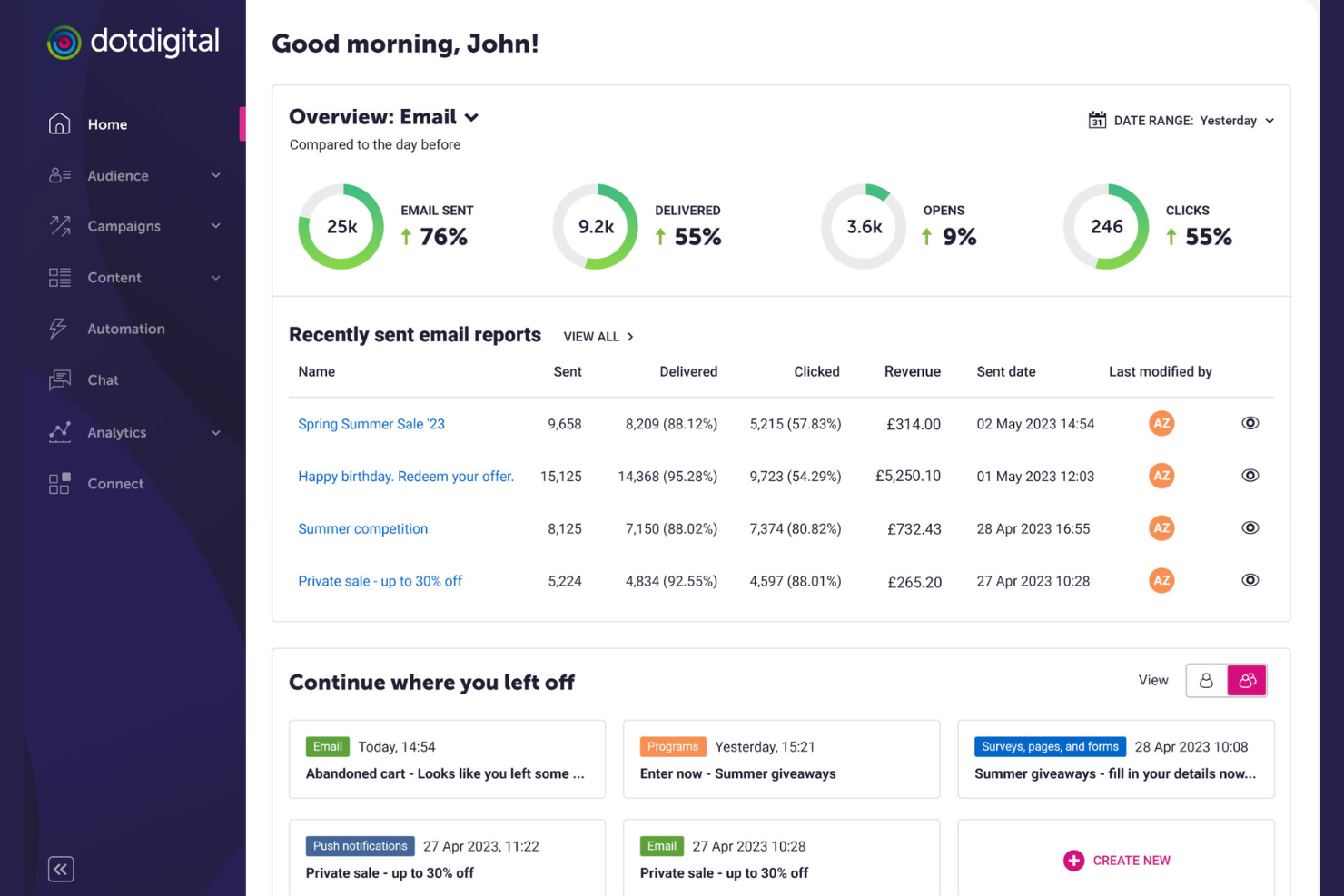
Dotdigital è una piattaforma di automazione del marketing per aziende al dettaglio e di e-commerce che desiderano raggiungere clienti in tutto il mondo tramite email, SMS e altri canali. Se hai bisogno di una messaggistica unificata e basata sui dati su più canali digitali, Dotdigital può aiutare il tuo team a coordinare le campagne in modo efficiente.
Per chi è Dotdigital?
Imprese e rivenditori multi-sede che gestiscono SMS, email e marketing multicanale su larga scala e in più paesi.
Perché Dotdigital è una valida alternativa a HubSpot Marketing
Ho scelto Dotdigital perché gestisce la coordinazione globale di SMS ed email in un modo che molte alternative non offrono. Supporta l'invio di SMS in oltre 160 paesi, con regole di conformità locali integrate nella piattaforma—quindi non devo occuparmi manualmente delle normative regionali. Apprezzo anche il fatto che Dotdigital permetta di creare percorsi cross-canale che attivano l'invio di SMS ed email in base al comportamento dei clienti, come l'abbandono del carrello o la navigazione. Per i team di e-commerce che gestiscono campagne in più regioni, questo livello di copertura globale integrata è difficile da eguagliare.
- Vista unica del cliente: Unifica i dati comportamentali, di acquisto e di preferenze in un unico profilo contatto attuabile
- WinstonAI: Utilizza l'IA integrata per generare segmenti predittivi, raccomandazioni di contenuti e informazioni in tempo reale sulle campagne
- Messaggistica transazionale: Automatizza conferme d'ordine, aggiornamenti di spedizione e ricevute tramite email e un'app mobile nativa
- Landing page e moduli: Crea moduli integrati o a comparsa per acquisire contatti e preferenze per campagne automatizzate
Integrazioni Dotdigital
Dotdigital offre integrazioni native con Shopify, Magento, Salesforce, Microsoft Dynamics 365, BigCommerce, WooCommerce, Sage, Zendesk e Google Analytics. Dispone anche di un'API per integrazioni personalizzate.
Pros and Cons
Pros:
- Gestione di campagne SMS globali con strumenti di conformità
- Percorsi di marketing automatizzati su più canali
- Segmentazione avanzata del pubblico e analisi
Cons:
- Strumenti CRM e piattaforme pubblicitarie native limitati
- Cambiamenti nell'interfaccia e nel workflow possono interrompere i processi

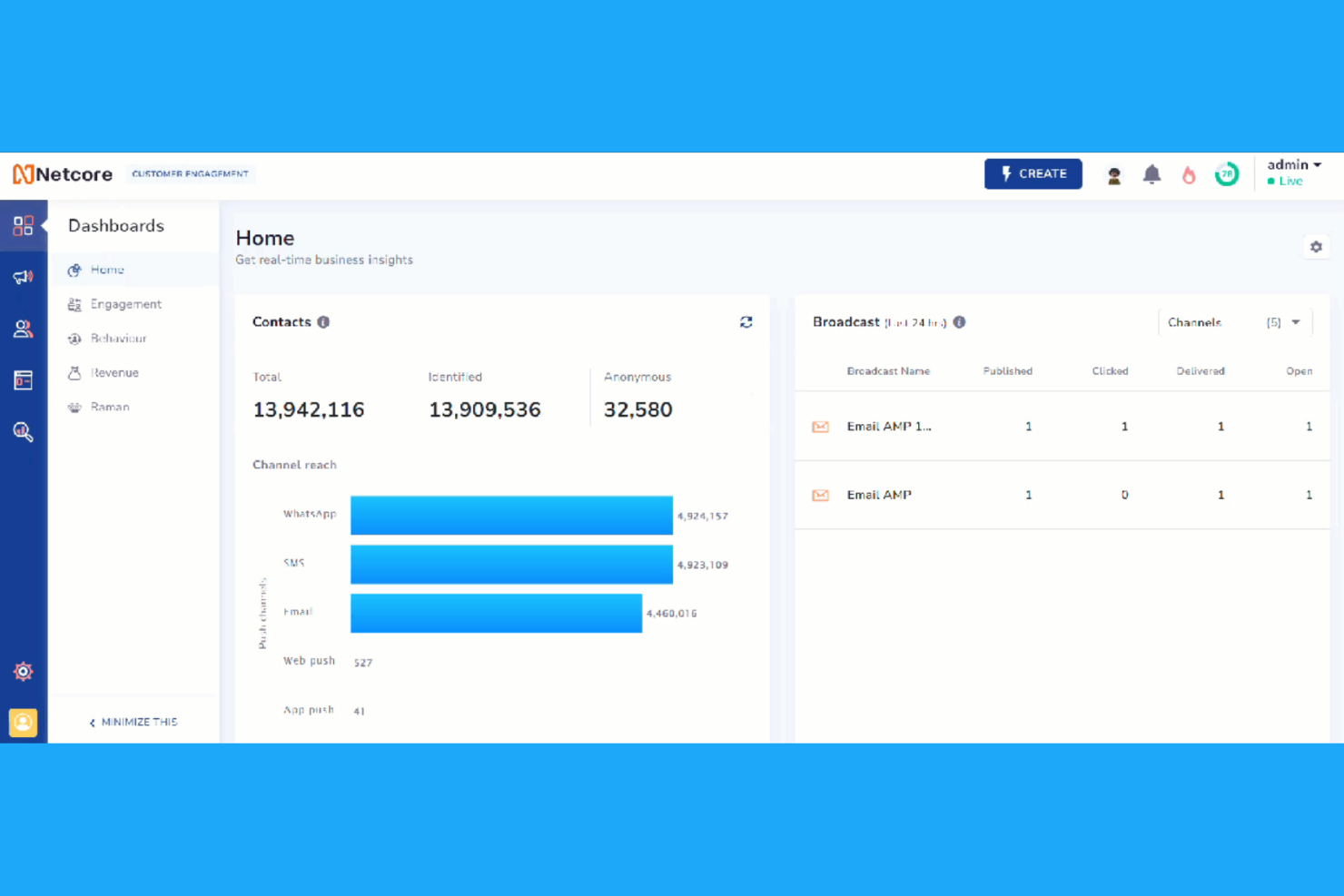
Netcore è progettato per i brand del settore viaggi e le piattaforme di prenotazione che desiderano un marketing dinamico e guidato dai dati. Se il tuo team ha bisogno di personalizzazione, analisi predittiva e orchestrazione omnicanale, Netcore offre soluzioni mirate per coinvolgere i viaggiatori in ogni fase del loro percorso.
Per chi è più adatto Netcore?
I team marketing di aziende del settore viaggi che desiderano personalizzare le campagne tramite l’IA e ottenere un coinvolgimento in tempo reale.
Perché Netcore è una valida alternativa a HubSpot Marketing
Ho scelto Netcore perché il suo motore di IA, Raman, va oltre la semplice personalizzazione: prevede le intenzioni dei viaggiatori e fornisce raccomandazioni sulle prossime azioni da intraprendere in tempo reale. Mi piace il fatto che crei segmenti predittivi basati su comportamenti come prenotazioni precedenti, modelli di navigazione e storici di cancellazione, così il mio team può avviare campagne che rispecchiano la reale fase in cui si trova ogni viaggiatore. Dispone inoltre di una funzione di ottimizzazione dei tempi di invio, che adatta l’orario di email e push notification per ogni singolo utente, e non solo in base alla media del segmento. Per i brand di viaggio che gestiscono campagne di alto volume e sensibili al tempo, come quelle sulle variazioni delle tariffe o sulle finestre di prenotazione, questa precisione fa davvero la differenza.
Funzionalità principali di Netcore
- Orchestrazione dei percorsi: Crea flussi di campagna multistep e multicanale tramite un editor visuale drag-and-drop
- Email AMP: Offri esperienze interattive e simili alle app direttamente nell’email senza reindirizzare l’utente al browser
- Messaggi in-app: Attiva messaggi contestuali durante le sessioni attive dell’app per guidare gli utenti verso la prenotazione
- Analisi comportamentale: Monitora e analizza le azioni individuali degli utenti per evidenziare i pattern che guidano il targeting delle campagne
Integrazioni di Netcore
Le integrazioni native includono Salesforce, Zendesk, Shopify, Magento e WordPress. Netcore fornisce anche un’API per integrazioni personalizzate.
Pros and Cons
Pros:
- Ottimizzazione di contenuti e percorsi guidata dall’IA
- Segmentazione predittiva del pubblico per brand del settore viaggi
- Messaggistica multicanale, incluse email AMP
Cons:
- I dashboard di reportistica possono aggiornarsi lentamente
- Mancanza di strumenti integrati per la gestione degli annunci

Ideale per la personalizzazione dinamica dei contenuti


Ideale per la progettazione creativa di modelli email

Omnisend
Ideale per l'automazione di campagne multicanale
New Product Updates from Omnisend

Omnisend Adds Claude Connector and Updates MCP Features
Omnisend adds a Claude Connector, improved on-brand email templates, and granular MCP permissions. These updates make it easier to work with Omnisend data through AI tools while providing more control over data access. For more information, visit Omnisend’s official site.
 .
.Altre alternative a HubSpot Marketing
Ecco alcune alternative aggiuntive a HubSpot Marketing che non sono entrate nella mia selezione, ma che vale comunque la pena prendere in considerazione:
- Zoho CRM
Ideale per il marketing integrato e l'allineamento CRM
- Oracle Eloqua
Ideale per un avanzato nurturing di lead B2B
- Encharge
Ideale per l'automazione del comportamento degli utenti SaaS


Come valuto le alternative di marketing a HubSpot
Divido la mia valutazione in due livelli: requisiti di base che ogni strumento deve soddisfare e fattori distintivi importanti per gestire campagne email, flussi di coltivazione dei lead e promozioni multicanale per la vendita al dettaglio.
Funzionalità principali (requisiti fondamentali per questo elenco)
Quando seleziono gli strumenti per il mio elenco, assegno a ciascuno un punteggio su una scala da 0 (non offre la funzionalità) a 5 (eccelle in quest'area) per ogni funzionalità principale indicata di seguito. Poi converto il punteggio totale dello strumento in una percentuale. Ogni strumento deve raggiungere un punteggio totale minimo del 65% per essere preso in considerazione.
- Marketing e campagne email: valuto l'editor di email, la libreria di modelli e le opzioni di test A/B, ad esempio la possibilità di testare gli oggetti, il testo di anteprima e gli orari di invio per una comunicazione di lancio di prodotto.
- Flussi di automazione del marketing: in questo caso sono importanti i flussi di lavoro con più passaggi e diramazioni. Cerco attivatori comportamentali come "ha visitato due volte la pagina dei prezzi" o "ha abbandonato il carrello" che avviino sequenze personalizzate.
- Acquisizione dei lead e pagine di destinazione: verifico se la piattaforma include moduli nativi, pop-up e un editor di pagine di destinazione, così da poter creare rapidamente una pagina di registrazione a un webinar senza uno strumento di terze parti.
- Database dei contatti e segmentazione: un database centralizzato dei contatti con segmentazione dinamica è fondamentale. Analizzo il modo in cui ogni strumento gestisce la creazione di elenchi in base al coinvolgimento, alla fase del ciclo di vita o al comportamento d'acquisto.
- Valutazione e coltivazione dei lead: piattaforme come ActiveCampaign e Marketo gestiscono la valutazione in modo diverso. Valuto se lo strumento supporta una valutazione basata su regole o predittiva, collegata a sequenze di coltivazione dei lead.
- Marketing multicanale: cerco canali oltre l'email, come SMS, pubblicazione sui social, ricoinvolgimento pubblicitario e notifiche push, gestiti da un'unica piattaforma anziché assemblati tramite componenti aggiuntivi.
- Analisi e report sull'attribuzione: i pannelli di controllo delle campagne sono ormai standard, ma approfondisco il monitoraggio dell'imbuto di conversione e l'attribuzione. È possibile ricondurre un affare concluso a una specifica sequenza di email o a un clic su un annuncio?
- Integrazioni CRM e tecnologie di marketing: verifico la presenza di connettori CRM nativi per strumenti come Salesforce e Pipedrive, oltre a un'API aperta per la sincronizzazione con il resto delle tecnologie di marketing utilizzate.
Dopo aver ottenuto un elenco di strumenti che soddisfano questi criteri, considero ciò che distingue ogni piattaforma.
Fattori distintivi (ciò che differenzia i fornitori)
Ecco come confronto e metto in contrasto i diversi fornitori:
Funzionalità di spicco
La personalizzazione basata sull'IA è un importante fattore distintivo: verifico se una piattaforma è in grado di adattare dinamicamente i contenuti delle email e i consigli sui prodotti in base alla cronologia di navigazione e degli acquisti. Anche un editor visivo dei percorsi è importante. Mappare un flusso di vendita aggiuntiva post-acquisto con diramazioni condizionali è molto più rapido su un'area di lavoro con trascinamento che tramite elenchi di regole nidificate. Per i team della vendita al dettaglio, verifico se la piattaforma offre strumenti nativi per la fidelizzazione o i premi, poiché gestire punti e livelli VIP all'interno della piattaforma di marketing elimina un'ulteriore integrazione.
Oltre le funzionalità
La struttura dei prezzi è uno dei primi aspetti che valuto. Alcune piattaforme applicano un costo in base ai contatti, altre in base alle email inviate, e questa differenza può modificare drasticamente i costi quando l'elenco cresce durante i periodi di punta delle vendite al dettaglio. Considero anche la rapidità di implementazione, in particolare se un fornitore offre supporto per la migrazione da HubSpot e modelli per la vendita al dettaglio preconfigurati, così che il tuo team non debba ricostruire i flussi di lavoro da zero. La conformità e la capacità di recapito completano la mia valutazione. Verifico la presenza di strumenti integrati per il consenso conformi a GDPR e TCPA, oltre al monitoraggio della capacità di recapito, come IP dedicati e pannelli di controllo della reputazione del mittente.
Perché cercare un’alternativa a HubSpot Marketing?
Sebbene HubSpot sia una buona scelta tra le alternative a HubSpot Marketing, ci sono diversi motivi per cui alcuni utenti cercano soluzioni alternative. Potresti essere alla ricerca di un’alternativa a HubSpot Marketing perché…
- Hai bisogno di un controllo più dettagliato sui flussi di lavoro di automazione
- Devi fare i conti con i vincoli di budget dei piani di fascia più alta di HubSpot
- Desideri integrazioni più avanzate per l’e-commerce o il B2B
- Hai superato i limiti di contatti e utenti dei piani attuali
- Preferisci una piattaforma con informazioni più avanzate basate sull’AI
- Cerchi funzionalità più flessibili per la progettazione delle campagne
Se ti riconosci in una di queste situazioni, sei nel posto giusto. Il mio elenco contiene diverse alternative a HubSpot Marketing più adatte ai team che affrontano queste difficoltà con HubSpot e cercano soluzioni alternative.
Funzionalità principali di HubSpot
Ecco alcune delle principali funzionalità di HubSpot, per aiutarti a confrontare le offerte delle soluzioni alternative:
- Gestione dei contatti: Archivia, segmenta e aggiorna centralmente i profili dettagliati di clienti e potenziali clienti in tutta l'organizzazione, con potenti filtri e il monitoraggio della cronologia delle attività.
- Automazione del marketing: Crea campagne email automatizzate a sequenza, pianifica le attività successive, gestisci le attività ripetitive, coltiva i potenziali clienti e attiva flussi di lavoro in base alle azioni degli utenti o ai criteri di segmentazione.
- Creazione di pagine di destinazione: Progetta e pubblica visivamente pagine di destinazione utilizzando strumenti di trascinamento, modelli predefiniti e moduli integrati per acquisire e qualificare i potenziali clienti.
- Gestione del blog e dei contenuti: Crea, pubblica e ottimizza gli articoli del blog, con consigli SEO integrati e analisi dei contenuti per aumentare il traffico organico.
- Gestione del flusso di vendita CRM: Monitora le trattative e le attività di vendita in flussi personalizzabili con previsioni, registrazione delle attività e sincronizzazione delle email per rappresentanti e responsabili delle vendite.
- Marketing via email: Progetta email di marketing personalizzate con l'identità del marchio, esegui test A/B, gestisci le pianificazioni degli invii e analizza le metriche di coinvolgimento.
- Pannello dei report: Genera facilmente report visivi sulle prestazioni delle campagne, sulle analisi del sito web, sull'andamento del flusso di vendita e sull'attribuzione dei potenziali clienti, personalizzabili per team o singolo utente.
- Gestione degli annunci: Collega e gestisci gli annunci Google, Facebook e LinkedIn direttamente all'interno di HubSpot, monitora la spesa e il ROI e sincronizza i dettagli dei potenziali clienti con il tuo CRM.
- Chat dal vivo e assistenti virtuali: Interagisci con i visitatori del sito web in tempo reale tramite la chat dal vivo, configura assistenti virtuali per rispondere alle domande frequenti o qualificare i potenziali clienti e indirizza le richieste ai membri del team più adatti.
- Mercato delle integrazioni: Accedi alle integrazioni integrate per centinaia di strumenti, incluse app per il commercio elettronico, la produttività e la collaborazione, per unificare dati e flussi di lavoro.