

Reseña de WooCommerce: ventajas, desventajas, características y precios
WooCommerce integra la gestión del comercio electrónico en WordPress, desde los listados de productos y los pagos hasta el inventario, los envíos y la personalización de la tienda para negocios en línea.

Revisamos las herramientas de forma independiente y las comisiones ayudan a financiar nuestras pruebas. Consulta nuestra política de transparencia, nuestra metodología o sugiere una herramienta.
WooCommerce is an open-source ecommerce platform built as a WordPress plugin, giving you full control over your store's code, design, and data. It's worth considering if you're already running WordPress and want to add ecommerce without switching to an entirely new platform. I'd choose WooCommerce over Shopify when customization depth and ownership of your tech stack matter more to you than a fully managed, hosted setup.
WooCommerce Evaluation Summary
4.4/5
- From $0 platform fee; extensions from $29/year
- Free plan available
Por qué confiar en nuestras recomendaciones de software
6,700+
Reviews
20
Industry experts
16+
Evaluation factors
14
Years
Nuestro equipo lleva probando y evaluando software desde 2012. Como líderes del sector retail, sabemos lo difícil —y lo importante— que es elegir el software adecuado.
Para esta guía, evaluamos las herramientas mediante pruebas prácticas e investigación independiente, puntuando las herramientas según nuestros criterios de selección.
Nuestras reseñas reflejan nuestro criterio independiente, no un discurso de ventas.
WooCommerce Overview
If you’re judging open-source ecommerce platforms on flexibility and cost, WooCommerce is tough to beat. You get deep customization, a huge plugin library, and no monthly fees—just pay for what you use. The interface feels familiar if you know WordPress, but onboarding can be tricky for non-technical teams. Support is mostly community-driven, so you’ll need to be comfortable troubleshooting.
I think WooCommerce is best for retailers who want to control every aspect of their store and don’t mind rolling up their sleeves, especially if you’re already invested in the WordPress ecosystem.
Pros
- WooCommerce provides extensive customization capabilities.
- The platform allows for a rich variety of plugins.
- WooCommerce benefits from strong community support and resources.
Cons
- Technical knowledge is needed for setup and customization.
- Extensive plugins and high traffic can affect site speed and performance.
- There's a lack of advanced SEO features.
Is WooCommerce Right For Your Needs?
Who Would be a Good Fit for WooCommerce?
WooCommerce is a strong choice for businesses that want full control over their online store, especially if they already use WordPress or need deep customization. I think it’s best for teams with technical resources, niche retailers, and those who want to avoid monthly platform fees. Its plugin ecosystem and open-source flexibility make it ideal for unique product types, content-driven brands, and companies that want to own their data and customer experience.
- In-House DevelopersOpen-source codebase allows developers to build custom features and workflows.
- International SellersMulti-currency and multilingual plugins help reach global customers.
- NonprofitsCustom donation and fundraising plugins make WooCommerce a fit for nonprofits.
- Content CreatorsSeamless WordPress integration lets bloggers and publishers sell products directly.
- Subscription Box BrandsBuilt-in and third-party plugins support recurring billing and membership models.
- Small RetailersWooCommerce’s low upfront costs and flexibility suit small shops with limited budgets.
Who Would be a Bad Fit for WooCommerce?
WooCommerce isn’t the best choice for teams that need hands-off management, rapid scaling, or enterprise-level support. If you want a platform that handles hosting, security, and updates for you, or if you’re running a high-volume operation with complex inventory needs, you’ll likely run into limitations. WooCommerce also isn’t ideal for teams without technical skills or those who need guaranteed, fast support.
- Large EnterprisesScaling WooCommerce for thousands of SKUs can strain performance and resources.
- High-Growth StartupsFast-scaling brands may outgrow WooCommerce’s hosting and support model.
- B2B WholesalersComplex pricing, quoting, and account management features are limited.
- Non-Technical TeamsOngoing maintenance and troubleshooting require technical skills and WordPress knowledge.
- Regulated IndustriesWooCommerce lacks built-in compliance tools for industries like healthcare or finance.
- Drop Shipping AggregatorsManaging multiple suppliers and automated fulfillment is less streamlined than with some alternatives.
Nuestra Metodología de Revisión
Cómo Probamos y Puntamos Herramientas
Hemos pasado años construyendo, perfeccionando y mejorando nuestro sistema de pruebas y puntuación de software. La rúbrica está diseñada para captar los matices de la selección de software y lo que hace que una herramienta sea eficaz, enfocándose en los aspectos críticos del proceso de toma de decisiones. A continuación, puedes ver exactamente cómo funcionan nuestras pruebas y puntuaciones en siete criterios. Esto nos permite brindar una evaluación imparcial del software según la funcionalidad principal, características destacadas, facilidad de uso, incorporación, soporte al cliente, integraciones, reseñas de usuarios y relación calidad-precio.
Funcionalidad Principal (25% de la puntuación final)
El punto de partida de nuestra evaluación siempre es la funcionalidad principal de la herramienta. ¿Cuenta con las características y funciones básicas que un usuario esperaría ver? ¿Alguna de esas funcionalidades está limitada a planes de precios superiores? En esencia, esperamos que una herramienta se compare favorablemente con las capacidades básicas de sus competidores.
Características Destacadas (25% de la puntuación final)
A continuación, evaluamos las características sobresalientes poco comunes que van más allá de la funcionalidad principal que normalmente se encuentra en herramientas similares. Una alta puntuación refleja funcionalidades especializadas o únicas que hacen que el producto sea más rápido, eficiente o aporte un valor extra al usuario. También evaluamos qué tan fácil es integrar la herramienta con otras comúnmente usadas en el entorno tecnológico para ampliar la funcionalidad y utilidad del software. Las herramientas que ofrecen numerosas integraciones nativas, conexiones de terceros y acceso a API para crear integraciones personalizadas obtienen la mejor puntuación.
Facilidad de Uso (10% de la puntuación final)
Consideramos qué tan rápido y fácil es realizar las tareas definidas en la funcionalidad principal usando la herramienta. El software de alta puntuación está bien diseñado, es intuitivo, ofrece aplicaciones móviles, proporciona plantillas y hace que tareas relativamente complejas parezcan simples.
Incorporación (10% de la puntuación final)
Sabemos lo importante que es que un equipo adopte rápidamente una nueva plataforma, así que evaluamos qué tan fácil es aprender y usar la herramienta con mínima capacitación. Analizamos cuánto tiempo tarda un miembro del equipo en prepararse y comenzar a usar la herramienta sin experiencia previa. Las soluciones con alta puntuación requieren poco o ningún soporte.
Soporte al Cliente (10% de la puntuación final)
Revisamos qué tan rápido y fácil es obtener ayuda por teléfono, chat en vivo o base de conocimientos. Las herramientas y empresas que ofrecen soporte en tiempo real obtienen la mejor puntuación, mientras que los chatbots obtienen la peor.
Reseñas de Clientes (10% de la puntuación final)
Además de nuestras pruebas y evaluaciones, consideramos el puntaje neto de promotores de clientes actuales y pasados. Revisamos la probabilidad de que elijan de nuevo la herramienta para la funcionalidad principal. Un software con alta puntuación refleja un alto NPS de clientes actuales o pasados.
Relación Calidad-Precio (10% de la puntuación final)
Por último, considerando todos los demás criterios, revisamos el precio promedio de los planes de nivel básico frente a las características principales y consideramos el valor de los otros criterios de evaluación. El software que ofrece más por menos, tendrá una puntuación más alta.
Core Features
Product Management
Add, edit, and organize unlimited products with custom attributes and categories. Bulk editing and inventory tracking help you stay on top of stock.
Flexible Checkout
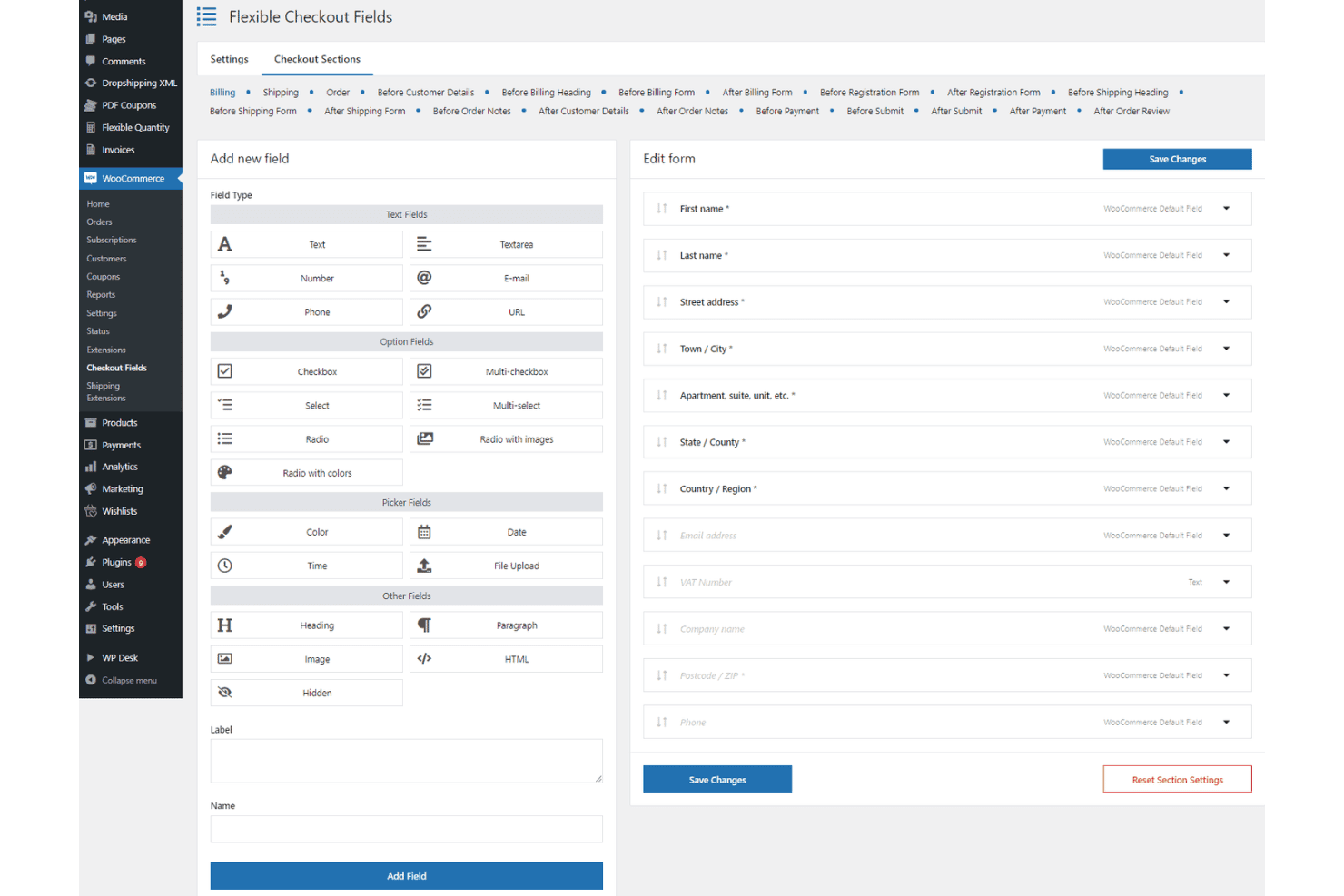
Customize checkout fields, enable guest checkout, and offer multiple payment options. Built-in support for coupons and discounts drives conversions.
Order and Customer Management
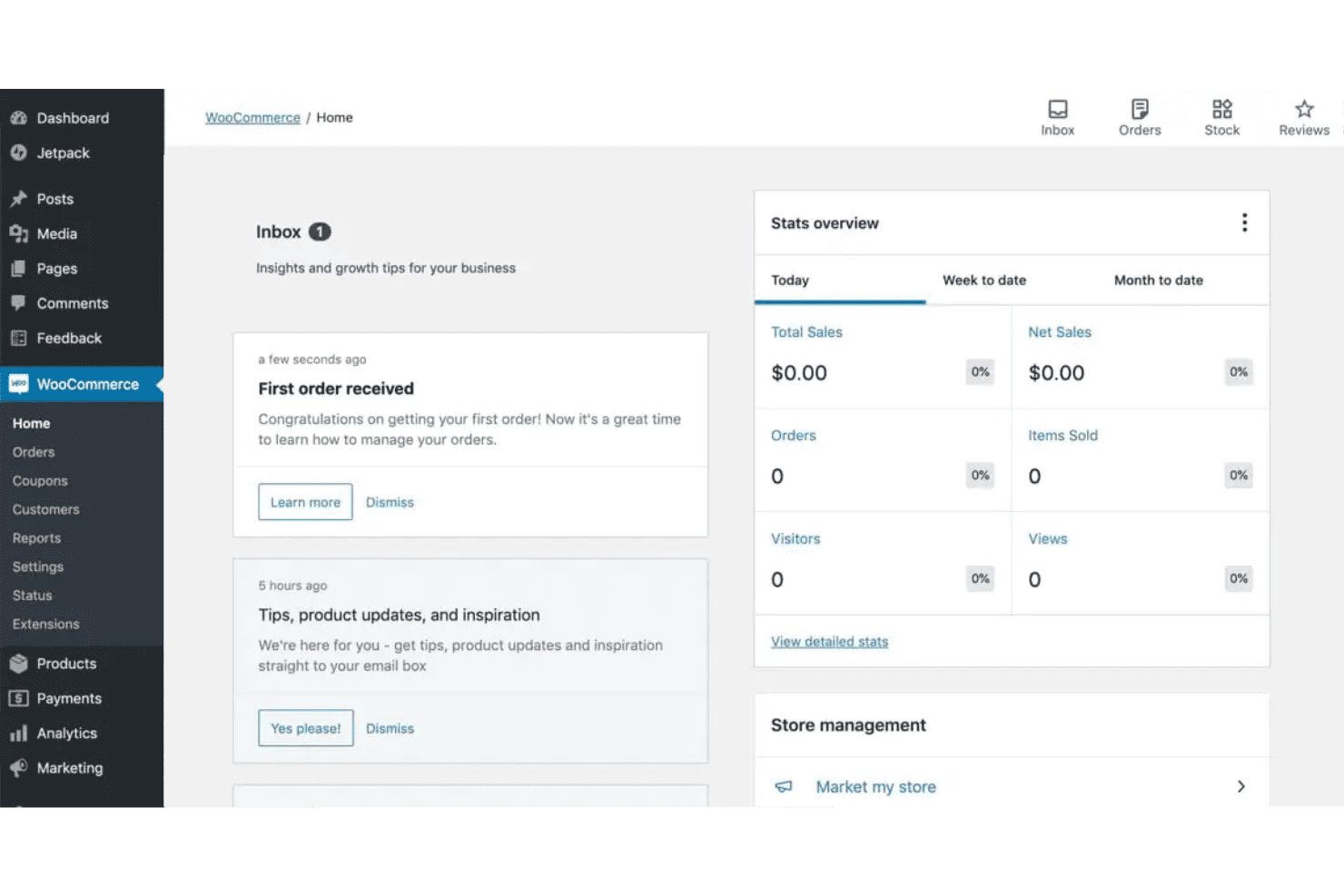
View, update, and manage orders from a central dashboard. Track customer details, order history, and communication in one place.
Shipping Options
Set flat rates, free shipping, or real-time carrier rates for different zones. Automate shipping calculations based on location and product weight.
Reporting and Analytics
Access sales, customer, and inventory reports from your dashboard. Export data or connect to analytics plugins for deeper insights.
Mobile-Friendly Storefronts
All themes are responsive, so your store looks great on any device. Customers can browse and buy from smartphones or tablets without issues.
Ease of Use
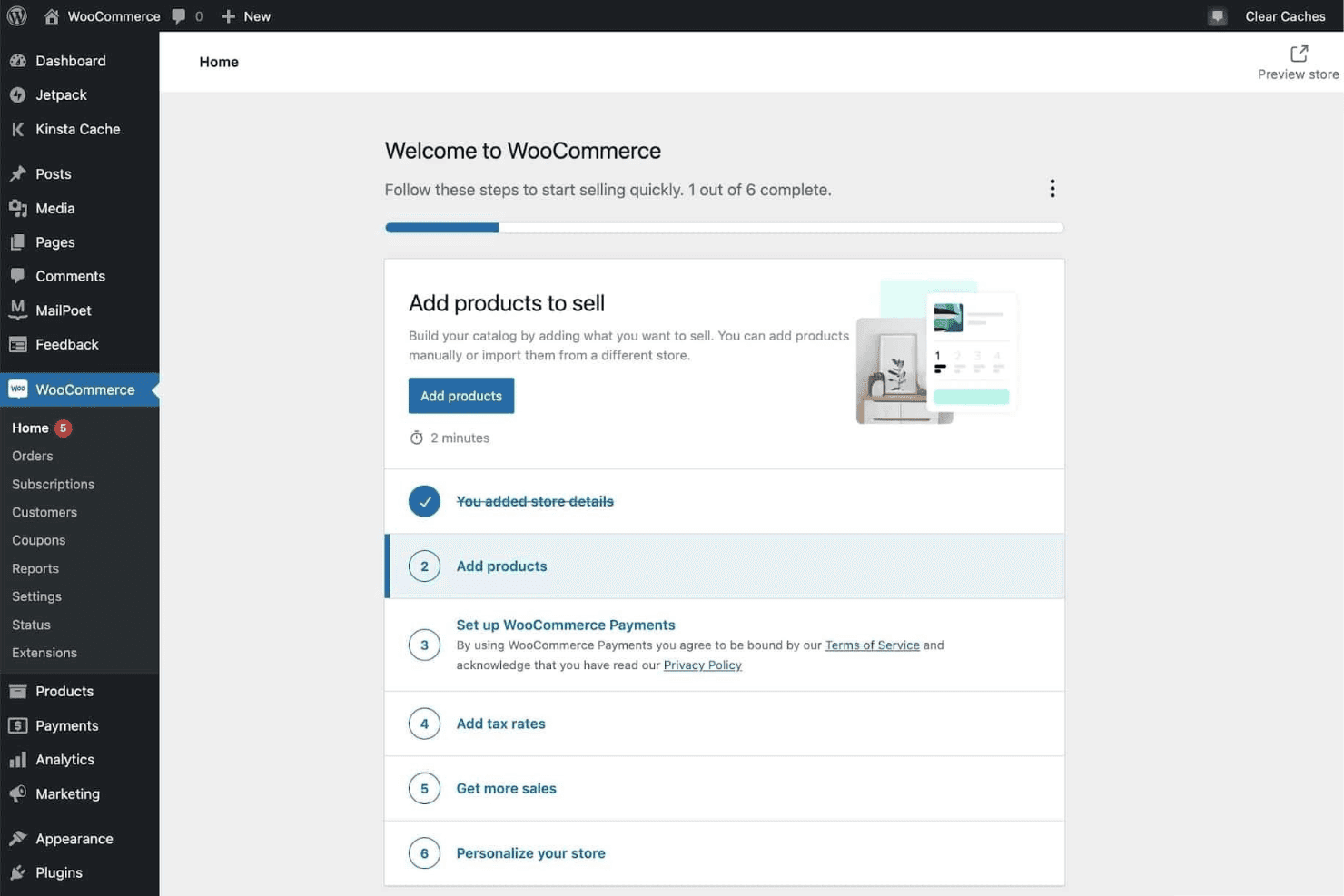
WooCommerce feels intuitive if you’re already comfortable with WordPress, but it’s less beginner-friendly than some open-source ecommerce options. Setting up products, payments, and shipping takes time, and you’ll often need to configure plugins for advanced features.
Many users say the dashboard is clear, but troubleshooting and updates require technical know-how. I think WooCommerce is best for teams with some web experience who want control over every detail.
Integrations
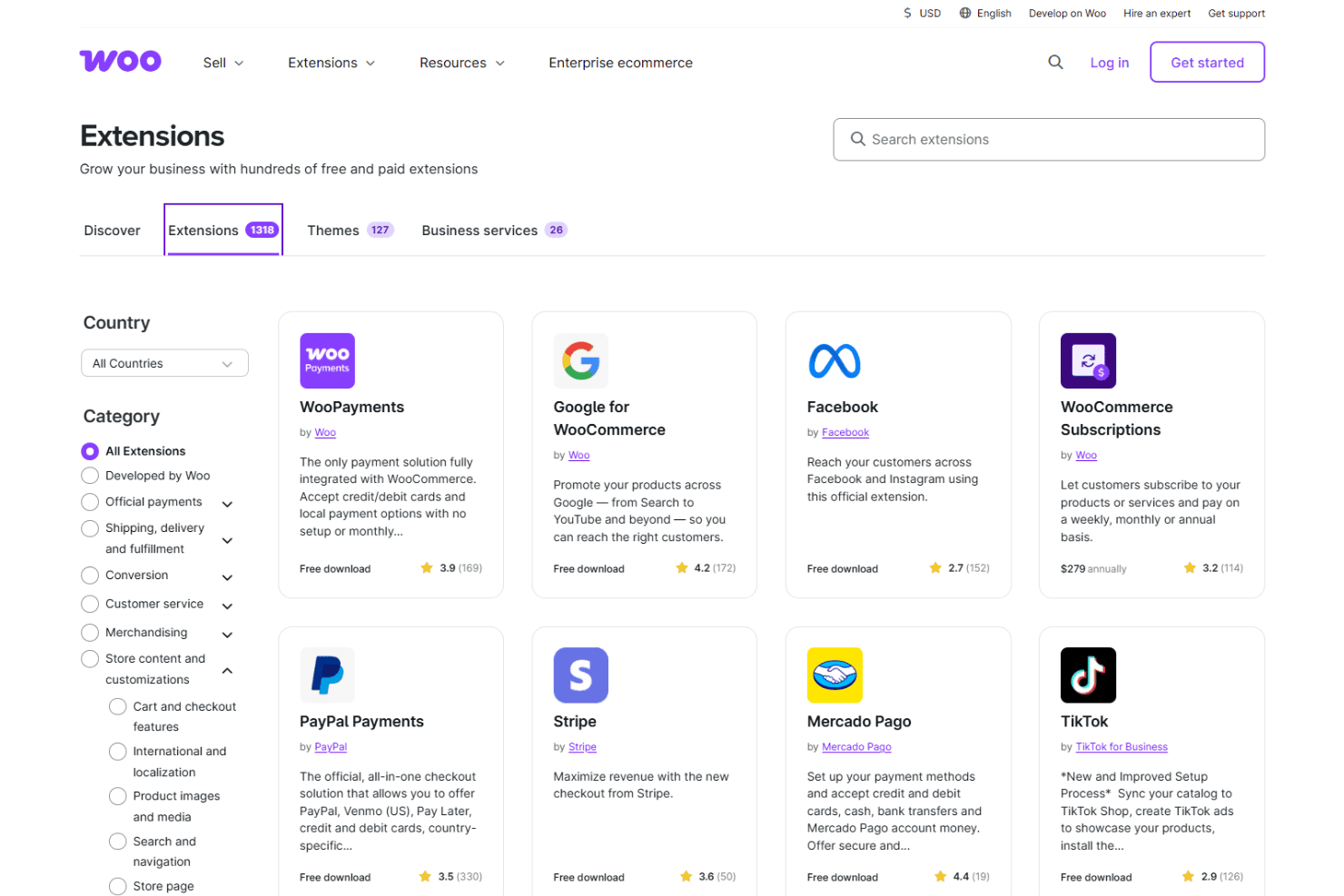
WooCommerce integrates with WooPayments, Stripe, PayPal, Mailchimp, Google Analytics, Facebook, ShipStation, USPS, Zapier, and QuickBooks, among others.
WooCommerce also offers a REST API and connects with third-party integration tools for custom workflows and automation.
WooCommerce Specs
- 2-Factor Authentication: Yes
- A/B Testing: No
- Analytics: Yes
- API: Yes
- BitCoin: No
- Conversion Tracking: Yes
- Dashboard: Yes
- Data Export: Yes
- Data Import: Yes
- Data Visualization: Yes
- Design Templates: Yes
- External Integrations: Yes
- Inventory Tracking: Yes
- Keyword Tracking: No
- Marketing Automation: Yes
- Multi-User: Yes
- Notifications: Yes
- Order Management: Yes
- Payment Gateway Integration: Yes
- Payment Processor: No
- PayPal: Yes
- Product Catalog: Yes
- Review Monitoring: No
- SAP Integration: No
- Scheduling: Yes
- Stripe: Yes
- Third-Party Plugins/Add-Ons: Yes


