

Los 10 mejores constructores de sitios web de comercio electrónico con IA analizados en 2026

10 Mejores creadores de sitios web de comercio electrónico con IA: selección


Crear un sitio de comercio electrónico implica tomar decisiones de diseño, configurar productos, crear contenido y realizar la configuración técnica. Los creadores de sitios web de comercio electrónico con IA reducen el trabajo manual en estos pasos al generar diseños, producir borradores de contenido y gestionar las tareas de configuración básicas dentro de un único sistema. Estas herramientas ofrecen a los equipos una forma directa de lanzar y mantener tiendas sin depender de procesos independientes de diseño o desarrollo.
En esta guía, analizo creadores de sitios web con IA que cubren las necesidades del comercio electrónico y comparo cómo gestiona cada plataforma la configuración, la administración y las actualizaciones continuas de la tienda. El objetivo es ofrecerte una visión clara de qué herramientas se adaptan a tu flujo de trabajo y cuáles simplifican las áreas más importantes para las operaciones de tu tienda.
Por qué confiar en nuestras recomendaciones de software
Nuestro equipo lleva probando y evaluando software desde 2012. Como líderes del sector retail, sabemos lo difícil —y lo importante— que es elegir el software adecuado.
Para esta guía, evaluamos las herramientas mediante pruebas prácticas e investigación independiente, puntuando las herramientas según nuestros criterios de selección.
Nuestras reseñas reflejan nuestro criterio independiente, no un discurso de ventas.
Tabla comparativa de creadores de sitios web de comercio electrónico con IA
Esta tabla comparativa resume los detalles de precios de mis principales selecciones de creadores de sitios web de comercio electrónico con IA:
| Tool | Best For | Trial Info | Price | ||
|---|---|---|---|---|---|
| 1 | Lo mejor para soluciones de IA enfocadas en agencias | Prueba gratuita de 14 días disponible | Desde $19/mes (facturado anualmente) | Website | |
| 2 | Mejor para herramientas de IA para pequeñas empresas | Prueba gratuita de 3 días disponible | Desde $37/mes (facturado anualmente) | Website | |
| 3 | Ideal para flexibilidad de diseño mejorada con IA | Prueba gratuita de 14 días disponible | Desde $16/mes (facturado anualmente) | Website | |
| 4 | Mejor para plantillas creativas de diseño con IA | Prueba gratuita de 14 días | Desde $18/proyecto/mes (facturado anualmente) | Website | |
| 5 | Ideal para una configuración con IA fácil de usar | Plan gratuito disponible | Desde $17/mes | Website | |
| 6 | Ideal para información sobre rendimiento potenciada por IA | Prueba gratuita de 7 días | Desde $10/mes (facturación anual) | Website | |
| 7 | Ideal para crear sitios web con IA sin conexión | Prueba gratuita disponible | Desde $149 | Website | |
| 8 | Mejor para personalización de diseño impulsada por IA | Plan gratuito disponible | Desde $7/página/mes (facturado anualmente) | Website | |
| 9 | Mejor para la personalización de sitios basada en IA | Plan gratuito disponible | Desde $12/mes (facturado anualmente) | Website | |
| 10 | Ideal para la generación de código impulsada por IA | Plan gratuito disponible | Desde $29/sitio/mes (facturado anualmente) | Website |
Análisis de los mejores creadores de sitios web de comercio electrónico con IA
A continuación encontrarás mis resúmenes detallados de los mejores creadores de sitios web de comercio electrónico con IA de mi selección. En mis análisis examino las funciones principales, las ventajas & desventajas, las integraciones y los casos de uso ideales de cada herramienta para ayudarte a encontrar la mejor opción.

Duda
Lo mejor para soluciones de IA enfocadas en agencias

Duda es una plataforma de diseño web para agencias y profesionales que necesitan crear sitios web responsivos de manera eficiente. Ofrece herramientas de IA para automatizar procesos de diseño y mejorar la colaboración, lo que la convierte en una opción preferida para equipos que gestionan múltiples proyectos de clientes.
Por qué elegí Duda: La estructura de Duda se ajusta a los flujos de trabajo de las agencias que requieren resultados predecibles en muchos sitios de clientes. La plataforma admite equipos que gestionan ciclos de producción recurrentes y necesitan un sistema consistente para reducir la variación entre proyectos. Este formato encaja con organizaciones que operan con procesos definidos y prefieren un control centralizado sobre el despliegue de sitios web.
Funciones e integraciones destacadas:
Funciones incluyen un editor de arrastrar y soltar que simplifica la creación y personalización de sitios. Duda ofrece herramientas de gestión de clientes para la comunicación y aprobaciones. La plataforma también proporciona soluciones de marca blanca, permitiendo a las agencias personalizarla como propia.
Integraciones incluyen Google Analytics, Facebook Pixel, Mailchimp, Zapier, PayPal, YouTube, Vimeo, Unsplash, OpenTable y Disqus.
Pros and Cons
Pros:
- Herramientas de IA para automatización de diseño
- Opciones de marca blanca para agencias
- Funciones de gestión de clientes
Cons:
- Mercado de complementos/aplicaciones limitado
- Proceso de exportación complejo

Shopify
Mejor para herramientas de IA para pequeñas empresas

Shopify es una plataforma de comercio para que las empresas vendan productos tanto en línea como en persona. Está dirigida a pequeñas empresas con capacidades de IA que automatizan tareas y proporcionan valiosos análisis de clientes.
Por qué elegí Shopify: Ofrece a las pequeñas empresas una base de comercio electrónico con soporte de IA que ayuda a lanzar y gestionar tiendas sin necesidad de experiencia técnica. Sus herramientas de IA reducen el tiempo dedicado a la creación de contenido y tareas operativas diarias, mientras que su back-end unificado facilita la gestión de ventas en línea y en persona. Para los equipos que buscan una plataforma eficiente y escalable, Shopify ofrece un equilibrio práctico entre automatización, facilidad de uso y flexibilidad.
Funciones destacadas e integraciones:
Funciones incluyen una aplicación móvil para la gestión en movimiento, Shopify Capital para apoyo financiero y una amplia tienda de aplicaciones para personalización. Puedes gestionar ventas tanto en línea como presenciales con su plataforma, y sus herramientas de IA mejoran la toma de decisiones al proporcionar análisis accionables.
Integraciones incluyen Amazon, Facebook, Instagram, Google, eBay, Pinterest, Walmart, TikTok, Mailchimp y QuickBooks.
Pros and Cons
Pros:
- Herramientas de IA para generación de contenido
- Fácil integración con canales de ventas
- Precios flexibles para pequeñas empresas
Cons:
- Personalización de proceso de pago restringida
- Estructura de URL fija

Ideal para flexibilidad de diseño mejorada con IA
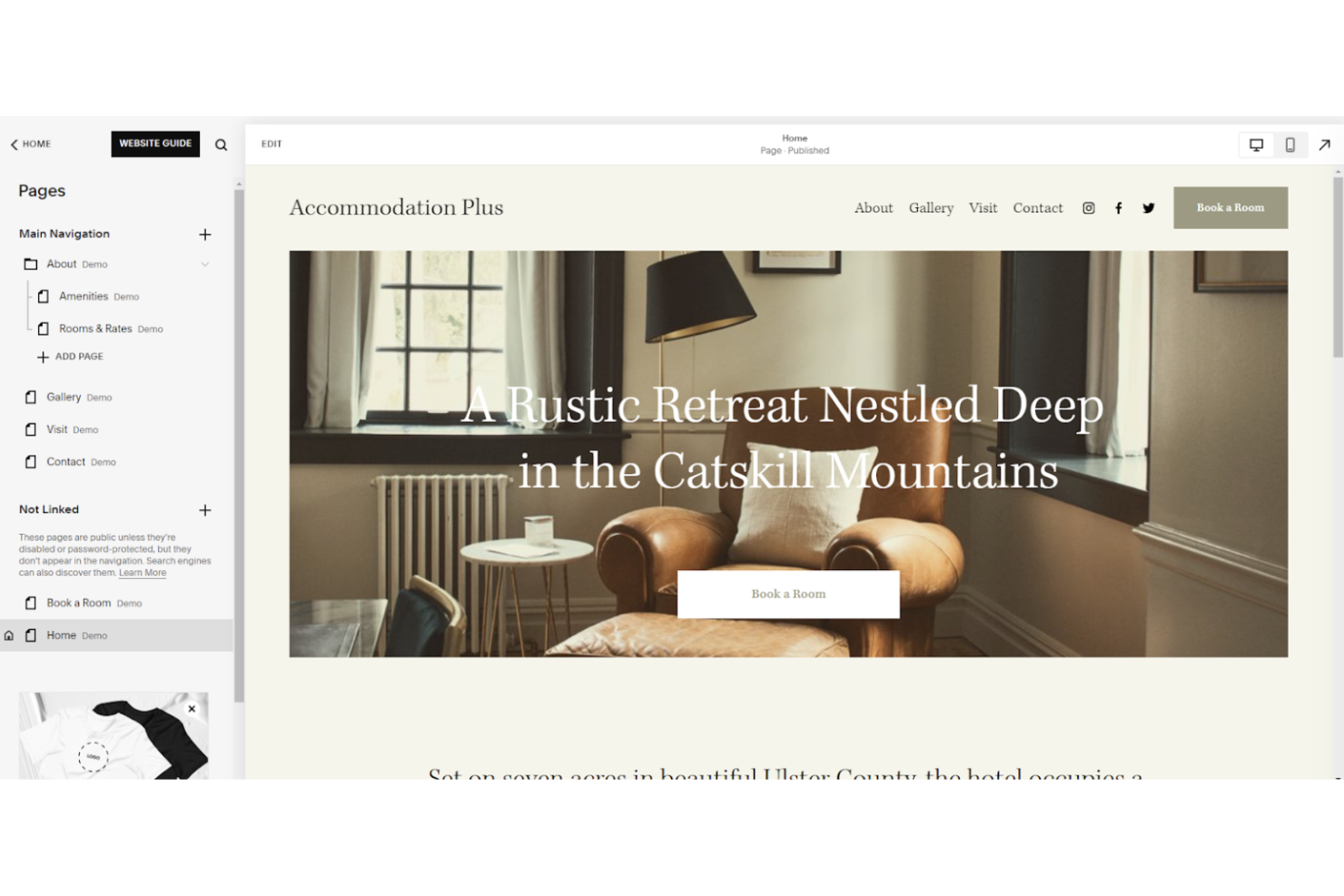
Squarespace es una plataforma de creación de sitios web para profesionales creativos y pequeñas empresas que buscan establecer una presencia online pulida. Ofrece herramientas de IA que mejoran la flexibilidad del diseño, permitiendo a los usuarios crear sitios web atractivos con facilidad.
Por qué elegí Squarespace: Squarespace respalda a los equipos que gestionan la presentación de la marca internamente y necesitan una producción visual consistente en todas las páginas. La plataforma ofrece un flujo de trabajo unificado para la configuración de comercio electrónico, producción de contenido y gestión del sitio, sin requerir sistemas de diseño externos. Este enfoque se adapta a tiendas que priorizan la coherencia visual y desean límites predecibles para las actualizaciones del sitio.
Funciones e integraciones destacadas:
Funciones incluyen una variedad de plantillas que se adaptan a diferentes sectores, ofreciéndote una ventaja inicial en el diseño. Squarespace proporciona analíticas integradas para ayudarte a entender el rendimiento de tu sitio. La plataforma también ofrece herramientas de marketing para promover tu negocio de manera efectiva.
Integraciones incluyen PayPal, Stripe, Google Analytics, Mailchimp, Instagram, Facebook, Twitter, Pinterest, Zapier y Unsplash.
Pros and Cons
Pros:
- Herramientas de IA para sugerencias de diseño
- Opciones de plantillas flexibles disponibles
- Analíticas integradas para seguimiento de rendimiento
Cons:
- Funciones de comercio electrónico limitadas
- Curva de aprendizaje para personalización avanzada

Ucraft
Mejor para plantillas creativas de diseño con IA
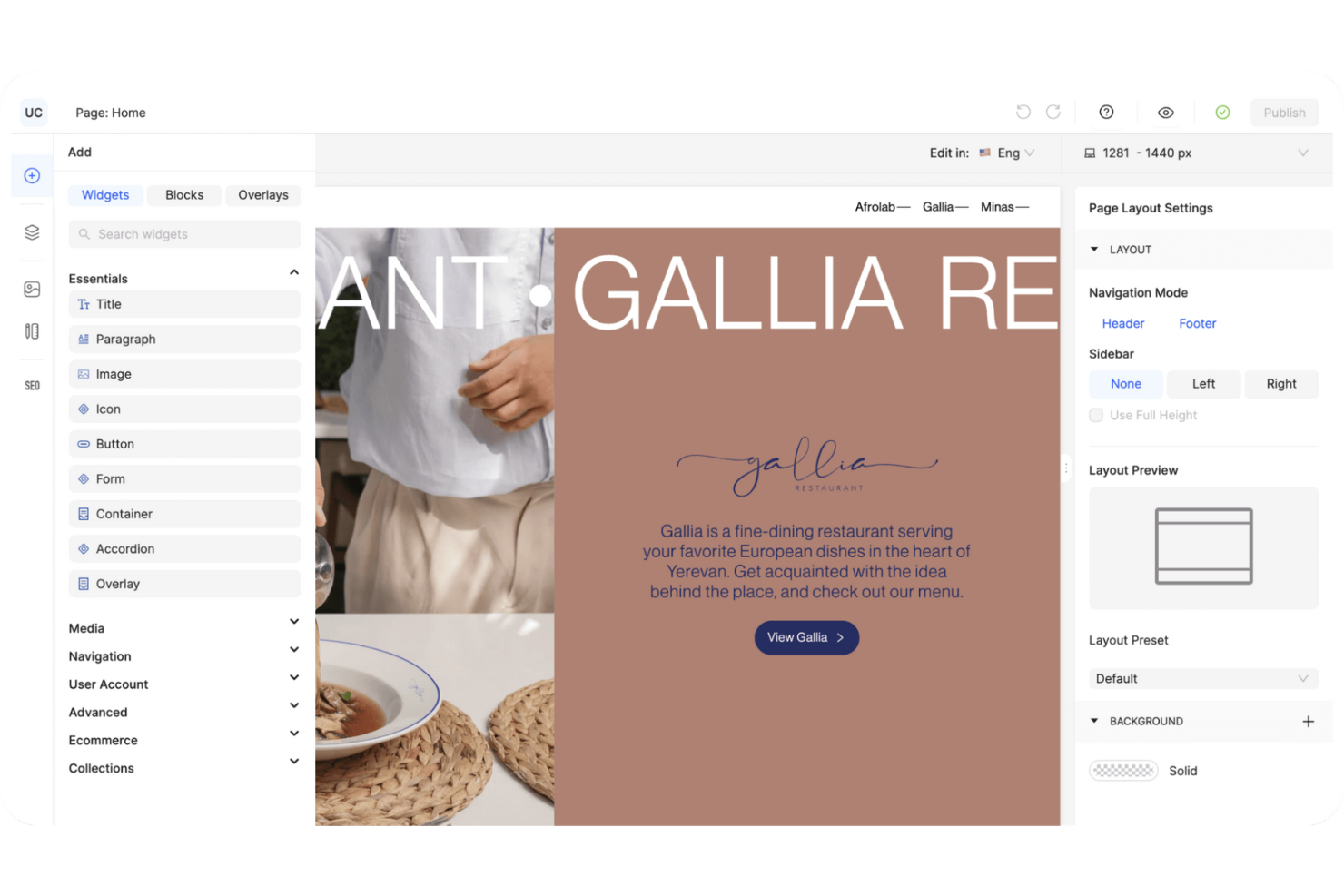
Ucraft es un creador de sitios web sin código para crear sitios web de alta conversión y tiendas en línea. Está dirigido a empresas que buscan plantillas personalizables y creación de contenido asistida por IA, mejorando así el proceso creativo.
Por qué elegí Ucraft: Es una forma sencilla de construir sitios de comercio electrónico distintivos sin necesidad de experiencia en diseño. Sus herramientas asistidas por IA aceleran el proceso creativo y el flexible sistema de plantillas de la plataforma apoya a las marcas que desean más variedad de estilos que la que ofrecen los creadores de sitios web habituales. Ucraft es útil para equipos que priorizan la estética, alta calidad y una configuración rápida por encima de la personalización técnica.
Funcionalidades y integraciones destacadas:
Funcionalidades incluyen plantillas personalizables que se adaptan a diversas industrias, permitiéndote adaptar tu sitio a las necesidades de tu marca. La gestión de inventario en tiempo real te ayuda a llevar fácilmente el control de tu stock. Ucraft también ofrece herramientas de marketing y analítica para potenciar el rendimiento de tu tienda.
Integraciones incluyen Google Analytics, Facebook, Instagram, Mailchimp, HubSpot, Zapier, PayPal, Stripe, Square y Google Ads.
Pros and Cons
Pros:
- Plantillas personalizables para diseños únicos
- Admite más de 100 métodos de pago
- Creación de contenido asistida por IA
Cons:
- Menos controles de diseño avanzados
- Análisis integrados limitados

Wix
Ideal para una configuración con IA fácil de usar
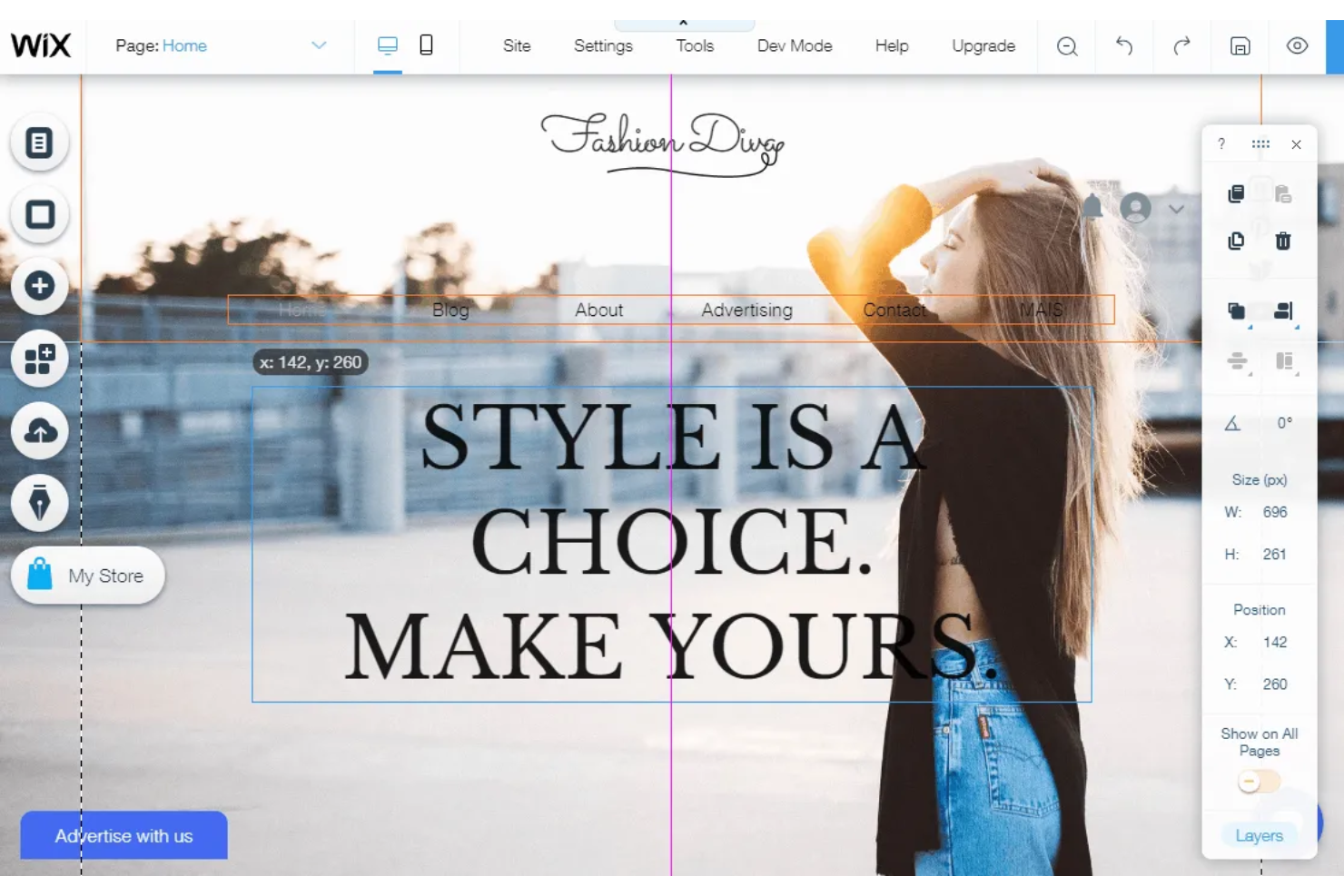
Wix es un creador de sitios web versátil para particulares y pequeñas empresas que buscan crear sitios profesionales con facilidad. Ofrece herramientas impulsadas por IA que simplifican el proceso de creación de páginas, haciéndolo accesible incluso para quienes no tienen conocimientos técnicos.
Por qué elegí Wix: Wix reduce la cantidad de decisiones que los usuarios deben tomar durante la configuración, lo que acorta el tiempo entre iniciar un proyecto y lograr un diseño de tienda funcional. La plataforma también apoya a los equipos que prefieren una estructura guiada en lugar de un trabajo de diseño abierto.
Características destacadas e integraciones:
Características incluyen un editor de arrastrar y soltar que te permite diseñar tu sitio sin programar. Wix proporciona una amplia variedad de plantillas adecuadas para diferentes sectores. La plataforma también ofrece herramientas SEO integradas para mejorar la visibilidad de tu sitio en línea.
Integraciones incluyen Google Analytics, Facebook Pixel, Instagram, Mailchimp, PayPal, Stripe, QuickBooks, HubSpot, Zapier y Eventbrite.
Pros and Cons
Pros:
- Fácil de usar para principiantes
- Personalización del diseño impulsada por IA
- Amplia variedad de plantillas
Cons:
- Control limitado sobre el diseño móvil
- Personalización limitada de URL

Ideal para información sobre rendimiento potenciada por IA

10Web es una plataforma impulsada por IA que automatiza la creación y gestión de sitios web para pequeños y medianos negocios. Ofrece herramientas de IA que potencian el rendimiento del sitio y proporcionan información para mejorar la experiencia y el compromiso del usuario.
Por qué elegí 10Web: 10Web reduce la supervisión manual requerida para el mantenimiento del sitio, facilitando un flujo de trabajo más predecible para tiendas basadas en WordPress. La plataforma centraliza el alojamiento, la creación y la optimización de sitios en un solo entorno, brindando a los equipos una única estructura operativa en lugar de administrar herramientas por separado. Esta configuración es ideal para tiendas que necesitan una gestión de rendimiento constante sin sumar complejidad técnica.
Características destacadas e integraciones:
Características incluyen un constructor de sitios web con función de arrastrar y soltar que simplifica el diseño. La plataforma ofrece alojamiento automatizado de WordPress, asegurando que tu sitio esté siempre actualizado. 10Web también proporciona un impulsor de velocidad de página para mejorar los tiempos de carga.
Integraciones incluyen WordPress, WooCommerce, Google Analytics, Facebook Pixel, Mailchimp, Stripe, PayPal, Slack, Zapier y HubSpot.
Pros and Cons
Pros:
- Recomendaciones de rendimiento basadas en IA
- Herramientas de optimización de velocidad de página
- Alojamiento de WordPress automatizado
Cons:
- Dependencia de alojamiento sólo en WordPress
- Requiere conocimientos técnicos


Mobirise es un creador de sitios web para usuarios que prefieren construir y administrar sus sitios sin conexión. Está dirigido a pequeñas empresas e individuos que buscan una plataforma fácil de usar con funciones de IA que simplifican el diseño y la gestión web.
Por qué elegí Mobirise: La estructura offline de Mobirise se adapta a equipos que mantienen sitios web en entornos controlados donde los creadores basados en navegador no son preferibles. La plataforma permite a los usuarios gestionar archivos del sitio, alineándose con flujos de trabajo que dependen de la edición local y alojamiento externo. Este formato es adecuado para tiendas de comercio electrónico que siguen reglas de implementación estrictas o mantienen los activos de producción fuera de los sistemas en la nube.
Funciones destacadas e integraciones:
Funciones incluyen un editor de arrastrar y soltar que simplifica el proceso de diseño, permitiéndote personalizar tu sitio fácilmente. Mobirise ofrece una amplia gama de bloques prediseñados para varias industrias. La plataforma también proporciona alojamiento gratuito, lo que la hace accesible para quienes tienen un presupuesto limitado.
Integraciones incluyen PayPal, Stripe, Google Maps, Twitter, YouTube, Vimeo, SoundCloud, Facebook, Instagram y Google Analytics.
Pros and Cons
Pros:
- Capacidades de diseño offline
- Sugerencias de diseño impulsadas por IA
- Amplia variedad de bloques prediseñados
Cons:
- Solo herramientas SEO básicas
- Funciones limitadas de colaboración en línea


WebWave es un creador de sitios web que ofrece una plataforma orientada al diseño para autónomos y pequeñas empresas. Hace hincapié en la personalización del diseño impulsada por IA, permitiendo a los usuarios crear sitios web personalizados sin necesidad de programar.
Por qué elegí WebWave: la IA de WebWave reduce el trabajo manual requerido para el diseño visual. La plataforma brinda a los usuarios control directo sobre los diseños sin programar, permitiendo que los equipos gestionen los aspectos visuales del sitio en lugar de depender de desarrolladores. Su estructura respalda a los diseñadores que necesitan un control preciso de la colocación, lo que se alinea con flujos de trabajo donde la precisión del diseño es más importante que las plantillas preestablecidas.
Funciones destacadas e integraciones:
Funciones incluyen capacidades de diseño responsivo que garantizan que tu sitio se vea genial en cualquier dispositivo. WebWave proporciona opciones de marca blanca, permitiéndote personalizar la plataforma como si fuera propia. El sitio también ofrece herramientas SEO integradas para ayudarte a mejorar la visibilidad de tu web.
Integraciones incluyen Google Analytics, Facebook Pixel, Mailchimp, Hotjar, HubSpot, Zapier, PayPal, Stripe, Disqus y Google Maps.
Pros and Cons
Pros:
- Recomendaciones automáticas de diseño de la estructura
- Opciones de marca blanca para personalización
- Herramientas SEO integradas
Cons:
- Flexibilidad limitada para codificación avanzada
- Curva de aprendizaje para las herramientas de diseño


Pineapple Builder es una herramienta de creación de sitios web para pequeñas empresas e individuos que buscan personalizar sus sitios con funciones impulsadas por IA. Ofrece herramientas que mejoran la experiencia del usuario a través de contenido y diseño adaptados.
Por qué elegí Pineapple Builder: La estructura de Pineapple Builder apoya a equipos que lanzan sitios en ciclos rápidos y dependen de patrones consistentes de creación de páginas. La plataforma brinda a los usuarios una manera directa de producir diseños unificados sin depender de herramientas de diseño externas. Este enfoque encaja en tiendas que gestionan actualizaciones frecuentes y desean resultados predecibles en cada nueva página.
Características destacadas e integraciones:
Características incluyen una interfaz de arrastrar y soltar que simplifica la creación de sitios web. Pineapple Builder ofrece una variedad de plantillas personalizables para adaptarse a distintas industrias. La plataforma también proporciona herramientas de análisis para ayudarte a comprender el rendimiento de tu sitio.
Integraciones incluyen Google Analytics, Mailchimp, PayPal, Stripe, Facebook, Instagram, Twitter, YouTube, LinkedIn y Pinterest.
Pros and Cons
Pros:
- Funciones de personalización impulsadas por IA
- Plantillas personalizables para diseños únicos
- Herramientas de análisis para obtener información sobre el rendimiento
Cons:
- Flexibilidad limitada en los diseños
- Selección limitada de plantillas


CodeDesign.ai es una plataforma para desarrolladores y empresas que necesitan automatizar la programación. Está dirigida a usuarios expertos en tecnología que buscan mejorar la eficiencia con herramientas de generación y optimización de código impulsadas por IA.
Por qué elegí CodeDesign.ai: CodeDesign.ai apoya a equipos con recursos de desarrollo limitados y una forma directa de crear estructuras de sitios sin necesidad de programar. La plataforma se adapta a flujos de trabajo que priorizan la rapidez en el despliegue inicial y un formato consistente en todas las páginas. Esta configuración es ideal para tiendas que crean y revisan páginas en ciclos cortos y requieren resultados previsibles cada vez.
Características destacadas e integraciones:
Características incluyen una interfaz intuitiva que simplifica la gestión y edición del código. La plataforma ofrece herramientas de pruebas automatizadas para garantizar la calidad del código. CodeDesign.ai también proporciona colaboración en tiempo real, lo que permite a los equipos trabajar juntos.
Integraciones incluyen Google Analytics, Facebook Pixel, Mailchimp, Stripe, PayPal, HubSpot, Zapier, Google Tag Manager y otras herramientas de marketing y análisis de datos.
Pros and Cons
Pros:
- Funciones de generación de código impulsadas por IA
- Herramientas de pruebas automatizadas para garantizar la calidad
- Capacidades de colaboración en tiempo real
Cons:
- Se requiere conocimiento técnico para utilizarlo de manera eficaz
- Soporte limitado para no desarrolladores
Otros creadores de sitios web de comercio electrónico con IA
Estas son algunas opciones adicionales de creadores de sitios web de comercio electrónico con IA que no llegaron a mi selección, pero que aun así merece la pena conocer:
- freewebstore
Ideal para herramientas de comercio electrónico con IA gratuitas
- BuildYourStore.ai
Ideal para la configuración de tiendas impulsada por IA
- AI Store Builder
Lo mejor para la creación rápida de sitios con IA


Cómo Evalúo los Constructores de Sitios Web de Comercio Electrónico con IA
Cada herramienta en esta lista debe ir más allá de simplemente poner una etiqueta de IA a un editor básico de sitios: busco plataformas donde la IA acelere de manera tangible la creación de la tienda, genere contenido útil y fomente la interacción real de los compradores. Divido mi evaluación en la funcionalidad básica que todo constructor debe tener y los factores diferenciadores que separan las buenas opciones de las excelentes.
Funcionalidad Básica (Requisitos Fundamentales de Esta Lista)
Cuando selecciono las herramientas para mi lista, califico cada una en una escala del 0 (no ofrece la funcionalidad) al 5 (destaca en esta área) para cada funcionalidad básica a continuación. Luego, calculo la puntuación total de la herramienta en porcentaje. Cada herramienta debe alcanzar una puntuación mínima del 65% para ser considerada para su inclusión.
- Generación de Sitios Web con IA: Verifico si la plataforma puede crear una tienda completa y editable a partir de un simple mensaje—como ingresar el nombre de tu marca, tipo de producto y público objetivo para generar una tienda lista para personalizar.
- Creación de Contenido con IA: Cada herramienta debe generar descripciones de productos, titulares y textos de marketing útiles por sí sola. Busco una calidad de salida que requiera solo una ligera edición, no una reescritura completa.
- Motor de Comercio Electrónico Nativo: El constructor debe tener gestión de catálogo, carrito, pago y procesamiento de pagos integrados. Las herramientas que requieren complementos de terceros solo para aceptar pagos no cumplen con este requisito.
- Personalización y Recomendaciones con IA: Evalúo si la plataforma adapta lo que ven los compradores según su comportamiento—como mostrar productos en tendencia a nuevos visitantes o sugerencias de recompra a clientes recurrentes.
- Herramientas de SEO y Conversión con IA: Aquí importan los metatítulos autogenerados, los datos estructurados y los textos alternativos, junto con cualquier prueba A/B asistida por IA o colocación inteligente de llamadas a la acción que ayuden a mejorar el rendimiento de la tienda.
- Integraciones con Sistemas de Retail: Verifico que pueda conectarse con sistemas de punto de venta (POS), proveedores de envíos, herramientas de inventario y marketplaces para asegurarme de que el constructor se integre en un ecosistema tecnológico minorista existente.
Una vez que tengo una lista de herramientas que cumplen con estos criterios, considero qué diferencia a cada plataforma.
Factores Diferenciadores (Qué Distingue a los Proveedores)
Así es como comparo y contrasto los diferentes proveedores:
Características Distintivas
El entrenamiento de voz de marca es un gran diferenciador—busco constructores que aprendan tu tono y lo apliquen en cada descripción y página de destino generada. La edición visual con IA también es importante. Herramientas que eliminan fondos y generan escenas de estilo de vida ahorran horas de trabajo fotográfico de producto. Para marcas que venden internacionalmente, la localización multilingüe automatizada mediante IA, que adapta automáticamente la moneda, el contenido y el diseño para diferentes mercados, es una característica que valoro mucho.
Más Allá de las Características
El tiempo de lanzamiento es uno de los primeros aspectos que evalúo—un propietario de tienda que cambia desde WooCommerce o Shopify debería poder migrar su catálogo e iniciar operaciones rápidamente, y no pasar semanas reconstruyendo. También considero el costo total de propiedad, incluyendo comisiones por transacción y límites de uso de IA, ya que estos costes se acumulan rápidamente para minoristas de alto volumen. La escalabilidad también importa. Verifico si la plataforma puede manejar picos de tráfico durante eventos clave del comercio minorista sin disminuir el rendimiento.
Cómo elegir un creador de sitios web de comercio electrónico con IA
Es fácil perderse entre largas listas de funciones y estructuras de precios complejas. Para ayudarte a mantener la atención mientras avanzas en tu proceso específico de selección de software, aquí tienes una lista de factores que debes tener en cuenta:
| Factor | Qué debes tener en cuenta |
|---|---|
| Escalabilidad | ¿La herramienta crecerá junto con tu empresa? Comprueba si puede gestionar un aumento del tráfico y un catálogo de productos más amplio a medida que tu tienda se expande. |
| Integraciones | ¿Se conecta con tus sistemas actuales? Comprueba la compatibilidad con tu CRM, las pasarelas de pago y las herramientas de marketing para garantizar unas operaciones fluidas. |
| Personalización | ¿Puedes adaptarla a tu marca? Busca opciones de diseño flexibles que te permitan crear una tienda online única que refleje la identidad de tu marca. |
| Facilidad de uso | ¿Es fácil de usar para tu equipo? Ten en cuenta la curva de aprendizaje y si tu equipo puede navegar por la plataforma y gestionarla sin una formación exhaustiva. |
| Implementación e incorporación | ¿Con qué rapidez puedes empezar? Evalúa los recursos necesarios para la configuración y la disponibilidad de asistencia durante la incorporación para garantizar una transición fluida. |
| Coste | ¿Se ajusta a tu presupuesto? Compara los planes de precios y ten en cuenta las posibles tarifas ocultas o los contratos a largo plazo que podrían afectar a tu planificación financiera. |
| Medidas de seguridad | ¿Son seguras tus transacciones? Asegúrate de que la plataforma ofrece funciones de seguridad sólidas, como certificados SSL y cumplimiento de las normativas de protección de datos, para proteger la información de tus clientes. |
| Disponibilidad de asistencia | ¿Hay ayuda disponible cuando la necesitas? Comprueba las opciones de asistencia las 24 horas, los 7 días de la semana, y la calidad del servicio de atención al cliente para asegurarte de que estarás cubierto en caso de problemas o dudas. |
¿Qué es un creador de sitios web de comercio electrónico con IA?
Un creador de sitios web de comercio electrónico con IA es una herramienta que utiliza inteligencia artificial para ayudar a los usuarios a crear y gestionar tiendas en línea con un esfuerzo mínimo. Estas herramientas las utilizan propietarios de pequeñas empresas, emprendedores y responsables de comercio electrónico que buscan formas eficientes de lanzar y mantener su presencia en línea.
Funciones como las sugerencias de diseño automatizadas, las recomendaciones de productos basadas en IA y la gestión del inventario ayudan a optimizar las operaciones de la tienda y a mejorar la experiencia de los clientes. En general, estas herramientas ofrecen una forma sencilla de crear un sitio de comercio electrónico profesional que satisfaga las necesidades de la empresa.
Características
Al seleccionar un creador de sitios web de comercio electrónico con IA, presta atención a las siguientes características clave:
- Sugerencias de diseño basadas en IA: Ofrece recomendaciones de diseño automáticas para ayudarte a crear tiendas en línea atractivas y coherentes.
- Recomendaciones de productos automatizadas: Utiliza la IA para sugerir productos a los clientes según su comportamiento de navegación, lo que aumenta las posibles ventas.
- Automatización de la gestión del inventario: Simplifica el proceso de seguimiento y gestión de los niveles de existencias, reduciendo el trabajo manual y los errores.
- Optimización para motores de búsqueda basada en IA: Mejora la visibilidad en los motores de búsqueda al optimizar automáticamente el contenido del sitio para obtener una mejor clasificación.
- Experiencias de compra personalizadas: Adapta la experiencia del usuario a las preferencias individuales de cada cliente, mejorando la interacción y la satisfacción.
- Compatibilidad con varios idiomas: Permite crear sitios web en varios idiomas, ampliando el alcance a clientes internacionales.
- Análisis del rendimiento: Ofrece información sobre el rendimiento del sitio y el comportamiento de los usuarios, permitiendo realizar mejoras basadas en datos.
- Editor de arrastrar y soltar: Simplifica la personalización del sitio con una interfaz fácil de usar, haciéndola accesible para usuarios sin conocimientos de programación.
- Funciones de seguridad: Proporciona medidas de protección esenciales, como certificados SSL, para proteger los datos de los clientes y las transacciones.
- Capacidades de integración: Garantiza la compatibilidad con diversas herramientas de terceros, mejorando la funcionalidad del sitio de comercio electrónico.
Ventajas
La implementación de un creador de sitios web de comercio electrónico con IA ofrece varias ventajas para tu equipo y tu empresa. Estas son algunas de las que puedes esperar:
- Ciclos de lanzamiento más cortos: Los equipos pueden pasar de la planificación a una tienda en línea activa sin plazos de desarrollo prolongados.
- Presentación coherente en todas las páginas: Las estructuras predefinidas reducen las variaciones y favorecen la coherencia de la marca a medida que se añaden nuevas páginas.
- Menores costes operativos: La gestión centralizada del alojamiento, las actualizaciones y la publicación reduce el número de herramientas necesarias para mantener el sitio.
- Flujos de trabajo más previsibles: Los procesos definidos reducen la incertidumbre durante las ediciones del sitio, las actualizaciones de contenido y los cambios de productos.
- Mejor compatibilidad con el crecimiento: Las tiendas pueden añadir productos, páginas y capacidad de tráfico sin rehacer el sistema subyacente.
- Estándares de rendimiento estables: Los sistemas integrados gestionan los requisitos técnicos que, de otro modo, requerirían la supervisión de un desarrollador.
Costes y precios
Seleccionar un creador de sitios web de comercio electrónico con IA requiere comprender los distintos modelos de precios y planes disponibles. Los costes varían en función de las características, el tamaño del equipo, los complementos y otros factores. La siguiente tabla resume los planes habituales, sus precios medios y las características que suelen incluir las soluciones de creación de sitios web de comercio electrónico con IA:
Tabla comparativa de planes para creadores de sitios web de comercio electrónico con IA
| Tipo de plan | Precio medio | Características habituales |
|---|---|---|
| Plan gratuito | $0 | Configuración básica de la tienda, listados de productos limitados y asistencia esencial al cliente. |
| Plan personal | $10–$30/mes | Compatibilidad con dominios personalizados, herramientas básicas de diseño basadas en IA y análisis estándar. |
| Plan empresarial | $30–$299/mes | Recomendaciones avanzadas de productos, funciones mejoradas de optimización para motores de búsqueda y asistencia prioritaria al cliente. |
| Plan corporativo | Precios personalizados | Personalización completa mediante IA, gestión de cuenta exclusiva y opciones de integración personalizadas. |
Preguntas frecuentes sobre el creador de sitios web de comercio electrónico con IA
Aquí tienes algunas respuestas a preguntas frecuentes sobre el creador de sitios web de comercio electrónico con IA:
¿Puedo integrar mi CRM actual con un creador de sitios web de comercio electrónico con IA?
Sí, la mayoría de los creadores de sitios web de comercio electrónico con IA ofrecen capacidades de integración con sistemas CRM populares, tanto si utilizas un creador de sitios web con IA como una plataforma de sitios web más avanzada basada en IA. Consulta las opciones de integración disponibles en la herramienta y asegúrate de que sean compatibles con tu CRM actual. Esto permite las funciones de comercio electrónico al sincronizar los datos de los clientes y automatizar las tareas de marketing por correo electrónico.
Si la integración no está disponible de forma predeterminada, considera opciones de terceros como Zapier para crear conexiones personalizadas.
¿Cómo ayudan las herramientas de IA con el SEO en las plataformas de comercio electrónico?
Las herramientas de IA mejoran el SEO mediante el análisis de datos y la generación de sugerencias de palabras clave y ajustes de contenido a través de flujos de trabajo de IA generativa. Pueden automatizar las metaetiquetas, optimizar los recursos de imágenes de IA y ofrecer información sobre las tendencias de búsqueda. Estas funciones mantienen la coherencia del diseño del sitio web y aumentan la visibilidad de tu plataforma de comercio electrónico. Revisa las sugerencias generadas por IA e implementa cambios para mantener una ventaja competitiva en las posiciones de búsqueda.
¿Es posible personalizar las recomendaciones de productos basadas en IA?
Sí, puedes personalizar las recomendaciones de productos basadas en IA según el comportamiento de los clientes y las descripciones de los productos de tu tienda. Muchas plataformas admiten reglas para ventas adicionales o cruzadas, ajustes algorítmicos y sugerencias dirigidas a segmentos de clientes específicos. Este tipo de personalización funciona tanto en sistemas de creación de sitios web con IA como en herramientas más avanzadas basadas en IA. Experimenta con distintas configuraciones para comprobar cuál se adapta mejor a tu audiencia.
¿Qué seguridad ofrecen las transacciones en los creadores de sitios web de comercio electrónico con IA?
Las transacciones en los creadores de sitios web de comercio electrónico con IA son seguras, ya que la mayoría de las plataformas incorporan cifrado y cumplimiento normativo. Busca certificados SSL y estándares de protección de datos al elegir el mejor creador de sitios web con IA para tu tienda. Actualiza la configuración de seguridad y supervisa la actividad para mantener la protección si tu tienda utiliza herramientas de edición o sistemas integrados que trasladan los datos de los clientes entre canales.
¿Puedo utilizar creadores de sitios web de comercio electrónico con IA para ventas internacionales?
Sí, muchos creadores de sitios web de comercio electrónico con IA admiten ventas internacionales con gestión multidivisa, opciones de traducción y herramientas de envío internacional. Esto se aplica tanto si la plataforma utiliza Wix AI, asistentes basados en ChatGPT o funciones de asistente de IA para crear un sitio web generado por IA. Verifica que la plataforma pueda gestionar los impuestos, los idiomas y los requisitos de localización, incluidas las fuentes y otras funciones de diseño para distintas regiones. Esto ayuda a ampliar tu alcance y a mantener el nombre de tu empresa coherente en todos los mercados.