


Ecwid vs. Squarespace: Detailed Comparison and Expert Reviews for 2026

We review tools independently, and commissions help fund our testing. See our transparency policy, our methodology, or suggest a tool.
Choosing between Ecwid and Squarespace often comes down to whether you want ecommerce software that plugs into any website or an all-in-one platform for building and selling online. If you’re weighing these options, you’re likely balancing the need for flexibility with the desire for design control and simplicity.
This article breaks down how each ecommerce platform handles product management, payments, customization, and more, so you can confidently decide which fits your business goals and workflow.
Ecwid
4.6/5
- Not available
- From $5/month (billed annually)
Squarespace

4.6/5
- 14-day free trial
- From $19/month (billed annually)
Why Trust Our Software Recommendations
6,700+
Reviews
20
Industry experts
16+
Evaluation factors
14
Years
Our team has been testing and reviewing software since 2012. As retail leaders ourselves, we know how difficult—and important—it is to choose the right software.
For this guide, we evaluated tools using hands-on testing and independent research, scoring tools using our selection criteria.
Our reviews reflect our independent judgment—not a sales pitch.
| Ecwid | Squarespace | |
|---|---|---|
| Free Trial | Not available | 14-day free trial |
| Pricing | From $5/month (billed annually) | From $19/month (billed annually) |
Ecwid vs. Squarespace Pricing & Hidden Costs
Ecwid uses a tiered subscription model, offering paid plans that unlock advanced ecommerce tools, integrations, and support. Some features, like certain payment gateways or app integrations, may require extra fees or third-party subscriptions.
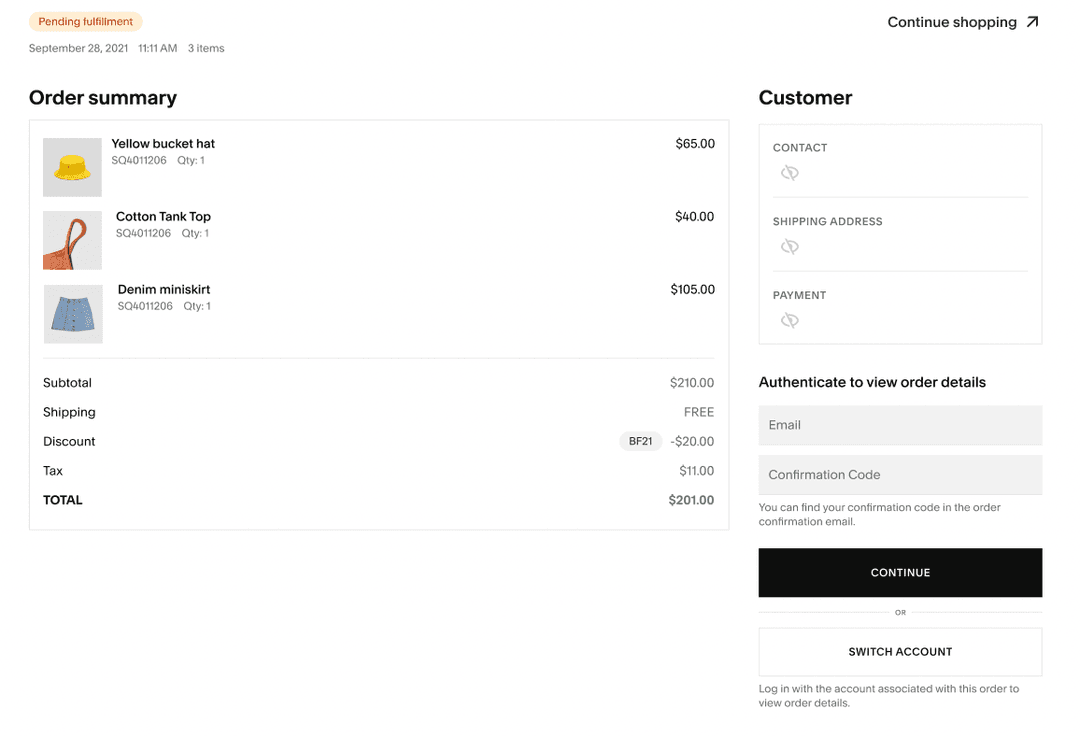
Squarespace, on the other hand, bundles website building and ecommerce into its subscription tiers, with higher plans unlocking more advanced selling features. While Squarespace’s pricing is straightforward, users may encounter additional costs for premium templates, third-party extensions, or transaction fees depending on their payment processor.
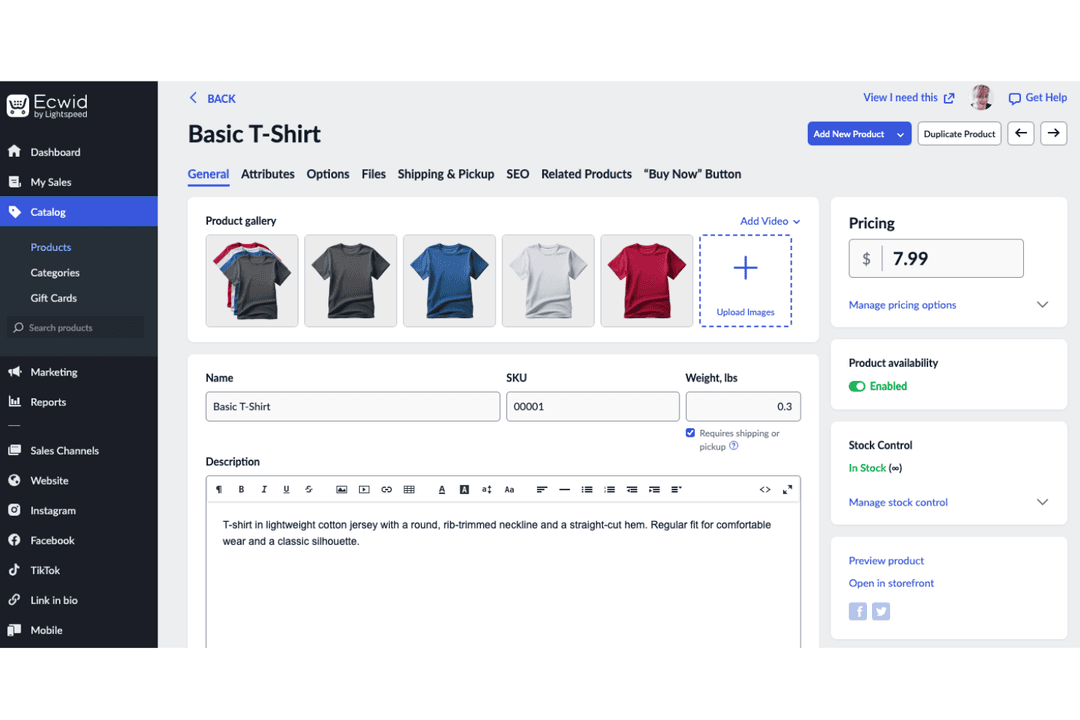
Ecwid’s product management dashboard and ability to sync with multiple websites or social channels make it easy to update inventory and process orders from one place. Squarespace’s drag-and-drop editor and built-in templates help users quickly launch visually polished storefronts and manage content alongside ecommerce tasks.
| Ecwid | Squarespace | |
|---|---|---|
| API | Yes | Yes |
| Data Export | Yes | Yes |
| Data Import | Yes | Yes |
| External Integrations | Yes | Yes |
| Multi-User | Yes | Yes |
| Integration | Ecwid | Squarespace |
|---|---|---|
| IntegrationPayPal | Ecwid✅ | Squarespace✅ |
| IntegrationStripe | Ecwid✅ | Squarespace✅ |
| IntegrationSquare | Ecwid✅ | Squarespace✅ |
| IntegrationMailchimp | Ecwid✅ | Squarespace✅ |
| IntegrationQuickBooks | Ecwid✅ | Squarespace✅ |
| IntegrationFacebook Shops | Ecwid✅ | Squarespace✅ |
| IntegrationInstagram Shopping | Ecwid✅ | Squarespace✅ |
| IntegrationGoogle Shopping | Ecwid✅ | Squarespace✅ |
| IntegrationAPI | Ecwid✅ | Squarespace✅ |
| IntegrationZapier | Ecwid✅ | Squarespace✅ |
Ecwid offers a broader range of direct ecommerce integrations, especially for accounting and marketplace channels, while Squarespace focuses on core payment and marketing connections. Both platforms support APIs and connections with Zapier, giving users more flexibility to connect with niche tools and automate workflows.
| Factor | Ecwid | Squarespace |
|---|---|---|
| FactorPCI Compliance | EcwidPCI DSS validated for secure payment processing across all gateways. | SquarespacePCI compliant for all built-in payment integrations. |
| FactorSSL Encryption | EcwidProvides SSL encryption for all storefronts and checkout pages. | SquarespaceSSL certificates included for every site and transaction. |
| FactorData Privacy | EcwidAdheres to GDPR and CCPA with built-in privacy tools and controls. | SquarespaceOffers GDPR-compliant features and privacy policy templates. |
| FactorUptime Guarantee | Ecwid99.9% uptime with global cloud hosting and real-time monitoring. | Squarespace99.9% uptime with distributed infrastructure and proactive monitoring. |
| FactorFraud Protection | EcwidIncludes anti-fraud tools and supports third-party fraud detection. | SquarespaceIntegrates with payment processors' fraud detection and monitoring. |
Both Ecwid and Squarespace deliver strong security and compliance foundations, but Ecwid’s built-in privacy controls and anti-fraud tools give it a slight edge for sellers handling sensitive customer data. Squarespace’s reliability and automated SSL coverage make it a solid choice for users who want security handled behind the scenes.
| Factor | Ecwid | BigCommerce |
|---|---|---|
| FactorUser Interface | EcwidClean dashboard with straightforward navigation and product management. | BigCommerceVisual editor with drag-and-drop tools and modern, customizable templates. |
| FactorOnboarding | EcwidGuided setup with step-by-step prompts for adding products and channels. | BigCommerceInteractive tutorials and in-app tips for building and launching a store. |
| FactorStore Setup | EcwidQuick integration with existing sites and social channels. | BigCommerceAll-in-one setup for site, store, and content in a single workflow. |
| FactorSupport Access | EcwidEmail, chat, and help center resources available on all plans. | BigCommerce24/7 email support and live chat on higher tiers, plus a detailed knowledge base. |
| FactorCustomization | EcwidFlexible settings for storefronts, but design options depend on your website platform. | BigCommerceExtensive design controls and template options built into the platform. |
Squarespace is more intuitive for users who want to build and customize a store from scratch, while Ecwid is easier for those adding ecommerce to an existing site. Ecwid’s strength is its quick integration and simple product management, while Squarespace stands out for its visual editor and design flexibility.
Ecwid
- Connects to in-person POS for unified inventory management.
- Free plan supports real sales with few restrictions.
- Multichannel sales include Facebook, Instagram, and marketplaces.
- Lacks advanced product filtering and merchandising options.
- Limited built-in SEO features for larger catalogs.
- No native abandoned cart recovery on the free plan.
Squarespace
- You can create stunning websites with its beautiful design templates.
- It's easy to use, even if you're not tech-savvy.
- The drag-and-drop interface makes site customization simple.
- Your site customization options are limited compared to some competitors.
- The customer support can be slow and less responsive.
- You might find the onboarding process a bit challenging if you're new to ecommerce.
Ecwid
- Small Retail ShopsEcwid is easy to connect with in-person POS, syncing inventory across online and brick-and-mortar sales from one dashboard.
- Social SellersEcwid’s built-in Facebook and Instagram shopping tools make it simple to reach buyers directly on social channels.
- Service ProvidersYou can sell digital goods, bookings, or paid consultations without complicated setup or plugins through Ecwid’s digital product support.
- Craft or Handmade SellersThe Starter tier, app integrations, and marketplace options let makers start small and scale as their business grows.
- Freelancers or Side HustlesEcwid’s instant site builder and straightforward tools take pressure off part-timers or those just starting out with ecommerce.
- Food Trucks or Pop-UpsMobile-friendly management and fast setup make Ecwid a strong fit for mobile businesses needing reliable, simple sales tools.
Squarespace
- Creative professionalsShow portfolios with visually appealing templates.
- Small business ownersSet up an online store quickly with user-friendly tools.
- PhotographersPresent work beautifully using built-in gallery options.
- ArtistsCreate a sleek online gallery to sell artwork.
- DesignersBuild a professional site with modern, clean aesthetics.
- BloggersEasily craft and manage content with built-in blogging features.
Who Should Use Ecwid, And Who Should Use Squarespace?
Ecwid is best for retailers and teams who already have a website or want to sell across multiple channels without rebuilding their online presence. It’s a strong fit for businesses that value flexibility, need to integrate ecommerce into existing workflows, or operate on a lean budget.
Squarespace is ideal for brands, creators, and small businesses looking to launch a visually polished store and website together, especially if design control and an all-in-one platform are top priorities. If you want to manage everything, like your site, content, and commerce in one place, Squarespace is the clear pick.
| Ecwid | Squarespace | |
|---|---|---|
| Channel Selling | Ecwid Supports multichannel sales across web, social, and marketplaces. | Squarespace Primarily focused on selling through your Squarespace website. |
| Design Flexibility | Ecwid Storefront design depends on your existing site’s platform and theme. | Squarespace Offers built-in templates and a drag-and-drop visual editor. |
| Marketing Tools | Ecwid Focused on store promotion and sales channels. | Squarespace Broader marketing tools, including email campaigns, blogging, SEO. |
| Scalability | Ecwid Scales ecommerce out across platforms and channels. | Squarespace Scales overall site and store together with built-in tools. |
| Website Requirement | Ecwid Adds ecommerce to any existing website or social channel. | Squarespace Requires building your store within the Squarespace platform. |
| Mobile Management | Both offer mobile apps or responsive dashboards for managing orders and inventory on the go. |
|---|---|
| Payment Integrations | Both support major payment gateways like PayPal and Stripe, making it easy to accept online payments. |
| Product Catalogs | Both allow unlimited product listings on higher plans, with options for variants, images, and descriptions. |
| Security Standards | Both provide SSL encryption and PCI compliance for secure transactions and customer data protection. |
| Shopping Cart | Both provide a shopping cart and secure checkout experience for customers. |