

Recensione di Volusion: pro, contro, funzionalità e prezzi
Volusion riunisce la gestione del commercio elettronico in un'unica piattaforma, dalla progettazione del negozio online e dalla gestione dei prodotti ai pagamenti, al monitoraggio dell'inventario e agli strumenti per la vendita online.

Recensiamo gli strumenti in modo indipendente, e le commissioni aiutano a finanziare i nostri test. Consulta la nostra politica sulla trasparenza, la nostra metodologia o suggerisci uno strumento.
Volusion is an ecommerce software built for small businesses that want to sell online without managing a sprawling app ecosystem. It covers product listings, inventory tracking, order management, and basic SEO in a single platform. I'd consider it over Shopify if your catalog is relatively straightforward and you want to avoid transaction fees without being locked into a specific payment processor—Volusion charges none across its plans, which keeps costs more predictable for lower-volume stores.
Volusion Evaluation Summary
3.5/5
- From $35/month
- 14-day free trial
Perché fidarsi dei nostri consigli sui software
6,700+
Reviews
20
Industry experts
16+
Evaluation factors
14
Years
Il nostro team testa e recensisce software dal 2012. In quanto leader del retail noi stessi, sappiamo quanto sia difficile — e importante — scegliere il software giusto.
Per questa guida, abbiamo valutato gli strumenti attraverso test pratici e ricerche indipendenti, assegnando un punteggio agli strumenti in base ai nostri criteri di selezione.
Le nostre recensioni riflettono il nostro giudizio indipendente, non un discorso di vendita.
Volusion Overview
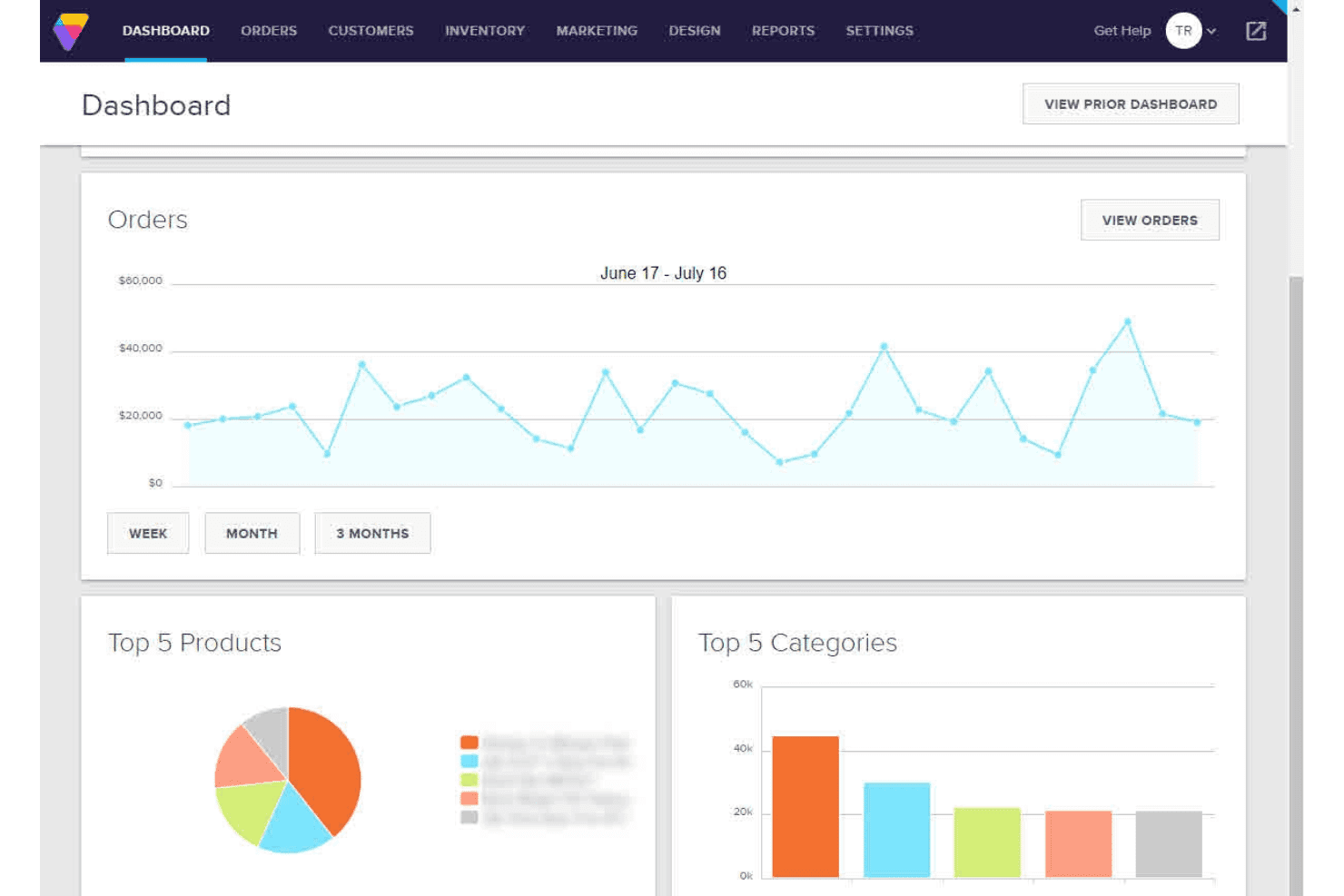
I think Volusion stands out for its easy onboarding, clean dashboard, and user-friendly product management, especially for small to midsize storefronts choosing their first online platform. Its pricing is competitive, and support is responsive, but you’ll find limitations in advanced marketing features and third-party integrations compared to some peers.
If you’re judging by how quickly you can launch a polished storefront with control over inventory, mobile design, and built-in analytics, Volusion is a solid pick, especially for merchants who want simplicity without sacrificing key ecommerce essentials.
Pros
- Built-in mobile-responsive themes for quick site setup
- Inventory tracking with low-stock alerts and variant management
- Straightforward recurring payment and subscription setup
Cons
- Limited built-in multi-channel selling options
- SEO tools are basic compared to more advanced platforms
- Transaction fees apply unless using Volusion Payments
Is Volusion Right For Your Needs?
Who Would be a Good Fit for Volusion?
Volusion is a good fit for small and mid-sized product-focused businesses who want fast setup, in-house inventory tracking, and a clear, maintainable storefront without deep technical skills. With its built-in tools for catalog management, subscription orders, and deal promotions, Volusion will suit teams who need a reliable online selling hub and prefer not to rely on heavy integrations or coding.
Physical retailers and growing DTC brands will appreciate Volusion’s barcode and shipping features.
- Small Retail StoresVolusion’s simple inventory management and barcode tools let brick-and-mortar retailers bring their products online easily.
- Subscription Box CompaniesThe recurring billing feature supports subscription products and auto-charging without special add-ons.
- Apparel BrandsVariant support for sizes and colors, plus inventory controls, make it great for fashion sellers.
- DTC StartupsFast onboarding, mobile themes, and guided store setup mean new DTC brands can launch with no IT team.
- Hobby and Craft SellersStraightforward product management, low learning curve, and payment flexibility help crafters and hobby shops scale online.
- Food and Beverage MerchantsFeatures like Deal of the Day and in-built tax tools streamline selling regulated or perishable items.
Who Would be a Bad Fit for Volusion?
Volusion may not fit larger enterprises or tech-heavy businesses that need deep customizations or native omnichannel selling. If you rely on advanced marketing automation, complex B2B workflows, or multi-lingual stores, Volusion’s built-in features are likely to feel limiting. Teams looking for out-of-the-box marketplace syncs or extensive app ecosystems may also need to look elsewhere.
- Large EnterprisesVolusion’s limited advanced customization and bulk features won’t scale with large, complex operations.
- Multi-Channel RetailersLacks built-in integrations for selling across numerous marketplaces and in-person points of sale.
- B2B WholesalersDoes not offer robust B2B pricing, account management, or quoting workflows.
- International BrandsNo native multi-currency or multi-language support for global stores.
- Digital Goods SellersVolusion focuses on physical products and lacks features for managing files or license delivery.
- Tech Product TeamsLimited API flexibility and developer tools make it less suitable for businesses needing heavy customization.
La Nostra Metodologia di Recensione
Come Testiamo e Valutiamo gli Strumenti
Abbiamo trascorso anni a costruire, perfezionare e migliorare il nostro sistema di test e valutazione dei software. Il nostro schema di valutazione è progettato per cogliere le sfumature della selezione dei software e per comprendere cosa rende uno strumento efficace, concentrandosi su aspetti critici del processo decisionale. Qui sotto puoi vedere esattamente come funzionano i nostri test e valutazioni attraverso sette criteri. Questo ci permette di fornire una valutazione imparziale del software basata su funzionalità principali, caratteristiche distintive, facilità d’uso, onboarding, supporto clienti, integrazioni, recensioni dei clienti e rapporto qualità-prezzo.
Funzionalità di base (25% della valutazione finale)
Il punto di partenza della nostra valutazione è sempre la funzionalità principale dello strumento. Ha le funzioni e le caratteristiche di base che un utente si aspetterebbe? Alcune di queste funzionalità sono bloccate a piani tariffari di livello superiore? Alla base, ci aspettiamo che uno strumento regga il confronto con le capacità minime dei suoi concorrenti.
Caratteristiche distintive (25% della valutazione finale)
Successivamente valutiamo caratteristiche distintive e non comuni che vadano oltre la normale funzionalità presente in strumenti simili. Un punteggio alto riflette funzionalità specializzate o uniche che rendono il prodotto più veloce, efficiente o che offrano valore aggiunto all’utente. Valutiamo anche quanto sia facile integrare il software con altri strumenti della consueta infrastruttura tecnologica per espanderne la funzionalità e l’utilità. Gli strumenti che offrono molte integrazioni native, connessioni di terze parti e accesso API per costruire integrazioni personalizzate ottengono il punteggio più alto.
Facilità d’uso (10% della valutazione finale)
Consideriamo quanto sia rapido e semplice eseguire le attività definite nelle funzionalità di base utilizzando lo strumento. I software che ottengono un punteggio alto sono ben progettati, intuitivi, offrono app mobili, modelli pronti e rendono compiti complessi relativamente semplici.
Onboarding (10% della valutazione finale)
Sappiamo quanto sia importante una rapida adozione da parte del team per una nuova piattaforma, quindi valutiamo quanto sia facile imparare a usare uno strumento con una formazione minima. Esaminiamo quanto tempo impiega un membro del team a configurarsi e iniziare a utilizzare lo strumento senza esperienza. Le soluzioni con punteggi elevati richiedono poco o nessun supporto.
Supporto clienti (10% della valutazione finale)
Valutiamo quanto sia rapido e facile ricevere assistenza e trovare aiuto tramite telefono, live chat o base di conoscenza. Gli strumenti e le aziende che forniscono un supporto in tempo reale ottengono i punteggi migliori, mentre i chatbot hanno i punteggi più bassi.
Recensioni dei clienti (10% della valutazione finale)
Oltre ai nostri test e valutazioni, consideriamo il net promoter score dei clienti attuali e passati. Esaminiamo la loro propensione, data la possibilità, a scegliere nuovamente lo strumento per le sue funzionalità di base. Un punteggio elevato riflette un alto net promoter score da clienti attuali o passati.
Rapporto qualità-prezzo (10% della valutazione finale)
Infine, considerando tutti gli altri criteri, valutiamo il prezzo medio dei piani base rispetto alle funzionalità fondamentali e teniamo in considerazione il valore degli altri criteri di valutazione. Il software che offre di più, a meno, ottiene punteggi più alti.
Core Features
Drag-and-Drop Site Builder
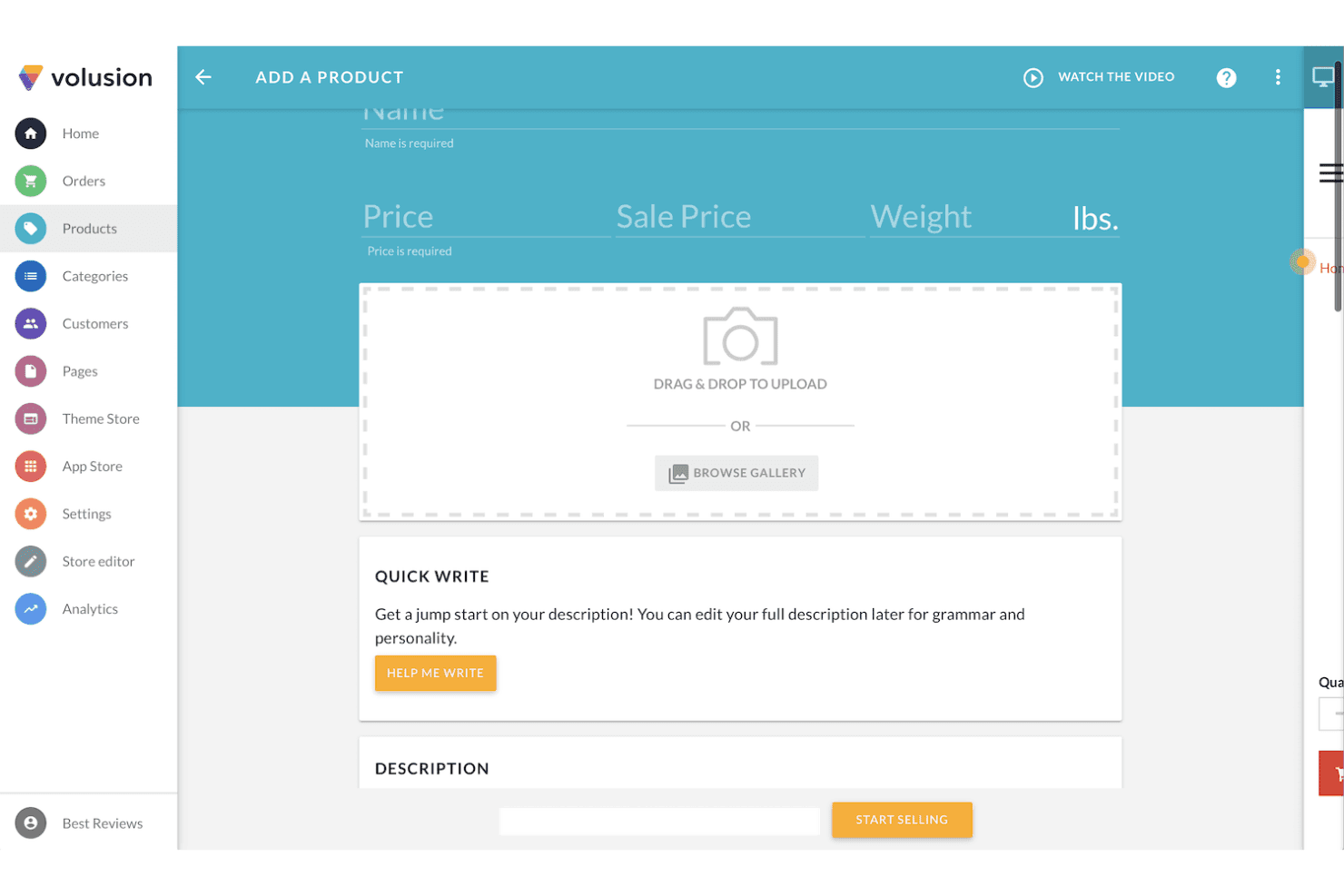
Design your store with a visual editor and launch quickly. No coding is needed for layouts or page changes.
Inventory Management
Track stock, manage variants, and set low-inventory alerts. You can update quantities and product details in bulk.
Mobile-Responsive Themes
Choose from themes optimized for every device. Storefronts automatically adapt to mobile and tablet screens.
Recurring Payments
Offer subscriptions and automated billing for products or services. Set up payment intervals and manage repeat orders easily.
Built-In Analytics Dashboard
View real-time sales, traffic, and conversion reports. Access insights on customer behavior and inventory performance.
PCI-Certified Secure Checkout
Protect customer payment data with PCI compliance. Provide SSL-secured, multi-payment checkout for shoppers.
Ease of Use
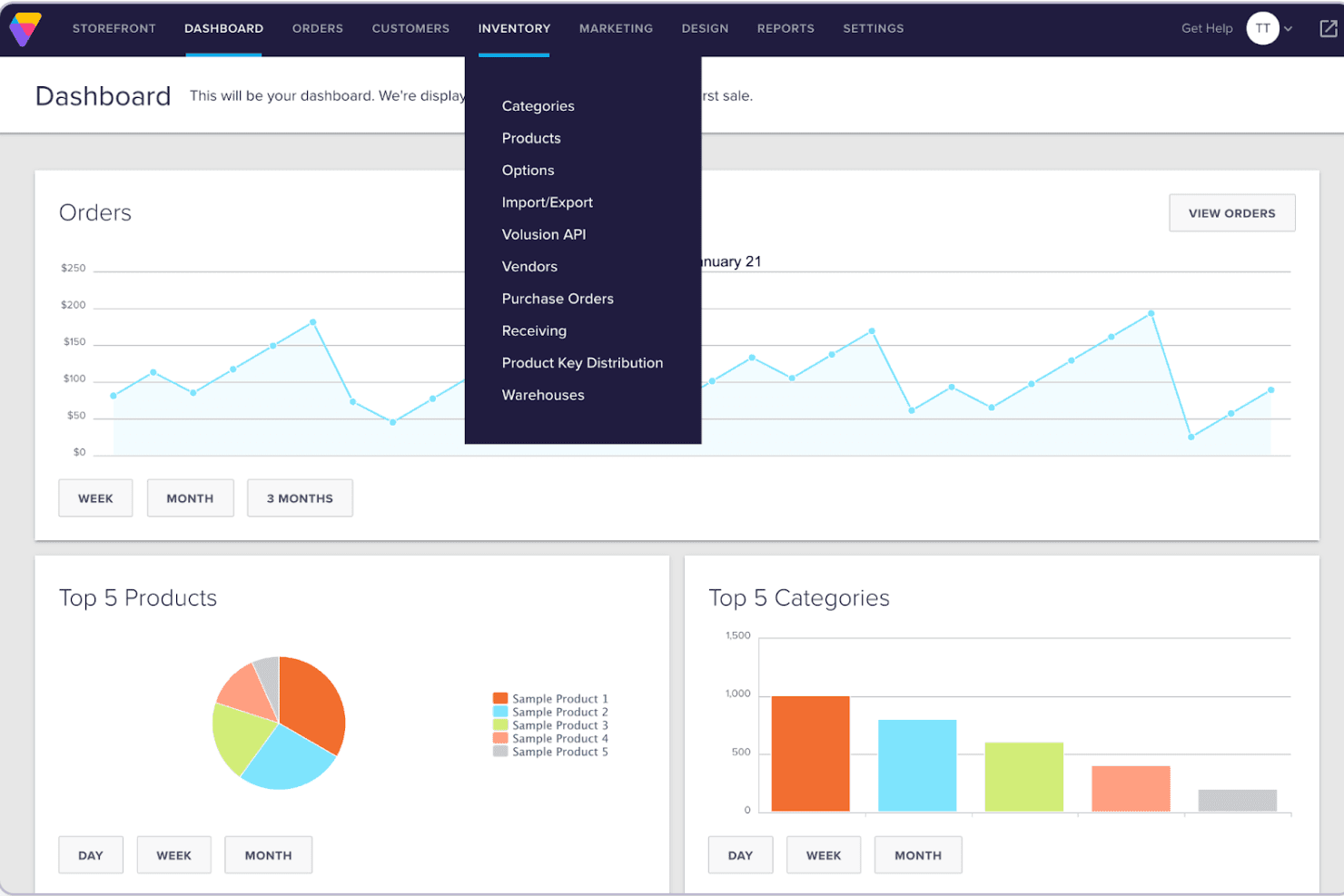
Volusion’s dashboard is intuitive and helps you find key settings, orders, and reports without fuss. I think its drag-and-drop builder and step-by-step onboarding make setting up your store fast and stress-free.
You’ll notice most catalog and order workflows are easy to manage, though some deeper customizations may require extra support or tutorials.
Integrations
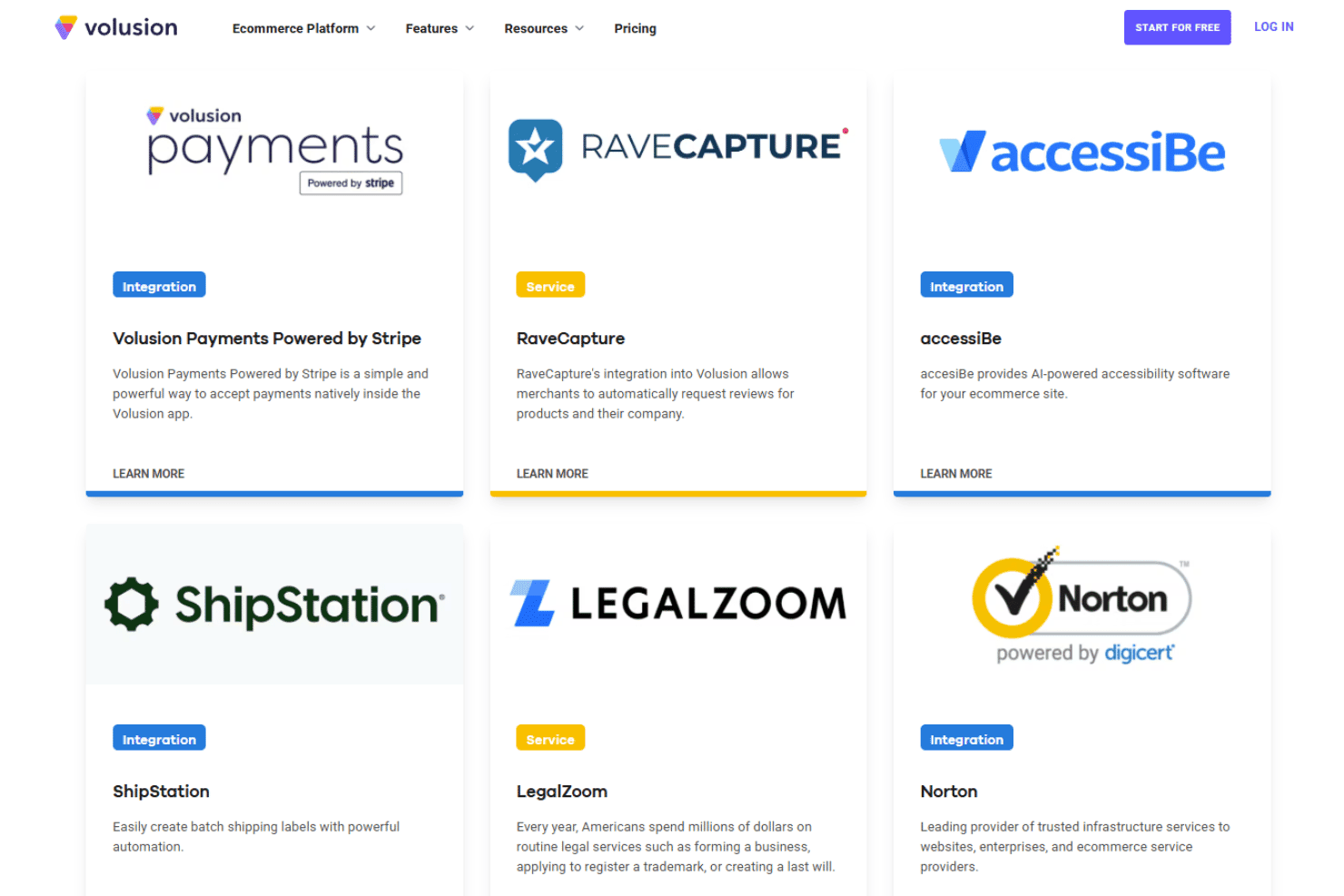
Volusion integrates with PayPal, Stripe, ShipStation, Google Analytics, Avalara AvaTax, Mailchimp, Square, QuickBooks, FedEx, and UPS, among others.
Volusion offers API access so you can build custom connections or extend store functionality with other business systems.
Volusion Specs
- 2-Factor Authentication: Yes
- A/B Testing: Yes
- Analytics: No
- API: Yes
- BitCoin: Yes
- Conversion Tracking: Yes
- Dashboard: Yes
- Data Export: Yes
- Data Import: Yes
- Data Visualization: Yes
- Design Templates: Yes
- External Integrations: Yes
- Inventory Tracking: Yes
- Keyword Tracking: Yes
- Marketing Automation: Yes
- Multi-User: Yes
- Notifications: Yes
- Order Management: Yes
- Payment Gateway Integration: Yes
- Payment Processor: Yes
- PayPal: Yes
- Product Catalog: Yes
- Review Monitoring: Yes
- SAP Integration: Yes
- Scheduling: Yes
- Stripe: Yes
- Third-Party Plugins/Add-Ons: Yes


