

I 10 migliori software per la gestione dell’abbigliamento nel 2026

Miglior elenco di software per la gestione dell'abbigliamento


Il software di gestione dell'abbigliamento è una piattaforma digitale che aiuta le aziende di moda a organizzare inventario, ordini, produzione e collaborazione da un unico luogo. Se stai confrontando software di gestione dell'abbigliamento, cerchi strumenti in grado di gestire i margini ridotti di oggi, la domanda imprevedibile e la complessità multicanale. In questa guida, darò uno sguardo dall'interno alle migliori opzioni per 2026, illustrando i punti di forza di ciascuna, i vantaggi concreti che i team del settore dell'abbigliamento ottengono utilizzandole e il modo in cui affrontano le sfide che incontri ogni giorno nella progettazione, nell'approvvigionamento, nelle vendite e nell'evasione degli ordini.
Perché fidarsi dei nostri consigli sui software
Il nostro team testa e recensisce software dal 2012. In quanto leader del retail noi stessi, sappiamo quanto sia difficile — e importante — scegliere il software giusto.
Per questa guida, abbiamo valutato gli strumenti attraverso test pratici e ricerche indipendenti, assegnando un punteggio agli strumenti in base ai nostri criteri di selezione.
Le nostre recensioni riflettono il nostro giudizio indipendente, non un discorso di vendita.
Riepilogo dei migliori software di gestione dell'abbigliamento
Questa tabella comparativa riassume i dettagli dei prezzi delle mie migliori selezioni di software per la gestione dell’abbigliamento, per aiutarti a trovare la soluzione più adatta al tuo budget e alle esigenze della tua azienda.
| Tool | Best For | Trial Info | Price | ||
|---|---|---|---|---|---|
| 1 | La soluzione più adatta per i piccoli marchi | Demo gratuita disponibile | Prezzi su richiesta | Website | |
| 2 | Ideale per la gestione aziendale multicanale | Demo gratuita disponibile | Prezzo su richiesta | Website | |
| 3 | Ideale per la gestione dell'inventario e degli ordini | Demo gratuita disponibile | A partire da $337/mese | Website | |
| 4 | Ideale per la gestione della conformità negli approvvigionamenti | Demo gratuita disponibile | Prezzi su richiesta | Website | |
| 5 | Ideale con piattaforma cloud integrata | Demo gratuita disponibile | A partire da $59/utente/mese | Website | |
| 6 | Ideale per la visibilità sulla catena di approvvigionamento | Demo gratuita disponibile | Prezzi su richiesta | Website | |
| 7 | Ideale per cicli di sviluppo dei prodotti rapidi | Demo gratuita disponibile | Prezzi disponibili su richiesta | Website | |
| 8 | Ideale per la collaborazione tra team da remoto | Demo gratuita disponibile | Prezzi su richiesta | Website | |
| 9 | Ideale per l'automazione dei processi end-to-end | Demo gratuita disponibile | Prezzi su richiesta | Website | |
| 10 | Migliore pianificazione e previsione della domanda | Demo gratuita disponibile | Prezzo su richiesta | Website |
Recensioni dei migliori software di gestione dell'abbigliamento
Di seguito trovi i miei riepiloghi dettagliati dei migliori software di gestione dell’abbigliamento inclusi nel mio elenco selezionato. Le mie recensioni offrono uno sguardo approfondito sulle funzionalità, le integrazioni e i casi d’uso migliori di ciascuna piattaforma, per aiutarti a trovare quella più adatta a te.

Uphance
La soluzione più adatta per i piccoli marchi
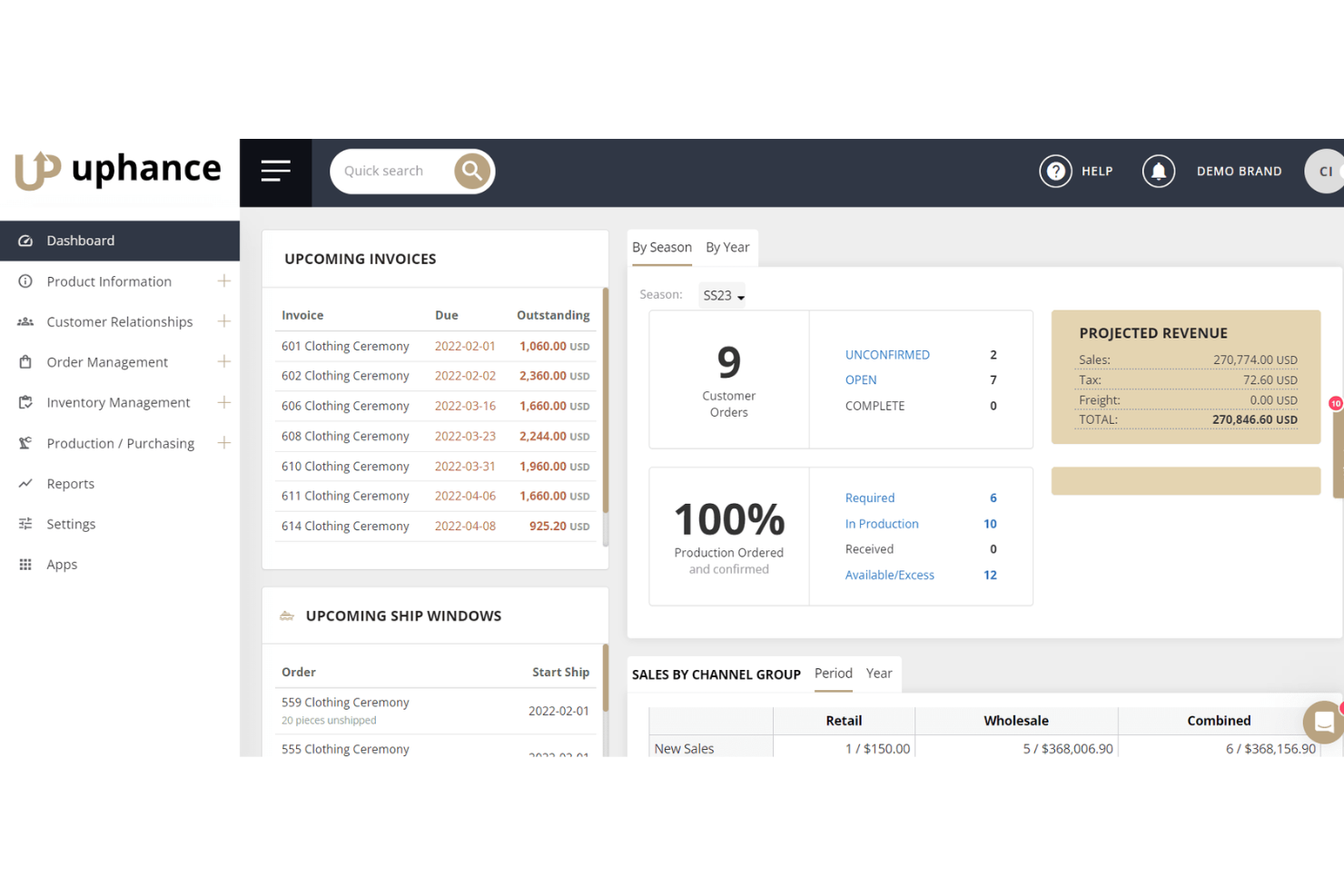
Uphance è una piattaforma per la gestione dell'abbigliamento costruita nativamente attorno al modello di dati della moda, che riunisce in un unico sistema PLM, produzione, inventario, ordini B2B all'ingrosso, pianificazione della domanda e gestione degli ordini multicanale.
Per chi è più adatto Uphance?
Uphance è particolarmente adatto ai marchi di abbigliamento in crescita con ricavi compresi tra $5M e $100M, che gestiscono contemporaneamente canali all'ingrosso e DTC.
Perché ho scelto Uphance
Ho incluso Uphance tra le mie scelte principali perché è una delle poche piattaforme costruite nativamente attorno al modello di dati dell'abbigliamento fin dal primo giorno. Apprezzo molto il funzionamento delle sue previsioni basate sulla curva delle taglie, che operano a livello di modello, colore e taglia, separando gli impegni di pre-ordine all'ingrosso dai dati effettivi DTC, così i piccoli marchi non effettuano acquisti eccessivi basandosi su un unico dato aggregato. Il portale B2B all'ingrosso, con prezzi specifici per cliente e visibilità sulle scorte in tempo reale, gestisce la complessità reale di sale espositive e fiere senza la necessità di componenti aggiuntivi.
Funzionalità principali di Uphance
- Plugin per Adobe Illustrator: Un plugin bidirezionale sincronizza disegni tecnici, grafiche, varianti di colore e specifiche direttamente nelle schede tecniche all'interno del modulo PLM.
- Conformità EDI: Supporta i documenti EDI 850, 855, 856 e 810 per la conformità ai requisiti dei rivenditori, con etichette conformi allo standard GS1-128 integrate.
- Trasferimenti di scorte tra più sedi: Consente di spostare l'inventario tra magazzini o punti vendita, con soglie minime/massime che attivano ordini di rifornimento automatici.
- Calcolo del costo totale di approvvigionamento: Applica i costi di dazi, trasporto e imposte per unità o spedizione, riflettendo la reale valutazione dell'inventario in tutti gli ordini di acquisto.
Integrazioni di Uphance
Uphance offre integrazioni native con Shopify, WooCommerce, Amazon, ChannelEngine, JOOR, QuickBooks Online, Xero, ShipBob e Shopify POS. Un'API supporta le integrazioni personalizzate, mentre Adobe Illustrator si collega al PLM tramite un plugin bidirezionale.
Pros and Cons
Pros:
- Costruito nativamente per varianti e SKU di abbigliamento
- Pianificazione avanzata della domanda con previsioni basate sulla curva delle taglie
- Portale all'ingrosso personalizzato con inventario in tempo reale
Cons:
- Nessun POS nativo, solo integrazioni esterne
- Prezzi non trasparenti sul sito web pubblico

Ideale per la gestione aziendale multicanale
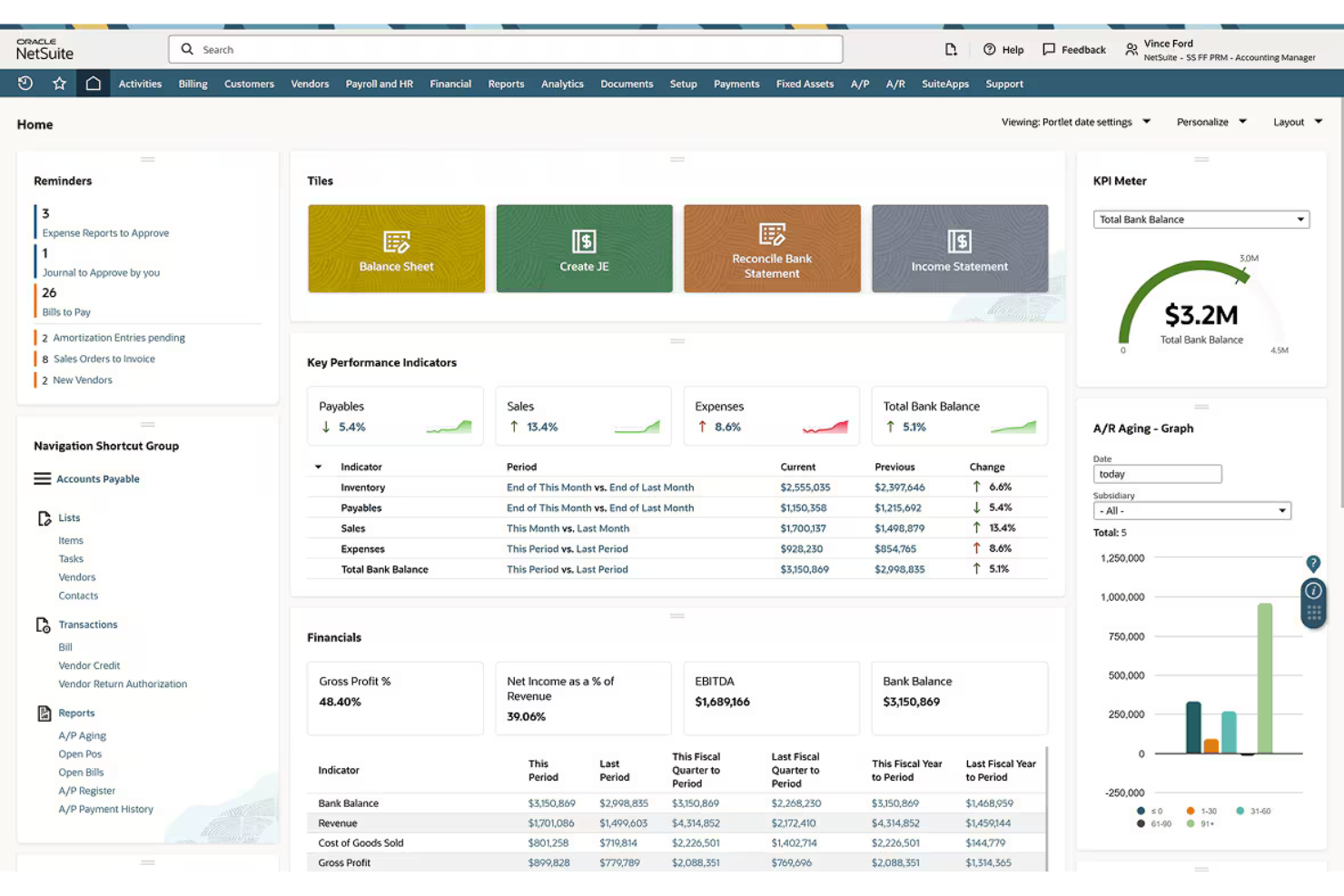
Oracle NetSuite è una piattaforma ERP cloud che comprende la gestione dell'inventario, la gestione degli ordini, gli approvvigionamenti, la pianificazione della domanda e il commercio multicanale, con supporto nativo per strutture SKU a matrice per stile, taglia e colore progettate per le attività di abbigliamento e calzature.
Per chi è più indicato Oracle NetSuite?
Oracle NetSuite è adatto ai marchi di abbigliamento di medie e grandi dimensioni che gestiscono attività DTC, all'ingrosso e internazionali da un'unica piattaforma.
Perché ho scelto Oracle NetSuite
Oracle NetSuite è entrato nella mia selezione perché è una delle poche piattaforme che consolida realmente le attività DTC, all'ingrosso e internazionali senza dover collegare sistemi separati. Sono particolarmente colpito dalla sua struttura nativa per gli articoli a matrice, che tiene traccia di ogni combinazione di stile, taglia e colore come SKU figlio indipendente su tutti i canali in tempo reale. La profondità delle funzionalità dall'ordine al pagamento, inclusi gli ordini di acquisto aperti, l'allocazione dei costi di approvvigionamento e gli acquisti in più valute, gestisce la complessità dell'approvvigionamento che i marchi di abbigliamento di medie e grandi dimensioni affrontano quotidianamente.
Funzionalità principali di Oracle NetSuite
- Modulo di pianificazione della domanda: Genera piani di approvvigionamento utilizzando la regressione lineare e le medie delle vendite stagionali per attivare automaticamente ordini di acquisto e ordini di trasferimento.
- NetSuite OneWorld: Gestisce attività con più filiali e più valute tra entità globali da un'unica istanza della piattaforma.
- Portale B2B SuiteCommerce: Offre agli acquirenti all'ingrosso un'esperienza di ordinazione dedicata con cataloghi personalizzati, richieste di preventivo e pagamenti online delle fatture.
- Gerarchia dei prodotti: Organizza l'inventario per Reparto, Classificazione e Sottoclasse per supportare i report sulle vendite a livello di categoria e le decisioni di acquisto.
Integrazioni di Oracle NetSuite
Le integrazioni con i mercati online e i partner includono Shopify tramite Celigo, Toolio, Envoy B2B, Lightspeed Retail, RF-SMART, CYBRA, ShipStation e ShipBob. Queste connessioni coprono i flussi di lavoro per il commercio elettronico, la pianificazione dei prodotti, la vendita all'ingrosso, i POS, il magazzino, l'RFID e l'evasione degli ordini.
Pros and Cons
Pros:
- Supporta attività multicanale e internazionali
- Gestisce SKU a matrice per stile, taglia e colore
- Solidi flussi di lavoro per la pianificazione della domanda e gli approvvigionamenti
Cons:
- Nessuno strumento nativo per la pianificazione del budget d'acquisto
- Il POS nativo terminerà il supporto dopo gennaio 2029

Ideale per la gestione dell'inventario e degli ordini
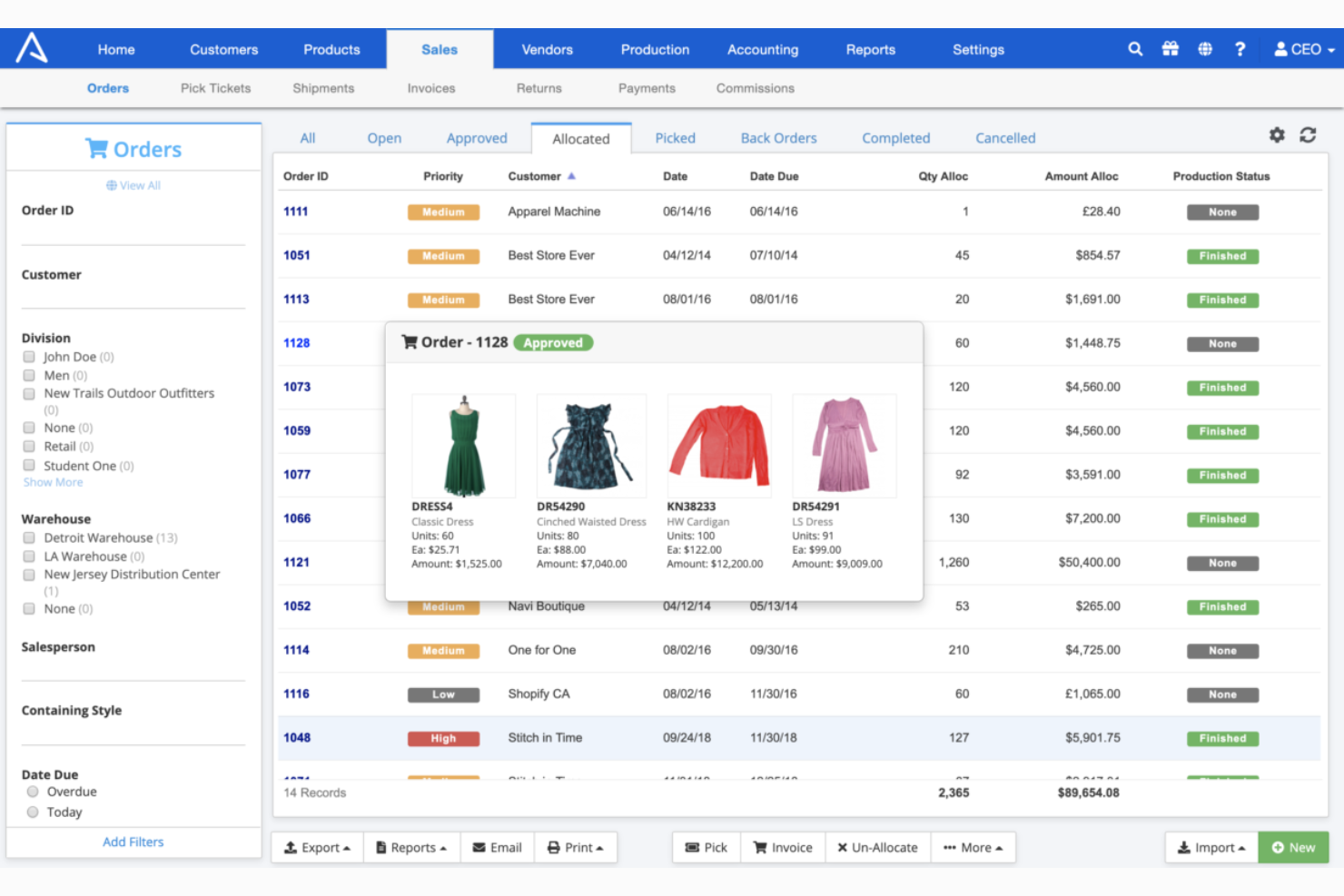
ApparelMagic è un ERP nativo per il settore dell'abbigliamento che combina l'inventario a matrice di stile/taglia/colore, la gestione degli ordini, il PLM, il commercio all'ingrosso B2B e la previsione della domanda integrata in un'unica piattaforma.
Per chi è più indicato ApparelMagic?
ApparelMagic è particolarmente adatto ai marchi e ai produttori di abbigliamento che necessitano di un'unica piattaforma per gestire gerarchie SKU complesse, ordini all'ingrosso e flussi di lavoro della produzione dall'inizio alla fine.
Perché ho scelto ApparelMagic
ApparelMagic si è guadagnato un posto nella mia lista ristretta perché la sua intera architettura è costruita intorno al modo in cui funziona realmente il settore dell'abbigliamento: l'inventario a matrice di stile, taglia e colore è al centro, invece di essere aggiunto in un secondo momento. L'ho scelto in particolare per la gestione dell'inventario e degli ordini perché la previsione della domanda basata sull'apprendimento automatico va ben oltre i semplici avvisi di riordino, fornendo previsioni di esaurimento delle scorte ordinate per velocità di vendita, così puoi intervenire prima di ritrovarti con scorte invendute. L'intero ciclo di vita degli ordini di acquisto, incluso il monitoraggio WIP in più fasi e il calcolo del costo di acquisto effettivo basato sulla distinta base, fa sì che gli ordini di produzione e gli ordini di acquisto rimangano collegati ai dati dell'inventario in tempo reale.
Funzionalità principali di ApparelMagic
- Portale all'ingrosso B2B integrato: Un negozio all'ingrosso nativo con funzionalità di trascinamento, pagine protette da password, visualizzazione dell'inventario in tempo reale e ordinazione pre-stagionale, senza necessità di integrazioni di terze parti.
- PLM con estensione per Adobe Illustrator: Le schede tecniche, la gestione delle distinte base e il calcolo intelligente dei costi si collegano direttamente ad Adobe Illustrator per flussi di lavoro dalla progettazione alla produzione all'interno di un'unica piattaforma.
- Sincronizzazione dell'inventario multicanale: Aggiornamenti dell'inventario in tempo reale su Shopify, Amazon, BigCommerce, Etsy, eBay, JOOR, NuORDER e più magazzini contemporaneamente.
- Copilota AI: Un assistente AI disponibile su richiesta che gestisce la generazione di report personalizzati e le richieste operative in tempo reale utilizzando comandi in linguaggio naturale all'interno dell'ERP.
Integrazioni di ApparelMagic
ApparelMagic elenca circa 24 integrazioni, tra cui Shopify, Amazon, BigCommerce, JOOR, NuORDER, QuickBooks Online, ShipStation, Square POS, Adobe Commerce ed EasyPost. I piani aziendali includono l'accesso API per integrazioni personalizzate; l'EDI richiede software intermedio di terze parti.
Pros and Cons
Pros:
- Gestisce matrici di stile, taglia e colore
- Portale all'ingrosso B2B integrato incluso
- Pannello di controllo per la previsione della domanda basata sull'apprendimento automatico
Cons:
- L'EDI richiede la configurazione di software intermedio esterno
- Le funzionalità relative ai codici a barre e ai report presentano alcune limitazioni

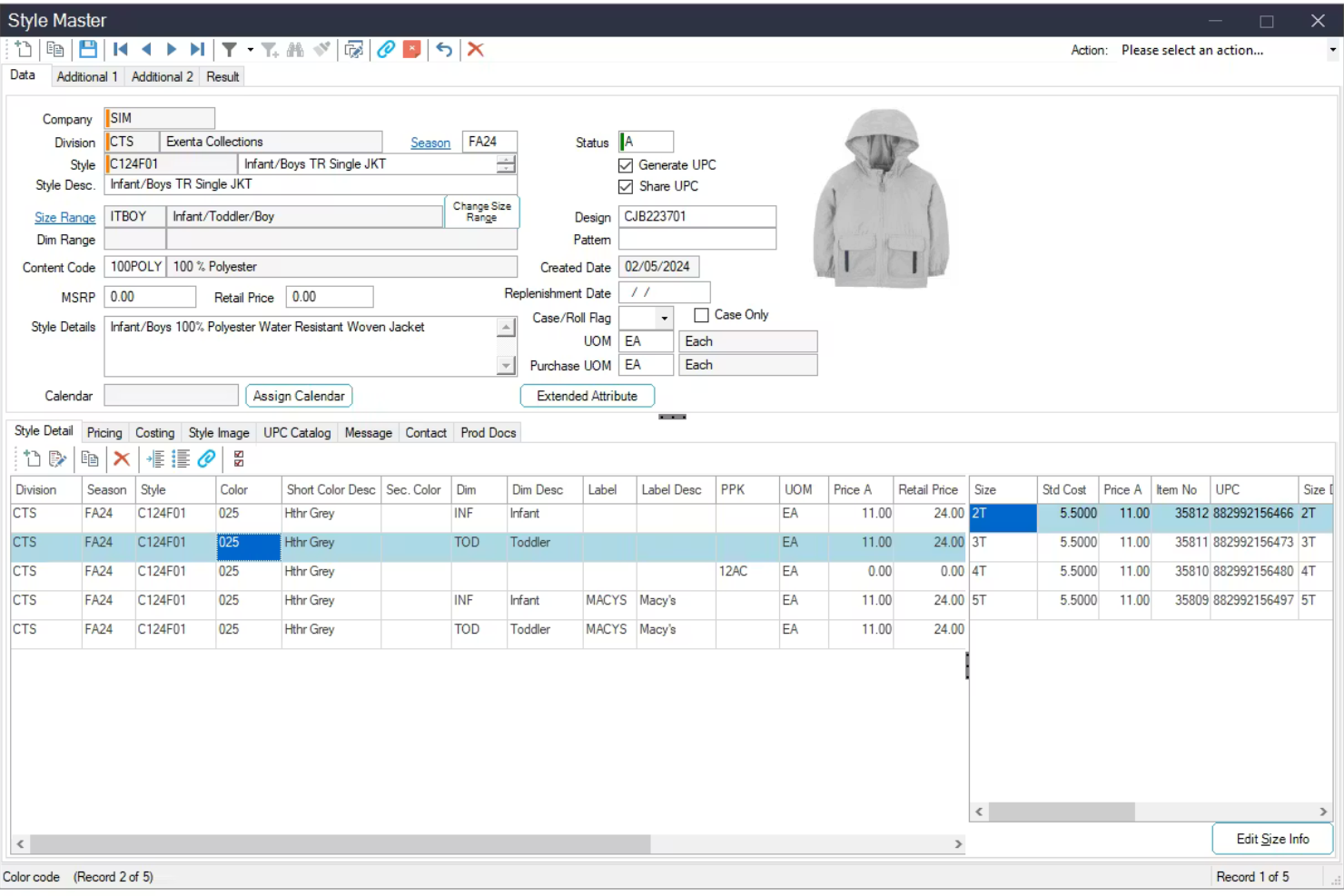
Aptean Apparel ERP è una piattaforma ERP specifica per il settore, progettata per i marchi di abbigliamento, calzature e accessori, che copre l'inventario con matrice stile/taglia/colore, la gestione degli ordini di acquisto, la conformità EDI, il PLM, la gestione del magazzino e l'evasione degli ordini omnicanale.
Per chi è più indicato Aptean Apparel ERP?
Aptean Apparel ERP è particolarmente adatto ai marchi di abbigliamento di medie e grandi dimensioni che gestiscono reti di fornitori complesse e importanti requisiti di conformità dei rivenditori.
Perché ho scelto Aptean Apparel ERP
Aptean Apparel ERP è entrato nella mia rosa dei preferiti perché i suoi strumenti integrati per EDI e conformità sono i più strettamente integrati che abbia visto in un ERP per il settore dell'abbigliamento. Apprezzo in particolare il modo in cui il portale dei fornitori centralizza schede tecniche, ordini di acquisto e conformità ASN/UCC128 in un unico luogo, evitando che la comunicazione con i fornitori si disperda in interminabili catene di e-mail. Anche il modulo EDI integrato vanta risultati documentati: MindsInSync ha ridotto del 90% gli addebiti per non conformità dopo essere passato a questo sistema.
Funzionalità principali di Aptean Apparel ERP
- Matrice stile/taglia/colore: Genera automaticamente SKU individuali per ogni combinazione di colore e taglia all'interno di uno stile, con gerarchie di stagione e divisione per una reportistica strutturata delle collezioni.
- Monitoraggio degli ordini basato sull'intelligenza artificiale: Gli agenti di intelligenza artificiale di AppCentral segnalano in tempo reale gli ordini a rischio, identificano interruzioni della catena di approvvigionamento come i ritardi dei container e suggeriscono stili sostitutivi per mantenere l'evasione degli ordini nei tempi previsti.
- Pool di inventario omnicanale: Mantiene un unico inventario condiviso tra vendite all'ingrosso, e-commerce DTC, marketplace, punti vendita POS e partner 3PL contemporaneamente.
- Integrazione PLM nativa: Centralizza librerie di design, creazione di schede tecniche, controllo delle versioni e collaborazione con i fornitori nella stessa piattaforma dell'ERP.
Integrazioni di Aptean Apparel ERP
Aptean Apparel ERP offre integrazioni documentate con Shopify, Shopify POS, NuORDER, Joor, Salsify, Descartes Sellercloud, FedEx Ship Manager e ShipStation, oltre alla connettività con i fornitori 3PL. Questo supporta i flussi di lavoro di e-commerce, vendita all'ingrosso, contenuti dei prodotti, marketplace, spedizione ed evasione degli ordini.
Pros and Cons
Pros:
- Modulo EDI integrato che riduce drasticamente gli addebiti per non conformità
- Un unico pool di inventario per tutti i canali di vendita
- Integrazione PLM nativa con controllo delle versioni
Cons:
- La reportistica richiede spesso strumenti di analisi aziendale di terze parti
- Le numerose edizioni del prodotto possono confondere gli acquirenti
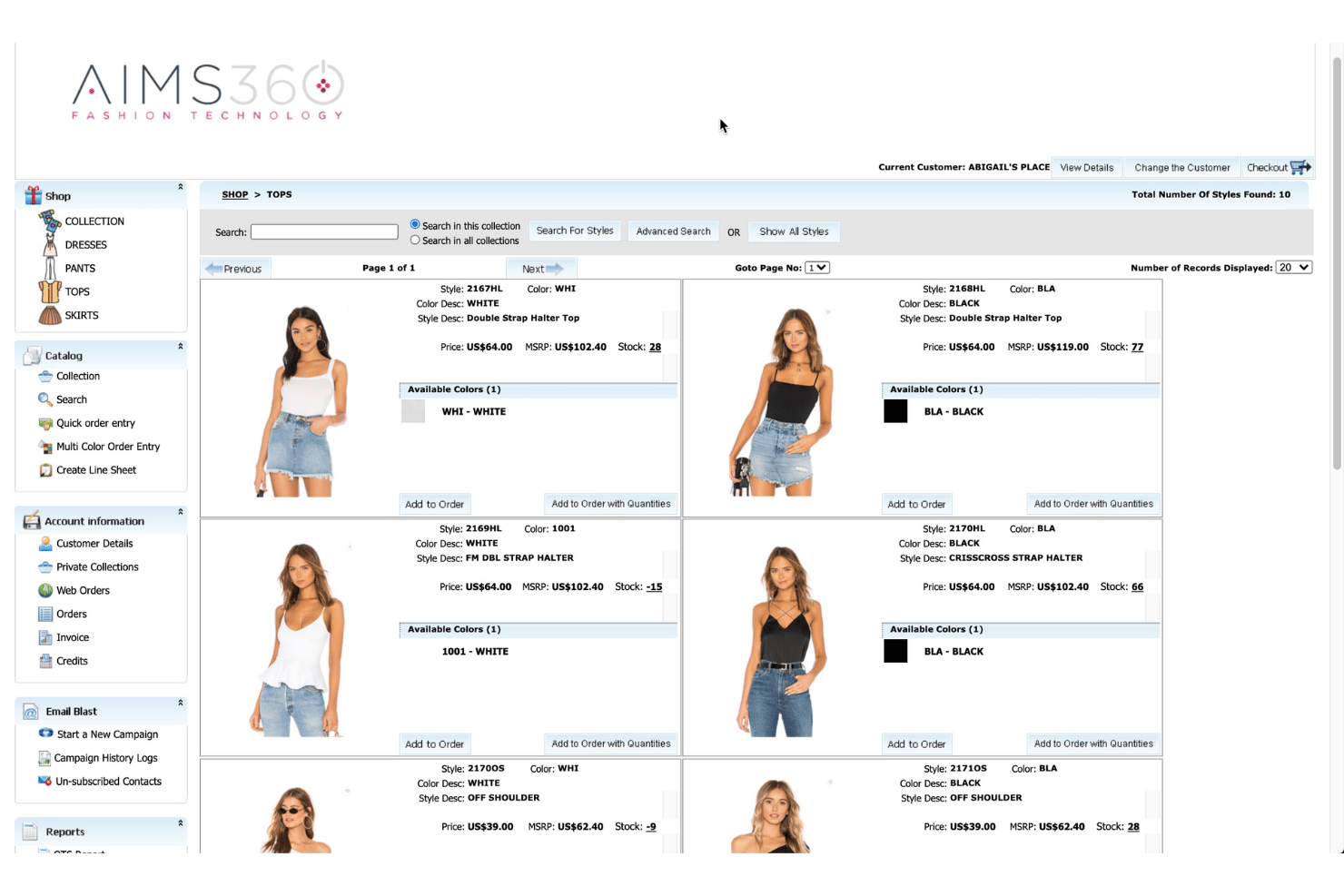
AIMS360 è una piattaforma ERP per l'abbigliamento basata su una matrice nativa stile-colore-taglia, con gestione integrata dell'inventario, gestione degli ordini, operazioni di magazzino, monitoraggio della produzione ed EDI integrato per l'evasione degli ordini della vendita al dettaglio all'ingrosso.
Per chi è più adatto AIMS360?
AIMS360 è particolarmente adatto ai marchi di abbigliamento all'ingrosso che gestiscono la conformità EDI con più rivenditori, insieme all'inventario omnicanale tra produzione, magazzino e canali diretti al consumatore.
Perché ho scelto AIMS360
AIMS360 si è guadagnato un posto nella mia selezione perché è una delle poche piattaforme di gestione dell'abbigliamento in cui l'infrastruttura cloud non è stata aggiunta successivamente, ma è integrata fin dall'inizio su Microsoft Azure, con un SLA di disponibilità del 99,9% e senza necessità di installazione in sede. Apprezzo particolarmente la sua matrice nativa stile-colore-taglia, che tratta un unico modello in sei colori e sette taglie come un singolo record gestito, anziché come 42 SKU scollegati. Il suo motore EDI interno, che copre oltre 350 partner commerciali della vendita al dettaglio senza costi per VAN di terze parti o per transazione, lo rende particolarmente adatto ai marchi all'ingrosso che gestiscono la conformità su larga scala.
Funzionalità principali di AIMS360
- Consolidamento degli ordini multicanale: Un unico insieme di ordini raccoglie gli ordini EDI all'ingrosso, Shopify, marketplace, portale B2B e POS dei punti vendita, con allocazione del magazzino basata su regole.
- Previsione della domanda basata sull'intelligenza artificiale: Il riassortimento e l'allocazione automatizzati utilizzano i dati di vendita a livello di modello, colore e taglia, i tassi di vendita e le tendenze storiche.
- PLM e monitoraggio della produzione integrati: Le schede tecniche, le distinte base, il monitoraggio dei lavori in corso e la gestione dei terzisti sono nativi della piattaforma nelle fasi di taglio, cucitura, tintura e finitura.
- Reportistica a griglia pivot con dimensioni specifiche per l'abbigliamento: Dashboard e report basati sui ruoli filtrano per modello, colore, taglia, stagione, divisione e canale, includendo il monitoraggio delle vendite e dei margini.
Integrazioni di AIMS360
AIMS360 dispone di integrazioni native con Shopify, Shopify POS, WooCommerce, BigCommerce, Amazon, TikTok Shop, JOOR, NuOrder, Faire e QuickBooks, oltre a connessioni EDI con più di 350 rivenditori. Un'API REST supporta le integrazioni personalizzate.
Pros and Cons
Pros:
- Matrice per l'abbigliamento stile-colore-taglia integrata
- EDI interno per oltre 350 rivenditori
- Funzionalità native di produzione e PLM
Cons:
- Interfaccia utente datata e poco intuitiva
- Nessun motore automatizzato per ribassi o promozioni

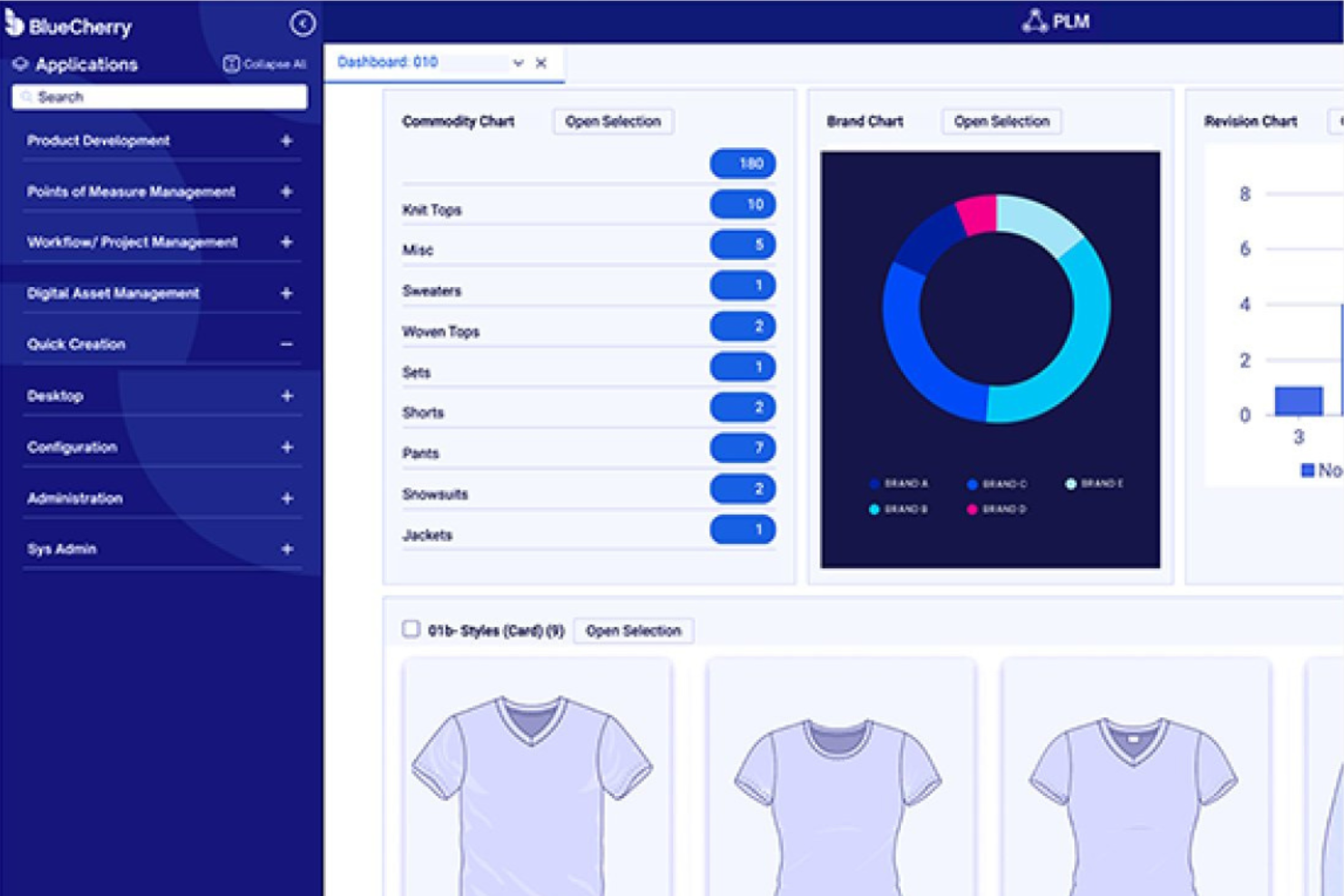
BlueCherry è una piattaforma modulare di gestione dell'abbigliamento nativa per il cloud, sviluppata da CGS, che copre l'intero ciclo di vita del prodotto, dalla gestione del ciclo di vita del prodotto (PLM) e dalla pianificazione delle risorse aziendali (ERP) alle previsioni della domanda basate sull'IA, alla vendita all'ingrosso B2B, alla gestione del magazzino e all'inventario omnicanale sui canali ecommerce e marketplace.
Per chi è più adatto BlueCherry?
BlueCherry è particolarmente adatto ai brand di abbigliamento e moda di medie e grandi dimensioni che gestiscono catene di approvvigionamento complesse attraverso vendita all'ingrosso, ecommerce e produzione.
Perché ho scelto BlueCherry
BlueCherry si è guadagnato un posto nella mia rosa di candidati perché la visibilità sulla catena di approvvigionamento va più in profondità rispetto alla maggior parte delle piattaforme che ho esaminato. Apprezzo il modo in cui il modulo Pianificazione IA acquisisce dati POS reali dei rivenditori, segnali meteorologici e tendenze di mercato per generare previsioni della domanda specifiche per la moda, attivando poi automaticamente gli ordini di rifornimento. La logica dell'inventario in tempo reale, che distingue tra 'disponibile alla vendita' e 'impegnato alla vendita' sui canali all'ingrosso, ecommerce e marketplace, consente di sapere sempre esattamente quali scorte è possibile impegnare.
Funzionalità principali di BlueCherry
- Portale per la vendita all'ingrosso B2B: Un marketplace digitale personalizzato con il proprio brand, dove gli acquirenti possono consultare cataloghi personalizzabili, effettuare ordini all'ingrosso con prezzi a scaglioni e accedere ai dati di inventario in tempo reale 24 ore su 24.
- Integrazione PLM: La gestione delle schede tecniche, il monitoraggio delle distinte base, la determinazione dei costi e la gestione dei campioni si collegano direttamente all'ERP per unificare progettazione e operatività in un'unica piattaforma.
- Modulo EDI: Le mappe EDI native e i servizi di consulenza collegano BlueCherry a oltre 1.000 partner commerciali, automatizzando lo scambio di dati e riducendo gli errori di inserimento manuale.
- Gestione degli audit di qualità: Modelli di ispezione standardizzati, ispezioni offline abilitate sui dispositivi mobili e avvisi in tempo reale mantengono visibile il controllo qualità lungo l'intera catena di approvvigionamento.
Integrazioni di BlueCherry
BlueCherry offre integrazioni documentate con Shopify, Magento, BigCommerce, Amazon, Walmart, NuOrder, Joor, Salsify, Adobe Illustrator e piattaforme di rendering 3D. Il suo modulo EDI si collega a oltre 1.000 partner commerciali, mentre un'API aperta supporta integrazioni personalizzate.
Pros and Cons
Pros:
- Specializzazione approfondita nelle funzionalità per il settore dell'abbigliamento
- Previsioni basate sull'IA personalizzate per il merchandising della moda
- Potente portale di vendita all'ingrosso B2B
Cons:
- Nessun sistema POS proprietario disponibile
- Costi elevati di implementazione e personalizzazione

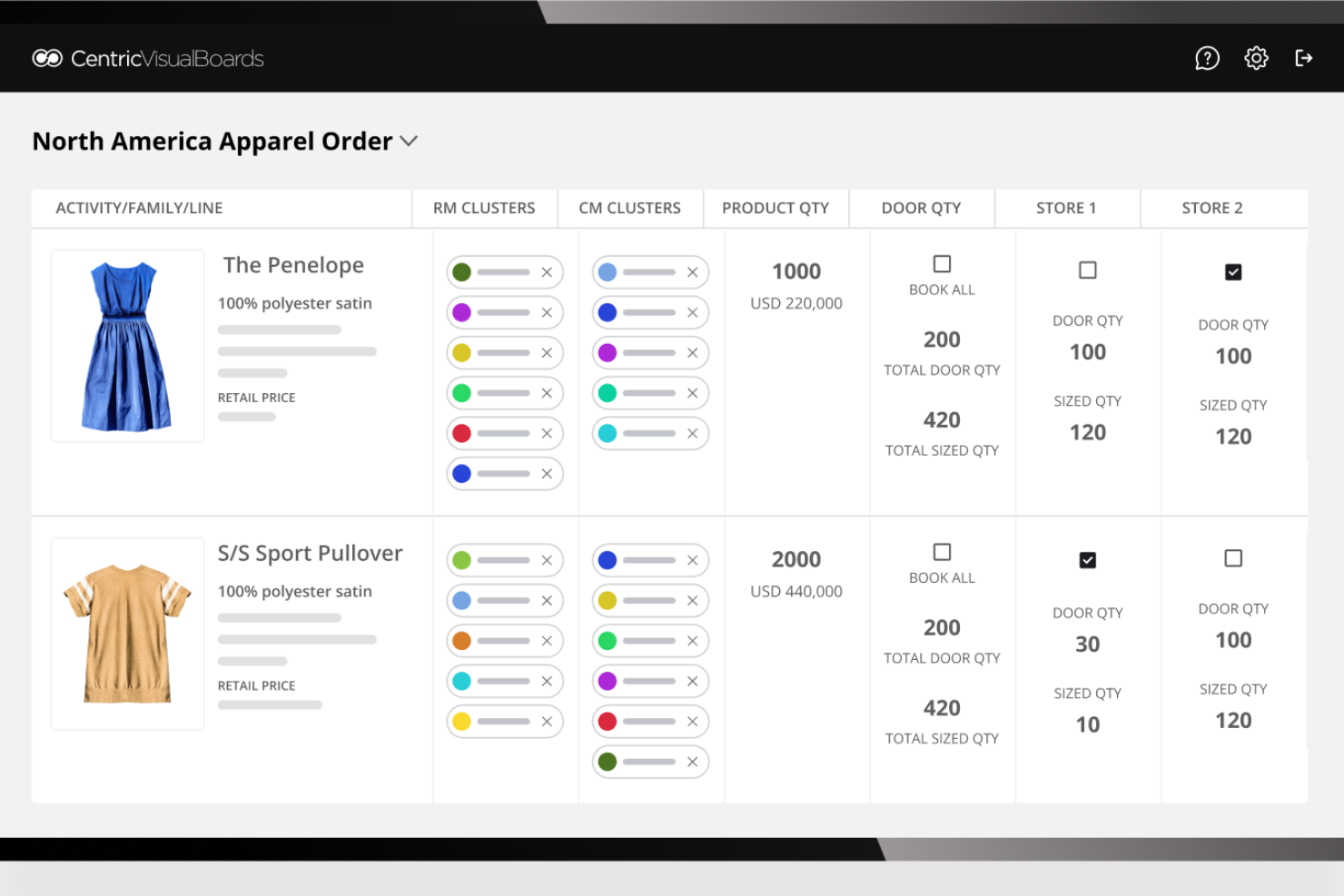
Centric PLM è una piattaforma di gestione del ciclo di vita del prodotto progettata per i marchi di moda e abbigliamento, che copre lo sviluppo del prodotto, la pianificazione dell'assortimento e del merchandising, le previsioni della domanda, la collaborazione con i fornitori e la distribuzione dei prodotti su più canali.
Per chi è più adatto Centric PLM?
Centric PLM è una soluzione particolarmente adatta ai proprietari di marchi di abbigliamento e ai responsabili della pianificazione della moda che gestiscono internamente lo sviluppo dei prodotti, l'approvvigionamento e la pianificazione dell'assortimento, dall'ideazione fino alla vendita.
Perché ho scelto Centric PLM
Centric PLM si è guadagnato un posto nella mia selezione perché nessun'altra piattaforma riduce i tempi dall'ideazione al mercato quanto questa per i marchi di abbigliamento. Sono particolarmente colpito dal suo strumento di ispirazione per la moda basato sull'IA, che accelera l'ideazione delle collezioni, e dalla funzionalità Schede visive, che mantiene allineati i team di design, merchandising e pianificazione senza interminabili scambi. Marchi come Wildfang hanno aumentato la gestione degli SKU del 50–70% senza incrementare il personale, il che mi dimostra che la piattaforma offre risultati concreti quando si tratta di cicli di sviluppo rapidi.
Funzionalità principali di Centric PLM
- Pianificazione finanziaria dell'assortimento e del merchandising: Collega la pianificazione finanziaria di alto livello all'esecuzione durante la stagione con la definizione del budget OTB, la pianificazione delle linee e le previsioni della domanda basate sull'IA nei periodi pre-stagionali e durante la stagione.
- Intelligence di mercato di Centric: Monitora assortimento, prezzi e promozioni dei concorrenti di oltre 760.000 marchi in più di 100 Paesi, con 12 anni di dati storici aggiornati ogni 24 ore.
- Collaborazione con i fornitori e schede di valutazione dei venditori: Consente di inviare simultaneamente brief di progettazione a più fornitori e di monitorare in un unico luogo le prestazioni dei venditori, gli audit degli stabilimenti e la conformità.
- Distribuzione dei prodotti su più canali tramite Centric PXM: Distribuisce i dati dei prodotti e sincronizza in tempo reale prezzi e inventario su oltre 1.000 canali, tra cui Shopify, WooCommerce, TikTok Shop e i chioschi nei punti vendita.
Integrazioni di Centric PLM
Centric PLM si integra con AIMS360, Shopify, SAP, Salesforce, Adobe Illustrator, CLO 3D, Browzwear e Bynder. Le API REST aperte e l'hub dei connettori supportano connessioni personalizzate con sistemi ERP, di e-commerce, di design e PIM.
Pros and Cons
Pros:
- Ottimizza la pianificazione dell'assortimento e il budget OTB
- Consente di ottenere informazioni in tempo reale sui prezzi dei concorrenti
- Previsioni della domanda e rifornimento basati sull'IA
Cons:
- Nessun inventario per la vendita al dettaglio o POS nativo
- Il costo totale è elevato per alcuni marchi

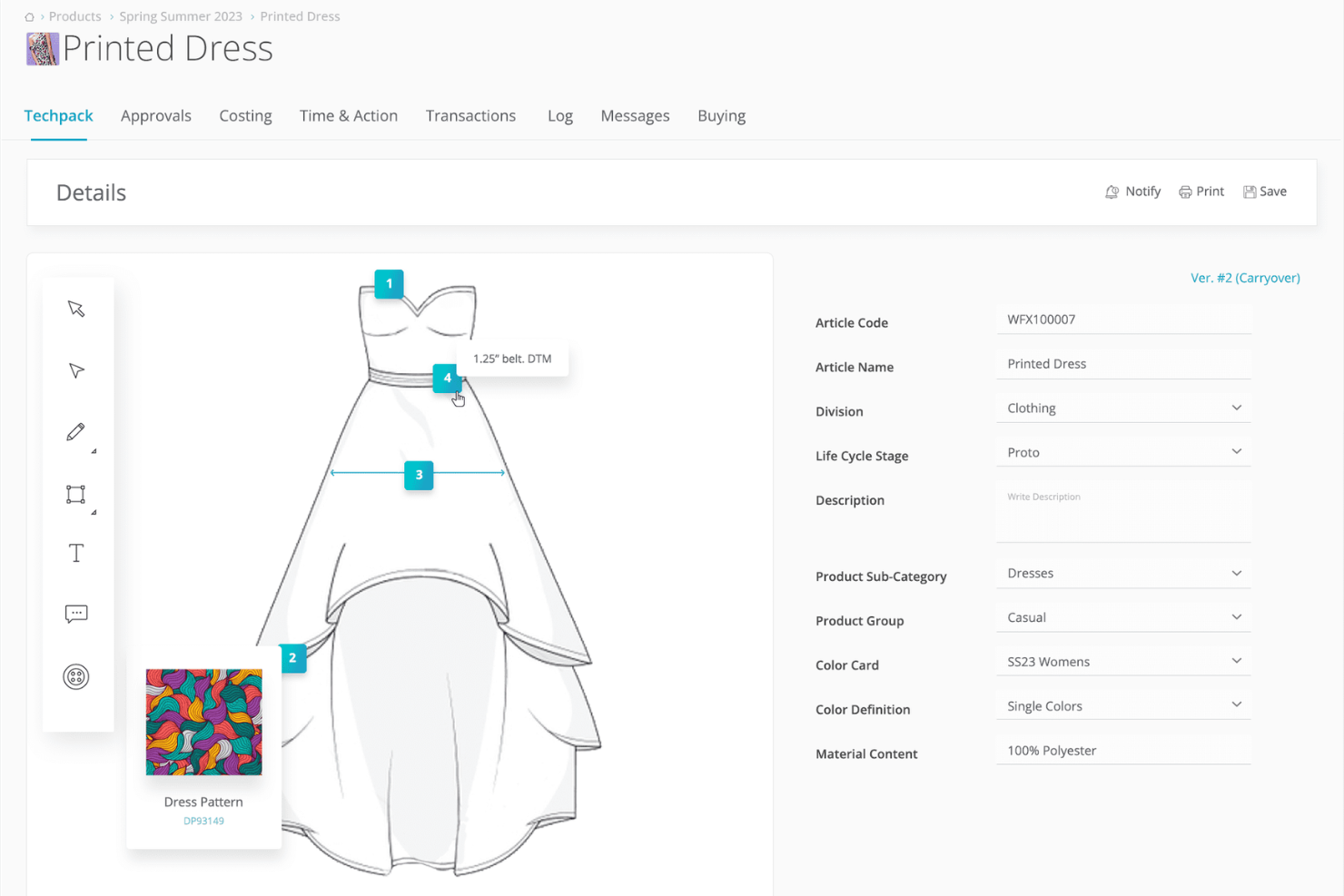
WFX (World Fashion Exchange) è una piattaforma PLM e ERP per l'abbigliamento nativa del cloud che copre lo sviluppo dei prodotti, le schede tecniche, il calcolo dei costi, la collaborazione con i fornitori, la pianificazione del merchandising e la gestione degli ordini di acquisto in un unico sistema.
Per chi è più adatto WFX (World Fashion Exchange)?
WFX è particolarmente adatto ai marchi di moda e ai produttori di abbigliamento che gestiscono lo sviluppo dei prodotti, l'approvvigionamento e i rapporti con i fornitori attraverso team globali distribuiti.
Perché ho scelto WFX (World Fashion Exchange)
Ho incluso WFX tra le mie scelte principali perché è progettato specificamente per i team della moda distribuiti tra diversi fusi orari, mercati di approvvigionamento e reti di fornitori. Il suo portale centralizzato per i fornitori consente ai team di design, acquisti e produzione di condividere schede tecniche, feedback sui campioni e revisioni degli ordini di acquisto in un unico luogo, sostituendo le catene di e-mail che rallentano notevolmente la collaborazione transfrontaliera. Apprezzo in particolare il modulo del piano acquisti, che sincronizza automaticamente le modifiche alle quantità direttamente con gli ordini di acquisto e suddivide contemporaneamente gli acquisti per curva delle taglie, variante colore e canale di vendita.
Funzionalità principali di WFX (World Fashion Exchange)
- Gestione delle schede tecniche: Crea, archivia e condividi schede tecniche dettagliate con schede degli accessori, distinta base (BOM), punti di misurazione e materiali grafici in una libreria centralizzata dei prodotti.
- Flussi di lavoro per la conformità dei fornitori: Tieni traccia delle approvazioni dei fornitori, dei feedback sui campioni e delle ispezioni di qualità con avvisi sulle tappe fondamentali e promemoria automatici di escalation.
- Showroom virtuale: Condividi cataloghi digitali protetti da password con gli acquirenti B2B, includendo visualizzazioni dei prodotti in 2D/3D, messaggistica integrata e analisi delle promozioni.
- Connettore certificato per NetSuite: Sincronizza bidirezionalmente dati dei prodotti, modelli, materiali e ordini di acquisto tra WFX e Oracle NetSuite tramite un'integrazione certificata 'Built for NetSuite'.
Integrazioni di WFX (World Fashion Exchange)
Le integrazioni documentate includono Oracle NetSuite, Adobe Illustrator, AIMS360, GT Nexus, Fast React, SAP e Microsoft Dynamics. WFX offre un'API REST per connessioni personalizzate, mentre Shopify è indicato come integrazione da Capterra.
Pros and Cons
Pros:
- Progettato per team di design e approvvigionamento da remoto
- Matrice di modelli, taglie e colori specifica per la moda
- Showroom virtuale B2B per acquirenti all'ingrosso
Cons:
- Nessuna funzionalità POS integrata per la vendita al dettaglio
- Strumenti di inventario incentrati sulla produzione, non sui negozi

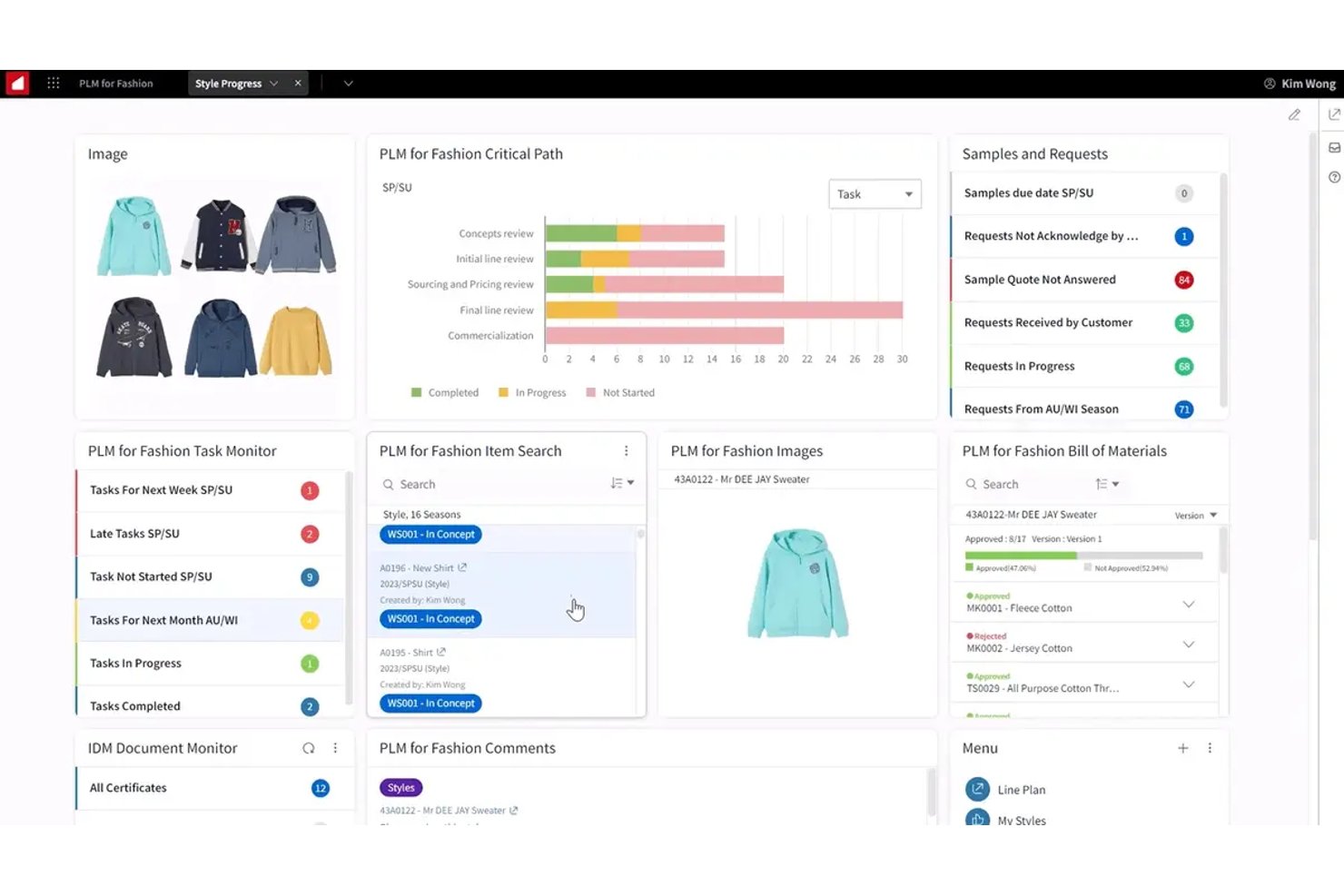
Infor CloudSuite Fashion è un ERP aziendale sviluppato specificamente per i marchi di abbigliamento, calzature e accessori, con gestione nativa delle matrici di stile/colore/taglia, pianificazione stagionale, visibilità sulla catena di approvvigionamento e inventario omnicanale integrati in un'unica piattaforma SaaS.
Per chi è più adatto Infor CloudSuite Fashion?
Infor CloudSuite Fashion è progettato per i marchi di abbigliamento, calzature e accessori del mercato medio e delle grandi imprese che necessitano di un'unica piattaforma per gestire ogni aspetto, dalla progettazione dei prodotti e dall'approvvigionamento fino alla gestione dei magazzini, alle vendite all'ingrosso e alle vendite omnicanale.
Perché ho scelto Infor CloudSuite Fashion
Infor CloudSuite Fashion è entrato nella mia rosa di finalisti perché è uno dei pochi ERP in cui la matrice di stile/colore/taglia è una struttura dati nativa, non un componente aggiuntivo. L'ho scelto in particolare per l'automazione dei processi end-to-end, perché collega ogni fase della catena del valore della moda, dal PLM e dall'approvvigionamento fino alla previsione della domanda, all'esecuzione delle operazioni di magazzino e all'evasione omnicanale, in un unico ambiente SaaS. Il componente aggiuntivo Demand Planning utilizza curve delle taglie e segnali di stagionalità basati sul ML per automatizzare il rifornimento, mentre Infor Nexus offre visibilità su oltre 94.000 partner della catena di approvvigionamento, dall'emissione dell'ordine di acquisto fino alla consegna.
Caratteristiche principali di Infor CloudSuite Fashion
- Rete della catena di approvvigionamento Infor Nexus: Collega il tuo team a oltre 94.000 fornitori, produttori e fornitori di servizi logistici per offrire visibilità in tempo reale sugli ordini di acquisto, dall'emissione fino alla consegna.
- Infor PLM for Fashion: Gestisce schede tecniche, monitoraggio dei campioni, controllo qualità e collaborazione con i fornitori dalla progettazione iniziale fino alla produzione finale.
- Analisi Coleman AI: Offre analisi predittive, prescrittive e generative integrate nei flussi di lavoro di previsione, gestione delle eccezioni e rifornimento.
- Conformità tessile e monitoraggio ESG: Fornisce registri di controllo e flussi di lavoro configurabili per le normative sull'etichettatura tessile, la conformità REACH e la misurazione di CO₂/acqua/rifiuti per prodotto.
Integrazioni di Infor CloudSuite Fashion
Le integrazioni del marketplace includono Shopify, mentre le connessioni native supportano Infor Nexus, Infor WMS, Infor PLM for Fashion e Rhythm for Commerce. Infor OS, ION e le API supportano connessioni personalizzate ad applicazioni di terze parti.
Pros and Cons
Pros:
- Matrice nativa per stile e taglia nel settore della moda
- Previsione della domanda basata sull'AI con curve delle taglie
- Strumenti integrati per PLM, merchandising e catena di approvvigionamento
Cons:
- Non progettato per le piccole aziende di abbigliamento
- Tempi di implementazione lunghi per le distribuzioni di grandi dimensioni
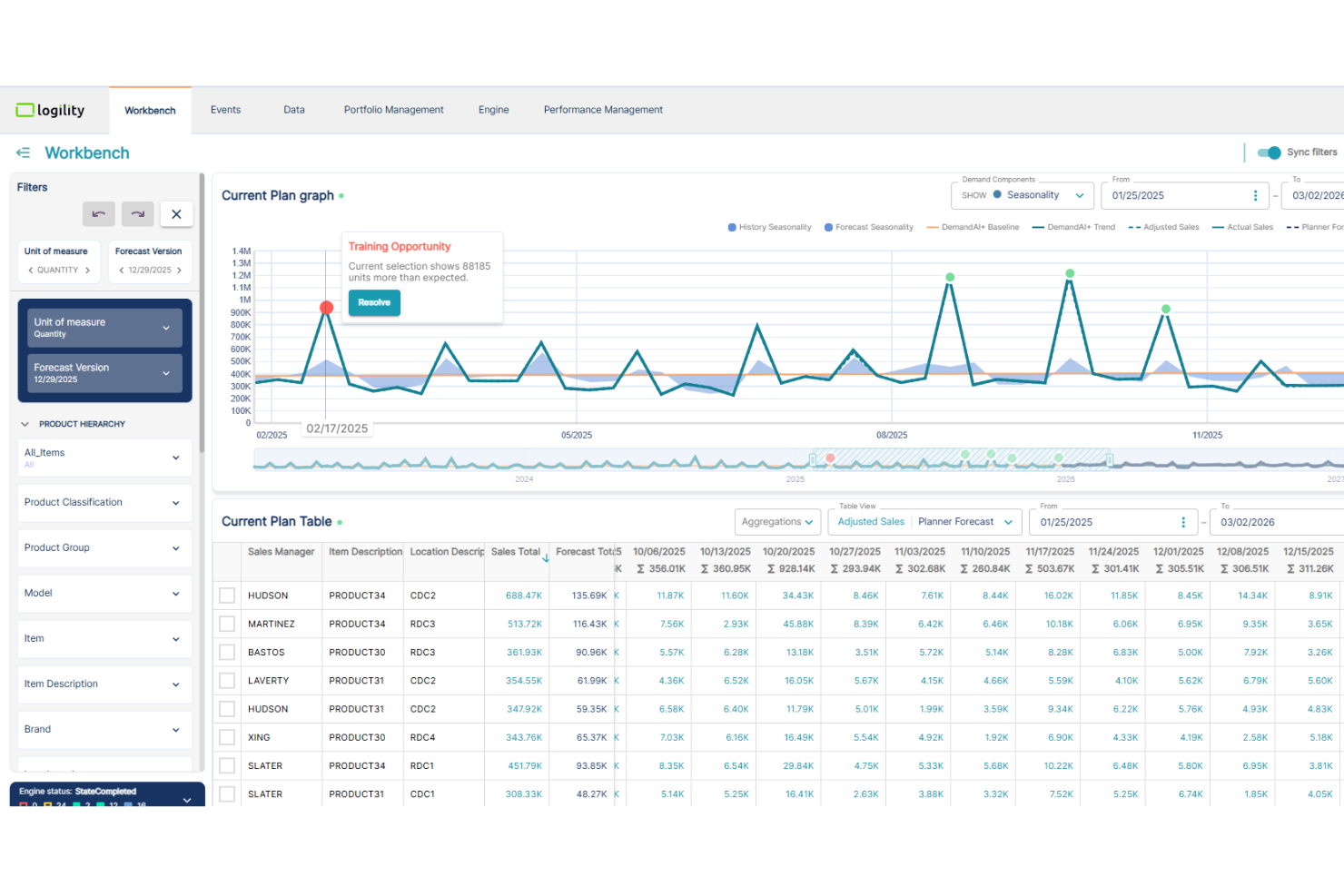
Logility (NGC Andromeda) è una piattaforma di pianificazione della catena di approvvigionamento basata innanzitutto sull'intelligenza artificiale, sviluppata per marchi di abbigliamento, moda e calzature, che combina previsione della domanda, pianificazione dell'assortimento, gestione del ciclo di vita del prodotto, approvvigionamento, conformità dei fornitori e gestione delle scorte in un unico sistema.
Per chi è più adatta Logility (NGC Andromeda)?
Logility è pensata per marchi di abbigliamento e moda di medie e grandi dimensioni che necessitano di previsioni della domanda basate sull'intelligenza artificiale e di una pianificazione della catena di approvvigionamento dall'inizio alla fine in operazioni complesse e multicanale.
Perché ho scelto Logility (NGC Andromeda)
Ho scelto Logility come una delle migliori soluzioni perché il suo modulo DemandAI+ gestisce il tipo di complessità delle previsioni che il settore dell'abbigliamento richiede realmente: le previsioni a livello di modello vengono automaticamente suddivise in proiezioni a livello di taglia utilizzando curve delle taglie, mentre il rilevamento delle anomalie basato sull'apprendimento automatico corregge i dati storici di vendita disomogenei prima che distorcano il piano. Groupe Dynamite l'ha utilizzata per creare piani di rifornimento accurati per stagioni della moda di 6-8 settimane nei suoi marchi Dynamite e Garage. Haggar ha ridotto le scorte in eccesso del 70% gestendo la complessità omnicanale della produzione globale affidata a terzi.
Funzionalità principali di Logility (NGC Andromeda)
- Pannello di controllo della conformità dei fornitori: Tiene traccia delle prestazioni di sostenibilità dei fornitori, della gestione dei certificati, dell'identificazione degli ordini di acquisto a rischio e delle violazioni legali nell'intera rete globale di approvvigionamento.
- Gestione del ciclo di vita del prodotto (PLM): Gestisce l'intero flusso di lavoro dall'ideazione al cliente, inclusa la creazione delle schede tecniche, lo sviluppo dei materiali, il calcolo dei costi, la realizzazione dei campioni e la gestione del percorso critico.
- Tracciabilità della catena di approvvigionamento: Genera certificati di conformità che documentano ogni scambio di materiali e prodotti dall'origine delle fibre al prodotto finito.
- Pianificazione delle vendite e delle operazioni (S&OP): Allinea i piani finanziari, a livello di articolo e dei punti di distribuzione tra marchi e funzioni in un unico flusso di lavoro interfunzionale.
Integrazioni di Logility (NGC Andromeda)
Le integrazioni documentate includono SAP, Oracle Fusion Cloud, Microsoft Dynamics 365, Infor, NuOrder, Shopify, Adobe Illustrator, Browzwear e CLO3D. L'accesso API supporta integrazioni personalizzate, inclusi i collegamenti ai sistemi POS e ad altri sistemi commerciali.
Pros and Cons
Pros:
- Pianificazione nativa delle curve delle taglie e delle matrici degli stili
- Le previsioni della domanda basate sull'intelligenza artificiale riducono gli errori di previsione
- Copertura della catena di approvvigionamento dall'inizio alla fine nel settore dell'abbigliamento
Cons:
- Nessun modulo POS integrato
- La configurazione e l'impostazione richiedono il coinvolgimento del fornitore
Altri software per la gestione dell'abbigliamento
Ecco alcune altre opzioni di software per la gestione dell’abbigliamento che non sono entrate nel mio elenco selezionato, ma che vale comunque la pena valutare:
- Microsoft Dynamics 365
Ideale per l'integrazione con gli strumenti Microsoft 365
- Blue Link ERP
Ideale per l'inserimento degli ordini all'ingrosso basato su griglia
- PolyPM
Ideale per ERP e PLM unificati
- Tukatech
Ideale per la creazione digitale di cartamodelli per aziende emergenti
- Onbrand PLM
Ideale per la creazione rapida di schede tecniche
- DeSL
Ideale per la trasformazione digitale della catena di approvvigionamento
- Lectra
Ideale per la creazione avanzata di modelli 2D/3D
- Forbytes
Ideale per analisi e pannelli di controllo personalizzati
- PTC FlexPLM
Ideale per il visual merchandising su scala aziendale
- Lifecycle PLM
Ideale per la collaborazione sui campioni basata sull'IA


Come Valuto il Software di Gestione Abbigliamento
Divido la mia valutazione in criteri di base—come la gestione dell'inventario tramite matrici taglia/colore e gli ordini stagionali—e fattori differenzianti che separano lo strumento giusto per la tua attività dagli altri.
Funzionalità Principali (Requisiti Fondamentali per Questa Lista)
Quando seleziono gli strumenti per la mia lista, valuto ciascuno su una scala da 0 (non offre la funzionalità) a 5 (eccelle in quest'area) per ogni funzionalità principale elencata di seguito. Poi calcolo il punteggio totale dello strumento in percentuale. Ogni strumento deve raggiungere un punteggio totale minimo del 65% per poter essere considerato.
- Matrice Stile/Taglia/Colore: Verifico se uno strumento ti permette di creare e gestire SKU su una griglia completa stile-taglia-colore, incluso l'inserimento in blocco per lanci stagionali con decine di varianti colore.
- Sincronizzazione Inventario Multi-Canale: In questo caso è importante la precisione in tempo reale delle scorte tra POS, ecommerce e marketplace—analizzo come ogni strumento gestisce la prevenzione dell'overselling durante le vendite lampo.
- Pianificazione di Assortimento & Merce: Valuto se la piattaforma supporta la pianificazione degli acquisti stagionali e i budget open-to-buy, specialmente per team che gestiscono più linee prodotto per stagione.
- Gestione degli Ordini di Acquisto: Ogni strumento dovrebbe gestire l'intero ciclo degli ordini di acquisto—dall'ordine basato su matrice per serie di taglie alla ricezione parziale quando il fornitore spedisce consegne frazionate prima di un lancio.
- Integrazione POS per Abbigliamento: Cerco workflow POS pensati per il retail abbigliamento, come resi a livello di variante, stampa di codici a barre e cartellini, e la possibilità di consultare le scorte negli altri punti vendita.
- Previsione della Domanda & Rifornimento: L'analisi del sell-out per curva taglie e i dati sulle tendenze stagionali dovrebbero informare le raccomandazioni di riordino, così valuto come ogni strumento trasforma lo storico vendite in segnali di acquisto.
Una volta che ho una lista di strumenti che soddisfano i criteri, considero cosa distingue ogni piattaforma dalle altre.
Fattori Differenzianti (Cosa Distingue i Fornitori)
Ecco come valuto e confronto i diversi fornitori:
Funzionalità Distintive
Un portale B2B per il wholesale è un importante fattore differenziante per i marchi che vendono alle boutique—cerco la creazione di linesheet digitali e flussi di lavoro per ordini pre-stagione. Anche i motori per sconti e promozioni spiccano quando permettono ai merchandiser di automatizzare i ribassi in base agli obiettivi di sell-out invece che modificare manualmente i prezzi a ogni svendita di fine stagione. Valuto anche gli strumenti di clienteling, soprattutto quelli che registrano preferenze di taglia e storico degli acquisti per fornire agli addetti vendita il contesto necessario a favorire visite ripetute.
Oltre le Funzionalità
L'integrazione nell'ecosistema conta molto qui—verifico se una piattaforma si collega al tuo ecommerce, al sistema contabile e agli strumenti di spedizione senza bisogno di middleware o importazioni manuali di file CSV. Anche la reportistica è un aspetto che valuto attentamente, soprattutto gli indicatori specifici per l'abbigliamento come tasso di sell-out, GMROI e settimane di copertura che gli acquirenti e i planner usano realmente per le decisioni sulla stagione successiva. Considero anche la struttura dei prezzi, dato che modelli a punto vendita o location possono scalare in modo molto diverso rispetto a prezzi per utente quando un rivenditore passa da due a venti negozi.
Come scegliere un software per la gestione dell'abbigliamento
È facile perdersi in lunghi elenchi di funzionalità e strutture di prezzi complesse. Per aiutarti a rimanere concentrato mentre affronti il tuo processo di selezione del software, unico per la tua azienda, ecco un elenco di fattori da tenere a mente:
| Fattore | Cosa considerare |
|---|---|
| Scalabilità | Il sistema crescerà insieme al numero di prodotti, SKU e canali di vendita? Verifica se si applicano limiti o costi aggiuntivi quando espandi la tua attività a nuovi marchi, negozi o aree geografiche. |
| Integrazioni | Si collega nativamente alle tue piattaforme di commercio elettronico, ERP o contabilità? Conferma le integrazioni con i partner principali ed evita, se possibile, soluzioni alternative complesse basate su middleware. |
| Personalizzazione | È possibile adattare flussi di lavoro, report o ruoli al modo in cui il tuo team gestisce il merchandising o organizza i dati? Valuta il supporto per campi, marchio e requisiti specifici dei processi. |
| Semplicità d'uso | L'interfaccia è intuitiva per gli utenti non tecnici? Fai una dimostrazione dei flussi di lavoro principali e chiedi al personale del merchandising, dell'inventario e dell'evasione degli ordini di provare a completare le attività quotidiane. |
| Implementazione e avvio | Quali risorse fornisce il fornitore per la migrazione dei dati, la configurazione e la formazione del personale? Cerca un avvio guidato, non soltanto un link alla documentazione, soprattutto per i team numerosi. |
| Costo | Oltre ai costi mensili, chiarisci le tariffe di avvio, i costi delle integrazioni e i componenti aggiuntivi futuri. Assicurati che il costo totale di possesso rientri nel budget e che la durata del contratto sia in linea con le tue esigenze. |
| Misure di sicurezza | Quali sistemi di crittografia, controlli degli accessi e registri di audit vengono offerti? Informati sulla conformità a standard come il GDPR e assicurati che le autorizzazioni siano adeguate ai dati sensibili del tuo team. |
| Disponibilità dell'assistenza | È disponibile un'assistenza in tempo reale o fuori dall'orario d'ufficio per i problemi urgenti? Informati sui tempi di risposta e sulle opzioni di escalation, soprattutto se la tua catena di approvvigionamento opera al di fuori degli orari lavorativi locali. |
Che cos'è il software per la gestione dell'abbigliamento?
Il software per la gestione dell'abbigliamento è una piattaforma digitale che aiuta i team del settore retail e della moda a gestire la progettazione dei prodotti, l'inventario, la produzione, i fornitori e le vendite attraverso diversi canali. Questi strumenti centralizzano i flussi di lavoro per il lancio di nuove collezioni, il monitoraggio delle scorte, il coordinamento della produzione e il controllo degli ordini, consentendo ai team di mantenere la precisione, rispettare le scadenze di consegna e reagire rapidamente alle tendenze del mercato, tutto da un unico sistema.
Funzionalità
Quando scegli il software per la gestione dell'abbigliamento, presta attenzione alle seguenti funzionalità chiave:
- Gestione delle schede tecniche: archivia, modifica e condividi specifiche dei prodotti, disegni e misure in un unico spazio di lavoro digitale, mantenendo i team di progettazione e i fornitori allineati.
- Monitoraggio dell'inventario: controlla in tempo reale i livelli delle scorte di materie prime e prodotti finiti in magazzini, negozi e canali e-commerce per evitare esaurimenti o situazioni di eccesso di scorte.
- Gestione dei fornitori: mantieni profili dettagliati dei fornitori, cronologia delle comunicazioni, certificazioni e condizioni contrattuali, semplificando il monitoraggio delle prestazioni e della conformità dei fornitori.
- Monitoraggio del flusso di lavoro della produzione: visualizza e gestisci ogni fase del processo produttivo, dalla campionatura e dalle approvazioni fino alla consegna finale, così da individuare tempestivamente colli di bottiglia e ritardi.
- Gestione degli ordini: gestisci gli ordini all'ingrosso, al dettaglio e di e-commerce provenienti da più canali in un unico sistema, con strumenti per automatizzare le fasi dell'evasione e monitorare lo stato degli ordini.
- Gestione della distinta base (BOM): crea e aggiorna le distinte base per ogni modello, assicurandoti che i partner di produzione lavorino sulla versione più recente e riducendo gli sprechi di materiali.
- Analisi dei costi e dei margini: calcola i costi unitari, monitora i margini obiettivo e genera report sulla redditività per ogni modello e ordine, utilizzando i dati relativi ad acquisti, manodopera e spedizioni.
- Pianificazione delle linee stagionali: sviluppa nuove collezioni definendo assortimenti, varianti di colore e finestre di consegna, così da mantenere allineati i team di merchandising e progettazione.
- Monitoraggio dei resi e del controllo qualità: registra i motivi dei resi e i tassi di difettosità, aiutando il team a individuare problemi ricorrenti relativi a prodotti, fornitori o partner logistici.
- Gestione dei documenti: organizza e cerca file fondamentali, grafiche, certificati, contratti e comunicazioni, così che nulla vada perso durante i periodi intensi dei cicli di prodotto.
Funzionalità comuni di intelligenza artificiale nei software per la gestione dell'abbigliamento
Oltre alle funzionalità standard del software per la gestione dell'abbigliamento elencate sopra, molte di queste soluzioni stanno integrando l'intelligenza artificiale con funzionalità come:
- Previsione della domanda: utilizza modelli di intelligenza artificiale per analizzare le vendite storiche, le tendenze esterne e i segnali in tempo reale, prevedendo la domanda futura fino al livello di SKU, regione o canale e aiutandoti a ottimizzare la produzione e l'allocazione dell'inventario.
- Rilevamento automatico delle anomalie: utilizza l'intelligenza artificiale per segnalare modelli di ordine insoliti, discrepanze nelle scorte o problemi di controllo qualità, consentendo ai team di individuare più rapidamente potenziali interruzioni e ridurre la supervisione manuale.
- Pianificazione degli assortimenti basata sull'intelligenza artificiale: valuta le prestazioni degli assortimenti attuali e passati, le tendenze stagionali e il comportamento dei clienti per consigliare combinazioni ottimali di prodotti per le collezioni future.
- Suggerimenti automatici per il rifornimento: utilizza l'analisi predittiva per consigliare quando e quanto riordinare per ogni SKU in base alla velocità delle vendite, ai tempi di approvvigionamento e alle prestazioni dei fornitori.
- Analisi del rischio dei fornitori: applica l'intelligenza artificiale ai dati dei fornitori e della logistica per evidenziare rischi, come ritardi nelle consegne, cali della qualità o instabilità finanziaria, aiutando i team di approvvigionamento ad agire prima che i problemi si aggravino.
Vantaggi
L'implementazione di un software per la gestione dell'abbigliamento offre diversi vantaggi al tuo team e alla tua azienda. Ecco alcuni dei vantaggi che puoi aspettarti:
- Maggiore visibilità sulle scorte: Il monitoraggio in tempo reale delle materie prime e dei prodotti finiti aiuta i team a gestire i livelli di inventario, riducendo sia le rotture di stock sia le situazioni di sovraccumulo.
- Lanci dei prodotti più rapidi: Gli strumenti centralizzati per la gestione del ciclo di vita del prodotto PLM (gestione del ciclo di vita del prodotto), la gestione delle schede tecniche e la pianificazione delle linee riducono il tempo necessario per portare un prodotto dall'ideazione allo scaffale del negozio.
- Flussi di produzione più fluidi: Utilizza il sistema per automatizzare i flussi di monitoraggio e approvazione, assicurandoti che ritardi e colli di bottiglia vengano individuati tempestivamente durante il processo produttivo.
- Previsioni della domanda accurate: Le previsioni basate sui dati aiutano ad anticipare le future tendenze del commercio al dettaglio, così la pianificazione della produzione e le decisioni di acquisto si basano sui dati.
- Migliore collaborazione con i fornitori: Le funzionalità integrate di gestione della catena di approvvigionamento mantengono comunicazioni, conformità e stato degli ordini in un unico luogo organizzato per l'intero settore della moda.
- Gestione degli ordini più intelligente: La gestione omnicanale degli ordini consente di elaborare gli ordini più rapidamente attraverso diversi canali di vendita e di evitare errori costosi.
- Maggiore controllo sui costi: Gli strumenti di determinazione dei costi, l'analisi dei margini e il monitoraggio dei resi tramite il software ERP offrono una visibilità approfondita sulla redditività e sulle prestazioni dei prodotti.
Costi & prezzi
La scelta di un software per la gestione dell'abbigliamento richiede la comprensione dei vari modelli e piani tariffari disponibili. I costi variano in base alle funzionalità, alle dimensioni del team, ai componenti aggiuntivi e ad altri fattori. La tabella seguente riassume i piani più comuni, i relativi prezzi medi e le funzionalità generalmente incluse nelle soluzioni software per la gestione dell'abbigliamento:
Tabella comparativa dei piani per il software di gestione dell'abbigliamento
| Tipo di piano | Prezzo medio | Funzionalità comuni |
|---|---|---|
| Piano gratuito | $0 | Monitoraggio di base dell'inventario, archiviazione limitata delle schede tecniche, gestione di base degli ordini e accesso per uno o due utenti. |
| Piano personale | $30-$80/utente/mese | Gestione principale dell'inventario e degli ordini, creazione di schede tecniche, supporto per un singolo canale, gestione limitata dei fornitori e assistenza via e-mail. |
| Piano aziendale | $100-$250/utente/mese | Vendite multicanale, controllo avanzato dell'inventario, gestione dei fornitori e dei flussi di produzione, monitoraggio dei resi e campi personalizzati. |
| Piano per grandi aziende | $400-$1,000+/mese | Utenti illimitati, automazione avanzata, integrazioni personalizzate, analisi basate sull'intelligenza artificiale, assistenza dedicata e strumenti per la conformità. |
Domande frequenti sul software di gestione dell'abbigliamento
Ecco alcune risposte alle domande più comuni sul software di gestione dell’abbigliamento:
Quali tipi di aziende hanno bisogno di un software di gestione dell'abbigliamento?
Questo tipo di soluzione ERP è utile per i marchi di moda, i produttori, i grossisti e gli importatori. È particolarmente vantaggiosa per i rivenditori omnicanale che hanno bisogno di un modo specifico per il settore per coordinare la gestione dell’inventario, la gestione della produzione e i dati dei prodotti tra i vari team. Che si tratti di una piccola startup o di una grande azienda di abbigliamento, queste soluzioni software aiutano ad allineare le operazioni alle esigenze aziendali specifiche.
Il software di gestione dell'abbigliamento può gestire sia le materie prime sia i prodotti finiti?
Sì, la maggior parte dei sistemi ERP per l’abbigliamento consente di gestire materie prime, accessori e prodotti finiti in un’unica piattaforma tutto-in-uno. Questo aiuta gli addetti agli acquisti e i team di produzione a monitorare i livelli delle scorte e ciò che è necessario per gli ordini futuri, un aspetto fondamentale per mantenere la redditività ed evitare scorte eccessive all’interno della catena di approvvigionamento.
In che modo il software di gestione dell'abbigliamento supporta il monitoraggio della produzione?
Questi strumenti consentono di impostare traguardi, monitorare le approvazioni e registrare i problemi in ogni fase del processo produttivo. Per chi opera nel settore tessile, questa visibilità permette al team di vedere a che punto si trova ogni modello nel ciclo di produzione. Il miglioramento di questa funzionalità contribuisce a ridurre il tempo di commercializzazione e consente di prendere decisioni migliori quando si presentano degli ostacoli.
È possibile integrare il software di gestione dell'abbigliamento con piattaforme di contabilità o di commercio elettronico?
Sì, molti sistemi offrono integrazioni con piattaforme di commercio elettronico, EDI e strumenti di contabilità. Collegare i canali di vendita a un sistema ERP basato sul cloud garantisce che i dati fluiscano correttamente tra il CRM e il WMS. Questa connettività aiuta a ottimizzare i flussi di lavoro, migliora l’esperienza finale del cliente e riduce la necessità di inserire manualmente i dati.
Quali sono i primi passi per implementare un software di gestione dell'abbigliamento?
I primi passi tipici includono la mappatura dei processi di gestione aziendale e della catena di approvvigionamento, la preparazione dei dati per la migrazione e la configurazione degli utenti principali. La maggior parte dei fornitori mette a disposizione risorse per l’avviamento, come formazione, presentazioni del prodotto e documentazione, per accelerare l’adozione e aiutare i marchi di moda a stare al passo con le mutevoli tendenze del mercato.