

I 10 migliori software di analisi del commercio elettronico per monitorare il ROI nel 2026

10 Selezione dei migliori software di analisi per l'e-commerce


Esistono così tanti software diversi di analisi per l'e-commerce che creare una selezione dei migliori può essere complicato. Vuoi monitorare metriche chiave come i tassi di conversione, il valore medio degli ordini e i costi di acquisizione dei clienti e ora ti serve lo strumento giusto per la tua attività di commercio online. Ci penso io! In questo articolo condivido la mia esperienza personale nella gestione di negozi online di ogni dimensione, maturata utilizzando numerose piattaforme di analisi con team dinamici, e presento la mia selezione dei migliori software di analisi per l'e-commerce in generale.
Perché fidarsi dei nostri consigli sui software
Il nostro team testa e recensisce software dal 2012. In quanto leader del retail noi stessi, sappiamo quanto sia difficile — e importante — scegliere il software giusto.
Per questa guida, abbiamo valutato gli strumenti attraverso test pratici e ricerche indipendenti, assegnando un punteggio agli strumenti in base ai nostri criteri di selezione.
Le nostre recensioni riflettono il nostro giudizio indipendente, non un discorso di vendita.
Tabella comparativa dei migliori software di analisi per l'e-commerce
Questa tabella comparativa riassume i dettagli di base di ciascuno dei migliori software di analisi per l’e-commerce che ho selezionato. Puoi visualizzare fianco a fianco i dettagli sui prezzi e la disponibilità di prove gratuite o demo, così da trovare il software più adatto al tuo budget.
| Tool | Best For | Trial Info | Price | ||
|---|---|---|---|---|---|
| 1 | Il miglior software di analisi ecommerce per diversi tipi di heatmap | Prova gratuita di 14 giorni + piano gratuito + demo gratuita disponibile | Da $25/mese (fatturato annualmente) | Website | |
| 2 | Il miglior software di analisi ecommerce per product analytics self-service | Piano gratuito + demo gratuita disponibile | Da $1200/anno (fatturazione annuale) | Website | |
| 3 | Il miglior software di analisi ecommerce per approfondimenti sull'esperienza cliente | Demo gratuita disponibile | Prezzo su richiesta | Website | |
| 4 | Il miglior software di analisi ecommerce per analizzare i percorsi cliente omnicanale | Demo gratuita + prova gratuita di 30 giorni disponibile | Da $416,25/mese (fatturato annualmente) | Website | |
| 5 | Il miglior software di analisi ecommerce per la raccolta automatica dei dati | Piano gratuito + prova gratuita + demo gratuita disponibili | Prezzi su richiesta | Website | |
| 6 | Il miglior software di analisi ecommerce per l'analisi comportamentale | Prova gratuita di 7 giorni + demo gratuita disponibile | Da $99/mese | Website | |
| 7 | Il miglior software di analisi ecommerce per negozi Shopify | Piano gratuito + demo gratuita disponibile | Da $219/mese | Website | |
| 8 | Il miglior software di analisi ecommerce per una singola fonte di verità | Demo gratuita disponibile | Prezzi su richiesta | Website | |
| 9 | Il miglior software di analisi ecommerce per la visibilità cross-platform | Demo gratuita disponibile | Prezzo su richiesta | Website | |
| 10 | La miglior piattaforma di analisi ecommerce per il tracciamento senza cookie | Piano freemium + demo gratuita disponibile | A partire da $55/mese (fatturazione annuale) | Website |
Panoramica dei 20 migliori software di analisi per l'e-commerce
Ecco una breve descrizione di ciascun software di analisi per l’e-commerce, con il relativo caso d’uso migliore, le funzionalità più interessanti e alcuni pro e contro. Ho incluso anche schermate per offrirti una panoramica della relativa interfaccia utente.

Il miglior software di analisi ecommerce per diversi tipi di heatmap
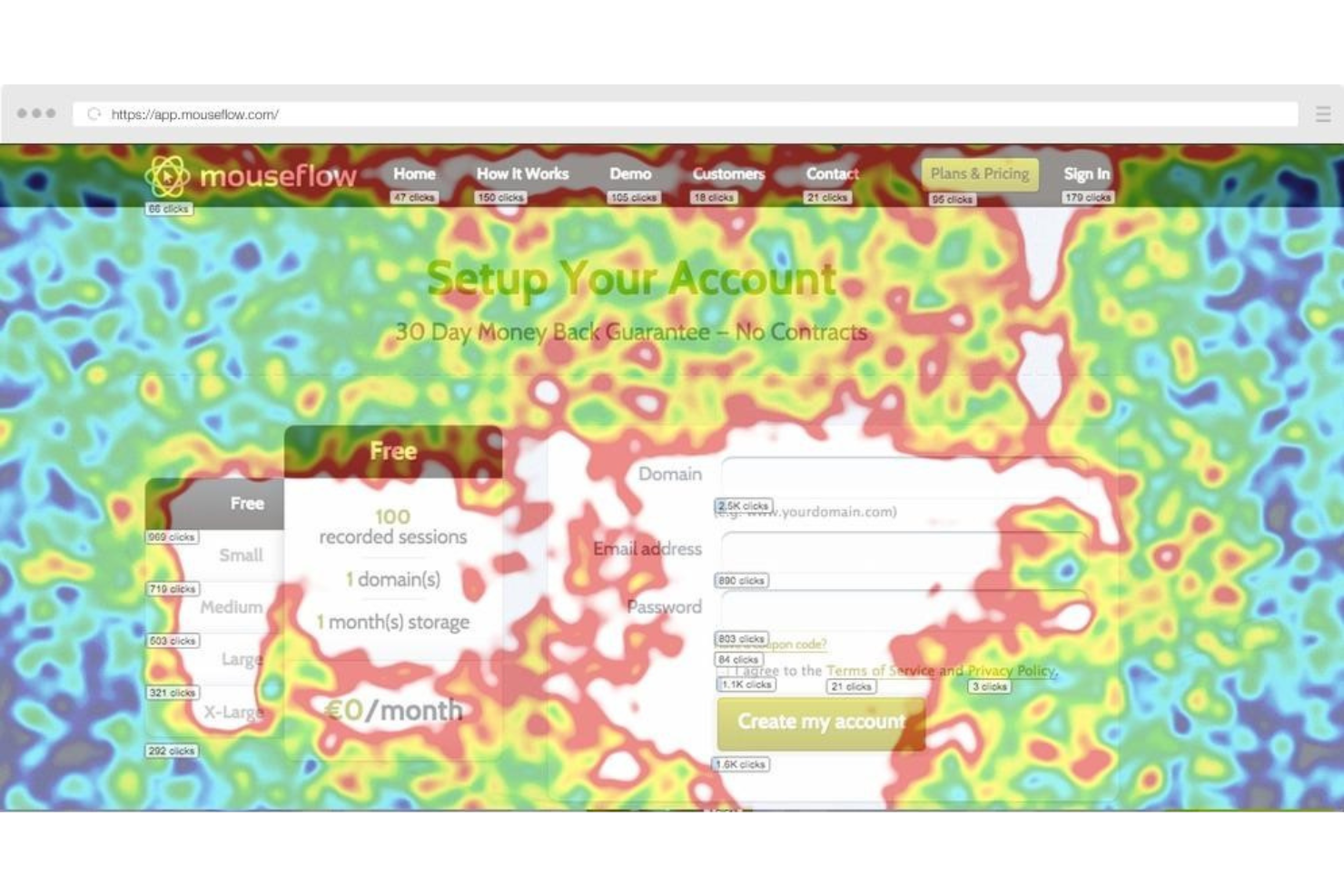
Mouseflow è una piattaforma di web analytics basata sul comportamento che ottimizza le esperienze del sito web per migliorare le conversioni.
Perché ho scelto Mouseflow: Il software ti permette di osservare le sessioni dei visitatori sul sito e di creare fino a sei tipi di heatmap per monitorare l'attività. Puoi anche configurare i funnel per mostrare dove i visitatori abbandonano (e perché). Gli strumenti di analisi dei moduli aiutano a migliorare la generazione di contatti, mentre le campagne di feedback raccolgono ulteriori informazioni sui visitatori.
Inoltre, puoi analizzare i tuoi dati in diversi modi utilizzando opzioni avanzate di filtraggio. Mouseflow offre anche il machine learning per accelerare l'ottimizzazione e la crescita delle entrate.
Caratteristiche e integrazioni di spicco di Mouseflow
Caratteristiche: heatmap avanzate, punteggi di attrito, scroll map, funnel di conversione, replay delle sessioni, visualizzazioni dettagliate e identificazione dei pattern.
Integrazioni: Google Sheets, Gmail, HubSpot, Mailchimp, Microsoft Outlook, Notion, Slack, Spreedly, Trello e Twitter.
Pros and Cons
Pros:
- Buon equilibrio tra costo e funzionalità
- Mappa tutto il percorso cliente
- Conveniente e facile da usare
Cons:
- Il punteggio di attrito è confusionario
- Le heatmap sono difficili da modificare

Mixpanel
Il miglior software di analisi ecommerce per product analytics self-service
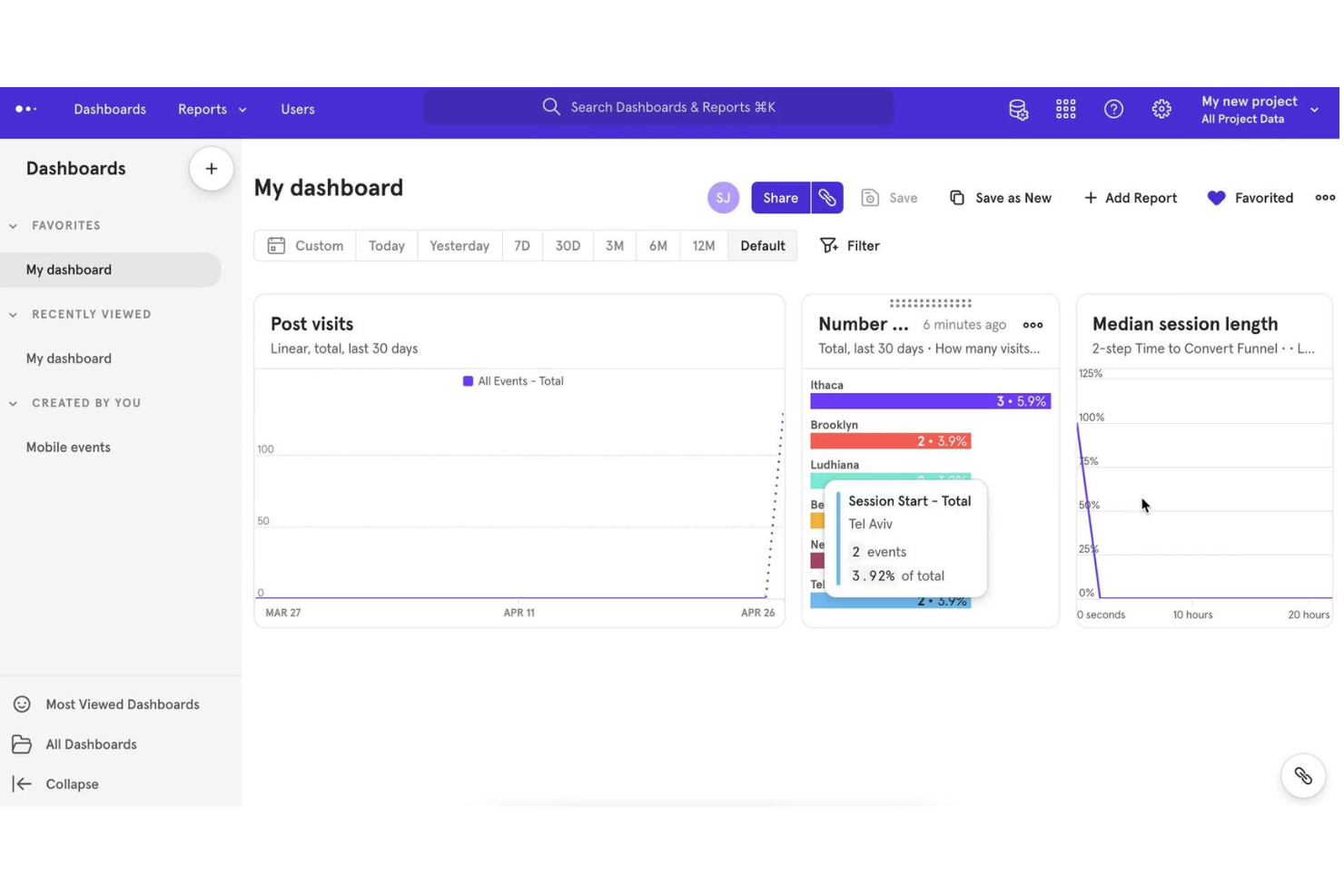
Mixpanel è una soluzione di analisi dei prodotti che offre approfondimenti sul comportamento del pubblico e traccia i percorsi dei clienti.
Perché ho scelto Mixpanel: Il software ti consente di convertire i lead in clienti, generare report personalizzati, visualizzare i principali flussi utente, costruire funnel, creare coorti in blocco e automatizzare i flussi di lavoro. Gli strumenti offerti includono test A/B, targeting del pubblico, visualizzazione dei dati, monitoraggio delle conversioni e analisi statistica.
Mixpanel ti aiuta a gestire le campagne e a migliorare i tassi di conversione. Puoi anche ricevere avvisi per aggiornamenti di prodotto e monitorare i principali indicatori di performance (KPI) dei prodotti.
Caratteristiche distintive e integrazioni di Mixpanel
Caratteristiche includono reportistica in tempo reale, tracciamento standard degli eventi, metriche di coinvolgimento, tracciamento personalizzato degli eventi, segmentazione, funnel e dashboard personalizzate.
Integrazioni includono AB Tasty, Alooma, Apptimize, Branch Metrics, Chartio, Google Cloud Platform, HubSpot, Intercom e Spreedly. Mixpanel include anche un'interfaccia di programmazione delle applicazioni (API) per facilitare l'integrazione anche con piattaforme di e-commerce di terze parti.
Pros and Cons
Pros:
- Integrazione con Segment
- Monitora sia eventi che profili
- Dati facilmente visualizzabili
Cons:
- La documentazione a volte non è aggiornata
- Curva di apprendimento ripida

Glassbox
Il miglior software di analisi ecommerce per approfondimenti sull'esperienza cliente
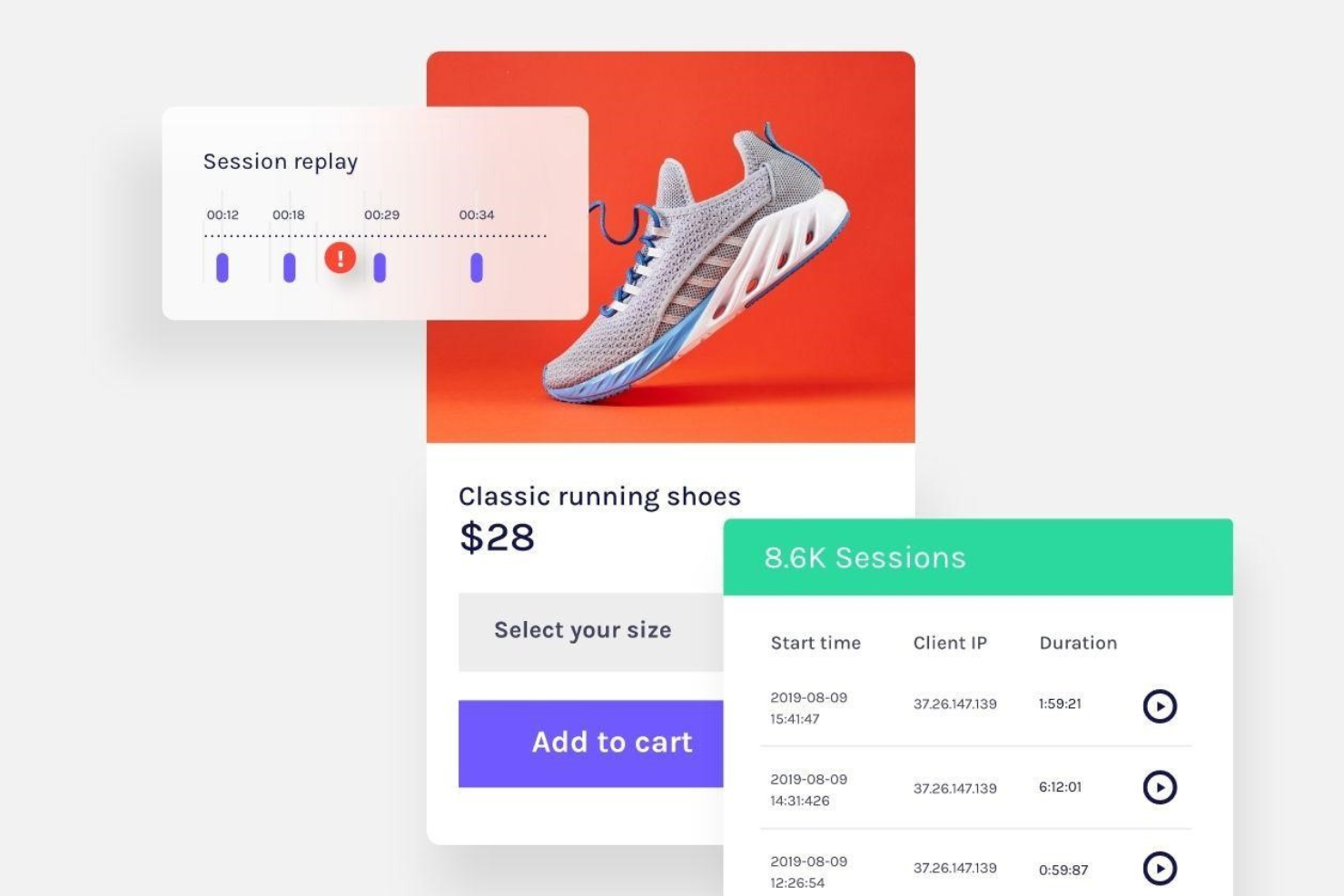
Glassbox si propone di mostrarti esattamente cosa fanno i tuoi clienti e perché. Il software offre approfondimenti progettati per favorire la crescita dei clienti e aumentare la loro fedeltà.
Perché ho scelto Glassbox: Glassbox offre analisi sull'esperienza utente che permettono una comprensione più profonda dei tuoi clienti, così puoi far crescere più velocemente la tua attività ecommerce. Il sistema aiuta a progettare esperienze che massimizzano le conversioni, sviluppano prodotti incentrati sul cliente, risolvono problemi tecnici e permettono di reagire più rapidamente ai feedback dei clienti.
Il software elimina la necessità di taggare singoli elementi delle pagine, eventi o punti di conversione. Ogni comportamento utente ed elemento tecnico viene invece catturato automaticamente. In questo modo ottieni una visione completa dell’esperienza dei tuoi utenti su siti web e app mobile.
Puoi esaminare retroattivamente qualsiasi sessione o coorte di utenti e ottenere risposte immediate. Tutti i dati delle sessioni sono disponibili in tempo reale, permettendoti di individuare i problemi non appena si presentano. Le mappe di percorso aumentate mostrano problemi di tasso di abbandono o comportamenti inattesi e forniscono approfondimenti guidati dall'IA, così puoi risolvere rapidamente i problemi.
Funzionalità e integrazioni distintive di Glassbox
Funzionalità includono acquisizione di dati senza tag, mappe di percorso aumentate, metriche, analisi digitali, dati sulle pagine di entrata e di uscita, monitoraggio eventi standard, report sul funnel di vendita, report personalizzati e dashboard.
Integrazioni includono Adobe Analytics, AppDynamics, Dynatrace, Google Analytics, Medallia, NewRelic, Qualtrics, Slack, Splunk e Verint.
Pros and Cons
Pros:
- Test A/B
- Reportistica per app mobile
- Interfaccia intuitiva
Cons:
- Interfaccia utente instabile
- I template delle email necessitano miglioramenti

Woopra
Il miglior software di analisi ecommerce per analizzare i percorsi cliente omnicanale
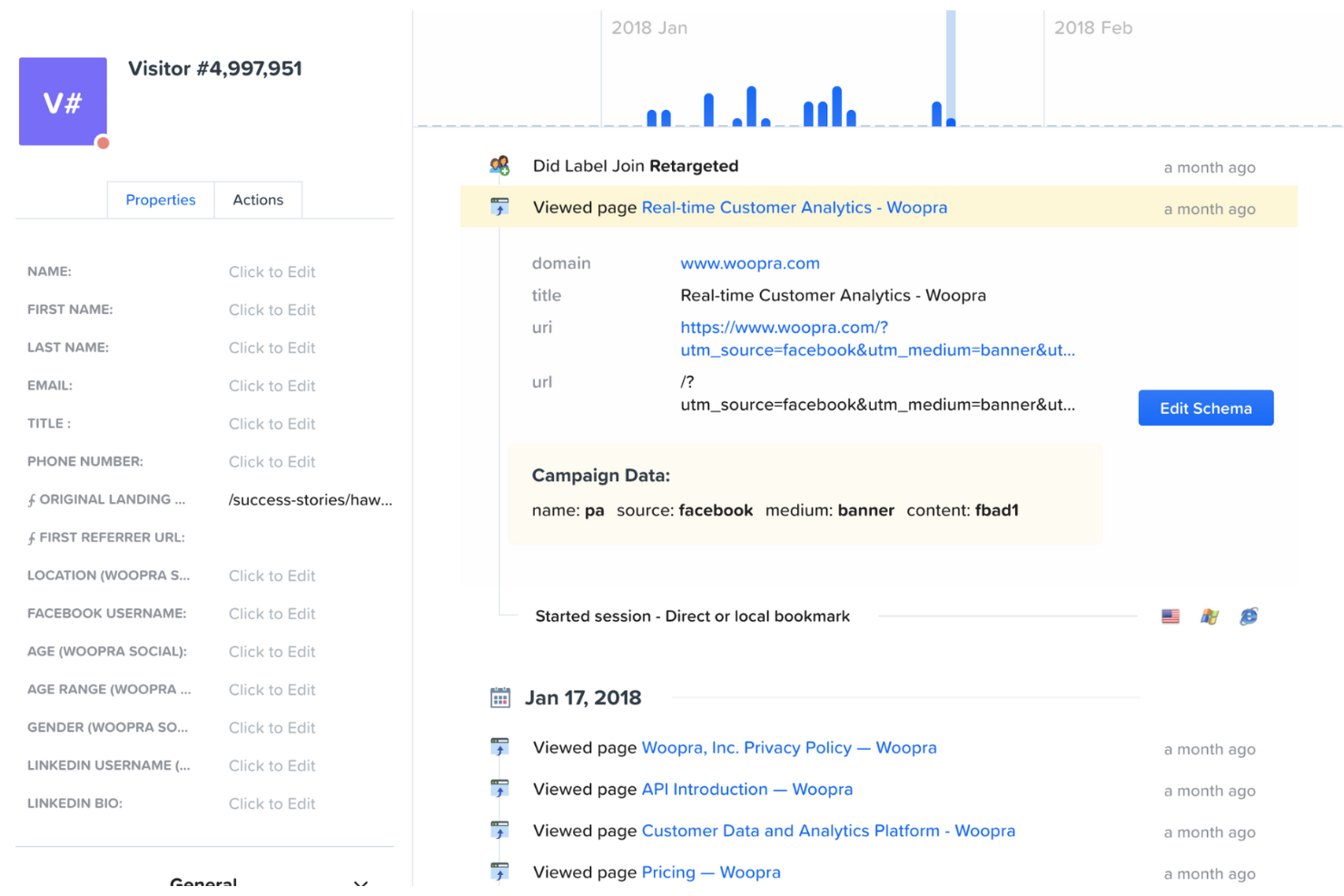
Con dati su sito web, assistenza, marketing e acquisti tutti su un'unica piattaforma, Woopra fornisce tutti gli strumenti necessari per comprendere i tuoi clienti e incentivare acquisti ripetuti.
Perché ho scelto Woopra: Il software consente di costruire percorsi che mappano ogni punto di contatto con il cliente, attivare l'invio di messaggi di testo e informare le campagne di retargeting con dati comportamentali. Segui i percorsi unici dal primo contatto di un visitatore con il tuo marchio fino a diventare un cliente fedele.
I profili delle persone aiutano i membri del team, sia che stiano rispondendo a un ticket di assistenza o che partecipino a una conversazione in live chat. In tempo reale possono vedere ogni azione già compiuta dal cliente, inclusa la cronologia degli acquisti e l'utilizzo di coupon.
Woopra ti mostra dove perdi i visitatori nel processo di acquisto, quali passaggi hanno portato alla conversione, quali errori hanno commesso i clienti e come identificare un buon cliente.
Caratteristiche e integrazioni distintive di Woopra
Funzionalità includono attribuzione completa del funnel, ottimizzazione dell'onboarding, tendenze di utilizzo delle funzionalità, crescita degli abbonamenti e analisi delle coorti.
Integrazioni includono ActiveCampaign, HubSpot, LiveChat, Marketo, RedShift, Salesforce, Shopify, Slack, Stripe e Zendesk.
Pros and Cons
Pros:
- Aggiornamenti dettagliati in tempo reale
- Ottime metriche pronte all'uso
- Interfaccia accattivante
Cons:
- Bug occasionali
- Le pagine potrebbero caricarsi lentamente

Il miglior software di analisi ecommerce per la raccolta automatica dei dati
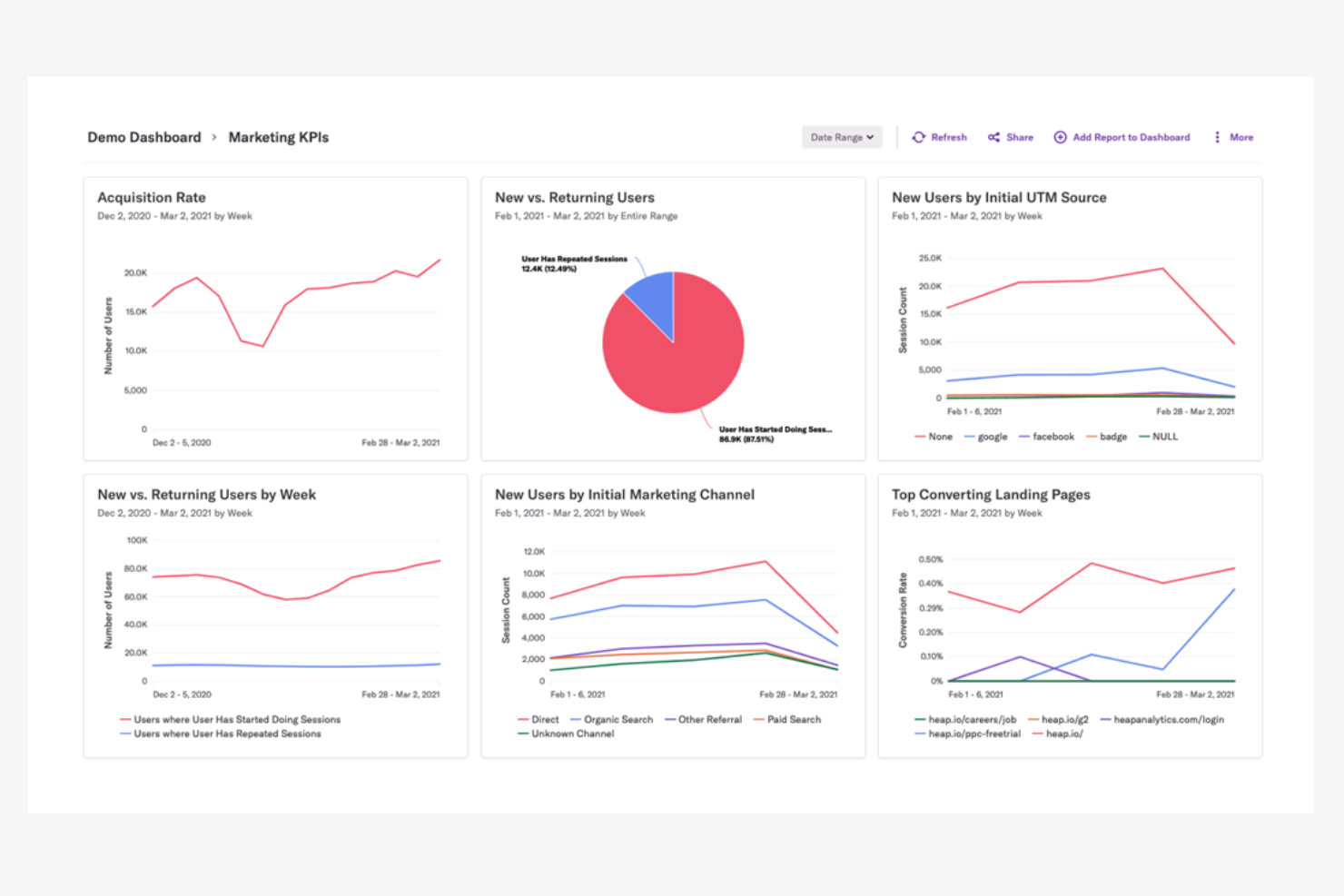
Heap è una piattaforma di digital insights che ti offre una comprensione dettagliata dei percorsi dei clienti sul tuo sito ecommerce, permettendoti di migliorare rapidamente i tassi di conversione e fidelizzazione.
Perché ho scelto Heap: Un unico snippet di codice cattura automaticamente l'intera esperienza digitale di ogni utente senza la necessità di interventi ingegneristici particolari. Di conseguenza, ottieni un set di dati completo che ti aiuta a prendere decisioni guidate dai dati. Puoi così ottimizzare il percorso degli acquirenti e identificare i comportamenti dei clienti che hanno il maggiore impatto sulla conversione.
Lo strato di data science di Heap analizza set completi di dati comportamentali per scoprire punti di attrito nascosti. Individua inoltre opportunità per migliorare il tuo margine di profitto. Utilizzando questo software puoi ridurre l'abbandono del carrello, aumentare il valore medio degli ordini, incentivare la fedeltà al marchio e migliorare la fidelizzazione dei clienti.
Funzionalità e integrazioni principali di Heap
Funzionalità includono raccolta automatica dei dati, riproduzione delle sessioni, digital insights, analisi self-service e strumenti di data science.
Integrazioni includono Amazon S3, BigQuery, Intercom, Iterable, Marketo, RedShift, Salesforce, Shopify, Snowflake e Zendesk.
Pros and Cons
Pros:
- Include licenze utente illimitate
- Registra automaticamente tutti i dati
- Eccellenti strumenti di collaborazione
Cons:
- Opzioni di personalizzazione limitate
- Confuso per chi non è esperto di tecnologia

Il miglior software di analisi ecommerce per l'analisi comportamentale
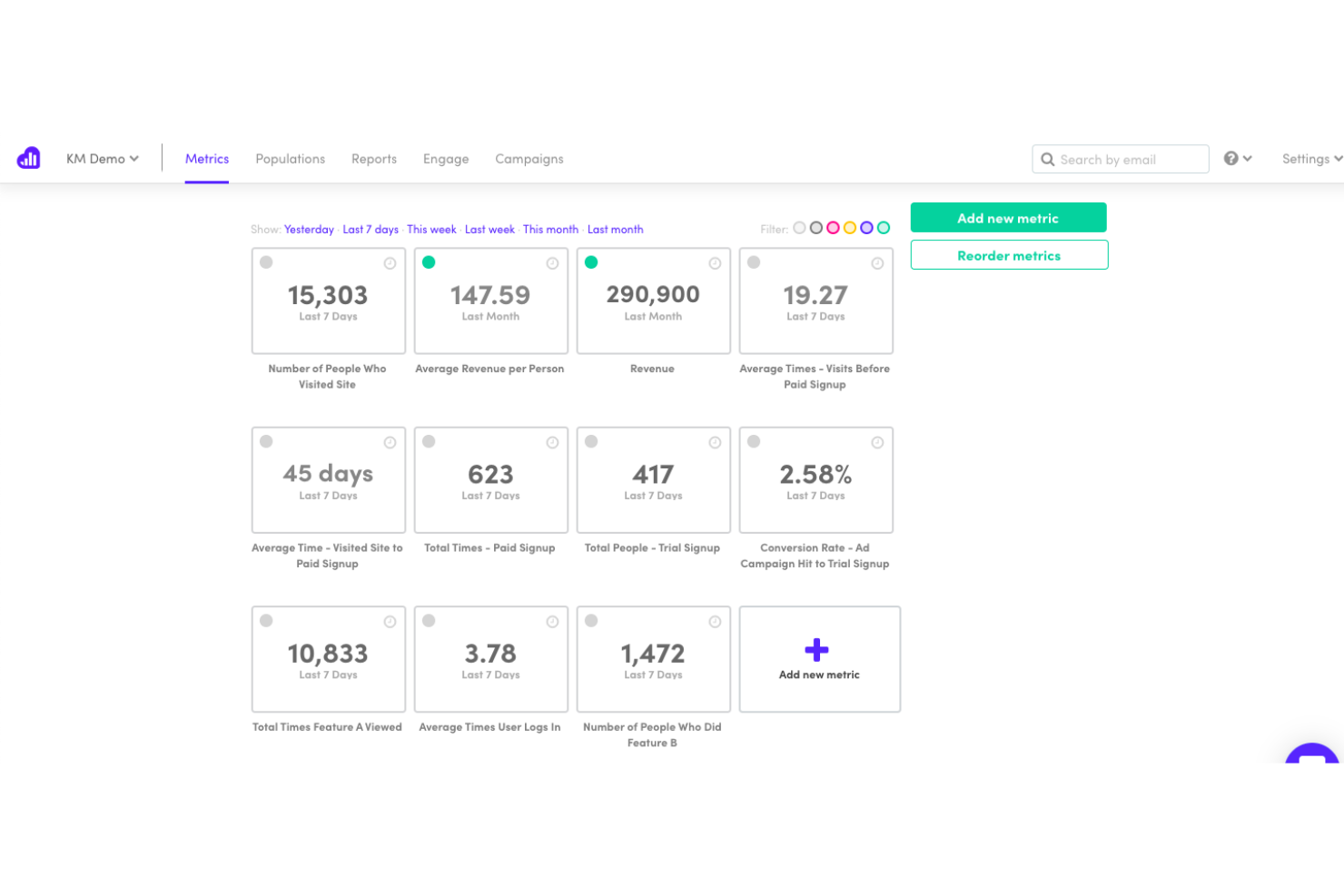
Kissmetrics è una soluzione cloud per il coinvolgimento dei clienti e le campagne email progettata per aiutarti a comprendere i visitatori del sito web tramite un'analisi basata sul comportamento.
Perché ho scelto Kissmetrics: A colpo d'occhio puoi vedere metriche chiave come vendite totali, ricavi totali, ricavo medio per persona, nuovi visitatori, tasso di conversione da visitatore ad acquisto, tasso di conversione da carrello ad acquisto e ricerche sul sito ecommerce.
Kissmetrics ti mostra chi sono i tuoi grandi acquirenti e cosa hanno in comune. Puoi individuare come li hai acquisiti e se le popolazioni dei clienti alla prima esperienza e degli acquirenti abituali stanno crescendo o diminuendo.
I rapporti dettagliati sulle attività dei clienti evidenziano i tuoi prodotti più visualizzati, aggiunti al carrello e acquistati. Puoi scoprire velocemente quali categorie e prodotti sono di tendenza, identificare le offerte sconto più popolari e vedere quale percentuale delle ricerche si conclude con un acquisto. Puoi anche analizzare vendite e ricavi per categoria, tipo di dispositivo, fonte di traffico o campagne.
Caratteristiche principali e integrazioni di Kissmetrics
Caratteristiche includono gestione dei dati, eventi, report, campagne e profili dei clienti.
Integrazioni includono Appcues, Chargify, Facebook, HubSpot, Instagram, Magento Go, Recurly, Shopify, Slack e WooCommerce.
Pros and Cons
Pros:
- Report programmati
- Accesso rapido ai report
- Tracciamento dati completo
Cons:
- Le dashboard non sono personalizzabili
- La configurazione può risultare complicata

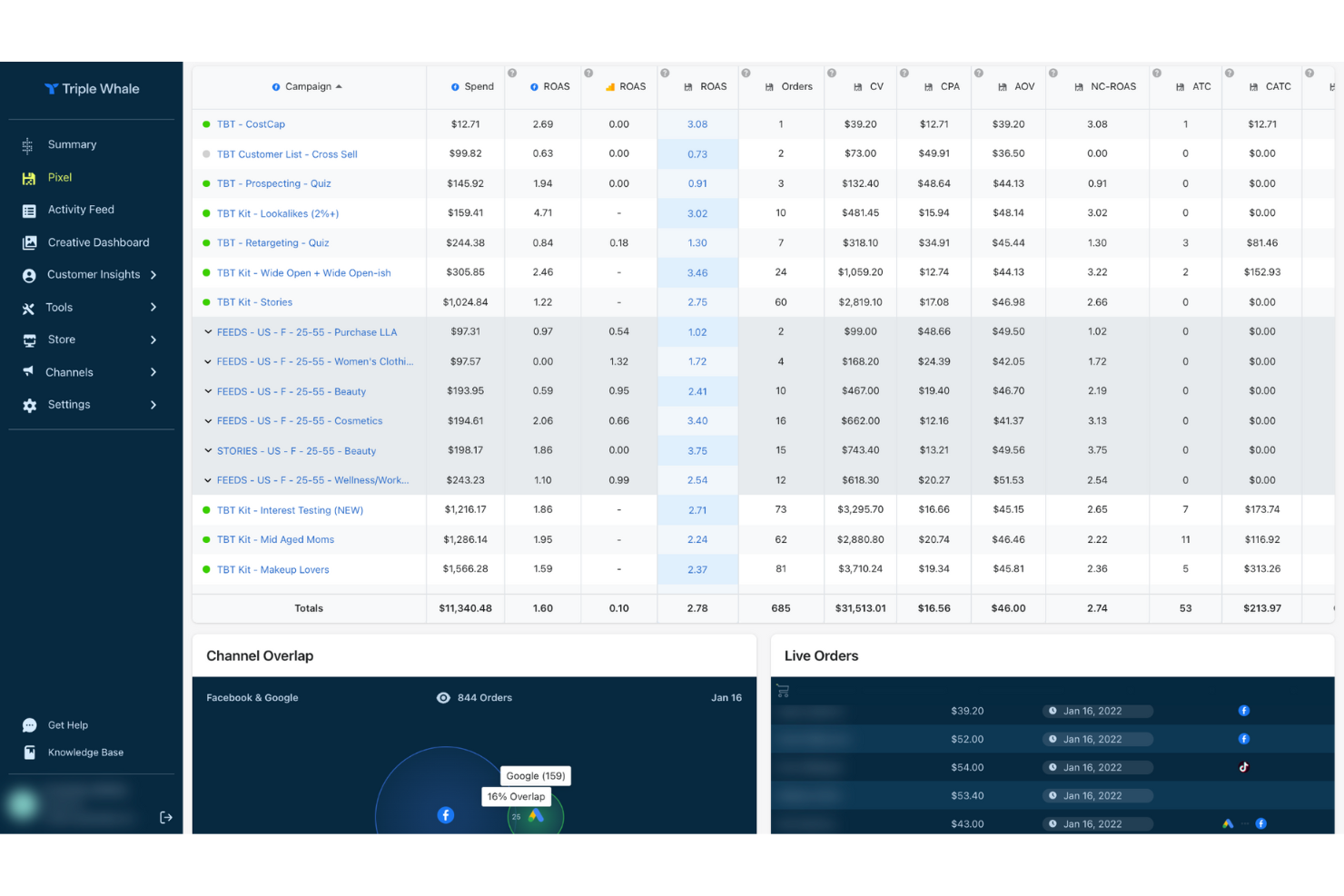
Triple Whale consente ai proprietari di negozi Shopify di trasformare i dati in tempo reale in crescita redditizia, risparmiando tempo e denaro nella gestione di analisi e attribuzione.
Perché ho scelto Triple Whale: Attraverso aggregazioni di dati, visualizzazioni e tracciamento delle attribuzioni, il software SaaS fornisce metriche essenziali in modo chiaro e trasparente. La loro tecnologia pixel proprietaria traccia i dati d'acquisto dei clienti di prima parte fino al livello delle inserzioni pubblicitarie. I titolari di negozi Shopify possono così ottenere chiarezza sull'origine dei clienti, su cosa acquistano e su come possono essere raggiunti più efficacemente in futuro.
Grazie a sei modelli di attribuzione e al mapping del percorso del cliente, il pixel fornisce metriche sulle prestazioni che riflettono accuratamente la salute del negozio. Triple Whale offre utenti illimitati e integrazioni per i negozi, oltre alle app mobili per Android e iOS.
Funzionalità e integrazioni principali di Triple Whale
Funzionalità includono report automatici via email e Slack, dati AOV (valore medio dell'ordine) media/mediana/moda, report sul valore della vita cliente, analisi delle coorti e percorsi dei prodotti.
Integrazioni includono Attentive, EnquireLabs, Facebook, Google Ads, Google Analytics, Gorgias, Klaviyo, Pinterest, Shopify, Snapchat e TikTok.
Pros and Cons
Pros:
- Tracciamento molto accurato
- Analisi avanzate in tempo reale
- Tiene traccia delle conversioni su tutti i canali di marketing
Cons:
- Solo per negozi Shopify
- Il processo di onboarding potrebbe essere migliorato

Il miglior software di analisi ecommerce per una singola fonte di verità
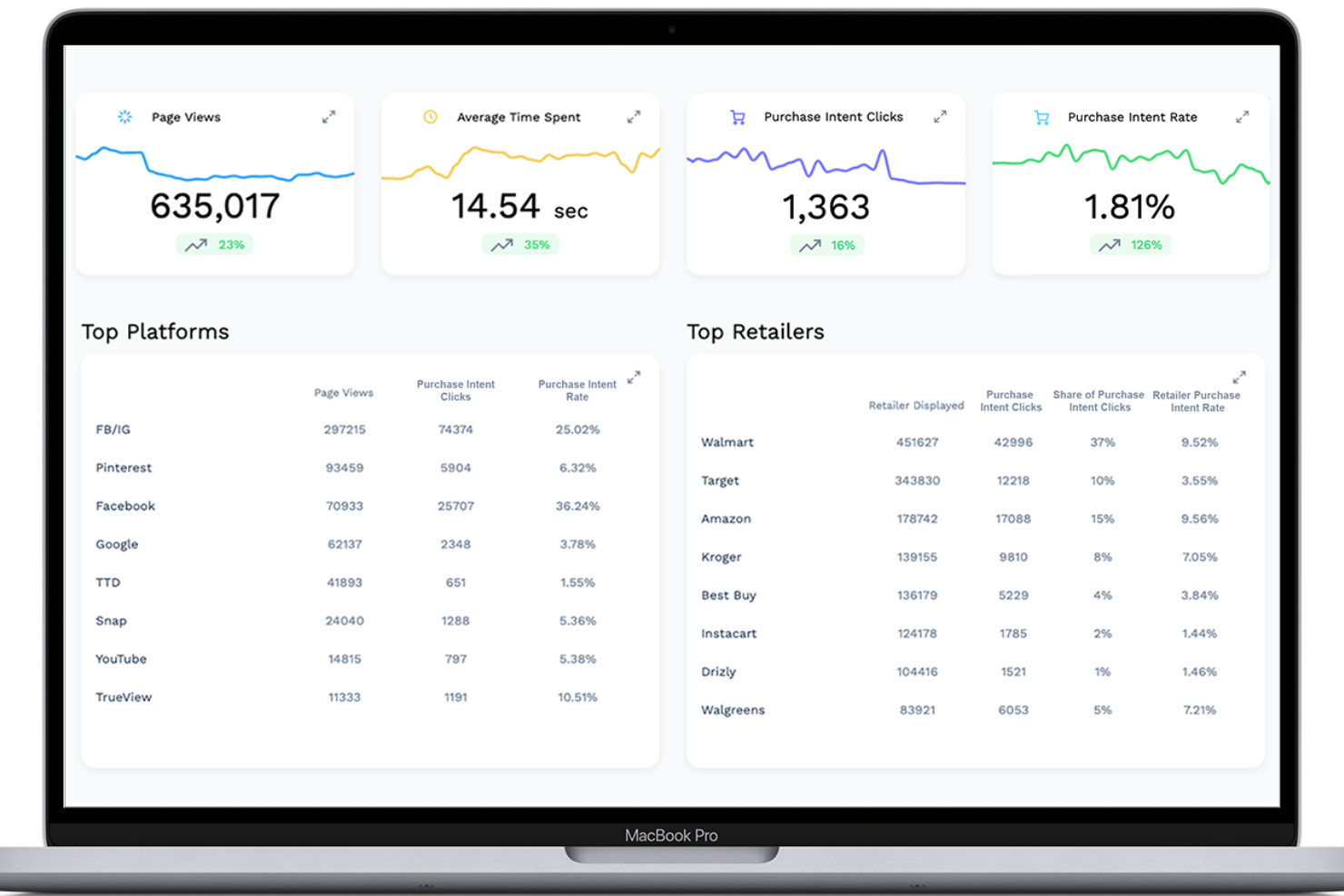
MikMak Insights è uno strumento di analisi ecommerce che ti aiuta a comprendere completamente il comportamento e le preferenze online dei consumatori.
Perché ho scelto MikMak Insights: Il software fornisce un’unica fonte di verità sui percorsi di acquisto online dei tuoi clienti, monitorando il comportamento online su molteplici piattaforme. Identifica i mezzi e i contenuti creativi che guidano le vendite e analizza l’intenzione d’acquisto in base al pubblico, al canale e alla campagna. MikMak Insights inoltre mette in evidenza informazioni sugli ordini spediti ai consumatori e confronta i risultati con i benchmark di categoria e con le performance storiche.
Utilizza dati di prima parte per aiutarti a capire come si comporta il tuo pubblico di riferimento su vari canali, rivenditori e campagne di marketing. In questo modo puoi accorciare il percorso verso l’acquisto, individuare quali strategie di marketing fanno davvero la differenza e presentare i contenuti creativi giusti al momento giusto. Puoi anche incrementare l’acquisizione di nuovi clienti ottimizzando il processo di checkout presso il rivenditore preferito dal consumatore e poi analizzi le performance.
Funzionalità e integrazioni di spicco di MikMak Insights
Funzionalità includono una dashboard attività, rilevamento automatico della posizione, analisi e gestione delle campagne, segmentazione delle campagne e analisi dei canali.
Integrazioni includono Amazon, Facebook, Google Analytics, Instagram, Pinterest, Salesforce, Snapchat, TikTok, Twitter e YouTube.
Pros and Cons
Pros:
- Dashboard di analisi intuitiva
- Facile da monitorare media e vendite
- Aggiornato continuamente
Cons:
- Alcuna duplicazione dei dati
- L’implementazione richiede tempo

Il miglior software di analisi ecommerce per la visibilità cross-platform
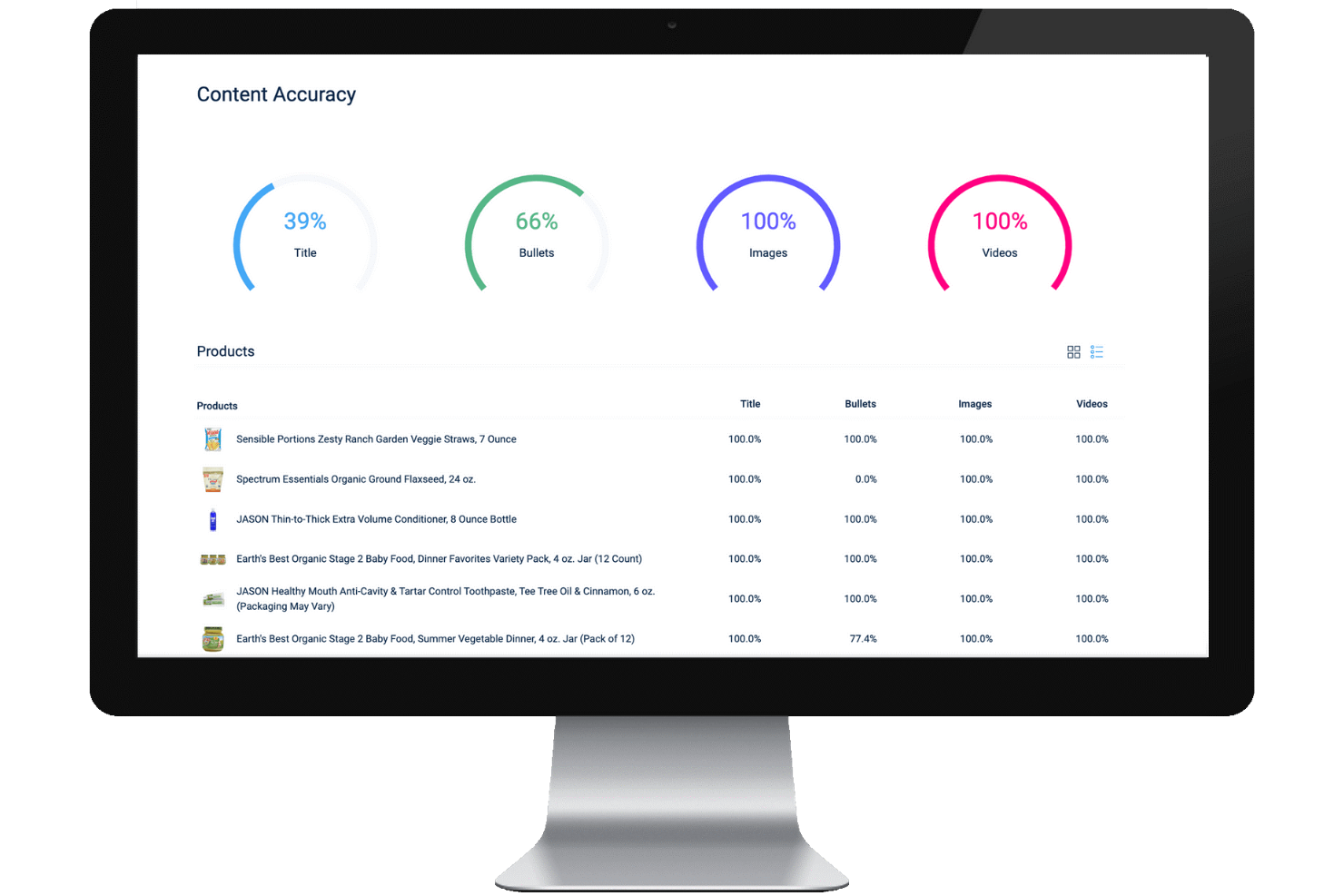
Beacon, sviluppato da Stackline, collega i dati tra tutte le aree della tua attività ecommerce, offrendo approfondimenti sulle prestazioni end-to-end su più piattaforme.
Perché ho scelto Beacon: Copre tutto, dalla dinamica di mercato alle prestazioni di marketing, questa suite software ti aiuta a crescere offrendo una visibilità chiara su ogni SKU venduto su ogni piattaforma. Puoi monitorare vendite, attività di marketing e pubblicità presso ogni rivenditore. Grazie alla segmentazione di precisione, puoi ottenere informazioni in tempo reale su ciascun prodotto. È inoltre possibile impostare avvisi per variazioni di prezzo, problemi di inventario o altri eventi critici.
Il software aumenta vendite e redditività mettendo in evidenza metriche aziendali essenziali che ti aiutano a vincere la buy box. Ricevi informazioni sui concorrenti, identificando e valutando chi vince la buy box su ogni piattaforma di vendita. Puoi misurare il traffico per fonte, volume ed efficienza e confrontare le tue prestazioni con quelle dei concorrenti.
Funzionalità e integrazioni principali di Beacon
Funzionalità includono monitoraggio dei venditori, gestione delle parole chiave, conformità del catalogo, monitoraggio delle politiche di prezzo, conformità dei contenuti e gestione delle recensioni.
Integrazioni includono Amazon, Best Buy, Costco, Flipkart, Instacart, JD.com, Kroger, Target, Walmart e Wayfair.
Pros and Cons
Pros:
- Ampia copertura globale
- Visione olistica delle prestazioni
- Copertura su più piattaforme
Cons:
- Costi iniziali elevati
- Non adatto a negozi piccoli

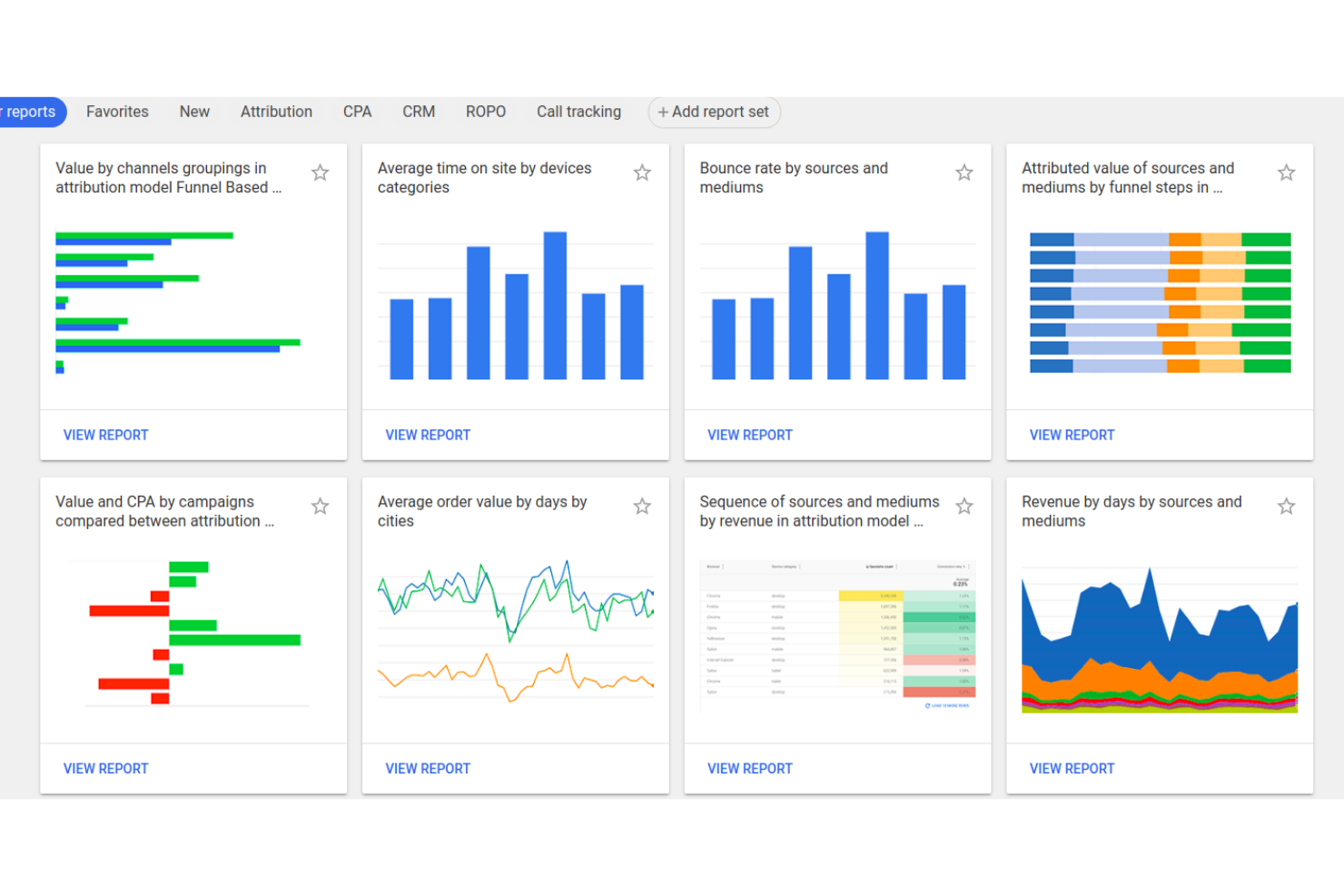
OWOX offre analisi di marketing digitale per aziende retail e di ecommerce, utilizzando il tracciamento senza cookie per fornire insight sul comportamento dei clienti.
Perché ho scelto OWOX: OWOX raccoglie e unisce automaticamente i dati da servizi pubblicitari, siti web, applicazioni e sistemi CRM. I dati raccolti includono ordini annullati e aziendali, acquisti dai call center e ordini da negozi fisici. I proprietari dei negozi possono visualizzare il profitto reale generato da ogni canale, campagna e parola chiave.
OWOX offre tracciamento lato server e streaming in tempo reale dei dati di comportamento degli utenti direttamente dal tuo sito web. Questi dati sono presentati nel formato di Google Analytics 4, offrendo agli utenti dati completi e di alta qualità per prendere decisioni informate. La modellazione delle conversioni assicura che siano considerate anche le transazioni degli utenti che non hanno dato il consenso.
Funzionalità e integrazioni di spicco di OWOX
Funzionalità includono il tracciamento del ROI, raccolta dati, approfondimenti sui clienti, accesso multi-utente, attività delle campagne, retention delle campagne e ottimizzazione del brand.
Integrazioni includono BigQuery, Facebook, Google Analytics, LinkedIn, Mailchimp, Ringostat e Twitter.
Pros and Cons
Pros:
- Insight di marketing dettagliati
- Risparmia molto tempo
- Automatizza la raccolta e l'elaborazione dei dati
Cons:
- Occasionali problemi tecnici
- Richiede buone capacità analitiche
Altre opzioni
Ecco alcune altre opzioni interessanti che non sono entrate nell’elenco dei migliori strumenti di analisi per l’e-commerce:
- Profitero
Il miglior software di analisi dell'e-commerce per intelligence e attivazione tutto-in-uno
- CartInsight
Il miglior software di analisi ecommerce per analizzare i dati dei negozi
- Conjura
Il miglior software di analisi per ecommerce per report sulle prestazioni automatizzati


Come ho selezionato i migliori software di analisi per l'e-commerce
Se ti stai chiedendo come ho selezionato i migliori software di analisi per l'e-commerce per questo elenco, ecco il processo che ho seguito.
Ho esaminato un'ampia gamma di strumenti con valutazioni positive da parte degli utenti, quindi ho perfezionato il mio elenco in base ai criteri di selezione riportati di seguito. Ho anche attinto alla mia esperienza personale nell'utilizzo degli strumenti per l'e-commerce per ottenere ulteriori informazioni.
Come valuto il software di analisi per l’ecommerce
Divido la mia valutazione in due livelli: la base che ogni strumento deve coprire—reportistica a livello SKU, tracciamento delle uscite nel funnel, integrazioni con le piattaforme—e i fattori differenzianti che distinguono le migliori soluzioni.
Funzionalità principali (Requisiti per questa lista)
Quando seleziono gli strumenti per la mia lista, valuto ciascuno su una scala da 0 (non offre la funzionalità) a 5 (eccelle in questo ambito) per ogni funzionalità principale elencata qui sotto. Successivamente, calcolo il punteggio totale dello strumento in percentuale. Ogni strumento deve raggiungere un punteggio minimo del 65% per essere considerato.
- Monitoraggio vendite & ricavi: Verifico che lo strumento possa suddividere il fatturato per canale, periodo e segmento di clientela, e non solo mostrare il totale degli ordini dell’intero negozio.
- Analisi del comportamento dei clienti: In questo ambito sono fondamentali i dati a livello di sessione ed evento, come vedere quali pagine prodotto un cliente ha visualizzato prima di aggiungere al carrello o abbandonare il sito.
- Analisi del funnel di conversione: Cerco strumenti che tracciano l’intero percorso dalla visualizzazione del prodotto al checkout e che segnalano esattamente dove aumentano le uscite, in particolare nelle fasi di carrello e pagamento.
- Insight su prodotto e inventario: Valuto la reportistica a livello di SKU—i prodotti più venduti, i tassi di reso, e il contributo di categoria, non solo una generica lista dei "migliori prodotti".
- Attribuzione del marketing: Lo strumento dovrebbe collegare il fatturato reale alle fonti di traffico e alle campagne, permettendo di confrontare ad esempio il ROAS della ricerca a pagamento con le performance di email o social.
- Integrazioni con piattaforme ecommerce: Cerco connettori nativi per piattaforme come Shopify, BigCommerce, Magento e WooCommerce, oltre a network pubblicitari e strumenti di marketing.
Una volta raccolti gli strumenti che soddisfano questi criteri, considero ciò che distingue ogni piattaforma.
Fattori differenzianti (Cosa distingue i fornitori)
Ecco come confronto i diversi fornitori:
Funzionalità di spicco
La modellazione del CLV è un fattore di differenziazione fondamentale. Cerco strumenti che prevedano il valore del cliente nel tempo per segmento, aiutando a identificare quali canali di acquisizione portano acquirenti ricorrenti e non solo acquisti una tantum. Le analisi di coorte e retention completano il quadro mostrando l’andamento dei riacquisti nel tempo. Anche gli insight guidati dall’IA sono importanti: strumenti che segnalano anomalie come un calo improvviso delle conversioni o un SKU in tendenza fanno risparmiare ore di analisi manuale del cruscotto. Gli avvisi in tempo reale su Slack o email durante una vendita lampo permettono al team di intervenire tempestivamente prima che venga perso fatturato.
Oltre le funzionalità
La precisione dei dati è più importante di quanto molti acquirenti immaginino. Verifico se uno strumento offre il tracciamento lato server per aggirare i blocchi pubblicitari e i cambiamenti sulla privacy iOS che alterano dati e conversioni. La compatibilità con il tech stack è altrettanto essenziale: la piattaforma di analytics deve poter inviare e ricevere dati da network pubblicitari, strumenti di email marketing e CRM senza esportazioni manuali di file CSV. Un altro aspetto che valuto è la scalabilità, soprattutto per brand con più vetrine online o che vendono sia sui marketplace che tramite il proprio sito DTC.
Che cos'è un software di analisi per l'e-commerce?
Un software di analisi per l'e-commerce è uno strumento che raccoglie e analizza i dati delle attività di vendita al dettaglio online. Monitora e interpreta le interazioni con i clienti, le prestazioni delle vendite e il traffico del sito web, fornendo informazioni preziose sul comportamento dei consumatori e sull'efficacia dell'attività. Questo software aiuta le aziende di e-commerce a capire quali prodotti sono più popolari, come i clienti navigano nel sito e quali strategie di marketing sono più efficaci. In combinazione con strumenti di assistenza clienti di qualità, le aziende possono creare un approccio completo all'ottimizzazione dell'esperienza del cliente.
Le persone chiedono anche
Ecco alcune risposte alle domande che le persone mi pongono più frequentemente sul software di analisi dell’e-commerce e sul suo funzionamento.
Cosa sono le analisi dell'e-commerce?
Quali funzionalità sono comunemente incluse nel software di analisi dell'e-commerce?
Quali sono i principali vantaggi dell'utilizzo del software di analisi dell'e-commerce?
Considerazioni finali
Con questo si conclude la mia recensione dei principali sistemi software di analisi dell'e-commerce. Ma già che ci sei, assicurati di dare un'occhiata ai nostri numerosi altri articoli per i proprietari di negozi di e-commerce. Ad esempio, non perderti il nostro articolo sui modi semplici per ottenere una crescita del 40% nelle vendite dell'e-commerce.
Ricordati anche di iscriverti alla nostra newsletter Ecomm Manager, così potrai ricevere gli ultimi insight dai principali esperti del mondo dell'e-commerce.