
Le migliori alternative a SAP combinano funzionalità ERP avanzate per il commercio al dettaglio con inventario in tempo reale, elaborazione flessibile degli ordini e supporto omnicanale. Se stai cercando alternative a SAP, hai bisogno di una soluzione che si adatti alle peculiarità del commercio al dettaglio moderno, senza l'impegno gravoso che SAP spesso richiede.
Questo elenco ti aiuta a confrontare le principali piattaforme e a scegliere sistemi che semplificano le operazioni, collegano i tuoi team e tengono il passo con la rapidità dei cambiamenti nel 2026. Esplora le opzioni che offrono affidabilità e controllo alla tua attività, che tu gestisca boutique, operazioni con più punti vendita o un ecommerce in crescita.
Che cos'è SAP?
SAP è una suite software di pianificazione delle risorse aziendali (ERP) che centralizza processi aziendali come finanza, inventario, approvvigionamento e vendite per grandi rivenditori e aziende. Aiuta a coordinare le operazioni su più canali e sedi, supportando al contempo esigenze complesse di catena di approvvigionamento e reporting. Molte aziende prendono in considerazione SAP per la sua completezza, ma alcune cercano alternative per ottenere maggiore flessibilità, risparmiare sui costi o disporre di funzionalità adattate alle esigenze del commercio al dettaglio moderno.
Tabella di confronto delle alternative a SAP
Questa tabella di confronto riassume i dettagli sui prezzi delle mie principali alternative a SAP:
| Tool | Best For | Trial Info | Price | ||
|---|---|---|---|---|---|
| 1 | Ideale per il consolidamento finanziario multi-entità | Demo gratuita disponibile | Prezzo su richiesta | Website | |
| 2 | Il migliore ERP retail per ferramenta | Demo gratuita disponibile | Prezzo su richiesta | Website | |
| 3 | Ideale per POS integrato open-source | Piano gratuito disponibile | Prezzo su richiesta | Website | |
| 4 | Ideale per POS in tempo reale e gestione delle operazioni in negozio | Demo gratuita disponibile | Prezzo su richiesta | Website | |
| 5 | Ideale per la distribuzione della merce | Demo gratuita disponibile | Prezzo su richiesta | Website | |
| 6 | Ideale per la gestione unificata di commercio e finanza | Demo gratuita disponibile | Prezzo su richiesta | Website | |
| 7 | Ideale per ERP low-code integrato con Microsoft 365 | Prova gratuita di 30 giorni | Da $80/utente/mese (fatturato annualmente) | Website | |
| 8 | Ideale per automazione su misura per il settore | Demo gratuita disponibile | Prezzo su richiesta | Website | |
| 9 | Ideale per l'automazione ecommerce e la scalabilità | Demo gratuita disponibile | Prezzo su richiesta | Website | |
| 10 | Ideale per il commercio omnicanale senza limiti di utenti | Demo gratuita disponibile | Prezzo su richiesta | Website |


Perché fidarsi dei nostri consigli sui software
6,700+
Reviews
20
Industry experts
16+
Evaluation factors
14
Years
Il nostro team testa e recensisce software dal 2012. In quanto leader del retail noi stessi, sappiamo quanto sia difficile — e importante — scegliere il software giusto.
Per questa guida, abbiamo valutato gli strumenti attraverso test pratici e ricerche indipendenti, assegnando un punteggio agli strumenti in base ai nostri criteri di selezione.
Le nostre recensioni riflettono il nostro giudizio indipendente, non un discorso di vendita.
Recensioni delle migliori alternative a SAP
Di seguito trovi i miei riepiloghi dettagliati delle migliori alternative a SAP incluse nella mia selezione. Le mie recensioni offrono un’analisi approfondita delle funzionalità, delle integrazioni e dei casi d’uso migliori di ogni piattaforma, per aiutarti a trovare quella più adatta a te.
 Ideale per il consolidamento finanziario multi-entità
- Demo gratuita disponibile
- Prezzo su richiesta
Visit WebsiteCustomer Rating:4.3/5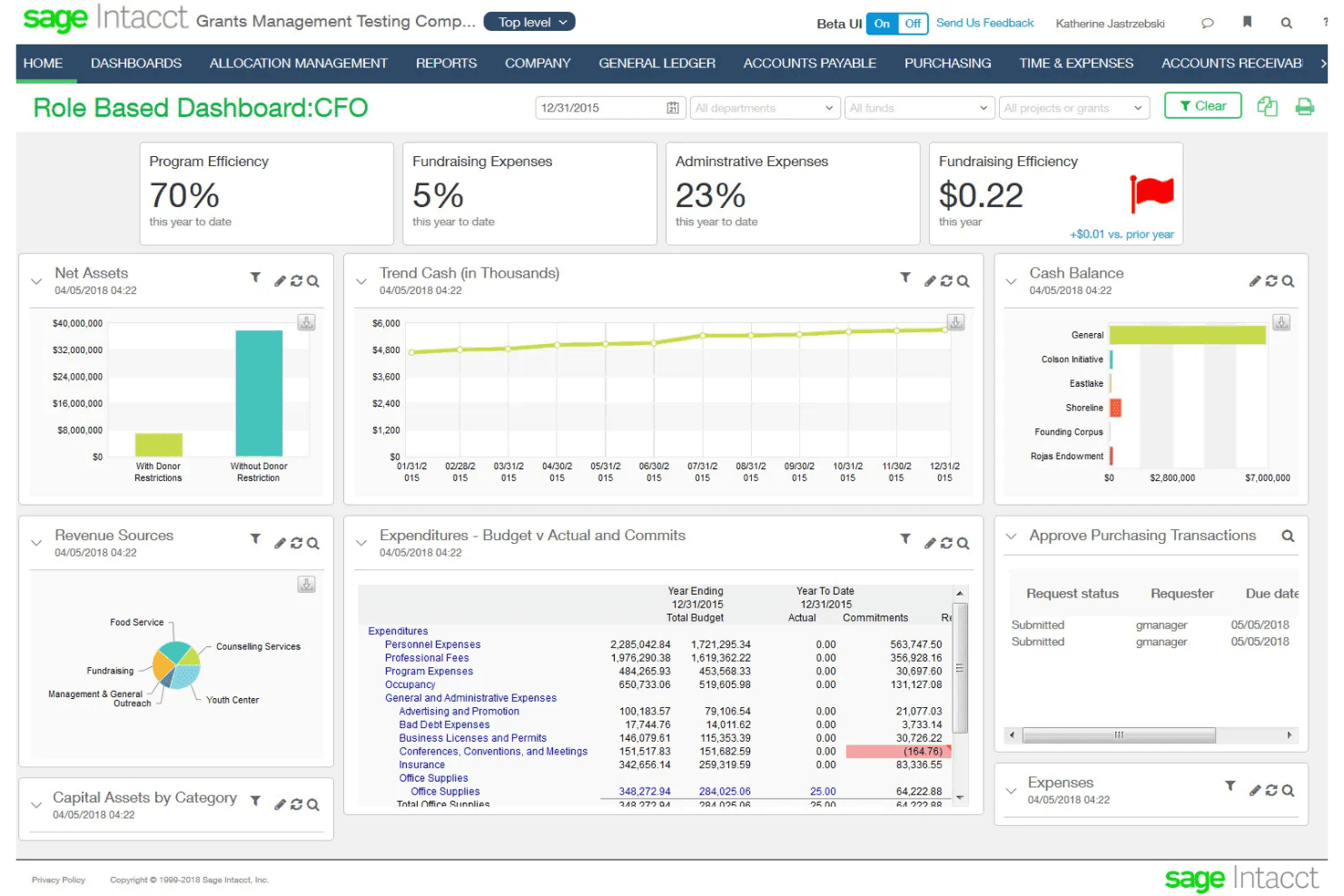
Sage Intacct offre una dashboard basata sul ruolo di CFO che visualizza l’efficienza dei programmi, le spese di raccolta fondi, il patrimonio netto, il saldo di cassa e il confronto tra budget e spese effettive. Sage Intacct è un ERP cloud-native progettato per CFO e controller del settore retail che necessitano di gestire la contabilità, consolidare operazioni multi-entità e connettere i canali ecommerce—senza la complessità di implementazione delle piattaforme enterprise come SAP.
Per chi è ideale Sage Intacct?
Sage Intacct è particolarmente adatto a gruppi retail di fascia media che gestiscono più entità, sedi di negozio o strutture legali che hanno superato le capacità dei software contabili standard.
Perché Sage Intacct è una valida alternativa a SAP
Ho inserito Sage Intacct tra le migliori scelte perché il suo consolidamento multi-entità è realmente ai massimi livelli. Le transazioni intercompany vengono registrate una sola volta e generano automaticamente scritture speculari tra le entità, con eliminazioni gestite al momento del consolidamento. La dimensione affiliata dell’entità del 2025 tagga automaticamente le transazioni intercompany direttamente nel GL, e la contabilità multi-book supporta simultaneamente visioni GAAP, statutarie e di gestione.
Caratteristiche chiave di Sage Intacct
- Strumenti di chiusura supportati dall’IA: Agenti integrati aiutano ad automatizzare le attività di chiusura di fine mese e a identificare problemi di riconciliazione.
- Hub di integrazione retail: Connessioni native si collegano direttamente a Shopify, BigCommerce, WooCommerce e altre piattaforme ecommerce.
- Reportistica multidimensionale: Strutture flessibili consentono agli utenti di suddividere e analizzare dati finanziari e operativi per negozio, canale, prodotto o qualsiasi dimensione personalizzata.
- Agente di automazione per i pagamenti: Codifica automatica delle fatture, associazione fornitori e rilevamento duplicati riducono l’inserimento manuale dei dati per i pagamenti.
Integrazioni Sage Intacct
Sage Intacct offre integrazioni native con Salesforce, Shopify, BigCommerce, WooCommerce, Brightpearl e ADP Workforce Now, e fornisce un’API per integrazioni personalizzate.
Pros and Cons
Pros:
- Il consolidamento multi-entità gestisce centinaia di entità
- Sistema di gestione finanziaria preferito dall’AICPA
- Implementazione più rapida rispetto alle piattaforme ERP tradizionali
Cons:
- Nessun CRM o strumento di fidelizzazione nativo
- La gestione avanzata dell’inventario richiede moduli aggiuntivi
Learn more about Sage Intacct: Il migliore ERP retail per ferramenta
- Demo gratuita disponibile
- Prezzo su richiesta
Visit WebsiteCustomer Rating:3.5/5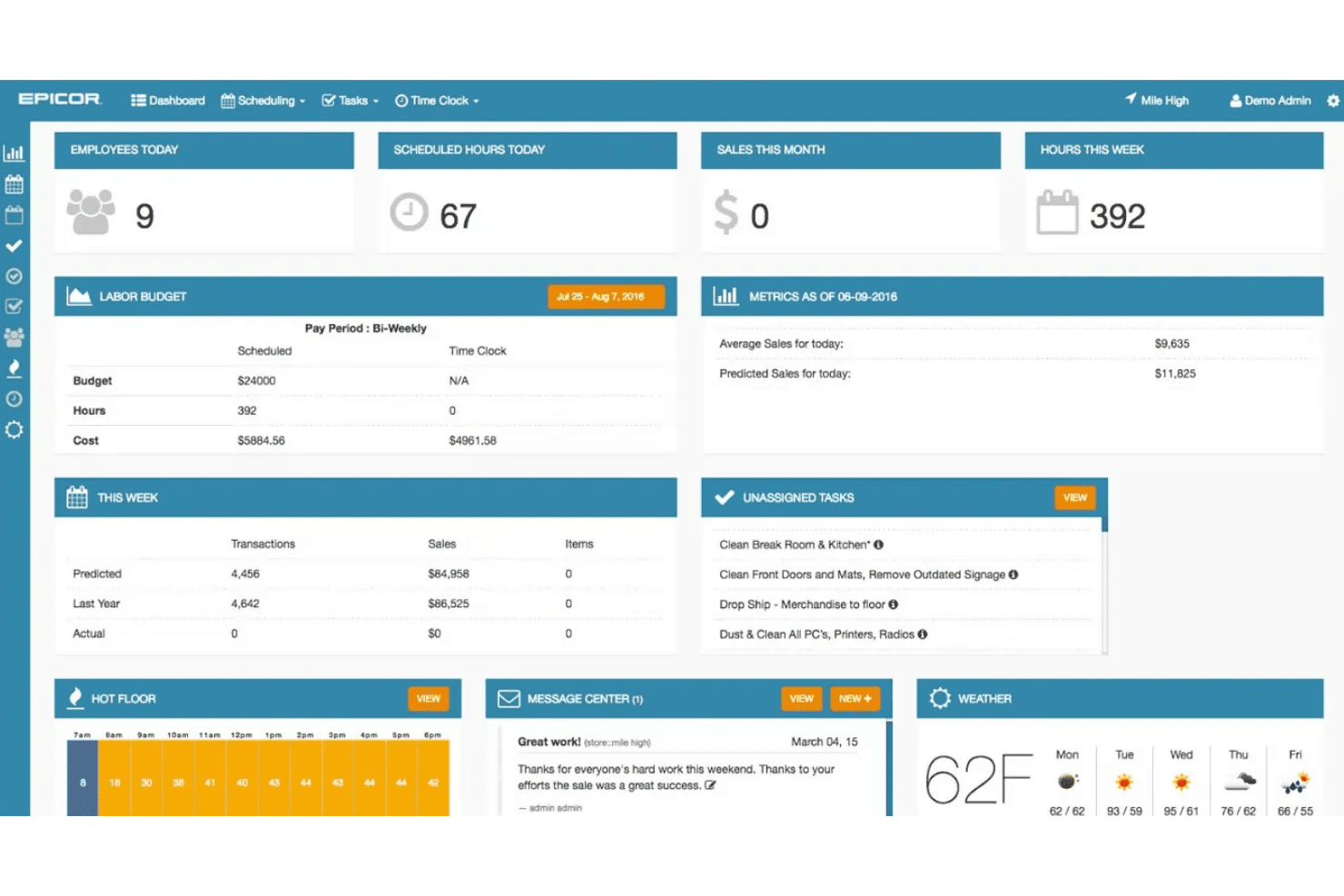
Epicor Eagle offre una dashboard centralizzata di gestione retail che visualizza pianificazione del personale, budget del lavoro, metriche di vendita, attività non assegnate e previsioni meteo. Epicor Eagle è una piattaforma di gestione retail creata specificamente per negozi di ferramenta indipendenti, centri per la casa e rivenditori specializzati che necessitano di POS nativo, inventario multi-sede e contabilità amministrativa integrata in un unico sistema.
Per chi è pensato Epicor Eagle?
È particolarmente adatto per team di operazioni retail multi-sede che gestiscono attività di ferramenta, agraria & articoli per la casa, materiali da costruzione o negozi specializzati che necessitano di strumenti verticali specifici già pronti all'uso.
Perché Epicor Eagle è una valida alternativa a SAP
Ho scelto Epicor Eagle come una delle migliori alternative a SAP perché è sviluppato intorno alle esigenze della ferramenta in un modo in cui SAP non lo è. Il Pricing Planner acquisisce dati da concorrenti e fornitori per modellare l'impatto sui margini prima di confermare qualsiasi variazione di prezzo. L'Analisi del Carrello della Spesa guida decisioni di merchandising reali, come la ristrutturazione della disposizione dei prodotti in funzione delle abitudini di acquisto dei clienti. Eagle include anche moduli dedicati alla conformità FFL e alla gestione di servizi e riparazioni che SAP richiederebbe ampie personalizzazioni per eguagliare.
Caratteristiche principali di Epicor Eagle
- App Mobile Manager: Gestisci l'inventario, accedi ai dati di vendita e approva ordini di acquisto in mobilità da qualsiasi dispositivo mobile.
- Vetrina e-commerce integrata: Sincronizza l'inventario tra negozio fisico e online per una gestione unificata di prodotti e ordini.
- Vendor Report Card: Monitora le performance dei fornitori su indicatori come tempi di consegna, precisione e variazioni di costo.
- Gestione servizi & riparazioni: Pianifica, traccia e gestisci ordini di servizio e attrezzature a noleggio all'interno dello stesso sistema.
Integrazioni di Epicor Eagle
Epicor Eagle offre integrazioni native con Epicor Payment Exchange e Epicor PartExpert eCatalog. È disponibile un'API per integrazioni personalizzate.
Pros and Cons
Pros:
- Moduli specifici per la ferramenta già pronti all'uso
- POS nativo sincronizza negozi fisici ed e-commerce
- Conformità FFL integrata per rivenditori di armi da fuoco
Cons:
- Configurazione dei report complessa per utenti medi
- Interfaccia datata rispetto agli ERP moderni
Learn more about Epicor Eagle:
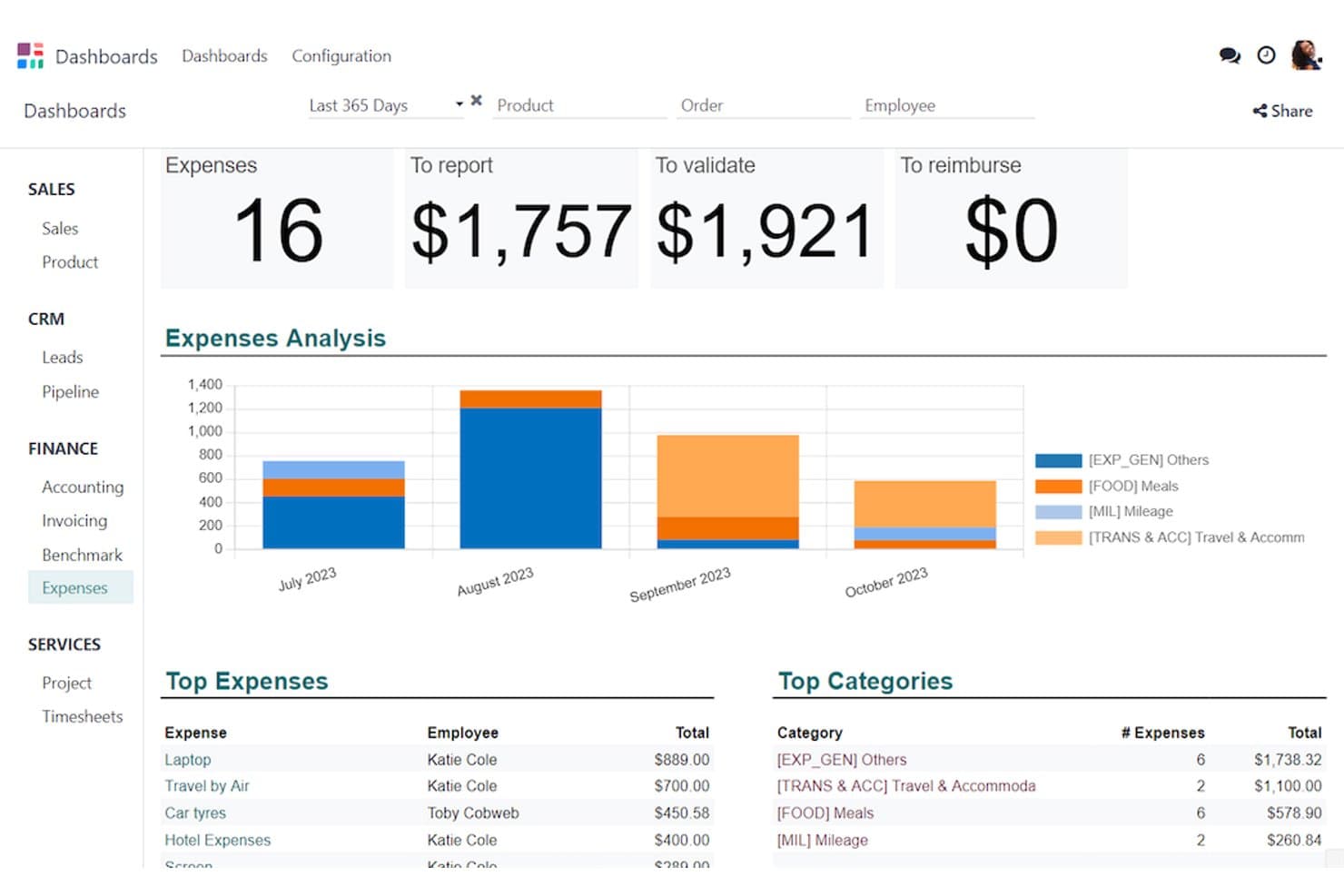
Odoo offre una dashboard delle Spese Finanziarie con grafici di analisi delle spese, principali costi per dipendente e categorie principali con i totali. Odoo è una piattaforma ERP open-source che offre alle aziende retail di medie dimensioni un sistema unico per gestire finanza, inventario, supply chain e POS — senza i costi di implementazione e la rigidità tipici di SAP.
Per chi è ideale Odoo?
Odoo è particolarmente indicato per le aziende retail in crescita che desiderano un ERP modulare e personalizzabile, da ospitare autonomamente e adattare senza dipendere dal fornitore per ogni modifica.
Perché Odoo è una valida alternativa a SAP
Ho scelto Odoo tra le mie migliori opzioni perché la sua architettura open-source consente ai team retail di modificare i flussi di lavoro POS e di eseguire l'hosting su infrastruttura propria, cosa che SAP semplicemente non permette senza costi di consulenza molto elevati. Apprezzo particolarmente il fatto che il POS funzioni completamente offline e si sincronizzi automaticamente con il database centrale quando la connettività ritorna. Ogni transazione POS aggiorna inoltre in tempo reale le giacenze di magazzino e le registrazioni contabili, poiché tutto gira su un unico database.
Funzionalità principali di Odoo
- Contabilità multi-azienda: Consolida dati finanziari e transazioni di più entità e valute da un'unica dashboard.
- Pianificazione della merce: Ottimizza le gamme di prodotto e automatizza il riassortimento con moduli integrati di gestione scorte e acquisti.
- CRM integrato: Conserva i profili clienti, segmenta i dati e gestisci campagne di marketing mirate sulla stessa piattaforma.
- Automazione degli approvvigionamenti: Gestisce rapporti con fornitori, ordini d'acquisto e operazioni di magazzino tramite un flusso di lavoro unificato.
Integrazioni Odoo
Odoo offre integrazioni native con Stripe, PayPal, Adyen, FedEx, UPS, DHL e tutte le app core di Odoo, inclusi CRM, Inventario, Contabilità ed eCommerce. È disponibile un'API per integrazioni personalizzate.
Pros and Cons
Pros:
- Ospitabile autonomamente con pieno accesso al codice sorgente
- Database unico unifica POS, finanza e inventario
- Adozione modulare riduce la portata iniziale di implementazione
Cons:
- Reportistica avanzata richiede un'importante personalizzazione
- Il supporto di localizzazione varia molto a seconda del paese
Learn more about Odoo: Ideale per POS in tempo reale e gestione delle operazioni in negozio
- Demo gratuita disponibile
- Prezzo su richiesta
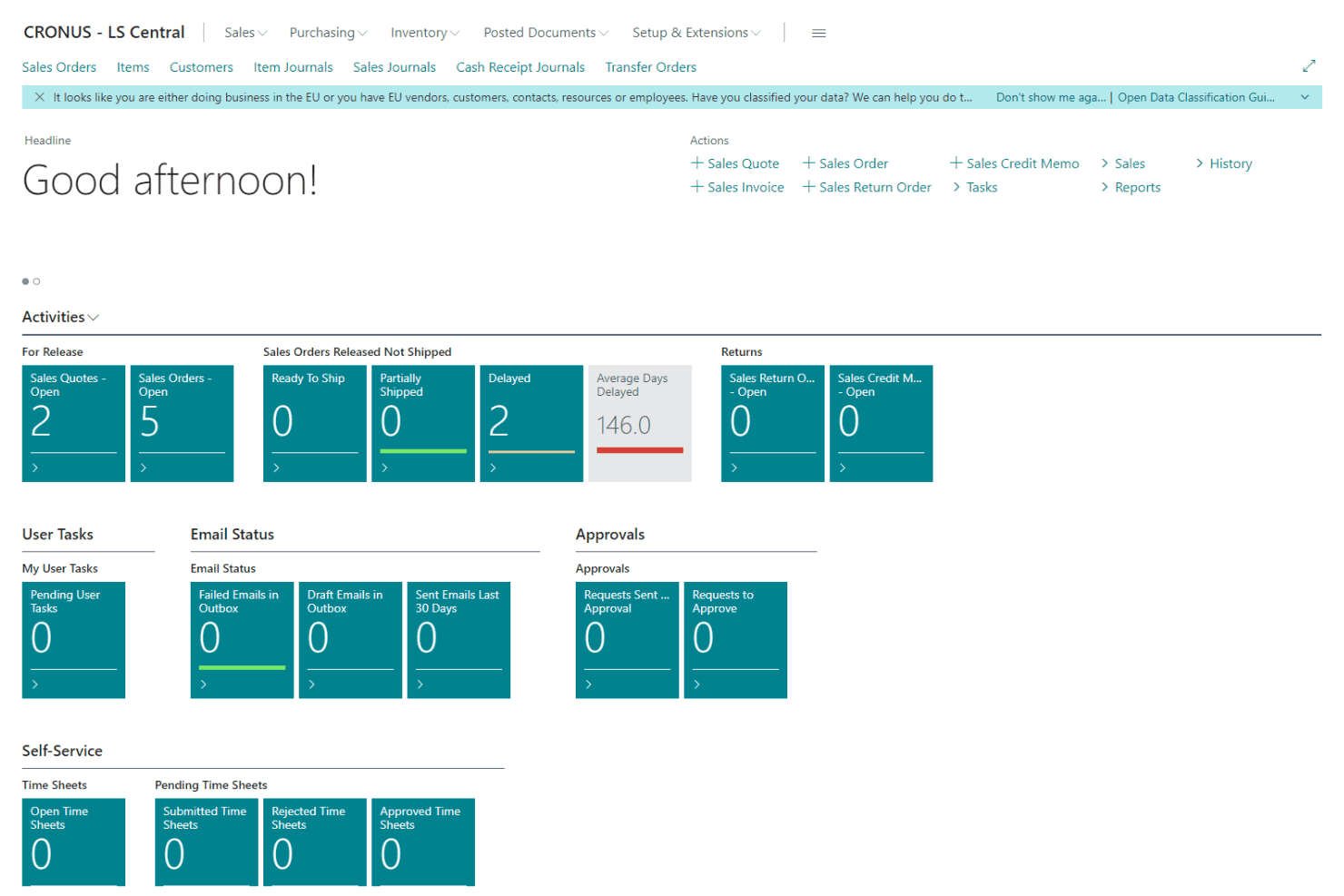
LS Retail offre una dashboard per il responsabile vendite in LS Central con riquadri attività per preventivi aperti, ordini, spedizioni, resi, stato delle email, approvazioni e fogli ore. LS Central di LS Retail è un ERP retail unificato basato su Microsoft Dynamics 365 Business Central, progettato per i rivenditori multi-filiale che necessitano di POS, gestione dell'inventario, merchandising e contabilità su un'unica piattaforma dati in tempo reale.
Per chi è ideale LS Retail?
È particolarmente indicato per catene retail e dell'ospitalità di livello medio-grande che già utilizzano o intendono adottare l'ecosistema Microsoft.
Perché LS Retail è una valida alternativa a SAP
Ho incluso LS Retail tra le mie scelte migliori perché l'architettura POS in tempo reale è davvero diversa da ciò che SAP offre di default per il retail. Con LS Central, ogni transazione alla cassa si sincronizza istantaneamente su inventario, contabilità e dati di fidelizzazione nella stessa piattaforma, eliminando qualsiasi ritardo tra ciò che accade in negozio e ciò che è visibile nel back office. Apprezzo anche il livello POS omnicanale nativo, che gestisce mPOS, ePOS e self-service da un unico sistema senza dover collegare strumenti separati.
Funzionalità principali di LS Retail
- Gestione unificata del merchandising: Gestisci pianificazione assortimentale, prezzi, promozioni e allocazioni in tutte le sedi da un unico sistema.
- Contabilità integrata con piano dei conti retail: Consente contabilità generale, clienti/fornitori e reportistica specifica per il retail su una piattaforma dati condivisa.
- Motore di riassortimento automatico: Esegui previsioni di domanda e automatizza i flussi di acquisto per mantenere le scorte a livelli ottimali.
- Dashboard e KPI retail basati sui ruoli: Offri agli utenti a ogni livello dashboard personalizzabili che mostrano vendite, inventario e metriche finanziarie in tempo reale.
Integrazioni di LS Retail
LS Retail offre integrazioni native nell'ecosistema Microsoft, incluso Microsoft Dynamics 365 Business Central, e fornisce connettori per SAP S/4HANA, Oracle, Shopify e un'API per integrazioni personalizzate.
Pros and Cons
Pros:
- Sincronizzazione POS in tempo reale su tutti i canali
- Basato su un ERP Microsoft Business Central collaudato
- Strumenti avanzati per merchandising e riassortimento specifici per il retail
Cons:
- L'implementazione è complessa e richiede tempo
- Le analisi avanzate si basano su Power BI esterno
Learn more about LS Retail: Ideale per la distribuzione della merce
- Demo gratuita disponibile
- Prezzo su richiesta
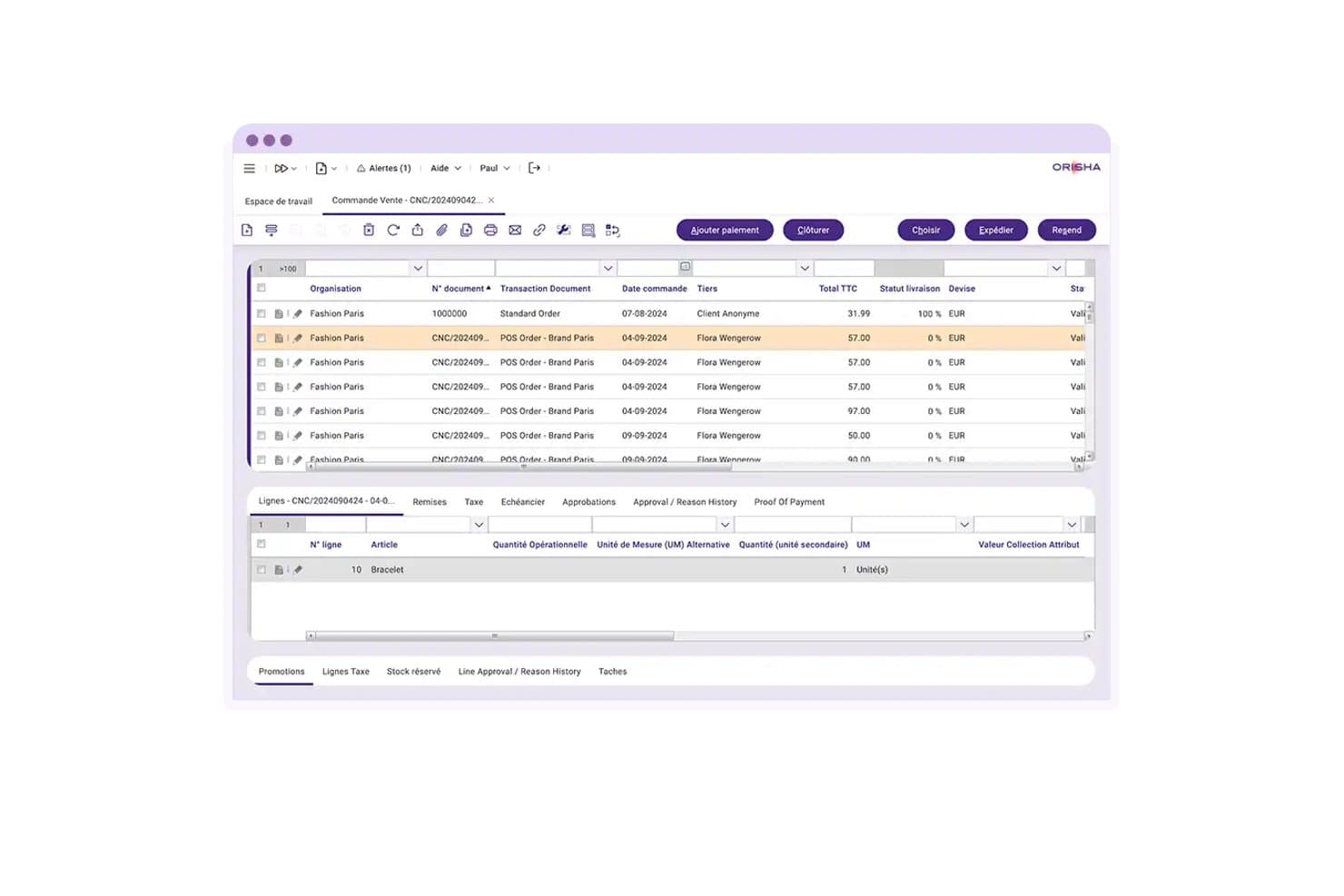
Orisha offre una finestra dettagliata di gestione degli ordini di vendita con linee ordine, stato delle consegne e azioni sui pagamenti nel suo modulo Commerce Central. Orisha Commerce è una piattaforma unificata per il commercio al dettaglio basata su cloud, pensata per le catene retail specializzate che necessitano di sostituire o ampliare il livello retail di SAP con un POS nativo, visibilità dell'inventario in tempo reale e gestione degli ordini omnicanale su negozi fisici e canali digitali.
Per chi è ideale Orisha?
È particolarmente adatto a catene retail di medie e grandi dimensioni attive nei settori moda, articoli sportivi, arredamento per la casa o fai-da-te con più punti vendita.
Perché Orisha è una valida alternativa a SAP
Ho inserito Orisha tra le mie scelte migliori perché gestisce la distribuzione della merce in modi che i moduli retail di SAP raramente riescono a eguagliare senza pesanti personalizzazioni. Apprezzo in particolare la gestione agile dell'assortimento combinata con la visibilità in tempo reale delle giacenze in ogni sede, il che significa che posso vedere esattamente cosa si vende, dove e quando. L'OMS integrato gestisce il riassortimento dai fornitori e l'orchestrazione degli ordini da un'unica piattaforma, senza la necessità di aggiungere un sistema di magazzino separato.
Funzionalità principali di Orisha
- Clienteling mobile in negozio: Consente agli addetti vendita di utilizzare dispositivi mobili per offrire un servizio clienti personalizzato e suggerimenti sui prodotti in tempo reale.
- Gestione centralizzata delle informazioni di prodotto: Offre un'unica piattaforma per la gestione di SKU, attributi e dati prodotto multicanale in tutte le sedi.
- Ecommerce integrato B2C, D2C e B2B: Supporta più canali di vendita direttamente all'interno della stessa piattaforma cloud per operazioni unificate.
- Libreria API in tempo reale: Fornisce un ricco set di API per collegare sistemi retail esterni, piattaforme ecommerce e partner della supply chain.
Integrazioni Orisha
Orisha Commerce offre integrazioni native con SAP ERP, Adobe Commerce, Adyen, Avalara, EXACT, Frepple, Microsoft Dynamics AX, PrestaShop, VTEX e authorize.net. È disponibile anche un'API per integrazioni personalizzate.
Pros and Cons
Pros:
- POS nativo omnicanale per negozi e ecommerce
- Visibilità in tempo reale delle giacenze in tutte le sedi
- Non richiede infrastruttura server on-premise nei negozi
Cons:
- Mancanza di contabilità generale o libro mastro nativo
- Portata limitata oltre i settori retail specializzati
Learn more about Orisha: Ideale per la gestione unificata di commercio e finanza
- Demo gratuita disponibile
- Prezzo su richiesta
Visit WebsiteCustomer Rating:4.2/5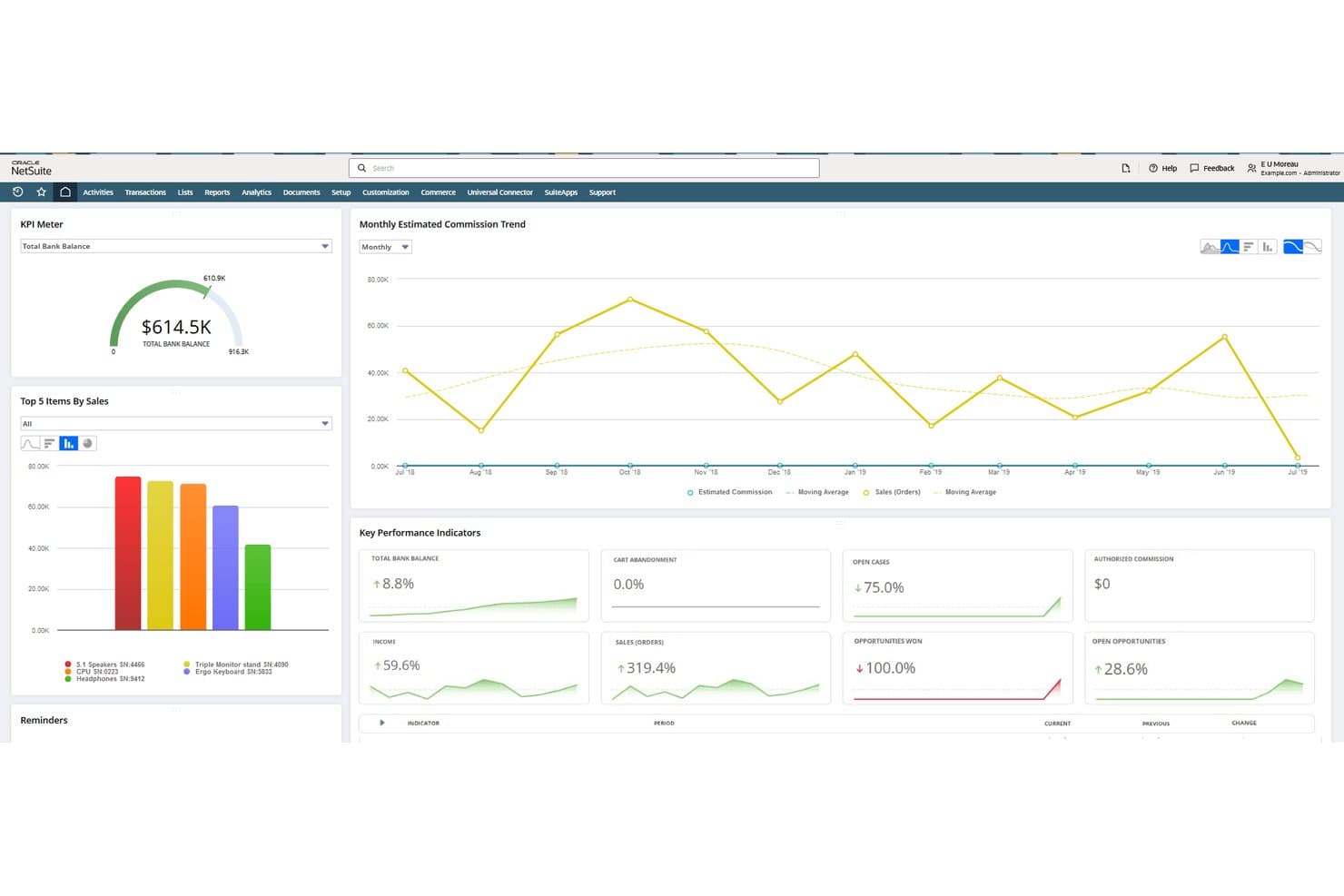
Oracle NetSuite offre una dashboard completa con indicatori KPI, grafici di vendita, tendenze delle commissioni e indicatori di performance come alternativa a SAP. Oracle NetSuite Retail ERP è una piattaforma ERP nativa cloud progettata per i retailer omnicanale che hanno bisogno di collegare contabilità, magazzino, POS ed ecommerce in un unico sistema — senza la complessità di implementazione e la frammentazione delle licenze tipiche di SAP.
Per chi è ideale Oracle NetSuite Retail ERP?
NetSuite Retail ERP è particolarmente adatto per retailer multi-sede di medie dimensioni o in crescita che hanno superato i limiti degli strumenti contabili entry-level e necessitano di un sistema unificato per gestire le operazioni su più canali.
Perché Oracle NetSuite Retail ERP è una valida alternativa a SAP
Ho incluso NetSuite Retail ERP tra le mie migliori scelte perché la sua architettura a singolo database elimina realmente i compartimenti stagni di dati che rendono le implementazioni SAP così complesse. Ogni transazione alla cassa, ogni ordine online e ogni fattura di fornitore confluiscono nello stesso libro mastro in tempo reale, così il team finanziario non deve conciliare dati provenienti da tre sistemi diversi. Apprezzo anche il POS nativo di NetSuite, che mantiene sincronizzati i dati di negozio fisico ed ecommerce senza la necessità di un connettore di terze parti.
Funzionalità principali di Oracle NetSuite Retail ERP
- SuiteApps marketplace: Accesso diretto dalla directory applicazioni di NetSuite ad add-on e integrazioni specifici per il settore.
- Strumenti di personalizzazione SuiteBuilder: Gli utenti possono personalizzare moduli, record, campi e flussi di lavoro per processi aziendali unici senza necessità di codice.
- Gestione globale OneWorld: Gestione di più filiali, valute e regole fiscali da un'unica piattaforma centralizzata.
- Dashboard basati sui ruoli: Ogni utente dispone di viste personalizzabili e in tempo reale degli indicatori KPI e dei dati aziendali critici più rilevanti.
Integrazioni di Oracle NetSuite Retail ERP
NetSuite Retail ERP offre connettori preconfigurati con Salesforce, Shopify, Outlook e Bill.com, con ulteriori app disponibili tramite il marketplace SuiteApps. È disponibile un'API per integrazioni personalizzate.
Pros and Cons
Pros:
- Dati in tempo reale su tutti i canali di vendita
- Il POS nativo evita problemi di sincronizzazione con terze parti
- Implementazione più rapida rispetto a SAP S/4HANA
Cons:
- I moduli aggiuntivi aumentano il costo totale di proprietà
- Qualità del supporto clienti incostante dopo l'implementazione
Learn more about Oracle NetSuite: Ideale per ERP low-code integrato con Microsoft 365
- Prova gratuita di 30 giorni
- Da $80/utente/mese (fatturato annualmente)
Visit WebsiteCustomer Rating:4/5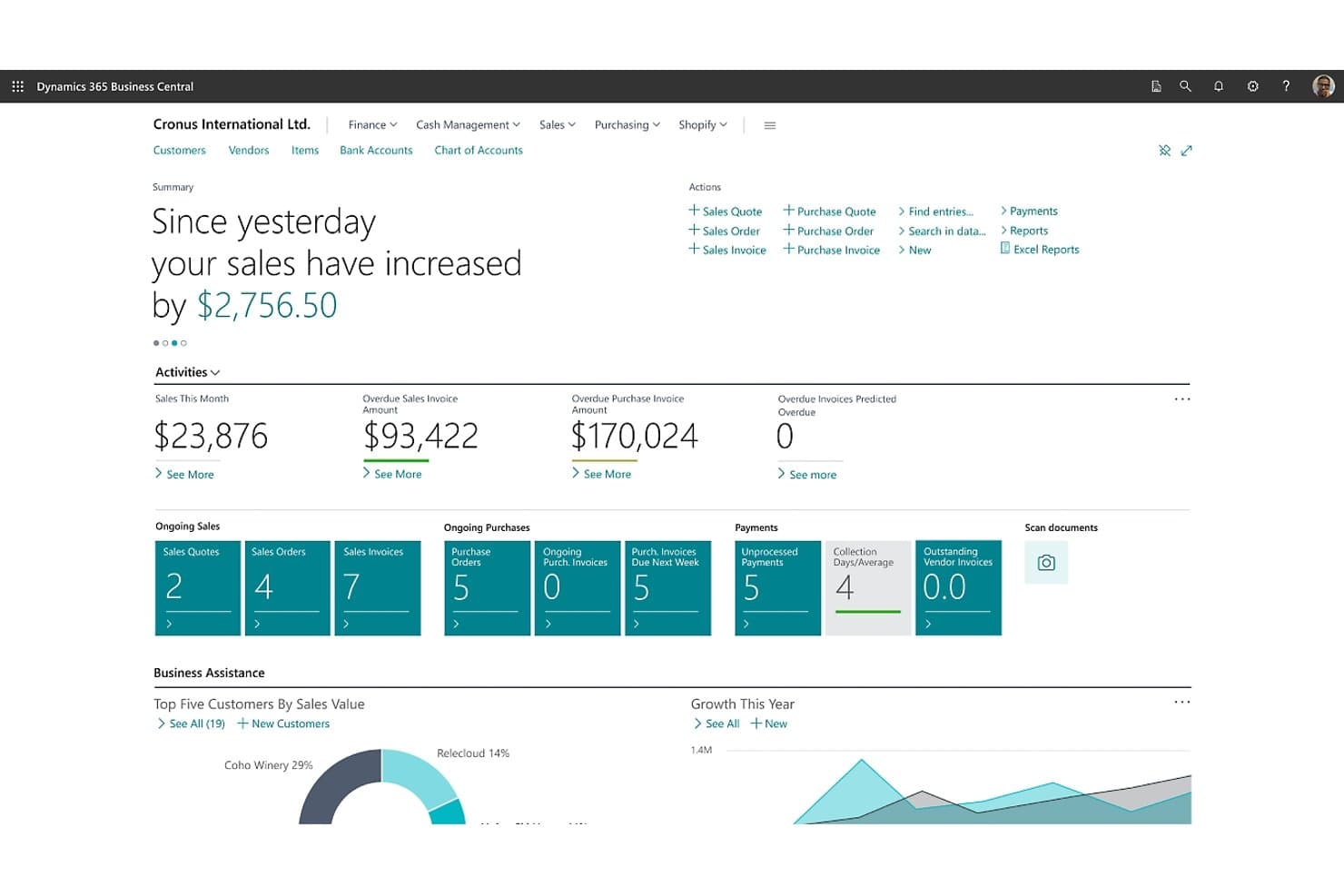
Microsoft Dynamics 365 Business Central offre un dashboard finanziario completo che mostra la crescita delle vendite in tempo reale, fatture scadute, acquisti in corso e le principali analisi sui clienti. Microsoft Dynamics 365 Business Central è un ERP basato su cloud pensato per rivenditori piccoli e medi che hanno bisogno di unificare dati finanziari, inventario, supply chain e vendite senza la complessità o i costi delle piattaforme enterprise come SAP.
Per chi è consigliato Microsoft Dynamics 365 Business Central?
È una soluzione molto adatta per le aziende di vendita al dettaglio e all’ingrosso di fascia media che utilizzano già Microsoft 365 e desiderano un ERP che si integri direttamente con questi strumenti esistenti.
Perché Microsoft Dynamics 365 Business Central è una valida alternativa a SAP
Ho incluso Microsoft Dynamics 365 Business Central tra le mie scelte principali per il modo in cui gestisce la personalizzazione tramite Power Platform. Il mio team può costruire flussi di lavoro personalizzati in Power Automate o creare app specifiche per ruolo in Power Apps senza scrivere codice. Apprezzo inoltre che i dati finanziari e di inventario in tempo reale siano visibili direttamente all’interno di Excel e Outlook, così i team retail lavorano all’interno di strumenti che già utilizzano quotidianamente.
Funzionalità principali di Microsoft Dynamics 365 Business Central
- Gestione inventario multi-sede: Traccia l’inventario, gli SKU e gli ordini di acquisto in tempo reale tra diversi magazzini e punti vendita.
- Integrazione nativa con Shopify: Sincronizza automaticamente inventario, ordini e dati di evasione tra Business Central ed il commercio elettronico Shopify.
- Gestione avanzata dei magazzini: Utilizza la scansione dei codici a barre, il prelievo guidato e i processi di stoccaggio per ottimizzare le operazioni di magazzino.
- Consolidamento finanziario e multivaluta: Consolida i dati finanziari tra diverse unità aziendali, gestisci transazioni in più valute e supporta la conformità fiscale a livello globale.
Integrazioni di Microsoft Dynamics 365 Business Central
Microsoft Dynamics 365 Business Central dispone di integrazioni native nell’ecosistema Microsoft, tra cui Microsoft 365 e Azure, oltre a un’integrazione nativa con Shopify. Sono disponibili migliaia di altre integrazioni tramite Microsoft AppSource ed è disponibile un’API per integrazioni personalizzate.
Pros and Cons
Pros:
- Integrazione profonda e nativa con Microsoft 365 e Teams
- AI Copilot automatizza la fatturazione e la previsione degli incassi
- Aggiornamenti cloud automatici senza intervento IT
Cons:
- Il POS nativo per retail richiede app ISV di terze parti
- Per il CRM completo servono licenze Dynamics 365 separate
Learn more about Microsoft Dynamics 365 Business Central: Ideale per automazione su misura per il settore
- Demo gratuita disponibile
- Prezzo su richiesta
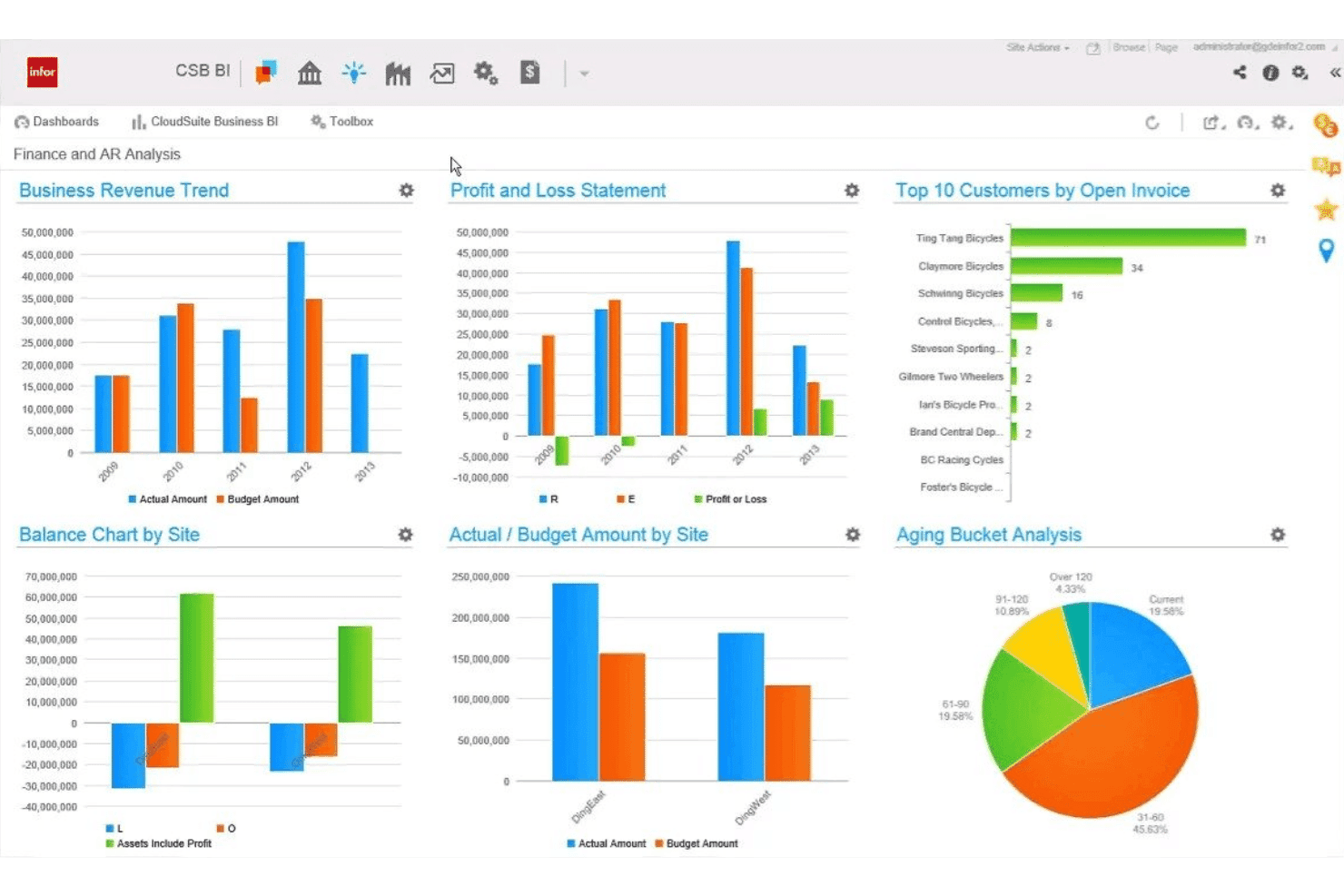
Infor CloudSuite offre una dashboard di analisi Finanza e AR con trend dei ricavi, bilanci profitti/perdite, fatture clienti e analisi delle scadenze. Infor CloudSuite è una piattaforma ERP cloud pensata per le organizzazioni retail che necessitano di una gestione finanziaria specifica per il settore, visibilità sulla supply chain e pianificazione del merchandising senza gli oneri di implementazione tipici di un ERP enterprise tradizionale come SAP.
Per chi è pensato Infor CloudSuite?
È una soluzione ideale per aziende retail di medie e grandi dimensioni che operano su più sedi o canali e che hanno bisogno di un ERP preconfigurato senza ricorrere a pesanti personalizzazioni.
Perché Infor CloudSuite è una valida alternativa a SAP
Ho incluso Infor CloudSuite tra le mie scelte migliori perché la sua automazione su misura per l’industria è più approfondita rispetto a quanto offerto da SAP nella configurazione standard. Mentre SAP richiede una configurazione estesa per adattarsi ai flussi di lavoro retail, Infor viene fornito con oltre 60 micro-settori retail preconfigurati, inclusi matrici colore e taglie per l’abbigliamento e pianificazione del merchandising. Coleman AI è integrata nativamente in questi flussi di lavoro, attivando avvisi di rilevamento della domanda e anomalie senza bisogno di ulteriori personalizzazioni.
Caratteristiche principali di Infor CloudSuite
- Consolidamento finanziario multi-entità: Consolida contabilità, fiscalità e reportistica tra varie società e giurisdizioni retail.
- Gestione della gerarchia di merchandising: Organizza i prodotti per categorie, stili, colori e taglie per una gestione dettagliata di inventario e pianificazione.
- Gestione del magazzino e dell'evasione ordini: Gestisce trasferimenti in entrata, in uscita e interni tra più centri di distribuzione.
- Dashboard analitiche basate sui ruoli: Offre dashboard preimpostate in tempo reale dedicate a finanza retail, merchandising e ruoli della supply chain.
Integrazioni di Infor CloudSuite
Infor offre integrazioni native con Shopify, DocuSign, Salesforce, ServiceNow, ADP, Twilio, Microsoft Dynamics 365 e altri. È disponibile un’API per integrazioni personalizzate.
Pros and Cons
Pros:
- Micro-settori retail preconfigurati riducono il tempo di avvio
- Coleman AI integrata nativamente nei flussi ERP
- Consolidamento finanziario multi-entità pensato per il retail
Cons:
- L'implementazione richiede solitamente il supporto di partner specializzati Infor
- Curva di apprendimento più ripida per team ERP non retail
Learn more about Infor CloudSuite: Ideale per l'automazione ecommerce e la scalabilità
- Demo gratuita disponibile
- Prezzo su richiesta
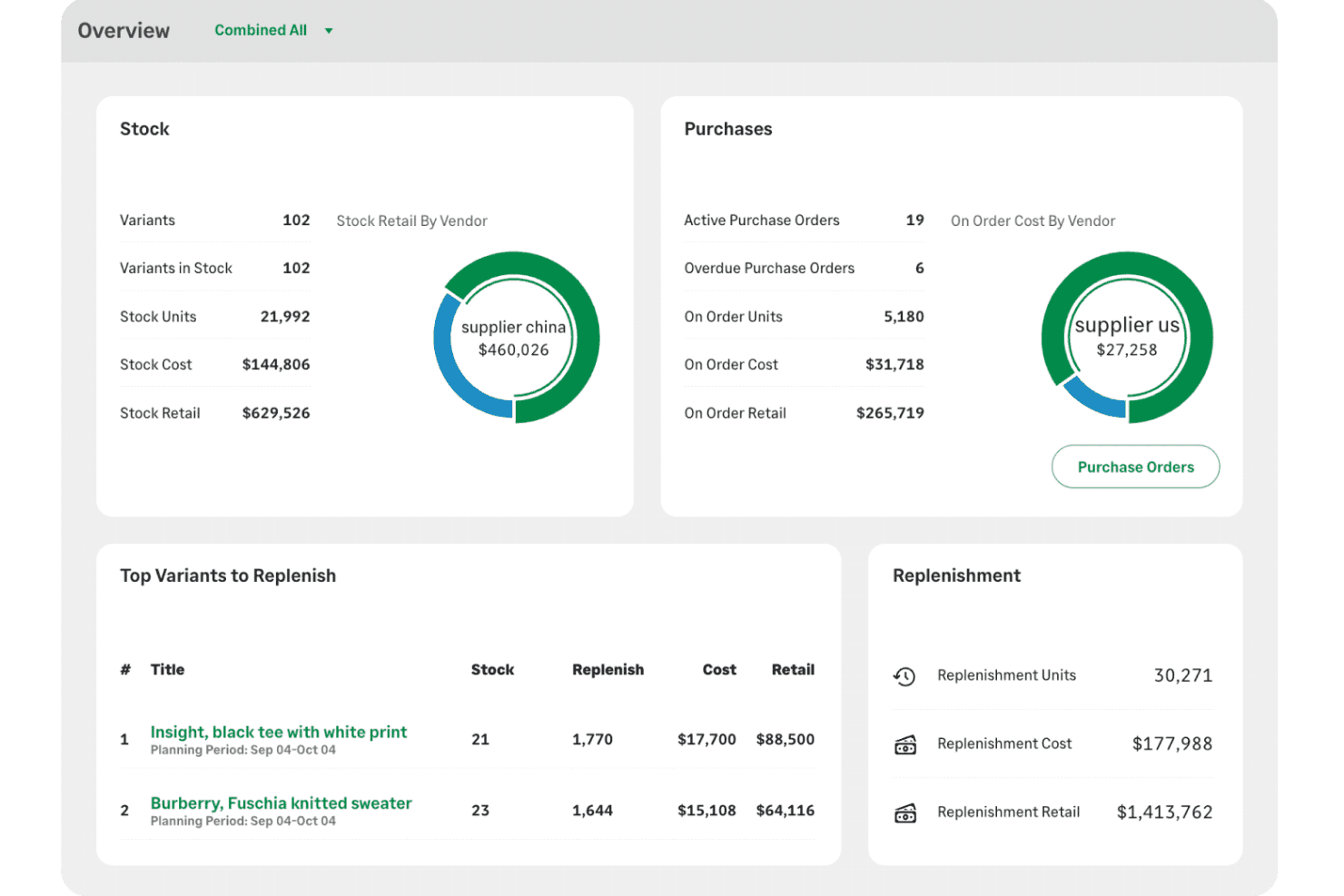
Sage Brightpearl offre una dashboard panoramica di inventario e acquisti con livelli di stock, ordini di acquisto, dati di riapprovvigionamento e le varianti principali da riordinare. Sage Brightpearl è una piattaforma ERP nativa per il retail, progettata per i rivenditori omnicanale che hanno bisogno di unificare inventario, gestione ordini e contabilità senza la complessità o i costi dei tradizionali sistemi aziendali come SAP.
Per Chi È Ideale Sage Brightpearl?
È una soluzione perfetta per rivenditori di medie dimensioni e brand ecommerce in crescita su più canali di vendita, che hanno superato gli strumenti di livello base ma non necessitano della complessità di un ERP aziendale completo.
Perché Sage Brightpearl È una Buona Alternativa a SAP
Ho incluso Sage Brightpearl tra le mie scelte principali grazie alle sue capacità di automazione nella gestione degli ordini su larga scala. Quando i volumi degli ordini aumentano contemporaneamente su Shopify, Amazon e canali all’ingrosso, le regole di automazione di Brightpearl elaborano e smistano ogni ordine senza intervento manuale, utilizzando la valutazione FIFO dei costi e la sincronizzazione in tempo reale dell’inventario per mantenere la contabilità accurata durante la crescita. Apprezzo anche che il numero illimitato di utenti sia incluso nel prezzo, così l’espansione del team non incrementa i costi come avviene con le licenze SAP.
Caratteristiche Principali di Sage Brightpearl
- Contabilità retail integrata: Collega dati di vendita, inventario e contabilità per riconciliazione in tempo reale e report finanziari specifici per il retail.
- Gestione dell’inventario su più sedi: Tiene traccia di scorte, SKU e ordini di acquisto tra magazzini, negozi e centri di adempimento.
- Integrazioni native per ecommerce e POS: Fornisce collegamenti plug-and-play a Shopify, Amazon e le principali piattaforme POS per dati transazionali unificati.
- Strumenti di pianificazione della domanda: Supporta la pianificazione e il riapprovvigionamento della merce con funzionalità integrate di previsione e ottimizzazione dell’inventario.
Integrazioni di Sage Brightpearl
Sage Brightpearl offre integrazioni native con Shopify, Amazon, Sage Intacct, Xero, QuickBooks, Bill.com e i principali fornitori di spedizioni e 3PL. È disponibile una API per integrazioni personalizzate.
Pros and Cons
Pros:
- Automazione nativa degli ordini retail su larga scala
- Implementazione più rapida rispetto agli ERP tradizionali
- Inventario e contabilità in tempo reale sempre allineati
Cons:
- Reportistica avanzata richiede strumenti BI aggiuntivi
- La consolidazione multi-entità si basa su integrazioni esterne
Learn more about Sage Brightpearl: Ideale per il commercio omnicanale senza limiti di utenti
- Demo gratuita disponibile
- Prezzo su richiesta
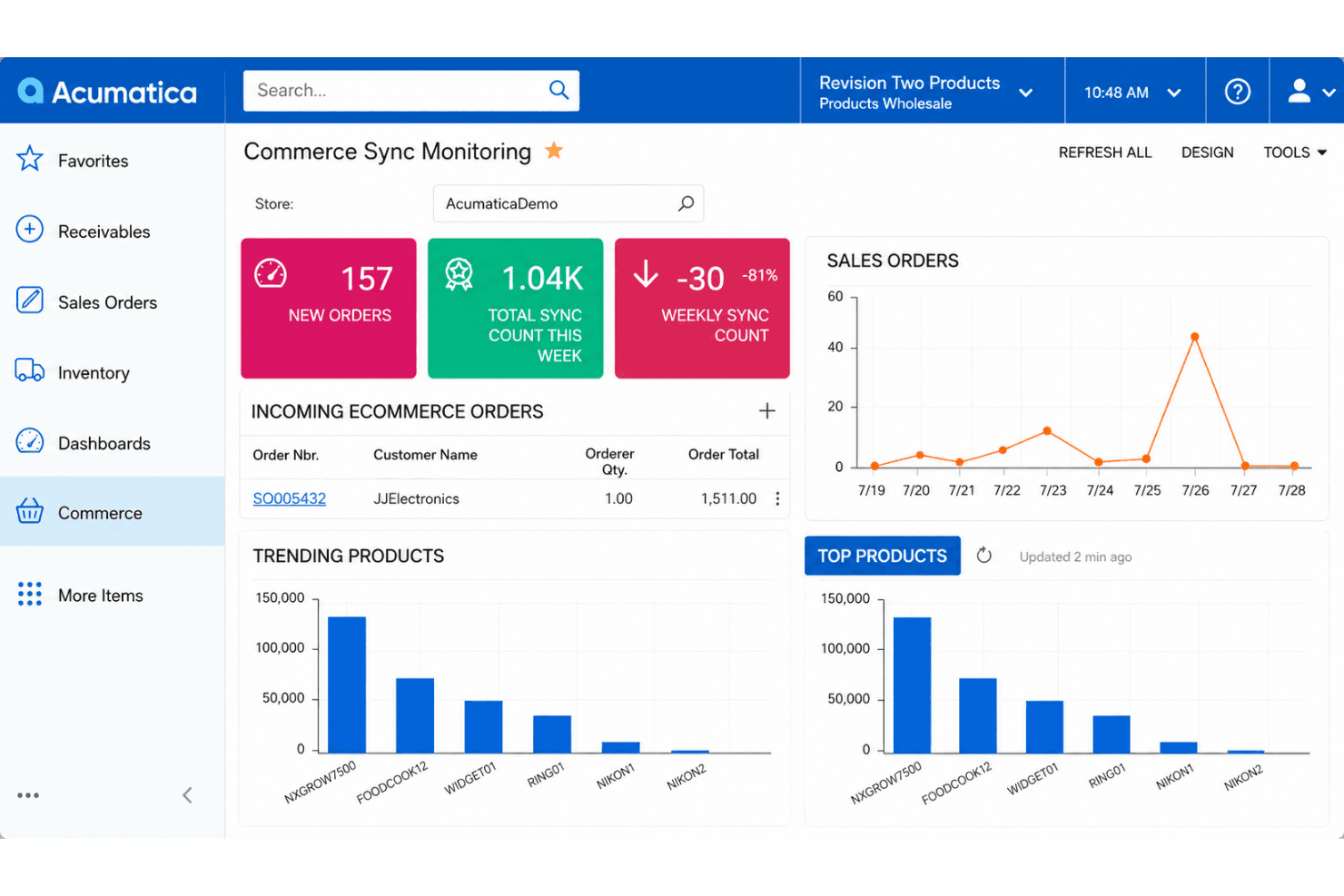
Acumatica Retail Edition offre una dashboard di Commerce Sync Monitoring che mostra in un'unica vista nuovi ordini, conteggi delle sincronizzazioni, prodotti di tendenza e andamento degli ordini di vendita. Acumatica Retail Edition è un ERP cloud progettato per i rivenditori di fascia media che desiderano collegare finanze, inventario, POS e canali ecommerce in un'unica piattaforma, senza la complessità e i costi di licenza tipici dei sistemi enterprise come SAP.
Per chi è ideale Acumatica Retail Edition?
È particolarmente adatto ai rivenditori in crescita di fascia media che operano su più punti vendita e canali di vendita e hanno bisogno di un ERP scalabile senza costi di licenza per utente.
Perché Acumatica Retail Edition è una valida alternativa a SAP
L'ho inclusa tra le migliori scelte perché il modello di licenza basato sul consumo permette di evitare i costi per postazione man mano che il team cresce. Il POS nativo si sincronizza in tempo reale con Shopify, BigCommerce e Amazon, mantenendo inventario e ordini accurati su ogni canale. Apprezzo anche la gestione degli articoli a matrice per gestire varianti di taglia, stile e colore senza soluzioni alternative.
Funzionalità principali di Acumatica Retail Edition
- Sistema di gestione magazzino (WMS) nativo: Gestione di inventario, prelievo, imballaggio e spedizione all’interno di una piattaforma unificata.
- Gestione finanziaria multi-azienda avanzata: Supporto per più aziende, valute e transazioni interaziendali in un unico ambiente.
- Automazione dei flussi di lavoro personalizzabile: Automatizza approvazioni, smistamento ordini e assegnazione dei compiti con configurazioni personalizzate e low-code.
- Dashboard di reportistica in tempo reale: Crea e condividi dashboard con KPI aggiornati e analisi dettagliate su tutti i canali.
Integrazioni di Acumatica Retail Edition
Acumatica Retail Edition offre connettori nativi con Shopify, BigCommerce e Shopify POS, oltre a integrazioni di marketplace con Amazon, Walmart, eBay, Adobe Commerce, WooCommerce e altri. È disponibile anche un'API per integrazioni personalizzate.
Pros and Cons
Pros:
- Licenza senza limiti di utenti riduce il costo totale di proprietà
- POS omnicanale nativo sincronizzato in tempo reale
- L'inventario a matrice gestisce le varianti su più sedi
Cons:
- La reportistica personalizzata necessita del supporto di un partner
- L'implementazione solitamente richiede un partner VAR certificato
Learn more about Acumatica Retail Edition:
Altre alternative a SAP
Ecco alcune ulteriori alternative a SAP che non sono entrate nella mia selezione, ma che vale comunque la pena prendere in considerazione:
- 11Cegid Retail OneIdeale per la gestione dei marchi nel commercio al dettaglio
- 12Oracle RetailIdeale per una gestione avanzata delle scorte e delle allocazioni
- 13EpicorIdeale per il monitoraggio della catena di approvvigionamento al dettaglio
- 14Cin7Ideale per il controllo dell'inventario e del magazzino
- 15Shopify POSIdeale per l'integrazione della vendita al dettaglio fisica e online
- 16Lightspeed RetailIdeale per i sistemi POS per il commercio al dettaglio con analisi avanzate
- 17Aptos RetailIdeale per la gestione unificata dell'inventario e degli ordini
- 18Gofrugal RetailEasyIdeale per implementazioni rapide in più negozi
Come valuto le alternative a SAP
Per prima cosa verifico che ogni piattaforma copra ciò che SAP offre come nucleo centrale: contabilità finanziaria multi-entity, gestione dell'inventario in più sedi, sincronizzazione dei POS e operazioni della supply chain. Successivamente valuto i fattori che differenziano un'alternativa dall'altra.
Funzionalità di base (requisiti minimi per questa lista)
Quando seleziono gli strumenti per la mia lista, valuto ciascuno su una scala da 0 (non offre la funzionalità) a 5 (eccelle in quest'area) per ognuna delle funzionalità di base elencate di seguito. Poi calcolo il punteggio totale dello strumento come percentuale. Ogni strumento deve raggiungere un punteggio minimo totale del 75% per essere preso in considerazione.
- Gestione finanziaria: Cerco GL completo, AP/AR e consolidamento multi-entity così da evitare che i retailer che chiudono i conti su decine di negozi siano costretti a effettuare riconciliazioni su fogli di calcolo.
- Inventario & merchandising: Ogni piattaforma dovrebbe tracciare SKU e stock tra sedi diverse, con ordini di acquisto e pianificazione della merce che supportino i cicli di allocazione stagionale.
- Gestione della supply chain: Valuto i flussi di approvvigionamento, le operazioni di magazzino e la previsione della domanda, in particolare quanto bene una piattaforma gestisce la coordinazione dei fornitori su larga scala.
- Integrazione POS retail: Che si tratti di un POS nativo o di connettori preconfigurati, verifico che i dati delle transazioni vengano sincronizzati in tempo reale tra casse, negozi online e sistemi di back office.
- Reporting & analisi: I cruscotti devono evidenziare KPI retail come il tasso di sell-through e il margine per categoria, con capacità di approfondimento senza richiedere uno strumento BI separato per essere utili.
- CRM & dati cliente: Analizzo come ogni piattaforma registra la cronologia degli acquisti e supporta la segmentazione, poiché i programmi di fidelizzazione e i riacquisti dipendono da profili cliente puliti e unificati.
Una volta ottenuta una lista di strumenti che soddisfano i criteri, considero ciò che distingue ogni piattaforma.
Fattori differenzianti (cosa distingue i fornitori)
Ecco come metto a confronto i diversi fornitori:
Funzionalità distintive
L'architettura ERP componibile è un forte elemento distintivo. Le piattaforme modulari, basate su API, consentono di iniziare con finanza e inventario e poi aggiungere la supply chain successivamente, senza dover acquistare una suite monolitica. Conta molto anche l'intelligenza artificiale integrata per le previsioni di domanda e la riconciliazione automatica delle fatture, soprattutto per i retailer che gestiscono migliaia di SKU su più stagioni. Cerco anche acceleratori retail preconfigurati, poiché template e modelli di dati ottimizzati per la pianificazione della merce possono ridurre di mesi il go-live.
Oltre le funzionalità
La trasparenza della licenza è fondamentale. La complessità del pricing modulare di SAP è notoria, quindi valuto se le alternative offrono modelli chiari per utente o basati sul consumo con rinnovi prevedibili. L'interoperabilità dell'integrazione è altrettanto importante: i retailer che utilizzano Shopify o Salesforce insieme all'ERP hanno bisogno di connettori preconfigurati o API aperte, non di progetti middleware personalizzati. Controllo anche la gestione multi-entity, multi-valuta e la conformità fiscale locale, dato che i retailer che si espandono in nuovi mercati non possono permettersi di crescere oltre le capacità del loro ERP.
Perché cercare un'alternativa a SAP?
Sebbene SAP sia una buona scelta come software ERP per il commercio al dettaglio, esistono diversi motivi per cui alcuni utenti cercano soluzioni alternative. Potresti cercare un'alternativa a SAP perché…
- costo totale di proprietà elevato e licenze complesse
- tempi lunghi di implementazione e distribuzione
- flessibilità limitata per requisiti del commercio al dettaglio in rapida evoluzione
- interfaccia utente eccessivamente complessa per gli utenti non tecnici
- difficoltà di integrazione con strumenti di ecommerce o POS
- difficoltà nel ridimensionamento per rivenditori di medie dimensioni o in crescita
Se ti riconosci in una di queste situazioni, sei nel posto giusto. Il mio elenco contiene diverse opzioni software ERP per il commercio al dettaglio più adatte ai team che affrontano queste difficoltà con SAP e cercano soluzioni alternative.
Funzionalità principali di SAP
Ecco alcune delle principali funzionalità di SAP, per aiutarti a confrontare ciò che offrono le soluzioni alternative:
- Gestione finanziaria: Centralizza il libro mastro generale, i debiti e i crediti, la pianificazione finanziaria e supporta il consolidamento finanziario di più entità per i rivenditori con operazioni complesse.
- Gestione dell'inventario e del merchandising: Tiene traccia dei livelli di inventario, degli SKU e degli assortimenti di prodotti su più canali e sedi, aiutando i team a evitare esaurimenti delle scorte e situazioni di eccesso di scorte.
- Gestione della catena di approvvigionamento: Gestisce gli approvvigionamenti, i rapporti con i fornitori, le operazioni di magazzino e la previsione della domanda per mantenere un flusso efficiente delle merci dai fornitori ai negozi.
- Integrazione del POS per la vendita al dettaglio: Collega SAP ai punti vendita fisici e online, in modo che i dati delle transazioni e dell'inventario rimangano sincronizzati tra gli ambienti dei negozi fisici e del commercio elettronico.
- Reportistica e analisi: Offre cruscotti e report relativi a vendite, finanze, inventario e operazioni, consentendo ai team di prendere decisioni basate su informazioni in tempo reale e utilizzabili.
- CRM e dati dei clienti: Memorizza i profili dei clienti e la cronologia degli acquisti e supporta la segmentazione per alimentare il marketing personalizzato, i programmi fedeltà e le promozioni mirate.
- Integrazione con il commercio elettronico: Si integra con le piattaforme di commercio elettronico, consentendo ai rivenditori di gestire vetrine digitali, inventario ed evasione degli ordini da un sistema unificato.
- Gestione della conformità: Fornisce un supporto integrato per le normative fiscali, regolamentari e contabili nelle diverse regioni, aiutando i rivenditori a espandersi a livello internazionale senza difficoltà legate alla conformità.
- Automazione dei flussi di lavoro: Automatizza approvazioni, avvisi e attività ripetitive utilizzando flussi di lavoro basati su regole, consentendo al personale di concentrarsi su attività a maggior valore aggiunto.
- Multi-valuta e localizzazione: Supporta transazioni, reportistica e inventario in più valute e lingue per i rivenditori che operano oltre i confini nazionali.