

TikTok Shop -arvostelu: hyvät ja huonot puolet, ominaisuudet ja hinnoittelu selitettynä
TikTok Shop erottuu saumattomalla sosiaalisen median myynnillään, mutta sen suoratoistoshoppailun työkalut sopivat parhaiten brändeille, joilla on vahvaa videosisältöä ja sitoutunut yleisö. Se ei ole ihanteellinen kaikille liiketoimintamalleille.

We review tools independently, and commissions help fund our testing. See our transparency policy, our methodology, or suggest a tool.
TikTok Shop is a live shopping platform built for brands and creators who want to sell directly through short-form video and live broadcasts. I'd consider it if your audience skews younger and you want native in-app checkout without routing buyers to an external storefront. Compared to Instagram Shopping, TikTok Shop gives you stronger organic reach through its content discovery algorithm, which means you can drive meaningful sales volume without relying heavily on paid spend.
TikTok Shop Evaluation Summary
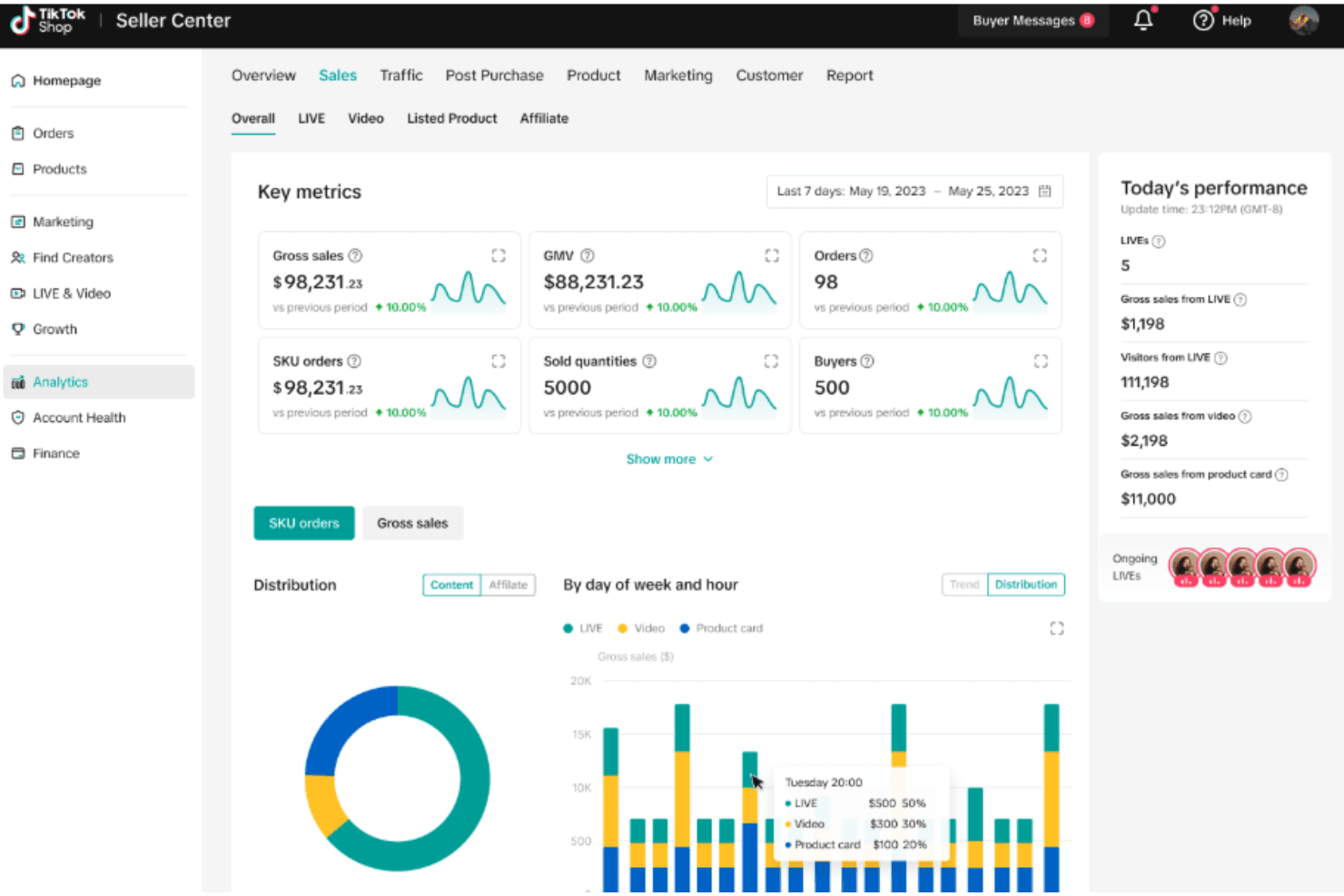
4.6/5
- Pricing upon request
Miksi luottaa ohjelmistosuosituksiimme
6,700+
Reviews
20
Industry experts
16+
Evaluation factors
14
Years
Tiimimme on testannut ja arvioinut ohjelmistoja vuodesta 2012 lähtien. Julkaisijoina ja mediatoimijoina tiedämme itse, kuinka vaikeaa — ja tärkeää — oikean ohjelmiston valitseminen on.
Tätä opasta varten arvioimme työkaluja käytännön testauksen ja itsenäisen tutkimuksen avulla, pisteyttäen työkalut valintakriteeriemme perusteella.
Arvostelumme perustuvat inhimilliseen toimitukselliseen harkintaamme, eivät myyntipuheeseen.
TikTok Shop Overview
When judging TikTok Shop as a live shopping platform, its native integration with TikTok's massive audience and video-first interface gives it a unique edge for brands targeting Gen Z and millennial shoppers. Pricing is accessible, and onboarding is straightforward for those familiar with social media. However, compared to other options, it underperforms in advanced analytics and third-party integrations. If you're selecting a platform for influencer-driven campaigns or want to capitalize on viral trends, TikTok Shop is a strong choice. Retailers seeking deep customization or complex backend integrations may find it less suitable.
Pros
- Access to TikTok's large, engaged user base.
- Built-in video and livestream selling tools.
- Viral content can drive rapid product discovery.
Cons
- High competition and saturation among sellers.
- Limited advanced analytics for sales performance.
- Frequent reports of counterfeit or low-quality goods.
Is TikTok Shop Right For Your Needs?
Who Would be a Good Fit for TikTok Shop?
TikTok Shop is best suited for brands and teams that thrive on visual storytelling, influencer partnerships, and rapid product launches. Businesses targeting younger demographics or those with products that benefit from live demonstrations will find the platform's video-first approach and built-in audience especially valuable. Fashion, beauty, and consumer electronics brands, as well as small businesses looking for viral growth, can leverage TikTok Shop's unique features to drive sales and engagement. The platform's functionality for e-commerce makes it particularly effective for online shopping experiences that prioritize customer reviews and product ratings as purchasing decisions unfold.
- Fashion RetailersTikTok Shop's video and livestream tools showcase apparel and trends in real time.
- Beauty BrandsLive tutorials and influencer partnerships drive product discovery and trust.
- Consumer ElectronicsDemonstrations and unboxings engage tech-savvy, trend-driven shoppers.
- Small BusinessesLow entry barriers and viral potential help new brands gain traction.
- Social Media TeamsIntegrated content creation and selling streamline campaign execution.
- Influencer MarketersDirect selling through influencer-led livestreams boosts conversion rates.
Who Would be a Bad Fit for TikTok Shop?
TikTok Shop is less suitable for industries or teams that require complex backend integrations, serve older demographics, or sell products needing detailed technical specs. B2B sellers, highly regulated industries, and businesses with niche or high-value products may find the platform's analytics, support, and audience alignment lacking for their needs.
- B2B CompaniesTikTok Shop's audience and features don't support complex B2B sales cycles.
- Regulated IndustriesStrict compliance needs aren't addressed by TikTok Shop's selling tools.
- Luxury GoodsHigh-value products may not align with TikTok's fast-paced, trend-driven environment.
- Enterprise RetailersLimited advanced analytics and integrations hinder large-scale operations.
- Technical Product TeamsProducts needing detailed specs or demos lack adequate presentation tools.
- Older DemographicsTikTok's user base skews young, limiting reach for senior-focused brands.
Our Review Methodology
How We Test & Score Tools
We’ve spent years building, refining, and improving our software testing and scoring system. The rubric is designed to capture the nuances of software selection and what makes a tool effective, focusing on critical aspects of the decision-making process.
Below, you can see exactly how our testing and scoring works across seven criteria. It allows us to provide an unbiased evaluation of the software based on core functionality, standout features, ease of use, onboarding, customer support, integrations, customer reviews, and value for money.
Core Functionality (25% of final scoring)
The starting point of our evaluation is always the core functionality of the tool. Does it have the basic features and functions that a user would expect to see? Are any of those core features locked to higher-tiered pricing plans? At its core, we expect a tool to stand up against the baseline capabilities of its competitors.
Standout Features (25% of final scoring)
Next, we evaluate uncommon standout features that go above and beyond the core functionality typically found in tools of its kind. A high score reflects specialized or unique features that make the product faster, more efficient, or offer additional value to the user.
We also evaluate how easy it is to integrate with other tools typically found in the tech stack to expand the functionality and utility of the software. Tools offering plentiful native integrations, 3rd party connections, and API access to build custom integrations score best.
Ease of Use (10% of final scoring)
We consider how quick and easy it is to execute the tasks defined in the core functionality using the tool. High scoring software is well designed, intuitive to use, offers mobile apps, provides templates, and makes relatively complex tasks seem simple.
Onboarding (10% of final scoring)
We know how important rapid team adoption is for a new platform, so we evaluate how easy it is to learn and use a tool with minimal training. We evaluate how quickly a team member can get set up and start using the tool with no experience. High scoring solutions indicate little or no support is required.
Customer Support (10% of final scoring)
We review how quick and easy it is to get unstuck and find help by phone, live chat, or knowledge base. Tools and companies that provide real-time support score best, while chatbots score worst.
Customer Reviews (10% of final scoring)
Beyond our own testing and evaluation, we consider the net promoter score from current and past customers. We review their likelihood, given the option, to choose the tool again for the core functionality. A high scoring software reflects a high net promoter score from current or past customers.
Value for Money (10% of final scoring)
Lastly, in consideration of all the other criteria, we review the average price of entry level plans against the core features and consider the value of the other evaluation criteria. Software that delivers more, for less, will score higher.
Core Features
In-Feed Video Shopping
Sell products directly through shoppable videos in users' feeds. Viewers can tap product links while watching and purchase instantly.
Live Shopping Events
Host real-time livestreams where viewers can buy featured products. Sellers interact with audiences and answer questions live.
In-App Checkout
Buyers complete purchases without leaving TikTok. This reduces friction and increases conversion rates.
Personalized Shop Tab
A dedicated tab curates products based on user interests and browsing behavior. Shoppers discover new items tailored to their preferences.
Product Showcase Pages
Each product gets a detailed page with images, descriptions, and pricing. Users can browse, save, and share products easily.
Creator Collaboration Tools
Brands partner with creators to promote products via affiliate links and sponsored content. This expands reach and leverages influencer trust.
Ease of Use
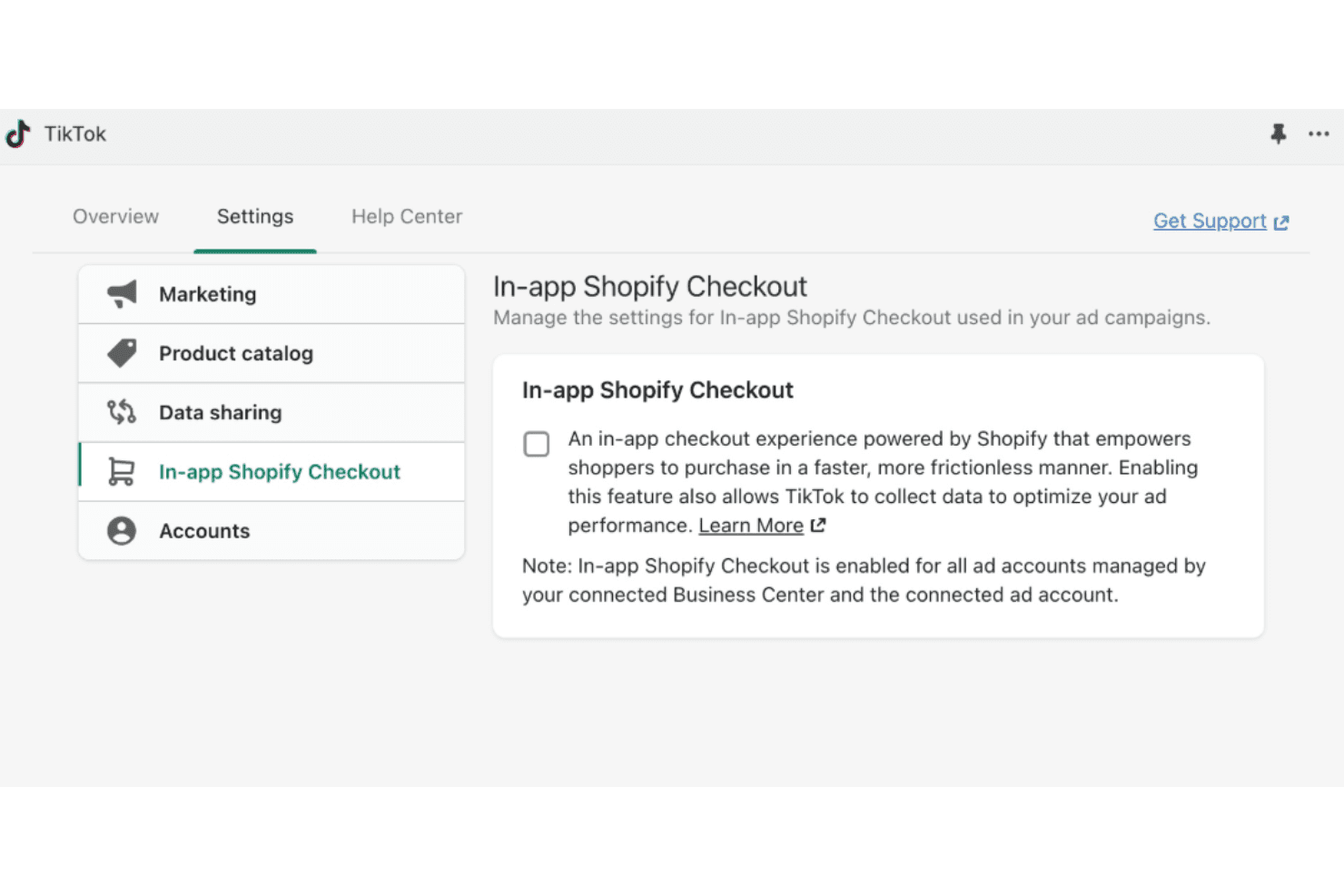
TikTok Shop is user-friendly for teams already comfortable with social media and short-form video. The onboarding process is straightforward, and listing products or launching live events takes just a few steps. Many users praise the intuitive interface and built-in content creation tools, which make it easy to manage campaigns and engage audiences. The platform handles product listings efficiently, though some sellers note that navigating seller policies and handling disputes can be less clear than expected. Product reviews from customers help inform other buyers about product quality and purchasing decisions.
Integrations
TikTok Shop integrates with Shopify, WooCommerce, BigCommerce, Amazon FBA, ShipStation, and Sellercloud, among others.
TikTok Shop also offers an API and supports connections with third-party integration tools.
TikTok Shop Specs
- Analytics: Yes
- API: Yes
- Approval Workflows: No
- Audience Targeting: Yes
- Brand Management: Yes
- Calendar Management: No
- Campaign Management: Yes
- Collaboration Support: Yes
- Conversion Tracking: Yes
- Custom Reports: No
- Dashboard: Yes
- Data Export: Yes
- Data Import: Yes
- Data Visualization: Yes
- External Integrations: Yes
- Feedback Management: Yes
- Keyword Tracking: No
- Knowledge Base: Yes
- Landing Pages: No
- Link Tracking: No
- Marketing Automation: Yes
- Multi-Account: No
- Multi-User: Yes
- Notifications: Yes
- Review Monitoring: No
- Scheduling: Yes
- Sentiment Analysis: No
- Social Media Monitoring: Yes
- Social-Media Integration: No
- Third-Party Plugins/Add-Ons: Yes
- Workflow Management: Yes


