
Shift4Shop-arvostelu: hyvät ja huonot puolet, ominaisuudet ja hinnoittelu selitettynä
Shift4Shop sisältää kattavat verkkokauppatyökalut ja yllättävää joustavuutta, mutta olen havainnut sen oppimiskäyrän ja erikoisuuksien tekevän siitä parhaan vaihtoehdon myyjille, jotka haluavat perusteellista mukautettavuutta ilman Shopify-hinnoittelua.

We review tools independently, and commissions help fund our testing. See our transparency policy, our methodology, or suggest a tool.
Shift4Shop is an ecommerce platform built for merchants who want product management, SEO, and email marketing tools included out of the box—without relying on paid add-ons. If you're growing an online store and watching your costs, Shift4Shop is worth a serious look over Shopify. Its free plan for US merchants using Shift4 Payments gives you the full feature set at no monthly cost, which is a meaningful advantage when Shopify's app ecosystem can quietly inflate your monthly bill.
Shift4Shop Evaluation Summary
3.9/5
- From $41/month
- Free plan available
Miksi luottaa ohjelmistosuosituksiimme
6,700+
Reviews
20
Industry experts
16+
Evaluation factors
14
Years
Tiimimme on testannut ja arvioinut ohjelmistoja vuodesta 2012 lähtien. Julkaisijoina ja mediatoimijoina tiedämme itse, kuinka vaikeaa — ja tärkeää — oikean ohjelmiston valitseminen on.
Tätä opasta varten arvioimme työkaluja käytännön testauksen ja itsenäisen tutkimuksen avulla, pisteyttäen työkalut valintakriteeriemme perusteella.
Arvostelumme perustuvat inhimilliseen toimitukselliseen harkintaamme, eivät myyntipuheeseen.
Shift4Shop Overview
When I compare Shift4Shop to other ecommerce platforms, I think its built-in features and no-monthly-fee pricing for US merchants make it a strong pick for budget-conscious sellers who want room to grow. The interface isn’t as intuitive as some, and onboarding can take time, but the platform’s flexibility and deep customization options stand out.
I’d suggest Shift4Shop for retailers who want to control every detail of their storefront and don’t mind a steeper learning curve to get advanced features like built-in SEO, product variants, and native payment processing.
Pros
- Free domain name and SSL certificate with every plan.
- Built-in SEO and marketing tools for online growth.
- All core ecommerce features included without extra fees.
Cons
- Advanced reporting features are less detailed than competitors.
- Some users report slow or unresponsive customer support.
- Theme customization options can feel limited for designers.
Is Shift4Shop Right For Your Needs?
Who Would be a Good Fit for Shift4Shop?
Shift4Shop is a strong choice for small to midsize retailers, niche product sellers, and businesses that want built-in ecommerce features without extra monthly fees. I think it’s especially useful for teams that value integrated marketing tools, US-based merchants who want free payment processing, and those who need a PCI-compliant platform out of the box. If your business wants to launch quickly with minimal add-ons, Shift4Shop’s bundled features and straightforward pricing make it a practical option.
- Small RetailersShift4Shop’s no-monthly-fee plan and bundled features help keep costs low.
- Niche Product SellersCustom product options and variants support unique inventory needs.
- US-Based MerchantsFree payment processing for US businesses reduces transaction costs.
- Marketing TeamsBuilt-in SEO, email, and promotions tools support marketing campaigns.
- StartupsQuick setup and included essentials help new businesses launch fast.
- Food and BeveragePCI compliance and order management suit regulated, perishable goods.
Who Would be a Bad Fit for Shift4Shop?
Shift4Shop may not be the best fit for large enterprises, global brands, or teams needing advanced design control and deep analytics. If your business relies on international sales, complex B2B workflows, or highly customized storefronts, you’ll likely find Shift4Shop’s limitations in theme flexibility, reporting, and multi-currency support restrictive. I’d suggest looking elsewhere if you need extensive integrations or advanced automation.
- Large EnterprisesLimited scalability and reporting may not meet enterprise requirements.
- International SellersMulti-currency and localization features are less robust than others.
- B2B WholesalersComplex pricing and account management options are limited.
- Design AgenciesTheme editing tools lack the depth designers often need.
- Analytics TeamsReporting and analytics features are basic compared to competitors.
- Subscription ServicesRecurring billing and subscription management tools are less advanced.
Our Review Methodology
How We Test & Score Tools
We’ve spent years building, refining, and improving our software testing and scoring system. The rubric is designed to capture the nuances of software selection and what makes a tool effective, focusing on critical aspects of the decision-making process.
Below, you can see exactly how our testing and scoring works across seven criteria. It allows us to provide an unbiased evaluation of the software based on core functionality, standout features, ease of use, onboarding, customer support, integrations, customer reviews, and value for money.
Core Functionality (25% of final scoring)
The starting point of our evaluation is always the core functionality of the tool. Does it have the basic features and functions that a user would expect to see? Are any of those core features locked to higher-tiered pricing plans? At its core, we expect a tool to stand up against the baseline capabilities of its competitors.
Standout Features (25% of final scoring)
Next, we evaluate uncommon standout features that go above and beyond the core functionality typically found in tools of its kind. A high score reflects specialized or unique features that make the product faster, more efficient, or offer additional value to the user.
We also evaluate how easy it is to integrate with other tools typically found in the tech stack to expand the functionality and utility of the software. Tools offering plentiful native integrations, 3rd party connections, and API access to build custom integrations score best.
Ease of Use (10% of final scoring)
We consider how quick and easy it is to execute the tasks defined in the core functionality using the tool. High scoring software is well designed, intuitive to use, offers mobile apps, provides templates, and makes relatively complex tasks seem simple.
Onboarding (10% of final scoring)
We know how important rapid team adoption is for a new platform, so we evaluate how easy it is to learn and use a tool with minimal training. We evaluate how quickly a team member can get set up and start using the tool with no experience. High scoring solutions indicate little or no support is required.
Customer Support (10% of final scoring)
We review how quick and easy it is to get unstuck and find help by phone, live chat, or knowledge base. Tools and companies that provide real-time support score best, while chatbots score worst.
Customer Reviews (10% of final scoring)
Beyond our own testing and evaluation, we consider the net promoter score from current and past customers. We review their likelihood, given the option, to choose the tool again for the core functionality. A high scoring software reflects a high net promoter score from current or past customers.
Value for Money (10% of final scoring)
Lastly, in consideration of all the other criteria, we review the average price of entry level plans against the core features and consider the value of the other evaluation criteria. Software that delivers more, for less, will score higher.
Core Features
Product Management
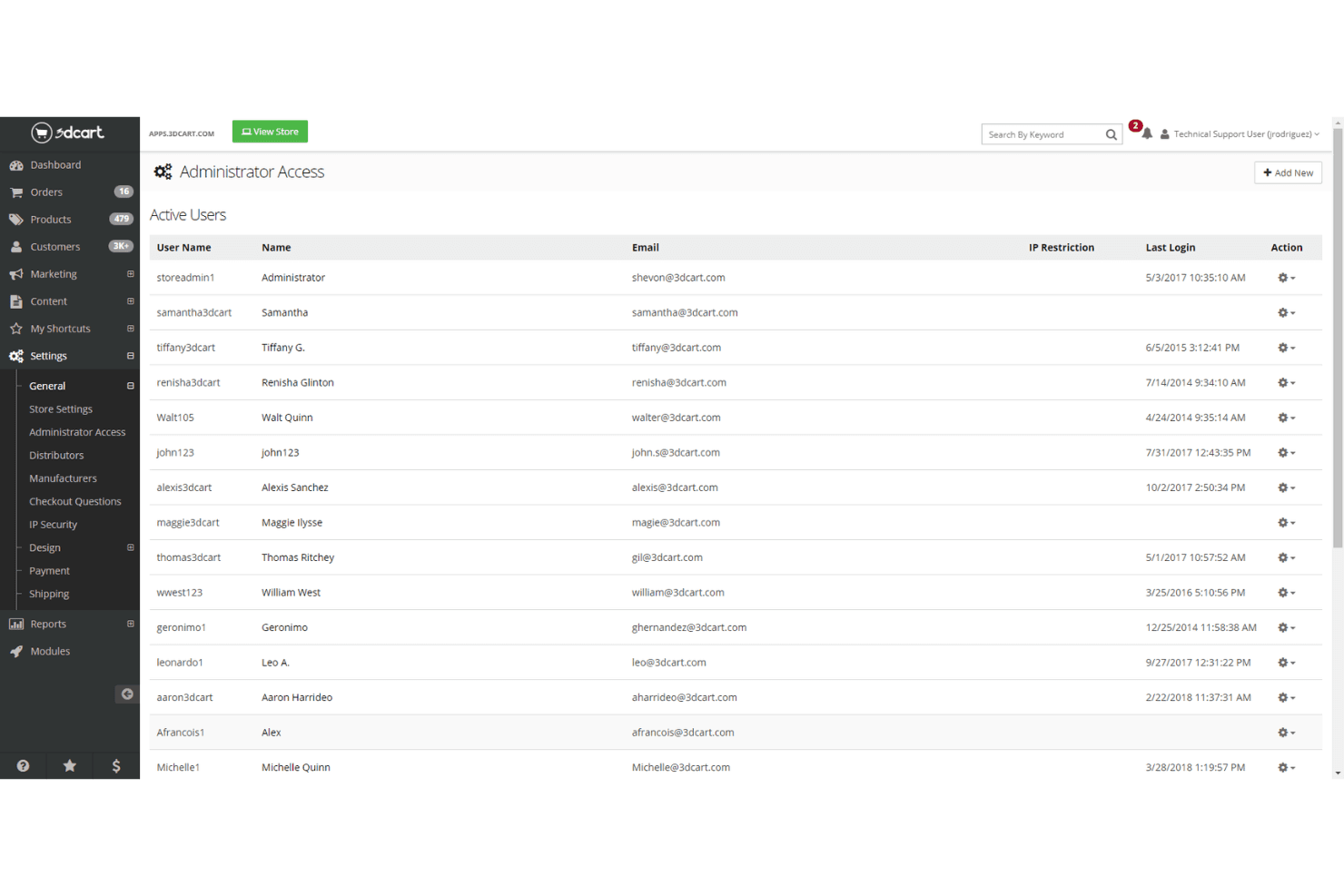
Add unlimited products, manage variants, and set custom options for each item. Bulk editing and inventory tracking help you stay organized.
Built-In SEO Tools
Optimize URLs, meta tags, and sitemaps directly from your dashboard. These tools help your store rank higher in search results.
Mobile-Ready Storefronts
All themes are responsive and adapt to any device. Customers get a consistent shopping experience on phones, tablets, and desktops.
Integrated Payment Processing
Accept credit cards and digital wallets with Shift4 Payments at no extra monthly cost. PCI compliance is included for secure transactions.
Order and Customer Management
Track orders, manage returns, and view customer histories in one place. Automated emails keep buyers updated throughout the process.
Marketing and Promotions
Run discounts, coupons, and loyalty programs from your admin panel. Built-in email marketing tools help you reach and retain customers.
Ease of Use
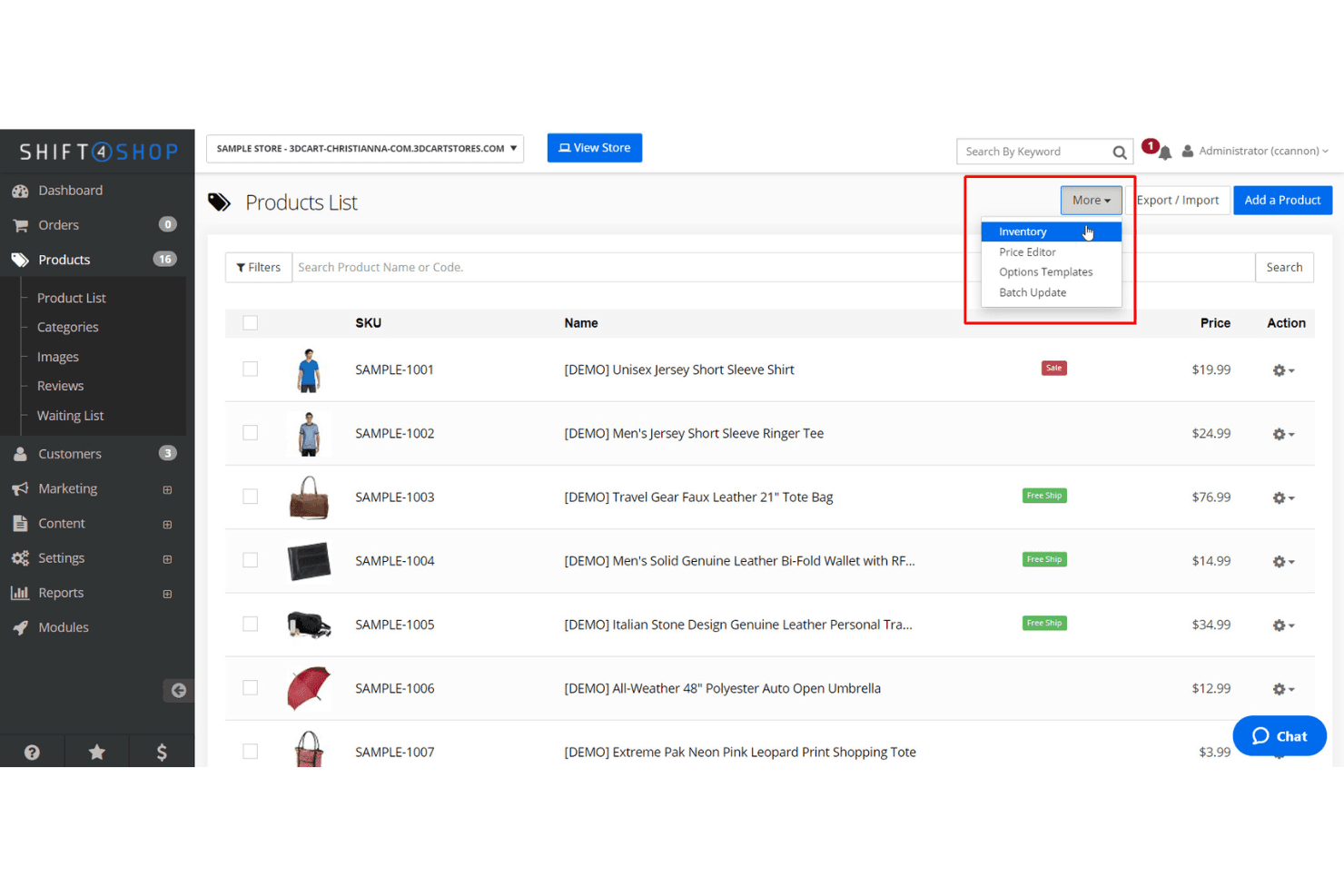
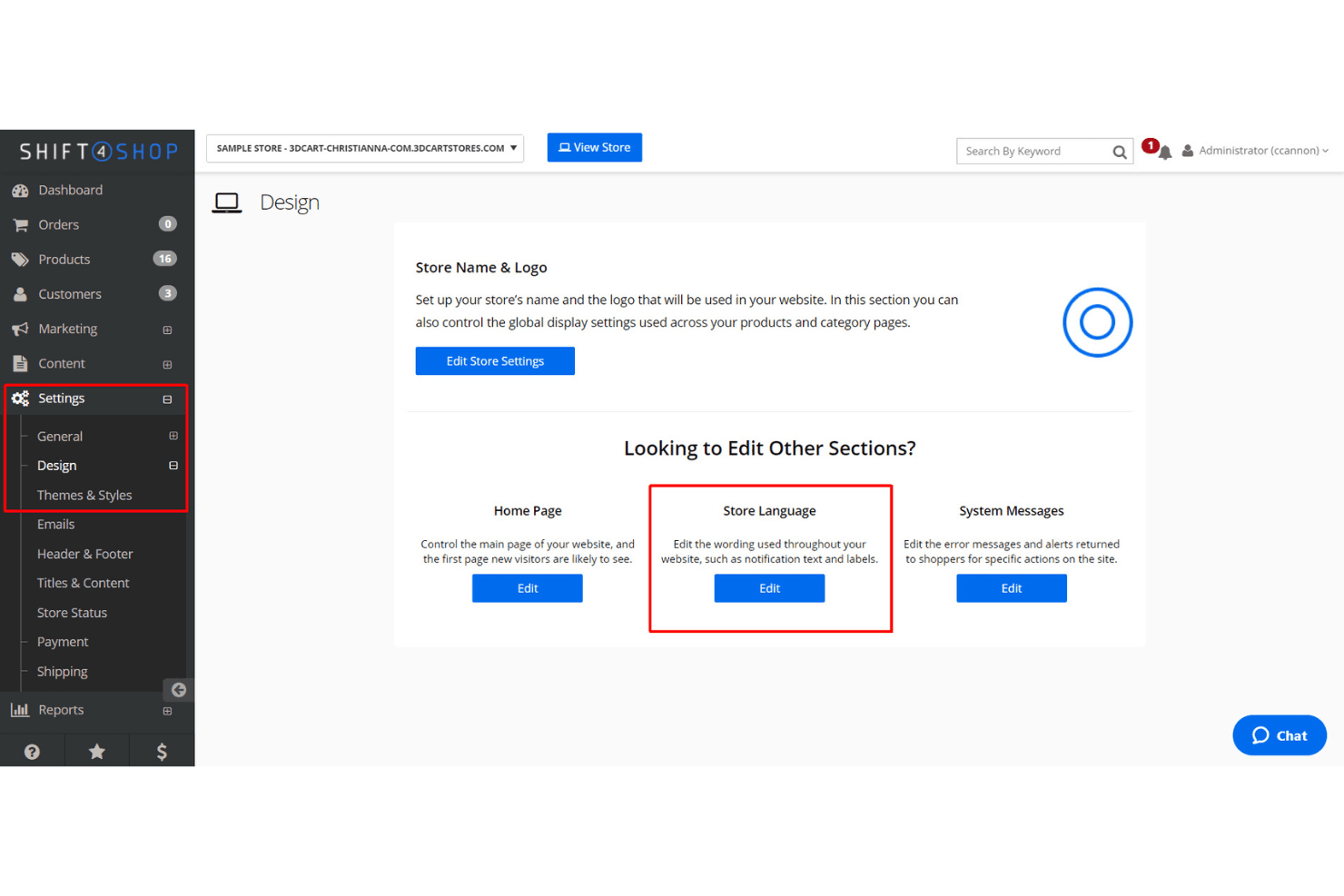
Shift4Shop offers a feature-rich dashboard, but I think its interface can feel cluttered and less intuitive than others in the space. Many users mention that setup and navigation take some getting used to, especially when customizing themes or managing advanced settings. However, once you’re familiar with the layout, the platform’s built-in tools and clear organization make daily tasks like adding products and processing orders straightforward for most retail teams.
Integrations
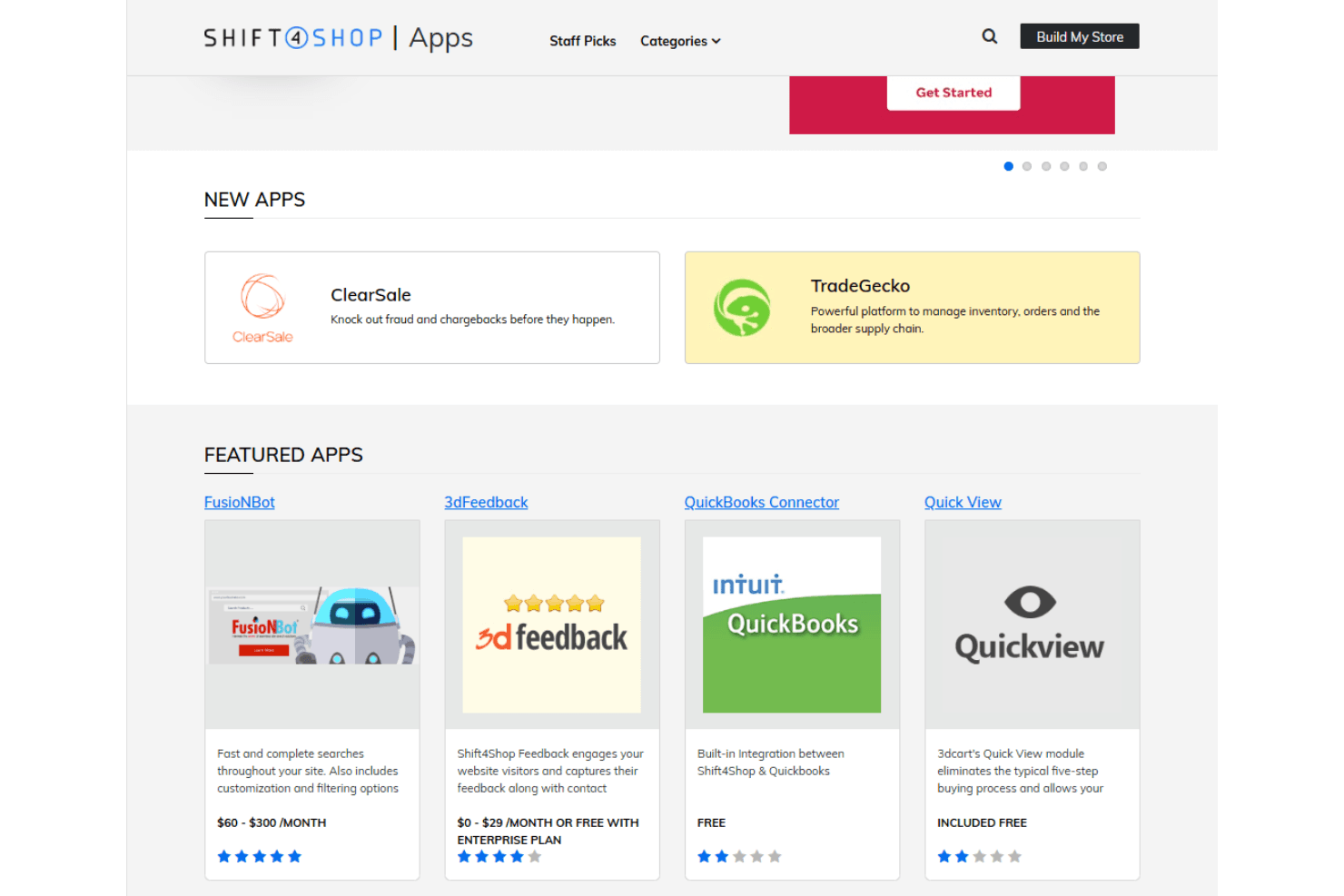
Shift4Shop integrates with FusionBot, 3dFeedback, QuickBooks Connector, Quick View, NinjaInfluence, Chatra, Tapfiliate, Poptin, Mega Menu, and Group Deals, among others.
Shift4Shop also offers an API and connects with third-party integration tools for expanded functionality.
Shift4Shop Specs
- 2-Factor Authentication: Yes
- A/B Testing: Yes
- Analytics: Yes
- API: Yes
- BitCoin: No
- Conversion Tracking: Yes
- Dashboard: Yes
- Data Export: Yes
- Data Import: Yes
- Data Visualization: Yes
- Design Templates: Yes
- External Integrations: Yes
- Inventory Tracking: Yes
- Keyword Tracking: Yes
- Marketing Automation: Yes
- Multi-User: Yes
- Notifications: Yes
- Order Management: Yes
- Payment Gateway Integration: Yes
- Payment Processor: Yes
- PayPal: Yes
- Product Catalog: Yes
- Review Monitoring: Yes
- SAP Integration: No
- Scheduling: Yes
- Stripe: Yes
- Third-Party Plugins/Add-Ons: Yes


