

10 Mejores Soluciones de Software de Precios Minoristas Seleccionadas para 2026

Mejor lista de software de precios minoristas


El software de precios minoristas ayuda a tu equipo a establecer, gestionar y optimizar los precios de los productos en todos los canales mediante automatización, análisis y datos en tiempo real. Si buscas el mejor software de precios minoristas, probablemente quieras seguir el ritmo de las condiciones cambiantes del mercado, superar a la competencia y proteger tus márgenes, sin añadir trabajo manual ni arriesgarte a cometer errores de fijación de precios. En esta guía encontrarás una lista seleccionada de las mejores soluciones para 2026, con información clara sobre lo que cada herramienta hace mejor, para que puedas elegir con confianza la opción adecuada para tu negocio.
Por qué confiar en nuestras recomendaciones de software
Nuestro equipo lleva probando y evaluando software desde 2012. Como líderes del sector retail, sabemos lo difícil —y lo importante— que es elegir el software adecuado.
Para esta guía, evaluamos las herramientas mediante pruebas prácticas e investigación independiente, puntuando las herramientas según nuestros criterios de selección.
Nuestras reseñas reflejan nuestro criterio independiente, no un discurso de ventas.
Resumen del mejor software de precios minoristas
Esta tabla comparativa resume los detalles de precios de mis principales selecciones de software de precios minoristas para ayudarte a encontrar la mejor opción para tu presupuesto y las necesidades de tu negocio.
| Tool | Best For | Trial Info | Price | ||
|---|---|---|---|---|---|
| 1 | Mejor para ajustes de precios omnicanal en tiempo real | No hay prueba gratuita disponible | Precio bajo consulta | Website | |
| 2 | Ideal para el modelado avanzado de precios para cadenas de supermercados | Demostración gratuita disponible | Precios disponibles previa solicitud | Website | |
| 3 | Ideal para precios tipo hoja de cálculo con IA | Plan gratuito + demostración gratis | Desde $379/mes | Website | |
| 4 | Ideal para el seguimiento de precios de la competencia en ecommerce | Prueba gratuita de 14 días | Desde $99/mes | Website | |
| 5 | Ideal para la automatización dinámica de precios en omnicanal | Demo gratuita disponible | Desde €399/mes | Website | |
| 6 | Ideal para comparación de precios en tiempo real entre mercados | Demo gratuita disponible | Precios a consultar | Website | |
| 7 | Mejor para inteligencia de precios en tienda física y en línea | Demostración gratuita disponible | Precios a consultar | Website | |
| 8 | Ideal para análisis de precios configurables en empresas | Demostración gratuita disponible | Precio bajo consulta | Website | |
| 9 | Ideal para la optimización de precios impulsada por IA para grandes minoristas | Demo gratuita disponible | Precios bajo solicitud | Website | |
| 10 | Mejor para fijación de precios predictiva potenciada por previsión de la demanda | Demo gratuita disponible | Precio según solicitud | Website |
Reseñas del mejor software de precios minoristas
A continuación se presentan mis resúmenes detallados del mejor software de precios minoristas que llegó a mi lista de opciones. Mis reseñas ofrecen un análisis detallado de las funciones, los precios y las integraciones de cada software para ayudarte a encontrar la mejor opción para ti.

Mejor para ajustes de precios omnicanal en tiempo real

Quicklizard está diseñado para minoristas y marcas que necesitan ajustar precios al instante en canales en línea y fuera de línea. La plataforma está dirigida a equipos de precios y comercio electrónico que buscan automatizar cambios de precios en tiempo real según datos de mercado, inventario y demanda. El motor omnicanal de Quicklizard te ayuda a mantener precios consistentes y competitivos, sin importar dónde compren tus clientes.
Por qué elegí Quicklizard
Lo que diferencia a Quicklizard es su capacidad para realizar ajustes de precios en tiempo real tanto en canales digitales como en tiendas físicas. El motor de precios dinámicos de la plataforma te permite automatizar decisiones de precios basadas en tendencias del mercado en vivo, actividad de la competencia y niveles de inventario. Valoro cómo Quicklizard favorece la consistencia omnicanal, para que tus clientes vean precios alineados ya sea que compren en línea o en tienda. Esto lo convierte en una buena opción para minoristas que necesitan reaccionar rápido a los cambios del mercado y mantener estrategias de precios unificadas en todos los canales.
Funciones clave de Quicklizard
Otras funciones que hacen que Quicklizard sea útil para equipos de precios retail incluyen:
- Motor de precios basado en reglas: Establece reglas de precios personalizadas para automatizar decisiones según la lógica de tu negocio.
- Seguimiento de precios de la competencia: Monitoriza los precios de la competencia en tiempo real para informar tus propias estrategias de precios.
- Pruebas A/B de precios: Realiza experimentos con diferentes niveles de precios para medir el impacto en las ventas y el margen.
- Panel de análisis: Accede a informes y paneles visuales para monitorizar el rendimiento y tendencias de precios.
Integraciones de Quicklizard
Las integraciones incluyen SAP, Oracle, Adobe Commerce, Salesforce Commerce Cloud, Shopify, Kafka, Delavo, DataWeave, TGN y Bright Data.
Pros and Cons
Pros:
- Actualizaciones de precios en tiempo real en todos los canales
- Permite pruebas A/B para estrategias de precios
- Monitorización de precios de la competencia con alertas automáticas
Cons:
- Menos plantillas específicas para retail que algunos competidores
- La configuración de integraciones puede requerir asistencia del proveedor

Yieldigo
Ideal para el modelado avanzado de precios para cadenas de supermercados
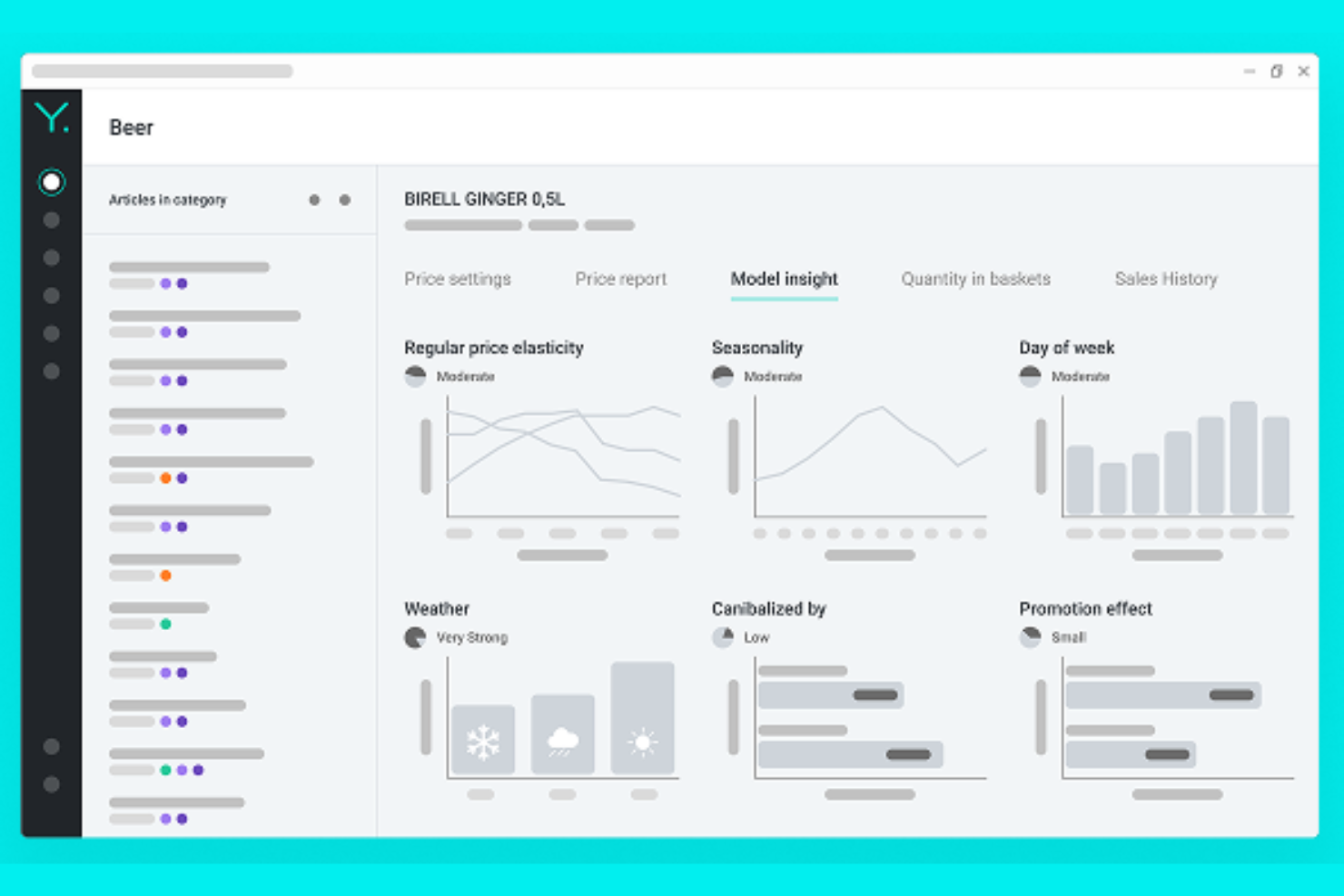
Yieldigo está diseñado para cadenas de supermercados y supermercados que necesitan un modelado avanzado de precios para gestionar surtidos complejos. La plataforma resulta atractiva para los responsables de precios y los equipos de categorías que buscan optimizar los precios mediante análisis predictivos y previsión de la demanda. Yieldigo te ayuda a equilibrar el margen, el volumen y la competitividad en un entorno de comestibles con cambios constantes.
Por qué elegí Yieldigo
Yieldigo destaca por sus avanzadas capacidades de modelado de precios, adaptadas específicamente a las cadenas de supermercados. La plataforma utiliza análisis predictivos para simular el impacto de los cambios de precios en miles de SKU, lo que te ayuda a comprender cómo los ajustes afectan tanto al margen como al volumen de ventas. Me gusta que Yieldigo incorpore la previsión de la demanda y el modelado de la elasticidad, elementos esenciales para gestionar el sector de los comestibles, caracterizado por su rápida rotación y elevada competitividad. Esto la convierte en una opción sólida para los equipos de precios que necesitan equilibrar la rentabilidad con la percepción de los precios por parte de los clientes en un entorno minorista complejo.
Características principales de Yieldigo
Otras características que hacen que Yieldigo sea valioso para los equipos de precios de supermercados son:
- Herramientas de planificación de escenarios: Modela múltiples escenarios de precios para comparar los resultados antes de realizar cambios.
- Seguimiento de precios de la competencia: Supervisa los precios de la competencia para fundamentar tus propias decisiones de precios.
- Recomendaciones automatizadas de precios: Recibe sugerencias de precios generadas por el sistema según tus reglas de negocio.
- Panel centralizado de gestión de precios: Gestiona y revisa todas las actividades de precios desde una única interfaz.
Integraciones de Yieldigo
Las integraciones incluyen Colruyt, Metro, Makro, SuperPharm, Newpharma, Bonami, Ahold, Erocash, Admenta, Lékárna CZ, Delia, Healthspan y otras.
Pros and Cons
Pros:
- Modelado avanzado de precios para surtidos de supermercados
- Planificación de escenarios para múltiples estrategias de precios
- Recomendaciones automatizadas de precios basadas en reglas
Cons:
- Sectores minoristas limitados
- No hay documentación disponible para la incorporación autónoma
New Product Updates from Yieldigo

Yieldigo Adds Export Scheduling and Promotions Overview
Yieldigo adds export scheduling with exclusion periods and a Promotions Overview for product-level promotion timelines. These updates improve pricing operations and promotion visibility. For more information, visit Yieldigo’s official site.
 .
.
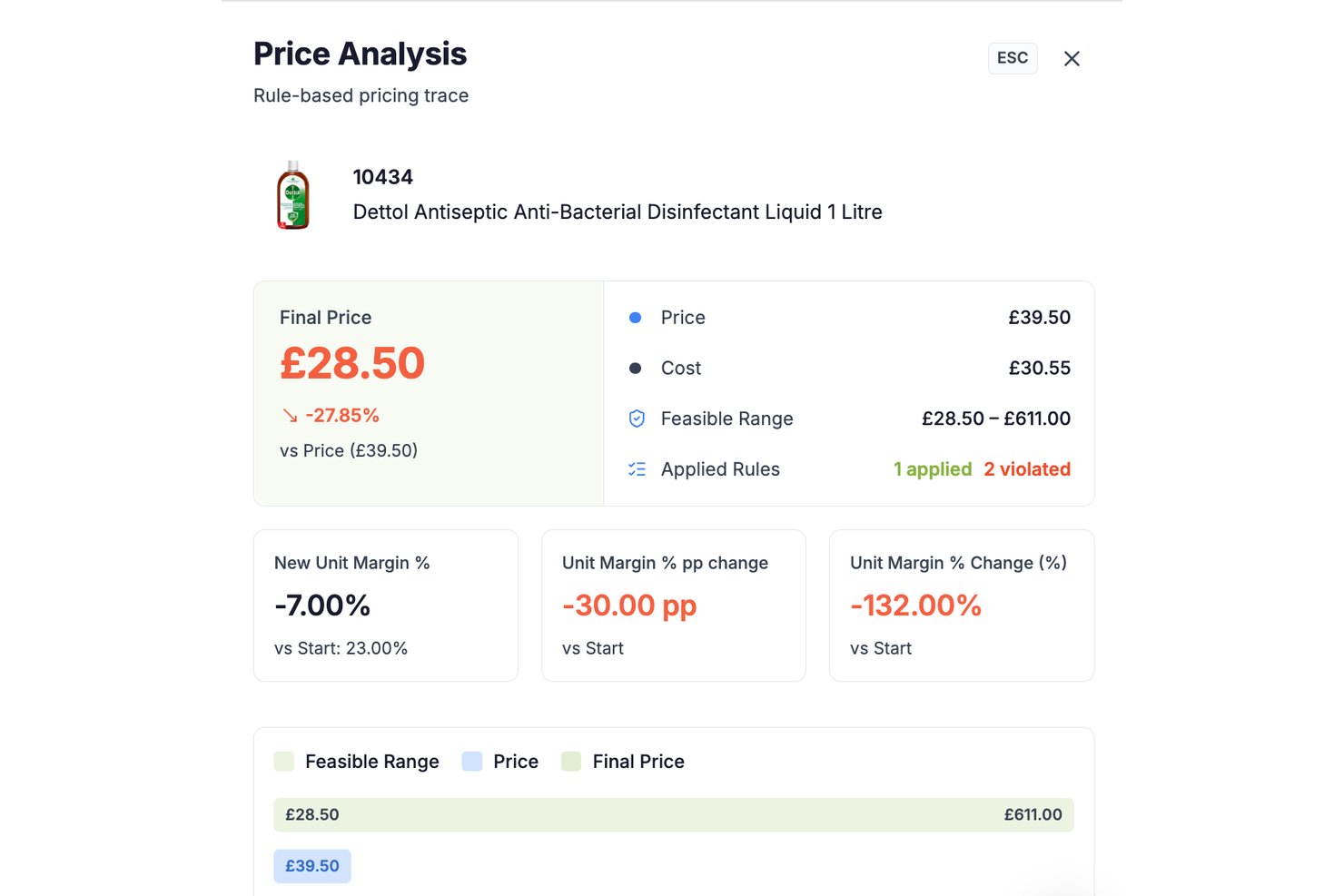
RetailGrid es una plataforma de precios para minoristas que combina un espacio de trabajo basado en hojas de cálculo con IA agentica para la optimización de precios, monitoreo de la competencia, análisis de elasticidad y fijación de precios basada en reglas en todo tu catálogo.
¿Para quién es mejor RetailGrid?
RetailGrid está diseñado para minoristas de tamaño medio con catálogos de miles de SKU que necesitan una inteligencia de precios sin una implementación empresarial de meses.
Por qué elegí RetailGrid
RetailGrid se gana su lugar en mi lista corta por la forma en que maneja la transparencia de la IA, algo que la mayoría de las herramientas de precios no hace. Cada recomendación de los agentes de IA muestra todo su razonamiento, incluyendo qué reglas se activaron, cuáles se violaron y el impacto exacto en el margen antes de aplicar un cambio. Ese historial de auditoría por SKU significa que puedo asistir a una revisión de categoría con una respuesta clara para cada cambio de precio, y no simplemente un resultado de caja negra.
Características clave de RetailGrid
- Espacio de trabajo con IA: Una cuadrícula de precios inspirada en hojas de cálculo con datos en tiempo real de ventas, competencia e inventario.
- Motor de fijación de precios basado en reglas: Aplica y gestiona reglas de precios personalizadas en todo tu catálogo de productos.
- Monitoreo de precios de la competencia: Recopilación automatizada de precios de competidores directos, Google Shopping y Amazon.
- Análisis de elasticidad: Cuantifica y visualiza la sensibilidad al precio de cada SKU utilizando datos históricos de ventas y del mercado.
Integraciones de RetailGrid
RetailGrid ofrece integraciones nativas con Shopify, Magento, BigCommerce, WooCommerce, Wix y SAP Commerce Cloud. Hay una API disponible para integraciones personalizadas.
Pros and Cons
Pros:
- Auditoría de decisiones de IA transparente para cada SKU
- Interfaz tipo hoja de cálculo familiar para los equipos minoristas
- Elasticidad en tiempo real y datos de la competencia integrados
Cons:
- Soporte limitado para precios en tiendas físicas
- Requiere datos de producto limpios para su funcionalidad completa

Prisync
Ideal para el seguimiento de precios de la competencia en ecommerce
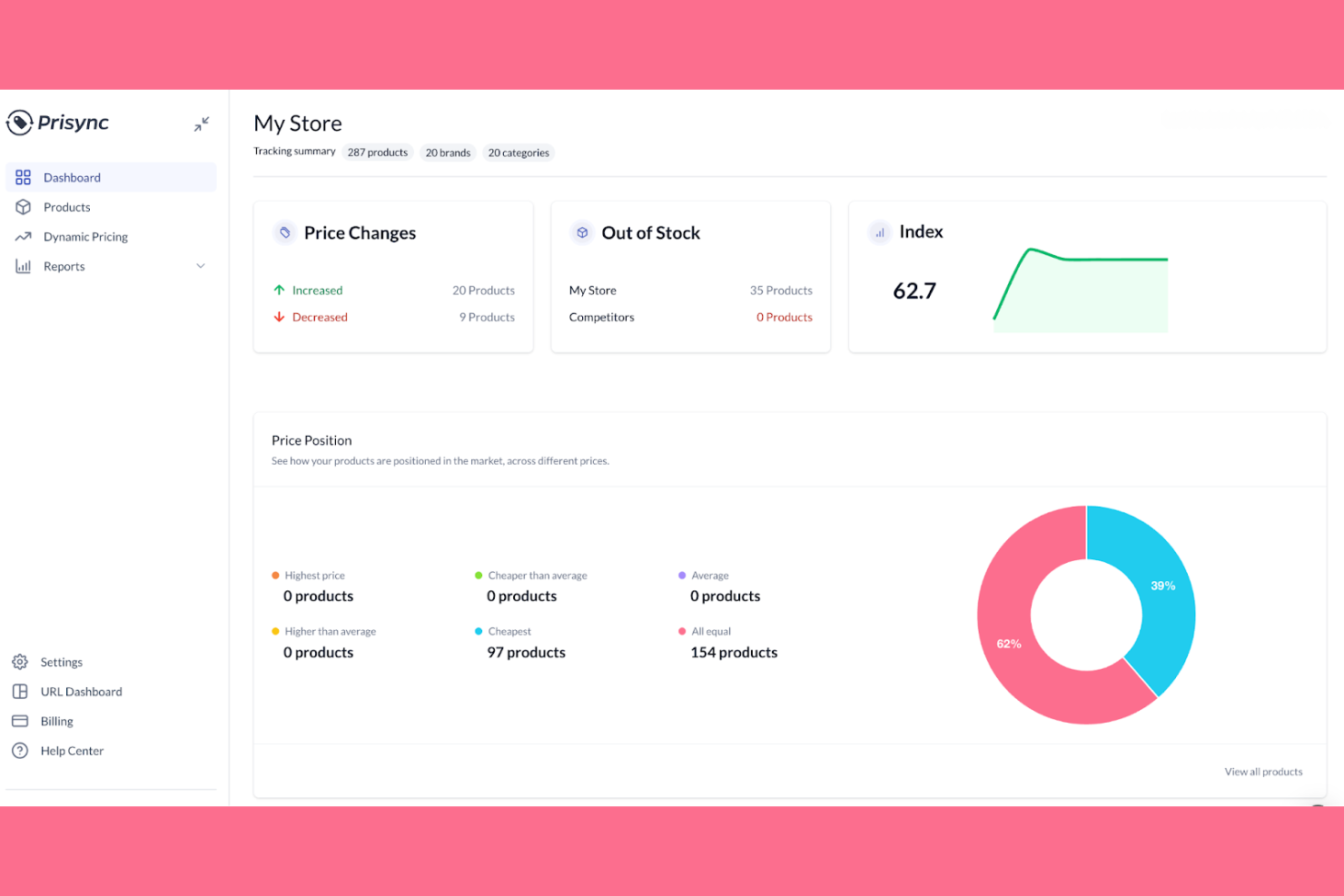
Prisync está diseñado para negocios de comercio electrónico que necesitan monitorear y responder a los precios de la competencia en tiempo real. La plataforma resulta atractiva para minoristas y marcas en línea que buscan automatizar el seguimiento de precios a través de múltiples competidores y canales. Prisync te ayuda a mantener precios competitivos y basados en datos al recolectar, comparar e informar automáticamente sobre los precios del mercado.
Por qué elegí Prisync
Para equipos de ecommerce centrados en mantenerse por delante de la competencia, Prisync ofrece herramientas especializadas para el seguimiento automatizado de precios y el análisis de mercado. La plataforma recopila datos de precios de la competencia de múltiples fuentes y los actualiza varias veces al día, por lo que siempre tendrás información actualizada. Me gusta que Prisync incluya reglas de precios dinámicas, que te permiten establecer ajustes automáticos de precios en función de los movimientos de la competencia. Sus informes detallados de comparación de precios facilitan detectar tendencias y reaccionar rápidamente en mercados de comercio electrónico de rápido cambio.
Funciones clave de Prisync
Otras funciones de Prisync que son útiles para los equipos de ecommerce incluyen:
- Importación por lotes de productos: Sube grandes listas de productos utilizando archivos CSV para una incorporación y actualizaciones rápidas.
- Monitoreo MAP: Rastrea violaciones del precio mínimo anunciado para proteger el valor de la marca y el cumplimiento.
- Seguimiento de disponibilidad de inventario: Supervisa los niveles de stock de la competencia junto con los datos de precios para una visión más completa del mercado.
- Alertas personalizables: Configura notificaciones para cambios de precios específicos o acciones de la competencia que sean importantes para tu negocio.
Integraciones de Prisync
Las integraciones incluyen Shopify, Amazon, Google Shopping y otras plataformas vía API.
Pros and Cons
Pros:
- Actualizaciones frecuentes de precios de la competencia para un seguimiento preciso
- Reglas de precios dinámicas para ajustes automáticos
- Alertas personalizadas para cambios de precios importantes
Cons:
- Análisis limitados para una visión más profunda de tendencias
- La coincidencia manual de productos puede llevar tiempo

Ideal para la automatización dinámica de precios en omnicanal
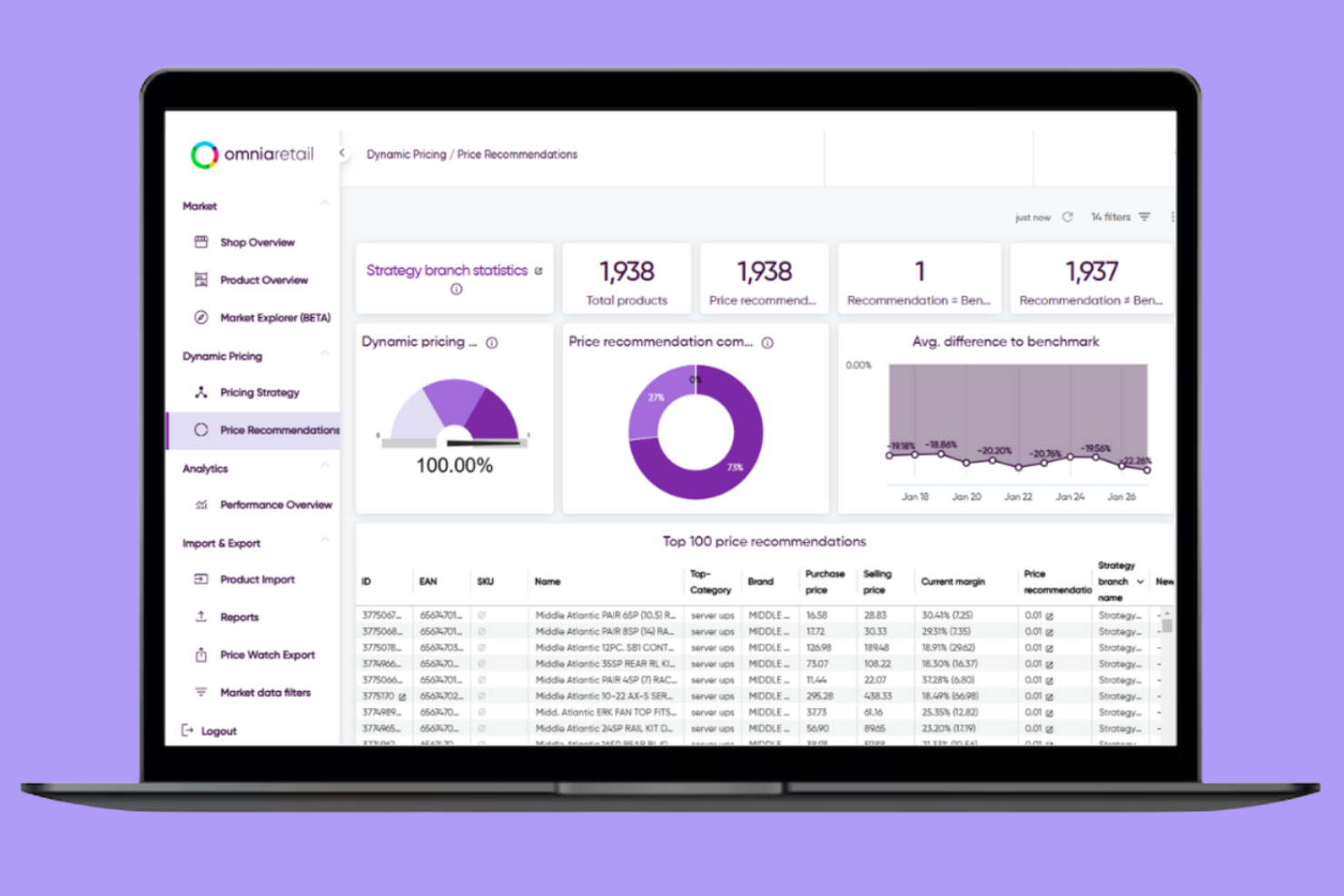
Si tu equipo necesita automatizar la fijación de precios tanto en canales online como offline, Omnia Retail ofrece una plataforma unificada diseñada para minoristas omnicanal. El software está pensado para empresas que gestionan surtidos complejos y cambios frecuentes de precios. Omnia Retail te ayuda a mantener los precios coherentes y competitivos automatizando las actualizaciones según datos de mercado en tiempo real y tus propias reglas de precios.
Por qué elegí Omnia Retail
Elegí Omnia Retail porque se especializa en la automatización dinámica de precios para minoristas que gestionan canales online y offline. El motor de fijación de precios basado en reglas de la plataforma te permite establecer estrategias personalizadas que ajustan automáticamente los precios en respuesta a cambios en el mercado, niveles de inventario y movimientos de la competencia. Me gusta que Omnia Retail facilita la consistencia omnicanal, asegurando que tus precios se mantengan alineados en todos los canales de venta. Sus fuentes de datos en tiempo real y herramientas de automatización permiten a los minoristas reaccionar rápidamente sin intervención manual, lo cual es esencial para mantenerse competitivo en mercados de rápido movimiento.
Funciones clave de Omnia Retail
Otras funciones destacadas de Omnia Retail para equipos de retail incluyen:
- Gestión de surtido: Gestiona y segmenta tu surtido de productos para aplicar diferentes estrategias de precios a categorías o marcas específicas.
- Monitoreo de precios de la competencia: Supervisa los precios de la competencia en tiempo real para informar tus propias decisiones de precios y mantenerte relevante en el mercado.
- Motor de precios promocionales: Configura y automatiza cambios de precios temporales para ventas, promociones o eventos estacionales.
- Panel de informes y análisis: Accede a informes detallados y visualizaciones para revisar el desempeño de precios e identificar tendencias.
Integraciones de Omnia Retail
Las integraciones incluyen Shopware, Plentymarkets, JTL, Google Shopping, Amazon, eBay, Bol.com, Kaufland, idealo y Tweakers.
Pros and Cons
Pros:
- Automatización de precios dinámicos en múltiples canales
- Motor basado en reglas para un control flexible de precios
- Seguimiento de la competencia en tiempo real para decisiones más rápidas
Cons:
- La configuración inicial de reglas de precios puede ser compleja
- Las funciones avanzadas pueden requerir soporte durante la implementación

Ideal para comparación de precios en tiempo real entre mercados

Intelligence Node es una plataforma de análisis minorista e inteligencia de mercado que incluye capacidades de software de precios para la comparación y el seguimiento de precios de la competencia en distintos mercados. Si necesitas monitorear y comparar precios en varios mercados en tiempo real, Intelligence Node merece tu atención. Esta plataforma está diseñada para minoristas y marcas que desean una visibilidad detallada de los cambios en precios y surtido de la competencia a medida que ocurren. Intelligence Node se destaca por su capacidad de ofrecer inteligencia de precios actualizada al minuto, lo que ayuda a los equipos a reaccionar rápidamente ante cambios del mercado y proteger sus márgenes.
Por qué elegí Intelligence Node
Para los minoristas que necesitan comparar precios en varios mercados en tiempo real, Intelligence Node ofrece una ventaja única. El motor de monitoreo de precios impulsado por IA de la plataforma rastrea millones de SKU y precios de la competencia a nivel mundial, actualizando los datos a medida que cambian las condiciones del mercado. Me gusta que Intelligence Node proporcione información detallada a nivel de SKU y paneles personalizables, para que tu equipo pueda identificar rápidamente brechas y oportunidades de precios. Su enfoque en datos en tiempo real lo convierte en una opción sólida para negocios que necesitan reaccionar rápidamente frente a los cambios de mercado y mantener una ventaja competitiva.
Características clave de Intelligence Node
Otras características que hacen que Intelligence Node sea útil para los equipos de pricing incluyen:
- Monitoreo MAP: Seguimiento de violaciones del precio mínimo anunciado en diferentes canales y mercados.
- Alertas automáticas: Recibe notificaciones instantáneas sobre cambios significativos de precios de la competencia.
- Análisis a nivel de categoría: Analiza tendencias de precios y surtido a nivel de categoría.
- Herramientas de exportación de datos: Exporta datos de precios y surtido para análisis o reportes adicionales.
Integraciones de Intelligence Node
Actualmente no se listan integraciones nativas. El acceso por API está disponible para integraciones personalizadas.
Pros and Cons
Pros:
- Seguimiento en tiempo real de precios de la competencia en mercados múltiples
- Monitoreo MAP para protección de la marca
- Análisis a nivel de categoría para insights de surtido
Cons:
- Las opciones de personalización pueden requerir soporte del proveedor
- Sin herramientas de autoimplementación o configuración por cuenta propia


Wiser Solutions es una plataforma de inteligencia y ejecución minorista que ofrece funciones de software de precios para ayudar a los equipos a monitorear y optimizar precios en canales presenciales y en línea. Esta plataforma es especialmente útil para equipos que necesitan supervisar, comparar y optimizar precios tanto en estanterías físicas como en sitios de comercio electrónico. Wiser Solutions destaca por su capacidad de unificar datos de múltiples canales, ayudándote a detectar brechas de precios y alinear estrategias en tiempo real.
Por qué elegí Wiser Solutions
Lo que diferencia a Wiser Solutions es su capacidad para ofrecer inteligencia de precios tanto para canales en tienda como online, lo cual es esencial para minoristas que gestionan estrategias de precios omnicanal. La plataforma recopila y analiza datos de precios de tiendas físicas y sitios de comercio electrónico, ofreciéndote una visión unificada de tu panorama competitivo. Valoro que Wiser Solutions ofrezca recopilación de datos a nivel de estante y analítica de estante digital, para que puedas identificar discrepancias de precios y optimizar en todos los canales de venta. Esto la convierte en una excelente opción para empresas que necesitan coordinar decisiones de precios entre entornos físicos y en línea.
Características clave de Wiser Solutions
Otras funciones que hacen valioso a Wiser Solutions para los equipos de precios incluyen:
- Seguimiento de promociones: Monitorea las promociones y descuentos de los competidores en todos los canales.
- Motor de precios dinámicos: Ajusta los precios automáticamente en función de datos del mercado en tiempo real.
- Recomendaciones para la optimización de precios: Recibe sugerencias basadas en datos para estrategias de precios óptimas.
- Informes personalizables: Crea y programa informes adaptados para diferentes equipos o partes interesadas.
Integraciones de Wiser Solutions
Las integraciones nativas no están listadas actualmente.
Pros and Cons
Pros:
- Recopilación de datos de precios en tienda física y en línea
- Análisis a nivel de estante para tiendas físicas
- Seguimiento de promociones en múltiples canales
Cons:
- No hay una lista pública de integraciones nativas
- El proceso de incorporación puede requerir asistencia del proveedor


Pricefx ofrece una plataforma de análisis de precios altamente configurable, diseñada para grandes empresas con necesidades complejas de fijación de precios. Esta herramienta es ideal para equipos de precios, finanzas y áreas comerciales que necesitan modelar, analizar y optimizar estrategias de precios a gran escala. Pricefx destaca por su motor de análisis flexible, que te permite personalizar modelos de precios y paneles según los requisitos únicos de tu negocio.
Por qué elegí Pricefx
Para los equipos que necesitan un control profundo sobre el análisis de precios, Pricefx sobresale por su alto nivel de configurabilidad. La plataforma permite crear modelos de precios y paneles personalizados, para analizar los datos de la manera que mejor se adapte a las necesidades particulares de tu empresa. Me gusta que Pricefx ofrezca modelado de escenarios avanzados, ayudando a prever el impacto de los cambios de precios antes de implementarlos. Esto la convierte en una opción sólida para empresas que buscan personalizar el análisis y las estrategias de precios a gran escala.
Características clave de Pricefx
Otras características que hacen atractiva a Pricefx para los equipos de precios empresariales incluyen:
- Gestión de reembolsos y descuentos: Configura, supervisa y analiza programas complejos de reembolsos y descuentos.
- Herramientas de configuración de cotizaciones: Genera y gestiona cotizaciones con reglas de precios configurables.
- Gestión de listas de precios: Crea, actualiza y distribuye múltiples listas de precios en distintas regiones o canales.
- Optimización automática de precios: Utiliza algoritmos integrados para recomendar precios óptimos basados en datos en tiempo real.
Integraciones de Pricefx
Las integraciones incluyen SAP, Salesforce, Oracle, Microsoft Dynamics 365, PROS, Accenture, Deloitte, PwC, Wipro y Capgemini.
Pros and Cons
Pros:
- Análisis altamente configurable para modelos de precios complejos
- Modelado de escenarios para prever el impacto de los precios
- Optimización automática de precios con algoritmos integrados
Cons:
- La implementación puede requerir recursos significativos
- Plantillas específicas para retail limitadas de fábrica

Ideal para la optimización de precios impulsada por IA para grandes minoristas
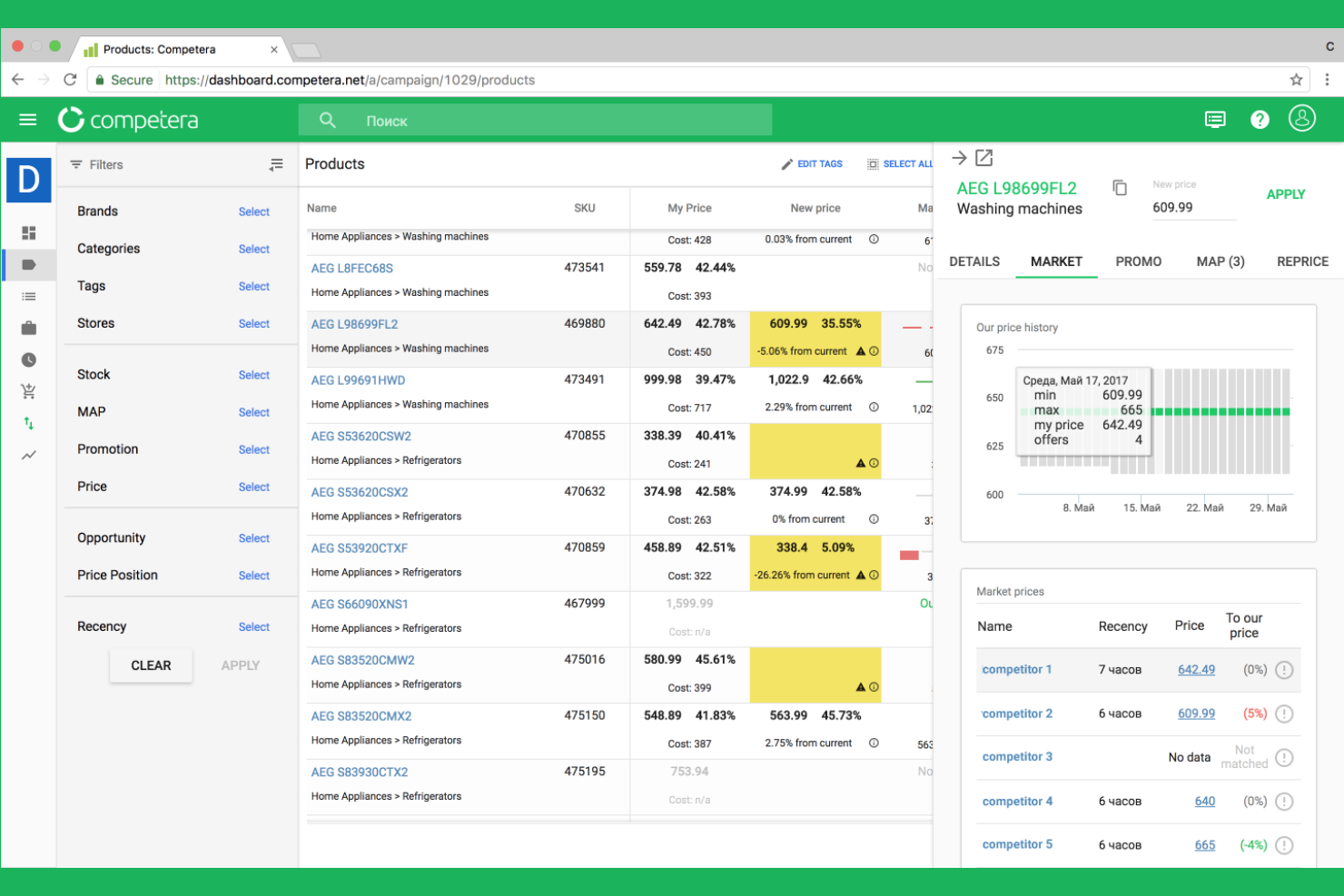
Los grandes minoristas que buscan utilizar IA para tomar decisiones de precios más inteligentes pueden considerar Competera. Esta plataforma utiliza aprendizaje automático para optimizar los precios en carteras completas de productos, teniendo en cuenta la demanda, la competencia y los objetivos empresariales. Competera es especialmente útil para equipos que gestionan surtidos complejos y necesitan equilibrar margen, ingresos y competitividad a gran escala.
Por qué elegí Competera
Lo que distingue a Competera es su enfoque en la optimización de precios impulsada por IA para operaciones minoristas grandes y complejas. La plataforma utiliza algoritmos de aprendizaje automático para recomendar precios óptimos basados en datos de mercado en tiempo real, elasticidad de la demanda y restricciones de negocio. Me gusta que Competera pueda simular diferentes escenarios de precios, ayudando a los equipos a comprender el impacto de los cambios de precios antes de tomar decisiones. Su capacidad para automatizar los precios de miles de SKU la convierte en una gran opción para minoristas que necesitan administrar precios dinámicos a gran escala.
Características clave de Competera
Otras características que hacen que Competera sea valioso para los equipos de precios incluyen:
- Recolección de datos competitivos: Recopila datos de precios y surtido de la competencia en tiempo real desde múltiples fuentes.
- Motor de precios basado en reglas: Establece reglas de precios personalizadas para alinearlas con tu estrategia de negocio.
- Medición del efecto promocional: Analiza el impacto de promociones pasadas sobre las ventas y el margen.
- Controles de acceso basados en roles: Asigna permisos y niveles de acceso para diferentes miembros del equipo.
Integraciones de Competera
Actualmente no se enumeran integraciones nativas. El acceso a la API está disponible para integraciones personalizadas.
Pros and Cons
Pros:
- Recomendaciones de precios impulsadas por IA basadas en señales de demanda
- Simulación de escenarios para una mejor planificación de decisiones
- Maneja grandes surtidos de forma eficiente
Cons:
- Requiere una cantidad significativa de datos para obtener resultados precisos
- Transparencia limitada en la lógica de precios

Retalon
Mejor para fijación de precios predictiva potenciada por previsión de la demanda
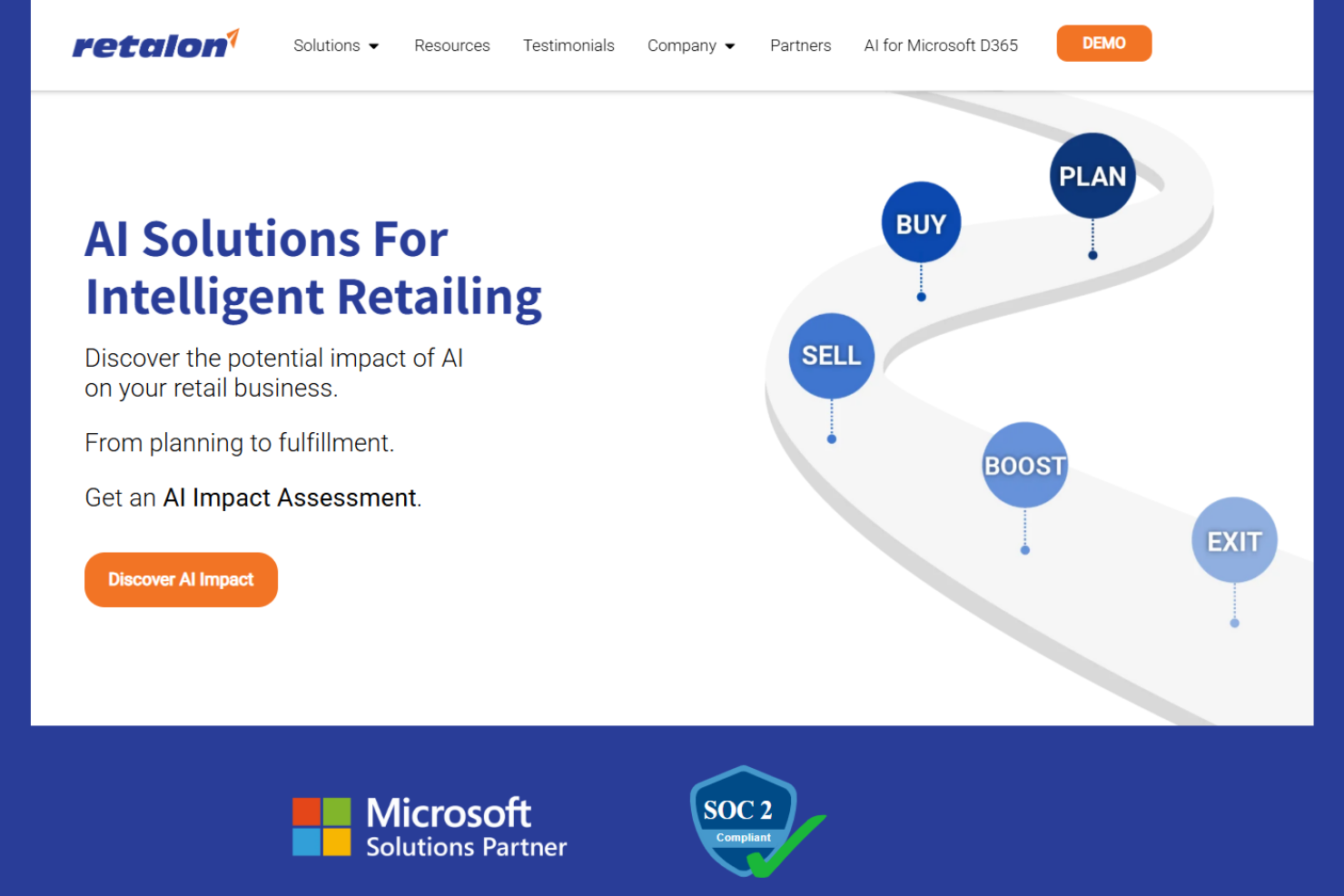
Los minoristas que buscan una fijación de precios predictiva que se adapte a cambios en la demanda en tiempo real pueden encontrar Retalon especialmente relevante. Esta plataforma está diseñada para equipos de comercialización, fijación de precios y planificación que desean utilizar la previsión de la demanda para impulsar las decisiones de precios. Retalon te ayuda a anticipar los cambios del mercado y optimizar los precios con análisis impulsados por IA, adaptados a entornos minoristas.
Por qué elegí Retalon
Lo que distingue a Retalon es su enfoque en la fijación de precios predictiva impulsada por la previsión de la demanda, lo cual es especialmente valioso para minoristas que gestionan mercados volátiles. La plataforma utiliza análisis impulsados por IA para prever la demanda a nivel de SKU y tienda, permitiéndote ajustar precios de manera proactiva en lugar de reactiva. Me gusta que Retalon combine la optimización de precios con la planificación de inventario y promociones, para que puedas alinear estrategias de precios con objetivos comerciales generales. Esto lo convierte en una excelente opción para equipos que desean utilizar información basada en datos para adelantarse a las tendencias del mercado y maximizar la rentabilidad.
Características clave de Retalon
Otras funciones que hacen útil a Retalon para los equipos de precios minoristas incluyen:
- Optimización automática de promociones: Configura y gestiona campañas de precios promocionales con recomendaciones basadas en IA.
- Gestión de rebajas: Planifica y ejecuta estrategias de rebajas para liquidar inventario mientras proteges el margen.
- Alertas basadas en excepciones: Recibe notificaciones cuando se detectan anomalías en precios o inventario.
- Consistencia de precios omnicanal: Mantén la sincronización de precios en los canales de venta en línea y físicos.
Integraciones de Retalon
Actualmente no se encuentra una lista de integraciones nativas.
Pros and Cons
Pros:
- Previsión de la demanda basada en IA para decisiones de precios
- Gestión automática de promociones y rebajas
- Alertas basadas en excepciones para anomalías de precios
Cons:
- Sin lista pública de integraciones nativas
- Detalles de precios no especificados en la web
Otro software de precios minoristas
Estas son algunas opciones adicionales de software de precios minoristas que no llegaron a mi lista de opciones, pero que aun así vale la pena consultar:


Cómo evalúo el software de precios para retail
El software de precios para retail es lo que utiliza un gestor de categorías para reaccionar a la bajada de precio de un competidor en 20.000 SKU en cuestión de horas, no días. Evalúo las herramientas en este campo en dos capas: hay un conjunto de requisitos básicos que todos deben cumplir y, después, los diferenciadores que hacen destacar a los mejores.
Funcionalidad esencial (Requisitos mínimos para esta lista)
Para el software de precios para retail, la funcionalidad esencial que evalúo es:
- Optimización de precios: Busco motores impulsados por IA o aprendizaje automático que recomienden precios en función de la elasticidad de la demanda, objetivos de margen e inventario, y no solo mediante fórmulas estáticas.
- Monitoreo de la competencia: El seguimiento en tiempo real de los precios de la competencia con una correspondencia fiable de SKU es clave, sobre todo al comparar artículos de marca con equivalentes de marcas propias.
- Reglas de control: Verifico si es posible hacer cumplir el cumplimiento de MAP, márgenes mínimos, terminaciones de precios como .99 y límites máximos de cambio por ciclo de re-precio.
- Re-precio dinámico: La herramienta debe admitir al menos actualizaciones de precios diarias, con frecuencias intra-diarias o en tiempo real para canales de comercio electrónico de alta velocidad.
- Gestión de promociones: Evalúo qué tan bien la plataforma modela escenarios promocionales como 2x1 o descuentos escalonados y predice su impacto en el margen y las unidades vendidas.
- Optimización de liquidaciones: La liquidación estacional y la fijación de precios para productos al final de su vida requieren lógica dedicada; los retailers de moda y supermercados dependen de esto para cumplir objetivos de sell-through.
- Precios omnicanal: Busco control unificado sobre los precios en tienda física, comercio electrónico y marketplaces, con la flexibilidad de ejecutar estrategias específicas por canal desde una sola vista.
Una herramienta debe ofrecer la mayoría de estas capacidades para formar parte de la lista. A partir de ahí, considero qué distingue a cada opción.
Características destacadas (Qué diferencia a las opciones)
Algunas herramientas sobresalen gracias a la modelización avanzada de escenarios que permite simular resultados antes de publicar cambios de precios, así como a la gestión de precios en múltiples monedas y regiones para retailers internacionales con mercados fragmentados. También considero las integraciones directas con plataformas ERP, de comercio electrónico y de punto de venta (POS), que agilizan la ejecución de precios y reducen la intervención manual al actualizar miles de SKU. Funciones de enriquecimiento de datos, como la integración de señales de demanda o la detección de anomalías, aportan un gran valor a los retailers que gestionan categorías volátiles.
Qué valoro más allá de las características
Los plazos de implementación son muy relevantes, ya que las plataformas de precios empresariales pueden tardar entre 6 y 12 meses en ponerse en marcha, mientras que las herramientas ligeras de re-precio para e-commerce se implementan en semanas. Evalúo si el proveedor requiere personal dedicado de ciencia de datos o si un gestor de categorías puede operar la plataforma de forma independiente. La adecuación al comprador también es clave: una cadena de supermercados con 50.000 SKU y una marca DTC con 500 SKU necesitan soluciones muy distintas. También valoro la transparencia en la fijación de precios, ya que muchos proveedores de este sector no publican sus propias tarifas, lo que dificulta evaluar el costo total de propiedad desde el principio.
Cómo elegir software de precios minoristas
Es fácil perderse entre largas listas de funciones y complejas estructuras de precios. Para ayudarte a mantener la concentración mientras avanzas en tu proceso único de selección de software, estos son los factores que debes tener en cuenta:
| Factor | Qué debes considerar |
| Escalabilidad | ¿El software podrá gestionar tu volumen de productos actual y futuro, el número de tiendas y los canales de venta? |
| Integraciones | ¿Se conecta de forma nativa con tus herramientas de comercio electrónico, POS, ERP y análisis sin soluciones alternativas personalizadas? |
| Personalización | ¿Puedes adaptar las reglas de precios, los flujos de trabajo y los informes para que coincidan con tu modelo de negocio y tus categorías? |
| Facilidad de uso | ¿Tus equipos de comercialización y precios podrán utilizar la herramienta a diario sin una formación exhaustiva? |
| Implementación e incorporación | ¿Cuánto tiempo tardarás en ponerla en funcionamiento y qué recursos o asistencia necesitarás internamente? |
| Coste | ¿Los niveles de precios son claros y se ajustan a tu presupuesto y al ROI esperado a medida que crece tu negocio? |
| Medidas de seguridad | ¿El proveedor ofrece cifrado de datos, controles de acceso de usuarios y cumplimiento de las normas pertinentes? |
| Disponibilidad de asistencia | ¿Puedes acceder a asistencia en directo durante tu horario comercial y existe una vía clara de escalamiento para los problemas urgentes? |
¿Qué es el software de precios minoristas?
El software de precios minoristas es una plataforma de precios que ayuda a las empresas minoristas a establecer, gestionar y ajustar los precios de los productos en todos los canales de venta. Estas soluciones de precios utilizan datos históricos, inteligencia artificial y tendencias del mercado para respaldar los procesos de fijación de precios durante todo el ciclo de vida y mejorar la toma de decisiones. Mediante el uso de herramientas avanzadas de precios, los equipos pueden responder a los cambios en la demanda, proteger su cuota de mercado y aplicar estrategias de precios coherentes en todos los segmentos de clientes.
Funciones del software de precios minoristas
Al seleccionar un software de precios minoristas, presta atención a las siguientes funciones clave:
- Gestión de precios centralizada: Gestiona y actualiza los precios de los productos para todos los canales desde un único panel, reduciendo el trabajo manual y los errores.
- Reglas de precios automatizadas: Establece reglas que ajusten automáticamente los precios en función del inventario, la velocidad de ventas o activadores basados en el tiempo.
- Programación de promociones y rebajas: Planifica, programa y ejecuta con antelación precios promocionales o rebajas, garantizando lanzamientos oportunos y coherentes.
- Supervisión de los precios de la competencia: Realiza un seguimiento de los precios de la competencia para fundamentar tus propias estrategias de precios y mantenerte competitivo en el mercado.
- Actualizaciones masivas de precios: Aplica cambios de precios a varios productos o categorías a la vez, ahorrando tiempo durante los ajustes a gran escala.
- Registros de auditoría y de cambios: Mantén un registro de todos los cambios de precios, incluido quién los realizó y cuándo, para garantizar la responsabilidad y el cumplimiento.
- Compatibilidad con varias monedas: Establece y gestiona precios en diferentes monedas para respaldar las ventas internacionales y las estrategias de precios localizadas.
- Informes y análisis: Accede a paneles e informes que proporcionan información sobre el rendimiento de los precios, el impacto en los márgenes y las tendencias de ventas.
- Controles de acceso de usuarios: Asigna permisos y roles a los miembros del equipo, garantizando que solo los usuarios autorizados puedan realizar cambios en los precios.
- Integración con canales de venta: Conecta directamente con plataformas de comercio electrónico, sistemas de punto de venta y sistemas de planificación de recursos empresariales para sincronizar los datos de precios en toda tu empresa.
Funciones habituales de inteligencia artificial en los programas de precios minoristas
Además de las funciones estándar de los programas de precios minoristas mencionadas anteriormente, muchas de estas soluciones están incorporando inteligencia artificial con funciones como:
- Previsión de la demanda: La inteligencia artificial analiza las ventas históricas, la estacionalidad y los factores externos para predecir la demanda futura, ayudando a los equipos a establecer precios óptimos y evitar la falta de existencias o el exceso de inventario.
- Optimización dinámica de precios: La inteligencia artificial ajusta continuamente los precios en tiempo real en función de las tendencias del mercado, la actividad de la competencia y el comportamiento de los clientes para maximizar los ingresos y el margen.
- Recomendaciones automatizadas de promociones: La inteligencia artificial sugiere el mejor momento, los productos y los niveles de descuento para las promociones mediante el análisis del rendimiento de campañas anteriores y de las condiciones actuales del mercado.
- Análisis de la elasticidad de los precios: Los modelos de inteligencia artificial analizan cómo los cambios en los precios afectan al volumen de ventas, lo que permite a los equipos comprender la sensibilidad de la demanda y establecer precios que equilibren el volumen y los beneficios.
- Detección de anomalías: La inteligencia artificial supervisa los datos de precios y ventas para señalar patrones o errores inusuales, como descensos o aumentos repentinos de precios, de modo que los equipos puedan investigar y responder rápidamente.
Beneficios de los programas de precios minoristas
La implementación de programas de precios minoristas ofrece varios beneficios para tu equipo y tu empresa. Estos son algunos de los que puedes esperar:
- Precios coherentes en todos los canales: La gestión centralizada de precios garantiza que los precios de tus productos se mantengan alineados en las tiendas físicas, en línea y en los distintos mercados.
- Respuesta más rápida a los cambios del mercado: Las reglas de precios automatizadas y la información basada en inteligencia artificial ayudan a tu equipo a ajustar los precios rápidamente a medida que cambian la demanda, el inventario o la actividad de la competencia.
- Mejor control de los márgenes: Los análisis en tiempo real y la optimización dinámica de precios te permiten supervisar y proteger los márgenes de beneficio de cada producto.
- Reducción de la carga de trabajo manual: Las actualizaciones masivas, las herramientas de programación y las funciones de automatización minimizan las tareas repetitivas y liberan tiempo de tu equipo.
- Toma de decisiones basada en datos: Los informes, los análisis y las previsiones impulsadas por inteligencia artificial proporcionan información práctica para crear estrategias de precios más inteligentes.
- Mayor transparencia y cumplimiento en materia de precios: Los registros de auditoría y los controles de acceso de usuarios te ayudan a realizar un seguimiento de los cambios y a mantener la responsabilidad en toda tu organización.
- Mayor eficacia de las promociones: Las recomendaciones automatizadas de promociones y las herramientas de programación te ayudan a planificar, ejecutar y medir campañas con mayor precisión.
Costes y precios de los programas de precios minoristas
Para seleccionar un programa de precios minoristas es necesario comprender los distintos modelos y planes de precios disponibles. Los costes varían en función de las funciones, el tamaño del equipo, los complementos y otros factores. La siguiente tabla resume los planes habituales, sus precios medios y las funciones que suelen incluir las soluciones de programas de precios minoristas:
Tabla comparativa de planes de programas de precios minoristas
| Tipo de plan | Precio promedio | Características comunes |
| Plan gratuito | $0 | Gestión básica de precios, listados de productos limitados, acceso para un solo usuario e informes básicos. |
| Plan personal | $30-$75/usuario/mes | Gestión centralizada de precios, actualizaciones masivas, integraciones básicas y asistencia estándar. |
| Plan empresarial | $100-$250/ usuario/mes | Reglas de precios automatizadas, programación de promociones, análisis avanzados, acceso para varios usuarios y acceso a la API. |
| Plan empresarial avanzado | $400-$1,000+/mes | Integraciones personalizadas, funciones basadas en IA, gestión de cuentas exclusiva, seguridad avanzada y asistencia prioritaria. |
Preguntas frecuentes sobre el software de precios minoristas
Estas son algunas respuestas a preguntas frecuentes sobre el software de precios minoristas:
¿Cómo ayuda el software de precios minoristas con los precios omnicanal?
El software de precios minoristas te permite gestionar y actualizar los precios en todos tus canales de venta desde un solo lugar. Esto garantiza que los clientes vean precios coherentes tanto si compran en línea como en una tienda física o a través de mercados en línea, y ayuda a tu equipo a evitar errores o discrepancias manuales.
¿Puede el software de precios minoristas integrarse con mis sistemas POS y de comercio electrónico actuales?
Sí, la mayoría de las soluciones de software de precios minoristas ofrecen integraciones con plataformas POS, de comercio electrónico y ERP populares. Antes de elegir una herramienta, comprueba si cuenta con integraciones nativas o API disponibles para garantizar un flujo de datos fluido y evitar cargas manuales.
¿Qué medidas de seguridad de datos debo buscar en un software de precios minoristas?
Busca funciones como el cifrado de datos, controles de acceso de usuarios y registros de auditoría. Estas medidas de protección ayudan a proteger la información confidencial sobre precios y garantizan que solo los miembros autorizados del equipo puedan realizar cambios o consultar datos confidenciales.
¿Cuánto tiempo se tarda en implementar un software de precios minoristas?
Los plazos de implementación varían, pero la mayoría de las soluciones basadas en la nube pueden configurarse en unos días o unas pocas semanas. Factores como la migración de datos, la complejidad de las integraciones y la capacitación del equipo pueden influir en la rapidez con la que el sistema esté completamente operativo.
¿Es adecuado el software de precios minoristas para pequeñas empresas?
Sí, muchas plataformas de software de precios minoristas ofrecen planes diseñados para pequeñas empresas con menos productos y usuarios. Busca soluciones con precios flexibles, una incorporación sencilla y funciones esenciales que se ajusten a tus necesidades actuales.
Qué sigue:
Si estás investigando un software de precios minoristas, conecta gratuitamente con un asesor de SoftwareSelect para recibir recomendaciones.
Rellenas un formulario y tienes una breve conversación en la que profundizan en los detalles de tus necesidades. Después recibirás una lista breve de programas para revisar. También te ayudarán durante todo el proceso de compra, incluidas las negociaciones de precios.