
10 mejores alternativas a Odoo para inventario y ERP en 2026

Lista de alternativas a Odoo


Una alternativa sólida a Odoo ofrece funciones ERP flexibles, integraciones fiables y escalabilidad para adaptarse al crecimiento y la complejidad de tu empresa. Si estás buscando alternativas a Odoo, probablemente estés valorando opciones que se adapten mejor a tus flujos de trabajo, requisitos del sector o pila tecnológica.
Con tantas plataformas ERP disponibles, es esencial comparar soluciones que ofrezcan la combinación adecuada de personalización, facilidad de uso y asistencia. Esta lista te ayudará a identificar rápidamente las mejores alternativas a Odoo para 2026, para que puedas tomar una decisión informada para tus operaciones minoristas o de comercio electrónico.
¿Qué es Odoo?
Odoo es una plataforma ERP de código abierto y en la nube que reúne software de contabilidad, inventario, ventas, compras y otras aplicaciones empresariales en un solo sistema. Las empresas utilizan Odoo para centralizar las operaciones, mejorar la facilidad de uso entre los equipos y gestionar los datos entre departamentos.
Su estructura modular facilita que las empresas emergentes, las pequeñas y medianas empresas, las empresas medianas y las empresas del mercado intermedio incorporen funciones avanzadas a medida que cambian sus necesidades. Odoo también está disponible en entornos alojados por cuenta propia, lo que resulta atractivo para los equipos que desean un mayor control sobre la configuración, las actualizaciones y la personalización.
Tabla comparativa de alternativas a Odoo
Esta tabla comparativa resume los detalles de precios de mis principales alternativas a Odoo seleccionadas:
| Tool | Best For | Trial Info | Price | ||
|---|---|---|---|---|---|
| 1 | Ideal para opciones de implementación flexibles | Demostración gratuita disponible | Precio bajo solicitud | Website | |
| 2 | Ideal para la gestión financiera avanzada | Demostración gratuita disponible | Precios bajo solicitud | Website | |
| 3 | Ideal para la gestión global de múltiples entidades | Demostración gratuita disponible | Precios bajo solicitud | Website | |
| 4 | La mejor opción para operaciones complejas de la cadena de suministro | Demo gratuita disponible | Precios bajo solicitud | Website | |
| 5 | La mejor opción para la integración con el ecosistema de Microsoft 365 | Prueba gratuita de 30 días | Desde $80/usuario/mes (facturado anualmente) | Website | |
| 6 | Ideal para herramientas integradas de colaboración en equipo | Plan gratuito + prueba gratuita de 15 días + demostración gratuita disponible | Desde $49/organización/mes (facturado anualmente) | Website | |
| 7 | Ideal para el seguimiento del inventario en tiempo real | Plan gratuito + demostración gratuita disponible | Desde $299/mes | Website | |
| 8 | Ideal para la automatización de proyectos y facturación | Prueba gratuita de 14 días + demostración gratuita disponible | Desde $19.90/usuario/mes (facturado anualmente) | Website | |
| 9 | Ideal para necesidades de personalización de código abierto | Prueba gratuita disponible | Desde $5/mes (facturado anualmente) | Website | |
| 10 | Ideal para flujos de trabajo contables integrados | Prueba gratuita de 30 días | Desde $19/mes | Website |


Por qué confiar en nuestras recomendaciones de software
Nuestro equipo lleva probando y evaluando software desde 2012. Como líderes del sector retail, sabemos lo difícil —y lo importante— que es elegir el software adecuado.
Para esta guía, evaluamos las herramientas mediante pruebas prácticas e investigación independiente, puntuando las herramientas según nuestros criterios de selección.
Nuestras reseñas reflejan nuestro criterio independiente, no un discurso de ventas.
Reseñas de alternativas a Odoo
A continuación encontrarás mis resúmenes detallados de las alternativas a Odoo que llegaron a mi lista de selección. Mis reseñas ofrecen un análisis detallado de las funciones, los mejores casos de uso y las integraciones de cada plataforma ERP para ayudarte a encontrar la mejor para tu empresa.

Ideal para opciones de implementación flexibles
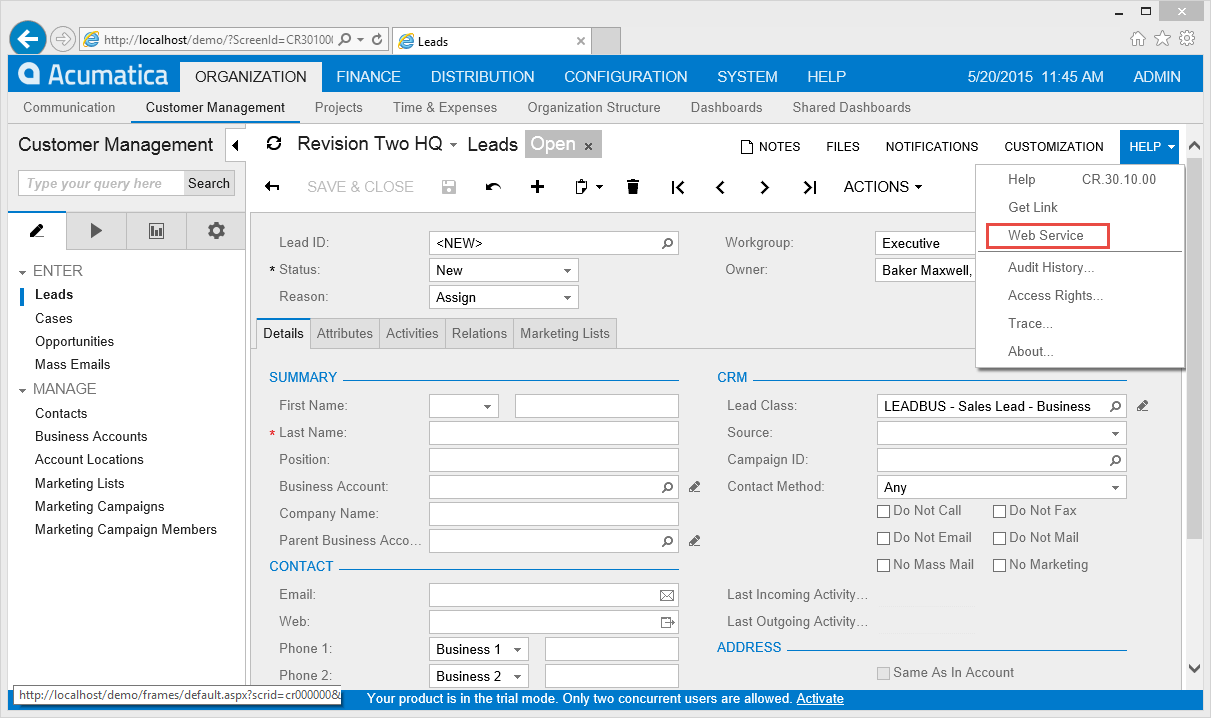
Si tu empresa necesita un software ERP que se adapte a tu infraestructura, vale la pena considerar detenidamente Acumatica. Esta plataforma resulta atractiva para las empresas que desean elegir entre una implementación en la nube, local o híbrida, algo que Odoo y muchos otros ERP no ofrecen. Acumatica es especialmente útil para las organizaciones con requisitos estrictos de TI o que operan en sectores donde la residencia de los datos y la flexibilidad de implementación son importantes.
Por qué Acumatica es una buena alternativa a Odoo
A diferencia de muchas plataformas ERP, Acumatica te ofrece verdadera flexibilidad en la forma de implementar tu sistema. Elegí Acumatica para esta lista porque puedes ejecutarlo en la nube, de forma local o en un entorno híbrido, algo poco común entre las alternativas a Odoo. Esta flexibilidad es especialmente valiosa para las empresas con requisitos estrictos de residencia de datos o políticas de TI específicas. Si tu organización necesita controlar dónde y cómo funciona su ERP, las opciones de implementación de Acumatica lo distinguen.
Características principales de Acumatica
Otras características de Acumatica que pueden ser útiles para tu empresa incluyen:
- Plataforma ERP en la nube: Accede a las finanzas, las operaciones y los datos empresariales mediante una interfaz basada en navegador con actualizaciones en tiempo real
- Suite de gestión financiera: Gestiona el libro mayor, las cuentas por pagar, las cuentas por cobrar y la gestión de efectivo en un solo sistema
- Contabilidad de proyectos: Realiza el seguimiento de presupuestos, costes, ingresos y rentabilidad de los proyectos con una visibilidad detallada durante todo su ciclo de vida
- Gestión de inventario y almacenes: Supervisa los niveles de existencias, gestiona varios almacenes y automatiza los procesos de reposición
- Gestión de relaciones con los clientes (CRM):Gestiona clientes potenciales, oportunidades e interacciones con clientes dentro de la misma plataforma
Integraciones de Acumatica
Las integraciones incluyen Microsoft Office 365, Salesforce, Shopify, HubSpot, QuickBooks, ADP, Avalara, PayPal y Stripe.
Pros and Cons
Pros:
- Las opciones de implementación flexibles se adaptan a distintos requisitos de TI
- La contabilidad de proyectos es sólida para necesidades complejas de facturación
- Los módulos integrados de CRM y ERP reducen la proliferación de herramientas
Cons:
- La implementación suele requerir el soporte de un socio
- Los informes avanzados pueden requerir configuración o formación adicionales

Ideal para la gestión financiera avanzada
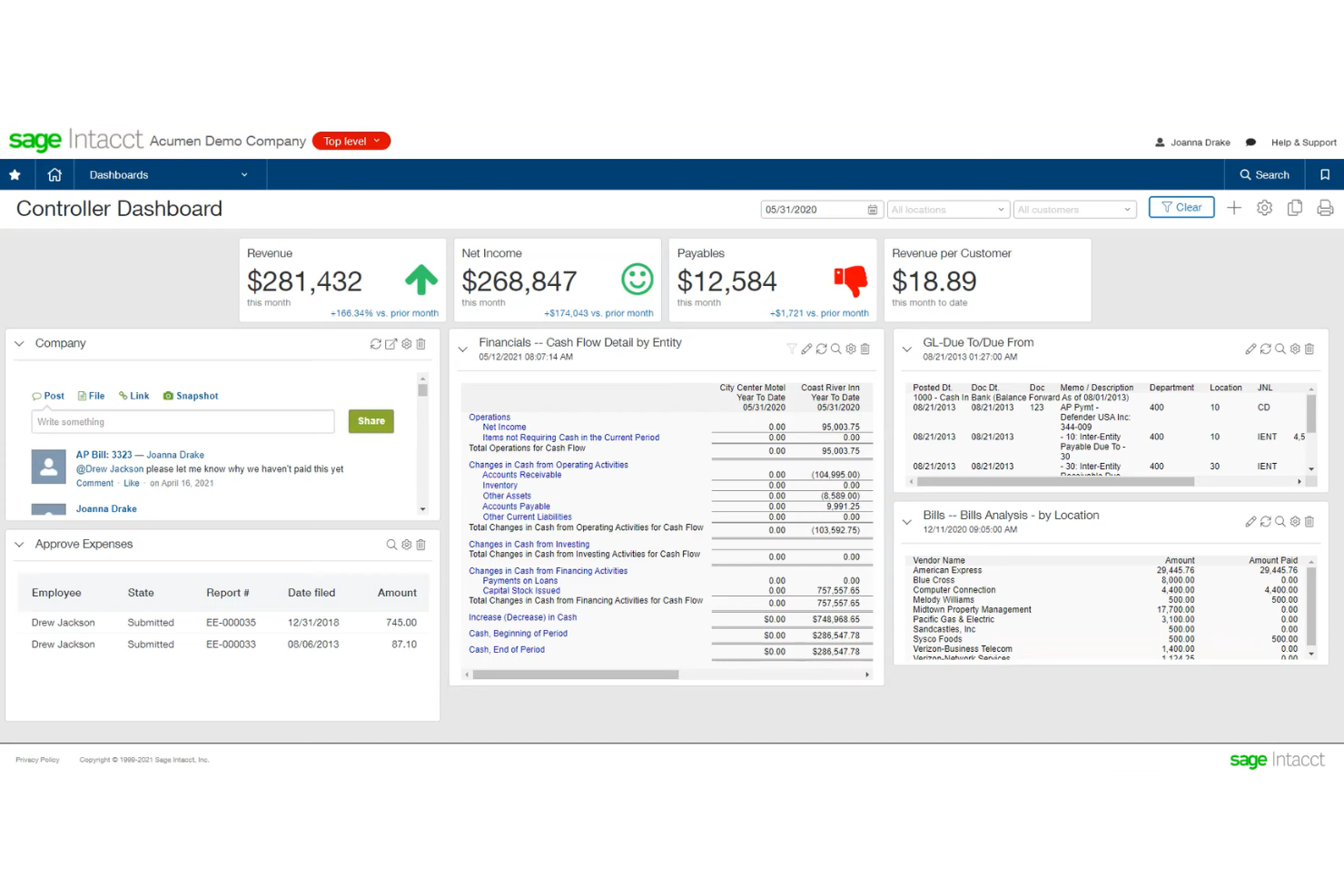
Los equipos financieros que buscan una automatización avanzada y visibilidad en tiempo real de sus cifras suelen recurrir a Sage Intacct. Esta plataforma ERP está diseñada para organizaciones que necesitan una gestión financiera avanzada, incluidos informes multidimensionales y flujos de trabajo de aprobación complejos. Si su empresa requiere un control detallado de los procesos financieros y registros preparados para auditorías, Sage Intacct ofrece herramientas especializadas que van más allá de lo que proporciona Odoo.
Por qué Sage Intacct es una buena alternativa a Odoo
Cuando necesita un software ERP especializado en la gestión financiera avanzada, Sage Intacct destaca por su profundidad en esta área. Aprecio que ofrezca capacidades de libro mayor multidimensional, lo que permite segmentar y analizar los datos financieros por departamento, ubicación o proyecto.
La plataforma también admite el reconocimiento automatizado de ingresos y flujos de trabajo de aprobación complejos, que son esenciales para las organizaciones con estrictos requisitos de cumplimiento. Si su empresa requiere controles financieros más sofisticados que los que ofrece Odoo, Sage Intacct está diseñado para satisfacer esas exigencias.
Características principales de Sage Intacct
Otras características de Sage Intacct que pueden ser valiosas para su empresa incluyen:
- Automatización de cuentas por pagar: Agilice el procesamiento de facturas y las aprobaciones de pagos con herramientas de automatización integradas.
- Gestión de efectivo: Supervise las cuentas bancarias, gestione las posiciones de efectivo y concilie las transacciones en tiempo real.
- Gestión de inventario: Realice un seguimiento de los niveles de inventario, gestione los movimientos de existencias e intégrese con los flujos de trabajo de compras.
- Gestión del tiempo y los gastos: Registre el tiempo y los gastos de los empleados mediante entradas desde dispositivos móviles y el enrutamiento automatizado de aprobaciones.
Integraciones de Sage Intacct
Las integraciones incluyen Salesforce, ADP, Expensify, Bill.com, Avalara, Concur, HubSpot, Shopify, NetSuite y Microsoft Dynamics 365.
Pros and Cons
Pros:
- El libro mayor multidimensional permite elaborar informes financieros detallados
- El reconocimiento automatizado de ingresos refuerza los flujos de trabajo de cumplimiento
- Los registros de auditoría y las aprobaciones mejoran el control financiero
Cons:
- La implementación puede ser prolongada y depender de consultores
- La profundidad de las funciones de inventario y fabricación es menor que la de algunos competidores de ERP

Ideal para la gestión global de múltiples entidades
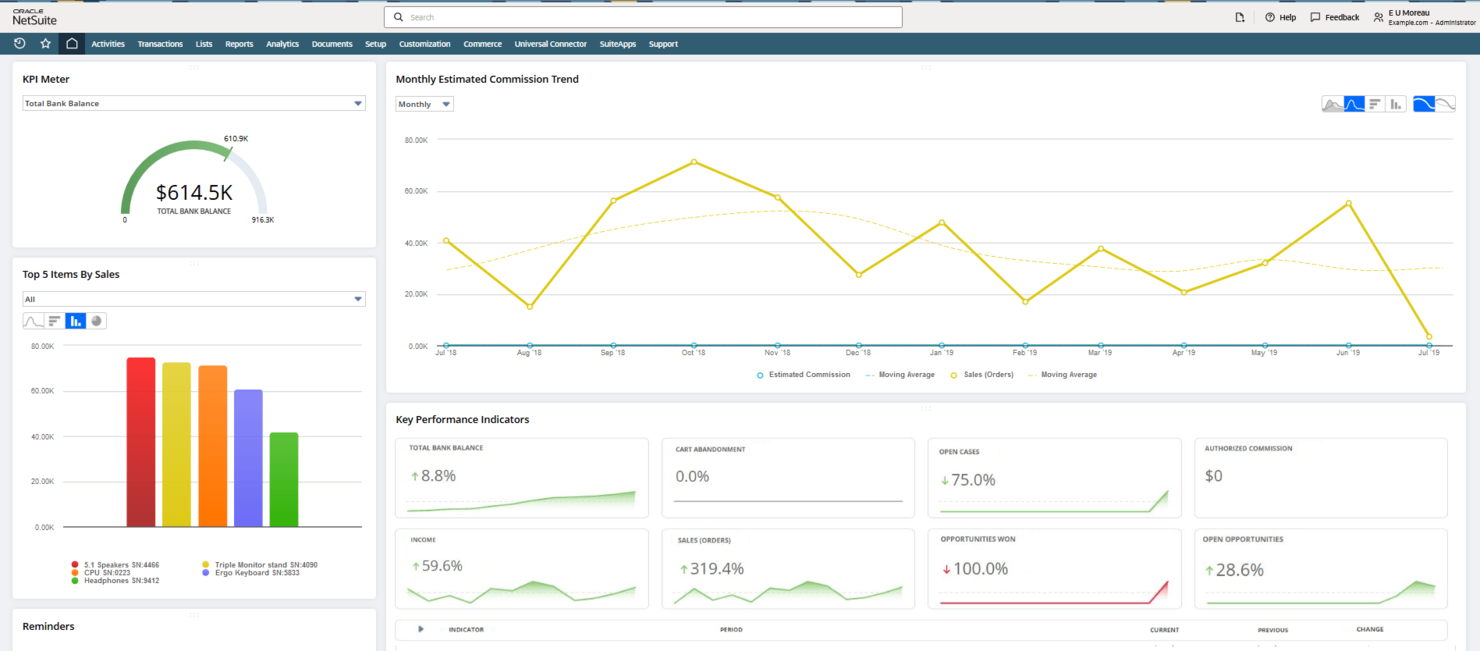
Oracle NetSuite está diseñado para organizaciones que gestionan múltiples subsidiarias, monedas y entornos regulatorios en todo el mundo. Es especialmente útil para líderes de finanzas, operaciones y TI que necesitan visibilidad y control unificados sobre estructuras complejas con múltiples entidades. Si buscas un ERP que gestione la consolidación global, las transacciones entre empresas y el cumplimiento normativo de forma integrada, NetSuite ofrece capacidades que van más allá de lo que proporciona Odoo.
Por qué Oracle NetSuite es una buena alternativa a Odoo
Para las empresas con operaciones globales complejas, Oracle NetSuite ofrece una gestión de múltiples entidades difícil de igualar. Puedes gestionar subsidiarias, monedas y normas fiscales en un único sistema unificado, algo que considero especialmente valioso para las organizaciones internacionales.
Las funciones integradas de consolidación global y transacciones entre empresas de NetSuite te ayudan a mantener el cumplimiento normativo y la precisión de los informes en todas las regiones. Si necesitas un ERP diseñado específicamente para negocios con múltiples entidades y operaciones transfronterizas, NetSuite ofrece capacidades que van más allá de la oferta estándar de Odoo.
Funciones principales de Oracle NetSuite
Otras funciones de Oracle NetSuite que pueden ser útiles para tu equipo incluyen:
- Gestión de pedidos: Automatiza los procesos desde el pedido hasta el cobro y realiza un seguimiento de los pedidos desde su colocación hasta su cumplimiento.
- Gestión de compras: Gestiona las relaciones con proveedores, las órdenes de compra y las aprobaciones dentro de un sistema centralizado.
- Contabilidad de proyectos: Realiza un seguimiento de los presupuestos, gastos y facturación de los proyectos con herramientas financieras integradas.
- Informes de SuiteAnalytics: Crea paneles personalizados y genera informes en tiempo real mediante herramientas analíticas integradas.
Integraciones de Oracle NetSuite
Las integraciones incluyen Salesforce, Shopify, Adobe Commerce, Amazon, PayPal, HubSpot, Zendesk, Microsoft Office 365, Google Workspace y Avalara.
Pros and Cons
Pros:
- Gestión nativa de múltiples entidades y monedas
- Sólida consolidación financiera para informes globales
- Los paneles de análisis en tiempo real permiten gestionar operaciones complejas
Cons:
- La implementación puede requerir mucho tiempo y recursos
- Menos flexible para empresas pequeñas que las opciones más modulares

La mejor opción para operaciones complejas de la cadena de suministro
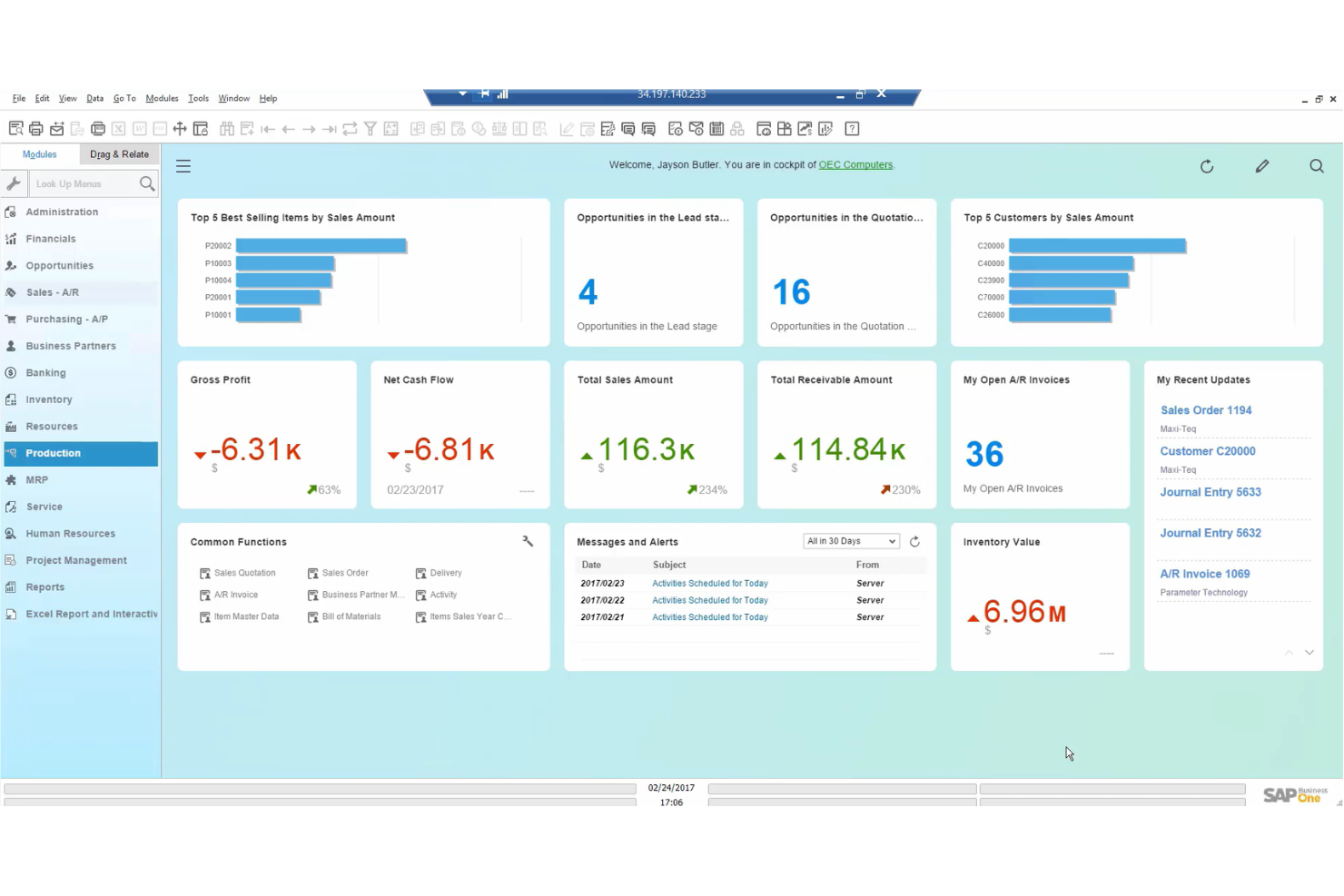
Para las empresas que gestionan cadenas de suministro complejas, SAP Business One ofrece una solución ERP especializada. Está diseñado para fabricantes, distribuidores y minoristas que necesitan controles avanzados de inventario, compras y logística. A diferencia de Odoo, SAP Business One destaca por su amplia visibilidad de la cadena de suministro y la integración de datos en tiempo real entre múltiples ubicaciones.
Por qué SAP Business One es una buena alternativa a Odoo
Cuando su empresa necesita gestionar operaciones complejas de la cadena de suministro, SAP Business One ofrece capacidades que van más allá de lo que Odoo proporciona de forma predeterminada. Lo elegí porque sus avanzadas funciones de gestión de inventario, seguimiento de múltiples almacenes y herramientas integradas de compras le ayudan a coordinar cada etapa de la cadena de suministro.
Las funciones de análisis en tiempo real y previsión de la demanda de la plataforma favorecen una mejor toma de decisiones para fabricantes y distribuidores. Si sus operaciones dependen de un control estricto de la logística y el inventario en varios centros, SAP Business One está diseñado para satisfacer esas necesidades.
Características principales de SAP Business One
Otras características que hacen de SAP Business One una sólida opción de ERP incluyen:
- Gestión financiera integrada: Gestione la contabilidad, las operaciones bancarias y los informes financieros dentro de la misma plataforma.
- Gestión de relaciones con los clientes (CRM): Realice un seguimiento de las oportunidades de venta, gestione los datos de los clientes y automatice las actividades de marketing.
- Planificación de la producción: Programe las series de fabricación, gestione las listas de materiales y supervise la actividad de la planta.
- Acceso móvil: Utilice aplicaciones móviles específicas para gestionar aprobaciones, ventas e inventario desde cualquier lugar.
Integraciones de SAP Business One
Entre las integraciones se incluyen Microsoft Office 365, SAP Concur, SAP Ariba, SAP SuccessFactors, SAP Analytics Cloud, SAP Customer Checkout, SAP HANA, SAP Business ByDesign, SAP S/4HANA y SAP Integrated Business Planning.
Pros and Cons
Pros:
- Los controles avanzados de inventario y almacenes respaldan las operaciones en múltiples centros
- La planificación de la producción se adapta a los equipos de fabricación y distribución
- Los análisis en tiempo real mejoran la visibilidad de la cadena de suministro
Cons:
- La implementación requiere una cantidad considerable de tiempo y esfuerzo informático
- La interfaz parece anticuada en comparación con las plataformas más recientes

La mejor opción para la integración con el ecosistema de Microsoft 365
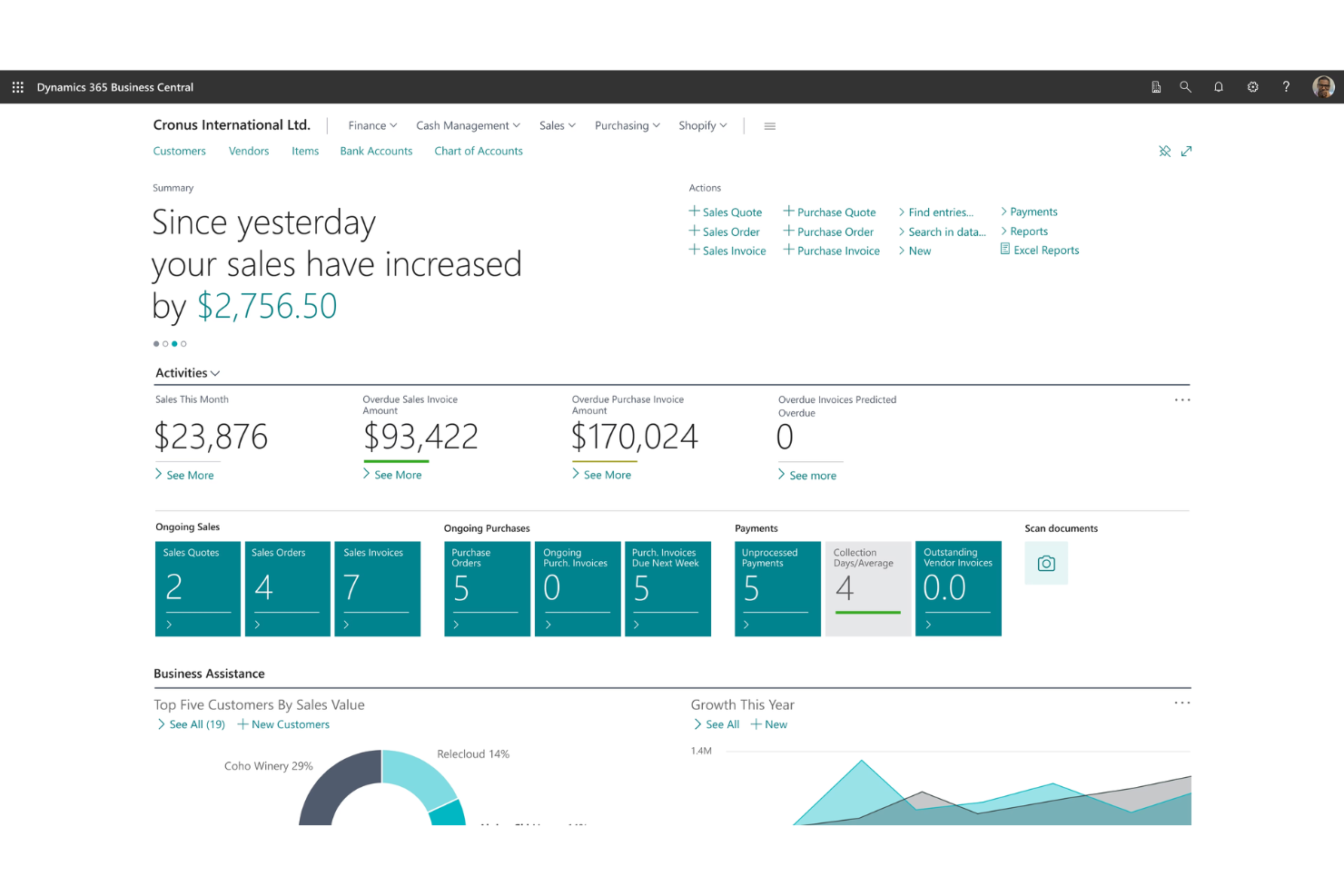
Si su empresa ya depende de las herramientas de Microsoft 365, Microsoft Dynamics 365 Business Central ofrece una experiencia de ERP familiar y profundamente integrada. Esta plataforma es especialmente útil para los equipos de comercio minorista y comercio electrónico que desean conectar las finanzas, las ventas y las operaciones con Outlook, Excel y Teams. A diferencia de Odoo, Business Central destaca por su flujo de datos y automatización fluidos en todo el ecosistema de Microsoft.
Por qué Microsoft Dynamics 365 Business Central es una buena alternativa a Odoo
Para las empresas que desean que el software ERP funcione en conjunto con Microsoft 365, Business Central es una opción natural. Lo elegí porque permite gestionar las finanzas, el inventario y las ventas directamente desde herramientas conocidas como Outlook y Excel.
Los flujos de trabajo automatizados conectan los datos entre Teams, SharePoint y Power BI, de modo que su equipo puede colaborar y analizar la información sin cambiar de plataforma. Si ya ha invertido en el ecosistema de Microsoft, Business Central ofrece un nivel de integración y automatización que Odoo no puede igualar.
Características principales de Microsoft Dynamics 365 Business Central
Otras características de Business Central que pueden interesar a su equipo incluyen:
- Paneles basados en roles: Personalice los paneles para los roles de finanzas, ventas y operaciones, y muestre los datos y las tareas relevantes.
- Creación automatizada de órdenes de compra: Genere órdenes de compra automáticamente según los niveles de inventario y las previsiones de ventas.
- Herramientas integradas de gestión de proyectos: Realice un seguimiento de los presupuestos, los recursos y los plazos de los proyectos dentro de la plataforma ERP.
- Gestión de varias empresas: Gestione las finanzas y las operaciones de varias entidades empresariales desde una sola cuenta.
Integraciones de Microsoft Dynamics 365 Business Central
Las integraciones incluyen Microsoft 365, Power BI, Power Automate, Microsoft Teams, Outlook, Excel, SharePoint, Azure Active Directory, LinkedIn Sales Navigator y Dynamics 365 Sales.
Pros and Cons
Pros:
- Excelente opción para equipos que ya utilizan Microsoft 365
- Los paneles basados en roles ofrecen visibilidad específica para cada departamento
- La gestión de varias empresas ayuda a respaldar a las organizaciones en crecimiento
Cons:
- La personalización suele requerir asistencia de un socio o soporte técnico
- Las capacidades de fabricación son más limitadas que las de opciones de ERP más especializadas

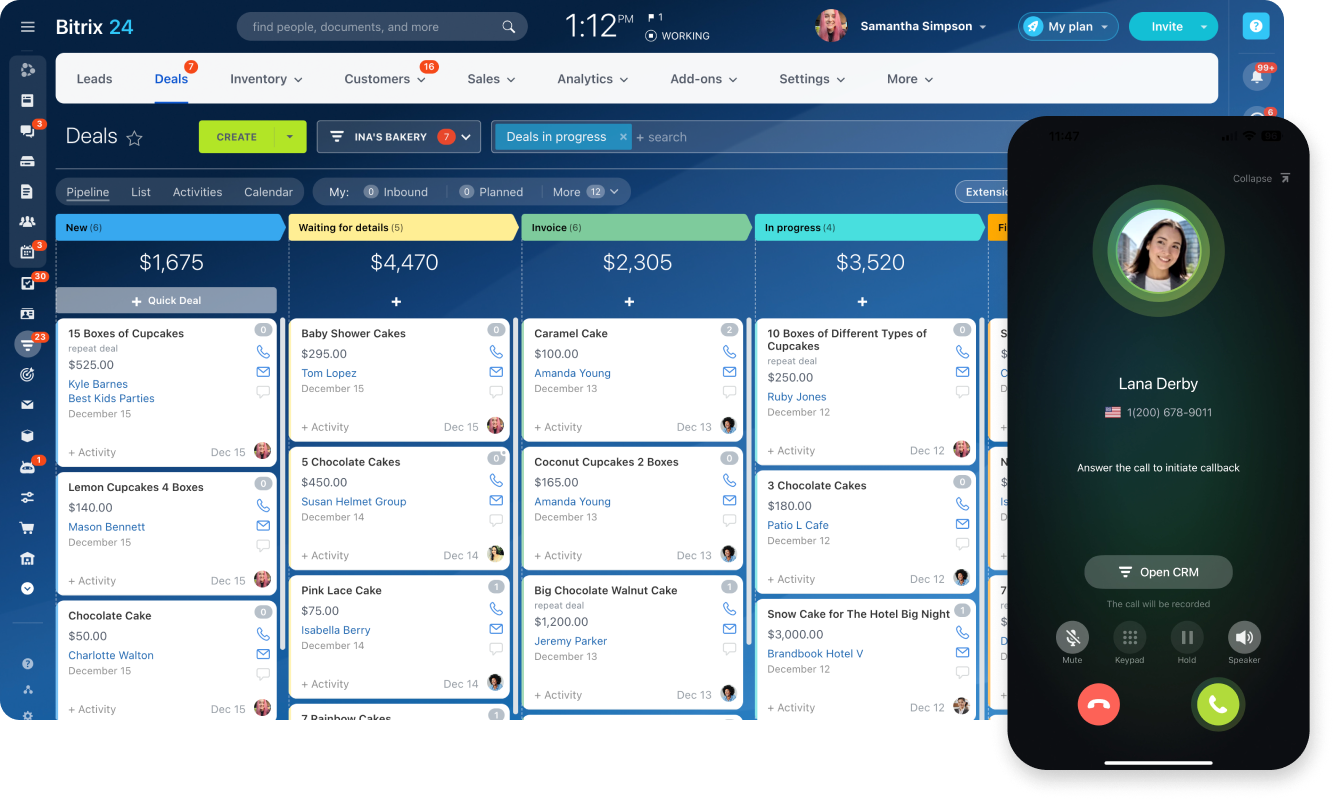
Los equipos que buscan un ERP que sitúe la colaboración en el centro suelen recurrir a Bitrix24. Esta plataforma combina la gestión de proyectos, el CRM y el intercambio de documentos con chat, videollamadas y grupos de trabajo integrados. A diferencia de Odoo, Bitrix24 destaca por su enfoque todo en uno para la comunicación del equipo y la gestión de procesos empresariales en un único espacio de trabajo.
Por qué Bitrix24 es una buena alternativa a Odoo
Si tu equipo necesita un software ERP con colaboración integrada, vale la pena considerar Bitrix24. Lo elegí porque combina chat en tiempo real, videoconferencias y espacios de trabajo compartidos directamente dentro de la plataforma, de modo que tu equipo puede comunicarse y gestionar proyectos sin cambiar de herramienta.
El flujo de actividad y las funciones de gestión de tareas mantienen a todos coordinados y responsables en un solo lugar. Para las empresas que valoran el trabajo en equipo y la transparencia, Bitrix24 ofrece un nivel de colaboración integrada que Odoo no iguala de forma nativa.
Características principales de Bitrix24
Además de sus herramientas de colaboración, Bitrix24 ofrece varias funciones adicionales que respaldan las operaciones empresariales:
- CRM con automatización de ventas: Realiza un seguimiento de los clientes potenciales, gestiona los embudos de ventas y automatiza los seguimientos dentro de la misma plataforma.
- Sistema de gestión documental: Almacena, organiza y comparte archivos de forma segura con control de versiones y permisos de acceso.
- Seguimiento del tiempo de los empleados: Supervisa las horas de trabajo, los descansos y la asistencia directamente en el sistema.
- Gestión de inventario: Gestiona catálogos de productos, niveles de existencias y el cumplimiento de pedidos desde un panel centralizado.
Integraciones de Bitrix24
Las integraciones incluyen Microsoft Office 365, Google Workspace, Mailchimp, Slack, Zoom, Dropbox, OneDrive, Facebook, Instagram y WhatsApp.
Pros and Cons
Pros:
- El chat, el vídeo y los grupos de trabajo integrados facilitan la colaboración
- Las herramientas de CRM y gestión de proyectos están incluidas de forma nativa
- La gestión documental incluye control de versiones y permisos
Cons:
- Las capacidades de contabilidad y finanzas son menos avanzadas
- La automatización de flujos de trabajo puede resultar restrictiva para procesos complejos

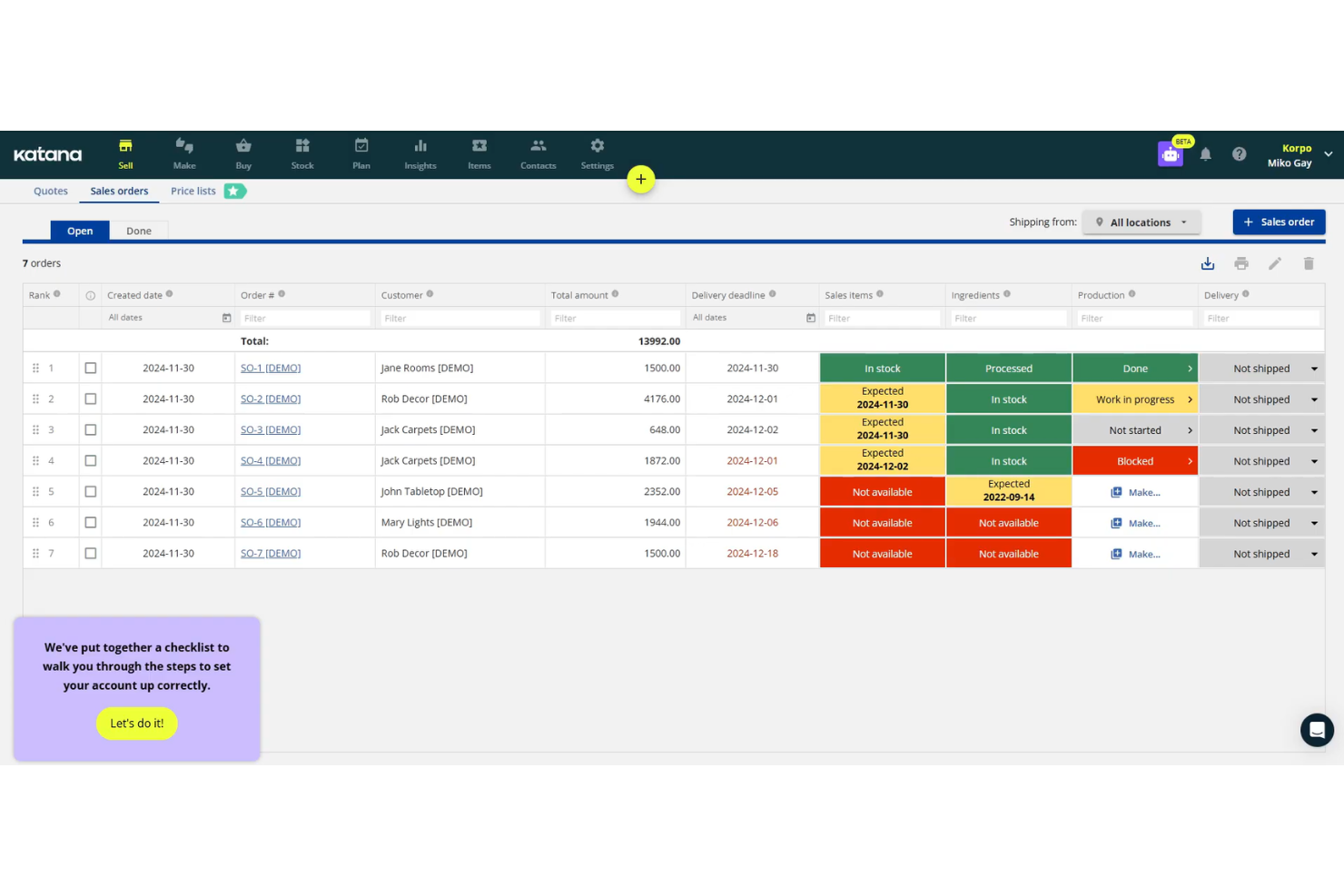
Si necesitas datos de inventario precisos y actualizados al minuto, Katana Cloud Inventory está diseñado para ti. Esta plataforma es especialmente útil para fabricantes, marcas DTC y empresas de comercio electrónico que dependen de la visibilidad del inventario en tiempo real en todos los canales de venta y almacenes. A diferencia de Odoo, Katana Cloud Inventory hace hincapié en el seguimiento del inventario en directo y la gestión de la producción para operaciones de rápido movimiento.
Por qué Katana Cloud Inventory es una buena alternativa a Odoo
Para las empresas que no pueden permitirse perder el control del inventario ni siquiera por un instante, Katana Cloud Inventory ofrece un seguimiento en tiempo real que Odoo no iguala de forma predeterminada. Elegí Katana porque sus actualizaciones de inventario en directo te permiten ver los niveles de existencias, el estado de los pedidos y el progreso de la producción a medida que ocurren.
La asignación automática de materiales a los pedidos y el panel visual de planificación de la producción de la plataforma te ayudan a evitar la falta de existencias y los retrasos. Si tus operaciones dependen de una precisión del inventario actualizada al minuto, Katana Cloud Inventory está diseñado específicamente para esa necesidad.
Funciones principales de Katana Cloud Inventory
Otras funciones que hacen destacar a Katana Cloud Inventory incluyen:
- Seguimiento por lote y fecha de caducidad: Supervisa productos perecederos y gestiona el inventario por lote o fecha de caducidad.
- Aplicación para el área de producción: Proporciona a los equipos de producción una interfaz específica para gestionar tareas y actualizar pedidos.
- Gestión de pedidos de venta: Sincroniza y gestiona pedidos de varios canales de comercio electrónico y venta minorista desde un solo lugar.
- Gestión de pedidos de compra: Crea, envía y realiza el seguimiento de pedidos de compra directamente desde la plataforma.
Integraciones de Katana Cloud Inventory
Entre las integraciones se incluyen QuickBooks Online, Xero, Shopify, WooCommerce, Amazon, Etsy, eBay, BigCommerce y muchas más. Katana también ofrece una API abierta para integraciones personalizadas.
Pros and Cons
Pros:
- La visibilidad del inventario en tiempo real ayuda a prevenir problemas de existencias
- La planificación visual de la producción facilita los flujos de trabajo de fabricación bajo pedido
- La aplicación para el área de producción ofrece a los equipos visibilidad de las tareas en directo
Cons:
- No incluye módulos de CRM ni de recursos humanos
- Los informes son menos personalizables que los de plataformas ERP más amplias

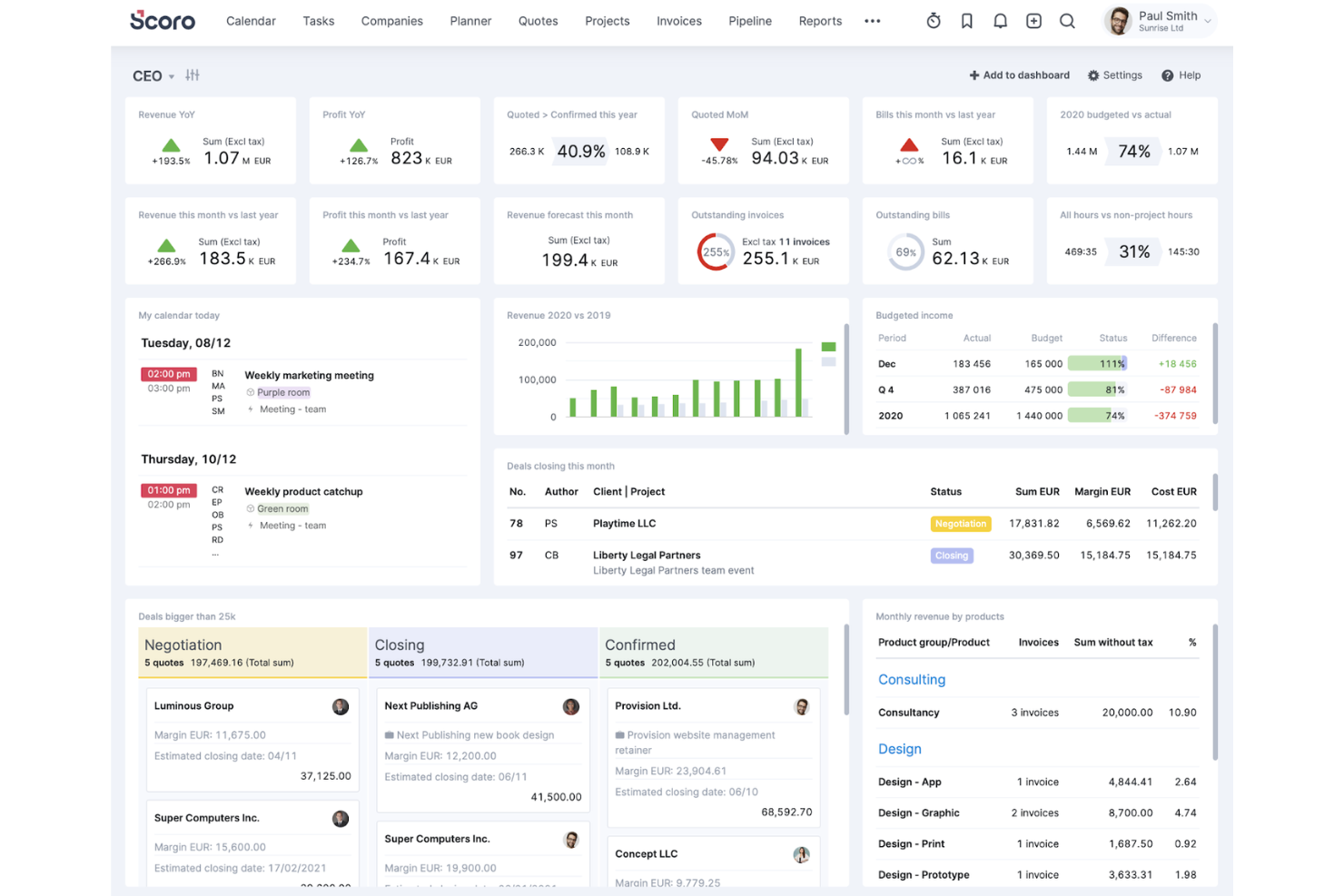
Scoro está diseñado para equipos que necesitan conectar la gestión de proyectos con la facturación y la supervisión financiera en un solo lugar. Las agencias, consultorías y empresas basadas en servicios pueden utilizar Scoro para automatizar la elaboración de presupuestos, la facturación y el seguimiento de proyectos sin tener que gestionar varias herramientas. A diferencia de Odoo, Scoro reúne los cronogramas de proyectos, los presupuestos y la facturación para ofrecer un flujo de trabajo unificado.
Por qué Scoro es una buena alternativa a Odoo
Si buscas un software ERP que conecte estrechamente la gestión de proyectos con la automatización de la facturación, vale la pena considerar Scoro. Elegí Scoro porque permite automatizar las facturas recurrentes, vincular directamente las horas facturables con los proyectos y realizar un seguimiento de la rentabilidad de los proyectos en tiempo real.
El panel unificado de la plataforma reúne los cronogramas de proyectos, los presupuestos y las finanzas para que puedas gestionar todo desde un solo lugar. Para los equipos que necesitan automatizar tanto los flujos de trabajo de los proyectos como la facturación, Scoro ofrece una alternativa especializada al enfoque más amplio, pero menos especializado, de Odoo.
Características principales de Scoro
Otras características que diferencian a Scoro incluyen:
- Programación de recursos: Asigna y gestiona las cargas de trabajo del equipo con un calendario visual.
- Gestión de presupuestos: Crea, envía y realiza un seguimiento de los presupuestos de ventas directamente desde la plataforma.
- Paneles personalizables: Crea paneles adaptados para supervisar los KPI y las métricas empresariales.
- Seguimiento del tiempo: Registra el tiempo dedicado a tareas y proyectos para obtener informes precisos.
Integraciones de Scoro
Las integraciones incluyen Google Calendar, Outlook Calendar, QuickBooks, Xero, Mailchimp, Stripe, PayPal, Dropbox, Google Drive y Microsoft Teams.
Pros and Cons
Pros:
- Fuerte conexión entre la gestión de proyectos y la facturación
- La elaboración de presupuestos y la facturación respaldan los flujos de trabajo de servicios de principio a fin
- La programación de recursos y el seguimiento del tiempo ayudan a gestionar los equipos de entrega
Cons:
- La funcionalidad de inventario y almacén es limitada
- No incluye módulos de fabricación ni de cadena de suministro
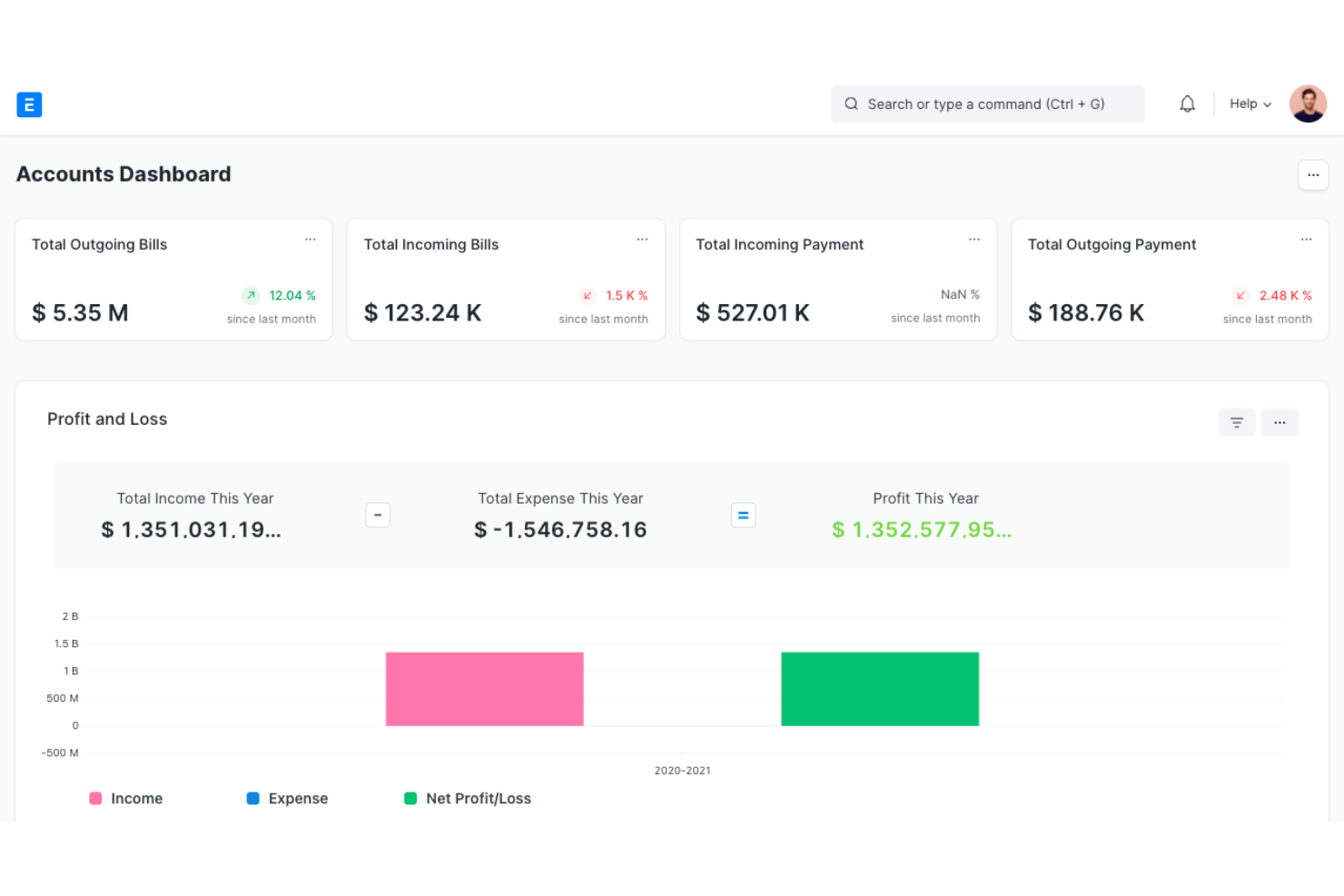
ERPNext es una plataforma ERP de código abierto diseñada para empresas que desean una personalización profunda y control sobre sus operaciones. Es una opción muy adecuada para fabricantes, distribuidores y proveedores de servicios que necesitan adaptar flujos de trabajo, módulos e informes a requisitos específicos. Si buscas una alternativa flexible a Odoo con código transparente y desarrollo impulsado por la comunidad, ERPNext destaca.
Por qué ERPNext es una buena alternativa a Odoo
Lo que distingue a ERPNext como alternativa a Odoo son sus capacidades de personalización de código abierto. Puedes modificar el código fuente, crear módulos personalizados y adaptar los flujos de trabajo para ajustarlos a las necesidades exactas de tu empresa. Valoro que el marco de trabajo de ERPNext admita extensiones específicas para cada sector, por lo que no estás limitado por las funciones disponibles de forma predeterminada. Esto lo convierte en una opción sólida para los equipos que desean tener un control total sobre el diseño y la evolución de su sistema ERP.
Principales funciones de ERPNext
Otras funciones de ERPNext que pueden interesarte incluyen:
- Gestión de varias empresas: Gestiona varias entidades empresariales, filiales o sucursales desde una sola instancia de ERPNext.
- Recursos humanos y nóminas integrados: Gestiona los registros de empleados, la asistencia, el procesamiento de nóminas y los permisos dentro de la plataforma.
- Gestión de relaciones con los clientes (CRM): Realiza el seguimiento de clientes potenciales, oportunidades e interacciones con clientes directamente en el sistema ERP.
- Gestión de inventario y almacenes: Supervisa los niveles de existencias, automatiza los pedidos de reposición y gestiona varios almacenes con visibilidad en tiempo real.
Integraciones de ERPNext
Las integraciones incluyen Shopify, WooCommerce, Amazon MWS, Slack, Google Workspace, Dropbox, PayPal, Stripe, Razorpay y Twilio.
Pros and Cons
Pros:
- La base de código abierto permite una personalización profunda
- Las aplicaciones modulares permiten a los equipos adaptar el sistema a sus flujos de trabajo
- Ideal para empresas de fabricación, distribución y servicios
Cons:
- La personalización avanzada puede requerir conocimientos de Python o Frappe
- La documentación puede ser incoherente en algunas áreas

Ideal para flujos de trabajo contables integrados
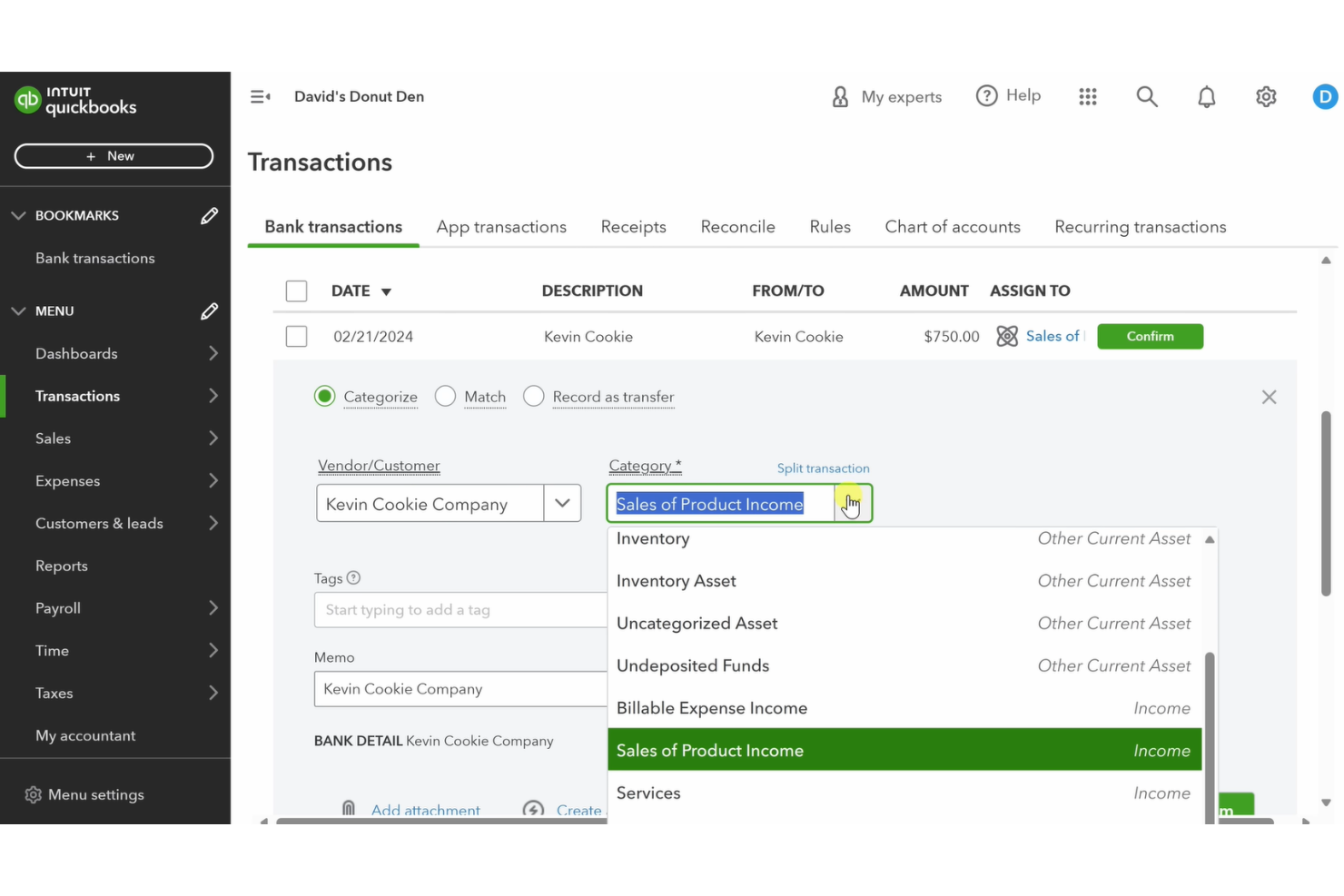
Para las empresas que desean que la contabilidad sea el eje central de sus flujos de trabajo de ERP, QuickBooks Online es una opción sólida. Esta plataforma resulta especialmente atractiva para los minoristas y los equipos de comercio electrónico que necesitan datos financieros en tiempo real estrechamente conectados con las ventas, el inventario y las compras. A diferencia de Odoo, QuickBooks Online pone la contabilidad y la gestión contable en primer plano, lo que facilita la gestión de las finanzas junto con las operaciones diarias.
Por qué QuickBooks Online es una buena alternativa a Odoo
Si buscas un ERP que sitúe la contabilidad en el centro de tu empresa, QuickBooks Online es una opción sólida. Lo elegí porque sus flujos de trabajo contables están profundamente integrados con el inventario, las ventas y las compras, algo que Odoo no ofrece de forma predeterminada.
Funciones como la conciliación bancaria automatizada y los informes financieros en tiempo real te ayudan a supervisar de cerca el flujo de caja y la rentabilidad. Para los equipos que quieren que la contabilidad impulse sus decisiones operativas, QuickBooks Online ofrece un enfoque específico y unificado.
Funciones principales de QuickBooks Online
Otras funciones de QuickBooks Online que pueden resultar útiles para tu empresa incluyen:
- Compatibilidad con múltiples divisas: Registra y gestiona transacciones en varias divisas para operaciones globales.
- Cálculo automatizado de impuestos sobre las ventas: Calcula y aplica automáticamente las tasas de impuestos sobre las ventas según la ubicación y el tipo de producto.
- Facturación recurrente: Configura y gestiona facturas recurrentes para clientes con suscripciones o compras repetidas.
- Gestión de permisos de usuario: Asigna distintos niveles de acceso y permisos a los miembros del equipo según sus funciones.
Integraciones de QuickBooks Online
Las integraciones incluyen Shopify, PayPal, Square, TSheets, BILL, HubSpot, Salesforce, Expensify, Gusto y Receipt Bank.
Pros and Cons
Pros:
- Los feeds bancarios en tiempo real mantienen los registros actualizados
- Las herramientas automatizadas de impuestos sobre las ventas facilitan los flujos de trabajo contables diarios
- La aplicación móvil permite crear facturas y registrar gastos desde cualquier lugar
Cons:
- Las herramientas de inventario son limitadas para equipos con operaciones más complejas
- No incluye funciones integradas de fabricación ni de MRP
New Product Updates from QuickBooks Online

QuickBooks Online Adds Two-Way Shopify Inventory Sync
QuickBooks Online adds two-way inventory sync with Shopify to keep stock levels aligned automatically across both platforms. This reduces manual reconciliation and keeps QuickBooks as the source of truth. For more information, visit QuickBooks Online’s official site.
Otras alternativas a Odoo
Estas son algunas opciones adicionales de alternativas a Odoo que no llegaron a mi lista de selección, pero que aún merece la pena conocer:
- Zoho One
Ideal para un ecosistema unificado de aplicaciones empresariales
- Infor CloudSuite
Ideal para módulos en la nube específicos del sector


Cómo evalúo las alternativas a Odoo
Busco dos cosas: las operaciones minoristas básicas que una plataforma debe gestionar—TPV, inventario y compras—y los elementos diferenciadores que distinguen a un sistema minorista genuino de un ERP genérico personalizado.
Funcionalidad principal (requisitos básicos para esta lista)
Al seleccionar las herramientas para mi lista, puntúo cada una en una escala de 0 (no ofrece la funcionalidad) a 5 (sobresale en esta área) para cada una de las funcionalidades principales que se indican a continuación. Después, convierto la puntuación total de la herramienta en un porcentaje. Cada herramienta debe alcanzar una puntuación total mínima del 65 % para ser considerada.
- Capacidades de TPV minorista: Evalúo si el sistema gestiona el pago en múltiples terminales, el procesamiento de pagos, las devoluciones y la impresión de recibos, además de comprobar si funciona sin conexión durante una interrupción de internet a mitad del turno.
- Gestión de inventario y existencias: El seguimiento de existencias en varias ubicaciones, los puntos de reposición y los flujos de trabajo de transferencias son importantes aquí, especialmente para los minoristas que trasladan productos entre un almacén y varias tiendas.
- Comercio electrónico integrado/omnicanal: Compruebo cómo se sincronizan el inventario y los pedidos entre las tiendas físicas y los canales en línea, ya que una compra en línea con recogida en tienda revela rápidamente cualquier deficiencia.
- Gestión de compras y proveedores: La plataforma debe admitir órdenes de compra, registros de proveedores y recepción de mercancías; aspectos básicos como convertir una alerta de existencias bajas en una orden de compra para el proveedor.
- Contabilidad e informes minoristas: Busco funciones financieras integradas o estrechamente conectadas que cubran el impuesto sobre las ventas, el coste de los productos vendidos y los informes de márgenes desglosados por categoría de producto o ubicación de la tienda.
- CRM y fidelización de clientes: La captura de perfiles de clientes, el historial de compras y la gestión de un programa de fidelización o promociones deberían estar dentro del mismo sistema, en lugar de requerir una herramienta externa de terceros añadida.
Una vez que tengo una lista de herramientas que cumplen estos criterios, analizo qué distingue a cada plataforma.
Factores diferenciadores (qué distingue a los proveedores)
Así es como comparo y contrasto los distintos proveedores:
Funciones destacadas
La compatibilidad con TPV móvil es un aspecto importante: compruebo si una plataforma permite al personal procesar ventas en una tableta durante un evento temporal o cobrar a los clientes en la zona de venta sin tener que volver a un terminal fijo. La previsión de la demanda basada en IA es otro factor diferenciador, especialmente para los minoristas que gestionan fluctuaciones estacionales del inventario y necesitan sugerencias automatizadas de reposición. También busco automatización de marketing integrada y vinculada a los datos de compra, como activar una campaña de recuperación cuando un miembro del programa de fidelización no ha comprado en 90 días.
Más allá de las funciones
El coste total de propiedad importa mucho al comparar alternativas a Odoo: evalúo si las tarifas adicionales por módulo, los costes de alojamiento y los niveles de soporte de pago elevan el precio real muy por encima de la suscripción anunciada. La profundidad de las integraciones es otro factor que valoro, especialmente los conectores nativos con los procesadores de pagos y los mercados en línea de los que el minorista ya depende. También considero los plazos de implementación, ya que una cadena de cinco tiendas que migra a mitad de temporada necesita una incorporación guiada y herramientas de migración de datos que le permitan estar operativa en semanas, no en meses.
¿Por qué buscar una alternativa a Odoo?
Estas son algunas de las funciones clave de Odoo, para ayudarte a contrastar y comparar lo que ofrecen las soluciones alternativas:
- Software de contabilidad integrado y gestión financiera
- Gestión de inventario y almacenes
- Módulos de ventas y CRM
- Gestión de compras y adquisiciones
- Planificación de fabricación y producción
- Gestión de recursos humanos y nóminas
- Herramientas de gestión de proyectos
- Comercio electrónico y creador de sitios web con edición mediante arrastrar y soltar
- Funciones de automatización del marketing
- Paneles, informes y notificaciones personalizables
Funciones clave de Odoo
Estas son algunas de las funciones clave de Odoo, para ayudarte a contrastar y comparar lo que ofrecen las soluciones alternativas:
- Contabilidad integrada y gestión financiera
- Gestión de inventario y almacenes
- Módulos de ventas y CRM
- Gestión de compras y adquisiciones
- Planificación de fabricación y producción
- Gestión de recursos humanos y nóminas
- Herramientas de gestión de proyectos
- Comercio electrónico y creador de sitios web
- Funciones de automatización del marketing
- Paneles y generación de informes personalizables