

10 mejores alternativas a Criteo para anuncios de reorientación en 2026

10 Mejor selección de alternativas a Criteo


Gestionar una operación minorista no es fácil. Te enfrentas a retos como dirigirte al público adecuado, gestionar la inversión publicitaria y mantenerte al día con los cambios en el comportamiento de los consumidores. Ahí es donde entra en juego el software de automatización de marketing, que te ayuda a abordar estos problemas de frente.
Pero quizá Criteo no cubra tus necesidades. Es posible que busques mejores funciones, más flexibilidad o, simplemente, una opción que encaje mejor con tu equipo. Estás en el lugar adecuado.
He probado y analizado varias alternativas, centrándome en lo que realmente te importa. En este artículo, compartiré mis principales recomendaciones para ofrecerte la información que necesitas y tomar una decisión fundamentada. Encontremos la solución adecuada para tu empresa.
¿Qué es Criteo?
Criteo es un software de automatización de marketing que ayuda a las empresas a impulsar las ventas y aumentar la interacción con los clientes. Lo utilizan habitualmente profesionales del marketing digital, responsables de comercio electrónico y profesionales del comercio minorista que necesitan optimizar sus estrategias publicitarias. Funciones como el retargeting personalizado, la creación dinámica de anuncios y las pujas en tiempo real ayudan a llegar al público adecuado y a maximizar la eficiencia de la inversión publicitaria. En general, el valor de Criteo reside en su capacidad para mejorar los esfuerzos de marketing de tu equipo y aumentar el retorno de la inversión.
Tabla comparativa de alternativas a Criteo
Esta tabla comparativa resume los detalles de precios de mis principales alternativas seleccionadas a Criteo.
| Tool | Best For | Trial Info | Price | ||
|---|---|---|---|---|---|
| 1 | Ideal para la narrativa programática | Demostración gratuita disponible | Precio disponible previa solicitud | Website | |
| 2 | Ideal para el descubrimiento de contenido | No disponible | Precios bajo solicitud | Website | |
| 3 | Ideal para la mercadotecnia impulsada por IA | Demostración gratuita disponible | Precios bajo solicitud | Website | |
| 4 | Ideal para campañas multicanal | Demostración gratuita disponible | Precio bajo solicitud | Website | |
| 5 | Ideal para el modelado de audiencias en tiempo real | Demostración gratuita disponible | Precios previa solicitud | Website | |
| 6 | Ideal para la segmentación basada en la intención de compra | No disponible | Precios según el uso | Website | |
| 7 | Ideal para la compra de medios a escala empresarial | No disponible | Precios bajo solicitud | Website | |
| 8 | Ideal para la publicidad omnicanal | Demo gratuita disponible | Precio bajo solicitud | Website | |
| 9 | Ideal para anuncios unificados con datos de correo electrónico | Demostración gratuita disponible | Precios bajo petición | Website | |
| 10 | Ideal para la personalización mediante aprendizaje profundo | Demo gratuita disponible | Precio bajo solicitud | Website |
Por qué confiar en nuestras recomendaciones de software
Nuestro equipo lleva probando y evaluando software desde 2012. Como líderes del sector retail, sabemos lo difícil —y lo importante— que es elegir el software adecuado.
Para esta guía, evaluamos las herramientas mediante pruebas prácticas e investigación independiente, puntuando las herramientas según nuestros criterios de selección.
Nuestras reseñas reflejan nuestro criterio independiente, no un discurso de ventas.
Análisis de las mejores alternativas a Criteo
A continuación encontrarás mis resúmenes detallados de las mejores alternativas a Criteo que se incluyeron en mi selección. Mis análisis ofrecen una visión detallada de las funciones clave, ventajas & desventajas, integraciones y casos de uso ideales de cada herramienta para ayudarte a encontrar la mejor opción para ti.

Ideal para la narrativa programática
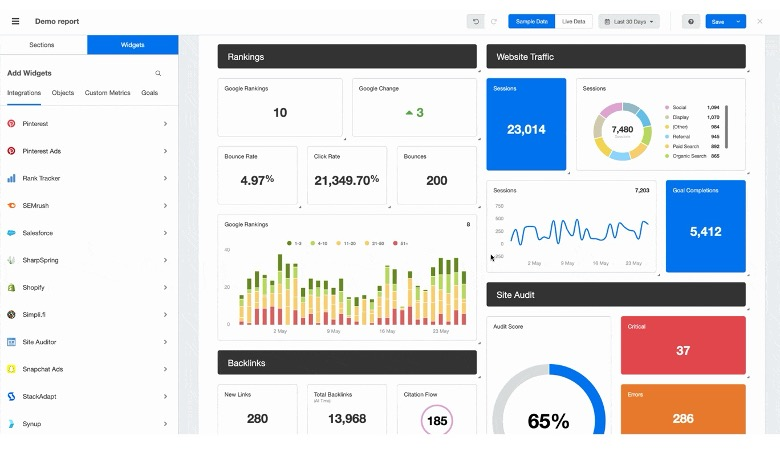
StackAdapt es una plataforma de publicidad programática dirigida a profesionales del marketing y anunciantes que buscan mejorar sus estrategias de publicidad digital. Proporciona herramientas para la publicidad nativa, de video y de televisión conectada, con énfasis en la segmentación avanzada y la información basada en datos.
Por qué es una buena alternativa a Criteo: StackAdapt ofrece capacidades avanzadas de segmentación que ayudan a tu equipo a llegar a segmentos de audiencia precisos. Sus algoritmos de aprendizaje automático mejoran la segmentación, lo que te permite optimizar las campañas de manera eficaz. La plataforma admite una variedad de formatos publicitarios, lo que te brinda flexibilidad en tu estrategia publicitaria. Además, el énfasis de StackAdapt en la información basada en datos te permite tomar decisiones fundamentadas y mejorar los resultados de las campañas.
Características e integraciones destacadas:
Las características incluyen una interfaz fácil de usar que simplifica la gestión de campañas. Los análisis en tiempo real de la plataforma proporcionan información sobre el rendimiento y te ayudan a realizar ajustes rápidos. StackAdapt también ofrece servicios creativos para ayudar con el diseño y el desarrollo de anuncios.
Las integraciones incluyen Google Analytics, HubSpot, Salesforce, Adobe Analytics, Marketo, Shopify, Oracle, Mailchimp, Microsoft Dynamics y Facebook.
Pros and Cons
Pros:
- Segmentación especializada útil
- Directrices creativas claras
- Configuración rápida para publicidad nativa
Cons:
- Edición masiva limitada
- Lanzamiento lento de nuevas funciones

Taboola
Ideal para el descubrimiento de contenido
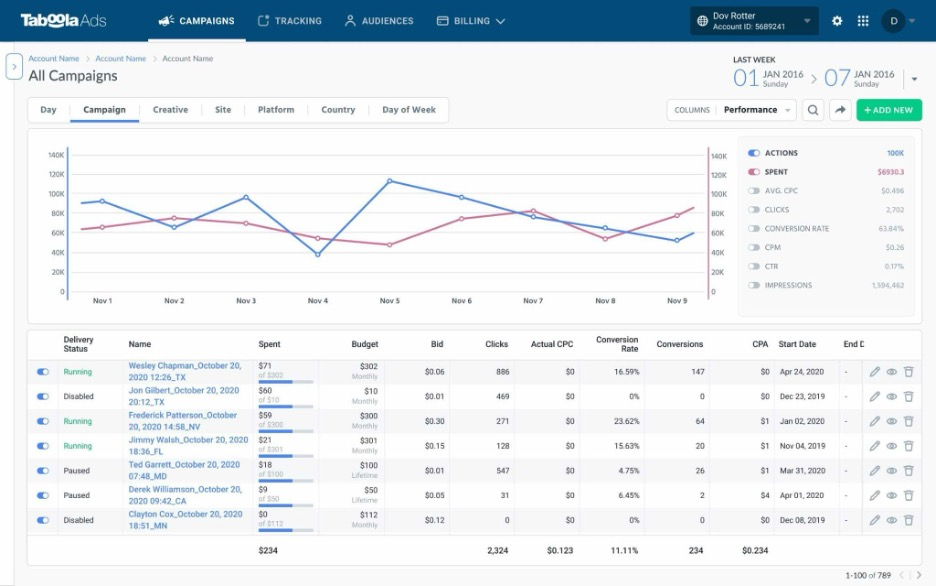
Taboola es una plataforma de descubrimiento de contenido diseñada para editores y anunciantes que buscan aumentar la interacción y dirigir tráfico. Ofrece herramientas para la publicidad nativa, ayudando a las empresas a conectar con las audiencias mediante recomendaciones de contenido personalizadas.
Por qué es una buena alternativa a Criteo: Taboola ayuda a los anunciantes a llegar a audiencias amplias colocando recomendaciones de contenido en los principales sitios de editores. La elegí porque sus ubicaciones se integran de forma natural en entornos editoriales, lo que la hace útil para las marcas que buscan aumentar el reconocimiento o atraer tráfico en la parte superior del embudo. El enfoque de Taboola en las recomendaciones de contenido personalizadas garantiza que tus esfuerzos de marketing se alineen con los intereses de la audiencia.
Características e integraciones destacadas:
Las características incluyen análisis en tiempo real que ofrecen información sobre el rendimiento del contenido y la interacción de la audiencia. Las capacidades de pruebas A/B de la plataforma te permiten optimizar el contenido de los anuncios para obtener mejores resultados. Taboola también ofrece widgets personalizables para mejorar la experiencia del usuario y la ubicación de los anuncios.
Las integraciones incluyen Google Analytics, Adobe Analytics, HubSpot, Marketo, Salesforce, Oracle, Microsoft Dynamics, Mailchimp, Shopify y Facebook.
Pros and Cons
Pros:
- Amplio alcance en sitios de noticias
- Gran impacto en la parte superior del embudo
- Promoción flexible de artículos
Cons:
- Riesgo de menor calidad del contenido
- La calidad de los clics varía

AdRoll
Ideal para la mercadotecnia impulsada por IA
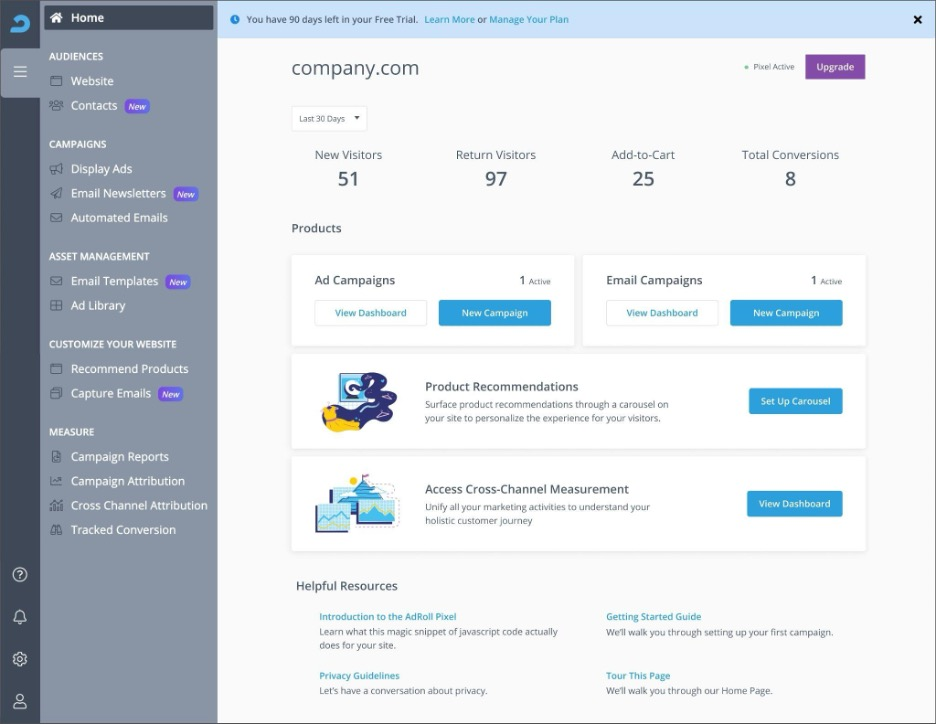
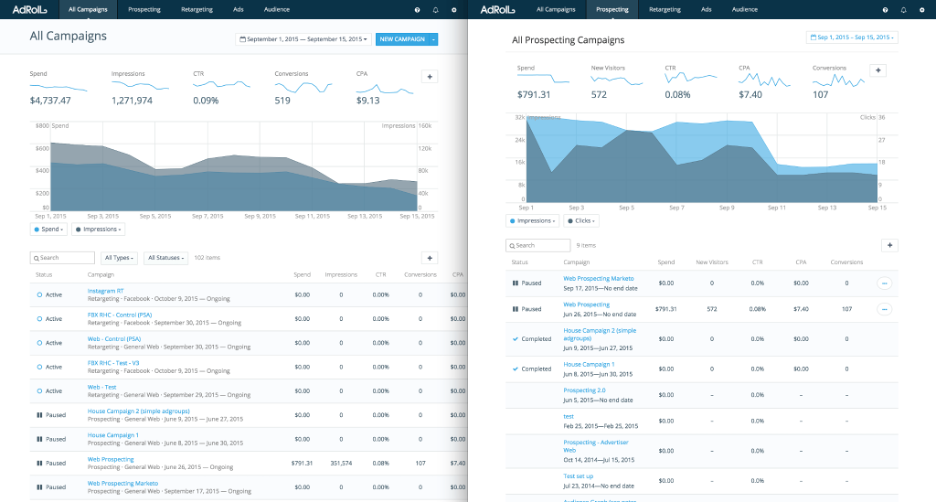
AdRoll es una plataforma de publicidad digital diseñada para marcas y agencias que buscan ejecutar campañas multicanal. Atiende a sectores como el comercio minorista, B2B y las finanzas, y ofrece herramientas para la publicidad y el análisis entre canales.
Por qué es una buena alternativa a Criteo: AdRoll es una excelente opción para las marcas de comercio electrónico que desean un control sencillo y unificado de las campañas publicitarias en la web y las redes sociales. La seleccioné porque sus herramientas de audiencia integradas y su automatización facilitan que los equipos pequeños ejecuten campañas de reorientación publicitaria y prospección sin tener que gestionar varias plataformas.
Funciones e integraciones destacadas:
Las funciones incluyen la segmentación de audiencias, que permite dirigirse eficazmente a grupos específicos. Las capacidades de reorientación publicitaria ayudan a volver a conectar con clientes potenciales. La plataforma también ofrece herramientas de análisis para medir y optimizar el rendimiento de las campañas.
Las integraciones incluyen Shopify, WooCommerce, Adobe Commerce, BigCommerce, Mailchimp, HubSpot, Marketo, Salesforce, Google Analytics y Facebook.
Pros and Cons
Pros:
- Enfoque sencillo en la reorientación publicitaria
- Buenas integraciones con el correo electrónico
- Ayuda con catálogos pequeños
Cons:
- La prospección parece limitada
- Necesita un flujo de datos más limpio

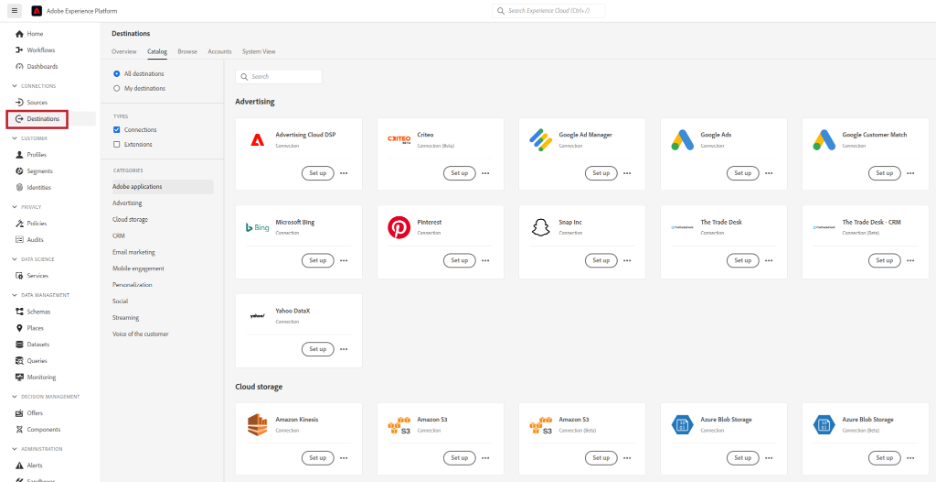
Adobe Advertising es una plataforma de marketing digital diseñada para anunciantes y profesionales del marketing que buscan gestionar campañas multicanal. Ofrece herramientas de planificación, compra y optimización de medios adaptadas a una amplia variedad de sectores.
Por qué es una buena alternativa a Criteo: Adobe Advertising ofrece un entorno unificado para gestionar medios en diferentes canales, manteniendo datos y mediciones coherentes. La elegí porque su integración con el ecosistema de Adobe ayuda a las marcas a coordinar recursos creativos, audiencias y herramientas de optimización en un único flujo de trabajo, lo que resulta ideal para equipos que ya utilizan productos de Adobe.
Características e integraciones destacadas:
Las características incluyen opciones avanzadas de segmentación, pujas en tiempo real y análisis detallados. Estas funciones permiten adaptar los anuncios a audiencias específicas y optimizar el rendimiento. La integración de la plataforma con Adobe Creative Cloud facilita el desarrollo de recursos creativos.
Las integraciones incluyen Adobe Analytics, Adobe Experience Manager, Adobe Creative Cloud, Google Analytics, Salesforce, Oracle, HubSpot, Marketo, SAP y Microsoft Dynamics.
Pros and Cons
Pros:
- Potentes herramientas de control de marca
- Buenas opciones para flujos de trabajo creativos
- Ideal para campañas segmentadas en varias capas
Cons:
- Adopción lenta de nuevas funciones
- Más adecuado para equipos de contenido grandes

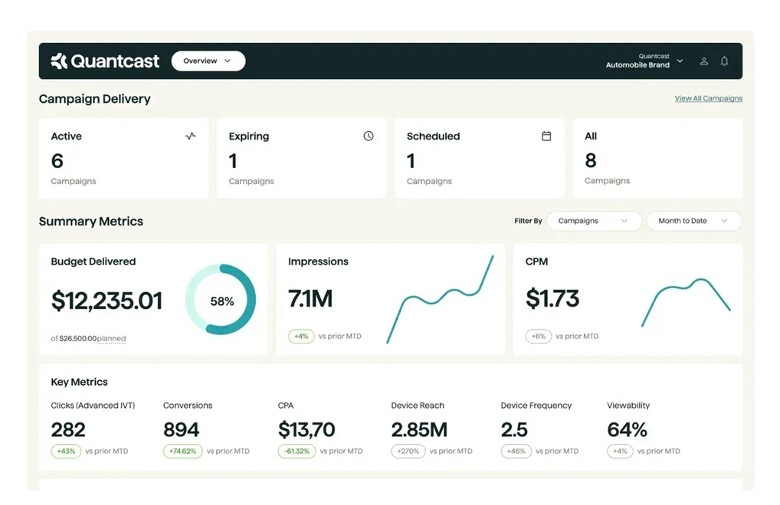
La Plataforma Quantcast es una plataforma publicitaria basada en IA diseñada para profesionales del marketing y anunciantes que buscan mejorar la segmentación de su audiencia. Ofrece herramientas para publicidad e información en tiempo real, con especial atención al análisis del comportamiento de la audiencia.
Por qué es una buena alternativa a Criteo: Quantcast utiliza datos en tiempo real para crear audiencias y pronosticar el rendimiento antes del lanzamiento de las campañas. La elegí porque su modelado predictivo ayuda a los anunciantes a comprender los resultados probables y ajustar la estrategia con antelación, lo que resulta especialmente útil para los equipos centrados en el rendimiento.
Funciones e integraciones destacadas:
Las funciones incluyen información sobre la audiencia en tiempo real que ayuda a comprender el comportamiento de los consumidores. El modelado predictivo de la plataforma utiliza IA para pronosticar tendencias y optimizar la inversión publicitaria. Quantcast también ofrece herramientas de generación de informes personalizables para adaptar la información a sus necesidades.
Las integraciones incluyen Google Analytics, Salesforce, Adobe Analytics, HubSpot, Marketo, Oracle, Microsoft Dynamics, Mailchimp, Shopify y Facebook.
Pros and Cons
Pros:
- Modelos predictivos sólidos
- Detección útil de tendencias
- Buenas herramientas sin cookies
Cons:
- Opciones de personalización limitadas
- Compatibilidad deficiente entre mercados

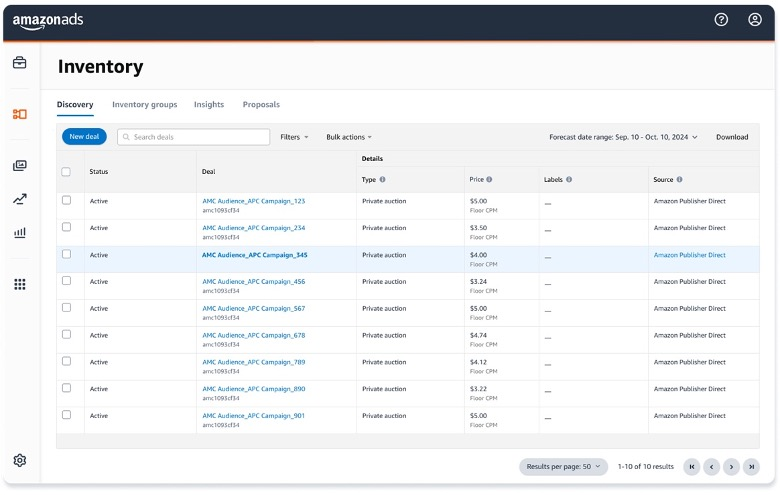
Amazon Ads es una plataforma publicitaria diseñada para marcas y vendedores que buscan llegar a los clientes en el mercado de Amazon. Proporciona herramientas para anuncios de productos patrocinados, anuncios gráficos y anuncios de video, ayudando a las empresas a aumentar la visibilidad y las ventas.
Por qué es una buena alternativa a Criteo: Amazon Ads brinda a las marcas acceso directo a compradores con una alta intención de compra mediante el uso de las señales de compra y navegación de Amazon. La elegí porque estos datos propios ofrecen una clara ventaja a los anunciantes que buscan llegar a los consumidores más cerca del momento de la compra. La amplia información detallada de los datos de Amazon te permite optimizar las estrategias publicitarias sin perder tiempo.
Características destacadas e integraciones:
Las características incluyen análisis en tiempo real que proporcionan información sobre el rendimiento de los anuncios, lo que te ayuda a tomar decisiones basadas en datos. Las herramientas de puja de la plataforma permiten gestionar de forma flexible la inversión publicitaria. Amazon Ads también ofrece formatos de anuncios personalizables para adaptarse a las necesidades de tu marca.
Las integraciones incluyen Amazon DSP, Amazon Attribution, Amazon Marketing Cloud, Amazon Seller Central, Amazon Vendor Central, Amazon Merch, Amazon Fire TV, Twitch e IMDb.
Pros and Cons
Pros:
- Llega a compradores activos
- Señales de compra en tiempo real
- Buenos datos sobre la intención de compra de productos
Cons:
- Entorno publicitario saturado
- La clasificación cambia con frecuencia

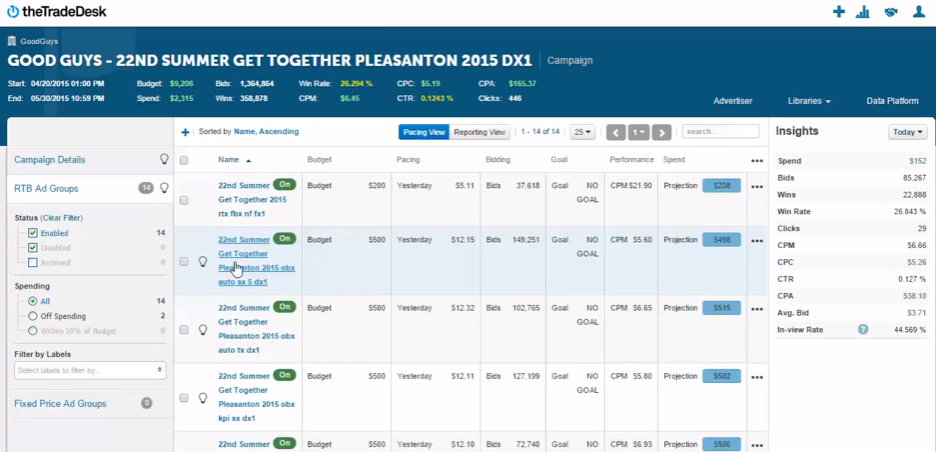
The Trade Desk es una plataforma de publicidad programática diseñada para profesionales del marketing y anunciantes que desean optimizar sus estrategias de compra de medios. Proporciona herramientas para la segmentación basada en datos y la gestión de campañas multicanal.
Por qué es una buena alternativa a Criteo: The Trade Desk está diseñado para anunciantes que buscan una gran transparencia y flexibilidad en la compra de medios. Lo elegí porque su enfoque de mercado abierto y sus amplias opciones de datos ofrecen a los equipos un mayor control sobre cómo planifican, prueban y optimizan campañas a gran escala.
Funciones e integraciones destacadas:
Las funciones incluyen herramientas avanzadas de generación de informes que proporcionan información sobre el rendimiento de las campañas. Las capacidades de puja en tiempo real de la plataforma ayudan a tomar decisiones fundamentadas rápidamente. Además, The Trade Desk ofrece una interfaz fácil de usar que simplifica la gestión de campañas complejas.
Las integraciones incluyen Google Analytics, Salesforce, Adobe Analytics, HubSpot, Marketo, Oracle, Microsoft Dynamics, Mailchimp, Shopify y Facebook.
Pros and Cons
Pros:
- Inventario amplio
- La mejor opción para CTV
- Alcance global fiable
Cons:
- Curva de aprendizaje pronunciada
- Cambios frecuentes en la interfaz

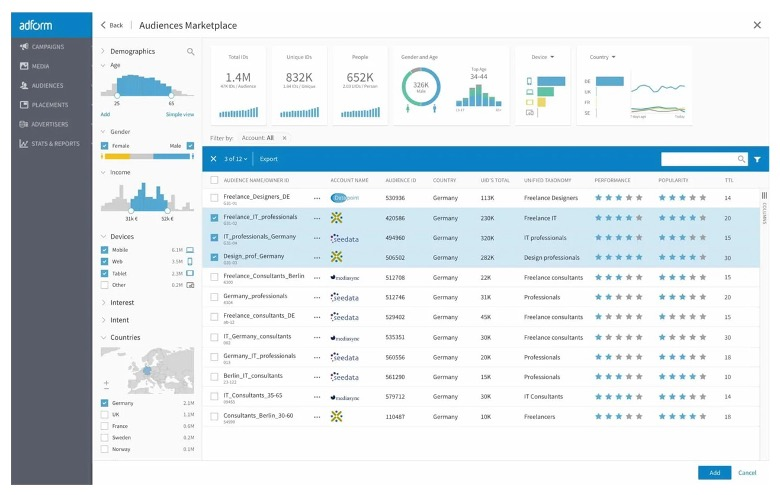
Adform es una plataforma publicitaria integrada que combina una Plataforma del lado de la demanda (DSP), un servidor de anuncios y una Plataforma de gestión de datos (DMP) para realizar compras de medios de forma eficiente en múltiples canales. Sus principales usuarios incluyen anunciantes y editores que necesitan herramientas para gestionar campañas y optimizar los ingresos.
Por qué es una buena alternativa a Criteo: Adform destaca en la publicidad omnicanal, lo que permite a tu equipo gestionar campañas en medios gráficos, vídeo, dispositivos móviles y medios minoristas. Aprovecha los datos propios para ampliar el alcance de la audiencia, un factor esencial para una segmentación precisa. La transparencia e independencia de Adform la convierten en una opción fiable para quienes buscan mantener el control sobre sus estrategias publicitarias. La plataforma también hace hincapié en la sostenibilidad al ofrecer herramientas que ayudan a reducir la huella de carbono.
Funciones e integraciones destacadas:
Las funciones incluyen una gestión avanzada de campañas, que permite a tu equipo ejecutar y optimizar anuncios de forma eficaz. Las capacidades de gestión de datos de la plataforma permiten aprovechar los datos propios para lograr una segmentación más precisa. Además, el servidor de anuncios de Adform proporciona análisis en tiempo real para realizar un seguimiento del rendimiento y tomar decisiones basadas en datos.
Las integraciones incluyen Google Analytics, Salesforce, Adobe Analytics, SAP, Microsoft Dynamics, HubSpot, Oracle, Marketo, Mailchimp y Shopify.
Pros and Cons
Pros:
- Potentes herramientas para editores
- Adecuado para configuraciones centradas en la privacidad
- Datos claros y listos para auditorías
Cons:
- Requiere roles de equipo estructurados
- Carece de ajustes preestablecidos sencillos
NextRoll es una plataforma de marketing que combina AdRoll y RollWorks para prestar servicio a una base de usuarios diversa, incluidos negocios de comercio electrónico y profesionales de marketing B2B. Ofrece soluciones de retargeting, segmentación de audiencias y análisis para mejorar los esfuerzos de marketing.
Por qué es una buena alternativa a Criteo: NextRoll reúne los datos de marketing y ventas, lo que permite a los equipos gestionar publicidad y contacto coordinados desde un único entorno. La elegí porque esta conexión entre los anuncios, el correo electrónico y la actividad del CRM ayuda a las marcas a ofrecer mensajes más coherentes a lo largo del recorrido del cliente. El enfoque de NextRoll en la personalización garantiza que tus estrategias de marketing se ajusten a las necesidades específicas de tu audiencia.
Funciones e integraciones destacadas:
Las funciones incluyen anuncios dinámicos que ajustan el contenido según las interacciones de los usuarios. Las capacidades multicanal de la plataforma te permiten gestionar campañas en varios canales. NextRoll también proporciona análisis detallados para realizar un seguimiento y medir el éxito de las campañas.
Las integraciones incluyen Shopify, WooCommerce, Adobe Commerce, BigCommerce, Mailchimp, HubSpot, Marketo, Salesforce, Google Analytics y Facebook.
Pros and Cons
Pros:
- Buena visibilidad entre equipos
- Flujos de trabajo ABM útiles
- Creación sencilla de audiencias
Cons:
- Informes B2C complejos
- En ocasiones surgen particularidades durante la configuración

RTB House es una plataforma publicitaria impulsada por IA diseñada para marcas y agencias que buscan optimizar sus estrategias de marketing digital. Ofrece herramientas para la segmentación personalizada de anuncios y las pujas en tiempo real en múltiples canales.
Por qué es una buena alternativa a Criteo: RTB House se basa en modelos de aprendizaje profundo que se adaptan al comportamiento de los usuarios, por lo que resulta ideal para campañas de rendimiento. La elegí porque su motor de personalización suele superar a las herramientas de retargeting más sencillas, especialmente para anunciantes con catálogos de productos amplios. Con su enfoque en la personalización, RTB House garantiza que tus campañas estén alineadas con objetivos de marketing específicos.
Funciones e integraciones destacadas:
Las funciones incluyen análisis avanzados que proporcionan información sobre el rendimiento de las campañas. Las herramientas de optimización creativa de la plataforma ayudan a perfeccionar el contenido de los anuncios para mejorar la interacción. RTB House también ofrece capacidades de segmentación de audiencias para dirigirse eficazmente a grupos específicos.
Las integraciones incluyen Google Analytics, Salesforce, Adobe Analytics, HubSpot, Marketo, Oracle, Microsoft Dynamics, Mailchimp, Shopify y Facebook.
Pros and Cons
Pros:
- Excelentes creatividades dinámicas
- Buena adaptación al comercio electrónico
- Puntuación precisa de usuarios
Cons:
- Alta dependencia de los datos
- Transparencia general limitada
Otras alternativas a Criteo
Estas son algunas alternativas adicionales a Criteo que no se incluyeron en mi selección, pero que merece la pena conocer:
- MediaMath
Ideal para controles programáticos personalizables
- Basis Technologies
Ideal para emprendimientos tecnológicos en sus primeras etapas
- Epsilon PeopleCloud Digital Media
Ideal para la personalización basada en datos


Cómo evalúo las alternativas a Criteo
Divido mi evaluación entre los requisitos imprescindibles básicos —como la resegmentación dinámica de productos y la atribución de circuito cerrado— y los factores diferenciadores que separan una auténtica plataforma de medios minoristas de una DSP básica.
Funcionalidad principal (requisitos básicos para esta lista)
Al seleccionar las herramientas para mi lista, puntúo cada una en una escala de 0 (no ofrece la funcionalidad) a 5 (sobresale en esta área) para cada una de las funcionalidades principales indicadas a continuación. Después, convierto la puntuación total de la herramienta en un porcentaje. Cada herramienta debe alcanzar una puntuación total mínima del 65% para ser considerada para su inclusión.
- Resegmentación dinámica de productos: Evalúo si la plataforma puede mostrar anuncios personalizados a nivel de SKU a los compradores que han consultado artículos o los han añadido al carrito, en distintos dispositivos y no solo en publicidad gráfica para ordenadores.
- Datos de audiencia comercial: Aquí es importante el acceso a señales de intención y compra a nivel de comprador, ya sea mediante un grafo de datos propio o segmentos de origen agregado de los socios minoristas.
- Capacidades de medios minoristas: Compruebo si ofrece emplazamientos de productos patrocinados, publicidad gráfica en el sitio y extensiones fuera del sitio que permitan a las marcas anunciarse dentro de las propiedades digitales de un minorista o junto a ellas.
- Compra programática de anuncios: La plataforma debe admitir pujas en tiempo real en varios canales —publicidad gráfica, redes sociales, vídeo o CTV— en lugar de limitar las campañas a una única fuente de inventario.
- Optimización de pujas y creatividades basada en IA: Busco aprendizaje automático que gestione automáticamente los ajustes de puja, el ritmo de gasto del presupuesto y el ensamblaje dinámico de creatividades, en lugar de depender de reglas manuales.
- Atribución de ventas de circuito cerrado: Conectar las impresiones de anuncios con las compras reales es fundamental, por lo que evalúo si la herramienta informa sobre el ROAS, las conversiones posvisualización y, preferiblemente, el incremento de ventas sin conexión.
Una vez que tengo una lista de herramientas que cumplen estos criterios, considero qué distingue a cada plataforma.
Factores diferenciadores (qué distingue a los proveedores)
Así es como comparo y contrasto a los distintos proveedores:
Características destacadas
Con la desaparición de las cookies de terceros, presto mucha atención a cómo gestiona cada plataforma la segmentación sin cookies, ya sea mediante señales contextuales, grafos de identidad de origen o asociaciones con salas limpias de datos. La medición de la incrementalidad es otra área que evalúo detenidamente, ya que demostrar el incremento real más allá de lo que habría ocurrido de forma orgánica resulta mucho más útil que el ROAS basado únicamente en el último clic. También analizo si la plataforma amplía las audiencias de medios minoristas a CTV y DOOH, ofreciendo a las marcas una forma de llegar a los compradores más allá de las ubicaciones estándar de publicidad gráfica y redes sociales.
Más allá de las características
La escala de la red comercial de una plataforma afecta directamente a la cantidad de compradores a los que pueden llegar tus campañas y al nivel de granularidad de tu segmentación. También evalúo la transparencia de los precios: si el proveedor desglosa claramente las tarifas tecnológicas, los márgenes de medios y los requisitos de gasto mínimo, ya que estos varían considerablemente y pueden determinar el éxito o el fracaso del presupuesto de una marca mediana. Las integraciones de comercio electrónico también son importantes, especialmente los conectores nativos con plataformas como Shopify o Adobe Commerce, que mantienen sincronizadas las fuentes de productos y las audiencias sin necesidad de desarrollo personalizado.
¿Por qué buscar una alternativa a Criteo?
Aunque Criteo es una buena opción de software de automatización de marketing, hay varios motivos por los que algunos usuarios buscan soluciones alternativas. Puede que estés buscando una alternativa a Criteo porque…
- Necesitas opciones de precios más flexibles.
- Tu equipo necesita un mejor servicio de atención al cliente
- Buscas capacidades de segmentación más avanzadas
- Necesitas una herramienta con mayor disponibilidad geográfica
- Tu empresa necesita soluciones más escalables
- Tu sector requiere funciones especializadas
Si alguno de estos puntos refleja tu situación, has llegado al lugar adecuado. Mi lista incluye varias opciones de software de automatización de marketing más adecuadas para equipos que se enfrentan a estos retos con Criteo y buscan soluciones alternativas.
Funciones principales de Criteo
Estas son algunas de las funciones principales de Criteo, que te ayudarán a contrastar y comparar lo que ofrecen las soluciones alternativas:
- Retargeting personalizado: Ofrece anuncios adaptados a las interacciones previas de tus clientes con tu sitio, lo que te ayuda a volver a captar su atención de manera eficaz.
- Anuncios dinámicos de productos: Genera automáticamente anuncios con los productos que tus clientes tienen más probabilidades de comprar, aumentando las posibilidades de conversión.
- Pujas predictivas: Utiliza la IA para optimizar las estrategias de puja, asegurándote de obtener el mejor rendimiento de tu inversión publicitaria.
- Segmentación de audiencia: Te permite llegar a segmentos de clientes específicos según su comportamiento de compra y sus preferencias.
- Informes en tiempo real: Proporciona información instantánea sobre el rendimiento de las campañas, ayudando a tu equipo a tomar decisiones basadas en datos.
- Publicidad multidispositivo: Garantiza experiencias publicitarias coherentes en varios dispositivos, llegando a tu audiencia dondequiera que esté.
- Optimización mediante IA: Utiliza la inteligencia artificial para mejorar la relevancia y eficacia de los anuncios, aumentando el éxito general de las campañas.
- Datos comerciales: Aprovecha una amplia variedad de datos comerciales para comprender mejor la intención de los clientes y ofrecer un marketing más personalizado.