

Los 10 mejores programas de verificación de edad en 2026

Mejor selección de software de verificación de edad


El software de verificación de edad ayuda a tu empresa a confirmar la fecha de nacimiento y la identidad de un usuario antes de permitirle acceder a contenido, productos o servicios restringidos por edad. Estos servicios de verificación de edad utilizan métodos como la verificación de edad en línea, las comprobaciones de documentos de identidad o la validación en bases de datos para garantizar el cumplimiento de los requisitos normativos. Las empresas utilizan estas herramientas para controlar el acceso a áreas como el contenido para adultos o las compras restringidas, al tiempo que mantienen una experiencia del cliente fluida. En esta guía encontrarás una selección cuidadosamente elaborada de las principales soluciones, con detalles sobre sus funciones, integraciones y los aspectos que hacen única a cada herramienta, para que puedas elegir con confianza la opción adecuada para tu empresa en 2026.
Por qué confiar en nuestras recomendaciones de software
Nuestro equipo lleva probando y evaluando software desde 2012. Como líderes del sector retail, sabemos lo difícil —y lo importante— que es elegir el software adecuado.
Para esta guía, evaluamos las herramientas mediante pruebas prácticas e investigación independiente, puntuando las herramientas según nuestros criterios de selección.
Nuestras reseñas reflejan nuestro criterio independiente, no un discurso de ventas.
Resumen del mejor software de verificación de edad
Este gráfico comparativo resume los detalles de precios de mi selección del mejor software de verificación de edad para ayudarte a encontrar la opción más adecuada para tu presupuesto y las necesidades de tu empresa.
| Tool | Best For | Trial Info | Price | ||
|---|---|---|---|---|---|
| 1 | La mejor para cumplimiento con varios métodos de verificación | Prueba gratis de 14 días disponible | Desde $1.35/verificación | Website | |
| 2 | Ideal para flujos de incorporación personalizables | Prueba gratuita + demo gratuita disponible | Precios bajo solicitud | Website | |
| 3 | Ideal para programas de descuentos dirigidos basados en la edad | No disponible | Precio a consultar | Website | |
| 4 | Ideal para funciones biométricas y de detección de vitalidad | Demo gratuita disponible | Precio a consultar | Website | |
| 5 | Mejor para soporte global de idiomas y dialectos | Prueba gratuita de 15 días + demo gratuita disponible | Desde $0.80/verificación | Website | |
| 6 | Mejor para cobertura global de documentos y fuentes de datos | Demostración gratuita disponible | Precio a consultar | Website | |
| 7 | Ideal para estimación de edad facial centrada en la privacidad | No disponible | Precio disponible bajo solicitud | Website | |
| 8 | Ideal para la estimación rápida de edad impulsada por IA | Demo gratuita disponible | Precio a consultar | Website | |
| 9 | Ideal para verificaciones de identidad físicas y digitales en capas | No disponible | Precio bajo solicitud | Website | |
| 10 | Mejor para integración de hardware con escáneres de identificaciones | Prueba gratuita + demo gratis disponible | Desde $35/mes | Website |
Reseñas del mejor software de verificación de edad
A continuación se incluyen mis resúmenes detallados del software de verificación de edad que formó parte de mi selección. Mis reseñas ofrecen un análisis detallado de las funciones, integraciones y mejores casos de uso de cada plataforma para ayudarte a encontrar la opción más adecuada para ti.

Sumsub
La mejor para cumplimiento con varios métodos de verificación
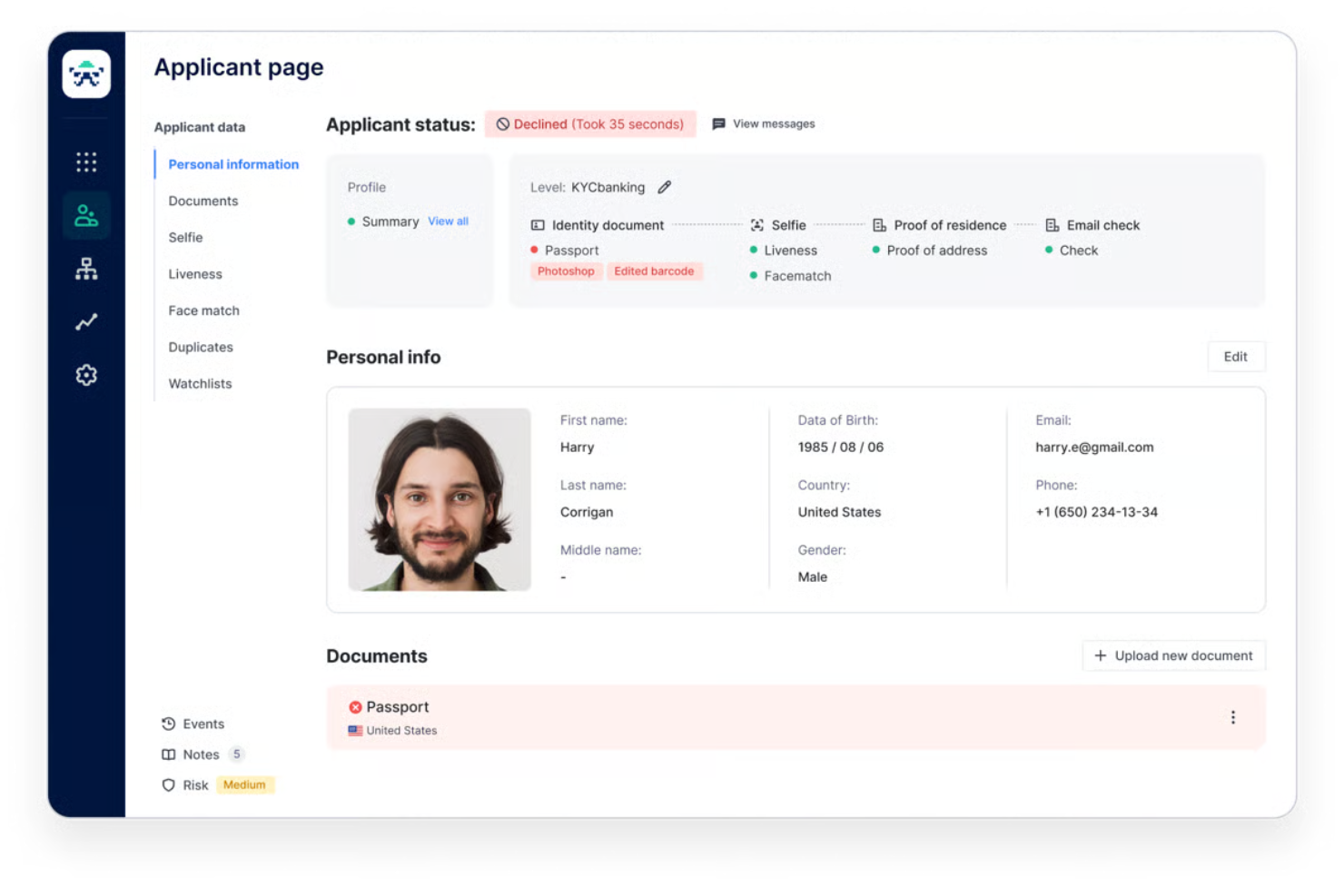
Sumsub es una plataforma de verificación de identidad digital diseñada para comercio electrónico, fintech, juegos de azar y sectores regulados que necesitan verificar rápidamente la edad de los clientes y mantenerse en cumplimiento con las regulaciones globales.
¿Para quién es mejor Sumsub?
Empresas y negocios regulados que necesitan comprobaciones de edad flexibles en varias regiones y requisitos de cumplimiento.
Por qué escogí Sumsub
Escogí Sumsub como uno de los mejores porque permite a mi equipo combinar la revisión de documentos, el análisis biométrico y la consulta en bases de datos para verificar la edad. Me gusta que podemos adaptar el flujo de verificación para ajustarse a las diferentes normas de cumplimiento en cada mercado. En la práctica, esto significa que podemos verificar a los usuarios con pasaportes, licencias de conducir o incluso selfies, según lo que se requiera.
Características clave de Sumsub
- IA para estimación de edad: Utiliza análisis facial para estimar la edad del usuario sin necesidad de documentos.
- Flujos de usuario personalizables: Te permite diseñar los pasos de verificación para ajustarse a los procesos de tu empresa.
- Panel de monitoreo en tiempo real: Supervisa el estado de la verificación y señala intentos sospechosos al instante.
- Soporte global de idiomas: Ofrece verificación en varios idiomas para usuarios internacionales.
Integraciones de Sumsub
Sumsub ofrece una integración única llamada Unilink, que te permite añadir un enlace de verificación de identidad o un código QR en tu sitio web para comprobaciones de edad instantáneas. También está disponible una API para integraciones personalizadas.
Pros and Cons
Pros:
- Soporta comprobaciones con documentos, biometría y base de datos
- Flujos de verificación personalizables para necesidades de cumplimiento
- Verificación rápida para sitios de alto volumen
Cons:
- Ocasionalmente hay falsos positivos en los controles biométricos
- Algunos pasos de verificación requieren revisión manual

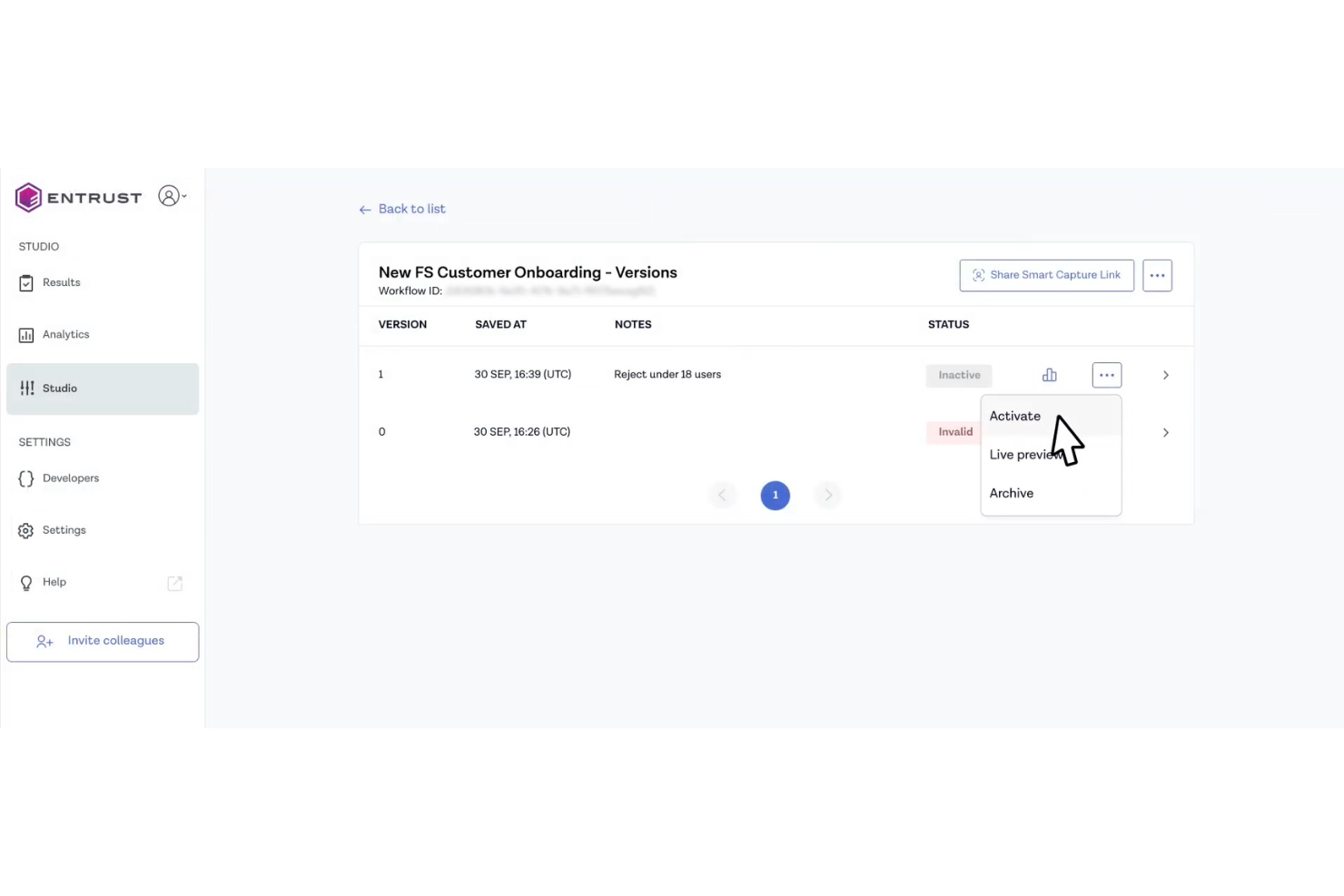
Entrust es una plataforma de verificación de identidad utilizada por bancos, fintechs y minoristas para automatizar las comprobaciones de edad y prevenir el fraude durante la incorporación digital y las transacciones de clientes.
¿Para quién es mejor Entrust?
Entrust es especialmente adecuado para bancos, fintechs y negocios de comercio electrónico que necesitan verificar la edad y la identidad del cliente durante la incorporación digital.
Por qué elegí Entrust
Elegí Entrust como uno de los mejores porque puedo crear flujos de incorporación que se adapten a las reglas de mi empresa, incluyendo comprobaciones personalizadas de edad y tipos de documentos. Me gusta que puedo combinar la verificación biométrica con el escaneo de documentos, para que mi equipo pueda adaptar el proceso según los distintos niveles de riesgo o necesidades de cumplimiento. El generador de flujos de trabajo de arrastrar y soltar me permite actualizar rápidamente los pasos cuando cambian las regulaciones o los requisitos comerciales.
Funciones clave de Entrust
- Cobertura global de documentos: Soporta la verificación de pasaportes, licencias de conducir y documentos nacionales de identidad de más de 195 países.
- Tecnología de reconocimiento facial: Compara una selfie con la foto de la identificación para la verificación biométrica.
- Detección de fraude en tiempo real: Señala documentos sospechosos o alterados durante el proceso de verificación.
- Informes de trazabilidad de auditoría: Genera registros detallados para el cumplimiento y la revisión regulatoria.
Integraciones de Entrust
Actualmente no se enumeran integraciones nativas. Sin embargo, ofrece una API para integraciones personalizadas.
Pros and Cons
Pros:
- Flujos de trabajo personalizados para incorporación y verificación
- Soporta comprobaciones de edad biométricas y basadas en documentos
- Ofrece cobertura global para la verificación de identidad
Cons:
- Puede rechazar imágenes de baja calidad o borrosas
- Sin soporte para escáneres de hardware presenciales
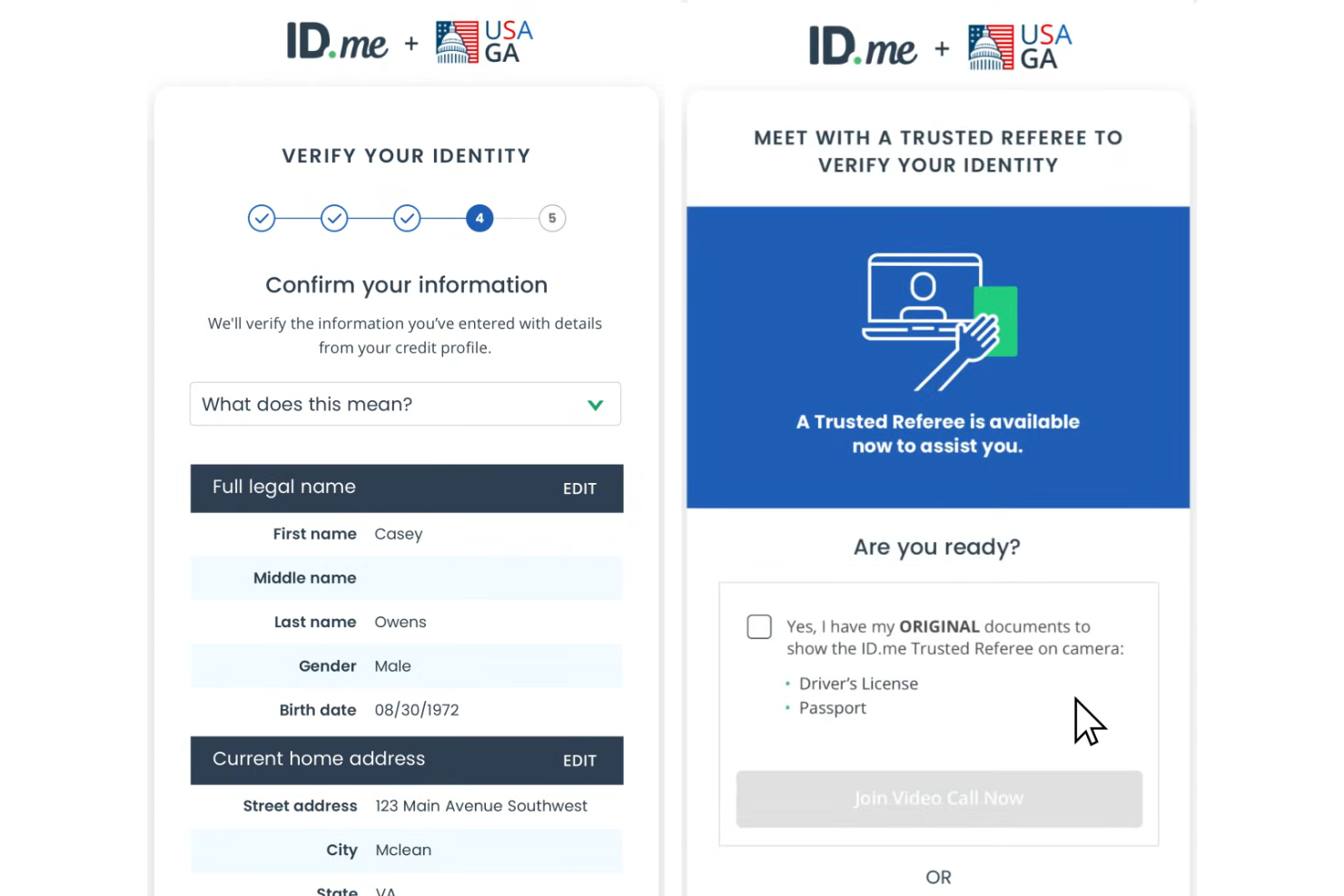
ID.me es una plataforma de verificación de identidad que ayuda a minoristas, marcas de comercio electrónico y proveedores de servicios a confirmar la edad de los clientes y su elegibilidad para ofertas exclusivas o productos regulados.
¿Para quién es mejor ID.me?
Minoristas y marcas que realizan promociones o programas de fidelidad basados en la edad en Estados Unidos.
Por qué elegí ID.me
Elegí ID.me como uno de los mejores porque puedo configurar programas de descuentos dirigidos basados en la edad que verifican la elegibilidad al instante en el proceso de compra. Me gusta que mi equipo pueda segmentar ofertas para estudiantes, personas mayores o grupos militares utilizando la verificación de grupos de ID.me. En la práctica, esto significa que podemos automatizar las comprobaciones de edad y grupo para promociones exclusivas sin revisión manual.
Características clave de ID.me
- Billetera de identidad digital: Permite a los usuarios almacenar y gestionar credenciales verificadas para un acceso rápido.
- Autenticación multifactor: Añade seguridad extra al proceso de verificación de edad.
- API de verificación en tiempo real: Permite comprobaciones instantáneas de edad dentro del flujo de pago o registro.
- Panel de informes de cumplimiento: Proporciona informes descargables para auditorías y necesidades regulatorias.
Integraciones de ID.me
ID.me ofrece un conjunto reducido de integraciones nativas, incluyendo Shopify, Magento y Salesforce Commerce Cloud. También hay una API disponible para integraciones personalizadas.
Pros and Cons
Pros:
- Admite comprobaciones de edad e identidad basadas en grupos
- Proporciona informes de auditoría listos para cumplimiento
- Permite autenticación multifactor para mayor seguridad
Cons:
- Cobertura internacional limitada fuera de EE. UU.
- Requiere que los usuarios creen una cuenta en ID.me

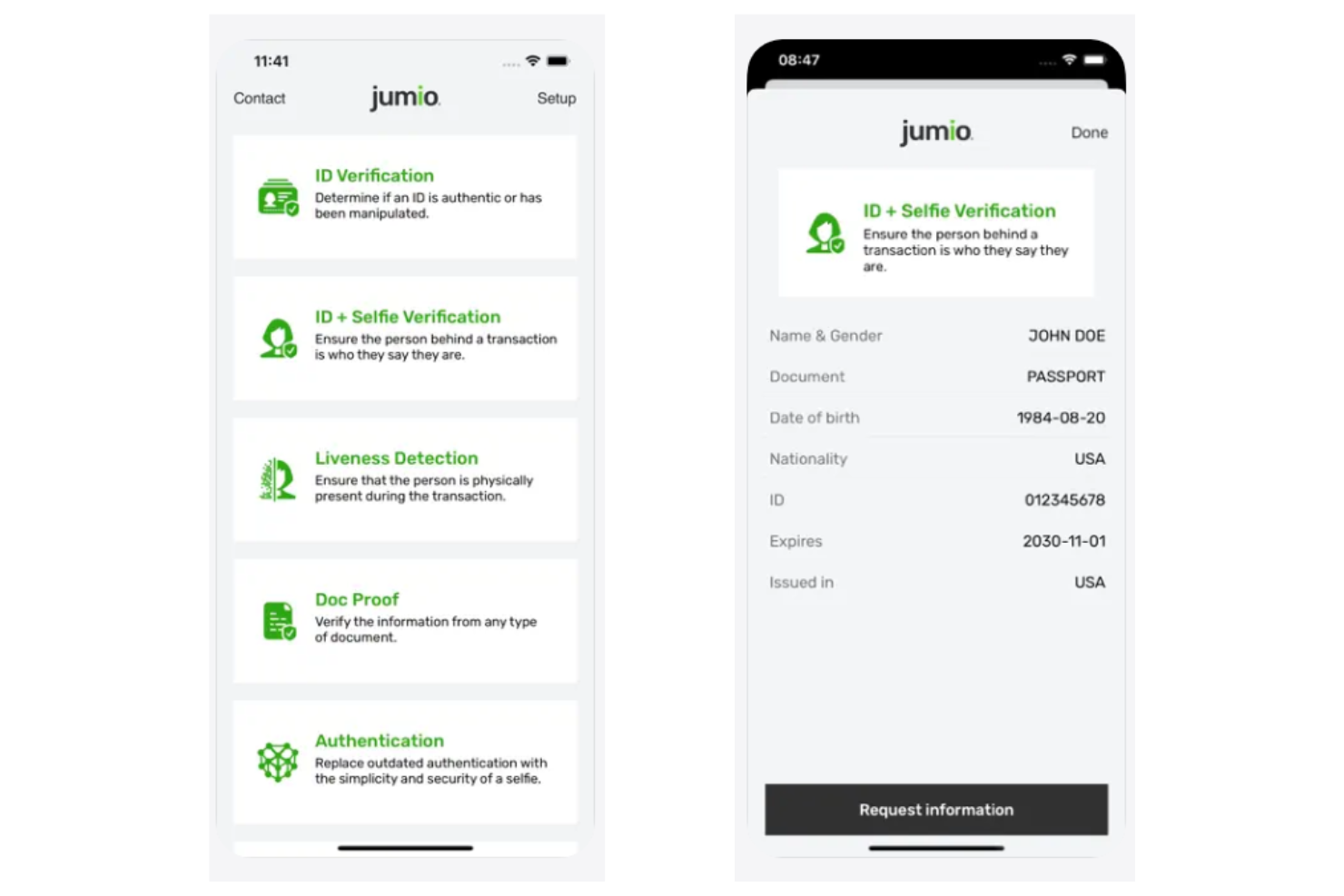
Jumio es una plataforma de verificación de identidad y edad utilizada por minoristas en línea, operadores de juego y servicios financieros para prevenir el acceso de menores de edad y automatizar el cumplimiento de los requisitos de incorporación digital.
¿Para quién es mejor Jumio?
Jumio es ideal para empresas de comercio electrónico global, fintech y juegos en línea que necesitan una verificación avanzada de identidad y edad digital.
Por qué elegí Jumio
Elegí Jumio como uno de los mejores porque puedo combinar la coincidencia biométrica de rostro con la detección de vitalidad para detener fraudes y documentos de identidad falsos. Mi equipo utiliza su captura automática de documentos de identidad y la verificación de selfies para cumplir con estrictas normas de KYC y de edad. Me gusta que Jumio admita una amplia variedad de tipos de identificación global y ofrezca resultados de aprobación/rechazo en tiempo real para el proceso de incorporación digital.
Características clave de Jumio
- Verificación de documentos: Escanea y autentica identificaciones oficiales emitidas por gobiernos de más de 200 países.
- Configuración de umbral de edad: Permite establecer requisitos de edad personalizados para distintos productos o regiones.
- Informe de auditoría: Registra cada intento de verificación para cumplimiento y revisión.
- SDKs móviles: Incorpora la verificación de edad directamente en apps iOS y Android.
Integraciones de Jumio
Jumio ofrece integraciones nativas con AWS, Microsoft, Azure y Oracle, y proporciona una API para integraciones personalizadas.
Pros and Cons
Pros:
- Las comprobaciones biométricas y de vitalidad previenen el fraude
- Admite tipos de documento de identificación globales
- SDKs móviles para comprobaciones de edad en la app
Cons:
- Falsos negativos ocasionales en imágenes de baja calidad
- Retrasos ocasionales durante volúmenes altos de verificación

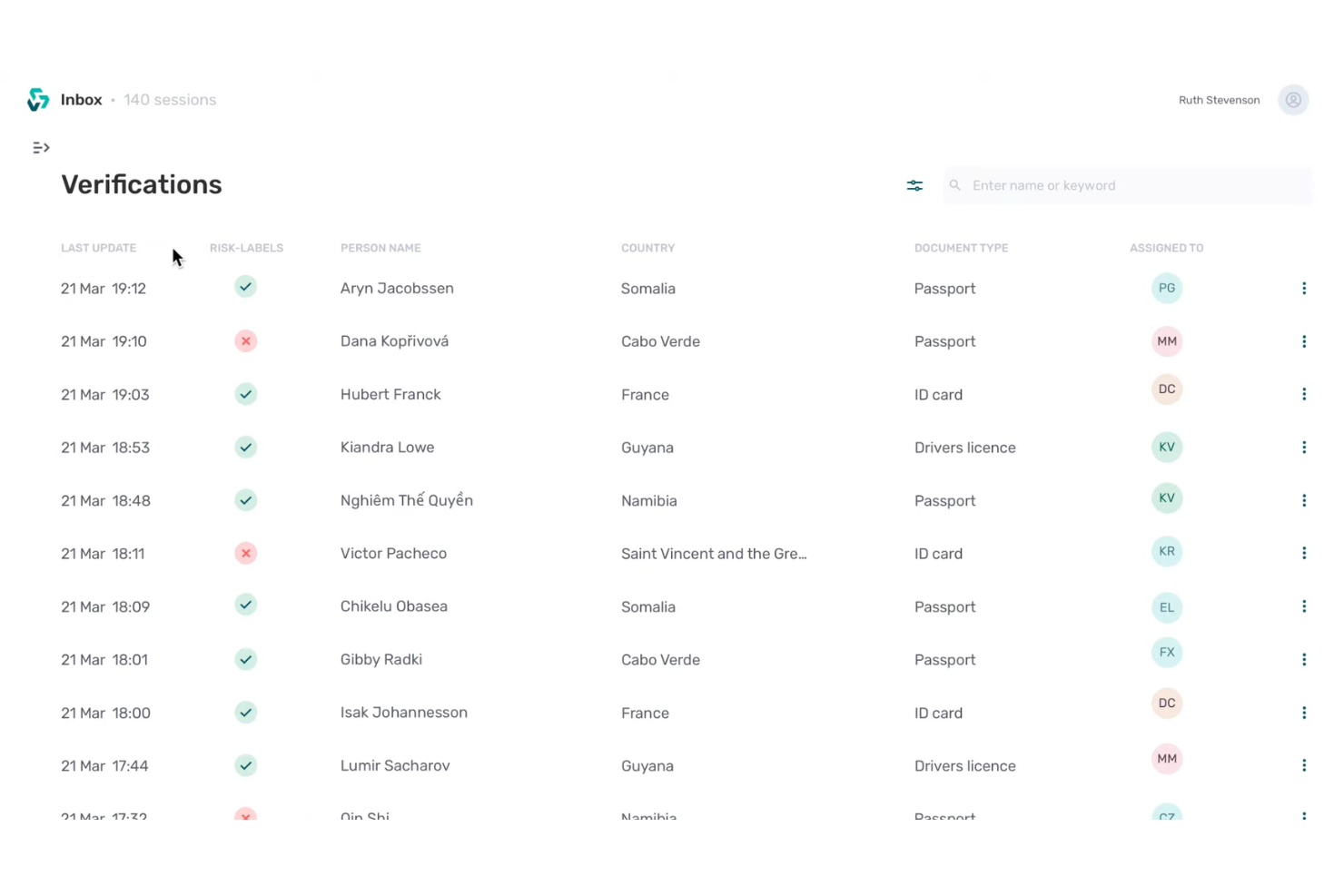
Veriff es una plataforma de verificación de edad impulsada por IA utilizada por marcas globales de comercio electrónico, mercados en línea y proveedores de servicios digitales para confirmar rápidamente la edad de los clientes y prevenir el acceso de menores a productos o contenidos restringidos.
¿Para quién es mejor Veriff?
Proveedores internacionales de comercio electrónico y servicios digitales que necesitan verificaciones de edad fiables en varios idiomas y regiones.
Por qué elegí Veriff
Elegí Veriff como uno de los mejores porque puedo verificar la edad de los clientes en más de 45 idiomas y dialectos, lo cual es raro entre las herramientas de verificación de edad. Mi equipo utiliza los controles de documentos y biométricos impulsados por IA de Veriff para gestionar el cumplimiento global en las ventas en línea. Me gusta que podemos configurar reglas específicas para cada región y obtener resultados en tiempo real, incluso para clientes en mercados lingüísticos menos comunes.
Características clave de Veriff
- Motor de decisiones automatizado: Aprueba o rechaza al instante los intentos de verificación de edad según los criterios preestablecidos.
- Herramientas de detección de fraude: Señalan actividades sospechosas y posibles fraudes de identidad durante la verificación.
- Flujos de verificación personalizables: Permite adaptar el proceso de verificación a las necesidades de tu negocio.
- Panel analítico detallado: Proporciona información en tiempo real sobre las tasas y resultados de verificación.
Integraciones de Veriff
Actualmente no se enumeran integraciones nativas. Sin embargo, se conecta con Zapier y proporciona una API para integraciones personalizadas.
Pros and Cons
Pros:
- Soporta más de 45 idiomas y dialectos
- Ofrece verificación biométrica y basada en documentos
- Flujos de trabajo configurables para diferentes regiones
Cons:
- Soporte limitado para necesidades de verificación offline
- La configuración de integraciones puede requerir recursos técnicos

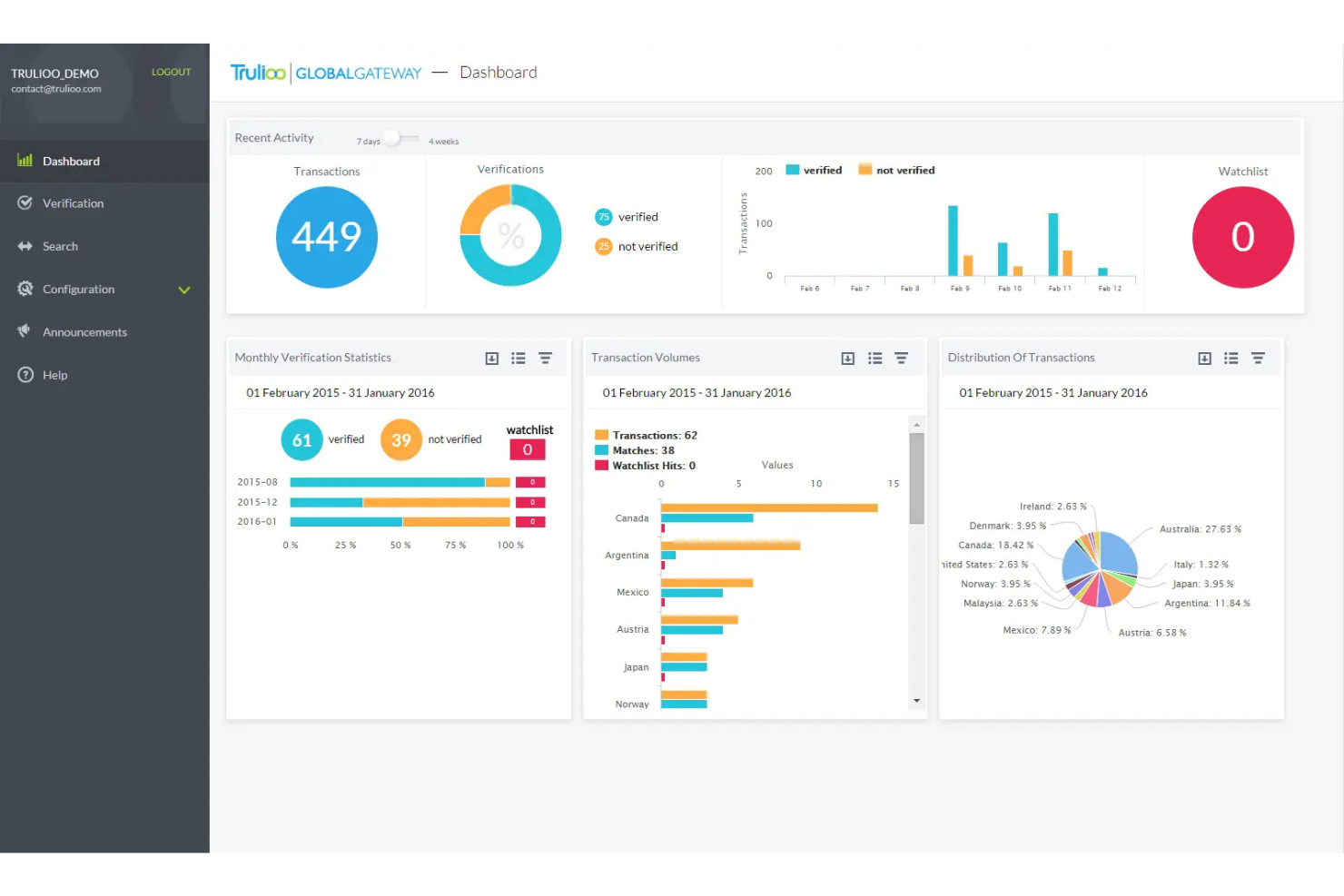
Trulioo es una plataforma de verificación de identidad utilizada por comercio electrónico global, servicios financieros y mercados en línea para verificar la edad e identidad de los clientes utilizando una amplia gama de fuentes de datos internacionales y comprobaciones de documentos.
¿Para Quién es Mejor Trulioo?
Bancos globales, empresas fintech y mercados en línea que necesitan verificar edad e identidad en varios países y fuentes de datos.
Por Qué Elegí Trulioo
Elegí Trulioo como uno de los mejores porque puedo verificar la edad e identidad usando tanto documentos gubernamentales como una gran variedad de fuentes internacionales de datos. Mi equipo puede realizar verificaciones en tiempo real en varios países, lo cual es esencial para el cumplimiento global. Me gusta que Trulioo admita verificación por capas, permitiéndonos combinar el escaneo de documentos con búsquedas en bases de datos para una mayor seguridad.
Funciones Clave de Trulioo
- Revisión de listas de vigilancia: Comprueba a los usuarios contra listas globales de sanciones y PEP.
- Gestión de consentimiento: Recoge y almacena el consentimiento del usuario para los procesos de verificación.
- SDKs móviles: Permiten la verificación de edad directamente en aplicaciones móviles.
- Registros de auditoría detallados: Realiza un seguimiento de cada intento de verificación para cumplimiento y revisión.
Integraciones de Trulioo
Las integraciones nativas actualmente no están listadas. Sin embargo, ofrece una API para integraciones personalizadas.
Pros and Cons
Pros:
- Admite verificación en más de 195 países
- Incluye revisión de listas de vigilancia y sanciones
- Permite verificación por capas para mayor seguridad
Cons:
- Costos más altos para una cobertura global amplia
- Retrasos ocasionales con tipos de documentos poco comunes

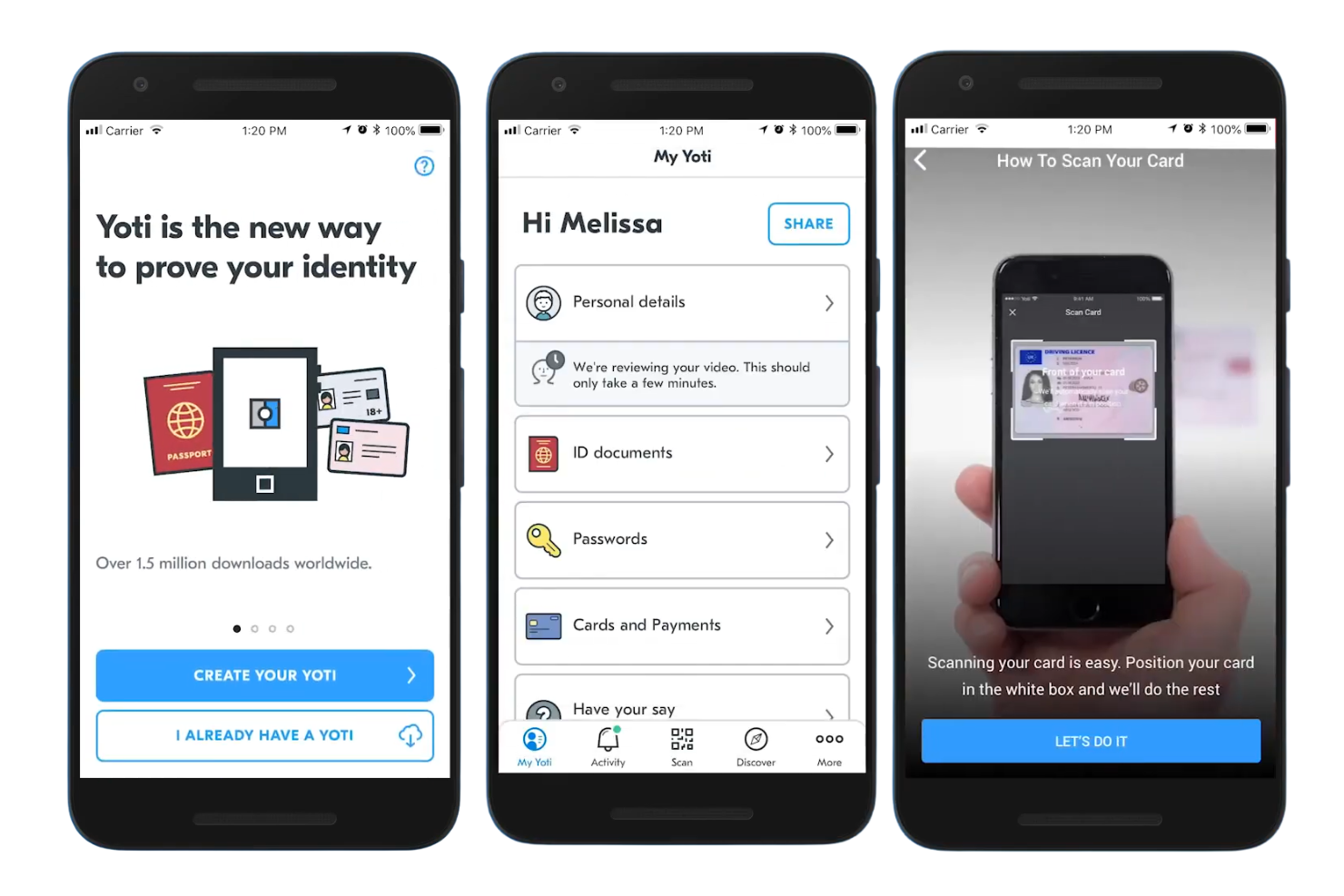
Yoti es una plataforma digital de verificación de edad utilizada por minoristas, mercados en línea e industrias reguladas para confirmar rápidamente la edad de los clientes y prevenir el acceso de menores a bienes y servicios restringidos por edad.
¿Para quién es mejor Yoti?
Minoristas y plataformas en línea que necesitan verificaciones de edad rápidas y centradas en la privacidad para transacciones digitales.
Por qué elegí Yoti
Elegí Yoti como uno de los mejores porque puedo verificar la edad de los clientes usando análisis facial sin almacenar datos biométricos, lo cual es una gran ventaja para la privacidad. Mi equipo utiliza la estimación de edad facial de Yoti para cumplir con la normativa de ventas en línea sin requerir la carga de una identificación. Me gusta que la tecnología de Yoti funciona en tiempo real y no requiere que los clientes creen una cuenta o compartan datos personales.
Características clave de Yoti
- Verificación de edad en ubicaciones físicas: Permite verificar la edad de los clientes en la tienda mediante códigos QR o terminales.
- Escaneo de documentos de identidad: Admite la verificación a través de pasaportes, licencias de conducir y tarjetas de identidad nacionales.
- Registros de auditoría detallados: Rastrea cada intento de verificación para cumplimiento y reportes.
- Flujos de usuario personalizables: Permite adaptar el proceso de verificación a las necesidades de su negocio.
Integraciones de Yoti
Yoti ofrece integraciones nativas con Airtable, BambooHR, Asana, Box, Dropbox, ClickUp, Google Drive, Gusto, HubSpot, Intercom y más.
Pros and Cons
Pros:
- La estimación de edad facial no requiere carga de identificaciones
- No se almacena información biométrica tras las comprobaciones
- Cumplimiento con GDPR y COPPA incluido
Cons:
- Verificación de documentos de identidad limitada fuera del Reino Unido
- Requiere buena iluminación para mejores resultados faciales

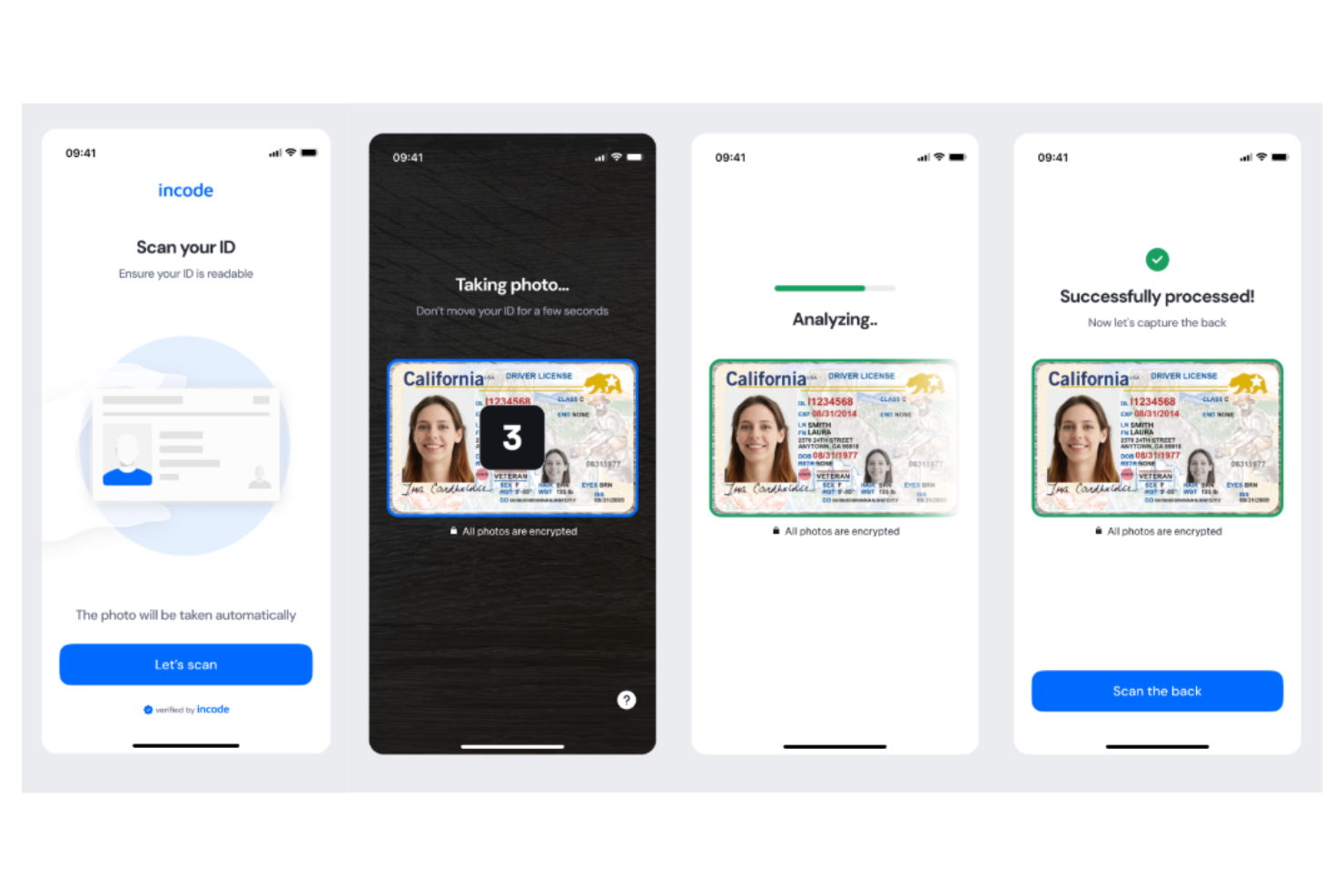
Incode es una plataforma de verificación de identidad utilizada por minoristas, operadores de juegos y servicios financieros para automatizar las verificaciones de edad y prevenir el acceso de menores durante el registro digital y las transacciones.
¿Para Quién es Mejor Incode?
Incode es ideal para minoristas digitales, plataformas de juegos en línea y empresas fintech que necesitan verificaciones de edad rápidas y automatizadas.
Por Qué Elegí Incode
Elegí Incode como uno de los mejores porque puedo usar su análisis facial impulsado por IA para estimar la edad al instante sin requerir un documento de identificación. Mi equipo confía en su estimación de edad basada en selfies para una incorporación de clientes sin fricciones, especialmente en canales digitales de alto volumen. Me gusta que Incode también ofrezca verificación de documentos y detección de vida, por lo que puedo agregar controles adicionales cuando la normativa lo exige.
Funciones Clave de Incode
- Verificación omnicanal: Permite verificaciones de edad en la web, dispositivos móviles y canales presenciales.
- Filtrado automatizado con listas de vigilancia: Identifica usuarios en listas de vigilancia globales durante la verificación.
- Flujos de trabajo personalizables: Permite adaptar los pasos de verificación a tus necesidades de cumplimiento.
- Informes listos para auditoría: Genera registros detallados para auditorías regulatorias e internas.
Integraciones de Incode
Incode ofrece integraciones nativas con Zendesk y ServiceNow, y proporciona una API para integraciones personalizadas.
Pros and Cons
Pros:
- La IA estima la edad a partir de selfies en segundos
- La detección de vida reduce el riesgo de suplantación
- Ofrece una experiencia de usuario sin fricciones para la incorporación
Cons:
- Transparencia limitada sobre los criterios de decisión de la IA
- Algunas regiones tienen soporte limitado para documentos de identificación

Ideal para verificaciones de identidad físicas y digitales en capas
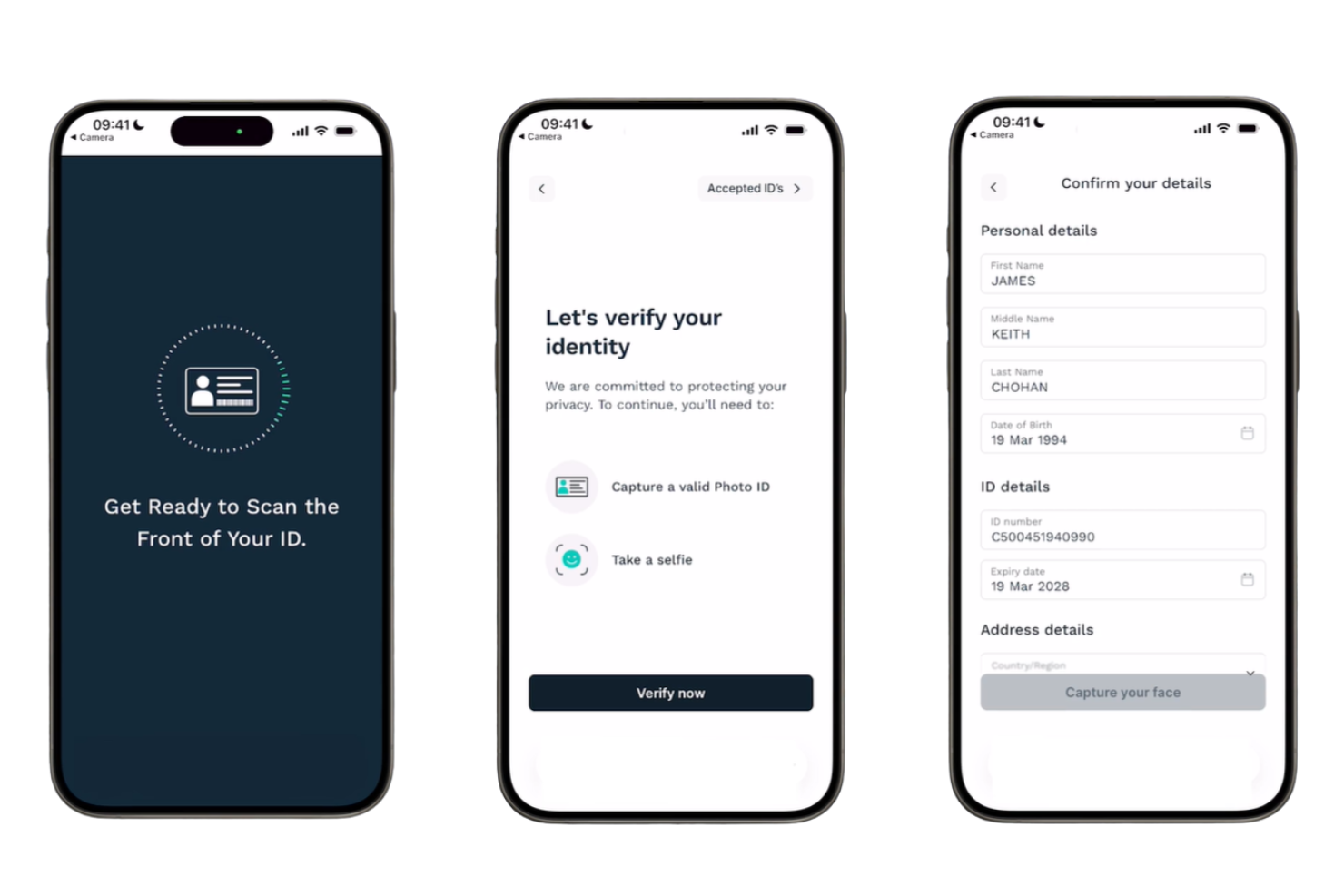
LexisNexis Risk Solutions ayuda a minoristas, instituciones financieras y mercados en línea a verificar la edad y la identidad del cliente combinando verificaciones de identidad físicas y digitales para reducir el fraude y cumplir con los requisitos normativos.
¿Para quién es mejor LexisNexis Risk Solutions?
Grandes empresas e industrias reguladas que necesitan verificación avanzada de edad e identidad tanto en canales digitales como presenciales.
Por qué elegí LexisNexis Risk Solutions
Elegí LexisNexis Risk Solutions porque puedo combinar la verificación de documentos físicos con datos de identidad digital para un enfoque por capas en la verificación de edad. Mi equipo utiliza su reconocimiento facial biométrico y análisis de dispositivos para detectar intentos de fraude sofisticados. Me gusta que podamos verificar identidades tanto en línea como presencialmente, lo cual es poco común entre las herramientas de verificación de edad.
Características clave de LexisNexis Risk Solutions
- Cobertura global de fuentes de datos: Accede a datos de identidad de cientos de países y territorios.
- Cribado en listas de control: Verifica a las personas en listas globales de sanciones y PEP.
- Herramientas de gestión de consentimientos: Recoge y almacena el consentimiento de los usuarios para el cumplimiento normativo.
- Registros detallados de auditoría: Registra cada intento de verificación para revisión regulatoria.
Integraciones de LexisNexis Risk Solutions
Actualmente no se enumeran integraciones nativas. Sin embargo, proporciona una API para integraciones personalizadas.
Pros and Cons
Pros:
- Cubre tanto verificaciones de identidad digitales como físicas
- Accede a extensas fuentes de datos propias y públicas
- Ofrece herramientas de evaluación de fraude y riesgos en capas
Cons:
- Verificación biométrica limitada en comparación con la competencia
- La interfaz puede parecer anticuada para equipos modernos


IDScan.net es una plataforma de verificación de edad creada para minoristas, locales de hostelería y organizadores de eventos que necesitan escanear identificaciones físicas y automatizar controles de cumplimiento en el punto de entrada o venta.
¿Para quién es mejor IDScan.net?
IDScan.net es ideal para bares, discotecas, dispensarios y minoristas que requieren el escaneo de identificaciones físicas en entradas o puntos de pago.
Por qué elegí IDScan.net
Elegí IDScan.net como uno de los mejores porque puedo conectarlo directamente a escáneres físicos de identificaciones y automatizar verificaciones de edad en la puerta o en el punto de venta. Mi equipo utiliza sus integraciones de hardware para verificar rápidamente identificaciones de los 50 estados y muchos pasaportes internacionales. Me gusta que capture datos del código de barras y de la banda magnética para controles de cumplimiento y registros instantáneos.
Funciones clave de IDScan.net
- Control en listas de vigilancia: Señala identificaciones en listas de vigilancia personalizadas o gubernamentales.
- Panel de gestión de visitantes: Realiza seguimiento y gestiona los registros en tiempo real.
- Alertas para productos con restricción de edad: Notifica al personal cuando un cliente menor de edad intenta realizar una compra restringida.
- Herramientas de exportación de datos: Permiten exportar los datos escaneados para cumplimiento y reportes.
Integraciones de IDScan.net
IDScan.net ofrece integraciones nativas con Cloudbeds, Dutchie y Treez, y proporciona una API y SDK para integraciones personalizadas.
Pros and Cons
Pros:
- Ofrece alertas de listas de vigilancia y de clientes prohibidos
- Proporciona herramientas de gestión de visitantes e informes
- Soporta hardware de escaneo tanto en escritorio como en móvil
Cons:
- Se requiere la compra de hardware para funcionalidad completa
- No dispone de opciones de verificación biométrica ni selfie
Otro software de verificación de edad
Estas son algunas opciones adicionales de software de verificación de edad que no formaron parte de mi selección, pero que aun así vale la pena conocer:
- Microblink
Mejor para escaneo rápido de identificaciones y tarjetas de crédito
- GBG
Ideal para una red de inteligencia contra el fraude entre industrias
- IDnow
La mejor para verificaciones de identidad basadas en video


Cómo Evalúo el Software de Verificación de Edad
Las herramientas de verificación de edad aparecen en algunos de los momentos más sensibles al cumplimiento normativo dentro del comercio digital: desde una plataforma de iGaming confirmando que una nueva cuenta cumple los requisitos de la UKGC, hasta una marca de vapeo DTC restringiendo el proceso de compra, o una red social respondiendo a leyes como la Ley de Seguridad en Línea del Reino Unido. Cuando evalúo herramientas en este sector, divido mi análisis en dos capas: lo que toda solución debe hacer suficientemente bien para figurar en esta lista, y lo que realmente diferencia una opción de otra.
Funcionalidad Básica (Exigencias para Esta Lista)
Para el software de verificación de edad, la funcionalidad básica que evalúo es:
- Métodos de Verificación: Busco múltiples enfoques—escaneo de documentos de identidad, estimación de edad facial, verificaciones en bases de datos—para que las empresas puedan adaptar el método al nivel de riesgo.
- Detección de Prueba de Vida: Las comprobaciones antifraude, tanto pasivas como activas, son importantes. Una solución que no detecte una foto impresa o un deepfake no es viable para iGaming o controles de contenido para adultos.
- Cobertura de Documentos: El alcance global es esencial. Verifico cuántos países y tipos de documentos admite una herramienta, ya que una marca DTC que envía a más de 30 mercados necesita una cobertura amplia.
- Umbrales de Edad Configurables: Se aplican diferentes reglas para COPPA (13+), venta de alcohol en el Reino Unido (políticas de desafío a partir de 25+), y tabaco en EE. UU. (21+). La herramienta debe permitir establecer umbrales según el caso de uso.
- Integración por API y SDK: Evalúo si la herramienta ofrece APIs REST y SDKs móviles nativos que se integran directamente en los flujos de compra, pantallas de registro o barreras de contenido.
- Soporte para Cumplimiento Normativo: Desde el RGPD hasta la Ley de Seguridad en Línea del Reino Unido y los mandatos estatales de EE. UU., verifico si la plataforma ajusta los flujos de verificación según la jurisdicción.
- Detección de Fraude: Además de la edad, la herramienta debe identificar documentos manipulados, fechas alteradas e identidades sintéticas.
Una herramienta debe ofrecer la mayoría de estas capacidades para formar parte de la lista. A partir de ahí, considero qué diferencia a cada herramienta.
Funciones Destacadas (Lo que Distingue a las Opciones)
Algunos proveedores permiten flujos de verificación adaptativos y escalonados que avanzan de una verificación rápida basada en selfie a una revisión completa de documentos solo si es necesario, ayudando a las empresas a controlar los costes y reducir la fricción para el usuario. Busco arquitecturas centradas en la privacidad, como el procesamiento biométrico en el dispositivo o flujos que minimicen el uso de información personal, esenciales para plataformas dirigidas a menores o que deben cumplir con el RGPD. Los informes detallados y los registros de auditoría exportables también son importantes, ya que las industrias reguladas deben demostrar cumplimiento ante auditores externos en cualquier momento.
Qué Valoro Más Allá de las Funciones
El modelo de precios es un factor importante. Algunos proveedores cobran por intento, mientras que otros solo facturan por verificaciones exitosas, y esa diferencia se acentúa considerablemente a escala. También evalúo certificaciones de terceros como SOC 2 Tipo II, ISO 27001 y los resultados de las pruebas de vida iBeta, ya que estas son señales de validación independiente que los reguladores esperan ver. Las integraciones nativas con plataformas de comercio electrónico como Shopify y WooCommerce son importantes para los minoristas, mientras que los equipos de iGaming necesitan herramientas que se integren en flujos de KYC/AML más amplios sin comprobaciones redundantes.
Cómo elegir un software de verificación de edad
Es fácil perderse entre largas listas de funciones y estructuras de precios complejas. Para ayudarte a mantener la atención mientras avanzas en tu proceso particular de selección de software, aquí tienes una lista de factores que debes tener en cuenta:
| Factor | Qué debes considerar |
|---|---|
| Escalabilidad | ¿El software gestionará tus volúmenes de transacciones actuales y previstos sin ralentizarse ni aumentar los costes? |
| Integraciones | ¿Se conecta de forma nativa con tus sistemas principales de comercio electrónico, punto de venta, CRM u otros, o necesitarás un desarrollo personalizado? |
| Personalización | ¿Puedes adaptar los flujos de verificación, la imagen de marca y las reglas de cumplimiento a las necesidades de tu empresa y de la normativa? |
| Facilidad de uso | ¿Tu personal y tus clientes encontrarán intuitiva la interfaz o requerirá una formación o asistencia considerable? |
| Implementación e incorporación | ¿Cuánto tiempo llevará implementarlo y qué recursos o conocimientos necesitarás para ponerlo en funcionamiento? |
| Coste | ¿Son transparentes los niveles de precios y se ajustan a tus patrones de uso y limitaciones presupuestarias? |
| Medidas de seguridad | ¿El proveedor ofrece cifrado, minimización de datos y auditorías periódicas para proteger la información confidencial de los clientes? |
| Requisitos de cumplimiento | ¿La solución admite las normativas y los umbrales de edad específicos relevantes para tu sector y tus regiones? |
¿Qué es el software de verificación de edad?
El software de verificación de edad es un sistema de verificación de edad que confirma la edad legal de un usuario antes de concederle acceso a productos, servicios o contenidos con restricción de edad. Estas soluciones de verificación de edad utilizan métodos como comprobaciones de identidad, datos biométricos o puntos de datos como un número de teléfono para respaldar la garantía de edad y evitar el acceso de menores. Muchas plataformas también admiten casos de uso relacionados con el cumplimiento, como comprobaciones de AML y prevención del fraude, incluida la detección de riesgos como identidades creadas mediante deepfakes. Las empresas utilizan estas herramientas en sectores como las redes sociales y mercados regulados como el vapeo, lo que les ayuda a agilizar la verificación y cumplir los requisitos legales.
Características del software de verificación de edad
Al seleccionar un software de verificación de edad, presta atención a las siguientes características clave:
- Escaneo de documentos: Captura y lee documentos de identidad emitidos por organismos oficiales para extraer y verificar datos relacionados con la edad.
- Comprobaciones en bases de datos: Contrasta la información del usuario con bases de datos de confianza para confirmar su identidad y edad.
- Lectura de códigos de barras y MRZ: Lee códigos de barras o zonas legibles por máquina en documentos de identidad para extraer datos de forma rápida y precisa.
- Coincidencia facial: Compara el autorretrato del usuario con la fotografía de su documento de identidad para confirmar su identidad durante el proceso de verificación.
- Registros de auditoría: Registra cada intento y resultado de verificación con fines de cumplimiento y elaboración de informes.
- Compatibilidad multicanal: Permite realizar comprobaciones de edad en canales web, móviles y presenciales para ofrecer una cobertura uniforme.
- Flujos de trabajo personalizables: Permite configurar pasos y reglas de verificación adaptados a las necesidades de tu empresa o a los requisitos normativos.
- Gestión del consentimiento: Recopila y almacena el consentimiento del usuario para el tratamiento de datos, respaldando la privacidad y el cumplimiento legal.
- Toma de decisiones en tiempo real: Aprueba o deniega el acceso al instante según los resultados de la verificación, reduciendo la revisión manual.
- Opciones de integración: Se conecta con sistemas de comercio electrónico, TPV o CRM para automatizar las comprobaciones de edad dentro de tus flujos de trabajo existentes.
Características habituales de inteligencia artificial del software de verificación de edad
Además de las características estándar del software de verificación de edad indicadas anteriormente, muchas de estas soluciones están incorporando inteligencia artificial con funciones como:
- Detección de actividad real: Utiliza inteligencia artificial para determinar si un autorretrato o vídeo procede de una persona real y presente, en lugar de una fotografía o una grabación, lo que ayuda a evitar la suplantación y el fraude de identidad.
- Detección de falsificación de documentos: Analiza los documentos de identidad cargados para detectar indicios sutiles de manipulación o falsificación y marca los documentos sospechosos que podrían superar una inspección manual.
- Estimación de edad mediante análisis facial: Aplica modelos de inteligencia artificial para estimar la edad de un usuario según sus características faciales, proporcionando una capa adicional de verificación cuando no se dispone de documentos de identidad.
- Evaluación adaptativa del riesgo: Evalúa continuamente el comportamiento del usuario y los datos de verificación para asignar puntuaciones de riesgo, lo que permite a las empresas ajustar los pasos de verificación según el riesgo en tiempo real.
- Extracción automatizada de datos: Utiliza el reconocimiento óptico de caracteres (OCR) basado en inteligencia artificial para extraer con precisión información relevante de una amplia variedad de formatos de documentos de identidad de todo el mundo, reduciendo la introducción manual y los errores.
Beneficios del software de verificación de edad
La implementación de un software de verificación de edad ofrece varias ventajas para tu equipo y tu empresa. Estas son algunas de las que puedes esperar:
- Cumplimiento normativo: Ayuda a tu empresa a cumplir los requisitos legales al verificar la edad de los clientes y mantener registros de auditoría para las inspecciones.
- Prevención del fraude: Detecta documentos de identidad falsos o alterados y utiliza inteligencia artificial para marcar actividades sospechosas, reduciendo el riesgo de acceso de menores y fraude de identidad.
- Incorporación más rápida de clientes: Automatiza las comprobaciones de edad y la verificación de documentos, lo que permite a los clientes legítimos completar compras o registros rápidamente.
- Experiencia de usuario uniforme: Ofrece una verificación fluida en canales web, móviles y presenciales, garantizando que todos los clientes sigan el mismo proceso.
- Menor carga de trabajo manual: Automatiza la extracción de datos, la evaluación del riesgo y la toma de decisiones, liberando al personal de revisiones manuales que requieren mucho tiempo.
- Mayor seguridad de los datos: Protege la información confidencial de los clientes mediante cifrado, gestión del consentimiento e integraciones seguras.
- Operaciones escalables: Gestiona grandes volúmenes de transacciones y se adapta al crecimiento de la empresa sin sacrificar la rapidez ni la precisión.
Costes y precios del software de verificación de edad
Seleccionar un software de verificación de edad requiere comprender los distintos modelos de precios y planes disponibles. Los costos varían según las funciones, el tamaño del equipo, los complementos y otros factores. La tabla siguiente resume los planes habituales, sus precios promedio y las funciones típicas incluidas en las soluciones de software de verificación de edad:
Tabla comparativa de planes de software de verificación de edad
| Tipo de plan | Precio promedio | Funciones habituales |
|---|---|---|
| Plan gratuito | $0 | Escaneo básico de documentos, verificaciones mensuales limitadas, asistencia por correo electrónico y registros de auditoría sencillos. |
| Plan personal | $10-$30/usuario/mes | Verificación de identidad, lectura de códigos de barras, integraciones básicas e informes de cumplimiento estándar. |
| Plan empresarial | $50-$150/mes | Compatibilidad con varios canales, flujos de trabajo personalizables, registros de auditoría avanzados y asistencia prioritaria al cliente. |
| Plan corporativo | $500-$2,000/mes | Procesamiento de grandes volúmenes, gestión de cuentas dedicada, seguridad avanzada e integraciones personalizadas. |
Preguntas frecuentes sobre el software de verificación de edad
Estas son algunas respuestas a preguntas frecuentes sobre el software de verificación de edad:
¿Cómo confirma el software de verificación de edad la edad de un usuario?
El software de verificación de edad comprueba la edad de un usuario analizando documentos de identidad emitidos por el gobierno, contrastando bases de datos o utilizando datos biométricos, como el reconocimiento facial. Este proceso ayuda a garantizar que solo los usuarios elegibles puedan acceder a productos o servicios con restricción de edad.
¿La ley exige utilizar un software de verificación de edad?
Sí, en muchas industrias y regiones, el software de verificación de edad es necesario para cumplir las leyes que regulan la venta de bienes o contenidos con restricción de edad. Los requisitos varían, por lo que es importante consultar las normativas locales aplicables a su empresa.
¿Puede el software de verificación de edad integrarse con mi plataforma de comercio electrónico?
Sí, la mayoría de los programas de verificación de edad ofrecen integraciones con sistemas populares de comercio electrónico, POS y CRM. Esto permite automatizar las comprobaciones de edad dentro de los flujos de trabajo existentes y reducir la intervención manual.
¿Qué ocurre si un cliente no supera el proceso de verificación de edad?
Si un cliente no supera la verificación de edad, el software normalmente deniega el acceso o la compra y puede proporcionar instrucciones para volver a intentarlo o ponerse en contacto con el servicio de asistencia. Esto ayuda a las empresas a cumplir la normativa y evitar riesgos legales.
¿Qué nivel de seguridad tienen los datos recopilados por el software de verificación de edad?
La mayoría de las soluciones utilizan cifrado, minimización de datos y auditorías de seguridad periódicas para proteger la información confidencial de los clientes. Revise siempre las prácticas de seguridad y las certificaciones de cumplimiento de un proveedor antes de elegir una solución.
¿El software de verificación de edad funciona a nivel internacional?
Muchas herramientas de verificación de edad son compatibles con varios países y tipos de documentos de identidad, pero la cobertura varía. Compruebe que el software pueda verificar documentos de identidad y cumplir los requisitos normativos en todas las regiones en las que opera.