

Oracle Fusion Cloud-Auftragsverwaltung im Test: Vor- und Nachteile, Funktionen & Preise
Oracle Fusion Cloud-Auftragsverwaltung wurde für große Einzelhändler entwickelt und überzeugt mit Datensynchronisierung in Echtzeit und tiefgreifenden Integrationen – ideal für komplexe, kanalübergreifende Auftragsabwicklung.

Wir bewerten Tools unabhängig und Provisionen helfen, unsere Tests zu finanzieren. Siehe unsere transparente Richtlinie, unsere Methodik oder schlagen Sie ein Tool vor.
Oracle Fusion Cloud ERP is an enterprise order management system software built for large organizations managing complex, high-volume order flows across multiple channels. It connects order capture, fulfillment, inventory, and financials in one native cloud suite. I'd consider it over SAP S/4HANA Cloud if your priority is tighter built-in integration across financials and supply chain without heavy customization—Oracle's unified data model tends to reduce the configuration overhead that SAP implementations typically require.
Oracle Fusion Cloud ERP Evaluation Summary
0/5
- Pricing upon request
- Free demo available
Warum Sie unseren Software-Empfehlungen vertrauen können
6,700+
Reviews
20
Industry experts
16+
Evaluation factors
14
Years
Unser Team testet und bewertet Software seit 2012. Als Führungskräfte im Einzelhandel selbst wissen wir, wie schwierig – und wichtig – es ist, die richtige Software auszuwählen.
Für diesen Leitfaden haben wir Tools mithilfe von praktischen Tests und unabhängiger Recherche bewertet und dabei die Tools anhand unserer Bewertungskriterien bewertet.
Unsere Bewertungen spiegeln unser unabhängiges Urteilsvermögen wider – keine Verkaufsstrategie.
Oracle Fusion Cloud ERP Overview
In my opinion, Oracle Fusion Cloud Order Management isn’t just built for scale—it’s built for teams that live and breathe operational complexity.
If your business is drowning in fragmented systems and manual workarounds, this platform brings order to the chaos through real-time integration and end-to-end orchestration.
But make no mistake—this is not a casual setup.
The UI is dense, onboarding takes real time, and your team will need to commit to learning it. That said, the payoff is clear: better visibility, fewer errors, and more control across every stage of your order lifecycle.
It’s not for everyone, and that’s the point. But for large retailers and supply chain-driven teams who need a highly configurable OMS, Oracle Fusion is a heavyweight contender.
Pros
- Real-time data sync. Helps your team make faster, informed decisions.
- Strong automation. Cuts manual work and reduces order errors.
- Highly customizable. Adapts to your specific business needs.
Cons
- Complex interface. Steep learning curve for new users.
- Long onboarding. Takes time to set up and train your team.
- Slower support response. Helpful, but not always fast.
Is Oracle Fusion Cloud ERP Right For Your Needs?
Who Would be a Good Fit for Oracle Fusion Cloud ERP?
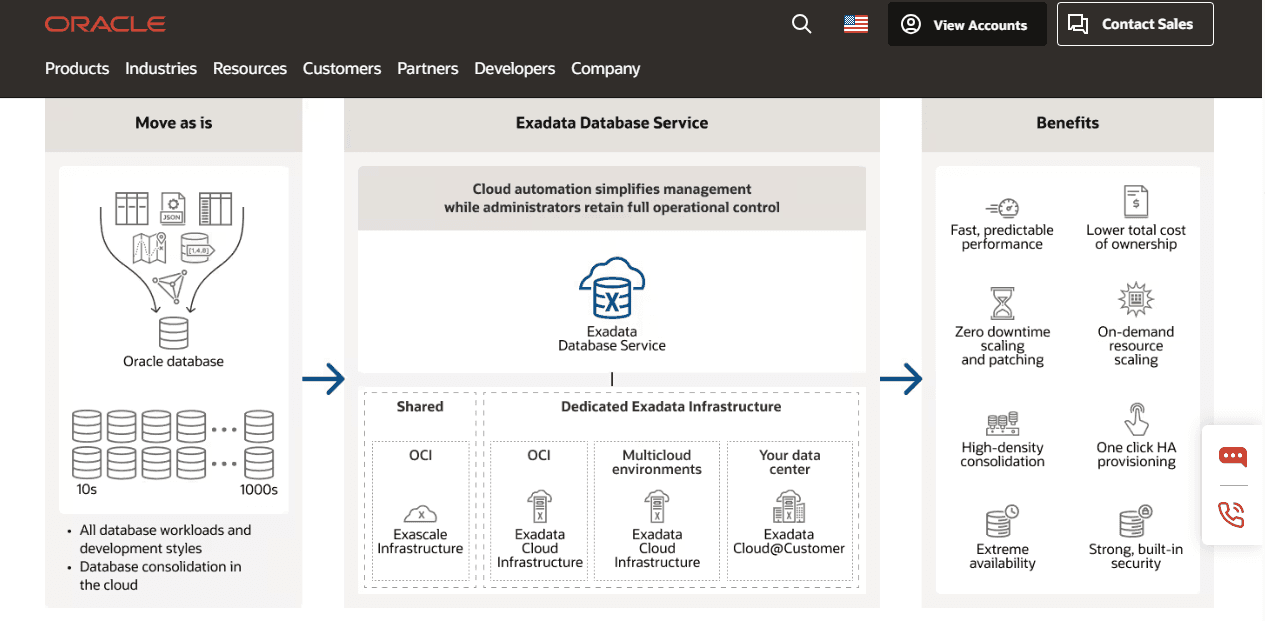
Oracle Fusion Cloud Order Management is built for large, layered operations—retailers with complex order flows, deep integration needs, and teams that depend on real-time inventory data.
If you're managing ecommerce, in-store, and wholesale fulfillment across multiple systems, this OMS won’t just keep up—it’ll bring much-needed orchestration.
It’s especially strong for businesses already in the Oracle ecosystem or those looking to scale a retail order management system that connects seamlessly to ERP and supply chain platforms.
- LARGE RETAIL CHAINSAutomation reduces order errors and manual handoffs between systems.
- ECOMMERCE PLATFORMSReal-time data synchronization keeps inventory levels accurate across all sales channels.
- SUPPLY CHAIN DEPARTMENTSTight integration with fulfillment and inventory modules improves forecasting and replenishment.
- MANUFACTURING COMPANIESSupports build-to-order workflows and order status tracking from production to delivery.
- LOGISTICS TEAMSA centralized dashboard gives visibility across fulfillment locations and shipping operations.
- GLOBAL BUSINESSESHandles the mess of multi-currency, multi-language, and multichannel retail with clean execution.
Who Would be a Bad Fit for Oracle Fusion Cloud ERP?
If your operation runs on spreadsheets, this system’s going to feel like a spaceship—and not in a good way.
Small retailers, startups, and anyone looking for fast, simple order tracking will likely get buried under configuration options and onboarding tasks. It’s not that it won’t work—it’s just way more than you need.
- SMALL RETAIL SHOPSToo much platform for basic order processing.
- STARTUPSSetup time and cost don’t match the pace of an early-stage business.
- FREELANCERSSolo operators managing customer orders don’t need enterprise-scale workflows.
- LOCAL DISTRIBUTORSFor teams without multi-channel needs, it’s overkill.
- NON-TECH TEAMSThe UI demands a level of tech fluency or IT backup.
- BUDGET-CONCIOUS FIRMSStrong functionality, but not priced for lean teams trying to stay nimble.
Core Features
- Order processing automation. Automates workflows across systems to reduce manual entry, speed up processing, and let ops focus on exceptions.
- Inventory management. Tracks inventory levels in real time across ecommerce, in-store, and warehouse systems to prevent stockouts and overordering.
- Fulfillment management. Coordinates order fulfillment from click to delivery, with support for multiple fulfillment locations and full lifecycle tracking.
- Pricing and promotions management. Adjusts pricing dynamically and streamlines promotional campaigns across channels without manual overrides.
- Analytics and reporting. Delivers actionable insights through customizable dashboards, helping teams make informed decisions on operations.
- Customer order visibility. Improves the customer experience with real-time order status updates and notifications across every sales channel.
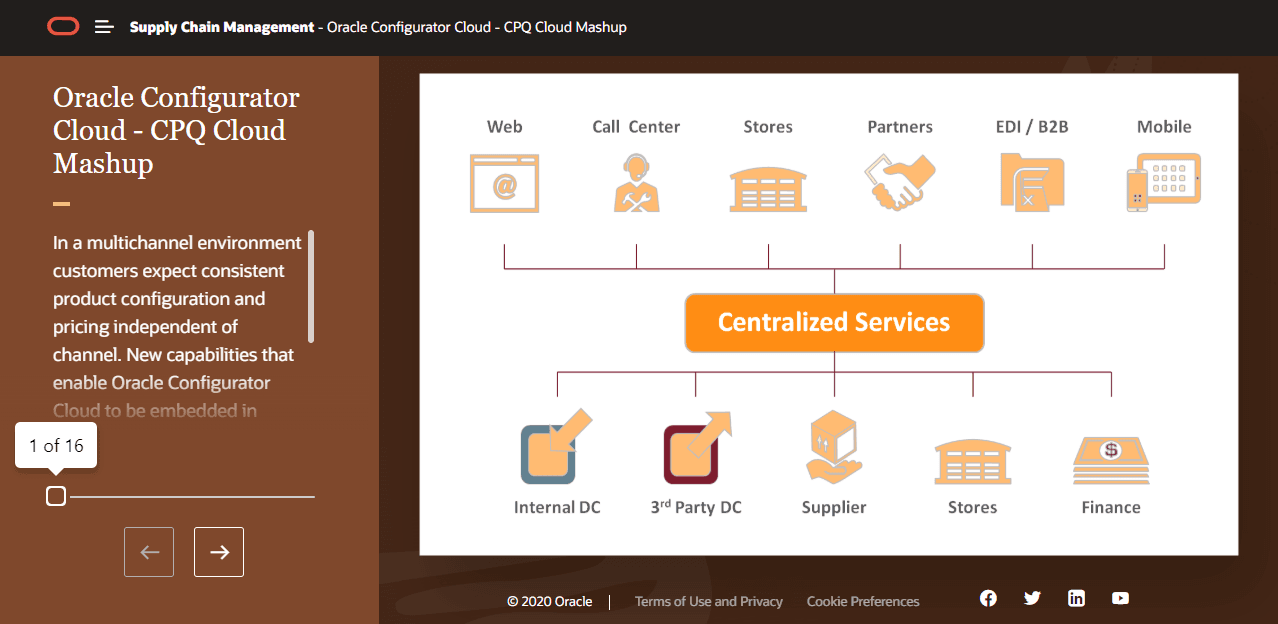
Ease of Use
Oracle Fusion Cloud Order Management delivers power—but it makes you work for it. The interface isn’t exactly intuitive, especially for teams used to lightweight ecommerce tools.
Navigating modules like inventory management or order orchestration can feel like learning a new language.
That said, once your team gets past the initial learning curve, the system becomes a real asset. Real-time visibility, automation, and streamlined workflows start to pay off. But you’ll need a team that’s willing—and able—to dig in.
Oracle Fusion Cloud ERP Specs
- API: No
- Barcode Scanning: No
- Budgeting: No
- Calendar Management: No
- Customer Management: No
- Dashboard: No
- Data Export: No
- Data Import: No
- Data Visualization: No
- External Integrations: No
- Forecasting: No
- Inventory Tracking: No
- Multi-User: No
- Notifications: No
- Order Management: No
- POS Integration: No
- Product Catalog: No
- Purchase Orders: No
- Reorder Automation: No
- SAP Integration: No
- Scheduling: No
- Shipping Management: No
- Status Notifications: No
- Stock Level Monitoring: No
- Supplier Management: No
- Third-Party Plugins/Add-Ons: No
- Warehouse Management: No
Oracle Fusion Cloud ERP FAQs
Wie geht es weiter?
Oracle Fusion Cloud Order Management ist nichts für schwache Nerven – aber das will es auch gar nicht sein. Wenn Ihr Einzelhandelsgeschäft E-Commerce-, POS-, ERP- und Lieferkettenplattformen ohne eine zentrale Informationsquelle unter einen Hut bringen muss, bringt dieses System alles unter Kontrolle.
Diese Transparenz müssen Sie sich erarbeiten – doch sobald Sie sie haben, profitieren Sie von operativer Klarheit und weniger kostspieligen Überraschungen.
Wenn Sie ein Einzelhandelsunternehmen mit hohem Volumen und mehreren Vertriebskanälen führen und durchgängige Transparenz benötigen, liefert diese Plattform genau das.
Stellen Sie lediglich sicher, dass Ihr Team bereit ist, die Herausforderungen der Einführungsphase und die Kosten zu bewältigen.
Der Einzelhandel steht niemals still – und Sie sollten es auch nicht tun. Abonnieren Sie unseren Newsletter und erhalten Sie die neuesten Erkenntnisse, Strategien und Ressourcen für Ihre berufliche Entwicklung von führenden Einzelhandelsmanagern, die die Branche prägen.