



Local Express vs. Instacart Storefront: Vergleich und Expertenbewertungen für 2026



Selling groceries online means balancing convenience for customers with control over your brand, operations, and margins. The right platform should make that easier without forcing your business into a one-size-fits-all model.
If you’re struggling to choose between Local Express and Instacart Storefront, you’re not alone. Finding a grocery ecommerce platform that fits your store’s needs—whether you want control over branding, easier integrations, or a better customer experience—can feel overwhelming. Each platform takes a different approach to online grocery sales and fulfillment.
In this article, you’ll get a clear comparison with expert insights into each tool’s pros and cons, top use cases, pricing, security, and usability. By the end, you’ll know which option is a better fit for your business and what to expect if you’re pivoting to a grocery ecommerce platform.
Local Express vs. Instacart Storefront: An Overview
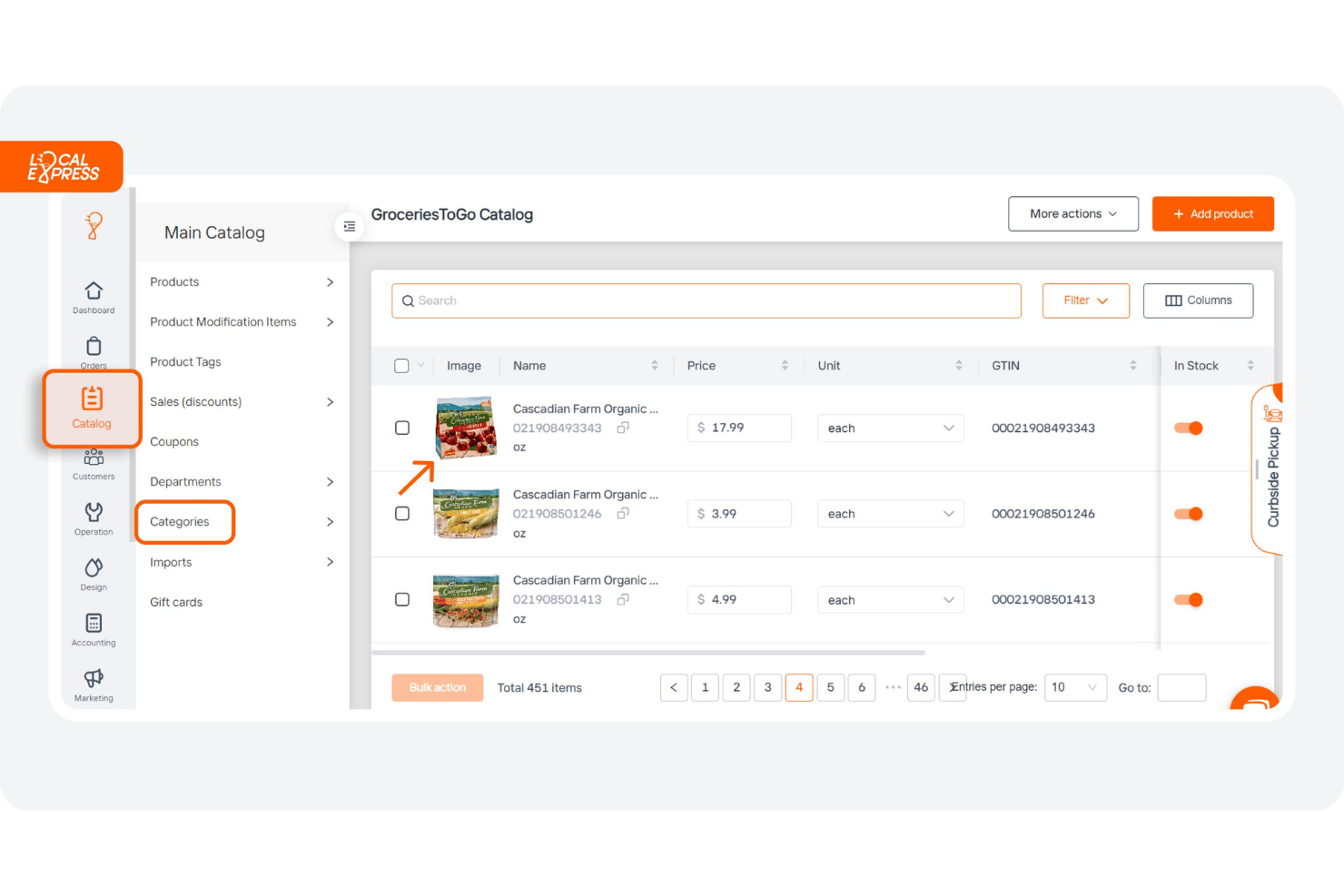
Local Express
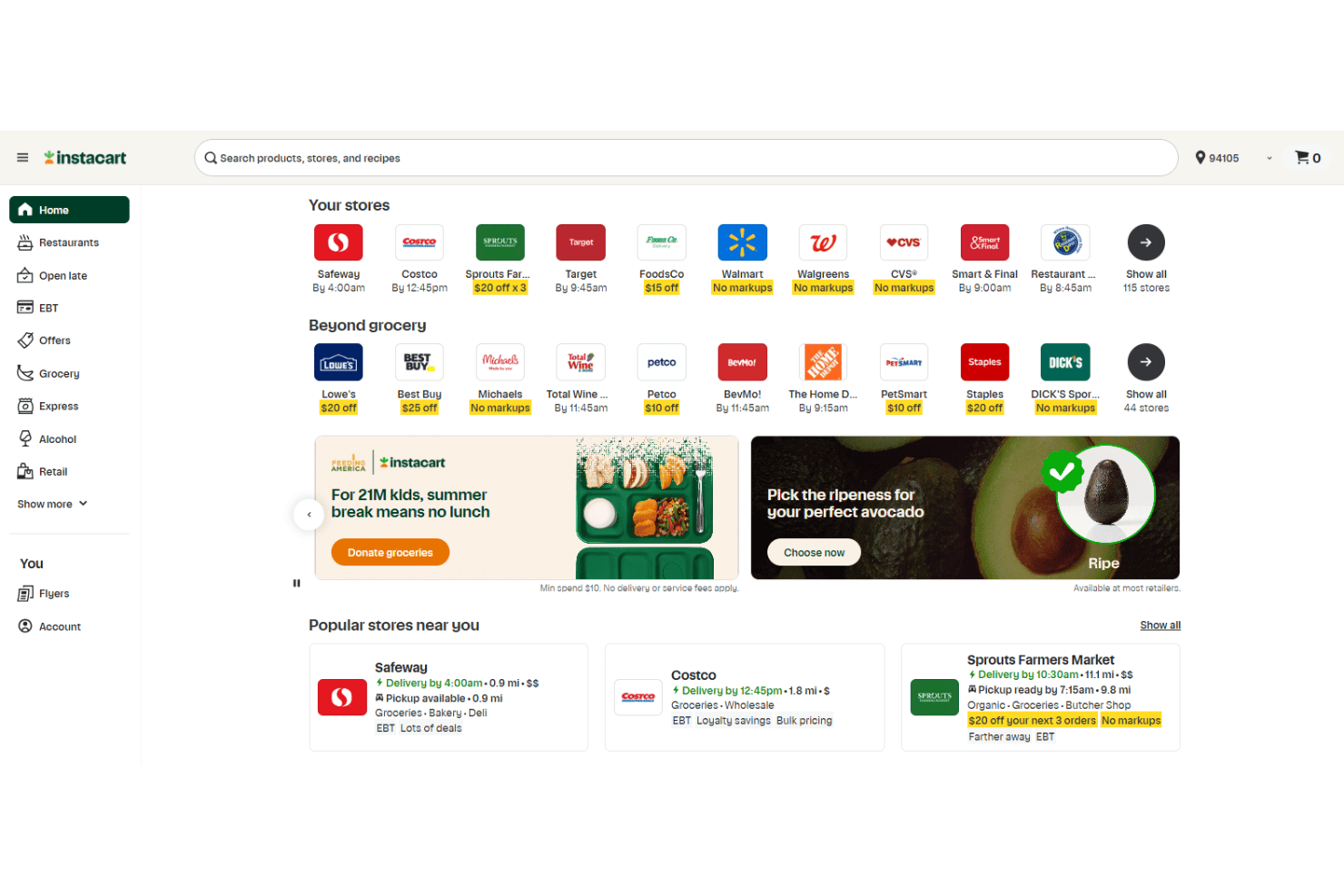
Instacart Storefront
Warum Sie unseren Software-Empfehlungen vertrauen können
Unser Team testet und bewertet Software seit 2012. Als Führungskräfte im Einzelhandel selbst wissen wir, wie schwierig – und wichtig – es ist, die richtige Software auszuwählen.
Für diesen Leitfaden haben wir Tools mithilfe von praktischen Tests und unabhängiger Recherche bewertet und dabei die Tools anhand unserer Bewertungskriterien bewertet.
Unsere Bewertungen spiegeln unser unabhängiges Urteilsvermögen wider – keine Verkaufsstrategie.
Local Express vs. Instacart Storefront Pricing Comparison
| Local Express | Instacart Storefront | |
|---|---|---|
| Free Trial | Free demo available | Free demo available |
| Pricing | Pricing upon request | Pricing upon request |
Preisvergleich und versteckte Kosten von Local Express und Instacart Storefront
Keines der beiden Unternehmen veröffentlicht Preise, daher beginnt in beiden Fällen alles mit einem Angebot. Local Express stellt ein Paket zusammen, das auf den Funktionen, Integrationen und Dienstleistungen basiert, die Ihr Unternehmen benötigt. Der Preis hängt also davon ab, wie viele Komponenten der Suite Sie aktivieren. Storefront Pro funktioniert anders: Die Plattformgebühren sollen durch Retail Media ausgeglichen werden, und Instacart zufolge decken Carrot Ads bei einem durchschnittlichen Händler mehr als 65 % der monatlichen Plattformkosten ab. Das verändert den Vergleich, denn ein Teil Ihrer Ausgaben soll als Werbeumsatz zurückfließen, anstatt Ihre Marge zu belasten.
Um die passende Lösung zu finden, sollten Sie über den reinen Preis hinausblicken und die Einzelheiten der jeweiligen Vereinbarung genau prüfen. Ich empfehle, verschiedene Szenarien zum Bestellvolumen durchzurechnen und zu sehen, wie sich die Kosten in Ihren geschäftigsten und ruhigsten Zeiträumen verändern. Fragen Sie nach Gebühren für die Einführung, den Support und Integrationen. Bei Storefront Pro sollten Sie außerdem genau hinterfragen, wie die Werbemonetarisierung auf Ihrem tatsächlichen Traffic-Niveau realistisch aussieht, denn die 65 % sind ein Durchschnittswert über alle Händler hinweg und keine Untergrenze, mit der Sie sicher rechnen können.
Local Express vs. Instacart Storefront Feature Comparison
| Local Express | Instacart Storefront | |
|---|---|---|
| 2-Factor Authentication | ||
| A/B Testing | ||
| API | ||
| Analytics | ||
| BitCoin | ||
| Conversion Tracking | ||
| Dashboard | ||
| Data Export | ||
| Data Import | ||
| Data Visualization | ||
| Design Templates | ||
| External Integrations | ||
| Inventory Tracking | ||
| Keyword Tracking | ||
| Marketing Automation | ||
| Multi-User | ||
| Notifications | ||
| Order Management | ||
| PayPal | ||
| Payment Gateway Integration | ||
| Payment Processor | ||
| Product Catalog | ||
| Review Monitoring | ||
| SAP Integration | ||
| Scheduling | ||
| Stripe | ||
| Third-Party Plugins/Add-Ons |
Local Express vs. Integrationen von Instacart Storefront
| Integration | Local Express | Instacart Storefront |
|---|---|---|
| Square POS | ✅ | ✅ |
| Clover POS | ✅ | ✅ |
| Stripe | ✅ | ✅ |
| Google Analytics | ✅ | ❌ |
| PayPal | ✅ | ❌ |
| DoorDash | ✅ | ❌ |
| API | ❌ | ✅ |
| Zapier | ❌ | ❌ |
Local Express und Instacart Storefront bieten eine ähnliche Unterstützung für POS-Integrationen, sodass beide Optionen für die Anbindung zentraler Einzelhandelssysteme geeignet sind. Local Express liegt beim Umfang der Integrationen vorn und bietet zusätzliche Verbindungen zu Diensten wie DoorDash und PayPal, die Lebensmittelhändlern mehr Flexibilität bei Zahlungen, Lieferungen und Abläufen ermöglichen können.
Local Express vs. Instacart Storefront: Sicherheit, Compliance & Zuverlässigkeit
| Faktor | Local Express | Instacart Storefront Pro |
|---|---|---|
| Kundendaten | In Ihren eigenen Filialunterlagen gespeichert | Durch eine Mandanten-ID partitioniert, sodass nur Ihre Website darauf zugreifen kann, ausschließlich im Pro-Tarif |
| Zertifizierungen | SOC 2, mit Unterstützung für die DSGVO | Keine veröffentlicht |
| Zahlungssicherheit | Verschlüsselung auf Bankniveau und PCI-konforme Zahlungsabwicklung | Kartenzahlungen werden von Stripe verarbeitet, Venmo-Zahlungen von Braintree |
| Genannte Vorschriften | DSGVO | CCPA, CPRA, VCDPA, CPA, CTDPA, UCPA |
Hier sind die Tarifunterschiede am wichtigsten. Im standardmäßigen Online-Shop sind Ihre Käufer Kontoinhaber bei Instacart, werden mit dem Marktplatz geteilt, und Instacart bearbeitet deren Datenschutzanfragen. Im Pro-Tarif werden diese Daten hinter einer Mandanten-ID partitioniert, und die Compliance-Verantwortung wird über CCPA und die neueren bundesstaatlichen Gesetze hinweg an Sie zurückgegeben, mit einer API für Löschanfragen. Local Express verfügt über SOC 2 und unterstützt die DSGVO mit Verschlüsselung auf Bankniveau. Kein Unternehmen veröffentlicht eine SLA für Verfügbarkeit oder Support.
Local Express vs. Instacart Storefront: Benutzerfreundlichkeit
| Faktor | Local Express | Instacart Storefront Pro |
|---|---|---|
| Administrationsoberfläche | Bedienoberfläche mit Ziehen-und-Ablegen-Funktion für Filialmitarbeiter | Instacart-Plattformportal für Katalog, Bestellungen, Filialen, Merchandising und Berichte |
| Einrichtungsprozess | Vier Schritte: Geschäftsanalyse, Katalog- und POS-Integration, Gestaltung des Online-Shops, Einführung | Der Standard-Tarif verwendet ein Aufnahmeformular; für den Pro-Tarif sind ein Ansprechpartner und eine umfangreichere Konfiguration erforderlich |
| Umfang der Selbstbedienung | Die meiste Konfiguration wird bei der Einführung für Sie vorgenommen | Markenauftritt, Kollektionen, Kampagnen und Flugblätter können selbst verwaltet werden; zum Aktivieren von Funktionen ist ein Ansprechpartner erforderlich |
| Laufende Datenarbeit | Katalog wird während der Einführung bereinigt und abgeglichen | Tägliche Bestandsdatei-Uploads über SFTP |
| Support | Live-Chat, Telefon und E-Mail sowie ein Hilfezentrum | Technischer Großkunden-Support und eine Statusseite, jedoch ohne veröffentlichte Reaktionszeiten |
Bei beiden Plattformen wird vieles über einen Ansprechpartner abgewickelt. Im Instacart-Plattformportal können Sie Markenauftritt, Kollektionen, Kampagnen, Flugblätter und Berichte selbst verwalten. Zum Aktivieren der meisten Funktionen – von Anzeigen über die Abholung durch Partner bis hin zur Kundenbindung – benötigen Sie jedoch einen Instacart-Kontakt. Local Express führt eine Einführung in vier Schritten durch, die mit einer Geschäftsanalyse beginnt und mit der Übergabe eines fertigen Online-Shops endet. Bei keiner der beiden Plattformen müssen Sie einen Entwickler hinzuziehen.
Local Express vs Instacart Storefront: Pros & Cons
Local Express
- Keeps customer relationships, revenue, and margin in-house
- Bundles AI upselling, price checks, and product imagery
- Syncs with any POS and unifies in-store with online data
- Feature breadth can overwhelm teams at first
- Full value needs a staged rollout, not one switch-on
- Product data cleanup has to happen before launch
Instacart Storefront
- Fast setup with branded storefronts for grocers
- Direct integration with Instacart’s fulfillment and delivery network
- Built-in merchandising and digital marketing tools
- Limited ability to manage multiple store banners under one login
- Some fees and commissions can reduce overall margins
- Advanced analytics are less granular than competing platforms
Best Use Cases for Local Express and Instacart Storefront
Local Express
- Independent Grocers Easy onboarding, hands-on support, and grocery-specific integrations make it ideal for local stores moving online.
- Specialty Food Shops Niche product catalogs, complex pricing, and custom fulfillment options are supported out of the box.
- Regional Grocery Chains Multi-store management and branded customer experiences scale to operators running hundreds or even a couple thousand locations.
- Small eCommerce Teams Accessible setup and guided onboarding help small, resource-limited teams launch fast.
- In-House Delivery Teams Built-in delivery integrations and outsourcing only the final leg simplify running delivery operations at a lower cost per order.
- Community Marketplaces Multiple vendors and inventory sources can be unified for local delivery or pickup.
Instacart Storefront
- Independent Grocers Instacart Storefront provides turnkey ecommerce, rapid launch, and support for single-location retailers without in-house developers.
- Regional Grocery Chains Pre-built omnichannel functions, centralized reporting, and marketing tools support expanded reach and brand control across locations.
- Digital Marketers Merchandising levers, promotions, email integrations, and analytics tailored for grocery ecommerce campaigns are available.
- Operations Managers Real-time inventory sync, order management, and built-in fulfillment workflows help manage day-to-day grocery operations with less manual work.
- Enterprise Retailers Custom integration options, premium analytics, and dedicated account management scale for complex corporate needs.
- Meal Planning Apps Native integration support and food catalog data enable digital meal planners or recipe providers to connect users with real-time availability and delivery.
Wer sollte Local Express nutzen und wer Instacart Storefront?
Local Express eignet sich für Lebensmittelhändler, die ein System für Kioske, Scan-and-go, eigene Fahrer und Marktplatzangebote wünschen, wobei KI-Agenten Preisgestaltung, Katalogarbeit und Analysen übernehmen. Storefront Pro eignet sich für Händler, die bereits auf dem Instacart-Marktplatz aktiv sind, da eine Website für den Online-Shop auf dieser Geschäftsbeziehung aufbaut und den Katalog gemeinsam nutzt. Wenn Sie Personalisierung und Werbelösungen im Einzelhandel erwerben möchten, bietet Instacart von beidem mehr. Wenn die Kundenbeziehung strukturell von Instacart getrennt bleiben soll, sollten Sie beachten, dass nur der Pro-Tarif Ihre Käuferdaten isoliert; im Standard-Tarif ist dies nicht der Fall.
Differences Between Local Express and Instacart Storefront
| Local Express | Instacart Storefront | |
|---|---|---|
| Cost Structure | Fixed subscription alongside integration, per-location, and percentage-based transaction fees in the contract | Platform fees intended to be offset by Carrot Ads retail media, which is switched off by default on Pro sites |
| Demand Source | You drive your own traffic, with optional one-click listing onto DoorDash, Uber Eats, and Grubhub | Personalization runs on Instacart shopper data, and the site requires an existing Marketplace relationship |
| Fulfillment | Your own pickers and drivers, or third-party couriers reached through DoorDash, Uber, Nash, and Burq | Four models, from Instacart shoppers picking and delivering to your associates handling both ends |
| In-Store Surfaces | Self-service kiosks, Scan Pay and Go, and a kitchen display system for prepared foods | Caper Carts and FoodStorm, both Instacart-owned, with in-store shopping context gated to the Pro tier |
| Read Local Express ReviewOpens new window | Read Instacart Storefront ReviewOpens new window |
Similarities Between Local Express and Instacart Storefront
| AI Personalization | Both lead with machine learning for discovery and recommendations, though Local Express packages it as named agents you configure yourself. |
|---|---|
| Branded Storefront | Both put your brand on the web store and native apps rather than the platform’s, though Instacart builds and submits your apps for you. |
| Pickup and Delivery | Each covers in-store pickup, curbside, and local delivery, with picking workflows and driver handoff sitting behind them. |
| Quote-Based Pricing | Neither publishes rates, so both begin with a sales conversation and a contract rather than a signup page. |
| SNAP and EBT | Each accepts EBT at checkout alongside mainstream cards and wallets, with eligibility flagged at the item level. |
| Read Local Express ReviewOpens new window Read Instacart Storefront ReviewOpens new window | |