


Ecwid vs. WooCommerce: Detaillierter Vergleich und Expertenbewertungen für 2026

Wir bewerten Tools unabhängig und Provisionen helfen, unsere Tests zu finanzieren. Siehe unsere transparente Richtlinie, unsere Methodik oder schlagen Sie ein Tool vor.
Die Wahl zwischen Ecwid und WooCommerce bedeutet, eine sofort einsatzbereite E-Commerce-Plattform, die überall funktioniert, gegen einen hochgradig anpassbaren, von WordPress betriebenen Onlineshop abzuwägen – und Ihre Entscheidung beeinflusst alles, von der Geschwindigkeit des Starts bis hin zur langfristigen Flexibilität. Wenn Sie herausfinden möchten, welche E-Commerce-Plattform Ihrem Team dabei hilft, Umsatzziele zu erreichen, den Bestand zu verwalten und ein reibungsloses Kundenerlebnis zu bieten, sind Sie damit definitiv nicht allein. Ecwid zeichnet sich durch die schnelle Einrichtung und die Möglichkeit aus, den Onlineverkauf zu einer bestehenden Website hinzuzufügen, während WooCommerce Ihnen die vollständige Kontrolle über jeden Aspekt Ihres Shops gibt, sofern Sie mit WordPress vertraut sind oder bereit sind, sich einzuarbeiten. Dieser Artikel zeigt die praktischen Unterschiede, Stärken und Kompromisse auf, damit Sie selbstbewusst die passende Lösung für Ihr Unternehmen auswählen können.
Ecwid
4.6/5
- Not available
- From $5/month (billed annually)
WooCommerce
4.4/5
- Free plan available
- From $0 platform fee; extensions from $29/year
Warum Sie unseren Software-Empfehlungen vertrauen können
6,700+
Reviews
20
Industry experts
16+
Evaluation factors
14
Years
Unser Team testet und bewertet Software seit 2012. Als Führungskräfte im Einzelhandel selbst wissen wir, wie schwierig – und wichtig – es ist, die richtige Software auszuwählen.
Für diesen Leitfaden haben wir Tools mithilfe von praktischen Tests und unabhängiger Recherche bewertet und dabei die Tools anhand unserer Bewertungskriterien bewertet.
Unsere Bewertungen spiegeln unser unabhängiges Urteilsvermögen wider – keine Verkaufsstrategie.
| Ecwid | WooCommerce | |
|---|---|---|
| Free Trial | Not available | Free plan available |
| Pricing | From $5/month (billed annually) | From $0 platform fee; extensions from $29/year |
Preise und versteckte Kosten von Ecwid im Vergleich zu WooCommerce
Ecwid verwendet ein abgestuftes Abonnementmodell, bei dem auf jeder Stufe unterschiedliche Funktionspakete freigeschaltet werden, sowie einen kostenlosen Tarif für einfache Shops. Für erweiterte Funktionen wie Produktvarianten, die Wiederherstellung abgebrochener Warenkörbe und Integrationen zahlen Sie eine wiederkehrende Gebühr. WooCommerce selbst kann auf jeder WordPress-Website kostenlos installiert werden, aber Sie müssen ein Budget für Hosting, kostenpflichtige Erweiterungen, Gebühren für Zahlungsanbieter und möglicherweise Unterstützung durch Entwickler einplanen – all diese Kosten können sich summieren, wenn Ihr Shop wächst.
Um das richtige Preismodell auszuwählen, sollten Sie Ihre unverzichtbaren Funktionen auflisten und die Gesamtbetriebskosten im Laufe der Zeit schätzen, einschließlich Erweiterungen, Zahlungsabwicklung und Support. Berücksichtigen Sie, wie sich die Preisstruktur jeder Plattform mit der Größe Ihres Katalogs, Ihrem Verkaufsvolumen und Ihrem Bedarf an Anpassungen entwickelt. Eine Überprüfung Ihrer Wachstumspläne und technischen Ressourcen hilft Ihnen dabei zu erkennen, welches Preismodell welcher Anbieter zu Ihrem Unternehmen jetzt und während Ihrer Expansion passt.
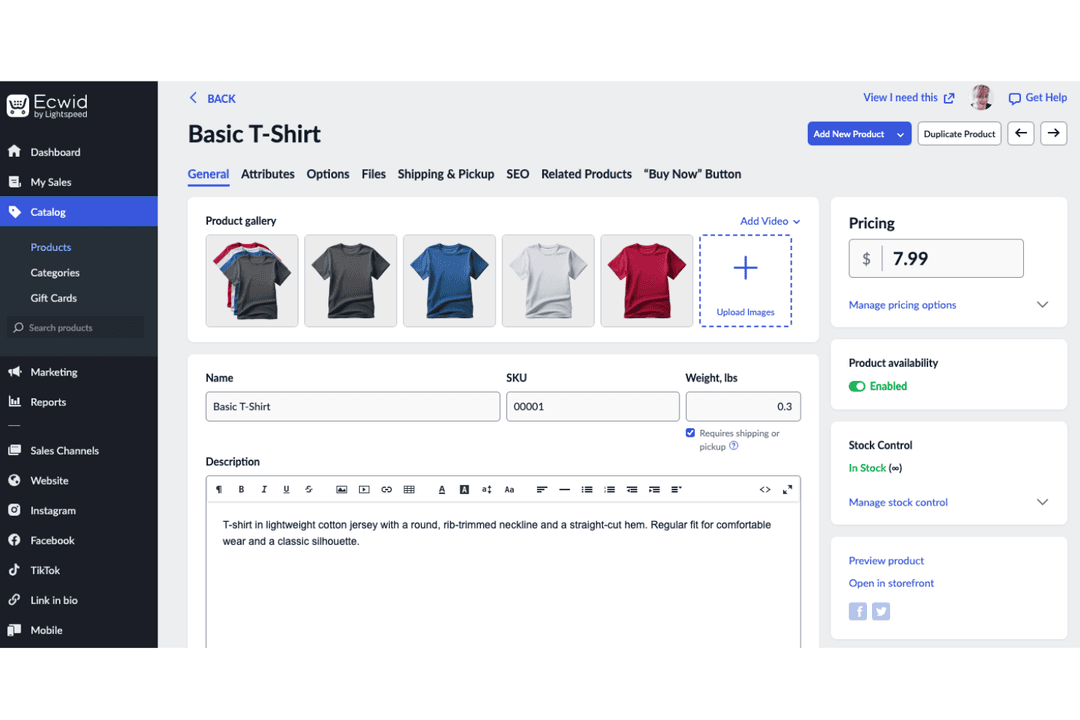
Das zentrale Dashboard von Ecwid und der integrierte Verkauf über mehrere Kanäle ermöglichen es Ihnen, Produkte, Bestellungen und Lagerbestände auf Ihrer Website, in sozialen Medien und auf Marktplätzen zu verwalten, ohne zwischen mehreren Tools wechseln zu müssen. Die umfassende Integration von WooCommerce in WordPress und die umfangreiche Plugin-Bibliothek geben Ihnen detaillierte Kontrolle über Shopdesign, Checkout-Abläufe und Produktoptionen und machen WooCommerce zu einem Favoriten für Teams, die jedes Detail anpassen möchten.
| Ecwid | WooCommerce | |
|---|---|---|
| API | Yes | Yes |
| BitCoin | No | No |
| Data Export | Yes | Yes |
| Data Import | Yes | Yes |
| External Integrations | Yes | Yes |
| Inventory Tracking | Yes | Yes |
| Marketing Automation | Yes | Yes |
| Multi-User | Yes | Yes |
| Notifications | Yes | Yes |
| Order Management | Yes | Yes |
| PayPal | Yes | Yes |
| SAP Integration | No | No |
| Stripe | Yes | Yes |
| Integration | Ecwid | WooCommerce |
|---|---|---|
| IntegrationPayPal | Ecwid✅ | WooCommerce✅ |
| IntegrationStripe | Ecwid✅ | WooCommerce✅ |
| IntegrationSquare | Ecwid✅ | WooCommerce✅ |
| IntegrationMailchimp | Ecwid✅ | WooCommerce✅ |
| IntegrationFacebook | Ecwid✅ | WooCommerce✅ |
| IntegrationQuickBooks | Ecwid❌ | WooCommerce✅ |
| IntegrationShipStation | Ecwid✅ | WooCommerce✅ |
| IntegrationGoogle Analytics | Ecwid✅ | WooCommerce✅ |
| IntegrationSalesforce | Ecwid❌ | WooCommerce✅ |
| IntegrationHubSpot | Ecwid❌ | WooCommerce✅ |
| IntegrationAPI | Ecwid✅ | WooCommerce✅ |
| IntegrationZapier | Ecwid✅ | WooCommerce✅ |
Sowohl Ecwid als auch WooCommerce unterstützen die am häufigsten verwendeten E-Commerce-Integrationen, aber das Plugin-Ökosystem von WooCommerce verschafft der Plattform einen Vorteil bei erweiterten Marketing- und CRM-Verbindungen wie Salesforce und HubSpot. Dank der Unterstützung von API und Zapier auf beiden Seiten werden die meisten Teams die benötigte Flexibilität finden, wobei die größere Auswahl von WooCommerce für Unternehmen mit komplexen Integrationsanforderungen interessant sein dürfte.
| Faktor | Ecwid | WooCommerce |
|---|---|---|
| FaktorPCI-Konformität | EcwidVon Anfang an nach PCI DSS validiert und verarbeitet Zahlungsdaten sicher. | WooCommerceHängt vom Hosting und Zahlungsanbieter ab; Shopbetreiber müssen die PCI-DSS-Konformität selbst sicherstellen. |
| FaktorDatenschutz | EcwidIntegrierte DSGVO-Tools für Einwilligungen, Datenexporte und Löschanfragen sowie ein WHOIS-Datenschutzdienst beim Kauf einer Domain. | WooCommerceDie DSGVO-Konformität erfordert Plugins und eine manuelle Konfiguration der Datenschutzeinstellungen. |
| FaktorSSL-Verschlüsselung | EcwidSSL ist enthalten und wird auf der gehosteten Plattform von Ecwid verwaltet. | WooCommerceSSL hängt vom Hostinganbieter ab und muss separat konfiguriert werden. |
| FaktorBetriebszeit & Sicherungen | EcwidCloud-gehostet mit automatischen Aktualisierungen und täglichen Sicherungen. | WooCommerceDie Zuverlässigkeit variiert je nach Hoster; für Sicherungen und Aktualisierungen ist der Shopbetreiber verantwortlich. |
Ecwid bietet einen stärker auf Automatisierung und Verwaltung ausgelegten Ansatz für Sicherheit und Compliance, während WooCommerce dem Shopbetreiber mehr Verantwortung für die Konfiguration und Pflege des Schutzes überlässt. Die Stärken von Ecwid liegen in der integrierten PCI-Konformität und den automatisierten Sicherungen, während WooCommerce durch Flexibilität überzeugt, jedoch mehr technische Kontrolle erfordert, um sicher und konform zu bleiben.
| Faktor | Ecwid | WooCommerce |
|---|---|---|
| FaktorErsteinrichtung | EcwidGeführte Einrichtung mit wenigen technischen Schritten und sofortiger Veröffentlichung des Onlineshops. | WooCommerceErfordert die Installation von WordPress, die Einrichtung des Plugins und zu Beginn eine umfangreichere technische Konfiguration. |
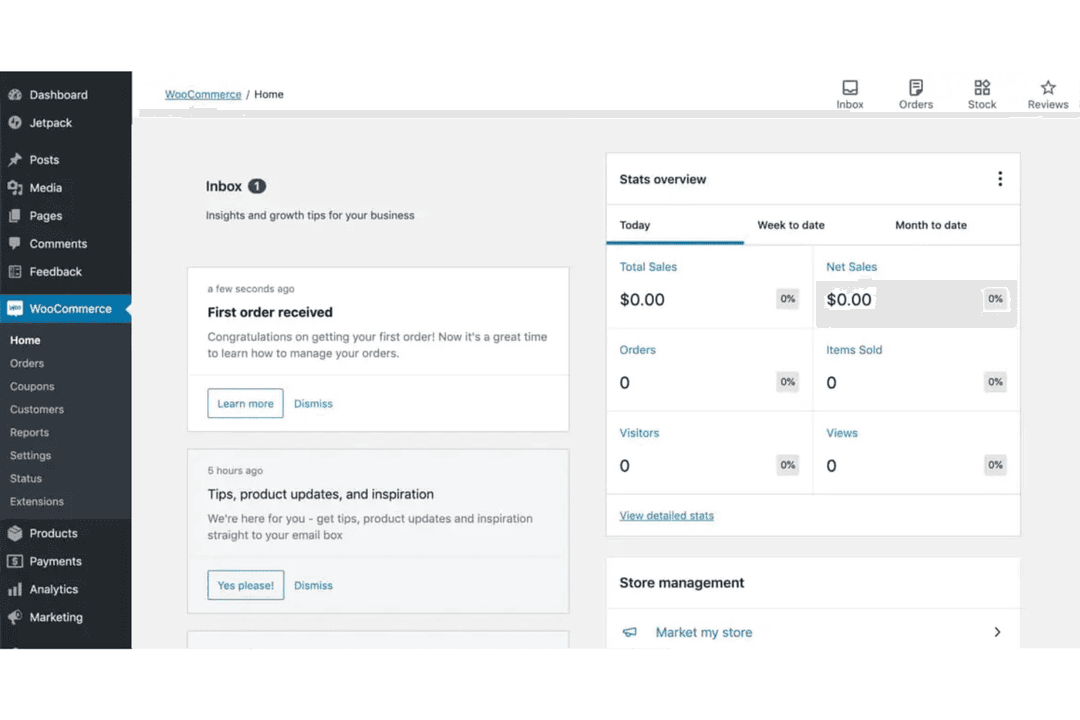
| FaktorBenutzeroberfläche | EcwidÜbersichtliche, intuitive Verwaltungsoberfläche mit Produktverwaltung per Ziehen und Ablegen. | WooCommerceVertraute WordPress-Administrationsoberfläche, jedoch durch viele Menüs und Optionen komplexer. |
| FaktorEinführung | EcwidSchritt-für-Schritt-Checkliste für die Einrichtung und Tipps innerhalb der Anwendung für neue Nutzer. | WooCommerceDokumentationsgestützte Einführung mit Community-Foren und Anleitungen. |
| FaktorLaufender Support | EcwidLive-Chat- und E-Mail-Support in kostenpflichtigen Tarifen enthalten. | WooCommerceDer Support hängt von Plugins und Hosting ab; Community-Foren sind die wichtigste Anlaufstelle. |
Ecwid
- Connects to in-person POS for unified inventory management.
- Free plan supports real sales with few restrictions.
- Multichannel sales include Facebook, Instagram, and marketplaces.
- Lacks advanced product filtering and merchandising options.
- Limited built-in SEO features for larger catalogs.
- No native abandoned cart recovery on the free plan.
WooCommerce
- WooCommerce provides extensive customization capabilities.
- The platform allows for a rich variety of plugins.
- WooCommerce benefits from strong community support and resources.
- Technical knowledge is needed for setup and customization.
- Extensive plugins and high traffic can affect site speed and performance.
- There's a lack of advanced SEO features.
Ecwid
- Small Retail ShopsEcwid is easy to connect with in-person POS, syncing inventory across online and brick-and-mortar sales from one dashboard.
- Social SellersEcwid’s built-in Facebook and Instagram shopping tools make it simple to reach buyers directly on social channels.
- Service ProvidersYou can sell digital goods, bookings, or paid consultations without complicated setup or plugins through Ecwid’s digital product support.
- Craft or Handmade SellersThe Starter tier, app integrations, and marketplace options let makers start small and scale as their business grows.
- Freelancers or Side HustlesEcwid’s instant site builder and straightforward tools take pressure off part-timers or those just starting out with ecommerce.
- Food Trucks or Pop-UpsMobile-friendly management and fast setup make Ecwid a strong fit for mobile businesses needing reliable, simple sales tools.
WooCommerce
- In-House DevelopersOpen-source codebase allows developers to build custom features and workflows.
- International SellersMulti-currency and multilingual plugins help reach global customers.
- NonprofitsCustom donation and fundraising plugins make WooCommerce a fit for nonprofits.
- Content CreatorsSeamless WordPress integration lets bloggers and publishers sell products directly.
- Subscription Box BrandsBuilt-in and third-party plugins support recurring billing and membership models.
- Small RetailersWooCommerce’s low upfront costs and flexibility suit small shops with limited budgets.
Wer sollte Ecwid nutzen und wer WooCommerce?
Ecwid eignet sich hervorragend für kleine Unternehmen, stationäre Händler und Teams, die mit wenig Aufwand den Onlineverkauf auf einer bestehenden Website oder einem sozialen Kanal ergänzen möchten. WooCommerce ist am besten für Unternehmen geeignet, die bereits WordPress verwenden, umfangreiche Anpassungsmöglichkeiten benötigen oder über technische Ressourcen für die Einrichtung und laufende Verwaltung verfügen. Wenn Ihnen Geschwindigkeit, Einfachheit und eine verwaltete Lösung wichtig sind, wird sich Ecwid wie eine natürliche Wahl anfühlen. Wenn Sie die vollständige Kontrolle über jeden Aspekt Ihrer E-Commerce-Plattform wünschen und eine steilere Lernkurve nicht scheuen, ist WooCommerce die richtige Wahl.
| Ecwid | WooCommerce | |
|---|---|---|
| Automation | Ecwid Built-in tools for multichannel selling and inventory sync. | WooCommerce Extensive automation possible through plugins and integrations, but requires setup. |
| Customization | Ecwid Limited design and checkout customization options. | WooCommerce Highly customizable with themes, plugins, and code access. |
| Platform Dependency | Ecwid Works with any website or as a standalone store. | WooCommerce Requires a WordPress site to function. |
| Pricing Model | Ecwid Subscription-based with feature tiers and a free plan. | WooCommerce Free core plugin, but costs add up with hosting and extensions. |
| User Interface | Ecwid Simple, guided dashboard for non-technical users. | WooCommerce Complex admin panel with more options and a steeper learning curve. |
| API & Zapier Access | Both offer API access and Zapier integration, allowing you to connect with other tools and automate workflows. |
|---|---|
| Inventory Management | Both offer product catalog management, stock tracking, and SKU assignment for organized inventory control. |
| Mobile Management | Both provide mobile apps or responsive dashboards for managing your store on the go. |
| Multichannel Selling | Both let you sell on social media, marketplaces, and your own site, though Ecwid has built-in tools and WooCommerce uses plugins. |
| Payment Integrations | Both support major gateways like PayPal, Stripe, and Square, letting you accept payments from day one. |