

BigCommerce vs. Shopify: Vergleich & Expertenbewertungen für 2026
Ich schlüssle BigCommerce und Shopify auf, zeige die wichtigsten Unterschiede und einzigartigen Vorteile und helfe Ihnen so, selbstbewusst die richtige SaaS-E-Commerce-Plattform für Ihre Ziele auszuwählen.

Wir bewerten Tools unabhängig und Provisionen helfen, unsere Tests zu finanzieren. Siehe unsere transparente Richtlinie, unsere Methodik oder schlagen Sie ein Tool vor.
If you’re digging into BigCommerce and Shopify, you’re probably trying to grow online store sales, skip tech headaches, and keep costs under control. With so many saas ecommerce platforms promising flexibility, speed, and scalability, it’s tough to spot what really matters for your team.
In this article, you’ll get a head-to-head comparison—covering pros and cons, common use cases, pricing, security, and usability—so you can decide which platform fits your needs right now.
Wenn Sie sich mit BigCommerce und Shopify beschäftigen, möchten Sie wahrscheinlich den Umsatz Ihres Onlineshops steigern, technische Schwierigkeiten vermeiden und die Kosten unter Kontrolle halten. Bei so vielen SaaS-E-Commerce-Plattformen, die Flexibilität, Geschwindigkeit und Skalierbarkeit versprechen, ist es schwierig zu erkennen, worauf es für Ihr Team wirklich ankommt.
In diesem Artikel erhalten Sie einen direkten Vergleich – einschließlich Vor- und Nachteilen, gängiger Anwendungsfälle, Preisen, Sicherheit und Benutzerfreundlichkeit –, damit Sie entscheiden können, welche Plattform derzeit zu Ihren Anforderungen passt.
BigCommerce
4.3/5
- 15-day free trial + free demo available
- From $29/month (billed annually)
Shopify
4.5/5
- 3-day free trial
- From $29/month (billed annually)
Warum Sie unseren Software-Empfehlungen vertrauen können
6,700+
Reviews
20
Industry experts
16+
Evaluation factors
14
Years
Unser Team testet und bewertet Software seit 2012. Als Führungskräfte im Einzelhandel selbst wissen wir, wie schwierig – und wichtig – es ist, die richtige Software auszuwählen.
Für diesen Leitfaden haben wir Tools mithilfe von praktischen Tests und unabhängiger Recherche bewertet und dabei die Tools anhand unserer Bewertungskriterien bewertet.
Unsere Bewertungen spiegeln unser unabhängiges Urteilsvermögen wider – keine Verkaufsstrategie.
| BigCommerce | Shopify | |
|---|---|---|
| Free Trial | 15-day free trial + free demo available | 3-day free trial |
| Pricing | From $29/month (billed annually) | From $29/month (billed annually) |
BigCommerce im Vergleich zu Shopify: Preise und versteckte Kosten
BigCommerce bietet transparente Tarife mit Funktionen, die sich mit Ihrem Wachstum erweitern. Achten Sie jedoch auf mögliche Zusatzkosten, wenn Ihr Umsatz steigt. Shopify verwendet ein abgestuftes Abonnementmodell. Allerdings können zusätzliche Kosten für Drittanbieter-Apps, Premium-Themes und Transaktionsgebühren anfallen, wenn Sie nicht das eigene Zahlungs-Gateway nutzen.
Um die beste Lösung auszuwählen, sollten Sie das Kleingedruckte genau prüfen: Vergleichen Sie die integrierten Funktionen mit denen, für die Erweiterungen oder Upgrades erforderlich sind. Erstellen Sie eine Liste der unverzichtbaren Tools und Integrationen für Ihr Unternehmen und schätzen Sie anschließend, wie hoch Ihre Gesamtkosten bei zunehmender Größe ausfallen – berücksichtigen Sie dabei Umsatzgrenzen, Zahlungsabwicklung und Supportbedarf –, damit Sie später keine unangenehmen Überraschungen erleben.
| BigCommerce | Shopify | |
|---|---|---|
| 2-Factor Authentication | No | Yes |
| A/B Testing | No | No |
| Analytics | No | Yes |
| API | Yes | Yes |
| BitCoin | No | No |
| Conversion Tracking | Yes | Yes |
| Dashboard | Yes | Yes |
| Data Export | Yes | Yes |
| Data Import | Yes | Yes |
| Data Visualization | Yes | No |
| Design Templates | No | Yes |
| External Integrations | Yes | Yes |
| Inventory Tracking | Yes | Yes |
| Keyword Tracking | No | Yes |
| Marketing Automation | Yes | Yes |
| Multi-User | Yes | No |
| Notifications | Yes | Yes |
| Order Management | Yes | Yes |
| Payment Gateway Integration | No | Yes |
| Payment Processor | Yes | No |
| PayPal | Yes | Yes |
| Product Catalog | Yes | Yes |
| Review Monitoring | No | Yes |
| SAP Integration | Yes | No |
| Scheduling | No | No |
| Stripe | Yes | No |
| Third-Party Plugins/Add-Ons | Yes | No |
| Integration | BigCommerce | Shopify |
|---|---|---|
| IntegrationMailchimp | BigCommerce✅ | Shopify✅ |
| IntegrationQuickBooks | BigCommerce✅ | Shopify✅ |
| IntegrationAmazon | BigCommerce✅ | Shopify✅ |
| IntegrationeBay | BigCommerce✅ | Shopify✅ |
| IntegrationWalmart | BigCommerce✅ | Shopify❌ |
| IntegrationFacebook Shops | BigCommerce✅ | Shopify✅ |
| IntegrationStripe | BigCommerce✅ | Shopify✅ |
| IntegrationTikTok | BigCommerce✅ | Shopify✅ |
| IntegrationSquare POS | BigCommerce✅ | Shopify❌ |
| IntegrationAfterpay | BigCommerce❌ | Shopify✅ |
| IntegrationAPI | BigCommerce✅ | Shopify✅ |
| IntegrationZapier | BigCommerce✅ | Shopify✅ |
Beide Plattformen unterstützen eine große Auswahl an Integrationen, darunter beliebte Vertriebskanäle und Geschäftstools. Shopify bietet über seinen App-Store Zugriff auf Tausende spezialisierter Erweiterungen. Dank leistungsfähiger APIs und der Zapier-Unterstützung kann praktisch jede der beiden Plattformen die Integrationsanforderungen Ihres Unternehmens abdecken – dennoch sollten Sie vor der Entscheidung prüfen, ob die jeweils wichtigsten Verbindungen verfügbar sind.
| Faktor | BigCommerce | Shopify |
|---|---|---|
| FaktorPCI-Konformität | BigCommerceVon Haus aus nach PCI DSS zertifiziert, sodass Shops automatisch die Zahlungsstandards erfüllen. | ShopifyVollständig PCI-DSS-konform, sodass Händler die Konformität nicht selbst verwalten müssen. |
| FaktorDatenverschlüsselung | BigCommerceVerwendet HTTPS und TLS, um Kundendaten während jeder Transaktion zu verschlüsseln. | ShopifyVerschlüsselt sämtliche Shop- und Zahlungsdaten mit SSL/TLS für sicheres Browsen und einen sicheren Bezahlvorgang. |
| FaktorVerfügbarkeits-SLA | BigCommerceVerfügbarkeitszusage von 99,99 % mit redundanten Systemen und Notfallwiederherstellung. | Shopify99,99 % Verfügbarkeit mit globalem CDN und robusten Failover-Verfahren für Zuverlässigkeit. |
| FaktorSchutz vor Betrug | BigCommerceEnthält integrierte Tools zur Betrugsanalyse und unterstützt Betrugs-Apps von Drittanbietern. | ShopifyBietet Echtzeit-Betrugsanalyse und Zugriff auf Apps zur Betrugserkennung im App Store. |
| FaktorDSGVO-Unterstützung | BigCommerceBietet Datenschutztools für die DSGVO-Konformität, einschließlich Cookie-Einwilligung und Datenexport. | ShopifyBietet DSGVO-fertige Funktionen wie Anfragen zu Kundendaten und Vorlagen für Datenschutzrichtlinien. |
Beide Plattformen schneiden bei Sicherheit und Compliance gut ab, aber Shopify punktet mit nahtlosen Compliance-Prozessen und benutzerfreundlichen Datenschutzfunktionen. Meiner Erfahrung nach wirkt BigCommerce bei der Zuverlässigkeit transparenter, während sich die Automatisierung rund um Compliance bei Shopify für schnell agierende Teams besonders hervorhebt.
| Faktor | BigCommerce | Shopify |
|---|---|---|
| FaktorEinrichtungsprozess | BigCommerceBietet eine geführte Einrichtung mit hilfreichen Checklisten, wobei die Katalogeinrichtung bei großen Shops komplex wirken kann. | ShopifyDie optimierte Einführung bringt Sie mit einem einfachen Shop-Assistenten in wenigen Minuten online. |
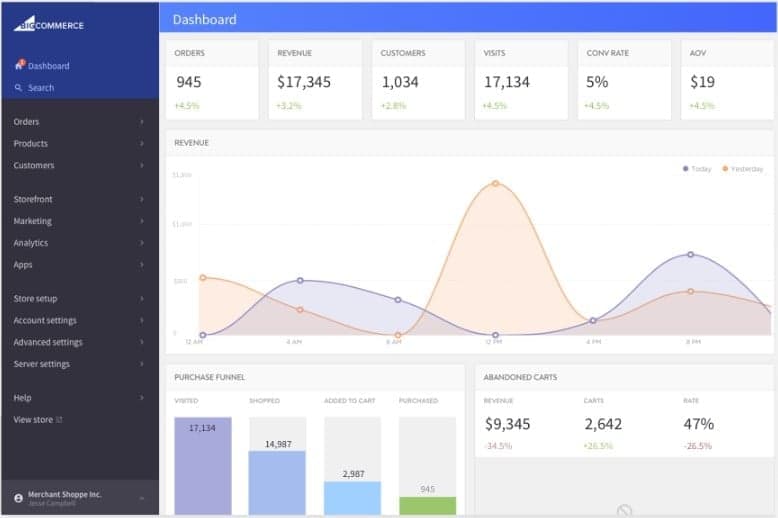
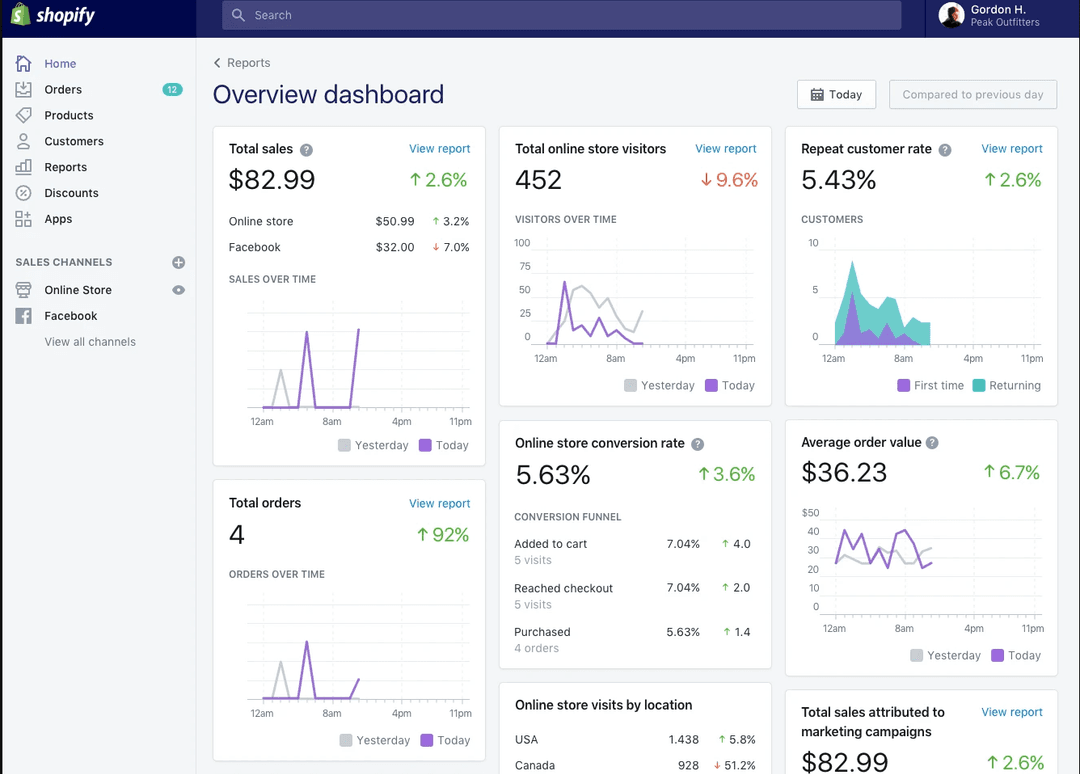
| FaktorBenutzeroberfläche | BigCommerceÜbersichtliche Übersichtsseite für erfahrene Nutzer mit erweiterten Einstellungen, die direkt zugänglich sind. | ShopifyIntuitive Ziehen-und-Ablegen-Oberfläche, ideal für Einsteiger und wachsende Teams. |
| FaktorBearbeitung der Designvorlage | BigCommerceDer Editor für Designvorlagen bietet umfassende Anpassungsmöglichkeiten, erfordert jedoch gewisse technische Kenntnisse. | ShopifyDer browserbasierte Editor für Designvorlagen erleichtert das Austauschen, Bearbeiten und sofortige Vorschauen von Änderungen. |
| FaktorHilferessourcen | BigCommerceUmfangreiche Hilfeartikel und telefonischer Support für Einführung und Fehlerbehebung. | Shopify24/7-Live-Chat, Community-Foren und direkt im Administrationsbereich integrierte Sofortanleitungen. |
| FaktorMobiler Zugriff | BigCommerceMobile App mit Produktverwaltung und einigen Funktionen zur Auftragsabwicklung. | ShopifyDie voll ausgestattete mobile App ermöglicht die Verwaltung der meisten Shop-Aufgaben unterwegs. |
Shopify gewinnt bei der Benutzerfreundlichkeit mit einer kürzeren Lernkurve, einem wirklich intuitiven Baukastensystem und insgesamt einer besseren Nutzererfahrung. Meiner Ansicht nach bietet BigCommerce technisch versierten Nutzern mehr erweiterte Optionen, während Shopify für viel beschäftigte Teams, die schnell starten möchten, nahezu jede Hürde beseitigt.
BigCommerce
- You can easily customize your store with its flexible design tools.
- Your team benefits from strong SEO features that boost visibility.
- You get reliable performance with fast loading times.
- Your team might find the learning curve a bit steep.
- You could encounter limitations with multi-language support.
- You might need more advanced reporting tools for detailed insights.
Shopify
- You can easily customize your store with a wide range of themes.
- Shopify's app store offers tools to boost your store's functionality.
- It provides reliable security to protect your customers' data.
- You might find transaction fees if not using Shopify Payments.
- Shopify's blogging feature is less robust than others.
- It can be challenging to manage multiple currencies.
BigCommerce
- Fashion RetailersBigCommerce’s flexible design tools let you create visually appealing stores that attract fashion-savvy customers.
- Electronics StoresIts strong SEO features help your tech products reach a wider audience, boosting your online presence.
- Mid-Sized BusinessesBigCommerce supports scalability, allowing your business to grow without hitting platform limitations.
- Marketing TeamsThe SEO capabilities enable your team to enhance your brand’s visibility and drive more traffic.
- Home Goods RetailersYou can benefit from reliable performance and fast loading times, ensuring a smooth shopping experience for your customers.
- Digital AgenciesBigCommerce’s customizable design options let your agency craft unique, branded experiences for clients.
Shopify
- Boutique RetailersShopify’s customizable themes help your store stand out in a crowded market.
- Artisan ShopsYou can easily showcase and sell unique products with Shopify’s flexible product listings.
- StartupsShopify’s user-friendly interface allows you to set up quickly and focus on growth.
- Small BusinessesIts app store provides tools to expand your store’s capabilities as your business grows.
- Online MarketplacesShopify’s secure checkout process builds trust with your customers.
- Subscription ServicesYou can manage recurring payments and customer subscriptions efficiently with Shopify’s built-in tools.
Wer sollte BigCommerce nutzen und wer Shopify?
BigCommerce eignet sich am besten für Teams, die umfangreiche Funktionen von Haus aus, fortgeschrittene Produktkataloge und die Verwaltung mehrerer Shops ohne hohe zusätzliche Kosten wünschen – häufig mittelständische oder große Einzelhändler sowie Unternehmen im B2B-Bereich. Shopify bietet eine Lösung für alle, die schnell einen E-Commerce-Shop starten, Benutzerfreundlichkeit priorisieren und auf ein riesiges Ökosystem aus Apps (Shopify App Store) und Partnern zugreifen möchten. Dadurch ist Shopify besonders beliebt bei neuen Marken, wachsenden DTC-Shops und Teams mit begrenzten technischen Ressourcen. Wenn Sie mehr technische Kontrolle und Komplexität wünschen, sollten Sie BigCommerce bevorzugen. Für Geschwindigkeit, Einfachheit und eine unterstützende App-Community liegen Sie mit Shopify richtig.
| BigCommerce | Shopify | |
|---|---|---|
| App Ecosystem | BigCommerce Smaller app marketplace, most essentials built-in. | Shopify Massive app store with virtually every integration imaginable. |
| Multi-Storefront | BigCommerce Supports multiple storefronts natively in one admin. | Shopify Needs third-party apps or workarounds for multi-storefronts. |
| Onboarding Speed | BigCommerce More complex initial setup for advanced stores. | Shopify Very quick to launch with guided setup for new sellers. |
| Payment Processing | BigCommerce No extra fees for third-party payment gateways. | Shopify Charges extra fees unless you use Shopify Payments. |
| Product Catalog | BigCommerce Advanced product options and bulk editing out-of-the-box. | Shopify Streamlined catalog, suited for simpler or smaller inventories. |
| Built-In Analytics | Each platform provides dashboards and reports for tracking sales, traffic, and store performance right from the admin. |
|---|---|
| Hosted Platform | Both are fully hosted, so you don’t worry about servers, maintenance, or updates—your store stays online and secure at all times. |
| Integration Ready | Both offer robust APIs and Zapier integrations, so you can connect with just about any business tool or system your team uses. |
| Payment Options | Both support a wide range of payment providers, including Stripe and PayPal, giving merchants flexibility with customer payments. |
| Subscription Model | Both charge monthly subscription fees and offer tiered plans that scale with business needs, and allow you to upgrade as you grow. |