

Il software di attribuzione del marketing risolve finalmente il più grande problema dell'e-commerce: capire esattamente quali annunci, email e campagne generano vendite e quali invece si limitano a prosciugare il budget.
Per chi si occupa di marketing nell'e-commerce, una buona attribuzione è come l'ultimo Pringle nella confezione: lo vedi, lo desideri, ma è appena fuori portata (e in più non vuoi dover affrontare di nuovo il problema di liberare la mano rimasta incastrata).
Senza una corretta attribuzione, stai lanciando idee contro un bersaglio bendato.
La posta in gioco non potrebbe essere più alta: spendere troppo per canali inefficaci, finanziare troppo poco quelli vincenti e sudare freddo mentre spieghi risultati poco chiari al tuo capo.
Fortunatamente, abbiamo testato tutti gli strumenti di attribuzione per trovare i migliori per il tuo negozio. Ecco le nostre scelte principali per aiutare la tua attività di e-commerce a crescere rapidamente.
Perché fidarsi dei nostri consigli sui software
6,700+
Reviews
20
Industry experts
16+
Evaluation factors
14
Years
Il nostro team testa e recensisce software dal 2012. In quanto leader del retail noi stessi, sappiamo quanto sia difficile — e importante — scegliere il software giusto.
Per questa guida, abbiamo valutato gli strumenti attraverso test pratici e ricerche indipendenti, assegnando un punteggio agli strumenti in base ai nostri criteri di selezione.
Le nostre recensioni riflettono il nostro giudizio indipendente, non un discorso di vendita.
Tabella comparativa dei software di attribuzione del marketing
Di seguito troverai innanzitutto il confronto dei prezzi di queste migliori soluzioni di attribuzione del marketing:
| Tool | Best For | Trial Info | Price | ||
|---|---|---|---|---|---|
| 1 | Ideale per una configurazione flessibile dell'attribuzione | Piano gratuito disponibile | A partire da $20/mese | Website | |
| 2 | Miglior software di marketing gratuito | Piano gratuito disponibile | Prezzi su richiesta | Website | |
| 3 | Ideale per creare regole di attribuzione personalizzate | Prova gratuita di 14 giorni | A partire da 139 $/mese | Website | |
| 4 | Ideale per la prevenzione delle frodi nelle campagne | Prova gratuita di 30 giorni | Prezzi su richiesta | Website | |
| 5 | Migliore attribuzione di marketing per software B2B | Demo gratuita disponibile | Prezzi su richiesta | Website | |
| 6 | Ideale per il monitoraggio delle conversioni offline | Non disponibile | A partire da $400/mese | Website | |
| 7 | Miglior software di attribuzione omnicanale | Piano gratuito disponibile | A partire da $500/mese | Website | |
| 8 | Ideale per modelli di attribuzione avanzati | Demo gratuita disponibile | Prezzi su richiesta | Website | |
| 9 | Miglior software di marketing aziendale completo | Non disponibile | Prezzo su richiesta | Website | |
| 10 | Ideale per l'attribuzione e la modellazione MMM nell'ecosistema Google | Non disponibile | Prezzi su richiesta | Website |


Consiglio dell'esperto: non scegliere alla cieca. Prova le tue opzioni preferite con una prova gratuita o una demo. Non c'è niente di meglio che esplorare lo strumento per capire se si integra davvero con il tuo flusso di lavoro.
I migliori software di attribuzione del marketing che dovresti utilizzare
Benvenuto nelle recensioni. Per ciascuno di questi straordinari strumenti di attribuzione del marketing, analizziamo cosa fanno, perché li abbiamo scelti, le funzionalità principali, le integrazioni più interessanti, oltre a vantaggi e svantaggi per semplificare la tua decisione.
 Ideale per una configurazione flessibile dell'attribuzione
- Piano gratuito disponibile
- A partire da $20/mese
Visit WebsiteCustomer Rating:4.6/5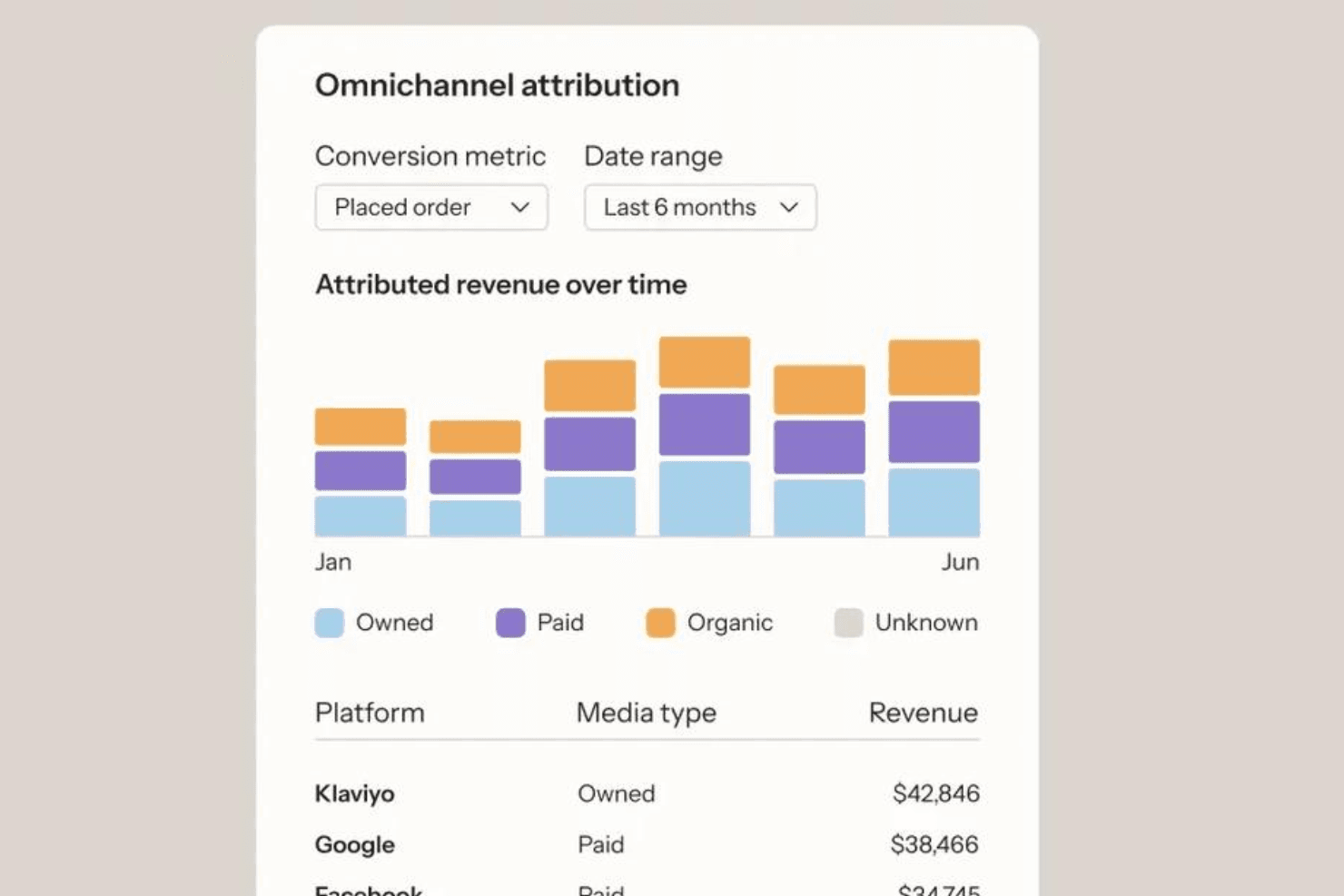
Klaviyo monitora i ricavi attribuiti tra i canali proprietari, a pagamento e organici. Klaviyo è una piattaforma di dati dei clienti e uno strumento di analisi del marketing che unifica i dati dei canali proprietari (email, SMS, notifiche push) con le prestazioni degli annunci a pagamento su Meta, Google e TikTok, offrendo modelli personalizzabili di attribuzione multi-touch e report sui ricavi tra i diversi canali.
Per chi è più adatto Klaviyo?
Klaviyo è particolarmente adatto ai brand di e-commerce e DTC che gestiscono campagne email, SMS e social a pagamento e hanno bisogno di un controllo granulare sull'attribuzione dei ricavi tra questi canali.
Perché ho scelto Klaviyo
Klaviyo si è guadagnato un posto nella mia lista ristretta grazie all'ampio controllo che offre sulla configurazione dell'attribuzione. È possibile impostare finestre retrospettive personalizzate per ogni punto di contatto (apertura di un'email, clic su un SMS, notifica push recapitata) e passare dai modelli dell'ultimo contatto ai modelli multi-touch lineari omnicanale, applicando le modifiche retroattivamente a tutti i dati storici. Apprezzo anche la possibilità di visualizzare in anteprima il Valore attribuito da Klaviyo prima di adottare un nuovo modello, così non si procede alla cieca quando si testano configurazioni diverse.
Caratteristiche principali di Klaviyo
- Dashboard di attribuzione omnicanale: Una visualizzazione unificata che consolida l'attribuzione dei ricavi tra i canali proprietari di Klaviyo e le piattaforme pubblicitarie a pagamento (Meta, Google, TikTok) senza conteggiare due volte le conversioni.
- Controlli per il filtraggio del rumore: Impostazioni integrate per escludere dalle elaborazioni dell'attribuzione i clic dei bot e le aperture protette dalla privacy di Apple Mail, mantenendo accurati i dati sui ricavi.
- Sincronizzazione del pubblico: Sincronizza direttamente i segmenti proprietari di Klaviyo con Meta, Google, TikTok, Pinterest e Criteo per il retargeting e il targeting degli annunci verso pubblici simili.
- Modellazione predittiva del CLV: Viene creata automaticamente e riaddestrata ogni settimana utilizzando i dati dei propri clienti, con risultati utilizzabili per la segmentazione in base al valore previsto nel corso della vita del cliente.
Integrazioni di Klaviyo
Klaviyo offre oltre 350 integrazioni native, tra cui Shopify, Square POS, Shopify POS, Lightspeed Retail, Meta, Google Ads, TikTok, Snowflake e BigQuery. La sua Events API supporta dati personalizzati provenienti da POS e negozi fisici, ma i connettori nativi per le reti di retail media non sono documentati.
Pros and Cons
Pros:
- Finestre di attribuzione personalizzabili per ogni punto di contatto
- Sono supportate modifiche retroattive al modello di attribuzione
- La dashboard omnicanale evita il doppio conteggio dei ricavi
Cons:
- Nessuna modellazione dell'incrementalità o del mix di media
- I risultati possono differire da quelli delle piattaforme di analisi
Learn more about Klaviyo: Miglior software di marketing gratuito
- Piano gratuito disponibile
- Prezzi su richiesta
Visit WebsiteCustomer Rating:4.6/5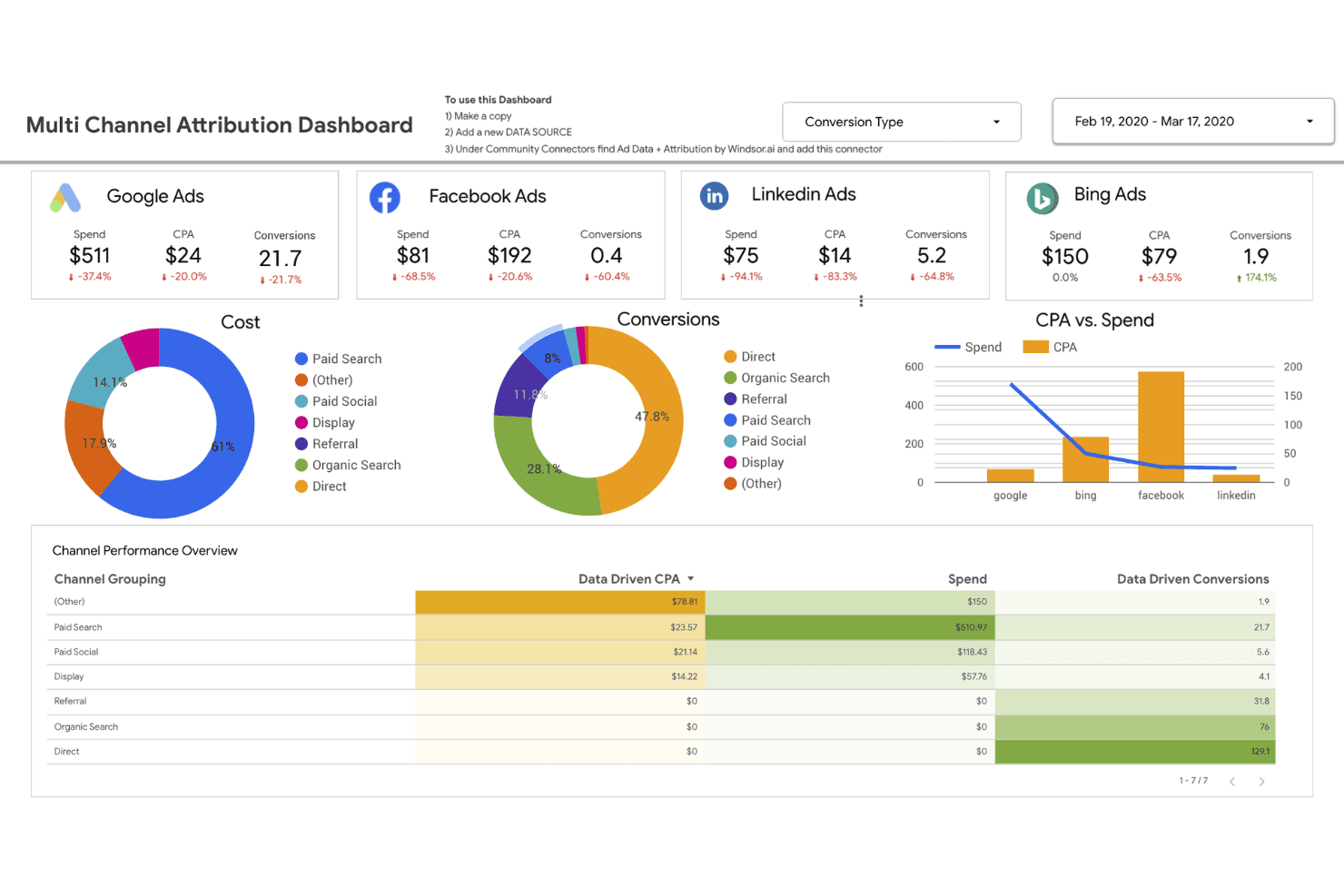
Questa dashboard monitora la spesa pubblicitaria, il CPA e le conversioni tra i vari canali. Google Analytics è una piattaforma di analisi web e attribuzione che monitora il comportamento degli utenti sui canali digitali, offrendo modelli di attribuzione basati sui dati, report sui percorsi di conversione cross-channel e ottimizzazione del media mix.
Per chi è più indicato Google Analytics?
Google Analytics è particolarmente adatto ai responsabili della crescita dell'e-commerce e ai team di marketing retail che utilizzano principalmente lo stack pubblicitario di Google e necessitano di una solida attribuzione digitale senza un budget per il software.
Perché ho scelto Google Analytics
Google Analytics si è guadagnato un posto nella mia lista ristretta perché è l'unico strumento di attribuzione che offre un'attribuzione basata sui dati a costo zero per la maggior parte delle aziende. Apprezzo particolarmente il modo in cui l'attribuzione basata sui dati di GA4 utilizza un approccio ML controfattuale, confrontando i percorsi degli utenti che effettuano e non effettuano conversioni per assegnare un credito frazionario ai vari punti di contatto. Il report Percorsi di conversione semplifica l'identificazione esatta delle sequenze di canali che generano acquisti, che si tratti di Display, Ricerca organica e Accesso diretto oppure di un'interazione sui social a pagamento che altrimenti rischieresti di non rilevare.
Funzionalità principali di Google Analytics
- Report Percorsi di conversione: Visualizza la sequenza completa dei canali con cui un utente interagisce prima della conversione, permettendoti di vedere esattamente quali combinazioni di canali generano acquisti.
- Modalità di consenso v2 con modellazione comportamentale: Utilizza il ML per modellare le conversioni degli utenti che rifiutano il consenso al monitoraggio, aiutandoti a mantenere l'accuratezza delle misurazioni nel rispetto dei vincoli del GDPR e del CCPA.
- Esportazione nativa in BigQuery: Invia direttamente a BigQuery i dati grezzi a livello di evento e non campionati, dove puoi eseguire query SQL personalizzate o creare i tuoi modelli di attribuzione.
- Pubblici predittivi: I modelli ML di GA4 segnalano gli utenti con un'elevata probabilità di acquisto o abbandono, consentendoti di dare priorità agli investimenti pubblicitari destinati ai segmenti di maggior valore.
Integrazioni di Google Analytics
Google Analytics offre integrazioni native con Google Ads, Search Ads 360, Display & Video 360, Google Search Console, BigQuery, Salesforce Marketing Cloud, Shopify e Firebase. Il Measurement Protocol e l'importazione dei dati supportano connessioni personalizzate con dati offline e CRM.
Pros and Cons
Pros:
- Offre modelli di attribuzione basati sui dati gratuitamente
- Si collega perfettamente ai canali digitali di Google
- Consente di creare pubblici predittivi avanzati basati sul ML
Cons:
- Misurazione limitata delle reti di media retail
- I modelli di attribuzione non offrono sufficiente trasparenza per la verifica
Learn more about Google Analytics: Ideale per creare regole di attribuzione personalizzate
- Prova gratuita di 14 giorni
- A partire da 139 $/mese
Visit WebsiteCustomer Rating:4.5/5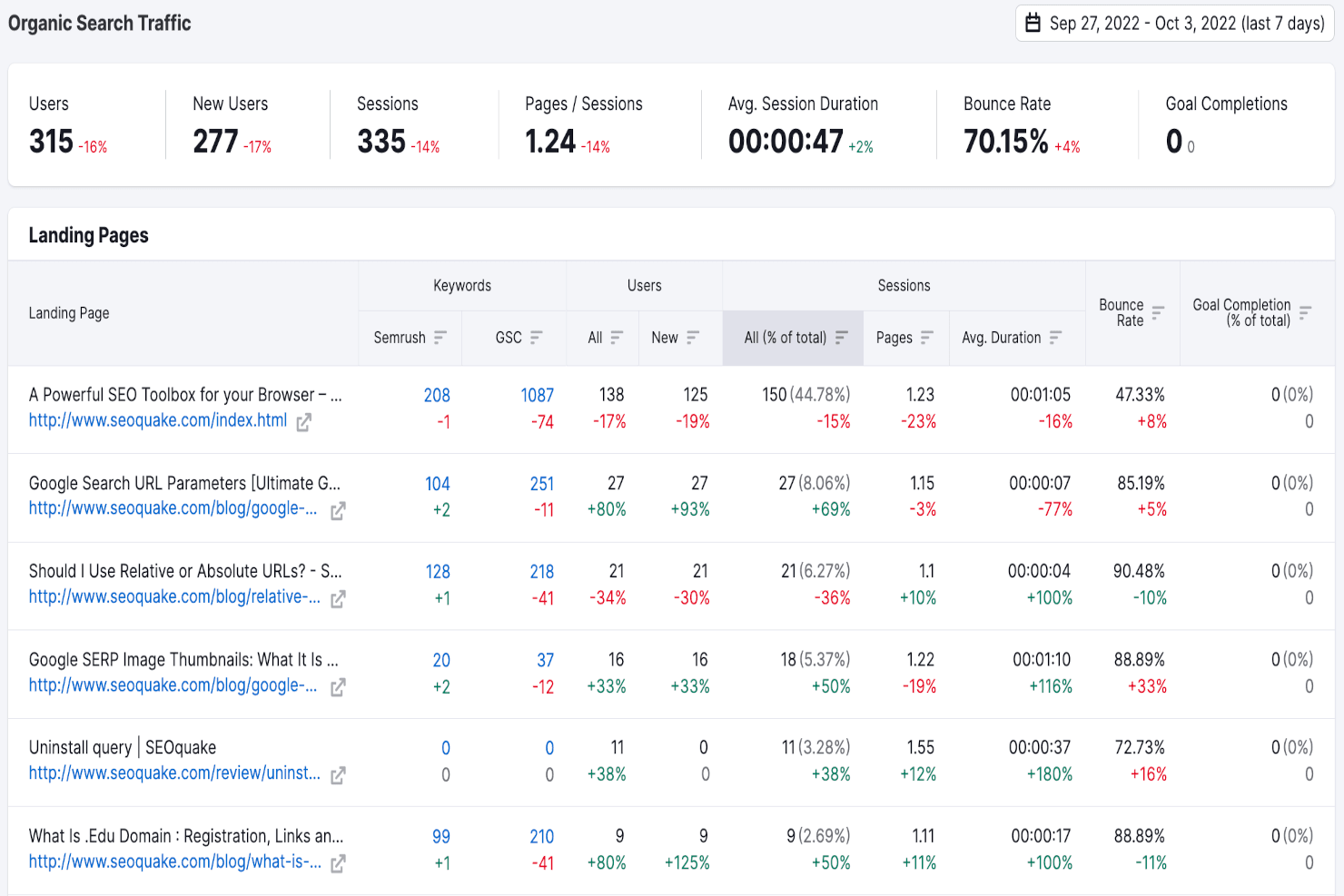
Semrush monitora il traffico di ricerca organico e le metriche delle prestazioni delle pagine di destinazione. Semrush è una piattaforma di analisi del marketing digitale che comprende SEO, media a pagamento, analisi della concorrenza e report multicanale, con strumenti per monitorare le fonti di traffico, le prestazioni delle campagne e la visibilità del marketing sui canali di ricerca, social ed e-mail.
A chi è più adatto Semrush?
Semrush è ideale per i team di marketing digitale che hanno bisogno di un'unica piattaforma per monitorare le prestazioni SEO, a pagamento, social ed e-mail insieme all'analisi della concorrenza.
Perché ho scelto Semrush
Ho incluso Semrush tra le mie scelte principali perché consente di creare regole di attribuzione personalizzate che riflettono il modo in cui i tuoi canali collaborano effettivamente, invece di costringerti ad adottare un modello rigido. Apprezzo particolarmente lo strumento per la creazione dei miei report, che raccoglie dati da oltre 20 fonti, tra cui Google Ads, Meta Ads, Klaviyo (con attribuzione dei ricavi) e HubSpot CRM, in un'unica dashboard configurabile in base alla tua logica di attribuzione. La suddivisione dei canali di Analisi del traffico, che comprende il traffico organico, a pagamento, social, e-mail e persino quello proveniente dall'IA, fornisce i dati granulari necessari per definire e perfezionare queste regole con sicurezza.
Funzionalità principali di Semrush
- Toolkit per la visibilità nell'IA: monitora come viene menzionato e citato il tuo brand sulle piattaforme di IA come ChatGPT, Gemini e Perplexity, includendo il confronto con i concorrenti.
- Suddivisione dei canali di Analisi del traffico: mostra il volume del traffico e le metriche di coinvolgimento suddivisi per fonti organiche, a pagamento, social, e-mail, referral e provenienti dall'IA.
- Monitoraggio delle posizioni: monitora quotidianamente il posizionamento delle parole chiave su Google, Bing e negli ambienti di ricerca basati sull'IA, mostrando come cambia la visibilità nel tempo.
- Copilota Semrush: un assistente IA che analizza i dati di sei strumenti principali della piattaforma per individuare problemi, segnalare i movimenti dei concorrenti e consigliare i passaggi successivi.
Integrazioni di Semrush
Semrush offre oltre 20 integrazioni native, tra cui Google Analytics 4, Google Search Console, Google Ads, Meta Ads, Klaviyo, HubSpot CRM e CallRail. I piani Avanzato ed Enterprise includono l'accesso alle API per le integrazioni personalizzate e la connessione ai data warehouse.
Pros and Cons
Pros:
- Aggrega i dati di oltre 20 canali digitali
- Mostra la suddivisione del traffico e dei ricavi a livello di canale
- Offre strumenti proprietari per monitorare la visibilità nell'IA
Cons:
- Non include un motore per la modellazione dell'attribuzione multitouch
- Non dispone di funzionalità di attribuzione offline e nei punti vendita
Learn more about Semrush: Ideale per la prevenzione delle frodi nelle campagne
- Prova gratuita di 30 giorni
- Prezzi su richiesta
Visit WebsiteCustomer Rating:4.4/5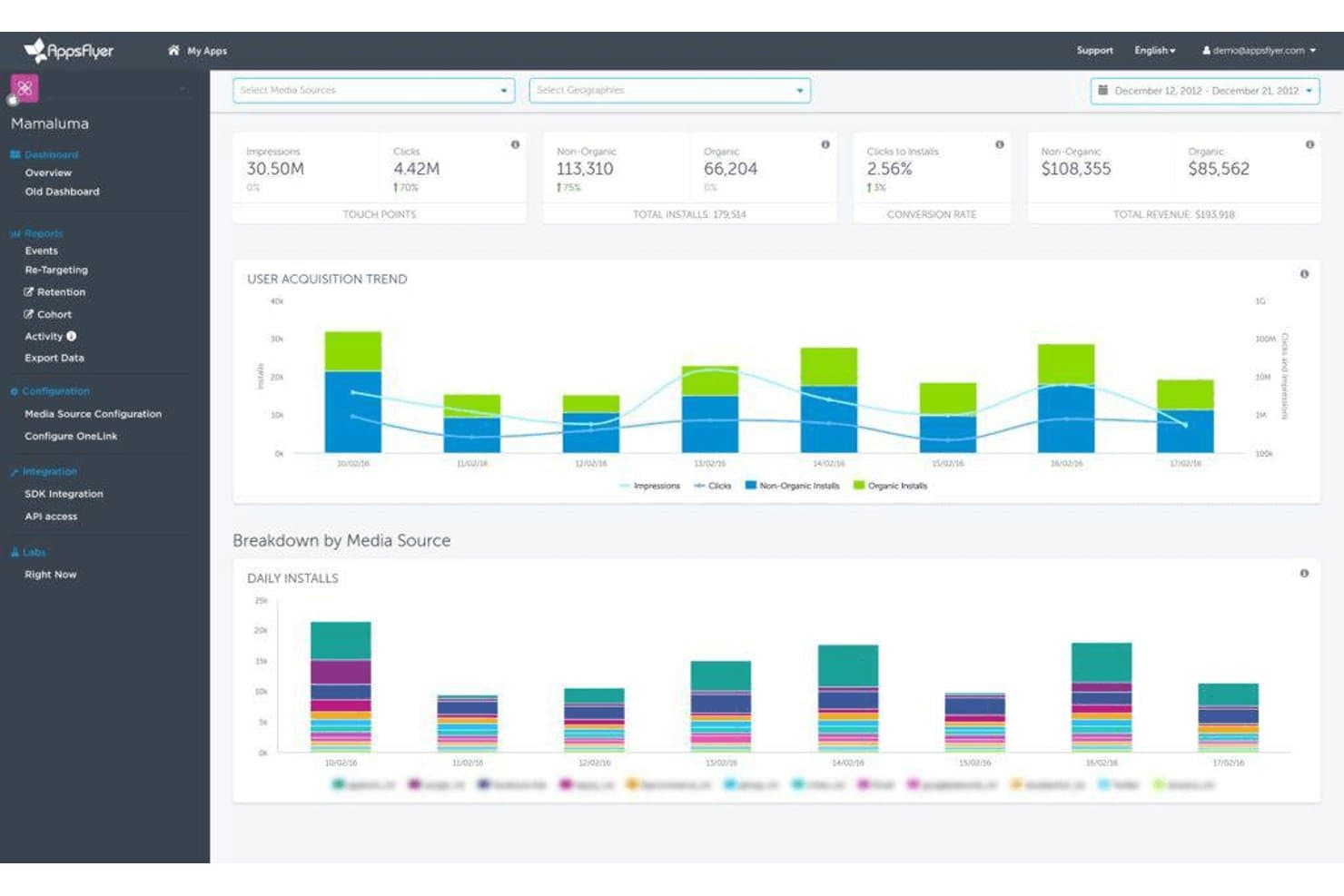
AppsFlyer monitora le installazioni, i ricavi e le tendenze di acquisizione degli utenti per fonte multimediale. AppsFlyer è una piattaforma di attribuzione marketing mobile-first che misura le performance delle campagne attraverso canali a pagamento, di proprietà e guadagnati, tra cui app mobili, web, CTV e reti di retail media, con protezione integrata dalle frodi, test di incrementabilità e report sul ROI tra i diversi canali.
A chi è più adatto AppsFlyer?
AppsFlyer è particolarmente adatto ai brand retail ed e-commerce mobile-first che gestiscono campagne a pagamento per app e devono proteggere la spesa pubblicitaria da installazioni fraudolente e traffico non valido.
Perché ho scelto AppsFlyer
AppsFlyer si è guadagnato un posto nella mia lista ristretta perché Protect360 è il sistema di difesa dalle frodi più completo che abbia visto integrato in una piattaforma di attribuzione. Rileva le installazioni fraudolente in tempo reale utilizzando la biometria comportamentale e blocca tattiche come lo spoofing dell'SDK e il click flooding prima che gonfino i numeri, quindi esegue una riconciliazione post-attribuzione per segnalare tutto ciò che è sfuggito ai controlli. Apprezzo anche il fatto che il prodotto per i test di incrementabilità consenta di convalidare l'effettivo incremento delle campagne con gruppi di controllo su più reti contemporaneamente, così non ci si limita a individuare le frodi, ma si conferma anche cosa sta realmente generando le conversioni.
Funzionalità principali di AppsFlyer
- Modelli di attribuzione multi-touch: Supporta una suite completa di modelli di attribuzione, tra cui primo contatto, ultimo contatto, lineare, decadimento temporale, basato sulla posizione, a W e attribuzione ML basata sui dati su dispositivi mobili, web e CTV.
- Report sui costi e sui ricavi ROI360: Aggrega i dati sui costi provenienti da oltre 100 reti pubblicitarie e li confronta in tempo reale con gli acquisti in-app, gli abbonamenti e i ricavi pubblicitari per fornire report ROAS unificati.
- Ambiente pulito per i dati: Consente la collaborazione sicura dei dati proprietari tra brand e reti di retail media attraverso l'elaborazione federata e la privacy differenziale, con integrazione nativa con Snowflake e BigQuery.
- Collegamenti diretti: Indirizza gli utenti da qualsiasi canale, tra cui e-mail, SMS, codici QR, social o web, verso contenuti specifici nell'app, con supporto per i collegamenti diretti differiti per mantenere la continuità del percorso anche prima dell'installazione dell'app.
Integrazioni di AppsFlyer
AppsFlyer offre integrazioni dal marketplace con Google Ads, Meta, TikTok, Amazon Ads, Walmart Connect, Braze, Snowflake, BigQuery e Amazon S3, oltre a più di 10.000 integrazioni con reti pubblicitarie. Le API Push e Pull, la Cost API e Data Locker supportano connessioni personalizzate.
Pros and Cons
Pros:
- Prevenzione delle frodi nelle campagne ai vertici del settore
- Test di incrementabilità dedicati inclusi nella piattaforma
- Supporto per l'attribuzione delle reti di retail media e dei codici QR
Cons:
- Nessuno strumento integrato di modellazione del media mix
- Le funzionalità di attribuzione web sono ancora relativamente nuove
Learn more about AppsFlyer: Migliore attribuzione di marketing per software B2B
- Demo gratuita disponibile
- Prezzi su richiesta
Visit WebsiteCustomer Rating:4.4/5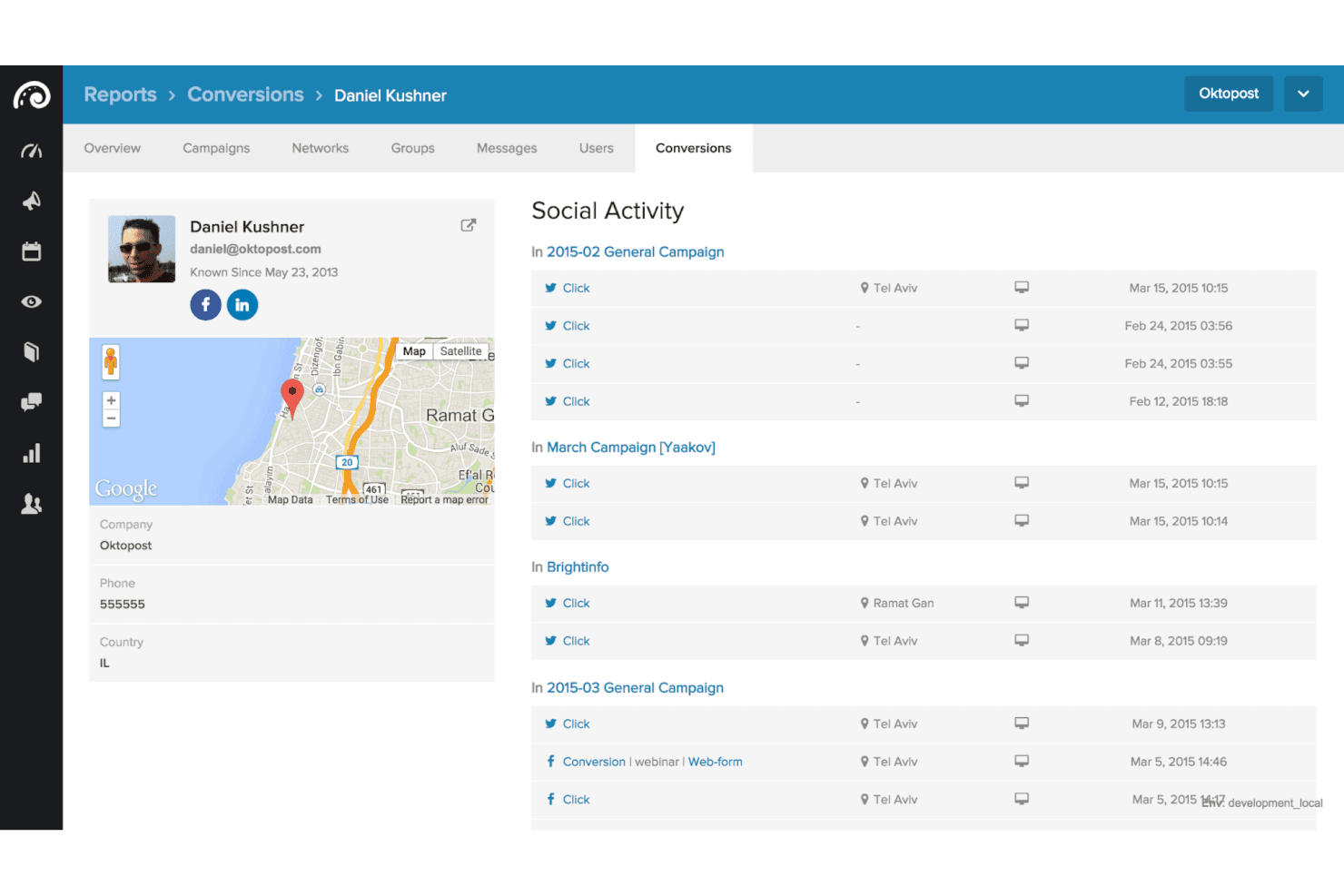
Oktopost monitora l'attività social dei singoli potenziali clienti nelle campagne. Oktopost è una piattaforma di attribuzione per i social media B2B che monitora i punti di contatto social su LinkedIn, Facebook, X, Instagram e TikTok, collegandoli ai dati della pipeline CRM tramite integrazioni con Salesforce, HubSpot, Marketo e Microsoft Dynamics 365.
Per chi è più indicato Oktopost?
Oktopost è particolarmente adatto ai team di marketing B2B e di generazione della domanda che devono collegare l'attività sui social media ai dati della pipeline CRM in Salesforce, HubSpot o Marketo.
Perché ho scelto Oktopost
Ho scelto Oktopost come una delle soluzioni migliori perché fa qualcosa che la maggior parte delle piattaforme di attribuzione non fa: collega direttamente l'attività sui social media ai dati della pipeline CRM, rendendolo uno strumento progettato specificamente per l'attribuzione social B2B. Mi piace il fatto che applichi automaticamente etichette UTM univoche a ogni post aziendale e condivisione tramite la promozione da parte dei dipendenti, riconducendo i ricavi a un post o a un sostenitore specifico in Salesforce. Inoltre, associa i punti di contatto social ai record dei contatti man mano che le trattative avanzano, così puoi vedere esattamente quali interazioni social hanno influenzato una trattativa conclusa.
Funzionalità principali di Oktopost
- Integrazione del punteggio dei lead sui social: Trasferisce i dati sul coinvolgimento social direttamente nei modelli di punteggio dei potenziali clienti di Marketo e HubSpot per adeguare la qualificazione degli MQL in base ai segnali di intenzione provenienti dai social.
- Attribuzione della promozione da parte dei dipendenti: Assegna etichette UTM univoche alle condivisioni di ogni sostenitore, monitorando quali singoli dipendenti stanno generando pipeline e ricavi chiusi.
- Monitoraggio del social oscuro: Acquisisce l'attribuzione delle interazioni social che portano alle conversioni attraverso percorsi indiretti, ad esempio link di terze parti selezionati e condivisi sui social che convertono successivamente tramite la ricerca.
- Finestre di analisi retrospettiva dell'attribuzione configurabili: Consente di impostare finestre retrospettive di 24–90 giorni in base alla durata del ciclo di vendita, con requisiti minimi di avanzamento della fase della trattativa per evitare un'attribuzione eccessiva.
Integrazioni di Oktopost
Oktopost offre oltre 10 integrazioni documentate, tra cui Salesforce, HubSpot, Marketo, Microsoft Dynamics 365, Oracle Eloqua, Adobe Marketo Measure, Power BI, Looker Studio, Outreach e Zapier. La sua API supporta integrazioni personalizzate.
Pros and Cons
Pros:
- Attribuisce il coinvolgimento social direttamente ai ricavi chiusi
- Monitora l'impatto dei singoli dipendenti tramite la promozione da parte dei dipendenti sulla pipeline
- Inietta i dati social nei report sul percorso CRM
Cons:
- Nessuna attribuzione oltre i punti di contatto sui social media
- Mancano funzionalità dal digitale al punto vendita e per il settore della vendita al dettaglio
Learn more about Oktopost: Ideale per il monitoraggio delle conversioni offline
- Non disponibile
- A partire da $400/mese
Visit WebsiteCustomer Rating:4.6/5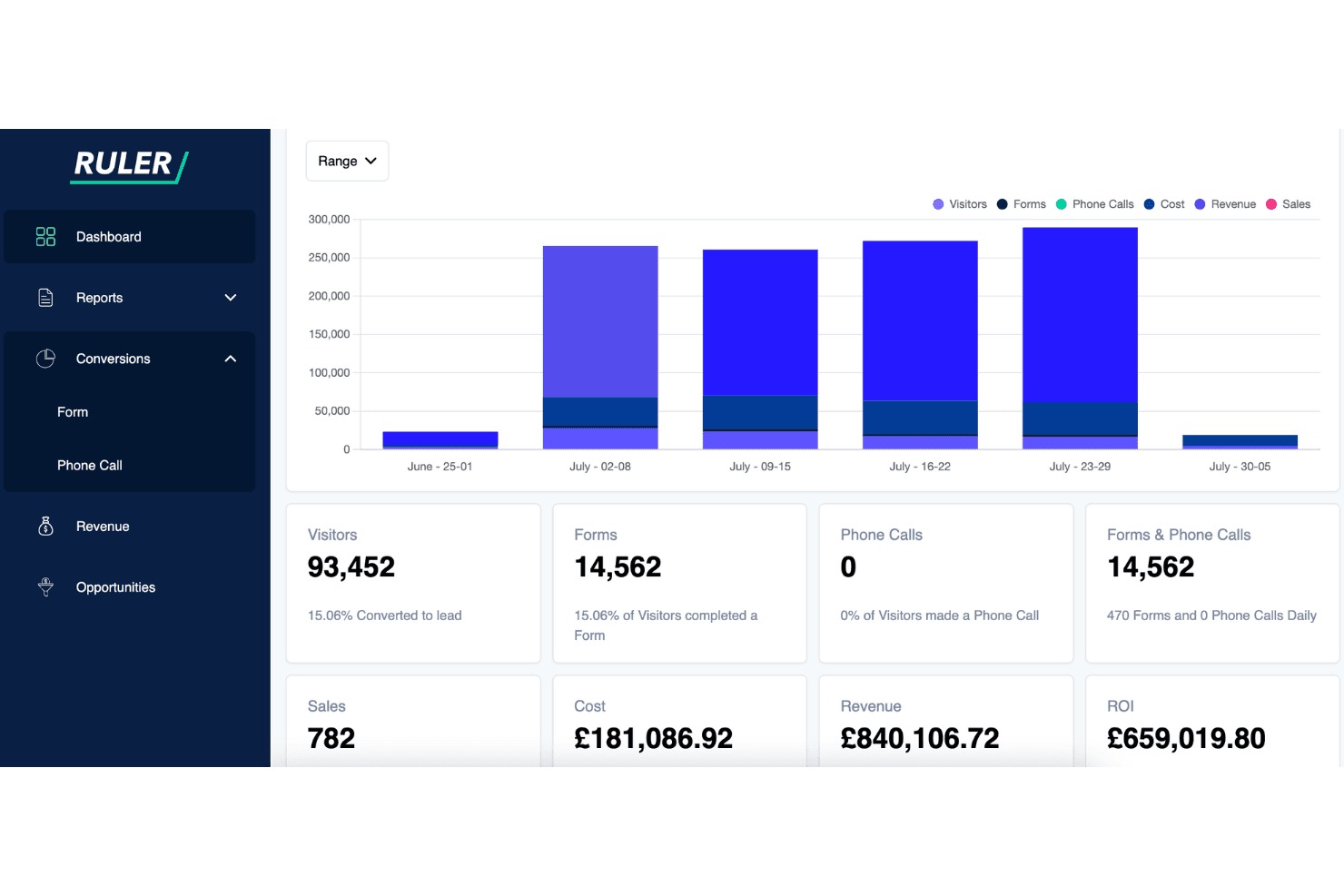
Ruler Analytics monitora visitatori, moduli, chiamate, ricavi e ROI in un'unica dashboard. Ruler Analytics è una piattaforma di attribuzione marketing che monitora telefonate, invii di moduli, chat dal vivo e dati sui ricavi del CRM lungo l'intero percorso del cliente, combinando attribuzione multi-touch, attribuzione basata sui dati e modellazione del mix di marketing in un unico strumento.
Per chi è più adatto Ruler Analytics?
Ruler Analytics è particolarmente adatto ai team di marketing nei settori ad alta intensità telefonica o fortemente orientati alla generazione di lead, come i servizi finanziari, il settore legale e i servizi per la casa, dove i ricavi vengono generati offline e collegare la spesa pubblicitaria alle trattative concluse è la priorità.
Perché ho scelto Ruler Analytics
Ruler Analytics si è guadagnato un posto nella mia selezione perché collega la spesa pubblicitaria online ai ricavi offline in un modo che la maggior parte degli strumenti di attribuzione semplicemente non offre. Apprezzo in particolare il suo inserimento dinamico dei numeri per il monitoraggio delle chiamate, che collega una specifica telefonata alla parola chiave o alla campagna esatta che l'ha generata. Quando una trattativa nel CRM si conclude, Ruler recupera automaticamente i relativi ricavi e li attribuisce a ogni precedente punto di contatto, fornendo dati ROAS autentici anziché una stima del costo per lead.
Funzionalità principali di Ruler Analytics
- Modello di attribuzione basato sui dati: Un modello basato sull'apprendimento automatico che ridistribuisce il merito della conversione tra i canali sulla base di un'analisi statistica, inclusa la ponderazione delle impressioni per le attività nella parte alta del funnel.
- Pianificatore di scenari di budget: Modella l'impatto sui ricavi della riallocazione della spesa tra i canali, utilizzando curve dei rendimenti decrescenti per evidenziare dove un budget aggiuntivo genererà il maggiore ritorno.
- Agente analista basato sull'IA: Monitora continuamente le prestazioni delle campagne e dei canali e fornisce spiegazioni in linguaggio semplice delle variazioni, inclusi avvisi tempestivi sulle prestazioni insufficienti.
- Monitoraggio tra dispositivi e domini: Acquisisce più di 60 variabili per visitatore, inclusi parametri UTM, ClickID e dati del dispositivo, attraverso più sessioni, domini e dispositivi in un'unica visualizzazione del cliente.
Integrazioni di Ruler Analytics
Ruler Analytics offre più di 1.000 integrazioni, tra cui Google Ads, Meta Ads, TikTok Ads, Amazon Ads, Salesforce, HubSpot, Shopify, BigCommerce e Tableau. Supporta inoltre connessioni personalizzate tramite webhook, CSV/FTP, SQL e Zapier.
Pros and Cons
Pros:
- Monitora le conversioni offline provenienti da chiamate e moduli
- Fornisce un'attribuzione dei ricavi a ciclo chiuso per le trattative del CRM
- Offre attribuzione basata sui dati e sulle impressioni
Cons:
- Richiede un impegno contrattuale annuale senza periodo di prova
- Nessun connettore nativo per POS o media retail
Learn more about Ruler Analytics: Miglior software di attribuzione omnicanale
- Piano gratuito disponibile
- A partire da $500/mese
Visit WebsiteCustomer Rating:4.1/5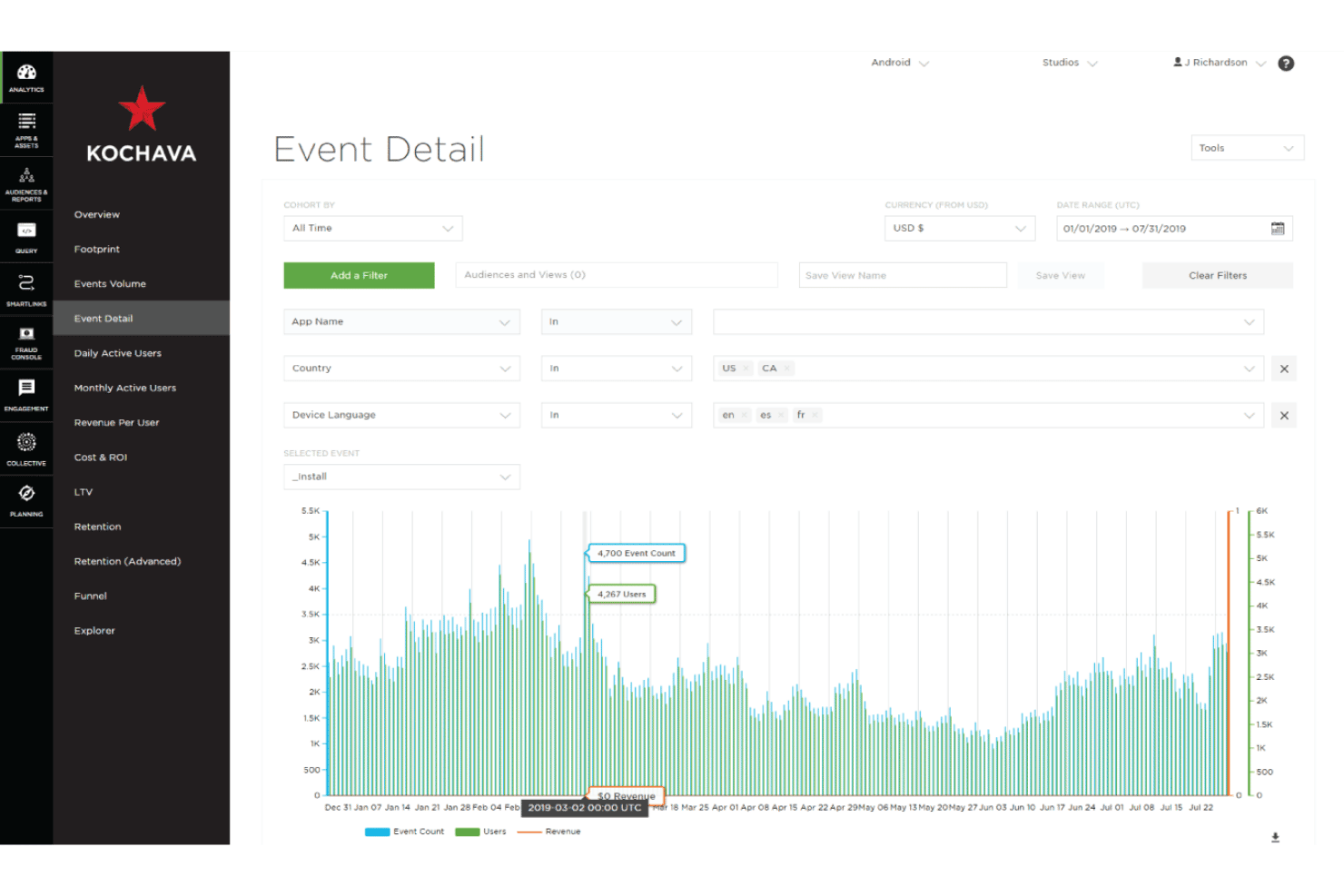
Kochava consente agli utenti di analizzare gli eventi di installazione per paese, lingua e intervallo di date. Kochava è una piattaforma di attribuzione marketing che unifica la misurazione di mobile, web, CTV, OOH/DOOH e media retail con attribuzione multi-touch, risoluzione dell'identità e modellazione del mix di marketing.
Per chi è più adatta Kochava?
Kochava è una soluzione particolarmente adatta ai team di marketing omnicanale che devono unificare l'attribuzione per mobile, CTV, OOH/DOOH e media retail in un'unica piattaforma.
Perché ho scelto Kochava
Kochava merita un posto tra le migliori della mia selezione perché nessun'altra piattaforma eguaglia l'ampiezza della sua attribuzione omnicanale in un'unico cruscotto. Sono particolarmente colpito da IdentityLink®, che collega oltre 10 miliardi di profili di dispositivi con consenso per unire mobile, CTV, OOH/DOOH e visite ai negozi fisici in un'unica visione continua del cliente. Inoltre, la modellazione sempre attiva del mix di marketing di AIM viene aggiornata quotidianamente, quindi non devo mai basarmi su un modello trimestrale obsoleto quando rialloco il budget tra i canali.
Caratteristiche principali di Kochava
- Modellazione predittiva del tasso di abbandono: Un algoritmo di intelligenza artificiale assegna un punteggio alla probabilità di abbandono di ogni utente con un'accuratezza del 90%, quindi invia automaticamente i segmenti ad alto rischio ai partner di coinvolgimento.
- Test di incrementalità autonomi: I responsabili marketing possono creare, programmare ed eseguire test di impulso per reti, campagne o regioni specifiche direttamente nel cruscotto di AIM.
- Partnership per la misurazione di Walmart Connect: Kochava misura le campagne Walmart Connect, che comprendono ricerca sponsorizzata, annunci display, schermi nei negozi e CTV, insieme al resto del tuo mix media in tempo reale.
- Supporto per SKAdNetwork e AdAttributionKit: Kochava gestisce l'attribuzione conforme alle norme sulla privacy di iOS tramite SKAN e AAK, senza fare affidamento su identificatori a livello di utente.
Integrazioni di Kochava
Kochava dichiara di avere oltre 5.000 partner media integrati, tra cui Meta, Google Ads, TikTok, Apple Search Ads, Roku, Spotify e Walmart Connect. I piani aziendali aggiungono ETL personalizzato, callback e connettività da server a server per integrazioni con CRM, POS e magazzini dati.
Pros and Cons
Pros:
- Unifica l'attribuzione online, offline e CTV
- Modellazione predittiva del tasso di abbandono per l'attivazione del pubblico
- Riallocazione del budget in tempo reale con AIM MMM
Cons:
- Il monitoraggio delle transazioni offline richiede l'inserimento manuale dei dati
- Nessuna integrazione nativa pronta all'uso con i POS dei negozi al dettaglio
Learn more about Kochava: Ideale per modelli di attribuzione avanzati
- Demo gratuita disponibile
- Prezzi su richiesta
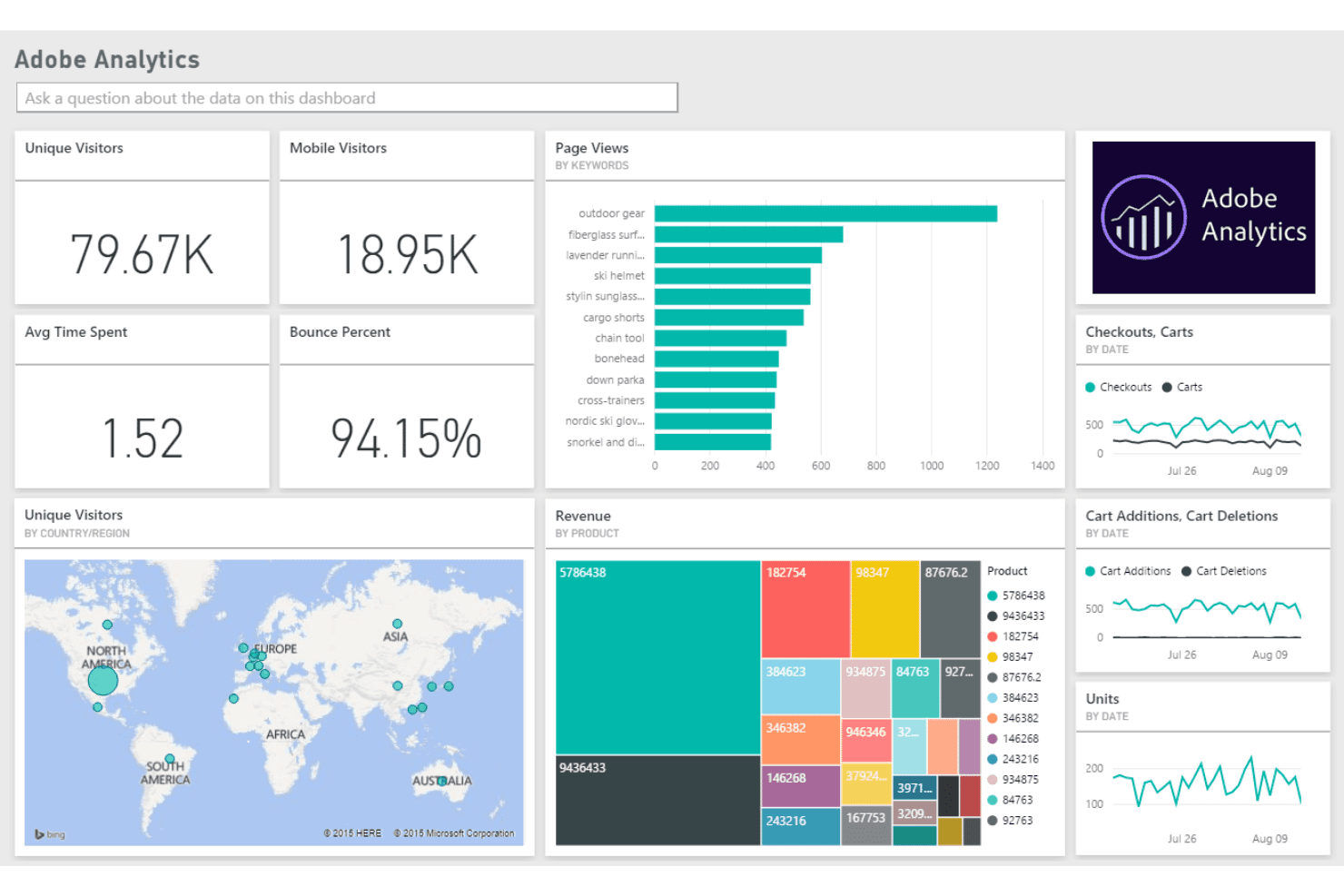
Adobe Analytics centralizza i dati su visitatori, ricavi e parole chiave in un'unica dashboard. Adobe Analytics è una piattaforma di analisi aziendale che combina la modellazione dell'attribuzione multi-touch, l'integrazione dei dati cross-channel, la mappatura del percorso del cliente e l'ottimizzazione del mix di media attraverso le sue suite Attribution IQ, Customer Journey Analytics e Marketing Campaign Analytics.
Per chi è più indicato Adobe Analytics?
Adobe Analytics è adatto ai team aziendali di marketing e analisi che devono confrontare più modelli di attribuzione fianco a fianco e collegare i dati offline alle prestazioni delle campagne digitali.
Perché ho scelto Adobe Analytics
Adobe Analytics si è guadagnato un posto nella mia rosa di candidati perché la sua suite Attribution IQ stabilisce davvero un nuovo punto di riferimento per la profondità della modellazione dell'attribuzione. Posso confrontare tutti gli 11 modelli fianco a fianco in tempo reale, incluso un modello algoritmico basato sul valore di Shapley che calcola il contributo incrementale effettivo di ciascun punto di contatto, senza dover effettuare alcuna nuova implementazione. Ciò che trovo più interessante è Marketing Campaign Analytics, che combina MMM e MTA attraverso l'apprendimento per trasferimento basato sull'intelligenza artificiale, permettendomi di pianificare scenari tra i diversi canali e individuare i rendimenti decrescenti prima che incidano sul mio budget.
Funzionalità principali di Adobe Analytics
- Collegamento dell'identità tra dispositivi: Collega più identificatori—e-mail, ID CRM, carte fedeltà e ID dei dispositivi—in un profilo cliente unificato tramite il grafo delle identità di Adobe Experience Platform.
- Canvas del percorso: Uno strumento di sequenziamento degli eventi basato su nodi che consente di visualizzare e analizzare i percorsi dei clienti e i punti di abbandono tra i punti di contatto online e offline.
- Misurazione dell'incrementalità: Misura l'impatto causale della spesa di marketing tra i diversi canali, separando l'incremento effettivo dalle conversioni di base.
- Reportistica libera in Analysis Workspace: Consente di creare report completamente personalizzabili con metriche adeguate all'attribuzione, tabelle di coorte, rilevamento delle anomalie e analisi del funnel senza modificare il codice.
Integrazioni di Adobe Analytics
Adobe Analytics offre integrazioni documentate con Adobe Experience Platform, Real-Time CDP, Journey Optimizer, Target, Campaign, Marketo Engage, Snowflake, BigQuery, Azure, Google Ads e Microsoft Advertising. Supporta inoltre le connessioni al marketplace Adobe Exchange e l'API Analytics 2.0 per le integrazioni personalizzate.
Pros and Cons
Pros:
- Offre 11 modelli di attribuzione fianco a fianco
- Tiene traccia insieme dei percorsi online e offline
- Offre strumenti di misurazione dell'incrementalità basati sull'intelligenza artificiale
Cons:
- Non include la riproduzione delle sessioni o le mappe di calore
- Non dispone di connettori nativi per le reti di retail media
Learn more about Adobe Analytics: Miglior software di marketing aziendale completo
- Non disponibile
- Prezzo su richiesta
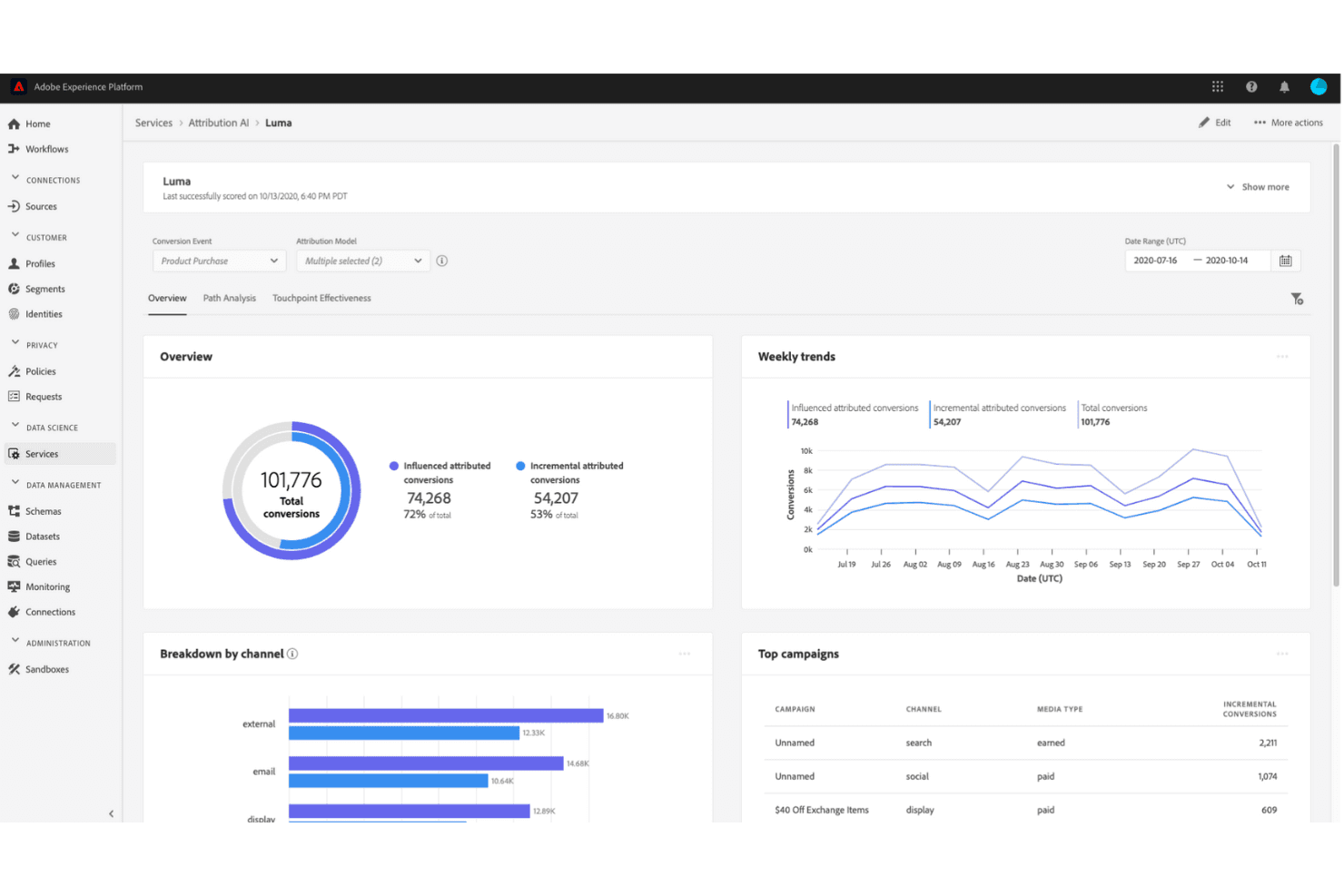
Attribution AI di Adobe Experience Platform monitora le prestazioni delle conversioni sui diversi canali. Adobe Experience Manager è una piattaforma aziendale per la gestione dei contenuti e delle risorse digitali che, abbinata ad Adobe Analytics, Customer Journey Analytics e Mix Modeler, offre modellazione dell'attribuzione multicanale, ottimizzazione del mix dei media e report sul ROI delle campagne su più canali.
Per chi è più adatto Adobe Experience Manager?
Adobe Experience Manager è progettato per i rivenditori Fortune 500 e i team di marketing aziendali che hanno bisogno di combinare gestione dei contenuti, gestione delle risorse digitali e attribuzione all'interno di un unico ecosistema.
Perché ho scelto Adobe Experience Manager
Adobe Experience Manager si è guadagnato un posto nella mia lista ristretta perché nessun'altra piattaforma collega la distribuzione dei contenuti, la modellazione dell'attribuzione e l'ottimizzazione del mix dei media all'interno di un unico ecosistema come fa Adobe. Sono particolarmente colpito da Attribution IQ, che consente di eseguire fianco a fianco modelli basati sul primo contatto, sul decadimento temporale e algoritmici in Analysis Workspace, e da Adobe Mix Modeler, che utilizza l'inferenza bayesiana e i valori di Shapley per prevedere l'impatto del budget sui diversi canali prima di spendere un solo centesimo. Questa combinazione è davvero rara a livello aziendale.
Funzionalità principali di Adobe Experience Manager
- Integrazione dei dati multicanale: Adobe Experience Platform acquisisce dati da fonti web, mobile, email, POS, fedeltà e CRM in un'unica vista unificata per l'analisi dell'attribuzione.
- Etichettatura dei contenuti basata sull'intelligenza artificiale: Adobe Sensei applica automaticamente Smart Tags, Smart Crop e l'arricchimento dei metadati alle risorse digitali delle diverse campagne.
- Visualizzazione dei percorsi omnicanale: Customer Journey Analytics mappa i percorsi dei singoli clienti e quelli aggregati tra i punti di contatto web, app, email, centri assistenza telefonica e negozi fisici.
- Pannelli delle campagne in tempo reale: Analysis Workspace offre report personalizzabili con granularità a livello di canale, campagna, creatività, pubblico e negozio, con rilevamento delle anomalie assistito dall'intelligenza artificiale.
Integrazioni di Adobe Experience Manager
Adobe Experience Manager offre integrazioni native in tutta Adobe Experience Cloud, tra cui Adobe Analytics, Customer Journey Analytics, Mix Modeler, Experience Platform, Salesforce, Google BigQuery, Azure, Snowflake e Databricks. Supporta l'attivazione dei pubblici su Google Ads e Meta, oltre alle API per connessioni dati personalizzate.
Pros and Cons
Pros:
- Modellazione nativa del mix dei media con pianificazione di scenari basata sull'intelligenza artificiale
- Attribuzione basata su regole e algoritmica affiancate
- Dati online e offline unificati per l'attribuzione
Cons:
- Le funzionalità di attribuzione richiedono più licenze separate
- Mancano connettori nativi per le reti di media retail
Learn more about Adobe Experience Manager: Ideale per l'attribuzione e la modellazione MMM nell'ecosistema Google
- Non disponibile
- Prezzi su richiesta
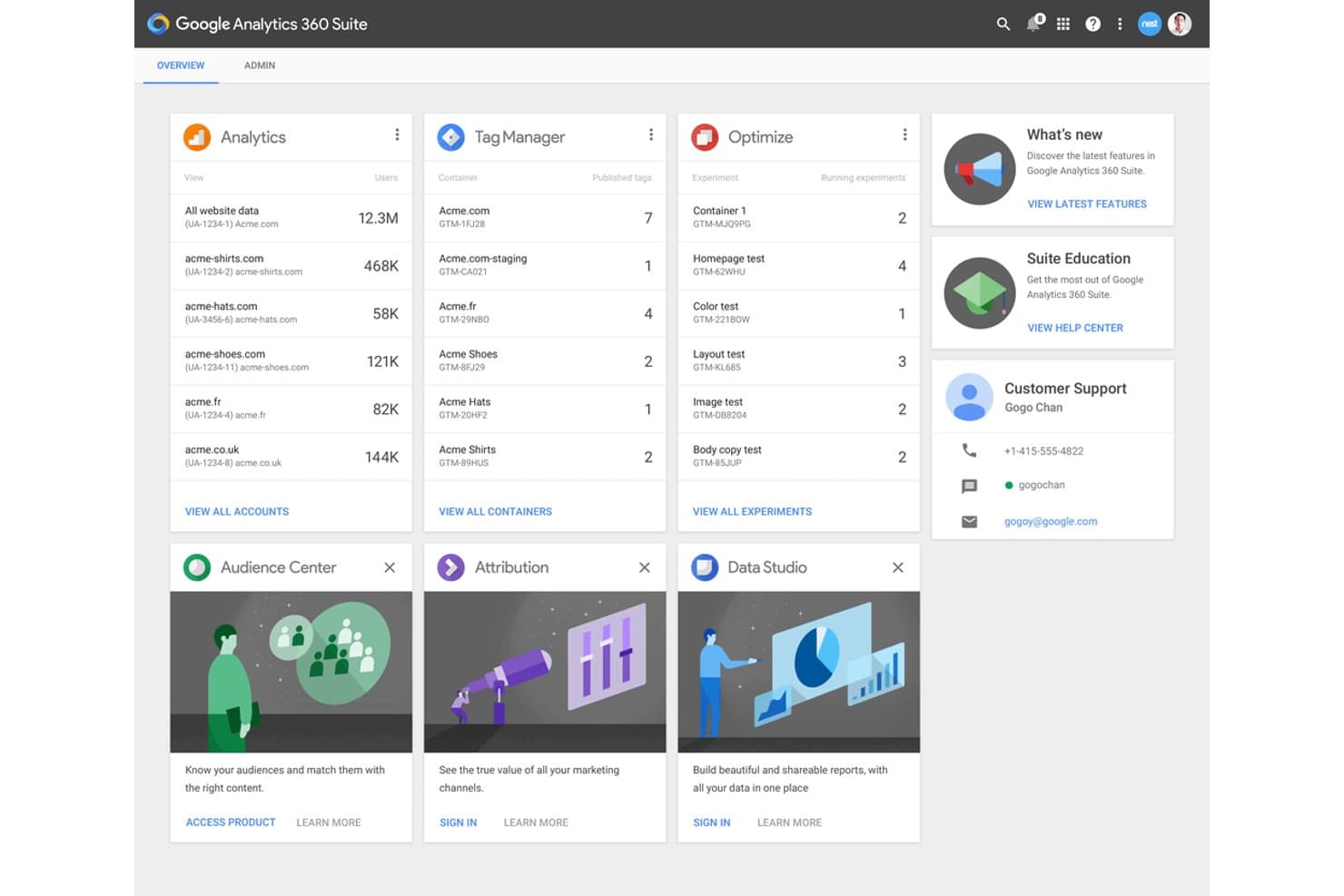
Google Attribution 360 è integrato in un pannello di controllo più ampio che riunisce strumenti di marketing. Google Analytics 360 è una piattaforma aziendale di analisi e attribuzione che combina l'attribuzione basata sui dati, i report su più canali, la modellazione del marketing mix tramite Meridian e profonde integrazioni con l'ecosistema Google, tra cui Google Ads, DV360, SA360 e BigQuery.
A chi è più adatto Google Analytics 360?
Google Analytics 360 è particolarmente adatto ai team di e-commerce che gestiscono programmi multimediali incentrati su Google e necessitano di attribuzione su scala aziendale, report non campionati e modellazione del marketing mix in un'unica piattaforma.
Perché ho scelto Google Analytics 360
Ho scelto Google Analytics 360 come una delle soluzioni migliori perché il suo modello di attribuzione basata sui dati fa qualcosa che la maggior parte degli strumenti non fa: utilizza un approccio di ML controfattuale per calcolare in che modo ogni punto di contatto modifica effettivamente la probabilità di conversione, invece di considerare semplicemente quale clic è arrivato per ultimo. A ciò si aggiunge la nuova integrazione MMM di Meridian, che porta la modellazione bayesiana del marketing mix direttamente nella piattaforma, consentendo di prevedere i risultati della spesa e misurare l'incrementalità senza dover collegare strumenti separati.
Funzionalità principali di Google Analytics 360
- Report dei dati non campionati: Accedi a set di dati completi e non campionati, fino a 50 miliardi di eventi al giorno, per report completamente accurati su scala aziendale.
- Proprietà secondarie e di aggregazione: Segmenta e consolida i dati tra marchi, aree geografiche o unità aziendali all'interno di un singolo account Analytics 360.
- Report dei percorsi di conversione: Visualizza la sequenza completa dei punti di contatto che portano alla conversione, con il confronto affiancato dei modelli di attribuzione integrato nell'Area di lavoro Pubblicità.
- Segmenti di pubblico predittivi: I modelli di ML individuano gli utenti con un'elevata probabilità di acquisto o a rischio di abbandono, che puoi attivare direttamente nelle campagne Google Ads.
Integrazioni di Google Analytics 360
Google Analytics 360 offre oltre 10 integrazioni native, tra cui Google Ads, DV360, SA360, CM360, BigQuery, Google Search Console, Salesforce Marketing Cloud, Google Ad Manager, Google AdMob, Google Play e Tag Manager. Le sue API Admin, API Data e il Measurement Protocol supportano integrazioni personalizzate.
Pros and Cons
Pros:
- Gestisce fino a 50 miliardi di eventi al giorno
- L'attribuzione basata sui dati utilizza l'apprendimento automatico
- L'integrazione Meridian MMM consente la modellazione del marketing mix
Cons:
- Nessuna attribuzione nativa per POS o negozi fisici
- Ha reso obsoleti molti modelli di attribuzione basati su regole
Learn more about Google Attribution 360:
Altri software di attribuzione del marketing
Ecco alcune altre opzioni se nessuno dei software di attribuzione del marketing presenti nella top ten fa al caso tuo:
- 11InvocaIdeale per le metriche di marketing basate sulle chiamate telefoniche
- 12StatcounterMiglior software gratuito per l'attribuzione del marketing
- 13NeustarLa migliore soluzione di analisi e attribuzione TV
- 14Nielsen Visual IQMiglior software di attribuzione del marketing per le aziende
- 15InsightlyMigliore attivazione e reportistica degli eventi personalizzati
- 16SingularMiglior software di attribuzione per il marketing retail
- 17MatomoMiglior software open source di marketing per l'attribuzione
- 18ConversionLogicIdeale per un metodo basato su un ensemble di alberi
Come Valuto il Software di Attribuzione Marketing
Valuto gli strumenti di attribuzione marketing su due livelli: i requisiti di base—come il tracking O2O e l’integrazione dei dati cross-channel—e i fattori differenzianti che determinano la miglior soluzione per i team retail.
Funzionalità di Base (Condizioni Essenziali per Questa Lista)
Quando seleziono gli strumenti per la mia lista, valuto ciascuno su una scala da 0 (non offre la funzionalità) a 5 (eccelle in questo ambito) per ogni funzionalità di base elencata di seguito. Successivamente, calcolo il punteggio totale dello strumento in percentuale. Ogni strumento deve ottenere un punteggio minimo totale del 65% per essere preso in considerazione.
- Modellazione Multi-Touch dell’Attribuzione: Verifico se la piattaforma supporta modelli basati su regole come lineare e decay temporale, oltre a modelli algoritmici o guidati dai dati per confrontare come viene distribuito il merito tra i diversi touchpoint.
- Integrazione dei Dati Cross-Canale: Ogni strumento deve essere in grado di acquisire dati da ricerca a pagamento, social, display, email e idealmente fonti offline come POS e sistemi CRM, riunendoli in un’unica vista.
- Tracciamento Online-to-Offline: I team retail devono collegare l’esposizione agli annunci digitali agli acquisti in negozio, quindi valuto come ogni strumento integra i dati POS e li associa ai touchpoint online.
- Reportistica ROI delle Campagne: Cerco dashboard che suddividano il ROAS per canale, campagna e livello creativo; i marketer retail devono vedere quale promozione stagionale o annuncio specifico per prodotto ha realmente generato fatturato.
- Mappatura del Customer Journey: Un buon strumento di attribuzione dovrebbe visualizzare l’intero percorso dal primo clic all’acquisto, compreso il collegamento cross-device per chi naviga da mobile e acquista da desktop o in negozio.
- Ottimizzazione del Media Mix: Oltre a riportare cosa è successo, valuto se uno strumento offre raccomandazioni per riallocare il budget o pianificazioni di scenari per aiutare a spostare la spesa verso i canali con performance migliori.
Dopo aver stilato la lista degli strumenti che soddisfano questi criteri, considero ciò che distingue ciascuna piattaforma.
Fattori Differenzianti (Cosa Distingue i Fornitori)
Ecco come confronto e distinguo i diversi fornitori:
Funzionalità Distintive
Il testing di incrementalità è un importante elemento differenziante. Cerco strumenti che eseguano esperimenti geo-lift o holdout per dimostrare che una campagna ha davvero generato vendite e non solo intercettato domanda già esistente. L’integrazione con retail media network è anch’essa importante, in particolare per i brand che investono in Amazon Ads, Walmart Connect o Instacart. Valuto anche le capacità di risoluzione delle identità, dato che gli acquirenti retail spesso navigano da mobile, cliccano su un’email da desktop e acquistano in negozio. Gli strumenti che riescono a unire queste interazioni offrono una visione molto più chiara di ciò che funziona davvero.
Oltre le Funzionalità
Le integrazioni con l’ecosistema tecnologico retail sono tra le prime cose che verifico. Uno strumento che si collega nativamente a POS, piattaforma ecommerce e CDP fa risparmiare settimane di configurazione rispetto al lavoro su API personalizzate. La conformità alla privacy dei dati è altrettanto importante—valuto se una piattaforma supporta strategie di dati first-party e soddisfa standard come GDPR e CCPA, visto che l’attribuzione si basa su dati a livello cliente. Considero anche l’accessibilità della reportistica, perché direttori marketing e responsabili merchandising hanno bisogno di dashboard comprensibili senza dover chiedere a un analista di estrarre i numeri.
Che cos'è il software di attribuzione del marketing?
Il software di attribuzione del marketing è uno strumento basato sui dati che assegna il merito a ogni punto di contatto del marketing, tra cui annunci, email, post sui social e altro, per rivelare quali canali generano più vendite.
Monitora metriche in tempo reale come il periodo di recupero del CAC e i rapporti LTV:CAC, così sai esattamente quali campagne sono eroi dei profitti e quali bruciano il budget.
Combinando l'attribuzione multi-touch, la modellazione del marketing mix e i test di incrementalità, offre un'unica dashboard completa invece di tre dashboard scollegate. Niente più supposizioni alla cieca: solo informazioni chiare per ottimizzare la spesa, potenziare le campagne vincenti e raggiungere gli obiettivi di ROI.
Come scegliere il software di attribuzione del marketing
Scegliere un software di attribuzione del marketing può sembrare complicato: ci sono moltissime funzionalità, promesse e termini sofisticati in circolazione. Ma non deve esserlo per forza.
Utilizza la tabella seguente per individuare rapidamente i criteri essenziali di cui hai bisogno nella scelta dello strumento di attribuzione più adatto alla tua attività di e-commerce:
| Considerazione chiave | Cosa cercare e perché è importante |
|---|---|
| Considerazione chiaveApprofondimenti specifici per canale | Cosa cercare e perché è importanteIl software dovrebbe mostrare chiaramente quali canali di marketing generano il CAC più basso e il ROI più elevato: un aspetto fondamentale per una gestione intelligente del budget. |
| Considerazione chiaveMonitoraggio delle metriche in tempo reale | Cosa cercare e perché è importanteCerca strumenti che offrano il monitoraggio in tempo reale del periodo di recupero del CAC e del rapporto LTV:CAC, così potrai modificare rapidamente la tua strategia di marketing. |
| Considerazione chiaveIntegrazione dei metodi di attribuzione | Cosa cercare e perché è importanteScegli piattaforme che integrino MTA, MMM e test di incrementalità per ottenere una visione completa delle prestazioni del marketing. |
| Considerazione chiaveModelli di attribuzione flessibili | Cosa cercare e perché è importanteScegli un software che supporti più modelli (primo clic, ultimo clic, lineare, personalizzato), assicurandoti che siano in linea con i tuoi obiettivi. |
| Considerazione chiaveMonitoraggio su più dispositivi e canali | Cosa cercare e perché è importanteVerifica la presenza di un monitoraggio efficace su dispositivi e canali diversi, così nessuna interazione con i clienti passerà inosservata. |
| Considerazione chiaveReport personalizzabili | Cosa cercare e perché è importanteOpta per strumenti con dashboard facilmente adattabili, per garantire al tuo team un accesso rapido alle metriche più importanti. |
| Considerazione chiaveAnalisi predittiva | Cosa cercare e perché è importantePrendi in considerazione software che utilizzano approfondimenti basati sull'AI per identificare in modo proattivo le opportunità, prevedere le tendenze e orientare la strategia. |
| Considerazione chiaveIntegrazioni semplici | Cosa cercare e perché è importanteAssicurati che il software si colleghi facilmente alle piattaforme di e-commerce (Shopify, WooCommerce) e al tuo CRM per ottenere approfondimenti unificati. |
| Considerazione chiaveTest di incrementalità | Cosa cercare e perché è importanteSeleziona strumenti che offrano test di incrementalità per misurare con precisione l'impatto effettivo e incrementale della spesa di marketing. |
| Considerazione chiaveAssistenza e facilità d'uso | Cosa cercare e perché è importanteDai priorità a strumenti intuitivi, supportati da eccellenti risorse di assistenza: nessuno strumento è utile se il tuo team fatica a utilizzarlo. |
Con questi criteri a disposizione, sceglierai il software di attribuzione che aiuterà il tuo brand di e-commerce a prosperare, non solo a sopravvivere.
Tendenze dei software di attribuzione del marketing
Il mondo dei software di attribuzione del marketing sta evolvendo rapidamente, soprattutto nell'e-commerce. Ecco gli aspetti principali da tenere presenti:
- L'attribuzione basata sull'AI è destinata a rimanere. Gli strumenti diventano sempre più intelligenti e utilizzano l'AI per analizzare più a fondo il comportamento dei clienti e fornire approfondimenti di cui non sapevi nemmeno di avere bisogno.
- I modelli incentrati sulla privacy sono ormai la norma. Con l'inasprimento delle leggi sulla privacy dei dati, il software sta adottando metodi di monitoraggio più etici e basati sul consenso, che soddisfano i clienti e garantiscono la conformità.
- La misurazione tra più canali è indispensabile. I clienti non si limitano a una sola piattaforma, e nemmeno la tua attribuzione dovrebbe farlo. Gli strumenti si concentrano sull'offerta di una visione unificata tra i diversi canali.
- Gli approfondimenti in tempo reale non sono negoziabili. Aspettare giorni per gli aggiornamenti dei dati? Dimenticalo. L'attribuzione in tempo reale ti consente di modificare la strategia mentre la campagna è ancora in corso.
- I dispositivi connessi aggiungono nuovi punti di contatto. Altoparlanti intelligenti, dispositivi indossabili e altri dispositivi IoT stanno diventando protagonisti del percorso del cliente. Gli strumenti di attribuzione si stanno adeguando per monitorare queste interazioni.
- I modelli di attribuzione avanzati stanno facendo un salto di qualità. I giorni in cui ci si affidava esclusivamente al primo clic o all'ultimo clic sono finiti. I modelli avanzati catturano ora meglio l'intero percorso del cliente.
- L'esperienza del cliente è sempre più centrale. L'attribuzione non riguarda più soltanto le metriche: riguarda la comprensione delle esigenze dei clienti e la capacità di soddisfarle a ogni punto di contatto.
Caratteristiche dei software di attribuzione del marketing
Un eccellente software di attribuzione del marketing non si limita a elaborare numeri: offre approfondimenti utili per perfezionare la tua strategia di e-commerce. Ecco cosa includono i migliori strumenti:
- Monitoraggio multicanale. Monitora e analizza le interazioni tramite email, social media, annunci a pagamento e il tuo sito di e-commerce, mostrando esattamente le prestazioni di ciascun canale.
- Analisi in tempo reale e monitoraggio delle metriche. Misura istantaneamente metriche fondamentali come il periodo di recupero del CAC, il valore del ciclo di vita del cliente (LTV) e i rapporti LTV:CAC, per adeguare rapidamente campagne e budget.
- Attribuzione tra dispositivi. Monitora con precisione i clienti mentre passano da dispositivi desktop, mobili e tablet, assicurandoti che nessuna interazione importante vada persa.
- Modelli avanzati di attribuzione multi-touch. Assegna facilmente il merito utilizzando modelli basati sul primo contatto, sull'ultimo contatto, lineari o personalizzati, individuando la soluzione più adatta alla tua attività e ottimizzando di conseguenza la spesa.
- MMM, MTA e test di incrementalità integrati. Combina l'attribuzione multi-touch (MTA), la modellizzazione del marketing mix (MMM) e i test di incrementalità in un'unica piattaforma per ottenere una visione completa dell'efficacia del marketing, senza più strumenti scollegati e isolati.
- Analisi della modellizzazione del marketing mix. Quantifica il reale impatto delle tue attività di marketing offline e digitale, aiutandoti a comprendere strategie più ampie oltre i punti di contatto digitali immediati.
- Funzionalità di test di incrementalità. Vai oltre le metriche standard isolando specifiche attività di marketing per individuare il loro reale impatto incrementale sulle vendite e assicurarti che il budget non si limiti a spostare i risultati da un'attività all'altra.
- Analisi predittiva e informazioni basate sull'IA. Sfrutta l'apprendimento automatico per scoprire opportunità nascoste, anticipare le tendenze e adeguare proattivamente le tue strategie di marketing prima della concorrenza.
- Pannelli di controllo per la reportistica personalizzabili. Crea pannelli di controllo che mettano in evidenza le metriche più importanti per il tuo team, semplificando il processo decisionale e la reportistica.
- Solide capacità di integrazione. Collegati senza difficoltà a piattaforme come Shopify, BigCommerce, WooCommerce, Google Ads, Facebook e al tuo CRM, mantenendo i dati sincronizzati in modo fluido.
Grazie a queste funzionalità, il software di attribuzione del marketing ti permette di prendere decisioni più intelligenti e rapide e di impegnarti seriamente nella crescita della tua attività di e-commerce.
Vantaggi del software di attribuzione del marketing
Il software di attribuzione del marketing non è soltanto un altro pannello di controllo sofisticato: è la tua arma segreta per una crescita più intelligente dell'e-commerce. Ecco perché lo apprezzerai:
- Individua i canali di marketing con le migliori prestazioni. Identifica rapidamente quali canali (email, social media, annunci a pagamento) generano i costi di acquisizione cliente (CAC) più bassi e il ROI più elevato, così saprai esattamente su quali puntare maggiormente.
- Monitora metriche in tempo reale come il periodo di recupero del CAC e LTV:CAC. Visualizza dati immediati sull'efficienza della spesa di marketing. Non aspettare: prendi decisioni mentre le campagne sono in corso, non settimane dopo.
- Ottieni una visione completa con modelli di attribuzione integrati. Combinando l'attribuzione multi-touch (MTA), la modellizzazione del marketing mix (MMM) e i test di incrementalità, puoi vedere il quadro completo delle prestazioni di marketing, senza lacune né supposizioni.
- Ottimizza l'intero percorso del cliente. Identifica facilmente i punti di contatto chiave che influenzano le conversioni, dalla consapevolezza iniziale alla finalizzazione dell'acquisto, per migliorare il coinvolgimento e ridurre gli abbandoni.
- Misura l'incrementalità, non le metriche di vanità. I test di incrementalità isolano le campagne che aumentano realmente le vendite, così investi in risultati che contano davvero.
- Migliora l'allineamento e la chiarezza del team. Metti fine ai dibattiti e alla confusione sull'efficacia delle campagne offrendo un'unica fonte attendibile per i team di marketing e vendite.
- Massimizza il ROI del marketing. Concentra con precisione i budget sulle campagne più performanti, riducendo al contempo le spese inefficaci e assicurandoti che ogni euro speso abbia uno scopo e un impatto chiari.
- Adatta le campagne in corso d'opera. Le informazioni in tempo reale ti consentono di modificare rapidamente le strategie di marketing, mantenendoti davanti ai concorrenti che si affidano a report lenti e obsoleti.
Costi e prezzi del software di attribuzione del marketing
Il software di attribuzione del marketing è disponibile in diverse formule, ciascuna con il proprio prezzo e il proprio insieme di funzionalità.
Che tu sia una nuova impresa con un budget limitato o un'azienda con esigenze complesse, troverai sicuramente una soluzione adatta a te.
Ecco una panoramica dei livelli di prezzo più comuni e di ciò che offrono:
| Tipo di piano | Prezzo medio | Caratteristiche comuni | Ideale per |
|---|---|---|---|
| Tipo di pianoGratuito | Prezzo medio$0/mese | Caratteristiche comuniModelli di attribuzione di base, monitoraggio limitato dei canali, reportistica di base | Ideale perStartup e piccole imprese che stanno valutando il settore |
| Tipo di pianoDi base | Prezzo medio$50 - $200/mese | Caratteristiche comuniMonitoraggio multicanale, modelli di attribuzione standard, integrazioni di base con piattaforme di e-commerce, numero limitato di utenti | Ideale perPiccole e medie imprese alla ricerca di informazioni convenienti |
| Tipo di pianoProfessionale | Prezzo medio$200 - $1,000/mese | Caratteristiche comuniModelli di attribuzione avanzati, informazioni in tempo reale, analisi predittiva, dashboard personalizzate, monitoraggio tra dispositivi | Ideale perImprese in crescita che necessitano di informazioni più approfondite |
| Tipo di pianoAziendale | Prezzo medio$1,000+/mese | Caratteristiche comuniModelli di attribuzione personalizzati, utenti illimitati, integrazioni avanzate, analisi basate sull'intelligenza artificiale, gestione dedicata dell'account | Ideale perGrandi aziende con requisiti complessi |
Costi aggiuntivi da considerare
Oltre ai costi di abbonamento, presta attenzione a questi possibili extra:
- Costi di configurazione iniziale e formazione. Alcune piattaforme addebitano costi per la configurazione e la formazione, che possono variare da $500 a $5,000 a seconda del piano e della complessità dell'attività.
- Componenti aggiuntivi e funzionalità avanzate. Hai bisogno di extra come informazioni basate sull'intelligenza artificiale o integrazioni aggiuntive? Spesso comportano costi aggiuntivi, a partire da $10 a $50/mese per funzionalità.
- Prezzi per utente. Alcuni software applicano un costo per utente, quindi le spese possono aumentare rapidamente con la crescita del team.
- Fatturazione annuale rispetto a quella mensile. Molti strumenti offrono sconti per i piani annuali, con un risparmio fino al 20%, quindi valuta la possibilità di pagare in anticipo se il tuo budget lo consente.
- Costi di espansione. Con l'espansione dell'attività, potresti aver bisogno di funzionalità più avanzate o di piani di livello superiore. Tienilo in considerazione nel budget a lungo termine.
Considerando questi fattori, puoi scegliere un software di attribuzione del marketing adatto alle esigenze e al budget della tua attività di e-commerce, evitando spiacevoli sorprese in futuro.
Domande frequenti sul software di attribuzione del marketing
È arrivato il momento, signore e signori: è tempo di domande. Voi le fate, noi rispondiamo. (Ma, in realtà, questo non è uno spazio dal vivo per domande e risposte, quindi ho scelto alcune domande pertinenti e ho risposto per voi). Iniziamo.
Che cos'è la modellazione dell'attribuzione?
La modellazione dell’attribuzione serve a capire quali attività di marketing meritano il merito di una vendita. È come dividere il merito in un lavoro di gruppo: chi ha fatto il grosso del lavoro e chi si è semplicemente presentato. I modelli più comuni includono:
- Attribuzione al primo clic: Il merito completo va alla prima interazione del cliente con il tuo marchio.
- Attribuzione all’ultimo clic: L’ultimo punto di contatto prima dell’acquisto si prende tutta la gloria.
- Attribuzione lineare: Ogni punto di contatto riceve una quota uguale del merito.
- Attribuzione con decadimento temporale: Le interazioni più recenti ricevono più merito perché sono “più vicine” alla vendita.
- Attribuzione a U: Il primo e l’ultimo punto di contatto ricevono il merito maggiore, con un po’ di riconoscimento anche per quelli intermedi.
- Attribuzione algoritmica: L’apprendimento automatico analizza tutti i punti di contatto e assegna il merito in base all’impatto effettivo.
Il modello giusto dipende dai tuoi obiettivi e dal modo in cui i clienti attraversano il percorso d’acquisto.
Qual è la differenza tra modelli di attribuzione come primo clic, ultimo clic e multi-contatto?
I modelli di attribuzione differiscono per il modo in cui assegnano il merito ai punti di contatto durante il percorso del cliente:
- Primo clic attribuisce il merito alla prima interazione, ideale per comprendere le strategie della parte alta del funnel.
- Ultimo clic si concentra sul punto di contatto finale, ottimo per valutare le campagne a risposta diretta.
- Multi-contatto distribuisce il merito tra più interazioni, offrendo un quadro più completo di ciò che ha influenzato la vendita.
È come ingrandire o rimpicciolire: ogni modello mette in evidenza una parte diversa del percorso, mentre il modello multi-contatto ti permette di vedere il quadro generale.
In che modo il software di attribuzione del marketing gestisce i canali offline, come gli acquisti in negozio?
Gli strumenti di attribuzione non servono solo per il digitale: possono includere anche i dati offline. Molti si integrano con i sistemi dei punti vendita oppure utilizzano metodi di tracciamento come le carte fedeltà e i codici QR per collegare le azioni in negozio alle campagne digitali. In questo modo ottieni una visione completa del percorso del cliente, indipendentemente dal fatto che faccia clic su “acquista ora” online o passi la carta nel tuo negozio.
Vale la pena pagare di più per le informazioni basate sull'IA nei software di attribuzione del marketing?
Assolutamente sì, soprattutto se la tua attività gestisce molti dati o realizza campagne complesse e multicanale. L’IA non si limita a elaborare numeri: individua schemi e opportunità che potresti non notare. Ad esempio, può prevedere quali canali offriranno le prestazioni migliori, facendoti risparmiare tempo e rendendo più efficace il tuo budget di marketing. Se la crescita e l’ottimizzazione sono priorità, l’IA è un investimento valido.
Come scegliere un software di attribuzione del marketing
Scegliere un software di attribuzione del marketing può sembrare complicato: tantissime funzioni, tantissime promesse. Ma niente paura!
Ecco come eliminare il rumore di fondo e trovare lo strumento giusto per la tua attività di commercio elettronico:
-
- Integralo nel tuo ecosistema. Assicurati che il software si colleghi alla tua piattaforma di commercio elettronico (Shopify, WooCommerce, BigCommerce) e a tutti i tuoi strumenti di marketing. Se non si integra, non vale il tuo tempo.
-
- Pretendi modelli flessibili. Scegli un software che supporti diversi modelli di attribuzione: primo clic, ultimo clic, lineare o persino configurazioni personalizzate. Ti serviranno opzioni adatte alle tue campagne e ai tuoi obiettivi.
-
- Mantienilo semplice. Scegli uno strumento che il tuo team possa realmente utilizzare. Se sembra servire un dottorato per generare un report, passa oltre. Il tuo tempo è speso meglio a gestire campagne, non a decifrare manuali d’uso.
-
- Esigi informazioni in tempo reale. Scegli strumenti che forniscano i dati man mano che si verificano. Nel commercio elettronico, aspettare una settimana per gli aggiornamenti è come vendere maglioni natalizi a gennaio: inutile.
-
- Personalizzalo in base alle tue esigenze. La tua attività è unica e anche il tuo software dovrebbe esserlo. Cerca strumenti che ti permettano di modificare impostazioni e report per adattarli esattamente alle tue necessità.
-
- Chiedi aiuto. Non c’è nulla di cui vergognarsi nel chiedere supporto! Trova un fornitore con ottime risorse formative e un servizio clienti reattivo. Un’assistenza scadente può trasformare un ottimo software in un incubo.