

Recensione di Zapier: vantaggi, svantaggi, funzionalità e prezzi
Zapier eccelle nell'automazione dell'e-commerce offrendo capacità di integrazione senza pari, che lo rendono una scelta versatile per diversi flussi di lavoro aziendali.

Recensiamo gli strumenti in modo indipendente, e le commissioni aiutano a finanziare i nostri test. Consulta la nostra politica sulla trasparenza, la nostra metodologia o suggerisci uno strumento.
Zapier is an ecommerce automation tool that connects your apps and triggers actions across them without writing code. It's worth considering if you're managing workflows across multiple platforms—syncing orders, updating inventory, or routing customer data between tools—and need automations that are quicker to build than what Make requires, but far more flexible than the native automation built into your ecommerce platform.
Zapier Evaluation Summary
4.7/5
- From $19.99/month (billed annually)
- 14-day free trial and free plan available
Perché fidarsi dei nostri consigli sui software
6,700+
Reviews
20
Industry experts
16+
Evaluation factors
14
Years
Il nostro team testa e recensisce software dal 2012. In quanto leader del retail noi stessi, sappiamo quanto sia difficile — e importante — scegliere il software giusto.
Per questa guida, abbiamo valutato gli strumenti attraverso test pratici e ricerche indipendenti, assegnando un punteggio agli strumenti in base ai nostri criteri di selezione.
Le nostre recensioni riflettono il nostro giudizio indipendente, non un discorso di vendita.
Zapier Overview
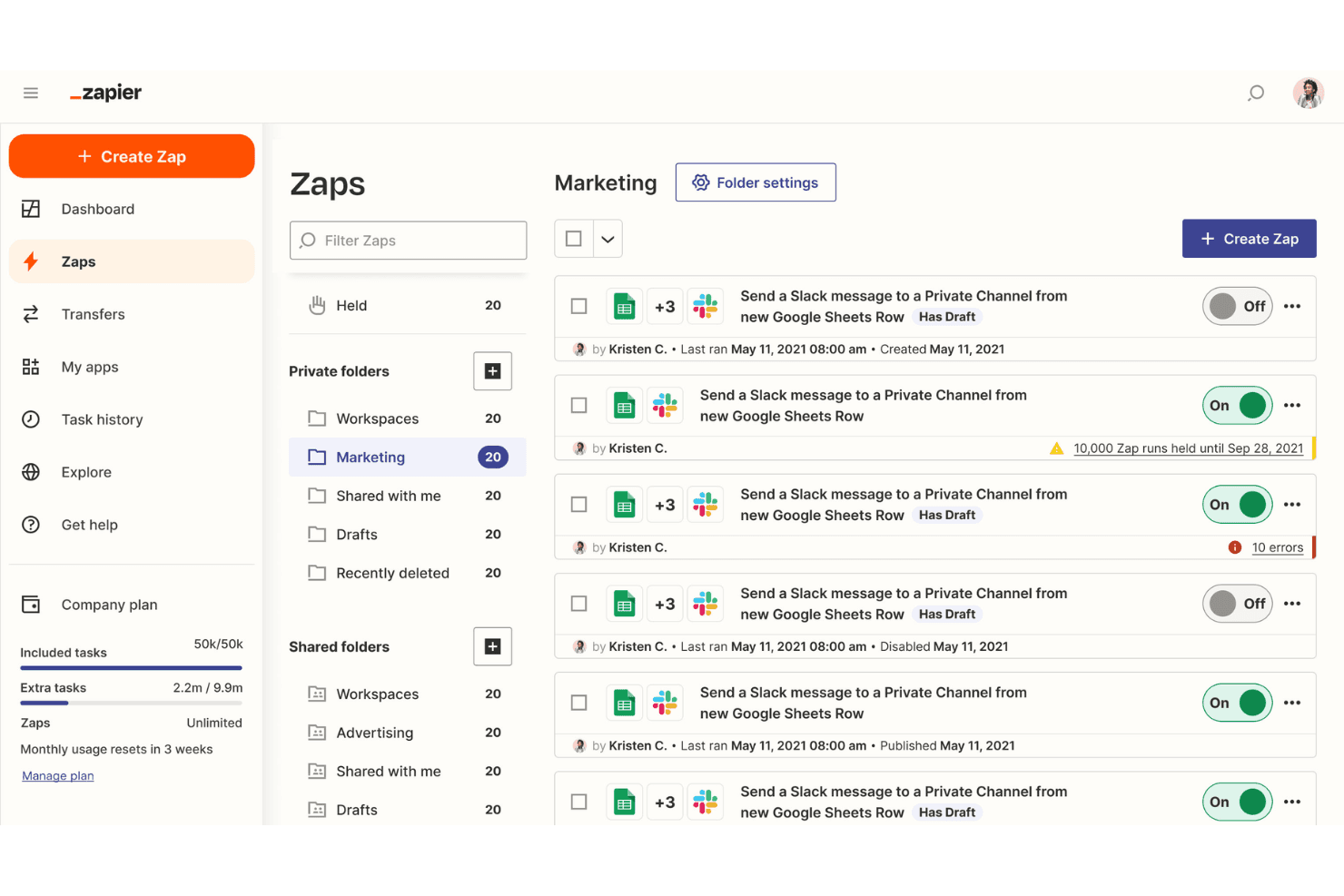
In my opinion, Zapier is a top choice for businesses seeking flexible ecommerce automation tools. Its extensive app integrations and intuitive interface make it a standout option, especially for small to medium businesses that need to automate repetitive tasks without coding. While its onboarding and support could be improved, its value lies in its ability to connect disparate systems seamlessly. Compared to competitors, Zapier excels in versatility and ease of use, making it ideal for marketing teams and IT departments. If you're deciding on an automation tool, consider Zapier for its integration capabilities and user-friendly setup.
Pros
- You can automate tasks without any coding skills.
- It connects over 3,000 apps to streamline your workflows.
- The user-friendly interface makes setup quick and easy.
Cons
- Advanced automation features can be tricky to configure.
- Some users find the customer support response times slow.
- Complex workflows might require more detailed documentation.
Is Zapier Right For Your Needs?
Who Would be a Good Fit for Zapier?
Zapier is a great fit for small to medium-sized businesses and teams needing to automate repetitive tasks without coding. Marketing teams and IT departments benefit from its ability to connect thousands of apps, simplifying complex workflows. For example, if your team needs to automate lead generation or sync data across platforms, Zapier's easy-to-use interface and powerful automation capabilities make it a strong choice.
- Small BusinessesZapier helps small businesses automate tasks like customer follow-ups and data entry, saving time and resources.
- Marketing TeamsYour marketing team can use Zapier to automate social media posts and trigger email campaigns based on customer actions.
- IT DepartmentsIT departments benefit from Zapier's integrations to automate routine maintenance tasks and data syncing between systems.
- Ecommerce StoresEcommerce stores use Zapier to automate order processing and inventory updates, ensuring smooth operations.
- FreelancersFreelancers can automate client communication and project management tasks, freeing up more time for creative work.
- Project ManagersProject managers use Zapier to connect project management tools and automate updates, keeping teams aligned and informed.
Who Would be a Bad Fit for Zapier?
Zapier might not suit large enterprises or teams needing highly customizable, complex automation workflows. If your business requires granular control over processes or needs to handle a vast amount of data in real-time, Zapier's limitations in advanced automation and support might not meet your expectations. For instance, industries with strict compliance standards or those needing tailored solutions may find Zapier lacking in customization and scalability.
- Large EnterprisesLarge enterprises often need custom solutions that Zapier can't provide due to its limited scalability.
- Highly Regulated IndustriesIndustries like finance or healthcare may find Zapier's compliance features insufficient for their strict standards.
- Data-Intensive OperationsOperations requiring real-time data processing might find Zapier's automation speed and capacity lacking.
- Advanced IT TeamsAdvanced IT teams needing deep customization options may find Zapier's capabilities too basic.
- Complex ManufacturingManufacturing processes with intricate, specific automation needs might find Zapier's feature set too limited.
- Custom Software DevelopersDevelopers requiring bespoke integrations may find Zapier's predefined options restrictive for their projects.
La Nostra Metodologia di Recensione
Come Testiamo e Valutiamo gli Strumenti
Abbiamo trascorso anni a costruire, perfezionare e migliorare il nostro sistema di test e valutazione dei software. Il nostro schema di valutazione è progettato per cogliere le sfumature della selezione dei software e per comprendere cosa rende uno strumento efficace, concentrandosi su aspetti critici del processo decisionale. Qui sotto puoi vedere esattamente come funzionano i nostri test e valutazioni attraverso sette criteri. Questo ci permette di fornire una valutazione imparziale del software basata su funzionalità principali, caratteristiche distintive, facilità d’uso, onboarding, supporto clienti, integrazioni, recensioni dei clienti e rapporto qualità-prezzo.
Funzionalità di base (25% della valutazione finale)
Il punto di partenza della nostra valutazione è sempre la funzionalità principale dello strumento. Ha le funzioni e le caratteristiche di base che un utente si aspetterebbe? Alcune di queste funzionalità sono bloccate a piani tariffari di livello superiore? Alla base, ci aspettiamo che uno strumento regga il confronto con le capacità minime dei suoi concorrenti.
Caratteristiche distintive (25% della valutazione finale)
Successivamente valutiamo caratteristiche distintive e non comuni che vadano oltre la normale funzionalità presente in strumenti simili. Un punteggio alto riflette funzionalità specializzate o uniche che rendono il prodotto più veloce, efficiente o che offrano valore aggiunto all’utente. Valutiamo anche quanto sia facile integrare il software con altri strumenti della consueta infrastruttura tecnologica per espanderne la funzionalità e l’utilità. Gli strumenti che offrono molte integrazioni native, connessioni di terze parti e accesso API per costruire integrazioni personalizzate ottengono il punteggio più alto.
Facilità d’uso (10% della valutazione finale)
Consideriamo quanto sia rapido e semplice eseguire le attività definite nelle funzionalità di base utilizzando lo strumento. I software che ottengono un punteggio alto sono ben progettati, intuitivi, offrono app mobili, modelli pronti e rendono compiti complessi relativamente semplici.
Onboarding (10% della valutazione finale)
Sappiamo quanto sia importante una rapida adozione da parte del team per una nuova piattaforma, quindi valutiamo quanto sia facile imparare a usare uno strumento con una formazione minima. Esaminiamo quanto tempo impiega un membro del team a configurarsi e iniziare a utilizzare lo strumento senza esperienza. Le soluzioni con punteggi elevati richiedono poco o nessun supporto.
Supporto clienti (10% della valutazione finale)
Valutiamo quanto sia rapido e facile ricevere assistenza e trovare aiuto tramite telefono, live chat o base di conoscenza. Gli strumenti e le aziende che forniscono un supporto in tempo reale ottengono i punteggi migliori, mentre i chatbot hanno i punteggi più bassi.
Recensioni dei clienti (10% della valutazione finale)
Oltre ai nostri test e valutazioni, consideriamo il net promoter score dei clienti attuali e passati. Esaminiamo la loro propensione, data la possibilità, a scegliere nuovamente lo strumento per le sue funzionalità di base. Un punteggio elevato riflette un alto net promoter score da clienti attuali o passati.
Rapporto qualità-prezzo (10% della valutazione finale)
Infine, considerando tutti gli altri criteri, valutiamo il prezzo medio dei piani base rispetto alle funzionalità fondamentali e teniamo in considerazione il valore degli altri criteri di valutazione. Il software che offre di più, a meno, ottiene punteggi più alti.
Core Features
Task Automation
Automate repetitive tasks by creating triggers and actions between apps. This saves your team time and reduces errors.
Workflow Builder
Design workflows using a simple drag-and-drop interface. Your team can set up automations without needing any coding skills.
Multi-Step Zaps
Chain multiple actions together for complex workflows. This feature is perfect for automating multi-step processes like lead generation.
Conditional Logic
Use if/then logic to tailor workflows based on specific conditions. This lets you create personalized automations for different scenarios.
Data Formatting
Automatically format data to fit the requirements of various apps. This ensures your data is always in the correct format for seamless processing.
Error Handling
Get alerts when a Zap fails, allowing you to quickly troubleshoot. This feature keeps your workflows running smoothly without interruptions.
Standout Features
Customizable Webhooks
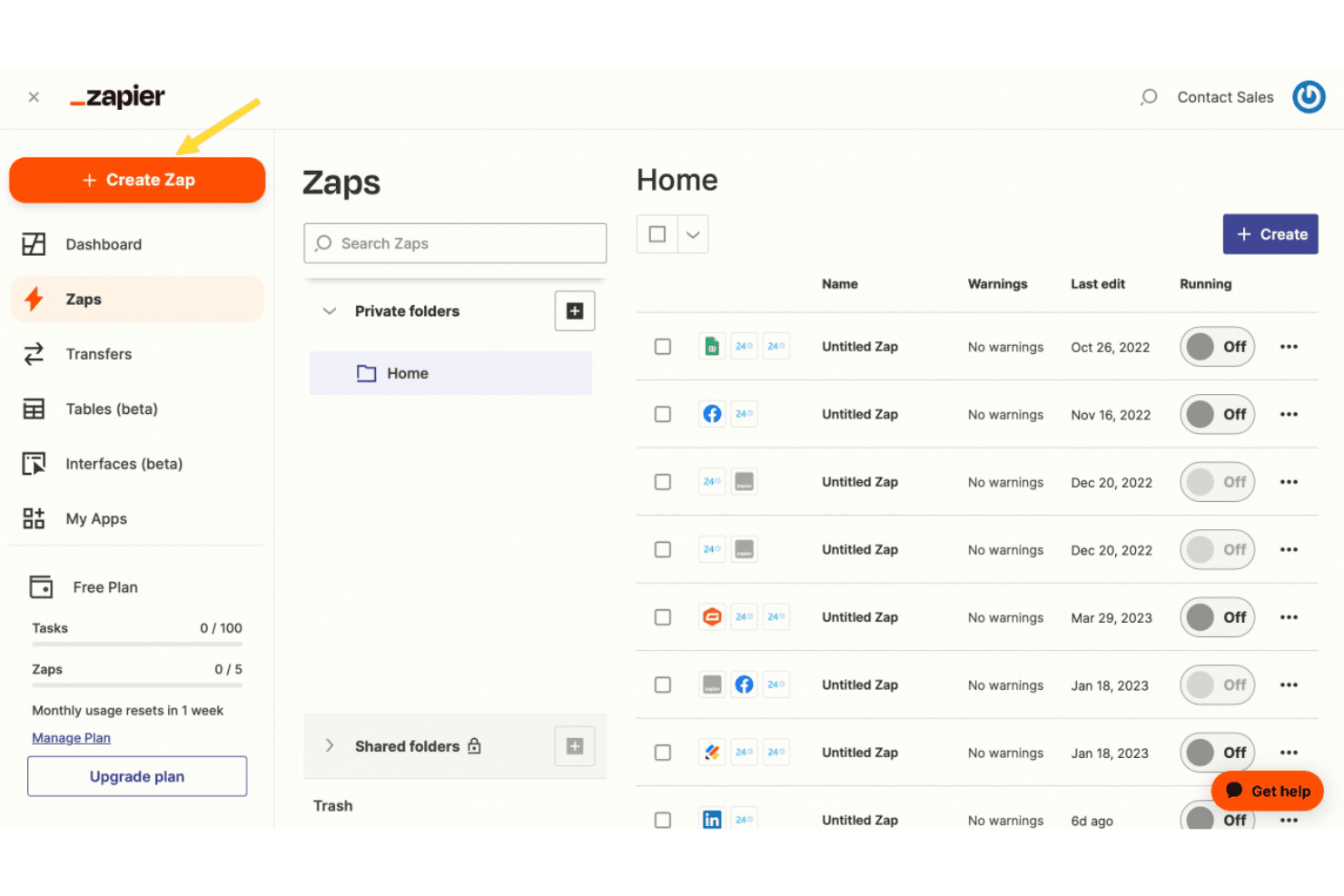
Use webhooks to connect with apps not natively supported by Zapier. This gives your team the flexibility to automate virtually any task.
Zap Templates
Access pre-made templates for common automations, speeding up setup. Your team can quickly implement best practices without starting from scratch.
Ease of Use
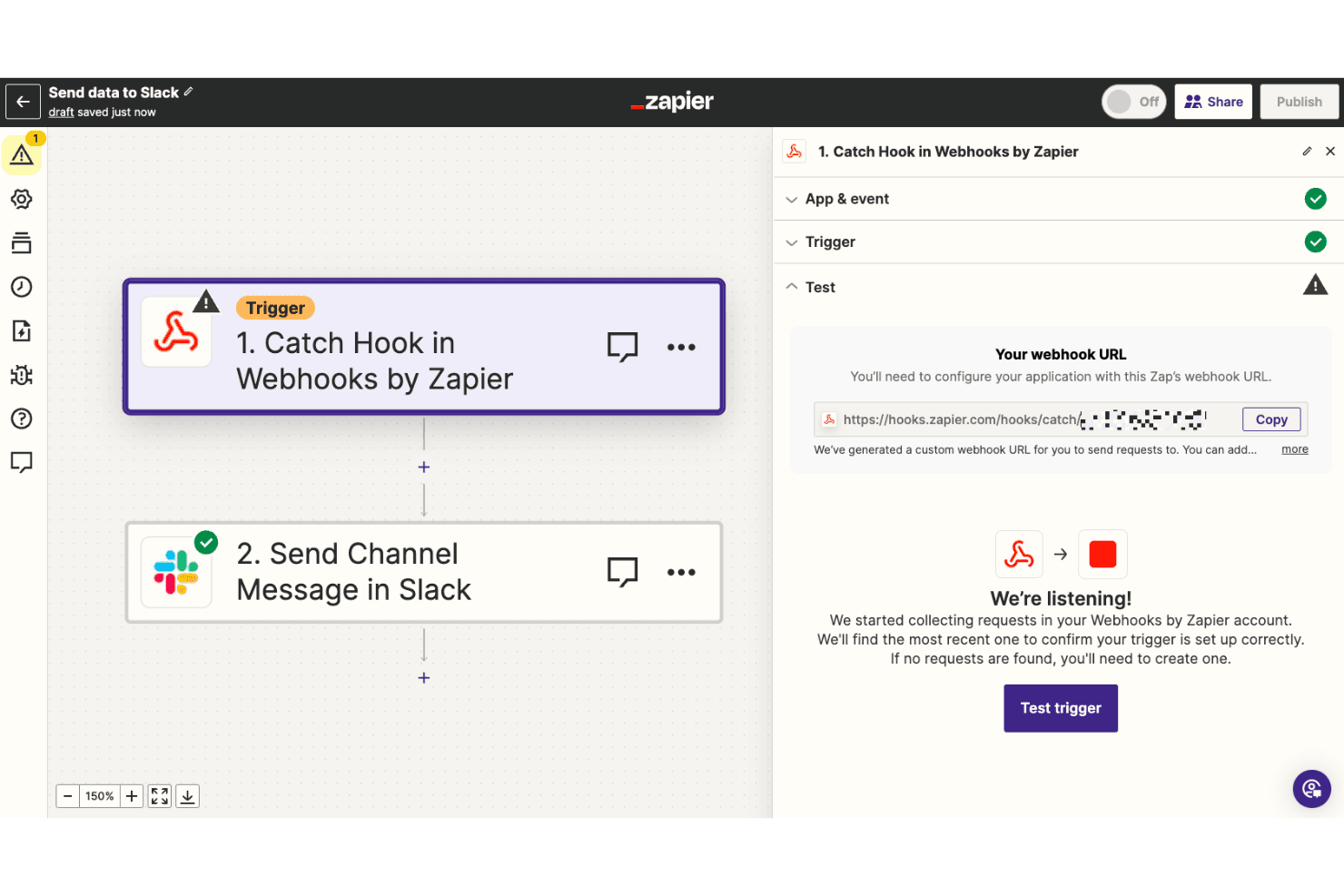
Zapier is praised for its user-friendly interface, making it accessible even if you're not tech-savvy. The drag-and-drop workflow builder lets you create no-code automations without any prior coding experience. Users appreciate the intuitive design, which simplifies setting up and managing workflows. Compared to other tools, Zapier's straightforward setup process and clear instructions mean your team can quickly get started and see immediate benefits in productivity.
Onboarding
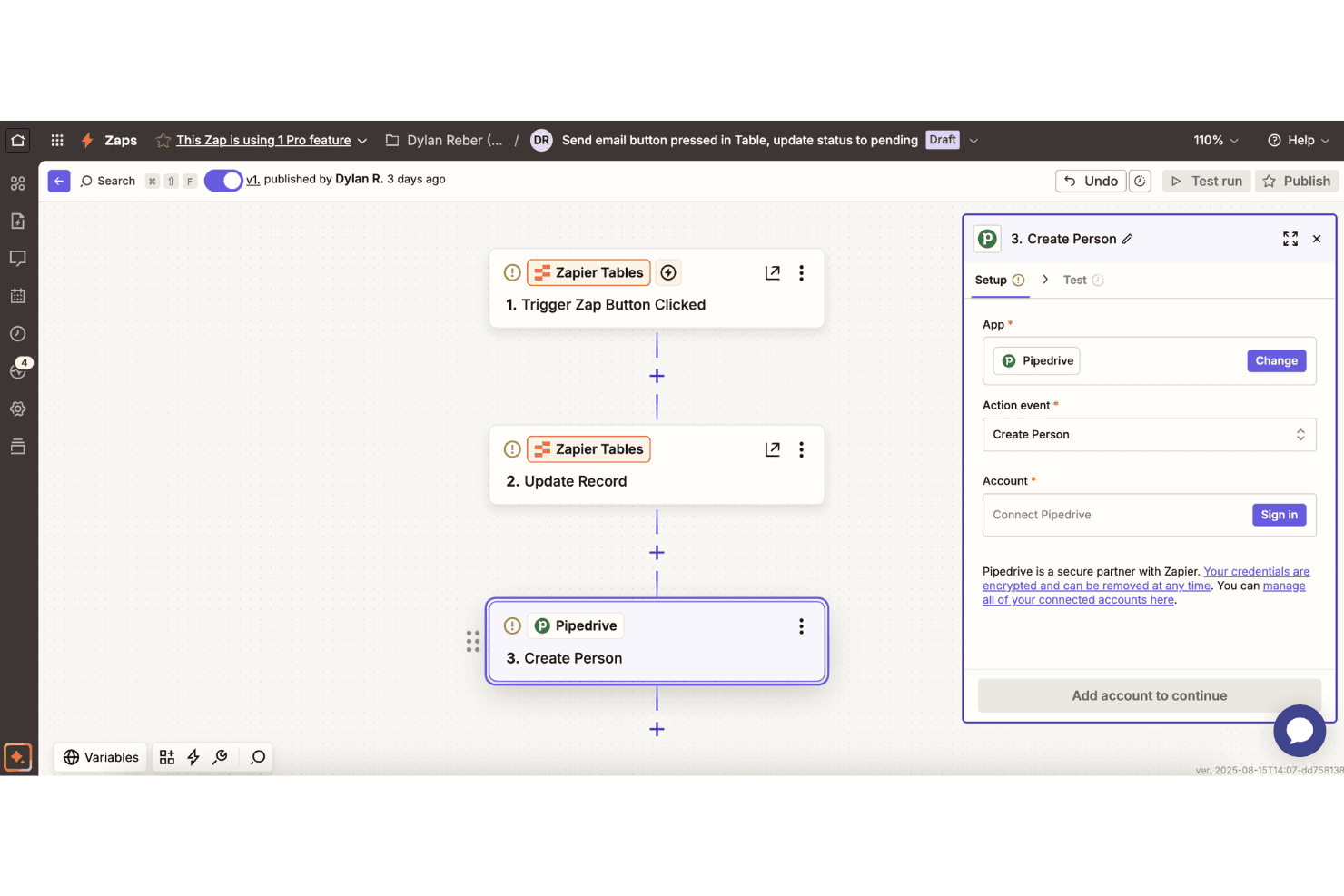
Zapier's onboarding process is straightforward but could be more comprehensive for new users. While the platform offers tutorials and a help center, some users might find the lack of personalized guidance challenging. The initial setup is quick, but understanding more advanced features may require additional time and exploration. Despite this, once you've grasped the basics, the intuitive interface allows your team to rapidly implement and benefit from automation solutions.
Customer Support
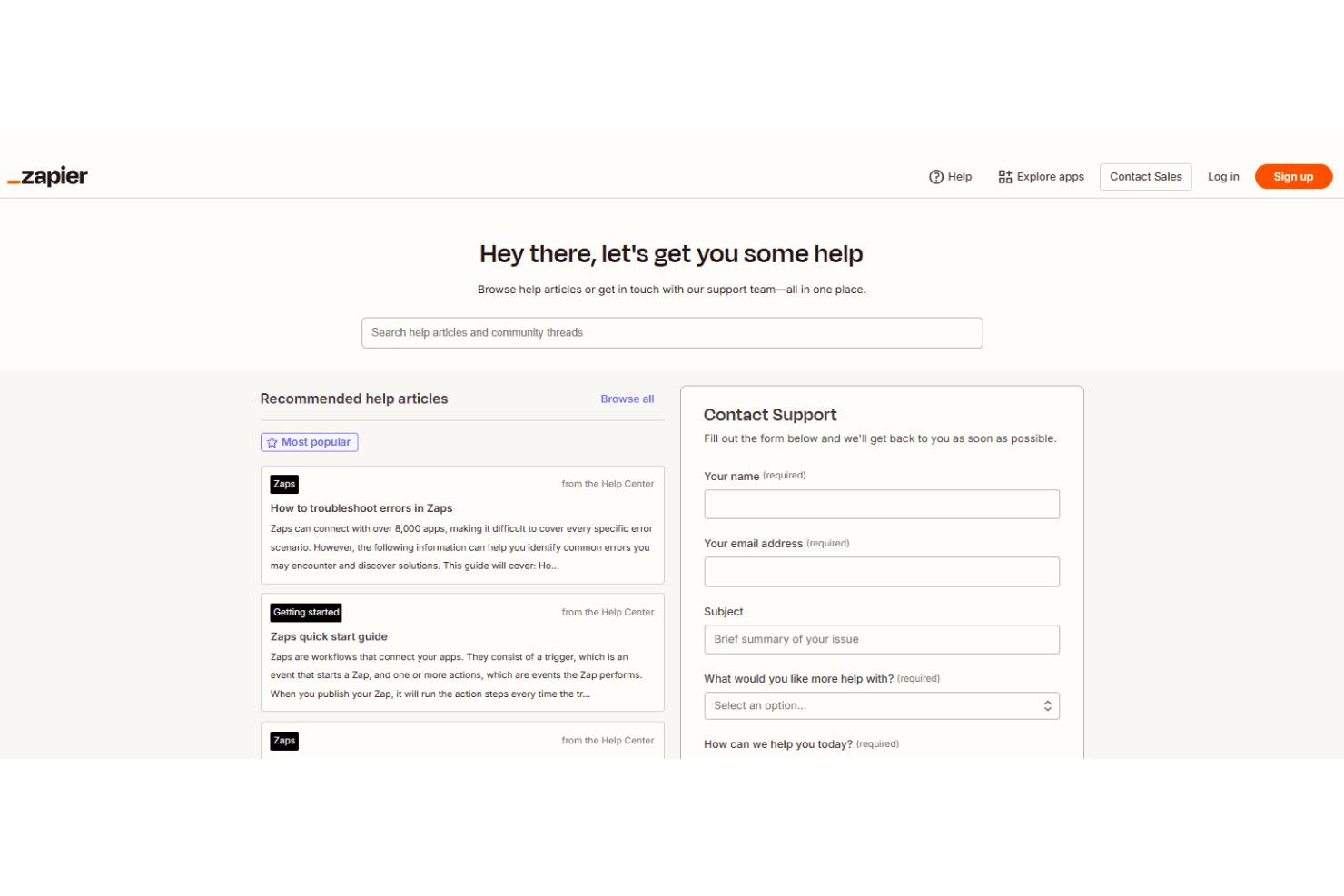
Zapier's customer support receives mixed reviews, with users noting that response times can be slow. While there are helpful resources like a detailed help center and community forums, direct support could be more responsive. Email support is available, but live chat or phone options would enhance user satisfaction. Despite this, the robust online resources often help your team find solutions independently, although complex issues might still require direct assistance.
Integrations
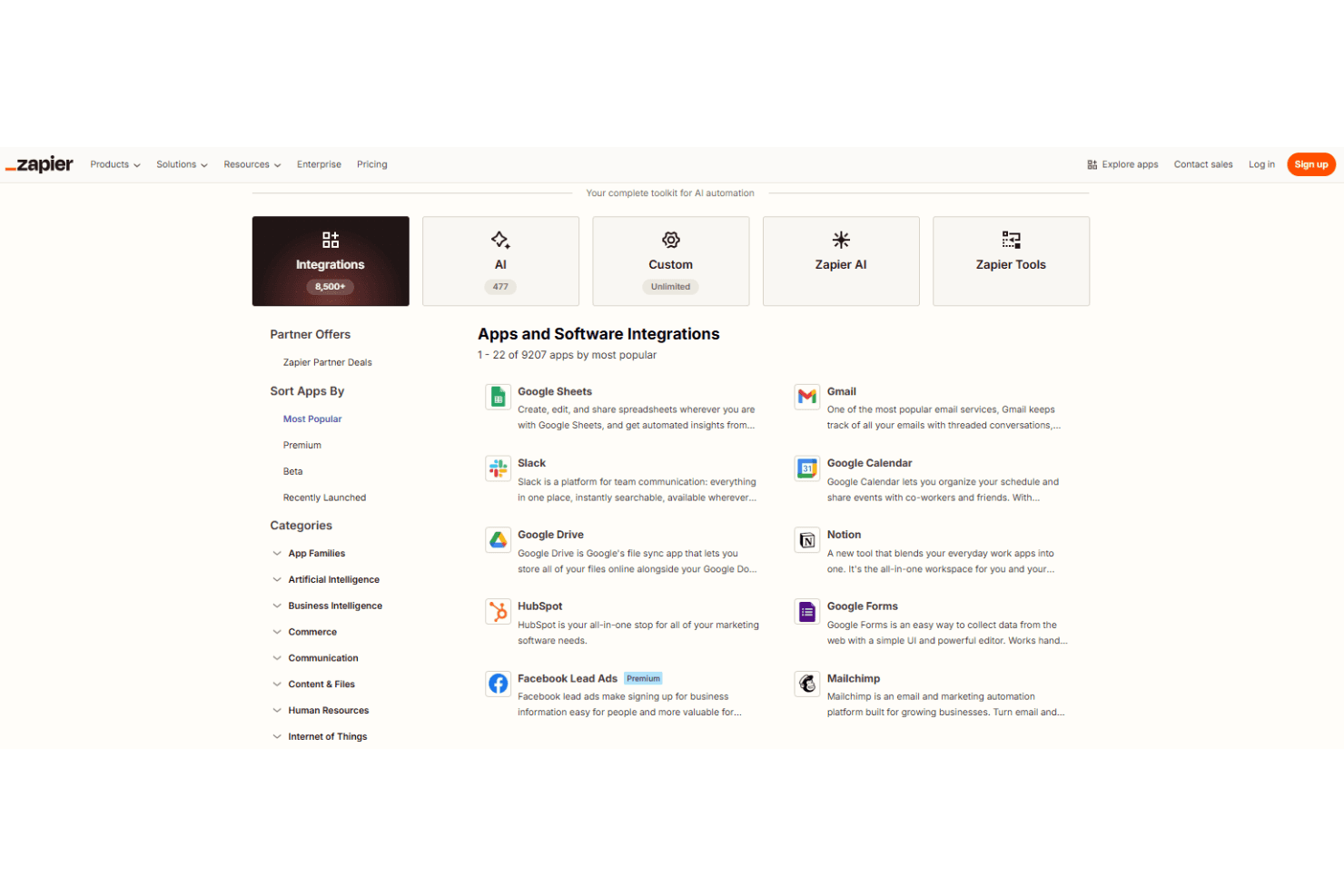
Zapier integrates with popular apps like Google Sheets, Gmail, Slack, Google Calendar, Google Drive, Notion, HubSpot, Google Forms, Mailchimp, and Microsoft Outlook.
Zapier also offers an API and connects with third-party integration tools, expanding its automation capabilities.
Value for Money
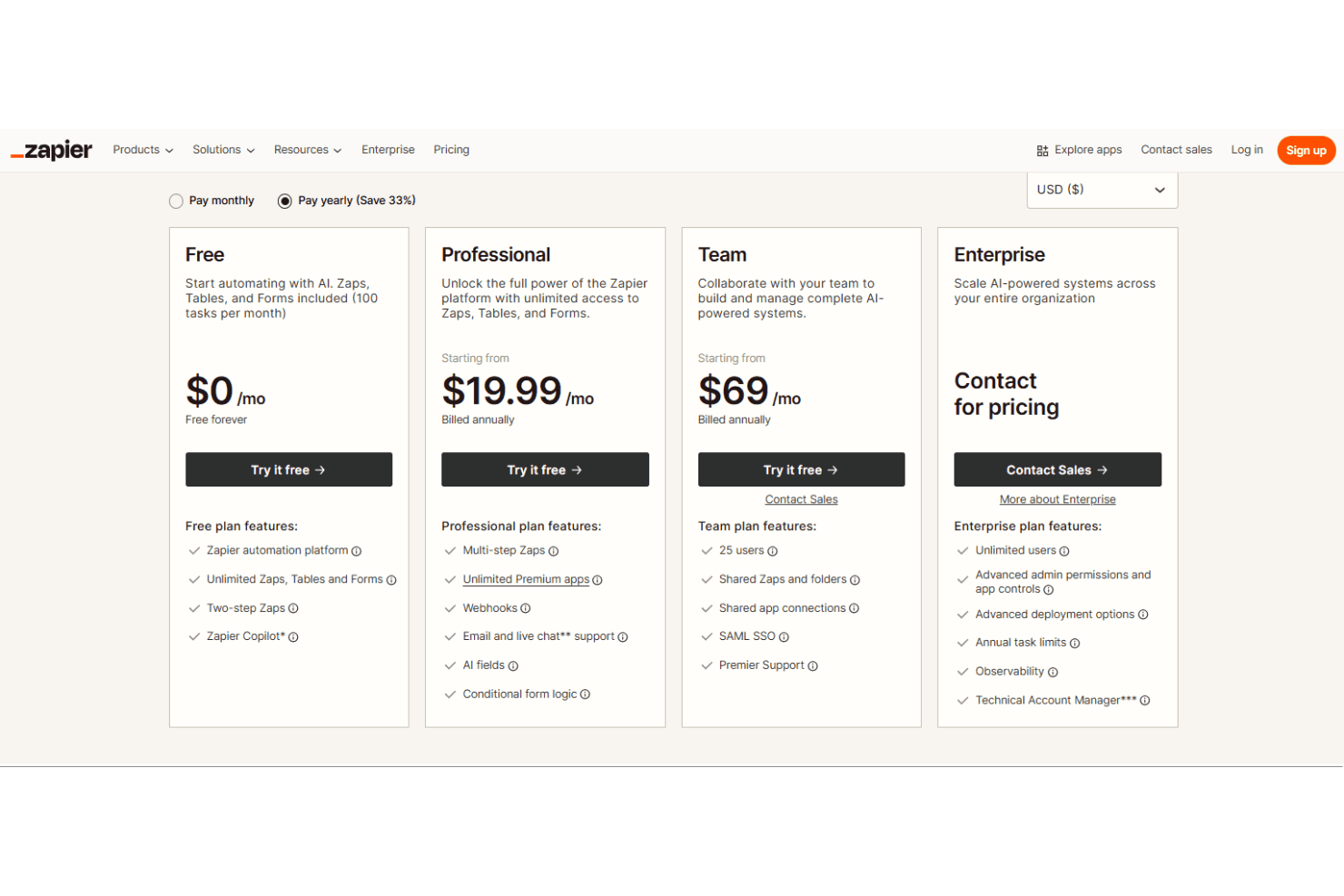
Zapier gives strong value because it turns manual work into automation fast, without code. Users like that the free plan actually works for simple tasks, while paid plans unlock multi-step workflows that save real time as your work grows. Costs scale with usage, not fluff, so you pay more only when automation becomes core to your team. You can try it free before committing.
- Free: Includes basic automation with 100 tasks and simple Zaps.
- Professional: Adds multi-step Zaps, premium apps, higher task limits.
- Team: Offers shared workspaces, team collaboration, and admin controls.
- Enterprise: Provides advanced security, governance, and org-wide automation.
Zapier Specs
- API: Yes
- Approval Workflows: Yes
- Batch Permissions & Access: Yes
- Compliance Tracking: Yes
- Contact Management: Yes
- Custom Reports: Yes
- Dashboard: No
- Data Export: Yes
- Data Import: Yes
- Data Visualization: No
- Document Management: Yes
- External Integrations: Yes
- Inventory Tracking: Yes
- Marketing Automation: Yes
- Notifications: No
- Process Modeling: Yes
- Process Reporting: Yes
- Project Management: Yes
- Roadmapping: Yes
- Sales Automation: Yes
- Supplier Management: Yes
- Third-Party Plugins/Add-Ons: Yes
- Workflow Management: Yes
Zapier FAQs
Zapier Company Overview & History
Zapier, founded in 2011, is headquartered in Missouri and operates as a fully remote company with a workforce of over 800 employees across 38 countries. Known for pioneering remote work culture, Zapier empowers businesses to automate workflows across more than 7,000 apps. The company is privately held, boasting a valuation of $5 billion, and has maintained profitability since 2014. Notable clients using Zapier include major companies in various sectors, leveraging its automation capabilities to enhance productivity.
Zapier Major Milestones
- 2011: Founded as a side project by three individuals in Missouri.
- 2012: Officially launched as part of the Y Combinator startup accelerator program.
- 2014: Achieved profitability with a few dozen employees.
- 2025: Reached a valuation of $5 billion, highlighting its growth and success in the automation space.