

Recensione di Afterpay: vantaggi, svantaggi, funzionalità e prezzi
Afterpay si distingue per la sua interfaccia intuitiva e l'assenza di interessi, risultando una scelta eccellente per gli acquirenti attenti al budget.

Recensiamo gli strumenti in modo indipendente, e le commissioni aiutano a finanziare i nostri test. Consulta la nostra politica sulla trasparenza, la nostra metodologia o suggerisci uno strumento.
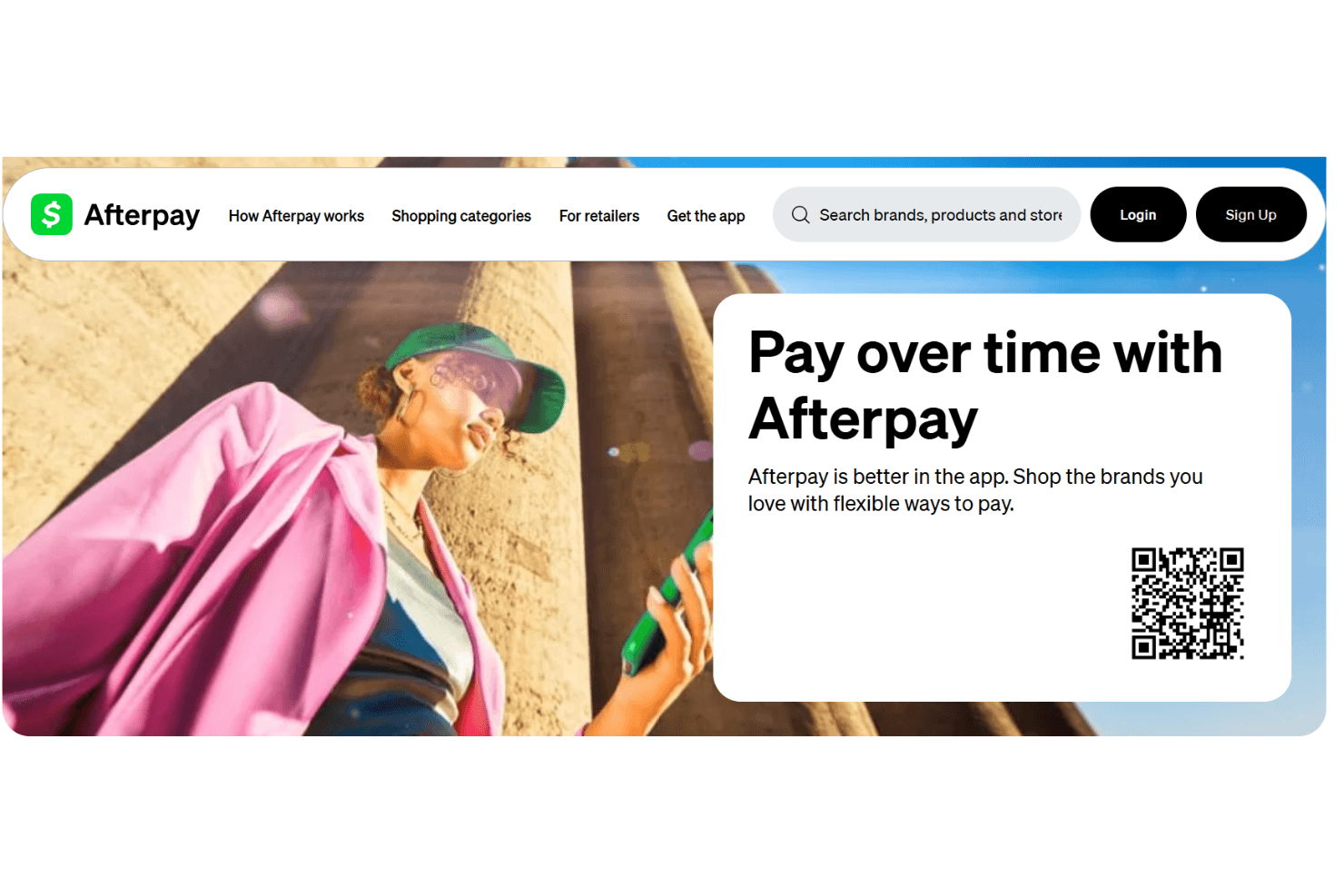
Afterpay is a BNPL platform built around a single, straightforward model: four interest-free installments paid every two weeks. It's worth considering if you're a retailer looking to reduce cart abandonment and lift average order value without adding complexity at checkout. Compared to Klarna, which layers in multiple financing products and payment options, Afterpay keeps the experience simple—making it easier for shoppers to understand and more predictable for merchants to manage.
Afterpay Evaluation Summary
0/5
- Pricing upon request
- Not available
Perché fidarsi dei nostri consigli sui software
6,700+
Reviews
20
Industry experts
16+
Evaluation factors
14
Years
Il nostro team testa e recensisce software dal 2012. In quanto leader del retail noi stessi, sappiamo quanto sia difficile — e importante — scegliere il software giusto.
Per questa guida, abbiamo valutato gli strumenti attraverso test pratici e ricerche indipendenti, assegnando un punteggio agli strumenti in base ai nostri criteri di selezione.
Le nostre recensioni riflettono il nostro giudizio indipendente, non un discorso di vendita.
Afterpay Overview
In my opinion, Afterpay is a solid choice for those looking to implement a buy now pay later option. It's easy to use and provides a flexible payment plans that helps both businesses and consumers manage their finances. While the user-friendly interface and installment payment options are impressive, it does lack some store partnerships and refund speed compared to competitors like Klarna. It's best suited for small to medium-sized retail businesses looking to enhance customer purchasing power. If you value ease of use and budgeting assistance, Afterpay is worth considering.
Pros
- It offers a user-friendly interface that's easy for your team to navigate.
- You can increase sales by providing flexible payment options for customers.
- It helps your customers budget better with installment payments.
Cons
- Refunds can be slower compared to other platforms.
- It lacks some store partnerships that might be important for your business.
- Customer support isn't as responsive as some users expect.
Is Afterpay Right For Your Needs?
Who Would be a Good Fit for Afterpay?
Afterpay is ideal for small to medium-sized retail businesses and online stores. If your team wants to offer flexible payment methods to boost sales, Afterpay's user-friendly interface and installment payment features make it a strong choice. It's particularly beneficial for fashion boutiques and tech retailers aiming to enhance customer purchasing power and improve budgeting. Your finance department will appreciate the predictable cash flow from regular installments, while your customers can plan around structured monthly payments. This platform is best for teams focused on increasing customer satisfaction and encouraging repeat purchases.
- Fashion BoutiquesAfterpay lets your customers manage their spending by splitting payments, which can increase sales in your boutique.
- Tech RetailersYour tech store can benefit from offering installment payments, making high-ticket items more accessible.
- E-commerce StartupsAfterpay's user-friendly interface allows your startup to easily implement buy now pay later options to attract more customers.
- Small RetailersIf you're running a small retail business, Afterpay can help you compete by offering flexible payment options.
- Finance TeamsYour finance department will find Afterpay's predictable cash flow from installments beneficial for budgeting.
- Customer Service TeamsBy using Afterpay, your team can enhance customer satisfaction with flexible payment options, encouraging repeat business.
- Customer Support TeamsIf your team needs quick resolutions, Afterpay's slower refund process and support might not meet your expectations.
Who Would be a Bad Fit for Afterpay?
Afterpay isn't a great fit for large corporations or businesses with complex payment needs. If your team requires extensive store partnerships or customized payment solutions, Afterpay's limited partnerships and standard installment options may not meet your demands. It's less suitable for industries like luxury goods, where immediate payment is often preferred. Your team might find the slower refund process and less responsive customer support frustrating if a quick resolution is crucial.
- Large CorporationsAfterpay lacks the extensive store partnerships and customized solutions your large corporation might need.
- Luxury GoodsIf your business deals in luxury goods, Afterpay's installment model may not align with your immediate payment requirements.
- Wholesale DistributorsYour wholesale operations might find Afterpay's consumer-focused payment structure unsuitable for bulk transactions.
- Financial ServicesFor financial services, Afterpay's standard payment options won't meet your need for complex financial solutions.
- Tech GiantsYour tech giant's vast payment requirements outpace what Afterpay's straightforward installment plans can offer.
La Nostra Metodologia di Recensione
Come Testiamo e Valutiamo gli Strumenti
Abbiamo trascorso anni a costruire, perfezionare e migliorare il nostro sistema di test e valutazione dei software. Il nostro schema di valutazione è progettato per cogliere le sfumature della selezione dei software e per comprendere cosa rende uno strumento efficace, concentrandosi su aspetti critici del processo decisionale. Qui sotto puoi vedere esattamente come funzionano i nostri test e valutazioni attraverso sette criteri. Questo ci permette di fornire una valutazione imparziale del software basata su funzionalità principali, caratteristiche distintive, facilità d’uso, onboarding, supporto clienti, integrazioni, recensioni dei clienti e rapporto qualità-prezzo.
Funzionalità di base (25% della valutazione finale)
Il punto di partenza della nostra valutazione è sempre la funzionalità principale dello strumento. Ha le funzioni e le caratteristiche di base che un utente si aspetterebbe? Alcune di queste funzionalità sono bloccate a piani tariffari di livello superiore? Alla base, ci aspettiamo che uno strumento regga il confronto con le capacità minime dei suoi concorrenti.
Caratteristiche distintive (25% della valutazione finale)
Successivamente valutiamo caratteristiche distintive e non comuni che vadano oltre la normale funzionalità presente in strumenti simili. Un punteggio alto riflette funzionalità specializzate o uniche che rendono il prodotto più veloce, efficiente o che offrano valore aggiunto all’utente. Valutiamo anche quanto sia facile integrare il software con altri strumenti della consueta infrastruttura tecnologica per espanderne la funzionalità e l’utilità. Gli strumenti che offrono molte integrazioni native, connessioni di terze parti e accesso API per costruire integrazioni personalizzate ottengono il punteggio più alto.
Facilità d’uso (10% della valutazione finale)
Consideriamo quanto sia rapido e semplice eseguire le attività definite nelle funzionalità di base utilizzando lo strumento. I software che ottengono un punteggio alto sono ben progettati, intuitivi, offrono app mobili, modelli pronti e rendono compiti complessi relativamente semplici.
Onboarding (10% della valutazione finale)
Sappiamo quanto sia importante una rapida adozione da parte del team per una nuova piattaforma, quindi valutiamo quanto sia facile imparare a usare uno strumento con una formazione minima. Esaminiamo quanto tempo impiega un membro del team a configurarsi e iniziare a utilizzare lo strumento senza esperienza. Le soluzioni con punteggi elevati richiedono poco o nessun supporto.
Supporto clienti (10% della valutazione finale)
Valutiamo quanto sia rapido e facile ricevere assistenza e trovare aiuto tramite telefono, live chat o base di conoscenza. Gli strumenti e le aziende che forniscono un supporto in tempo reale ottengono i punteggi migliori, mentre i chatbot hanno i punteggi più bassi.
Recensioni dei clienti (10% della valutazione finale)
Oltre ai nostri test e valutazioni, consideriamo il net promoter score dei clienti attuali e passati. Esaminiamo la loro propensione, data la possibilità, a scegliere nuovamente lo strumento per le sue funzionalità di base. Un punteggio elevato riflette un alto net promoter score da clienti attuali o passati.
Rapporto qualità-prezzo (10% della valutazione finale)
Infine, considerando tutti gli altri criteri, valutiamo il prezzo medio dei piani base rispetto alle funzionalità fondamentali e teniamo in considerazione il valore degli altri criteri di valutazione. Il software che offre di più, a meno, ottiene punteggi più alti.
Core Features
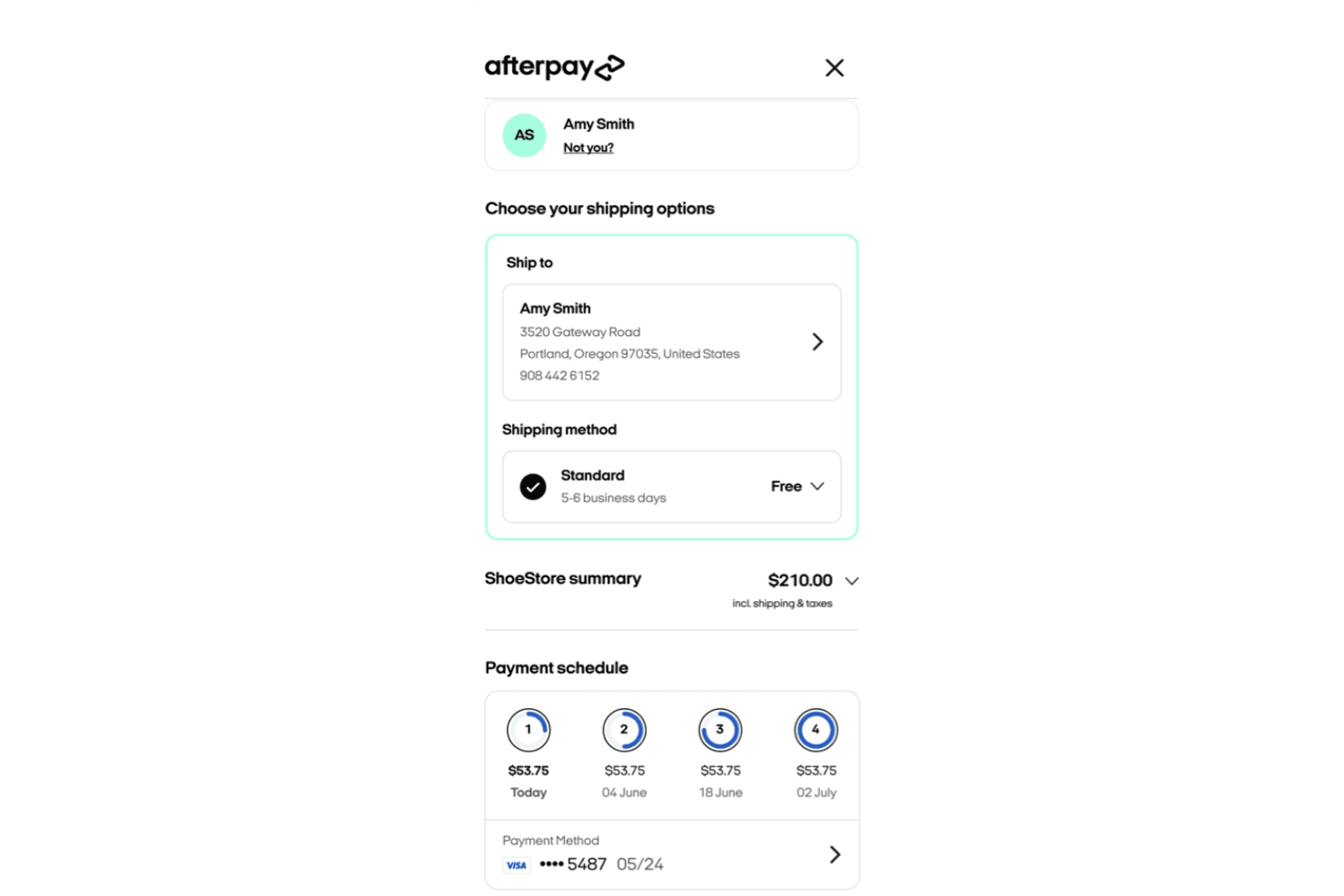
Installment Payments: You can offer your customers the ability to pay in four equal installments, with the first payment due at checkout. This feature stands out for its simplicity and ease of use.
Automated Payments: Payments are automatically deducted from your customers' credit card or checking accounts, reducing the risk of missed payments. This automation ensures a smooth payment experience.
Real-Time Approvals: Your customers get immediate approval based on eligibility criteria, enabling quick and hassle-free purchasing. This feature enhances the shopping experience.
Customer Notifications: Afterpay sends reminders to your customers about upcoming payments, helping them stay on track. These notifications reduce late payment occurrences.
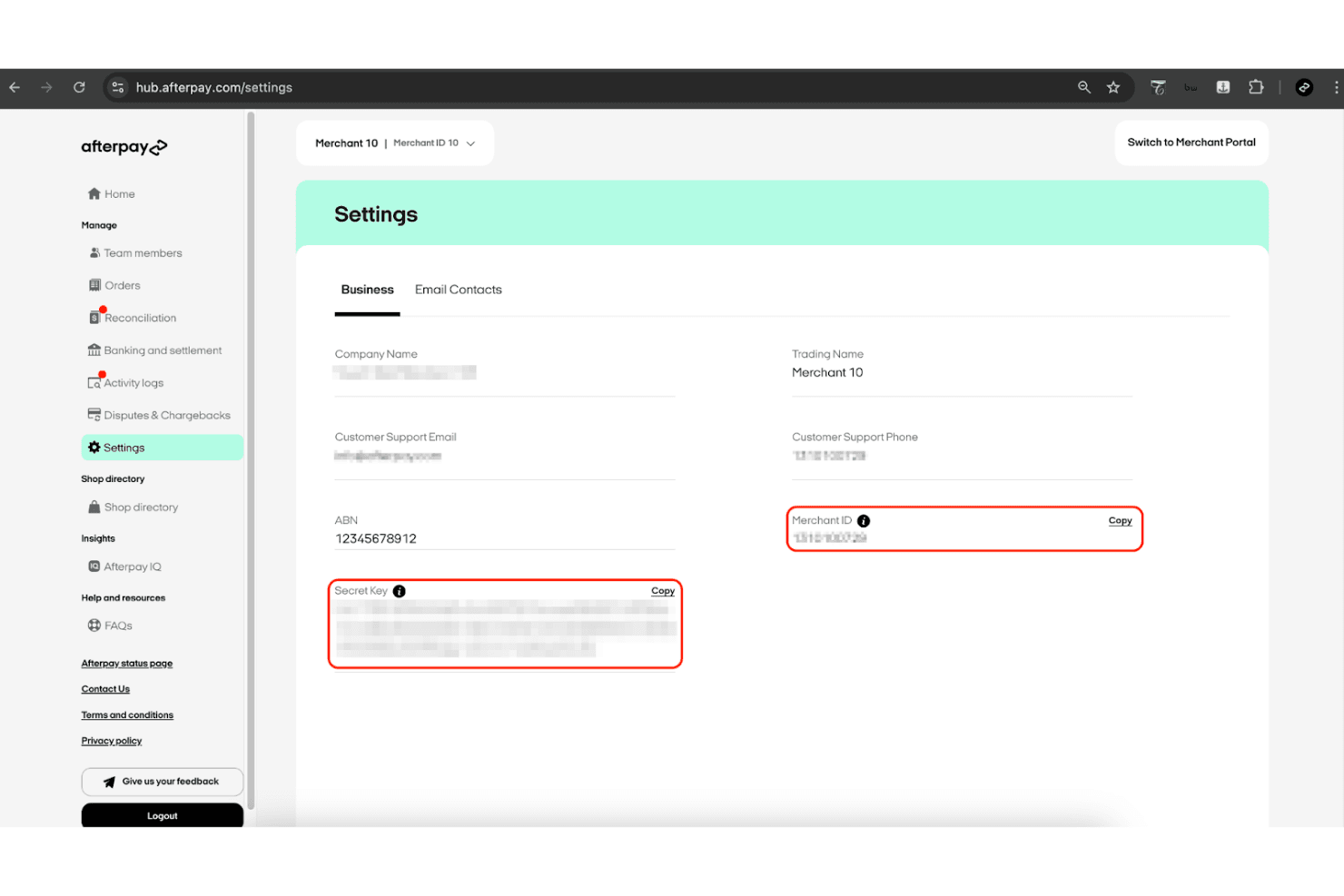
Merchant Dashboard: You can track sales and customer payment statuses through a comprehensive dashboard. This feature provides valuable insights into your business performance.
Ease of Use
Afterpay is incredibly user-friendly, making it a top choice for your team. Its intuitive interface allows you to manage transactions with ease, and the process for setting up installment payments is straightforward. Unlike some other platforms, Afterpay provides real-time approvals and supports payment through linked credit and debit cards, as well as bank accounts, reducing the hassle for both you and your customers. The platform's simplicity ensures that you can quickly learn to implement and use Afterpay, enhancing your overall experience and efficiency.
Integrations
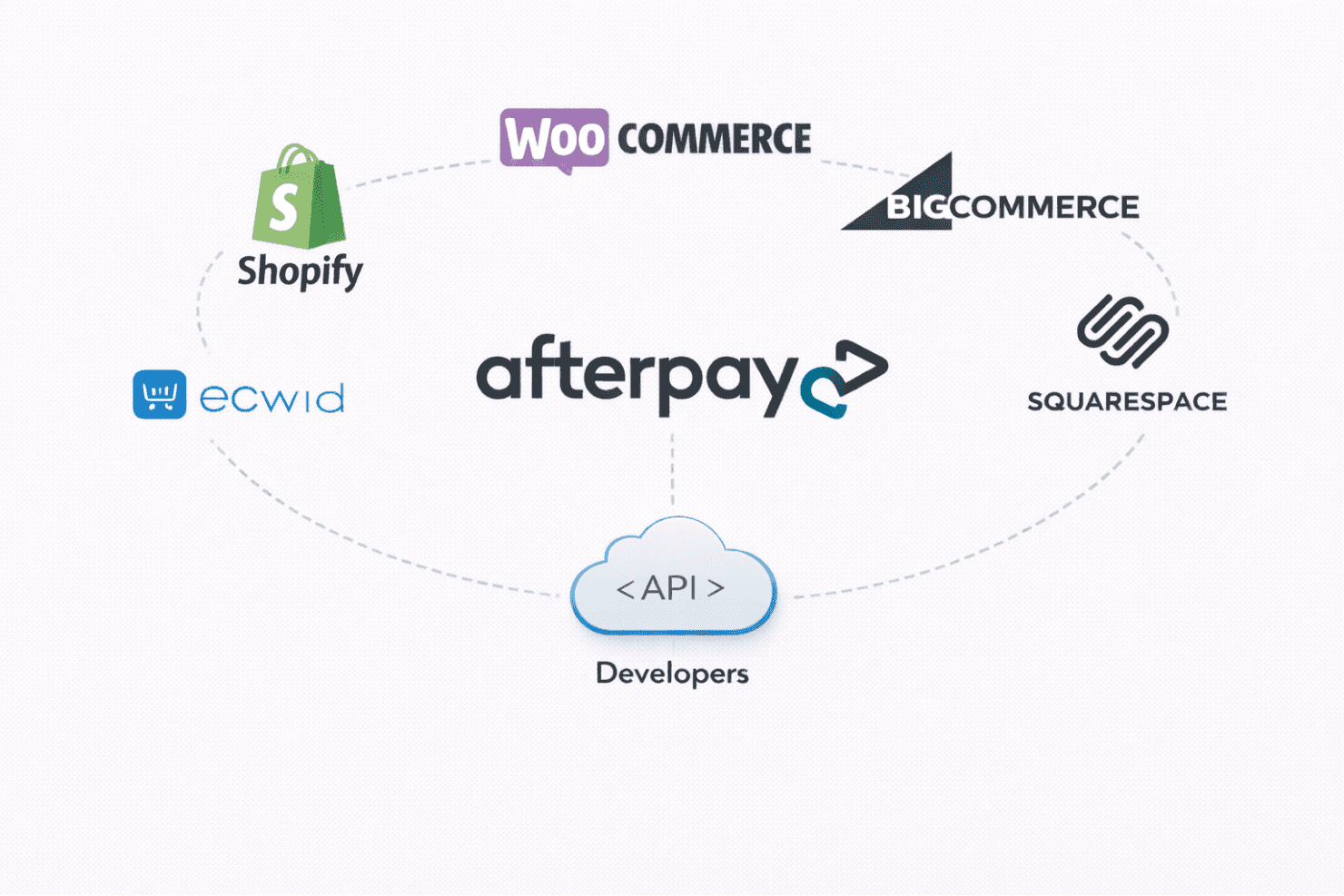
Afterpay integrates with Shopify, WooCommerce, BigCommerce, Squarespace, and Ecwid.
Afterpay also provides an API for developers to enhance integration capabilities.
Afterpay Specs
- 2-Factor Authentication: Yes
- A/B Testing: No
- Analytics: Yes
- API: Yes
- BitCoin: No
- Conversion Tracking: No
- Dashboard: No
- Data Export: Yes
- Data Import: Yes
- Data Visualization: No
- Design Templates: No
- External Integrations: Yes
- Inventory Tracking: No
- Keyword Tracking: No
- Marketing Automation: No
- Multi-User: Yes
- Notifications: Yes
- Order Management: Yes
- Payment Gateway Integration: Yes
- Payment Processor: Yes
- PayPal: Yes
- Product Catalog: Yes
- Review Monitoring: No
- SAP Integration: No
- Scheduling: No
- Stripe: Yes
- Third-Party Plugins/Add-Ons: No


