

10 migliori soluzioni software per la gestione dei prezzi al dettaglio selezionate per il 2026

Elenco dei migliori software per la determinazione dei prezzi al dettaglio


Il software per la determinazione dei prezzi al dettaglio aiuta il tuo team a definire, gestire e ottimizzare i prezzi dei prodotti attraverso diversi canali utilizzando automazione, analisi e dati in tempo reale. Se stai cercando il miglior software per la determinazione dei prezzi al dettaglio, probabilmente vuoi stare al passo con le mutevoli condizioni di mercato, superare la concorrenza e proteggere i tuoi margini, senza aggiungere lavoro manuale o rischiare errori di determinazione dei prezzi. In questa guida troverai un elenco selezionato delle migliori soluzioni per 2026, con informazioni chiare su ciò che ogni strumento sa fare meglio, così potrai scegliere con sicurezza quello più adatto alla tua azienda.
Perché fidarsi dei nostri consigli sui software
Il nostro team testa e recensisce software dal 2012. In quanto leader del retail noi stessi, sappiamo quanto sia difficile — e importante — scegliere il software giusto.
Per questa guida, abbiamo valutato gli strumenti attraverso test pratici e ricerche indipendenti, assegnando un punteggio agli strumenti in base ai nostri criteri di selezione.
Le nostre recensioni riflettono il nostro giudizio indipendente, non un discorso di vendita.
Riepilogo dei migliori software per la determinazione dei prezzi al dettaglio
Questa tabella comparativa riassume i dettagli dei prezzi delle mie migliori selezioni di software per la determinazione dei prezzi al dettaglio, per aiutarti a trovare quello più adatto al tuo budget e alle esigenze della tua azienda.
| Tool | Best For | Trial Info | Price | ||
|---|---|---|---|---|---|
| 1 | Ideale per adeguamenti di prezzo omnicanale in tempo reale | Nessuna prova gratuita disponibile | Prezzi su richiesta | Website | |
| 2 | Ideale per la modellazione avanzata dei prezzi per le catene di negozi di alimentari | Demo gratuita disponibile | Prezzi su richiesta | Website | |
| 3 | Ideale per il pricing in stile foglio di calcolo con AI | Piano gratuito + demo gratuita | Da $379/mese | Website | |
| 4 | Ideale per il monitoraggio dei prezzi dei concorrenti per l'ecommerce | Prova gratuita di 14 giorni | Da $99/mese | Website | |
| 5 | Ideale per l'automazione dinamica dei prezzi in ambito omnicanale | Demo gratuita disponibile | Da €399/mese | Website | |
| 6 | Ideale per il benchmarking dei prezzi in tempo reale tra mercati diversi | Demo gratuita disponibile | Prezzo su richiesta | Website | |
| 7 | Ideale per l’intelligence sui prezzi in negozio e online | Demo gratuita disponibile | Prezzo su richiesta | Website | |
| 8 | Ideale per l'analisi dei prezzi configurabile per le imprese | Demo gratuita disponibile | Prezzi su richiesta | Website | |
| 9 | Ideale per l'ottimizzazione dei prezzi guidata dall'IA per grandi rivenditori | Demo gratuita disponibile | Prezzi su richiesta | Website | |
| 10 | Ideale per la definizione predittiva dei prezzi attraverso la previsione della domanda | Demo gratuita disponibile | Prezzo su richiesta | Website |
Recensioni dei migliori software per la determinazione dei prezzi al dettaglio
Di seguito trovi i miei riepiloghi dettagliati dei migliori software per la determinazione dei prezzi al dettaglio inclusi nel mio elenco. Le mie recensioni offrono uno sguardo approfondito alle funzionalità, ai prezzi e alle integrazioni di ogni software, per aiutarti a trovare quello più adatto alle tue esigenze.

Ideale per adeguamenti di prezzo omnicanale in tempo reale
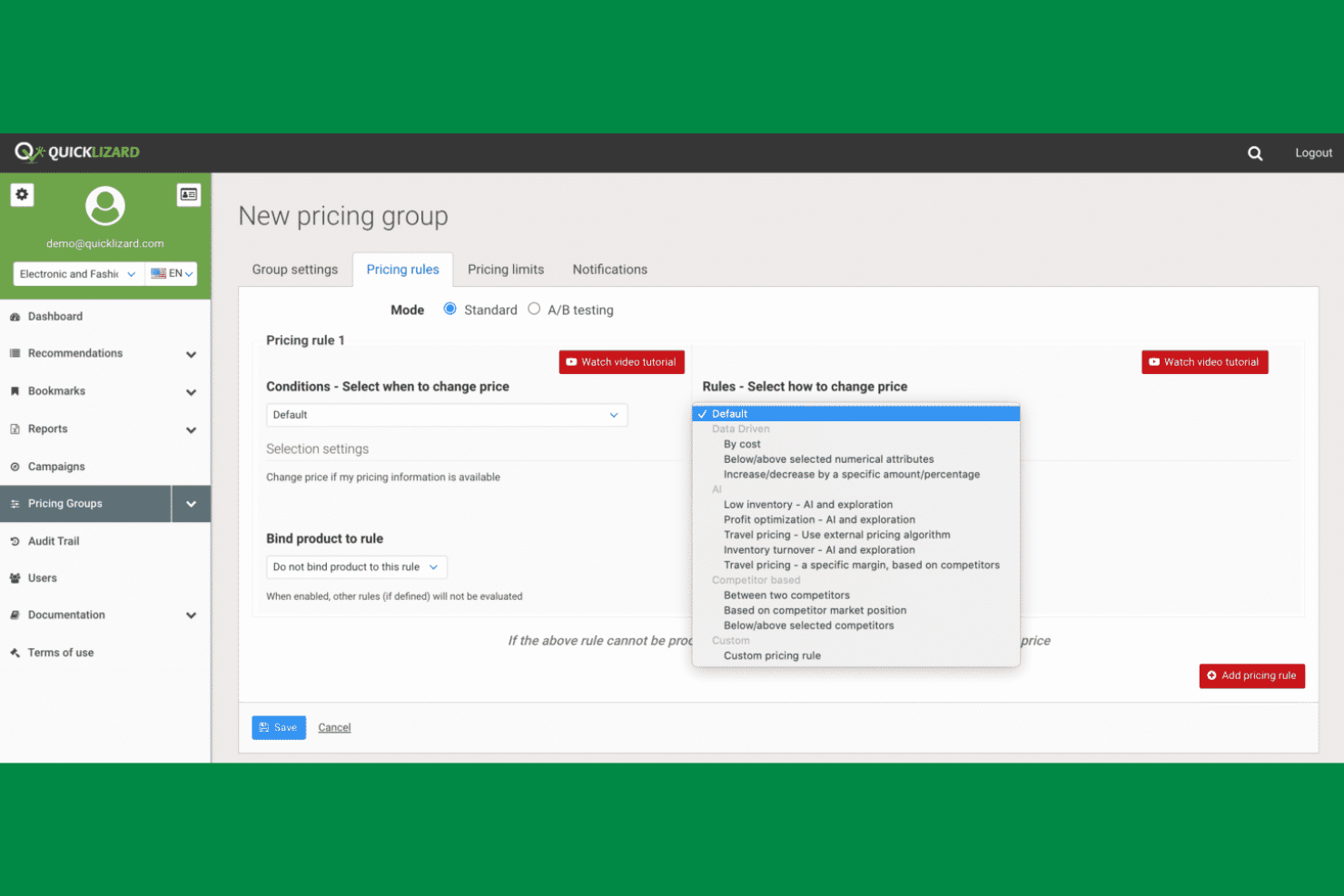
Quicklizard è progettato per rivenditori e brand che devono adeguare i prezzi all’istante su canali online e offline. La piattaforma è ideale per team di pricing ed ecommerce che desiderano automatizzare le variazioni di prezzo in tempo reale, sfruttando dati di mercato, inventario e domanda. Il motore omnicanale di Quicklizard ti aiuta a mantenere prezzi coerenti e competitivi, indipendentemente da dove acquistano i tuoi clienti.
Perché ho scelto Quicklizard
Ciò che distingue Quicklizard è la sua capacità di offrire adeguamenti di prezzo in tempo reale sia nei canali retail digitali che fisici. Il motore di pricing dinamico della piattaforma ti permette di automatizzare le decisioni sui prezzi in base alle tendenze di mercato, alle attività dei concorrenti e ai livelli di inventario in tempo reale. Apprezzo come Quicklizard favorisca la coerenza omnicanale, consentendo ai clienti di trovare prezzi allineati sia online che nei negozi fisici. Questo lo rende ideale per quei rivenditori che devono reagire velocemente ai cambiamenti del mercato e mantenere una strategia di pricing unificata su ogni canale.
Funzionalità principali di Quicklizard
Altre funzionalità che rendono Quicklizard utile per i team di pricing nel retail includono:
- Motore di pricing basato su regole: Imposta regole personalizzate per automatizzare le decisioni sui prezzi in base alla logica aziendale.
- Monitoraggio dei prezzi della concorrenza: Tieni traccia in tempo reale dei prezzi dei concorrenti per migliorare le tue strategie di pricing.
- Test A/B sui prezzi: Svolgi esperimenti con diversi livelli di prezzo per misurare l’impatto su vendite e margini.
- Cruscotto analitico: Accedi a report visivi e dashboard per monitorare le performance e le tendenze dei prezzi.
Integrazioni di Quicklizard
Le integrazioni includono SAP, Oracle, Adobe Commerce, Salesforce Commerce Cloud, Shopify, Kafka, Delavo, DataWeave, TGN e Bright Data.
Pros and Cons
Pros:
- Aggiornamenti di prezzo in tempo reale su tutti i canali
- Supporta i test A/B per strategie di pricing
- Monitoraggio dei prezzi della concorrenza con avvisi automatici
Cons:
- Meno modelli specifici per il retail rispetto ad alcuni concorrenti
- Configurazione dell’integrazione può richiedere l’assistenza del fornitore

Yieldigo
Ideale per la modellazione avanzata dei prezzi per le catene di negozi di alimentari
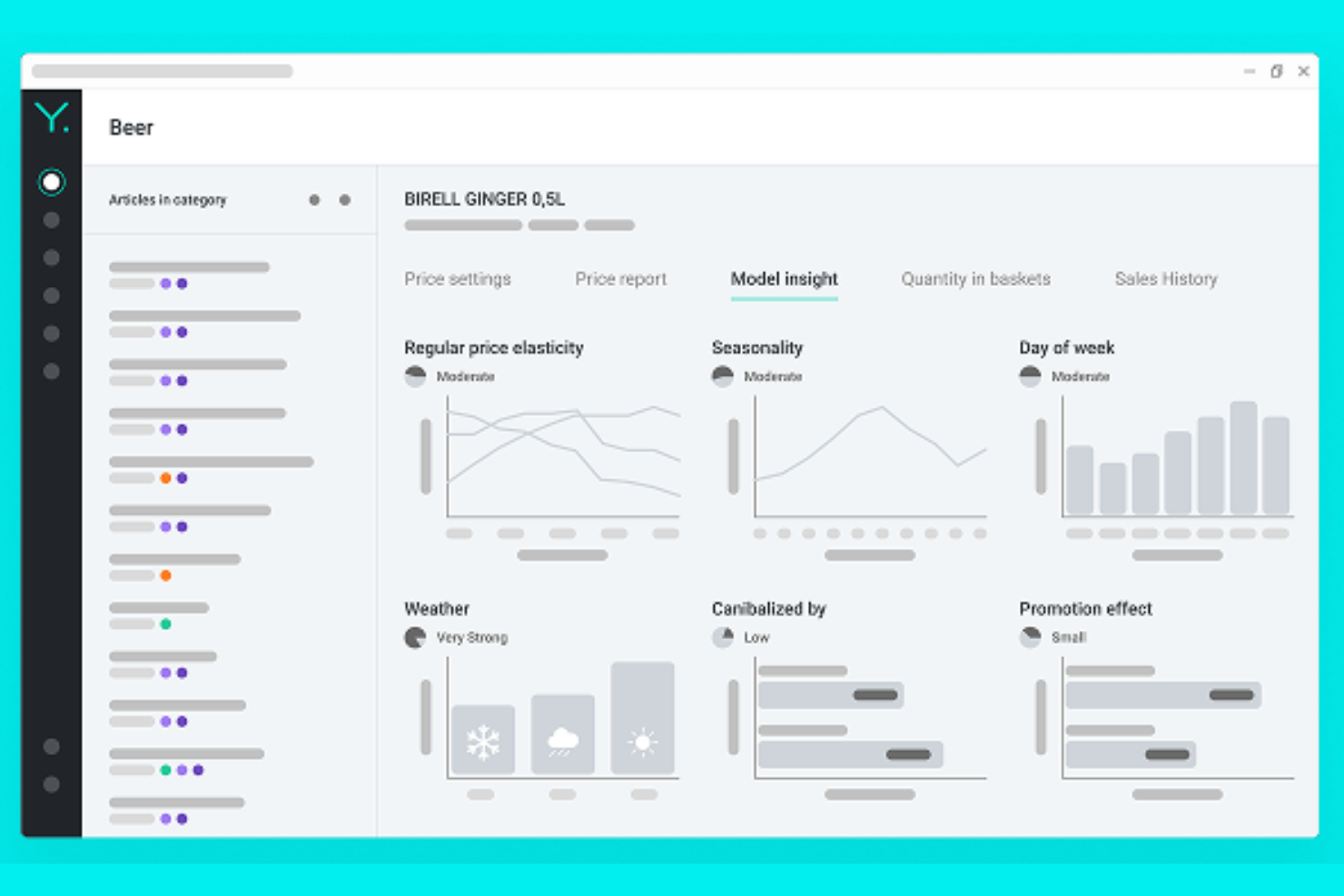
Yieldigo è progettato per catene di negozi di alimentari e supermercati che necessitano di una modellazione avanzata dei prezzi per gestire assortimenti complessi. La piattaforma si rivolge ai responsabili dei prezzi e ai team di categoria che desiderano ottimizzare i prezzi utilizzando l'analisi predittiva e le previsioni della domanda. Yieldigo aiuta a bilanciare margine, volume e competitività in un ambiente alimentare in rapido movimento.
Perché ho scelto Yieldigo
Yieldigo si distingue per le sue avanzate capacità di modellazione dei prezzi, adattate specificamente alle catene di negozi di alimentari. La piattaforma utilizza l'analisi predittiva per simulare l'impatto delle variazioni di prezzo su migliaia di SKU, aiutandoti a comprendere come gli adeguamenti influiscano sia sul margine sia sul volume delle vendite. Mi piace il fatto che Yieldigo integri le previsioni della domanda e la modellazione dell'elasticità, elementi essenziali per gestire il settore alimentare in rapido movimento e altamente competitivo. Questo la rende una scelta valida per i team che si occupano dei prezzi e che devono bilanciare la redditività con la percezione dei prezzi da parte dei clienti in un ambiente di vendita al dettaglio complesso.
Caratteristiche principali di Yieldigo
Alcune altre caratteristiche che rendono Yieldigo utile per i team responsabili dei prezzi nel settore alimentare includono:
- Strumenti di pianificazione degli scenari: Modella più scenari di prezzo per confrontare i risultati prima di apportare modifiche.
- Monitoraggio dei prezzi dei concorrenti: Monitora i prezzi dei concorrenti per orientare le tue decisioni sui prezzi.
- Raccomandazioni automatiche sui prezzi: Ricevi suggerimenti sui prezzi generati dal sistema in base alle tue regole aziendali.
- Dashboard centralizzata per la gestione dei prezzi: Gestisci e rivedi tutte le attività relative ai prezzi da un'unica interfaccia.
Integrazioni di Yieldigo
Le integrazioni includono Colruyt, Metro, Makro, SuperPharm, Newpharma, Bonami, Ahold, Erocash, Admenta, Lékárna CZ, Delia, Healthspan e altre.
Pros and Cons
Pros:
- Modellazione avanzata dei prezzi per assortimenti alimentari
- Pianificazione di scenari per molteplici strategie di prezzo
- Raccomandazioni automatiche sui prezzi basate su regole
Cons:
- Settori della vendita al dettaglio supportati limitati
- Nessuna documentazione disponibile per l'avvio autonomo
New Product Updates from Yieldigo

Yieldigo Adds Export Scheduling and Promotions Overview
Yieldigo adds export scheduling with exclusion periods and a Promotions Overview for product-level promotion timelines. These updates improve pricing operations and promotion visibility. For more information, visit Yieldigo’s official site.
 .
.
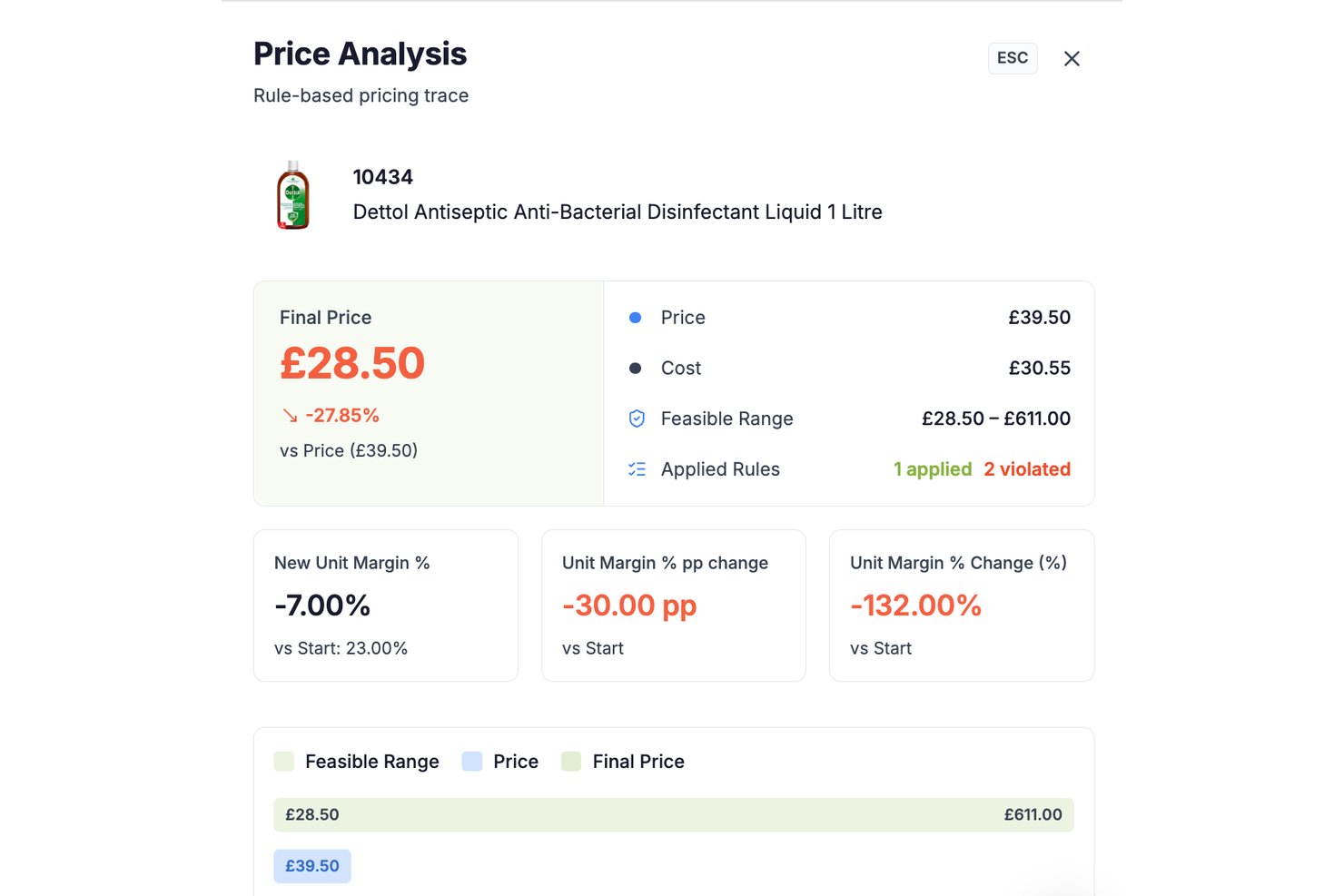
RetailGrid è una piattaforma di pricing per il retail che combina uno spazio di lavoro AI in stile foglio di calcolo con ottimizzazione dei prezzi tramite agenti intelligenti, monitoraggio dei concorrenti, analisi dell’elasticità e pricing basato su regole per l’intero catalogo.
Per chi è ideale RetailGrid?
RetailGrid è pensato per retailer di medie dimensioni con cataloghi di migliaia di SKU che necessitano di strumenti di pricing avanzati senza dover affrontare una lunga implementazione a livello enterprise.
Perché ho scelto RetailGrid
RetailGrid merita un posto nella mia shortlist per il modo in cui gestisce la trasparenza dell’AI, aspetto spesso trascurato da molti strumenti di pricing. Ogni raccomandazione fatta dagli agenti AI mostra il ragionamento completo, incluse le regole attivate, quelle violate, e l’impatto esatto sui margini prima di applicare una modifica. Questa traccia di audit per ogni SKU mi permette di presentarmi a una revisione di categoria con risposte chiare per ogni modifica di prezzo, evitando risultati da black-box.
Funzionalità principali di RetailGrid
- Spazio di lavoro AI: Una griglia di pricing ispirata ai fogli di calcolo con dati di vendita, concorrenti e inventario in tempo reale.
- Motore di pricing basato su regole: Applica e gestisci regole di pricing personalizzate per l’intero catalogo prodotti.
- Monitoraggio prezzi concorrenti: Raccolta automatica dei prezzi da concorrenti diretti, Google Shopping e Amazon.
- Analisi dell’elasticità: Quantifica e visualizza la sensibilità al prezzo di ogni SKU utilizzando dati di vendita storici e dati di mercato.
Integrazioni RetailGrid
RetailGrid offre integrazioni native con Shopify, Magento, BigCommerce, WooCommerce, Wix e SAP Commerce Cloud. È disponibile anche un’API per integrazioni personalizzate.
Pros and Cons
Pros:
- Audit decisionale AI trasparente per ogni SKU
- Interfaccia simile a un foglio di calcolo familiare ai team retail
- Elasticità in tempo reale e dati sui concorrenti integrati
Cons:
- Supporto limitato per il pricing degli store fisici
- Richiede dati di prodotto puliti per funzionare al meglio

Prisync
Ideale per il monitoraggio dei prezzi dei concorrenti per l'ecommerce
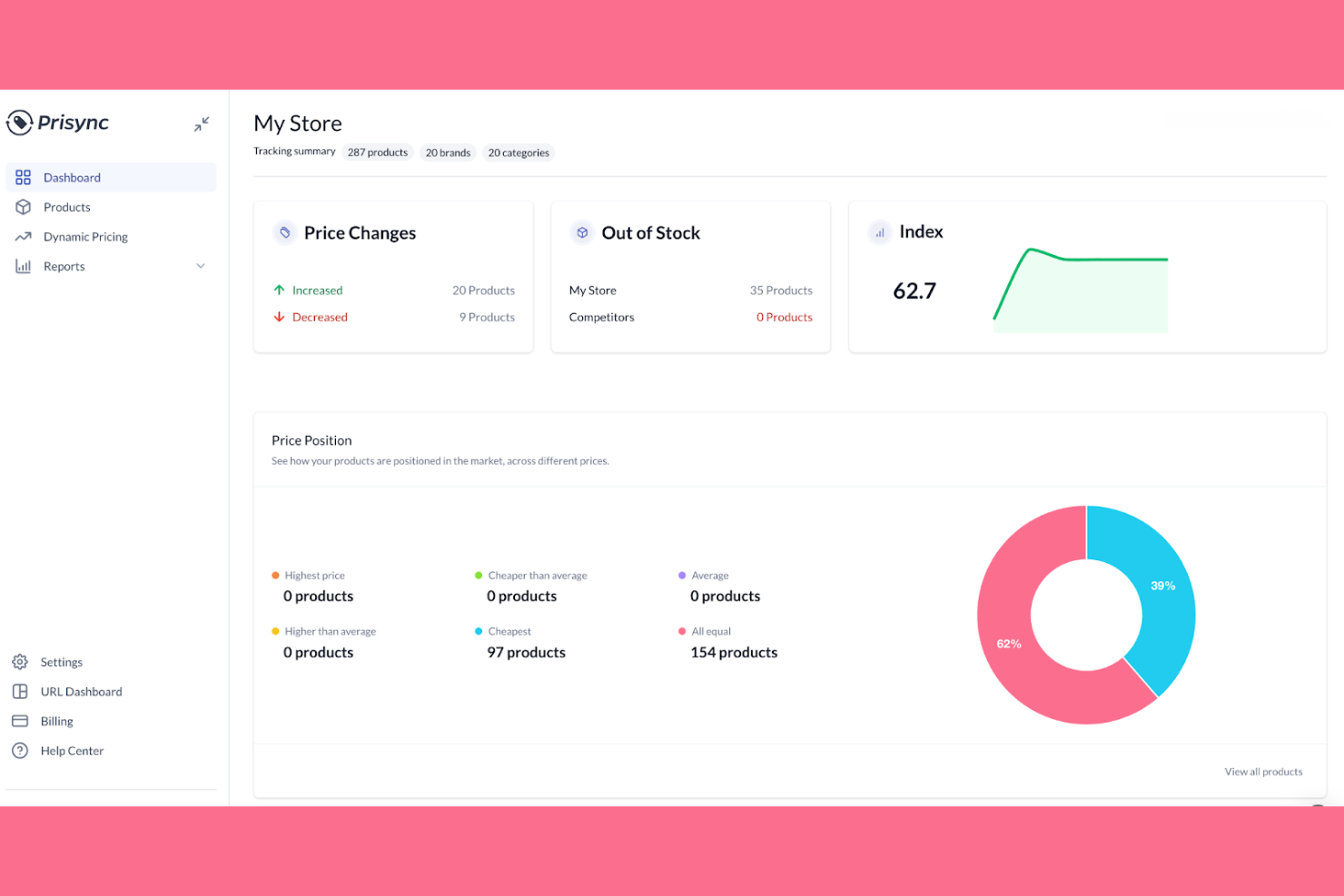
Prisync è pensato per le aziende di ecommerce che devono monitorare e rispondere in tempo reale ai prezzi dei concorrenti. La piattaforma è ideale per rivenditori online e marchi che vogliono automatizzare il monitoraggio dei prezzi su più concorrenti e canali. Prisync ti aiuta a mantenere una strategia di prezzo competitiva e guidata dai dati raccogliendo, confrontando e riportando automaticamente i prezzi di mercato.
Perché ho scelto Prisync
Per i team ecommerce determinati a stare un passo avanti rispetto ai concorrenti, Prisync offre strumenti specializzati per il tracciamento automatico dei prezzi e l’analisi di mercato. La piattaforma raccoglie i dati dei prezzi della concorrenza da diverse fonti e li aggiorna più volte al giorno, così hai sempre informazioni aggiornate. Apprezzo che Prisync includa regole di pricing dinamico che consentono di impostare aggiustamenti automatici dei prezzi in base ai movimenti dei concorrenti. I suoi dettagliati report di confronto prezzi facilitano l’individuazione delle tendenze e un rapido adattamento in mercati ecommerce in continua evoluzione.
Funzionalità principali di Prisync
Altre funzionalità utili di Prisync per i team di ecommerce includono:
- Importazione in batch dei prodotti: Carica grandi liste di prodotti usando file CSV per una rapida configurazione e aggiornamenti.
- Monitoraggio MAP: Tieni traccia delle violazioni del prezzo minimo pubblicizzato per proteggere il valore del marchio e la conformità.
- Monitoraggio della disponibilità di stock: Controlla i livelli di stock dei concorrenti insieme ai dati sui prezzi per una visione più completa del mercato.
- Avvisi personalizzabili: Imposta notifiche per cambiamenti di prezzo specifici o azioni dei concorrenti che contano per il tuo business.
Integrazioni Prisync
Le integrazioni includono Shopify, Amazon, Google Shopping e altre piattaforme tramite API.
Pros and Cons
Pros:
- Aggiornamenti frequenti dei prezzi dei concorrenti per un monitoraggio accurato
- Regole di pricing dinamico per aggiustamenti automatici
- Avvisi personalizzati per variazioni di prezzo importanti
Cons:
- Analisi limitata per approfondimenti sulle tendenze
- L’associazione manuale dei prodotti può richiedere tempo

Ideale per l'automazione dinamica dei prezzi in ambito omnicanale
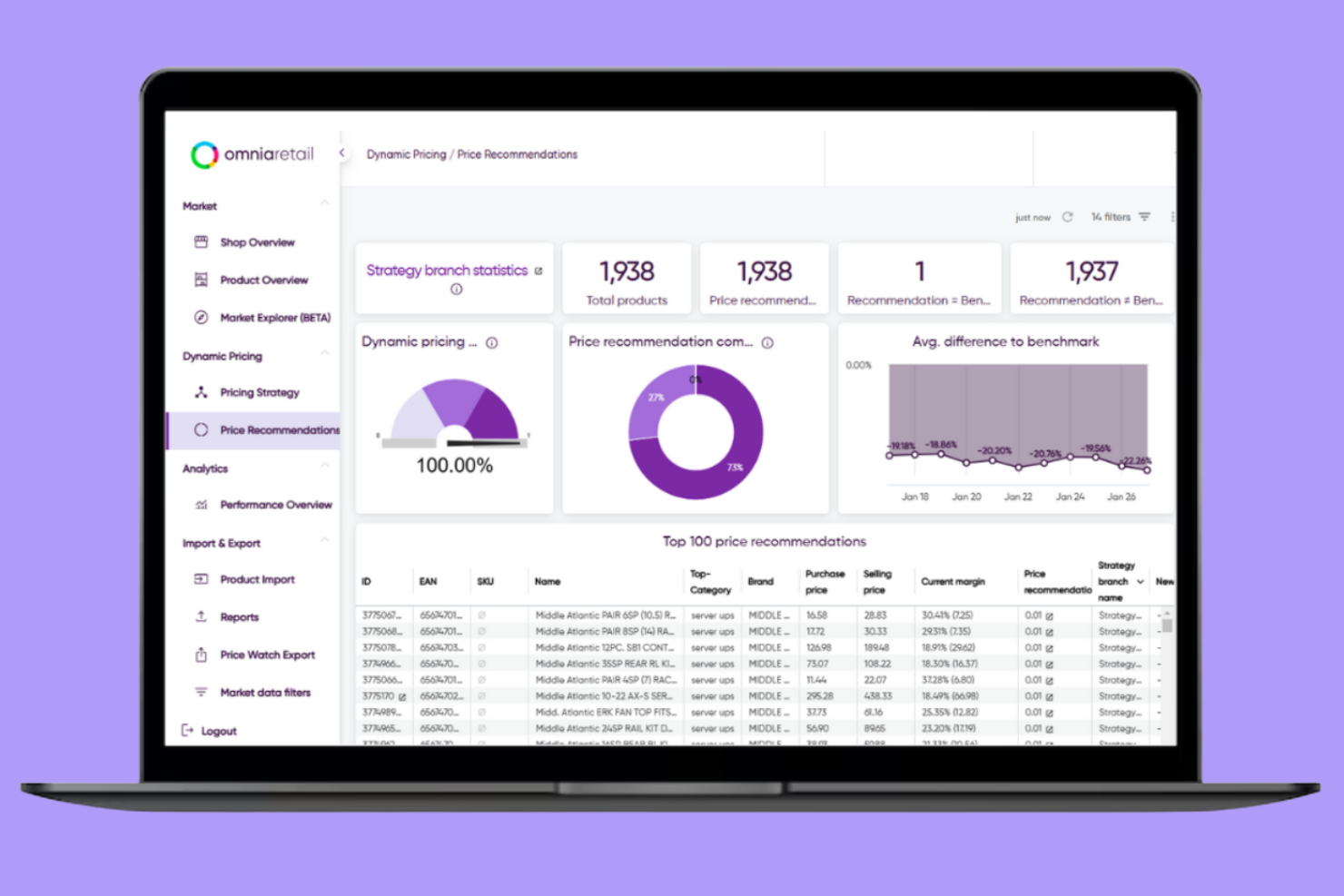
Se il tuo team ha bisogno di automatizzare la gestione dei prezzi su canali online e offline, Omnia Retail offre una piattaforma unificata appositamente creata per i rivenditori omnicanale. Il software è progettato per aziende che gestiscono assortimenti complessi e frequenti variazioni di prezzo. Omnia Retail ti aiuta a mantenere i prezzi coerenti e competitivi automatizzando gli aggiornamenti in base ai dati di mercato in tempo reale e alle tue regole di pricing.
Perché ho scelto Omnia Retail
Ho scelto Omnia Retail perché è specializzato nell'automazione dinamica dei prezzi per i rivenditori che gestiscono sia canali online che offline. Il motore di pricing basato su regole ti permette di impostare strategie personalizzate che aggiustano automaticamente i prezzi in risposta alle variazioni del mercato, ai livelli di inventario e alle azioni dei concorrenti. Apprezzo che Omnia Retail semplifichi la coerenza omnicanale, mantenendo i prezzi allineati su ogni canale di vendita. I suoi feed dati in tempo reale e gli strumenti di automazione aiutano i rivenditori a reagire rapidamente senza intervento manuale, una caratteristica fondamentale per restare competitivi in mercati in rapida evoluzione.
Caratteristiche principali di Omnia Retail
Altre funzionalità di Omnia Retail che risultano particolarmente utili ai team retail includono:
- Gestione dell'assortimento: Gestisci e segmenta il tuo assortimento prodotti per applicare diverse strategie di prezzo a specifiche categorie o brand.
- Monitoraggio prezzi dei concorrenti: Monitora in tempo reale i prezzi dei competitor per orientare le tue decisioni di prezzo e restare rilevante sul mercato.
- Motore di prezzi promozionali: Imposta e automatizza variazioni temporanee di prezzo per saldi, promozioni o eventi stagionali.
- Dashboard di reportistica e analisi: Accedi a report dettagliati e visualizzazioni per analizzare l'andamento dei prezzi e individuare tendenze.
Integrazioni di Omnia Retail
Le integrazioni includono Shopware, Plentymarkets, JTL, Google Shopping, Amazon, eBay, Bol.com, Kaufland, idealo e Tweakers.
Pros and Cons
Pros:
- Automazione del pricing dinamico su molteplici canali
- Motore basato su regole per un controllo flessibile dei prezzi
- Monitoraggio dei concorrenti in tempo reale per decisioni più rapide
Cons:
- La configurazione iniziale delle regole di prezzo può essere complessa
- Le funzionalità avanzate possono richiedere supporto durante l’onboarding

Ideale per il benchmarking dei prezzi in tempo reale tra mercati diversi
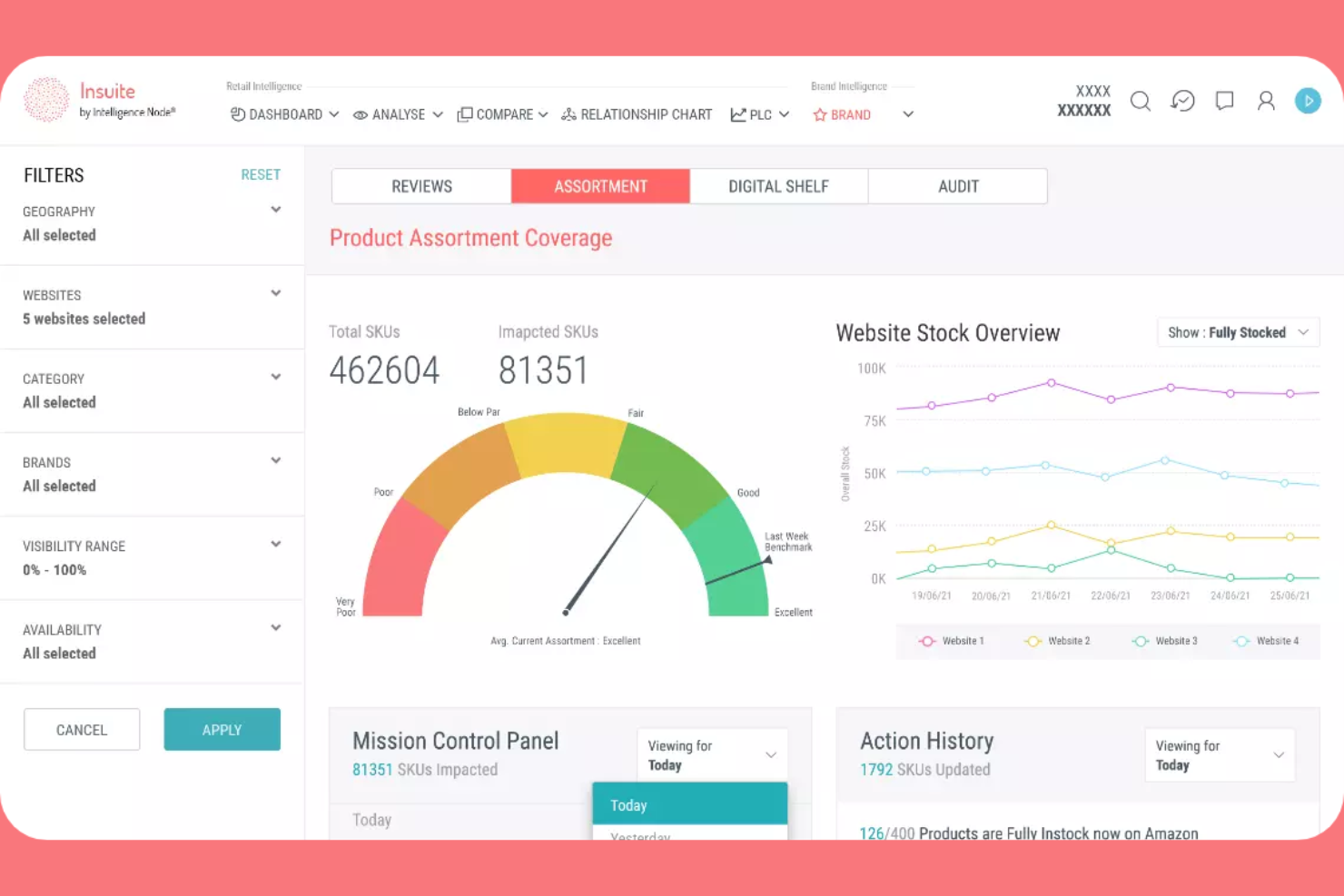
Intelligence Node è una piattaforma di analisi retail e market intelligence che include funzionalità di software di pricing per il benchmarking e il monitoraggio dei prezzi della concorrenza nei vari mercati. Se hai bisogno di monitorare e confrontare i prezzi in tempo reale su diversi mercati, Intelligence Node merita attenzione. Questa piattaforma è pensata per retailer e brand che desiderano avere una visibilità dettagliata sui cambiamenti dei prezzi e degli assortimenti dei competitor, man mano che avvengono. Intelligence Node si distingue per la sua capacità di fornire intelligence sui prezzi aggiornata al minuto, aiutando i team a reagire rapidamente ai cambiamenti di mercato e a proteggere i margini.
Perché ho scelto Intelligence Node
Per i retailer che devono confrontare i prezzi su diversi mercati in tempo reale, Intelligence Node offre un vantaggio unico. Il motore di monitoraggio dei prezzi basato su IA della piattaforma tiene traccia di milioni di SKU e dei prezzi dei competitor a livello globale, aggiornando i dati man mano che le condizioni di mercato cambiano. Mi piace che Intelligence Node fornisca informazioni dettagliate a livello di SKU e dashboard personalizzabili, così il tuo team può individuare rapidamente gap e opportunità nei prezzi. Il suo focus sui dati in tempo reale lo rende particolarmente adatto alle aziende che devono reagire tempestivamente ai cambiamenti di mercato e mantenere un vantaggio competitivo.
Funzionalità principali di Intelligence Node
Altre funzionalità che rendono Intelligence Node utile per i team che si occupano di pricing includono:
- Monitoraggio MAP: Traccia le violazioni del prezzo minimo pubblicizzato su canali e mercati diversi.
- Avvisi automatici: Ricevi notifiche istantanee riguardo a cambiamenti rilevanti dei prezzi dei competitor.
- Analisi a livello di categoria: Analizza le tendenze di prezzi e assortimenti a livello di categoria.
- Strumenti di esportazione dati: Esporta dati relativi a prezzi e assortimenti per ulteriori analisi o reportistica.
Integrazioni di Intelligence Node
Attualmente non sono elencate integrazioni native. Accesso API disponibile per integrazioni personalizzate.
Pros and Cons
Pros:
- Monitoraggio in tempo reale dei prezzi della concorrenza tra mercati
- Monitoraggio MAP per la protezione del brand
- Analisi a livello di categoria per approfondimenti sugli assortimenti
Cons:
- Le opzioni di personalizzazione possono richiedere il supporto del fornitore
- Nessuno strumento di onboarding o configurazione self-service

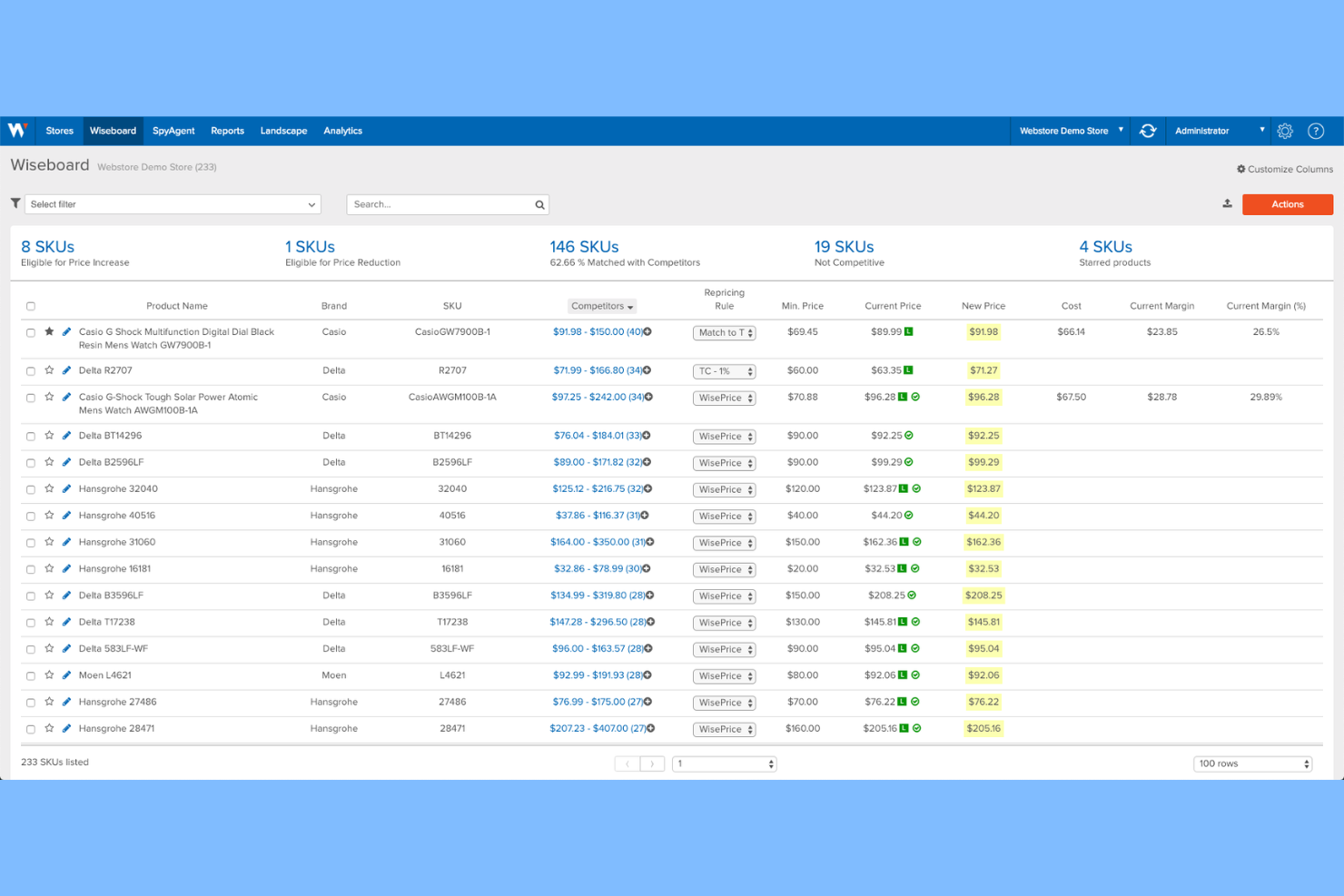
Wiser Solutions è una piattaforma di intelligence e gestione per il retail che offre funzionalità software per il monitoraggio e l’ottimizzazione dei prezzi su canali fisici e online. Questa piattaforma è particolarmente utile per i team che devono monitorare, confrontare e ottimizzare i prezzi sia sugli scaffali dei negozi fisici che sui siti ecommerce. Wiser Solutions si distingue per la sua capacità di unificare i dati provenienti da più canali, aiutandoti a individuare le discrepanze di prezzo e ad allineare le strategie in tempo reale.
Perché ho scelto Wiser Solutions
Ciò che distingue Wiser Solutions è la sua capacità di fornire intelligence sui prezzi sia per i canali fisici che per quelli online, fondamentale per i rivenditori che gestiscono strategie di prezzo omnicanale. La piattaforma raccoglie e analizza dati di prezzo da negozi fisici e siti ecommerce, offrendo una visione unificata del panorama competitivo. Apprezzo il fatto che Wiser Solutions offra funzionalità di raccolta dati a livello di scaffale e analisi dello scaffale digitale, così puoi identificare le discrepanze di prezzo e ottimizzare su tutti i canali di vendita. Questo la rende una scelta solida per le aziende che devono coordinare le decisioni di prezzo tra ambienti fisici e online.
Caratteristiche principali di Wiser Solutions
Altre funzionalità che rendono Wiser Solutions preziosa per i team di pricing includono:
- Monitoraggio delle promozioni: Monitora promozioni e sconti dei concorrenti su tutti i canali.
- Motore di pricing dinamico: Modifica i prezzi automaticamente in base ai dati di mercato in tempo reale.
- Raccomandazioni per l’ottimizzazione dei prezzi: Ricevi suggerimenti basati sui dati per strategie di prezzo ottimali.
- Reportistica personalizzabile: Crea e pianifica report su misura per diversi team o stakeholder.
Integrazioni Wiser Solutions
Le integrazioni native non sono attualmente elencate.
Pros and Cons
Pros:
- Raccolta dati sui prezzi in negozio e online
- Analisi a livello di scaffale per punti vendita fisici
- Monitoraggio delle promozioni su diversi canali
Cons:
- Nessuna lista pubblica di integrazioni native
- Il processo di onboarding può richiedere assistenza del fornitore

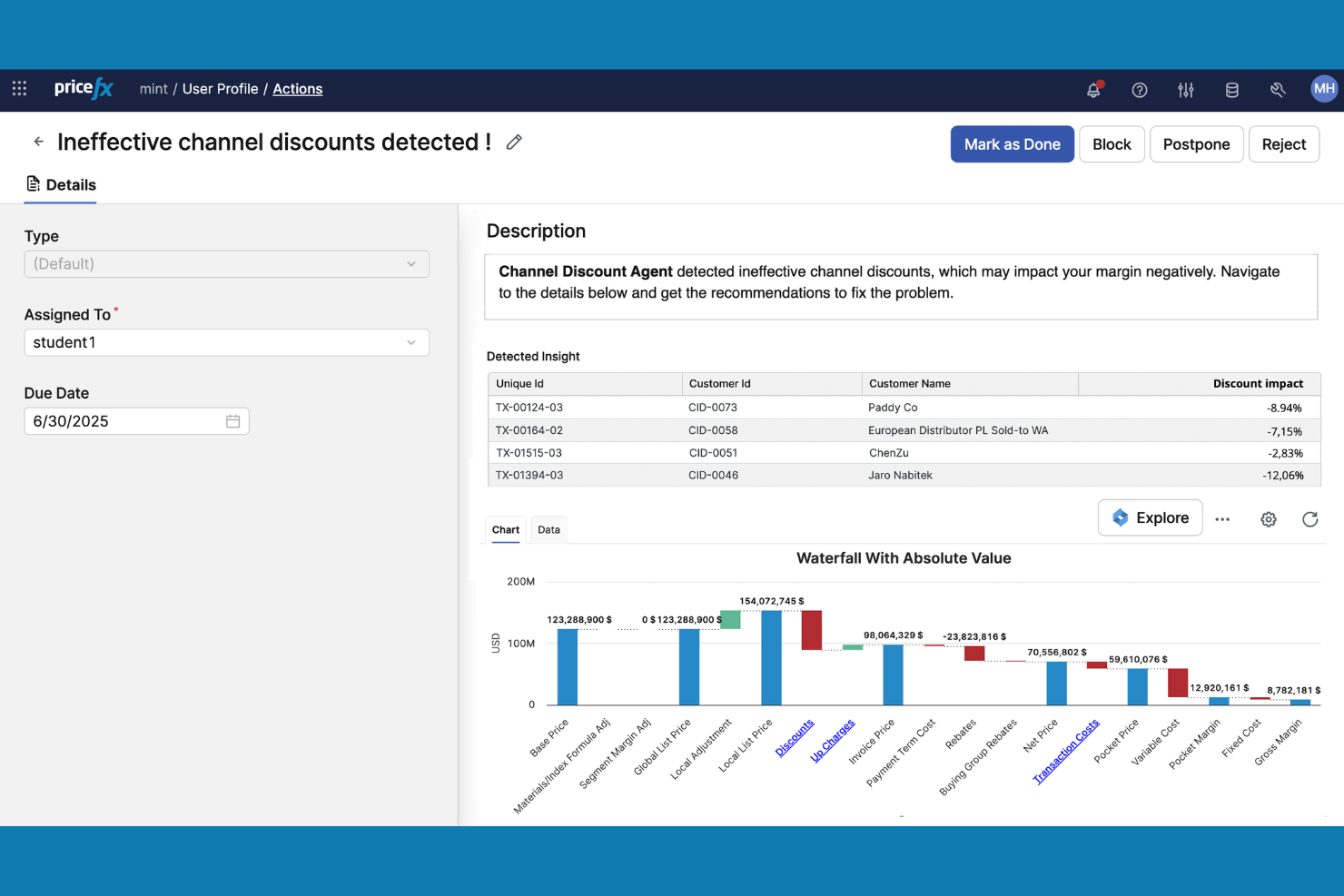
Pricefx offre una piattaforma di analisi dei prezzi altamente configurabile, pensata per grandi aziende con esigenze di pricing complesse. Questo strumento è una soluzione eccellente per i team di pricing, finanza e commerciale che devono modellare, analizzare e ottimizzare strategie di prezzo su larga scala. Pricefx si distingue per il suo motore di analisi flessibile, che permette di personalizzare modelli di pricing e dashboard in base alle esigenze specifiche della vostra azienda.
Perché ho scelto Pricefx
Per i team che necessitano di un controllo approfondito sulle analisi dei prezzi, Pricefx si distingue per il suo alto livello di configurabilità. La piattaforma consente di creare modelli di pricing e dashboard personalizzati, così potete analizzare i dati in modo conforme alle esigenze uniche della vostra azienda. Mi piace il fatto che Pricefx offra la possibilità di effettuare modellizzazione avanzata di scenari, aiutando a prevedere l'impatto delle variazioni di prezzo prima che vengano implementate. Ciò lo rende una scelta valida per le aziende che desiderano personalizzare le proprie analisi e strategie di pricing su larga scala.
Caratteristiche principali di Pricefx
Altre funzionalità che rendono Pricefx interessante per i team aziendali dedicati al pricing includono:
- Gestione di premi e sconti: Configurare, monitorare e analizzare programmi complessi di premi e sconti.
- Strumenti di configurazione dei preventivi: Generare e gestire preventivi con regole di prezzo configurabili.
- Gestione dei listini prezzi: Creare, aggiornare e distribuire più listini prezzi tra regioni o canali diversi.
- Ottimizzazione automatica dei prezzi: Utilizzare algoritmi integrati per raccomandare prezzi ottimali sulla base di dati in tempo reale.
Integrazioni di Pricefx
Le integrazioni includono SAP, Salesforce, Oracle, Microsoft Dynamics 365, PROS, Accenture, Deloitte, PwC, Wipro e Capgemini.
Pros and Cons
Pros:
- Analitiche altamente configurabili per modelli di pricing complessi
- Modellizzazione degli scenari per la previsione dell'impatto delle strategie di prezzo
- Ottimizzazione automatica dei prezzi con algoritmi integrati
Cons:
- I progetti di implementazione possono richiedere molte risorse
- Template retail specifici limitati nel pacchetto base

Ideale per l'ottimizzazione dei prezzi guidata dall'IA per grandi rivenditori
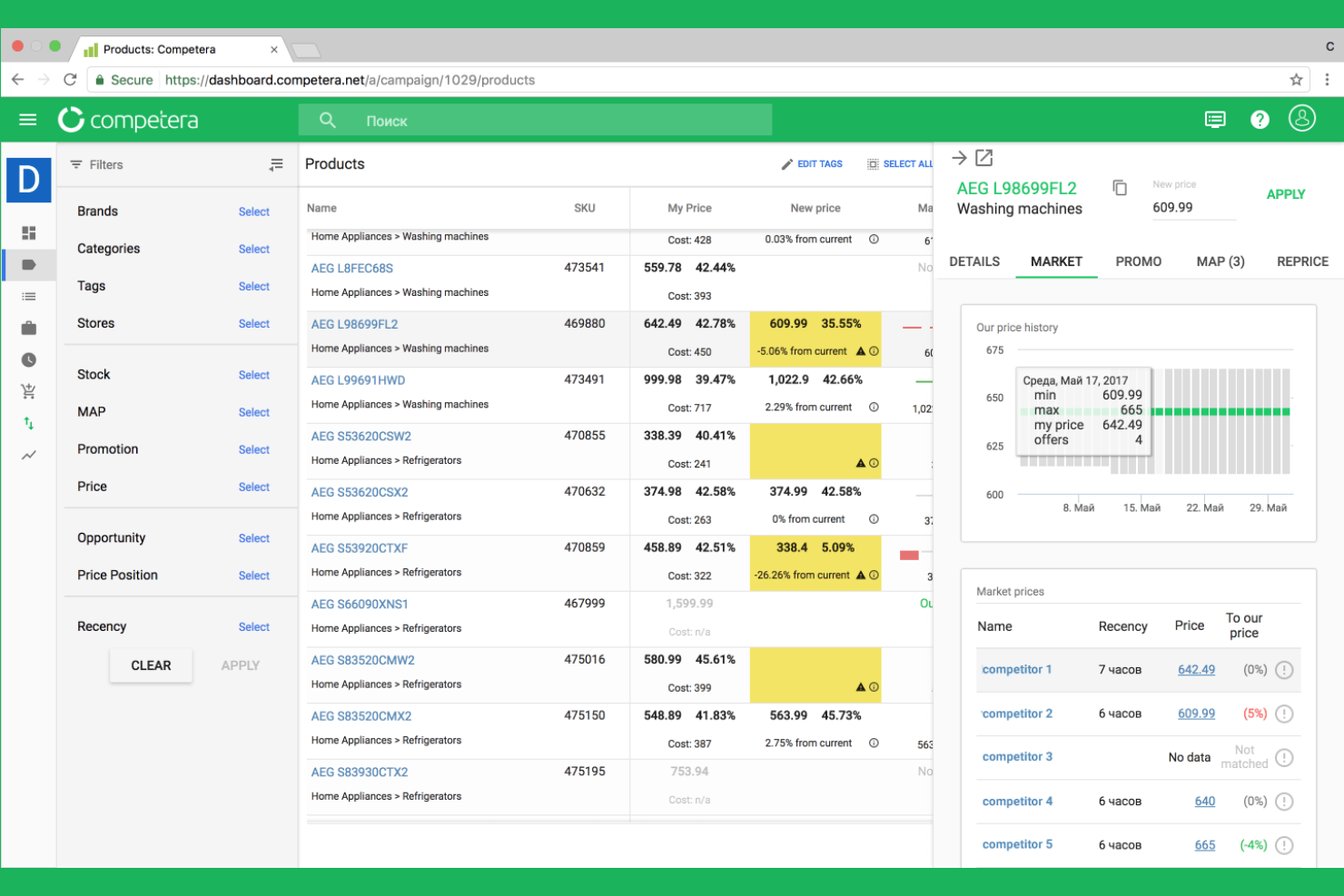
I grandi rivenditori che desiderano utilizzare l'IA per prendere decisioni di prezzo più intelligenti potrebbero considerare Competera. Questa piattaforma utilizza il machine learning per ottimizzare i prezzi su interi portafogli di prodotti, tenendo conto della domanda, della concorrenza e degli obiettivi aziendali. Competera è particolarmente utile per i team che gestiscono assortimenti complessi e hanno la necessità di bilanciare margine, fatturato e competitività su larga scala.
Perché ho scelto Competera
Ciò che distingue Competera è la sua attenzione all'ottimizzazione dei prezzi guidata dall'IA per operazioni di vendita al dettaglio grandi e complesse. La piattaforma utilizza algoritmi di machine learning per raccomandare i prezzi ottimali in base ai dati di mercato in tempo reale, all'elasticità della domanda e ai vincoli aziendali. Apprezzo il fatto che Competera possa simulare diversi scenari di prezzo, aiutando i team a comprendere l'impatto delle modifiche prima di prendere decisioni. La sua capacità di automatizzare la definizione dei prezzi per migliaia di SKU la rende particolarmente adatta a rivenditori che devono gestire prezzi dinamici su larga scala.
Caratteristiche principali di Competera
Altre funzionalità che rendono Competera preziosa per i team di pricing includono:
- Raccolta dati competitivi: Raccogli dati in tempo reale sui prezzi e sugli assortimenti dei concorrenti da più fonti.
- Motore di definizione prezzi basato su regole: Imposta regole personalizzate per i prezzi in linea con la strategia aziendale.
- Misurazione dell'effetto promozionale: Analizza l'impatto delle promozioni passate su vendite e margini.
- Controlli d'accesso basati sui ruoli: Assegna permessi e livelli di accesso diversi ai membri del team.
Integrazioni Competera
Le integrazioni native non sono attualmente elencate. È disponibile l'accesso API per integrazioni personalizzate.
Pros and Cons
Pros:
- Raccomandazioni di prezzi guidate dall'IA in base ai segnali di domanda
- Simulazione di scenari per una migliore pianificazione decisionale
- Gestisce in modo efficiente grandi assortimenti
Cons:
- Richiede una quantità significativa di dati per risultati accurati
- Trasparenza limitata nella logica dei prezzi

Retalon
Ideale per la definizione predittiva dei prezzi attraverso la previsione della domanda
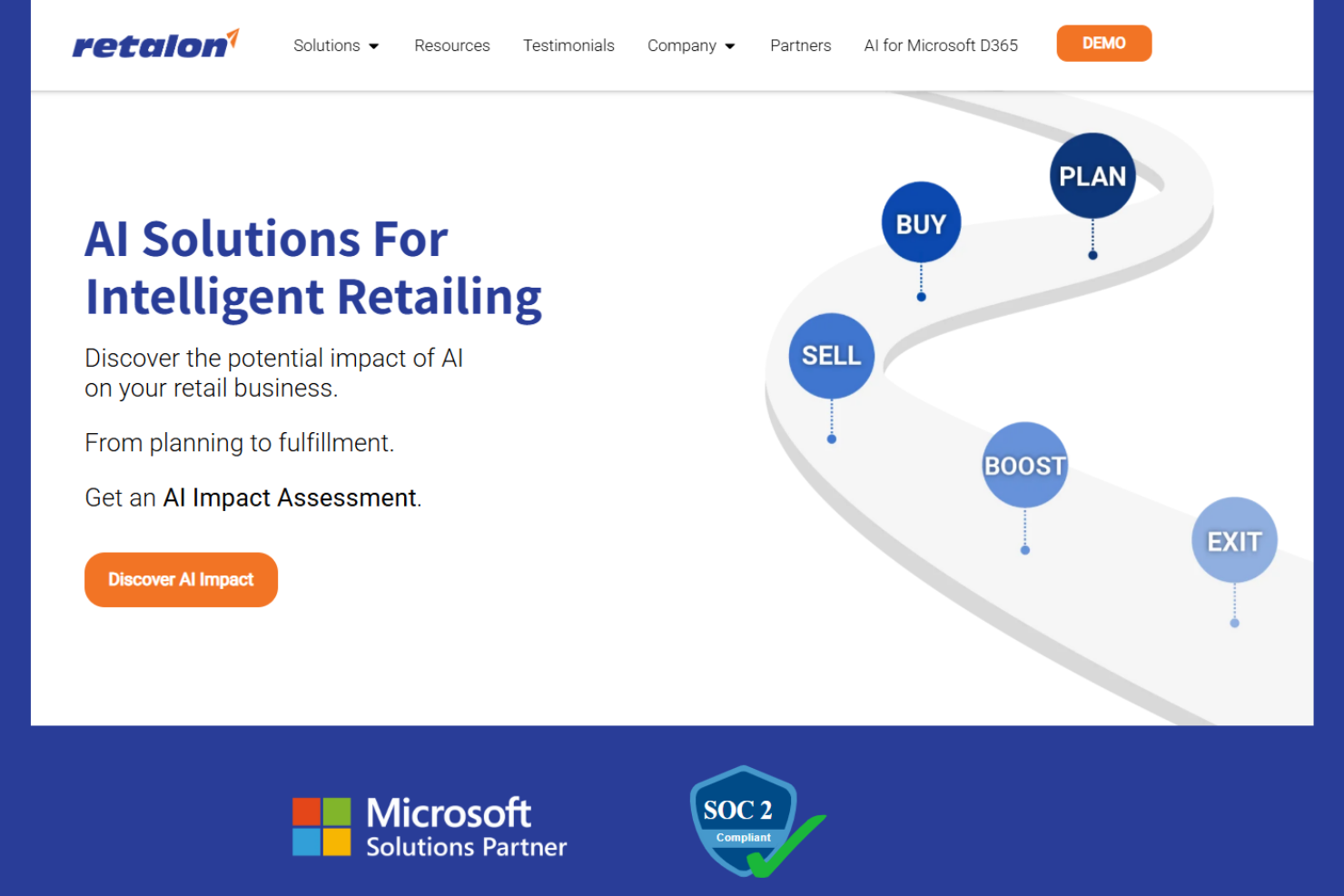
I rivenditori che cercano una strategia di prezzi predittiva in grado di adattarsi ai cambiamenti della domanda in tempo reale possono trovare Retalon particolarmente rilevante. Questa piattaforma è pensata per i team di merchandising, pricing e pianificazione che desiderano utilizzare le previsioni della domanda per guidare le decisioni di prezzo. Retalon ti aiuta ad anticipare i cambiamenti del mercato e ottimizzare i prezzi grazie ad analisi basate su intelligenza artificiale, pensate per l’ambiente retail.
Perché ho scelto Retalon
Ciò che distingue Retalon è l’accento sulla definizione predittiva dei prezzi tramite previsioni della domanda, particolarmente preziosa per i retailer che gestiscono mercati volatili. La piattaforma utilizza analisi guidate dall’IA per prevedere la domanda a livello di SKU e di negozio, permettendoti di adattare i prezzi in modo proattivo invece che reattivo. Apprezzo il fatto che Retalon unisca l’ottimizzazione dei prezzi alla pianificazione delle scorte e delle promozioni, così puoi allineare le strategie di prezzo agli obiettivi aziendali più ampi. Questo lo rende una soluzione ideale per i team che desiderano anticipare le tendenze di mercato e massimizzare la redditività grazie a dati concreti.
Caratteristiche principali di Retalon
Altre caratteristiche che rendono Retalon utile ai team di pricing nel retail includono:
- Ottimizzazione automatica delle promozioni: Configura e gestisci campagne di prezzo promozionali con suggerimenti basati sull’IA.
- Gestione dei saldi: Pianifica ed esegui strategie di saldo per smaltire le scorte proteggendo i margini.
- Avvisi basati su eccezioni: Ricevi notifiche quando vengono rilevate anomalie nei prezzi o nelle scorte.
- Coerenza dei prezzi omnicanale: Mantieni la sincronizzazione dei prezzi tra canali di vendita online e offline.
Integrazioni Retalon
Le integrazioni native non sono attualmente elencate.
Pros and Cons
Pros:
- Previsioni di domanda tramite IA per decisioni di prezzo
- Gestione automatizzata di promozioni e saldi
- Avvisi basati su eccezioni per anomalie dei prezzi
Cons:
- Nessuna lista pubblica di integrazioni native
- Dettagli sui prezzi non comunicati sul sito web
Altri software per la determinazione dei prezzi al dettaglio
Ecco alcune opzioni aggiuntive di software per la determinazione dei prezzi al dettaglio che non sono state incluse nel mio elenco, ma che vale comunque la pena valutare:


Come Valuto i Software di Retail Pricing
Divido la mia valutazione in criteri di base—come un motore di repricing funzionante e il monitoraggio dei competitor—e fattori distintivi che separano i migliori strumenti dal resto.
Funzionalità Principali (Requisiti Minimi per Questa Lista)
Quando seleziono gli strumenti per la mia lista, ne valuto ciascuno su una scala da 0 (non offre la funzionalità) a 5 (eccelle in quest'area) per ogni funzionalità principale elencata di seguito. Poi calcolo il punteggio totale dello strumento trasformandolo in una percentuale. Ogni strumento deve raggiungere un punteggio totale minimo del 65% per essere considerato per l'inclusione.
- Motore di Ottimizzazione dei Prezzi: Valuto se lo strumento va oltre il semplice calcolo costo + margine per offrire raccomandazioni di prezzo basate sulla domanda o guidate dall'IA, che tengano conto dell'elasticità e degli obiettivi aziendali.
- Monitoraggio dei Prezzi della Concorrenza: Il monitoraggio dei prezzi dei concorrenti è fondamentale soprattutto quando è automatizzato, con abbinamento SKU e aggiornamenti abbastanza frequenti per agire su diversi marketplace e fonti web.
- Regole di Repricing e Automazione: Cerco costruttori di regole configurabili che permettano ai team di pricing di impostare margini minimi, obiettivi relativi ai competitor e paletti MAP da applicare su larga scala.
- Gestione di Promozioni e Sconti: I cicli di liquidazione stagionale e le offerte lampo richiedono pianificazione delle date, della profondità e analisi post-evento—controllo come ogni strumento gestisce l'intero ciclo della promozione.
- Prezzi Multi-Canale e Negozio: I retailer che vendono in punti vendita fisici, sul proprio e-commerce e su marketplace terzi necessitano di una differenziazione dei prezzi per zona o canale gestita da un unico hub.
- Analytics e Reportistica sui Prezzi: Cerco dashboard che colleghino i cambi di prezzo a margini e ricavi, offrendo ai responsabili pricing una visione chiara di ciò che funziona.
Una volta che ho una lista di strumenti che soddisfano i criteri, considero cosa distingue ogni piattaforma.
Fattori Distintivi (Cosa Distingue i Fornitori)
Ecco come confronto e metto a confronto diversi fornitori:
Funzionalità Distintive
La simulazione di scenari è molto importante per me—voglio vedere come una modifica proposta al prezzo si ripercuote su margine e volume prima che entri in vigore. La gestione della price image è altrettanto preziosa, soprattutto per i retailer che desiderano monitorare la percezione dei KVI mantenendo margini ottimali sui prodotti a bassa rotazione. Valuto anche il pricing consapevole dell'assortimento, dove lo strumento considera la cannibalizzazione tra private label e marchi o segnala effetti halo su prodotti collegati.
Oltre le Funzionalità
Le integrazioni hanno un peso notevole. Un tool di pricing che non riesce a recuperare l'inventario in tempo reale dall'ERP o aggiornare i prezzi su POS e negozio online genera lavoro manuale che vanifica lo scopo. Verifico inoltre che la piattaforma sia adatta al proprio verticale del retail—la logica di pricing della GDO è molto diversa da quella delle stagionalità della moda. Infine, meritano attenzione i tempi di implementazione. Gli strumenti con modelli di regole preconfigurate e onboarding guidato portano valore più rapidamente rispetto alle piattaforme che richiedono mesi di personalizzazione.
Come scegliere un software per la determinazione dei prezzi al dettaglio
È facile perdersi in lunghi elenchi di funzionalità e strutture di prezzo complesse. Per aiutarti a rimanere concentrato mentre affronti il tuo specifico processo di selezione del software, ecco una lista di fattori da tenere presenti:
| Fattore | Cosa considerare |
| Scalabilità | Il software sarà in grado di gestire il volume attuale e futuro dei tuoi prodotti, il numero di punti vendita e i canali di vendita? |
| Integrazioni | Si connette nativamente ai tuoi strumenti di commercio elettronico, POS, ERP e analisi senza soluzioni alternative personalizzate? |
| Personalizzazione | Puoi adattare le regole di determinazione dei prezzi, i flussi di lavoro e i report in base al tuo modello aziendale e alle tue categorie? |
| Facilità d'uso | I tuoi team di merchandising e di determinazione dei prezzi potranno utilizzare lo strumento quotidianamente senza una formazione approfondita? |
| Implementazione e avviamento | Quanto tempo occorrerà per essere operativi e di quali risorse o supporto avrai bisogno internamente? |
| Costo | Le fasce di prezzo sono chiare e in linea con il tuo budget e il ritorno sull'investimento previsto man mano che la tua azienda cresce? |
| Misure di sicurezza | Il fornitore offre la crittografia dei dati, controlli degli accessi degli utenti e conformità agli standard pertinenti? |
| Disponibilità dell'assistenza | Puoi accedere all'assistenza in tempo reale durante il tuo orario lavorativo ed esiste un percorso chiaro di escalation per i problemi urgenti? |
Cos'è il software per la determinazione dei prezzi al dettaglio?
Il software per la determinazione dei prezzi al dettaglio è una piattaforma che aiuta le aziende di vendita al dettaglio a definire, gestire e modificare i prezzi dei prodotti attraverso diversi canali di vendita. Queste soluzioni di determinazione dei prezzi utilizzano dati storici, intelligenza artificiale e tendenze di mercato per supportare i processi di determinazione dei prezzi lungo l'intero ciclo di vita e migliorare il processo decisionale. Grazie a strumenti avanzati per la determinazione dei prezzi, i team possono reagire ai cambiamenti della domanda, proteggere la quota di mercato e applicare strategie di prezzo coerenti tra i diversi segmenti di clientela.
Funzionalità del software per la determinazione dei prezzi al dettaglio
Quando scegli un software per la determinazione dei prezzi al dettaglio, presta attenzione alle seguenti funzionalità chiave:
- Gestione centralizzata dei prezzi: gestisci e aggiorna i prezzi dei prodotti per tutti i canali da un'unica dashboard, riducendo il lavoro manuale e gli errori.
- Regole automatizzate per i prezzi: imposta regole che adeguano automaticamente i prezzi in base all'inventario, alla velocità delle vendite o a eventi temporali.
- Pianificazione di promozioni e ribassi: pianifica, programma ed esegui in anticipo prezzi promozionali o ribassi, garantendo implementazioni puntuali e coerenti.
- Monitoraggio dei prezzi dei concorrenti: monitora i prezzi dei concorrenti per definire le tue strategie di prezzo e mantenere la competitività sul mercato.
- Aggiornamenti massivi dei prezzi: applica contemporaneamente variazioni di prezzo a più prodotti o categorie, risparmiando tempo durante gli adeguamenti su larga scala.
- Tracciati di audit e registri delle modifiche: conserva un registro di tutte le variazioni dei prezzi, inclusi l'autore e la data, per garantire responsabilità e conformità.
- Supporto multivaluta: imposta e gestisci i prezzi in valute diverse per supportare le vendite internazionali e strategie di prezzo localizzate.
- Report e analisi: accedi a dashboard e report che forniscono informazioni sulle prestazioni dei prezzi, sull'impatto sui margini e sulle tendenze delle vendite.
- Controlli degli accessi degli utenti: assegna autorizzazioni e ruoli ai membri del team, garantendo che solo gli utenti autorizzati possano modificare i prezzi.
- Integrazione con i canali di vendita: connettiti direttamente alle piattaforme di commercio elettronico, ai sistemi POS e agli ERP per sincronizzare i dati sui prezzi in tutta l'azienda.
Funzionalità comuni dell'IA nei software per i prezzi della vendita al dettaglio
Oltre alle funzionalità standard dei software per i prezzi della vendita al dettaglio elencate sopra, molte di queste soluzioni stanno integrando l'IA con funzionalità come:
- Previsione della domanda: l'IA analizza le vendite storiche, la stagionalità e i fattori esterni per prevedere la domanda futura, aiutando i team a impostare prezzi ottimali ed evitare l'esaurimento o l'eccesso di scorte.
- Ottimizzazione dinamica dei prezzi: l'IA adegua continuamente i prezzi in tempo reale in base alle tendenze del mercato, alle attività dei concorrenti e al comportamento dei clienti per massimizzare i ricavi e il margine.
- Raccomandazioni automatizzate per le promozioni: l'IA suggerisce il momento, i prodotti e i livelli di sconto migliori per le promozioni analizzando le prestazioni delle campagne precedenti e le condizioni attuali del mercato.
- Analisi dell'elasticità dei prezzi: i modelli di IA analizzano l'impatto delle variazioni di prezzo sul volume delle vendite, consentendo ai team di comprendere la sensibilità della domanda e di impostare prezzi che bilancino volume e profitto.
- Rilevamento delle anomalie: l'IA monitora i dati sui prezzi e sulle vendite per segnalare schemi o errori insoliti, come improvvisi cali o aumenti dei prezzi, consentendo ai team di esaminare e gestire rapidamente la situazione.
Vantaggi dei software per i prezzi della vendita al dettaglio
L'implementazione di un software per i prezzi della vendita al dettaglio offre diversi vantaggi al tuo team e alla tua azienda. Ecco alcuni dei risultati che puoi aspettarti:
- Prezzi coerenti su tutti i canali: la gestione centralizzata dei prezzi garantisce che i prezzi dei prodotti rimangano allineati nei negozi fisici, online e sui marketplace.
- Risposta più rapida ai cambiamenti del mercato: le regole automatizzate per i prezzi e gli insight basati sull'IA aiutano il tuo team ad adeguare rapidamente i prezzi al variare della domanda, dell'inventario o delle attività dei concorrenti.
- Controllo migliorato dei margini: le analisi in tempo reale e l'ottimizzazione dinamica dei prezzi consentono di monitorare e proteggere i margini di profitto di ogni prodotto.
- Riduzione del carico di lavoro manuale: gli aggiornamenti massivi, gli strumenti di pianificazione e le funzionalità di automazione riducono al minimo le attività ripetitive e liberano il tempo del tuo team.
- Decisioni basate sui dati: report, analisi e previsioni basate sull'IA forniscono informazioni utili per strategie di prezzo più efficaci.
- Maggiore trasparenza e conformità nella determinazione dei prezzi: i tracciati di audit e i controlli degli accessi degli utenti aiutano a monitorare le modifiche e a garantire la responsabilità in tutta l'organizzazione.
- Maggiore efficacia delle promozioni: le raccomandazioni automatizzate per le promozioni e gli strumenti di pianificazione aiutano a progettare, eseguire e misurare le campagne con maggiore precisione.
Costi e prezzi dei software per la determinazione dei prezzi nella vendita al dettaglio
La scelta di un software per la determinazione dei prezzi nella vendita al dettaglio richiede la comprensione dei diversi modelli e piani tariffari disponibili. I costi variano in base alle funzionalità, alle dimensioni del team, ai componenti aggiuntivi e ad altri fattori. La tabella seguente riassume i piani più comuni, i relativi prezzi medi e le funzionalità generalmente incluse nelle soluzioni software per la determinazione dei prezzi nella vendita al dettaglio:
Tabella comparativa dei piani per i software per la determinazione dei prezzi nella vendita al dettaglio
| Tipo di piano | Prezzo medio | Funzionalità comuni |
| Piano gratuito | $0 | Gestione di base dei prezzi, elenco di prodotti limitato, accesso per un singolo utente e reportistica di base. |
| Piano personale | $30-$75/utente/mese | Gestione centralizzata dei prezzi, aggiornamenti in blocco, integrazioni di base e assistenza standard. |
| Piano aziendale | $100-$250/utente/mese | Regole di determinazione automatizzata dei prezzi, programmazione delle promozioni, analisi avanzate, accesso multiutente e accesso API. |
| Piano per grandi aziende | $400-$1,000+/mese | Integrazioni personalizzate, funzionalità basate sull'intelligenza artificiale, gestione dedicata dell'account, sicurezza avanzata e assistenza prioritaria. |
Domande frequenti sui software per la determinazione dei prezzi al dettaglio
Ecco alcune risposte alle domande comuni sui software per la determinazione dei prezzi al dettaglio:
In che modo i software per la determinazione dei prezzi al dettaglio aiutano a gestire i prezzi omnicanale?
I software per la determinazione dei prezzi al dettaglio consentono di gestire e aggiornare i prezzi su tutti i canali di vendita da un unico luogo. In questo modo, i clienti visualizzano prezzi coerenti sia che acquistino online, in negozio o tramite mercati online, mentre il team può evitare errori o discrepanze manuali.
I software per la determinazione dei prezzi al dettaglio possono integrarsi con i sistemi POS e di commercio elettronico esistenti?
Sì, la maggior parte delle soluzioni software per la determinazione dei prezzi al dettaglio offre integrazioni con le piattaforme POS, di commercio elettronico ed ERP più diffuse. Prima di scegliere uno strumento, verifica la presenza di integrazioni native o di API disponibili per garantire un flusso di dati efficiente ed evitare caricamenti manuali.
Quali misure di sicurezza dei dati dovrei cercare in un software per la determinazione dei prezzi al dettaglio?
Cerca funzionalità come la crittografia dei dati, i controlli degli accessi degli utenti e i registri di controllo. Queste misure di protezione aiutano a salvaguardare le informazioni sensibili sui prezzi e garantiscono che solo i membri autorizzati del team possano apportare modifiche o visualizzare dati riservati.
Quanto tempo occorre per implementare un software per la determinazione dei prezzi al dettaglio?
I tempi di implementazione variano, ma la maggior parte delle soluzioni basate sul cloud può essere configurata in un periodo compreso tra pochi giorni e alcune settimane. Fattori come la migrazione dei dati, la complessità dell’integrazione e la formazione del team possono influire sulla rapidità con cui il sistema diventa pienamente operativo.
I software per la determinazione dei prezzi al dettaglio sono adatti alle piccole imprese?
Sì, molte piattaforme software per la determinazione dei prezzi al dettaglio offrono piani pensati per le piccole imprese, con un numero inferiore di prodotti e utenti. Cerca soluzioni con prezzi flessibili, una procedura di avvio semplice e funzionalità essenziali in linea con le tue esigenze attuali.
Cosa succede ora:
Se stai valutando un software per la determinazione dei prezzi al dettaglio, contatta gratuitamente un consulente SoftwareSelect per ricevere consigli personalizzati.
Dovrai compilare un modulo e fare una breve conversazione durante la quale verranno analizzate nel dettaglio le tue esigenze. In seguito riceverai una selezione ristretta di software da esaminare. Ti assisteranno anche durante l'intero processo di acquisto, comprese le negoziazioni sui prezzi.