

I 10 migliori creatori di siti web per il commercio elettronico basati sull’IA recensiti nel 2026

10 Selezione dei migliori creatori di siti web e-commerce con AI


La creazione di un sito e-commerce richiede decisioni di progettazione, configurazione dei prodotti, creazione di contenuti e impostazioni tecniche. I creatori di siti web e-commerce con AI riducono il lavoro manuale in queste fasi generando layout, producendo bozze di contenuti e gestendo le attività di configurazione principali all’interno di un unico sistema. Questi strumenti offrono ai team un modo diretto per lanciare e gestire i negozi senza dover ricorrere a processi separati di progettazione o sviluppo.
In questa guida, esamino i creatori di siti web con AI che supportano le esigenze dell’e-commerce e confronto il modo in cui ciascuna piattaforma gestisce la configurazione, la gestione e gli aggiornamenti continui del negozio. L’obiettivo è offrirti una visione chiara degli strumenti più adatti al tuo flusso di lavoro e di quelli che semplificano maggiormente gli aspetti più importanti per la gestione del tuo negozio.
Perché fidarsi dei nostri consigli sui software
Il nostro team testa e recensisce software dal 2012. In quanto leader del retail noi stessi, sappiamo quanto sia difficile — e importante — scegliere il software giusto.
Per questa guida, abbiamo valutato gli strumenti attraverso test pratici e ricerche indipendenti, assegnando un punteggio agli strumenti in base ai nostri criteri di selezione.
Le nostre recensioni riflettono il nostro giudizio indipendente, non un discorso di vendita.
Tabella di confronto dei creatori di siti web e-commerce con AI
Questa tabella di confronto riassume i dettagli sui prezzi delle mie migliori selezioni di creatori di siti web e-commerce con AI:
| Tool | Best For | Trial Info | Price | ||
|---|---|---|---|---|---|
| 1 | Ideale per soluzioni AI focalizzate sulle agenzie | Prova gratuita di 14 giorni disponibile | Da $19/mese (fatturato annualmente) | Website | |
| 2 | Ideale per strumenti di intelligenza artificiale per piccole imprese | Prova gratuita di 3 giorni disponibile | A partire da $37/mese (fatturazione annuale) | Website | |
| 3 | Ideale per la flessibilità del design potenziata dall'IA | Prova gratuita di 14 giorni disponibile | Da $16/mese (fatturato annualmente) | Website | |
| 4 | Ideale per template di design creativi con IA | Prova gratuita di 14 giorni | Da $18/progetto/mese (fatturazione annuale) | Website | |
| 5 | Ideale per una configurazione AI user-friendly | Piano gratuito disponibile | Da $17/mese | Website | |
| 6 | Ideale per approfondimenti sulle prestazioni basati su AI | Prova gratuita di 7 giorni | Da $10/mese (fatturato annualmente) | Website | |
| 7 | Ideale per la creazione di siti web offline con intelligenza artificiale | Versione di prova gratuita disponibile | Da $149 | Website | |
| 8 | Ideale per la personalizzazione del design tramite intelligenza artificiale | Piano gratuito disponibile | Da $7/pagina/mese (fatturazione annuale) | Website | |
| 9 | Ideale per la personalizzazione dei siti tramite IA | Piano gratuito disponibile | Da $12/mese (fatturato annualmente) | Website | |
| 10 | Ideale per la generazione di codice guidata dall'IA | Piano gratuito disponibile | A partire da $29/sito/mese (fatturazione annuale) | Website |
Recensioni dei migliori creatori di siti web e-commerce con AI
Di seguito trovi i miei riepiloghi dettagliati dei migliori creatori di siti web e-commerce con AI presenti nella mia selezione. Le mie recensioni analizzano le funzionalità principali, i pro & contro, le integrazioni e i casi d’uso ideali di ogni strumento, per aiutarti a trovare quello più adatto.

Duda
Ideale per soluzioni AI focalizzate sulle agenzie

Duda è una piattaforma di web design per agenzie e professionisti del web che necessitano di creare siti web responsive in modo efficiente. Offre strumenti AI per automatizzare i processi di design e migliorare la collaborazione, diventando così la scelta preferita per i team che gestiscono più progetti per i clienti.
Perché ho scelto Duda: La struttura di Duda si allinea ai flussi di lavoro delle agenzie che richiedono risultati prevedibili su molti siti clienti. La piattaforma supporta i team che gestiscono cicli di produzione ricorrenti e necessitano di un sistema coerente per ridurre le variazioni tra i progetti. Questo formato è ideale per le organizzazioni che operano con processi definiti e preferiscono un controllo centralizzato sul deployment dei siti.
Funzionalità e integrazioni principali:
Funzionalità principali includono un editor drag-and-drop che semplifica la creazione e personalizzazione dei siti. Duda offre strumenti di gestione dei clienti per facilitare la comunicazione e le approvazioni. La piattaforma fornisce anche soluzioni white-label, permettendo alle agenzie di marchiarla come propria.
Integrazioni disponibili includono Google Analytics, Facebook Pixel, Mailchimp, Zapier, PayPal, YouTube, Vimeo, Unsplash, OpenTable e Disqus.
Pros and Cons
Pros:
- Strumenti AI per l'automazione del design
- Opzioni white-label per le agenzie
- Funzionalità di gestione clienti
Cons:
- Marketplace di plugin/app limitato
- Processo di esportazione complesso

Shopify
Ideale per strumenti di intelligenza artificiale per piccole imprese
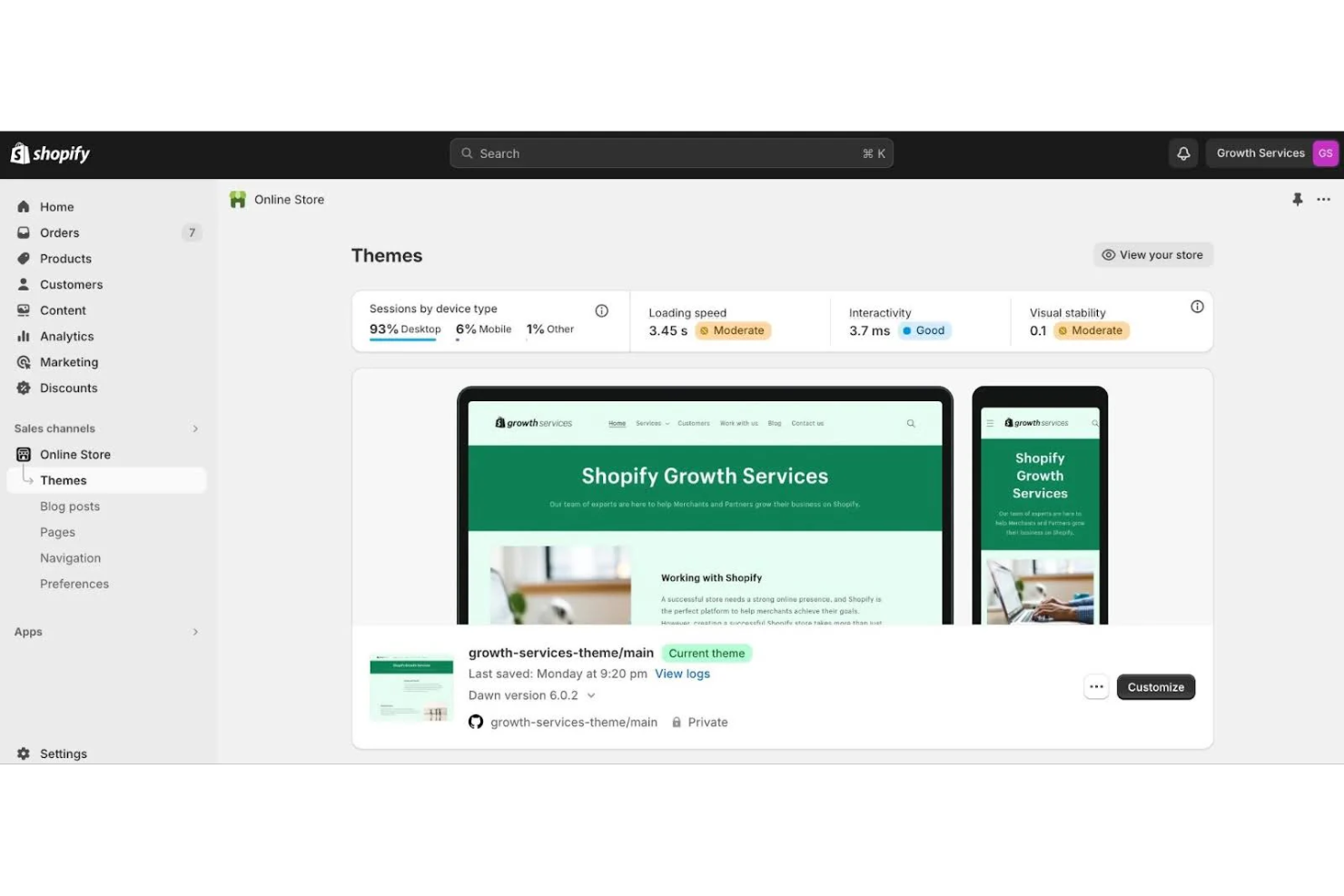
Shopify è una piattaforma di commercio elettronico che consente alle aziende di vendere prodotti sia online che di persona. Si rivolge alle piccole imprese con funzionalità di intelligenza artificiale che automatizzano le attività e forniscono preziose informazioni sui clienti.
Perché ho scelto Shopify: Offre alle piccole imprese una base e-commerce supportata dall'intelligenza artificiale che aiuta ad avviare e gestire i negozi senza la necessità di competenze tecniche. I suoi strumenti di intelligenza artificiale riducono il tempo dedicato alla creazione di contenuti e alle attività operative quotidiane, mentre il backend unificato rende più semplice gestire le vendite sia online che in negozio. Per i team alla ricerca di una piattaforma efficiente e scalabile, Shopify propone un equilibrio pratico tra automazione, facilità d'uso e flessibilità.
Funzionalità distintive & integrazioni:
Funzionalità includono un'app mobile per la gestione in mobilità, Shopify Capital per il supporto finanziario e un app store ampio per la personalizzazione. È possibile gestire le vendite sia online che in negozio tramite la piattaforma e gli strumenti di intelligenza artificiale migliorano il processo decisionale fornendo informazioni utili e azionabili.
Integrazioni includono Amazon, Facebook, Instagram, Google, eBay, Pinterest, Walmart, TikTok, Mailchimp e QuickBooks.
Pros and Cons
Pros:
- Strumenti di intelligenza artificiale per la generazione di contenuti
- Facile integrazione con i canali di vendita
- Prezzi flessibili per piccole imprese
Cons:
- Personalizzazione del checkout limitata
- Struttura URL fissa

Ideale per la flessibilità del design potenziata dall'IA
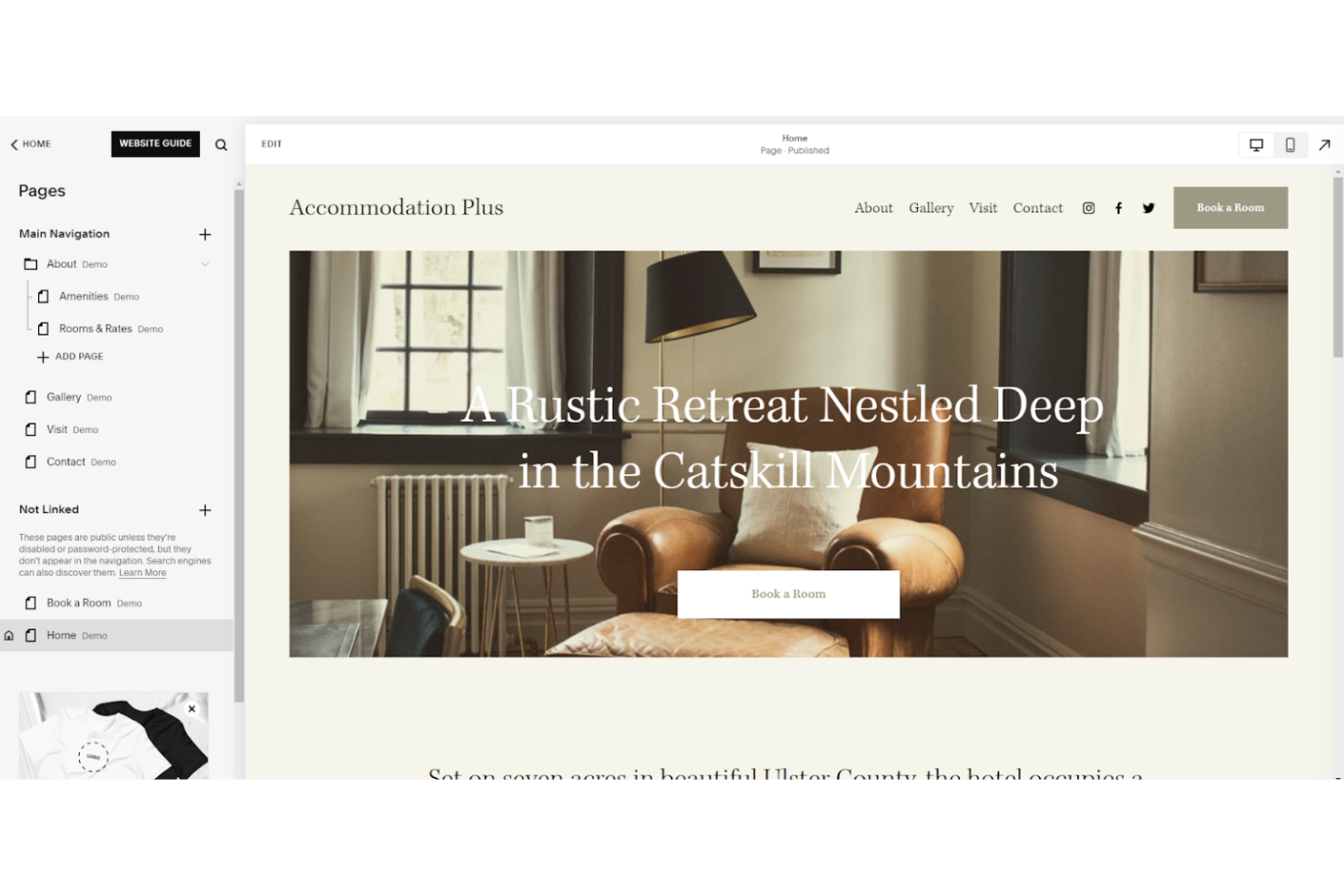
Squarespace è una piattaforma di creazione di siti web pensata per professionisti creativi e piccole imprese che desiderano stabilire una presenza online raffinata. Fornisce strumenti di intelligenza artificiale che migliorano la flessibilità del design, consentendo agli utenti di creare siti web accattivanti con facilità.
Perché ho scelto Squarespace: Squarespace supporta i team che gestiscono internamente la presentazione del brand e che necessitano di risultati visivi coerenti su tutte le pagine. La piattaforma offre un flusso di lavoro unificato per la configurazione dell'e-commerce, la produzione di contenuti e la gestione del sito senza richiedere sistemi di design esterni. Questo approccio è adatto ai negozi che danno priorità alla coerenza visiva e desiderano linee guida prevedibili per gli aggiornamenti del sito.
Funzionalità principali e integrazioni:
Funzionalità includono una vasta gamma di template adatti a diversi settori, offrendoti un vantaggio iniziale nel design. Squarespace dispone di analisi integrate per aiutarti a capire le prestazioni del tuo sito. La piattaforma offre inoltre strumenti di marketing per promuovere efficacemente la tua attività.
Integrazioni includono PayPal, Stripe, Google Analytics, Mailchimp, Instagram, Facebook, Twitter, Pinterest, Zapier e Unsplash.
Pros and Cons
Pros:
- Strumenti di intelligenza artificiale per suggerimenti di design
- Ampia scelta di template disponibili
- Analisi integrate per il monitoraggio delle prestazioni
Cons:
- Funzionalità e-commerce limitate
- Curva di apprendimento per la personalizzazione avanzata

Ucraft
Ideale per template di design creativi con IA
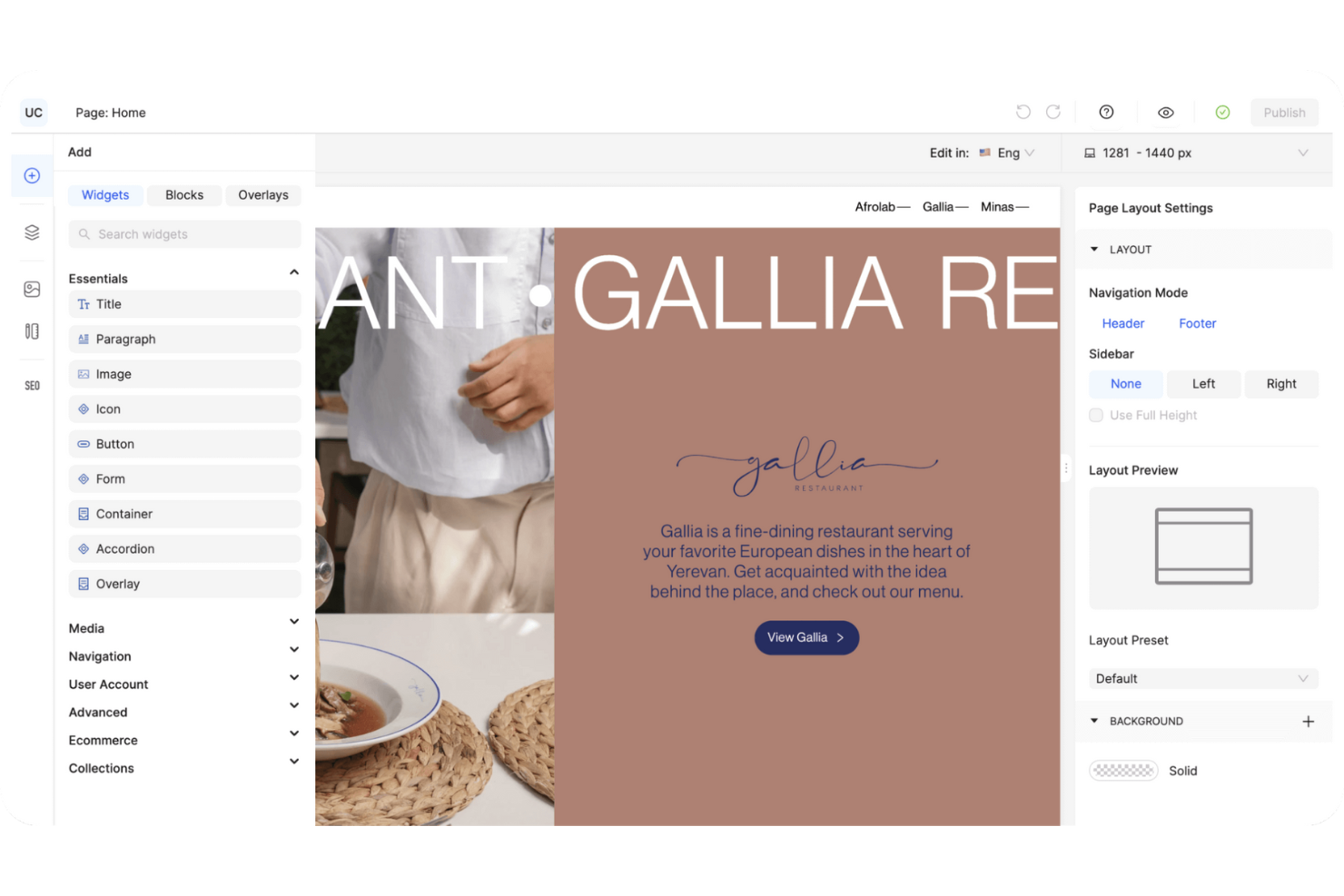
Ucraft è un website builder no-code per creare siti web e negozi online altamente performanti. È pensato per aziende che cercano template personalizzabili e strumenti di creazione contenuti assistiti dall’IA, facilitando così il processo creativo.
Perché ho scelto Ucraft: È un modo semplice per creare siti e-commerce distintivi senza bisogno di competenze di design. Gli strumenti assistiti dall’IA accelerano il processo creativo, mentre il sistema flessibile di template della piattaforma consente ai brand di avere più varietà di stile rispetto ai tradizionali website builder. Ucraft è ideale per team che danno priorità all’estetica, all’alta qualità e alla velocità di realizzazione piuttosto che alla personalizzazione tecnica.
Funzionalità e integrazioni principali:
Funzionalità includono template personalizzabili dedicati a diversi settori, che permettono di adattare il sito alle esigenze del proprio brand. La gestione dell’inventario in tempo reale aiuta a monitorare facilmente le scorte. Ucraft offre inoltre strumenti di marketing e analisi per migliorare le prestazioni del negozio.
Integrazioni disponibili con Google Analytics, Facebook, Instagram, Mailchimp, HubSpot, Zapier, PayPal, Stripe, Square e Google Ads.
Pros and Cons
Pros:
- Template personalizzabili per design unici
- Supporta oltre 100 metodi di pagamento
- Creazione di contenuti assistita dall’IA
Cons:
- Meno controllo sui dettagli del design
- Analisi integrate limitate

Wix
Ideale per una configurazione AI user-friendly
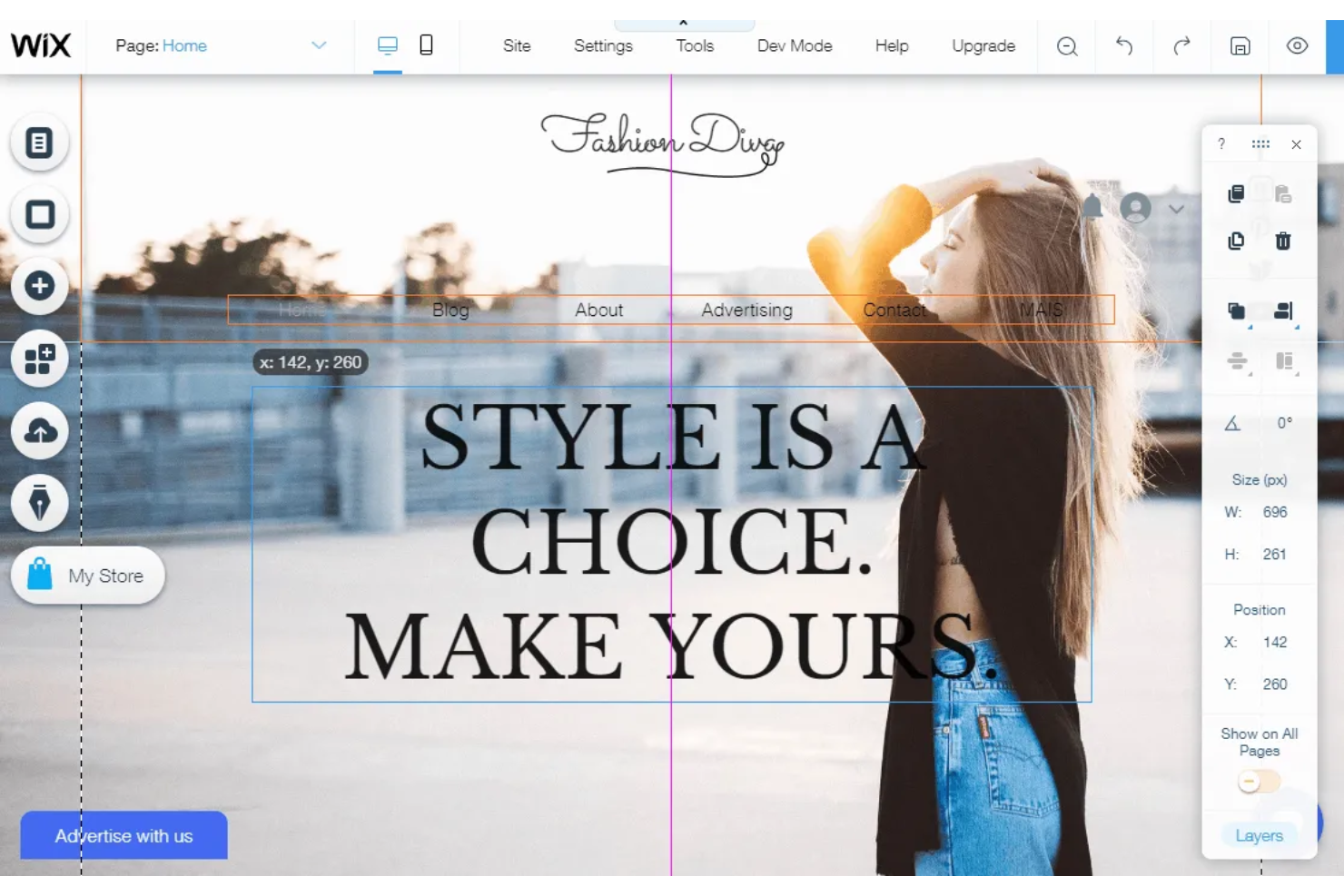
Wix è un creatore di siti web versatile per individui e piccole imprese che desiderano realizzare siti professionali con facilità. Offre strumenti basati sull'IA che semplificano il processo di creazione, rendendolo accessibile anche a chi non ha competenze tecniche.
Perché ho scelto Wix: Wix riduce il numero di scelte che gli utenti devono fare durante la configurazione, accorciando così il tempo tra l'avvio di un progetto e la realizzazione effettiva di un layout funzionale per lo store. La piattaforma supporta anche i team che preferiscono una struttura guidata rispetto a un lavoro di design aperto.
Funzionalità eccezionali e integrazioni:
Funzionalità includono un editor drag-and-drop che permette di progettare il sito senza dover programmare. Wix offre una vasta gamma di template adatti a diversi settori. La piattaforma propone anche strumenti SEO integrati per migliorare la visibilità del tuo sito online.
Integrazioni includono Google Analytics, Facebook Pixel, Instagram, Mailchimp, PayPal, Stripe, QuickBooks, HubSpot, Zapier ed Eventbrite.
Pros and Cons
Pros:
- Facile da usare per i principianti
- Personalizzazione design guidata dall'IA
- Ampia scelta di template
Cons:
- Controllo limitato sul design mobile
- Personalizzazione URL limitata

Ideale per approfondimenti sulle prestazioni basati su AI
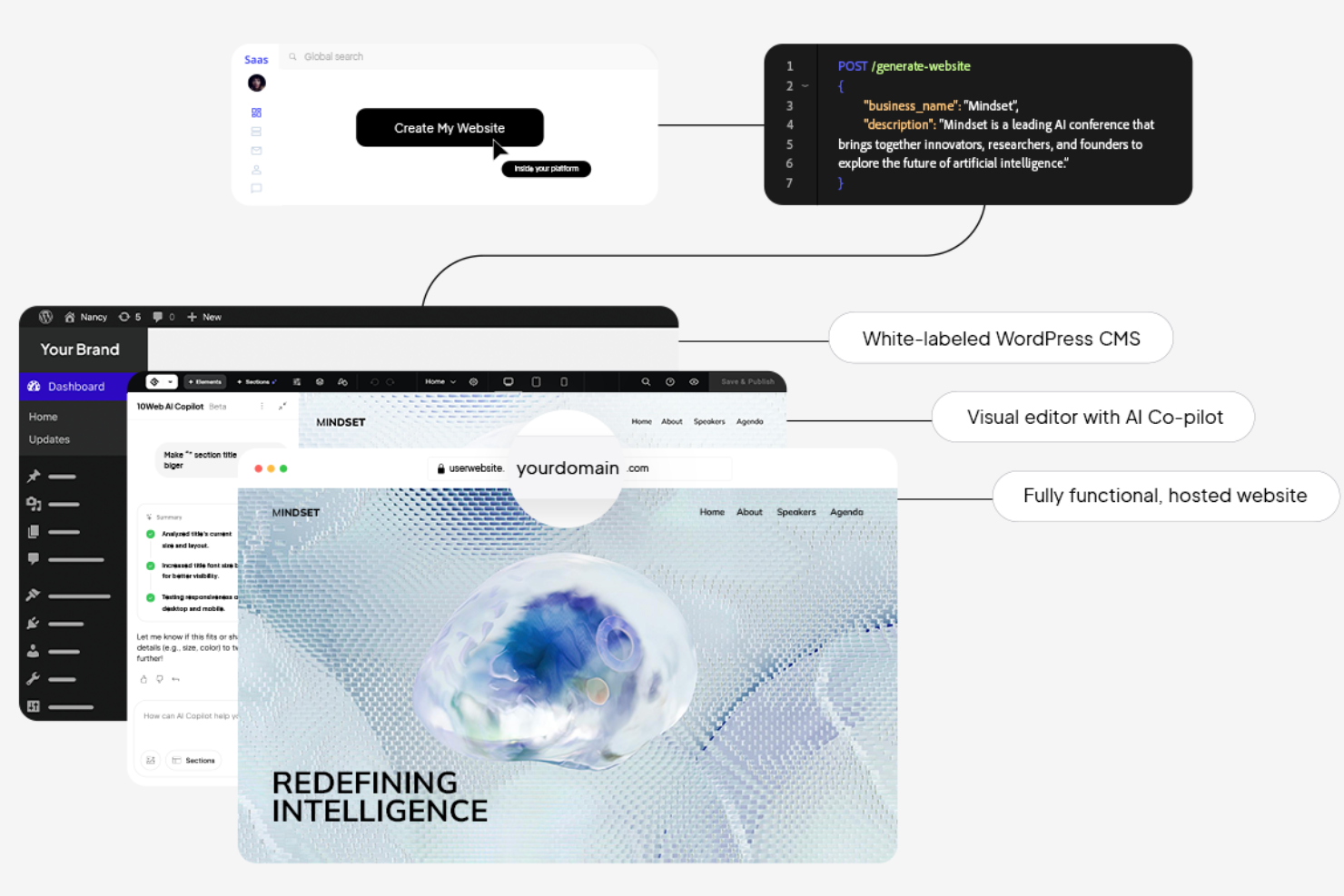
10Web è una piattaforma guidata dall'intelligenza artificiale che automatizza la creazione e la gestione di siti web per piccole e medie imprese. Offre strumenti AI che migliorano le prestazioni del sito e forniscono approfondimenti per ottimizzare l'esperienza utente e l'engagement.
Perché ho scelto 10Web: 10Web riduce la supervisione manuale necessaria per la manutenzione del sito, supportando un flusso di lavoro più prevedibile per i negozi basati su WordPress. La piattaforma centralizza hosting, creazione e ottimizzazione dei siti in un unico ambiente, offrendo ai team una struttura operativa unica invece di gestire strumenti separati. Questa configurazione è ideale per i negozi che necessitano di una gestione costante delle prestazioni senza aumentare il carico tecnico.
Caratteristiche e integrazioni principali:
Caratteristiche includono un builder drag-and-drop che semplifica la progettazione del sito. La piattaforma offre un hosting WordPress automatizzato, assicurando che il tuo sito sia sempre aggiornato. 10Web fornisce inoltre un booster di velocità della pagina per migliorare i tempi di caricamento.
Integrazioni includono WordPress, WooCommerce, Google Analytics, Facebook Pixel, Mailchimp, Stripe, PayPal, Slack, Zapier e HubSpot.
Pros and Cons
Pros:
- Raccomandazioni sulle prestazioni guidate dall'AI
- Strumenti per l'ottimizzazione della velocità
- Hosting WordPress automatizzato
Cons:
- Hosting disponibile solo per WordPress
- Richiede conoscenze tecniche

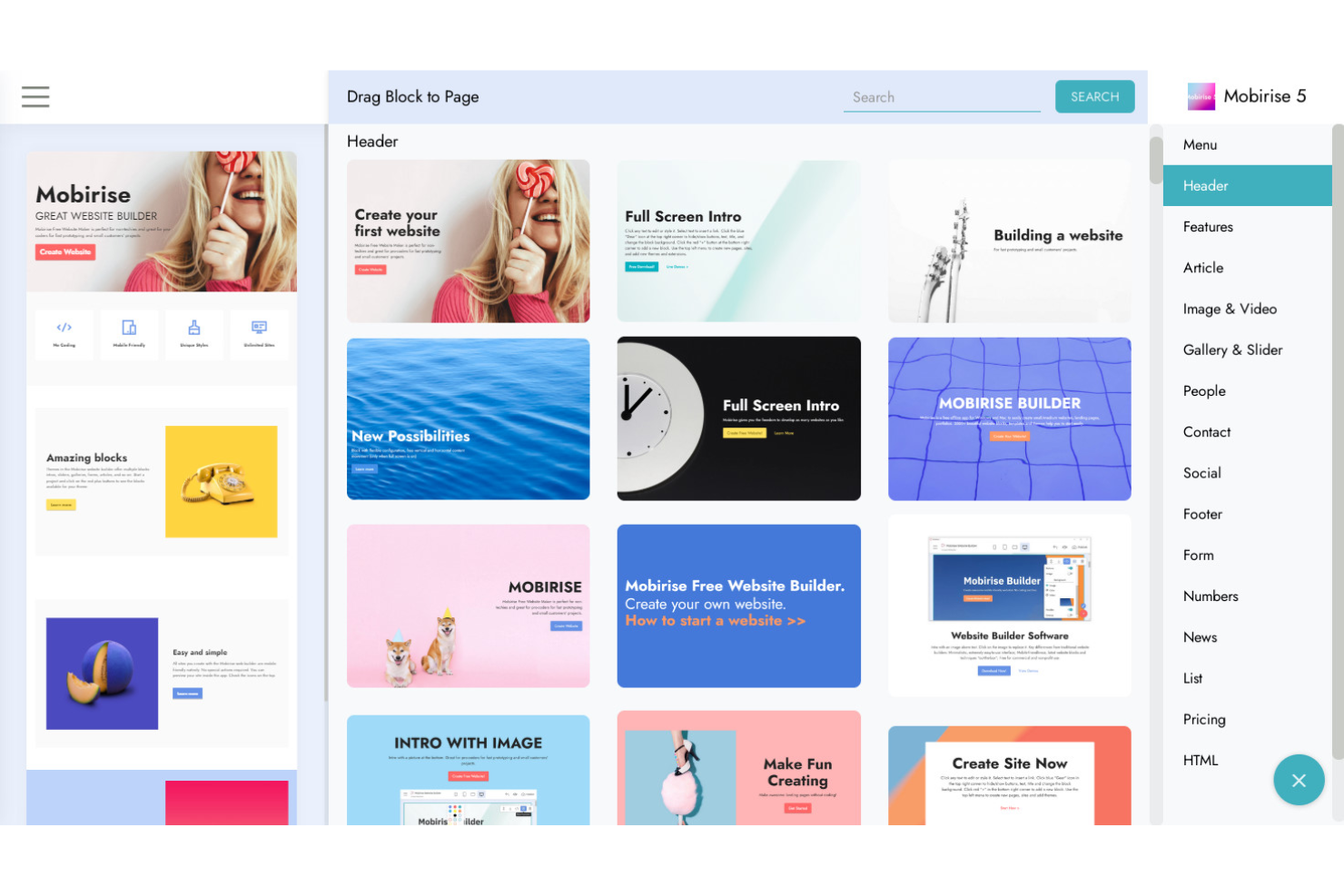
Mobirise è un costruttore di siti web pensato per utenti che preferiscono creare e gestire i propri siti offline. Si rivolge a piccole imprese e privati che cercano una piattaforma facile da usare con funzionalità di intelligenza artificiale che semplificano la progettazione e la gestione dei siti web.
Perché ho scelto Mobirise: La struttura offline di Mobirise si adatta a team che gestiscono siti web in ambienti controllati dove i costruttori basati su browser non sono preferiti. La piattaforma consente agli utenti di gestire i file dei siti, allineandosi con i flussi di lavoro che si basano su modifiche locali e hosting esterno. Questo formato è ideale per negozi e-commerce che seguono regole di distribuzione rigorose o che mantengono le risorse di produzione fuori dai sistemi cloud.
Funzionalità e integrazioni principali:
Funzionalità includono un editor drag-and-drop che semplifica il processo di progettazione, permettendo di personalizzare facilmente il sito. Mobirise offre un'ampia gamma di blocchi pre-progettati per diversi settori. La piattaforma fornisce anche hosting gratuito, rendendola accessibile a chi ha un budget limitato.
Integrazioni includono PayPal, Stripe, Google Maps, Twitter, YouTube, Vimeo, SoundCloud, Facebook, Instagram e Google Analytics.
Pros and Cons
Pros:
- Possibilità di progettare offline
- Suggerimenti di design basati su AI
- Ampia gamma di blocchi pre-progettati
Cons:
- Solo strumenti SEO di base
- Funzionalità di collaborazione online limitate


WebWave è un creatore di siti web che offre una piattaforma orientata al design per freelancer e piccole imprese. Si concentra sulla personalizzazione del design tramite intelligenza artificiale, consentendo agli utenti di realizzare siti web personalizzati senza bisogno di programmare.
Perché ho scelto WebWave: l’IA di WebWave riduce lo sforzo manuale necessario per la progettazione visiva. La piattaforma offre agli utenti il controllo diretto sui layout senza la necessità di codifica, permettendo ai team di gestire l’aspetto visivo del sito senza dover dipendere dagli sviluppatori. La sua struttura supporta i designer che hanno bisogno di un controllo preciso del posizionamento, ideale per flussi di lavoro in cui l’accuratezza del layout è più importante dei modelli preimpostati.
Funzionalità e integrazioni principali:
Funzionalità includono capacità di design responsive che assicurano un aspetto ottimale del sito su qualsiasi dispositivo. WebWave prevede opzioni white-label, permettendo di personalizzare il brand della piattaforma. Il sito offre inoltre strumenti SEO integrati per aiutare a migliorare la visibilità online.
Integrazioni includono Google Analytics, Facebook Pixel, Mailchimp, Hotjar, HubSpot, Zapier, PayPal, Stripe, Disqus e Google Maps.
Pros and Cons
Pros:
- Raccomandazioni automatiche sui layout
- Opzioni white-label per il branding
- Strumenti SEO integrati
Cons:
- Flessibilità limitata per la programmazione avanzata
- Curva di apprendimento degli strumenti di design

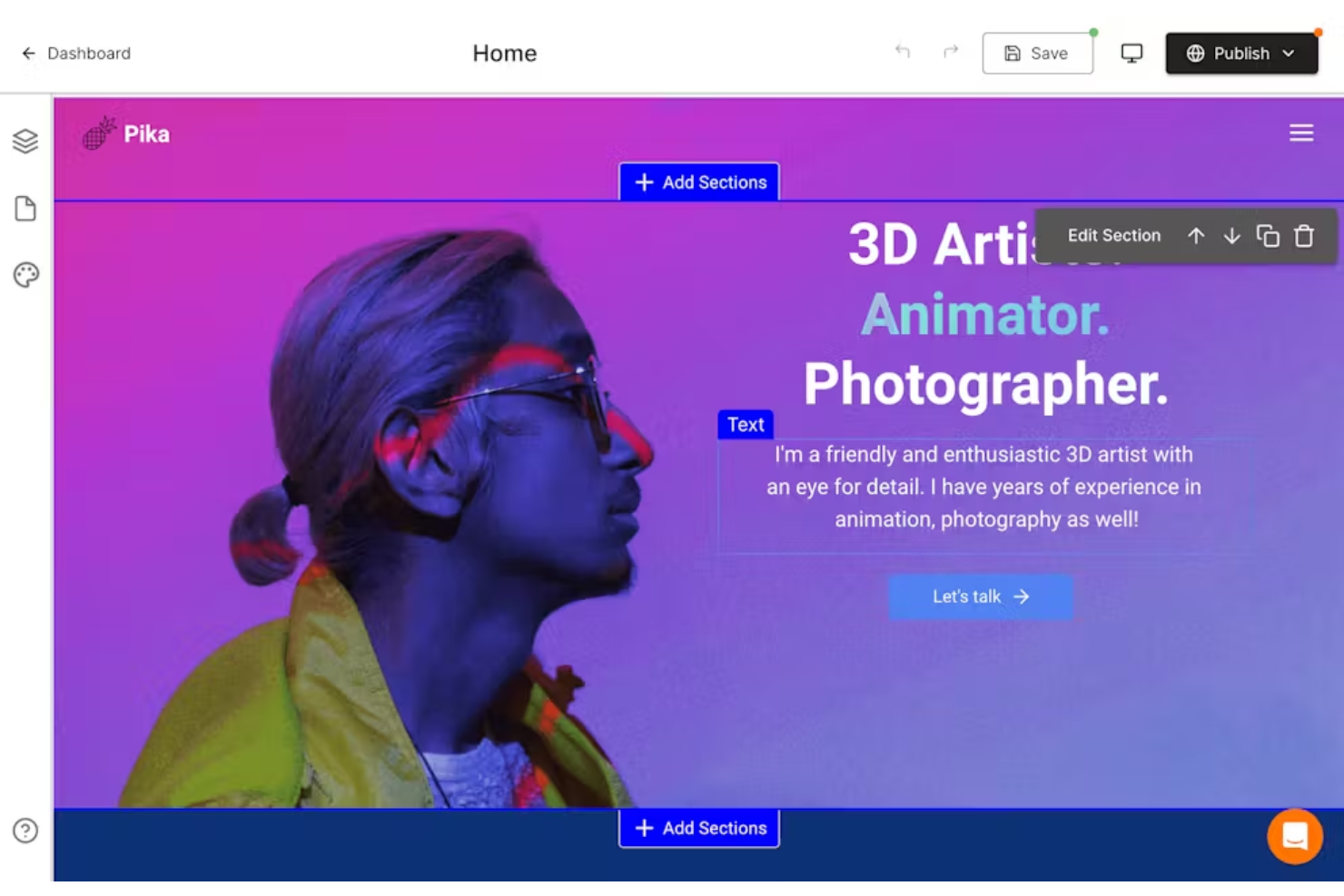
Pineapple Builder è uno strumento di creazione siti web per piccole imprese e privati che desiderano personalizzare il proprio sito con funzionalità basate sull'intelligenza artificiale. Offre strumenti che migliorano l'esperienza utente tramite contenuti e design su misura.
Perché ho scelto Pineapple Builder: La struttura di Pineapple Builder supporta i team che lanciano siti in cicli rapidi e si affidano a modelli di creazione delle pagine coerenti. La piattaforma offre agli utenti una modalità diretta per produrre layout uniformi senza dover ricorrere a strumenti di design esterni. Questo approccio è adatto a negozi che gestiscono aggiornamenti frequenti e desiderano risultati prevedibili per ogni nuova pagina.
Funzionalità e integrazioni principali:
Funzionalità includono un'interfaccia drag-and-drop che semplifica la costruzione del sito. Pineapple Builder offre una gamma di template personalizzabili adatti a diversi settori. La piattaforma mette inoltre a disposizione strumenti di analisi per aiutarti a comprendere le prestazioni del tuo sito.
Integrazioni includono Google Analytics, Mailchimp, PayPal, Stripe, Facebook, Instagram, Twitter, YouTube, LinkedIn e Pinterest.
Pros and Cons
Pros:
- Funzionalità di personalizzazione basate sull'IA
- Template personalizzabili per design unici
- Strumenti di analisi per la valutazione delle prestazioni
Cons:
- Flessibilità del layout limitata
- Selezione di template limitata


CodeDesign.ai è una piattaforma per sviluppatori e aziende che hanno bisogno di automatizzare la programmazione. Si rivolge agli utenti esperti di tecnologia che desiderano migliorare l'efficienza grazie a strumenti di generazione e ottimizzazione del codice basati sull'intelligenza artificiale.
Perché ho scelto CodeDesign.ai: CodeDesign.ai supporta i team con risorse di sviluppo limitate e offre un modo diretto per creare strutture di siti senza dover programmare. La piattaforma si adatta ai flussi di lavoro che danno priorità alla rapidità nella prima implementazione e a un formato coerente tra le pagine. Questo approccio è ideale per gli store che costruiscono e modificano pagine in cicli brevi e richiedono risultati prevedibili ogni volta.
Funzionalità e integrazioni principali:
Funzionalità includono un'interfaccia intuitiva che semplifica la gestione e la modifica del codice. La piattaforma offre strumenti di test automatizzati per garantire la qualità del codice. CodeDesign.ai permette inoltre la collaborazione in tempo reale, consentendo ai team di lavorare insieme.
Integrazioni includono Google Analytics, Facebook Pixel, Mailchimp, Stripe, PayPal, HubSpot, Zapier, Google Tag Manager, e altri strumenti di marketing e analisi dati.
Pros and Cons
Pros:
- Funzionalità di generazione del codice con intelligenza artificiale
- Strumenti di test automatizzati per garantire la qualità
- Collaborazione in tempo reale
Cons:
- Richiede conoscenze tecniche per un uso efficace
- Supporto limitato per chi non è sviluppatore
Altri creatori di siti web e-commerce con AI
Ecco alcune opzioni aggiuntive di creatori di siti web e-commerce con AI che non sono entrate nella mia selezione, ma che vale comunque la pena esaminare:
- freewebstore
Ideale per strumenti AI e-commerce gratuiti
- BuildYourStore.ai
Ideale per la configurazione del negozio guidata dall'IA
- AI Store Builder
Ideale per la creazione rapida di siti con l'IA


Come valuto i costruttori di siti e-commerce con intelligenza artificiale
Ogni strumento in questo elenco deve andare oltre l'apposizione di un'etichetta AI su un editor di siti di base: cerco piattaforme in cui l'intelligenza artificiale velocizzi concretamente la creazione dello store, generi contenuti utilizzabili e favorisca un reale coinvolgimento dei clienti. Suddivido la mia valutazione nelle funzionalità di base che ogni costruttore deve offrire per qualificarsi e nei fattori differenzianti che separano le buone opzioni da quelle eccellenti.
Funzionalità di base (Requisiti minimi per questo elenco)
Quando seleziono gli strumenti per il mio elenco, valuto ciascuno su una scala da 0 (non offre la funzionalità) a 5 (eccelle in quest'area) per ognuna delle funzionalità chiave elencate di seguito. Poi, calcolo il punteggio totale dello strumento in percentuale. Ogni strumento deve raggiungere un punteggio totale minimo del 65% per essere preso in considerazione.
- Generazione di siti tramite AI: Verifico se la piattaforma può costruire uno shop online completo e modificabile a partire da un semplice prompt—come inserire il nome del tuo brand, il tipo di prodotto e il pubblico per ottenere un negozio pronto da personalizzare.
- Creazione di contenuti tramite AI: Ogni strumento deve generare automaticamente descrizioni prodotto, titoli e testi di marketing utilizzabili. Valuto la qualità dell'output: deve richiedere solo una leggera revisione, non una riscrittura completa.
- Motore e-commerce nativo: Il costruttore deve avere funzioni integrate di gestione catalogo, carrello, checkout e processi di pagamento. Gli strumenti che richiedono plugin di terze parti solo per accettare pagamenti non sono sufficienti.
- Personalizzazione & raccomandazioni AI: Valuto se la piattaforma adatta ciò che i clienti visualizzano in base ai loro comportamenti—come mostrare articoli di tendenza ai nuovi visitatori o suggerire riacquisti ai clienti di ritorno.
- Strumenti AI per SEO & conversioni: Sono importanti meta-titoli generati automaticamente, dati strutturati e testo alternativo, oltre a qualsiasi test A/B assistito dall'intelligenza artificiale o posizionamento intelligente di CTA che migliori le performance dello store.
- Integrazione con sistemi retail: Collegare sistemi POS, fornitori di spedizioni, strumenti di inventario e marketplace è essenziale per assicurare che il costruttore si integri con il resto dell'infrastruttura tecnologica di un commerciante.
Una volta che ho una lista di strumenti che soddisfano questi criteri, considero ciò che distingue ogni piattaforma.
Fattori differenzianti (Cosa distingue i fornitori)
Ecco come confronto e metto in contrasto i diversi fornitori:
Caratteristiche distintive
La formazione del tono di voce del brand è un elemento di grande differenziazione—cerco costruttori che apprendano il tuo stile comunicativo e lo applichino su tutte le descrizioni e landing page generate. Conta molto anche la modifica visiva tramite AI. Strumenti in grado di rimuovere sfondi e generare scenari lifestyle fanno risparmiare ore di lavoro fotografico. Per i brand che vendono all'estero, la localizzazione AI multilingue che adatta automaticamente valuta, contenuti e layout per diversi mercati è una funzionalità determinante.
Oltre alle funzionalità
Il tempo necessario per andare online è uno dei primi aspetti che valuto: un commerciante che passa da WooCommerce o Shopify deve poter migrare il proprio catalogo e pubblicare lo store rapidamente, senza dover ricostruire tutto da zero per settimane. Guardo anche il costo totale di proprietà, incluse le commissioni sulle transazioni e i limiti di utilizzo della AI, poiché questi costi possono aumentare rapidamente per i rivenditori con grandi volumi. Anche la scalabilità è importante. Verifico che la piattaforma sia in grado di gestire picchi di traffico durante eventi retail senza cali di prestazioni.
Come scegliere un creatore di siti web e-commerce con AI
È facile perdersi in lunghi elenchi di funzionalità e strutture tariffarie complesse. Per aiutarti a mantenere la concentrazione mentre affronti il tuo processo personalizzato di selezione del software, ecco una lista di fattori da tenere presenti:
| Fattore | Cosa considerare |
|---|---|
| Scalabilità | Lo strumento crescerà insieme alla tua attività? Verifica se è in grado di gestire un aumento del traffico e un catalogo di prodotti più ampio man mano che il tuo negozio cresce. |
| Integrazioni | Si collega ai sistemi esistenti? Verifica la compatibilità con il tuo CRM, i gateway di pagamento e gli strumenti di marketing per garantire operazioni fluide. |
| Personalizzazione | Puoi adattarlo al tuo marchio? Cerca opzioni di progettazione flessibili che ti consentano di creare un negozio online unico, in grado di riflettere l’identità del tuo marchio. |
| Facilità d’uso | È intuitivo per il tuo team? Considera la curva di apprendimento e se il tuo team può utilizzare e gestire la piattaforma senza una formazione approfondita. |
| Implementazione e avvio | Quanto velocemente puoi iniziare? Valuta le risorse necessarie per la configurazione e la disponibilità di assistenza per l’avvio, così da garantire una transizione fluida. |
| Costo | Rientra nel tuo budget? Confronta i piani tariffari e considera eventuali costi nascosti o contratti a lungo termine che potrebbero influire sulla tua pianificazione finanziaria. |
| Misure di sicurezza | Le tue transazioni sono sicure? Assicurati che la piattaforma offra solide funzionalità di sicurezza, come certificati SSL e conformità alle normative sulla protezione dei dati, per proteggere le informazioni dei tuoi clienti. |
| Disponibilità dell’assistenza | L’aiuto è disponibile quando serve? Verifica le opzioni di assistenza 24 ore su 24, 7 giorni su 7, e la qualità del servizio clienti, per assicurarti di essere coperto in caso di problemi o domande. |
Che cos’è un creatore di siti web e-commerce con AI?
Un creatore di siti web per l'e-commerce basato sull'intelligenza artificiale è uno strumento che utilizza l'intelligenza artificiale per aiutare gli utenti a creare e gestire negozi online con il minimo sforzo. Questi strumenti sono utilizzati da titolari di piccole imprese, imprenditori e responsabili dell'e-commerce alla ricerca di modi efficienti per avviare e mantenere la propria presenza online.
Funzionalità come i suggerimenti automatici per il design, le raccomandazioni sui prodotti basate sull'intelligenza artificiale e la gestione dell'inventario aiutano a ottimizzare le operazioni del negozio e a migliorare l'esperienza dei clienti. Nel complesso, questi strumenti offrono un modo intuitivo per creare un sito e-commerce professionale che soddisfi le esigenze aziendali.
Funzionalità
Quando scegli un creatore di siti web per l'e-commerce basato sull'intelligenza artificiale, presta attenzione alle seguenti funzionalità chiave:
- Suggerimenti di design basati sull'intelligenza artificiale: fornisce raccomandazioni automatiche sul design per aiutarti a creare negozi online accattivanti e coerenti.
- Raccomandazioni automatiche sui prodotti: utilizza l'intelligenza artificiale per suggerire prodotti ai clienti in base al loro comportamento di navigazione, aumentando le potenziali vendite.
- Automazione della gestione dell'inventario: semplifica il processo di monitoraggio e gestione dei livelli delle scorte, riducendo il lavoro manuale e gli errori.
- Ottimizzazione SEO basata sull'intelligenza artificiale: migliora la visibilità sui motori di ricerca ottimizzando automaticamente i contenuti del sito per ottenere un posizionamento migliore.
- Esperienze di acquisto personalizzate: adatta l'esperienza utente alle preferenze dei singoli clienti, migliorando il coinvolgimento e la soddisfazione.
- Supporto multilingue: consente di creare siti web in più lingue, ampliando la propria portata verso i clienti internazionali.
- Analisi delle prestazioni: fornisce informazioni sulle prestazioni del sito e sul comportamento degli utenti, consentendo miglioramenti basati sui dati.
- Editor con trascinamento: semplifica la personalizzazione del sito con un'interfaccia intuitiva, rendendola accessibile agli utenti senza competenze di programmazione.
- Funzionalità di sicurezza: fornisce misure di protezione essenziali, come i certificati SSL, per proteggere i dati dei clienti e le transazioni.
- Funzionalità di integrazione: garantisce la compatibilità con vari strumenti di terze parti, migliorando le funzionalità del sito e-commerce.
Vantaggi
L'implementazione di un creatore di siti web per l'e-commerce basato sull'intelligenza artificiale offre diversi vantaggi al tuo team e alla tua azienda. Eccone alcuni che puoi aspettarti:
- Cicli di lancio più brevi: i team possono passare dalla pianificazione a un negozio online attivo senza tempistiche di sviluppo prolungate.
- Presentazione coerente tra le pagine: le strutture predefinite riducono le variazioni e favoriscono l'allineamento del brand quando vengono aggiunte nuove pagine.
- Minori costi operativi: la gestione centralizzata dell'hosting, degli aggiornamenti e della pubblicazione riduce il numero di strumenti necessari per la manutenzione del sito.
- Flussi di lavoro più prevedibili: i processi definiti riducono l'incertezza durante le modifiche al sito, gli aggiornamenti dei contenuti e i cambiamenti dei prodotti.
- Migliore supporto alla crescita: i negozi possono aggiungere prodotti, pagine e capacità di gestione del traffico senza dover rielaborare il sistema sottostante.
- Standard di prestazioni stabili: i sistemi integrati gestiscono i requisiti tecnici che altrimenti richiederebbero la supervisione di uno sviluppatore.
Costi e prezzi
La scelta di un creatore di siti web per l'e-commerce basato sull'intelligenza artificiale richiede la comprensione dei vari modelli di prezzo e dei piani disponibili. I costi variano in base alle funzionalità, alle dimensioni del team, agli extra e ad altri fattori. La tabella seguente riassume i piani più comuni, i relativi prezzi medi e le funzionalità tipicamente incluse nelle soluzioni per la creazione di siti web e-commerce basate sull'intelligenza artificiale:
Tabella comparativa dei piani per i creatori di siti web e-commerce basati sull'intelligenza artificiale
| Tipo di piano | Prezzo medio | Funzionalità comuni |
|---|---|---|
| Piano gratuito | $0 | Configurazione di base del negozio, elenchi di prodotti limitati e assistenza clienti essenziale. |
| Piano personale | $10–$30/mese | Supporto per dominio personalizzato, strumenti di design di base basati sull'intelligenza artificiale e analisi standard. |
| Piano aziendale | $30–$299/mese | Raccomandazioni avanzate sui prodotti, funzionalità SEO avanzate e assistenza clienti prioritaria. |
| Piano aziendale avanzato | Prezzo personalizzato | Personalizzazione completa basata sull'intelligenza artificiale, gestione dedicata dell'account e opzioni di integrazione personalizzate. |
Domande frequenti sul costruttore di siti web e-commerce basato sull'IA
Ecco alcune risposte alle domande più comuni sul costruttore di siti web e-commerce basato sull’IA:
Posso integrare il mio CRM esistente con un costruttore di siti web e-commerce basato sull'IA?
Sì, la maggior parte dei costruttori di siti web e-commerce basati sull’IA offre funzionalità di integrazione con i sistemi CRM più diffusi, sia che tu stia utilizzando un costruttore di siti basato sull’IA sia una piattaforma per siti web più avanzata basata sull’IA. Controlla le opzioni di integrazione disponibili nello strumento e assicurati che siano compatibili con il tuo CRM attuale. Questo supporta le funzionalità e-commerce sincronizzando i dati dei clienti e automatizzando le attività di marketing via e-mail.
Se l’integrazione non è disponibile immediatamente, valuta opzioni di terze parti come Zapier per creare connessioni personalizzate.
In che modo gli strumenti di IA aiutano con la SEO sulle piattaforme e-commerce?
Gli strumenti di IA migliorano la SEO analizzando i dati e producendo suggerimenti per le parole chiave e modifiche ai contenuti attraverso flussi di lavoro di IA generativa. Possono automatizzare i meta tag, ottimizzare le risorse grafiche generate dall’IA e fornire informazioni sulle tendenze di ricerca. Queste funzioni mantengono la coerenza della progettazione del sito web e aumentano la visibilità della tua piattaforma e-commerce. Esamina i suggerimenti generati dall’IA e applica le modifiche per mantenere un vantaggio competitivo nelle classifiche di ricerca.
È possibile personalizzare i consigli sui prodotti basati sull'IA?
Sì, puoi personalizzare i consigli sui prodotti basati sull’IA in base al comportamento dei clienti e alle descrizioni dei prodotti del tuo negozio. Molte piattaforme supportano regole per la vendita aggiuntiva o la vendita incrociata, modifiche algoritmiche e suggerimenti mirati per segmenti specifici di clienti. Questo tipo di personalizzazione funziona sia con i sistemi di costruttori di siti web basati sull’IA sia con strumenti più avanzati basati sull’IA. Sperimenta diverse configurazioni per capire quale si adatta meglio al tuo pubblico.
Quanto sono sicure le transazioni sui costruttori di siti web e-commerce basati sull'IA?
Le transazioni sui costruttori di siti web e-commerce basati sull’IA sono sicure, poiché la crittografia e la conformità normativa sono integrate nella maggior parte delle piattaforme. Quando scegli il miglior costruttore di siti web basato sull’IA per il tuo negozio, cerca certificati SSL e standard di protezione dei dati. Aggiorna le impostazioni di sicurezza e monitora l’attività per mantenere la protezione se il tuo negozio utilizza strumenti di modifica o sistemi integrati che trasferiscono i dati dei clienti tra diversi canali.
Posso utilizzare i costruttori di siti web e-commerce basati sull'IA per le vendite internazionali?
Sì, molti costruttori di siti web e-commerce basati sull’IA supportano le vendite internazionali con gestione multivaluta, opzioni di traduzione e strumenti per le spedizioni internazionali. Questo vale sia che la piattaforma utilizzi Wix AI, assistenti basati su ChatGPT o funzionalità di assistente IA per creare un sito web generato dall’IA. Verifica che la piattaforma possa gestire imposte, lingue e requisiti di localizzazione, inclusi caratteri e altre funzionalità di progettazione per regioni diverse. Questo aiuta ad ampliare la tua portata mantenendo coerente il nome della tua attività nei diversi mercati.