

10 migliori alternative a Webflow per siti di e-commerce nel 2026

Le migliori alternative a Webflow: selezione


Una valida alternativa a Webflow offre al tuo team strumenti visivi per creare siti web, opzioni di design flessibili e il controllo sulle funzionalità del sito, senza richiedere competenze avanzate di programmazione. Se stai cercando alternative a Webflow, probabilmente stai valutando costi, possibilità di personalizzazione o funzionalità specifiche più adatte al tuo flusso di lavoro o modello di business.
Questo elenco ti aiuterà a confrontare le migliori opzioni per il 2026, così potrai scegliere con sicurezza un creatore di siti web in linea con le tue esigenze di design, il tuo livello di competenza tecnica e i tuoi piani di crescita.
Che cos'è Webflow?
Webflow è un creatore di siti web visivo che ti consente di progettare, creare e lanciare siti web responsive senza scrivere codice. Combina un'interfaccia con trascinamento della selezione con controlli di design avanzati, risultando popolare tra designer e professionisti del marketing che desiderano libertà creativa. Webflow include anche hosting, gestione dei contenuti e funzionalità di commercio elettronico, così puoi gestire l'intero sito su un'unica piattaforma. I team utilizzano Webflow per creare rapidamente siti personalizzati mantenendo il controllo sul layout e sull'identità del marchio.
Tabella comparativa delle alternative a Webflow
Questa tabella comparativa riassume i dettagli dei prezzi delle migliori alternative a Webflow che ho selezionato.
| Tool | Best For | Trial Info | Price | ||
|---|---|---|---|---|---|
| 1 | Ideale per l'estendibilità tramite plugin | Piano gratuito disponibile | Da $4/mese (fatturato annualmente) | Website | |
| 2 | Ideale per le funzionalità di gestione dei clienti | È disponibile una prova gratuita di 14 giorni | A partire da $19/mese (con fatturazione annuale) | Website | |
| 3 | Ideale per template creati da designer | Prova gratuita di 14 giorni disponibile | Da $16/mese (fatturato annualmente) | Website | |
| 4 | Ideale per l'impostazione di un semplice negozio online | Piano gratuito disponibile | Da $13/mese (fatturato annualmente) | Website | |
| 5 | Ideale per strumenti ecommerce integrati | Piano gratuito + demo gratuita disponibili | Da $17/mese (fatturati annualmente) | Website | |
| 6 | Ideale per pubblicare siti velocemente | Garanzia soddisfatti o rimborsati di 30 giorni disponibile | A partire da $2,99/mese (fatturazione annuale) | Website | |
| 7 | Ideale per l’editing drag-and-drop | Piano gratuito + demo gratuita disponibile | Da $5/mese (fatturato annualmente) | Website | |
| 8 | La migliore per flessibilità nell’esportazione del codice | Piano gratuito disponibile | Da $9/editor/mese (fatturato annualmente) | Website | |
| 9 | Ideale per la personalizzazione open-source | Piano gratuito + prova gratuita di 14 giorni disponibile | Da $15/mese (fatturato annualmente) | Website | |
| 10 | Ideale per prototipazione di design interattivo | Prova gratuita + piano gratuito disponibile | Da $10/mese (fatturato annualmente) | Website |
Perché fidarsi dei nostri consigli sui software
Il nostro team testa e recensisce software dal 2012. In quanto leader del retail noi stessi, sappiamo quanto sia difficile — e importante — scegliere il software giusto.
Per questa guida, abbiamo valutato gli strumenti attraverso test pratici e ricerche indipendenti, assegnando un punteggio agli strumenti in base ai nostri criteri di selezione.
Le nostre recensioni riflettono il nostro giudizio indipendente, non un discorso di vendita.
Recensioni delle migliori alternative a Webflow
Di seguito trovi le mie analisi dettagliate delle alternative a Webflow incluse nella mia selezione. Le mie recensioni offrono uno sguardo approfondito alle funzionalità, ai casi d’uso ideali e alle capacità di ciascuna piattaforma, per aiutarti a trovare quella più adatta a te.

Ideale per l'estendibilità tramite plugin
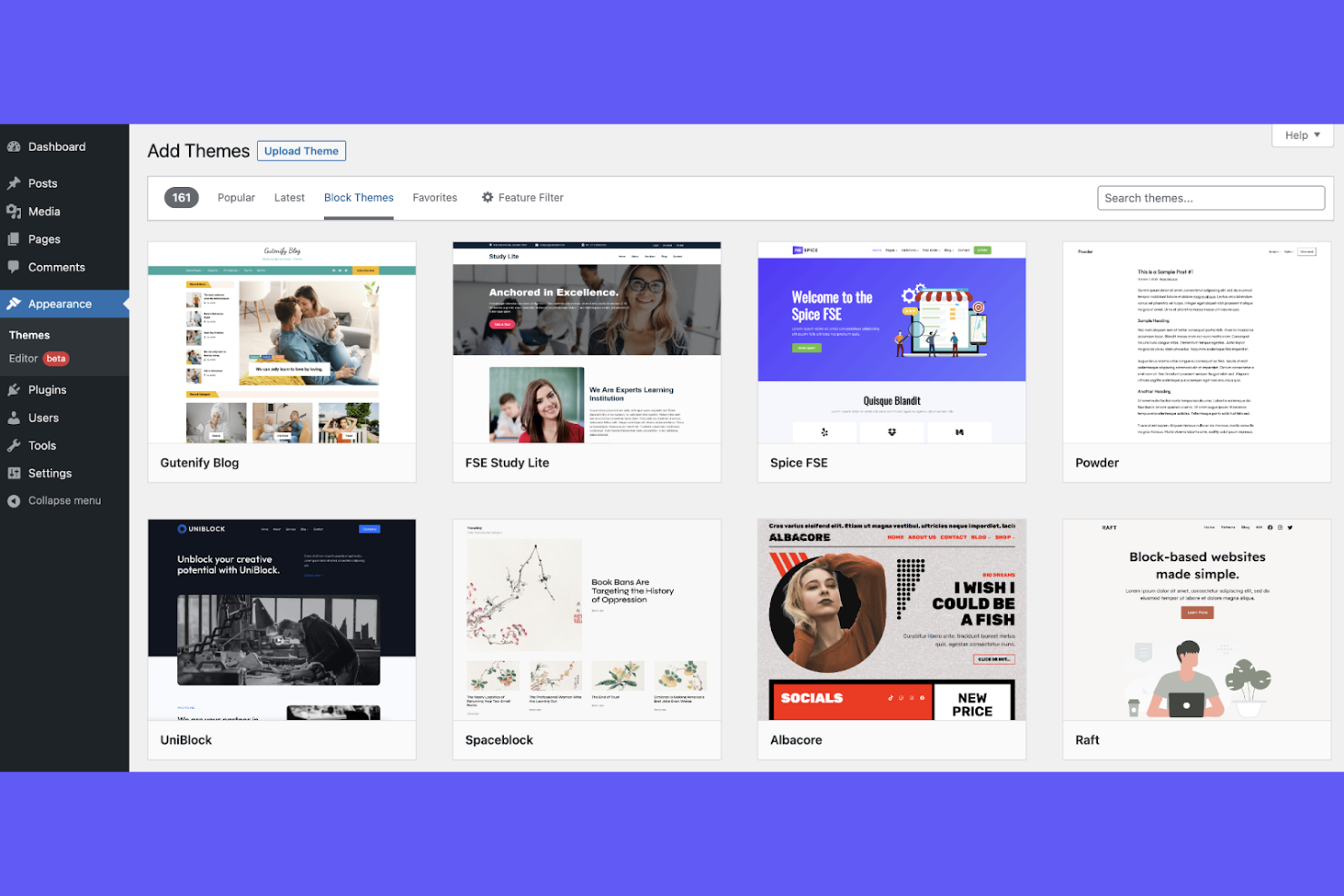
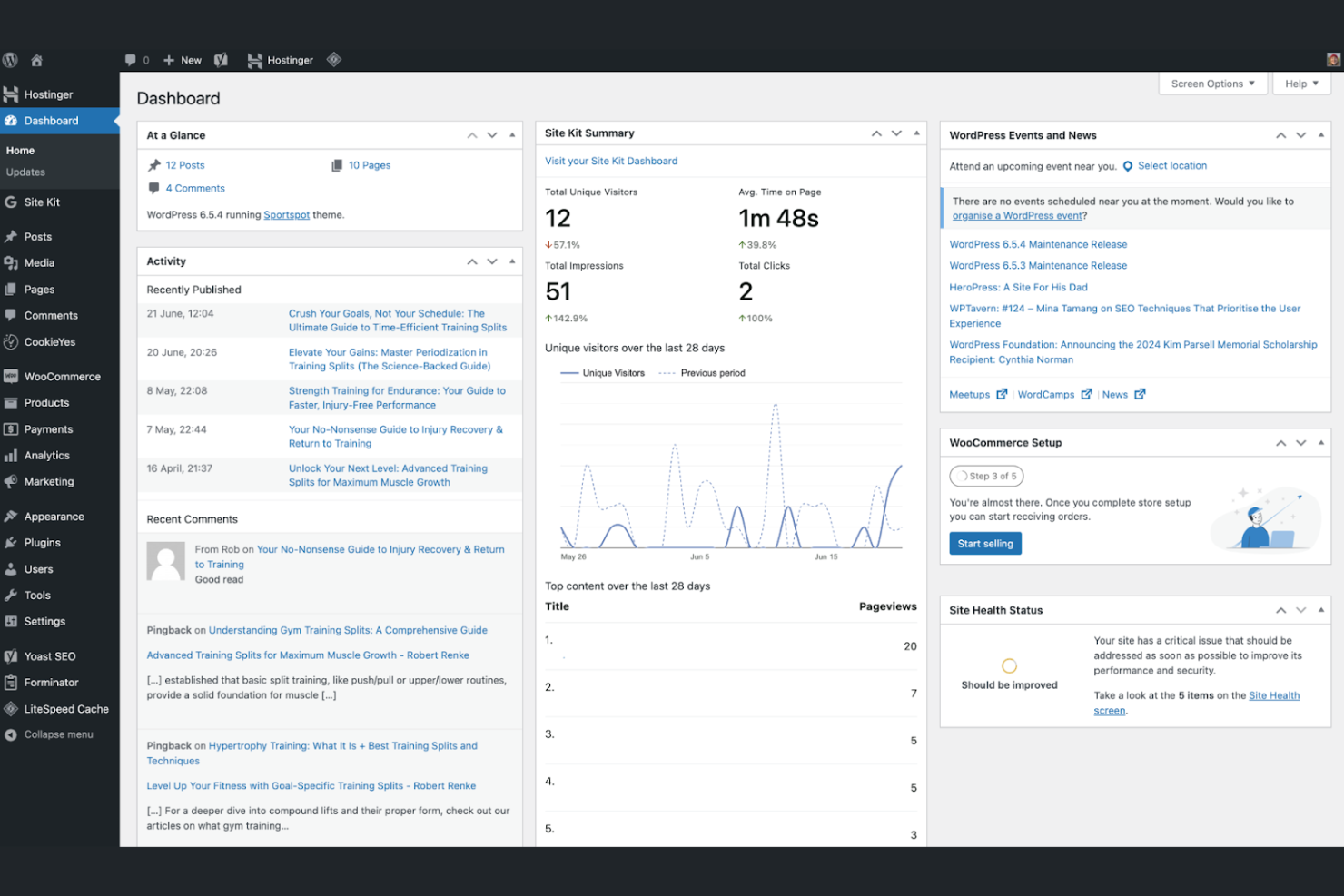
A differenza della maggior parte dei costruttori di siti web visuali, WordPress ti dà accesso a migliaia di plugin per quasi qualsiasi funzionalità o flusso di lavoro tu possa immaginare. Questa flessibilità è molto apprezzata da team di e-commerce, aziende con molti contenuti e chiunque desideri personalizzare le funzionalità del proprio sito oltre i classici modelli standard. WordPress si distingue per il suo ecosistema open-source, che permette di unire la modifica visuale a una profonda estendibilità.
Perché WordPress è una buona alternativa a Webflow
Se desideri un costruttore di siti visuale con estendibilità quasi illimitata, WordPress è difficile da battere. Ho scelto WordPress perché il suo ecosistema di plugin consente di aggiungere funzionalità avanzate di e-commerce, SEO, analisi e design senza bisogno di scrivere codice personalizzato. Puoi utilizzare page builder visuali come Elementor o WPBakery per creare i layout, quindi aggiungere plugin per tutto, dai cataloghi di prodotti al supporto multilingue. Questa flessibilità rende WordPress una scelta robusta per i team che vogliono personalizzare ogni aspetto delle funzionalità del proprio sito.
Funzionalità principali di WordPress
Altre funzionalità di WordPress possono aiutare il tuo team a gestire e scalare il sito:
- Tipi di contenuto personalizzati: Crea e organizza tipi di contenuto unici oltre alle classiche landing page e agli articoli.
- Gestione dei ruoli utente: Assegna diversi permessi e livelli di accesso ai membri del team.
- Libreria media: Carica, organizza e riutilizza immagini, video e documenti su tutto il sito.
- Marketplace di temi: Scegli tra migliaia di temi gratuiti e a pagamento per controllare l'aspetto e lo stile del sito.
Integrazioni di WordPress
Le integrazioni includono WooCommerce, Jetpack, Akismet, Yoast SEO, Elementor, Contact Form 7, bbPress, WPBakery, MailPoet e Google Analytics.
Pros and Cons
Pros:
- Supporta la gestione multisito
- Ampia libreria di temi per esigenze di design diversificate
- Documentazione ampia e grande community di utenti
Cons:
- I conflitti tra plugin possono causare instabilità al sito
- Nessun editor CSS grid visuale integrato

Duda
Ideale per le funzionalità di gestione dei clienti
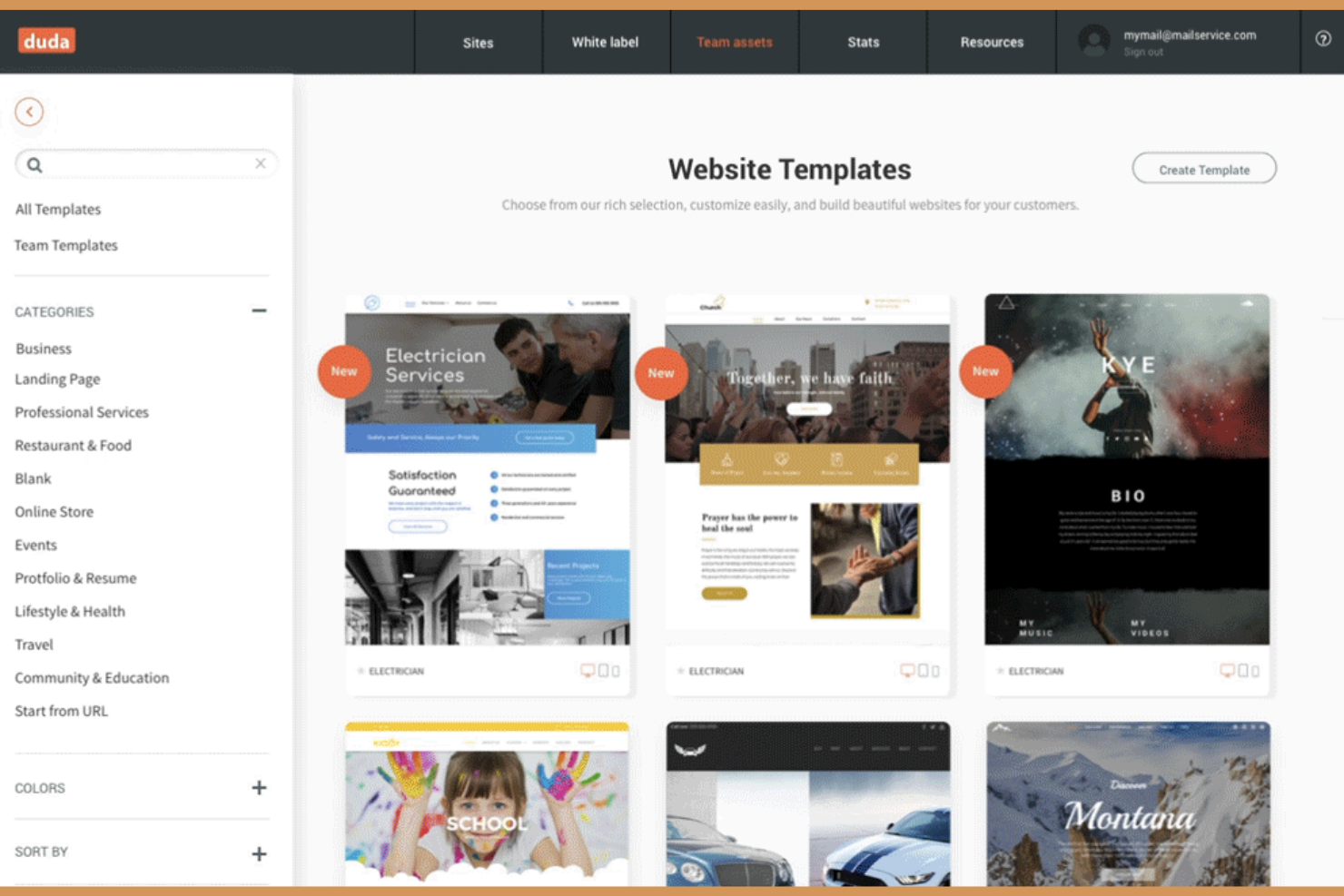
Le agenzie e i freelance che gestiscono numerosi siti di clienti si affidano spesso a Duda per le sue funzionalità integrate di gestione dei clienti. La piattaforma è progettata per i team che devono collaborare, raccogliere il riscontro dei clienti e gestire le autorizzazioni direttamente all'interno del loro strumento per la creazione di siti web. Duda si distingue perché semplifica la gestione delle comunicazioni e delle approvazioni dei clienti senza dover uscire dall'ambiente di progettazione.
Perché Duda è una buona alternativa a Webflow
Per i team che devono gestire numerosi clienti, Duda offre strumenti integrati che Webflow non offre allo stesso livello. Ho scelto Duda perché consente di assegnare ruoli agli utenti, raccogliere il riscontro dei clienti direttamente sulle bozze dei siti e automatizzare i flussi di lavoro per le approvazioni. Il portale clienti personalizzabile con il marchio dell'agenzia aiuta inoltre le agenzie a offrire un'esperienza coerente con il proprio marchio, mantenendo organizzate le comunicazioni. Queste funzionalità rendono Duda particolarmente utile per le agenzie e i freelance che vogliono semplificare la collaborazione con i clienti all'interno del loro strumento per la creazione di siti web.
Funzionalità principali di Duda
Alcune altre funzionalità di Duda possono aiutare il tuo team a realizzare e gestire i siti dei clienti:
- Editor con trascinamento: Crea e personalizza visivamente le impaginazioni dei siti senza scrivere codice.
- Raccolte di dati dinamici: Archivia e visualizza dati strutturati come membri del team o elenchi di prodotti.
- Strumenti SEO integrati: Ottimizza le impostazioni SEO della pagina direttamente all'interno della piattaforma.
- Supporto multilingue: Crea e gestisci siti web multilingue da un unico pannello di controllo.
Integrazioni di Duda
Le integrazioni includono Mailchimp, HubSpot, Salesforce, Google Sheets, Airtable, QuickBooks Online, ActiveCampaign e Slack.
Pros and Cons
Pros:
- Strumenti integrati per il riscontro e l'approvazione dei clienti
- Pannello di controllo personalizzabile con il marchio dell'agenzia
- Copie di sicurezza automatiche dei siti e opzioni di ripristino
Cons:
- Controlli limitati sulle interazioni
- Il caricamento di caratteri personalizzati richiede piani di livello superiore

Ideale per template creati da designer
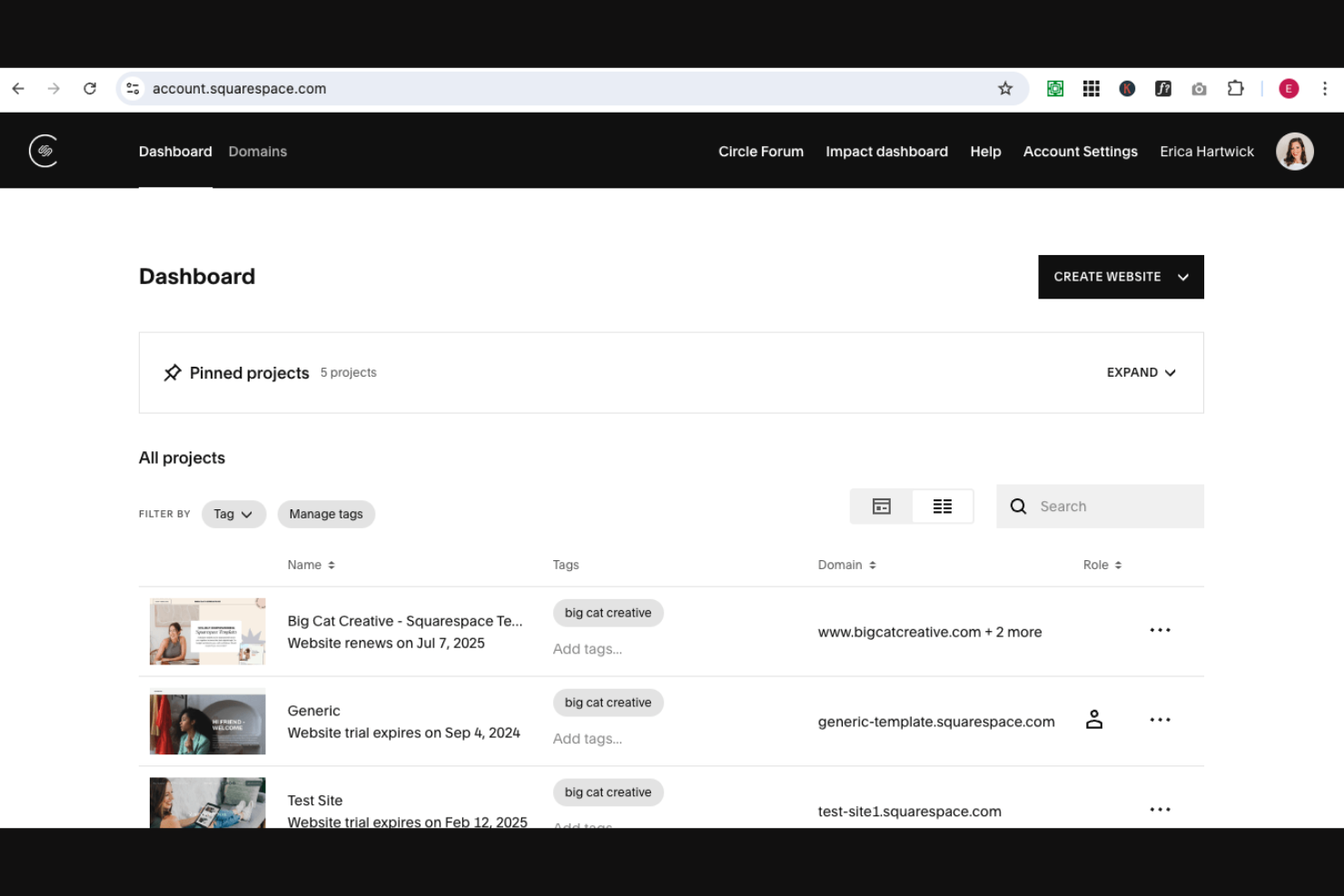
Se desideri che il tuo sito abbia un aspetto professionale fin dal primo momento, Squarespace offre una libreria di template creati da designer per negozi al dettaglio, ecommerce e aziende creative. La piattaforma si rivolge a team che vogliono lanciare siti visivamente accattivanti senza dover assumere un designer o uno sviluppatore. Squarespace si distingue per i layout curati, l’editor di stile integrato e la reattività mobile costante su tutti i template.
Perché Squarespace è una buona alternativa a Webflow
Squarespace è una valida alternativa a Webflow se desideri accedere a template professionali che richiedono una personalizzazione minima. Ho scelto Squarespace perché la sua libreria di template copre un’ampia gamma di settori e stili, permettendoti di lanciare rapidamente un sito dall’aspetto impeccabile. L’editor di stile integrato ti permette di modificare font, colori e layout senza toccare il codice. Ogni template è inoltre ottimizzato per i dispositivi mobili, così il tuo sito mantiene un aspetto coerente su ogni device.
Caratteristiche principali di Squarespace
Altre funzioni offerte da Squarespace possono aiutare il tuo team a gestire e far crescere la presenza online:
- Strumenti di pianificazione integrati: consenti ai clienti di prenotare appuntamenti o servizi direttamente dal sito.
- Campagne email integrate: crea e invia email di marketing senza abbandonare la piattaforma.
- Aree membri: crea contenuti riservati e gestisci iscrizioni per accedere ad aree esclusive.
- Dashboard di analisi: monitora traffico, vendite e coinvolgimento con report in tempo reale.
Integrazioni di Squarespace
Le integrazioni includono Mailchimp, Weglot, Printful, ShipStation, QuickBooks, Xero, Avalara e Easyship.
Pros and Cons
Pros:
- Pianificazione integrata per aziende di servizi
- Strumenti di email marketing nativi per campagne
- Supporta contenuti riservati e abbonamenti
Cons:
- Nessuna opzione per esportare direttamente il codice del sito
- Nessun supporto integrato per siti multilingue

Weebly
Ideale per l'impostazione di un semplice negozio online
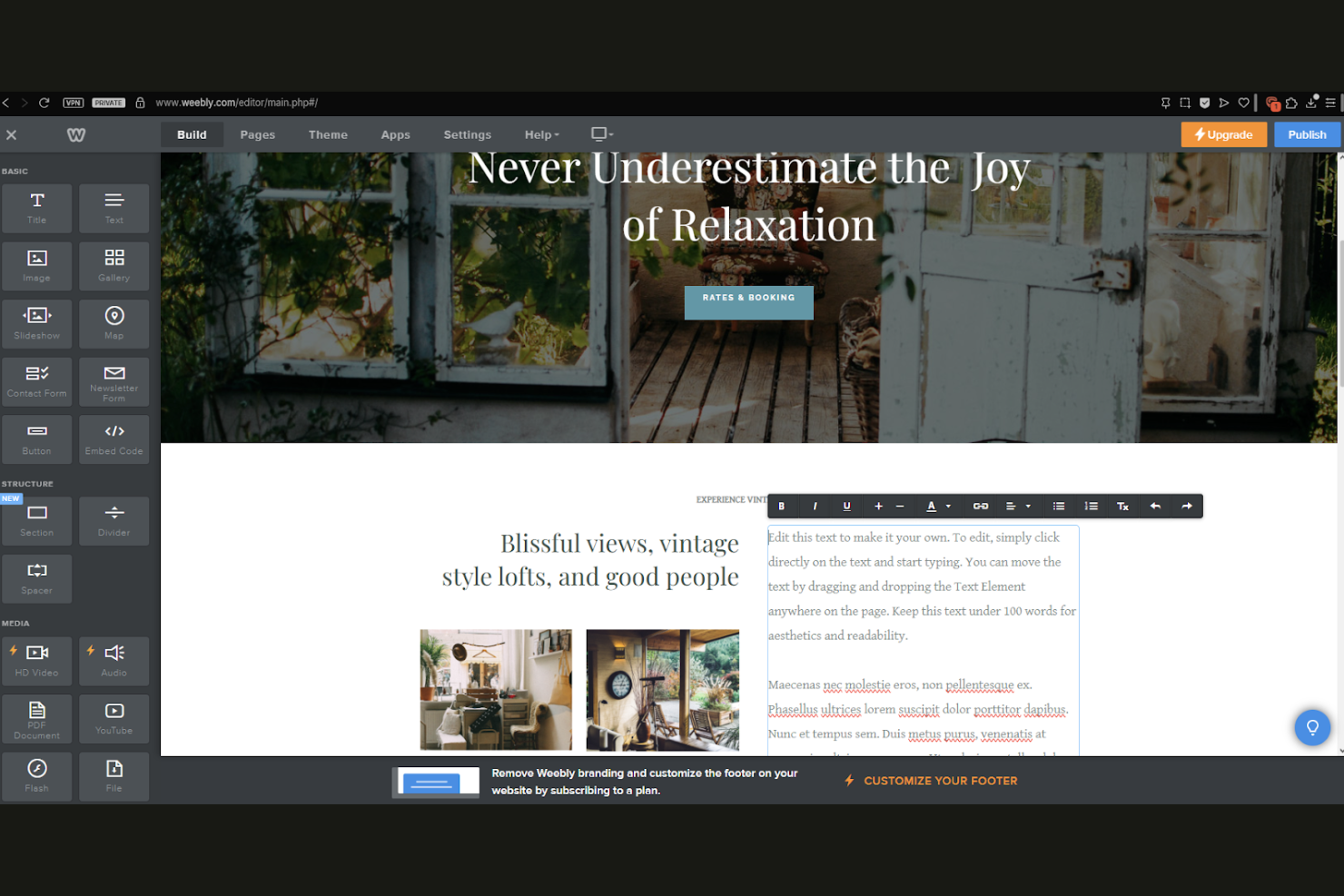
Per i piccoli rivenditori e per chi vende online per la prima volta, Weebly offre un modo semplice per lanciare un negozio online. La piattaforma si rivolge a chi desidera un costruttore di siti web senza codice con carrello, pagamenti e funzioni di gestione dell'inventario integrati—senza la complessità degli strumenti più avanzati. Se hai bisogno di mettere online rapidamente un negozio semplice, la configurazione guidata di Weebly e l'integrazione con Square rendono facile iniziare a vendere.
Perché Weebly è una valida alternativa a Webflow
Se vuoi lanciare un negozio online semplice senza una curva di apprendimento ripida, Weebly è una scelta valida. Ho scelto Weebly perché il suo editor visivo è strettamente integrato con funzionalità di ecommerce come le schede prodotto, il carrello e il checkout sicuro. La piattaforma include anche strumenti di gestione dell'inventario e di monitoraggio degli ordini, per gestire le operazioni di vendita di base da un'unica dashboard. Per chi ha come obiettivo andare online velocemente, gli strumenti ecommerce integrati di Weebly lo rendono un'alternativa pratica a Webflow.
Funzionalità principali di Weebly
Altre funzioni di Weebly possono aiutarti a personalizzare e gestire il tuo sito:
- Editor drag-and-drop: Organizza testo, immagini ed elementi visivamente senza codice.
- App Center: Aggiungi funzionalità extra grazie alle integrazioni per marketing, analisi e social media.
- Supporto dominio personalizzato: Collega il tuo dominio personalizzato al sito Weebly.
- Strumenti di blogging integrati: Crea e gestisci post del blog insieme alle pagine del negozio.
Integrazioni Weebly
Le integrazioni includono Square, PayPal, Stripe, Shippo, Google Analytics, Pinterest, Mailchimp, Constant Contact ed Ecwid.
Pros and Cons
Pros:
- Integrazione Square integrata per l'elaborazione dei pagamenti
- Certificato SSL gratuito incluso in tutti i piani
- Supporta domini personalizzati nei piani a pagamento
Cons:
- Flessibilità di design limitata rispetto a Webflow
- Meno opzioni di template per settori di nicchia

Wix
Ideale per strumenti ecommerce integrati

Per rivenditori e piccole imprese che desiderano lanciare rapidamente un negozio online, Wix offre un builder visivo per siti web con strumenti ecommerce integrati. A differenza di molte altre piattaforme, Wix combina il design drag-and-drop con funzionalità native di gestione prodotti, pagamenti e spedizioni. È una soluzione ideale per i team che vogliono gestire vetrina, inventario e marketing da un'unica dashboard senza dover dipendere da strumenti e plugin di terze parti.
Perché Wix è una buona alternativa a Webflow
Wix si distingue come alternativa a Webflow per i team che necessitano di strumenti ecommerce integrati senza configurazioni aggiuntive. Ho scelto Wix perché permette di gestire prodotti, inventario e pagamenti direttamente dalla stessa piattaforma dove si progetta il sito. La dashboard ecommerce nativa include monitoraggio ordini, gestione spedizioni e calcolo automatico dell'IVA sulle vendite. Questo rende Wix particolarmente interessante se desideri lanciare e gestire un negozio online senza fare affidamento su componenti aggiuntivi di terze parti.
Funzionalità principali di Wix
Alcune altre funzionalità di Wix possono aiutare il tuo team a costruire e gestire un sito professionale:
- App Market: Accedi a una libreria di componenti aggiuntivi per marketing, analisi e coinvolgimento dei clienti.
- Wix ADI (Artificial Design Intelligence): Genera un layout e contenuto personalizzati in base alle risposte date ad alcune domande.
- Supporto per siti multilingue: Crea e gestisci siti web in più lingue da un'unica dashboard.
- Piattaforma blog integrata: Pubblica, programma e gestisci post del blog con strumenti SEO integrati.
Integrazioni Wix
Le integrazioni includono Google Analytics, Facebook Pixel, Instagram Feed, Google Ads, Mailchimp, PayPal, Stripe, Google Workspace e Shippo.
Pros and Cons
Pros:
- Strumenti ecommerce integrati per negozi online
- App Market offre un'ampia varietà di componenti aggiuntivi nativi
- Calcolo automatico dell'IVA sulle vendite
Cons:
- Controllo limitato sull'esportazione del codice del sito
- Il cambio di template richiede la ricostruzione del sito

Ideale per pubblicare siti velocemente
Lanciare rapidamente un sito web è semplice con il website builder di Hostinger, progettato per velocità e facilità d’uso. Questo strumento è particolarmente adatto a piccole imprese, startup di e-commerce e negozianti che desiderano essere online in poco tempo senza ritardi tecnici. Hostinger si distingue combinando configurazione assistita dall’IA, hosting incluso e pubblicazione istantanea in un unico pacchetto.
Perché Hostinger Website Builder è una valida alternativa a Webflow
Se devi mettere un sito online il più rapidamente possibile, il website builder di Hostinger è pensato per la rapidità sotto ogni aspetto. Ho scelto Hostinger perché il suo strumento di creazione basato su IA genera layout e contenuti in pochi minuti, permettendoti di pubblicare subito. La piattaforma include hosting e pubblicazione con un solo clic, così non devi gestire servizi separati o attendere configurazioni manuali. Per chi dà priorità alla pubblicazione veloce del sito rispetto a opzioni avanzate di personalizzazione, Hostinger è un’alternativa pratica a Webflow.
Funzionalità principali di Hostinger Website Builder
Altre funzionalità di Hostinger ti aiutano a sfruttare al massimo il website builder:
- Editor drag-and-drop: Organizza e personalizza gli elementi della pagina visivamente senza bisogno di codice.
- Funzionalità e-commerce: Aggiungi cataloghi prodotti, carrelli della spesa e gateway di pagamento al tuo sito.
- Toolkit SEO: Accedi a strumenti integrati per ottimizzare la visibilità del tuo sito sui motori di ricerca.
- Supporto multilingue: Crea e gestisci siti in più lingue da un’unica dashboard.
Integrazioni con Hostinger Website Builder
Le integrazioni includono Google Analytics, Google Ads, Meta Pixel, WhatsApp, Hotjar e Printful.
Pros and Cons
Pros:
- Hosting integrato
- Funzionalità e-commerce per la vendita di prodotti
- Integrazione diretta con Google Analytics e Ads
Cons:
- Controllo limitato sulla struttura e sul codice del sito
- Nessuna integrazione nativa con piattaforme CRM

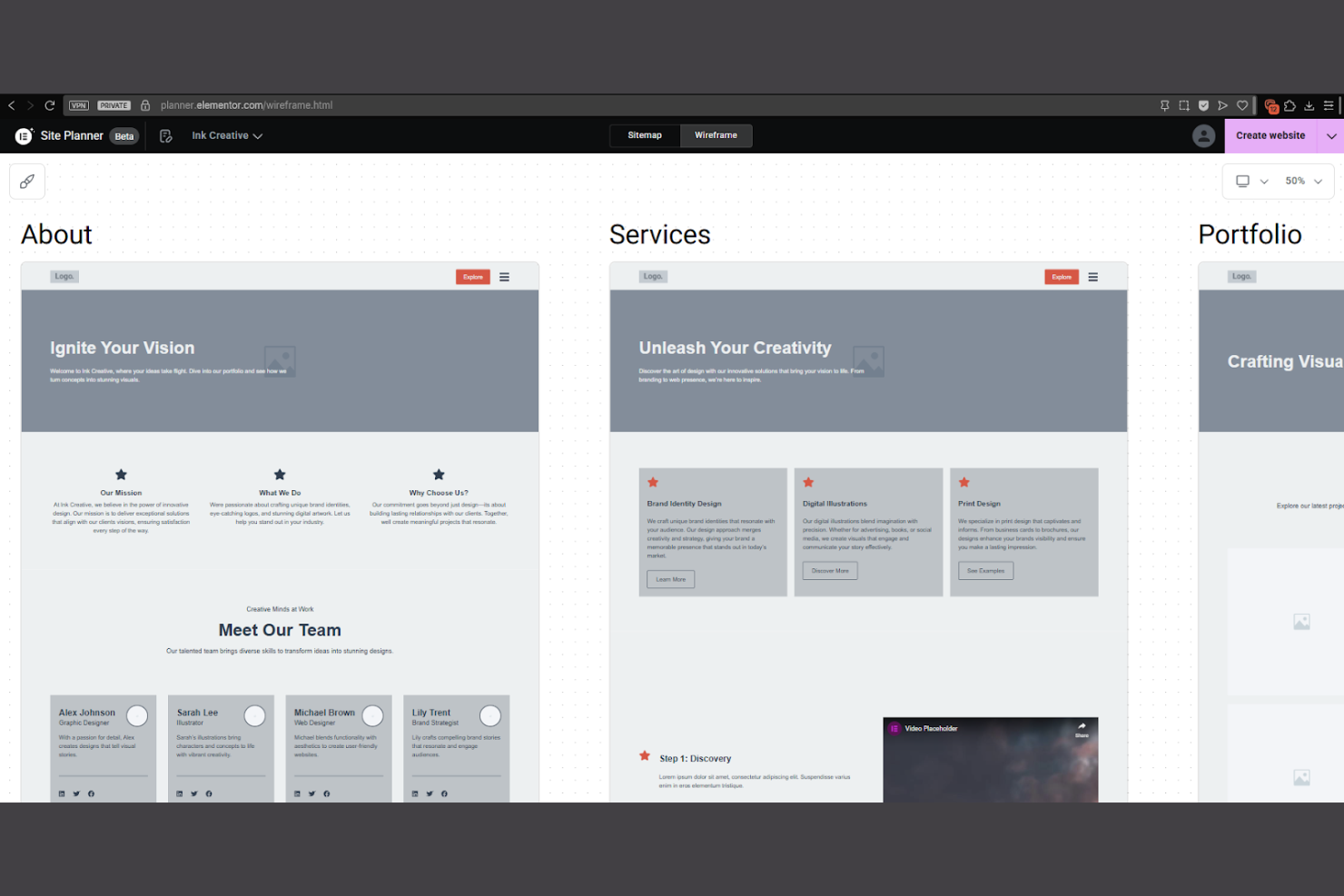
Se desideri un costruttore di siti web basato su WordPress con un vero editor drag-and-drop, Elementor merita sicuramente attenzione. È particolarmente adatto a marketer, piccoli imprenditori e team ecommerce che vogliono progettare e lanciare siti personalizzati senza toccare il codice. Elementor si distingue per il suo editor visuale che consente di costruire layout pixel-perfect direttamente sulla pagina, facilitando la visualizzazione delle modifiche in tempo reale.
Perché Elementor è una valida alternativa a Webflow
A differenza di molti builder per WordPress, Elementor offre una vera esperienza drag-and-drop che rivaleggia con la flessibilità visiva di Webflow. Ho scelto Elementor perché puoi spostare, ridimensionare e personalizzare ogni elemento direttamente sulla pagina, visualizzando subito le modifiche. L’editor include una vasta gamma di widget e controlli di layout, così puoi realizzare progetti complessi senza scrivere codice. Questo rende Elementor una scelta forte per chiunque desideri un controllo visuale diretto sul proprio sito WordPress.
Funzionalità principali di Elementor
Altre funzionalità di Elementor possono aiutarti a creare e gestire il sito in modo più efficiente:
- Theme Builder: Progetta e personalizza header, footer e altre parti dinamiche del sito senza codice.
- Popup Builder: Crea e pubblica popup utilizzando la stessa interfaccia drag-and-drop dell’editor principale.
- Integrazione con WooCommerce: Aggiungi e personalizza gli elementi della piattaforma e-commerce per negozi online direttamente all’interno del tuo sito.
- Gestione Ruoli: Controlla i permessi di modifica per i diversi utenti del tuo team.
Integrazioni di Elementor
Le integrazioni includono Mailchimp, HubSpot, ActiveCampaign, Drip, ConvertKit, WooCommerce, Yoast, Slack, Discord e Adobe Fonts.
Pros and Cons
Pros:
- L’editor visuale funziona direttamente all’interno di WordPress
- Ampia libreria di template predefiniti
- Il Theme Builder personalizza header e footer
Cons:
- Le prestazioni possono rallentare con molti widget
- Nessun CMS integrato per siti non WordPress

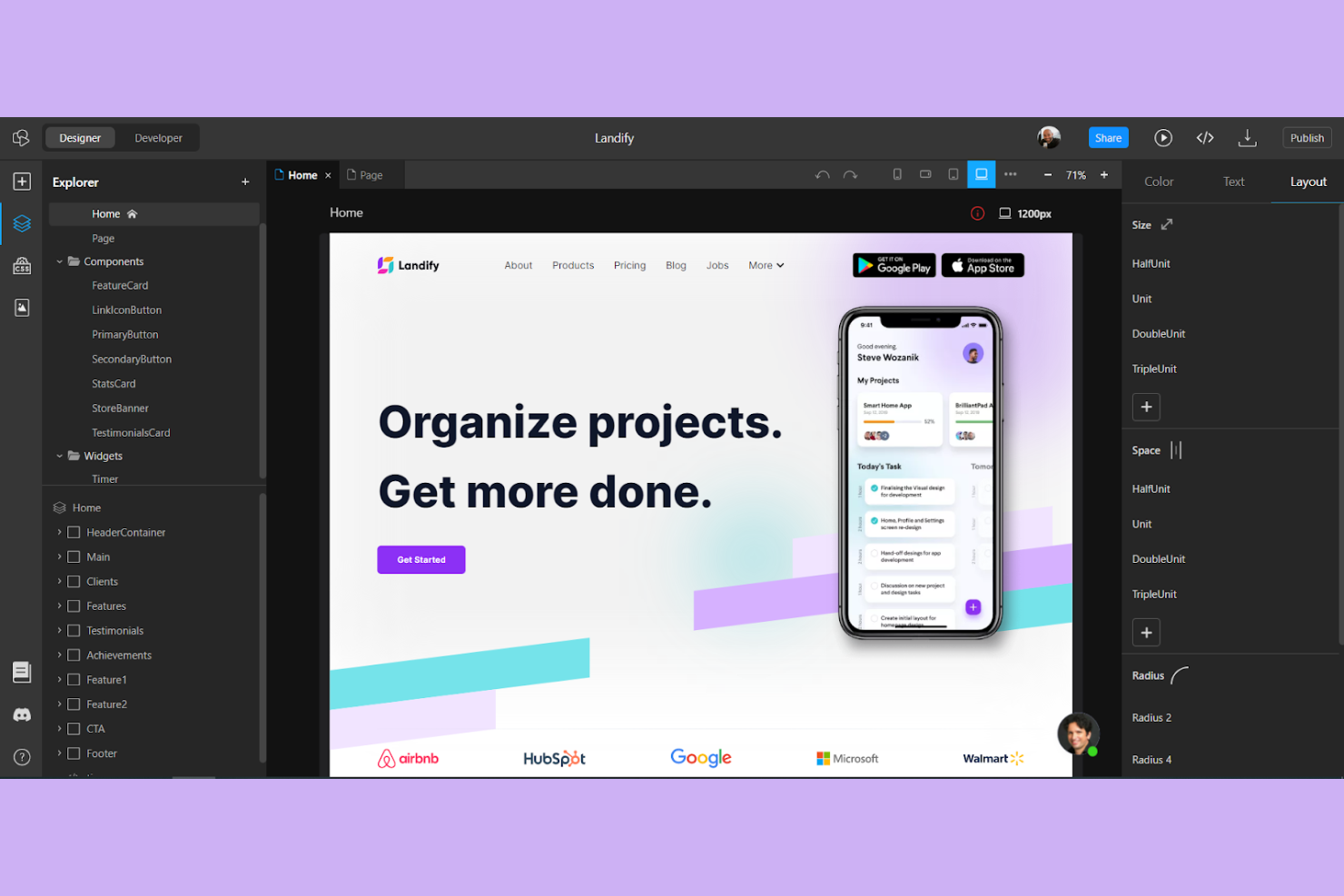
TeleportHQ è un costruttore di siti web visuale progettato per team che desiderano il pieno controllo sull’output del codice del proprio sito. È una soluzione ideale per sviluppatori, agenzie e team digitali che hanno bisogno di esportare codice pulito, pronto per la produzione, in diversi framework. Se vuoi progettare in modo visuale ma mantenere la proprietà e la personalizzazione del tuo codice, TeleportHQ ti offre questa flessibilità.
Perché TeleportHQ è una valida alternativa a Webflow
Per i team che vogliono più flessibilità con il codice del proprio sito, TeleportHQ offre qualcosa che Webflow non ha. Ho scelto TeleportHQ perché puoi esportare i progetti come codice pulito in diversi framework, tra cui React, Next.js e Vue. La piattaforma permette anche di generare siti statici e scaricare l’intero progetto da utilizzare nel tuo flusso di lavoro di sviluppo web. Questo livello di controllo sull’esportazione del codice è ideale se vuoi progettare in modo visuale ma hai comunque bisogno di possedere e modificare la base di codice del tuo sito.
Caratteristiche principali di TeleportHQ
Altre funzionalità di TeleportHQ possono aiutarti a collaborare e costruire progetti in modo più efficiente:
- Collaborazione in tempo reale: Più utenti possono modificare e commentare sui progetti contemporaneamente.
- Libreria di componenti: Salva e riutilizza componenti personalizzati su diversi progetti.
- Assistente di design basato su AI: Genera layout ed elementi utilizzando suggerimenti AI.
- Domini personalizzati: Pubblica i progetti direttamente sul tuo dominio personalizzato dalla piattaforma.
Integrazioni di TeleportHQ
Le integrazioni includono Contentful, Strapi, Flotiq, Caisy, Figma, GitHub e GitLab.
Pros and Cons
Pros:
- Esporta codice in React, Next.js e Vue
- Collaborazione in tempo reale per team distribuiti
- Si integra con piattaforme headless CMS
Cons:
- Meno integrazioni native rispetto a Webflow
- Nessun servizio di hosting diretto o CDN


Se desideri il pieno controllo sul codice e sulla personalizzazione del tuo sito web, Webstudio si distingue come builder visuale open-source per siti web. È una soluzione ideale per sviluppatori, agenzie e team che necessitano di una flessibilità che va oltre ciò che offrono le piattaforme chiuse. Webstudio ti aiuta a creare e lanciare siti web con flussi di lavoro personalizzati, integrazioni e libertà di design difficili da eguagliare con gli strumenti proprietari.
Perché Webstudio è una buona alternativa a Webflow
Webstudio è un’ottima scelta se desideri una personalizzazione open-source che va oltre ciò che offre Webflow. L’ho selezionato per i team che devono modificare direttamente il codice sorgente e contribuire allo sviluppo della piattaforma. Webstudio ti permette di ospitare autonomamente il tuo sito e di modificare anche il builder stesso, una caratteristica rara tra i builder visuali. Questo livello di flessibilità è ideale per chi vuole personalizzare ogni aspetto del design e delle funzionalità del proprio sito.
Caratteristiche principali di Webstudio
Altre funzioni di Webstudio possono aiutare il tuo team a gestire e pubblicare siti in modo più efficiente:
- Controlli CSS visivi: Modifica layout, spaziature e tipografia in modo visuale senza scrivere manualmente il CSS.
- Libreria componenti: Riutilizza componenti personalizzati in più progetti per accelerare il design e mantenere la coerenza.
- Cronologia delle versioni: Tieni traccia delle modifiche e ripristina le versioni precedenti del tuo sito quando necessario.
- Strumenti di collaborazione: Invita i membri del team a collaborare ai progetti con permessi basati sui ruoli.
Integrazioni di Webstudio
Le integrazioni includono Airtable, Supabase, Ghost, Payload, Hygraph, Notion, Strapi, Baserow, Directus e WordPress.
Pros and Cons
Pros:
- Completamente open-source
- Esportazione diretta del codice e opzioni di self-hosting
- Sistema di componenti flessibile per design riutilizzabile
Cons:
- Funzionalità e-commerce integrate limitate
- Meno template predefiniti

Framer
Ideale per prototipazione di design interattivo
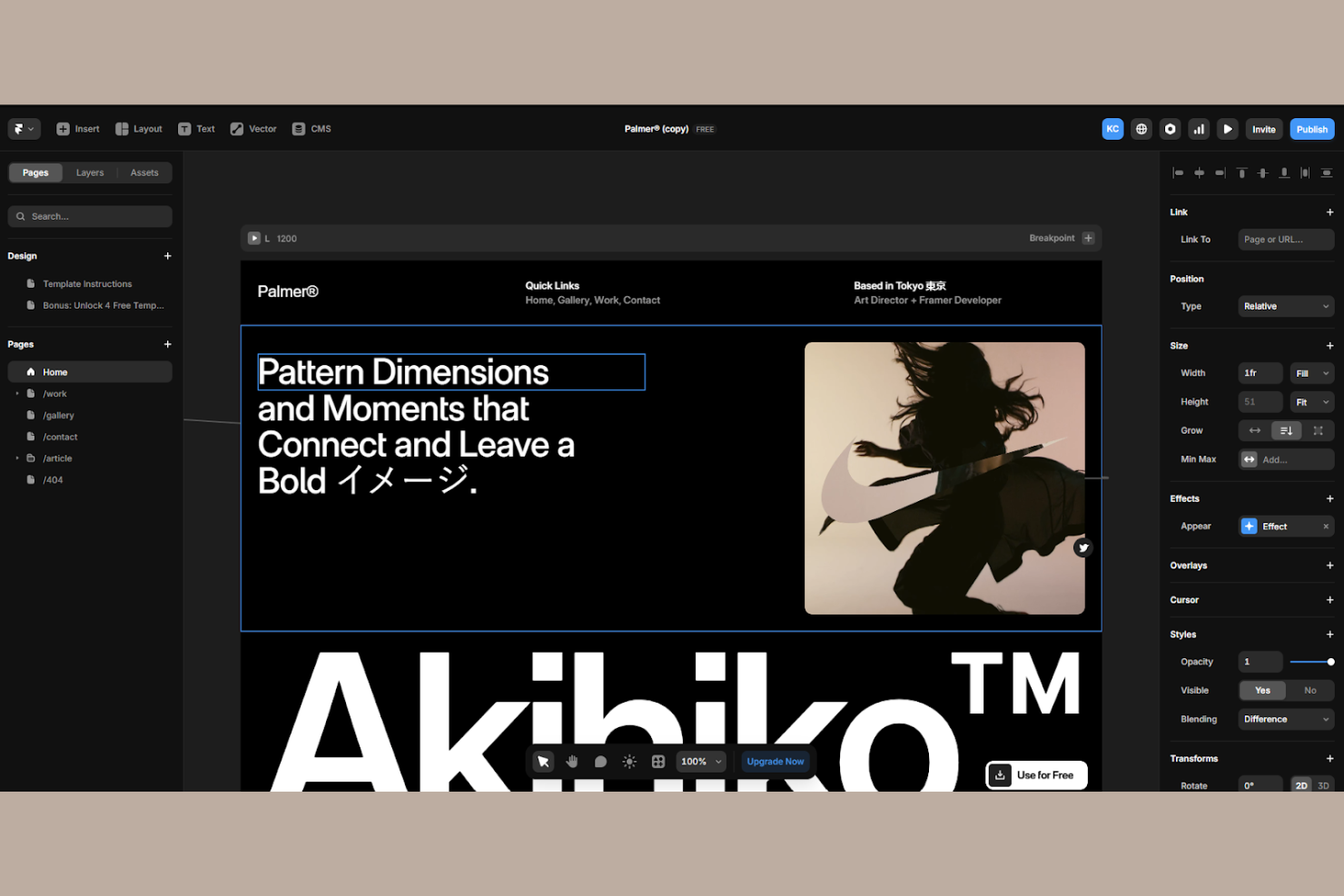
I designer e i team che desiderano creare prototipi altamente interattivi spesso scelgono Framer per le sue avanzate capacità di animazione e prototipazione. A differenza della maggior parte dei builder visivi di siti web, Framer consente di progettare, animare e pubblicare siti interattivi in un unico posto. È particolarmente utile per team di prodotto, agenzie e creativi che hanno bisogno di mostrare esperienze utente dinamiche prima del lancio.
Perché Framer è una valida alternativa a Webflow
Se vuoi creare siti web con funzionalità avanzate per il design interattivo e la prototipazione, Framer è da prendere in considerazione come alternativa a Webflow. Ho scelto Framer perché permette di realizzare animazioni complesse e micro-interazioni direttamente sulla tela, qualcosa che la maggior parte dei builder visivi non offre a questo livello. L’anteprima in tempo reale e i componenti interattivi di Framer aiutano a testare e perfezionare i flussi utente prima della pubblicazione. Questo lo rende una soluzione ideale per i team che hanno bisogno di presentare prototipi dinamici e pronti per la produzione che vanno oltre i layout statici.
Funzionalità principali di Framer
Altre funzionalità di Framer possono aiutare il tuo team a consegnare siti interattivi e raffinati più rapidamente:
- Generatore di siti con AI: crea rapidamente layout e contenuti utilizzando strumenti di intelligenza artificiale integrati.
- Controlli per il design responsivo: adatta i layout per i diversi dispositivi con breakpoint visivi e anteprime su device.
- Incorpora codice personalizzato: aggiungi JavaScript, HTML o widget di terze parti direttamente sul tuo sito.
- Collaborazione di squadra: invita collaboratori a modificare, commentare e gestire i progetti in tempo reale.
Integrazioni di Framer
Le integrazioni includono HubSpot, Google Sheets, Notion, LottieFiles, Time2book, Cal.com, Mapbox e Trustpilot.
Pros and Cons
Pros:
- Strumenti avanzati di animazione per prototipi interattivi
- Generatore di siti alimentato da AI per layout rapidi
- Collaborazione in tempo reale per team di design
Cons:
- Nessuna funzionalità nativa di carrello acquisti
- Capacità CMS limitate per contenuti dinamici
Altre alternative a Webflow
Ecco alcune alternative aggiuntive a Webflow che non sono entrate nella mia selezione, ma che vale comunque la pena prendere in considerazione:
- Drupal
Ideale per la gestione avanzata dei contenuti
- Shopify Website Builder
Ideale per funzionalità e-commerce tutto in uno
- Wappler
Ideale per l'integrazione personalizzata del database


Come valuto le alternative a Webflow
Divido la mia valutazione in due livelli: funzionalità di base imprescindibili come la costruzione visuale e l’eCommerce, e fattori di differenziazione come integrazioni retail e supporto multi-store.
Funzionalità di base (Criteri imprescindibili di questa lista)
Quando seleziono gli strumenti per la mia lista, valuto ciascuno su una scala da 0 (non offre la funzionalità) a 5 (eccelle in quest'area) per ogni funzionalità di base elencata qui sotto. Successivamente, calcolo il punteggio totale dello strumento trasformandolo in percentuale. Ogni strumento deve raggiungere un punteggio totale minimo del 65% per essere preso in considerazione nell’elenco.
- Site builder visuale: Valuto se una piattaforma consente ai team retail di progettare pagine responsive tramite drag-and-drop senza dover coinvolgere uno sviluppatore per ogni lancio di prodotto o aggiornamento promozionale.
- Capacità eCommerce: Cataloghi prodotto, carrello, checkout e gateway di pagamento devono essere presenti—verifico anche come ciascun tool gestisce elementi come codici sconto e regole di spedizione.
- CMS & Gestione dei contenuti: I team retail devono poter aggiornare raccolte, landing page e contenuti blog in autonomia, quindi cerco tipi di contenuto strutturati e accessi di editing basati sui ruoli.
- Integrazioni strumenti retail: Ogni piattaforma viene valutata su quanto bene si collega con sistemi POS, strumenti di inventario, CRM e piattaforme di marketing come Klaviyo o Mailchimp.
- Flessibilità di template & design: Una ricca libreria di template è importante, ma considero anche quanto controllo si ha su stili, layout e coerenza del marchio nei vari store.
- Hosting, SEO & Prestazioni: Hosting integrato, SSL, reattività mobile e controlli SEO come campi meta e generazione di sitemap sono elementi che verifico per ciascun tool presente in questa lista.
Una volta compilata la lista degli strumenti che soddisfano questi criteri, considero cosa distingue ciascuna piattaforma dalle altre.
Fattori di differenziazione (Cosa distingue i fornitori)
Ecco come confronto e metto a contrasto i diversi fornitori:
Funzionalità distintive
La gestione multi-store è particolarmente rilevante—cerco piattaforme che consentano a titolari di franchising o retailer multibrand di gestire store separati da un’unica dashboard. Localizzazione e checkout multi-valuta contano altrettanto se vendi in diverse regioni, dato che gestire manualmente i prezzi regionali e le regole fiscali diventa rapidamente caotico. Valuto inoltre il supporto per l’headless commerce, che offre ai team la flessibilità di distribuire contenuti su app, chioschi o schermi in negozio oltre che sul sito web.
Oltre le funzionalità
Guardo con attenzione al costo totale di proprietà—verifico come i prezzi si evolvono in base alle dimensioni del catalogo e al traffico, così da evitare sorprese durante eventi di picco come le vendite natalizie. L’assistenza nella migrazione è anch’essa importante, soprattutto per i team che si allontanano da Webflow senza sviluppatori interni. Valuto se una piattaforma offre strumenti di importazione o una rete di partner per gestire la transizione. La scalabilità completa il quadro; un sito retail che va in crisi per un lancio prodotto o una flash sale è da escludere, quindi controllo infrastruttura CDN e garanzie di uptime.
Perché cercare un'alternativa a Webflow?
Sebbene Webflow sia una buona scelta come creatore di siti web visivo, esistono diversi motivi per cui alcuni utenti cercano soluzioni alternative. Potresti cercare un'alternativa a Webflow perché…
- Hai bisogno di pubblicare i siti web più rapidamente e con meno passaggi
- Vuoi strumenti di commercio elettronico integrati senza componenti aggiuntivi
- Preferisci prezzi di partenza più convenienti
- Hai bisogno di gestire siti multilingue fin da subito
- Ti servono integrazioni dirette con specifiche piattaforme di marketing
- Vuoi un processo di configurazione iniziale più semplice per gli utenti non tecnici
Se ti riconosci in una di queste situazioni, sei nel posto giusto. Il mio elenco include diverse opzioni di creatori di siti web visivi più adatte ai team che affrontano queste difficoltà con Webflow e cercano soluzioni alternative.
Funzionalità principali di Webflow
Ecco alcune delle principali funzionalità di Webflow, per aiutarti a mettere a confronto ciò che offrono le soluzioni alternative:
- Editor visivo di siti web con trascinamento
- Modifica personalizzata di CSS e JavaScript
- Controlli di progettazione responsiva per tutti i dispositivi
- CMS integrato per contenuti dinamici
- Strumenti avanzati per animazioni e interazioni
- Funzionalità di commercio elettronico per negozi online
- Hosting con CDN globale incluso
- Strumenti per la gestione SEO
- Fatturazione dei clienti e opzioni white label
- Integrazione con piattaforme di marketing e analisi