

10 migliori alternative a Criteo per gli annunci di retargeting nel 2026

10 Elenco delle migliori alternative a Criteo


Gestire un'attività commerciale non è facile. Devi affrontare sfide come raggiungere il pubblico giusto, gestire la spesa pubblicitaria e stare al passo con i cambiamenti nel comportamento dei consumatori. È qui che entra in gioco il software di automazione del marketing, che ti aiuta ad affrontare direttamente questi problemi.
Ma forse Criteo non soddisfa le tue esigenze. Potresti cercare funzionalità migliori, maggiore flessibilità o semplicemente una soluzione più adatta al tuo team. Sei nel posto giusto.
Ho testato e recensito diverse alternative, concentrandomi su ciò che conta davvero per te. In questo articolo condividerò le mie migliori proposte, fornendoti le informazioni necessarie per prendere una decisione consapevole. Troviamo la soluzione giusta per la tua attività.
Cos'è Criteo?
Criteo è un software di automazione del marketing che aiuta le aziende ad aumentare le vendite e il coinvolgimento dei clienti. Viene comunemente utilizzato da esperti di marketing digitale, responsabili dell'e-commerce e professionisti del commercio al dettaglio che devono ottimizzare le proprie strategie pubblicitarie. Funzionalità come il retargeting personalizzato, la creazione dinamica degli annunci e le offerte in tempo reale aiutano a raggiungere il pubblico giusto e a massimizzare l'efficienza della spesa pubblicitaria. Nel complesso, il valore di Criteo risiede nella sua capacità di migliorare le attività di marketing del tuo team e aumentare il ritorno sull'investimento.
Tabella di confronto delle alternative a Criteo
Questa tabella di confronto riepiloga i dettagli sui prezzi delle mie migliori alternative a Criteo.
| Tool | Best For | Trial Info | Price | ||
|---|---|---|---|---|---|
| 1 | Ideale per lo storytelling programmatico | Demo gratuita disponibile | Prezzi su richiesta | Website | |
| 2 | Ideale per la scoperta dei contenuti | Non disponibile | Prezzi su richiesta | Website | |
| 3 | Ideale per il marketing basato sull'IA | Demo gratuita disponibile | Prezzi su richiesta | Website | |
| 4 | Ideale per campagne multicanale | Demo gratuita disponibile | Prezzi su richiesta | Website | |
| 5 | Ideale per la modellazione del pubblico in tempo reale | Demo gratuita disponibile | Prezzi su richiesta | Website | |
| 6 | Ideale per il targeting basato sull'intenzione d'acquisto | Non disponibile | Prezzi basati sull'utilizzo | Website | |
| 7 | Ideale per l'acquisto di media su scala aziendale | Non disponibile | Prezzi su richiesta | Website | |
| 8 | Ideale per la pubblicità omnicanale | Demo gratuita disponibile | Prezzi su richiesta | Website | |
| 9 | Ideale per pubblicità unificate con dati e-mail | Demo gratuita disponibile | Prezzi su richiesta | Website | |
| 10 | Ideale per la personalizzazione basata sull'apprendimento profondo | Demo gratuita disponibile | Prezzi su richiesta | Website |
Perché fidarsi dei nostri consigli sui software
Il nostro team testa e recensisce software dal 2012. In quanto leader del retail noi stessi, sappiamo quanto sia difficile — e importante — scegliere il software giusto.
Per questa guida, abbiamo valutato gli strumenti attraverso test pratici e ricerche indipendenti, assegnando un punteggio agli strumenti in base ai nostri criteri di selezione.
Le nostre recensioni riflettono il nostro giudizio indipendente, non un discorso di vendita.
Recensioni delle migliori alternative a Criteo
Di seguito trovi i miei riepiloghi dettagliati delle migliori alternative a Criteo incluse nel mio elenco. Le mie recensioni offrono un’analisi dettagliata delle funzionalità principali, dei vantaggi e degli svantaggi, delle integrazioni e dei casi d’uso ideali di ogni strumento, per aiutarti a trovare quello più adatto a te.

Ideale per lo storytelling programmatico
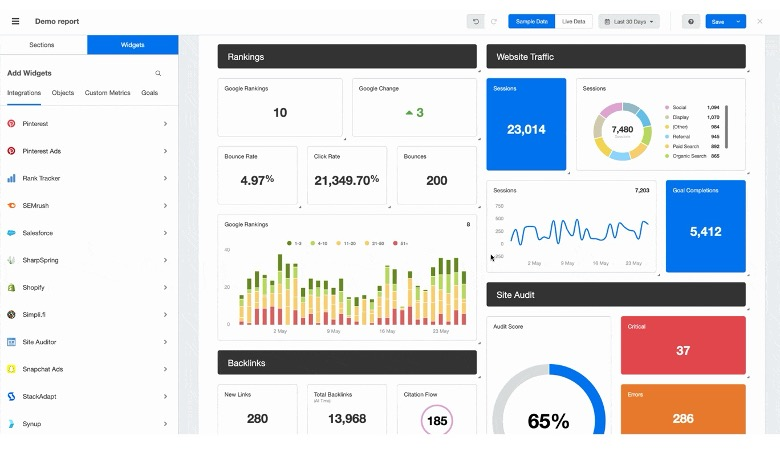
StackAdapt è una piattaforma di pubblicità programmatica rivolta a professionisti del marketing e inserzionisti che desiderano migliorare le proprie strategie di pubblicità digitale. Offre strumenti per la pubblicità nativa, video e sulla TV connessa, con particolare attenzione al targeting avanzato e agli insight basati sui dati.
Perché è una buona alternativa a Criteo: StackAdapt offre funzionalità di targeting avanzato che aiutano il tuo team a raggiungere segmenti di pubblico ben definiti. I suoi algoritmi di machine learning migliorano il targeting, consentendoti di ottimizzare efficacemente le campagne. La piattaforma supporta diversi formati pubblicitari, offrendoti flessibilità nel tuo approccio alla pubblicità. Inoltre, l'attenzione di StackAdapt agli insight basati sui dati ti consente di prendere decisioni informate e migliorare i risultati delle campagne.
Funzionalità e integrazioni principali:
Le funzionalità includono un'interfaccia intuitiva che semplifica la gestione delle campagne. Gli strumenti di analisi in tempo reale della piattaforma forniscono insight sulle prestazioni, aiutandoti ad apportare rapidamente modifiche. StackAdapt offre anche servizi creativi per assisterti nella progettazione e nello sviluppo degli annunci.
Le integrazioni includono Google Analytics, HubSpot, Salesforce, Adobe Analytics, Marketo, Shopify, Oracle, Mailchimp, Microsoft Dynamics e Facebook.
Pros and Cons
Pros:
- Targeting di nicchia efficace
- Linee guida creative chiare
- Configurazione rapida per la pubblicità nativa
Cons:
- Modifica in blocco limitata
- Rilascio lento delle nuove funzionalità

Taboola
Ideale per la scoperta dei contenuti
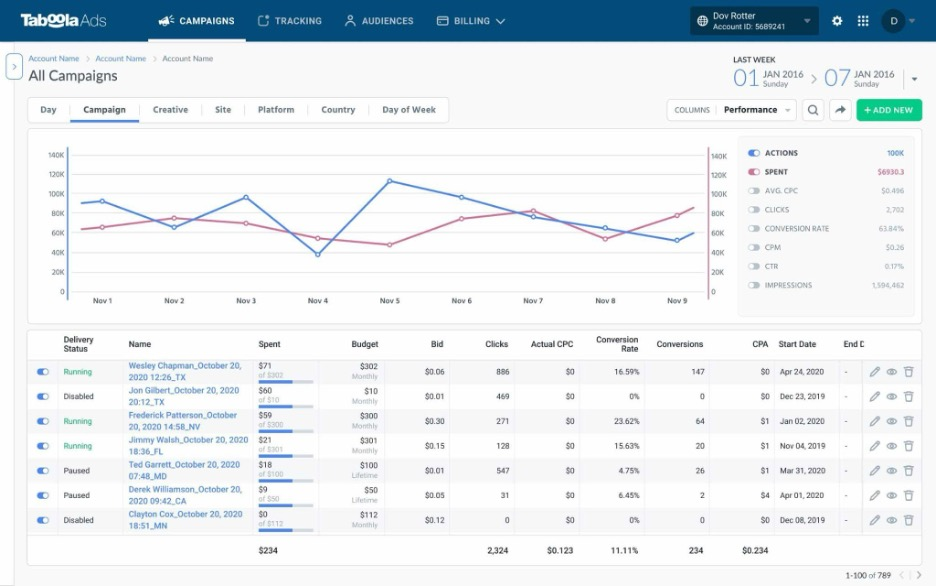
Taboola è una piattaforma di scoperta dei contenuti progettata per editori e inserzionisti che desiderano aumentare il coinvolgimento e incrementare il traffico. Offre strumenti per la pubblicità nativa, aiutando le aziende a entrare in contatto con il pubblico attraverso consigli personalizzati sui contenuti.
Perché è una buona alternativa a Criteo: Taboola aiuta gli inserzionisti a raggiungere un pubblico ampio inserendo consigli sui contenuti nei principali siti degli editori. L'ho scelta perché i suoi posizionamenti si integrano naturalmente negli ambienti editoriali, rendendola utile per i brand che puntano ad aumentare la notorietà o il traffico nella parte alta del funnel. L'attenzione di Taboola sui consigli personalizzati sui contenuti garantisce che le attività di marketing siano in linea con gli interessi del pubblico.
Funzionalità e integrazioni principali:
Le funzionalità includono analisi in tempo reale che forniscono informazioni sulle prestazioni dei contenuti e sul coinvolgimento del pubblico. Le funzionalità di test A/B della piattaforma consentono di ottimizzare i contenuti degli annunci per ottenere risultati migliori. Taboola offre inoltre widget personalizzabili per migliorare l'esperienza utente e il posizionamento degli annunci.
Le integrazioni includono Google Analytics, Adobe Analytics, HubSpot, Marketo, Salesforce, Oracle, Microsoft Dynamics, Mailchimp, Shopify e Facebook.
Pros and Cons
Pros:
- Ampia copertura dei siti di informazione
- Forte impatto nella parte alta del funnel
- Promozione flessibile degli articoli
Cons:
- Maggiore rischio di contenuti di bassa qualità
- Qualità dei clic variabile

AdRoll
Ideale per il marketing basato sull'IA

AdRoll è una piattaforma pubblicitaria digitale progettata per marchi e agenzie che desiderano gestire campagne multicanale. Si rivolge a settori come il commercio al dettaglio, il B2B e la finanza, offrendo strumenti per la pubblicità e l'analisi multipiattaforma.
Perché è una buona alternativa a Criteo: AdRoll è una scelta eccellente per i marchi di commercio elettronico che desiderano un controllo semplice e unificato delle campagne pubblicitarie sui canali web e social. L'ho selezionata perché gli strumenti integrati per il pubblico e l'automazione consentono ai team più piccoli di gestire facilmente campagne di riconquista e di acquisizione di nuovi clienti senza dover utilizzare più piattaforme.
Funzionalità e integrazioni principali:
Le funzionalità includono la segmentazione del pubblico, che consente di raggiungere efficacemente gruppi specifici. Le funzionalità di riconquista aiutano a ristabilire il contatto con i potenziali clienti. La piattaforma offre inoltre strumenti di analisi per misurare e ottimizzare le prestazioni delle campagne.
Le integrazioni includono Shopify, WooCommerce, Adobe Commerce, BigCommerce, Mailchimp, HubSpot, Marketo, Salesforce, Google Analytics e Facebook.
Pros and Cons
Pros:
- Approccio semplice alla riconquista dei clienti
- Buone integrazioni con il marketing tramite posta elettronica
- Utile per cataloghi di piccole dimensioni
Cons:
- L'acquisizione di nuovi clienti sembra limitata
- Richiede un flusso di dati più ordinato

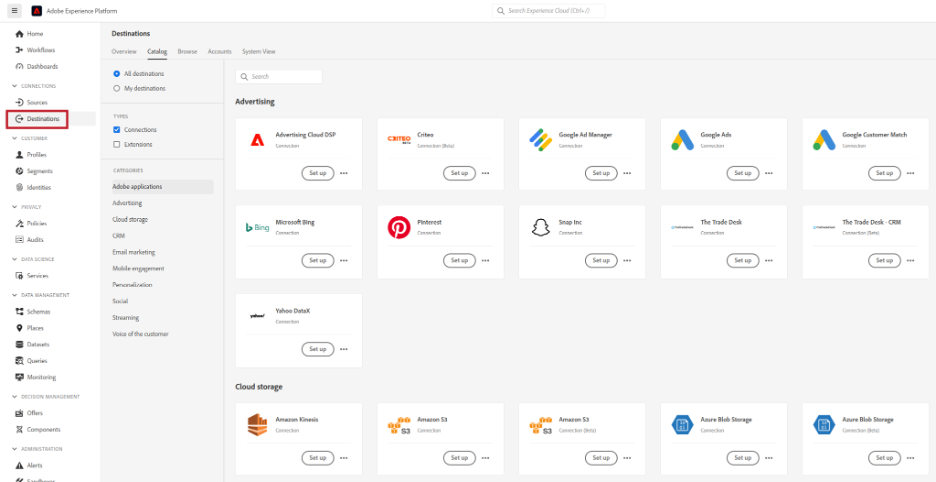
Adobe Advertising è una piattaforma di marketing digitale progettata per inserzionisti e professionisti del marketing che desiderano gestire campagne multicanale. Offre strumenti per la pianificazione, l'acquisto e l'ottimizzazione dei media, adatti a un'ampia gamma di settori.
Perché è una buona alternativa a Criteo: Adobe Advertising offre un ambiente unificato per la gestione dei media su diversi canali, mantenendo al contempo dati e misurazioni coerenti. L'ho scelto perché la sua integrazione con l'ecosistema Adobe aiuta i brand a coordinare strumenti creativi, segmenti di pubblico e strumenti di ottimizzazione in un unico flusso di lavoro, ideale per i team che utilizzano già i prodotti Adobe.
Caratteristiche principali e integrazioni:
Le funzionalità includono opzioni avanzate di targeting, offerte in tempo reale e analisi dettagliate. Queste funzionalità consentono di personalizzare gli annunci per segmenti di pubblico specifici e ottimizzare le prestazioni. L'integrazione della piattaforma con Adobe Creative Cloud supporta lo sviluppo creativo semplificato.
Le integrazioni includono Adobe Analytics, Adobe Experience Manager, Adobe Creative Cloud, Google Analytics, Salesforce, Oracle, HubSpot, Marketo, SAP e Microsoft Dynamics.
Pros and Cons
Pros:
- Potenti strumenti per il controllo del brand
- Buone opzioni per i flussi di lavoro creativi
- Adatto a campagne articolate
Cons:
- Adozione lenta delle funzionalità
- Più adatto a grandi team di contenuti

Quantcast Platform è una piattaforma pubblicitaria basata sull'intelligenza artificiale, progettata per operatori di marketing e inserzionisti che desiderano migliorare il targeting del proprio pubblico. Offre strumenti per la pubblicità in tempo reale e analisi approfondite, con particolare attenzione all'analisi del comportamento del pubblico.
Perché è una buona alternativa a Criteo: Quantcast utilizza dati in tempo reale per creare segmenti di pubblico e prevedere le prestazioni prima del lancio delle campagne. L'ho scelta perché la sua modellazione predittiva aiuta gli inserzionisti a comprendere i risultati probabili e ad adeguare la strategia in anticipo, un aspetto particolarmente utile per i team focalizzati sulle prestazioni.
Funzionalità e integrazioni distintive:
Le funzionalità includono informazioni dettagliate sul pubblico in tempo reale, che aiutano a comprendere il comportamento dei consumatori. La modellazione predittiva della piattaforma utilizza l'intelligenza artificiale per prevedere le tendenze e ottimizzare la spesa pubblicitaria. Quantcast offre inoltre strumenti di reportistica personalizzabili per adattare le informazioni alle proprie esigenze.
Le integrazioni includono Google Analytics, Salesforce, Adobe Analytics, HubSpot, Marketo, Oracle, Microsoft Dynamics, Mailchimp, Shopify e Facebook.
Pros and Cons
Pros:
- Modelli predittivi efficaci
- Individuazione utile delle tendenze
- Buoni strumenti senza cookie
Cons:
- Opzioni di personalizzazione limitate
- Supporto debole tra i diversi mercati

Amazon Ads è una piattaforma pubblicitaria progettata per brand e venditori che desiderano raggiungere i clienti sul marketplace di Amazon. Fornisce strumenti per gli annunci di prodotti sponsorizzati, gli annunci display e gli annunci video, aiutando le aziende ad aumentare la visibilità e le vendite.
Perché è una buona alternativa a Criteo: Amazon Ads offre ai brand accesso diretto agli acquirenti con intenzioni d'acquisto elevate utilizzando i segnali di acquisto e navigazione di Amazon. L'ho scelta perché questi dati proprietari offrono un chiaro vantaggio agli inserzionisti che desiderano raggiungere i consumatori più vicini al momento dell'acquisto. Gli approfondimenti sui dati di Amazon consentono di ottimizzare le strategie pubblicitarie senza perdere tempo.
Funzionalità e integrazioni di rilievo:
Le funzionalità includono analisi in tempo reale che forniscono informazioni sulle prestazioni degli annunci, aiutandoti a prendere decisioni basate sui dati. Gli strumenti di offerta della piattaforma consentono una gestione flessibile della spesa pubblicitaria. Amazon Ads offre inoltre formati pubblicitari personalizzabili per adattarsi alle esigenze del tuo brand.
Le integrazioni includono Amazon DSP, Amazon Attribution, Amazon Marketing Cloud, Amazon Seller Central, Amazon Vendor Central, Amazon Merch, Amazon Fire TV, Twitch e IMDb.
Pros and Cons
Pros:
- Raggiunge gli acquirenti attivi
- Segnali di acquisto in tempo reale
- Dati affidabili sull'intenzione d'acquisto dei prodotti
Cons:
- Panorama pubblicitario affollato
- Le classifiche cambiano spesso


The Trade Desk è una piattaforma di pubblicità programmatica pensata per esperti di marketing e inserzionisti che desiderano ottimizzare le proprie strategie di acquisto dei media. Offre strumenti per il targeting basato sui dati e la gestione di campagne multicanale.
Perché è una buona alternativa a Criteo: The Trade Desk è pensato per gli inserzionisti che desiderano grande trasparenza e flessibilità nell'acquisto dei media. L'ho scelto perché il suo approccio basato su un marketplace aperto e le numerose opzioni per i dati offrono ai team un maggiore controllo su come pianificare, testare e ottimizzare le campagne su larga scala.
Funzionalità e integrazioni distintive:
Le funzionalità includono strumenti avanzati di reportistica che forniscono informazioni sulle prestazioni delle campagne. Le capacità di offerta in tempo reale della piattaforma aiutano a prendere rapidamente decisioni informate. Inoltre, The Trade Desk offre un'interfaccia intuitiva che semplifica la gestione di campagne complesse.
Le integrazioni includono Google Analytics, Salesforce, Adobe Analytics, HubSpot, Marketo, Oracle, Microsoft Dynamics, Mailchimp, Shopify e Facebook.
Pros and Cons
Pros:
- Ampio inventario
- La scelta migliore per la CTV
- Copertura globale affidabile
Cons:
- Curva di apprendimento ripida
- Modifiche frequenti all'interfaccia
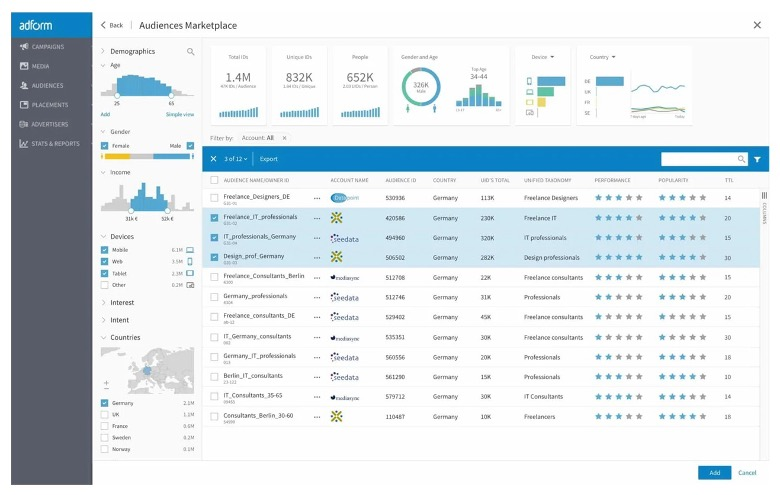
Adform è una piattaforma pubblicitaria integrata che combina una piattaforma lato domanda (DSP), un server pubblicitario e una piattaforma di gestione dei dati (DMP) per un acquisto di spazi pubblicitari efficiente su più canali. I suoi principali utenti includono inserzionisti ed editori che necessitano di strumenti per gestire le campagne e ottimizzare i ricavi.
Perché è una buona alternativa a Criteo: Adform eccelle nella pubblicità omnicanale, consentendo al tuo gruppo di gestire campagne su annunci display, video, dispositivi mobili e media al dettaglio. Sfrutta i dati proprietari per ampliare la copertura del pubblico, un fattore essenziale per una targetizzazione precisa. La trasparenza e l'indipendenza di Adform la rendono una scelta affidabile per chi desidera mantenere il controllo sulle proprie strategie pubblicitarie. La piattaforma pone inoltre l'accento sulla sostenibilità offrendo strumenti che aiutano a ridurre l'impronta di carbonio.
Caratteristiche distintive e integrazioni:
Le funzionalità includono una gestione avanzata delle campagne, che consente al tuo gruppo di eseguire e ottimizzare gli annunci in modo efficace. Le funzionalità di gestione dei dati della piattaforma permettono di sfruttare i dati proprietari per una targetizzazione più precisa. Inoltre, il server pubblicitario di Adform fornisce analisi in tempo reale per monitorare le prestazioni e prendere decisioni basate sui dati.
Le integrazioni includono Google Analytics, Salesforce, Adobe Analytics, SAP, Microsoft Dynamics, HubSpot, Oracle, Marketo, Mailchimp e Shopify.
Pros and Cons
Pros:
- Potenti strumenti per gli editori
- Adatto a configurazioni attente alla riservatezza
- Dati chiari e pronti per le verifiche
Cons:
- Richiede ruoli di gruppo strutturati
- Mancano semplici impostazioni predefinite

NextRoll è una piattaforma di marketing che combina AdRoll e RollWorks per servire una base di utenti diversificata, incluse aziende di e-commerce e professionisti del marketing B2B. Offre soluzioni per il retargeting, il targeting del pubblico e l'analisi, al fine di migliorare le attività di marketing.
Perché è una buona alternativa a Criteo: NextRoll riunisce i dati di marketing e vendita, consentendo ai team di gestire attività pubblicitarie e di contatto coordinate da un unico ambiente. L'ho scelta perché questa connessione tra annunci, e-mail e attività del CRM aiuta i brand a fornire messaggi più coerenti lungo il percorso del cliente. L'attenzione di NextRoll alla personalizzazione garantisce che le tue strategie di marketing siano in linea con le esigenze specifiche del tuo pubblico.
Funzionalità e integrazioni principali:
Le funzionalità includono annunci dinamici che adattano i contenuti in base alle interazioni degli utenti. Le funzionalità multipiattaforma consentono di gestire campagne su più canali. NextRoll offre inoltre analisi approfondite per monitorare e misurare il successo delle campagne.
Le integrazioni includono Shopify, WooCommerce, Adobe Commerce, BigCommerce, Mailchimp, HubSpot, Marketo, Salesforce, Google Analytics e Facebook.
Pros and Cons
Pros:
- Buona visibilità tra i team
- Flussi di lavoro ABM utili
- Creazione semplice del pubblico
Cons:
- Reportistica B2C complessa
- Occasionalmente si verificano anomalie nella configurazione

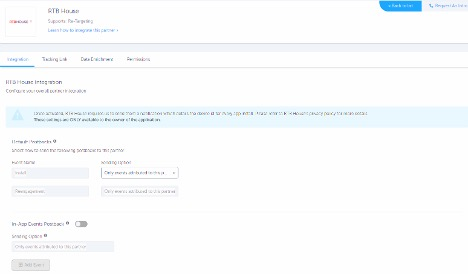
RTB House è una piattaforma pubblicitaria basata sull'intelligenza artificiale, progettata per marchi e agenzie che desiderano ottimizzare le proprie strategie di marketing digitale. Offre strumenti per il targeting pubblicitario personalizzato e le offerte in tempo reale su più canali.
Perché è una buona alternativa a Criteo: RTB House si basa su modelli di apprendimento profondo che si adattano al comportamento degli utenti, risultando particolarmente adatta per le campagne orientate alle prestazioni. L'ho scelta perché il suo motore di personalizzazione spesso supera gli strumenti di retargeting più semplici, soprattutto per gli inserzionisti con cataloghi di prodotti estesi. Grazie alla sua attenzione per la personalizzazione, RTB House garantisce che le campagne siano in linea con obiettivi di marketing specifici.
Funzionalità e integrazioni distintive:
Le funzionalità includono analisi avanzate che forniscono informazioni sulle prestazioni delle campagne. Gli strumenti di ottimizzazione creativa della piattaforma aiutano a perfezionare i contenuti pubblicitari per migliorare il coinvolgimento. RTB House offre inoltre funzionalità di segmentazione del pubblico per rivolgersi efficacemente a gruppi specifici.
Le integrazioni includono Google Analytics, Salesforce, Adobe Analytics, HubSpot, Marketo, Oracle, Microsoft Dynamics, Mailchimp, Shopify e Facebook.
Pros and Cons
Pros:
- Creatività dinamiche eccellenti
- Buona integrazione con l'e-commerce
- Valutazione accurata degli utenti
Cons:
- Elevata dipendenza dai dati
- Trasparenza complessivamente limitata
Altre alternative a Criteo
Ecco alcune alternative aggiuntive a Criteo che non sono state incluse nel mio elenco, ma che vale comunque la pena prendere in considerazione:
- MediaMath
Ideale per controlli programmatici personalizzabili
- Basis Technologies
Ideale per imprese tecnologiche nelle fasi iniziali
- Epsilon PeopleCloud Digital Media
Ideale per la personalizzazione basata sui dati


Come valuto le alternative a Criteo
Divido la mia valutazione tra requisiti fondamentali imprescindibili, come il retargeting dinamico dei prodotti e l'attribuzione a ciclo chiuso, e gli elementi distintivi che separano una vera piattaforma pubblicitaria per il commercio al dettaglio da una piattaforma di acquisto programmatico di base.
Funzionalità principali (requisiti essenziali per questo elenco)
Quando seleziono gli strumenti per il mio elenco, assegno a ciascuno un punteggio su una scala da 0 (non offre la funzionalità) a 5 (eccelle in quest'area) per ogni funzionalità principale indicata di seguito. Poi converto il punteggio totale dello strumento in una percentuale. Ogni strumento deve raggiungere un punteggio totale minimo del 65% per essere preso in considerazione.
- Retargeting dinamico dei prodotti: valuto se la piattaforma è in grado di mostrare annunci personalizzati a livello di SKU agli acquirenti che hanno visualizzato o aggiunto prodotti al carrello, su più dispositivi e non soltanto tramite annunci grafici desktop.
- Dati sul pubblico commerciale: in questo caso è importante avere accesso ai segnali relativi all'intenzione e agli acquisti a livello di acquirente, che si tratti di un grafico proprietario dei dati o di segmenti aggregati di prima parte provenienti da partner della vendita al dettaglio.
- Funzionalità pubblicitarie per il commercio al dettaglio: verifico la presenza di posizionamenti di prodotti sponsorizzati, annunci grafici sui siti e ampliamenti esterni che consentano ai marchi di fare pubblicità all'interno delle proprietà digitali di un rivenditore o in abbinamento a esse.
- Acquisto programmatico degli annunci: la piattaforma dovrebbe supportare le offerte in tempo reale su più canali, tra cui annunci grafici, social media, video o CTV, invece di limitare le campagne a un'unica fonte di inventario.
- Ottimizzazione di offerte e creatività basata sull'IA: cerco funzionalità di apprendimento automatico che gestiscano automaticamente gli adeguamenti delle offerte, la distribuzione del budget e l'assemblaggio dinamico delle creatività, senza affidarsi a regole manuali.
- Attribuzione delle vendite a ciclo chiuso: collegare le impressioni degli annunci agli acquisti effettivi è fondamentale, quindi valuto se lo strumento fornisce report sul ROAS, sulle conversioni post-visualizzazione e, idealmente, sull'incremento delle vendite offline.
Una volta ottenuto un elenco di strumenti che soddisfano questi criteri, valuto ciò che distingue ogni piattaforma.
Fattori distintivi (ciò che differenzia i fornitori)
Ecco come confronto i diversi fornitori:
Caratteristiche distintive
Con la scomparsa dei cookie di terze parti, presto molta attenzione al modo in cui ogni piattaforma gestisce il targeting senza cookie, attraverso segnali contestuali, grafici di identità di prima parte o collaborazioni con ambienti sicuri per la condivisione dei dati. Anche la misurazione dell'incrementalità è un'area che valuto attentamente, poiché dimostrare l'incremento effettivo oltre a ciò che sarebbe avvenuto organicamente è molto più utile del solo ROAS basato sull'ultimo clic. Valuto inoltre se la piattaforma estende i pubblici del commercio al dettaglio alla CTV e alla DOOH, offrendo ai marchi un modo per raggiungere gli acquirenti oltre i posizionamenti standard su annunci grafici e social media.
Oltre le funzionalità
La portata della rete commerciale di una piattaforma influisce direttamente sul numero di acquirenti che le campagne possono raggiungere e sul livello di granularità del targeting. Valuto anche la trasparenza dei prezzi, ovvero se il fornitore suddivide chiaramente i costi tecnologici, i margini sui media e i requisiti di spesa minima, poiché questi elementi variano notevolmente e possono determinare il successo o il fallimento del budget di un marchio del mercato medio. Anche le integrazioni con l'e-commerce sono importanti, soprattutto i connettori nativi per piattaforme come Shopify o Adobe Commerce, che mantengono sincronizzati i cataloghi dei prodotti e i pubblici senza richiedere attività di sviluppo personalizzate.
Perché cercare un'alternativa a Criteo?
Sebbene Criteo sia una buona scelta tra i software di automazione del marketing, esistono diversi motivi per cui alcuni utenti cercano soluzioni alternative. Potresti cercare un'alternativa a Criteo perché…
- Hai bisogno di opzioni di prezzo più flessibili.
- Il tuo team richiede un'assistenza clienti migliore
- Cerchi funzionalità di targeting più avanzate
- Hai bisogno di uno strumento disponibile in più aree geografiche
- La tua azienda richiede soluzioni più scalabili
- Il tuo settore richiede funzionalità specializzate
Se ti riconosci in una di queste situazioni, sei nel posto giusto. Il mio elenco include diverse opzioni di software di automazione del marketing più adatte ai team che affrontano queste difficoltà con Criteo e cercano soluzioni alternative.
Funzionalità principali di Criteo
Ecco alcune delle funzionalità principali di Criteo, per aiutarti a confrontare ciò che offrono le soluzioni alternative:
- Retargeting personalizzato: offre annunci adattati alle interazioni precedenti dei tuoi clienti con il tuo sito, aiutandoti a coinvolgerli nuovamente in modo efficace.
- Annunci dinamici dei prodotti: genera automaticamente annunci con i prodotti che i tuoi clienti hanno maggiori probabilità di acquistare, aumentando le possibilità di conversione.
- Offerte predittive: utilizza l'intelligenza artificiale per ottimizzare le strategie di offerta, garantendoti il miglior ritorno possibile sulla spesa pubblicitaria.
- Targeting del pubblico: ti consente di raggiungere segmenti specifici di clienti in base al loro comportamento di acquisto e alle loro preferenze.
- Reportistica in tempo reale: fornisce informazioni immediate sulle prestazioni delle campagne, aiutando il tuo team a prendere decisioni basate sui dati.
- Pubblicità su più dispositivi: garantisce esperienze pubblicitarie coerenti su più dispositivi, raggiungendo il tuo pubblico ovunque si trovi.
- Ottimizzazione tramite IA: utilizza l'intelligenza artificiale per migliorare la pertinenza e l'efficacia degli annunci, aumentando il successo complessivo della campagna.
- Dati commerciali: sfrutta dati commerciali estesi per comprendere meglio le intenzioni dei clienti e creare campagne di marketing più personalizzate.