

I 10 migliori software per la verifica dell’età nel 2026

Migliori software per la verifica dell'età: elenco ristretto


Il software per la verifica dell'età aiuta la tua azienda a confermare la data di nascita e l'identità di un utente prima di concedere l'accesso a contenuti, prodotti o servizi soggetti a restrizioni di età. Questi servizi di verifica dell'età utilizzano metodi come la verifica dell'età online, i controlli dei documenti d'identità o la convalida tramite database per garantire la conformità ai requisiti normativi. Le aziende utilizzano questi strumenti per controllare l'accesso ad aree come i contenuti per adulti o gli acquisti soggetti a restrizioni, mantenendo al contempo un'esperienza cliente fluida. In questa guida troverai un elenco selezionato delle migliori soluzioni, con dettagli sulle funzionalità, sulle integrazioni e sugli elementi distintivi di ciascuno strumento, così potrai scegliere con sicurezza quello più adatto alla tua azienda nel 2026.
Perché fidarsi dei nostri consigli sui software
Il nostro team testa e recensisce software dal 2012. In quanto leader del retail noi stessi, sappiamo quanto sia difficile — e importante — scegliere il software giusto.
Per questa guida, abbiamo valutato gli strumenti attraverso test pratici e ricerche indipendenti, assegnando un punteggio agli strumenti in base ai nostri criteri di selezione.
Le nostre recensioni riflettono il nostro giudizio indipendente, non un discorso di vendita.
Riepilogo dei migliori software per la verifica dell'età
Questa tabella comparativa riassume i dettagli sui prezzi delle mie migliori selezioni di software per la verifica dell’età, per aiutarti a trovare quello più adatto al tuo budget e alle esigenze della tua azienda.
| Tool | Best For | Trial Info | Price | ||
|---|---|---|---|---|---|
| 1 | Ideale per compliance con metodi di verifica multipli | Prova gratuita di 14 giorni disponibile | Da $1.35/verifica | Website | |
| 2 | Ideale per flussi di onboarding personalizzabili | Prova gratuita + demo gratuita disponibili | Prezzo su richiesta | Website | |
| 3 | Ideale per programmi di sconto mirati in base all'età | Non disponibile | Prezzi su richiesta | Website | |
| 4 | Ideale per funzionalità biometriche e di rilevamento della liveness | Demo gratuita disponibile | Prezzo su richiesta | Website | |
| 5 | Ideale per il supporto globale a lingue e dialetti | Prova gratuita di 15 giorni + demo gratuita disponibile | A partire da $0,80/verifica | Website | |
| 6 | Migliore per la copertura globale di documenti e fonti di dati | Demo gratuita disponibile | Prezzo su richiesta | Website | |
| 7 | Ideale per la stima dell'età facciale incentrata sulla privacy | Non disponibile | Prezzo su richiesta | Website | |
| 8 | Ideale per la stima rapida dell'età tramite IA | Demo gratuita disponibile | Prezzo su richiesta | Website | |
| 9 | Ideale per controlli di identità fisici e digitali multilivello | Non disponibile | Prezzo su richiesta | Website | |
| 10 | Ideale per l'integrazione hardware con scanner di documenti d'identità | Prova gratuita + demo gratuita disponibile | A partire da $35/mese | Website |
Recensioni dei migliori software per la verifica dell'età
Di seguito trovi i miei riepiloghi dettagliati dei software per la verifica dell’età inclusi nel mio elenco ristretto. Le mie recensioni offrono un’analisi approfondita delle funzionalità, delle integrazioni e dei migliori casi d’uso di ciascuna piattaforma, per aiutarti a trovare quella più adatta alle tue esigenze.

Sumsub
Ideale per compliance con metodi di verifica multipli
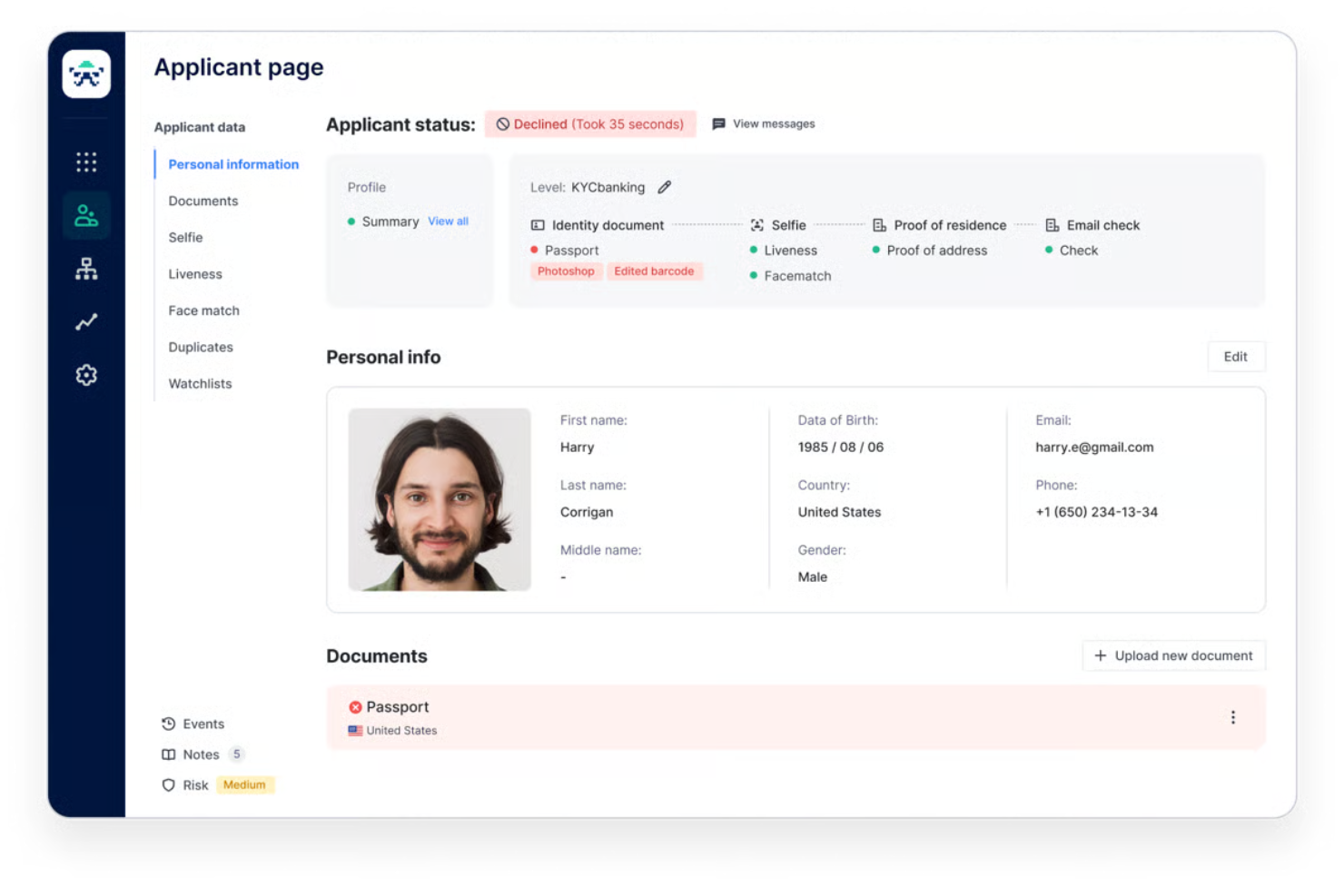
Sumsub è una piattaforma di verifica dell'identità digitale progettata per e-commerce, fintech, gaming e settori regolamentati che necessitano di verificare rapidamente l'età dei clienti e restare conformi alle normative globali.
Per chi è ideale Sumsub?
Aziende e imprese regolamentate che necessitano di controlli flessibili sull'età in diverse regioni e requisiti normativi.
Perché ho scelto Sumsub
Ho scelto Sumsub tra i migliori perché permette al mio team di combinare controlli sui documenti, analisi biometriche e consultazione di database per la verifica dell'età. Mi piace il fatto che possiamo personalizzare il percorso di verifica per adattarlo alle diverse regole di conformità in ogni mercato. In pratica, ciò significa che possiamo verificare gli utenti utilizzando passaporti, patenti di guida o persino selfie, a seconda delle necessità.
Funzionalità principali di Sumsub
- IA per la stima dell'età: Utilizza l'analisi facciale per stimare l'età dell'utente senza richiedere documenti.
- Flussi utente personalizzabili: Permette di progettare le fasi di verifica per adattarle ai processi aziendali.
- Dashboard di monitoraggio in tempo reale: Monitora lo stato delle verifiche e segnala immediatamente i tentativi sospetti.
- Supporto linguistico globale: Offre la verifica in più lingue per utenti internazionali.
Integrazioni Sumsub
Sumsub offre un'integrazione Unilink unica, che permette di aggiungere un link o codice QR di verifica identità al tuo sito web per controlli istantanei dell'età. È disponibile anche un'API per integrazioni personalizzate.
Pros and Cons
Pros:
- Supporta controlli su documenti, dati biometrici e database
- Flussi di verifica personalizzabili per esigenze di compliance
- Tempi di verifica rapidi per siti ad alto volume
Cons:
- Occasionali falsi positivi nei controlli biometrici
- Alcuni passaggi di verifica richiedono revisione manuale
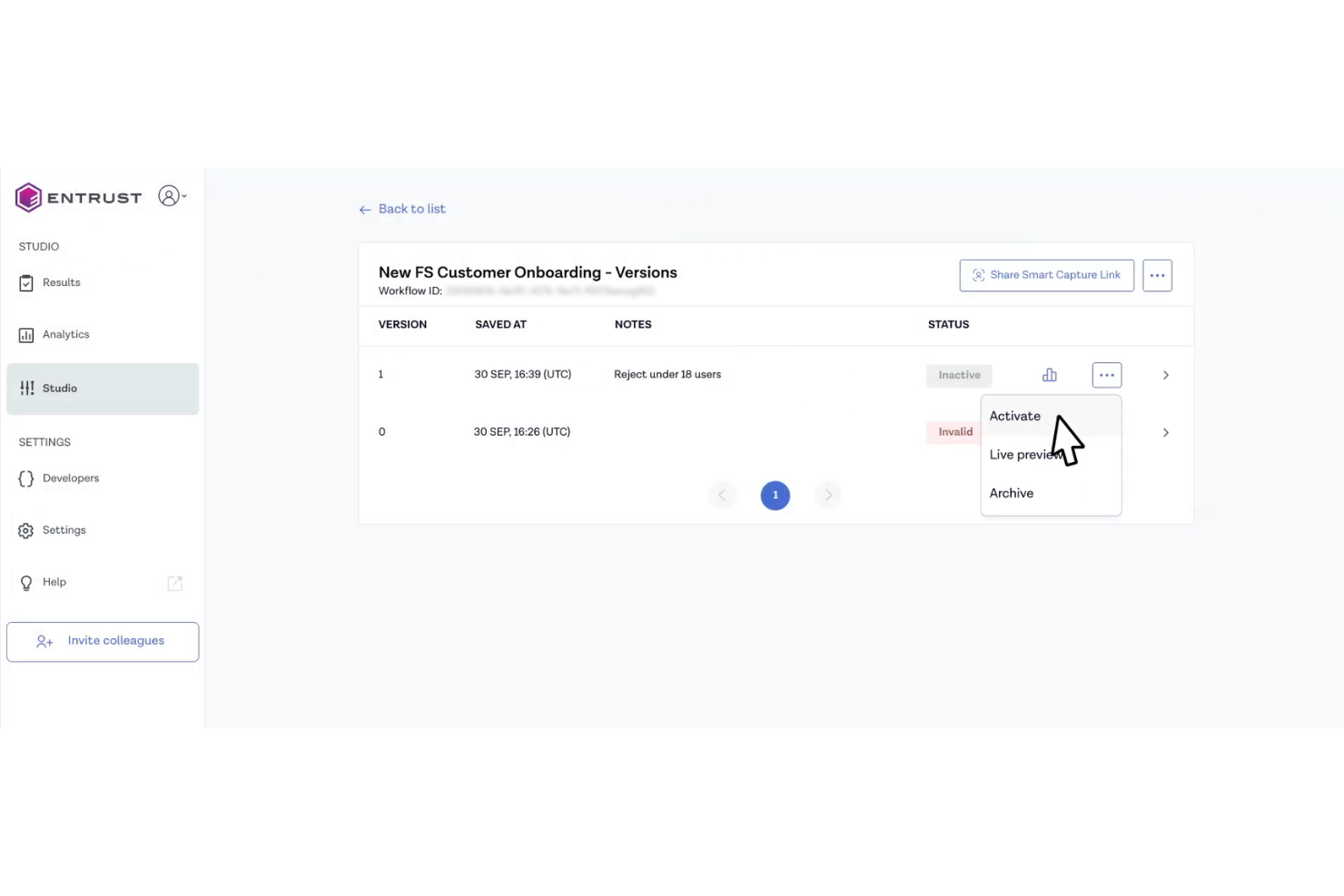
Entrust è una piattaforma di verifica dell'identità utilizzata da banche, fintech e rivenditori per automatizzare i controlli dell'età e prevenire le frodi durante l'onboarding digitale e le transazioni con i clienti.
A chi è più adatto Entrust?
Entrust è particolarmente indicato per banche, fintech e aziende di ecommerce che necessitano di verificare età e identità dei clienti durante l'onboarding digitale.
Perché ho scelto Entrust
Ho scelto Entrust tra i migliori perché posso creare flussi di onboarding che rispettano le regole aziendali, inclusi controlli personalizzati sull'età e tipi di documenti. Mi piace poter combinare la verifica biometrica con la scansione dei documenti, così il mio team può adattare il processo a diversi livelli di rischio o esigenze di conformità. Il builder dei flussi di lavoro drag-and-drop mi permette di aggiornare rapidamente le fasi quando cambiano le normative o i requisiti aziendali.
Funzionalità principali di Entrust
- Copertura globale dei documenti: Supporta la verifica di passaporti, patenti di guida e carte d'identità nazionali di oltre 195 paesi.
- Tecnologia di riconoscimento facciale: Confronta un selfie con la foto del documento per la verifica biometrica.
- Rilevamento delle frodi in tempo reale: Segnala documenti sospetti o alterati durante il processo di verifica.
- Report di audit trail: Genera registri dettagliati per la conformità e la revisione normativa.
Integrazioni Entrust
Le integrazioni native non sono attualmente elencate. Tuttavia, è disponibile un'API per integrazioni personalizzate.
Pros and Cons
Pros:
- Flussi di onboarding e verifica personalizzabili
- Supporta controlli dell'età biometrici e basati su documenti
- Offre copertura globale per la verifica dei documenti d'identità
Cons:
- Può rifiutare immagini di bassa qualità o sfocate
- Nessun supporto per scanner hardware in presenza
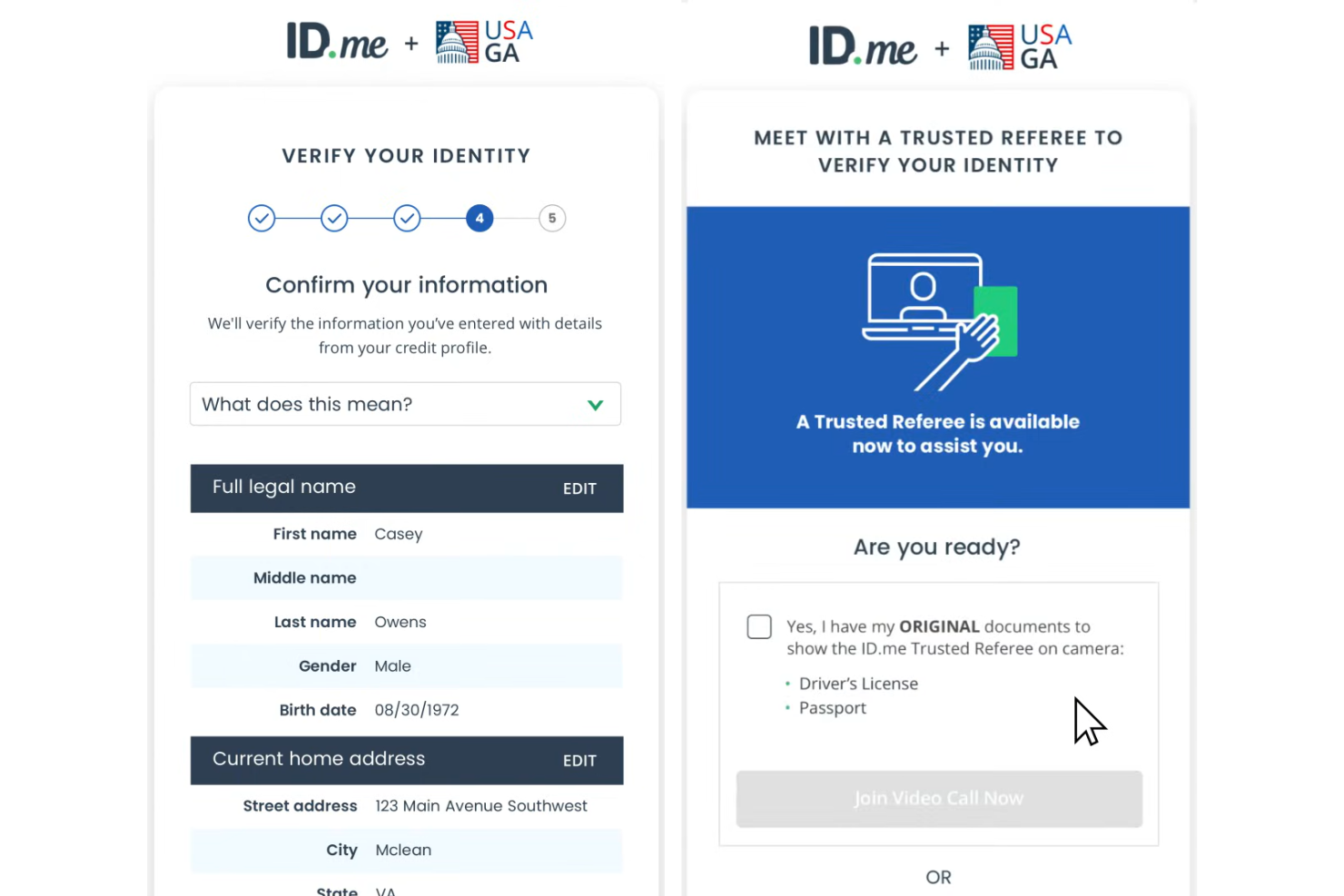
ID.me è una piattaforma di verifica dell'identità che aiuta rivenditori, marchi di ecommerce e fornitori di servizi a confermare l'età dei clienti e l'idoneità ad offerte esclusive o prodotti regolamentati.
Per chi è più indicato ID.me?
Per rivenditori e marchi che gestiscono promozioni o programmi di fidelizzazione basati sull'età negli Stati Uniti.
Perché ho scelto ID.me
Ho scelto ID.me come uno dei migliori perché posso creare programmi di sconto mirati, basati sull'età, che verificano istantaneamente l'idoneità al momento del checkout. Mi piace che il mio team possa segmentare le offerte per studenti, anziani o gruppi militari utilizzando la verifica di gruppo di ID.me. In pratica, questo significa che possiamo automatizzare i controlli sull'età e sui gruppi per promozioni esclusive senza revisione manuale.
Funzionalità principali di ID.me
- Portafoglio digitale d'identità: consente agli utenti di archiviare e gestire le proprie credenziali verificate per un accesso rapido.
- Autenticazione a più fattori: aggiunge un ulteriore livello di sicurezza al processo di verifica dell'età.
- API di verifica in tempo reale: consente controlli di età istantanei all'interno del tuo flusso di checkout o registrazione.
- Dashboard di reportistica per la conformità: fornisce report scaricabili utili per audit e requisiti regolamentari.
Integrazioni di ID.me
ID.me offre una gamma ridotta di integrazioni native, tra cui Shopify, Magento e Salesforce Commerce Cloud. È inoltre disponibile un'API per integrazioni personalizzate.
Pros and Cons
Pros:
- Supporta controlli di età e identità basati su gruppo
- Fornisce report di audit pronti per la conformità
- Consente l'autenticazione a più fattori per una maggiore sicurezza
Cons:
- Copertura internazionale limitata al di fuori degli Stati Uniti
- Richiede agli utenti di creare un account ID.me

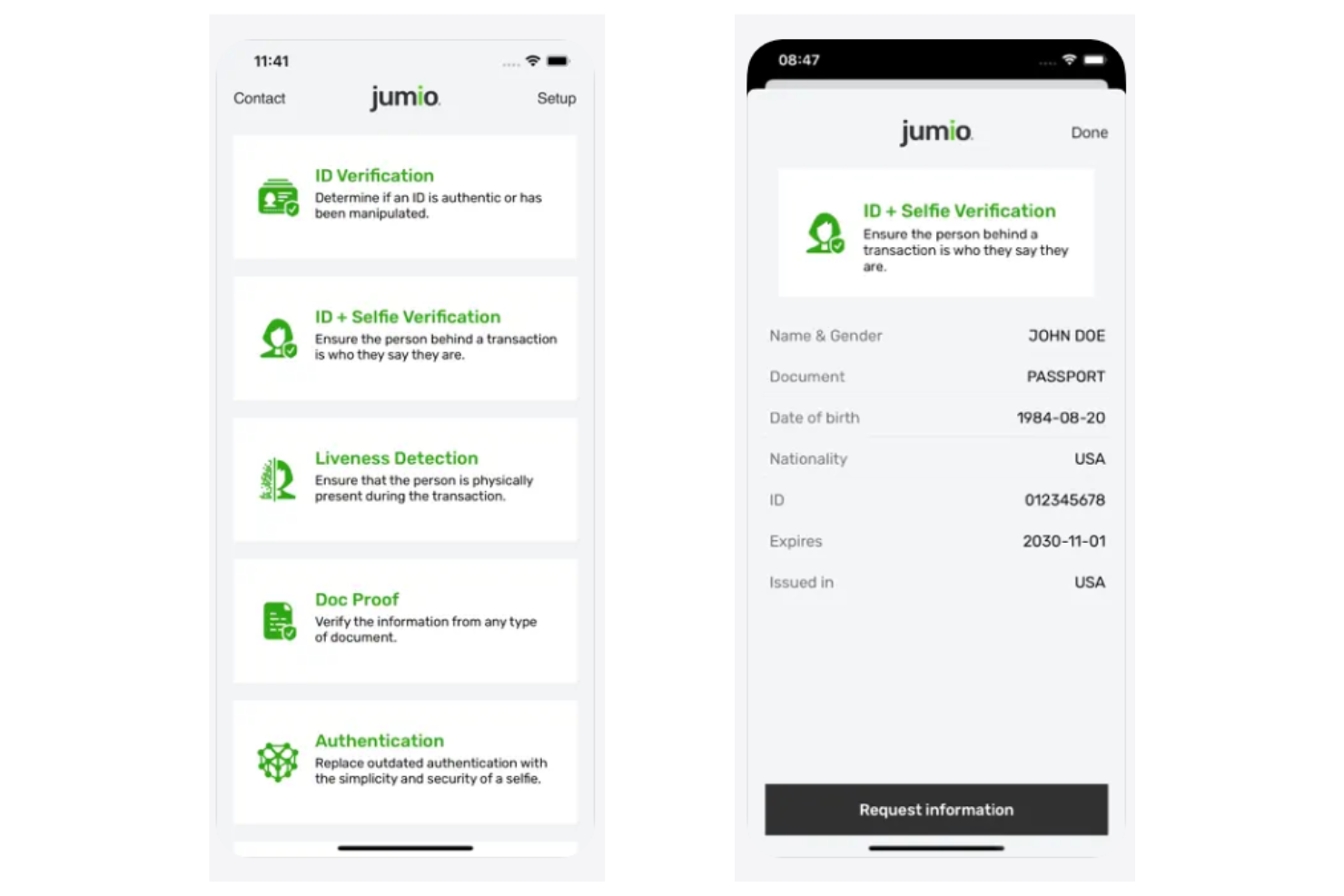
Jumio è una piattaforma di verifica dell'identità e dell'età utilizzata da rivenditori online, operatori di gioco d'azzardo e servizi finanziari per prevenire l'accesso dei minori e automatizzare la conformità ai requisiti di onboarding digitale.
Per chi è ideale Jumio?
Jumio è particolarmente adatto per aziende di ecommerce globale, fintech e giochi online che necessitano di una verifica digitale avanzata dell'età e dell'identità.
Perché ho scelto Jumio
Ho scelto Jumio tra i migliori perché consente di combinare il riconoscimento biometrico del volto con il rilevamento della “liveness” per prevenire spoofing e falsi documenti. Il mio team utilizza la cattura automatica dei documenti d'identità e la verifica selfie per rispettare rigorose regole KYC e di conformità all'età. Apprezzo che Jumio supporti una vasta gamma di tipologie di documenti d'identità a livello globale e fornisca risultati in tempo reale per l'onboarding digitale.
Funzionalità principali di Jumio
- Verifica dei documenti: Scansiona e autentica documenti d'identità rilasciati da enti governativi di oltre 200 paesi.
- Configurazione soglie d'età: Consente di impostare requisiti di età personalizzati per diversi prodotti o regioni.
- Report di audit trail: Traccia ogni tentativo di verifica a fini di conformità e revisione.
- SDK mobili: Integra direttamente la verifica dell'età su app iOS e Android.
Integrazioni Jumio
Jumio offre integrazioni native con AWS, Microsoft, Azure e Oracle e fornisce un'API per integrazioni personalizzate.
Pros and Cons
Pros:
- Verifica biometrica e liveness prevengono lo spoofing
- Supporta tipi di documenti di identità globali
- SDK mobili per controllo età in-app
Cons:
- Occasionali falsi negativi su immagini di scarsa qualità
- Ritardi occasionali in caso di elevato numero di verifiche

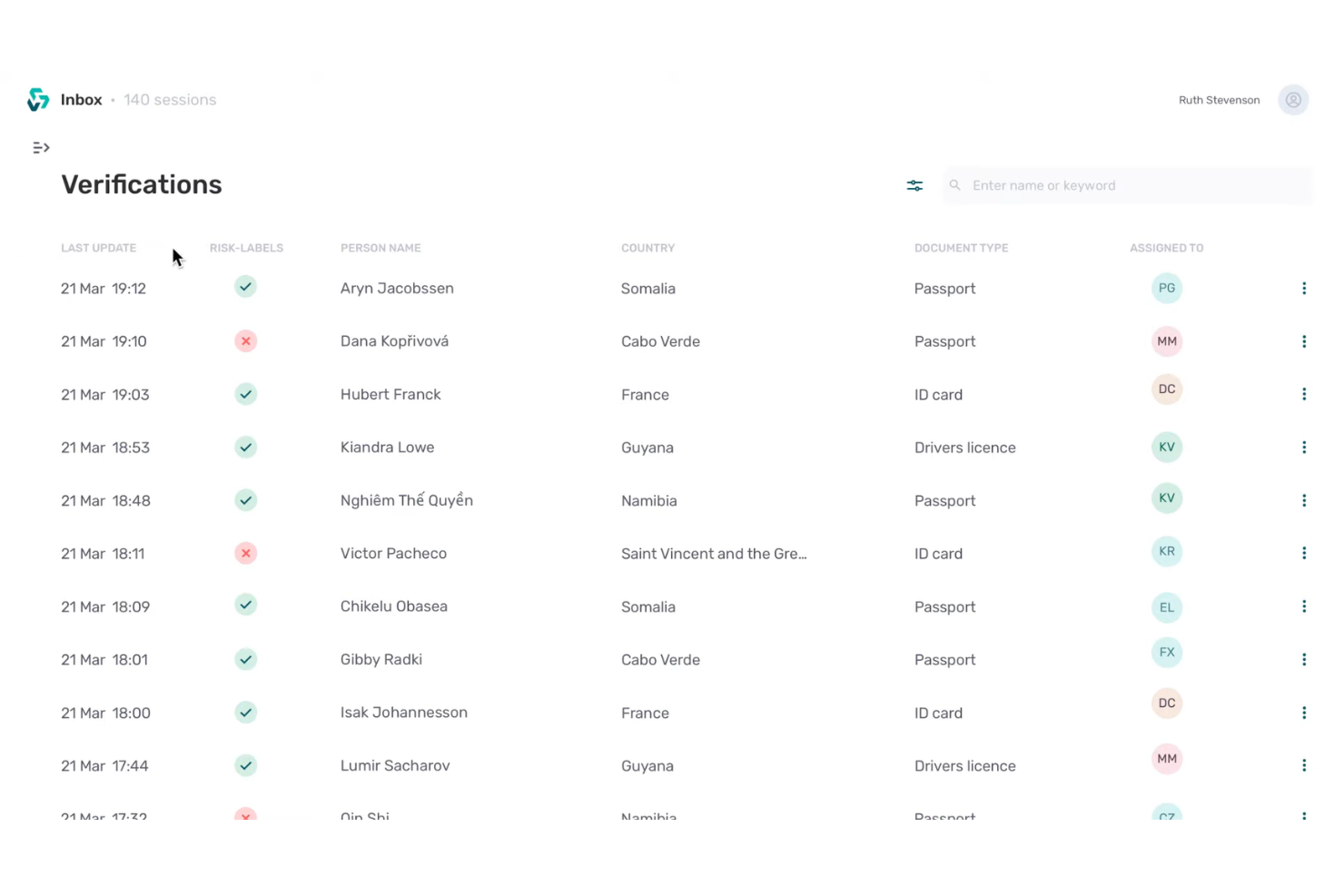
Veriff è una piattaforma di verifica dell'età alimentata dall'IA, utilizzata da marchi globali di ecommerce, marketplace online e fornitori di servizi digitali per confermare rapidamente l'età dei clienti e prevenire l'accesso ai minori a prodotti o contenuti soggetti a restrizioni.
Per chi è ideale Veriff?
Fornitori internazionali di ecommerce e servizi digitali che necessitano di controlli affidabili sull'età in più lingue e regioni.
Perché ho scelto Veriff
Ho scelto Veriff come una delle migliori soluzioni perché posso verificare l'età dei clienti in oltre 45 lingue e dialetti, una caratteristica rara tra gli strumenti di verifica dell'età. Il mio team utilizza i controlli AI sui documenti e biometrici di Veriff per gestire la conformità globale delle vendite online. Mi piace poter configurare regole specifiche per regione e ottenere risultati in tempo reale, anche per clienti che parlano lingue meno comuni.
Caratteristiche principali di Veriff
- Motore decisionale automatizzato: Approva o rifiuta istantaneamente i tentativi di verifica dell'età in base a criteri preimpostati.
- Strumenti di rilevamento delle frodi: Segnalano attività sospette e potenziali frodi di identità durante la verifica.
- Flussi di verifica personalizzabili: Permettono di adattare il processo di verifica alle esigenze aziendali.
- Dashboard analitica dettagliata: Fornisce approfondimenti in tempo reale sui tassi di verifica e sui risultati ottenuti.
Integrazioni Veriff
Le integrazioni native attualmente non sono elencate. Tuttavia, si collega con Zapier e offre un'API per integrazioni personalizzate.
Pros and Cons
Pros:
- Supporta oltre 45 lingue e dialetti
- Offre verifica biometrica e basata su documenti
- Flussi di lavoro configurabili per diverse regioni
Cons:
- Supporto limitato per esigenze di verifica offline
- La configurazione dell'integrazione può richiedere risorse tecniche


Trulioo è una piattaforma di verifica dell'identità utilizzata da ecommerce globali, servizi finanziari e marketplace online per verificare l'età e l'identità dei clienti utilizzando un'ampia gamma di fonti di dati internazionali e controlli documentali.
A chi è più adatto Trulioo?
Banche globali, fintech e marketplace online che necessitano di verificare età e identità in diversi Paesi e su più fonti di dati.
Perché ho scelto Trulioo
Ho scelto Trulioo come una delle migliori soluzioni perché consente di verificare età e identità sia tramite documenti governativi che attraverso una vasta gamma di fonti di dati internazionali. Il mio team può effettuare controlli in tempo reale in diversi Paesi, requisito essenziale per la conformità globale. Apprezzo il fatto che Trulioo supporti una verifica multilivello, permettendoci di combinare la scansione dei documenti con la consultazione dei database per una maggiore sicurezza.
Caratteristiche principali di Trulioo
- Screening delle liste di controllo: Controlla gli utenti rispetto a liste di sanzioni globali e PEP.
- Gestione del consenso: Raccoglie e archivia il consenso degli utenti per i processi di verifica.
- SDK mobili: Permettono la verifica dell'età direttamente all'interno delle app mobili.
- Registri dettagliati di audit: Traccia ogni tentativo di verifica per conformità e revisione.
Integrazioni di Trulioo
Le integrazioni native non sono attualmente elencate. Tuttavia, è disponibile un'API per integrazioni personalizzate.
Pros and Cons
Pros:
- Supporta la verifica in oltre 195 Paesi
- Include screening di liste di controllo e sanzioni
- Abilita la verifica multilivello per una maggiore sicurezza
Cons:
- Costi più elevati per una copertura globale estesa
- Ritardi occasionali con tipi di documenti meno comuni

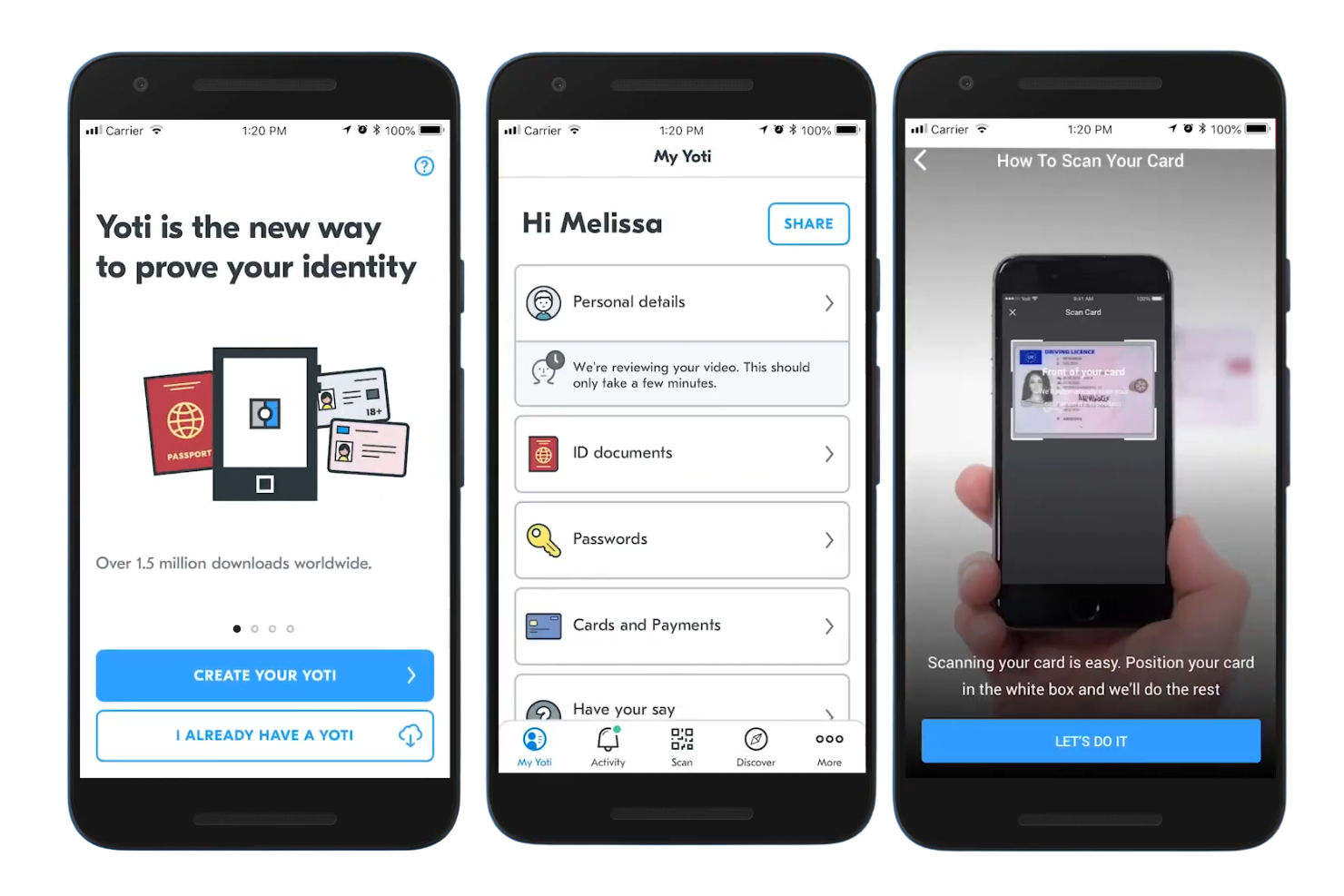
Yoti è una piattaforma digitale per la verifica dell'età utilizzata da rivenditori, marketplace online e settori regolamentati, per confermare rapidamente l'età dei clienti e prevenire l'accesso dei minori a prodotti e servizi con restrizioni d'età.
Per chi è ideale Yoti?
Rivenditori e piattaforme online che necessitano di controlli rapidi e orientati alla privacy sull'età per le transazioni digitali.
Perché ho scelto Yoti
Ho scelto Yoti come uno dei migliori perché posso verificare l'età dei clienti tramite analisi facciale senza conservare dati biometrici, un grande vantaggio per la privacy. Il mio team utilizza la stima dell'età facciale di Yoti per soddisfare gli obblighi normativi delle vendite online senza richiedere il caricamento di documenti d'identità. Mi piace che la tecnologia di Yoti funzioni in tempo reale e non richieda ai clienti di creare un account o condividere dettagli personali.
Funzionalità chiave di Yoti
- Verifica dell'età nei punti vendita fisici: Consente di verificare l'età dei clienti in negozio tramite codici QR o chioschi.
- Scansione dei documenti d'identità: Supporta la verifica tramite passaporti, patenti di guida e carte d'identità nazionali.
- Registri di controllo dettagliati: Monitora ogni tentativo di verifica per conformità e reportistica.
- Flussi utente personalizzabili: Permette di adattare il processo di verifica alle esigenze della tua attività.
Integrazioni Yoti
Yoti offre integrazioni native con Airtable, BambooHR, Asana, Box, Dropbox, ClickUp, Google Drive, Gusto, HubSpot, Intercom e altri.
Pros and Cons
Pros:
- La stima dell'età facciale non richiede il caricamento di ID
- Nessun dato biometrico viene conservato dopo i controlli
- Conformità a GDPR e COPPA integrata
Cons:
- Verifica dei documenti d'identità limitata fuori dal Regno Unito
- Richiede una forte illuminazione per i migliori risultati facciali

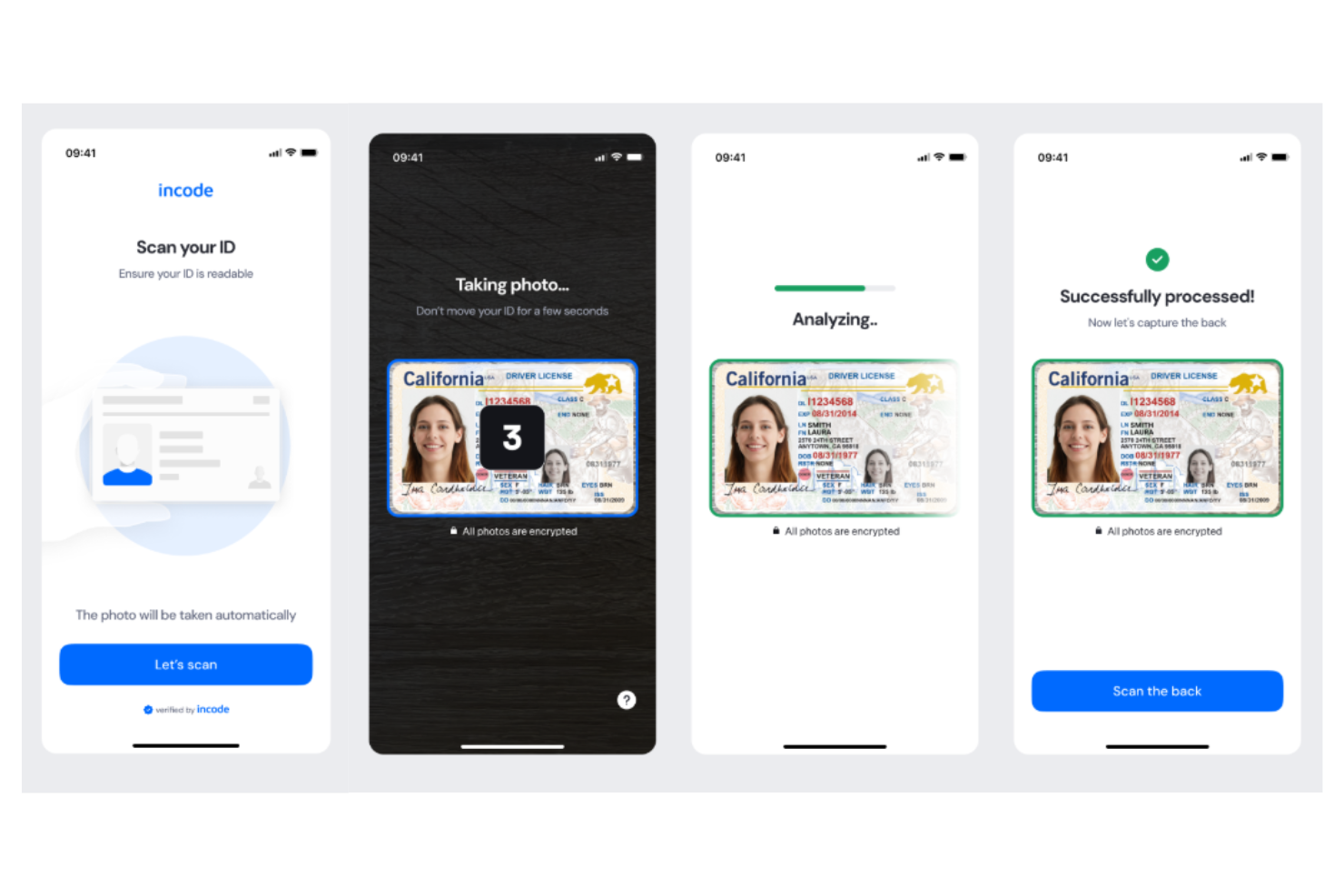
Incode è una piattaforma di verifica dell'identità utilizzata da rivenditori, operatori di gioco e servizi finanziari per automatizzare i controlli dell'età e prevenire l'accesso ai minori durante la registrazione digitale e le transazioni.
Per chi è ideale Incode?
Incode è particolarmente adatta per rivenditori digitali, piattaforme di gioco online e aziende fintech che necessitano di controlli automatici dell'età rapidi.
Perché ho scelto Incode
Ho scelto Incode tra le migliori perché posso utilizzare la sua analisi facciale basata su IA per stimare l'età istantaneamente senza richiedere un documento d'identità. Il mio team si affida alla stima dell'età basata sui selfie per un onboarding dei clienti senza attriti, soprattutto nei canali digitali ad alto volume. Apprezzo il fatto che Incode offra anche la verifica dei documenti e il rilevamento di vivacità, così posso aggiungere controlli extra quando richiesto dalla normativa.
Funzionalità principali di Incode
- Verifica omnicanale: Supporta i controlli dell'età su web, mobile e punti vendita fisici.
- Screening automatico delle watchlist: Controlla gli utenti rispetto alle watchlist globali durante la verifica.
- Workflow personalizzabili: Permette di adattare le fasi di verifica secondo le necessità di compliance.
- Reportistica pronta per audit: Genera registri dettagliati per audit normativi e interni.
Integrazioni di Incode
Incode offre integrazioni native con Zendesk e ServiceNow, e mette a disposizione un'API per integrazioni personalizzate.
Pros and Cons
Pros:
- L'IA stima l'età dai selfie in pochi secondi
- Il rilevamento di vivacità riduce il rischio di spoofing
- Offre un'esperienza utente senza attriti per l'onboarding
Cons:
- Trasparenza limitata sui criteri decisionali dell'IA
- Supporto limitato ai documenti d'identità in alcune regioni

Ideale per controlli di identità fisici e digitali multilivello
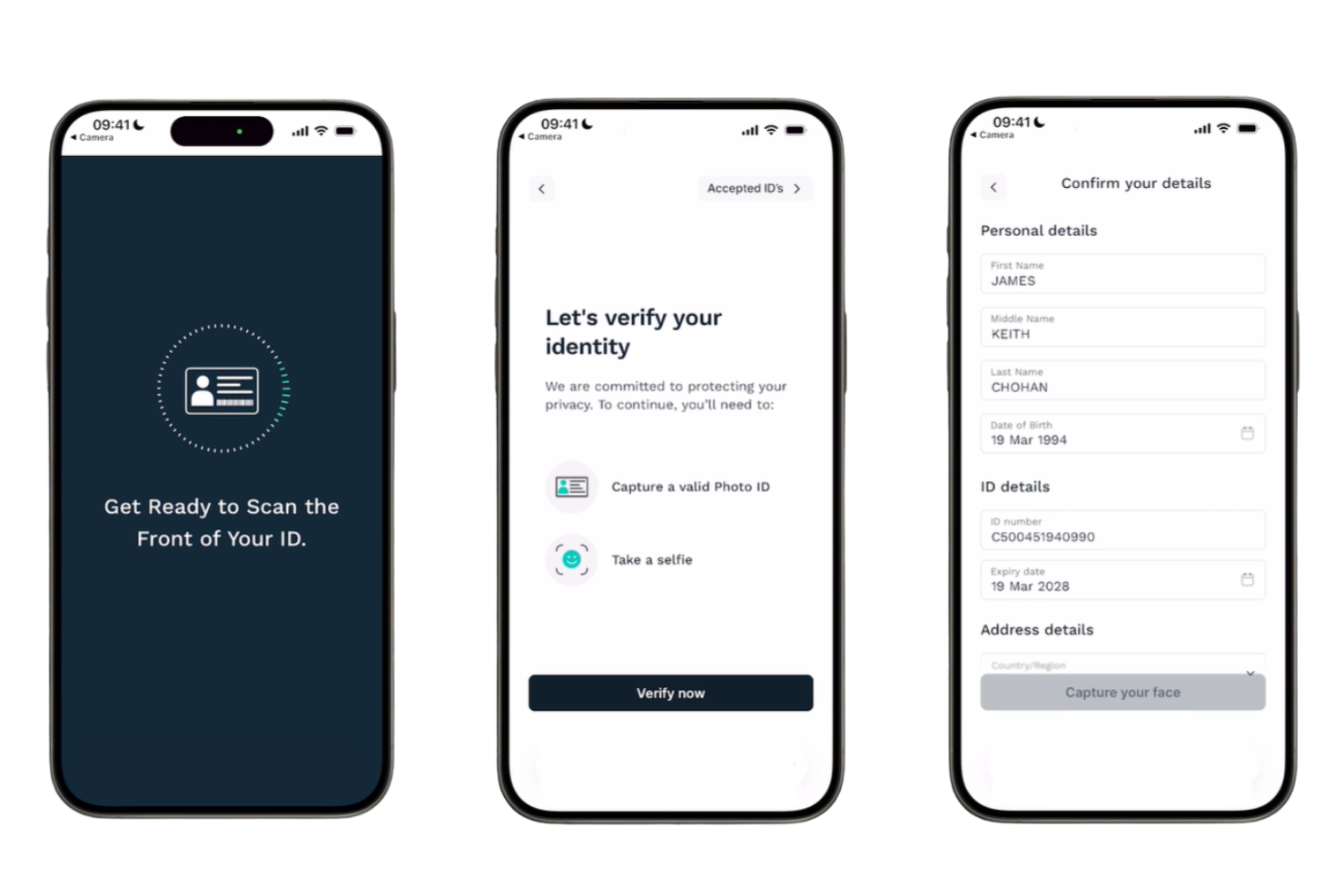
LexisNexis Risk Solutions aiuta i rivenditori, le istituzioni finanziarie e i marketplace online a verificare l'età e l'identità dei clienti combinando controlli di identità fisici e digitali per ridurre le frodi e soddisfare i requisiti di conformità.
Per chi è LexisNexis Risk Solutions?
Grandi aziende e settori regolamentati che necessitano di una verifica avanzata dell'età e dell'identità sia nei canali digitali che di persona.
Perché ho scelto LexisNexis Risk Solutions
Ho scelto LexisNexis Risk Solutions perché posso combinare i controlli dei documenti fisici con i dati di identità digitale per un approccio a più livelli alla verifica dell'età. Il mio team utilizza il riconoscimento facciale biometrico e l'analisi dei dispositivi per individuare tentativi di frode sofisticati. Mi piace il fatto di poter verificare le identità sia online che di persona, caratteristica rara tra gli strumenti di verifica dell'età.
Caratteristiche principali di LexisNexis Risk Solutions
- Copertura globale delle fonti di dati: Accede ai dati di identità di centinaia di paesi e territori.
- Screening su liste di controllo: Controlla gli individui rispetto a sanzioni globali e liste PEP.
- Strumenti per la gestione del consenso: Raccoglie e archivia il consenso degli utenti per la conformità.
- Tracciabilità dettagliata degli audit: Registra ogni tentativo di verifica per la revisione normativa.
Integrazioni di LexisNexis Risk Solutions
Le integrazioni native non sono attualmente elencate. Tuttavia, è disponibile un'API per integrazioni personalizzate.
Pros and Cons
Pros:
- Copre controlli ID sia digitali che fisici
- Accesso a vaste fonti di dati proprietarie e pubbliche
- Offre strumenti multilivello per valutazione di frodi e rischi
Cons:
- Verifica biometrica limitata rispetto ai concorrenti
- L'interfaccia può sembrare datata per i team moderni
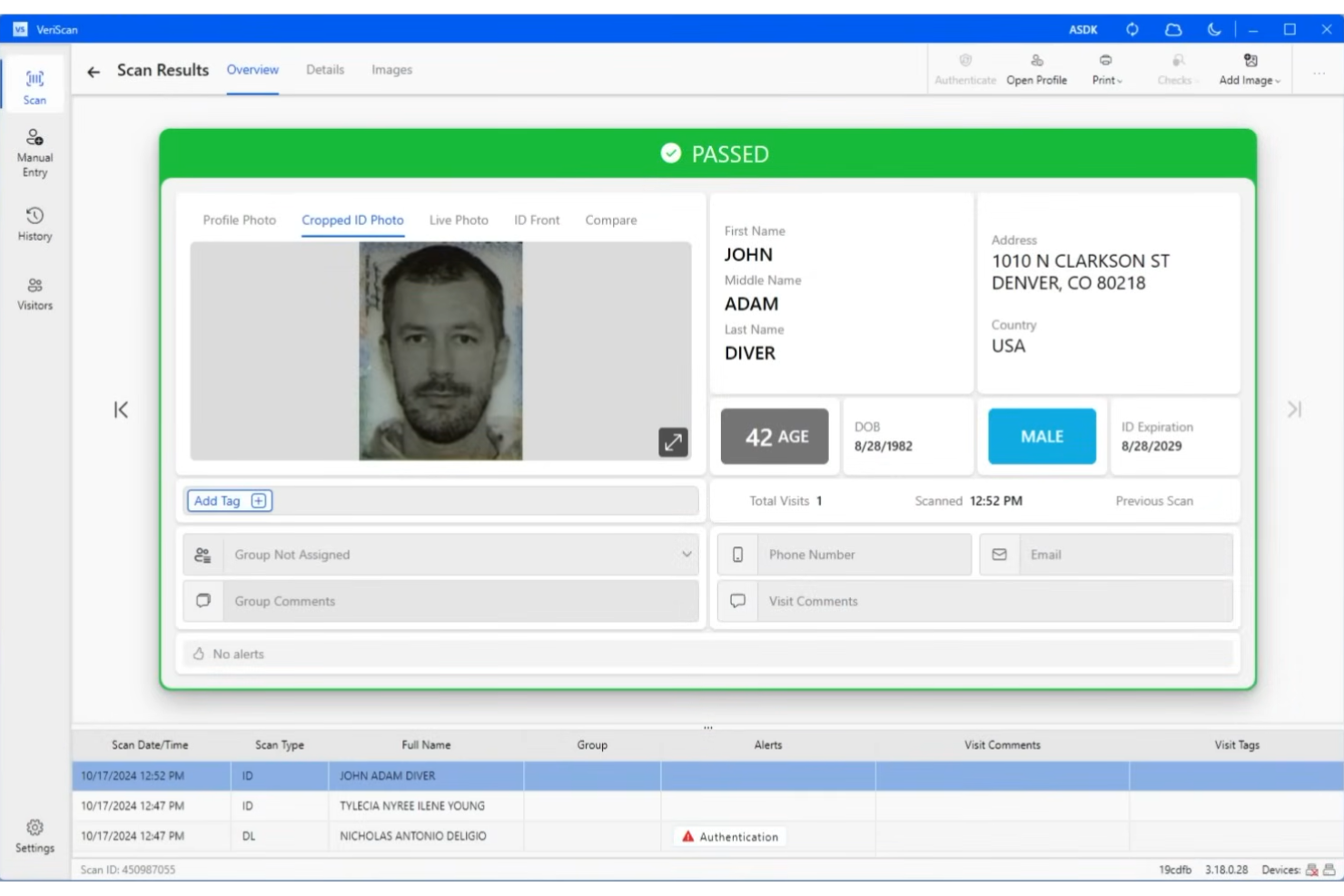
IDScan.net è una piattaforma di verifica dell'età progettata per rivenditori, locali di ospitalità e operatori di eventi che necessitano di scansionare documenti d'identità fisici e automatizzare i controlli di conformità all'ingresso o al momento della vendita.
Per chi è ideale IDScan.net?
IDScan.net è particolarmente adatto per bar, nightclub, dispensari e negozi che richiedono la scansione di documenti fisici all'ingresso o in cassa.
Perché ho scelto IDScan.net
Ho scelto IDScan.net tra le migliori soluzioni perché posso collegarlo direttamente a scanner di documenti fisici e automatizzare il controllo dell'età all'ingresso o al punto vendita. Il mio team utilizza le sue integrazioni hardware per verificare rapidamente documenti da tutti e 50 gli stati USA e molti passaporti internazionali. Mi piace che acquisisca dati da codice a barre e banda magnetica per controlli di conformità immediati e archiviazione delle registrazioni.
Funzionalità principali di IDScan.net
- Screening su liste di controllo: Verifica i documenti rispetto a blacklist personalizzate o governative.
- Dashboard di gestione visitatori: Monitora e gestisce gli accessi in tempo reale.
- Avvisi per prodotti a restrizione di età: Avvisa il personale quando un cliente minorenne tenta di acquistare prodotti vietati.
- Strumenti di esportazione dati: Consentono l'esportazione dei dati dei documenti scansionati per conformità e reportistica.
Integrazioni IDScan.net
IDScan.net offre integrazioni native con Cloudbeds, Dutchie e Treez, oltre a fornire una API e un SDK per integrazioni personalizzate.
Pros and Cons
Pros:
- Offre avvisi su blacklist e clienti banditi
- Fornisce strumenti di gestione visitatori e reportistica
- Supporta sia hardware di scansione desktop che mobile
Cons:
- Acquisto hardware richiesto per piena funzionalità
- Nessuna opzione di verifica biometrica o tramite selfie
Altri software per la verifica dell'età
Ecco alcune ulteriori opzioni di software per la verifica dell’età che non sono state incluse nel mio elenco ristretto, ma che vale comunque la pena prendere in considerazione:
- Microblink
Ideale per scansione rapida di documenti d'identità e carte di credito
- GBG
Ideale per la rete di intelligence antifrode tra settori diversi
- IDnow
Ideale per i controlli di identità basati su video


Come Valuto il Software di Verifica dell'Età
Divido la mia valutazione in requisiti fondamentali—scansione dei documenti, rilevamento delle frodi e integrazione con il POS—e nelle caratteristiche distintive, come la modalità offline o il riconoscimento biometrico, che differenziano gli strumenti.
Funzionalità di Base (Requisiti Indispensabili per Questa Lista)
Quando seleziono gli strumenti per la mia lista, ne valuto ciascuno su una scala da 0 (non offre la funzionalità) a 5 (eccelle in quest'area) per ogni funzionalità di base elencata qui sotto. Poi, calcolo il punteggio totale dello strumento in percentuale. Ogni strumento deve raggiungere un punteggio minimo totale del 65% per essere preso in considerazione per l'inclusione.
- Scansione e Analisi dei Documenti: Verifico se uno strumento legge codici a barre, zone MRZ e testo OCR da patenti di guida, passaporti e documenti d'identità nazionali o statali, per estrarre accuratamente la data di nascita alla velocità della cassa.
- Rilevamento di Documenti Fraudolenti: Oltre ai controlli di scadenza, cerco la corrispondenza con template, la validazione del checksum o l'analisi forense per individuare documenti falsificati o alterati prima che il cassiere completi la vendita.
- Integrazione con POS e Cassa: Uno strumento dovrebbe connettersi direttamente ai sistemi POS dei punti vendita e alle casse self-service, in modo che la transazione sia bloccata fino al completamento della verifica—senza necessità di soluzioni manuali.
- Registrazione dei Log di Audit per la Conformità: Valuto se ogni evento di verifica registra l'ora, la sede, il cassiere e l'esito in un registro centralizzato, pronto da presentare in caso di ispezione da parte delle autorità.
- Soglie di Età Configurabili: I rivenditori di alcolici, tabacco, sigarette elettroniche, cannabis e prodotti da lotteria sono soggetti a regole di età differenti, quindi verifico la presenza di impostazioni di soglia per categoria merceologica, SKU e giurisdizione.
- Gestione Multi-Sede: Per i rivenditori con più di qualche punto vendita, verifico se la piattaforma supporta l’implementazione centralizzata delle policy, accessi con ruoli specifici e reportistica per sede tramite un unico pannello di controllo.
Una volta che ho un elenco di strumenti che soddisfano questi criteri, considero cosa distingue ciascuna piattaforma.
Fattori Differenzianti (Cosa Distingue i Fornitori)
Ecco come confronto e metto a confronto i vari fornitori:
Funzionalità Distintive
La modalità di verifica offline è più importante di quanto molti acquirenti pensino—se la connessione Internet cade durante l’ora di punta del venerdì, i cassieri devono comunque poter scannerizzare i documenti e sincronizzare i log una volta tornata la connettività. Cerco anche avvisi di conformità in tempo reale che notifichino ai responsabili di negozio nel momento in cui un cassiere aggira un controllo fallito o viene segnalato un tentativo da parte di un minore. L’IA per la stima dell’età è un altro elemento distintivo interessante, perché permette di saltare il controllo completo per chi è chiaramente maggiorenne e riservare la scansione del documento solo ai casi dubbi, velocizzando la coda.
Oltre le Funzionalità
La conformità alla privacy dei dati è una considerazione fondamentale—gli strumenti che gestiscono dati biometrici o PII devono avere politiche chiare di conservazione e rispettare standard come GDPR, CCPA e BIPA. Valuto anche la compatibilità con l’hardware esistente e le modalità di distribuzione, poiché la maggior parte dei rivenditori possiede già scanner di codici a barre e terminali POS e non dovrebbe essere costretta a rinnovare tutto l’hardware. Per implementazioni su più sedi, verifico se il fornitore offre supporto per implementazioni graduali, materiali di formazione per i cassieri e un account manager dedicato, perché introdurre la verifica dell’età su decine di sedi senza un onboarding guidato tende a creare più problemi di conformità di quanti ne risolva.
Come scegliere il software per la verifica dell'età
È facile perdersi in lunghi elenchi di funzionalità e strutture tariffarie complesse. Per aiutarti a rimanere concentrato mentre affronti il tuo processo di selezione del software, unico per la tua azienda, ecco una lista di fattori da tenere a mente:
| Fattore | Considerazioni |
|---|---|
| Scalabilità | Il software sarà in grado di gestire i volumi attuali e previsti delle transazioni senza rallentamenti o aumenti dei costi? |
| Integrazioni | Si collega nativamente al tuo commercio elettronico, POS, CRM o ad altri sistemi fondamentali, oppure sarà necessario uno sviluppo personalizzato? |
| Personalizzazione | Puoi adattare i flussi di verifica, l'immagine del marchio e le regole di conformità alle esigenze della tua azienda e ai requisiti normativi? |
| Semplicità d'uso | Il tuo personale e i tuoi clienti troveranno l'interfaccia intuitiva oppure saranno necessari formazione o supporto significativi? |
| Implementazione e inserimento | Quanto tempo sarà necessario per la distribuzione e di quali risorse o competenze avrai bisogno per iniziare a lavorare? |
| Costo | I livelli tariffari sono trasparenti e sono in linea con le tue modalità di utilizzo e i vincoli di budget? |
| Misure di sicurezza | Il fornitore offre crittografia, minimizzazione dei dati e verifiche periodiche per proteggere le informazioni sensibili dei clienti? |
| Requisiti di conformità | La soluzione supporta le normative specifiche e le soglie di età pertinenti al tuo settore e alle tue aree geografiche? |
Che cos'è il software per la verifica dell'età?
Il software per la verifica dell'età è un sistema di verifica dell'età che conferma l'età legale di un utente prima di concedere l'accesso a prodotti, servizi o contenuti soggetti a limiti di età. Queste soluzioni per la verifica dell'età utilizzano metodi come i controlli dei documenti d'identità, la biometria o dati come un numero di telefono per supportare la verifica dell'età e impedire l'accesso ai minori. Molte piattaforme supportano anche casi d'uso legati alla conformità, come i controlli AML e la prevenzione delle frodi, inclusa l'individuazione di rischi come le identità deepfake. Le aziende utilizzano questi strumenti in settori come i social media e mercati regolamentati come quello delle sigarette elettroniche, aiutandole a semplificare la verifica e a rispettare i requisiti legali.
Funzionalità del software per la verifica dell'età
Quando selezioni un software per la verifica dell'età, presta attenzione alle seguenti funzionalità chiave:
- Scansione dei documenti: Acquisisce e legge i documenti d'identità rilasciati dalle autorità per estrarre e verificare i dati relativi all'età.
- Controlli dei database: Confronta le informazioni dell'utente con database affidabili per confermare l'identità e l'età.
- Lettura di codici a barre e MRZ: Legge i codici a barre o le zone a lettura ottica sui documenti d'identità per estrarre i dati in modo rapido e accurato.
- Confronto facciale: Confronta il selfie dell'utente con la foto sul documento d'identità per confermare l'identità durante il processo di verifica.
- Tracciati di audit: Registra ogni tentativo e risultato della verifica ai fini della conformità e della reportistica.
- Supporto multicanale: Consente di effettuare controlli dell'età sul web, tramite dispositivi mobili e di persona, garantendo una copertura coerente.
- Flussi di lavoro personalizzabili: Permette di configurare fasi e regole di verifica adattate alle esigenze aziendali o normative.
- Gestione del consenso: Acquisisce e archivia il consenso dell'utente al trattamento dei dati, supportando la privacy e la conformità legale.
- Decisioni in tempo reale: Approva o nega immediatamente l'accesso in base ai risultati della verifica, riducendo la necessità di revisioni manuali.
- Opzioni di integrazione: Si collega ai sistemi di commercio elettronico, POS o CRM per automatizzare i controlli dell'età all'interno dei flussi di lavoro esistenti.
Funzionalità comuni dell'intelligenza artificiale nei software per la verifica dell'età
Oltre alle funzionalità standard del software per la verifica dell'età elencate sopra, molte di queste soluzioni stanno integrando l'intelligenza artificiale con funzionalità come:
- Rilevamento della presenza reale: Utilizza l'intelligenza artificiale per determinare se un selfie o un video proviene da una persona reale presente in quel momento, anziché da una foto o una registrazione, contribuendo a prevenire lo spoofing e le frodi d'identità.
- Rilevamento della falsificazione dei documenti: Analizza i documenti d'identità caricati alla ricerca di segni impercettibili di manomissione o contraffazione, segnalando i documenti sospetti che potrebbero superare un controllo manuale.
- Stima dell'età tramite analisi facciale: Applica modelli di intelligenza artificiale per stimare l'età dell'utente in base alle caratteristiche del viso, fornendo un ulteriore livello di verifica quando i documenti d'identità non sono disponibili.
- Valutazione adattiva del rischio: Valuta continuamente il comportamento dell'utente e i dati di verifica per assegnare punteggi di rischio, consentendo alle aziende di modificare le fasi di verifica in base al rischio in tempo reale.
- Estrazione automatizzata dei dati: Utilizza il riconoscimento ottico dei caratteri (OCR) basato sull'intelligenza artificiale per estrarre con precisione le informazioni pertinenti da un'ampia gamma di formati di documenti d'identità internazionali, riducendo l'inserimento manuale e gli errori.
Vantaggi del software per la verifica dell'età
L'implementazione di un software per la verifica dell'età offre diversi vantaggi al tuo team e alla tua azienda. Ecco alcuni dei vantaggi che puoi aspettarti:
- Conformità normativa: Aiuta la tua azienda a soddisfare i requisiti legali verificando l'età dei clienti e mantenendo tracciati di audit per le ispezioni.
- Prevenzione delle frodi: Rileva documenti d'identità falsi o alterati e utilizza l'intelligenza artificiale per segnalare attività sospette, riducendo il rischio di accesso da parte dei minori e di frodi d'identità.
- Onboarding più rapido dei clienti: Automatizza i controlli dell'età e la verifica dei documenti, consentendo ai clienti legittimi di completare rapidamente acquisti o registrazioni.
- Esperienza utente coerente: Offre una verifica fluida sul web, tramite dispositivi mobili e di persona, garantendo che ogni cliente segua lo stesso processo.
- Riduzione del carico di lavoro manuale: Automatizza l'estrazione dei dati, la valutazione del rischio e il processo decisionale, sollevando il personale da revisioni manuali dispendiose in termini di tempo.
- Maggiore sicurezza dei dati: Protegge le informazioni sensibili dei clienti tramite crittografia, gestione del consenso e integrazioni sicure.
- Operazioni scalabili: Gestisce volumi elevati di transazioni e si adatta alla crescita aziendale senza sacrificare velocità o accuratezza.
Costi e prezzi del software per la verifica dell'età
La selezione di un software per la verifica dell'età richiede la comprensione dei vari modelli e piani tariffari disponibili. I costi variano in base alle funzionalità, alle dimensioni del team, ai componenti aggiuntivi e ad altri fattori. La tabella seguente riassume i piani più comuni, i relativi prezzi medi e le funzionalità tipicamente incluse nelle soluzioni software per la verifica dell'età:
Tabella comparativa dei piani per i software di verifica dell'età
| Tipo di piano | Prezzo medio | Funzionalità comuni |
|---|---|---|
| Piano gratuito | $0 | Scansione di base dei documenti, numero limitato di verifiche mensili, assistenza via e-mail e semplici registri di controllo. |
| Piano personale | $10-$30/user/month | Verifica dell'identità, lettura dei codici a barre, integrazioni di base e report standard sulla conformità. |
| Piano aziendale | $50-$150/month | Supporto multicanale, flussi di lavoro personalizzabili, registri di controllo avanzati e assistenza clienti prioritaria. |
| Piano aziendale avanzato | $500-$2,000/month | Elaborazione di grandi volumi, gestione dedicata dell'account, sicurezza avanzata e integrazioni personalizzate. |
Domande frequenti sui software di verifica dell'età
Ecco alcune risposte alle domande comuni sui software di verifica dell’età:
In che modo il software di verifica dell'età conferma l'età di un utente?
Il software di verifica dell’età controlla l’età di un utente analizzando documenti di identità rilasciati dalle autorità, confrontando i dati con i database o utilizzando dati biometrici come il riconoscimento facciale. Questo processo contribuisce a garantire che solo gli utenti idonei possano accedere a prodotti o servizi soggetti a restrizioni di età.
Il software di verifica dell'età è richiesto dalla legge?
Sì, in molti settori e aree geografiche, il software di verifica dell’età è necessario per rispettare le leggi che regolano la vendita di beni o contenuti soggetti a restrizioni di età. I requisiti variano, quindi è importante verificare le normative locali applicabili alla propria attività.
Il software di verifica dell'età può integrarsi con la mia piattaforma di commercio elettronico?
Sì, la maggior parte dei software di verifica dell’età offre integrazioni con i sistemi di commercio elettronico, POS e CRM più diffusi. Ciò consente di automatizzare i controlli dell’età nei flussi di lavoro esistenti e ridurre gli interventi manuali.
Cosa succede se un cliente non supera il processo di verifica dell'età?
Se un cliente non supera la verifica dell’età, il software in genere nega l’accesso o l’acquisto e può fornire istruzioni per riprovare o contattare l’assistenza. Questo aiuta le aziende a mantenere la conformità ed evitare rischi legali.
Quanto sono sicuri i dati raccolti dal software di verifica dell'età?
La maggior parte delle soluzioni utilizza la crittografia, la minimizzazione dei dati e audit di sicurezza periodici per proteggere le informazioni sensibili dei clienti. Prima di scegliere una soluzione, esamina sempre le pratiche di sicurezza e le certificazioni di conformità del fornitore.
Il software di verifica dell'età funziona a livello internazionale?
Molti strumenti di verifica dell’età supportano più Paesi e tipi di documenti d’identità, ma la copertura varia. Verifica che il software sia in grado di controllare i documenti d’identità e soddisfare i requisiti di conformità in tutte le aree geografiche in cui operi.