
Avis sur Unbounce : avantages, inconvénients, fonctionnalités et tarifs
Unbounce se distingue par ses pages de destination personnalisables et offre des capacités uniques de tests A/B pour renforcer les efforts marketing de votre équipe.

Nous évaluons les outils de façon indépendante, et les commissions contribuent à financer nos tests. Consultez notre politique de transparence, notre méthodologie, ou suggérez un outil.
Unbounce is a landing page builder built for marketers who need to create, test, and optimize conversion-focused pages without leaning on developers. It's worth a close look if you want more than Leadpages gives you—particularly if AI-powered traffic routing and built-in A/B testing matter to your campaigns. Unbounce's Smart Traffic feature automatically sends visitors to the variant most likely to convert, which makes it a stronger tool when you're serious about squeezing more from paid traffic.
Unbounce Evaluation Summary
4.4/5
- From $22/month (billed annually)
- 14-day free trial
Pourquoi faire confiance à nos recommandations de logiciels
6,700+
Reviews
20
Industry experts
16+
Evaluation factors
14
Years
Notre équipe teste et évalue des logiciels depuis 2012. En tant que dirigeants du commerce de détail nous-mêmes, nous savons à quel point il est difficile — et important — de choisir le bon logiciel.
Pour ce guide, nous avons évalué les outils grâce à des tests pratiques et une recherche indépendante, en notant les outils selon nos critères de sélection.
Nos avis reflètent notre jugement indépendant — et non un argumentaire de vente.
Unbounce Overview
In my opinion, Unbounce is a solid choice for creating landing pages, particularly for marketing teams and digital agencies. It stands out with customizable templates and A/B testing, but its pricing might be high for small businesses. Compared to other landing page tools like Instapage and Leadpages, it excels in user interface, core functionality, and support, though onboarding could be more intuitive. If you're determining the best tool for fast-paced marketing environments, Unbounce's features and support make it a worthy contender. However, if budget constraints are a concern, you might want to consider alternatives.
Pros
- You can easily customize landing pages with its intuitive drag-and-drop builder.
- A/B testing helps your team optimize campaigns for better conversion rates.
- It offers a wide range of templates that fit different business needs.
Cons
- The learning curve can be steep for beginners.
- Your team might find the mobile editor less intuitive than the desktop version.
- It lacks some advanced design features found in other builders.
Is Unbounce Right For Your Needs?
Who Would be a Good Fit for Unbounce?
Unbounce is a great fit for marketing teams and digital agencies focused on creating high-converting landing pages. If your team needs to quickly launch campaigns with customizable templates and A/B testing, Unbounce delivers. Its intuitive drag-and-drop builder allows you to make changes without a developer. E-commerce businesses benefit from its ability to optimize pages for better sales, while agencies can manage multiple clients with ease. If your work involves frequent campaign adjustments, Unbounce's flexibility is invaluable.
- E-commerce BusinessesUnbounce helps boost sales by allowing you to test and optimize landing pages for higher conversion rates.
- Digital AgenciesManage multiple client campaigns efficiently with Unbounce's customizable templates and client management features.
- Marketing TeamsQuickly launch and test campaigns using Unbounce's A/B testing and drag-and-drop editor to enhance your marketing efforts.
- StartupsUnbounce enables rapid landing page creation, essential for startups looking to make a quick impact.
- Freelance MarketersFreelancers can easily handle diverse client needs with Unbounce's wide range of templates and intuitive interface.
- Event PlannersCreate eye-catching event landing pages quickly with Unbounce's easy-to-use design tools and templates.
Who Would be a Bad Fit for Unbounce?
Unbounce may not suit small businesses or solo entrepreneurs with limited budgets, as its pricing can be steep. If your team needs advanced design capabilities or complex integrations, Unbounce's features might not meet your expectations. Organizations that require intricate backend customization or those heavily reliant on mobile editing might find Unbounce's tools lacking. If your work involves intricate design projects, you could find its capabilities restrictive.
- Small BusinessesUnbounce's pricing might strain your budget, especially if you have limited marketing funds.
- Advanced DesignersIf you need intricate design features, Unbounce might fall short in providing the advanced tools you require.
- Mobile-First TeamsTeams focused on mobile design might find Unbounce's mobile editor less intuitive compared to desktop.
- Large EnterprisesIf you need extensive backend customization, Unbounce might not offer the flexibility your organization requires.
- Non-ProfitsBudget-conscious non-profits might find Unbounce's costs prohibitive for their limited resources.
- Tech-Heavy IndustriesIndustries needing complex integrations might find Unbounce's capabilities insufficient for their technical needs.
Notre méthodologie d'évaluation
Comment nous testons et notons les outils
Nous avons passé des années à construire, affiner et améliorer notre système de test et de notation des logiciels. Notre grille d’évaluation est conçue pour prendre en compte toutes les subtilités du choix d’un logiciel et identifier ce qui rend un outil efficace, en se concentrant sur les aspects essentiels du processus de décision. Vous pouvez voir ci-dessous comment fonctionne notre système de test et de notation selon sept critères. Il nous permet de fournir une évaluation impartiale des logiciels selon leur fonctionnalité principale, leurs caractéristiques remarquables, la facilité d’utilisation, l’intégration, l’onboarding, le service client, les avis clients et le rapport qualité-prix.
Fonctionnalité principale (25% de la note finale)
Le point de départ de notre évaluation est toujours la fonctionnalité de base de l’outil. Possède-t-il les fonctions et caractéristiques attendues par un utilisateur ? Certaines de ces fonctionnalités essentielles sont-elles réservées à des plans tarifaires supérieurs ? Nous attendons d’un outil qu’il se mesure aux capacités minimales proposées par ses concurrents.
Caractéristiques remarquables (25% de la note finale)
Ensuite, nous évaluons les caractéristiques remarquables et uniques qui vont au-delà des fonctionnalités de base normalement attendues d’un outil similaire. Une note élevée reflète des fonctionnalités spécialisées qui rendent le produit plus rapide, plus efficace, ou apportent une valeur ajoutée pour l’utilisateur. Nous évaluons également la facilité d’intégration avec d’autres outils généralement présents dans l’écosystème technique afin d’étendre la fonctionnalité et l’utilité du logiciel. Les outils qui proposent de nombreuses intégrations natives, des connexions avec des solutions tierces, et un accès API pour des intégrations personnalisées obtiennent la meilleure note.
Facilité d’utilisation (10% de la note finale)
Nous analysons la rapidité et la simplicité d’exécution des tâches affectées aux fonctionnalités principales via l’outil. Les logiciels les mieux notés sont bien conçus, intuitifs, offrent des applications mobiles, incluent des modèles prêts à l’emploi et simplifient les opérations complexes.
Onboarding (10% de la note finale)
Nous savons à quel point l’adoption rapide d’une nouvelle plateforme est cruciale pour une équipe. Nous évaluons donc la facilité d’apprentissage et de prise en main d’un outil avec un minimum de formation. Nous examinons la rapidité à laquelle un membre d’équipe peut s’installer et commencer à utiliser l’outil sans expérience préalable. Les solutions les mieux notées montrent qu’elles nécessitent peu ou pas d’assistance.
Service client (10% de la note finale)
Nous évaluons la vitesse et la simplicité pour obtenir de l’aide ou se débloquer par téléphone, chat en direct, ou base de connaissances. Les outils et sociétés qui offrent une assistance en temps réel obtiennent la meilleure note, tandis que les chatbots sont moins bien évalués.
Avis clients (10% de la note finale)
Au-delà de nos propres tests et évaluations, nous tenons compte du score de recommandation (NPS) des clients actuels et passés. Nous examinons leur probabilité de choisir à nouveau l’outil pour sa fonctionnalité principale. Un logiciel bien noté reflète un NPS élevé de la part des clients actuels ou passés.
Rapport qualité-prix (10% de la note finale)
Enfin, au regard de tous les autres critères, nous évaluons le prix moyen des offres de départ au regard des fonctionnalités clés, et tenons compte de la valeur ajoutée selon les autres critères. Les logiciels qui offrent plus pour moins obtiennent une meilleure note.
Core Features
Drag-and-Drop Builder
You can easily create landing pages without coding by dragging elements to where you want them on the page. This tool helps your team quickly build pages that match your brand's look.
A/B Testing
Test two versions of a page to see which performs better. This feature helps your team make data-driven decisions to boost conversion rates.
Customizable Templates
Choose from a wide range of templates tailored for different industries. These templates allow you to start with a design that fits your specific needs.
Mobile Responsiveness
Ensure your pages look great on any device. This feature automatically adjusts your design to fit different screen sizes.
Form Builder
Easily add and customize forms to capture leads directly on your landing pages. This tool supports your lead generation efforts by making it simple to gather essential customer information.
Ease of Use
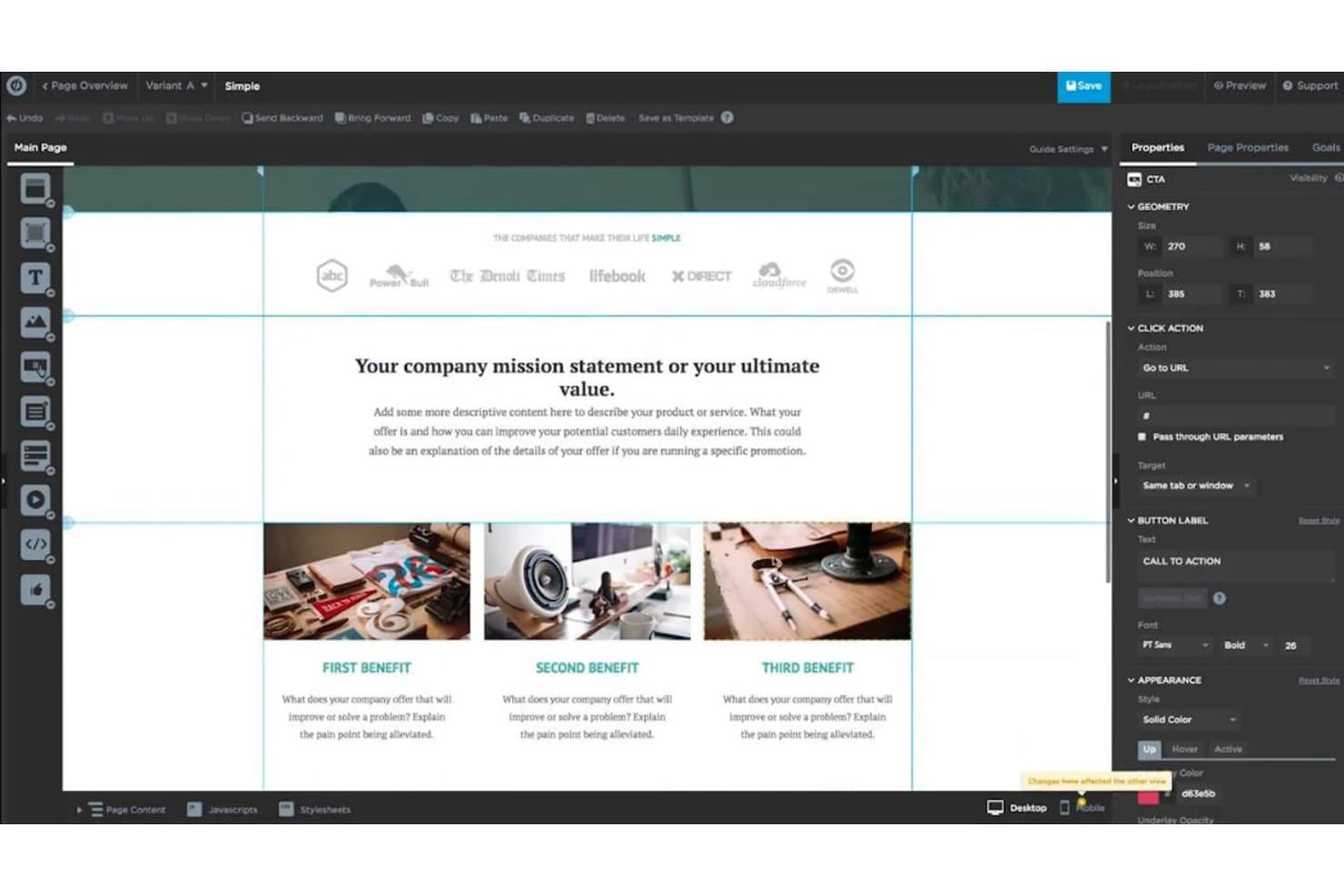
Unbounce offers a user-friendly experience with its intuitive drag-and-drop builder, making it accessible for most users. However, some beginners might find the initial learning curve a bit steep. Once you get the hang of it, creating and testing landing pages becomes straightforward. The real-time editing feature is a plus, allowing your team to see changes instantly. While mobile editing could be more intuitive, the overall usability is solid for those focused on desktop design.
Integrations
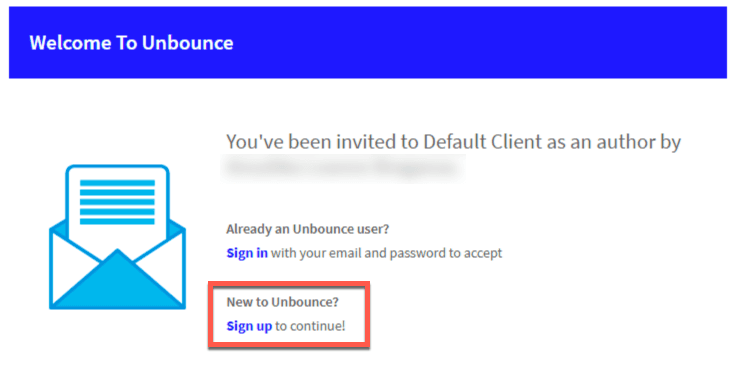
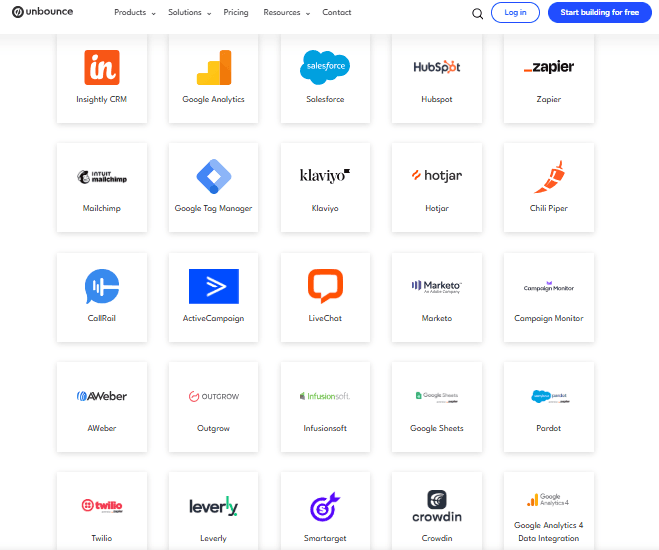
Unbounce integrates with Salesforce, Mailchimp, HubSpot, Google Analytics, Zapier, Marketo, Campaign Monitor, AWeber, Twilio, and Hotjar.
Unbounce also offers an API and connects with third-party integration tools like Zapier and WebHooks.
Unbounce Specs
- A/B Testing: Yes
- AI Integration: Yes
- Analytics: Yes
- API: Yes
- Automated Testing: No
- Bug Tracking: No
- Campaign Management: Yes
- Conversion Tracking: Yes
- Custom Reports: Yes
- Dashboards: No
- Data Export: Yes
- Data Import: No
- Data Visualization: Yes
- Design Templates: Yes
- External Integrations: Yes
- Feedback Management: No
- Form Builder: Yes
- History/Version Control: No
- Multi-Site: Yes
- Multi-User: Yes
- Notifications: No
- Performance Testing: No
- Referral Tracking: No
- Regression Testing: No
- Release Management: No
- Reports: No
- Scenario Planning: No
- SEO: Yes
- Test Management: No
- Visualization: No
- Workflow Management: Yes


